


Rwanda and the Gorillas: What a Safari Without a Destination Hierarchy Actually Means
Volcanoes National Park in Rwanda hosts mountain gorillas, golden monkeys, and one of the most emotionally significant wildlife encounters available to any traveller. In July and August, it is in its most accessible and most alive condition. Here is what going looks like — and what it costs in the honest sense.
“There are 1,063 mountain gorillas remaining in the world. The number is counted, not estimated. It has grown from 620 in 2010. The increase is the direct result of conservation work funded substantially by tourism revenue. This makes gorilla trekking one of the few forms of tourism where the economic relationship between visitation and conservation is direct and auditable.”

There are approximately 1,063 mountain gorillas remaining in the world. All of them live in a contiguous range covering the Virunga Massif — the chain of volcanoes that straddles the borders of Rwanda, Uganda, and the Democratic Republic of Congo — and the Bwindi Impenetrable Forest in Uganda. The number 1,063 is not estimated; it is counted, through a census process that involves tracking individual gorillas by facial recognition and nose print analysis. The population has grown from approximately 620 in 2010. The increase is the direct result of conservation work funded substantially by tourism revenue.
This makes gorilla trekking in Rwanda one of the few forms of tourism in the world where the economic relationship between visitation and conservation is direct, auditable, and demonstrably effective. The permit fee for gorilla trekking in Volcanoes National Park — $1,500 per person per visit, set by the Rwanda Development Board — sounds like luxury pricing. It is conservation pricing. Fifteen percent of the fee goes directly to communities adjacent to the park through the Revenue Sharing Program. The remainder funds the tracking teams, the veterinary intervention program that monitors gorilla health, the anti-poaching patrols, and the research programs that produced the population increase.
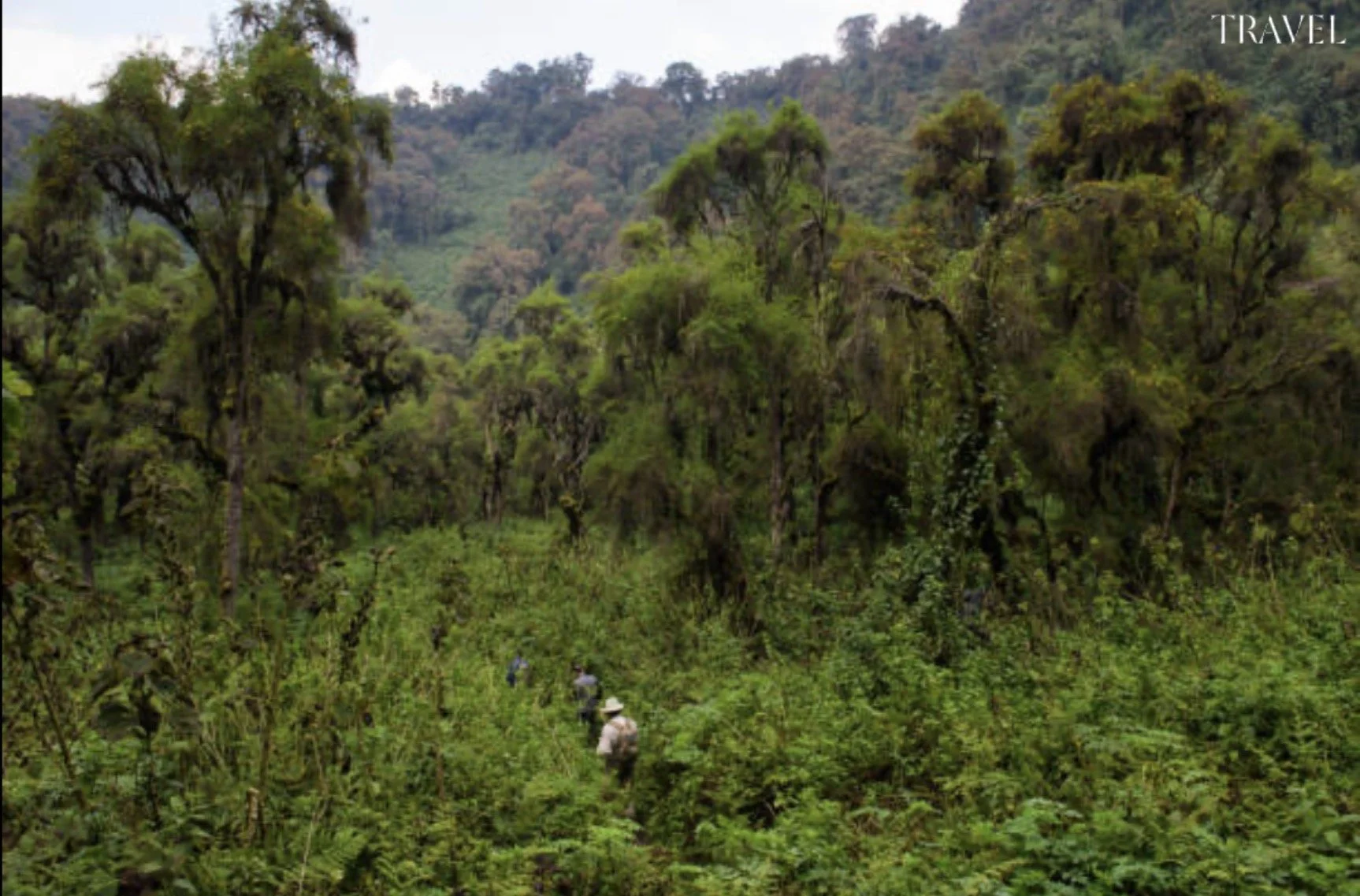
July and August are the dry season in Rwanda — the most accessible trekking conditions, with the ground relatively firm and the vegetation manageable. The Virunga volcanoes rise to 4,507 metres at the summit of Mount Karisimbi, but the gorilla families are typically found at altitudes between 2,500 and 3,500 metres. The trek to reach them ranges from thirty minutes to several hours depending on the family's location that morning, which is scouted by tracking teams who go into the park before visitors arrive.
The encounter is one hour. This is not a commercial limitation; it is a conservation requirement. The gorillas have been habituated to human presence — a process that takes typically two to three years per family — but sustained exposure to human-transmitted respiratory pathogens is a genuine health risk for a population with no immunity to common human colds and influenza. Masks are required. You will be required to stay seven metres away, which the gorillas may or may not observe from their side.
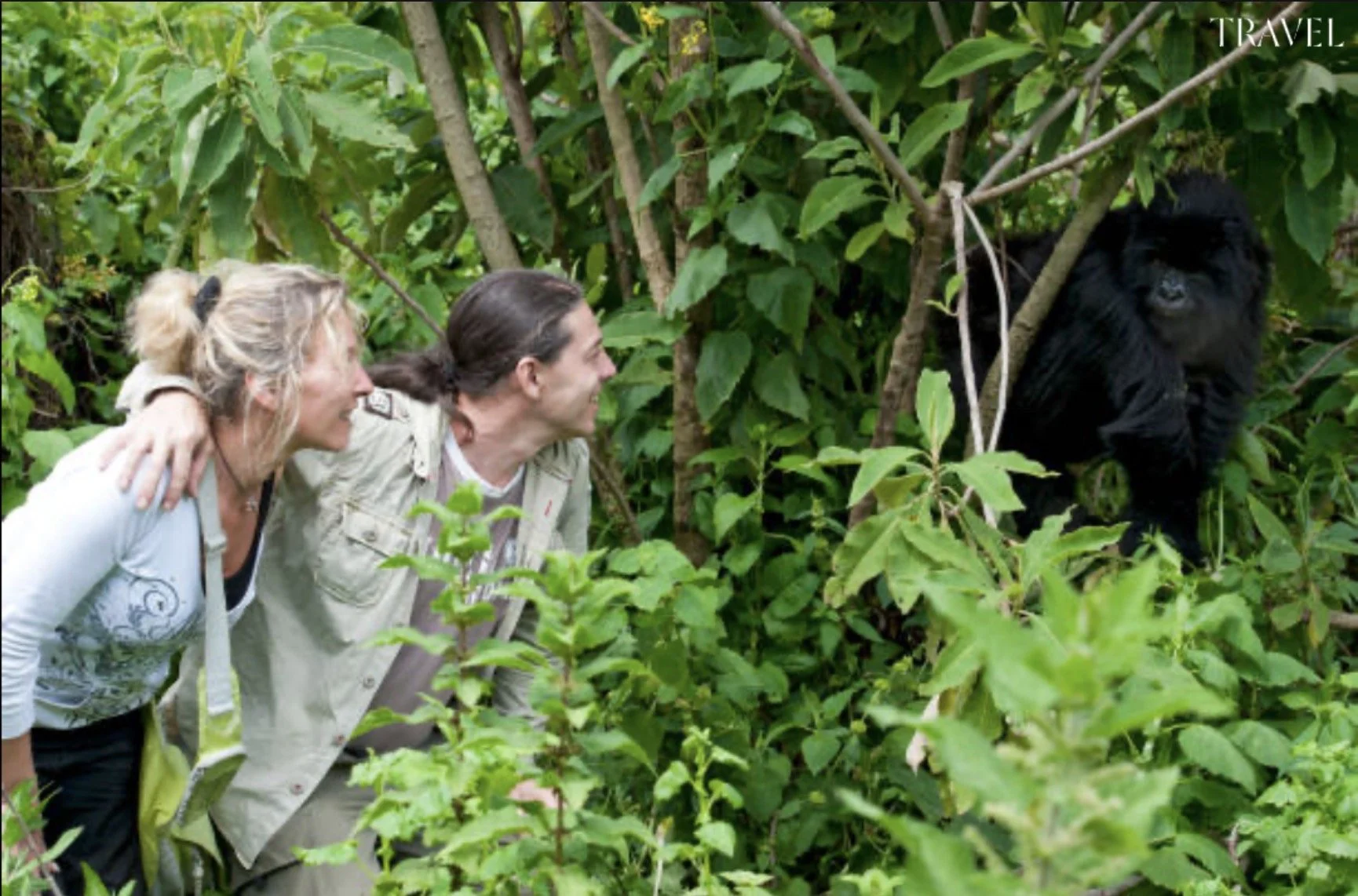
The seven-metre rule is enforced inconsistently by the gorillas. Juvenile gorillas are curious and fast. You may have one climb over your boot. You may have a silverback walk directly toward you and make eye contact for thirty seconds in a way that produces in most people the specific experience of encountering an intelligence that is not human and is not less than human. This is not hyperbole; it is the consistent reporting of thousands of trekkers across decades, and the neurological evidence on primate communication and social intelligence supports the phenomenology.
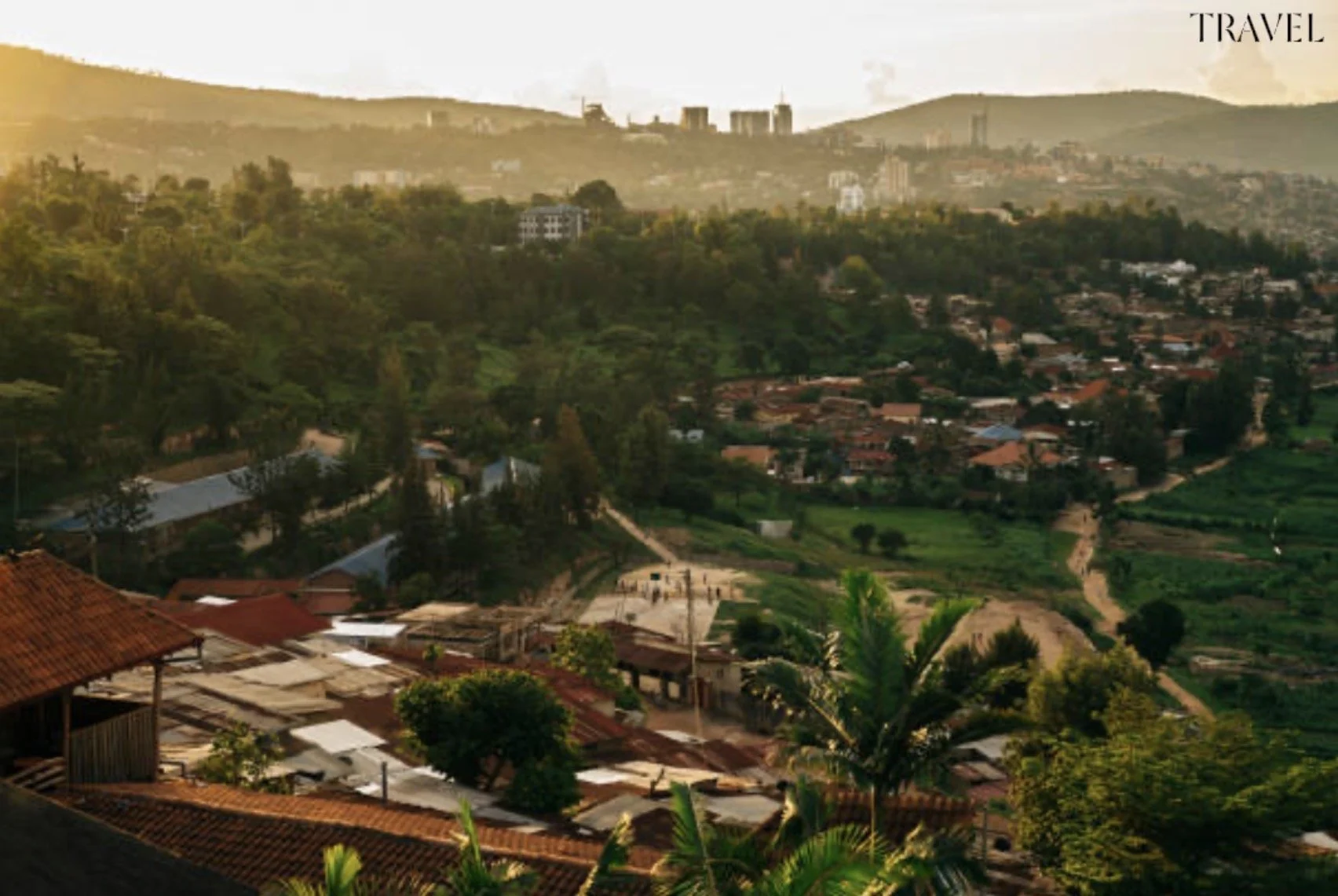
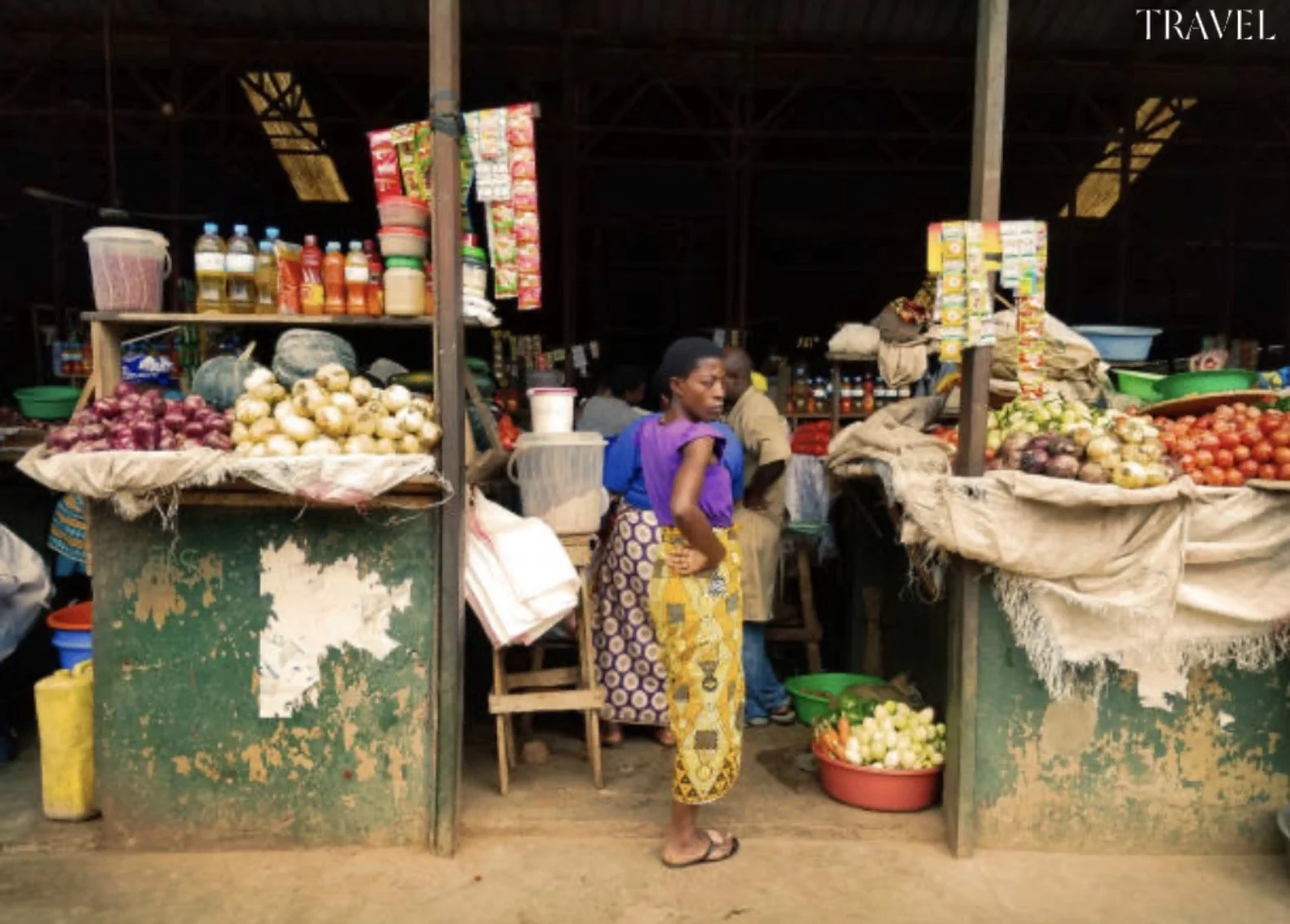
Kigali, Rwanda's capital, is one of the most surprising cities in Africa — clean (there are no plastic bags, by law, anywhere in the country), efficiently run, and increasingly the site of serious contemporary art, architecture, and a food culture that is developing with the speed of a city that has been rebuilt from near-complete destruction within living memory. The Kigali Genocide Memorial, which documents the 1994 genocide that killed an estimated 800,000 people in 100 days, is a necessary and well-handled part of engaging with Rwanda honestly. It cannot be avoided by the traveller who is paying attention.

The Singita Kwitonda Lodge and One&Only Gorilla's Nest — both in the Kinigi area near the park entrance — are the most significant luxury properties in the area. For the gorilla trekking experience specifically, the proximity to the park entrance and the quality of the pre-trek briefings matter more than any amenity.
BY OONA CHANEL
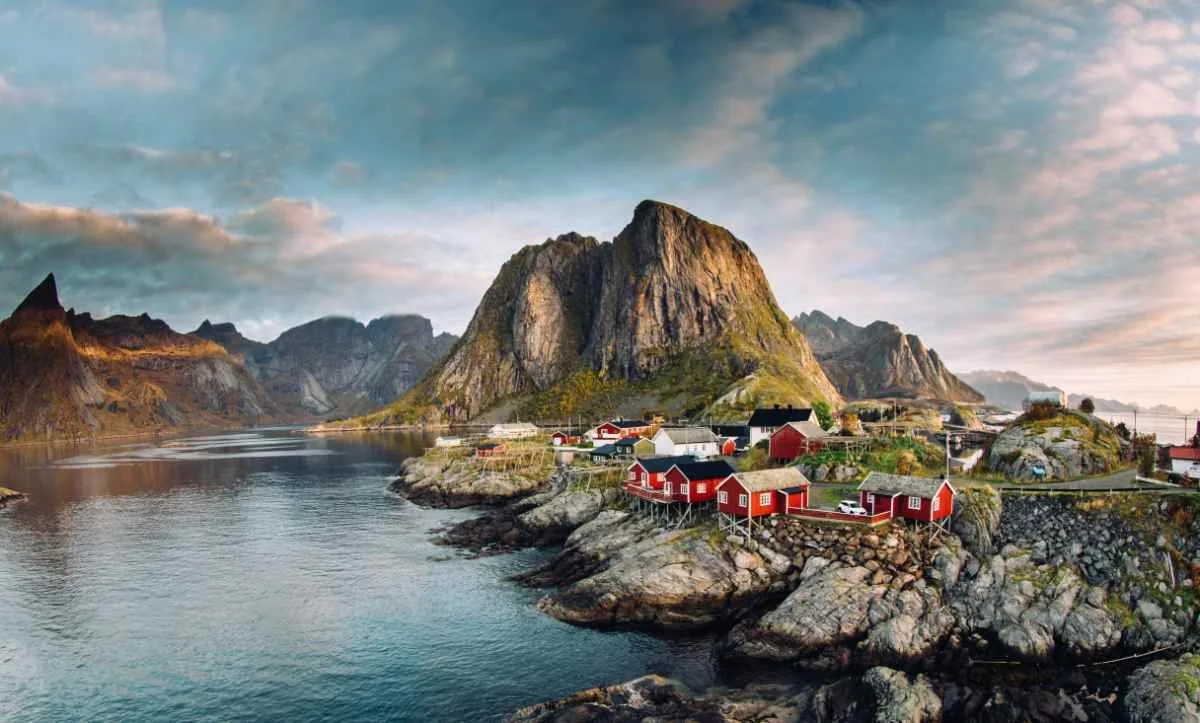
Norwegian Fjords in August: The Light That Doesn't End and the Silence That Earns It
August in Western Norway: 20 hours of daily light, the most dramatic coastal scenery in Northern Europe, and a specific quality of silence that the midnight sun produces in the hours between 11pm and 2am. Author on the fjords at their peak - and the routes that take you away from the cruise ships.
"The 2-3 hours of twilight between 11pm and 2am in August produce the specific quality of Nordic late-summer light that is golden, horizontal, and renders the ford walls and water in a way that full daylight cannot. This is the light that landscape photographers come for. It is available to anyone who is there and Awake”
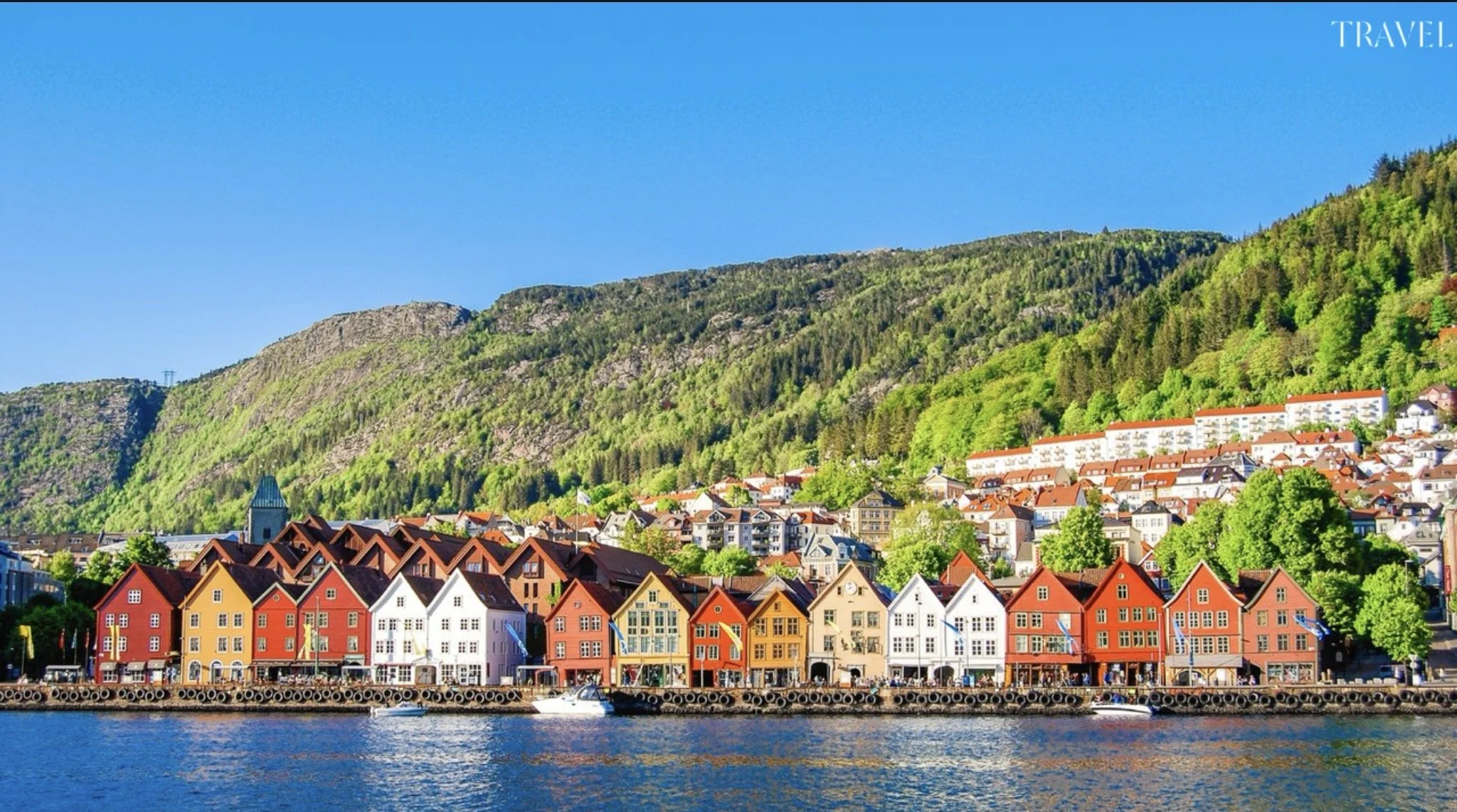
The Norwegian jords have been on the UNESCO World Heritage List since 2005 - specifically, the Naeroy and Geiranger fjords, which the committee described as 'among the most scenically outstanding fjord landscapes in the world. This is an accurate description and one that, paradoxically, has contributed to the problem that has made the fjords simultaneously easier to visit and harder to experience: the UNESCO designation brought the cruise industry, and the cruise industry brought volumes that the fjords' infrastructure and ecology were not designed to accommodate.
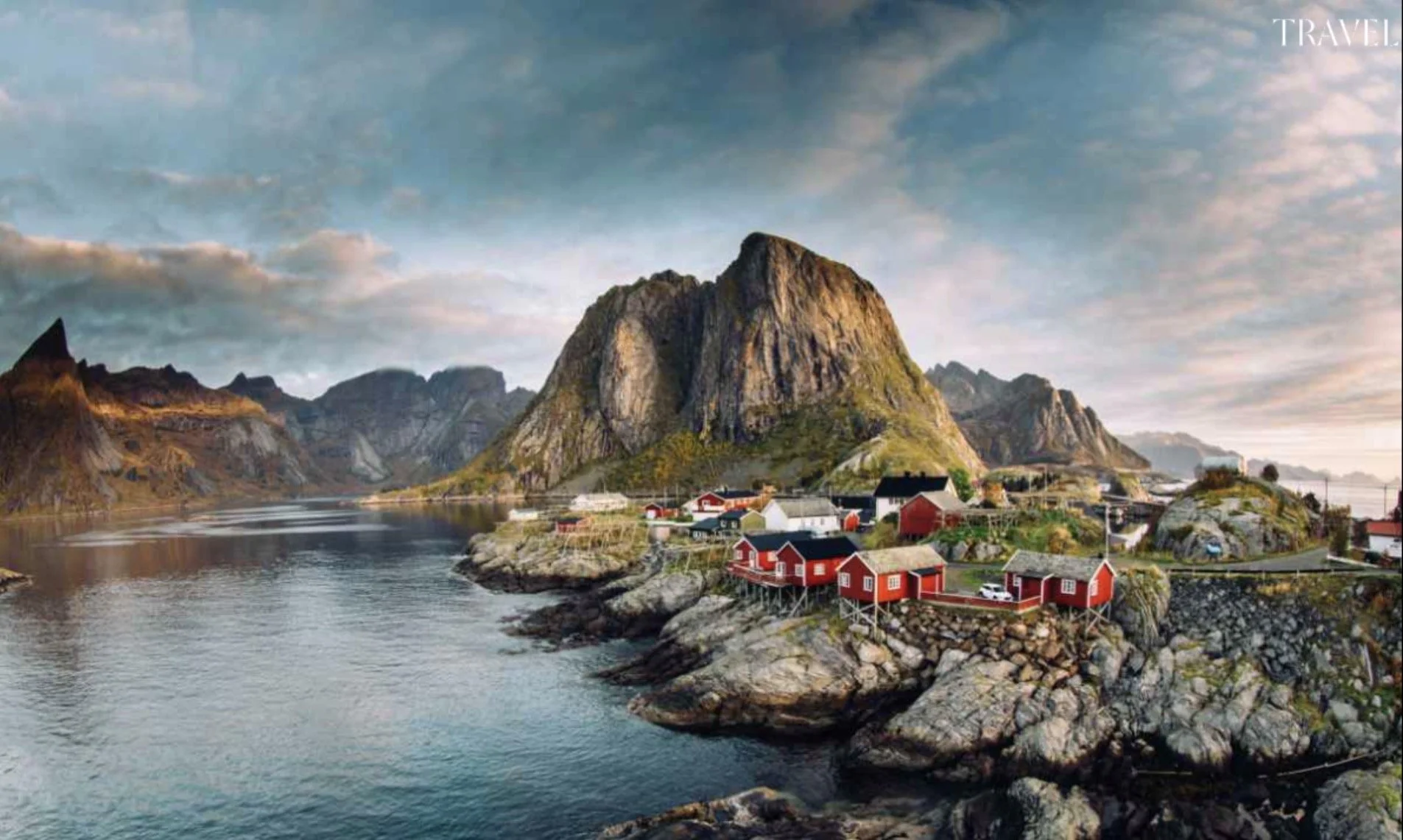
August is the peak month. Geirangerfjord in August receives more cruise ships than any other single-ford destination in Northern Europe. The solution for the traveller who wants to experience what the fjords actually are - as opposed to what the cruise terminal offers them to be — is geographic rather than seasonal. The western fjords are extensive, and the Geiranger-Flam concentration that the cruise itineraries favour represents a small fraction of the accessible fjord landscape.
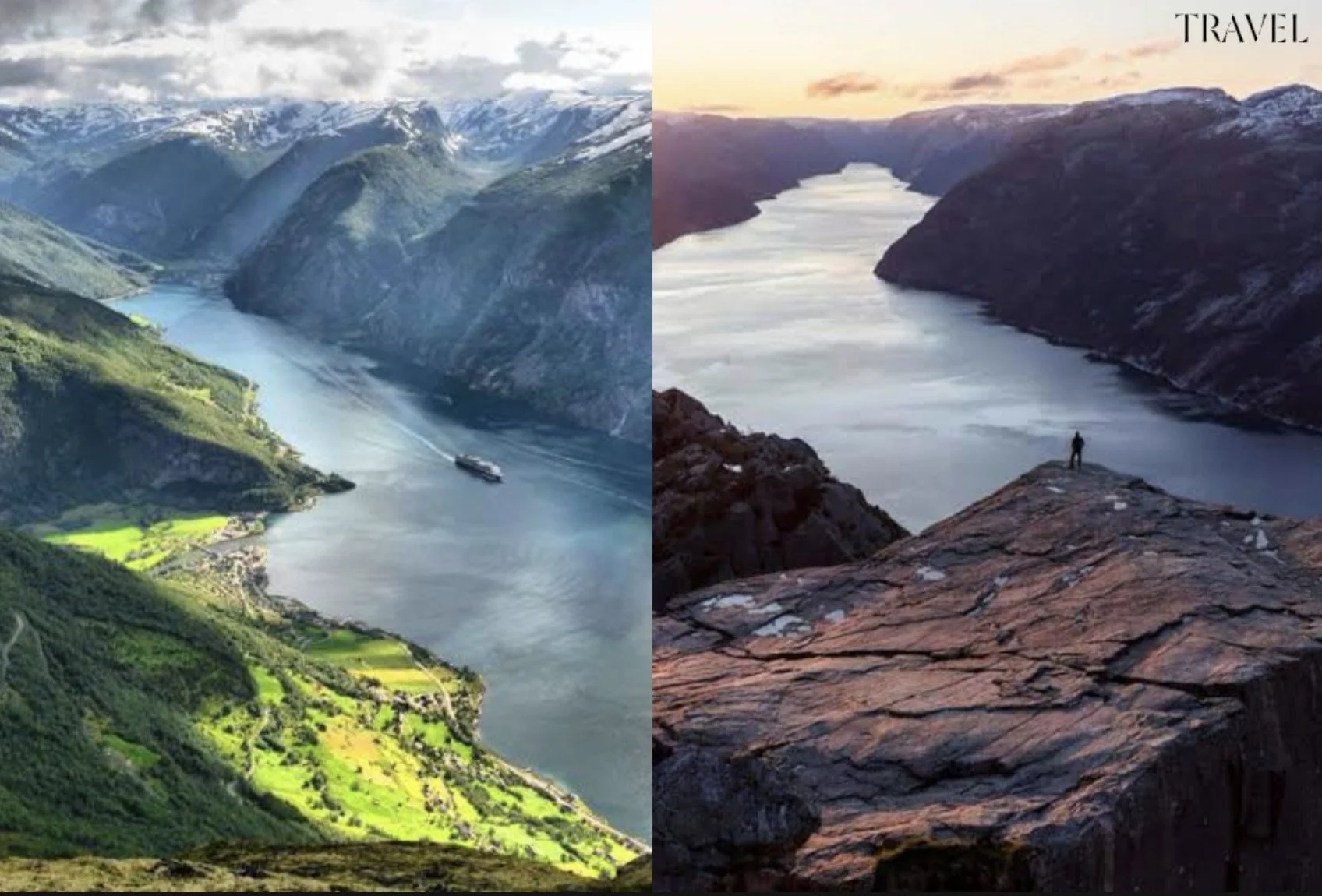
The Sognefjord - at 204 kilometres the longest fjord in the world and the second deepest - receives dramatically less traffic than the UNESCO-listed fjords while offering equivalent or superior landscape. The Lustrafjord arm, at the far end of the Sognefjord system, is accessible by ferry from Skjolden and provides the specific quality of fjord landscape - the granite walls dropping directly to the water, the waterfalls visible from the ferry deck, the specific quality of blue-green water produced by glacial meltwater - without the cruise ship accompaniment.
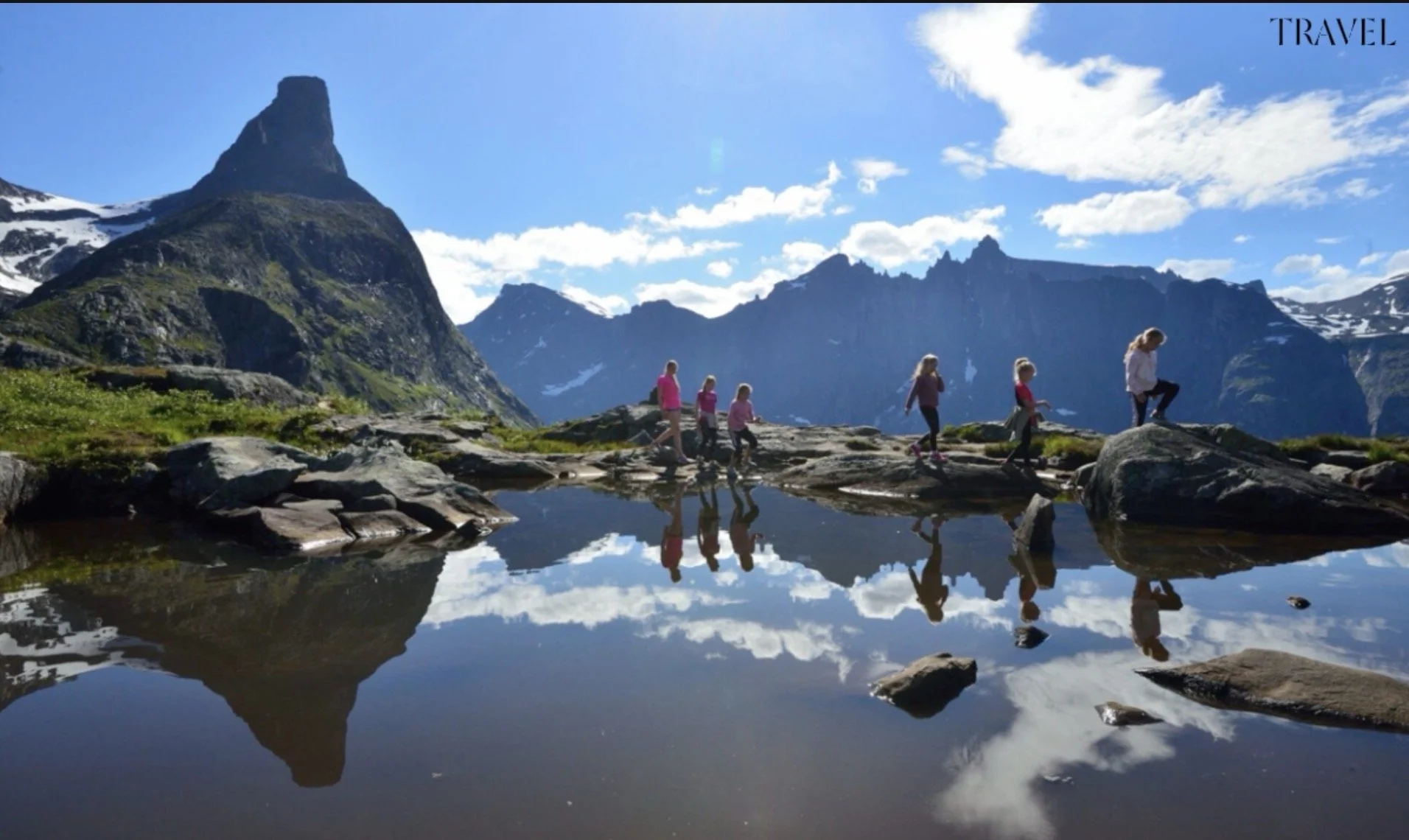
The Hardangerfjord, south of Bergen, is the orchid ford - the landscapes around Hardanger bloom with apple, cherry, and plum orchards in spring, and in August the fruit is on the trees in a way that changes the valley character entirely from the bare granite of the more famous fjords.
The Voss to Ulvik route, traversable by road or by the regional ferry network, produces the combination of orchard valley, steep ford walls, and the specific Norwegian village architecture
- red and white wooden houses on the ford shore - that represents the most visually complete version of what the region looks like.
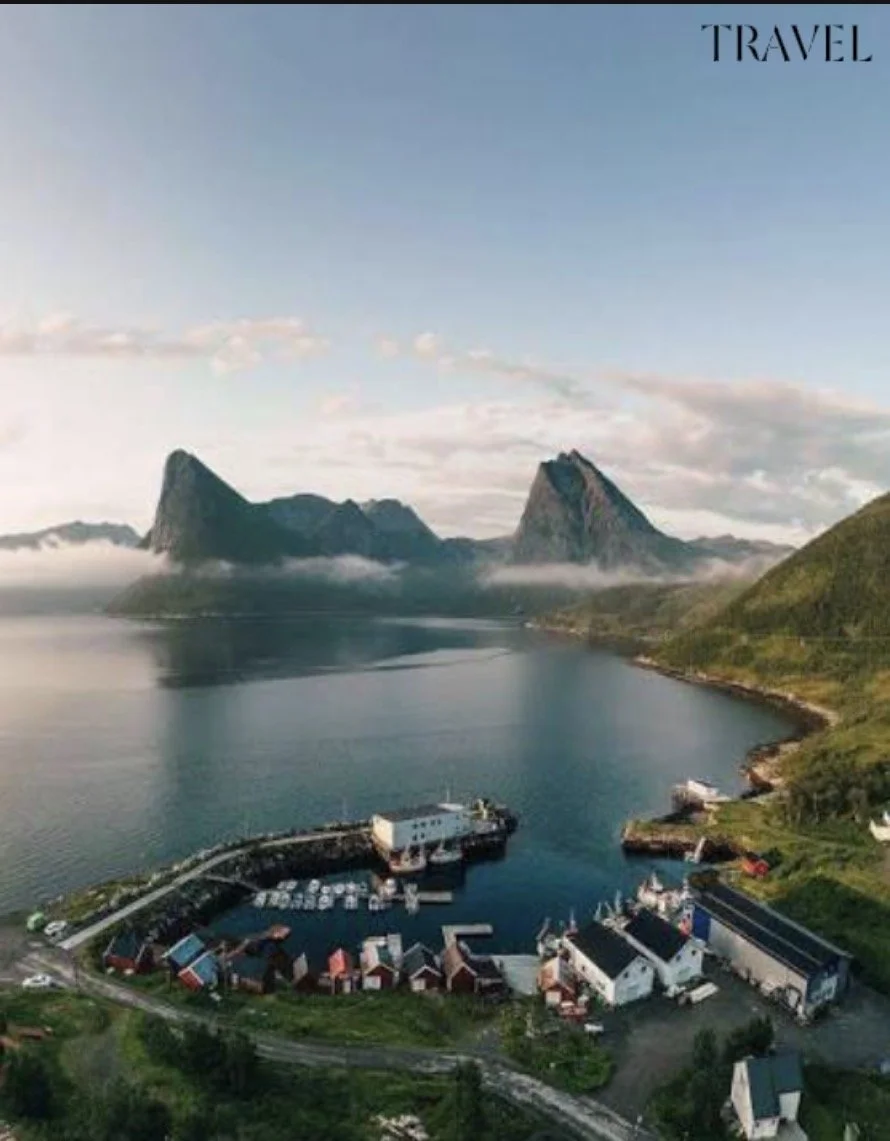
The August light is the specific case for this timing: in Bergen, the sun sets after 9:30pm and rises before 5am, producing approximately 17 hours of daily daylight. In the northernmost
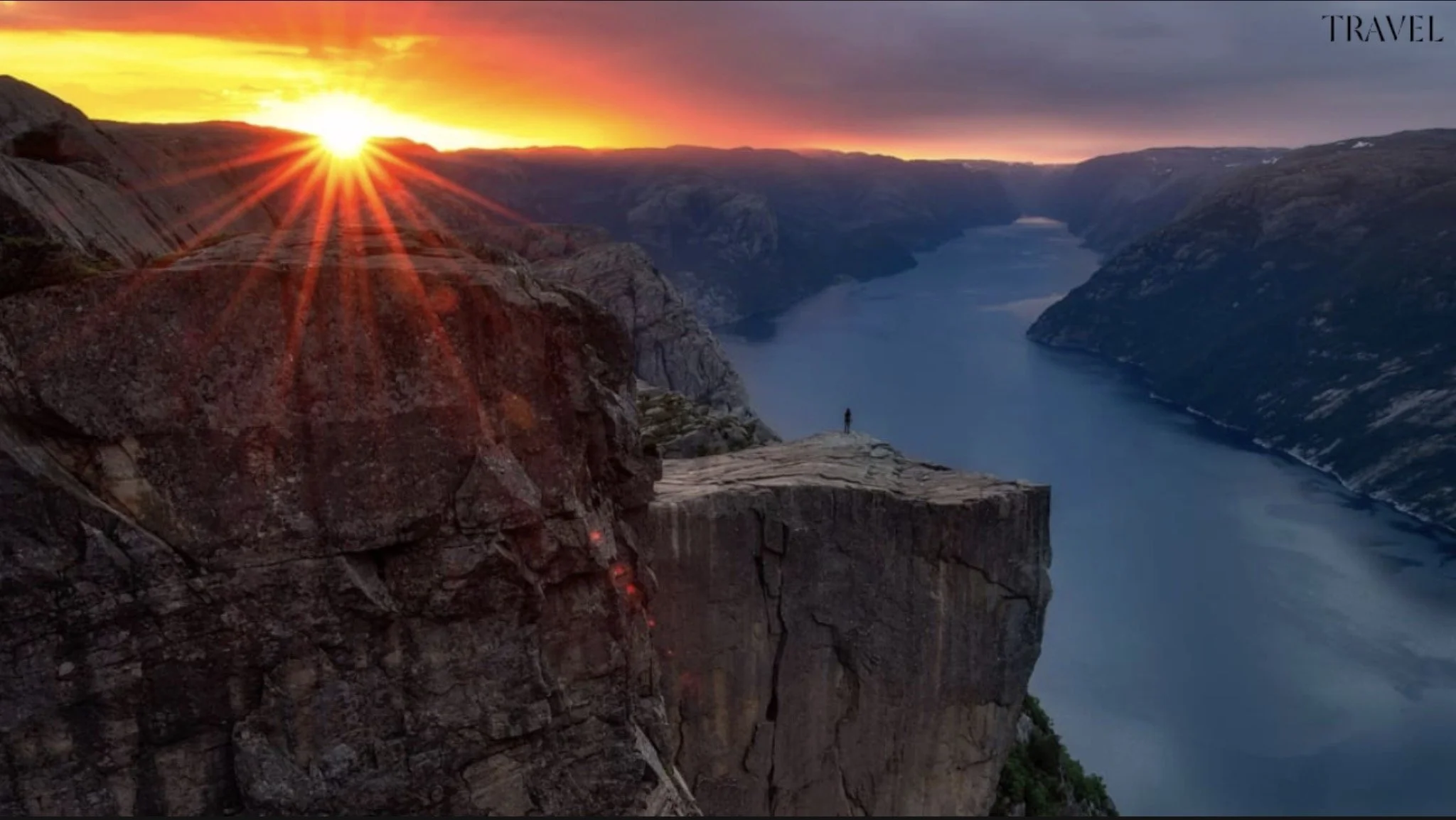
accessible fjord regions, the light barely disappears - the 2-3 hours of twilight between 11pm and zam produce the specific quality of Nordic late-summer light that is golden, horizontal, and produces the ford walls and water in a way that full daylight cannot. This is the light that the landscape photographers come for. It is available to anyone who is there and awake.
Bergen is the practical entry point for most fjord itineraries - served by direct flights from most European hubs and by the Bergen-Oslo train (the Bergensbanen) which is one of the most celebrated train journeys in Europe. For the ford experience beyond the standard routes, the Hurtigruten coastal ferry - which has been running from Bergen to the North Cape since 1893
— is the most interesting transport option. The ferry makes 34 stops over eleven days; individual segments are bookable.
BY OONA CHANEL
The Azores in Midsummer: Europe's Last Genuinely Unspoiled Atlantic Islands
Nine volcanic islands in the middle of the Atlantic, six hours from New York, two and a half from Lisbon. July and August offer the warmest water, the best whale watching, the most accessible trails, and the fewest crowds of any comparable destination in Europe. Author on what is there and how to reach it.
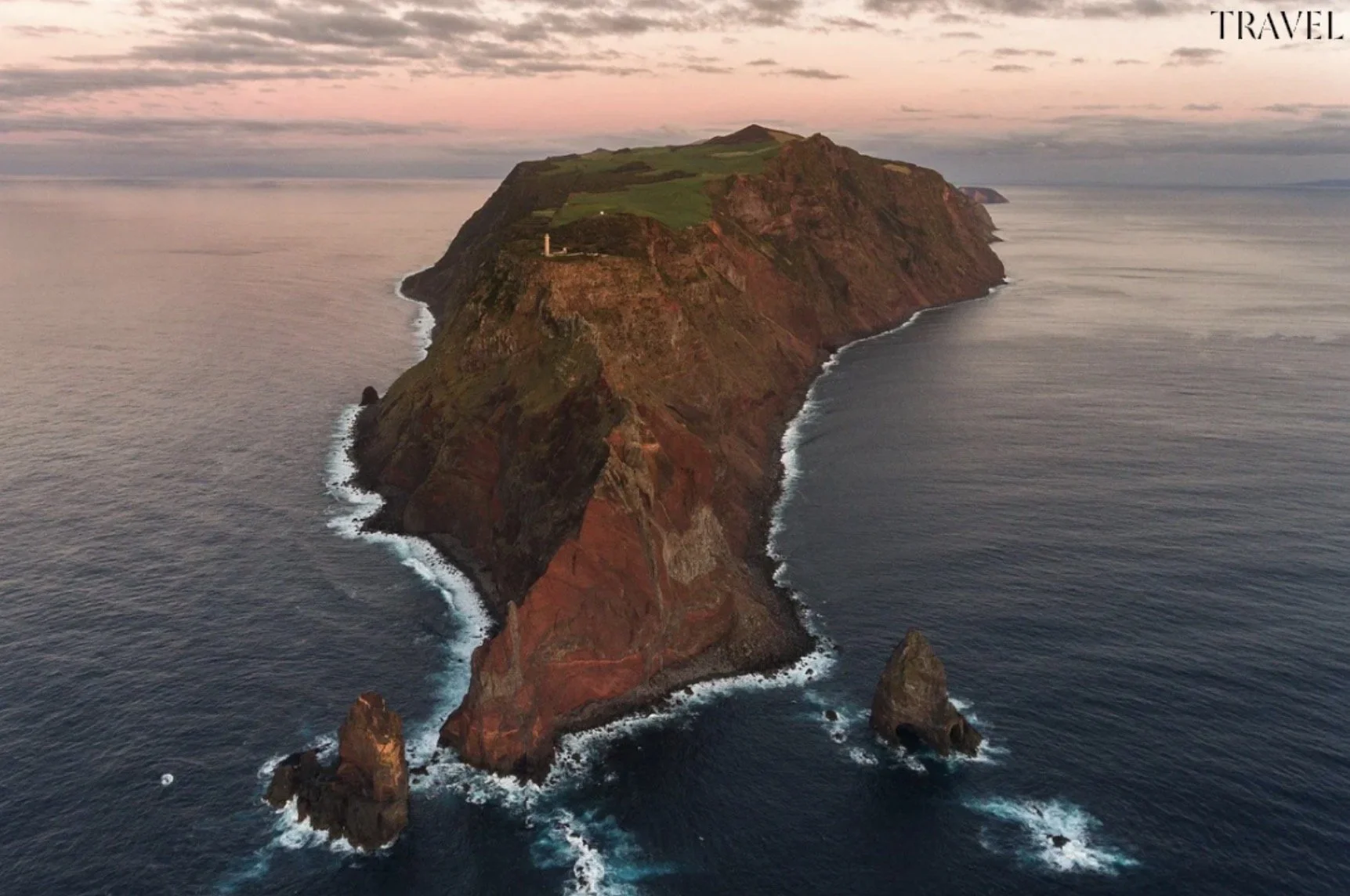
“The whale watching departures from Pico are operated by the same families that hunted whales from the island until 1987 — the last whale hunt in the Azores. The cetacean observation carries a specific historical weight that no equivalent experience elsewhere provides.”
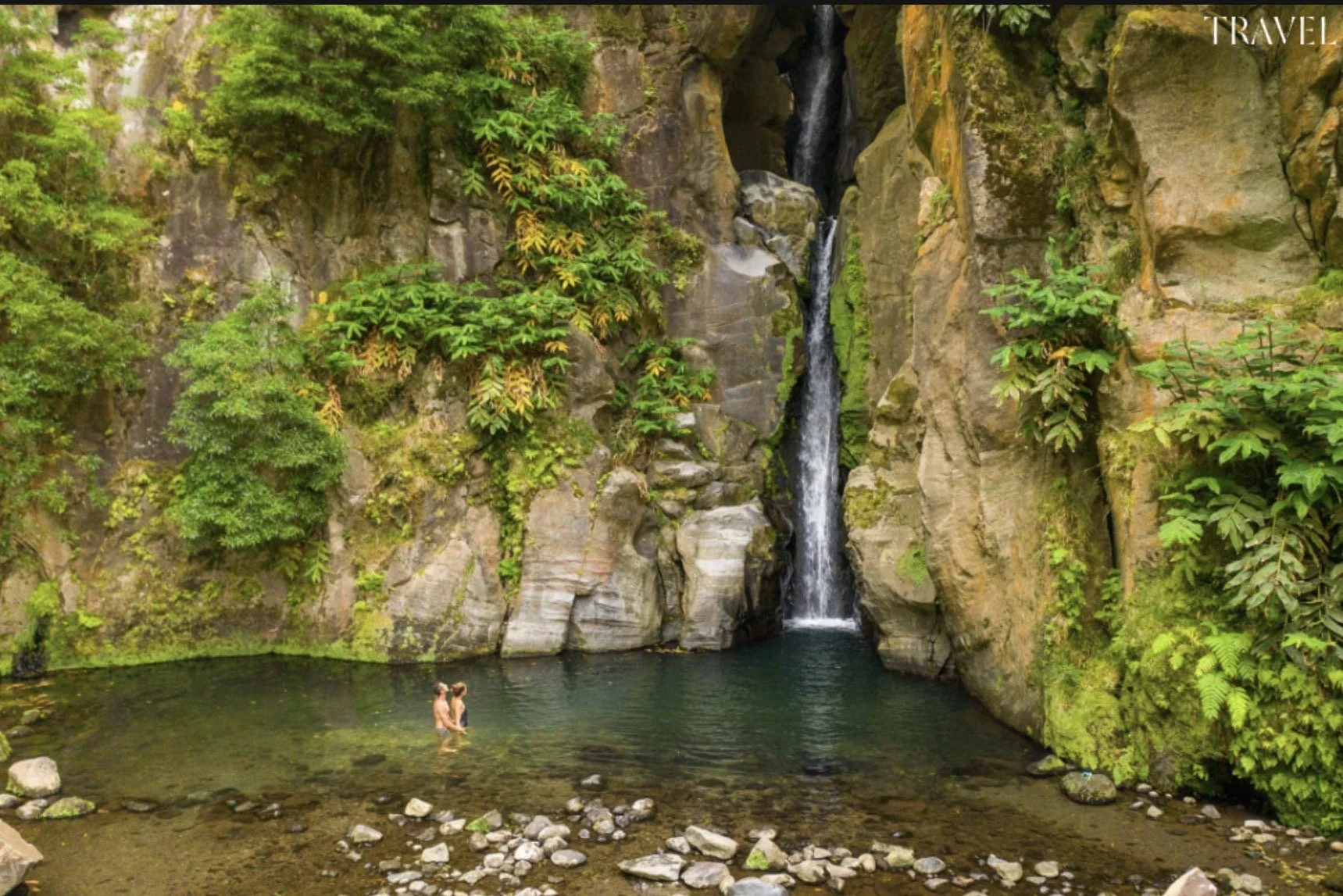
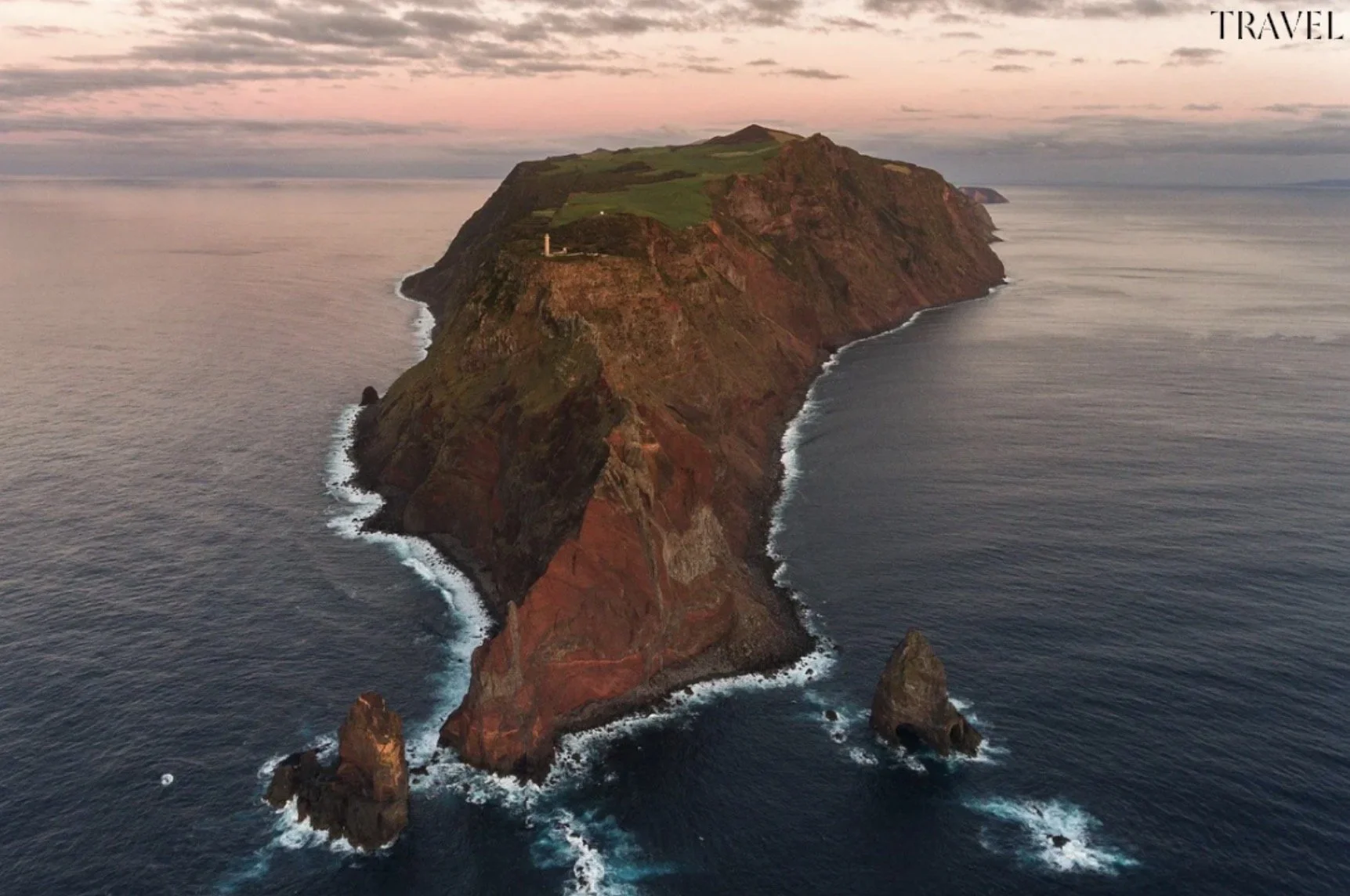
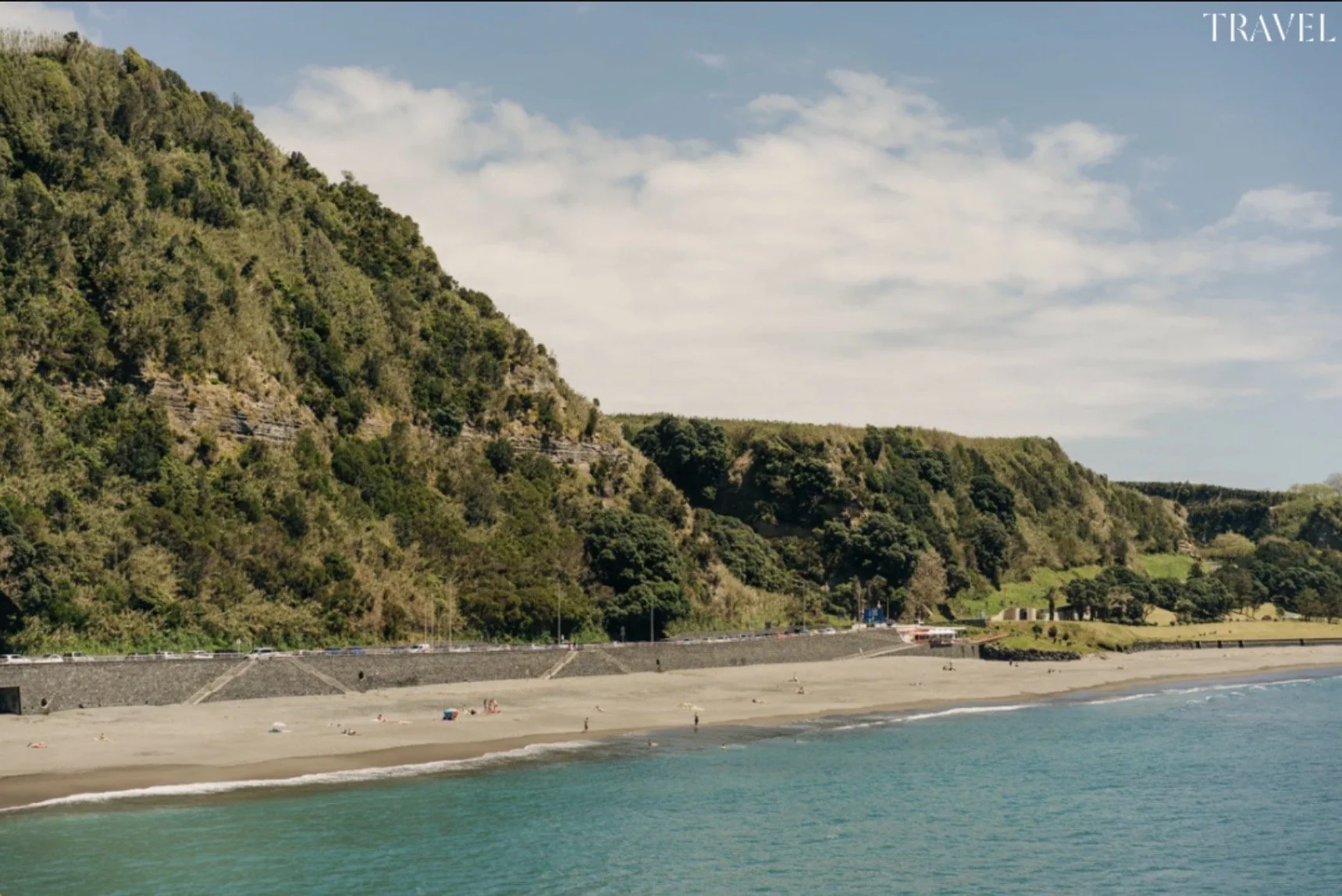
The Azores archipelago sits in the middle of the North Atlantic, 1,500 kilometres west of mainland Portugal and 3,400 kilometres east of North America. The nine islands — three island groups, volcanic in origin, with the geology still active on several of them — are Portuguese territory and have been continuously inhabited since the fifteenth century. They are not a secret. They are simply not part of the standard itinerary for the traveller whose European summer is organised around the Mediterranean, which means they receive a fraction of the visitor traffic of destinations with equivalent natural distinction.
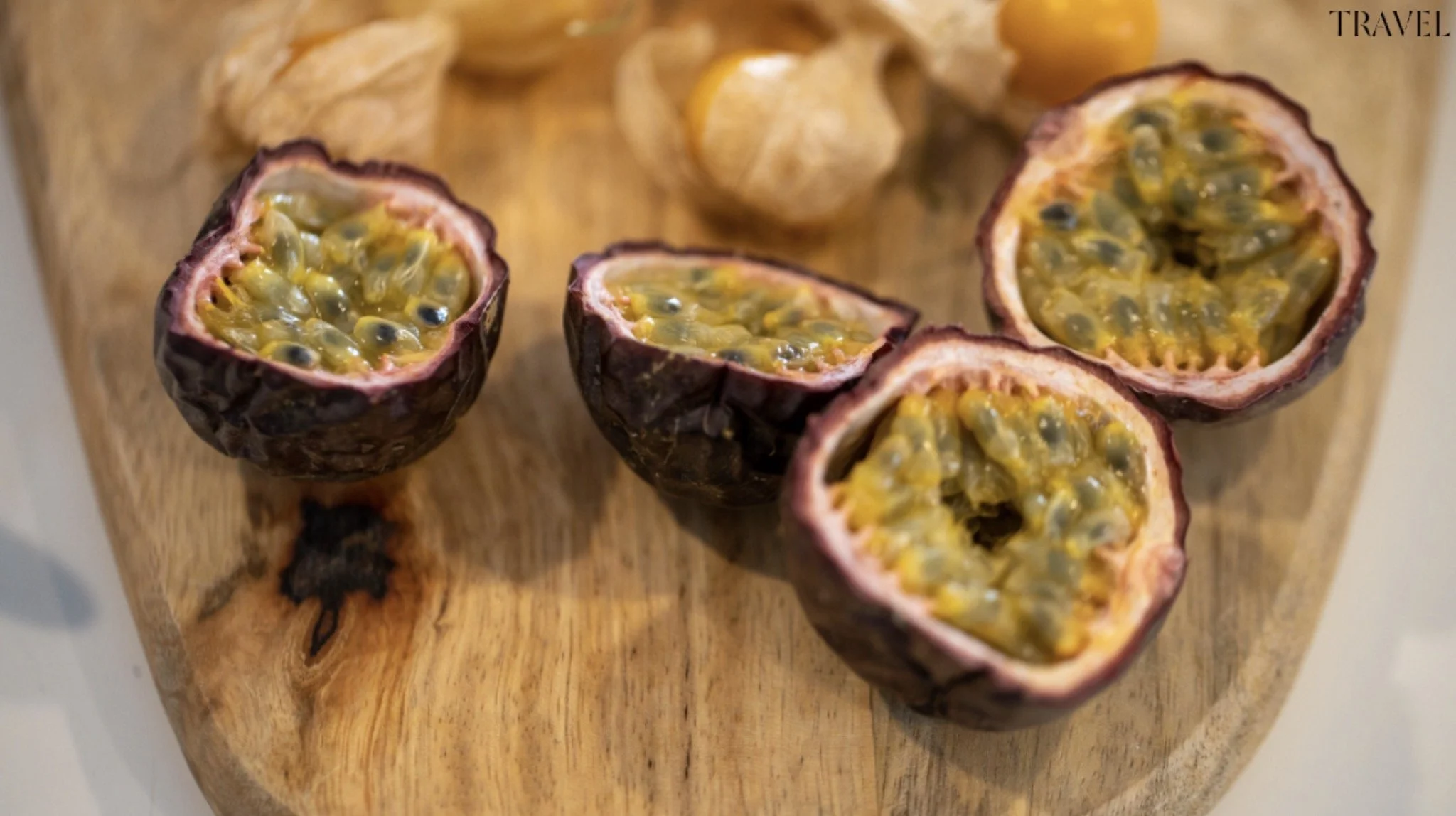
In July and August, the Azores offer the ideal Atlantic conditions: sea temperatures that have risen to approximately 22-24°C across the main islands, stable high-pressure weather systems that bring warm, clear days with the specific quality of Atlantic light — cleaner and more directional than Mediterranean light, producing the specific blue of the ocean that the islands are surrounded by. The whale watching season peaks between April and October, with the waters around Pico and Faial hosting blue, sperm, sei, and fin whales alongside large pods of common dolphins and the occasional killer whale.
Sao Miguel, the largest island and the site of Ponta Delgada, is the primary entry point and the island with the most developed infrastructure. The Sete Cidades crater lake — a dormant volcanic caldera containing two lakes, one green and one blue, connected by a bridge — is the most photographed feature of the island and deserves its reputation: the scale (the caldera is approximately 12 kilometres in circumference) and the specific quality of the mist that forms above the water in the mornings produce a landscape that is unlike anything in mainland Europe. The thermal springs at Furnas, where the volcanic activity is close enough to the surface that the ground temperature reaches boiling point in some locations, produce a cooking tradition specific to the island: the cozido das Furnas, a slow-cooked meat and vegetable stew that is lowered into the earth in a clay pot the night before and left in the geothermal heat to cook overnight.
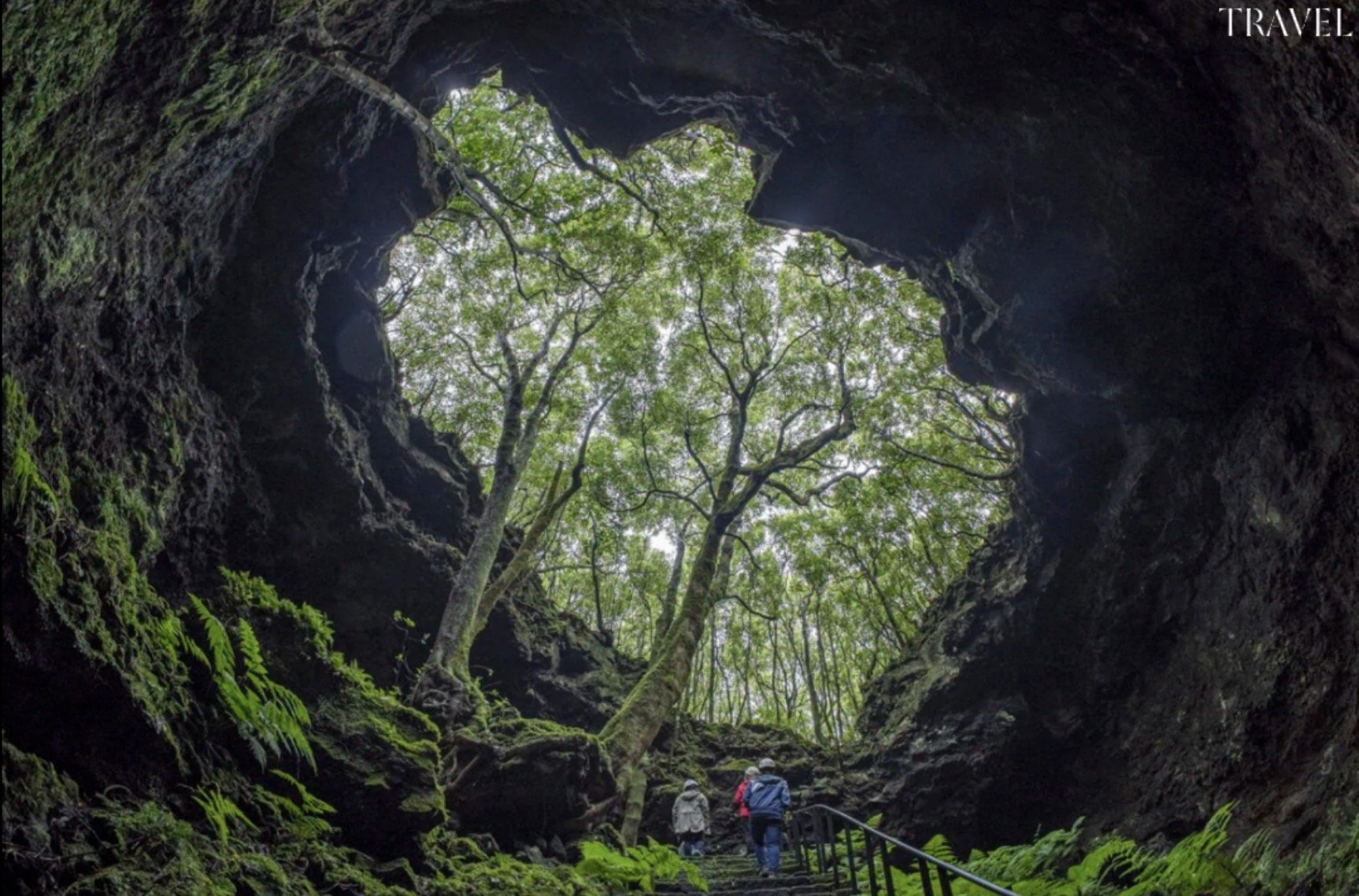
Pico, named for the volcanic peak that rises 2,351 metres from sea level — the highest point in Portugal — is the island for the traveller who is there for the landscape rather than the infrastructure. The Pico mountain trail, which takes approximately 5-7 hours return and requires physical fitness and appropriate gear, produces from the summit (weather permitting) views across the Atlantic to Faial, Sao Jorge, and Terceira that make the effort unambiguous. The whale watching departures from Madalena, the main town, are operated by the same families that hunted whales from the island until the 1980s — the last whale hunt in the Azores was in 1987 — giving the cetacean observation a specific historical weight.
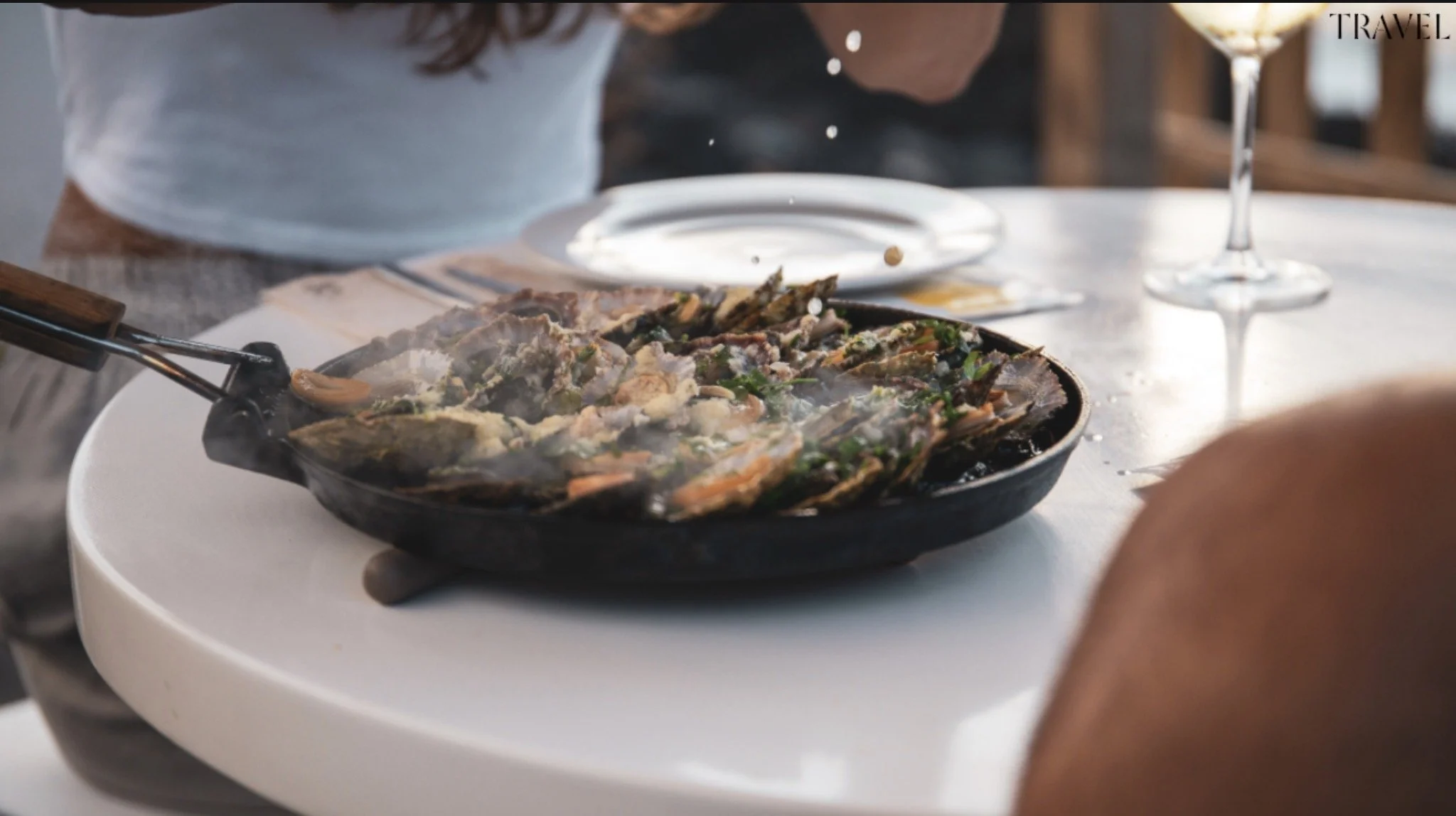
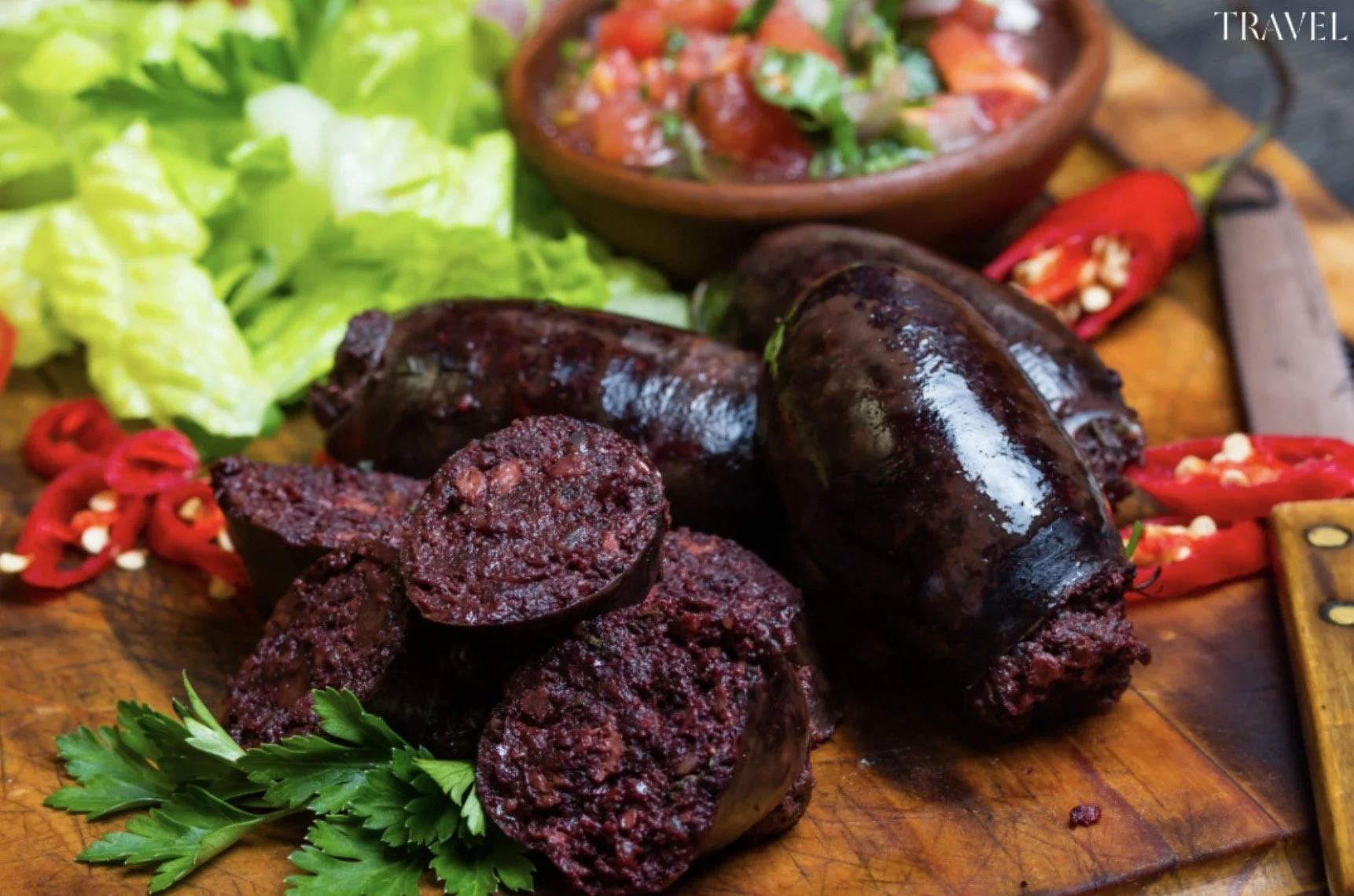
The food of the Azores is the most underreported aspect of the islands. The cheese — especially the queijo São Jorge, a firm aged cheese from the island of the same name that has been produced using the same methods since the fifteenth century — is one of the best in Portugal. The beef from the grass-fed cattle that are visible on every hillside is of exceptional quality. The percebes (goose barnacles) harvested from the volcanic rock coastlines and the lapas (limpets) grilled on hot volcanic rock with garlic and lemon are the two indigenous culinary experiences that justify the journey on their own terms.
For the traveller concerned about the development trajectory: the Azores are committed by regional legislation to a sustainable tourism model. The maximum hotel development allowed per island is regulated. The nature trails are maintained by the regional parks authority. The whale watching operations are licensed and monitored. The question is not whether development will arrive — it will — but whether the Azores can manage its growth as the destination becomes more widely known. The summer of 2026 is, by most assessments, still within the window when the islands are genuinely themselves.
BY OONA CHANEL
Japan in June: The Hydrangea Season Nobody Talks About
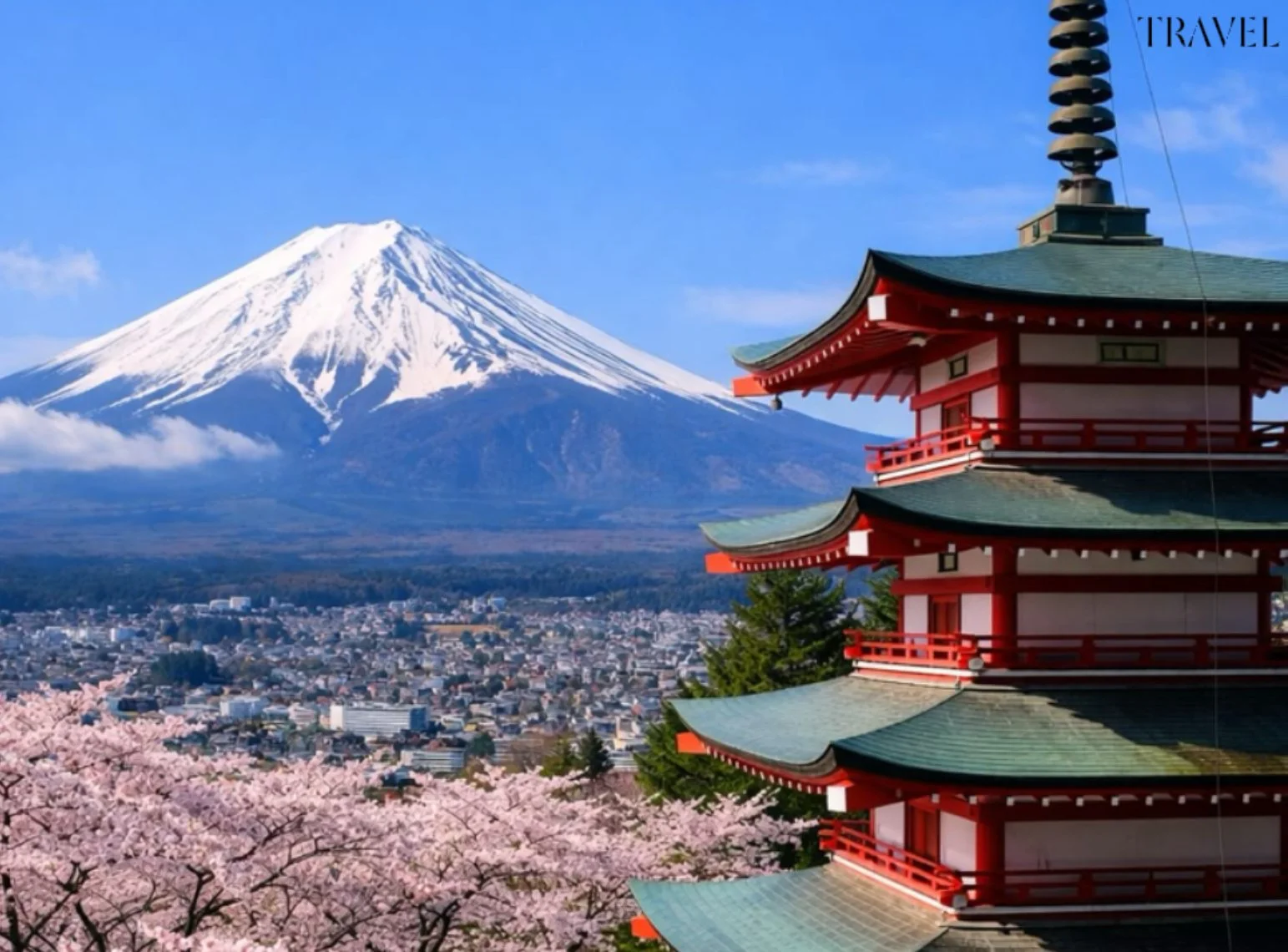
The cherry blossom brings everyone. The hydrangea brings the people who know. For three weeks in June, Japan is at its most quietly extraordinary — and the crowds are a fraction of what the spring season produces.
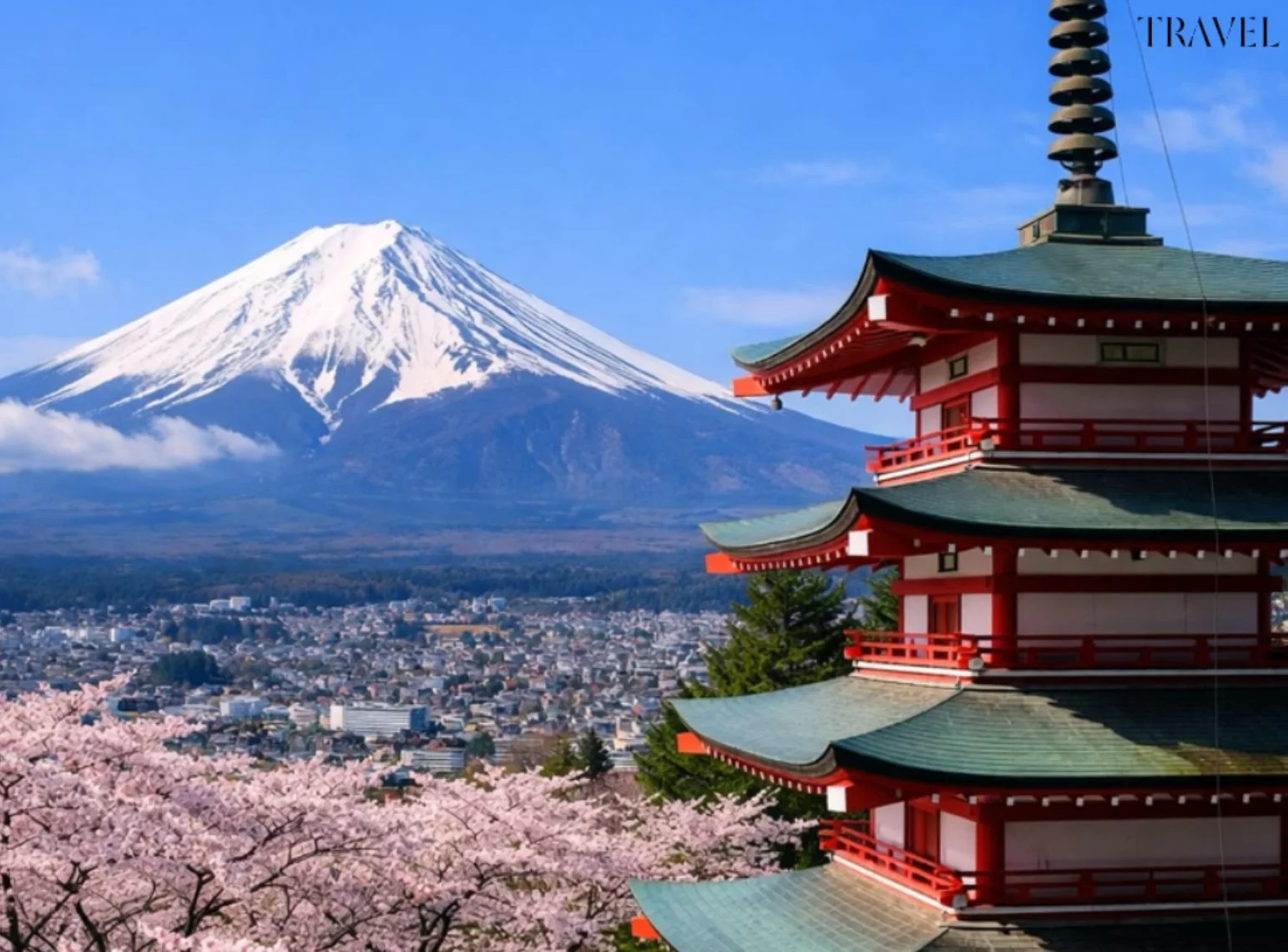
“The difference between the cherry blossom and the hydrangea season is the difference between beauty that announces itself and beauty that requires you to be present to receive it. The people who return to Japan in June come back for the second kind.”
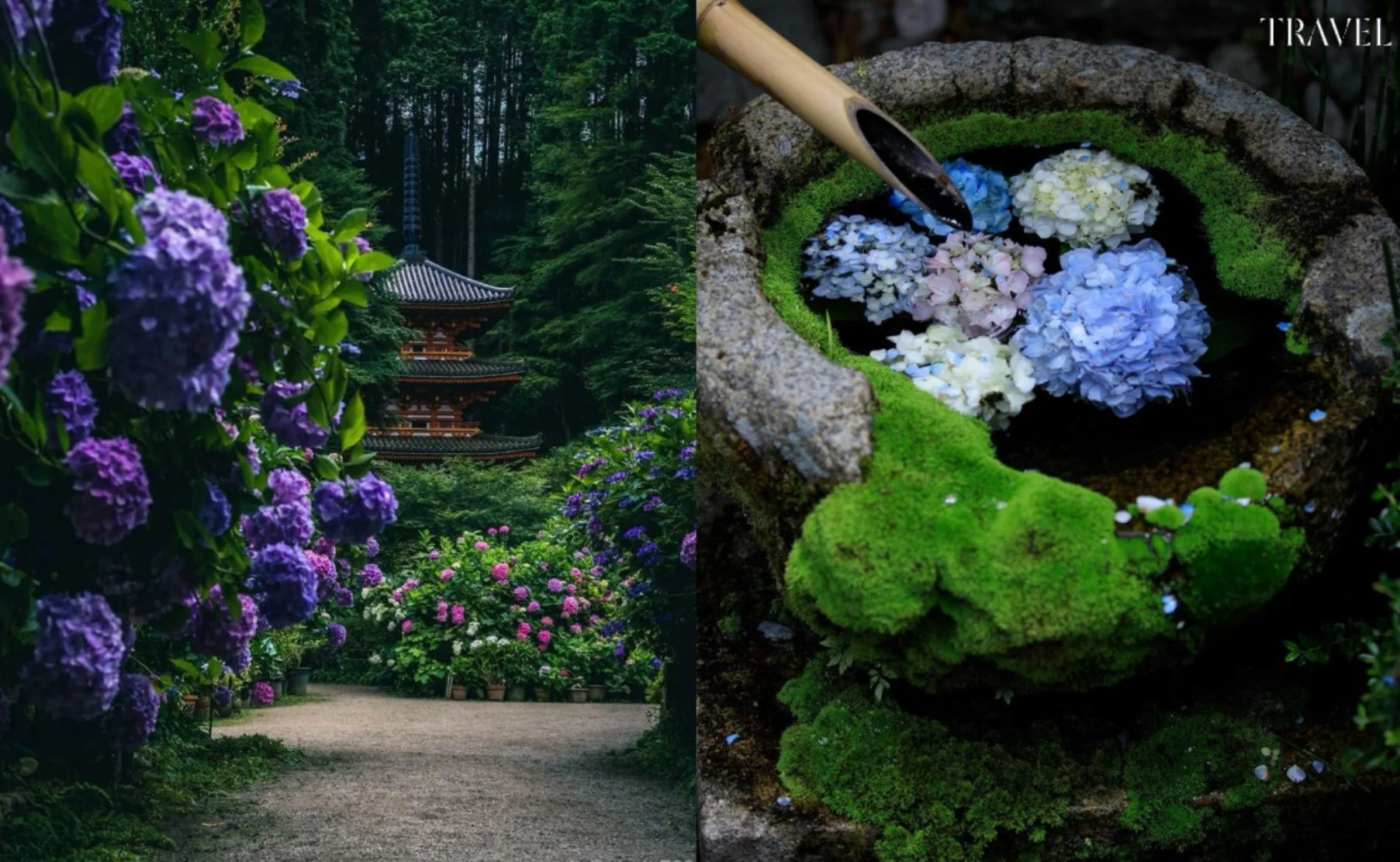
The ajisai — the Japanese hydrangea — blooms from approximately the second week of June through mid-July, depending on the region and the altitude. In the temples and shrines of Kamakura, where the hydrangeas grow in gardens that the Japanese describe as tsukiyama — the carefully considered natural landscape — the June bloom produces a quality of beauty that is entirely different from the sakura spectacle and, for the people who find it, more satisfying. The difference is between beauty that announces itself and beauty that requires you to be present to receive it.
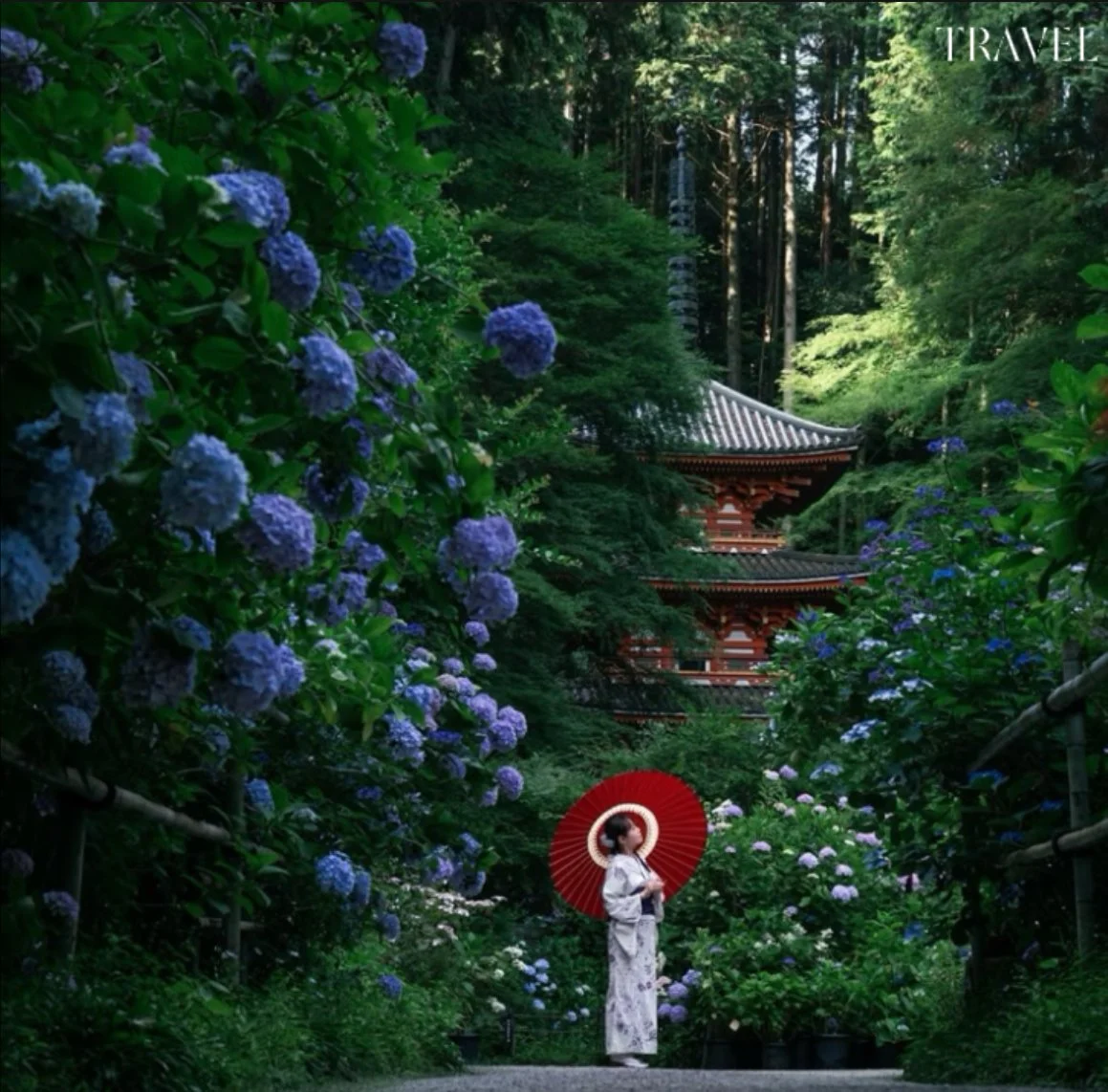
Kamakura, forty minutes by express train from Tokyo, is organised around a combination of Zen Buddhism and coastal topography unique even by Japanese standards: major temples and shrines in forested valleys, connected by ancient pilgrimage paths still in daily use, with the sea visible from the hilltops. In spring, it is among the most photographed places in Japan. In June, it is among the most peaceful.
The Meigetsuin temple is the most celebrated hydrangea site in Kamakura, and the relationship between the garden design and the bloom is one of the most considered in Japan. The approach, along a stone path edged with ajisai in every blue and purple the plant produces, culminates in a circular moon window in a painted wall through which the garden behind — only revealed fully in late June — is partially visible. The management of revelation, the idea that a garden shows itself gradually and that the partial view is more interesting than the complete one, is a specifically Japanese aesthetic principle that the hydrangea season makes tangible.
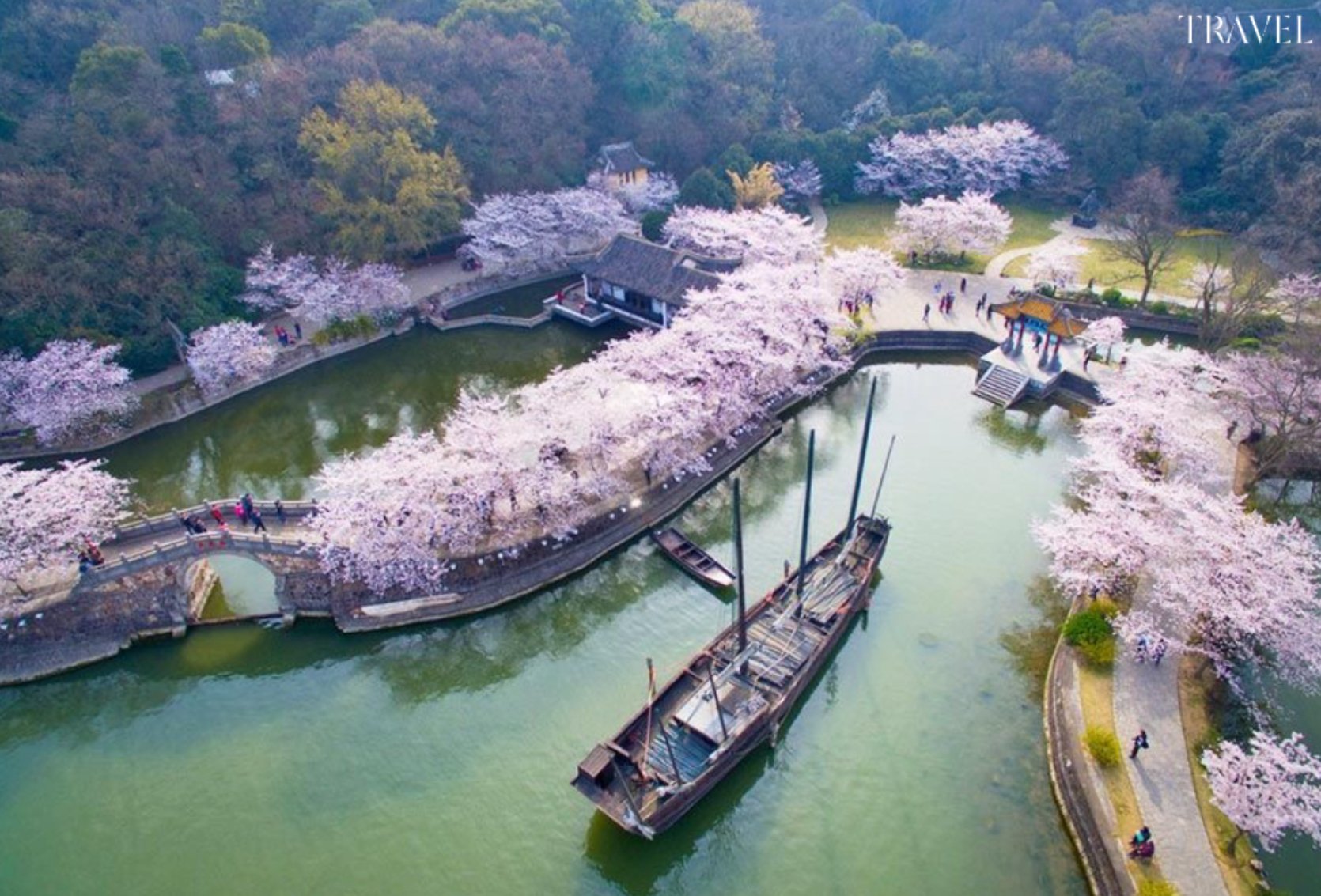
The Hase-dera temple, also in Kamakura, manages the hydrangea display at scale: a hillside path winding between thousands of specimens at the height of their bloom, with views across the coast to Enoshima island. The crowds are real even in June, but they are the crowds of Japanese visitors for whom this is an annual ritual rather than the international mass tourism of the sakura season.
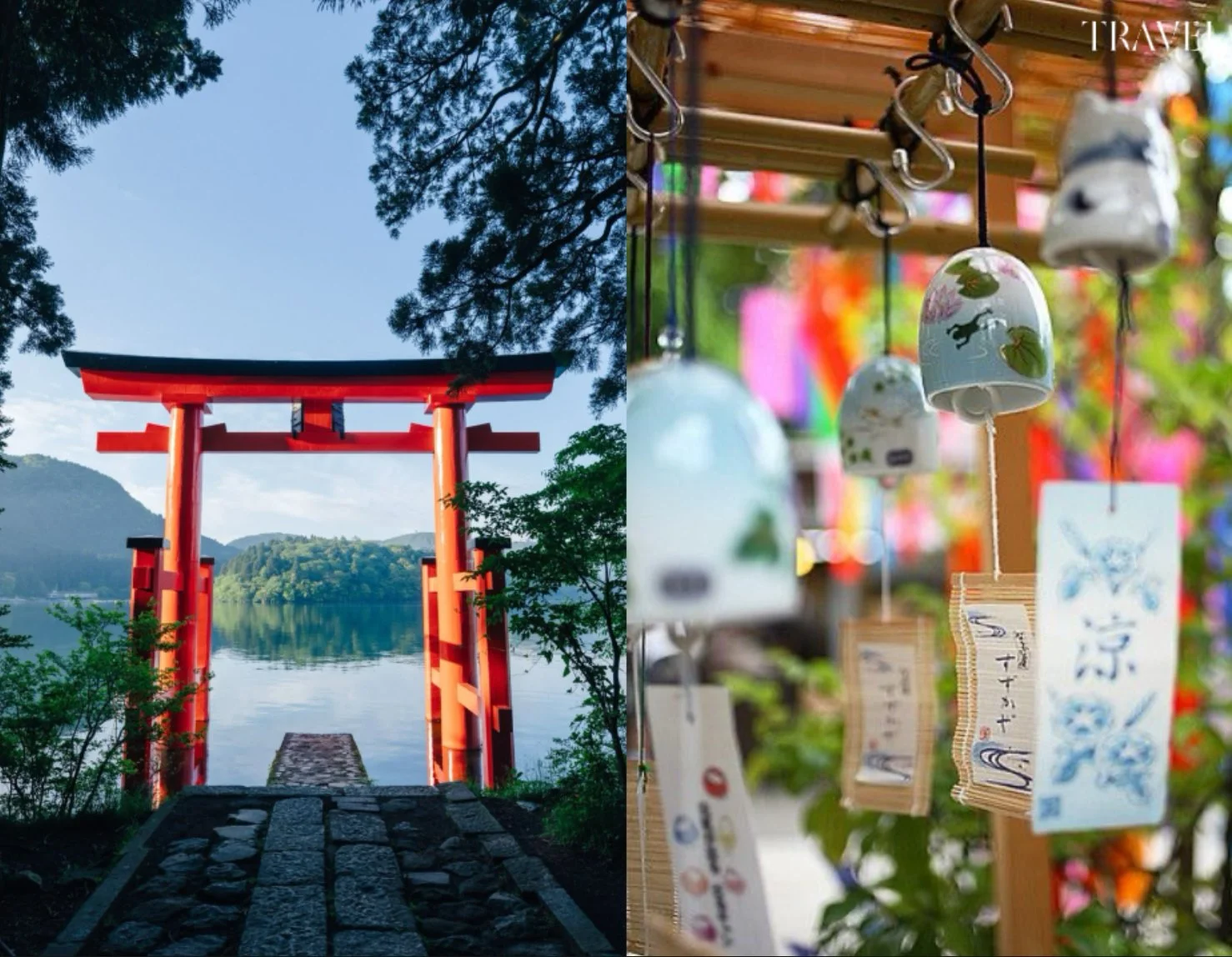
For Tokyo residents, the June hydrangea destinations extend further: the Meiji Jingu Gaien in Shinjuku; Nankoji temple in Bunkyo; the Hakone region, where the highland conditions produce blooms extending into July and where the Hakone Open Air Museum provides the specific combination of large-scale sculpture and extraordinary mountain landscape that is unique to it.
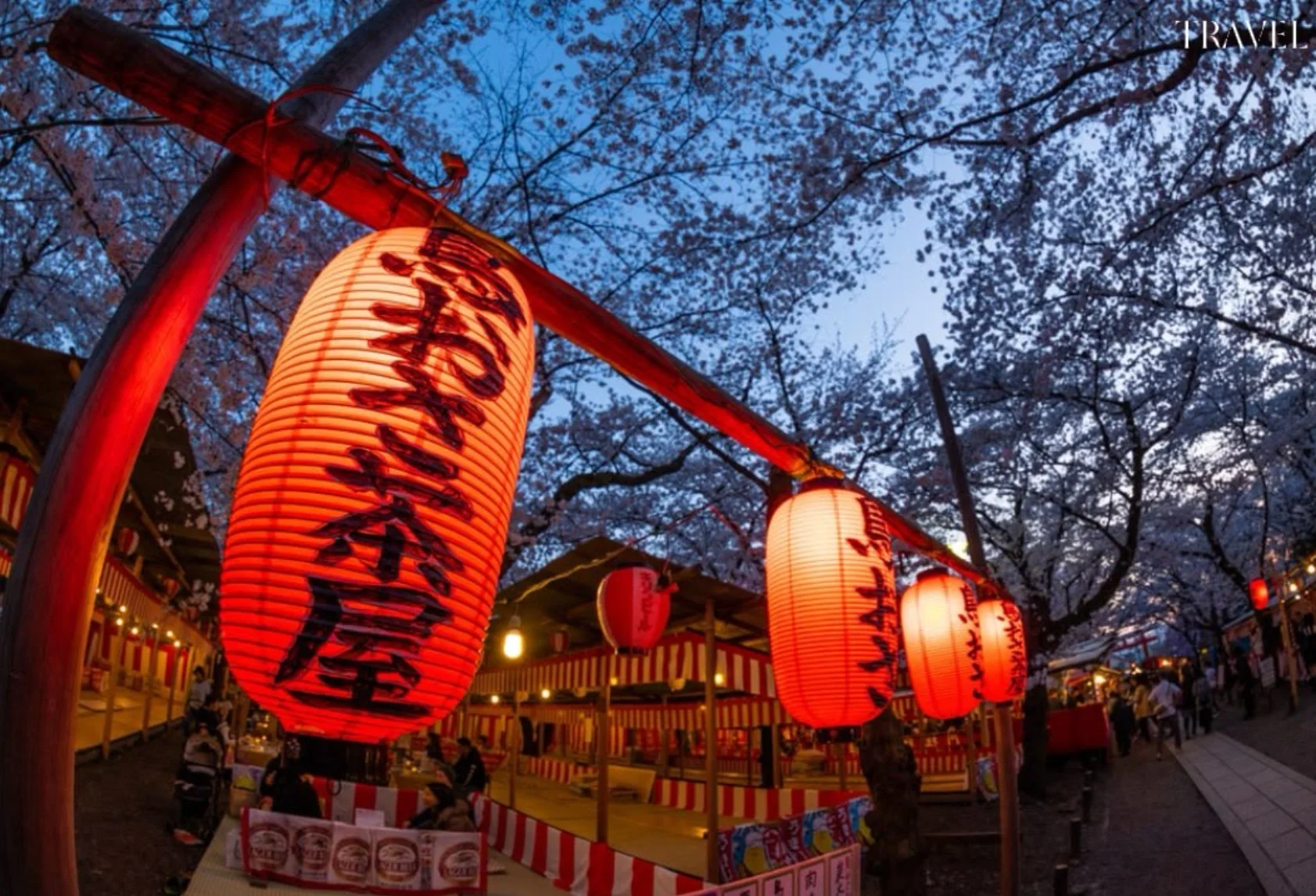
The practical dimension: the June travel window in Japan falls during the tsuyu, the rainy season, which produces the misty, overcast days that Japanese aesthetics has always valued — the quality of light diffused through cloud that makes the ajisai's blues and purples more vivid than they appear in direct sun. Carry an umbrella. Do not hurry.
The rain on the hydrangea garden is not a problem to be managed. It is the condition the garden was designed for.
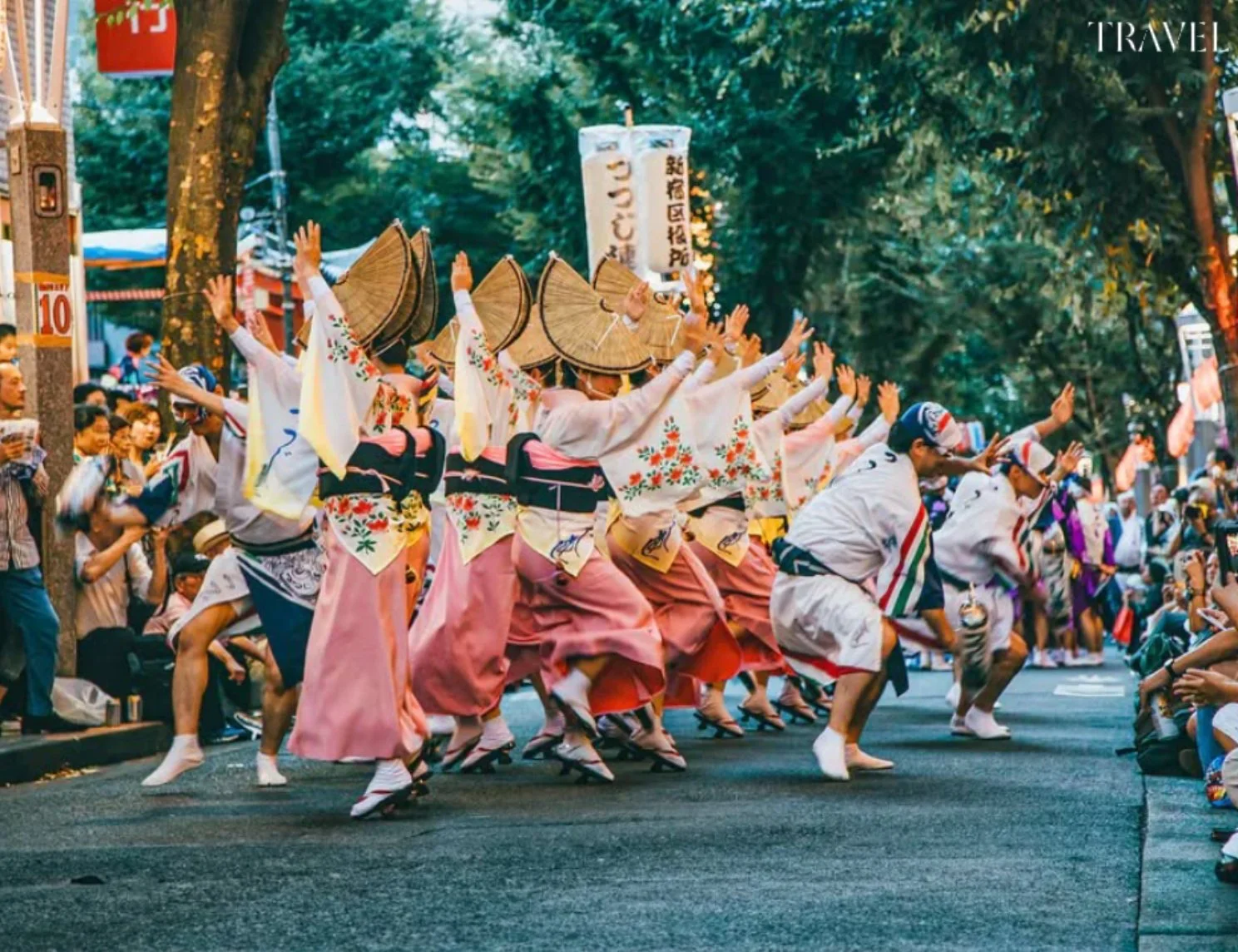
The ryokan situation in Kamakura is, in June, more accessible than in April. Rates are lower. The most sought-after properties have availability that spring does not allow. A week in Kamakura in June, organised around the hydrangea temples and the coastal walks and the excellent ramen of Komachi-dori, is a different Japan from the one the sakura season delivers. It is quieter, more internal, more specifically Japanese in its attention to beauty that arrives and passes with the season, regardless of whether anyone is watching.
BY OONA CHANEL
Bhutan in the Emerald Season: The Kingdom That Does Not Perform Itself for Tourists
July and August are Bhutan's best-kept secret. The blue poppy — the national flower — blooms only in these months. The festival calendar is intimate and local. Tiger's Nest has almost no queue. Author on the monsoon season that the guidebooks warn you away from.
“The blue poppy — Bhutan's national flower — blooms only in the high alpine meadows between late June and late July. You cannot see it in spring or autumn. It blooms here, now, briefly, and then it is gone. This alone is worth the journey.”
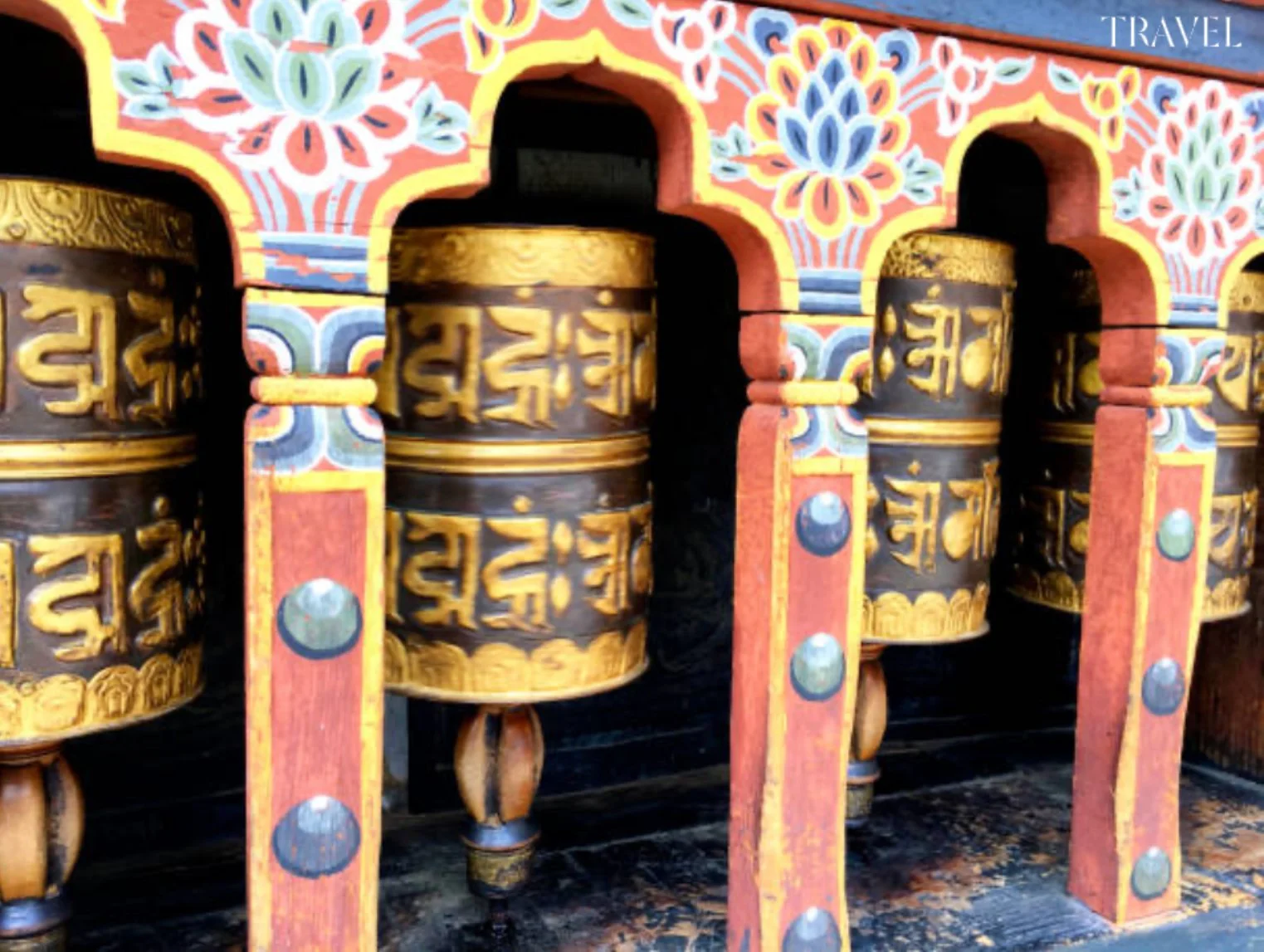
The standard advice about Bhutan is to visit in spring (March to May) or autumn (September to November). The standard advice is wrong in the specific way that travel advice is always wrong when it is organised around optimising for weather and crowd-avoidance simultaneously: it sends everyone to the same windows, producing the crowds it was designed to help you avoid, and steers you away from the months when the destination is most genuinely itself.
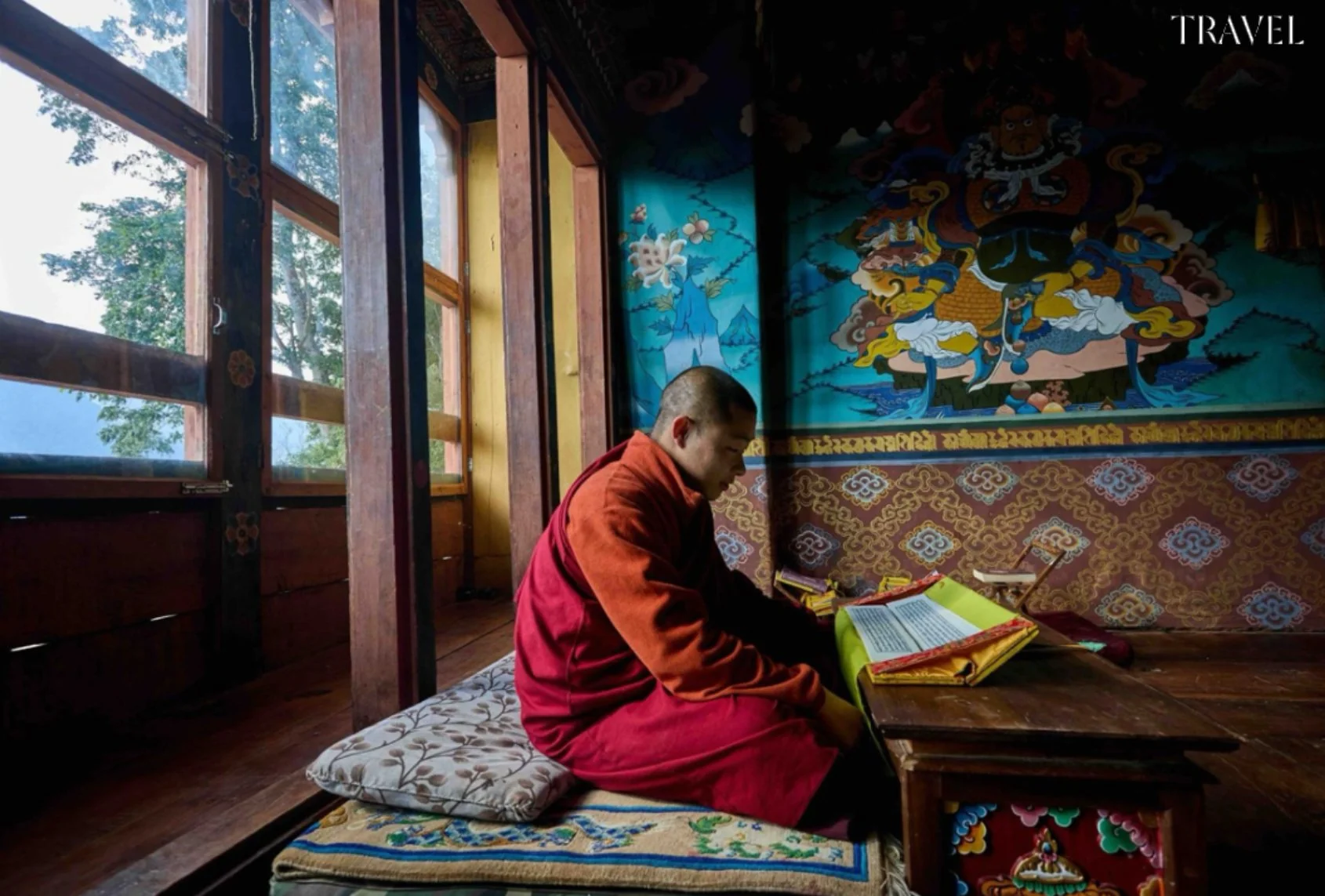
Bhutan in July and August is the Emerald Season — not a marketing term but an accurate description of what the monsoon does to a landscape that is already extraordinary. The rains transform the valleys into a deep green that the dry months cannot produce: the rice terraces stepped into the hillsides, the farmhouse paths lined with wildflowers, the pine and blue poppy forests above the treeline doing what they only do during this window. The blue poppy — Meconopsis betonicifolia, Bhutan's national flower — blooms only in the high alpine meadows between late June and late July. You cannot see it in spring or autumn. It blooms here, now, briefly, and then it is gone.
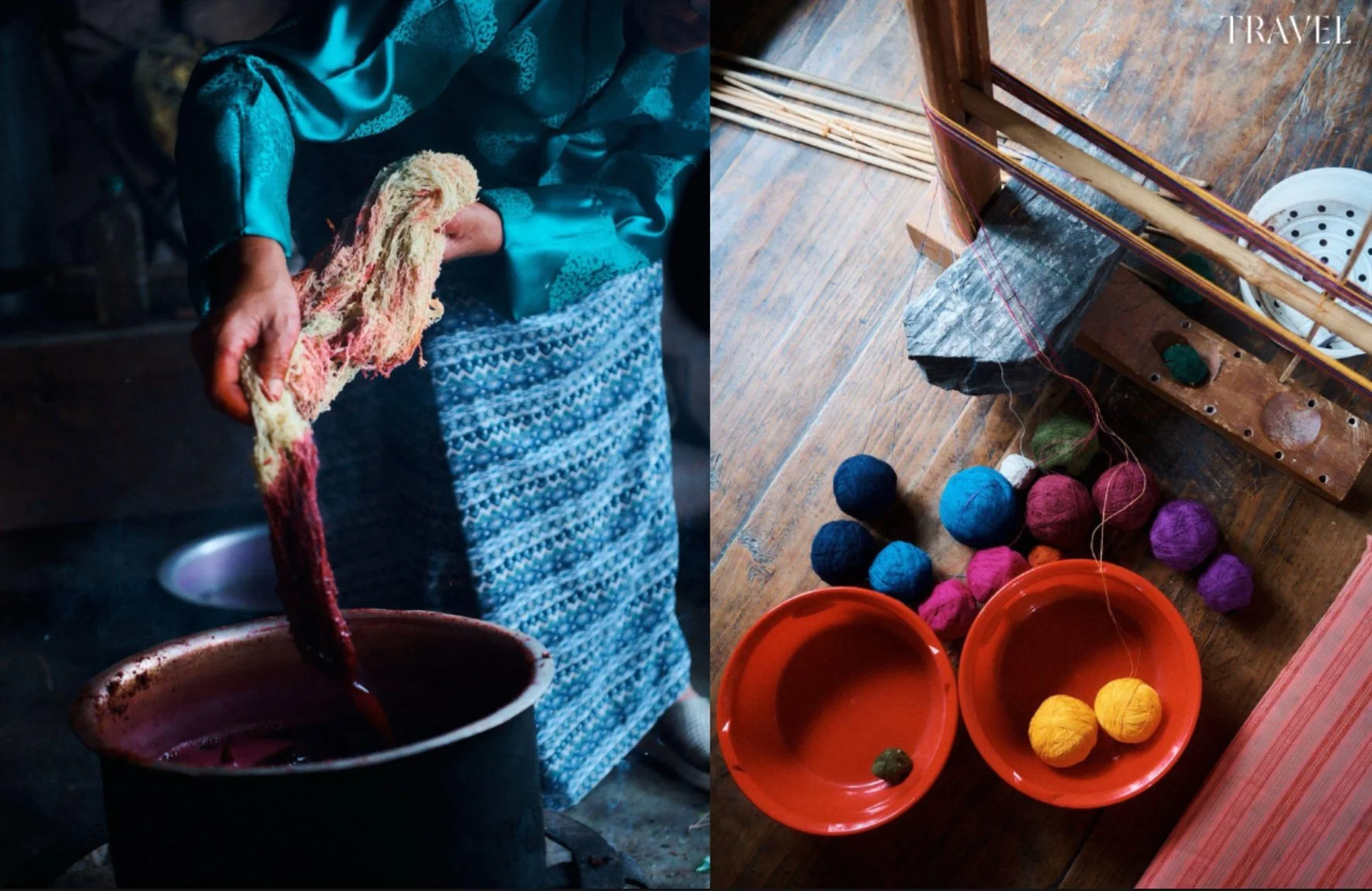
The practical case for July-August travel is equally compelling. The Sustainable Development Fee — the $40 per person per day levied on international visitors since 2023 — applies year-round, but accommodation rates drop significantly in the monsoon season, with luxury 5-star properties offering discounts of 20-40% and extended stay packages that are not available in peak season. Drukair and Bhutan Airlines flights from Bangkok, Delhi, Kathmandu, and Dubai are rarely full in summer. The booking flexibility this creates is significant: you can plan a Bhutan journey in July on three weeks' notice in a way that is impossible in October.
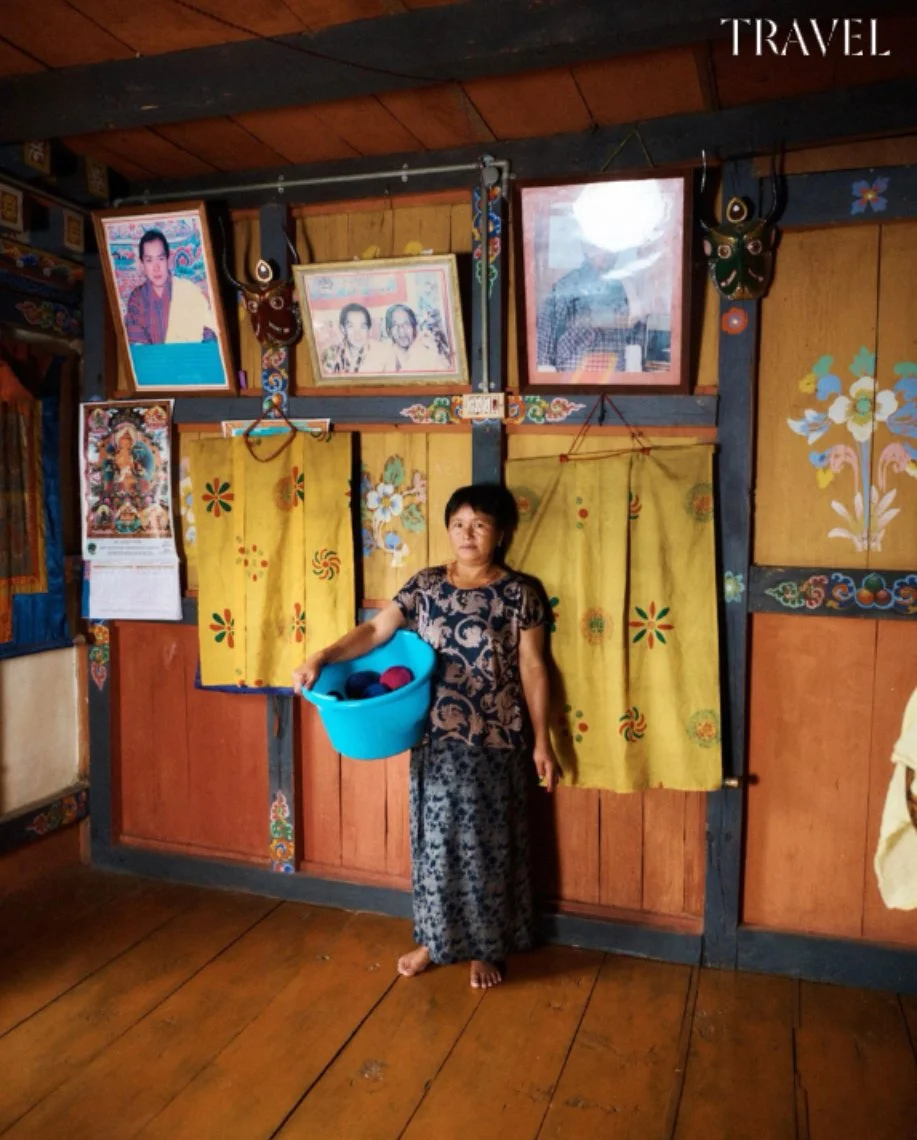
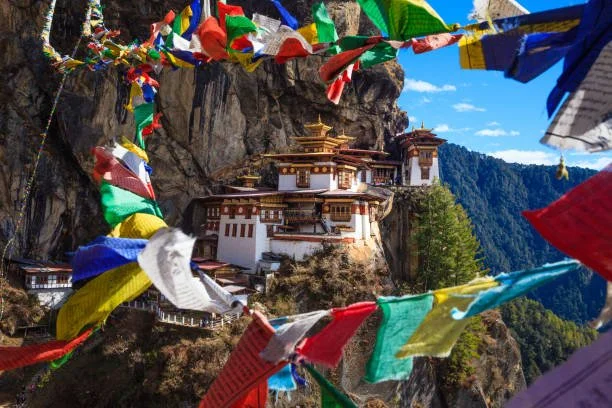
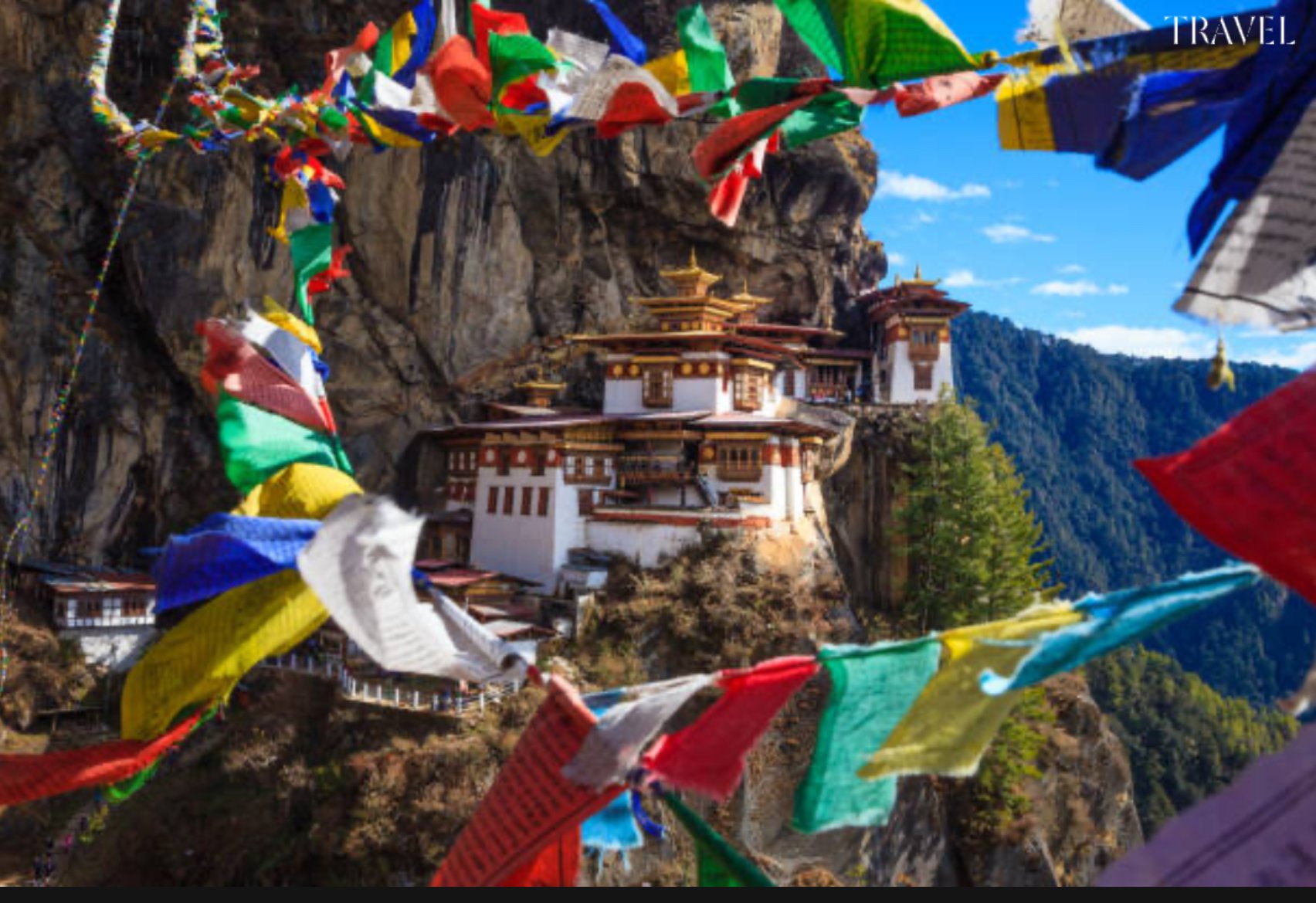
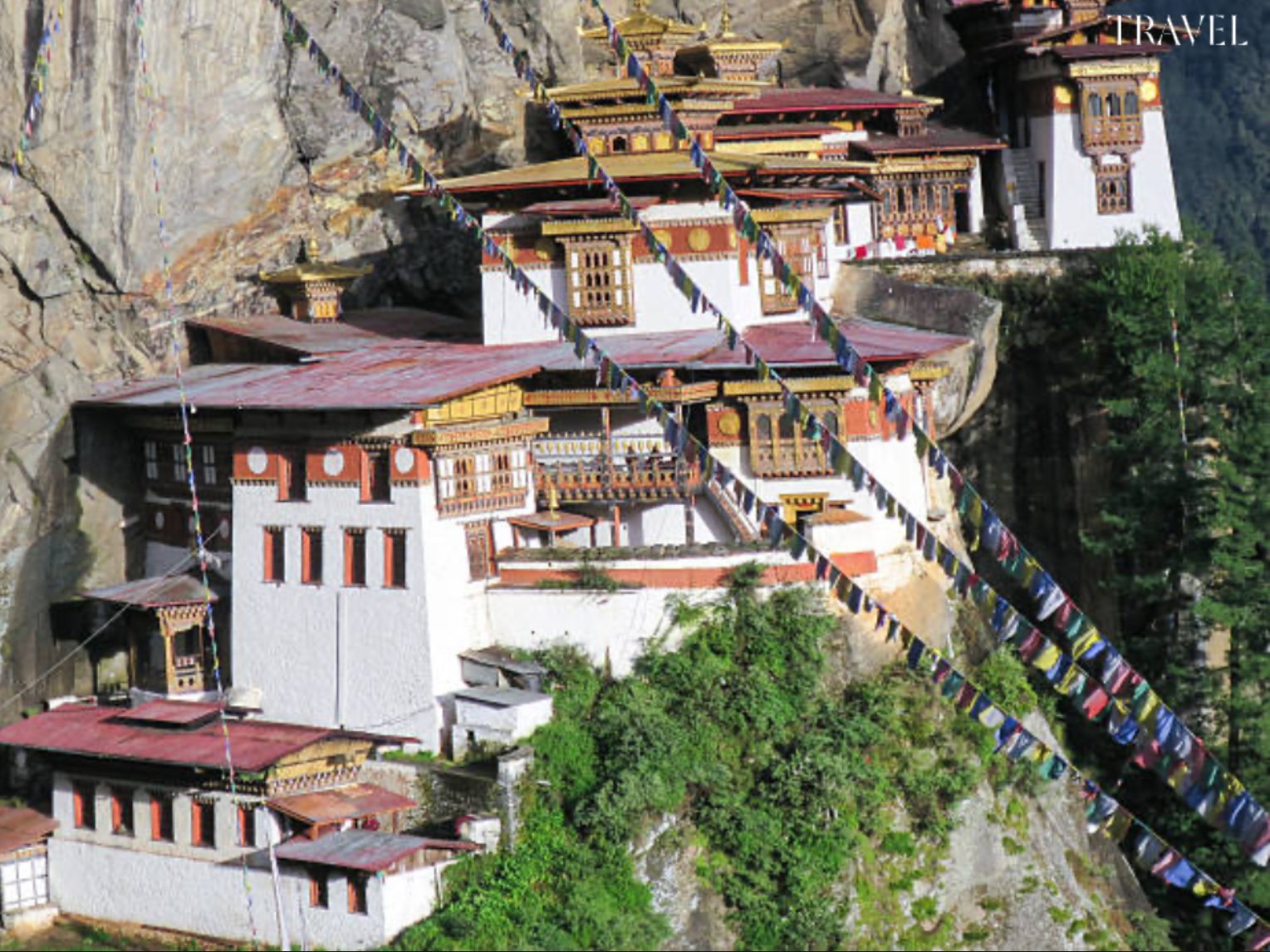
The tourism density at the major sites changes the entire experience. Paro Taktsang — Tiger's Nest, the cliff-hanging monastery above Paro valley that has become the postcard image of Bhutan — receives thousands of visitors per day in October's peak season. In July, the path to the monastery can be walked in relative quiet, with the mist from the monsoon clouds occasionally obscuring and then revealing the monastery in a way that the clear blue skies of autumn cannot produce. The mist is not a disappointment. It is the condition under which the place looks like what it actually is: a sacred site built into a cliff face above a world that does not stop at the human scale.
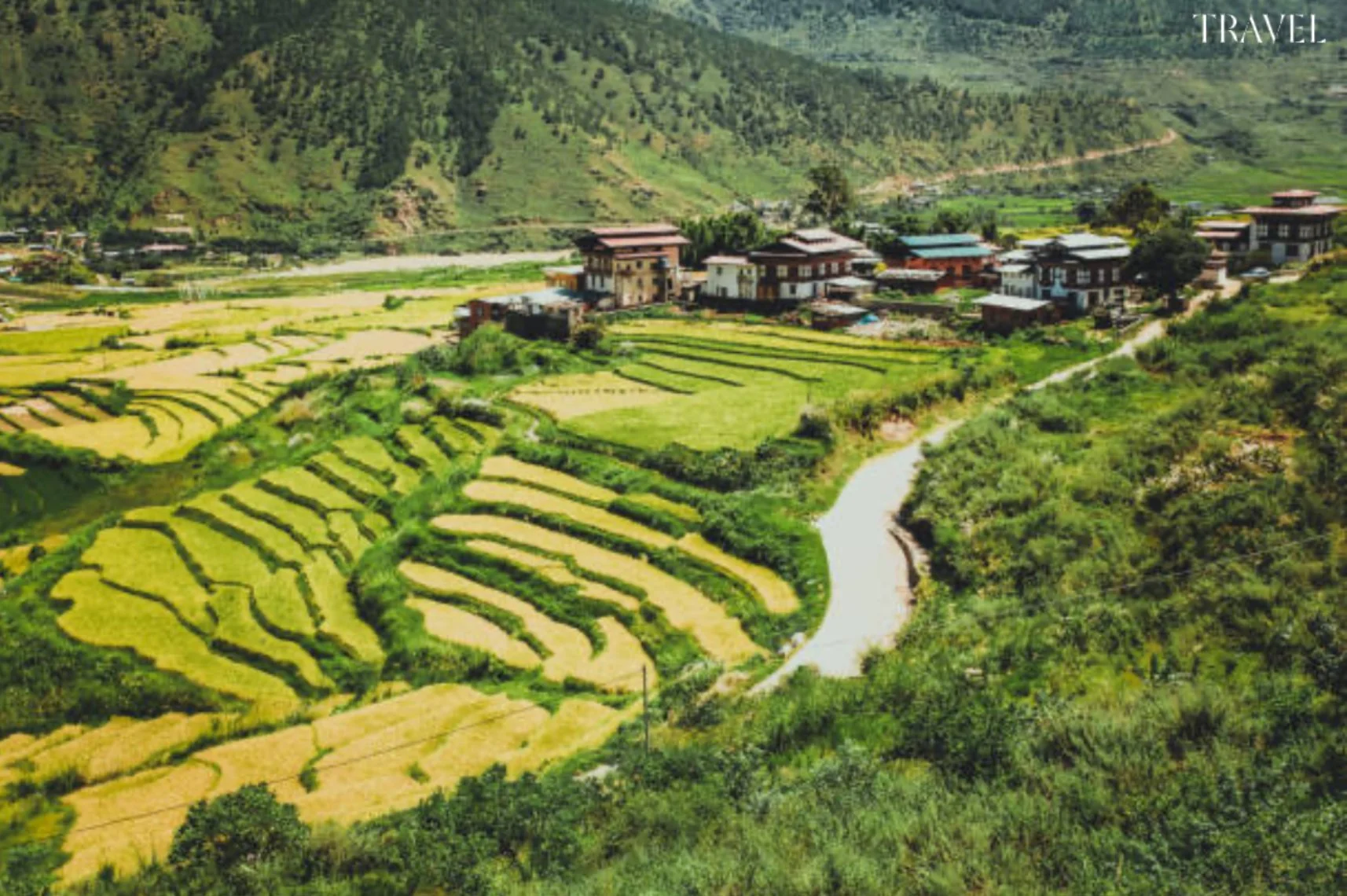
The festival calendar in July is, for the serious cultural traveller, more valuable than the large Thimphu Tshechu in autumn. The Nimalung Tshechu at Bumthang in late June to early July — masked dances performed by monks in the specific atmosphere of a festival attended primarily by the local community — provides a quality of cultural encounter that the autumn festivals, which are organised partly for tourist attendance, cannot replicate.
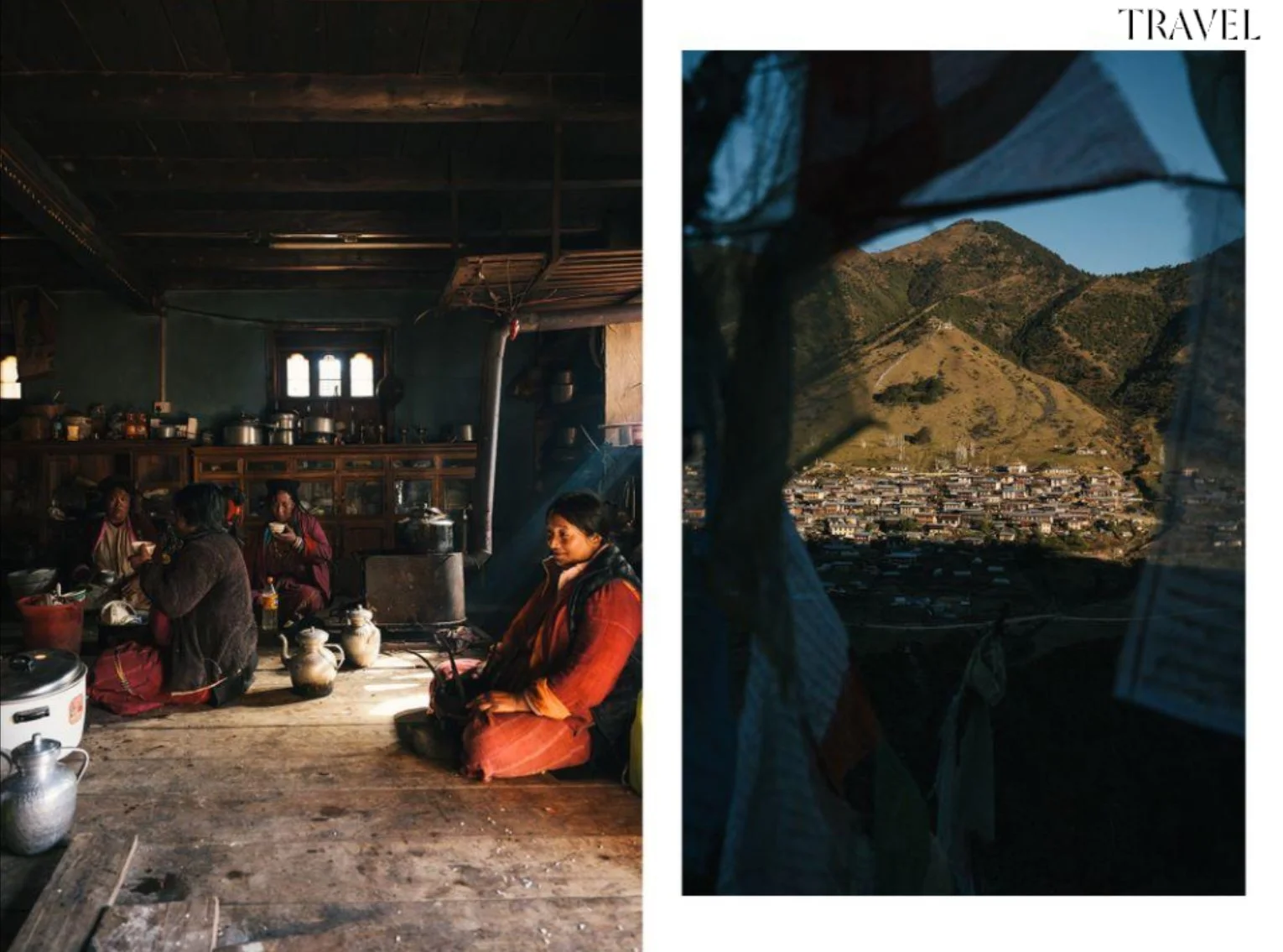
The Kurjey Tshechu at Kurjey Lhakhang, one of the most sacred monasteries in Bhutan (it houses the body imprint of Guru Rinpoche), is an intimate one-day event with deep local significance. The Matsutake Mushroom Festival in Ura Valley in August — during which visitors can forage in the forests with local guides and participate in mushroom-themed communal meals — is the most direct available engagement with everyday Bhutanese rural life.
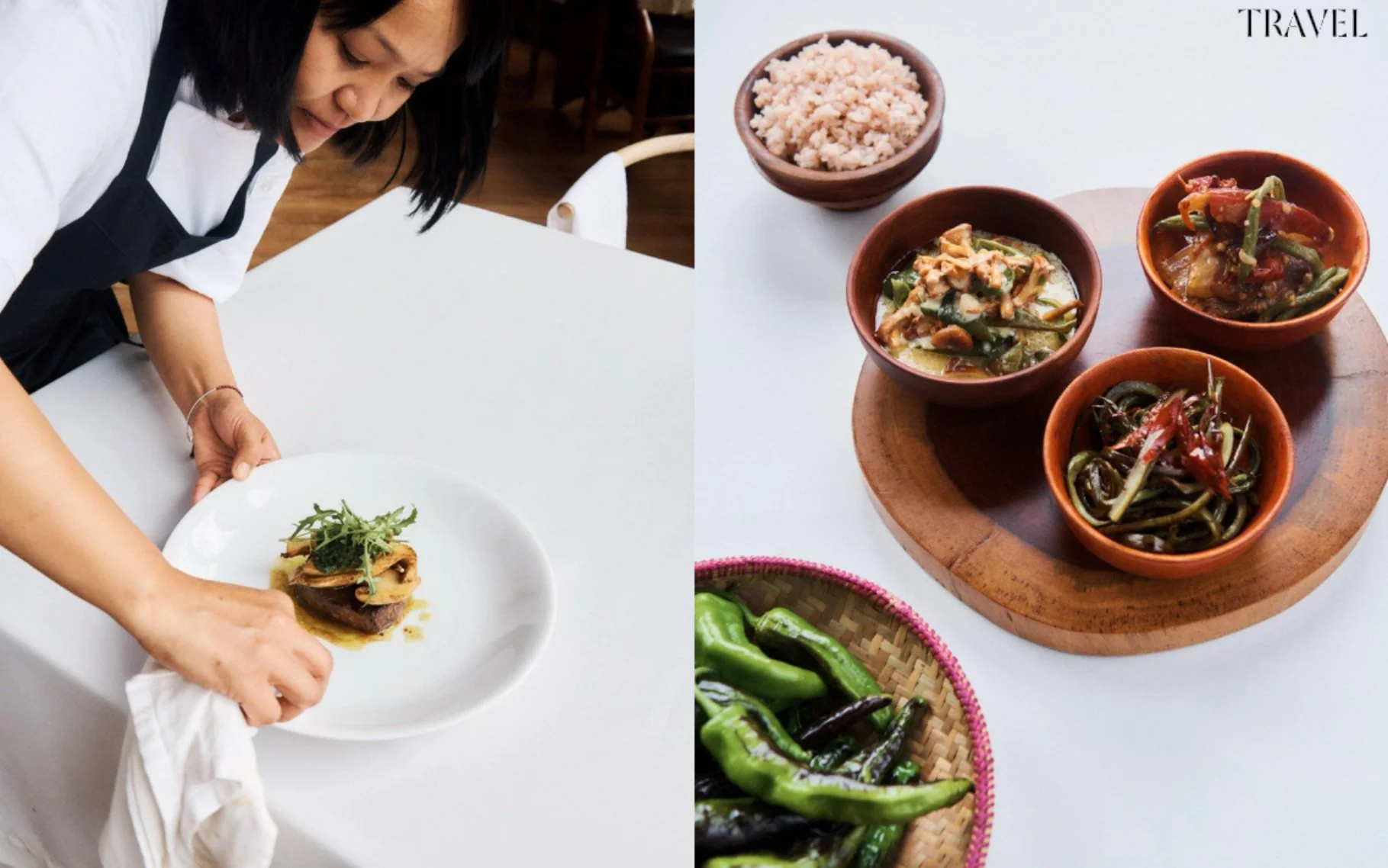
The wellness dimension of a July Bhutan visit deserves specific mention. The hot stone bath — kha chu, a traditional Bhutanese wellness practice in which river stones heated over wood fire are placed in wooden tubs filled with water and local medicinal herbs including artemisia and other indigenous plants — is available year-round but is most therapeutic in the monsoon season, when the cool damp air makes the heat most rewarding. Many of the mid-range and high-end lodges in Paro and Punakha offer this as part of their standard programming. It is not a spa treatment. It is a several-hundred-year-old practice that happens to have been adapted for guests.
The practical note on rain: the Bhutanese monsoon is not the Southeast Asian monsoon. Rain in Bhutan typically arrives in the late afternoon or overnight. The mornings are frequently clear. The rain, when it comes, is cleansing rather than relentless — most days offer four to six hours of good light and clear conditions. The roads occasionally have brief disruptions from minor landslides that the Department of Roads clears within hours. Pack a quality waterproof layer, wear good grip footwear for muddy trails, and accept that the weather will be part of the experience rather than a condition to be avoided.
BY OONA CHANEL
Tbilisi: The City That Rewards the Second Visit More Than the First
Most travellers leave Tbilisi having been charmed. The travellers who return leave having been changed. Here is the difference — and what the second visit makes possible that the first cannot.
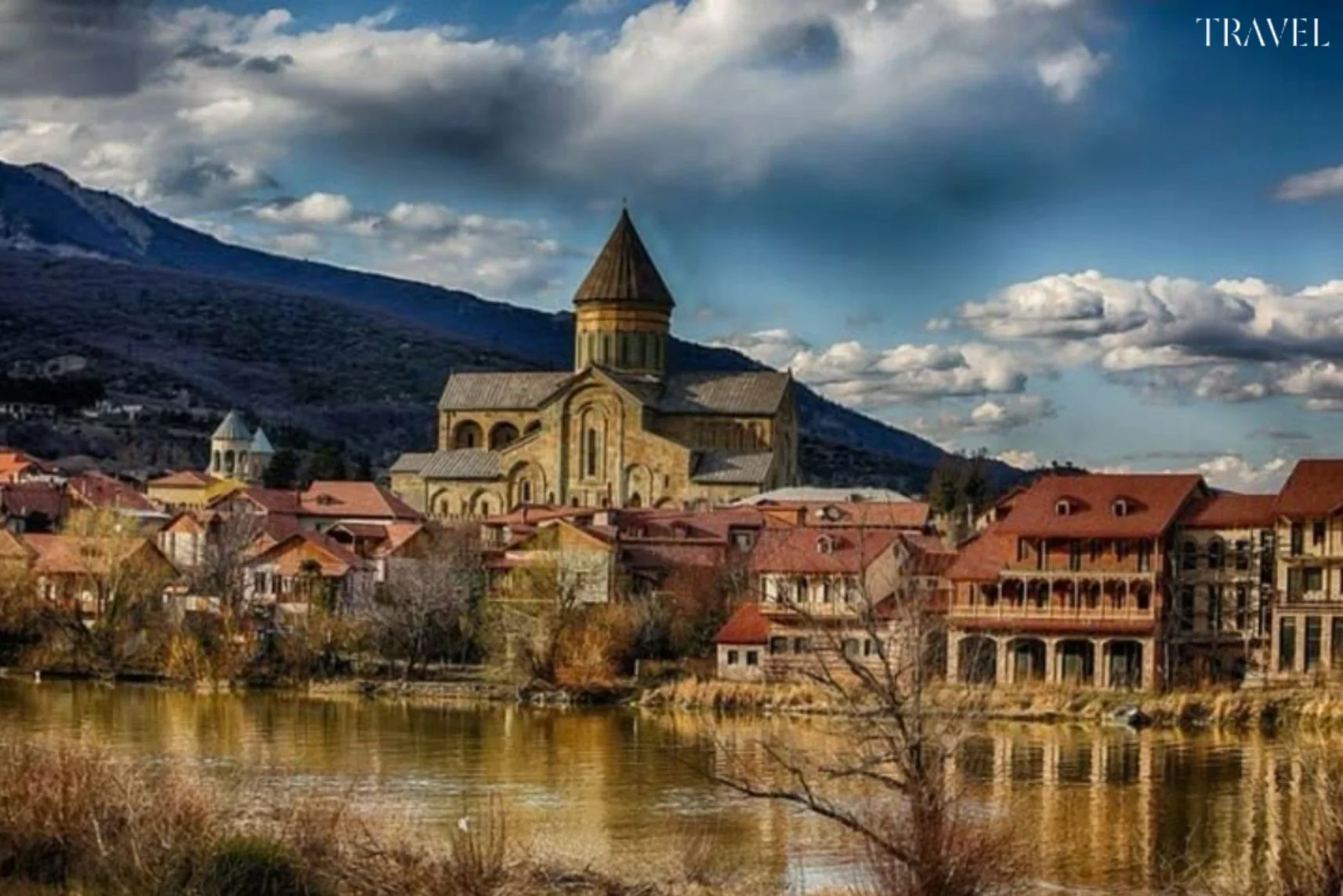
“Georgia has been invaded, occupied, and absorbed by successive empires — and has remained, underneath all of it, recognizably Georgian. This is the product of a cultural confidence that is visible everywhere in Tbilisi but that requires time to read.”
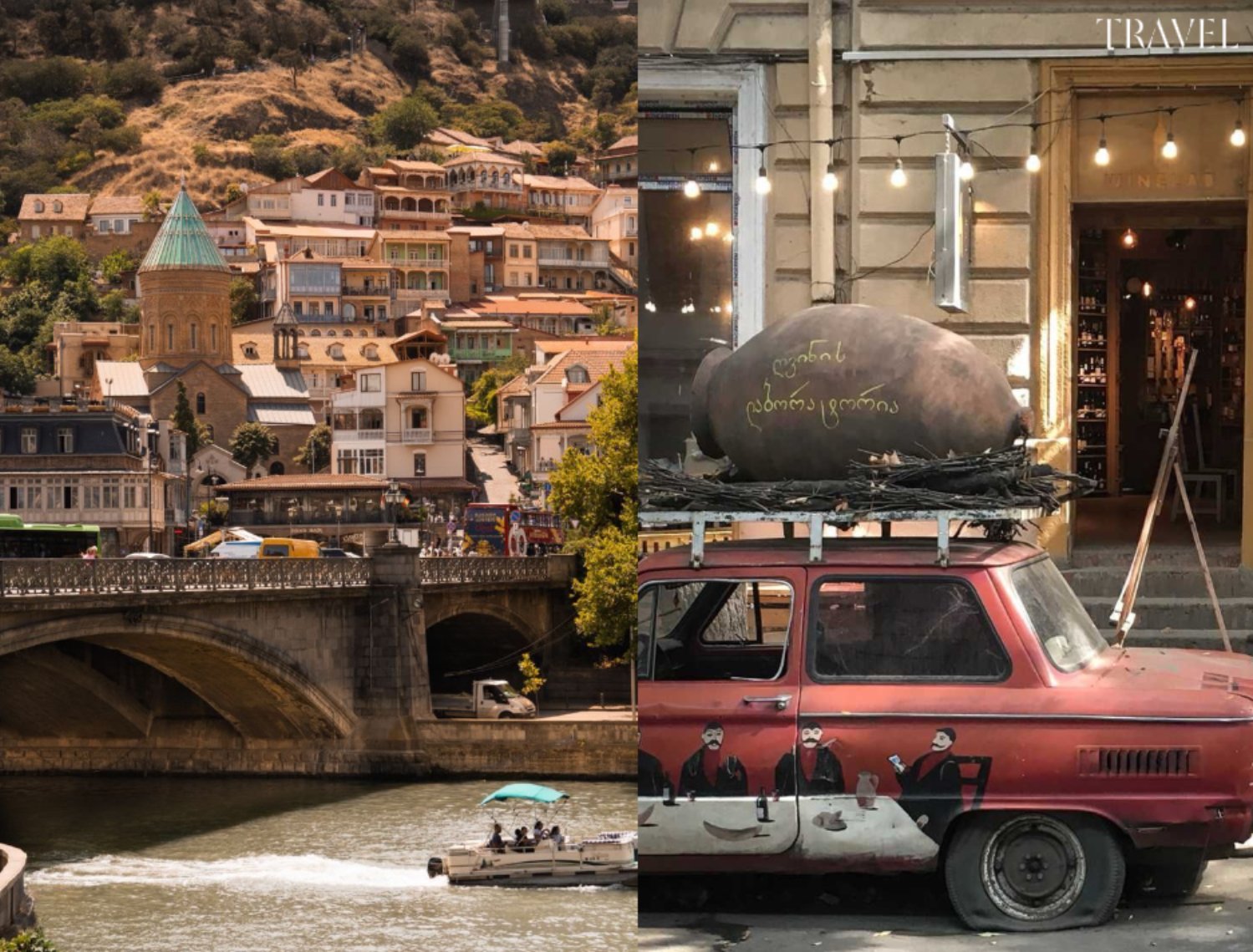
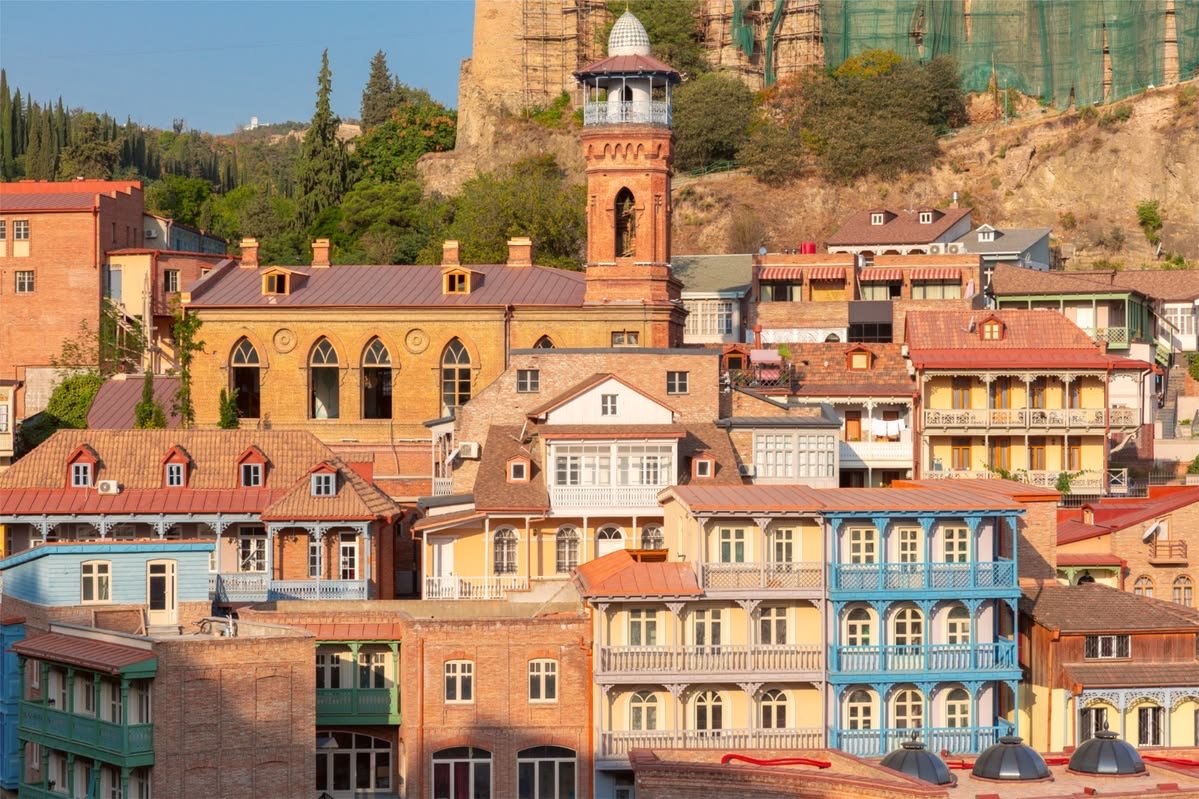
The first visit to Tbilisi produces a very specific response in almost everyone who makes it: the sense of having arrived somewhere that has been waiting to be discovered, a city whose beauty and complexity and hospitality have been available all along but whose position at the edge of the European travel imagination has kept it from becoming a destination in the organised sense. The carved wooden balconies, the sulphur baths of Abanotubani, the layered architecture of a city that has absorbed Persian, Ottoman, Russian, and Soviet influence without losing its essential Georgian character — all of this is available on the first visit and is, by any standard, extraordinary.
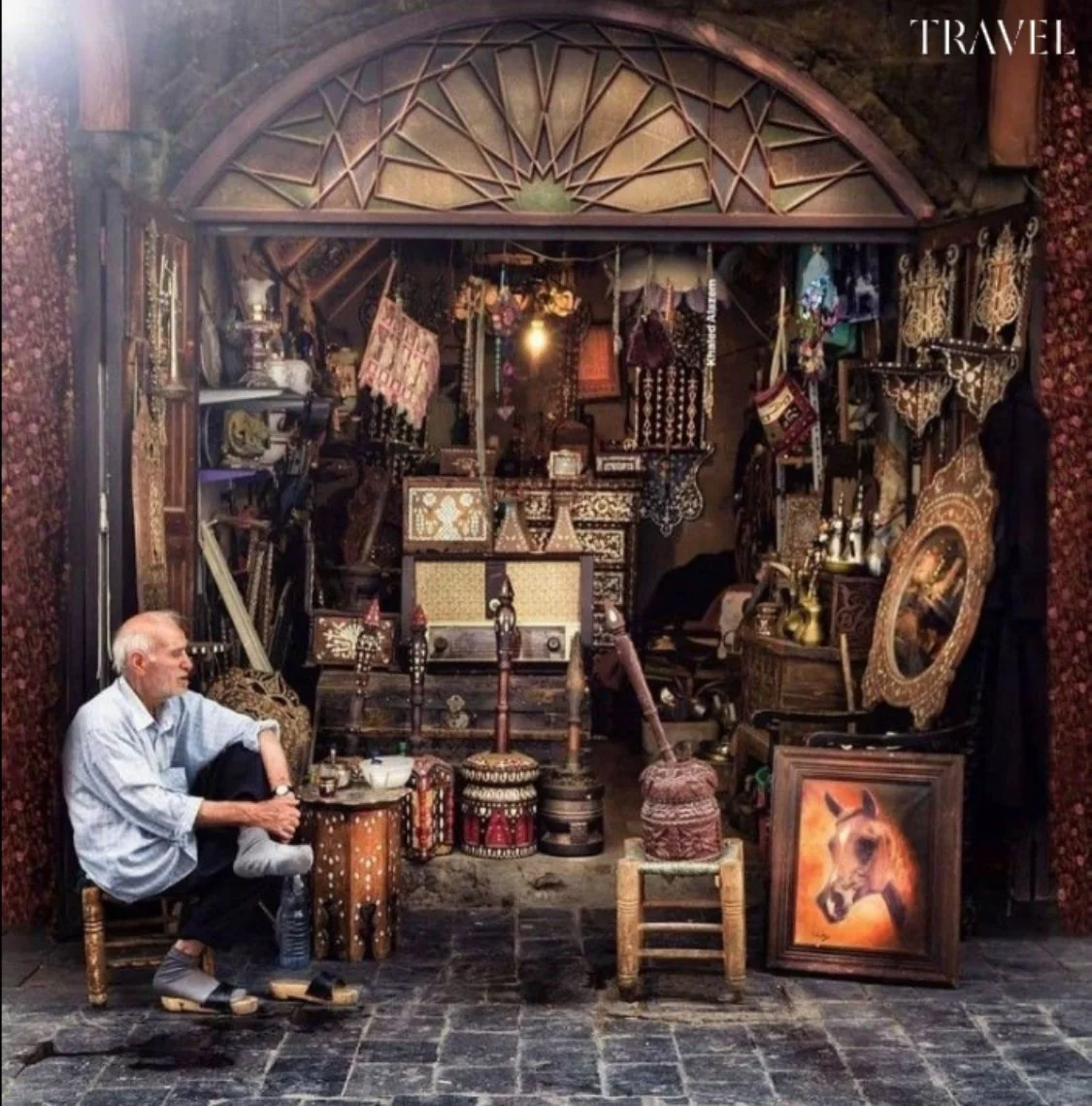
The second visit is different in a way that is difficult to communicate to someone who has not had it. The architecture is still there. The food is still extraordinary — the khinkali, the churchkhela, the specific quality of amber wine from the Kakheti region that has been made in clay vessels buried in the earth for eight thousand years. But the second visit adds something the first cannot provide: the city's relationship to its own past and future, which is one of the most complex and most honestly discussed relationships between a capital and its history that exists in contemporary Europe.
Georgia has been invaded, occupied, partitioned, and culturally absorbed by successive empires — Persian, Ottoman, Russian, Soviet — and has remained, underneath all of it, recognizably Georgian. This is not a small thing. It is the product of a cultural confidence that is visible everywhere in Tbilisi but that requires time to read. The polyphonic choral tradition, which has been sung here for at least fifteen hundred years. The Kartvelian script, one of fourteen independent writing systems ever developed. The specific hospitality culture — maspindzloba, the sacred obligation of the host.
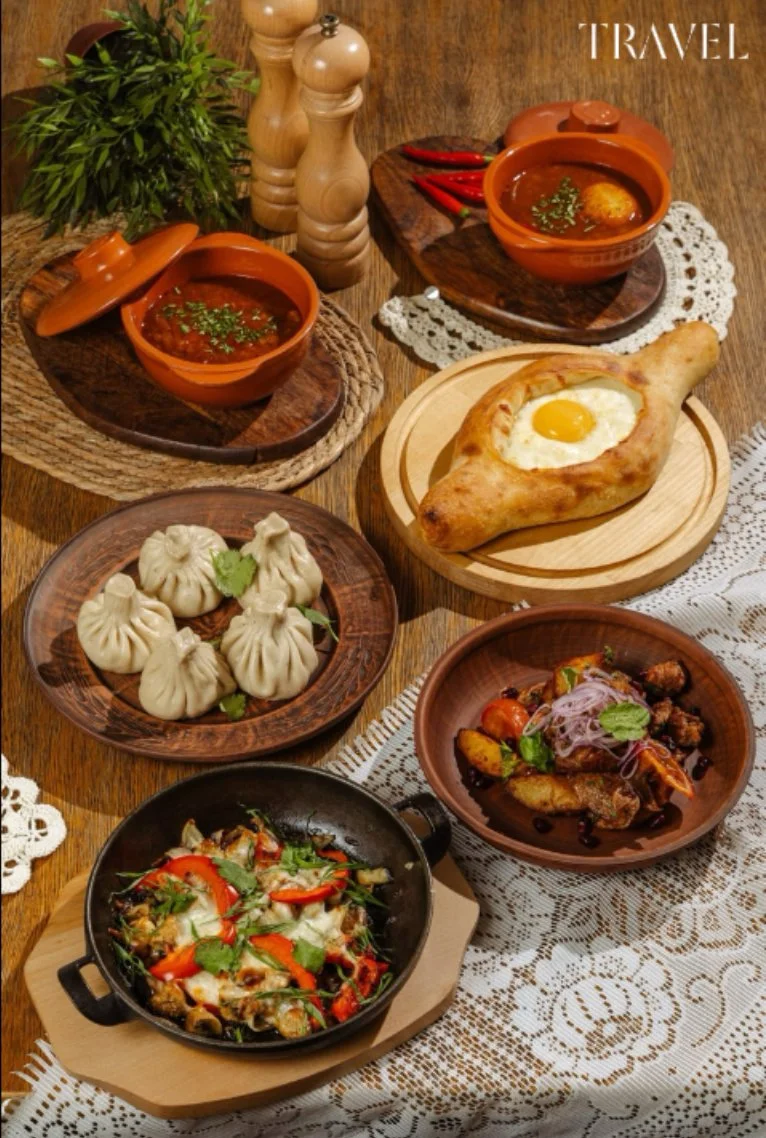
The institutions that reward the second visit: the National Gallery, which holds the work of the early twentieth-century Georgian artists — Niko Pirosmani above all, whose naïve formal genius is unlike anything else in European art — in a context that explains rather than merely presents. The State Museum of Georgian History, where the gold jewellery of the ancient Colchian civilization — the Colchis of the Golden Fleece myth, which was a real place — is displayed with the seriousness it deserves.
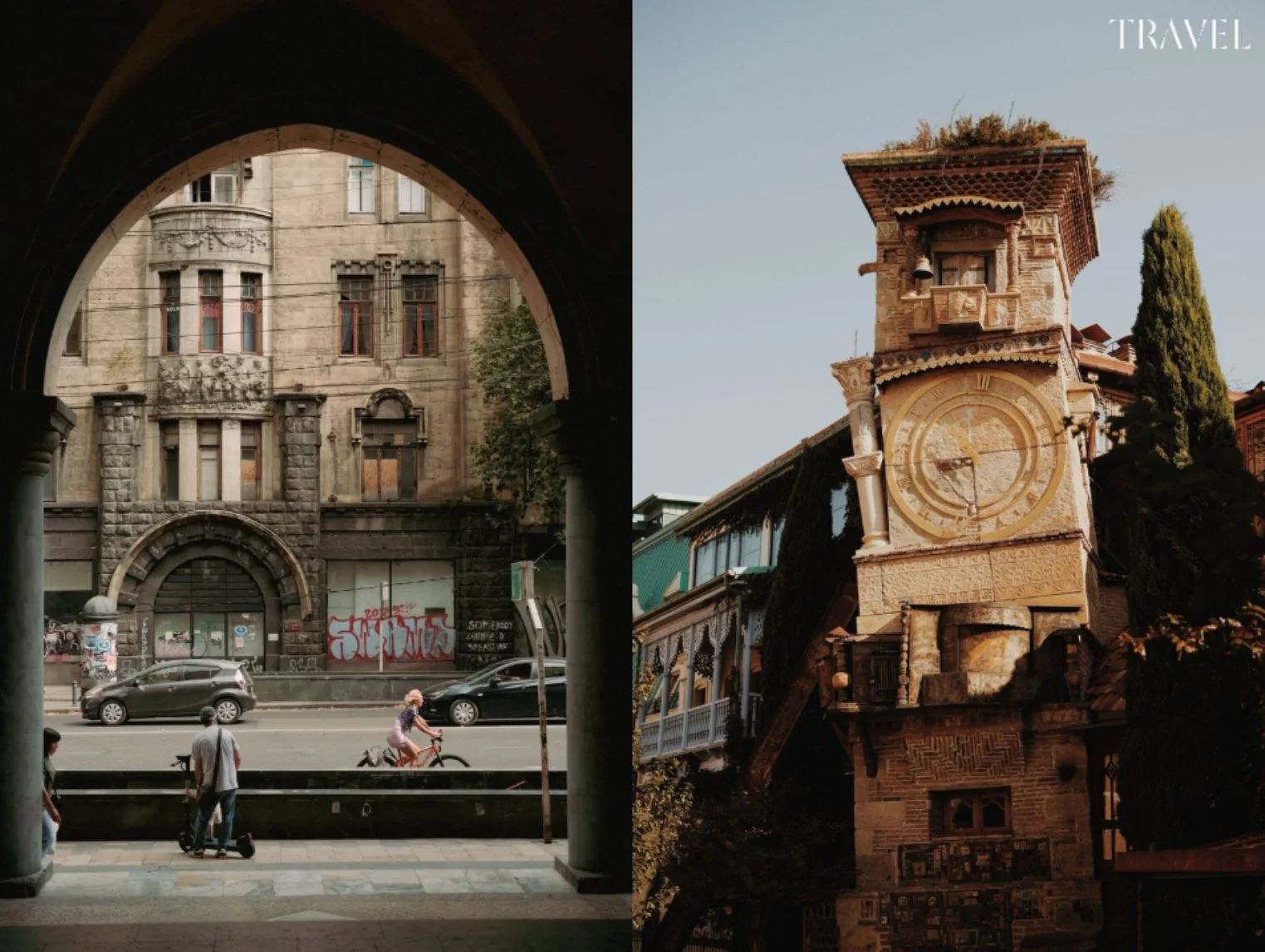
The wine is worth its own attention. Georgian natural wine — made from Rkatsiteli, Saperavi, and dozens of ancient varieties preserved in the Caucasus while European viticulture was being reorganized by the French appellation system — is still underrepresented in serious wine conversation. The amber wines, made with extended skin contact in qvevri clay vessels, are unlike anything produced anywhere else and are available in Tbilisi at prices that represent one of the better value propositions in serious drinking.
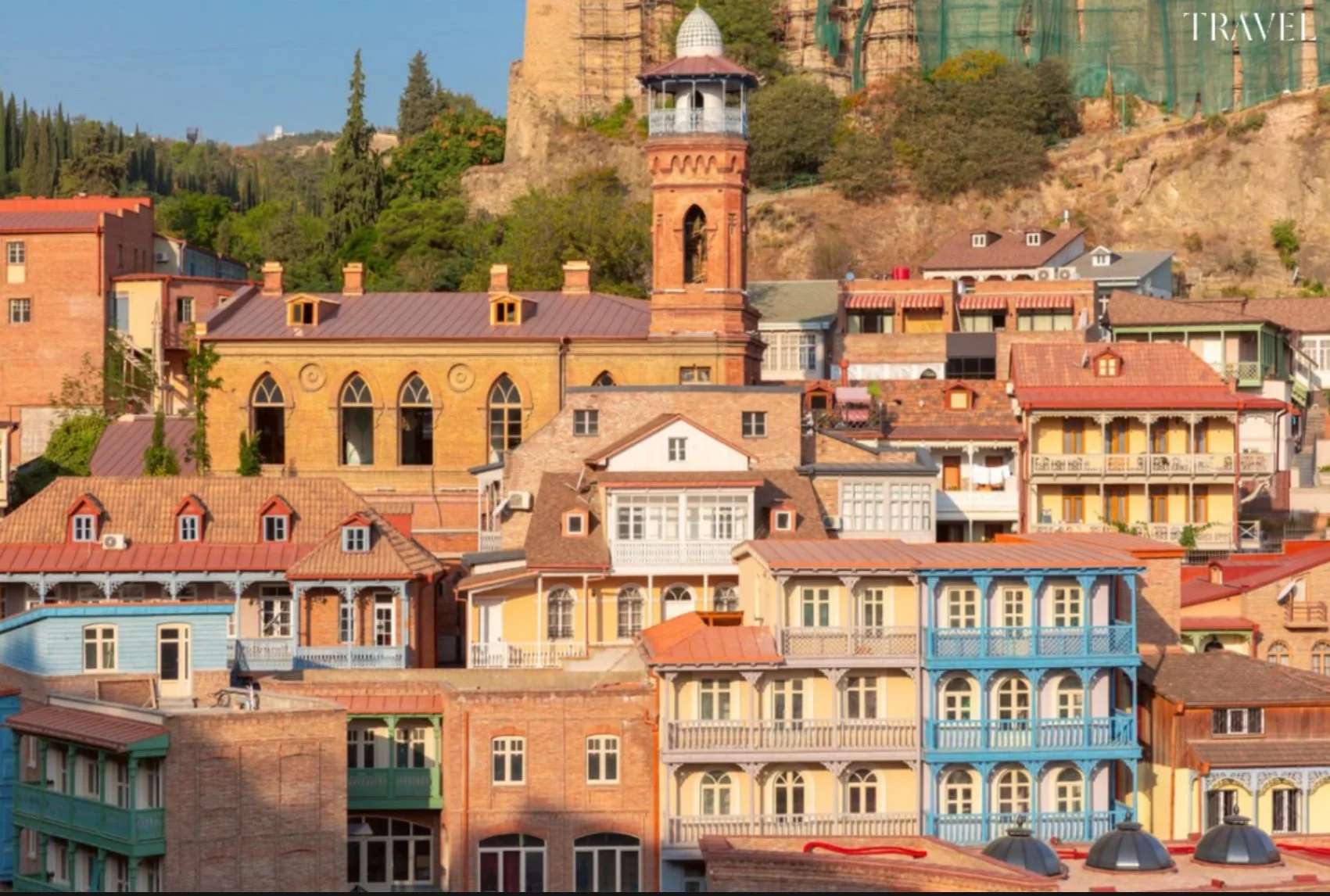
The recommendation for the second visit: stay longer, go slower, eat where the Georgians eat rather than where the tourists do. Find a guide who is interested in the cultural history rather than the tourist itinerary. Go to a polyphonic concert — not a tourist performance but an actual ensemble, findable through the network of cultural venues in the old city.
The first visit shows you Tbilisi. The second visit shows you what Tbilisi is.
Most travellers do not make the second visit. This is, from the perspective of anyone who has, a significant loss.
BY OONA CHANEL
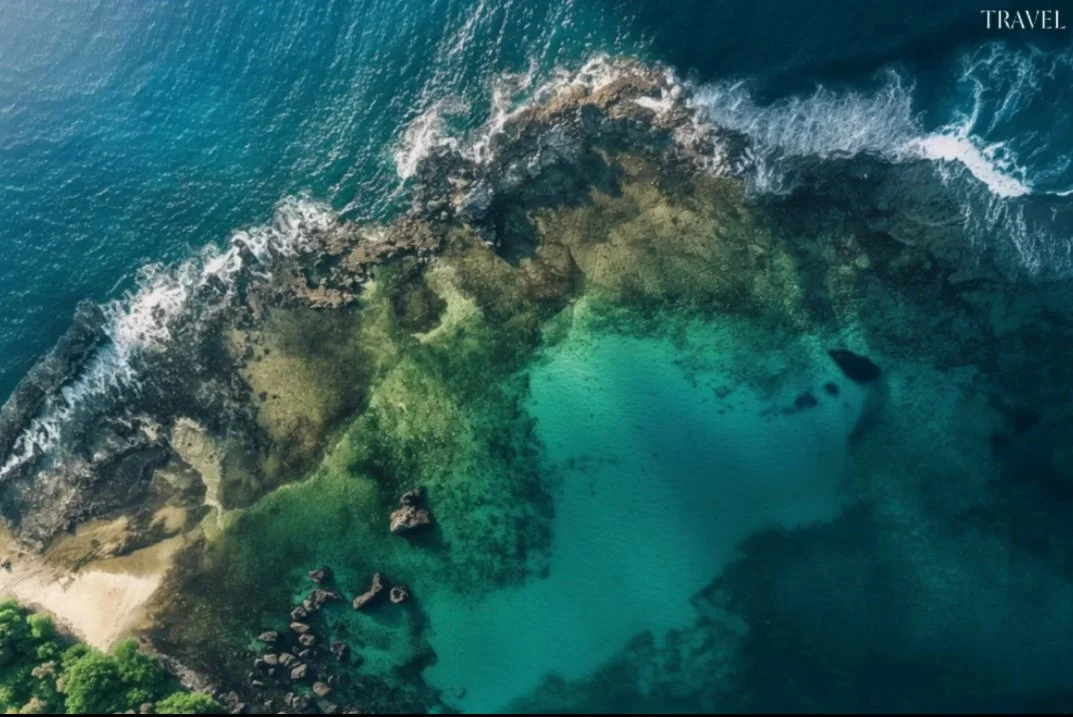
Albania's Riviera: The Coast That Luxury Travel Just Found
The Albanian Riviera is confirmed as the fastest-growing luxury travel destination in Europe. What is there is genuinely extraordinary. Here is how to experience it before the infrastructure changes what it is.
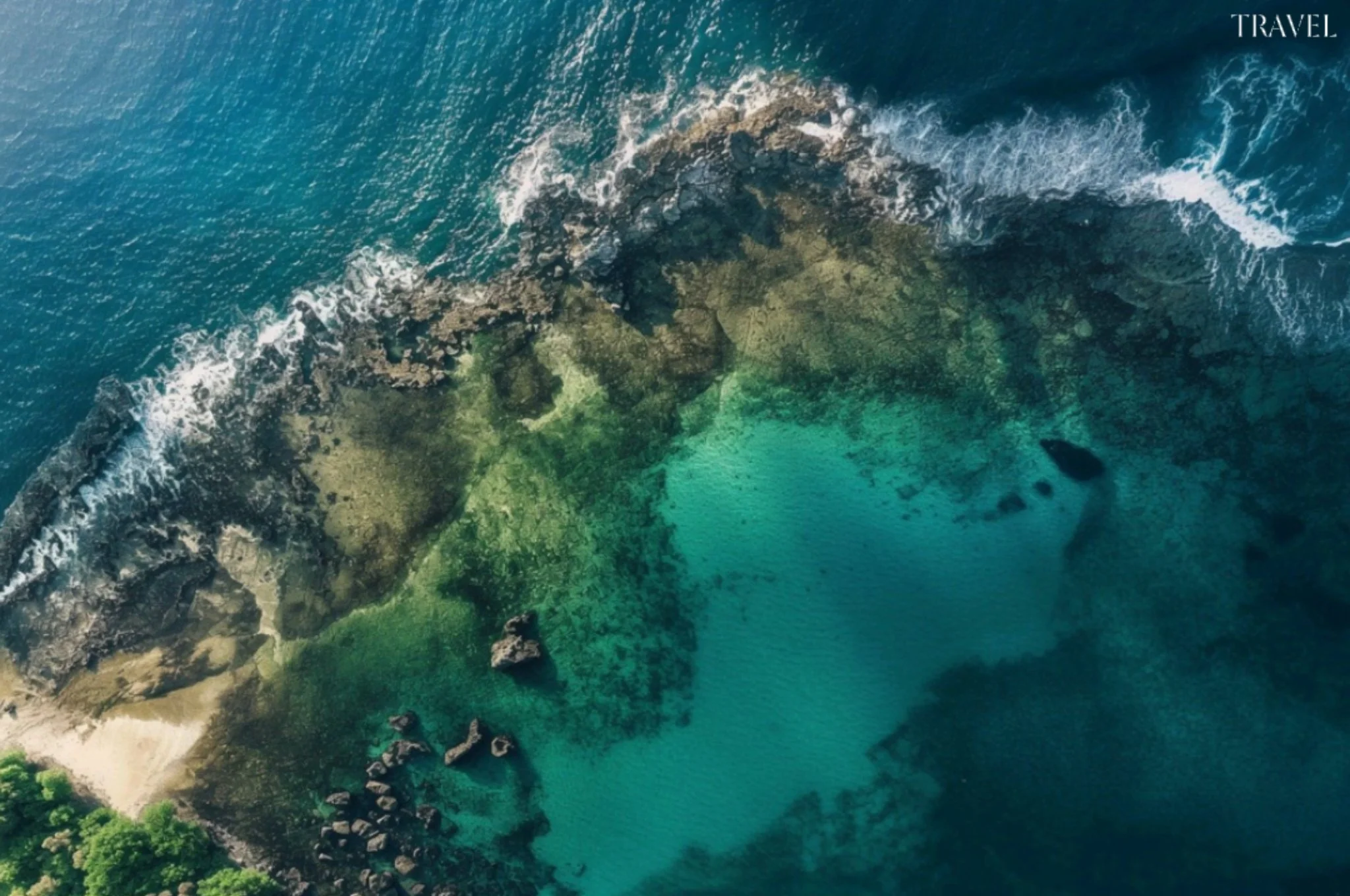
“The Albanian Riviera in June 2026 is the thing every serious traveller is always looking for and rarely finds: a place of genuine beauty that is not yet performing its beauty for the people who come to see it.”
The road south from Sarande along the Albanian Riviera is one of the most physically dramatic coastal drives in Europe. Not the French Riviera's curated glamour, not the Croatian coast's orchestrated beauty, not the Amalfi's operatic self-presentation — something rawer and older: limestone mountains dropping directly into water that is, in the specific afternoon light of early June, a colour that photographers consistently fail to capture because the camera reads it as implausible.
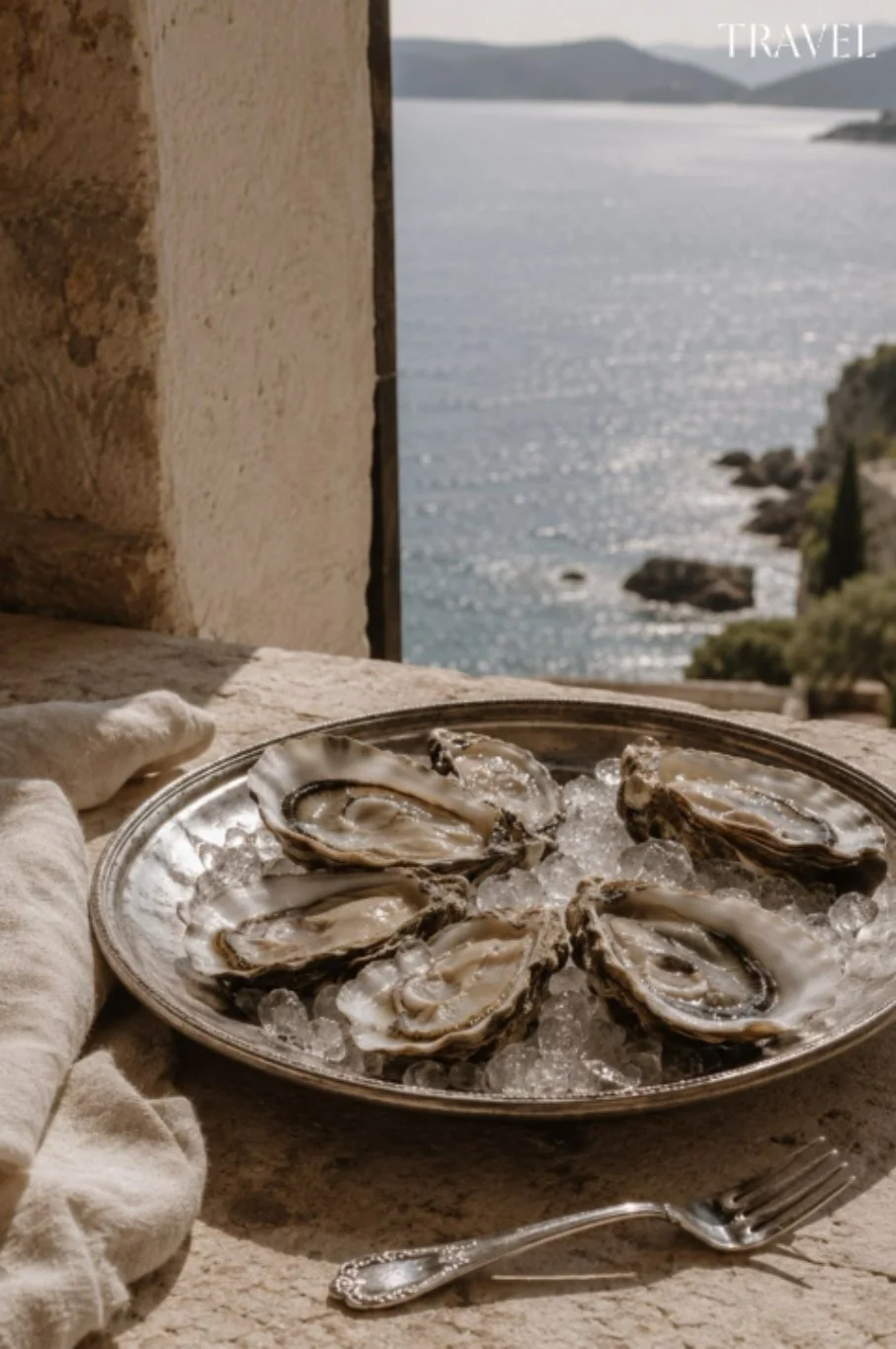
Albania spent the better part of fifty years as the most closed country in Europe, under a Stalinist regime that sealed its borders entirely from the 1960s through to 1991. The legacy of that isolation is one of the most extraordinary intact coastlines on the Mediterranean: undeveloped because development required a permission structure that did not exist, preserved because preservation was an accidental consequence of prohibition.
What arrived with the opening was not immediately international luxury tourism. It was Albanian domestic tourism, followed by backpackers, followed by digital nomads, followed by the property developers whose arrival is the sign that a place has been found and the clock is running. The luxury infrastructure is only now beginning to match what the landscape has always offered.
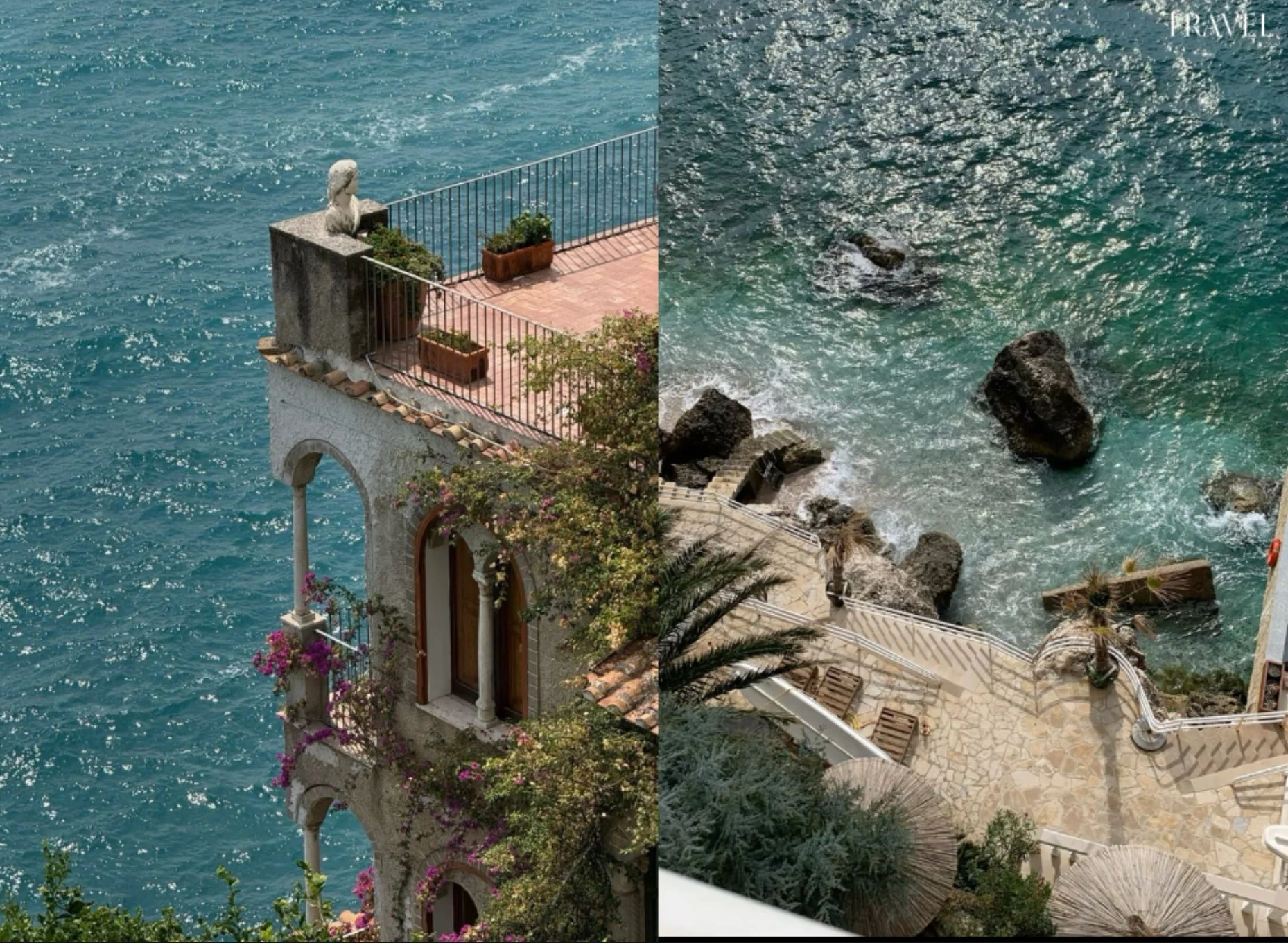
The Riviera runs from Sarande in the south to the Llogara Pass in the north — approximately 150 kilometres of coastline with an internal variety that rewards time. Ksamil, at the southern end, with its small islands accessible by short boat trips and water that stays warm from June through October. Himara, the mid-coast town with a Venetian-era castle and a seafood tradition that is the equal of anything on the Adriatic. Dhermi, where the beach is a white-pebble crescent and the village above it has been inhabited continuously since Byzantine times.
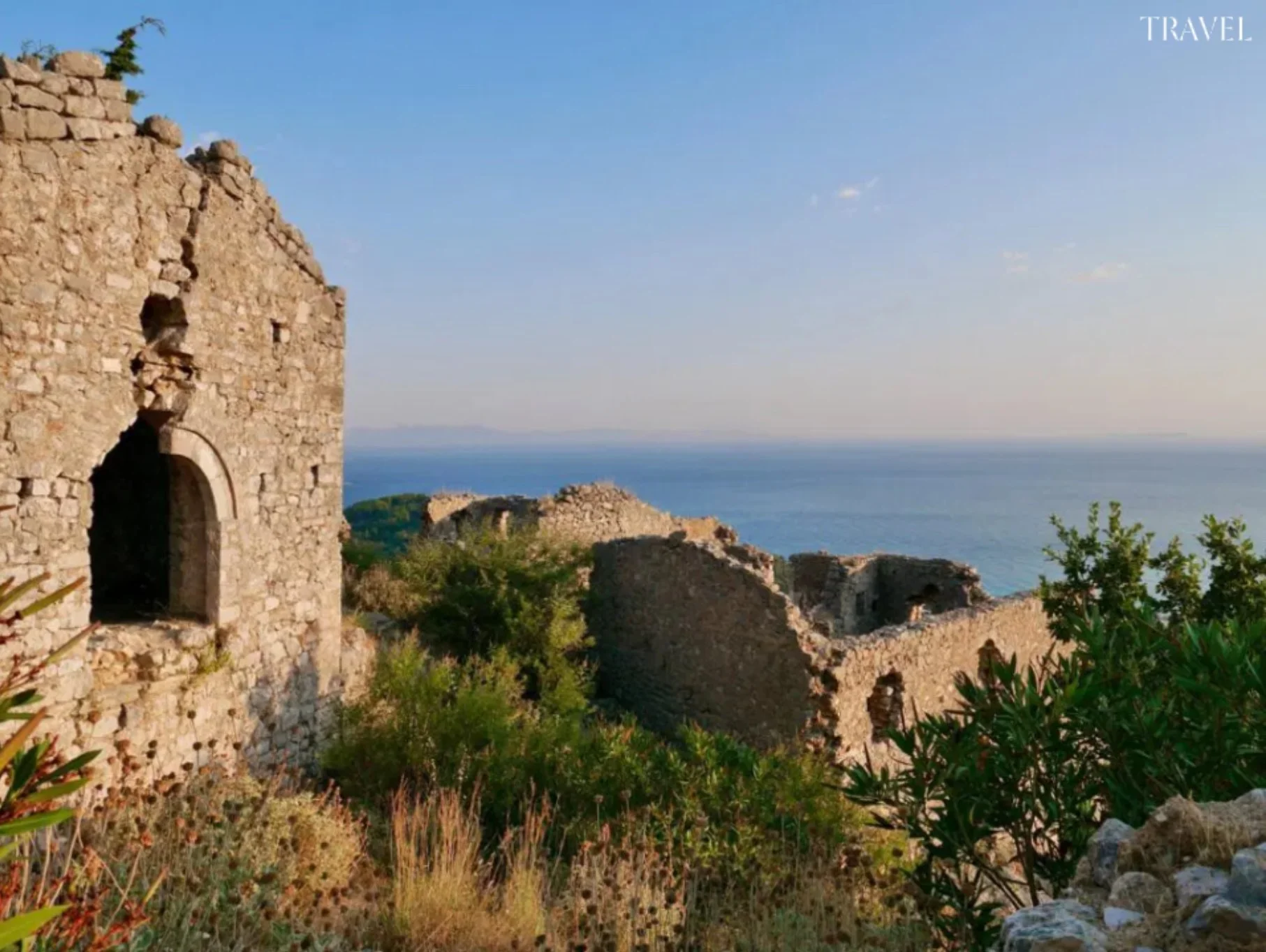
The hotels worth the journey right now are not the international brands, which have not yet arrived in the interior of the Riviera in any meaningful way. They are properties built by people who came here, stayed, and decided to create something that served the landscape rather than advertised it. Rapo's Resort at Himara. The Riviera Resort at Dhermi with its terraced gardens falling toward the sea. The smaller guesthouses in Palase, the least-known village on the coast, where the proprietors are likely to be the ones cooking your dinner.
The food is the dimension that travel press consistently underreports. The byrek, the fergese, the grilled fish from the boats that come in at dawn, the specific quality of Albanian olive oil from trees that have been on the Riviera slopes for centuries — this is a food culture of considerable sophistication that has had limited access to international attention and has not been organised around the performance of itself for visitors.
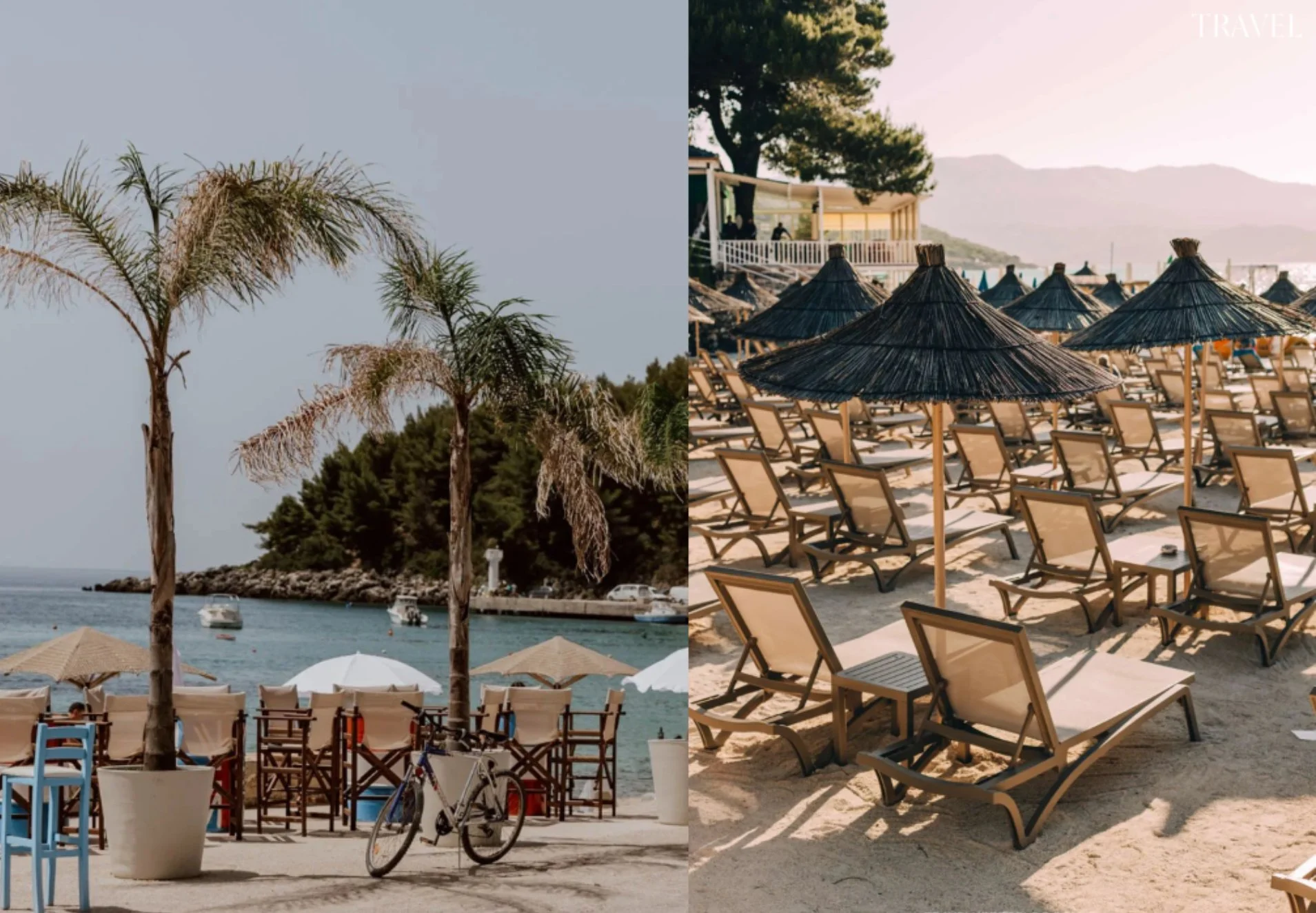
The window in which this is true — in which the landscape is extraordinary, the infrastructure is functional, and the experience is genuine rather than curated — is shorter than it appears. The developers have arrived. The international hotel brands are in negotiations. Come this summer.
The Albanian Riviera in June 2026 is the thing that every serious traveller is always looking for and rarely finds: a place of genuine beauty that is not yet performing its beauty for the people who come to see it.
BY OONA CHANEL
Morocco in June: Why the Rest of the World Gets the Timing Wrong
Every travel guide says visit Morocco in spring or autumn. June is actually its most interesting month — the heat is real, the festivals are extraordinary, and for the first time all year, the medinas belong primarily to the people who live in them.
“The riad was designed for this climate. Thick walls maintain a temperature eight to twelve degrees lower than outside. The courtyard creates airflow. The fountain produces cooling that air conditioning cannot replicate because air conditioning seals a room and flattens its sensory life.”
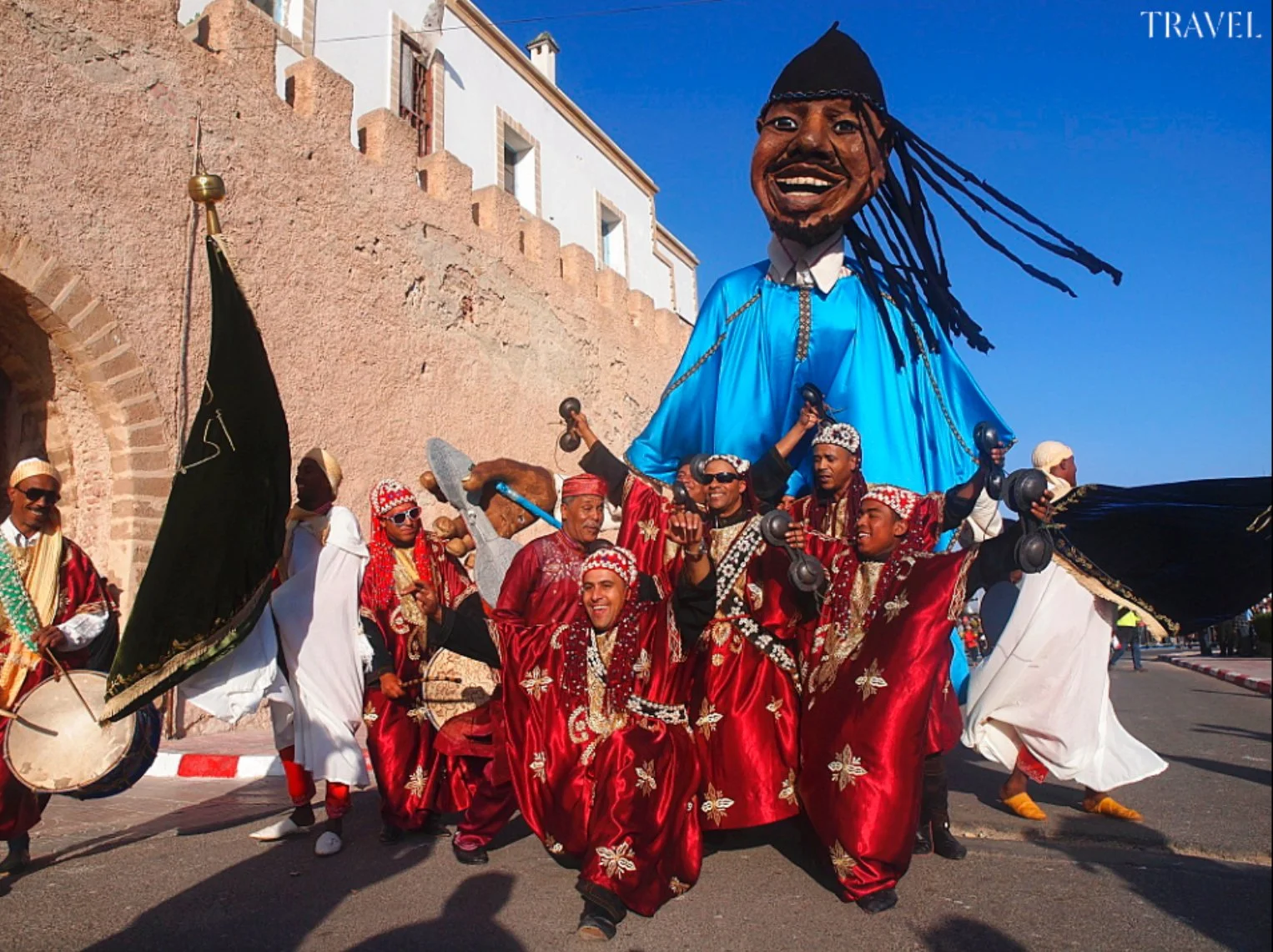
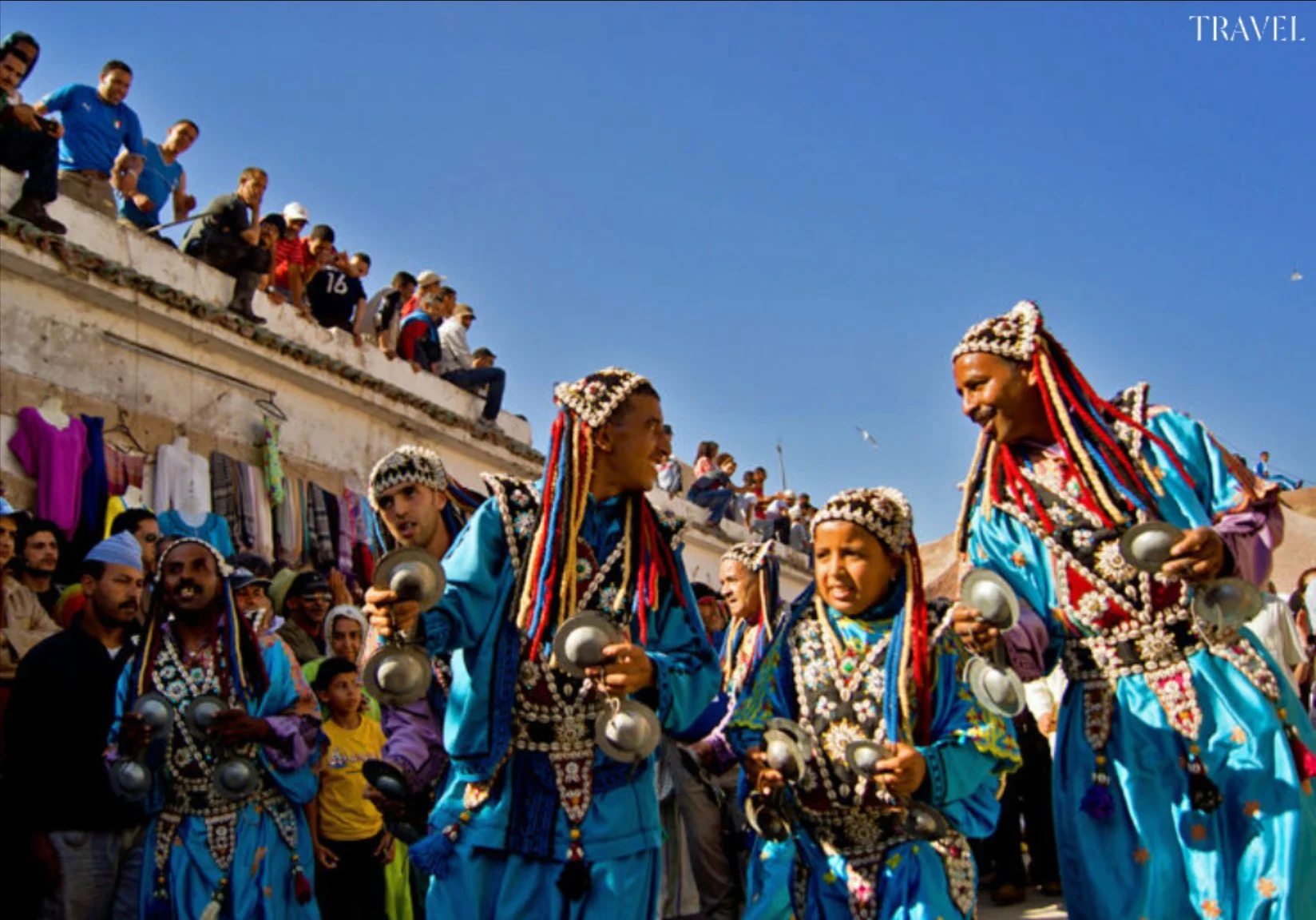
The Gnaoua World Music Festival opens in Essaouira on June 25th. For three days, the coastal city that sits on the Atlantic edge of Morocco — wind-scoured, blue and white, perpetually about twelve degrees cooler than Marrakech — transforms into something that defies easy description. It is not a music festival in the global sense of the word. It is a ceremony that has been expanded to accommodate an audience. The Gnaoua brotherhood, whose trance rituals have roots in sub-Saharan African spiritual practice going back centuries, perform alongside international jazz, blues, and world musicians in a fusion that should not work and consistently does. The old ramparts, the beach, the narrow streets of the medina: all of it becomes a stage.
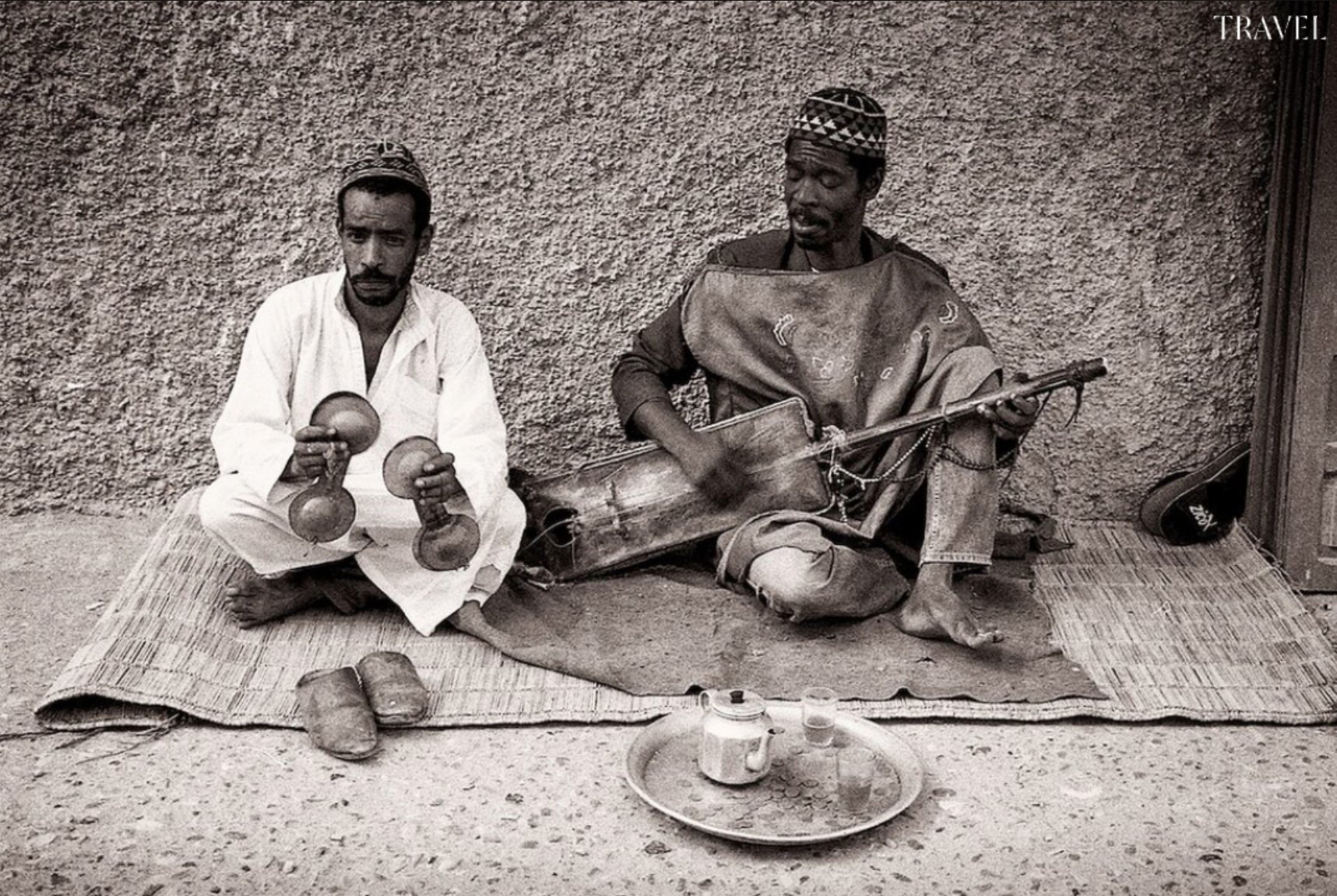
The festival is free. This is the first thing worth knowing. The second thing: arriving three days early and leaving three days late changes the experience entirely. Essaouira in the weeks bracketing the festival is already extraordinary — the fortified fishing port, the woodworkers carving thuya root into objects of improbable beauty, the best fresh fish on the Atlantic coast at prices that have no relationship to the quality — and the festival adds to this rather than replacing it.
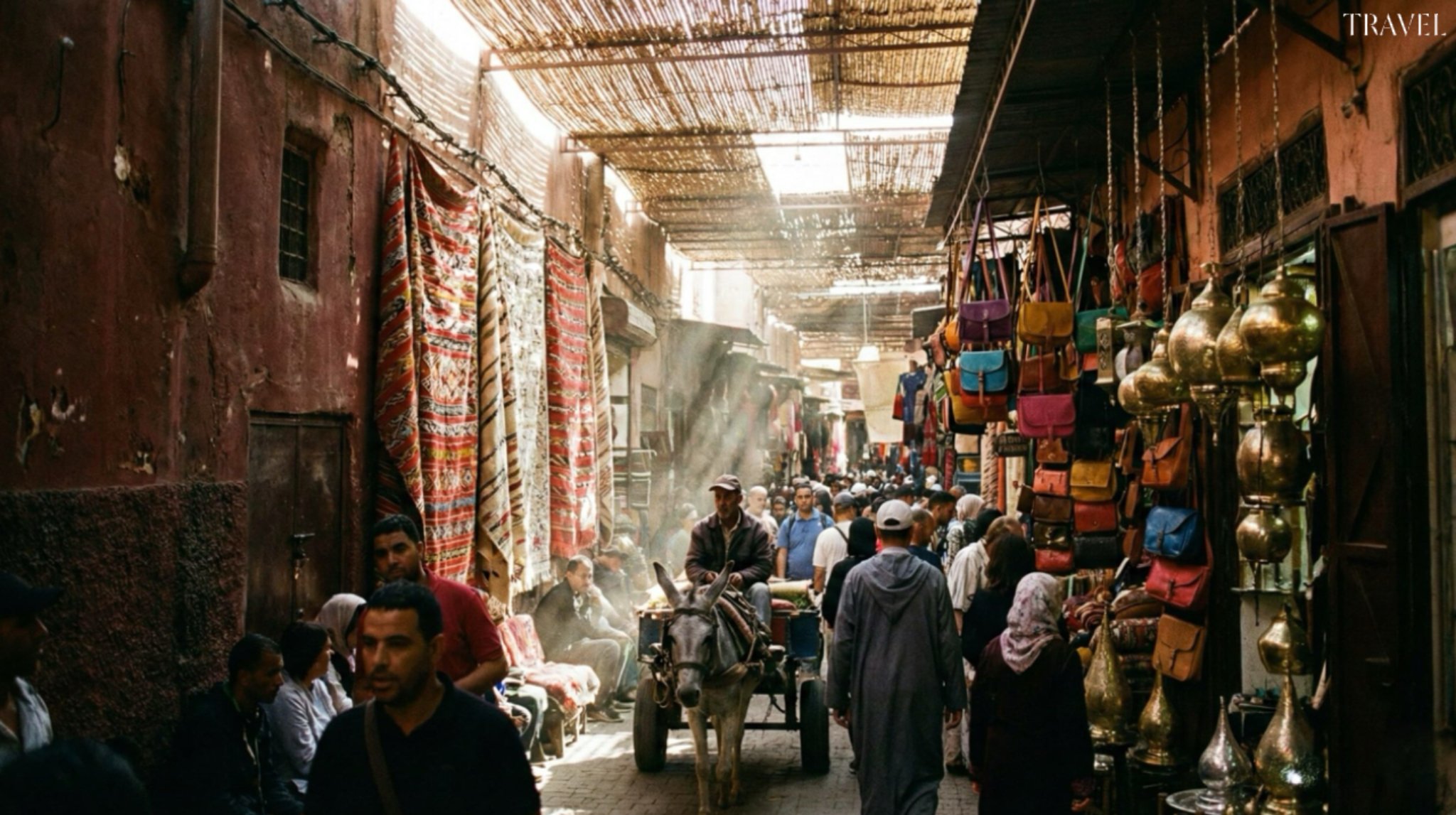
The deeper case for June in Morocco is structural. The school holiday crowds that fill the riads of Marrakech and Fes from July through August have not yet arrived. The Ramadan period, which produces a different and in some ways more interesting Morocco but one that is harder to navigate as a visitor unfamiliar with its rhythms, is over for the year. The European summer tourist wave, which peaks in August and has been reshaping the experience of the medinas for thirty years, is still a few weeks away.
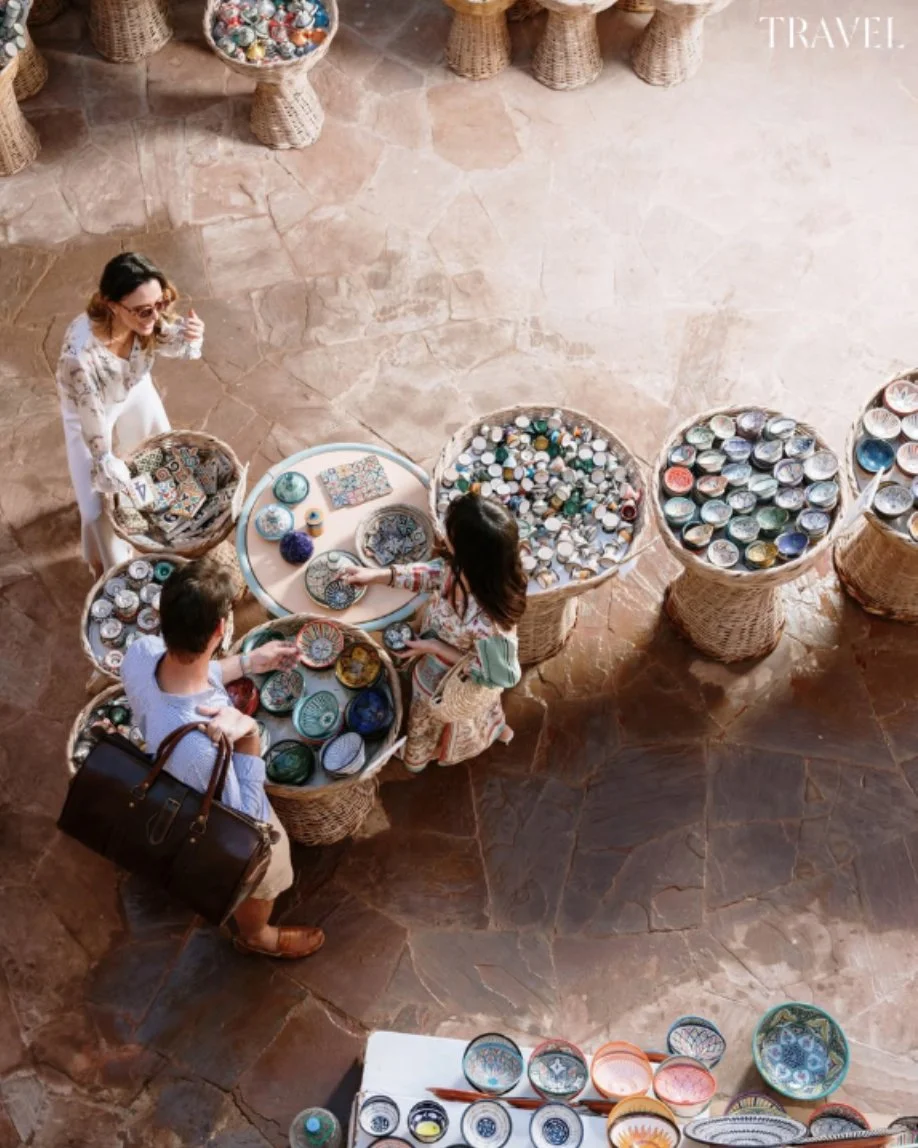
What you get instead: a Morocco operating at its own pace, for its own people, in the specific heat of early summer that the architecture was designed for. The riad — the traditional courtyard house with thick walls, a central fountain, rooms arranged around an open sky — is, as guides consistently note, an extraordinarily effective natural cooling system. The walls maintain a temperature eight to twelve degrees lower than outside. The courtyard creates airflow. The fountain produces sound and humidity that feels physically cooling in a way that air conditioning, which seals a room and flattens its sensory life, cannot replicate.
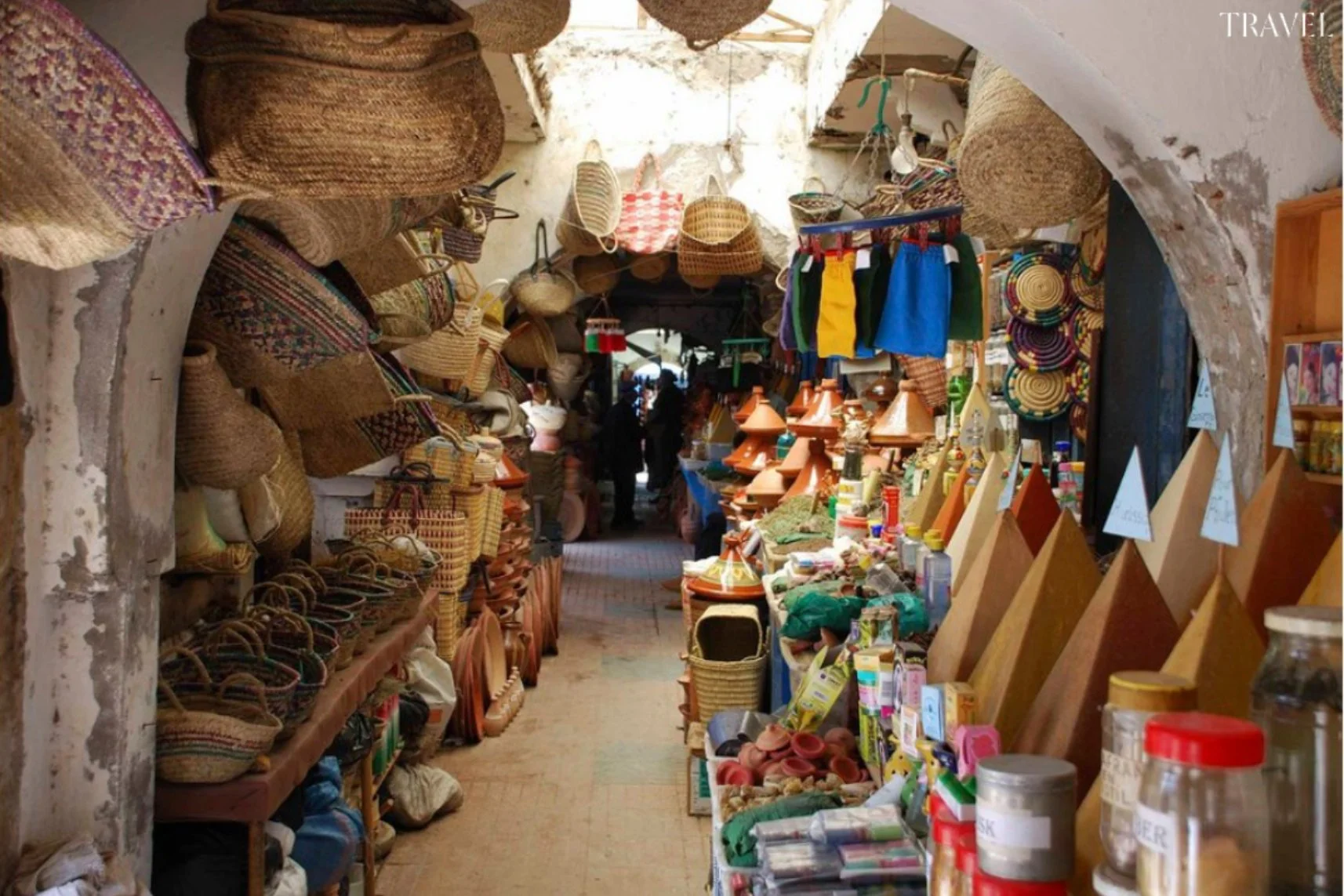
The Fes Festival of World Sacred Music runs June 4 to 7. Fes in June for the Sacred Music Festival is a different proposition from Fes at any other time of year: the ancient medina — a UNESCO World Heritage city that is the largest urban medieval Islamic city in the world, with nine thousand alleys and one hundred thousand craftspeople — is at its most alive and its most cosmopolitan simultaneously. The concerts are held in the Bab Makina, a vast open courtyard in the Royal Palace complex, and in the gardens of the Batha Museum. The programming ranges from Sufi devotional music to Georgian polyphony to West African griot performance. The city surrounds and sustains all of it.
The practical dimension that the travel press underreports: June in Morocco is hot in the interior but temperate on the Atlantic coast, and the country's geography makes it possible to design an itinerary that uses the coast as a base and the Atlas Mountains as a coolant. The drive from Marrakech to Ouarzazate over the Tizi n'Tichka pass — 2,260 meters at its highest, through Berber villages and kasbahs that have been in continuous occupation since the medieval period — is at its most accessible in June, when the snow is gone and the summer flash floods have not yet begun.
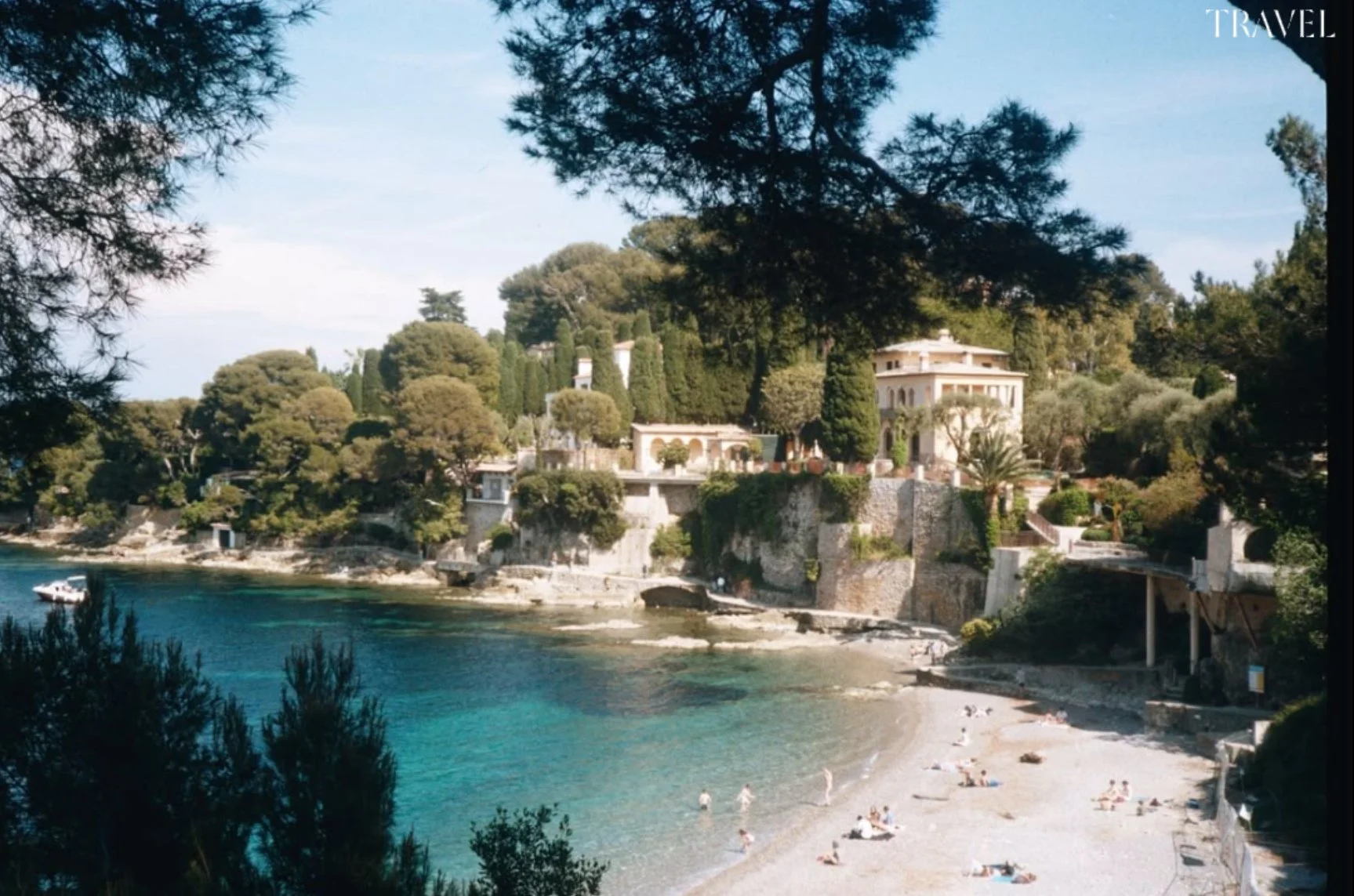
The specific restaurants worth building a Marrakech itinerary around in June: Nomad, on the rooftop above the spice square in the medina, for its reinterpretation of Moroccan classics in a room that feels like a collaboration between traditional architecture and contemporary intelligence. Le Jardin, in the northern medina, for the specific quality of a meal eaten in an actual garden, the kind of garden where the trees are large enough to create their own microclimate. Al Fassia, Marrakech's most celebrated restaurant for classic Fassi cooking, run entirely by women since its founding in 1987, whose bastilla and mechoui have been the standard by which visiting chefs measure their understanding of the cuisine.
Come for the festivals. Stay for the medina in the morning before the heat arrives, when the streets are being washed and the bread is coming out of the communal ovens and the city is briefly, entirely, itself.
BY OONA CHANEL
The Côte d'Azur After Cannes: What the Festival Crowd Knew That the Summer Tourist Doesn't
The 79th Cannes Film Festival closed on May 23rd. The summer tourist wave arrives in July. For the six weeks between them, the French Riviera is briefly — and specifically — the most beautiful place in Europe to be.
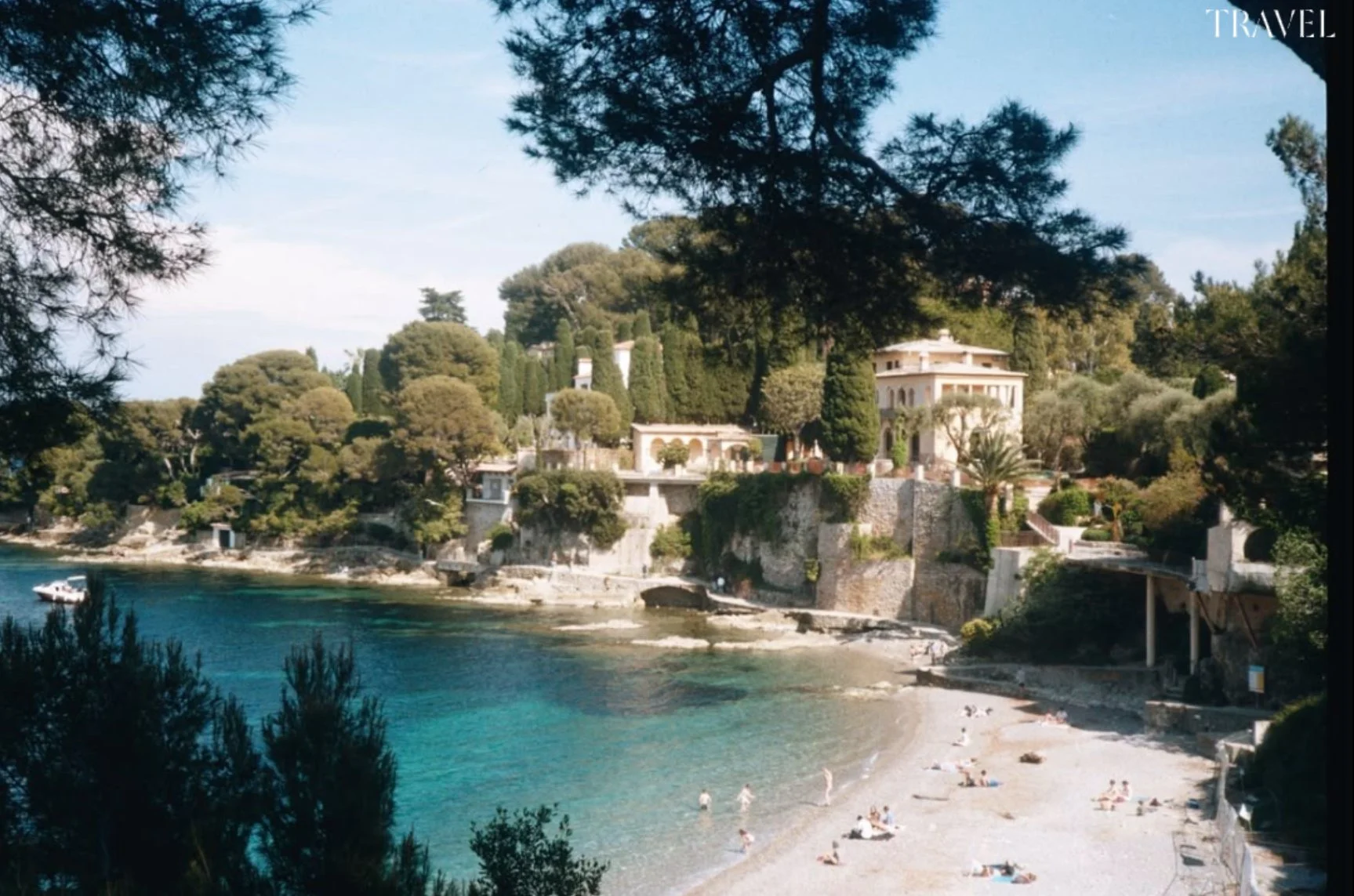
“Matisse arrived here in 1917 and never left for the rest of his life. The light is why. In June, before the summer peak, you understand it — the specific quality that made him stay, available to you now, in the weeks the photographers haven't filled yet.”
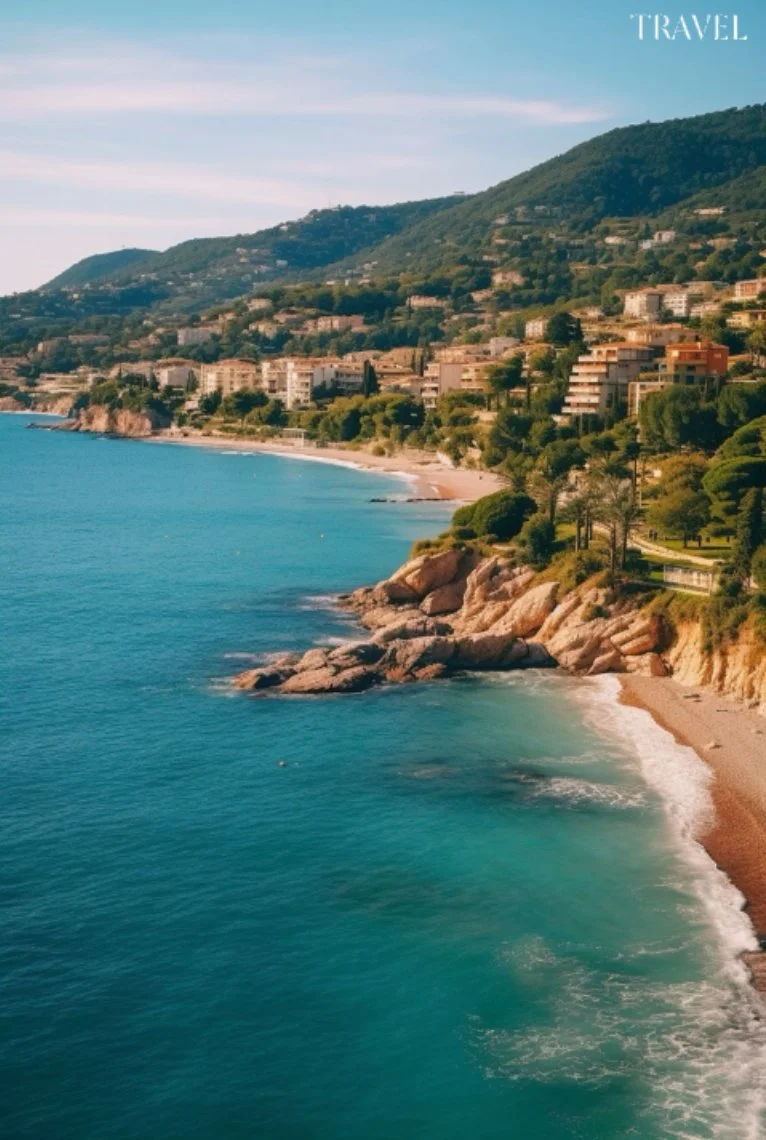
The 79th Cannes Film Festival closed on May 23rd with Park Chan-wook's jury awarding the Palme d'Or, the red carpet dismantled, and the Croisette already beginning its transition from the world's most photographed kilometre back to a seaside promenade in a mid-sized French city. The transformation takes about a week. By the end of May, the Côte d'Azur belongs to itself again.
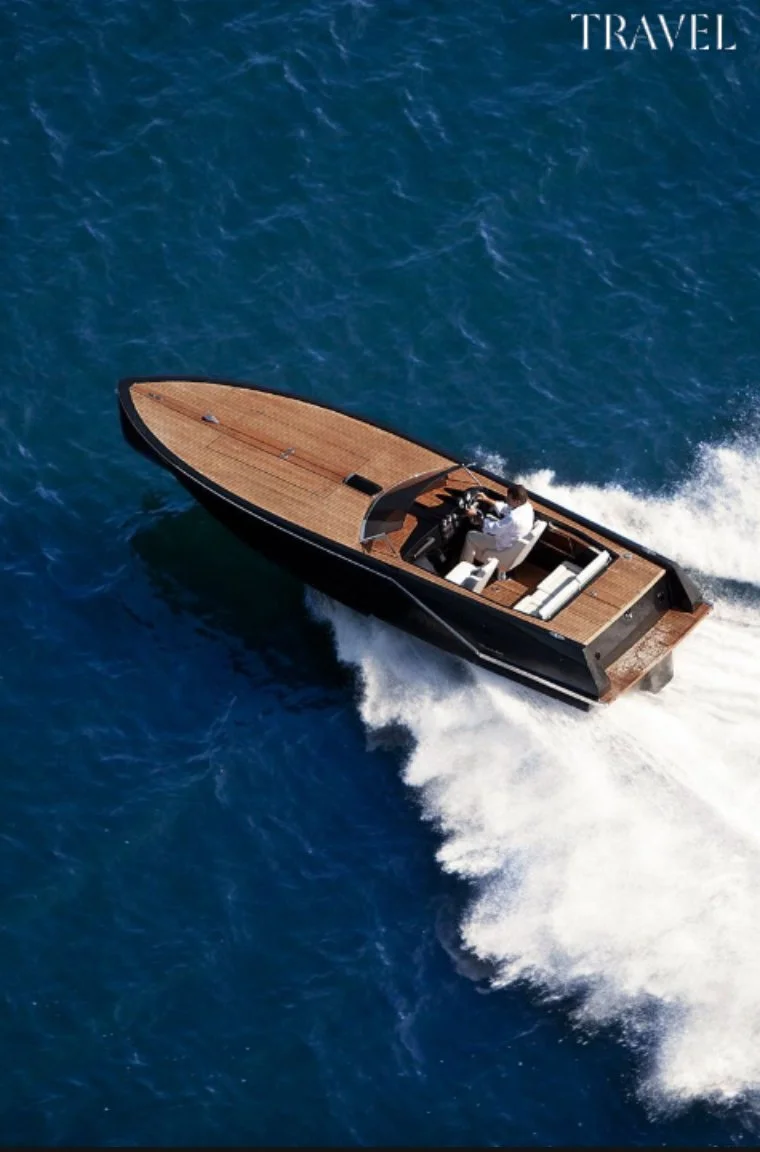
This is the window. The festival crowd has left. The summer rental crowd — the peak-season mass that fills the coastal road with rental cars and the beaches with sunloungers arranged with military precision — doesn't arrive in force until mid-July. Between those two moments, roughly six weeks, the French Riviera operates at a scale and temperature that the photographs almost never capture, because by the time the photographers are there in volume, the moment has passed.
The light in June on the Côte d'Azur is not the bleached light of August. It is lower, more golden, arriving earlier and leaving later, doing what Mediterranean light does at this latitude in early summer: making the limestone hills and the terracotta rooftops and the specific blue of the sea simultaneously sharper and softer. Matisse arrived here in 1917 and never left, substantively, for the rest of his life. The light is why. In June, you understand it.
The restaurant reality in June is the inverse of August. La Petite Maison in Nice — which has spawned outposts across the world but whose original on the Rue Saint-Francois de Paule remains the best — has tables without the two-week booking lead time August requires. Mirazur in Menton, Mauro Colagreco's three-starred restaurant at the Italian border with a garden that produces a significant proportion of what arrives at the table, takes June reservations that are genuinely available. Tetou in Golfe-Juan — which has been making bouillabaisse since 1920, has no website, no social media presence, and is the most honest fish restaurant on the coast — does not overfill in June.
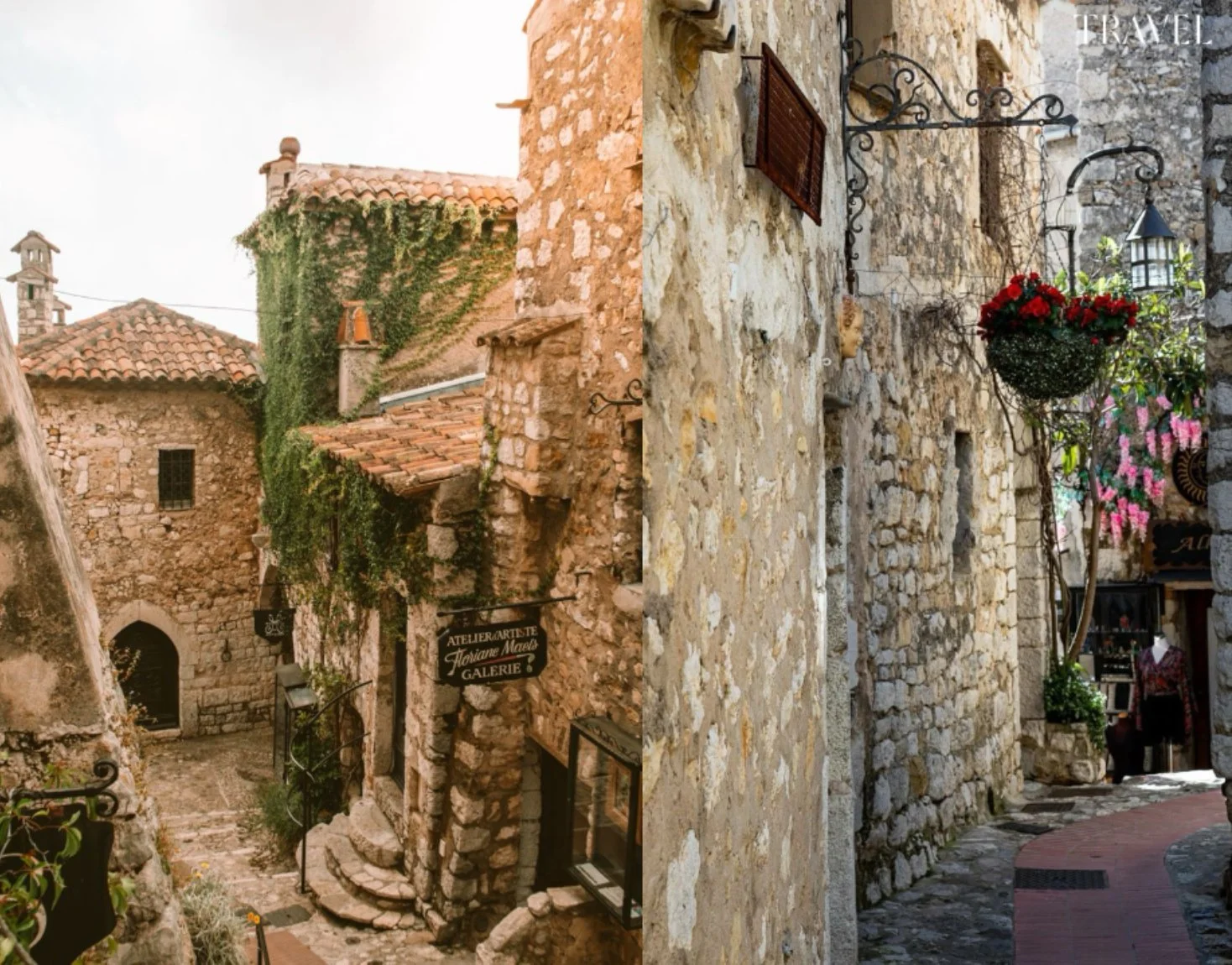
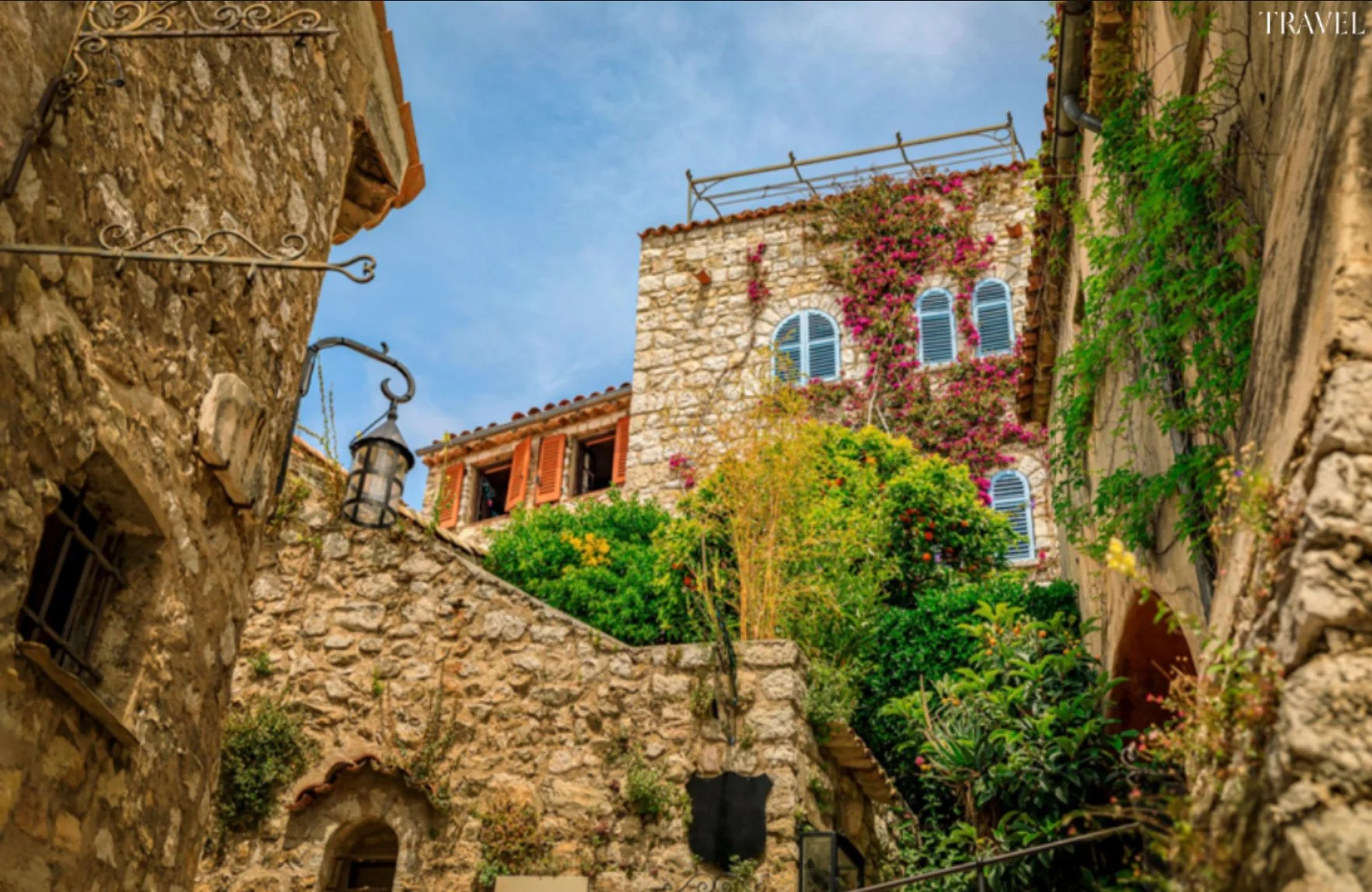
The villages above the coastal road are at their most genuine in this window. Eze, perched above the sea with its medieval core intact. Gourdon, almost vertical above the Gorges du Loup. The quieter medieval villages east of Grasse where the perfume roses are still being harvested in the first weeks of June. These places exist in July but are shared. In June they are encountered.
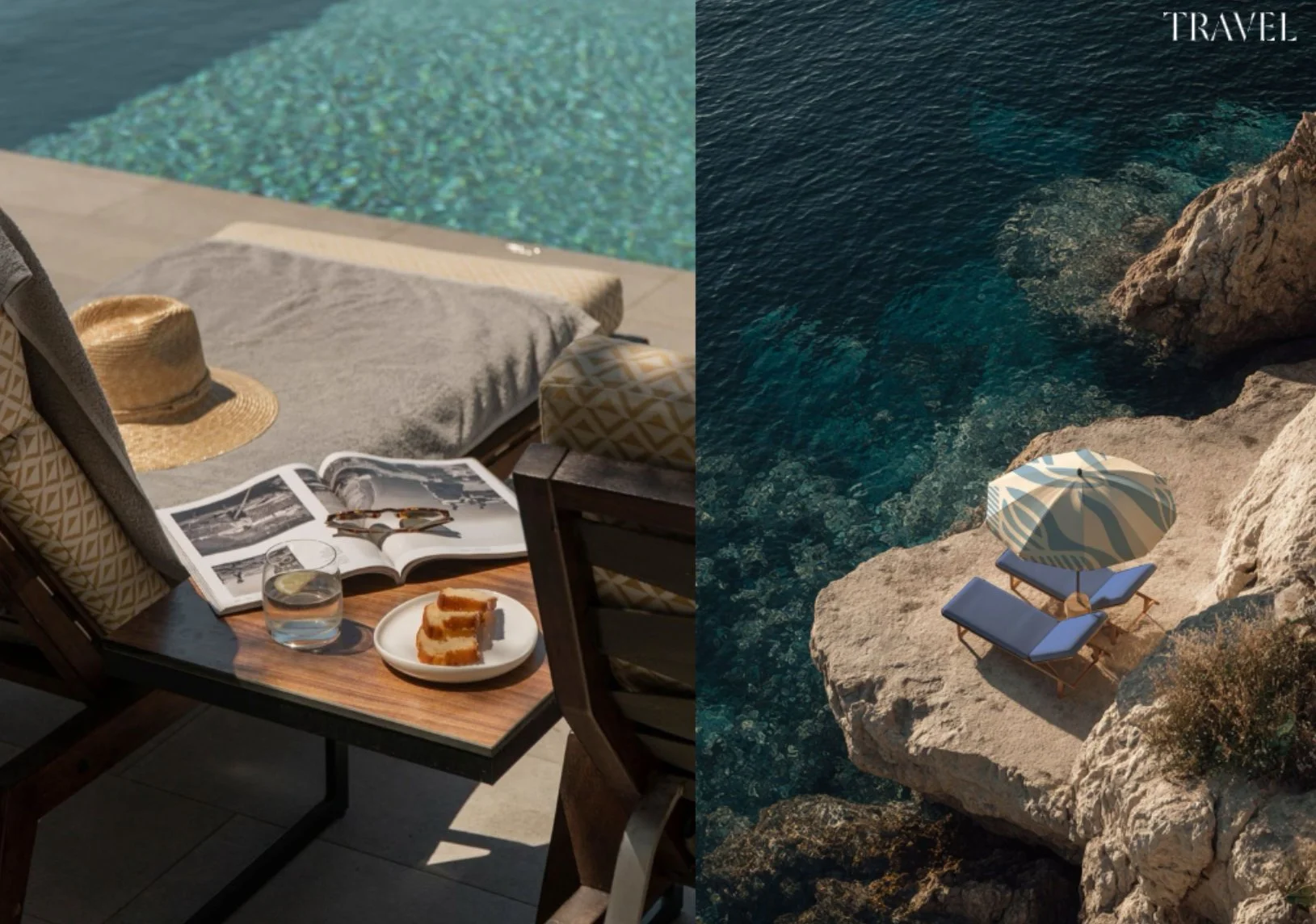
The hotels that most reward this timing are those with terraces facing west, so that the evening light arrives and stays. The Hotel du Cap-Eden-Roc at Cap d'Antibes, which has been in continuous operation since 1870 and which in June is the hotel that people who know the hotel mean when they say it is the best hotel in the world. The Bastide Saint-Antoine in Grasse, surrounded by centenarian olive trees and the specific smell of a Provence garden in the hours after rain.
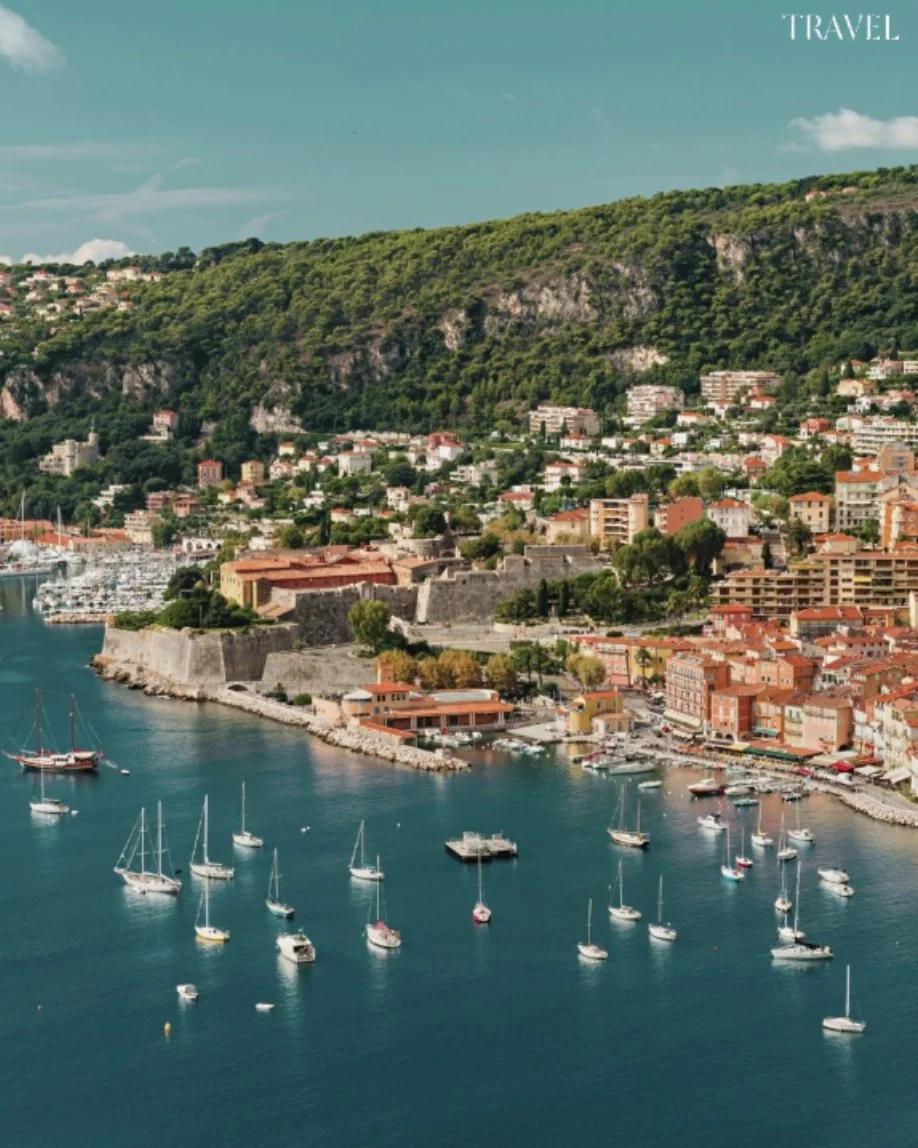
The practical note: book before you read this. The people who know about this window have been booking for years, which means availability in June is better than August but not unlimited. Three weeks notice is usually enough. Three months is comfortable. Come for the roses and the light and the fish. Leave before July changes everything.
BY OONA CHANEL
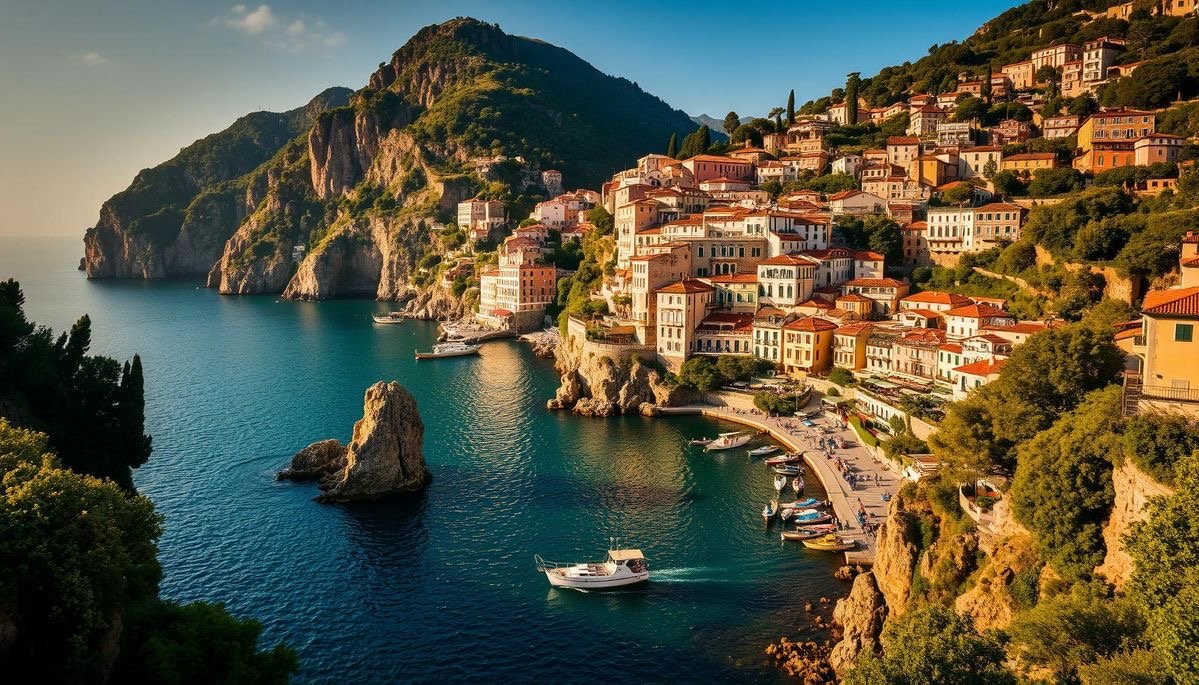
The Amalfi Interior: What Happens When You Leave the Coast
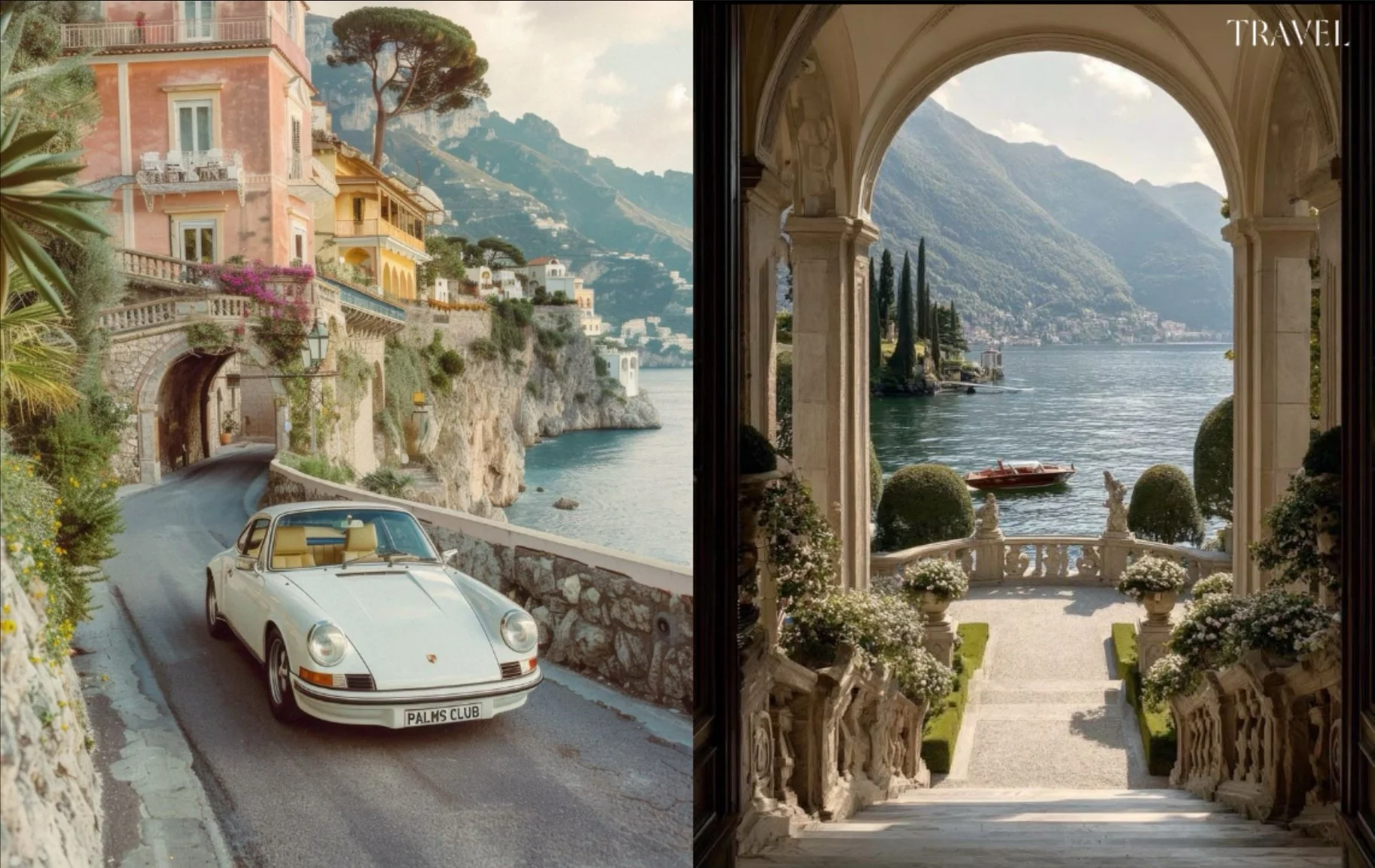
The Amalfi Drive is one of the most photographed roads in the world. Two kilometers inland, the tourists disappear and Italy begins.
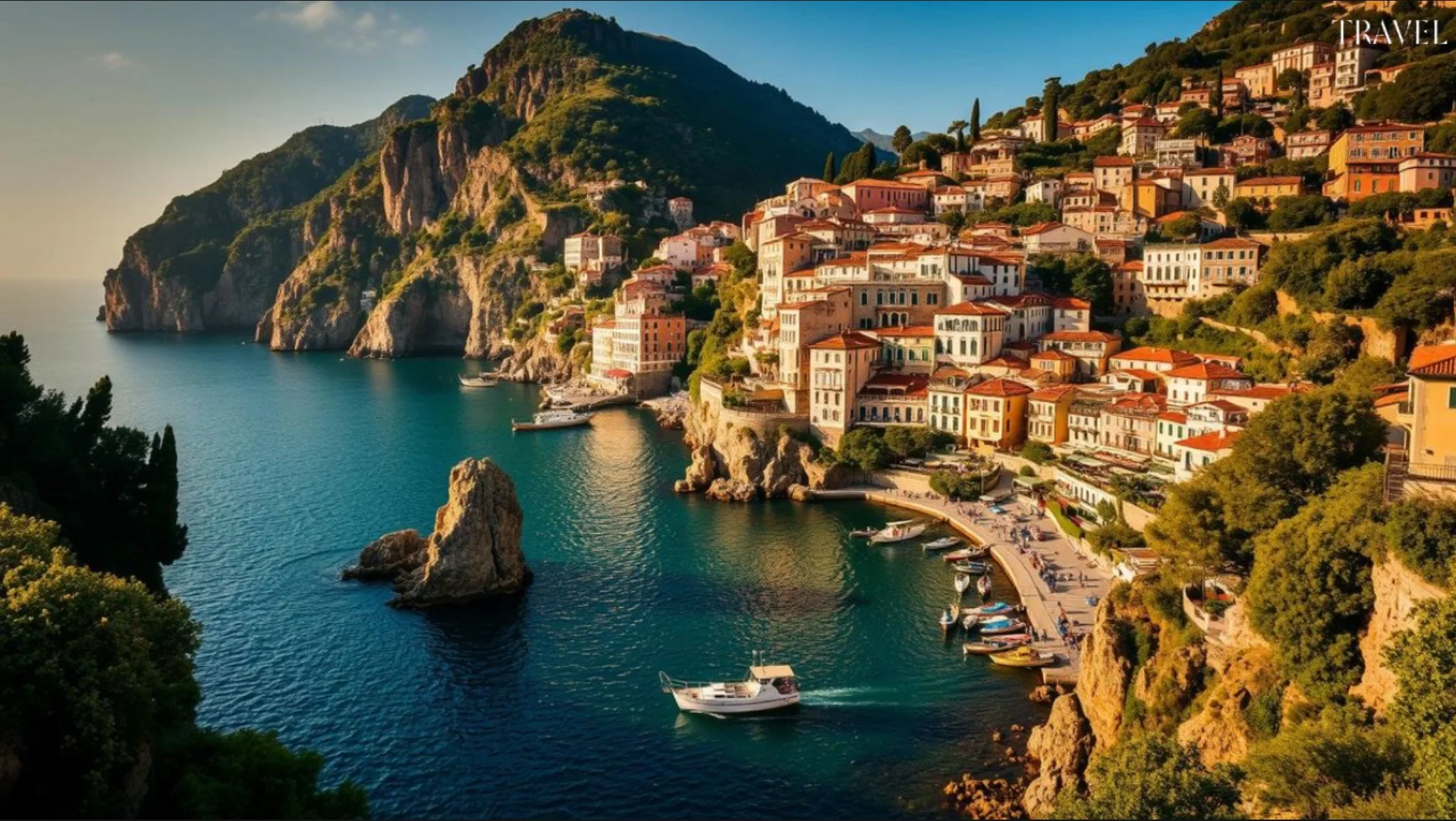
“After 7pm, when the day-trippers have descended to their coastal hotels, the town is left to itself and to the small number of people who had the foresight to stay.”
The road to Ravello runs upward from the coast at a gradient that makes the rental car protest and the lungs grateful. Fourteen hundred meters, from the sea. At the top: a town of two thousand people that has been receiving artists, writers, and composers for a hundred and fifty years and has, somehow, absorbed the attention without being disfigured by it.
Wagner composed here. Gide wrote here. Virginia Woolf described the view from Villa Rufolo as the most beautiful in Europe — a statement she made, characteristically, as a fact rather than a preference. D.H. Lawrence lived here long enough to start a fight with the local literary community. Gore Vidal had a house on the hill for forty years and used it as the base for a sustained argument with the twentieth century that only ended when he died.
Ravello is not undiscovered. Nothing on the Amalfi coast is undiscovered, and the attempt to present it otherwise is a form of dishonesty that the landscape itself corrects quickly: the buses arrive, the terraces fill, the photographers congregate at the belvedere at sunset with a punctuality that implies prior arrangement. But Ravello, unlike Positano and Amalfi itself, closes its gates at a time that is not metaphorical. After 7pm, when the day-trippers have descended to their coastal hotels, the town is left to itself and to the small number of people who had the foresight to stay.
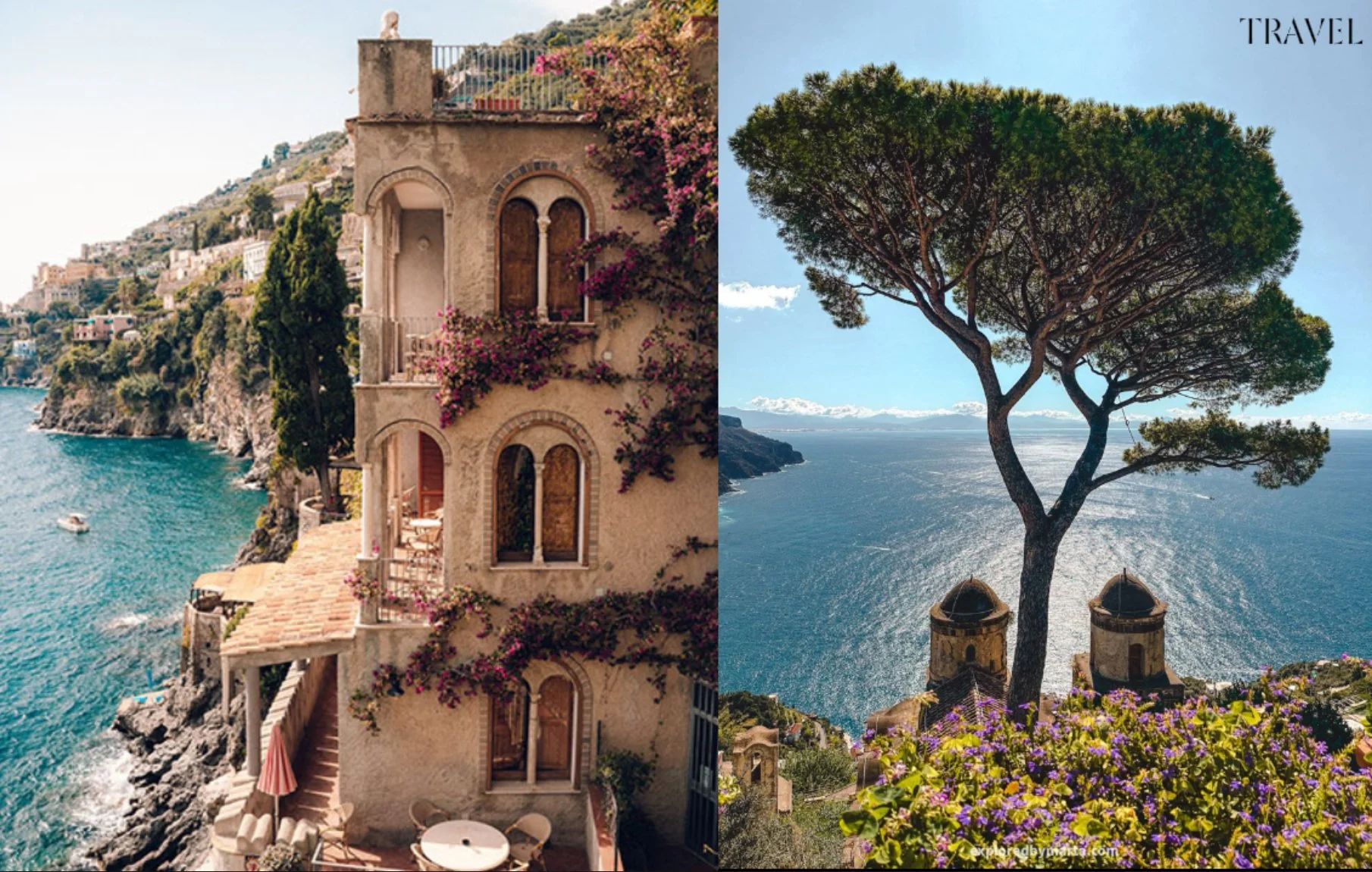
The Palazzo Sasso — the hotel occupying a twelfth-century palazzo on the edge of the town's main piazza, with a terrace that overlooks the full sweep of the Gulf of Salerno from a height that makes the boats below look genuinely toy-like — is the base. The question of what to do with the next three days, having arrived, is one of the more enjoyable problems a person can have.
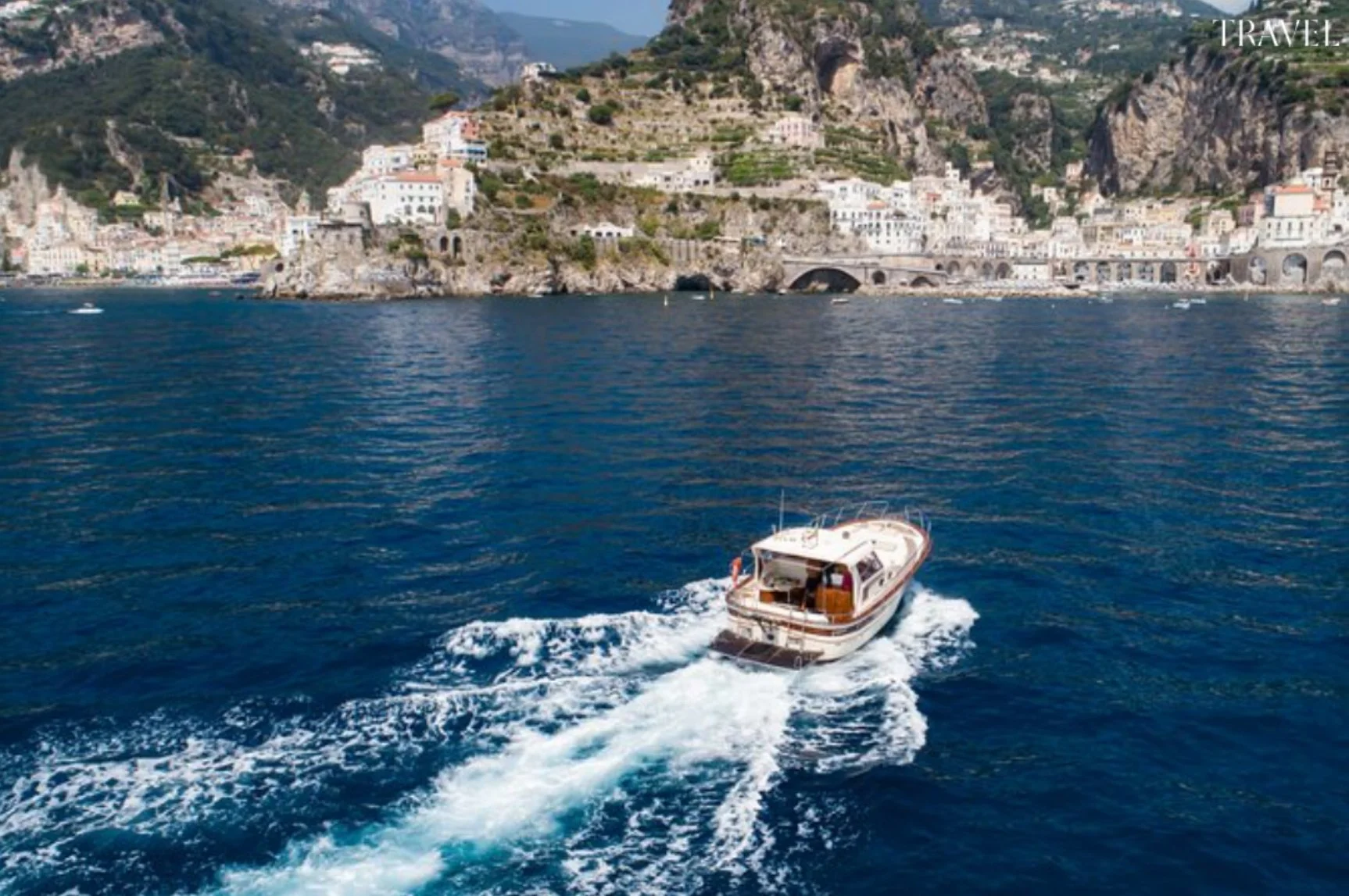
Walk inland. This is the instruction that supersedes all others, and it is consistently not taken. The walking paths above Ravello — the Sentiero degli Dei, the 'Path of the Gods,' which runs along the ridge connecting Positano to Agerola and offers, at certain moments of the morning, a view of the coast that makes the word 'beautiful' seem like a category error — traverse a landscape that has been terraced for lemon and olive production since Greek colonization and that retains, away from the coastal road, a quality of time that the resort economy below has not reached.
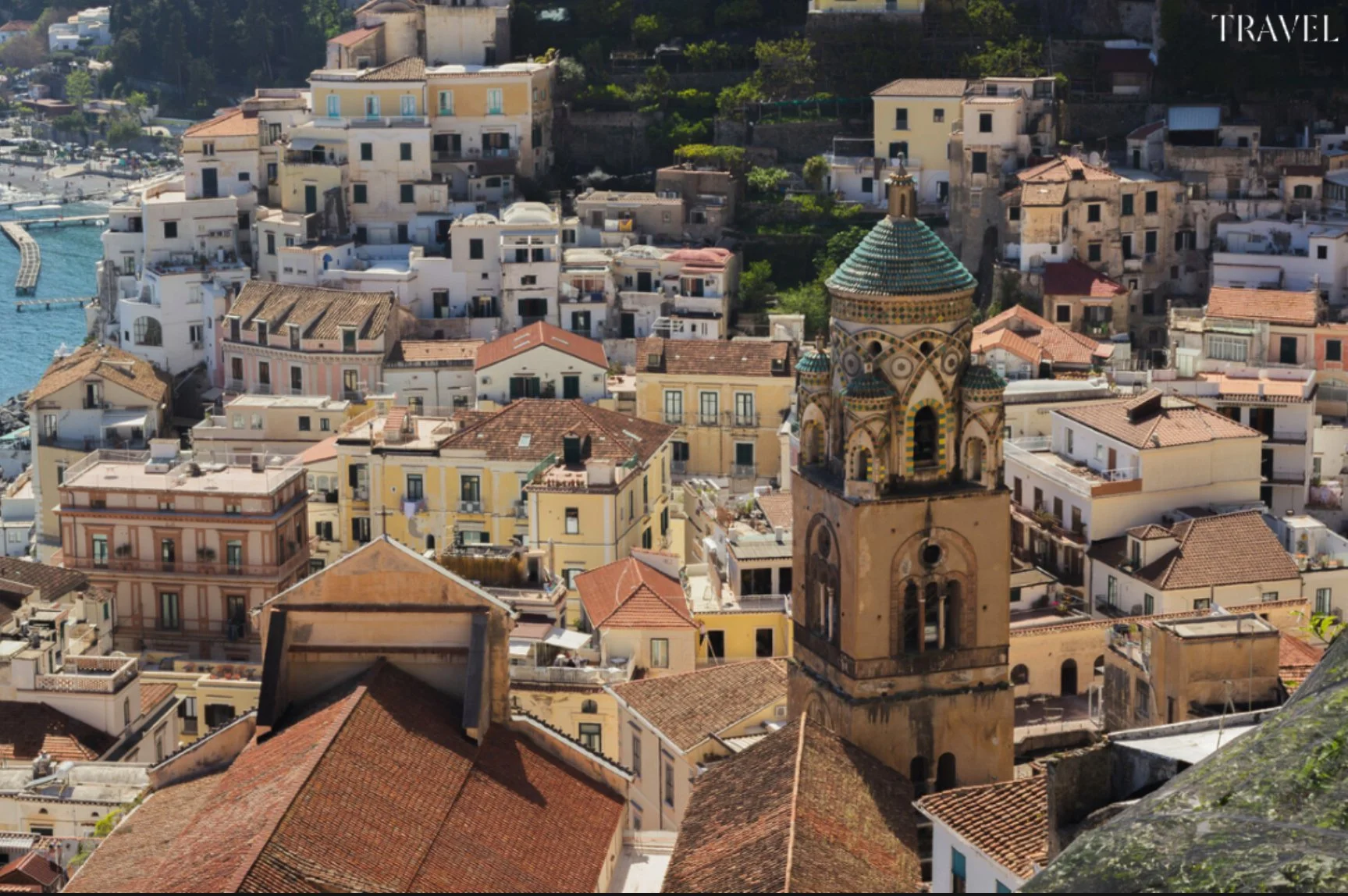
The lemons of the Amalfi coast are, in the late May harvest, at their full yellow-green absurdity of size. The sfusato amalfitano — the local cultivar, elongated, with a rind thick enough to serve as the primary ingredient in the area's limoncello — hangs from the terraces in quantities that make the trees look temporarily confused about what they are. The farmers who work these terraces are, almost universally, over sixty. The next generation is, almost universally, not in farming. This is a landscape in transition, and the beauty of the transition is inseparable from its melancholy.
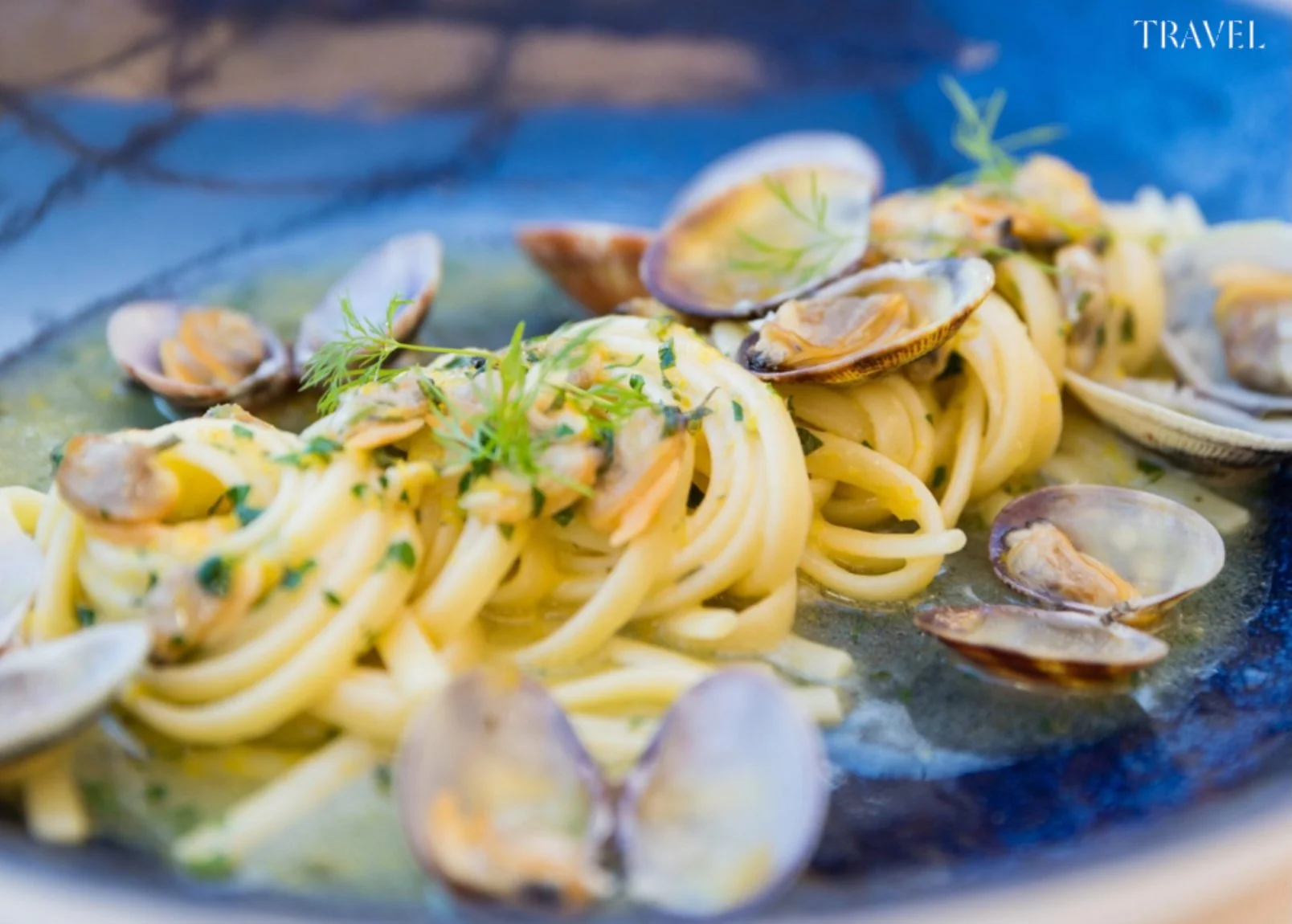
The two restaurants in Ravello that deserve extended attention are not the ones on the main piazza. The first — Cumpa' Cosimo, run by the Bottone family since 1929, which has not changed its menu in any meaningful way in the author's three visits across twelve years and does not need to — serves the food of the interior: pasta al ragù made from the particular combination of pork and beef that has been the Campanian standard since the Spanish Bourbons brought their cuisine to Naples in the eighteenth century, and a fried zucchini flower that is better than any fried zucchini flower has a right to be. The second — a place without a sign, on a lane off the Via della Marra, recommended by the concierge at Palazzo Sasso as "appropriate for people who don't mind not being sure" — serves, on the evening we go, a single fixed menu determined that morning at the market in Maiori, and a carafe of local wine from a grape variety that I cannot identify and do not ask about.
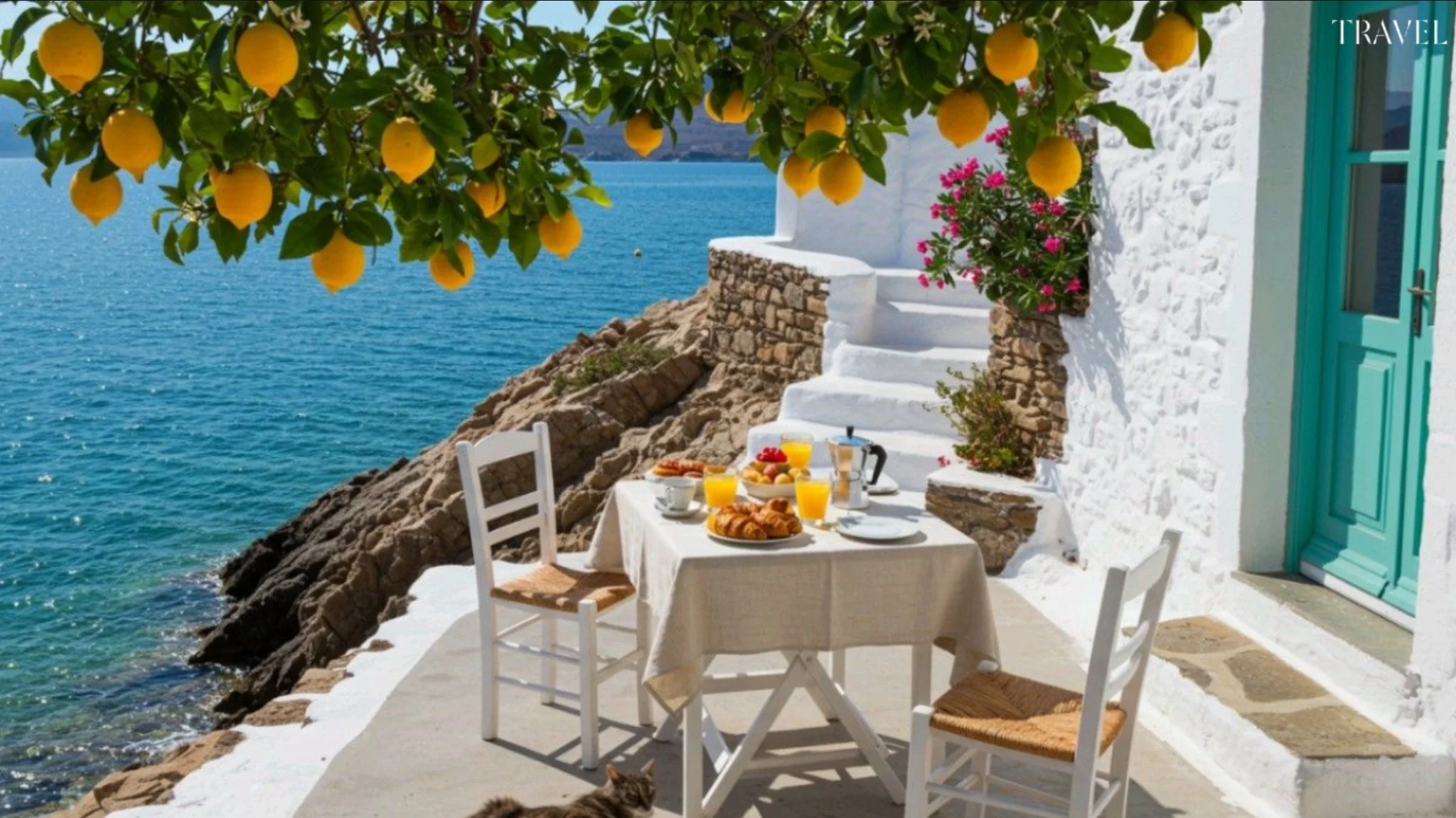
This — the carafe of unidentified wine, the unmarked door, the meal that was not planned until this morning — is the travel experience that the coast, with its protocols of reservation and its prices calibrated for international tourism, makes difficult. Two kilometers inland, it is offered to you without ceremony, for approximately what it costs.
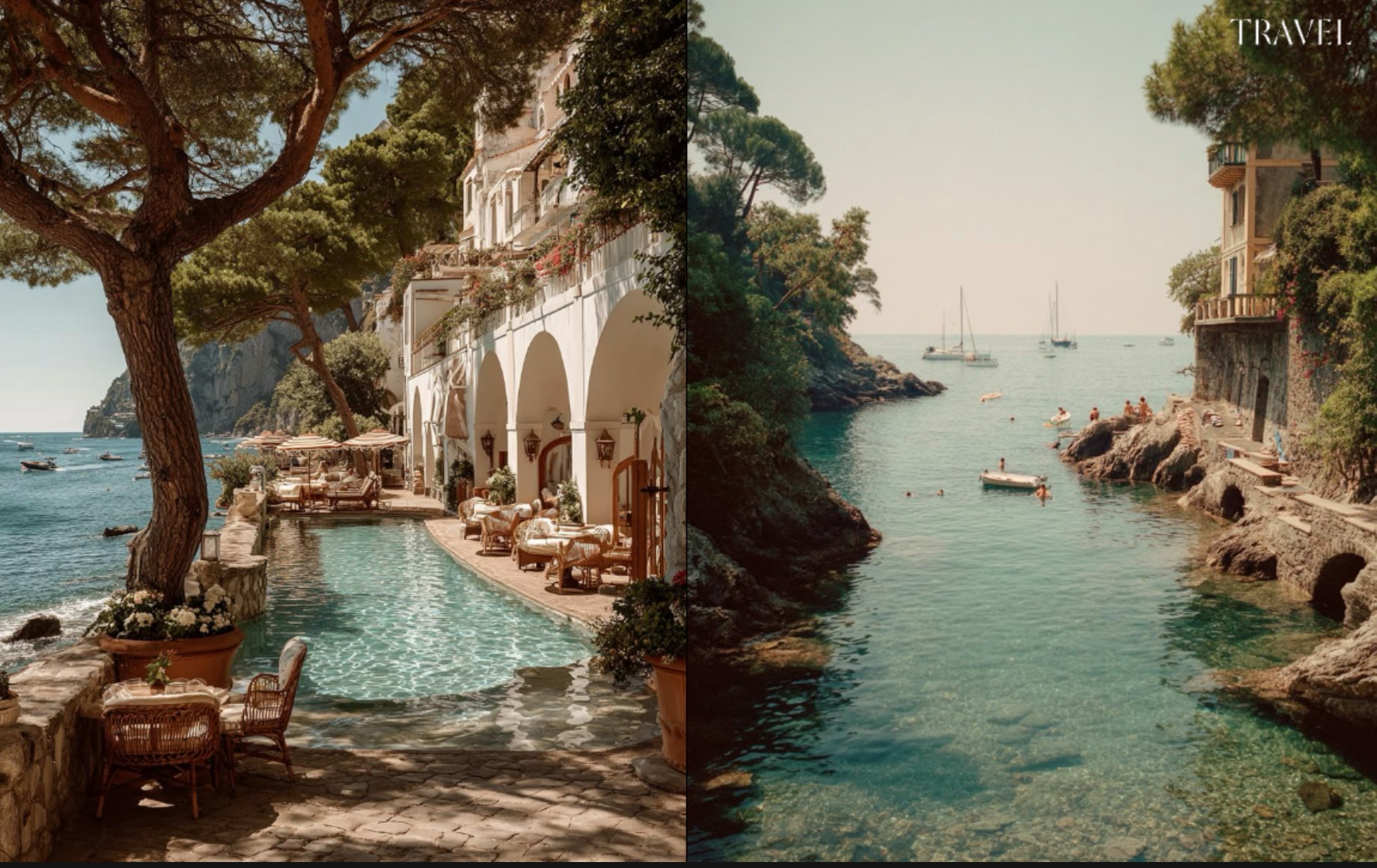
The morning before we leave, I walk at six before the town is awake. The light at this hour, coming from the east across the gulf, is the light that Gide and Wagner and Woolf were all, presumably, working with: gold and flat and entirely indifferent to the fact that it is producing, daily, one of the most beautiful things available to a human being who has the wit to be here before 7am.
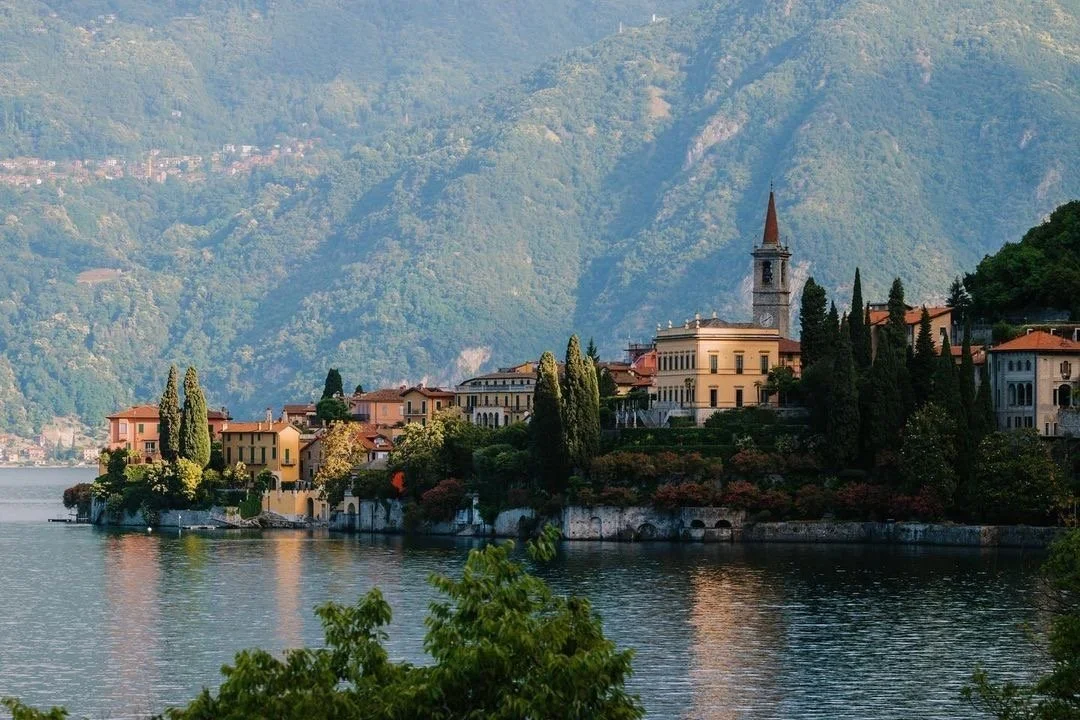
The boats below. The lemons. The path running inland, still damp from the night.
Italy has been this beautiful for a very long time. The specific grace of the place is that it does not appear to have noticed.
BY OONA CHANEL
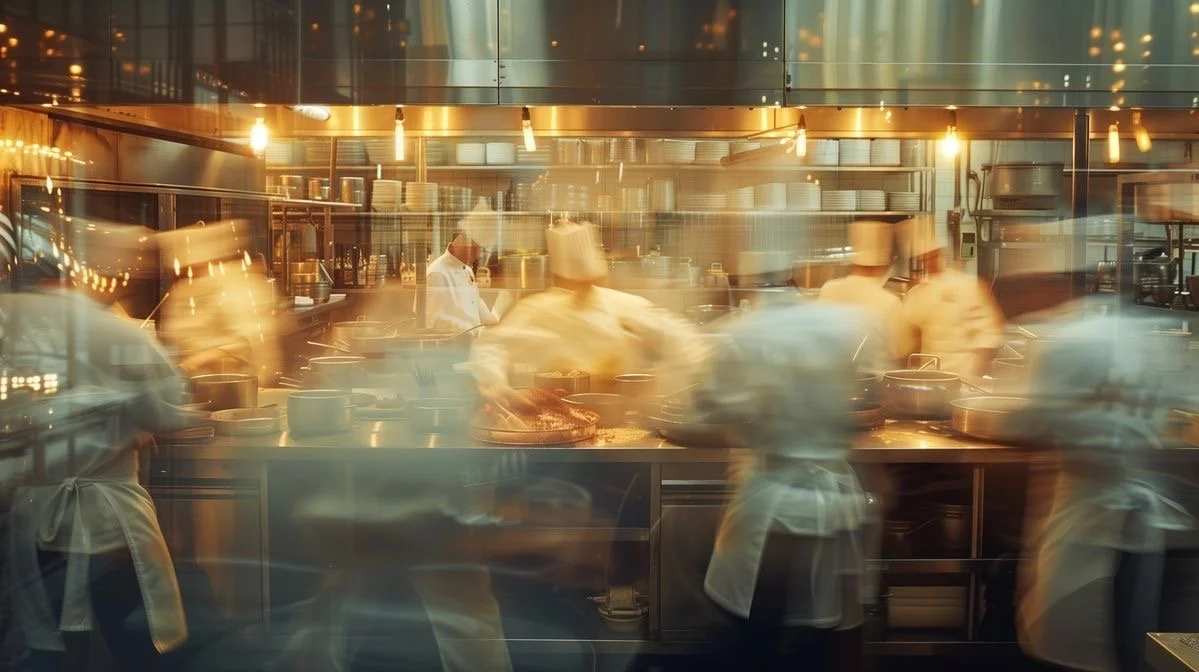
The Last Café: On the Disappearing Art of the Public Room
The café as a form of civic architecture has survived three centuries of pressure. It is not surviving the current one without help — and the people fighting for it deserve to be understood
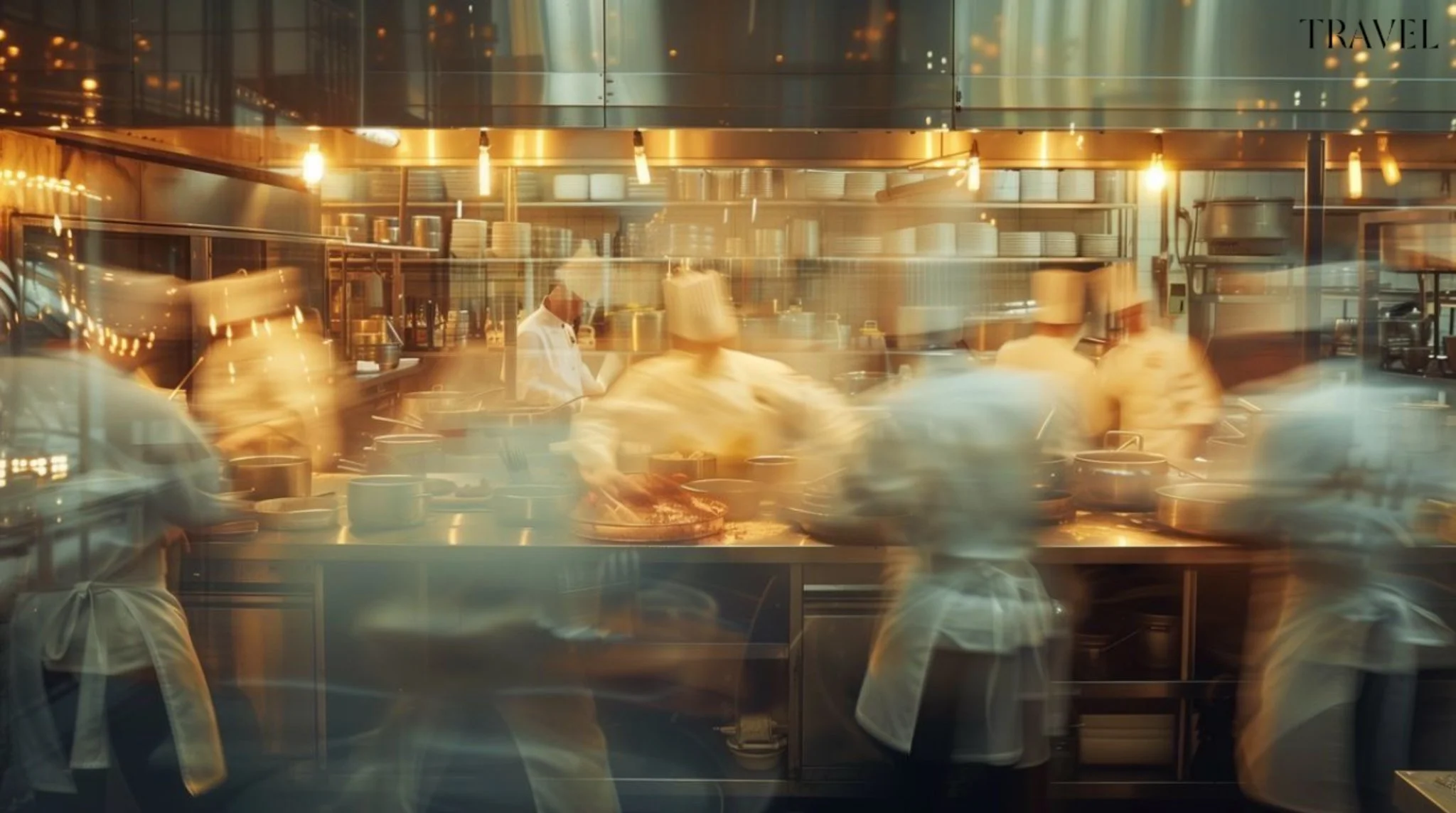
“The café is a machine for the production of a certain kind of time — unhurried, unstructured, socially available time that does not need to justify its existence with productivity. The places that protect it are protecting a form of human experience with no adequate substitute.”
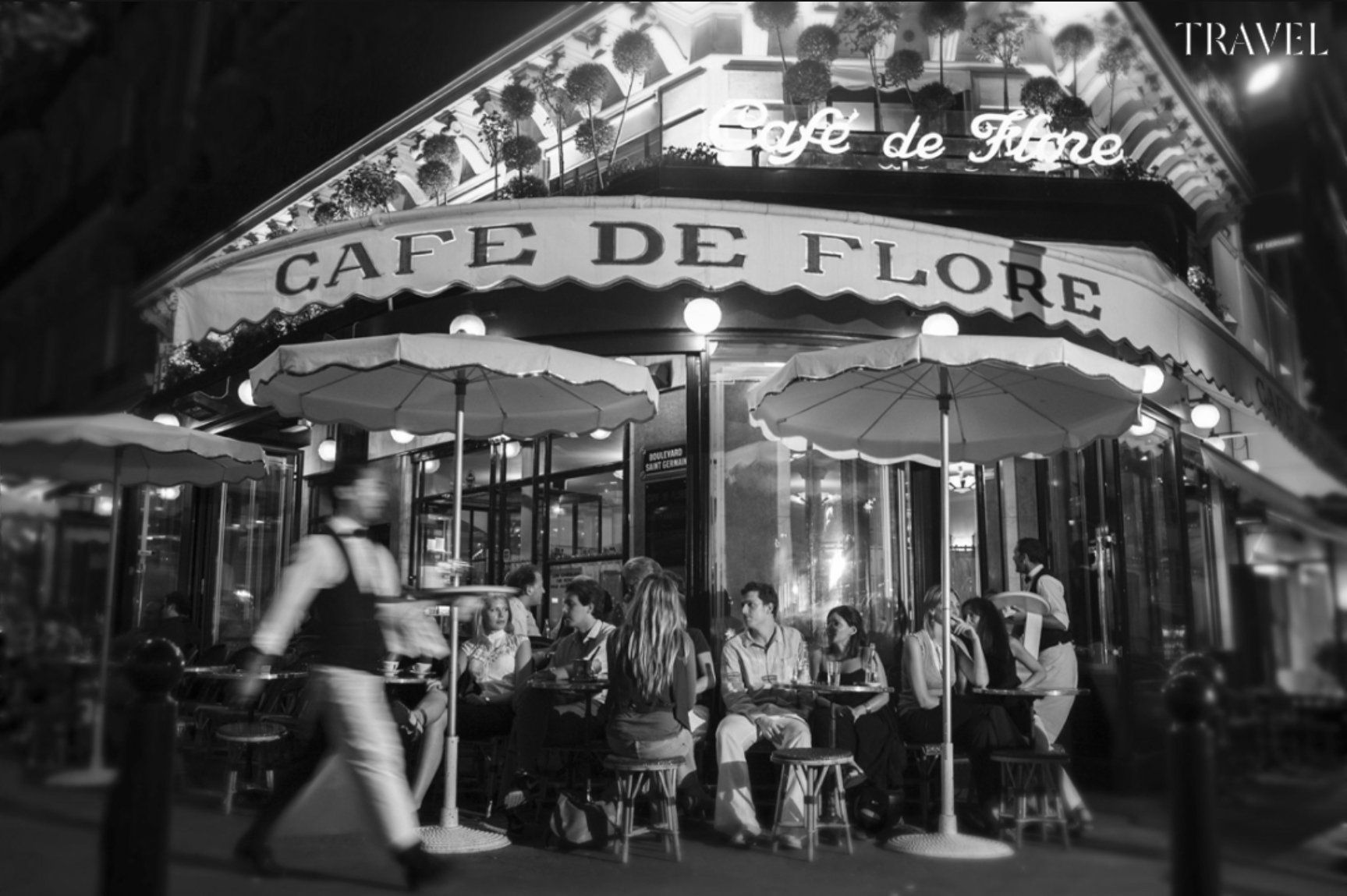
The Café de Flore has been open since 1887. It has survived the Commune, two world wars, the German occupation (during which Sartre wrote Being and Nothingness at his regular table, reportedly because it was heated), the tourist industry, and four decades of Instagram. It is still, on a Wednesday morning in October, when the tourists are not there, exactly what it has always been: a room where the public life of the mind happens alongside the private life of the body, where a person can sit for three hours with a café crème and an idea and no one will ask them to move.
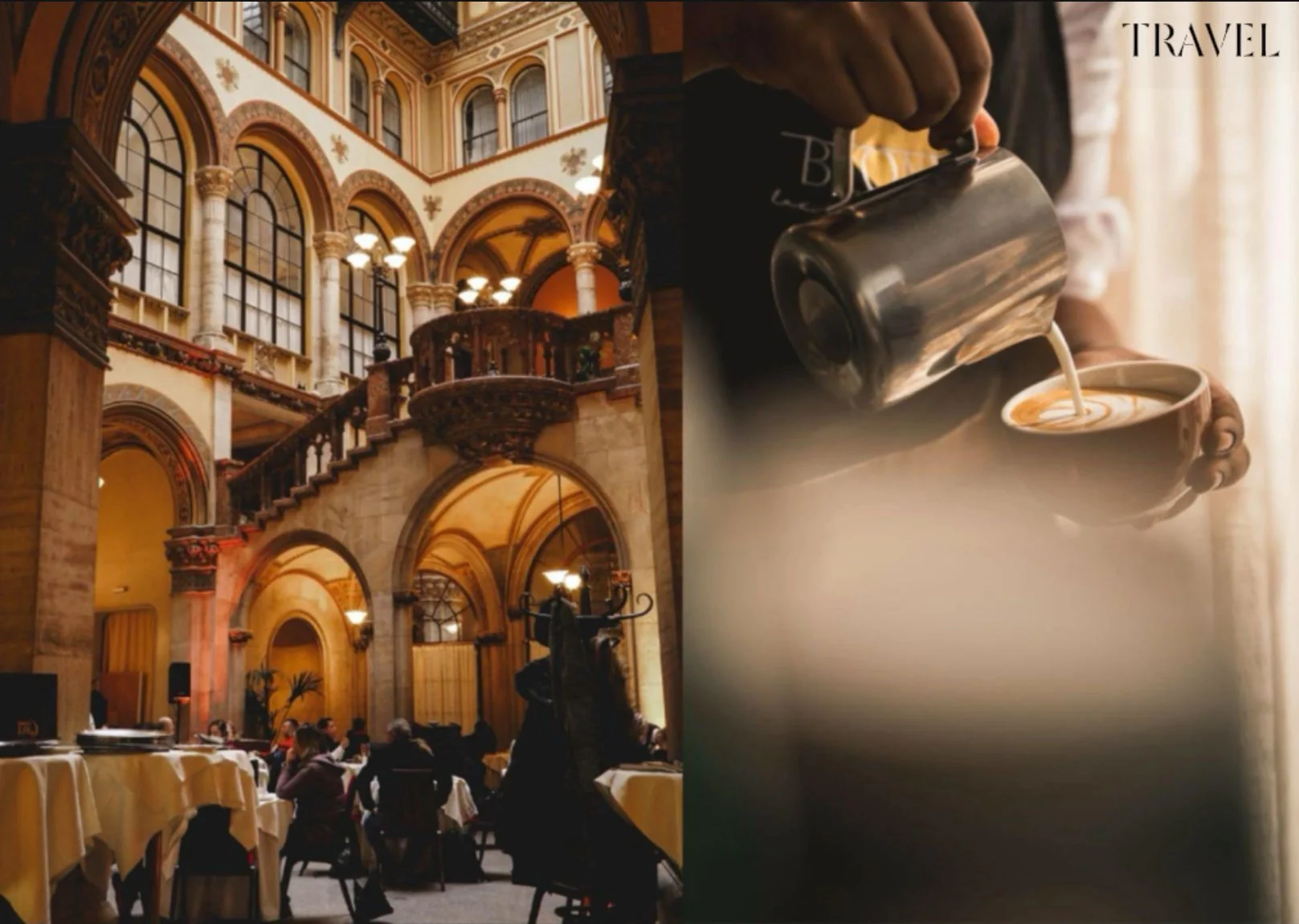
The café, as an institution, is one of the most important and least examined contributions to human civilization. Not the café as product — the coffee, the food, the service — but the café as a specific kind of public architecture: the room that is neither public nor private, that belongs to no one and therefore to everyone, that makes possible a quality of social life that has no equivalent in any other setting.
The history of the public café is inseparable from the history of democratic thought. The coffeehouses of seventeenth-century London — Lloyd's, Garraway's, the Turk's Head — were the places where the information economy of the emerging middle class was constituted: where merchants and lawyers and writers and scientists met on a basis of relative equality to exchange news, opinions, and the substance of what was becoming, over the century following, a public sphere. Jürgen Habermas, whose concept of the bourgeois public sphere remains one of the most useful frameworks for understanding the social function of modern democracy, roots it here, in the coffeehouse: the space where private individuals come together to form public opinion.
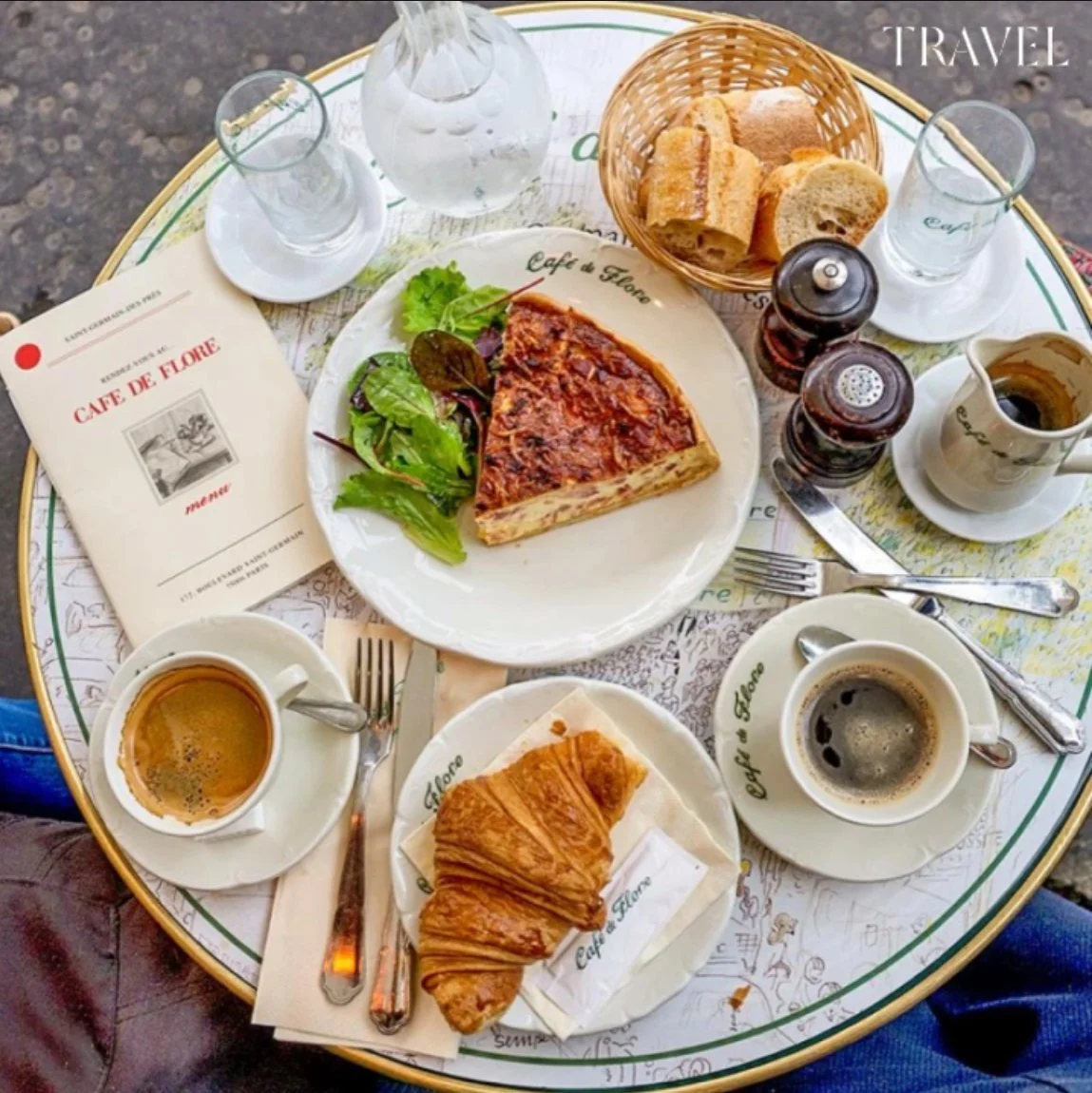
The Viennese café took this further. The institution that produced Freud, Wittgenstein, Zweig, Herzl, Klimt, and the other architects of early twentieth-century modernity was not the university or the salon or the intellectual journal, though all of these existed. It was the café. The Café Central. The Landtmann. The Griensteidl. These were the spaces where people who were changing the way the Western world thought about itself spent the hours that thinking requires: the long hours of unstructured attention, of conversation conducted without agenda, of the kind of intellectual sociability that does not produce a document but produces, over years and decades, a way of being in the world.
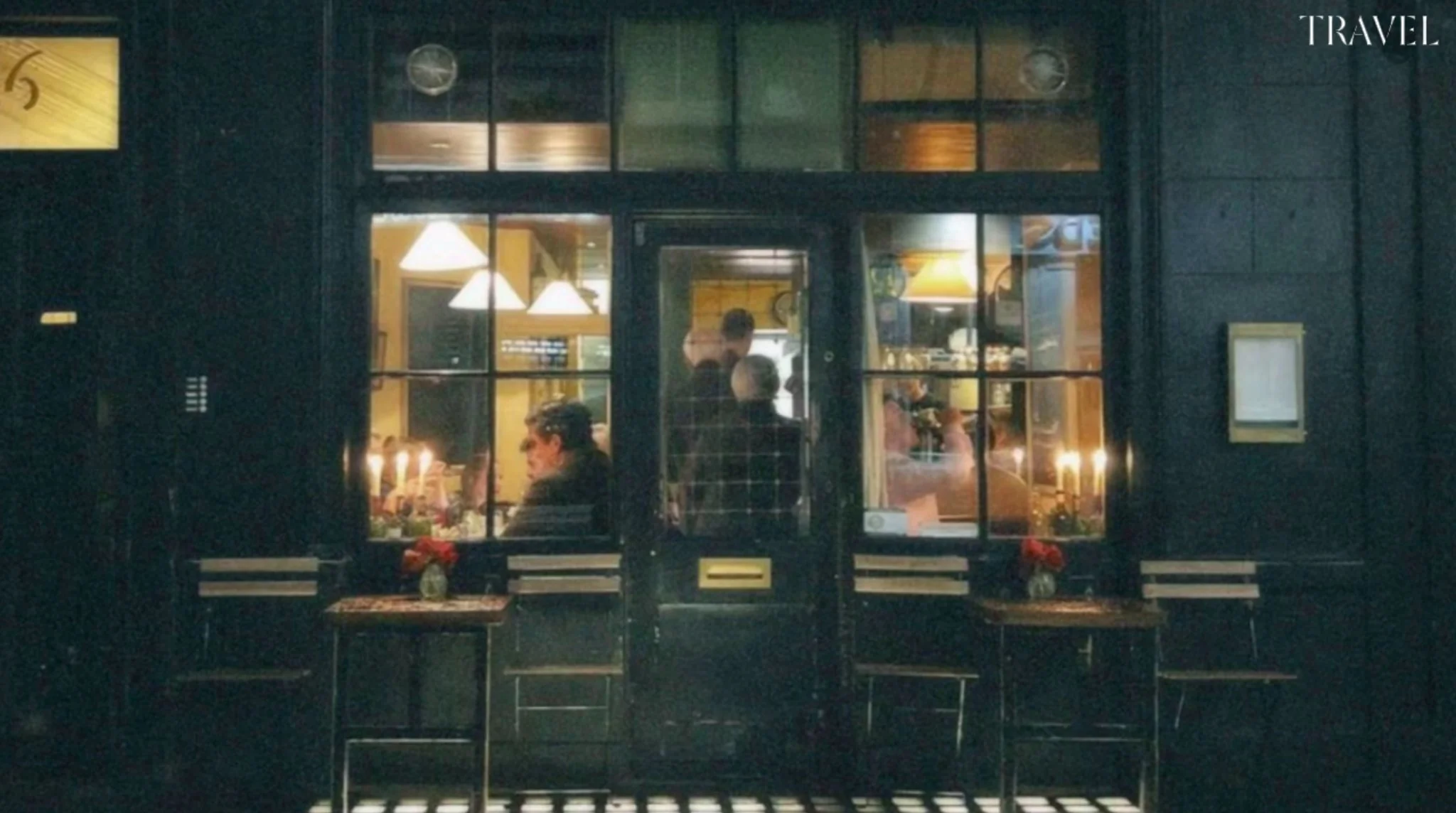
What threatens the café now is not the tourist, exactly, though the tourist is part of it. It is the logic of the contemporary experience economy, which has identified the café as content — as a backdrop for the image, as a brand, as an aspiration that can be commodified — and which has, in its commodification, destroyed precisely the quality that made it worth commodifying. The Viennese café that charges thirty euros for a Melange and provides a QR code instead of a menu has not been preserved. It has been taxidermied.
But the institution is not dead. It is, in some cities and in some specific rooms, still alive — still performing its essential function of making the public life of the mind possible in a physical space with a cup of coffee and enough hours.
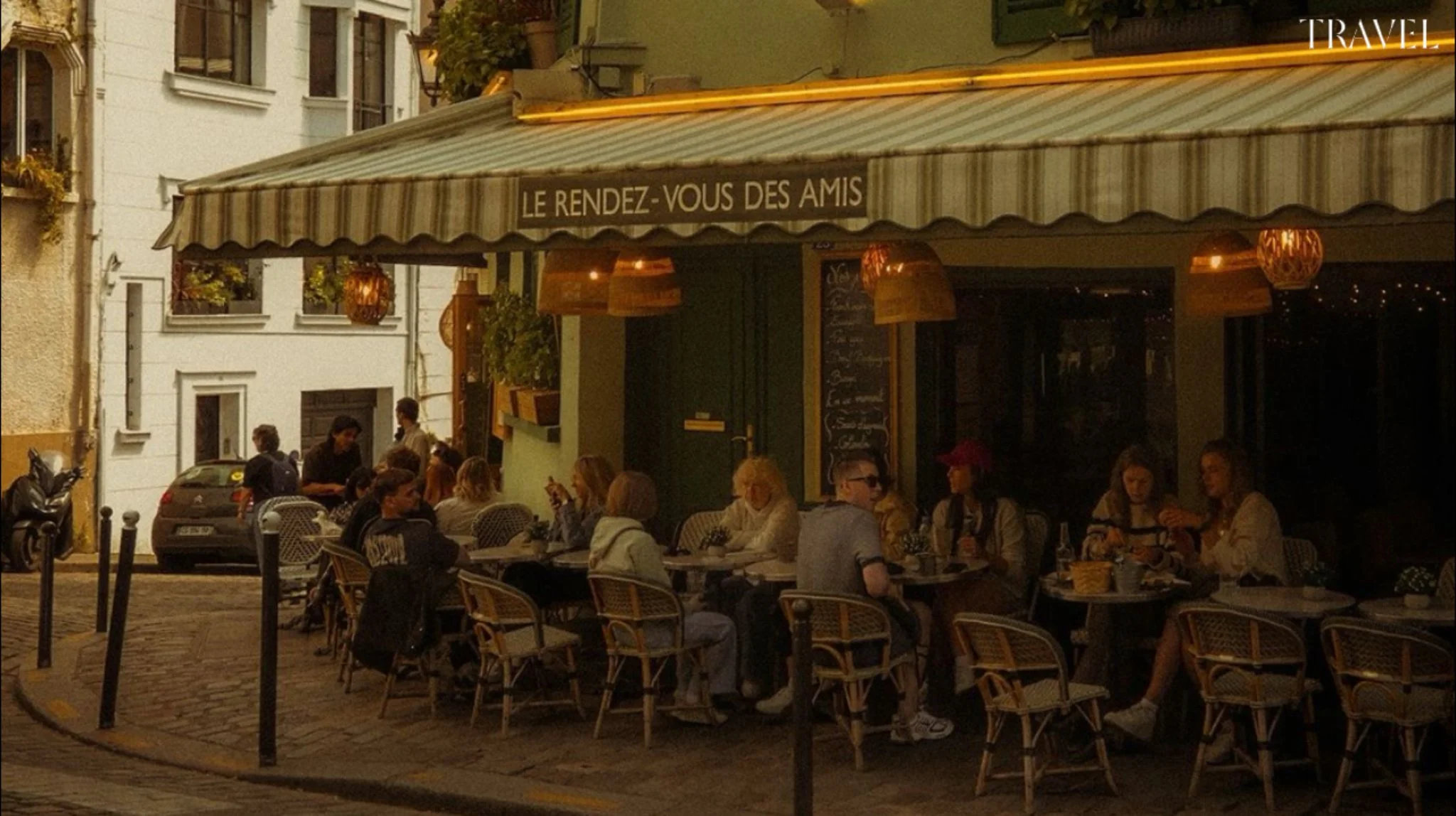
The Kaffeehäuser of Vienna that survive as genuine institutions rather than heritage performances are fewer than twenty by serious count. The Landtmann, adjacent to the Burgtheater and the Rathaus, has been continuously occupied by the same quality of Viennese intellectual and political life for 150 years and remains so, to an extraordinary degree, still. The Prückel, the Schwarzenberg, the Hawelka (now run by the founder's son, who understands what he has inherited) — these rooms have maintained the essential condition: you are welcome to sit for as long as you need to, and no one will make you feel that your presence requires justification.
In Paris, outside the tourist circuit: the Café de la Mairie on the Place Saint-Sulpice; the Rostand facing the Luxembourg Gardens; the Tourville; the Procope, which is the oldest continuously operating café in Paris and which has survived by being honestly itself rather than performing its age. In Vienna, in the rooms above. In Lisbon: the Brasileira, where Pessoa's bronze is not the point; the São Nicolau near the river, which remains inhabited by the kind of people who have actual conversations.
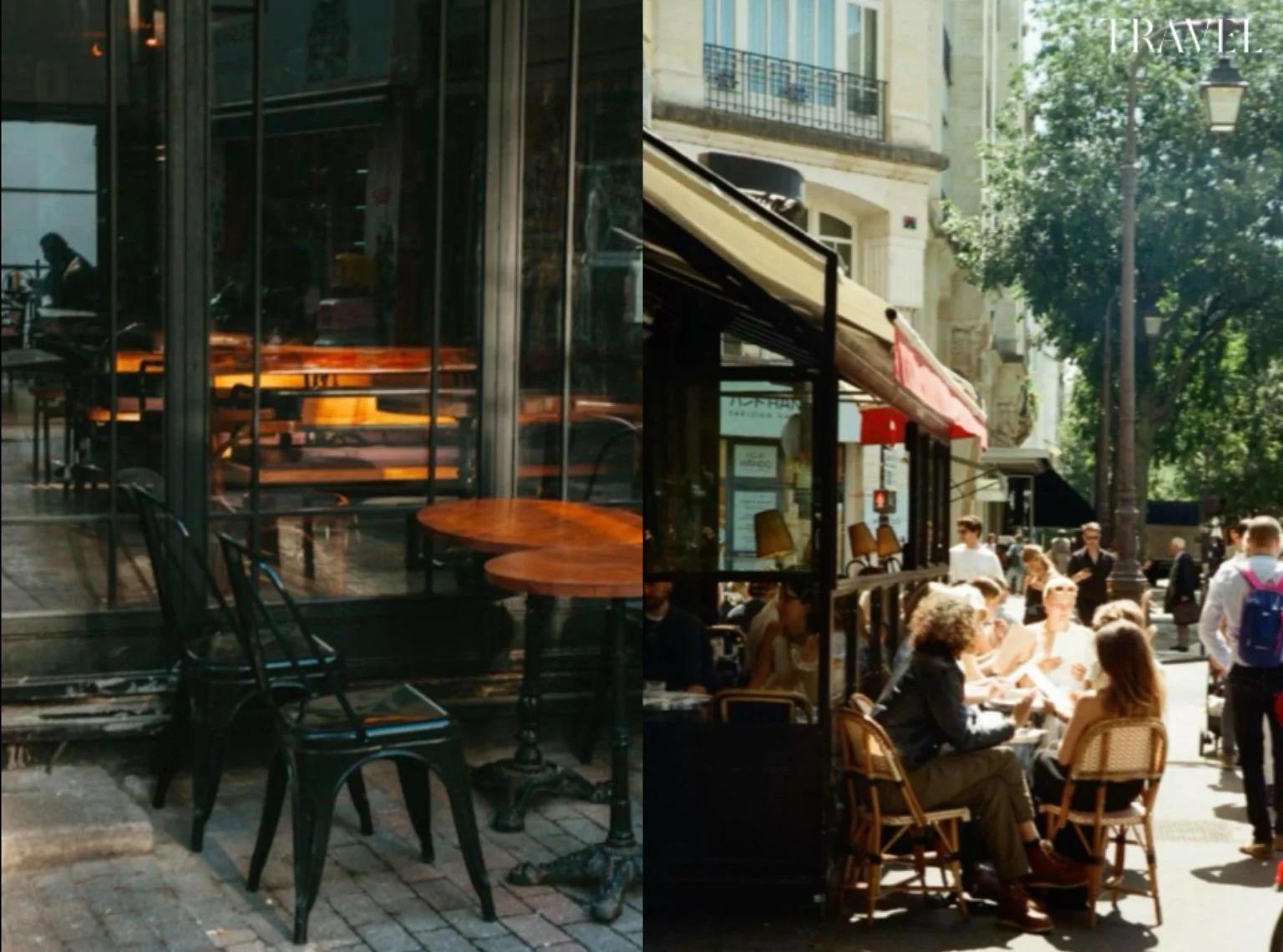
The designer and historian Marco Magnifico, who has written extensively on the social architecture of public space in European cities, describes what is at stake in terms that go beyond nostalgia: "The café is a machine for the production of a certain kind of time — unhurried, unstructured, socially available time that does not need to justify its existence with productivity. This kind of time is under the most severe pressure it has been under in the modern era. The places that protect it are, in the most literal sense, protecting a form of human experience that has no adequate substitute."
The most important thing you can do for the café, he says, is go there and stay.
BY OONA CHANEL
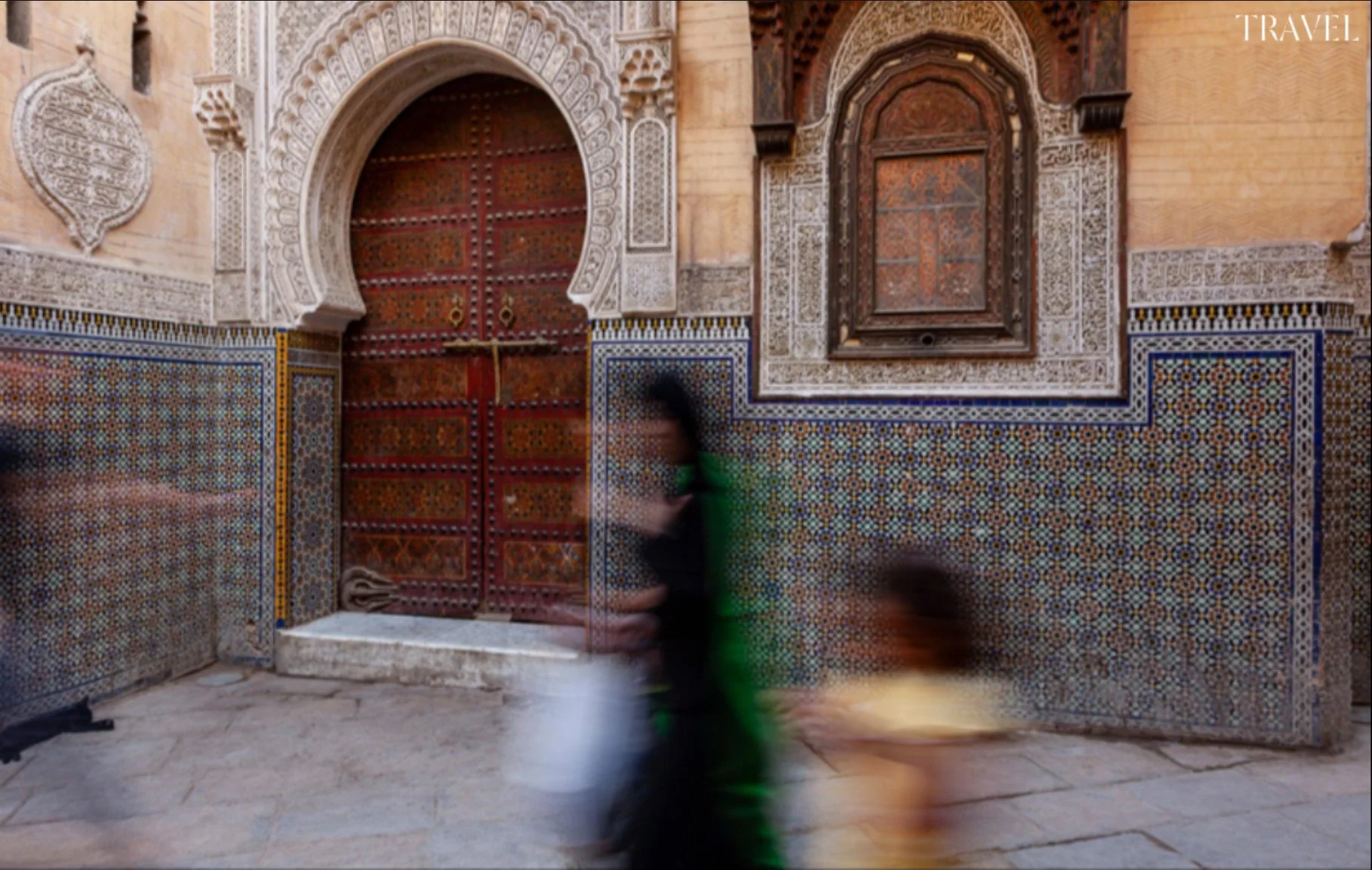
Morocco in the Off-Season: What Fès Looks Like When the Medina Belongs to Itself
November is when the light is best, the tanneries are quietest, and the city will, for two hours each morning, let you believe you are the first person who has ever seen it.
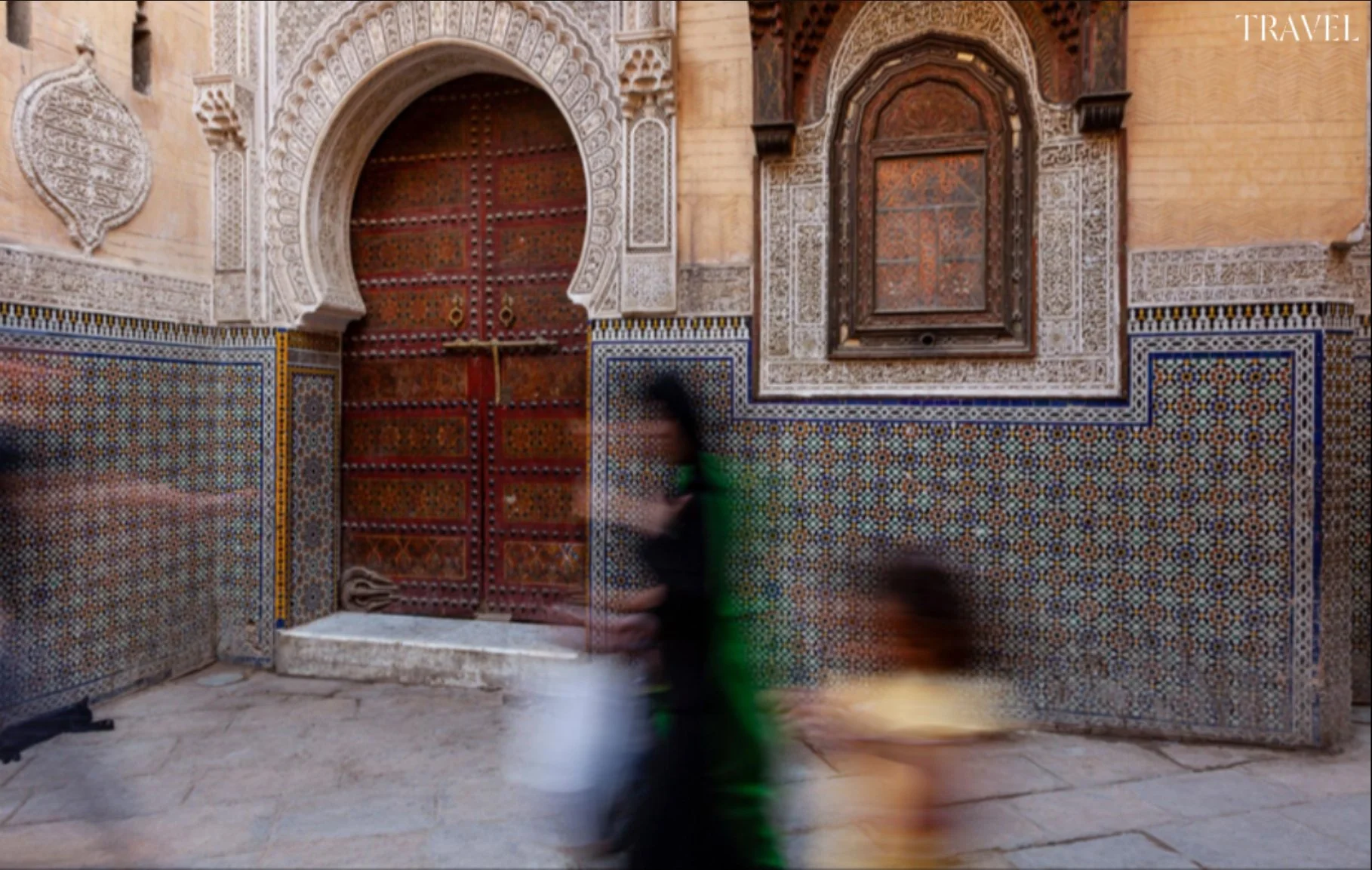
“At the center of this city there is something genuinely not for you. It has been happening for eleven centuries before you arrived. The knowledge of this is one of the most useful correctives available to the contemporary traveler.”
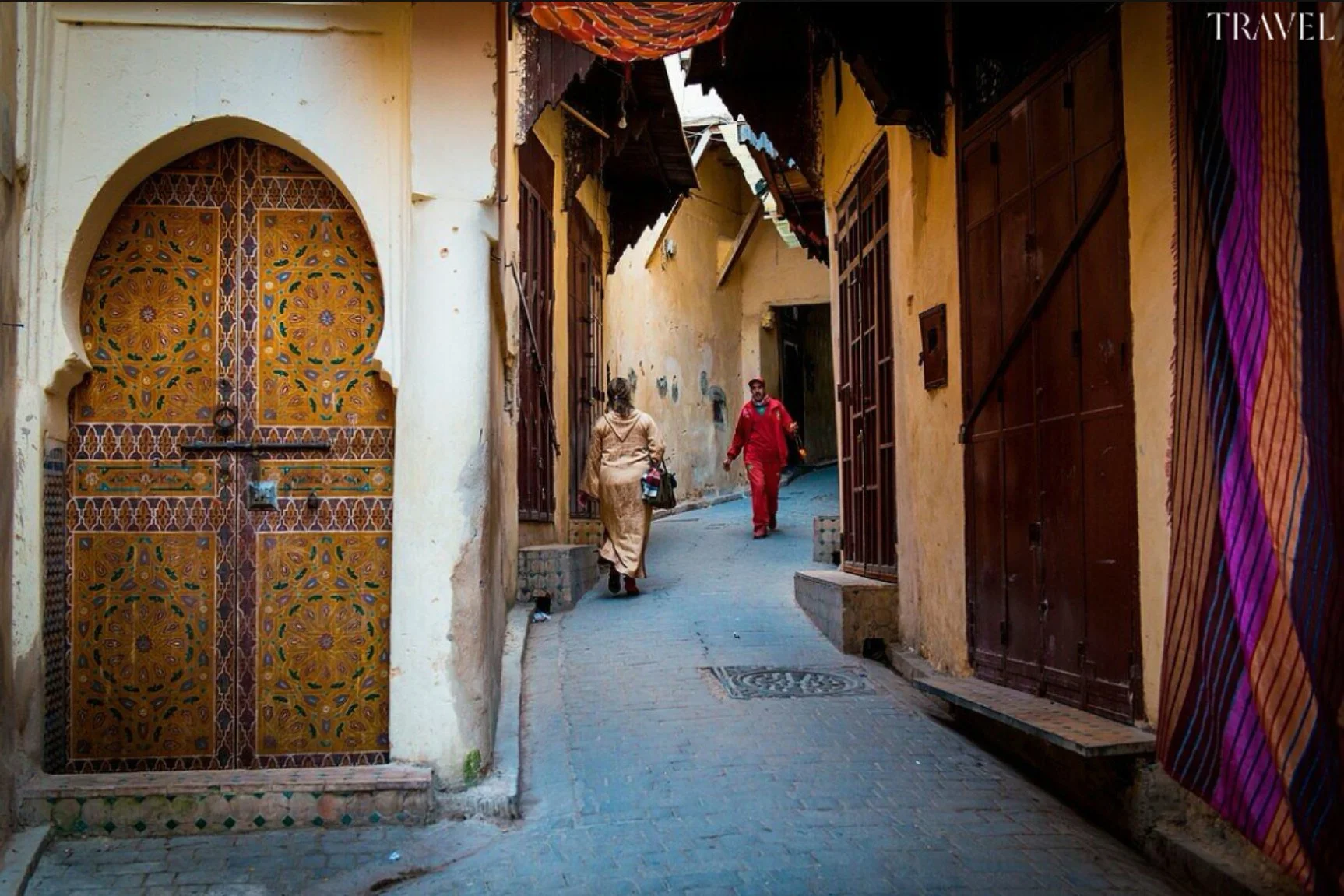
The tanneries of Fès smell of pigeon dung and saffron and the specific compound of ammonia and chrome that has been used to cure leather here since the eleventh century.
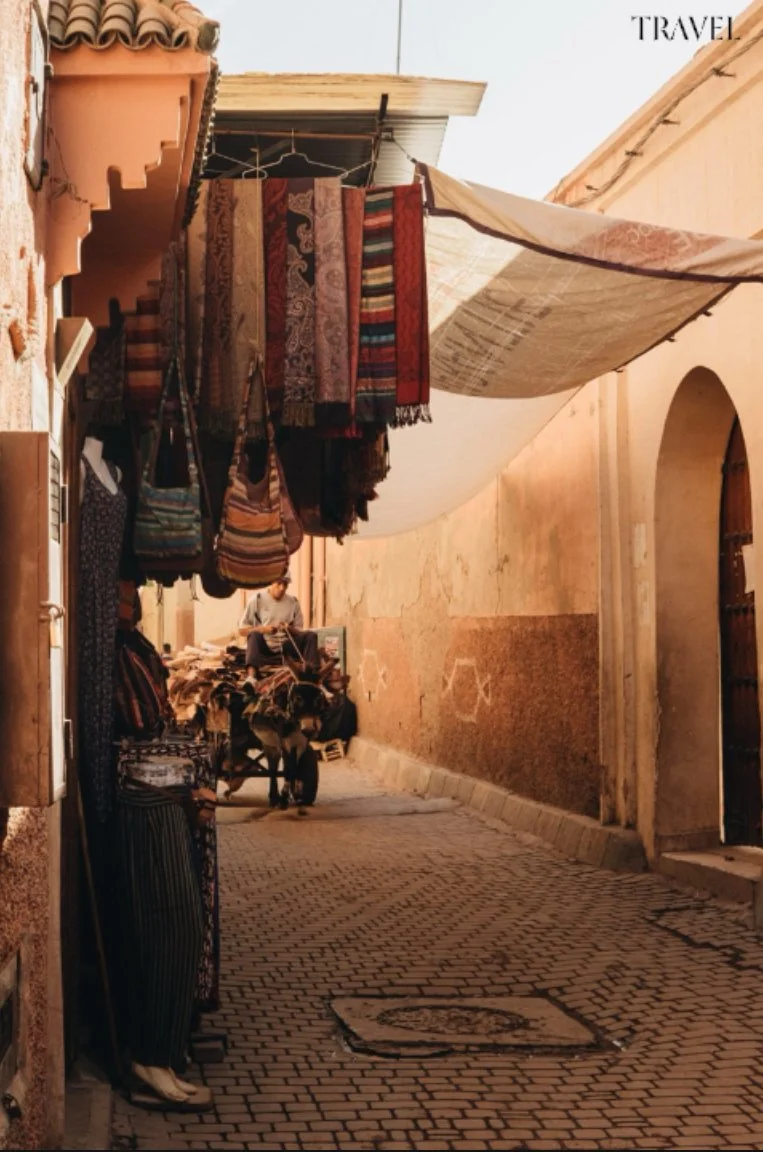
This is not mentioned in most travel writing, because travel writing prefers the tanneries as a visual spectacle — the honeycomb of vats, the colors changing seasonally with the dye cycle, the famous view from the terrace of the surrounding leather shops — and tends to present the smell as a minor inconvenience rather than the thing that, more than any other sensory fact, makes you understand where you are.
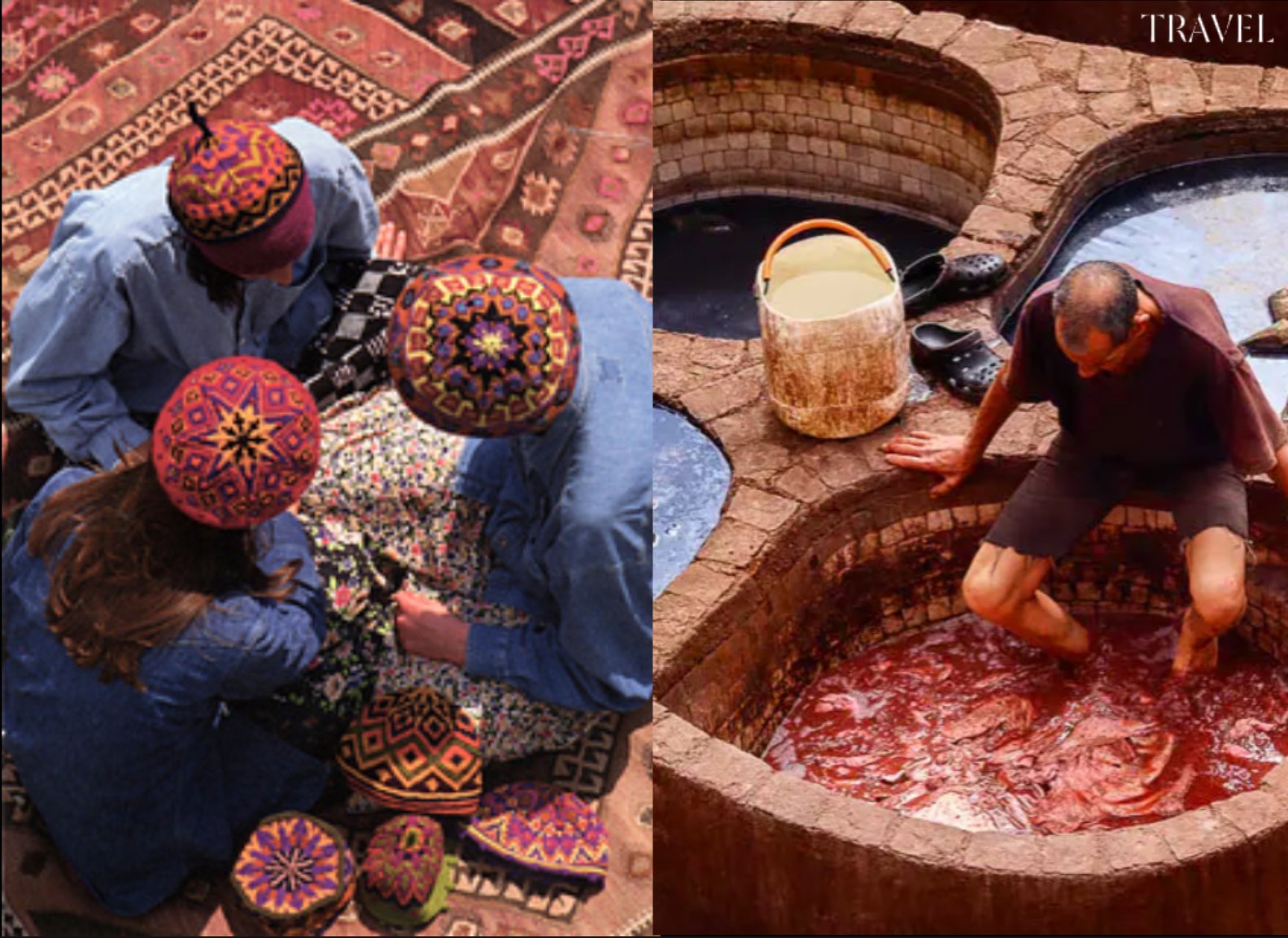
The smell is the point. It is the smell of a process unchanged in a thousand years, performed by men who learned it from their fathers and who will, in some cases, teach it to their sons. It is the smell of the medina — which is, of all the places in Morocco, the most complete survival of a pre-industrial city, a place that has been continuously inhabited and commercially active since the ninth century and that has been reorganized, at the level of its fundamental spatial logic, not at all.
You should come in November. The high season — April through June, September through October — brings crowds that the medina absorbs with difficulty and that transform the experience of moving through it from something profound into something merely impressive. November is different.
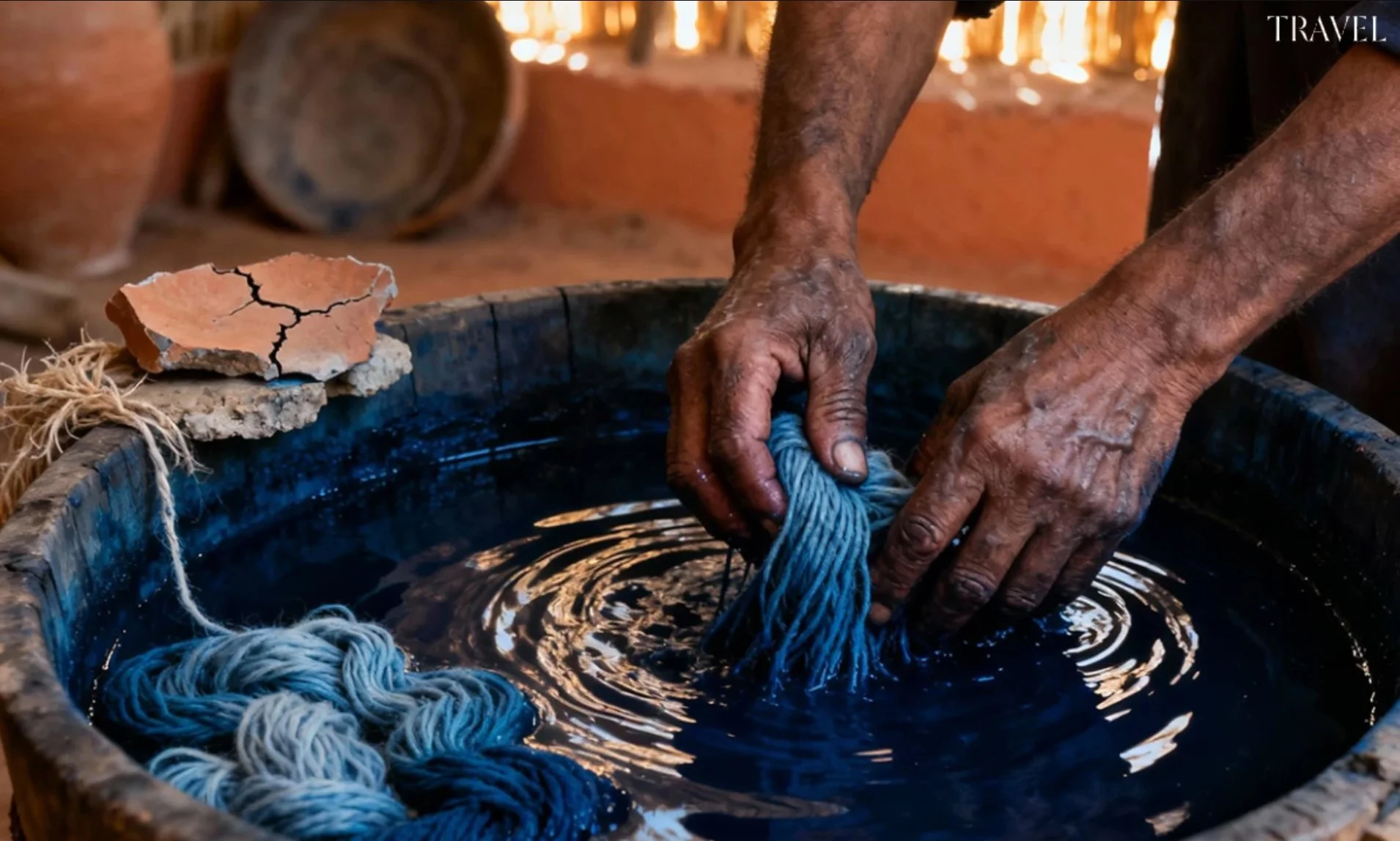
The rains have not yet made the streets impassable. The light — low, golden, coming from the south — does what Moroccan light does best: it reveals rather than bleaches. The shadows are long and informative. The walls, which are the color of the earth from which they were made, seem to be lit from within.
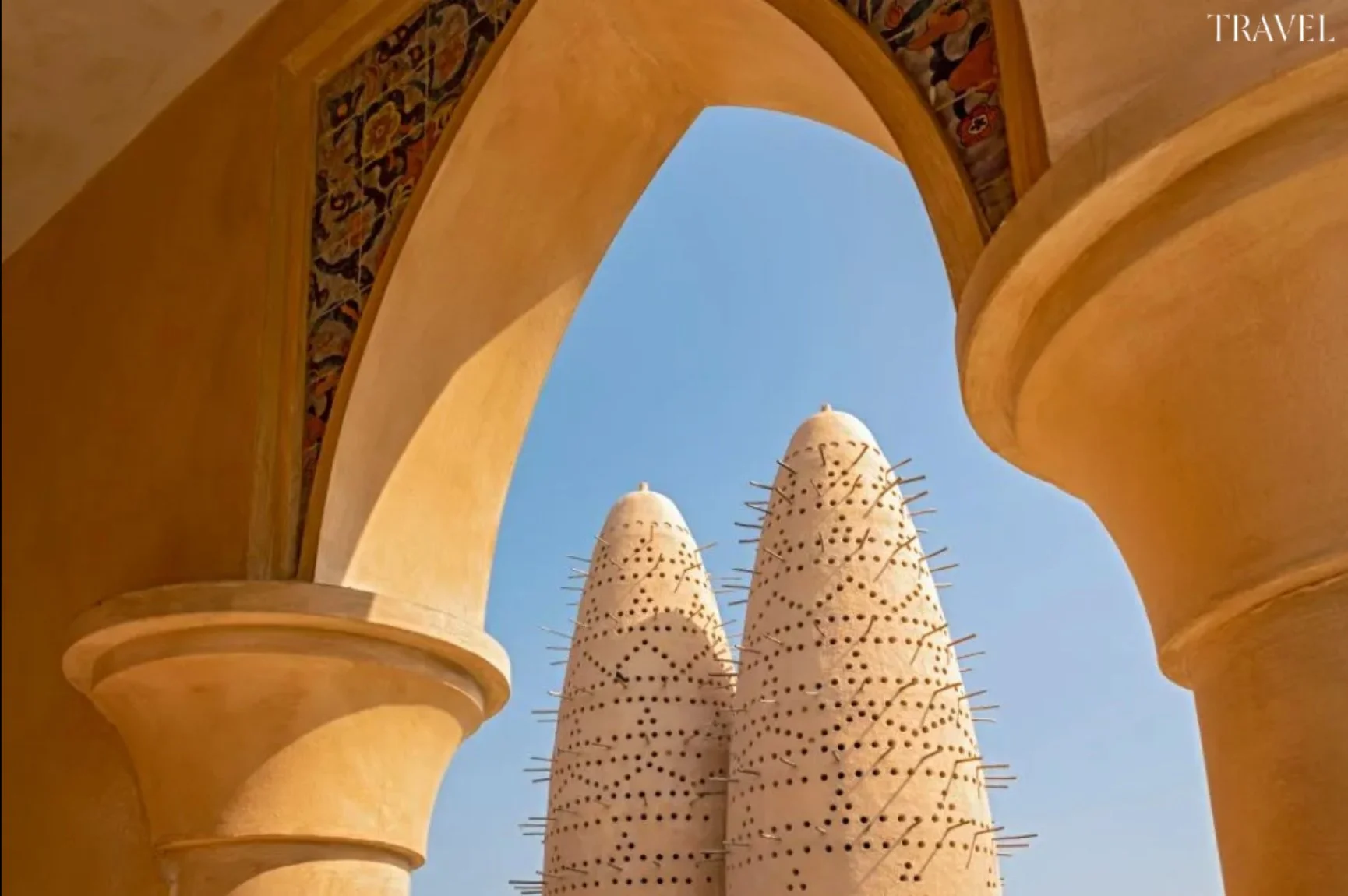
Begin before the azaan. The first call to prayer comes before dawn, and if you are already walking — out of the Bab Bou Jeloud, into the main artery of the Talaa Kbira, toward the heart of the medina — you will hear it first from one minaret, then answered by another, then another, the overlapping calls creating a acoustic architecture that is specific to this city and this hour.
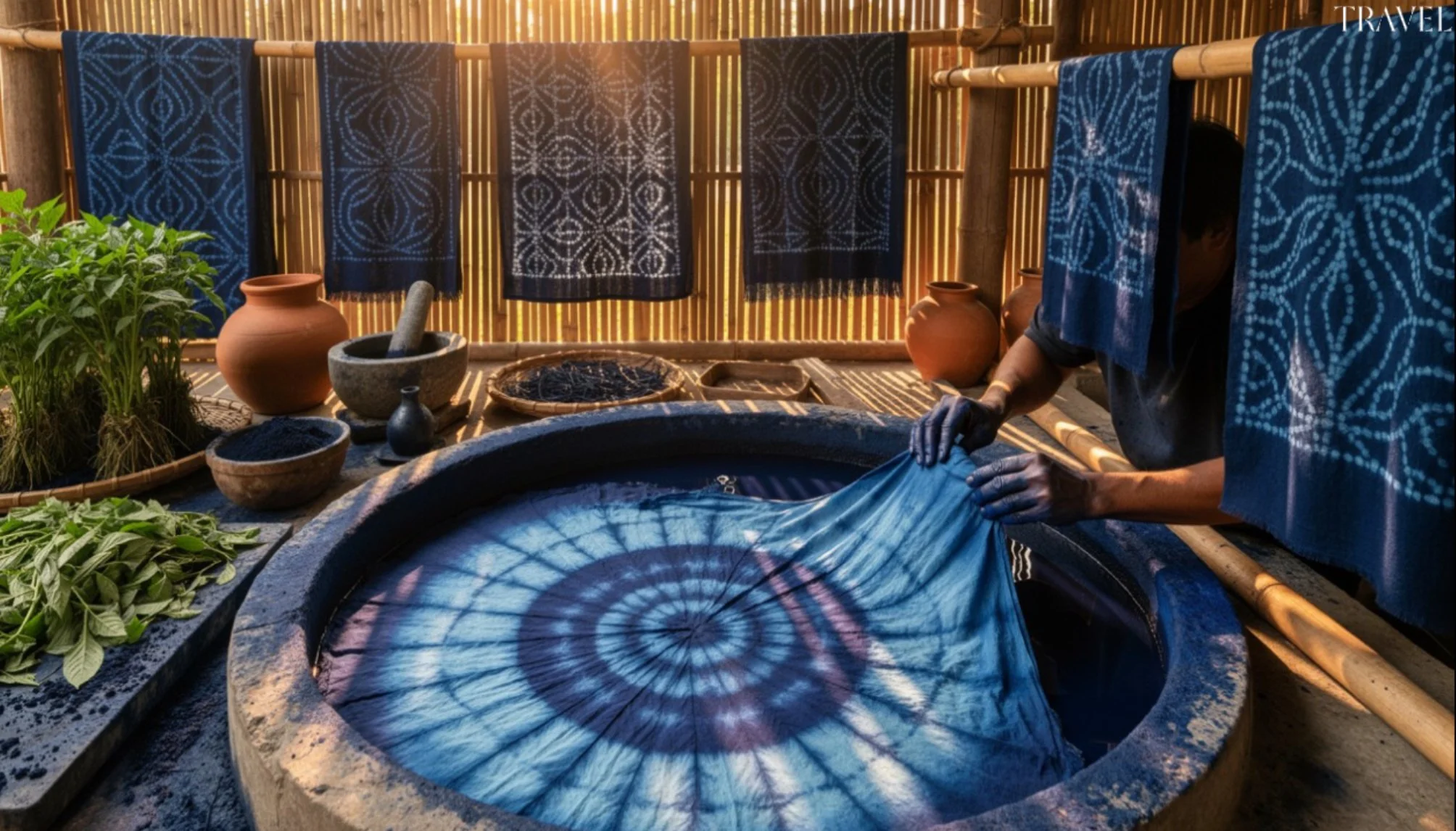
This is not a performance for visitors. It is a practice of a community that has been doing this before the city's walls were built. You are, at this hour, genuinely present in something that does not require your presence.
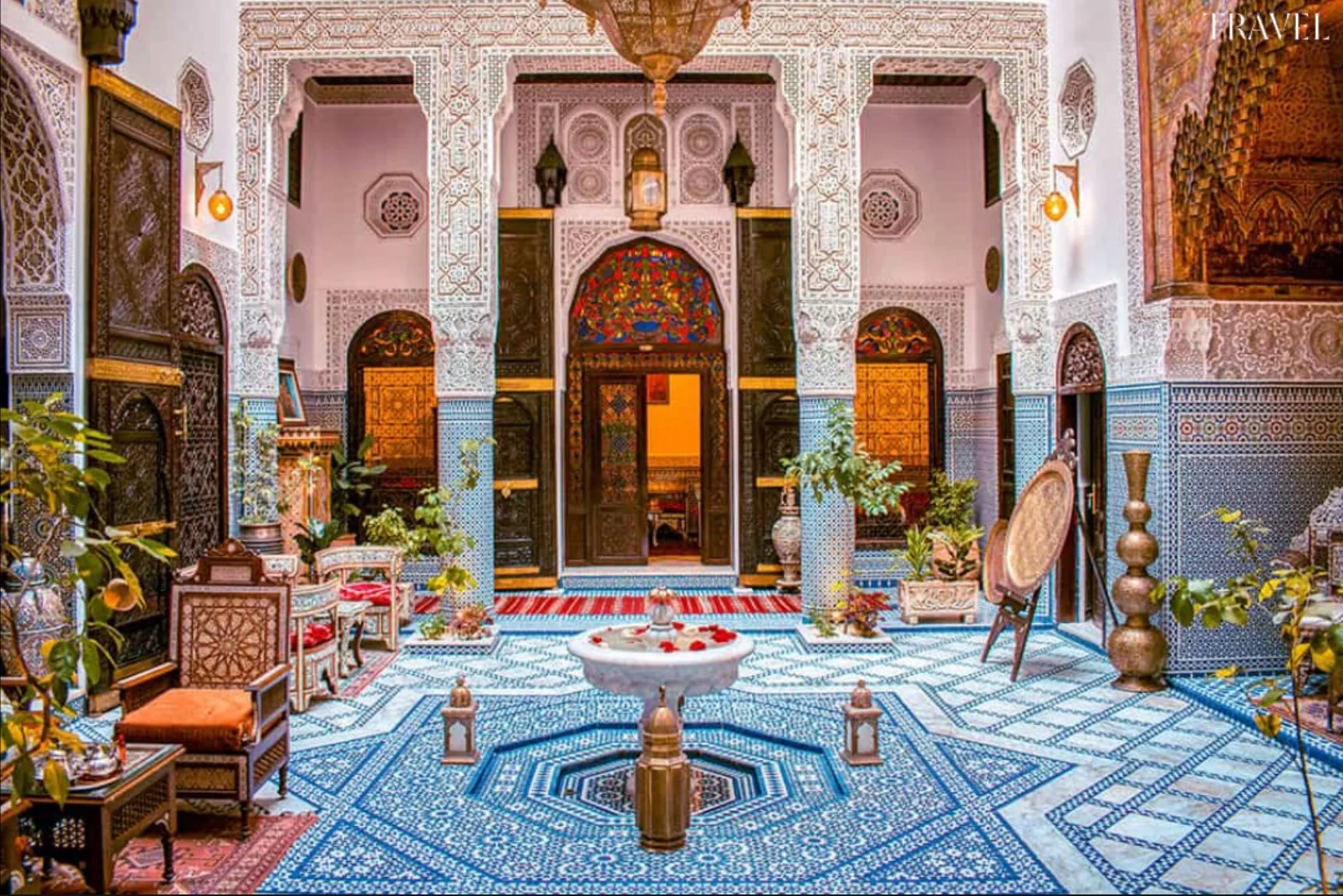
The Qaraouine mosque and university — founded in 859 CE, making it the oldest continuously operating university in the world — is not open to non-Muslims. This is, in the context of a tourist experience, a fact that most guidebooks present as a frustration and that is, more accurately, a gift:
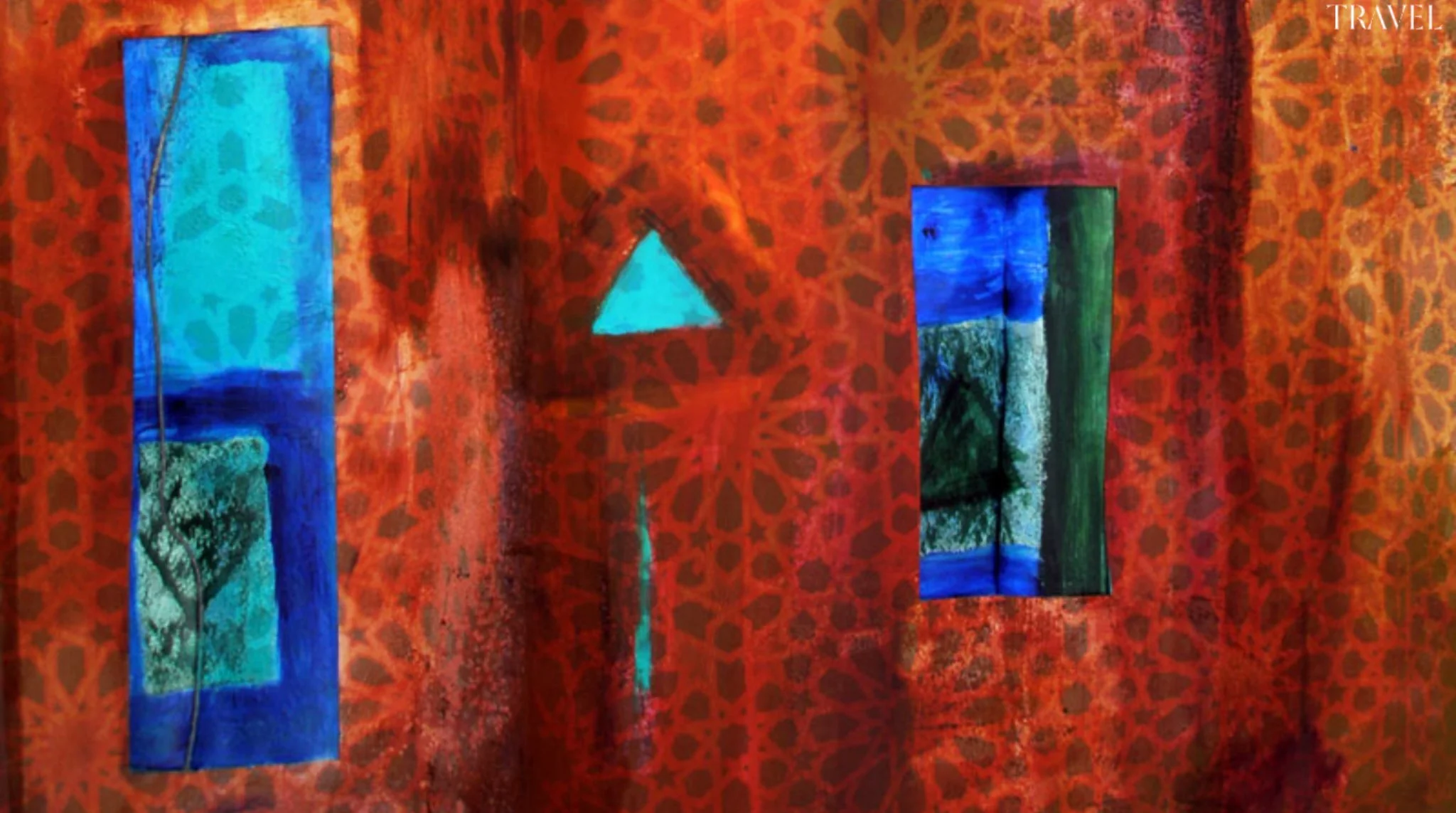
the knowledge that at the center of this city there is something that is genuinely not for you, that has been happening for eleven centuries before you arrived and will continue after you leave, is one of the most useful correctives available to the contemporary traveler. It produces, if you allow it to, the correct proportion of yourself in relation to the place.
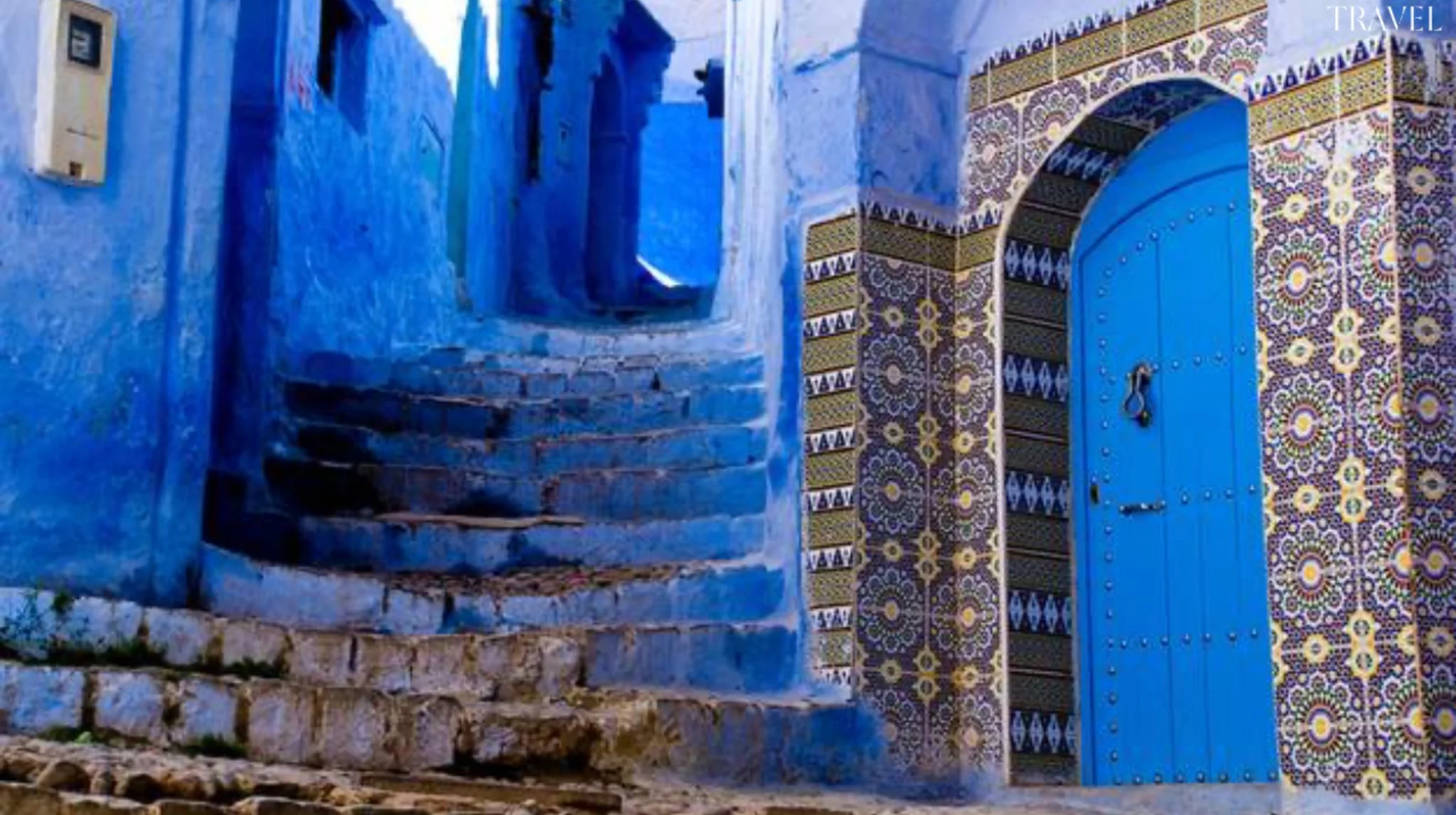
Stay at Riad Fès — the most considered of the high-end riads, occupying an eighteenth-century palace in the heart of the medina — for a minimum of three nights. The riad is the spatial argument of Fès in a single building: the exterior presents a blank, deliberately anonymous wall to the street; the interior opens onto a courtyard of intricate tilework and carved plasterwork and a garden of orange and lemon trees that makes the medina's noise simultaneously present and distant. The room is an argument about the relationship between public and private, between the city and the self.
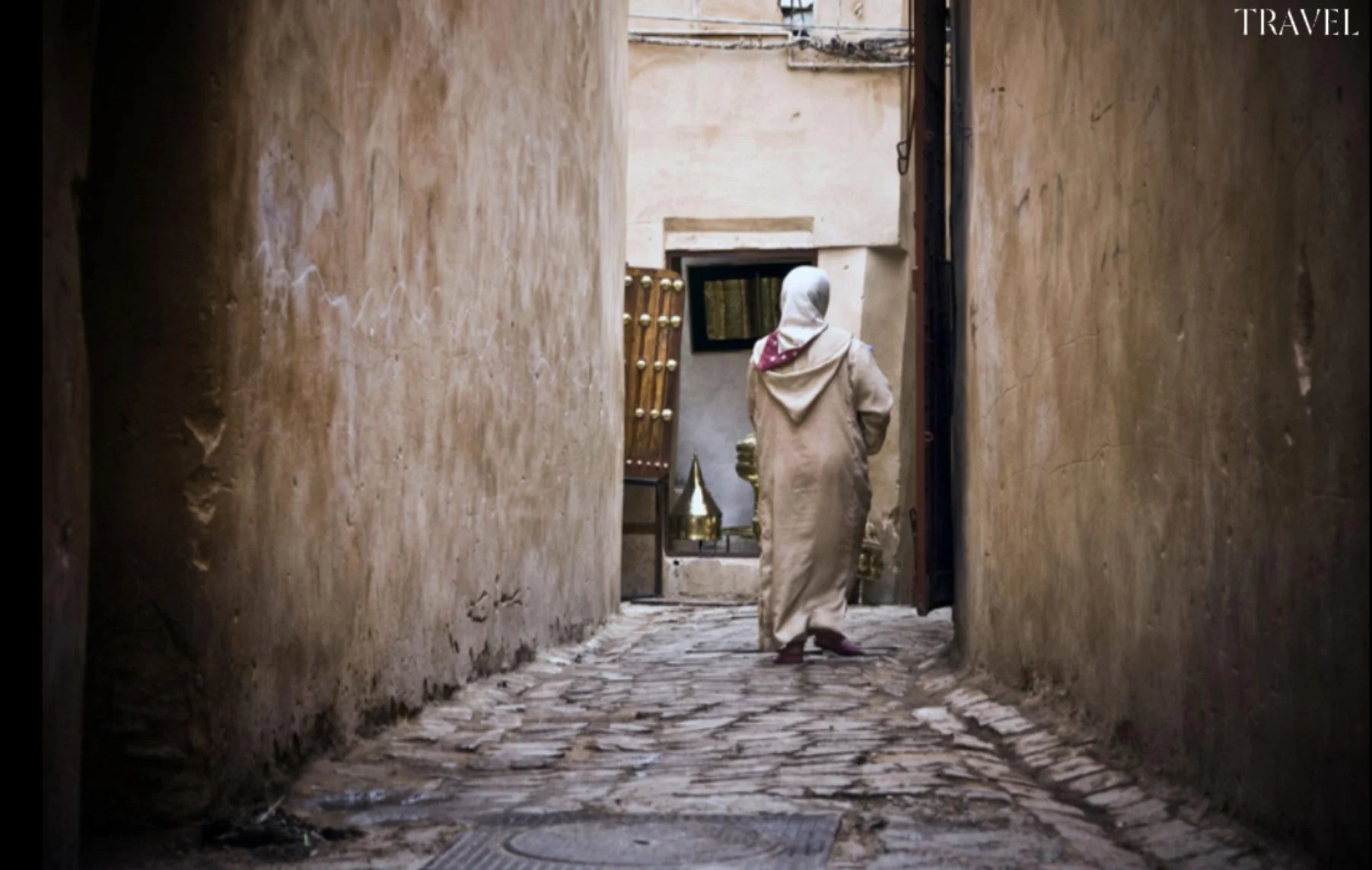
Eat, on your second evening, at the table of a woman named Karima, who runs a cooking class that is, in practice, a dinner party for seven.
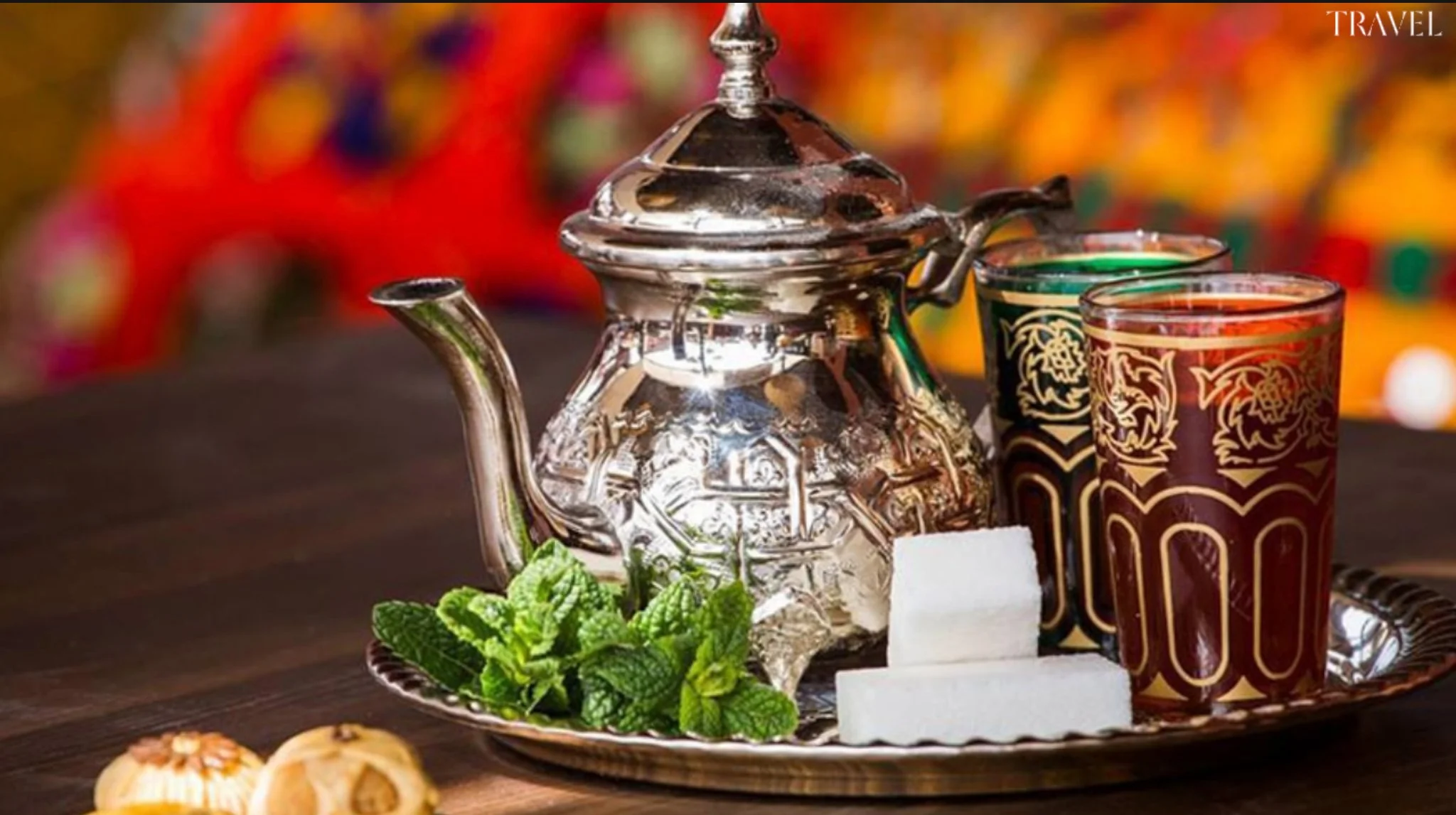
She cooks a chicken bastilla that contains two hours of the morning, a preserved lemon that has been sitting in salt and its own juice since before you arrived, and a quality of attention that the restaurated restaurants of Marrakesh cannot replicate because it is not a technique. It is a relationship to cooking that proceeds from the belief that hospitality is a form of love.

On your last morning, return to the tanneries at 7am, before the shops have opened. Stand above the vats without anyone trying to sell you anything. Watch the workers moving between the circles of color — the clay red of the traditional ochre, the deep blue of the indigo, the brown of the walnut — and understand that you are watching a practice older than the country that surrounds it, older than the religion that frames it, older, in its essentials, than almost anything you have encountered.
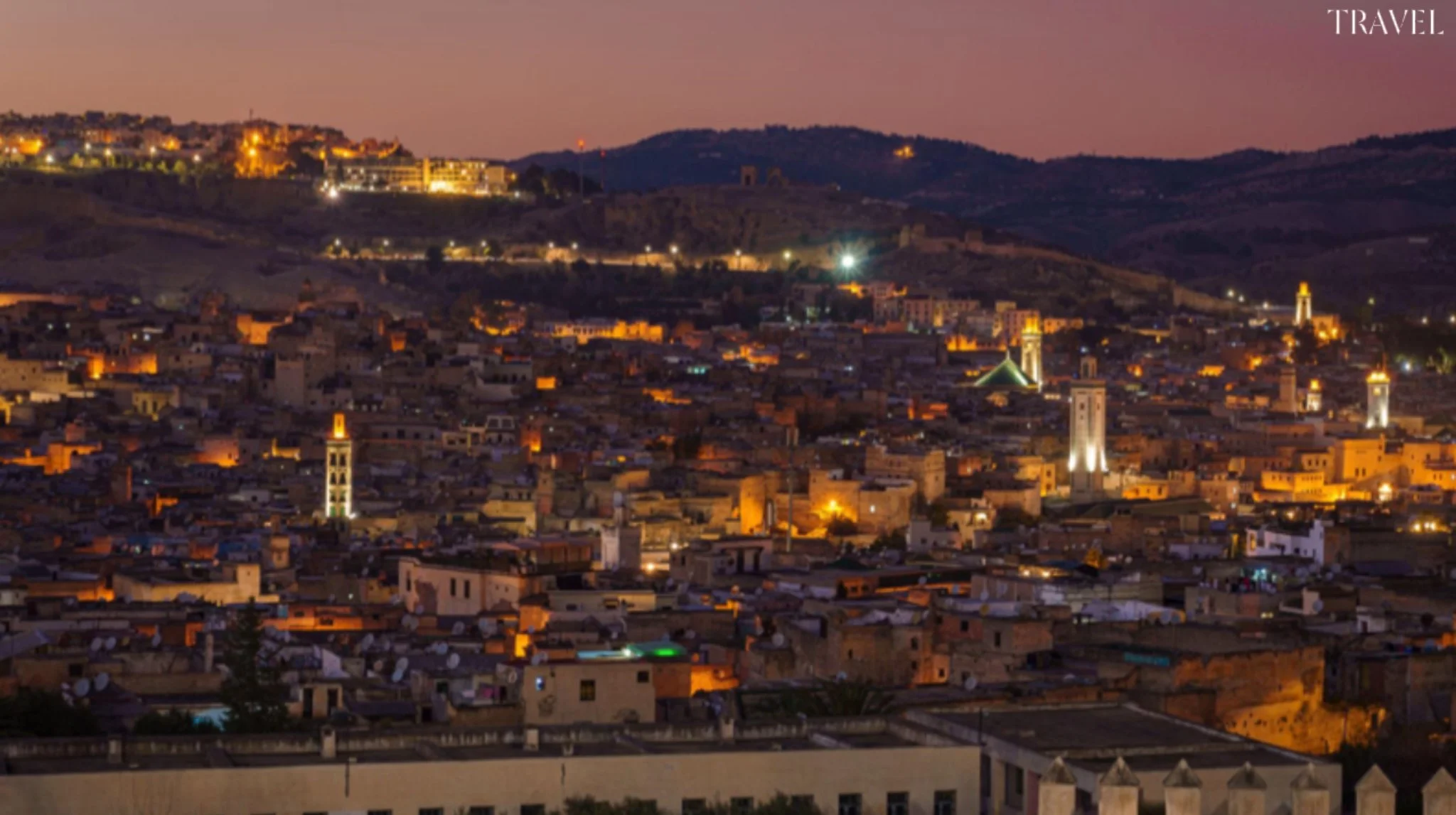
The smell, by this point, you will not notice. This is what happens when a place admits you properly: the things that seemed strange become the things that seem true.
BY OONA CHANEL
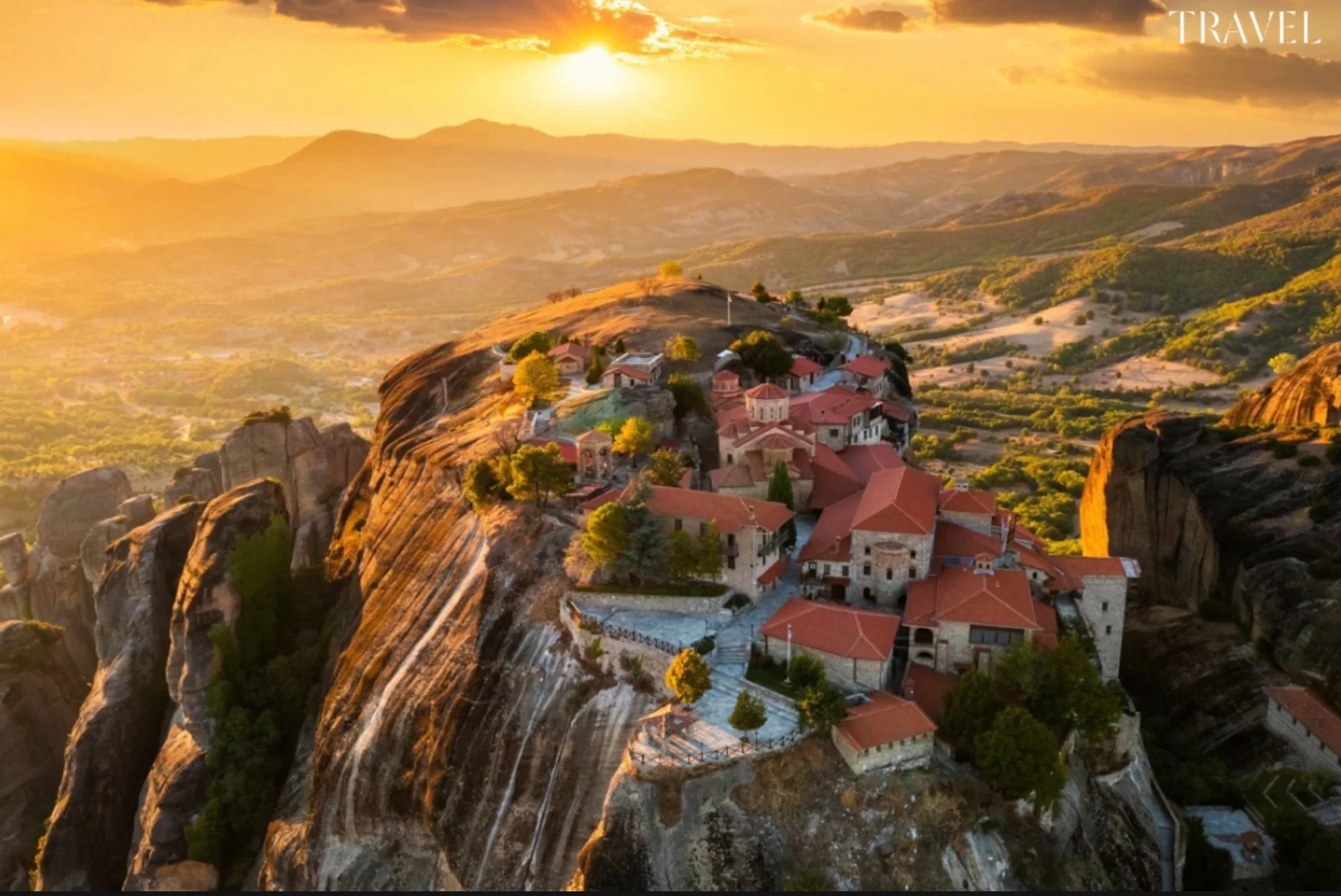
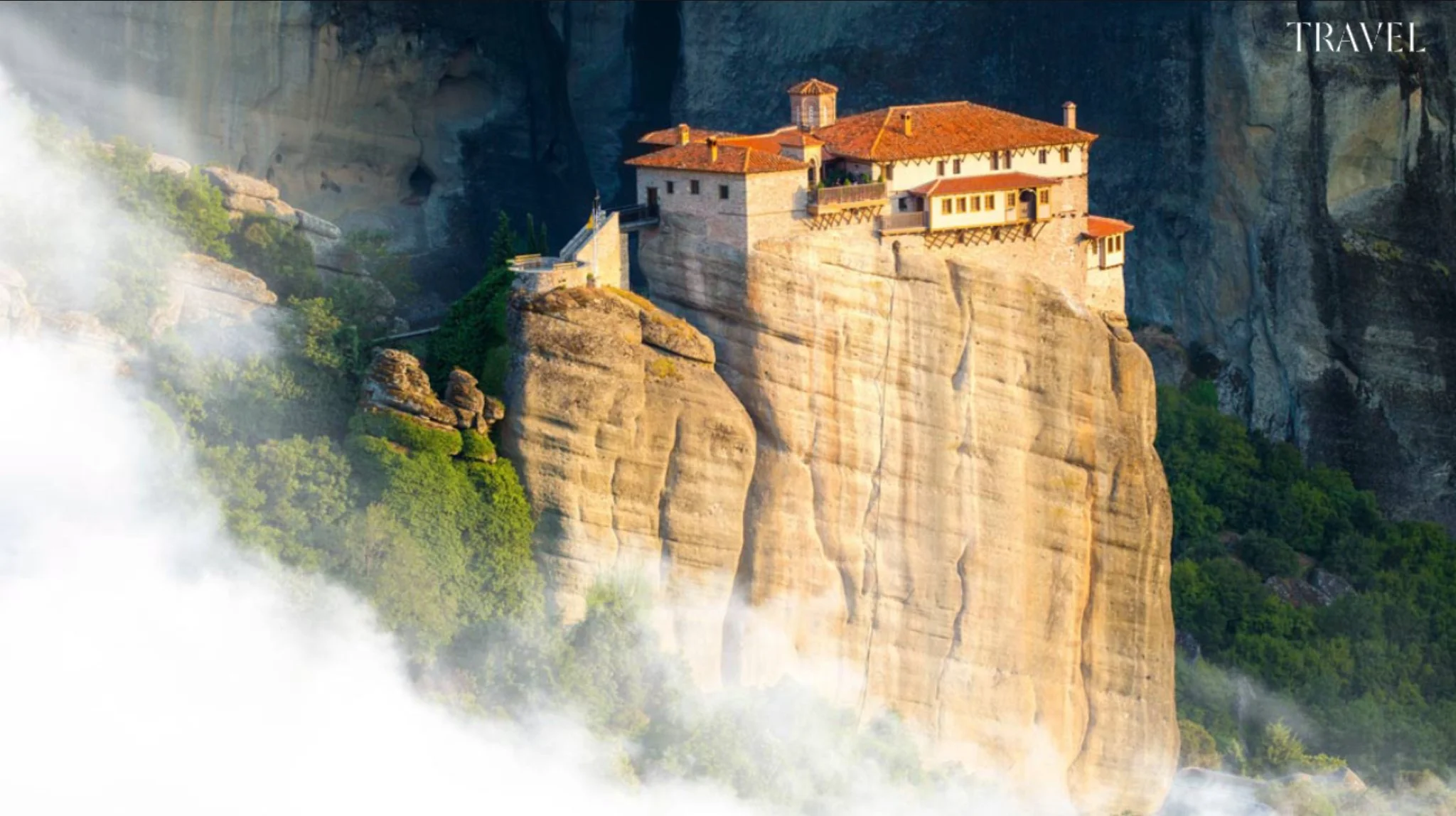
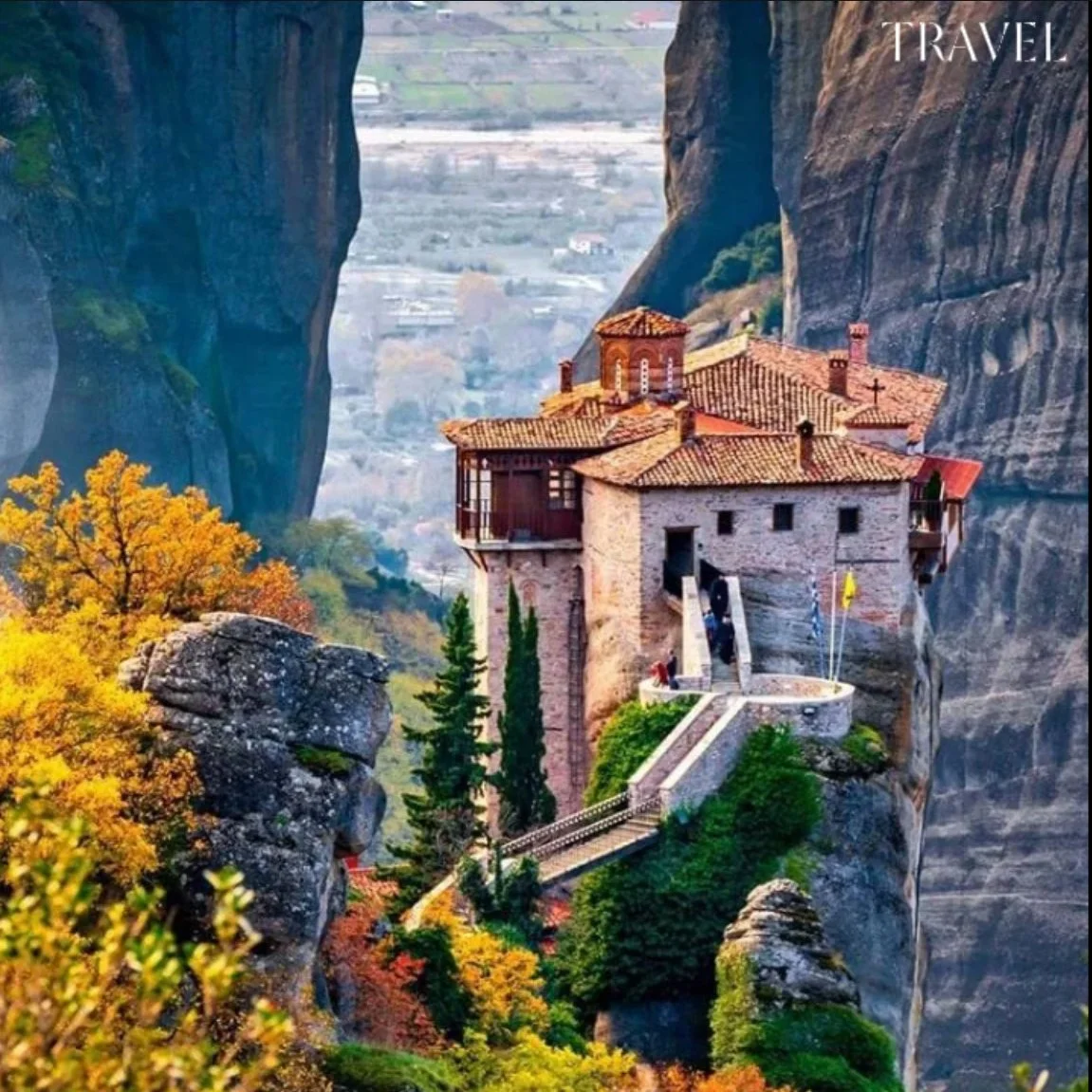
The Monasteries of Meteora: How to Visit One of the World's Greatest Places Without Destroying It
Six Byzantine monasteries on columns of rock 400 meters above the Thessalian plain. A place of such improbable beauty that it has, for twenty years, been in danger of being loved to death.
Monasteries of Meteora
“We were built for silence. We have learned to find it in smaller quantities.”
The monks are awake before you are. This is the first and most important thing to understand about Meteora, and about the category of place it represents: a living sacred site in the middle of a UNESCO World Heritage listing in the middle of a global tourism system that has approximately no capacity to distinguish between the two.
Majestic Greek Monasteries
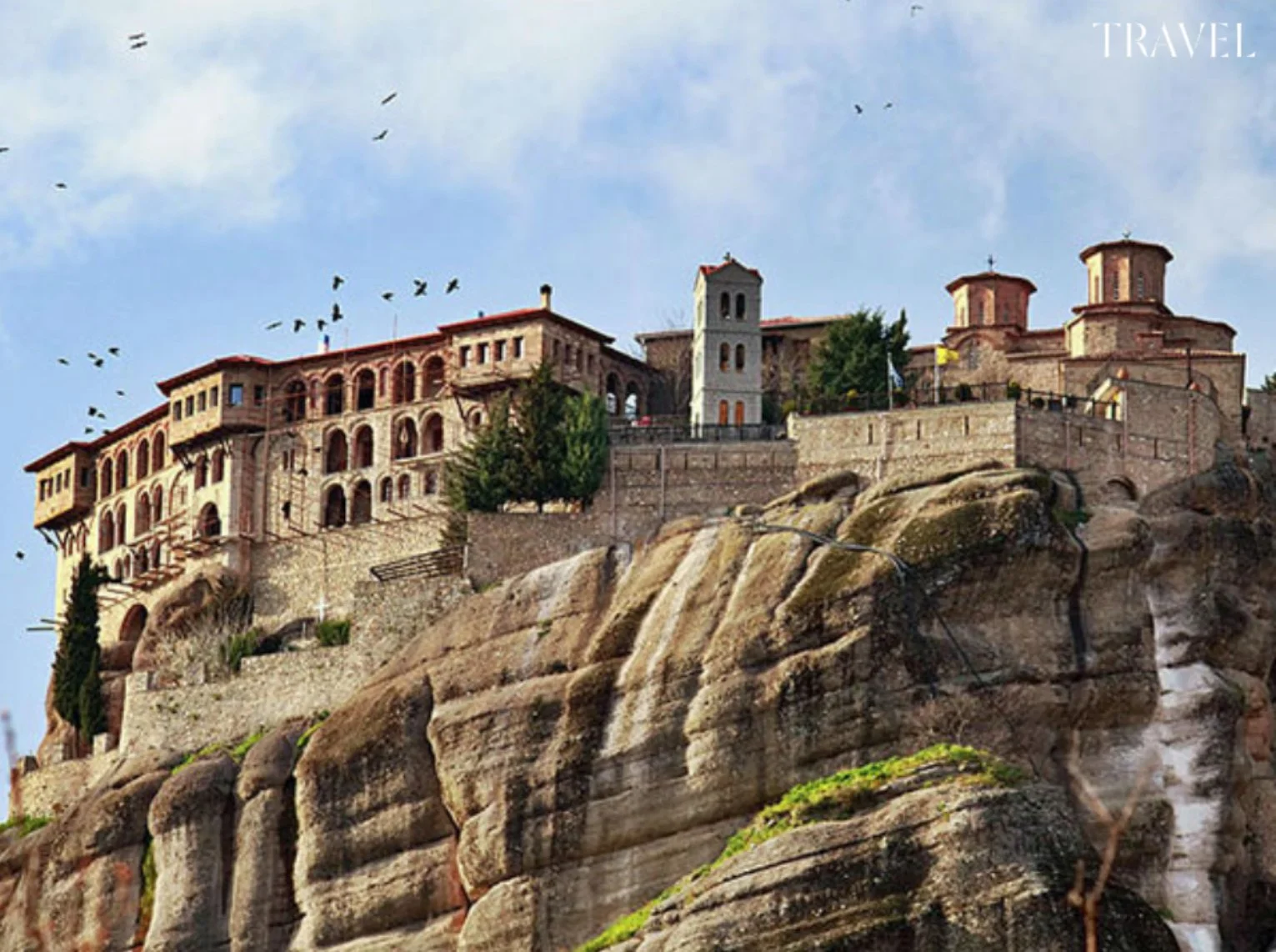
The six monasteries that remain inhabited and open — of the original twenty-four, at their medieval peak — sit on columns of sandstone and conglomerate that rise from the Thessalian plain to heights between 300 and 400 meters. They were built, beginning in the fourteenth century, by monks who wanted to be closer to God and further from the world: far enough up, on rock difficult enough to climb, that the various invasions moving through this part of Greece would not reach them. The strategy worked, for varying periods of time, for several centuries. The problem it did not anticipate was modernity.
Monasteries of Meteora
In 2025, Meteora received 1.7 million visitors. The monasteries have existed in their current form for six hundred years. The tourism infrastructure — the roads, the parking lots, the souvenir stands on the approach — has existed for approximately forty. The visitors, for the most part, come on day trips from Kalambaka, in coaches, between 10am and 3pm. They photograph. They do not linger. They are, as a category, not doing anything wrong. The problem is the scale.
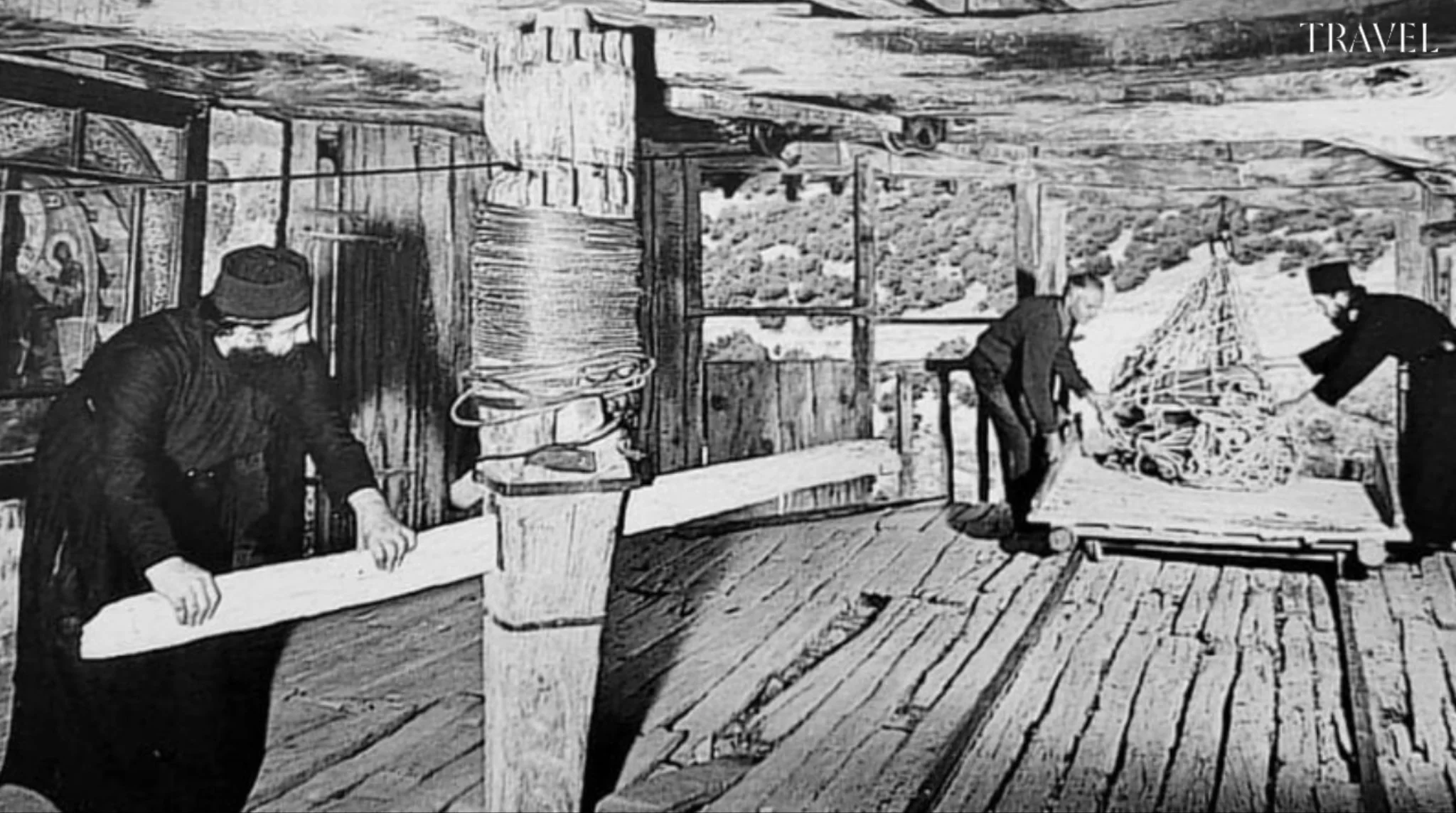
The monks do not speak about this in terms of complaint. They speak about it in terms of the mission of the monasteries, which is prayer and the preservation of a spiritual tradition that has been continuous here since the fourteenth century. The prior of the Great Meteoron monastery — the oldest, the highest, the one that receives the most visitors — says: "We were built for silence. We have learned to find it in smaller quantities."
Monks in Monasteries of Meteora
Here is how to be in Meteora in a way that does not contribute to the problem, and that allows you to experience the place at its actual depth.
Arrive on a Wednesday in May, before 8am. The coaches do not begin until 9:30. The light at 7am in May, coming from the east across the plain, produces the monasteries at their most impossible: the rock columns emerging from a low morning mist, the chapel domes orange-lit, the valley below still sleeping. This light lasts forty minutes. Plan your arrival around it.
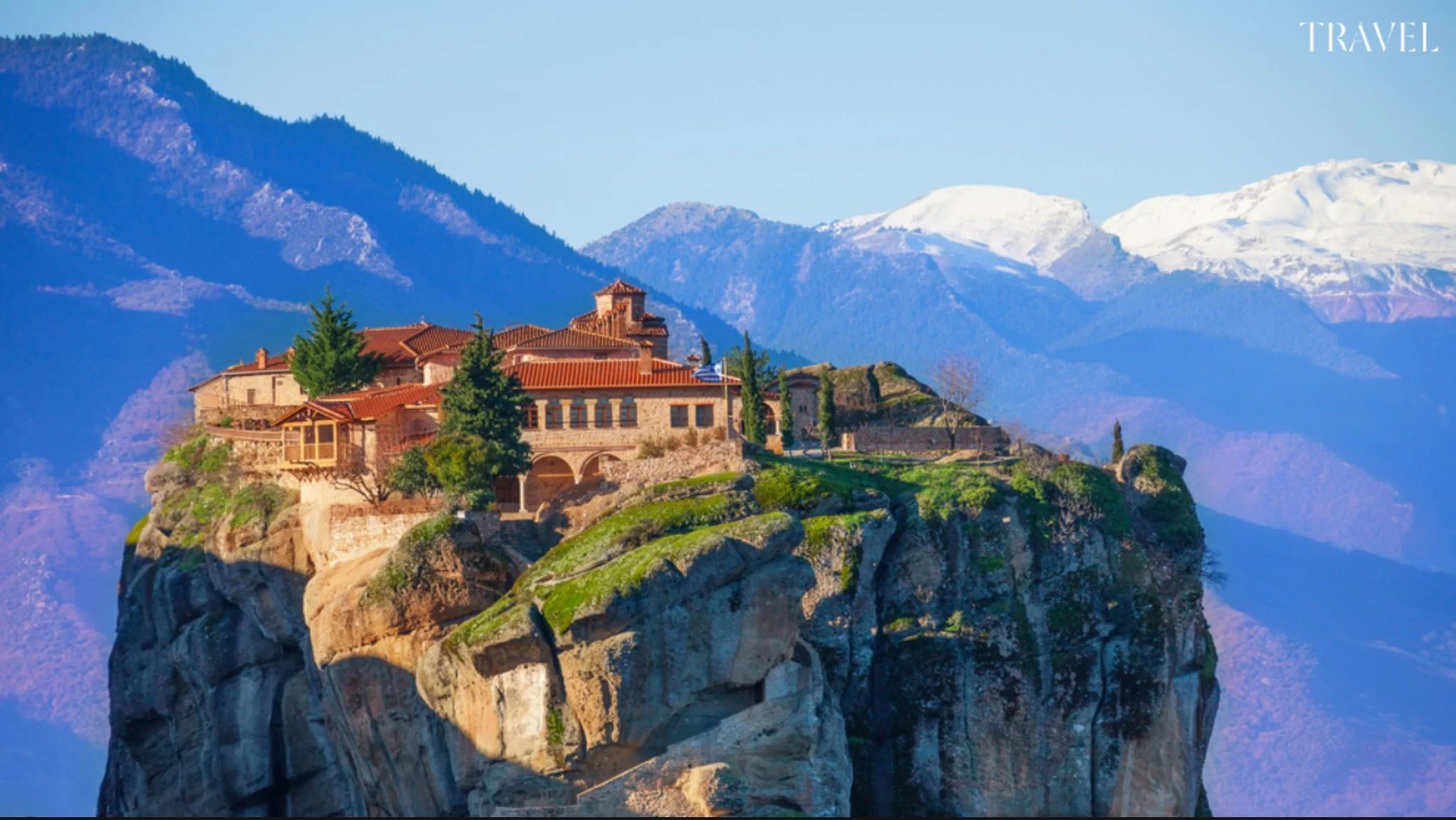
Stay not in Kalambaka but in Kastraki — a village of five hundred people at the base of the rocks that has, so far, been spared the full weight of tourist accommodation. The Guesthouse Ziogas, run by a family who have been here for four generations, offers rooms without air conditioning or reliable WiFi, which is either a deficiency or a feature depending on what you came here for. The breakfast, which is made rather than assembled, justifies everything.
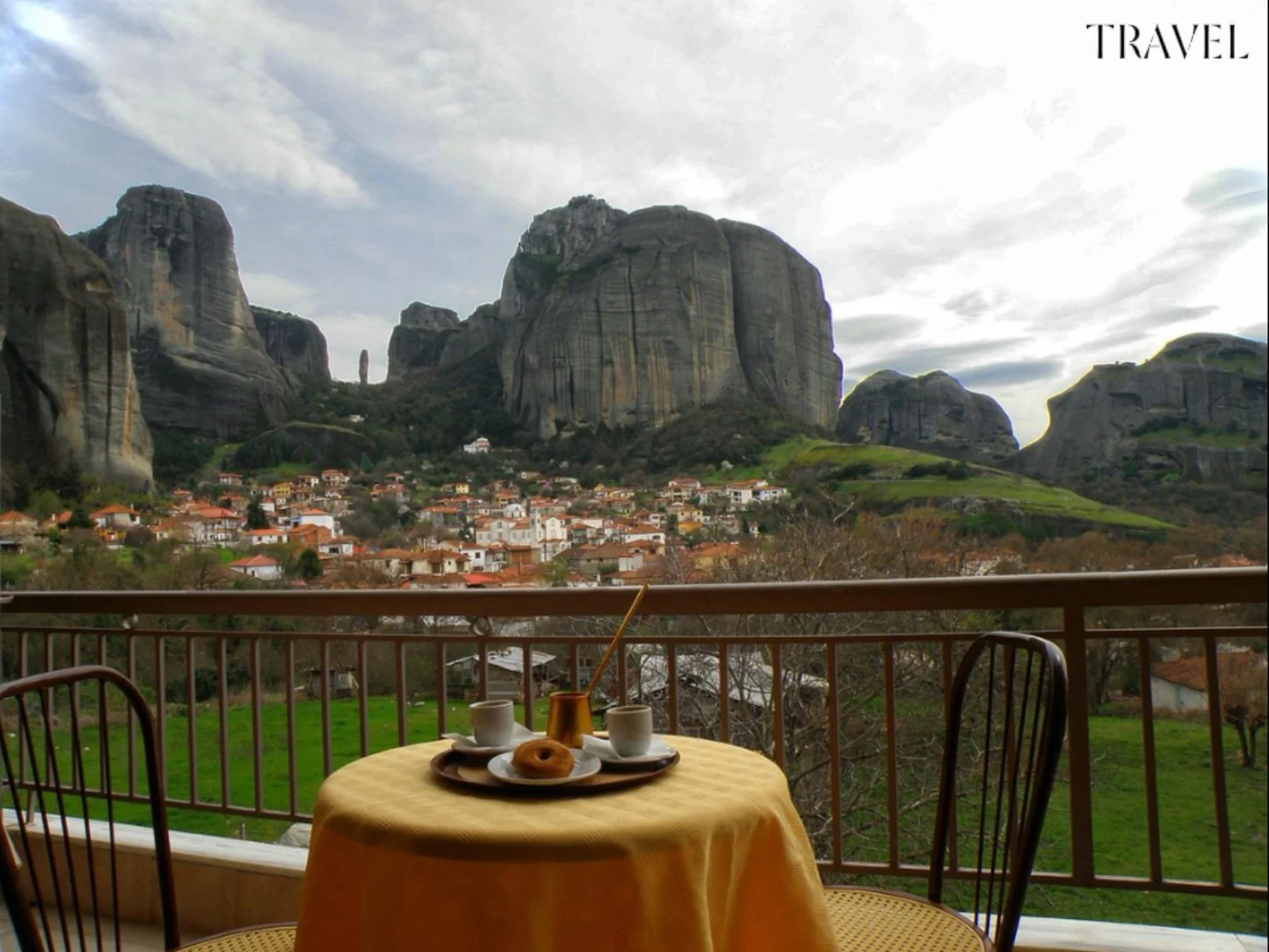
Guesthouse Ziogas
Walk. The monasteries are connected by paths that the monks have used for six centuries and that the tourist infrastructure has not yet fully replaced with roads. The walk from Kastraki to the Roussanou monastery — the one that appears most dramatically against the rock, most paintings depict this one — takes forty minutes on foot and passes through scenery that has not changed in any significant way since the thirteenth century. Do not take the road.
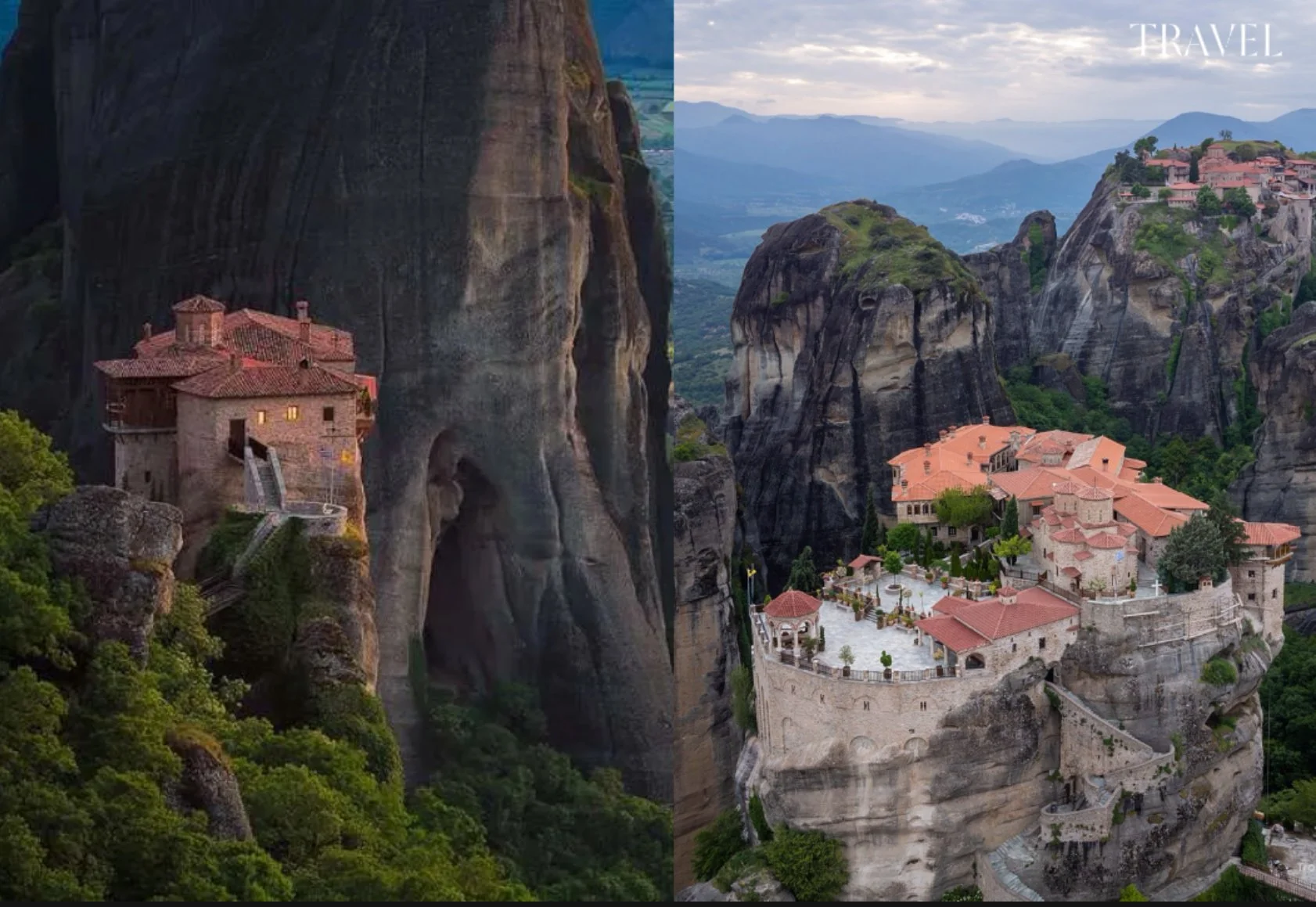
Majestic Greek Monasteries
Attend the evening service at one of the monasteries open for vespers — Great Meteoron, if you can arrange it, admits a small number of visitors to evening liturgy by quiet request. The service lasts an hour. The chant, which is Byzantine polyphony in a form that has been sung here continuously for six hundred years, is one of the most moving pieces of music you will ever hear, not because it is beautiful, though it is, but because it is genuinely alive — not performed for you, but happening in a tradition that does not require your presence to continue.
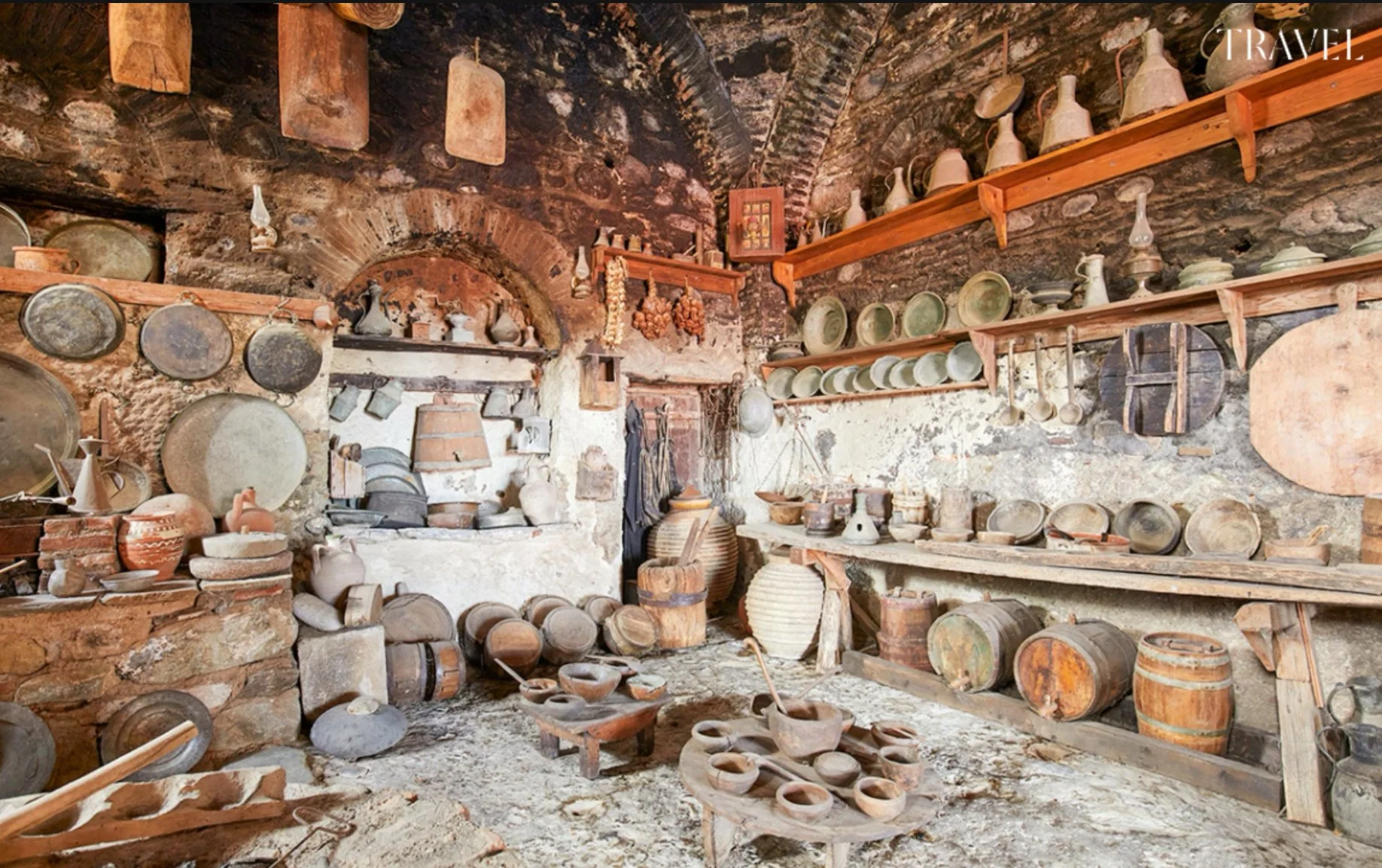
Great Meteoron Monastery
The question, with places like Meteora, is always: what am I here for? If the answer is the photograph — which is a legitimate answer, these are among the most photographed places on earth for good reason — then the day-trip model serves adequately. If the answer is something else: the encounter with a civilization that organized itself around a set of values entirely different from the ones we operate by, the specific quality of a place that has been prayed in continuously for six centuries, the view from the rock at dawn before anyone else has arrived — then you need more time, more care, and a willingness to arrive before the coaches do.
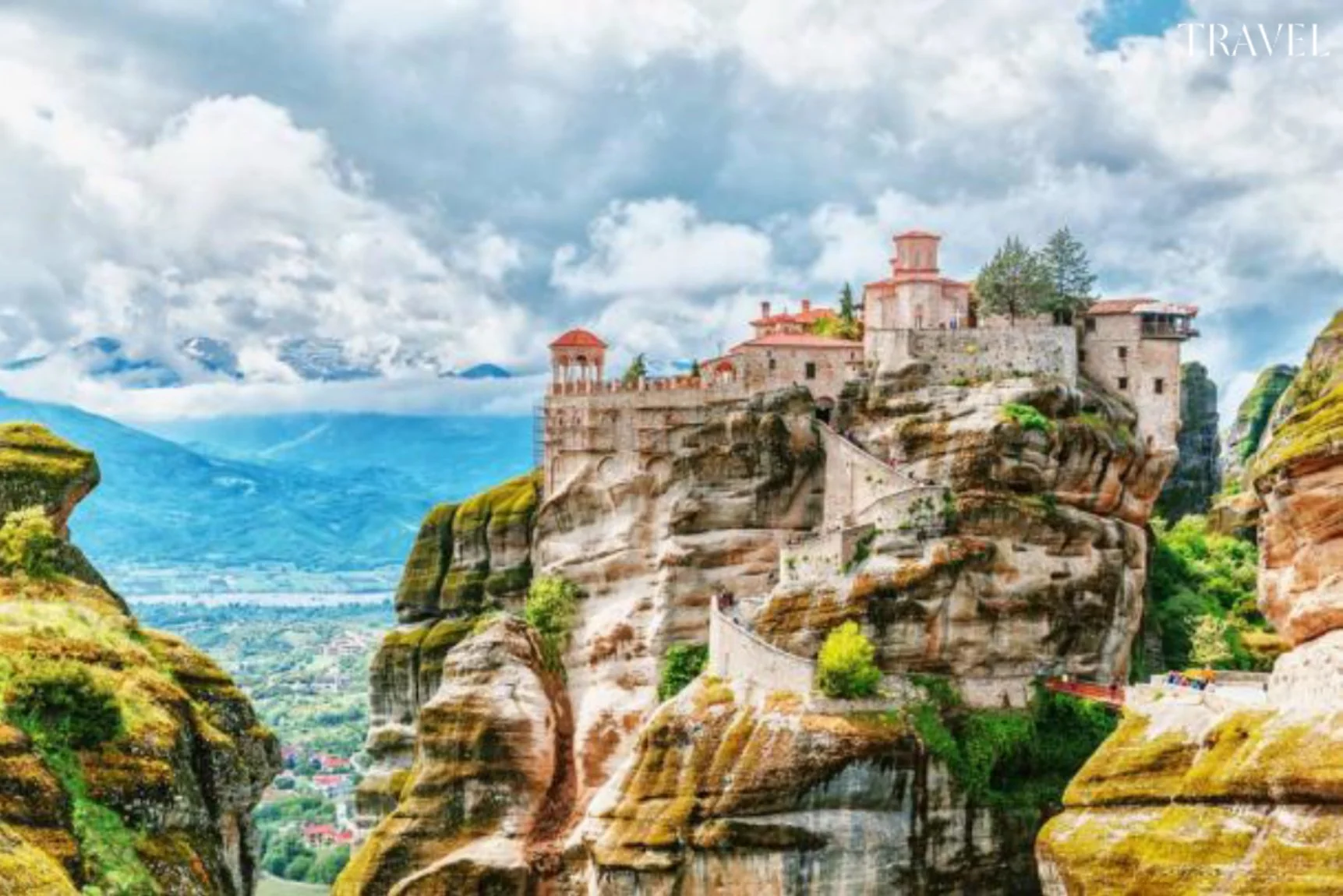
Monastery Meteora, Greece
The monks are awake before you are. They have been for six hundred years.
BY OONA CHANEL
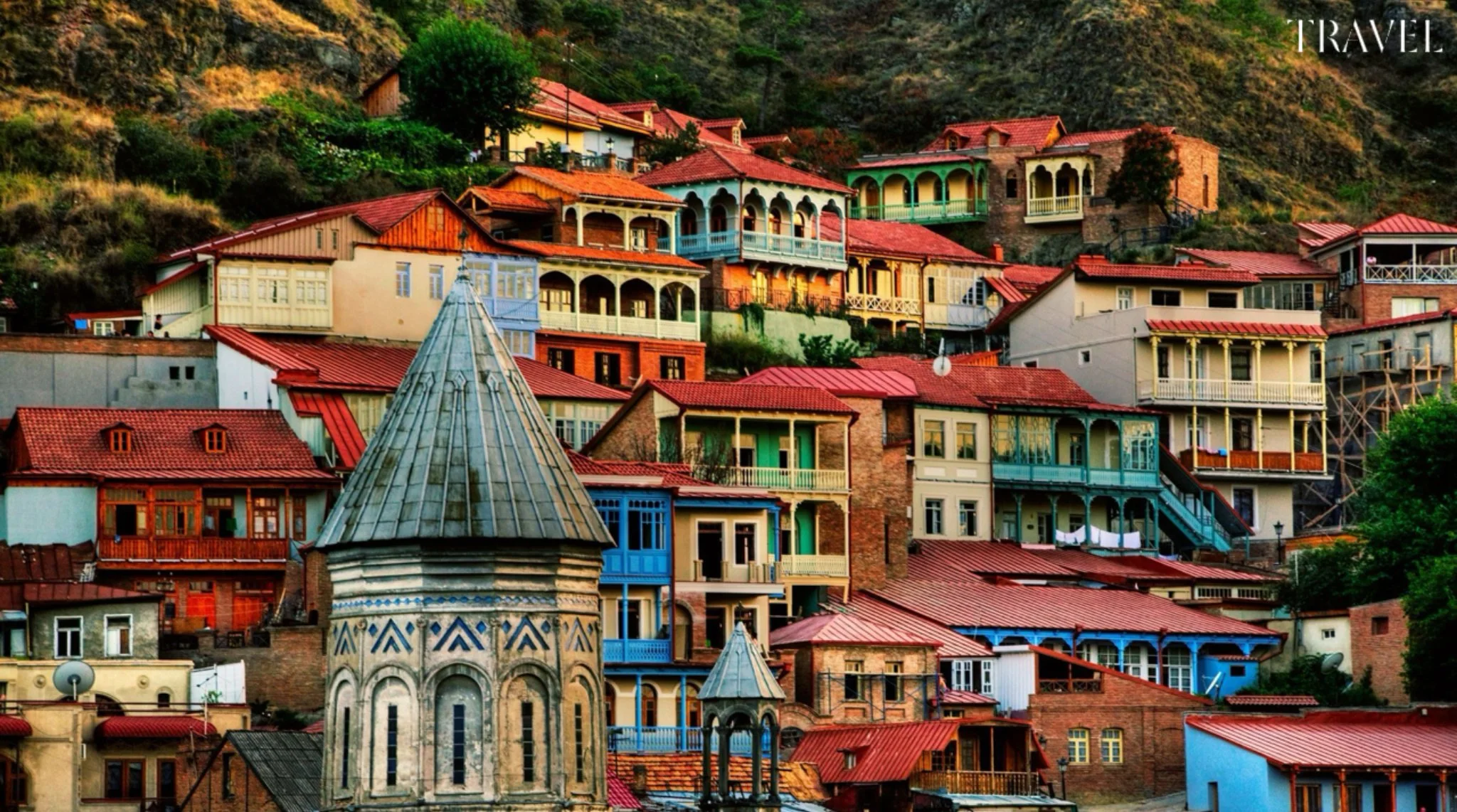
48 Hours in Tbilisi: The Most Interesting City in the World Right Now
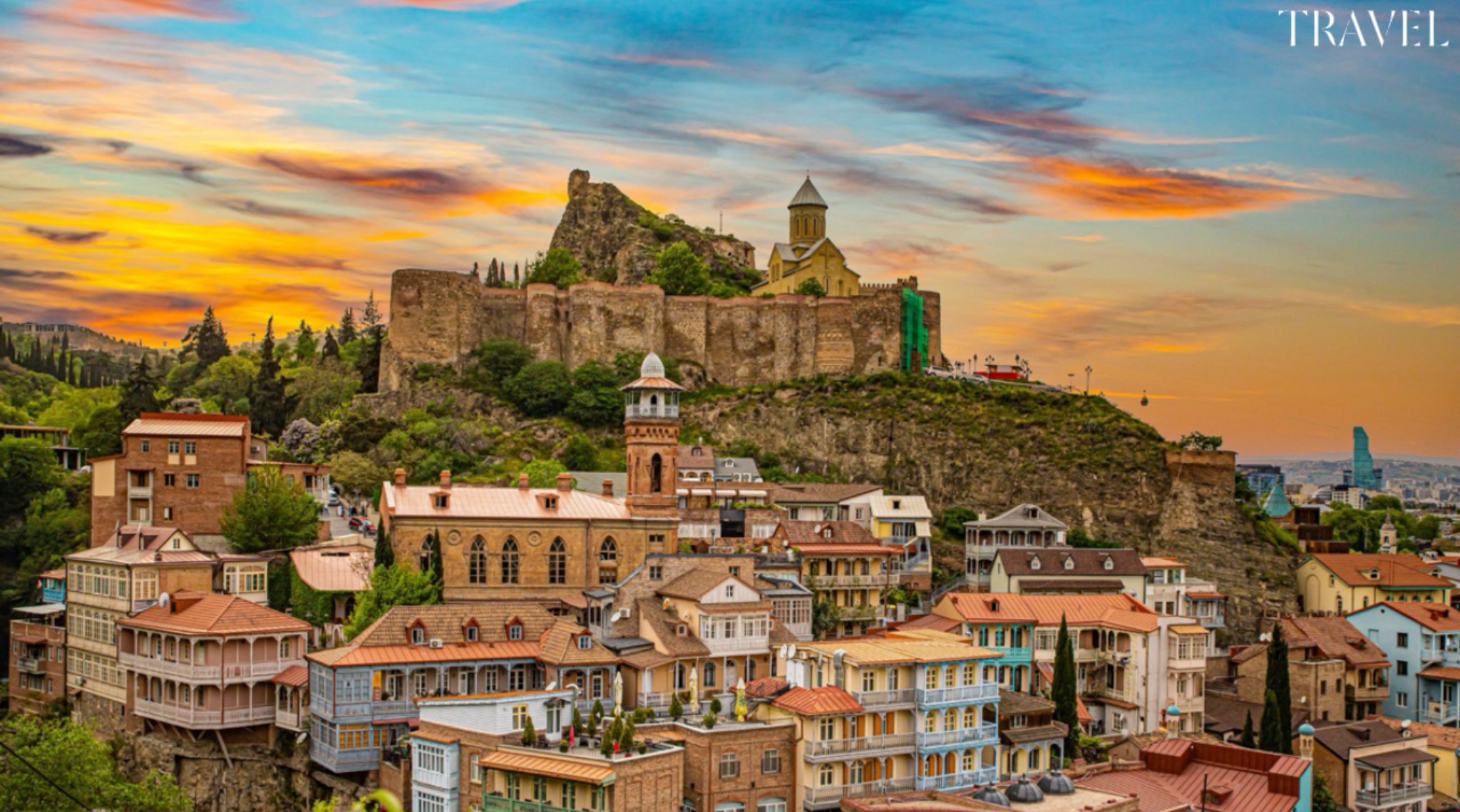
Tblilisi landscape
“Georgia has taken everything that passed through it — Persian, Ottoman, Russian, Soviet — and kept what it found beautiful. It has remained, underneath all of it, unalterably Georgian.”
Georgia’s capital is not a trend. It is a civilizational argument—about beauty,survival, hospitality, and what a city looks like when it refuses to become anything other than itself
The bread arrives before you ask for it. This is the first thing, and it is the correct first thing: a boat-shaped khachapuri, the cheese still moving, delivered to a table in a restaurant on a side street in the old town of Tbilisi where the wall behind you is eighth century and the wine in your glass is orange and the music coming from somewhere down the street is a polyphonic choir performing, without irony or amplification, at ten o’clock on a Tuesday night. You are not a tourist here. You are a guest. The Georgians have a word for this—maspindzloba, the sacred obligation of hospitality—and they meanit with a literalness that would seem theatrical if it were not so plainly sincere.
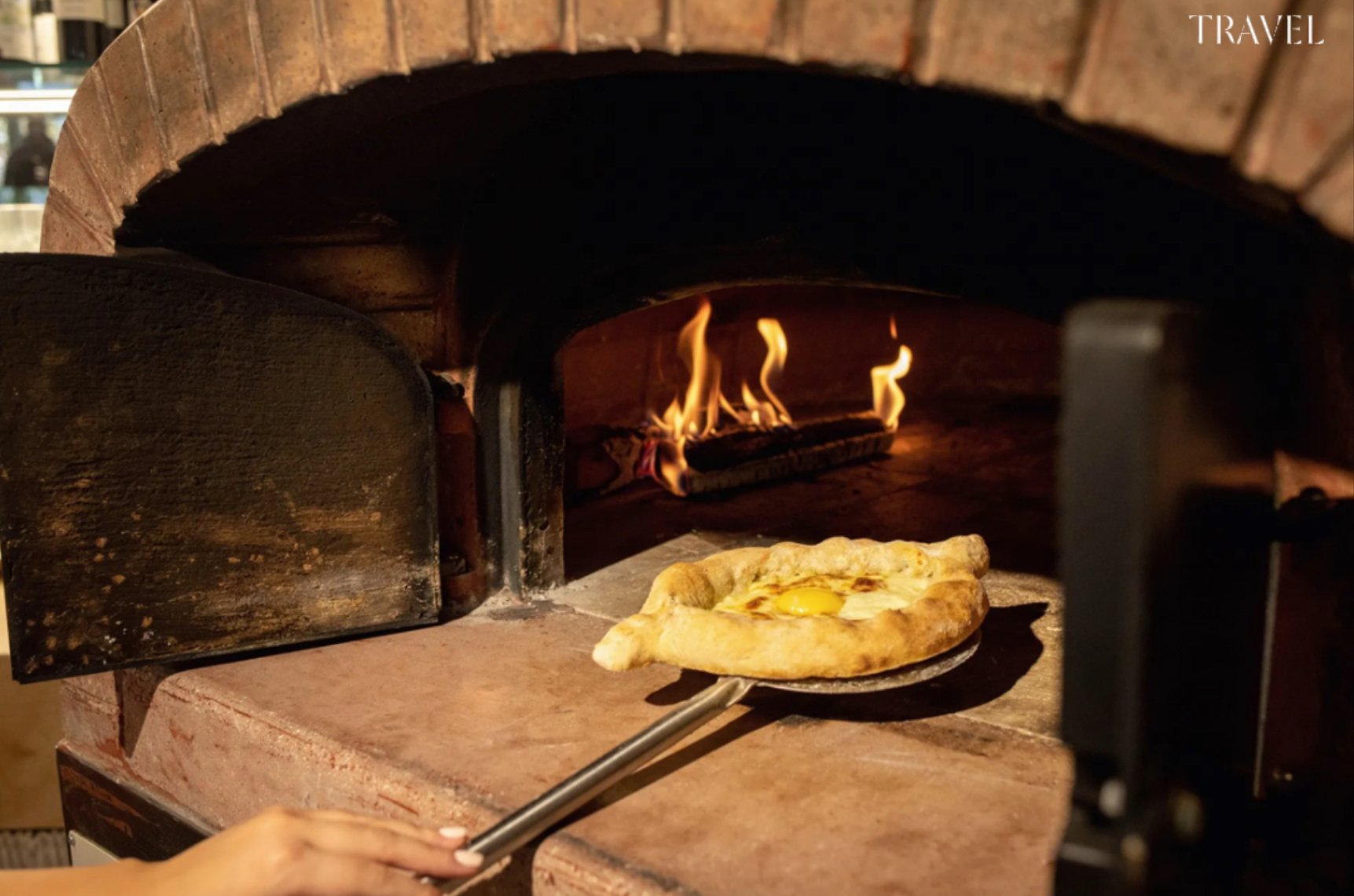
boat-shaped khachapuri
Tbilisi in 2026 is the most interesting city in the world. This is a strong claim, and I make it having spent serious time in the usual contenders—Tokyo, Marrakesh, Lisbon, Mexico City, the golden corridor from Zurich to Basel—and having found Tbilisi doing something none of them is doing: it is resolving a genuinely irresolvable contradiction, and doing it daily, at the table, with a glass of Rkatsiteli in hand.
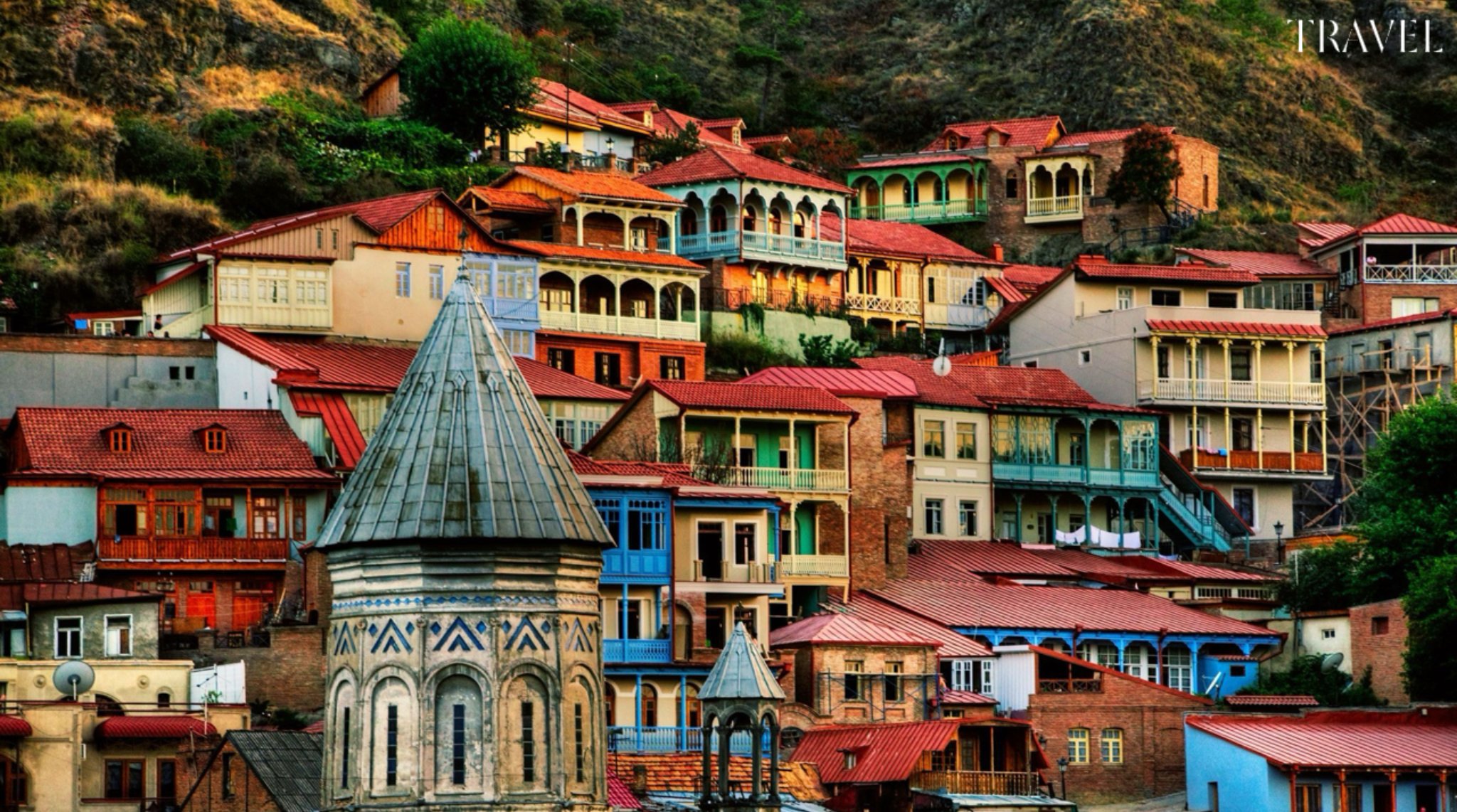
Georgia Inspired landscape
The contradiction is this: Georgia is a country of eight thousand years of continuous civilization—the wine, the polyphony, the alphabet that is older than most of European culture—that has spent much of the past two centuries occupied by various empires, survived Soviet homogenization, and emerged into the twenty-first century with its identity not merely intact but radiantly, almost defiantly, itself. It has done this not through resistance exactly, but through absorption: it has taken everything that has passed through it—Persian, Ottoman, Russian, Soviet—and kept what it found beautiful and discarded the rest, and remained, underneath all of it, unalterably Georgian.
The result, in architectural terms, is the most astonishing streetscape in Europe: carved wooden balconies beside Soviet modernism beside Art Nouveau beside neoclassical beside the utterly utilitarian beside boutique hotels so carefully restored they make you want to cry a little. The city is not curated. It is accumulated—and the accumulation, because it reflects a genuine cultural confidence, does not clash. It composes.
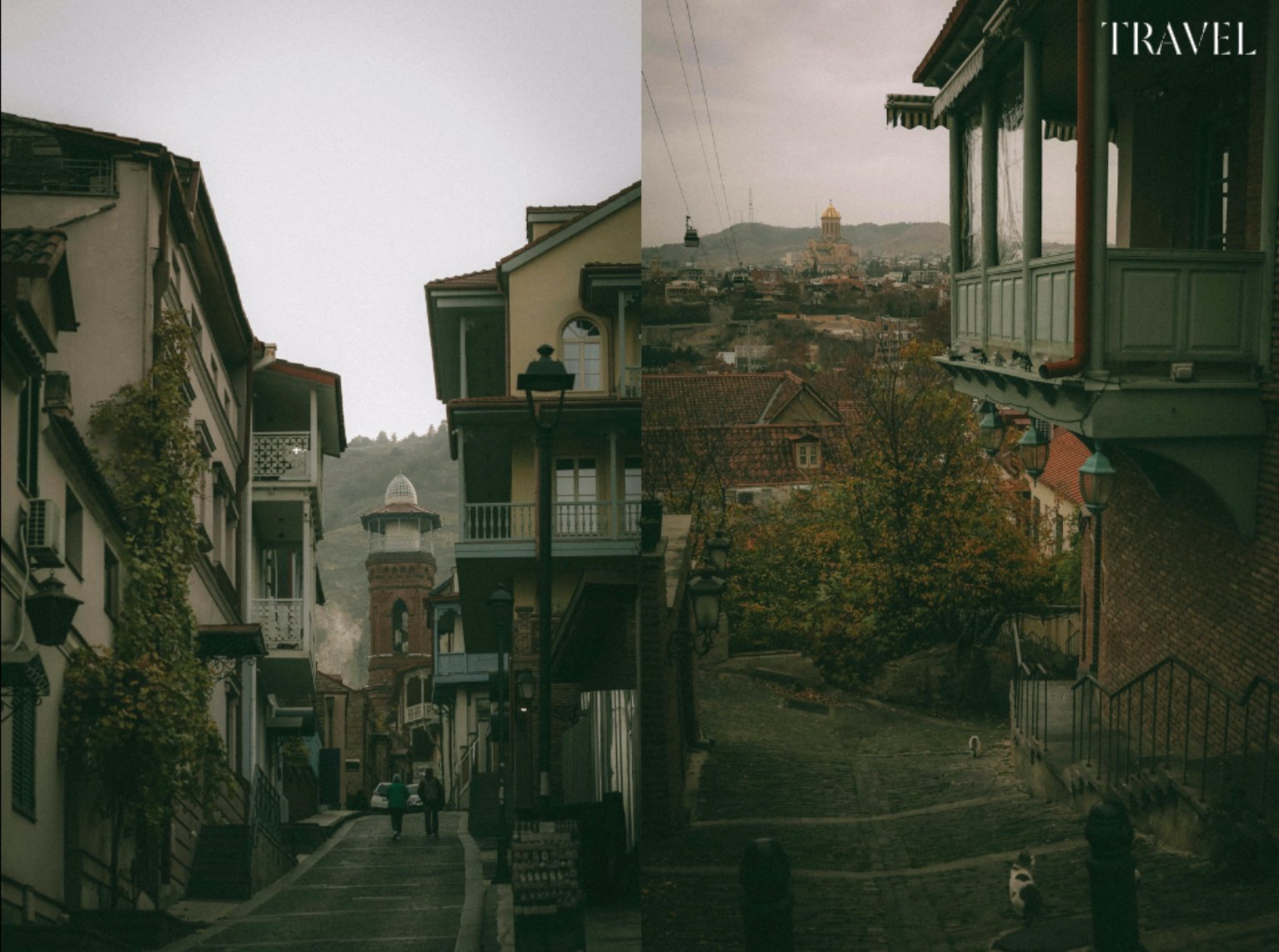
Tbilisi streetscape
Begin, as you must, in the old town. Walk up through Abanotubani—the sulphur bath district, where you can and should spend two hours in a private bath chamber carved from the volcanic rock beneath the city—and up to the Narikala fortress, which has been ruined and rebuilt nine times since the fourth century and wears its damage with the equanimity of something that knows it will still be here. Below you the Mtkvari River runs brown and fast. Across it, the new city shimmers with an optimism that is, in this light, entirely earned.
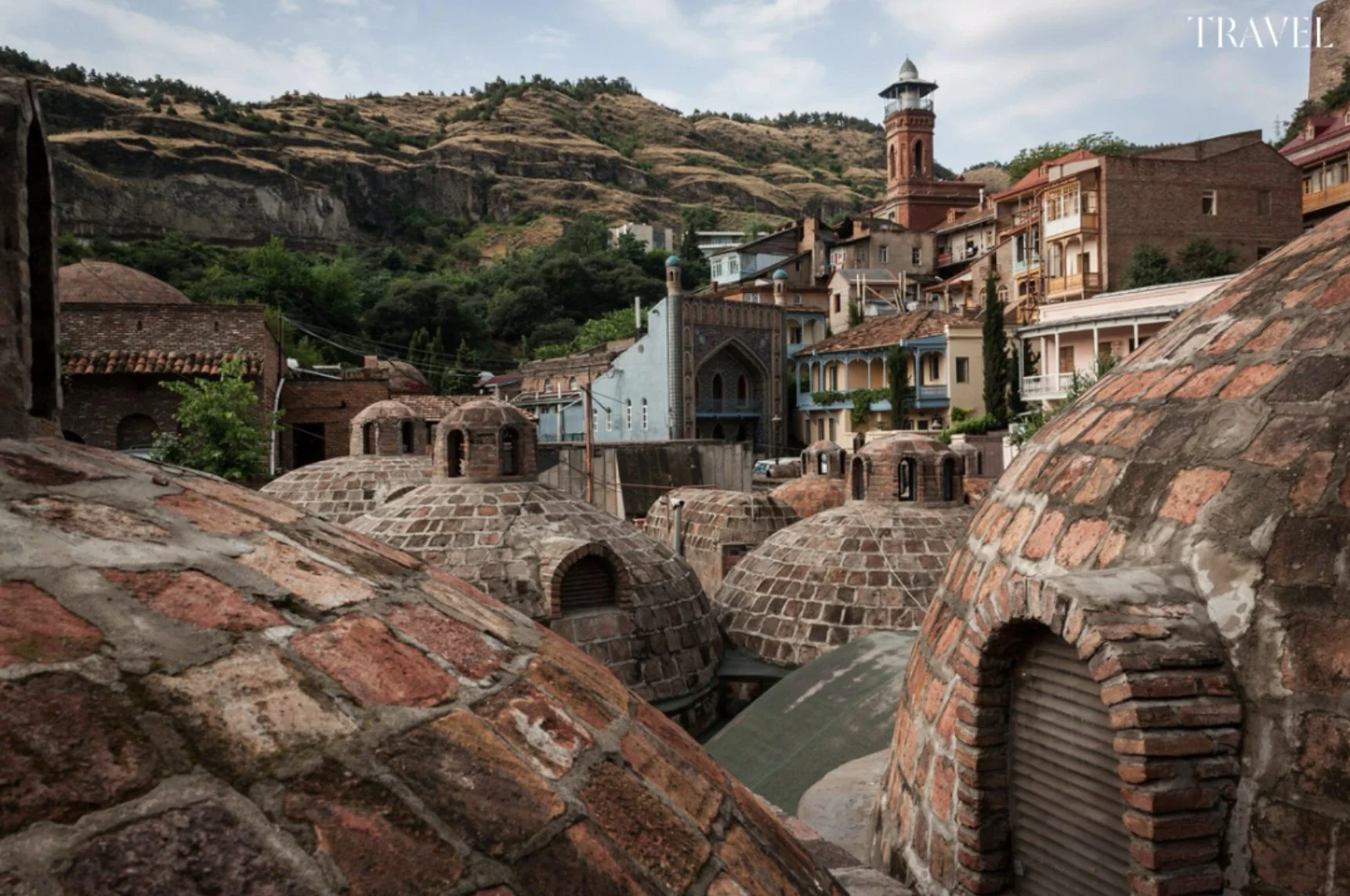
Abanotubani—the sulphur bath district
For lunch: Café Littera, in the garden of the House of Writers. The menu changes daily. The garden was, before the café, a place where Soviet-era Georgian writers gathered, which means it has a quality of literary haunting that you cannot quite explain but that sits in the air alongside the grapevine. The wine list is exclusively Georgian, which is the only reasonable position to hold in a country that has been making wine for eight millennia.
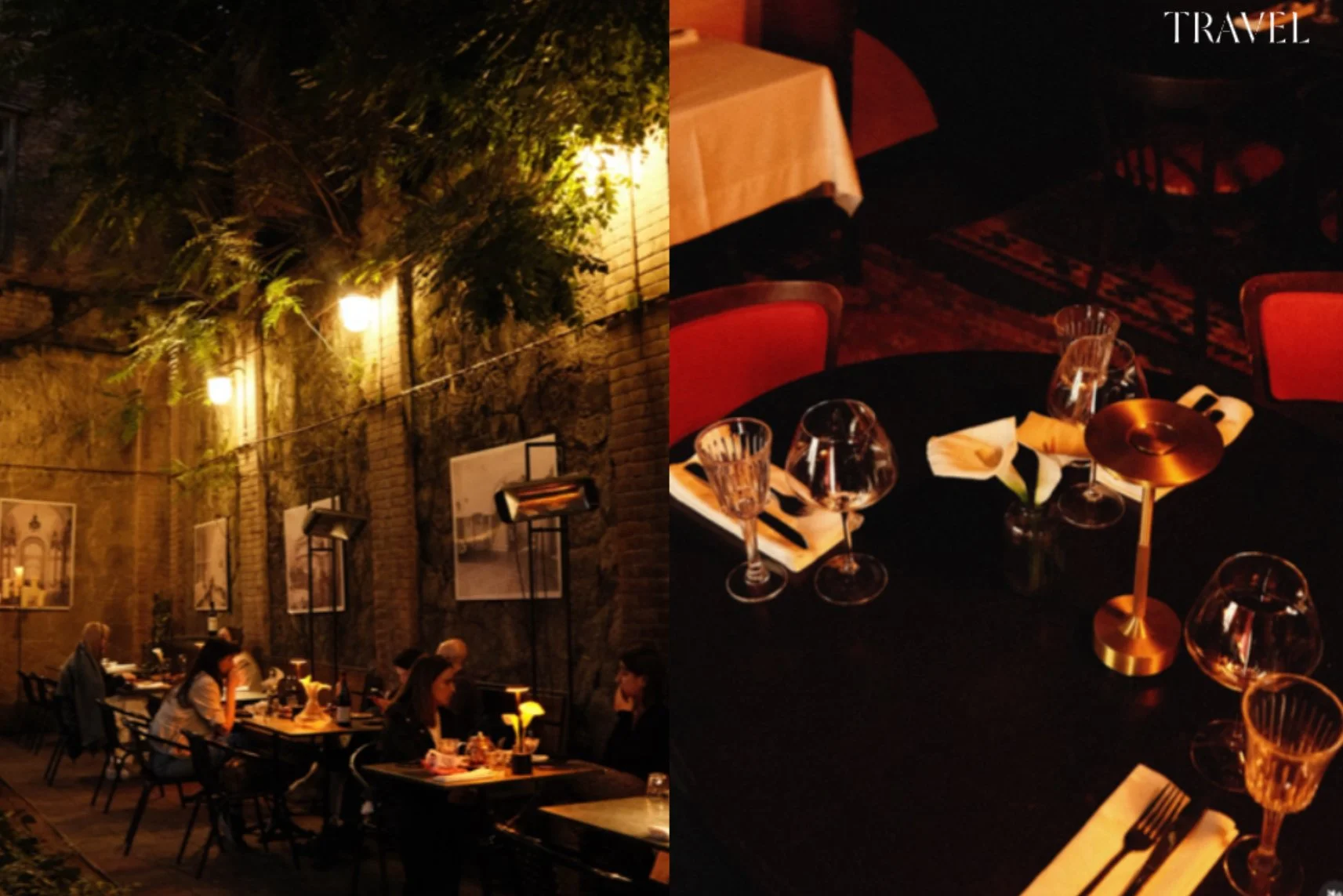
Café Littera, in the garden of the House of Writers.
For the evening: the Philharmonic, where the Georgian National Ballet performs with a physical virtuosity that has no equivalent in European dance—not even the Bolshoi, where the technique is more perfect but the hunger is somehow less. After: a meaty, wine-dark dinner at Azarpesha, which opens at nine and is best after midnight, where the table of strangers next to you will, within an hour, not be strangers.
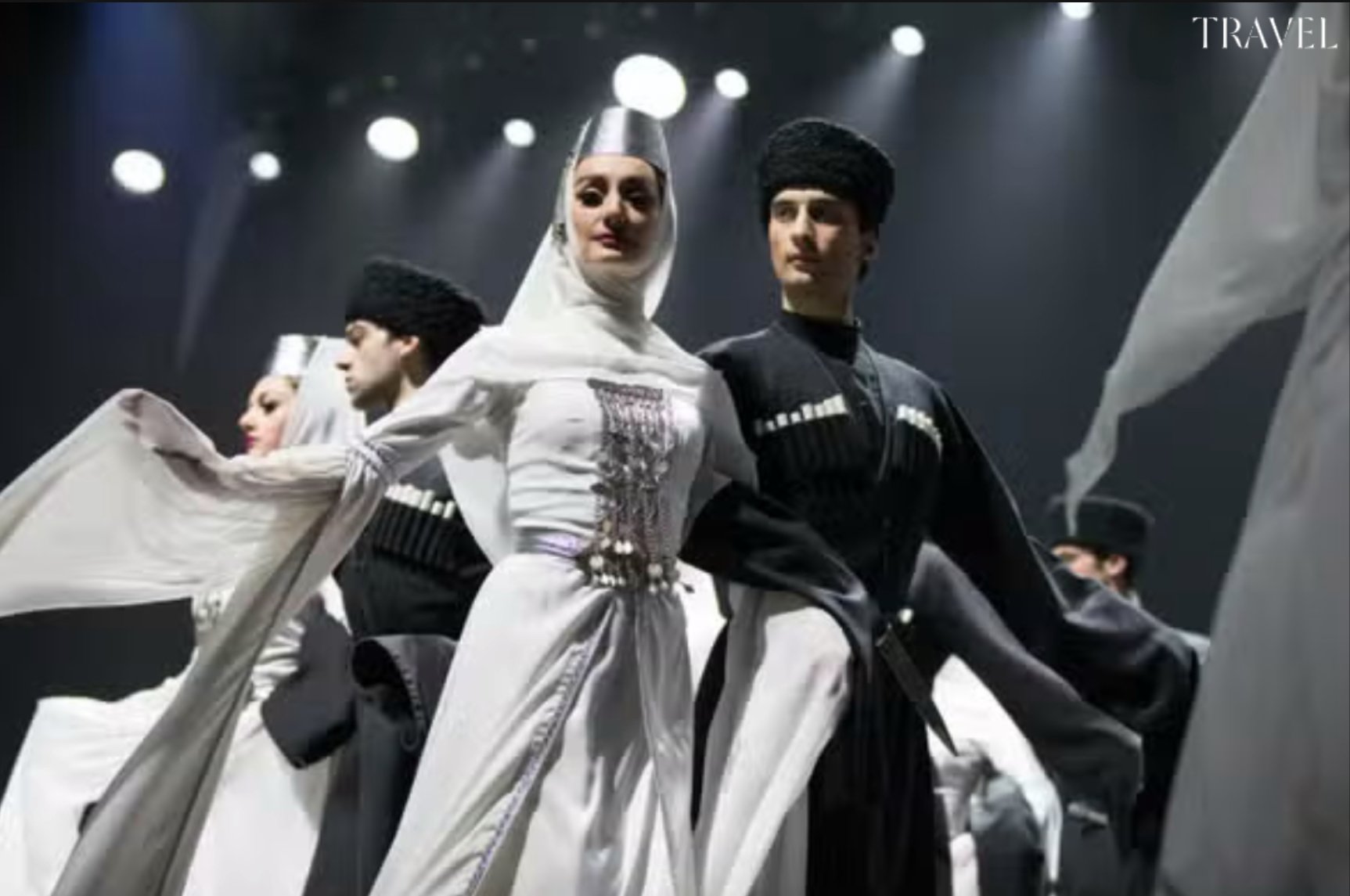
Philharmonic, where the Georgian National Ballet performs
The hotels are, at last, ready. The Stamba—in a converted Soviet publishing house, which sounds like a concept hotel and is instead simply an extraordinarily beautiful building—provides the correct base: high ceilings, the original printing presses preserved as sculpture, a restaurant in the atrium where the food is Caucasian modernist and the cocktails involve tarragon and pomegranate and local spirits that are not comparable to anything you have tasted before.
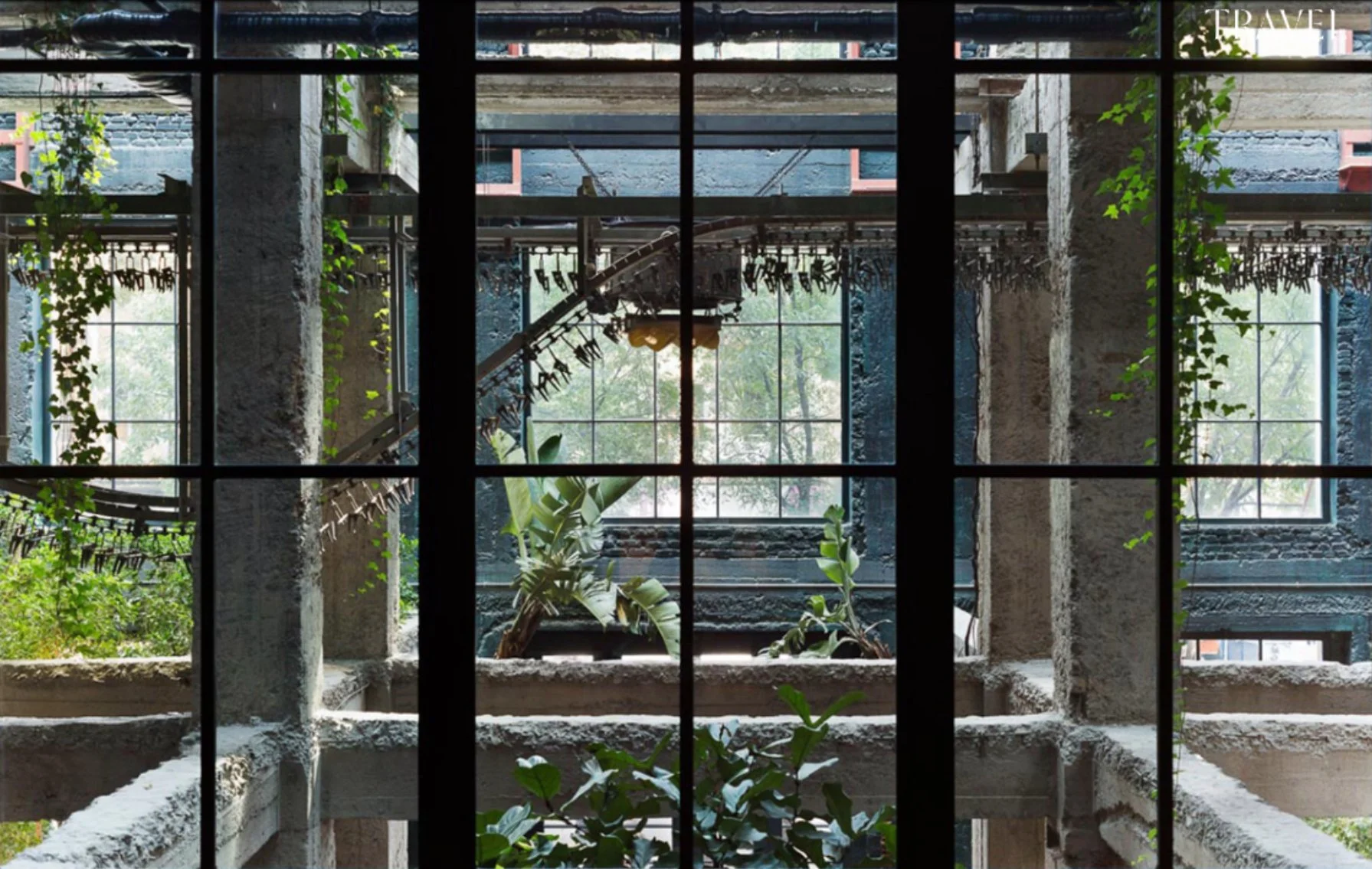
Stamba—in a converted Soviet publishing house,
Tbilisi will not stay like this. The prices are already moving. The property developers have already arrived. The thing that makes it extraordinary now—the coexistence of profound local culture with genuine accessibility, the feeling of being in a place that has not been reorganized around your arrival—is, by definition, temporary. But it is here now. And now, in a city eight thousand years old, is always precisely the right time.
By Oona Chanel
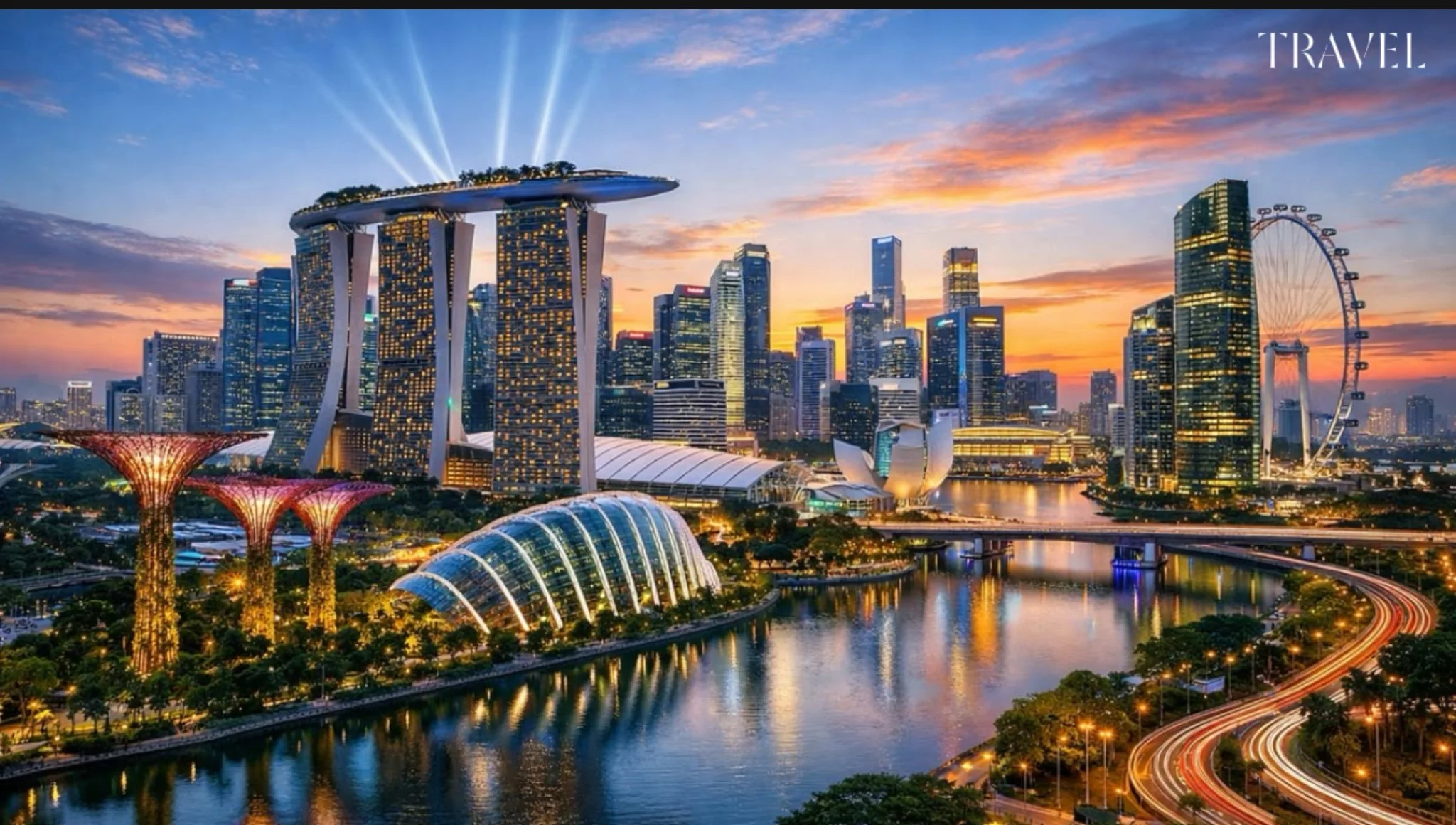
48 Hours in Singapore: The Insider’s Guide to the City at Its Most Luxurious
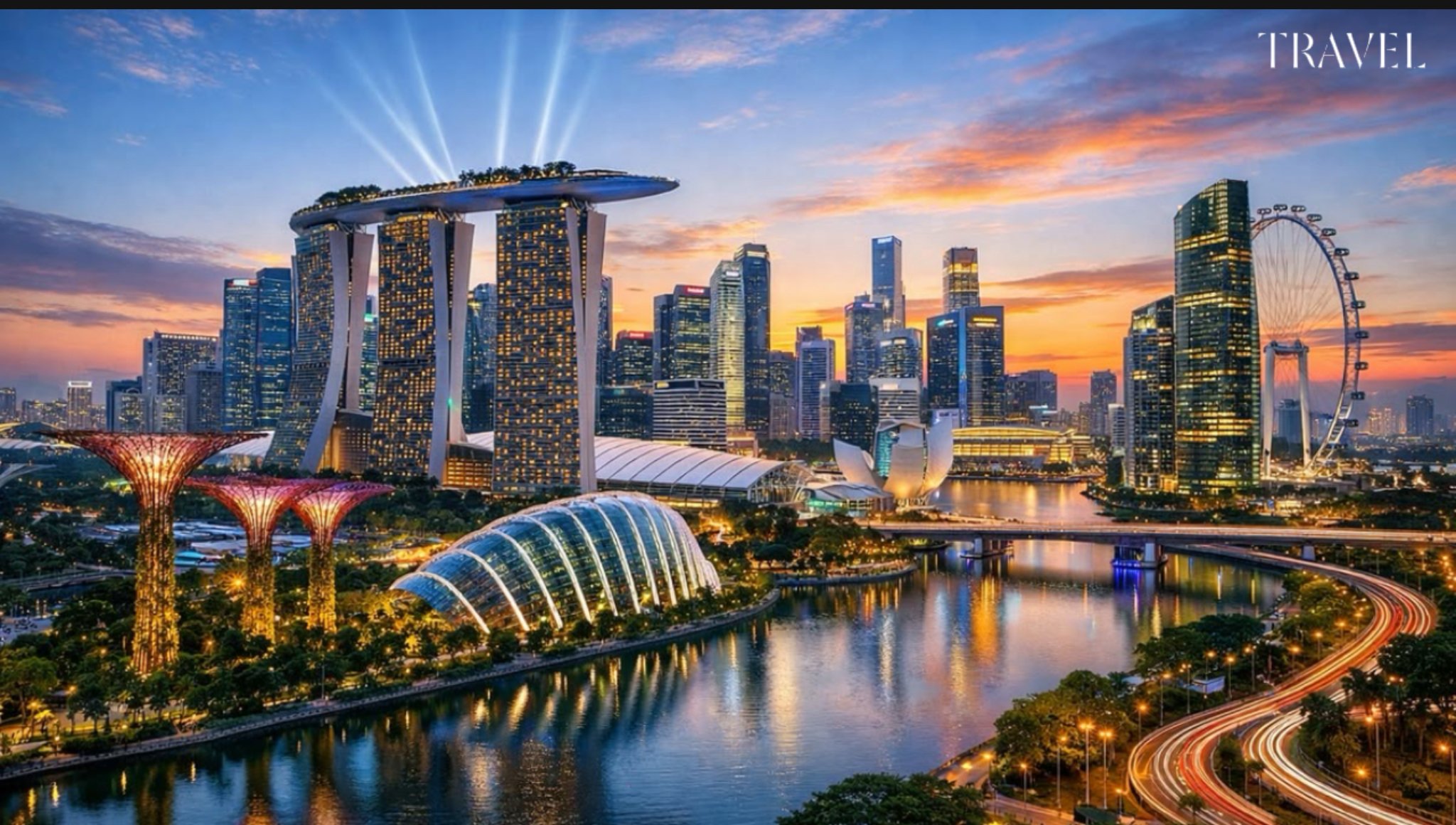
singapore city landscape
Singapore is a city of exquisite precision.
A place where tropical heat meets polished marble, where Michelin-starred tasting menus sit comfortably beside hawker legends, and where luxury is not loud, but flawlessly choreographed.
The beauty of Singapore lies in knowing how to move through it. Not as a tourist.
As an insider. Singapore reveals itself best through contrasts: colonial elegance and futuristic skyline, hawker steam and crystal glassware, quiet ritual and urban spectacle.
This is the Author edit of the city at its most polished.
WHERE TO STAY
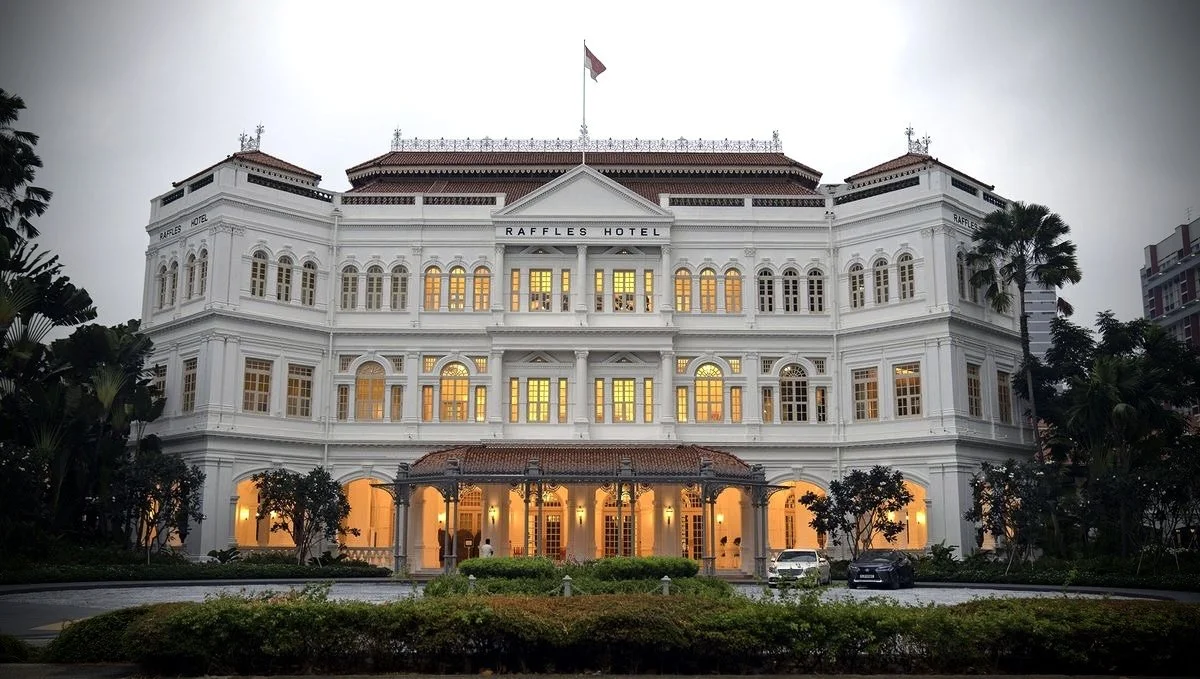
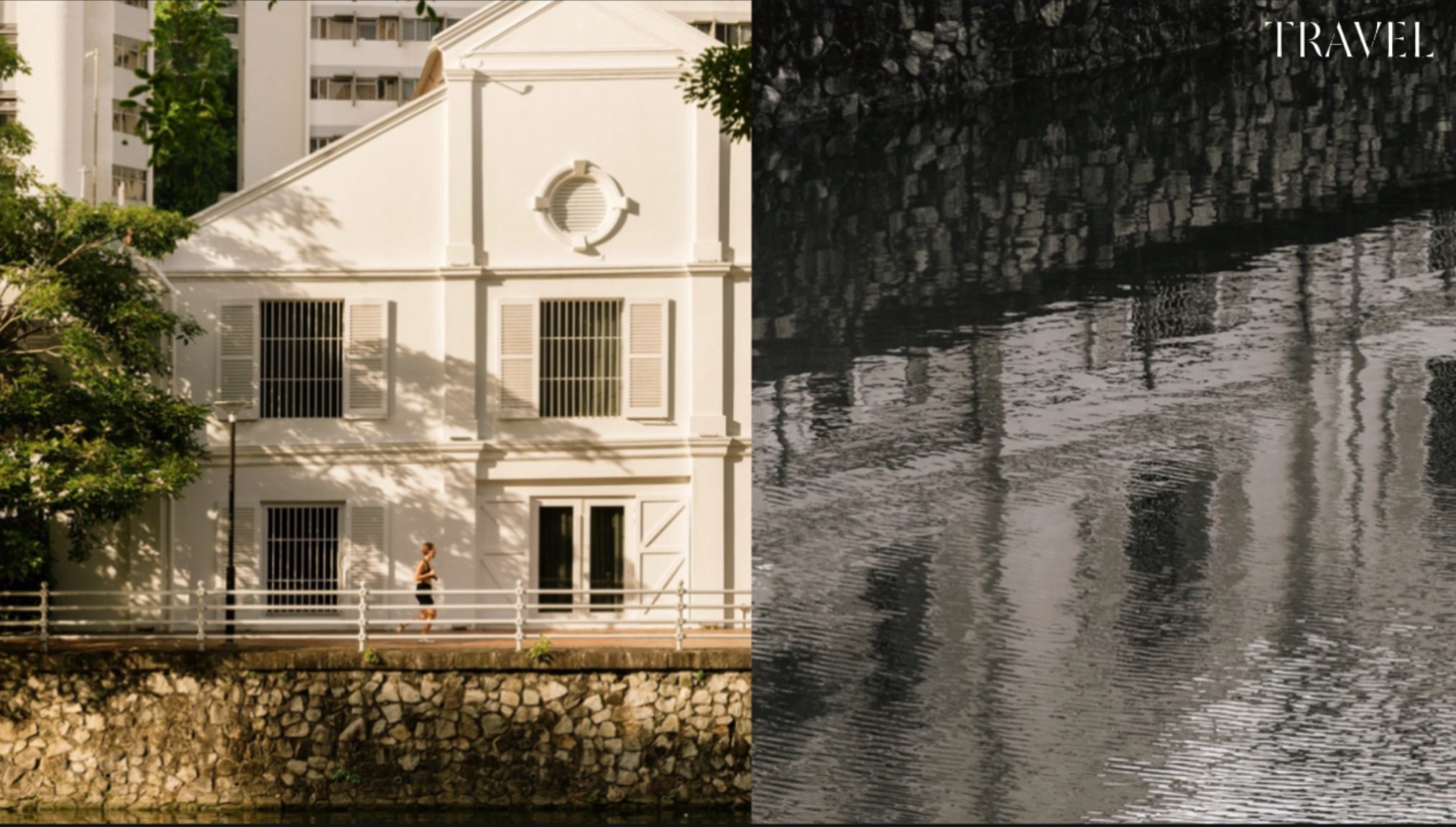
Hotel Raffles
RAFFLES SINGAPORE
For old-world glamour, nothing compares. White colonial architecture, impeccable suites, private courtyards, and Long Bar, where the Singapore Sling remains an essential ritual.
For those who prefer heritage over spectacle, Raffles remains the city’s most timeless address.
THE ICON
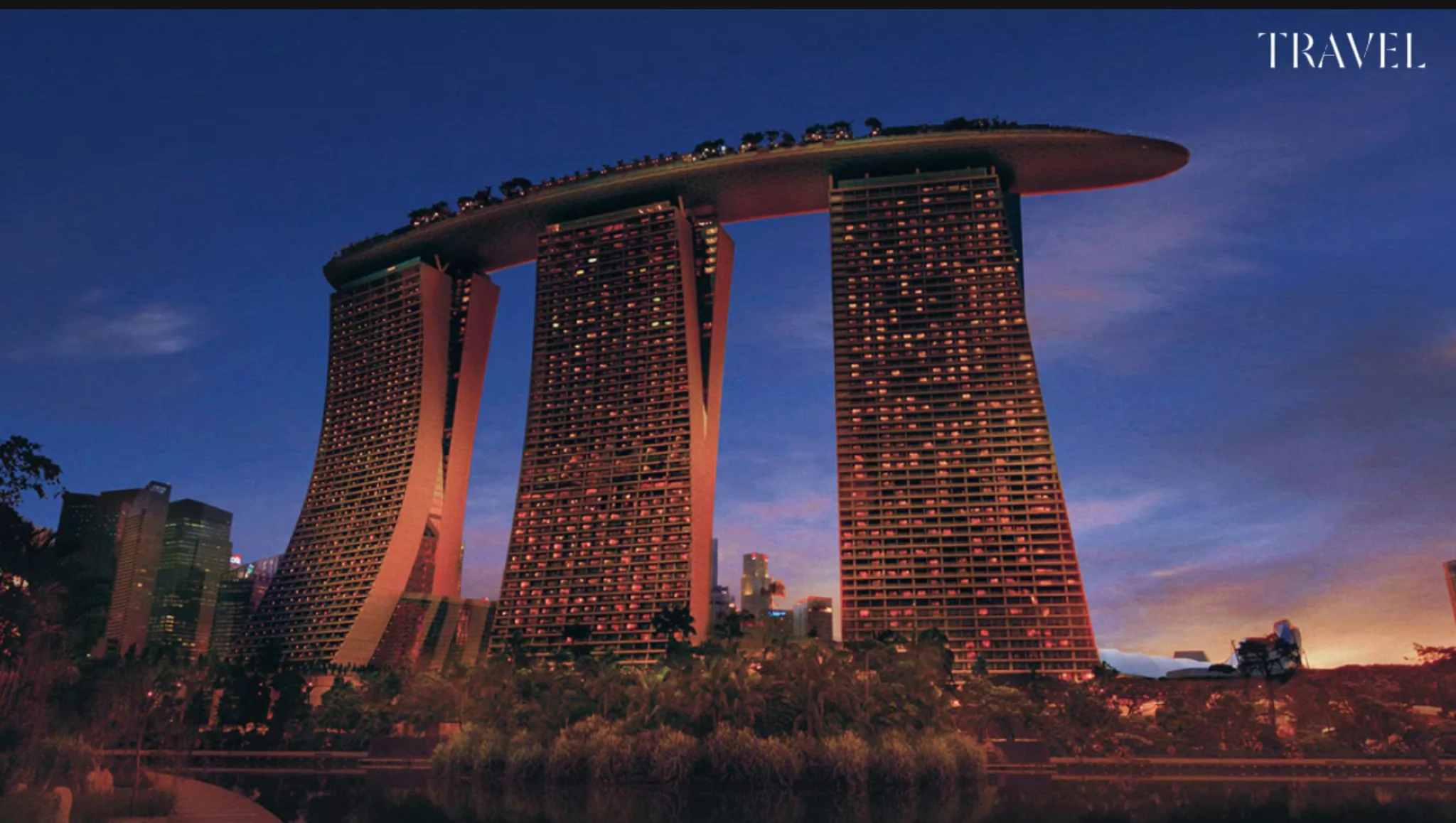
Hotel Marina bay sands
MARINA BAY SANDS
Still one of the most recognizable luxury hotels in the world, and for good reason. The rooftop infinity pool remains unmatched, particularly at sunrise and golden hour.
If you want the skyline at your feet and the city in full cinematic scale, this is the room to book.
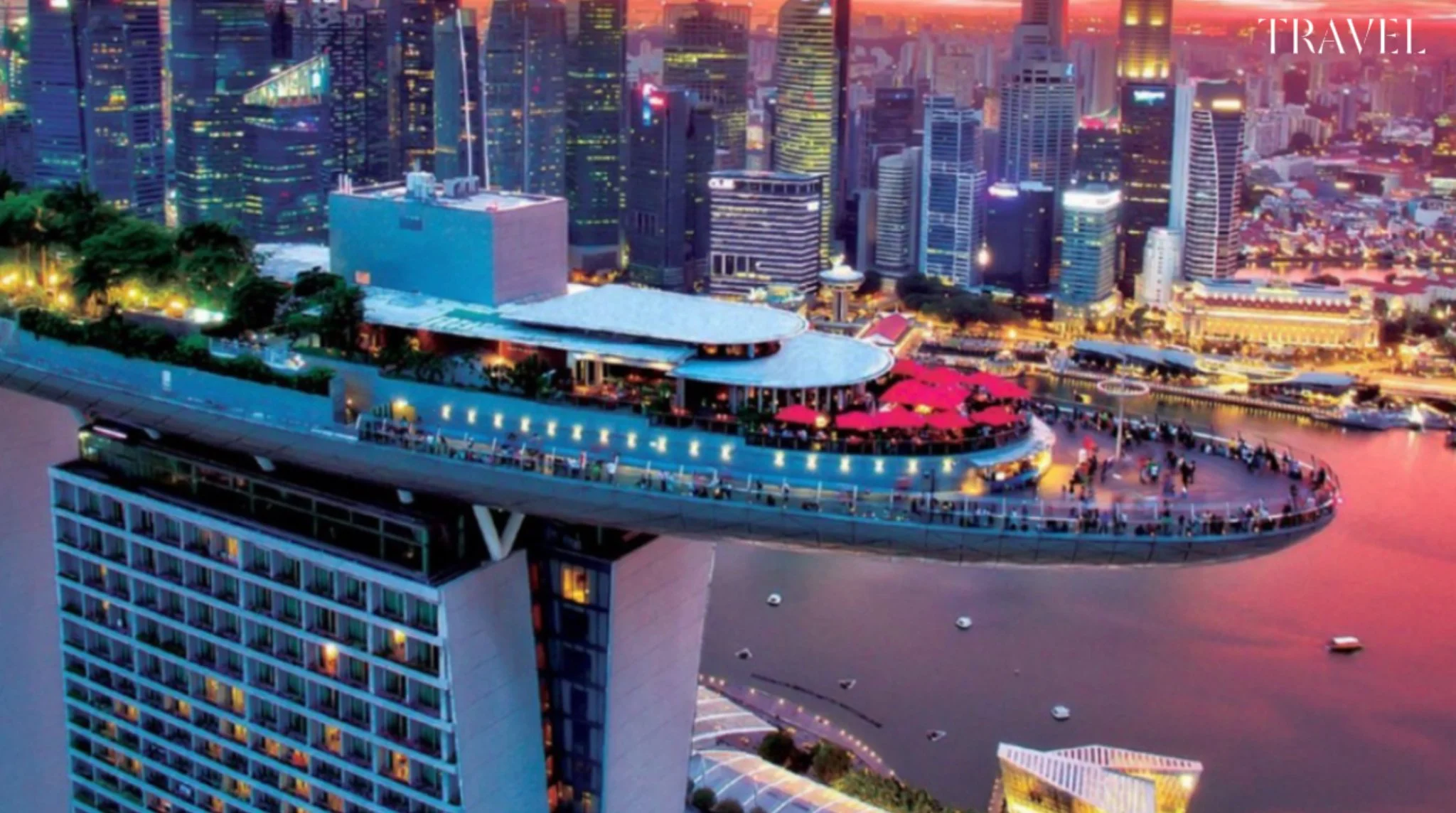
Hotel Marina bay sands exterior
THE INSIDER HOTEL
The Warehouse Hotel
For fashion, design, and quieter luxury. This is where editors, creatives, and those who already know Singapore tend to stay.
The art grows rawer at EKKM, the Contemporary Art Museum of Estonia. Housed in a semi-legal building by the port, its walls hold the youngest and boldest voices of the country: queer expression, climate grief, post-Soviet ruin rendered in film and installation. The rooms are cold, unpolished, sincere. One leaves unsettled, and for that reason changed.
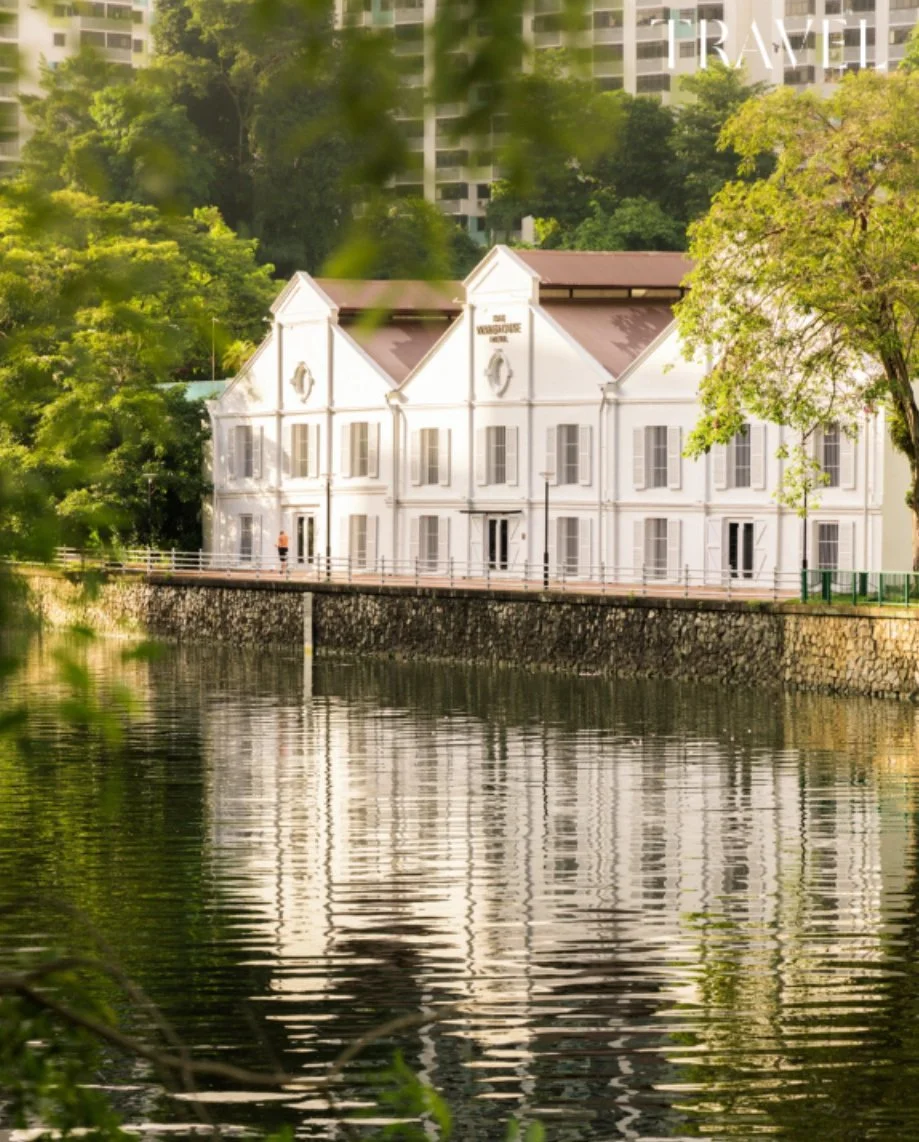
Hotel Warehouse
WHAT TO SEE
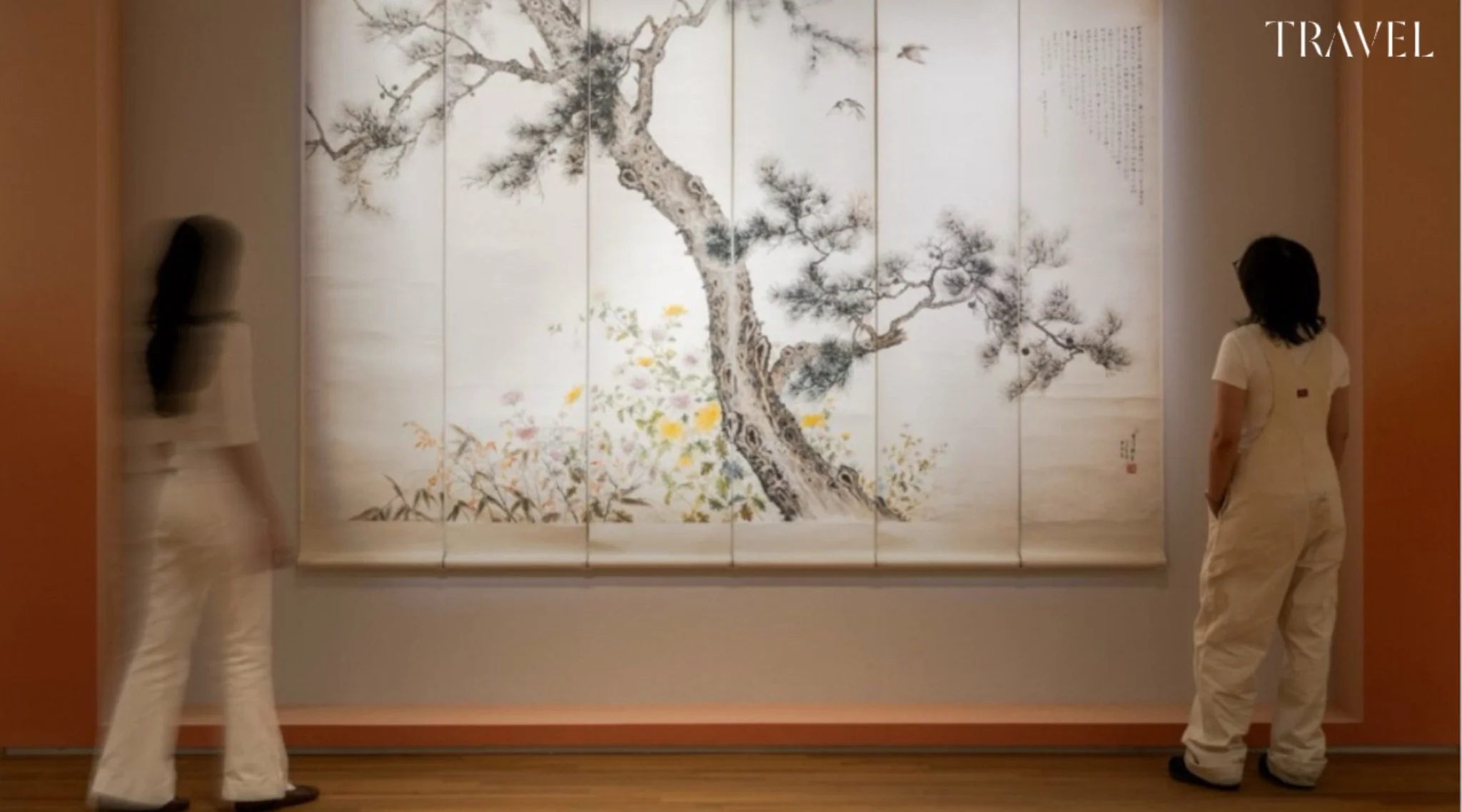
NATIONAL GALLERY SINGAPORE
The essential cultural stop. Set inside the former Supreme Court and City Hall, it offers one of Asia’s most significant collections of Southeast Asian modern art. Architecturally, it is one of the most beautiful buildings in the city.
National Gallery Singapore
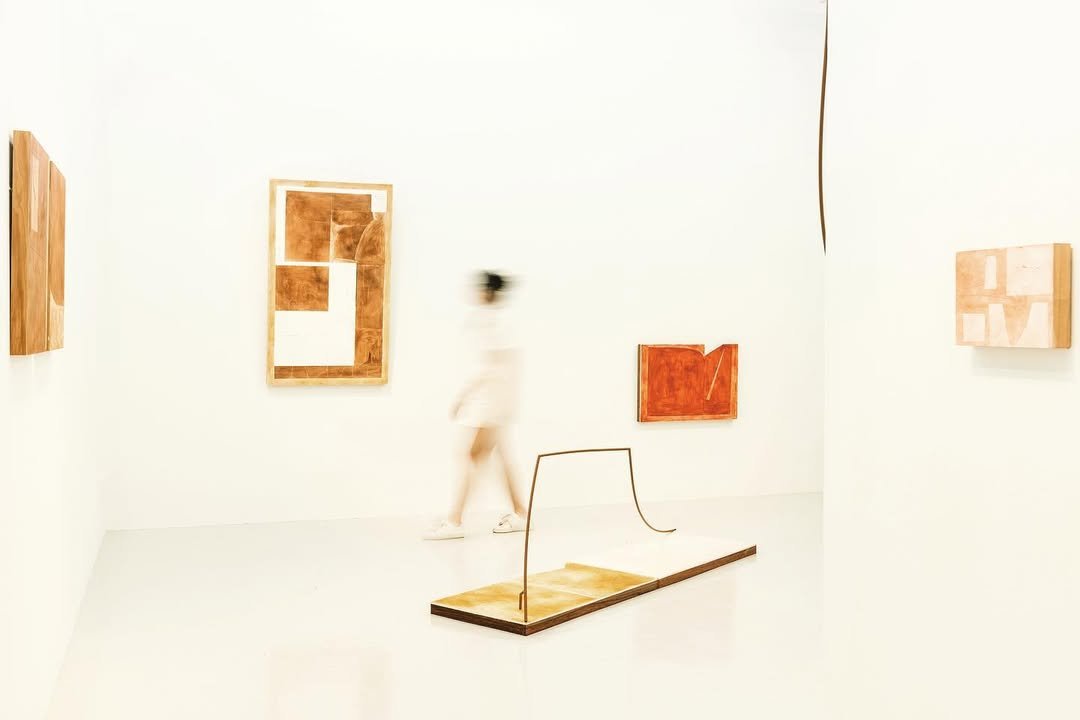
ART SG / GILLMAN BARRACKS
If timing aligns with ART SG, make this non-negotiable. Otherwise head to Gillman Barracks, Singapore’s contemporary art district with serious gallery programming and a more insider cultural crowd.
Odeith aligator standing on Anamorphic 3D chrome letters
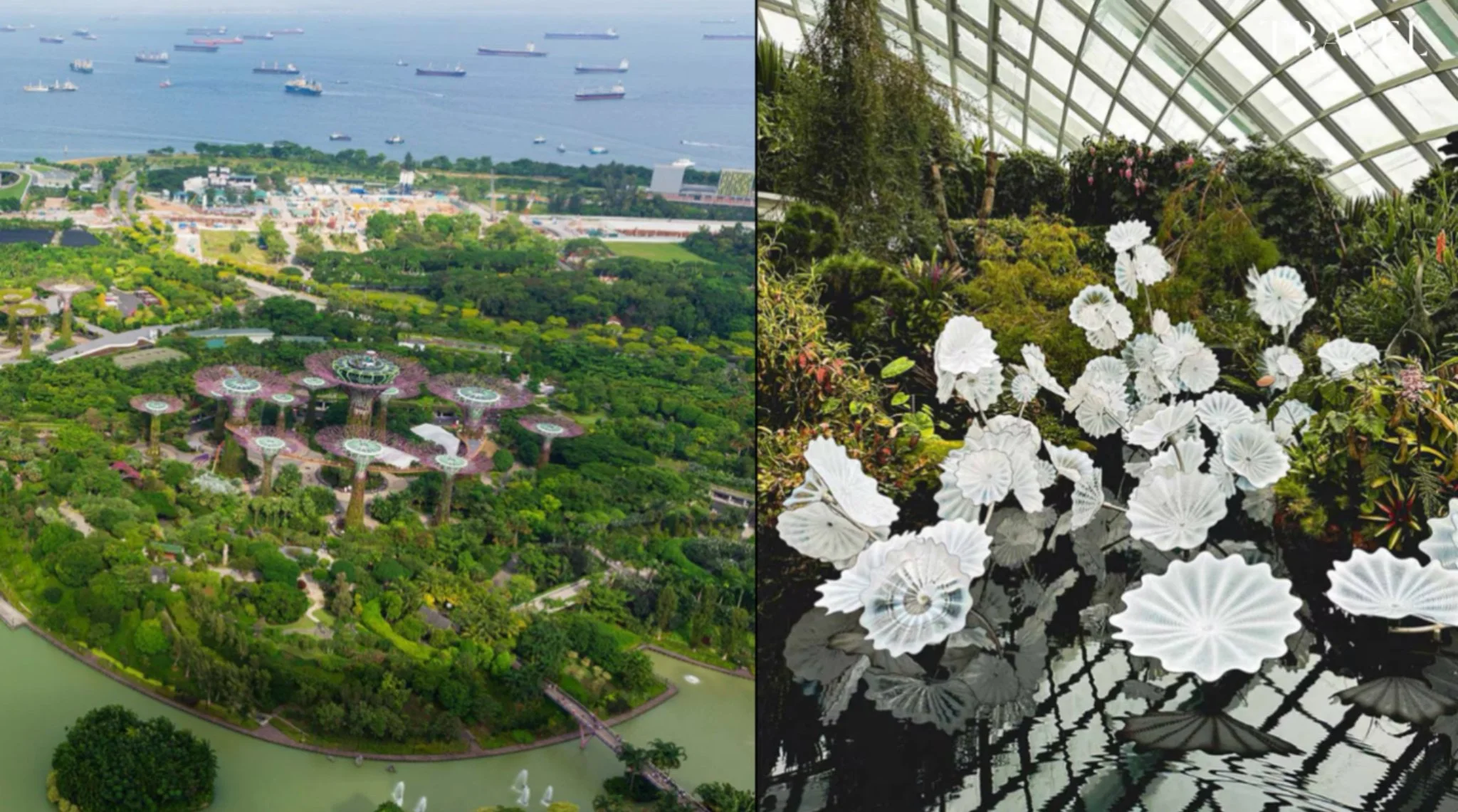
GARDENS BY THE BAY
Yes, it is iconic. Yes, it is still worth doing. Go at sunset and stay for the illuminated Supertree Grove.
Gardens by the Bay
WHAT TO EAT
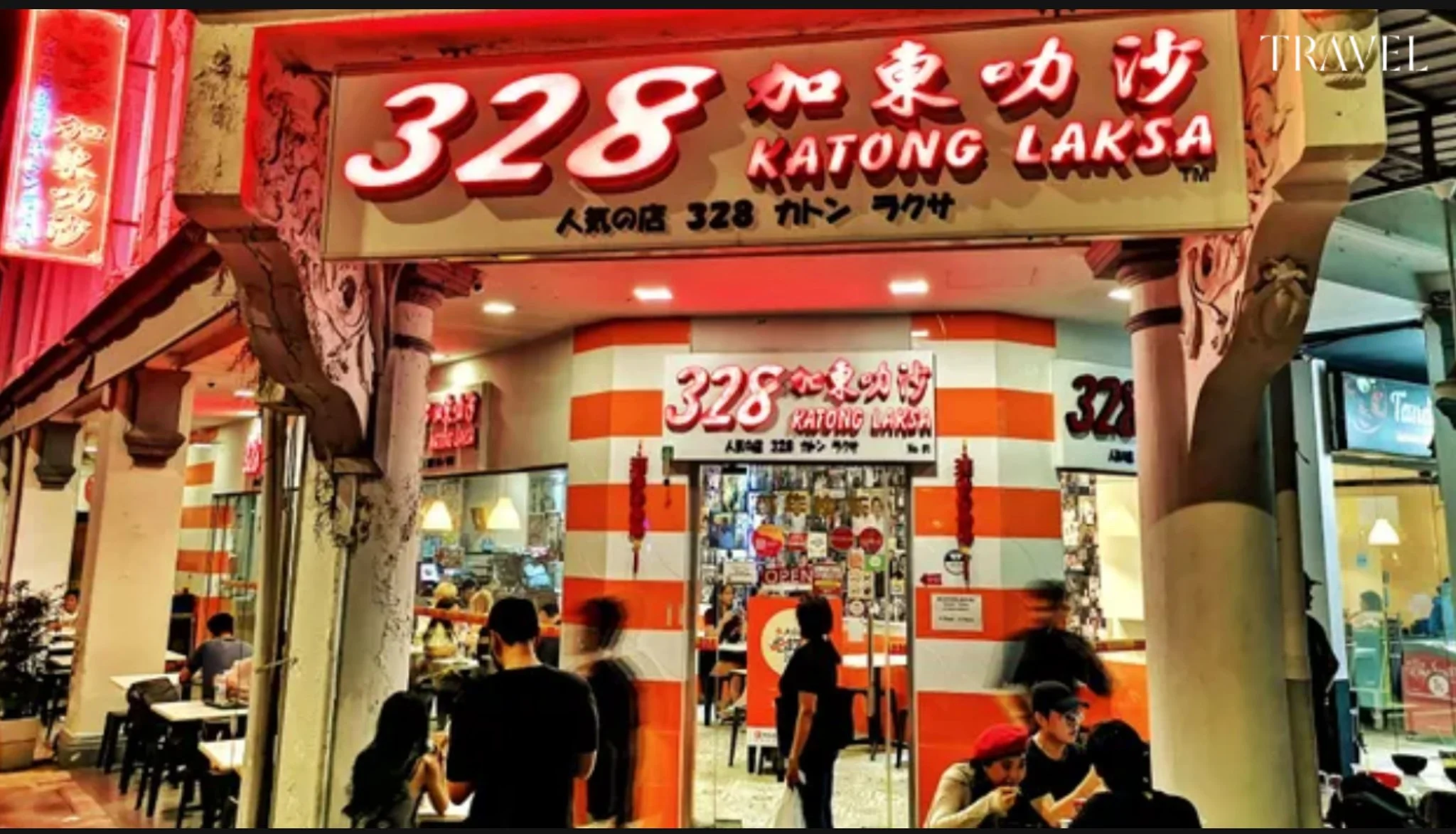
Laksa
THE LAKSA STOP
A proper Singapore itinerary begins with laksa. Go to 328 Katong Laksa. Rich coconut broth, prawns, spice, and the unmistakable fragrance of dried shrimp and chili. This is not optional.
Insider tip: go slightly off-peak — around 2:30 PM — to avoid the lunch rush.
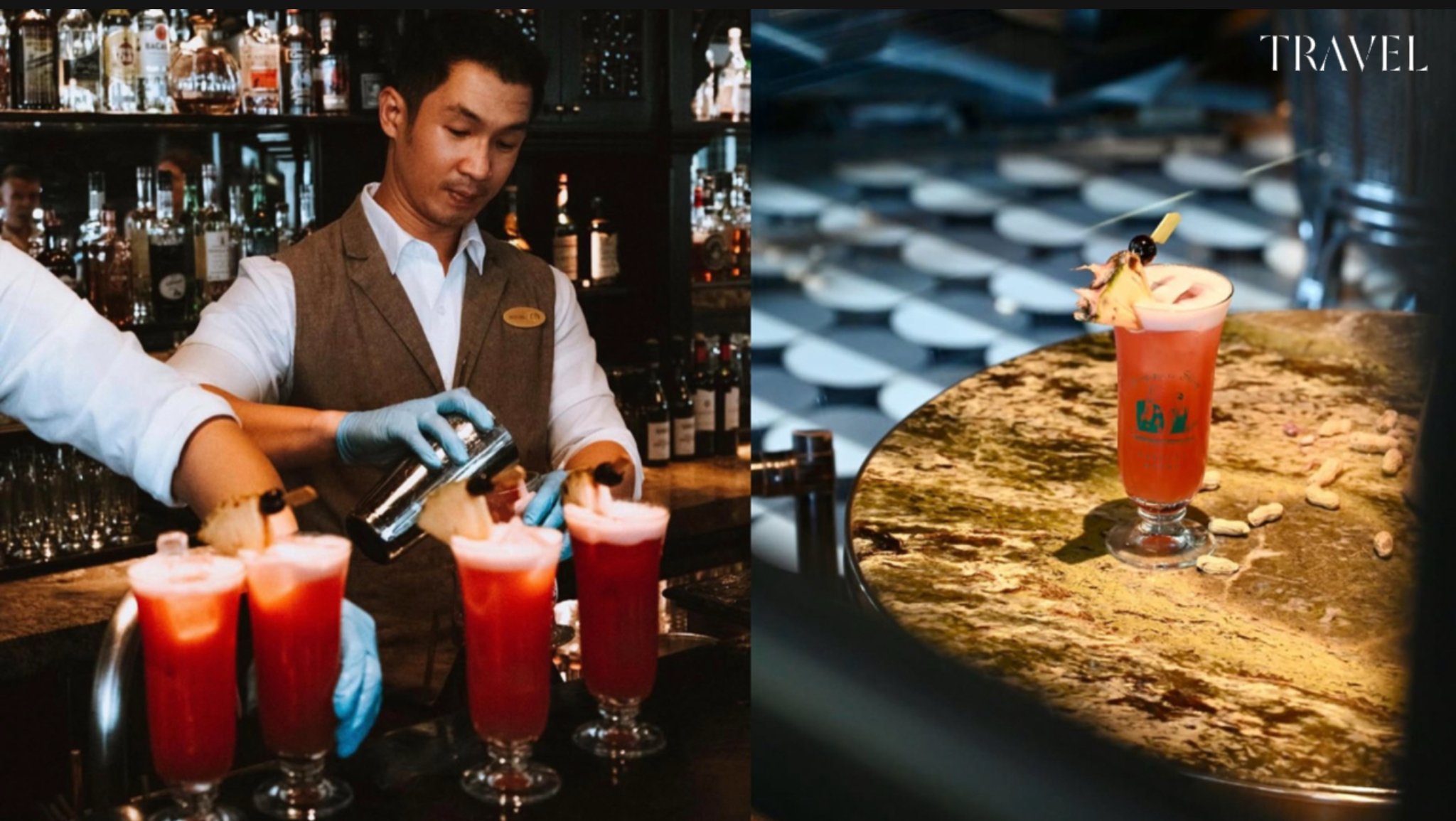
The Singapore Sling
THE SINGAPORE SLING
Long Bar at Raffles. The drink is iconic, but what matters is the ritual. Rattan chairs, old-world service, and the sense of stepping into a living myth.
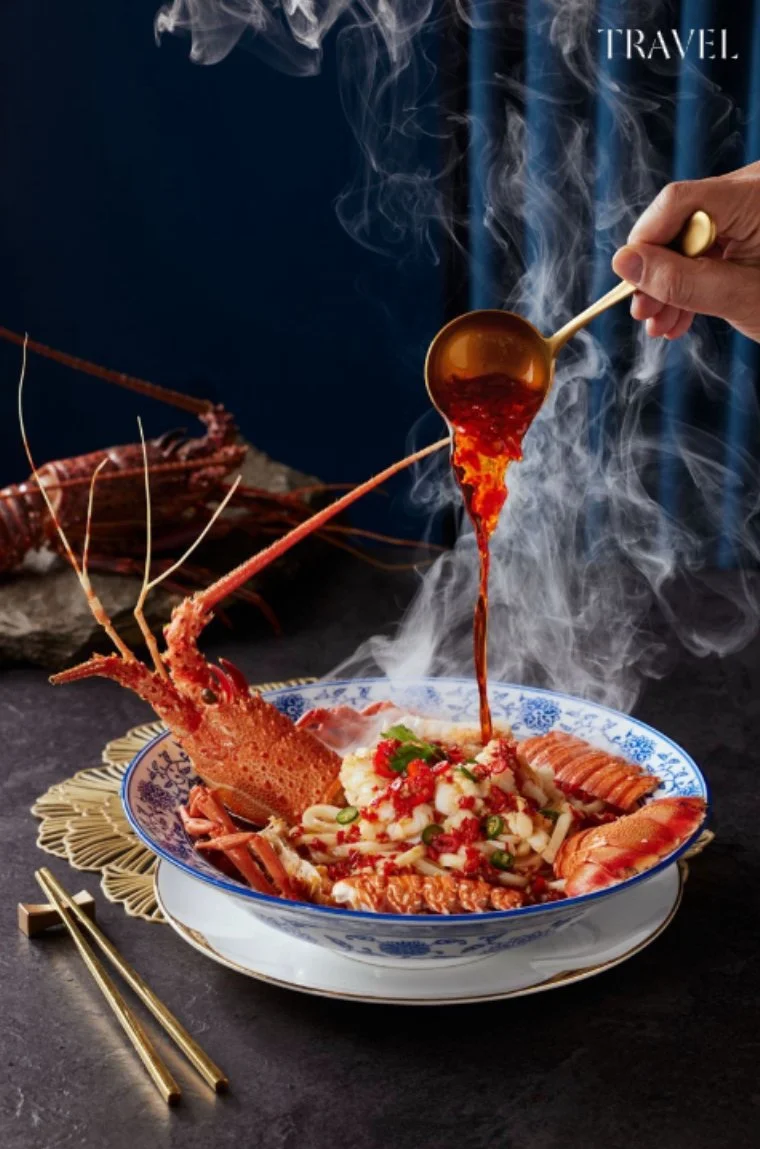
Chilli Grab
CHILI GRAB
JUMBO Seafood. Messy, delicious, and essential.
Order mantou buns for the sauce.
FINE DINING
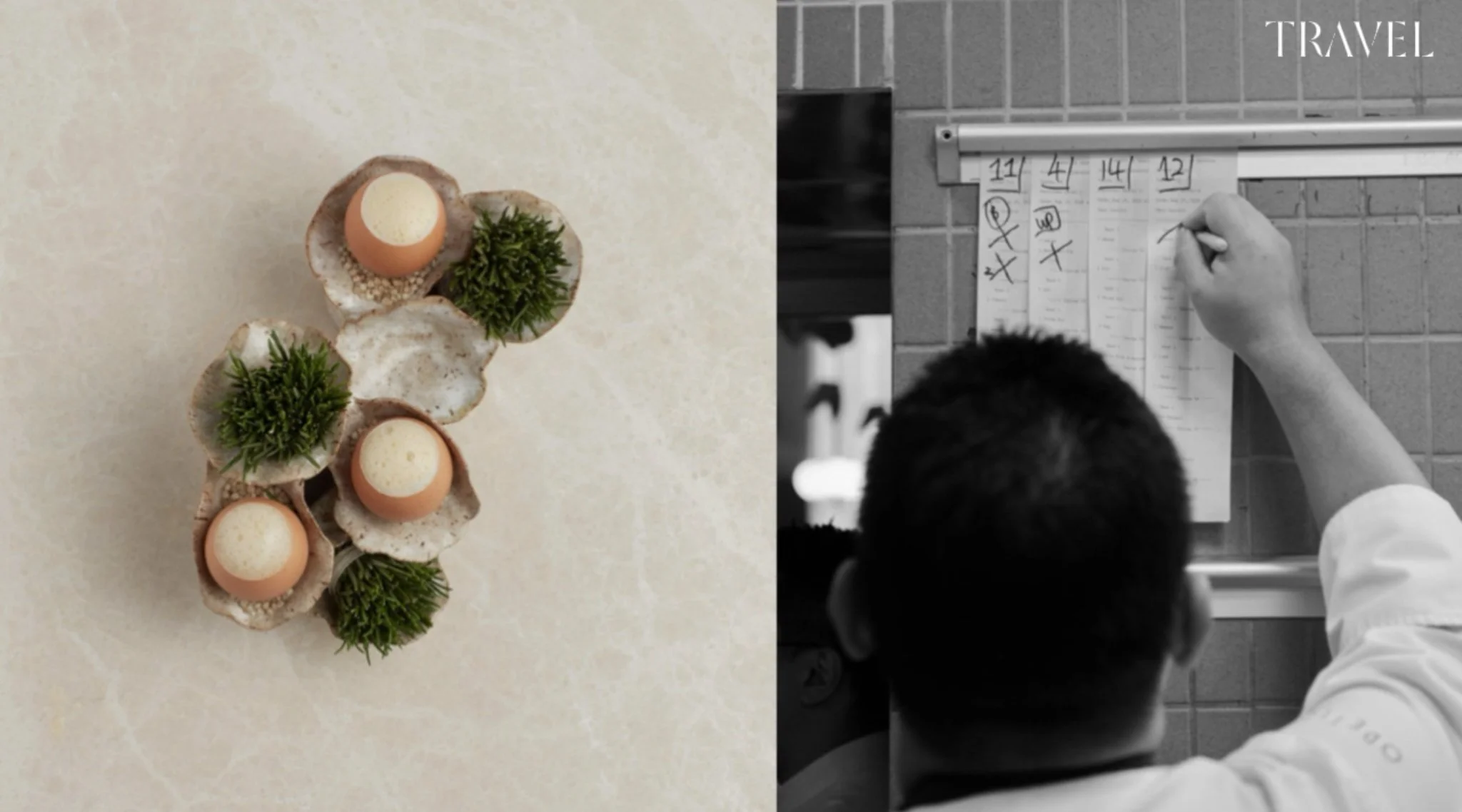
Odette-Fine dining
Odette
One of Singapore’s most lauded dining rooms, inside the National Gallery, and newly refreshed with a warmer, more luxurious interior.
Singapore’s quiet luxury is perhaps best expressed over a four-hour dinner at Odette.
COCKTAILS
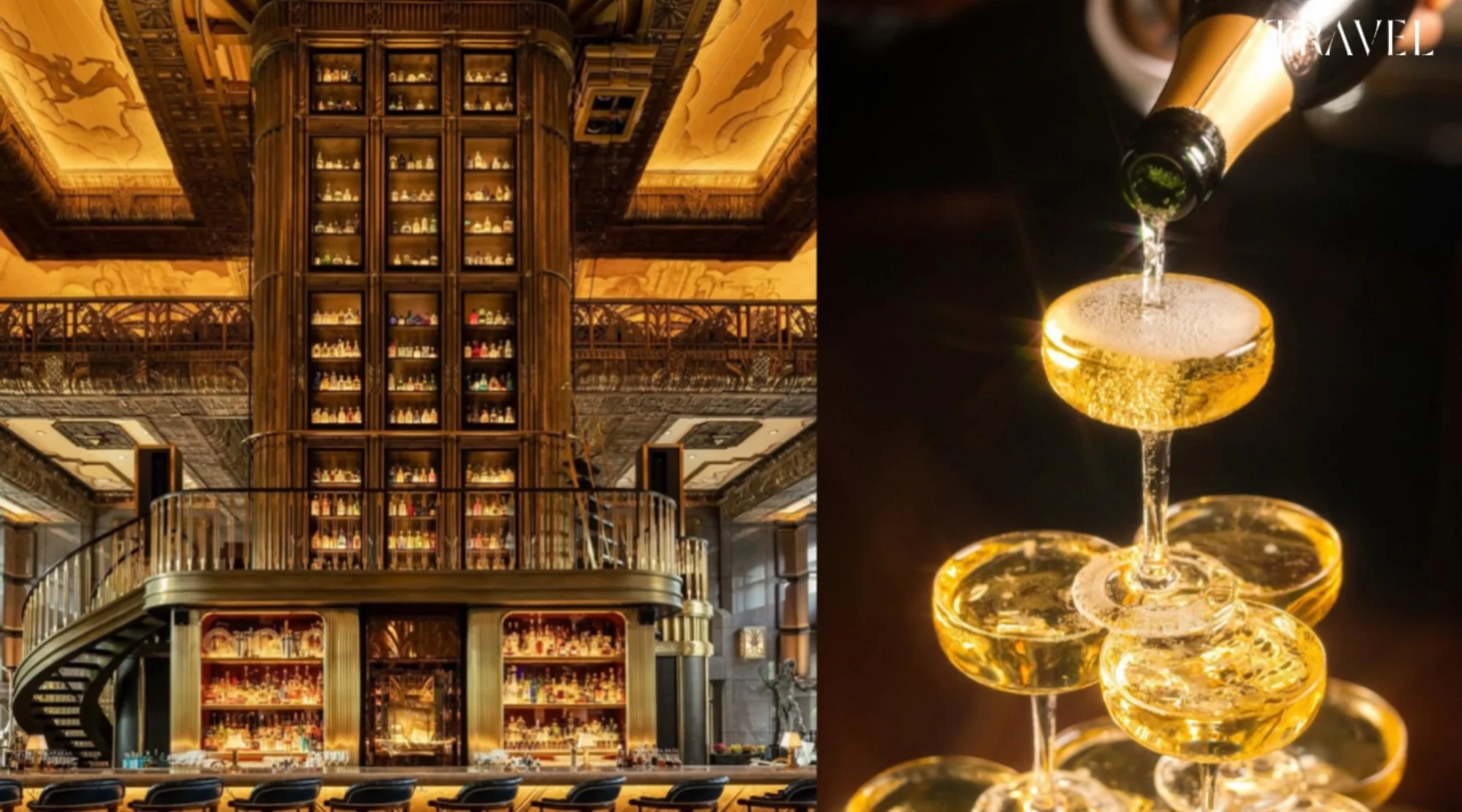
Atlas Bar
ATLAS
One of the most beautiful bars in Asia. Art Deco grandeur, an extraordinary gin collection, and the room everyone in fashion quietly recommends.
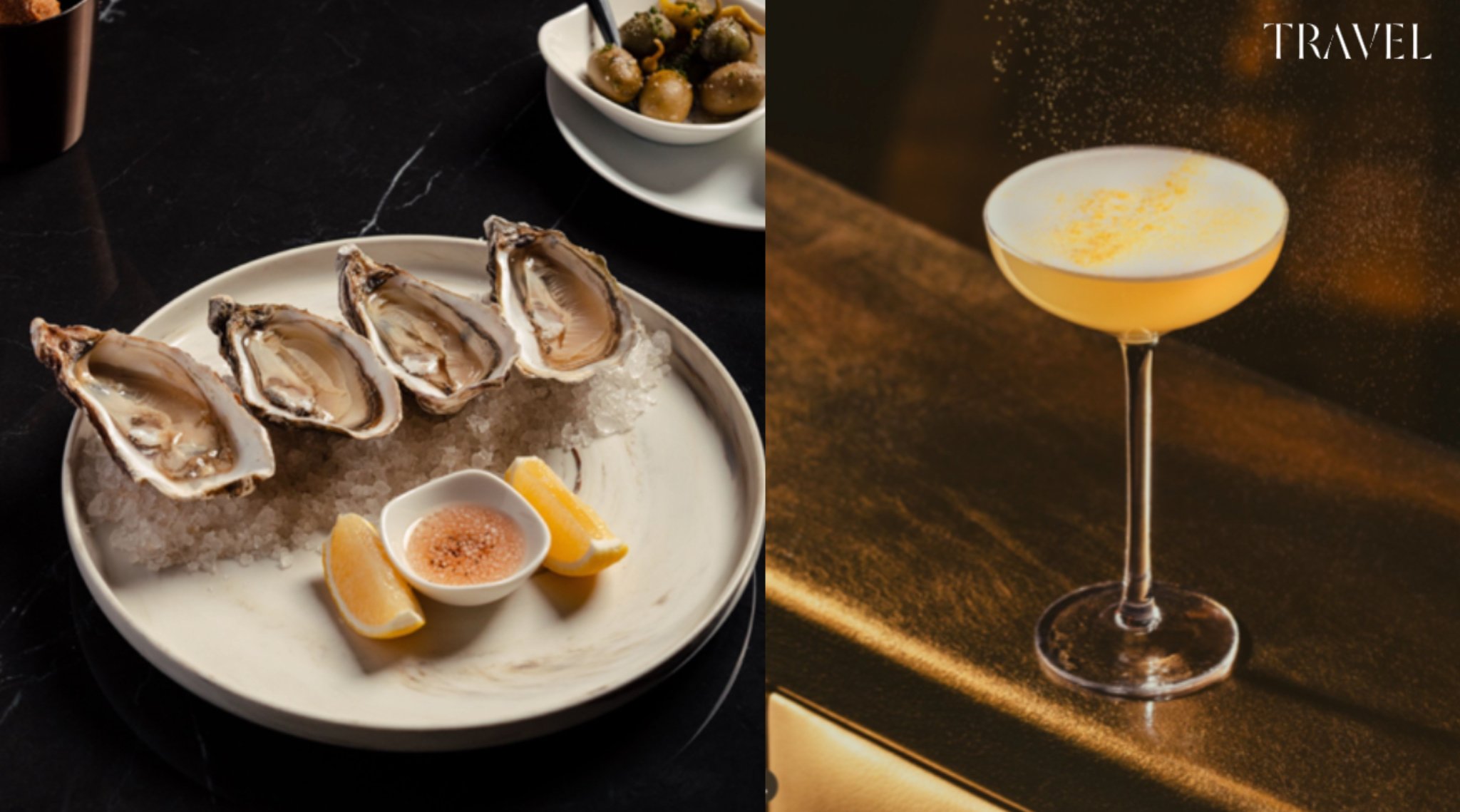
Singapore City Landscape
INSIDER’S TIPS
The Author Edit
Best golden hour: Marina Bay around 6:15–6:45 PM
Best breakfast: Raffles courtyard or Tiong Bahru Bakery
Best shopping: Orchard for luxury, Tiong Bahru and New Bahru for insiders
Best hidden luxury: private spa suite at Capella on Sentosa
Best art-world move: cocktails at ATLAS after Gillman Barracks
Best fashion crowd: weekends around Duxton Hill and New Bahru
Best late-night local move: satay at Lau Pa Sat under the skyline
Best editorial photo spot: Fullerton waterfront at dusk
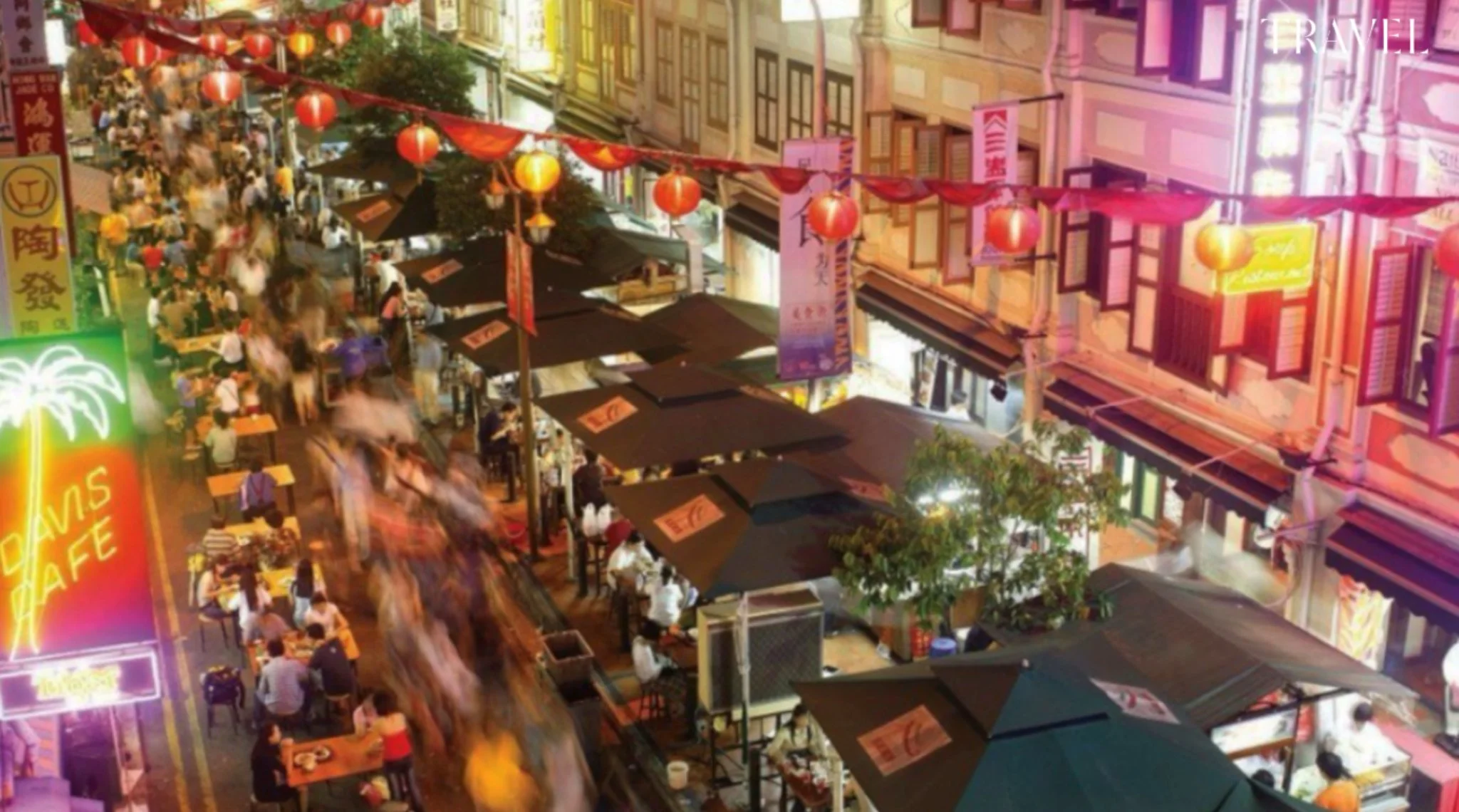
Streets of Singapore
True insider tip:
Skip Orchard Road on the first day. Do it late morning on day two after breakfast when the city is slower and the light is better for editorial-style street shots. The real luxury of Singapore is not choosing between heritage and modernity.
It is knowing how to do both in the same day.
written by Oona Chanel

Tallinn at Summer’s Edge

Some cities greet you with spectacle, overwhelming the senses in a single gesture. Tallinn is not one of them. The Estonian capital does not dazzle; it lingers. It does not perform; it waits. To know it, you must slow your pace to match its stones, its silences, its air
“Tallinn does not ask for conquest. It asks only to be noticed.”
In late August, the city still hums with warmth. Evenings stretch into gold, the streets smell of salt and cardamom, and the air feels alive with a subdued flame. Yet as September takes hold, the mood deepens. The light sharpens, mist drifts from the Baltic, and cafés glow earlier in the dusk, lanterns against the encroaching dark. Tallinn in this threshold moment is neither summer nor autumn but something in between — an atmosphere, a resonance, a poem that reveals itself line by line..
KUMU ART MUSEUM
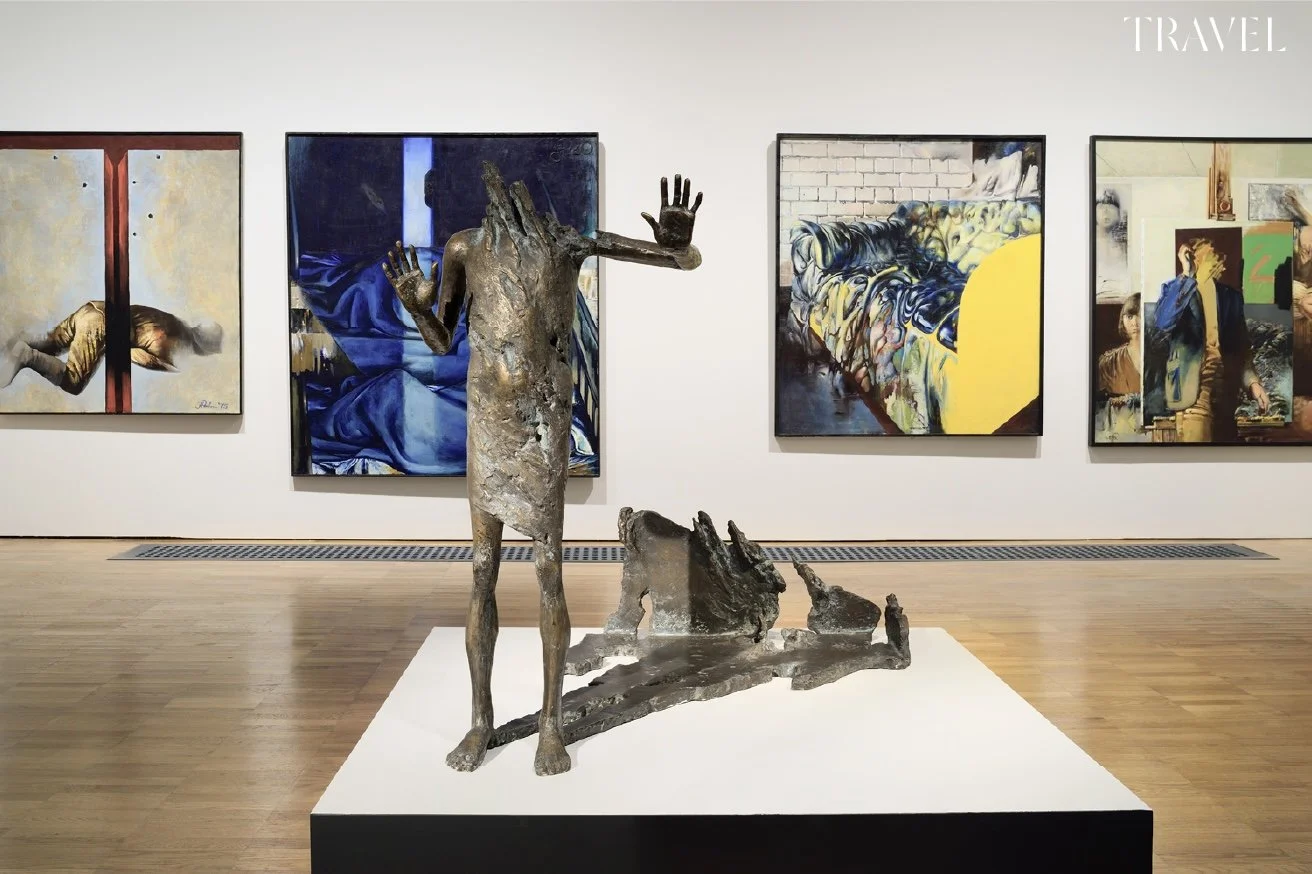
photography by Marii Tunnel
To begin here is to step first into its art. At KUMU, the national art museum built like a sanctuary at the edge of Kadriorg Park, you descend into shadow before you rise into light. The lower galleries whisper of history’s unease — surrealistcanvases painted under threat, Soviet propaganda repurposed as quiet rebellion, portraits that carry the weight of survival.
“The silence between works feels as carefully curated as the art itself.”

photography by Marii Tunnel
Climb higher, and the rooms loosen: digital installations flicker like lunar signals, sculptures echo folklore, and the silence between works feels as carefully curated as the art itself.
TELLISKIVI CREATIVE CITY
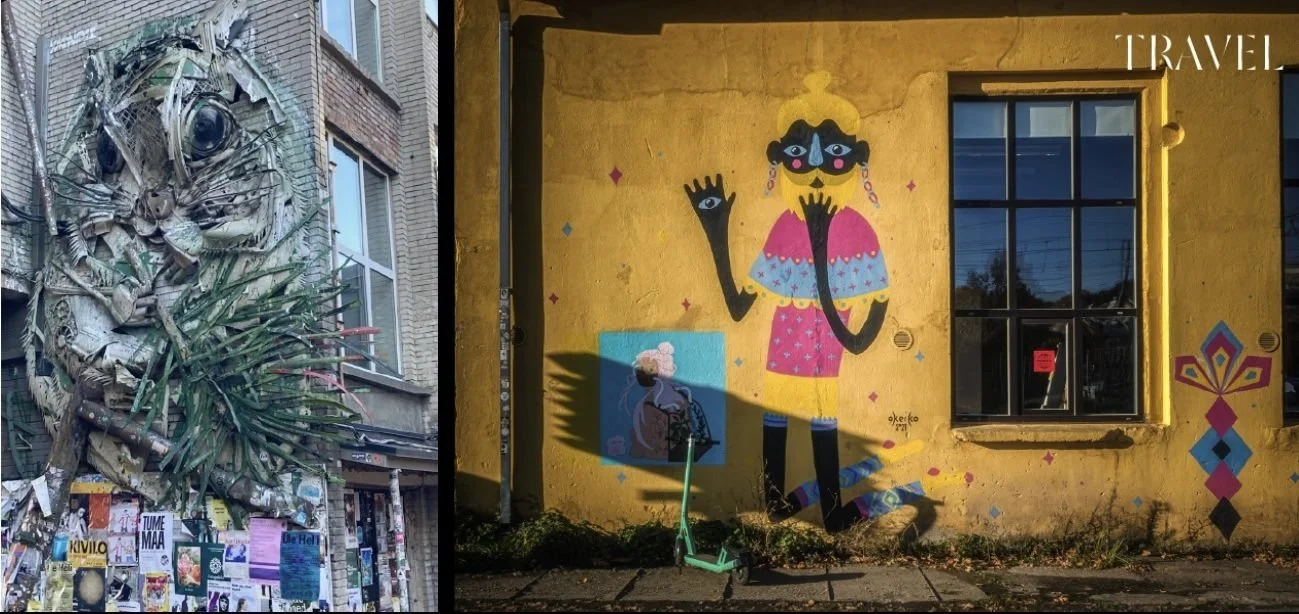
By contrast, Telliskivi moves with improvisational energy. Once a Soviet rail depot, it is now a living canvas, its walls dressed in murals, its warehouses filled with design studios, ceramics, and photography. At Fotografiska, the Scandinavian photography museum transplanted to Tallinn, you can wander exhibitions before climbing to the rooftop for a tart of rhubarb paired with sparkling birch water, looking out at the city as though you’ve discovered its pulse. Yet the most compelling corners are nameless: a container gallery where Baltic clay is shown beside cups of wild flower tea, or a tattooist’s studio where feminist manifestos are inscribed into skin with ink made of birch ash.
EKKM (CONTEMPORARY ART MUSEUM OF ESTONIA)

photography by Joosep Kivimäe
The art grows rawer at EKKM, the Contemporary Art Museum of Estonia. Housed in a semi-legal building by the port, its walls hold the youngest and boldest voices of the country: queer expression, climate grief, post-Soviet ruin rendered in film and installation. The rooms are cold, unpolished, sincere. One leaves unsettled, and for that reason changed.
180°BY MA HIAS DIETHER
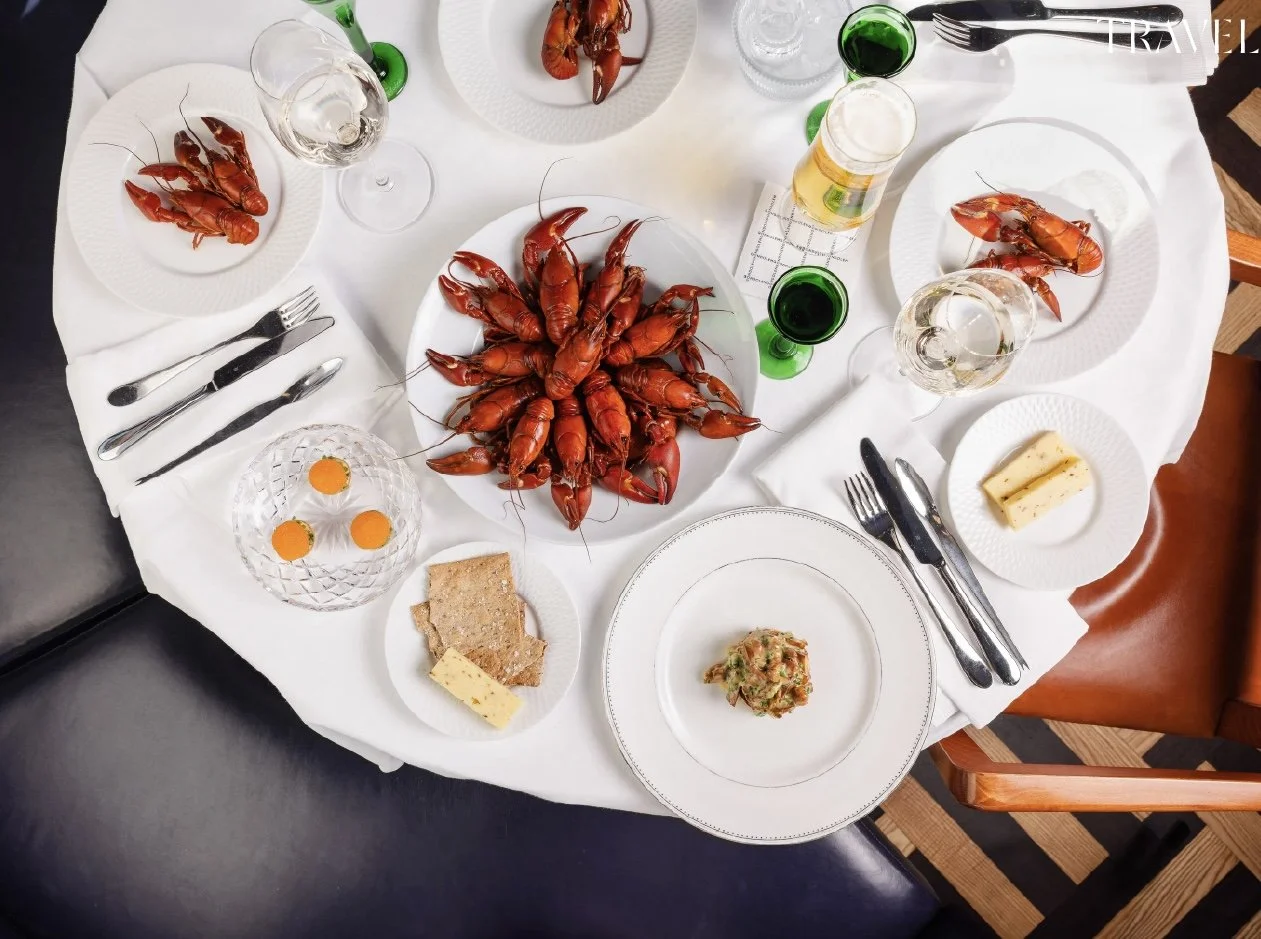
Evenings in Tallinn belong to appetite, though appetite here is composed, never theatrical. At 180°, housed in a former submarine factory, chef Matthias Diether crafts tasting menus of startling precision — dishes that feel both ancient and futuristic.
NOA CHEF’S HALL

NOA, set on the seafront, plays another note entirely: expansive, cinematic, its windows framing the Baltic like a stage. The burnt milk dessert is already local legend, but it is the sunset you remember, the way the sky itself feels like the first course Between them lies Lore, a bistro where the city’s soul comes quietly to the table: trout sharpened with horseradish, black bread heavy with history, sea buckthorn folded into nearly everything. Writers, designers, and chefs linger here,the night stretching without hurry And in the mornings, there is RØST. More chapel than bakery, it serves cardamom buns so delicate they collapse at the touch, paired with northern-roasted coffee. You take your place by the window, watch fog lift from the city, andunderstand why Tallinn reveals itself only to those who linger.
IGLU SAUNA
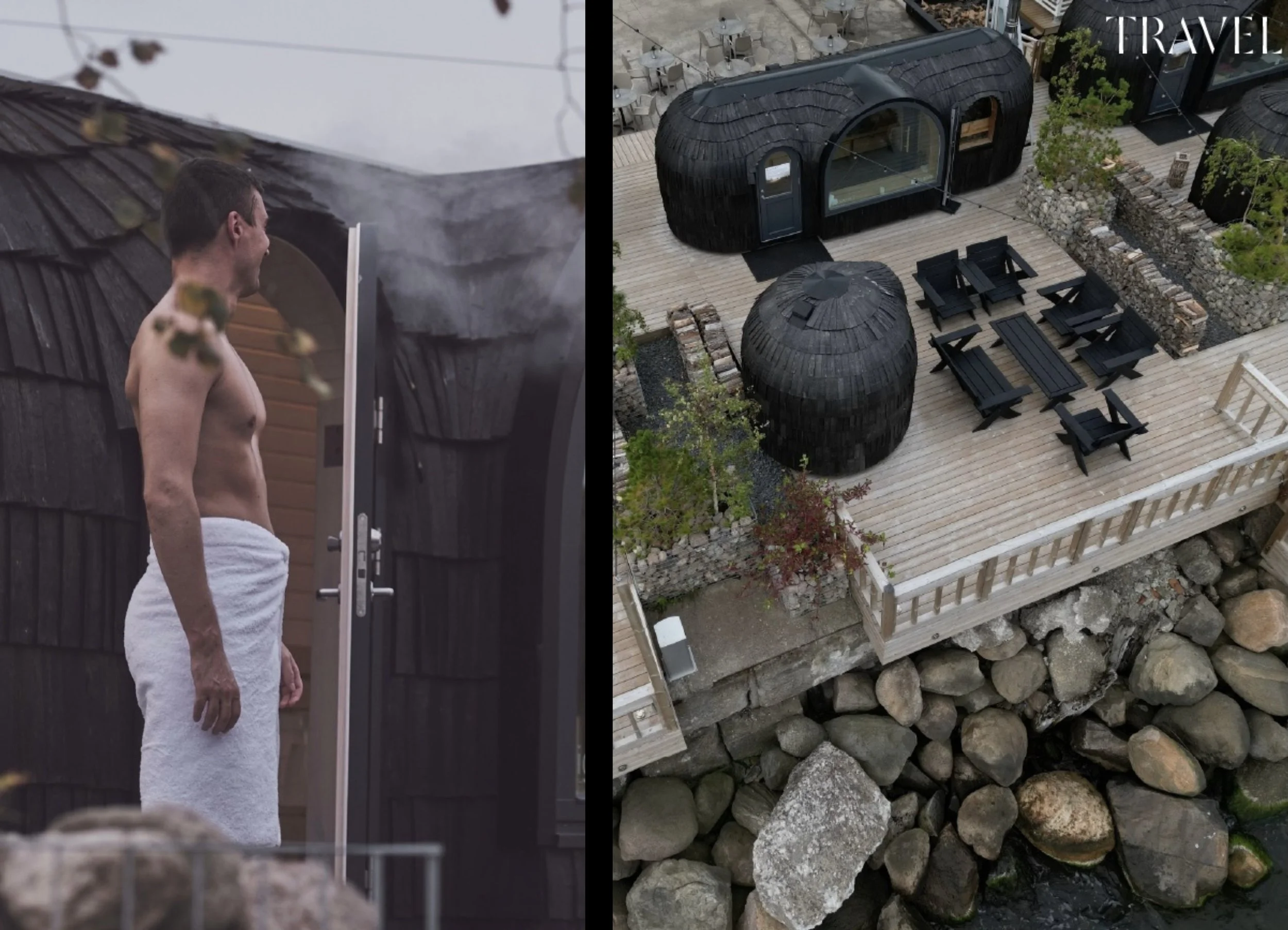
But to understand the city fully, you must enter its rituals of heat and water. At Noblessner harbor, the cedar-scented igloo saunas of Iglupark float on the water. Wrapped in linen, you move between the steam and the bite of the Baltic, horizon dissolving into night. Time unravels here.
KALMA SAUNA
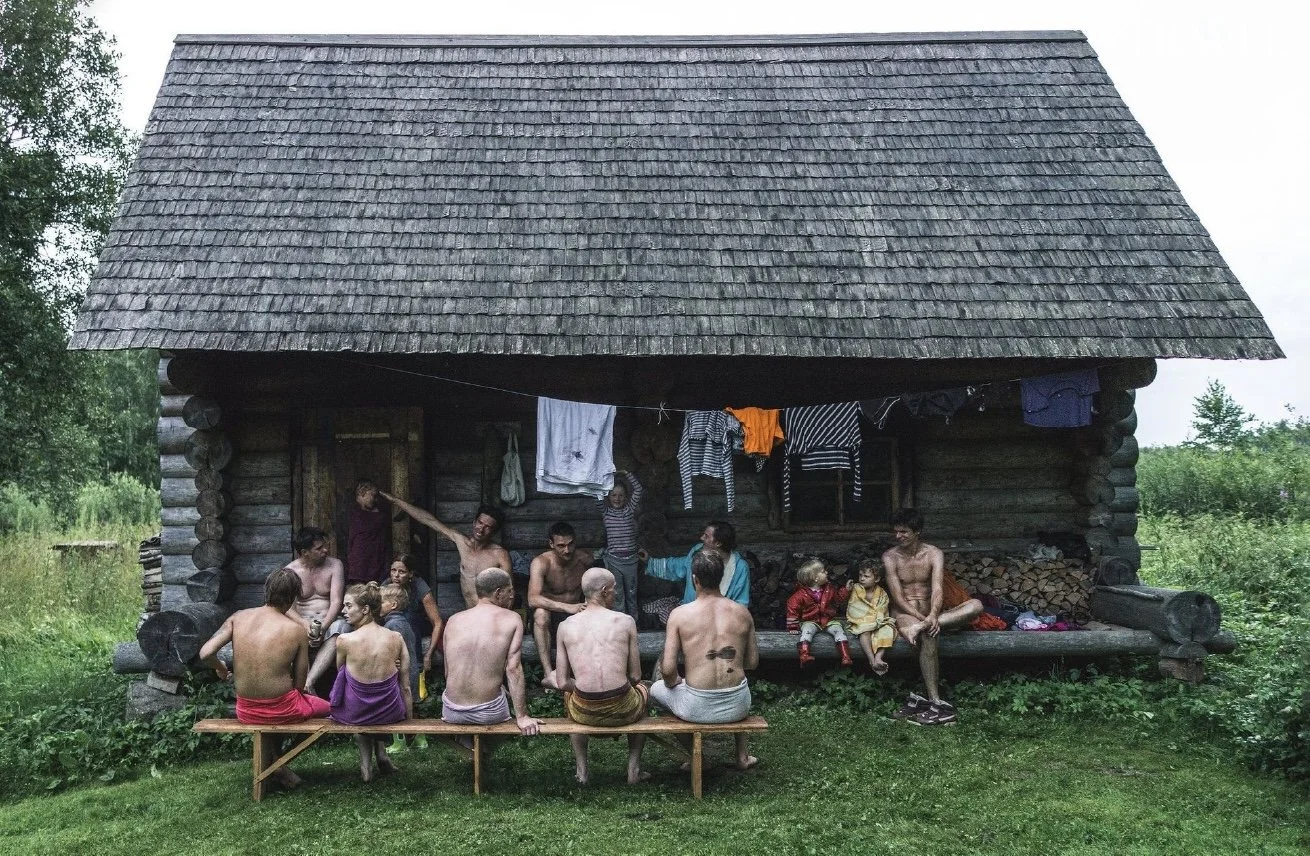
At Kalma Saun, a 1928 public bathhouse with Art Deco bones, wellness is not luxury but inheritance. Steam gathers thick with memory, birch whisks pass from hand to hand, and you realize this is not indulgence but continuity, a rhythm older than modernity.
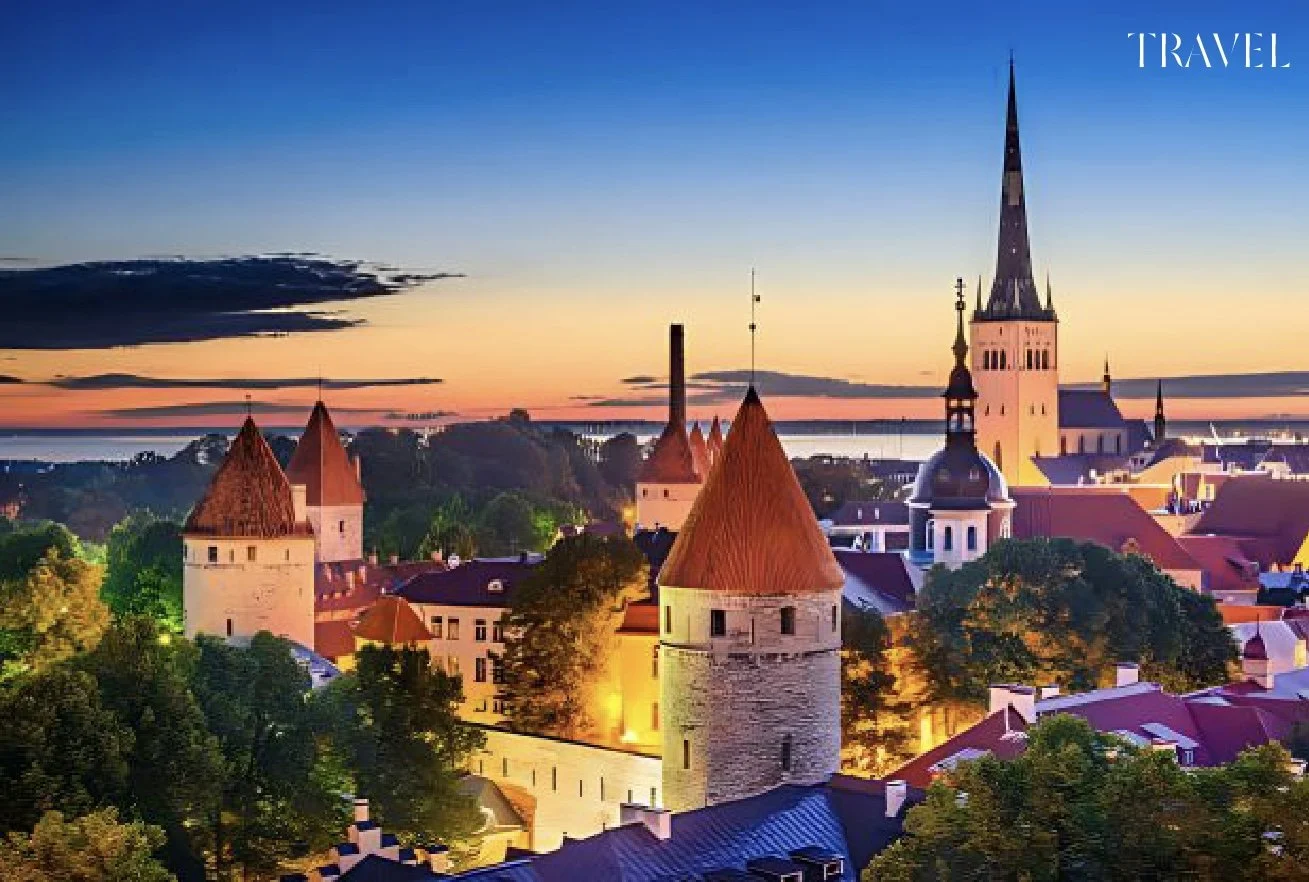
The city itself feels like ritual. At dawn, Toompea Hill rises through mist, its spires half-vanished, bells tolling into emptine
ST.CATHERINE PASSAGE
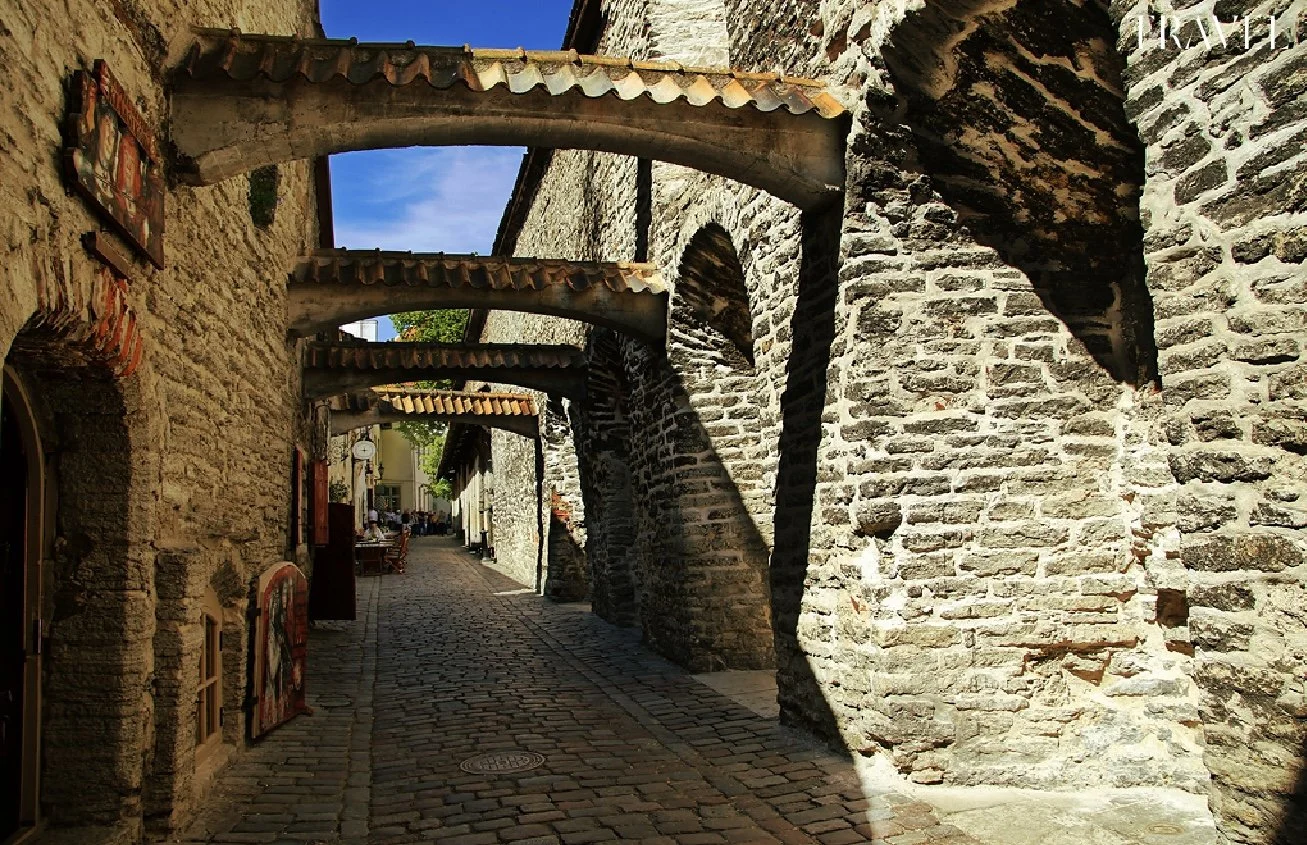
By evening, St. Catherine’s Passage glimmers in candlelight, stone walls unchanged for centuries, each step echoing history. And at the water’s edge, Linnahall sits like a brutalist ghost — an abandoned amphitheater where concrete meets sea. To climb its steps at dusk is to discover how endings, too, can carry beauty.Linnahall sits like a brutalist ghost — an abandoned amphitheater where concrete meets sea.
TOOMPEA HILL
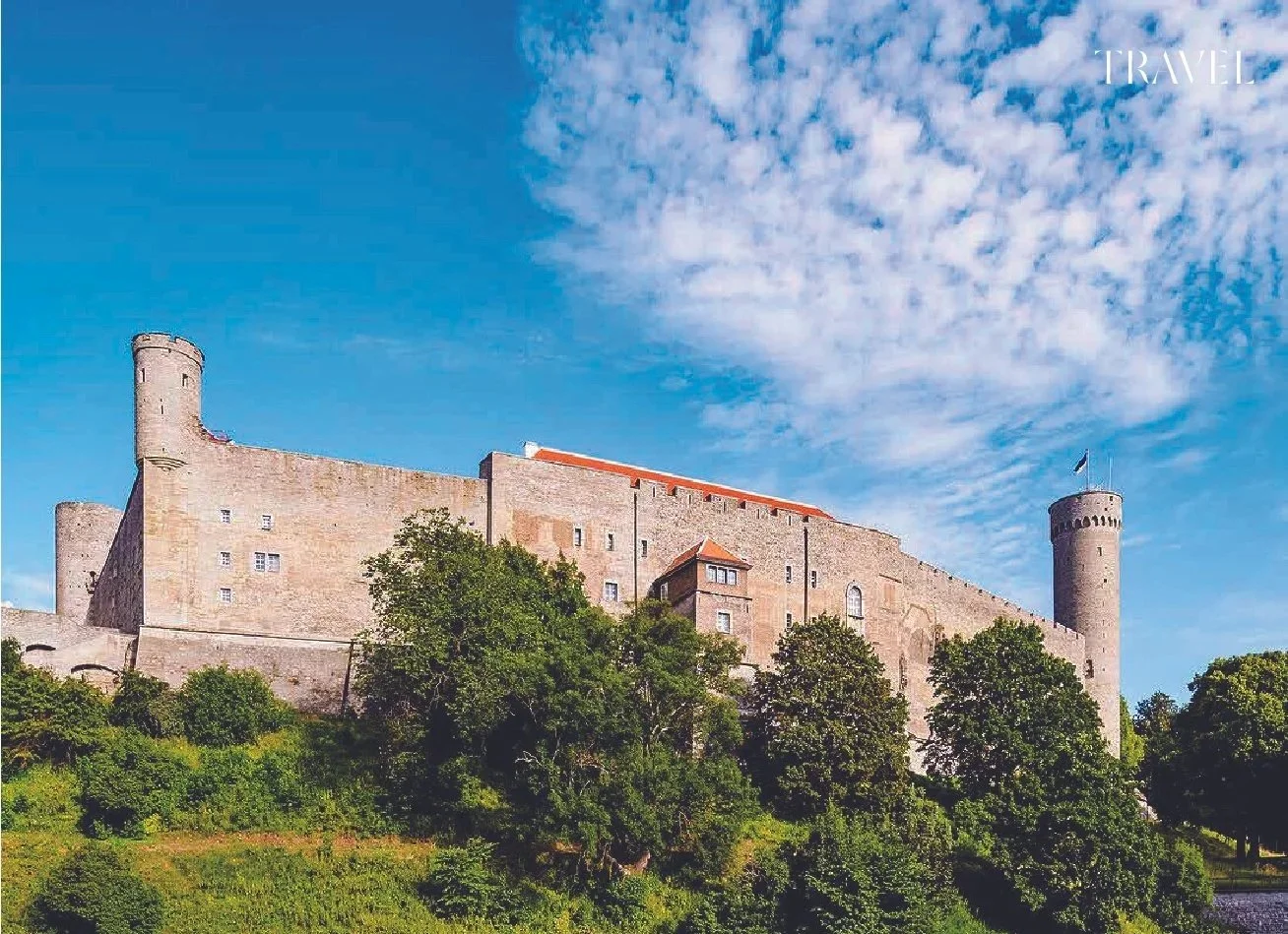
A day in Tallinn writes itself as if scored to silence. It begins at RØST with bread and stillness, wanders into the spires of Toompea, pauses on a rooftop for rhubarb tart and birch water, finds its rhythm again in the heat of a sauna, drifts through the murals and ceramics of Telliskivi, and closes with a dinner where memory is plated for you. Perhaps there is music after — opera, jazz, or something impossible to categorize. And always, the ending is the same: a walk through St. Catherine’s Passage, candlelight flickering, no photographs taken, the gift of disappearance as the truest souvenir.
To leave Tallinn at the turn of summer into autumn is not to leave with a checklist satisfied. It is to leave with something subtler: a recalibrated breath, a slower pulse, a city that has entered you not with spectacle but with stillness. Tallinn does not ask for conquest. It asks only to be noticed. And if you grant it that, it will, remain with you — as mist, as shadow, as the quiet fire of a Baltic city in its most beautiful season.
With gratitude: Thank you Visit Estonia for the unforgettable welcome and the gift of your stillness.
Written by Oona Chanel

A Luxe 24-Hour Winter Escape in Helsinki
A Luxe 24-Hour Winter Escape in Helsinki

Aalto’s Modernist Masterpieces
There’s something magical about Helsinki in the crisp months of November and December. As the city sparkles with holiday lights and the first snow blankets its streets, Finland’s capital transforms into a winter wonderland of Nordic design, art, and seasonal charm. This is a city where minimalist modernity meets timeless traditions, where saunas and snow coexist in harmony, and where every corner offers something unexpected.
From browsing the chic boutiques of the Design District to dining at Michelin-starred restaurants, and from exploring UNESCO World Heritage Sites to gliding across open-air ice rinks, Helsinki offers a luxurious and immersive experience, all wrapped in a festive glow. Whether you’re seeking an indulgent culinary journey, a dive into Scandinavian design, or just a cozy escape, this curated 24-hour itinerary will take you straight to the heart of Helsinki’s wintry magic.
Morning: Nordic Design and Seasonal Elegance
1. Breakfast at Café Regatta
Begin your day at Café Regatta, a picturesque red cottage on the edge of Töölö Bay. With its snow-dusted roof and glowing firepit, this quaint café serves freshly baked cinnamon buns and rich, warming coffee—perfect for a chilly morning. The lakeside setting feels like a scene from a Nordic fairytale, making it an ideal spot to embrace the day.

2. Explore the Design District
Next, wander through Helsinki’s Design District, a creative hub brimming with boutique stores, galleries, and workshops. Stop by the Design Museum, where Finnish design, from classic Marimekko prints to contemporary innovations, comes to life. Meander through the district’s cobblestone streets to discover elegant, locally crafted holiday decorations and sleek Nordic furniture pieces.

3. Helsinki Art Museum (HAM)
A short stroll leads you to the Helsinki Art Museum (HAM), housed in the modernist Tennis Palace. Inside, an eclectic mix of contemporary and classic art awaits, showcasing Finnish talent alongside international names. The museum’s bright interiors and thought-provoking exhibits make it a must-visit for art enthusiasts.

4. Aalto’s Modernist Masterpieces
Round off the morning with a nod to Alvar Aalto, Finland’s legendary architect. Admire the sleek lines of Finlandia Hall and, if time allows, visit Aalto’s House, a serene reflection of his minimalist design ethos.
Afternoon: Festive Markets and Winter Adventures
5. Lunch at Savoy
Pause for an elegant lunch at Savoy, a Helsinki institution with interiors designed by Alvar Aalto himself. Perched above the city, this historic restaurant offers panoramic views and a menu celebrating Finnish ingredients. Feast on reindeer fillet, forest mushrooms, and seasonal berries, all served in a refined yet welcoming atmosphere.


6. Suomenlinna Sea Fortress
After lunch, hop on a ferry at Kauppatori (Market Square) for a scenic ride to Suomenlinna, a UNESCO World Heritage Site. Blanketed in snow, this historic sea fortress feels like a Nordic dream. Wander the fortress’s cobblestone paths, admire the 18th-century architecture, and enjoy the serenity of the wintry landscape.

7. Warm Up at Löyly Sauna
Return to the city for a quintessential Finnish experience at Löyly Sauna, a striking wood-clad structure on the edge of the Baltic Sea. Embrace the heat of a traditional sauna before cooling off with an icy plunge or simply relax on the terrace with panoramic views of the frozen waters.

Evening: Michelin Dining and Festive Nightcaps
8. Dinner at Restaurant Olo
Treat yourself to an unforgettable dining experience at Restaurant Olo, one of Helsinki’s Michelin-starred gems. The multi-course tasting menu takes you on a journey through Finnish nature, with dishes that are as artful as they are delicious. Expect creative presentations, seasonal flavors, and an intimate dining ambiance.


9. Nightcap at Ateljé Finne
End your day at Ateljé Finne, a chic yet cozy cocktail bar housed in a former sculptor’s studio. With its warm ambiance, low lighting, and expertly crafted cocktails, it’s the perfect spot to reflect on your day in Helsinki. Try a Nordic-inspired drink featuring lingonberries or Finnish gin to cap off your evening in style.
Extra Seasonal Experiences to Enrich Your Day
• Helsinki Christmas Market at Senate Square: Browse artisanal crafts, sip glögi (mulled wine), and soak in the festive atmosphere in the shadow of the majestic Helsinki Cathedral.

• Nuuksio National Park: Just an hour from the city, this snowy wilderness offers trails for snowshoeing and the occasional glimpse of the Northern Lights.

• Ice Skating at Railway Square: Glide under twinkling lights at the city’s outdoor rink, surrounded by historic architecture.

Written by Oona Chanel

Experiencing Japan in November: A Journey Through Kyoto and Tokyo
Experiencing Japan in November: A Journey Through Kyoto and Tokyo

As the chill of November sweeps across Japan, the country transforms into a vibrant, multi-hued landscape. The leaves turn red and gold, festival lights flicker in ancient villages, and Tokyo’s nightlife hums with the city’s unmistakable energy. There’s something magical about Japan in autumn—a rich blend of tradition and modernity, where serene temples meet bustling alleyways, and tranquil gardens nestle beside avant-garde fashion streets.
Whether you’re craving the elegance of Kyoto’s centuries-old rituals or the edge of Tokyo’s underground culture, November is the perfect time to explore. This guide unearths Japan’s finest seasonal offerings, from hidden izakayas and local sake tastings to tattoo-friendly onsens and festivals that blaze with fiery tradition. Dive into the heart of these two iconic cities and discover Japan through local eyes, with unique activities, Michelin-worthy dining, and insider gems that make each day an adventure.
This November, immerse yourself in Japan’s cultural wonders, culinary gems, and scenic landscapes. From Kyoto’s age-old traditions to Tokyo’s lively urban culture, this guide ensures a journey rich in authentic experiences and seasonal beauty. With tattoo-friendly onsens, serene temples, local sake spots, and vibrant indie neighborhoods, Kyoto and Tokyo offer the perfect balance of tradition and modernity for an unforgettable Japanese adventure.
KYOTO HIGHLIGHTS: TRADITION MEETS THE UNDERGROUND
1. Autumn Foliage at Kiyomizu-dera Temple
As autumn peaks, Kiyomizu-dera Temple in Kyoto is transformed by a brilliant display of red and gold leaves. The temple’s illuminated night views offer a magical scene, creating an unmissable experience perfect for reflection and photography.

2. Kurama Fire Festival (Hi-Matsuri)
Early November brings the Kurama Fire Festival, an unforgettable event where locals carry torches through the streets of northern Kyoto. Steeped in ancient tradition, this fiery celebration gives a glimpse into Kyoto’s spiritual heritage, casting a warm glow on the crisp autumn nights.

3. Sake Tasting in Fushimi Sake District

Explore the Fushimi District, famous for its sake breweries. Visit the Gekkeikan Okura Sake Museum to learn the art of sake-making, followed by a tasting of freshly brewed varieties. Stop by Fushimi Yume Hyakushu, a favorite among locals, for a deeper dive into Kyoto’s sake culture.

Photo by Kanpai
4. Arashiyama Bamboo Grove and Hidden Temples
For a serene start to your morning, visit the renowned Arashiyama Bamboo Grove and then venture to Okochi Sanso Villa. This hidden gem offers stunning autumn views over the city and peaceful garden trails, providing a refreshing escape from busier spots.

5. Riverside Dining in Kibune
Head to the village of Kibune, where kawadoko dining (on platforms over the river) is a must-try experience. Enjoy a kaiseki meal surrounded by fall colors, immersing yourself in Kyoto’s seasonal beauty and traditional flavors.

TOKYO TREASURES: URBAN COOL MEETS HIDDEN GEMS
1. Meiji Shrine and Inner Garden
For a tranquil retreat in the heart of Tokyo, visit Meiji Shrine in Shibuya. Stroll through its forested paths, and explore the inner garden, which glows with autumn hues in November. Shichi-Go-San ceremonies here add an extra touch of tradition, as families dress their children in kimono to celebrate their growth.

2. Tokyo Ramen Street
Tokyo Ramen Street, located in Tokyo Station, is a mecca for noodle lovers. Try Rokurinsha’s famous tsukemen (dipping noodles) or sample seasonal ramen varieties at various stalls. It’s a must-visit for any foodie seeking authentic local flavors.

3. Yanaka Ginza Shopping Street
Step back in time at Yanaka Ginza in Taito, known for its nostalgic charm and bustling street food scene. Sample local treats like yakitori and taiyaki (fish-shaped cake with sweet filling) while browsing traditional shops that capture the essence of Tokyo’s past.

4. Shinjuku Golden Gai
Discover Shinjuku’s Golden Gai, a maze of narrow alleys packed with micro-bars, each with its own unique ambiance. It’s a favorite among locals for late-night drinks and intimate settings, where you can chat with bartenders and soak in Tokyo’s vibrant nightlife.

5. Mount Takao Hike
Just an hour from Tokyo, Mount Takao offers a refreshing nature escape with beautiful autumn foliage and panoramic city views. After the hike, unwind at Keio Takaosan Onsen Gokurakuyu, a tattoo-friendly onsen at the mountain’s base—perfect for soothing tired muscles after a scenic day outdoors.

6. Shimokitazawa – Tokyo’s Indie Scene
Known for its indie vibes, Shimokitazawa is a haven for vintage shopping, quirky cafes, and live music. Locals flock here for its laid-back charm; grab a coffee at Bear Pond Espresso or catch a live performance at Shelter for an authentic taste of Tokyo’s alternative scene.

7. Autumn Illumination at Rikugien Garden
In Tokyo’s Bunkyo Ward, Rikugien Garden showcases breathtaking autumn colors with its weeping maple trees. This Edo-era garden hosts a magical evening illumination in November, providing a serene and enchanting experience loved by Tokyoites and visitors alike.

EXTRA EXPERIENCES
Tokyo Kimono Rental and Tea Ceremony:
For an authentic experience, rent a kimono and participate in a traditional tea ceremony in Asakusa. Wander through Senso-ji Temple in full attire for a memorable glimpse into Japanese culture.

Photo by Tea Ceremony Japan Experiences MAIKOYA
Stay and Dress as a Geisha or Samurai in Kyoto:
Many inns, like Yasaka Yutone Kyokoyado or Gion Hatanaka, offer the chance to dress as a geisha or samurai. Capture the essence of old Kyoto as you wander nearby streets dressed in stunning, authentic attire.

Tattoo-Friendly Onsen and Spa Options in Kyoto and Tokyo
Japan’s onsen and spa culture is revered, yet for visitors with tattoos, it can sometimes be challenging to find welcoming locations. Luckily, both Kyoto and Tokyo offer tattoo-friendly options that allow everyone to enjoy Japan’s traditional baths.

Photo by Ryuji Hashimoto
In Kyoto, Tenzan-no-yu and Funaoka Onsen embrace a local, welcoming atmosphere. The charming Gokuraku-yu in Uji also provides a relaxing blend of indoor and outdoor baths, making it easy to unwind amid beautiful surroundings. In Tokyo, popular tattoo-friendly spas like Niwa no Yu and Oedo Onsen Monogatari combine rejuvenating baths with Japanese gardens and unique Edo-period themes. For urban luxury, Times Spa Resta in Ikebukuro and Thermae-yu in Shinjuku feature private rooms, saunas, and modern amenities, offering the ultimate retreat within Tokyo’s bustling atmosphere.
Written by Oona Chanel

Discover the Serene Splendor of Sumberkima Hill
Discover the Serene Splendor of Sumberkima Hill

In the heart of Bali's untouched North West, there exists a sanctuary so sublime, it feels as though time itself dances to a different rhythm. Sumberkima Hill, a haven of opulence and tranquility, beckons to weary souls and wanderers seeking respite from the chaos of the world. As a seeker of serenity and a lover of life's finer pleasures, I recently embarked on a week-long journey to this enchanting oasis, and what unfolded was nothing short of a transformative odyssey.

Arriving at my secluded abode, Villa Bidadari, I was immediately enveloped in an aura of exquisite luxury. Perched atop a verdant hill, the villa's sprawling expanse offered breathtaking vistas of the boundless sea stretching out before me. With its elegant interiors adorned with Balinese accents and modern amenities, it was a sanctuary fit for royalty. But it was the infinity pool, with its sapphire waters beckoning beneath the golden glow of dawn, that truly stole my heart and set the stage for the luxurious adventures that awaited.

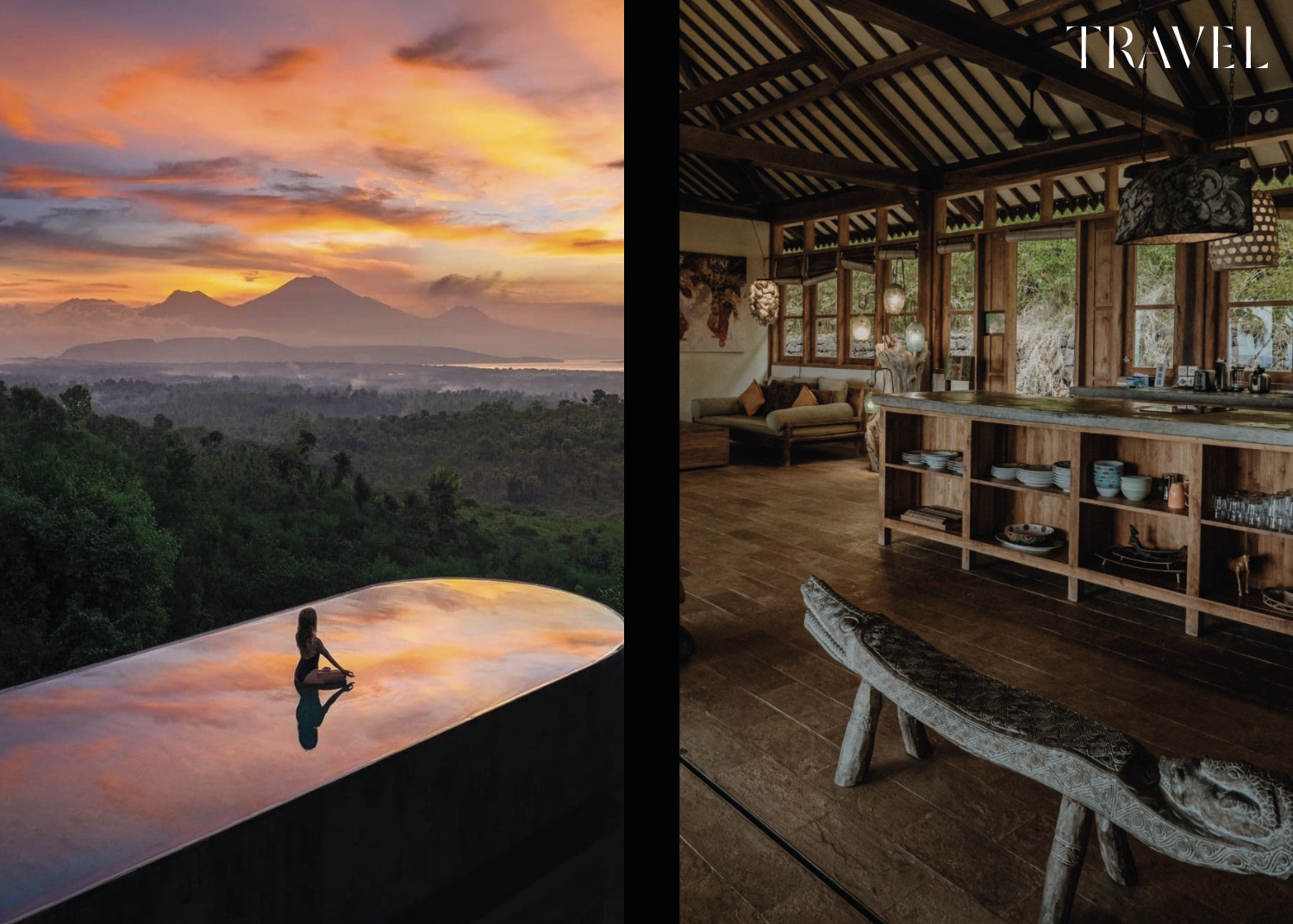
Each morning, as the world awoke to a new day, I embarked on a ritual of renewal that would set the tone for the hours ahead. With the first blush of dawn painting the sky in hues of rose and gold, I surrendered to the embrace of the villa's resplendent pool, shedding the constraints of the world and immersing myself in the purity of the moment. Emerging refreshed and invigorated, I made my way to the yoga shala, a sacred space nestled amidst the verdant hills, where the gentle cadence of my practice harmonized with the symphony of nature unfolding around me. It was here, amidst the rustle of leaves and the song of birds, that I found a sense of peace and connection that transcended words.
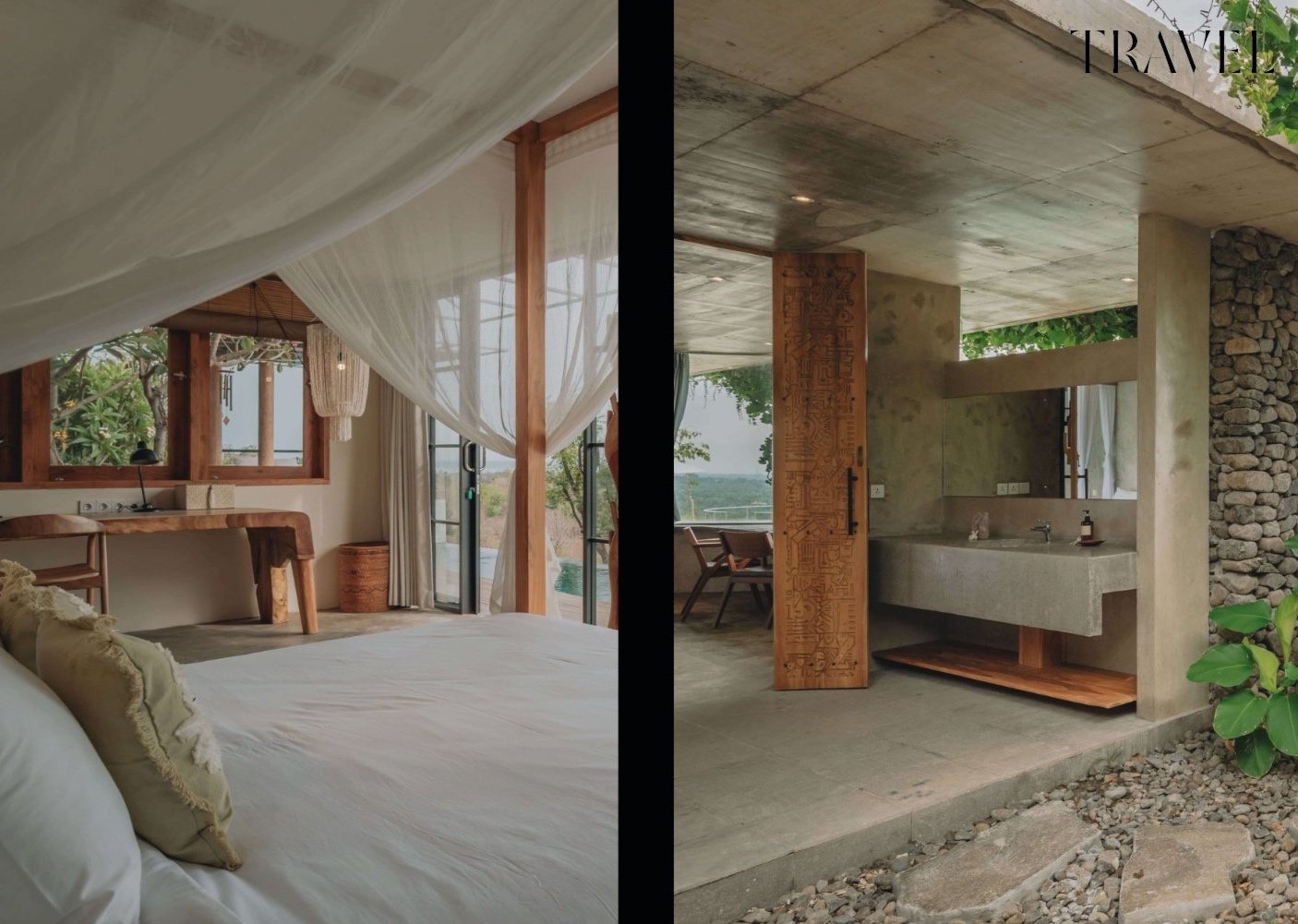
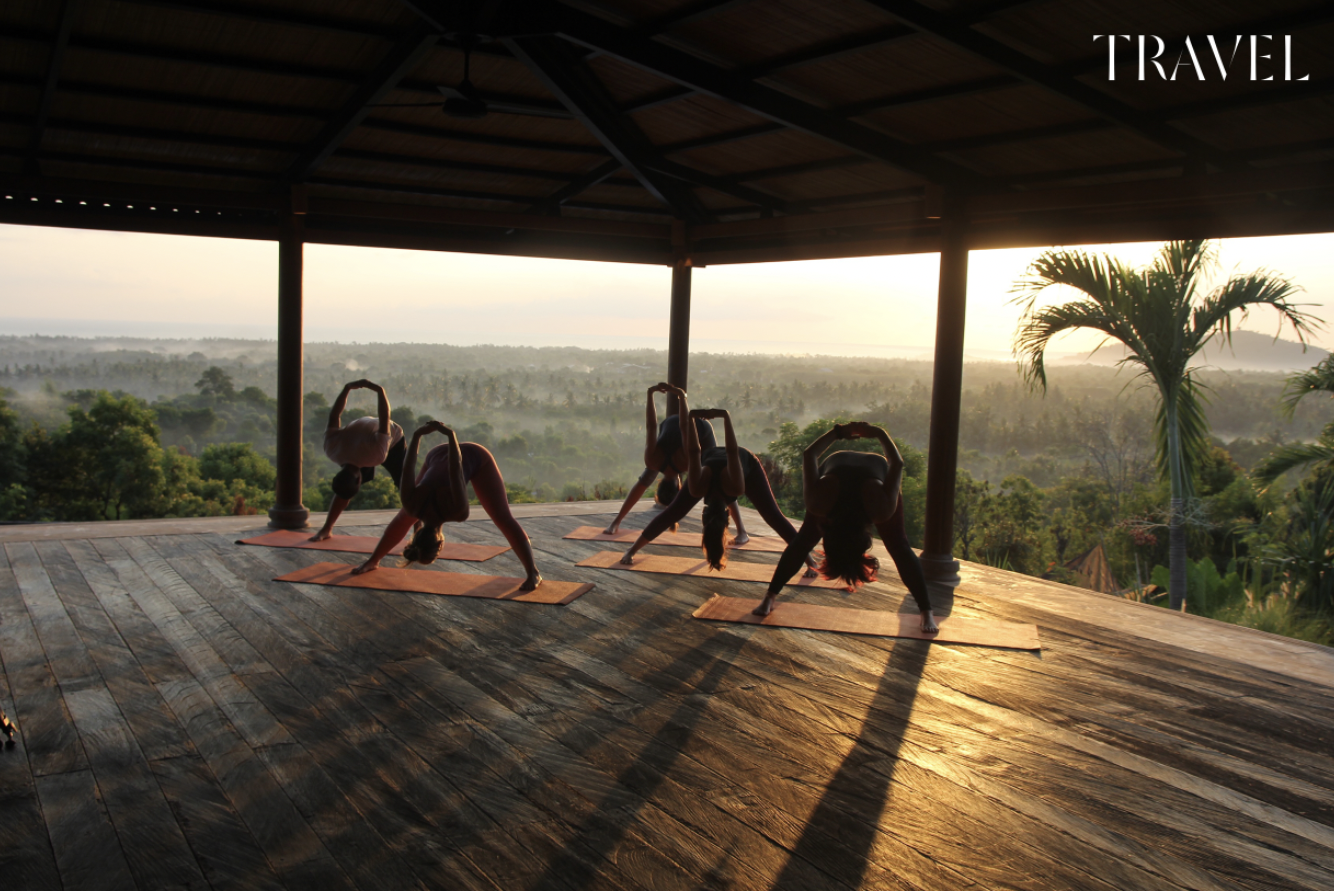
But the journey of self-discovery and renewal did not end with the sun's ascent. Sumberkima Hill is renowned for its world-class spa facilities, where ancient healing traditions are interwoven with modern luxury. Here, amidst the fragrant scents of tropical blooms and the soft strains of Balinese music, I surrendered to the expert hands of village healers, whose skillful touch coaxed tension from weary muscles and invited a sense of profound relaxation to envelop body and soul. And as if that weren't enough, I was treated to a transformative sound bath, with sacred bowls placed delicately upon my body, their resonant tones guiding me into a state of deep inner harmony and tranquility.
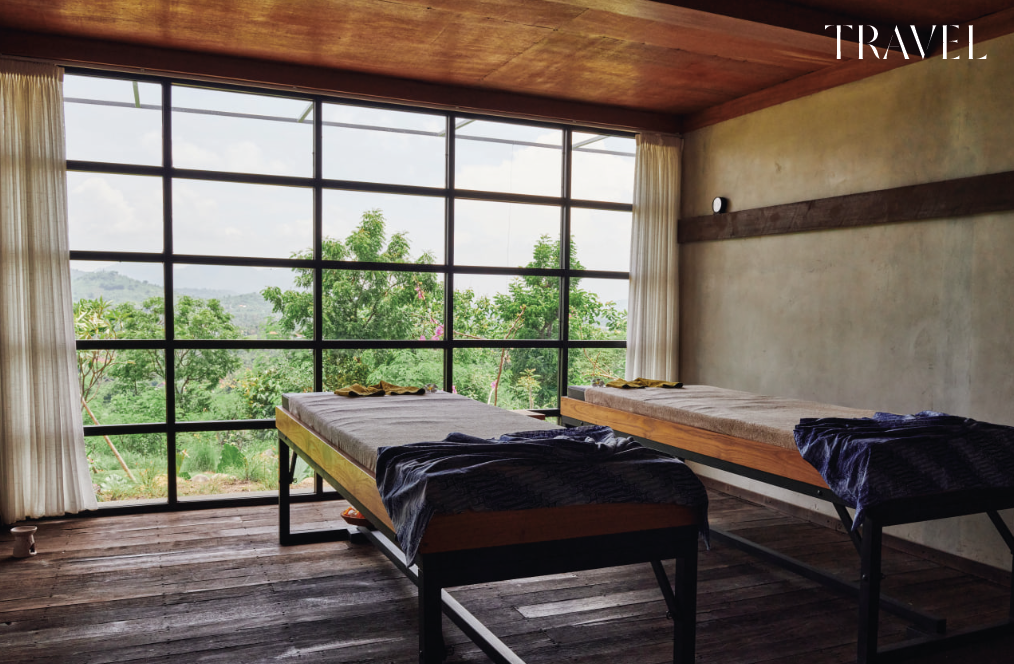
In between moments of pampering and self-reflection, I embraced the opportunity to explore the wonders of Sumberkima Hill and its surrounding environs. Whether snorkeling amidst vibrant coral reefs, trekking through lush tropical forests, or immersing myself in the rich cultural tapestry of Bali's North West, each day offered a new adventure and a chance to deepen my connection to the world around me.
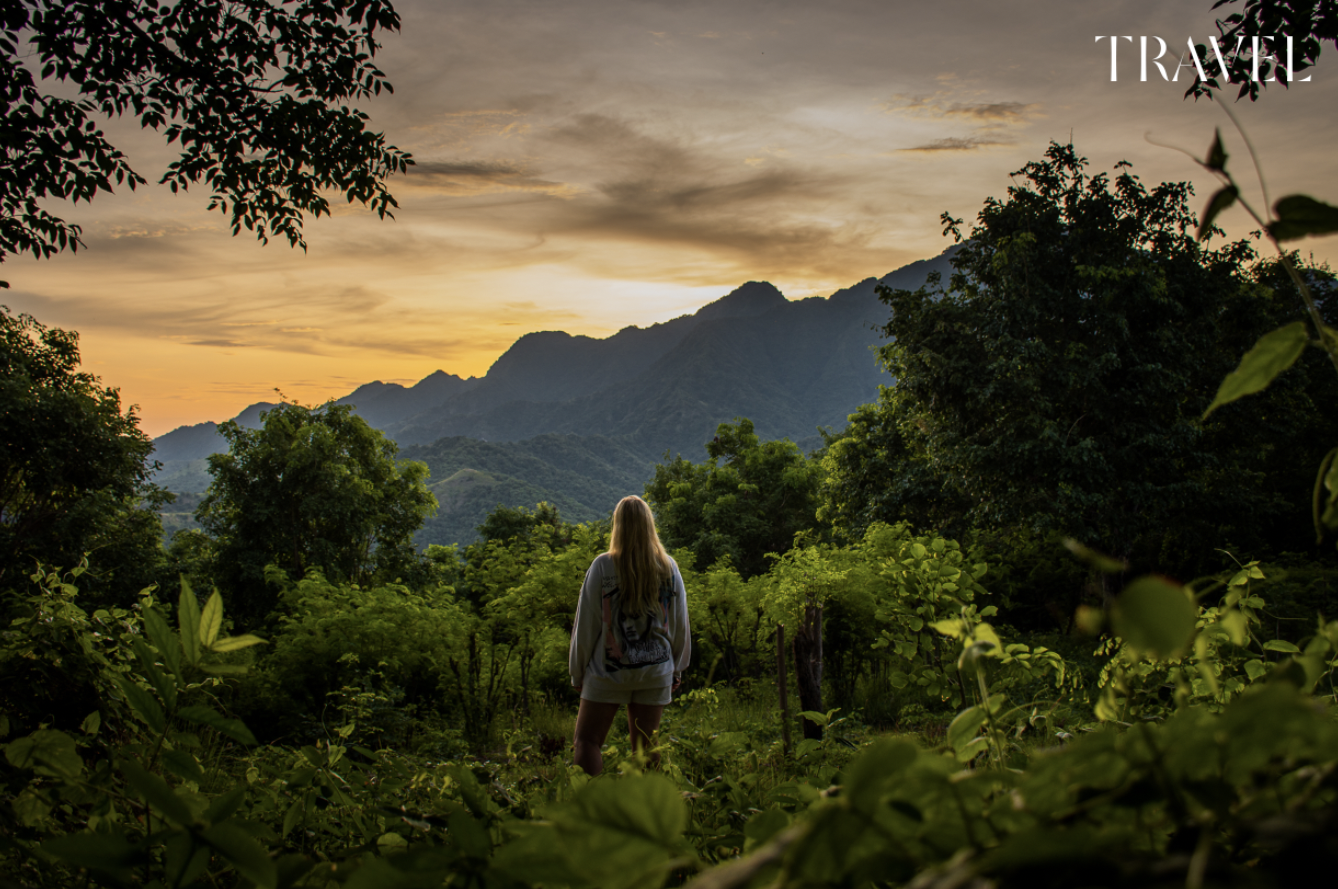
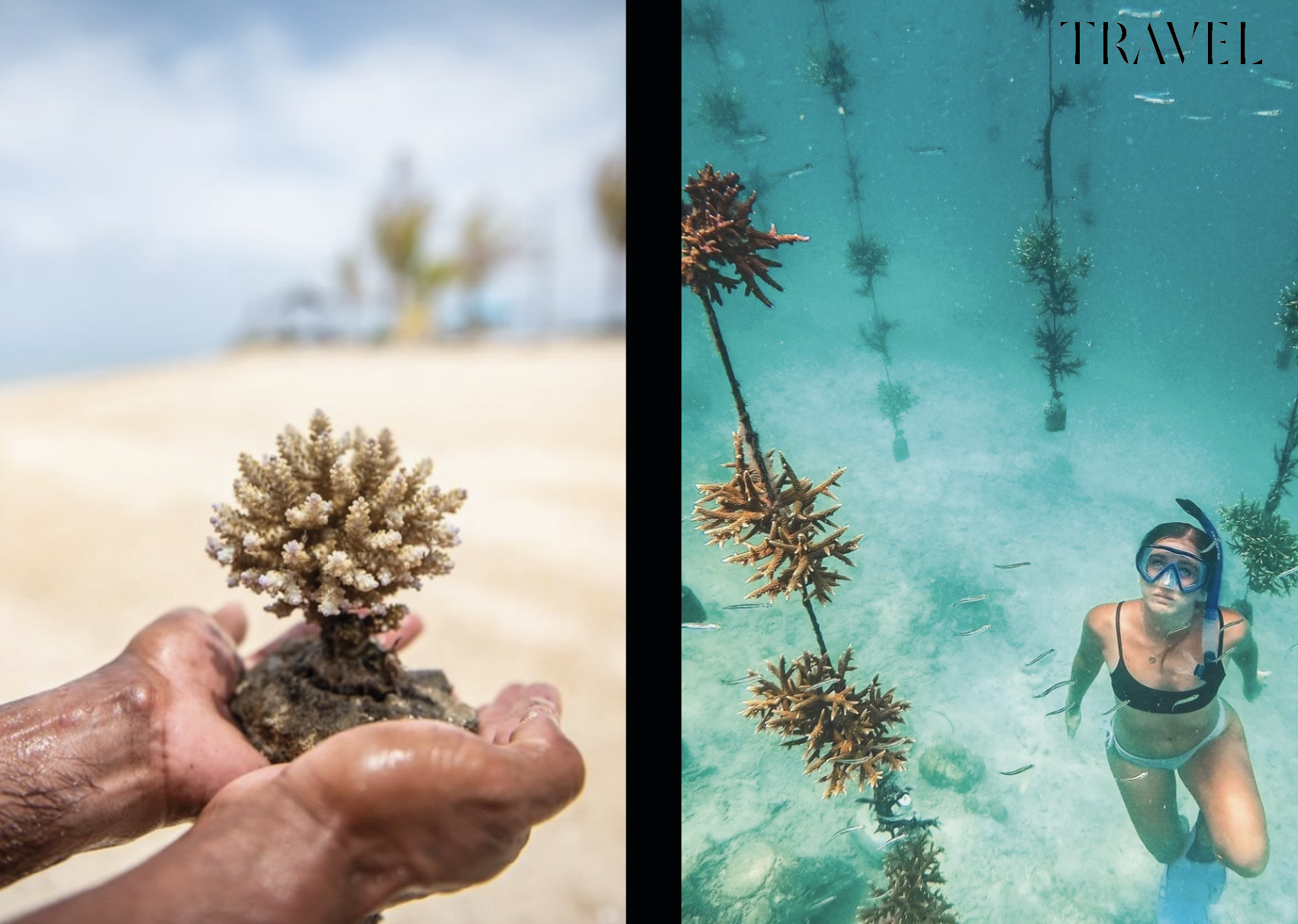

But what truly sets Sumberkima Hill apart is its remarkable origins, a story of vision, dedication, and a deep reverence for the land. Born from the collective dream of a group of like-minded individuals, this sanctuary of serenity has blossomed from humble beginnings into a thriving community, offering an array of luxurious accommodations, world-class amenities, and unforgettable experiences. From its modest inception with just a few villas, Sumberkima Hill has evolved into a haven of opulence and tranquility, inviting guests from far and wide to embark on a journey of self-discovery and renewal.


As my week-long retreat drew to a close, I found myself reluctant to bid farewell to the sanctuary that had become my home away from home. But as I departed Villa Bidadari, I carried with me a sense of deep gratitude for the transformative experiences and cherished memories that Sumberkima Hill had bestowed upon me. In a world where luxury often comes at the expense of authenticity, Sumberkima Hill stands as a shining beacon of true indulgence – a place where opulence and serenity intertwine to create an unforgettable retreat experience, inviting all who seek solace and renewal to embark on a journey of self-discovery amidst the serene splendor of Bali's North West.


Written by Oona Chanel
Photography Sumberkima Hill

Diving into Elegance on Gili Meno´s Luxurious Horizon
Diving into Elegance on Gili Meno’s Luxurious Horizon

Bask in Bliss: Exploring the Tranquil Beauty of Gili Meno´s Horizon

Dive into the serene beauty of Gili Meno's luxurious horizon with BASK, a sanctuary that epitomizes sophistication by seamlessly blending opulence with the pristine allure of Indonesia's foremost beach—a distinction revered by seasoned travelers. This refined retreat, curated for the discerning wanderer, extends an invitation to those in pursuit of an extraordinary sojourn, where time seems to stand still. Gili Meno, a haven free from vehicular intrusions and exclusively navigable by electric bikes for residents, offers a unique mode of exploration, be it traversing the island on horseback or succumbing to the enchantment of horse-drawn taxis serenely meandering through its captivating landscape.

Immerse yourself in an unhurried sojourn within Gili Meno's exclusive realm, where the island unveils itself as a tranquil oasis with a 5 km circumference elegantly navigated by visitors on bikes. It reveals an exclusive realm embraced by a vibrant community of 700 residents, beckoning not merely as a destination but as an everlasting odyssey—one that caters to those who seek solace in the island's unhurried charm or embark on a sublime diving retreat.

Gili Meno, the most modest among the three Gili Islands, stands as an untarnished paradise, preserving an authentic charm that distinguishes it from its more bustling neighbors. Stepping onto its shores is akin to entering a dreamworld, with the sole auditory tapestry comprising the lapping waves and the distant melody of local music from the singular island band named Brotherhood. Renowned for pristine beaches and crystalline turquoise waters, the island invites travelers to partake in a refreshing dip or snorkel amidst vibrant coral gardens. Time easily slips away as one delves into the underwater wonders—a kaleidoscope of marine life that renders Gili Meno a diver's utopia.

Adding to its allure, Gili Meno assumed the role of a sanctuary for the renowned Elizabeth Gilbert, marking the conclusion of her celebrated novel "Eat, Pray, Love." The very sands and serenity that inspired this literary masterpiece await those who seek a profound connection with creativity and tranquility on this idyllic island. BASK on Gili Meno transcends conventional paradigms, offering an unparalleled fusion of sophistication, natural beauty, and an immersive, unhurried journey that transcends the ordinary travel experience.

BASK stands as the quintessence of refined living—a masterclass in sophisticated accommodations. Within its meticulously designed enclave of 82 villas, discreetly woven into the natural tapestry of the landscape, an environment of unparalleled luxury and exclusivity unfolds. From the first step onto the meticulously crafted grounds, an ambiance saturated with tranquility envelops the discerning traveler, beckoning them towards an elevated escape. BASK is not merely a haven; it is a symphony of sophistication, a testament to the art of curated living.

For those with an affinity for the extraordinary, BASK offers a gateway to the sublime depths surrounding Gili Meno. Dive into the crystalline waters to unveil a marine ballet choreographed by majestic sea turtles—an intimate rendezvous with nature's unparalleled spectacle that makes BASK an unrivaled destination for aficionados of the deep blue.

Adding an exquisite layer to this narrative is BASK Nest—an underwater exhibition curated by the illustrious Jason deCaires Taylor. This fusion of artistic expression and unwavering commitment to environmental conservation stands as both an awe-inspiring marvel and a testament to BASK's dedication to preserving the marine ecosystem. It beckons the discerning traveler to transcend the conventional and partake in the delicate dance of the underwater world.

Furthermore, what sets BASK apart is the unparalleled accessibility of the underwater statues directly from the pristine shores. Experience the luxury of strolling into the crystal-clear waters from the beaches of BASK, engaging in a mesmerizing snorkeling experience amidst submerged masterpieces. This exclusive feature seamlessly integrates art, environmental consciousness, and experiential luxury into the fabric of BASK, inviting travelers to explore the depths with unparalleled ease.

Within the enclave of the BASK Beach Club, an undeniable aura of sophistication commands attention against the illustrious backdrop of Gili Meno's renowned beach. Immerse yourself in an atmosphere where private cabanas, artisanal cocktails, and an international culinary repertoire converge to create an indulgent and refined ambiance. As the sun gracefully descends, the beach club metamorphoses into a realm of romantic allure, offering the perfect canvas for discerning travelers to craft memories that resonate with timeless elegance—an epitome of refined leisure.

Embark on your journey at BASK under the seasoned guidance of Resort Manager Manu, an island savant with a refined taste. Manu's thoughtful anticipation of your needs orchestrates a seamless experience, subtly enhancing your stay. As the manager of the resort, his long-time residency on the island provides extensive knowledge that extends beyond the property, making him a valuable guide to both Gili Meno and its offerings.


While Manu curates a meticulous wine cellar within BASK, the culinary realm is under the expert guidance of Chef Oliver Clark. With a discerning palate, Manu's wine selection boasts over 150 labels, representing major wine styles and grape varieties from around the world.

Whether you prefer a crisp white or a robust red, Manu's selection, offering 16 wines by the glass, ensures a perfect pairing for every dish. The comprehensive range of prices makes BASK's wine cellar the broadest selection available on the Gili Islands.

Chef Oliver Clark, a virtuoso in the culinary arts, seamlessly weaves island flavors with finesse, transforming fresh and seasonal ingredients into harmonious notes in a melody that resonates with unparalleled sophistication. Dining at BASK transcends the ordinary, offering an immersive gastronomic experience where every dish is a meticulously crafted chapter in the anthology of luxury. Each bite becomes a journey through the artistry of flavors, a testament to the culinary mastery that defines the sophisticated essence of BASK.

BASK on Gili Meno redefines the concept of destination, evolving into an opulent odyssey tailored for the discerning luxury traveler. It emerges as a realm where unparalleled sophistication, natural splendor, and adventurous escapades seamlessly converge. Whether one immerses in a romantic honeymoon retreat or embarks on an exhilarating diving expedition, BASK intricately intertwines elegance with exclusivity. It serves as not just a location but as a canvas for crafting the most exquisite chapters of your travel narrative—an experience designed to transcend the ordinary and immerse you in the extraordinary.
By Oona Chanel
Photograph by Lukas Vrtilek