

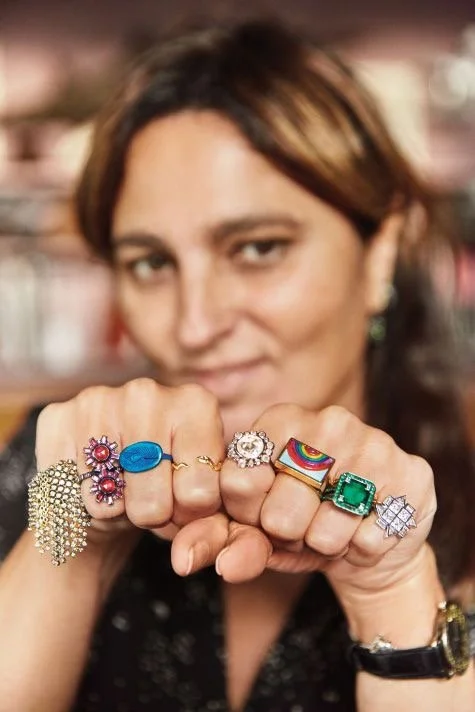
Solange Azagury-Partridge: The Jeweller Who Made the Cocktail Ring Intellectual
She is the designer who created Theo Fennell’s reputation, built her own label from a Camden Market stall, and is now the most interesting mind in British fine jewellery. Her work quotes Magritte, Dalí, and Tantric philosophy in the same collection without apology.
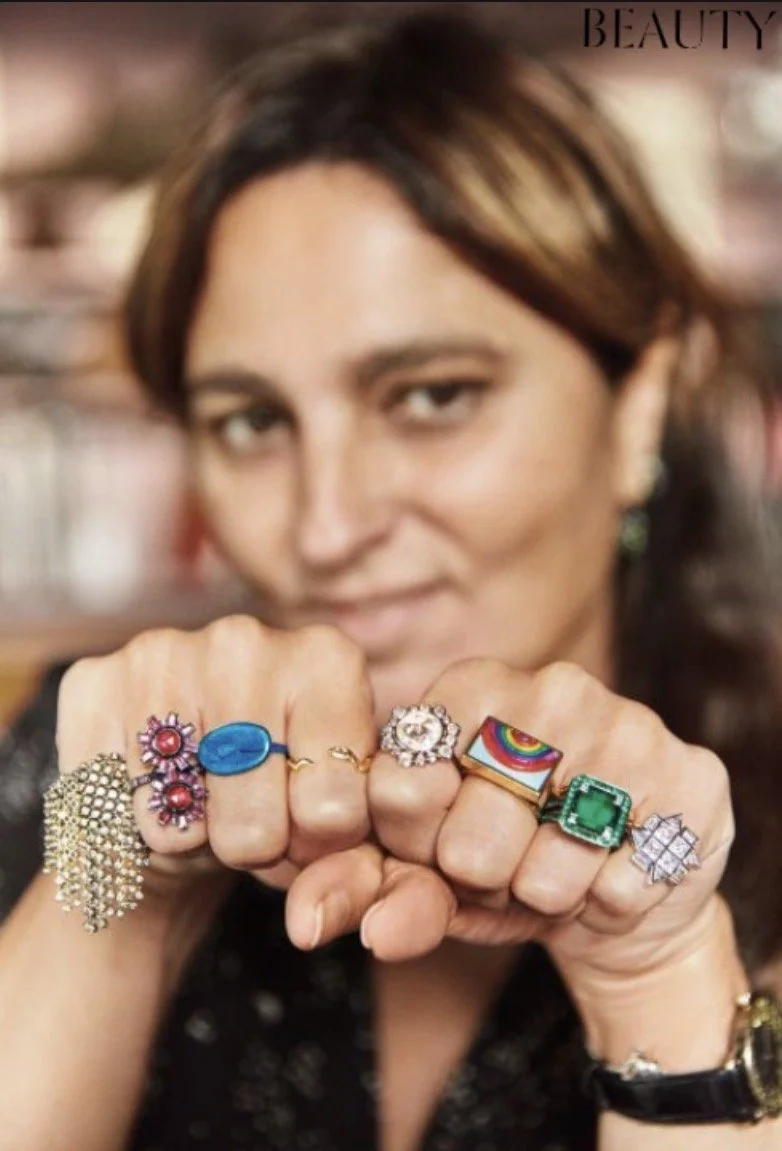
“A ring that contains a Magritte reference is asking its wearer to carry that reference on their hand — a significantly different proposition from asking them to carry an expensive stone in a conventional setting. The proposition has a specific audience. She has been making it for thirty-five years, and the audience keeps growing.”
Solange Azagury-Partridge designed her own engagement ring when she was twenty-four because nothing she could find in any jewellery shop was doing what she wanted a ring to do. The ring was a ruby set in eighteen-carat gold in a specific configuration that she had drawn on a piece of paper and taken to a jeweller who told her it was impossible. She found a different jeweller. The ring was made. The episode is biographical and it is also a distillation of her practice: the insistence that a piece of jewellery should say something specific, that the something specific is worth the effort of making it say, and that the impossibility objection is a technical limitation rather than a creative one.
She studied fashion at the London College of Fashion and spent several years styling before beginning to design jewellery in the late 1980s. The early pieces, sold from a stall in Camden Market before a boutique in Westbourne Grove, established a visual vocabulary that has not significantly changed in thirty-five years: the bold colour, the surrealist reference, the use of precious materials in configurations the conventional fine jewellery market had not considered and that the wearer who bought them needed a specific kind of confidence to inhabit.
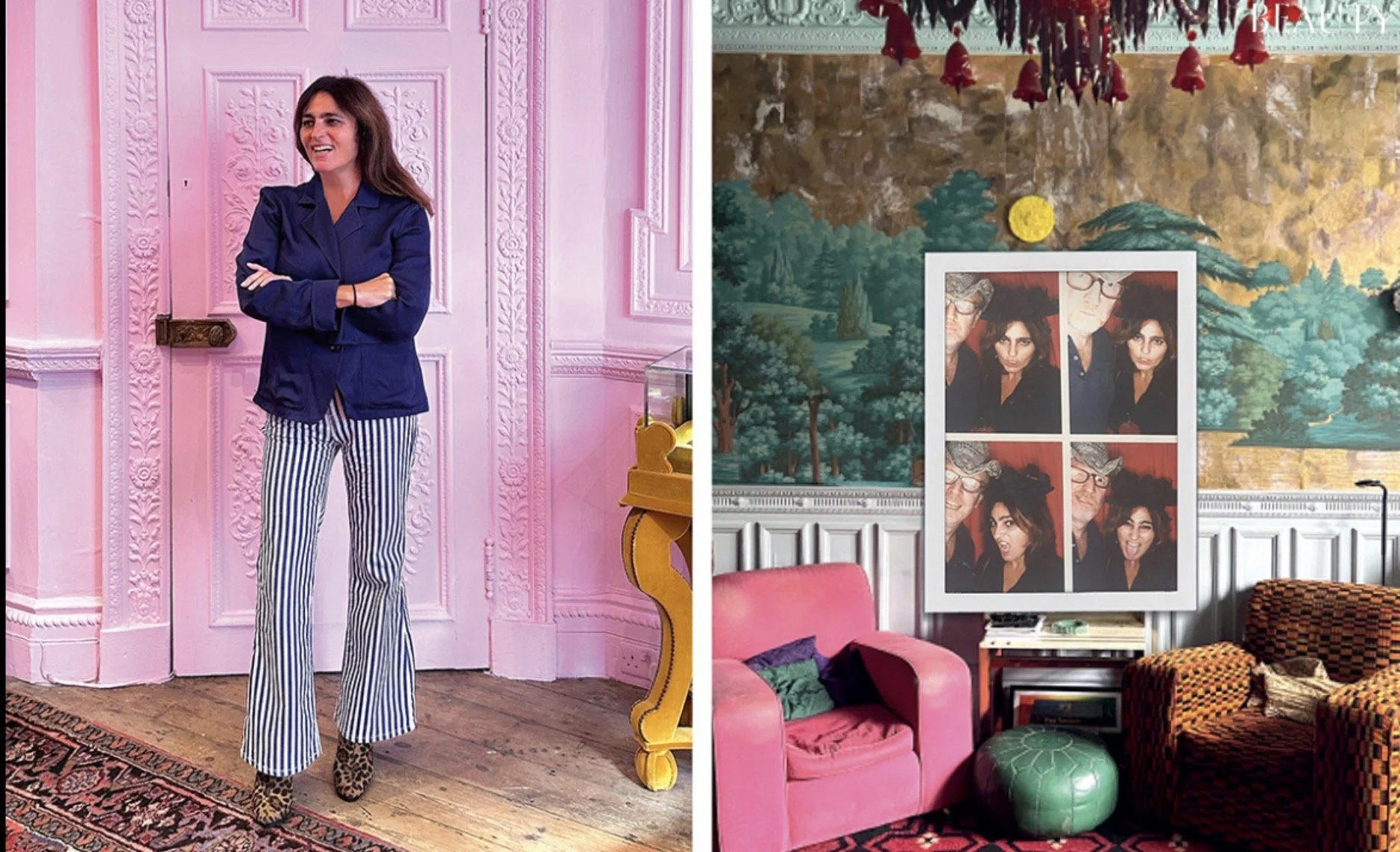
The Theo Fennell period — she designed for the London jeweller’s house in the 1990s, developing the aesthetic that the house’s reputation was subsequently built on — produced work that was commercial in scale and formally consistent with her own practice, which is the rarest quality available in a designer working for a client house. The establishment of her own label at 171 Westbourne Grove has produced, since 1995, a body of work that is among the most formally original in British jewellery.
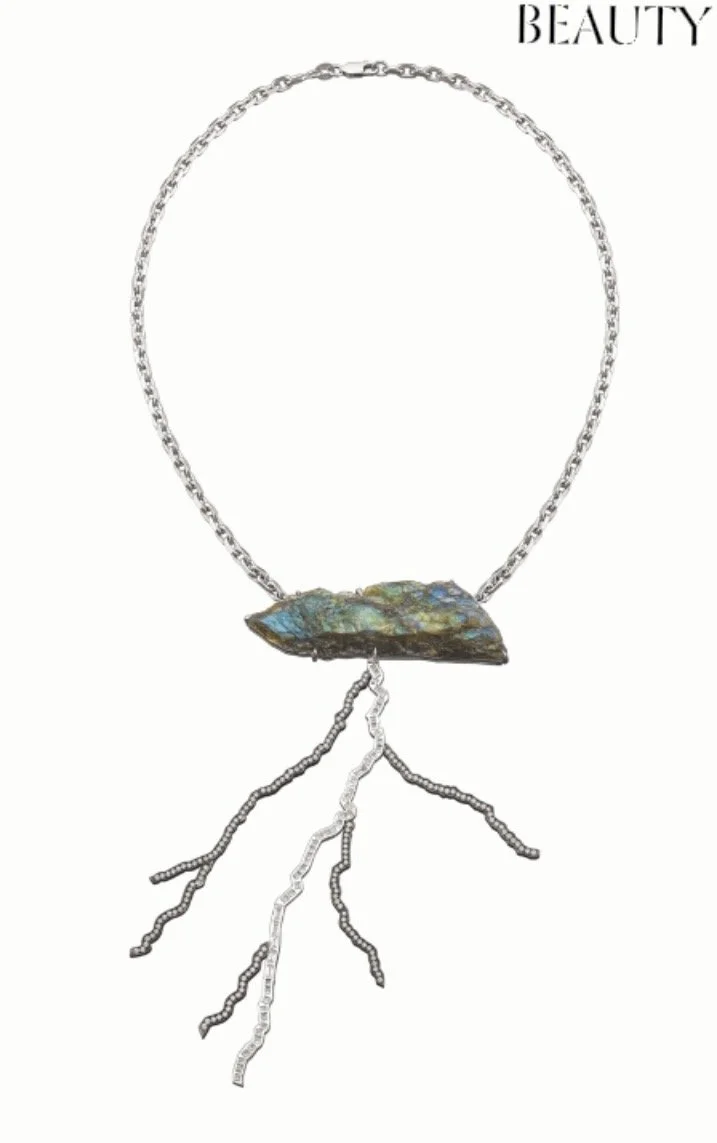
The surrealist and symbolic references in her work are not decoration applied to jewellery. They are the reason for the jewellery. A ring that contains a Magritte reference — the bowler hat, the green apple, the specific visual language of his most reproduced period — is asking its wearer to carry that reference on their hand, which is a significantly different proposition from asking them to carry an expensive stone in a conventional setting. The proposition has a specific audience: the person who reads the reference, understands it, and wants to be associated with it in the specific intimate way that jewellery produces.

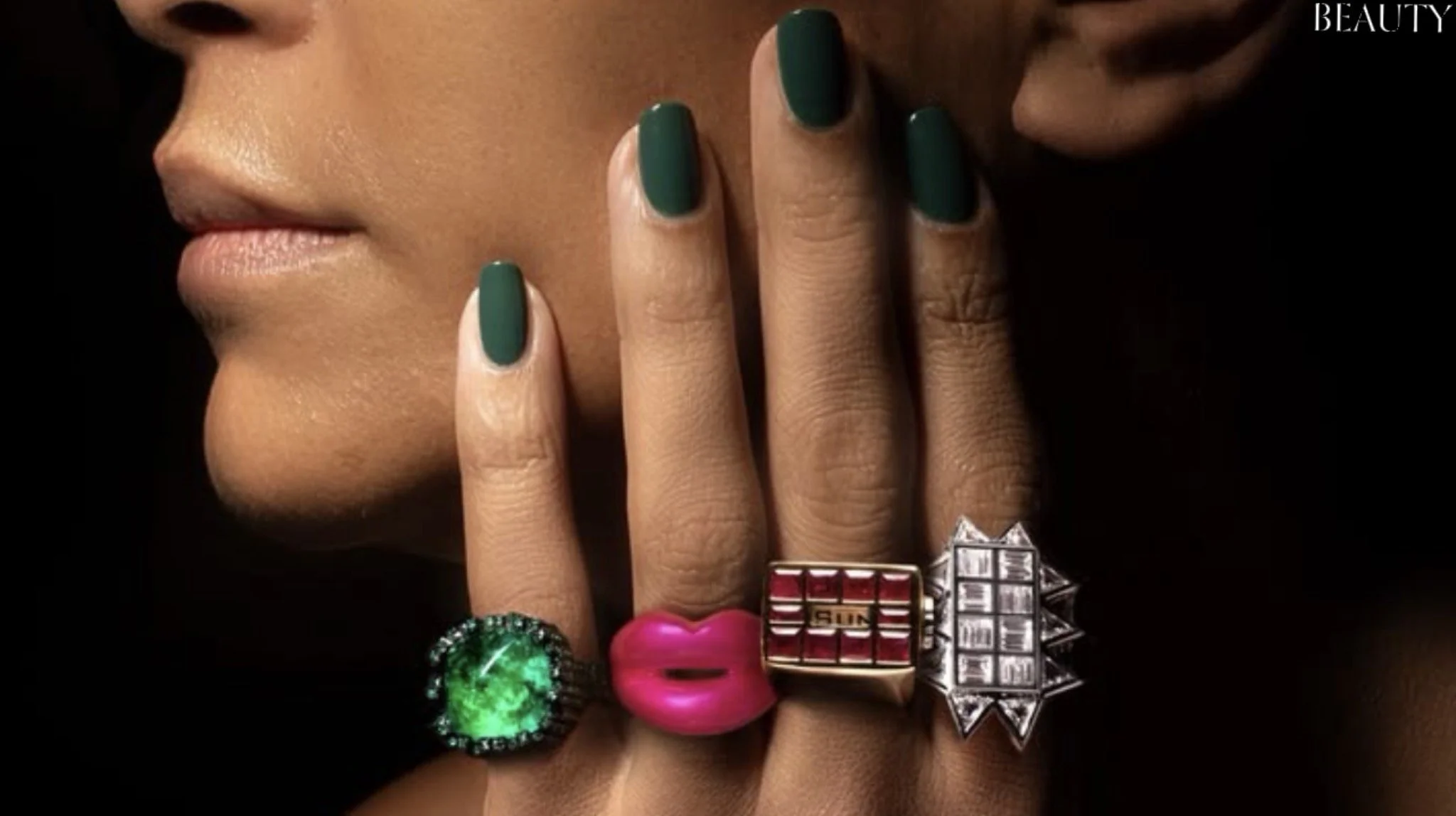
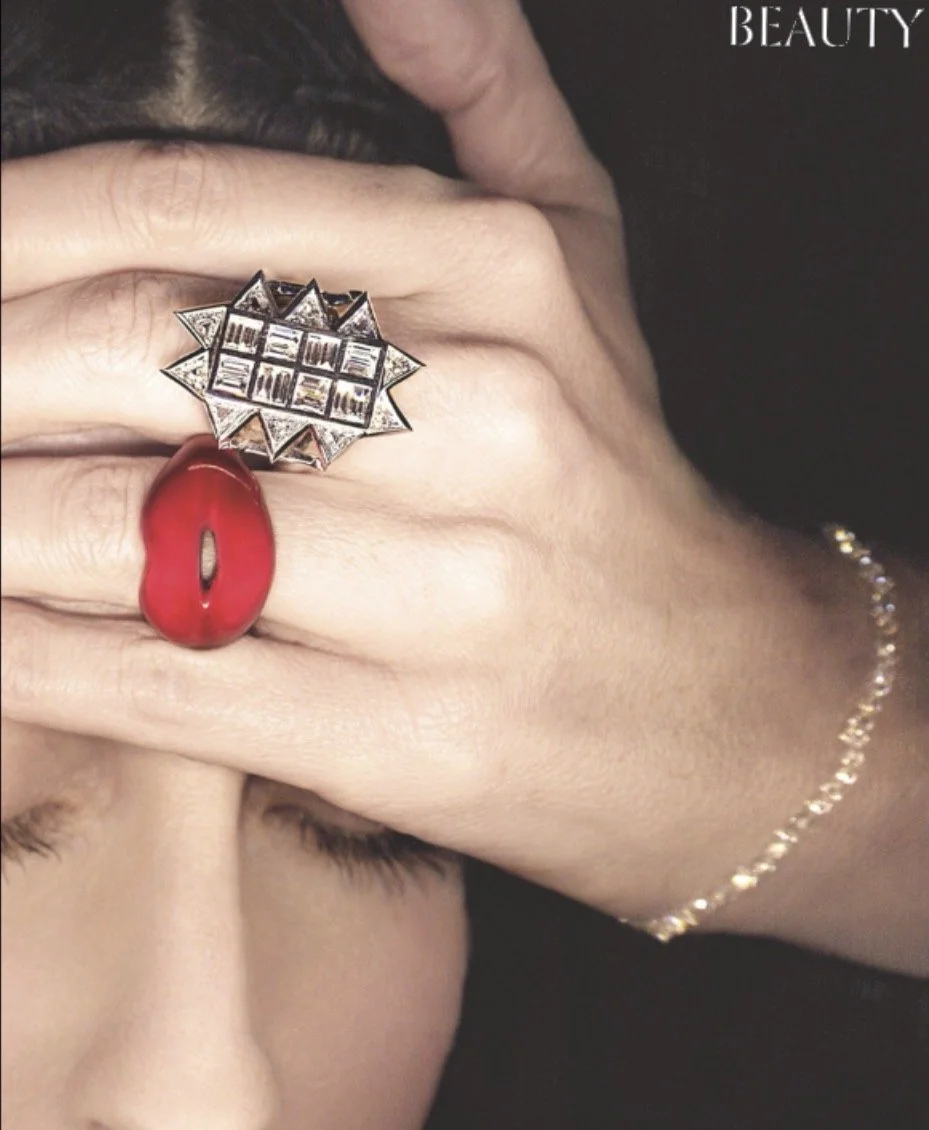
The Hotlips ring series — now in its several iterations over three decades, featuring lips in gold and precious stones from rubies to diamonds to garnets — is her most commercially recognised work and is in the permanent collections of the Victoria and Albert Museum. The series is the work that most directly demonstrates her understanding of jewellery as wearable object rather than as a decorative appendage.
She is available for interview and editorial engagement. The Westbourne Grove boutique — still at the same address, now with a waiting list — is the primary market context. The secondary market is at Christie’s and Sotheby’s, where her pieces appear in the Important Jewellery category rather than the vintage or decorative arts categories.
The practical recommendation: go to the boutique. The pieces on display are not the pieces in the advertisements. The advertisements show the most accessible work.
The boutique shows everything — including the pieces she has made from Tanzanite and tsavorite in combinations that produce colours not available in any natural gemstone used conventionally.
BY OONA CHANEL

Suzanne Belperron: The Jeweller Who Refused to Sign Her Work and Was Forgotten for Forty Years
She designed for Chanel, Schiaparelli, and the Duke and Duchess of Windsor. She said her style was her signature and refused to mark her pieces. When the estate was discovered after her death, it redefined the market for twentieth-century jewellery.
“The jewels in major collections that were Belperron were listed for forty years as ‘French, mid-century, unsigned.’ A piece that sold for under twenty thousand dollars in the 1990s sold for four hundred thousand in 2018, after attribution. The difference between those two prices is what forty years of anonymity and ten years of scholarship looks like.”
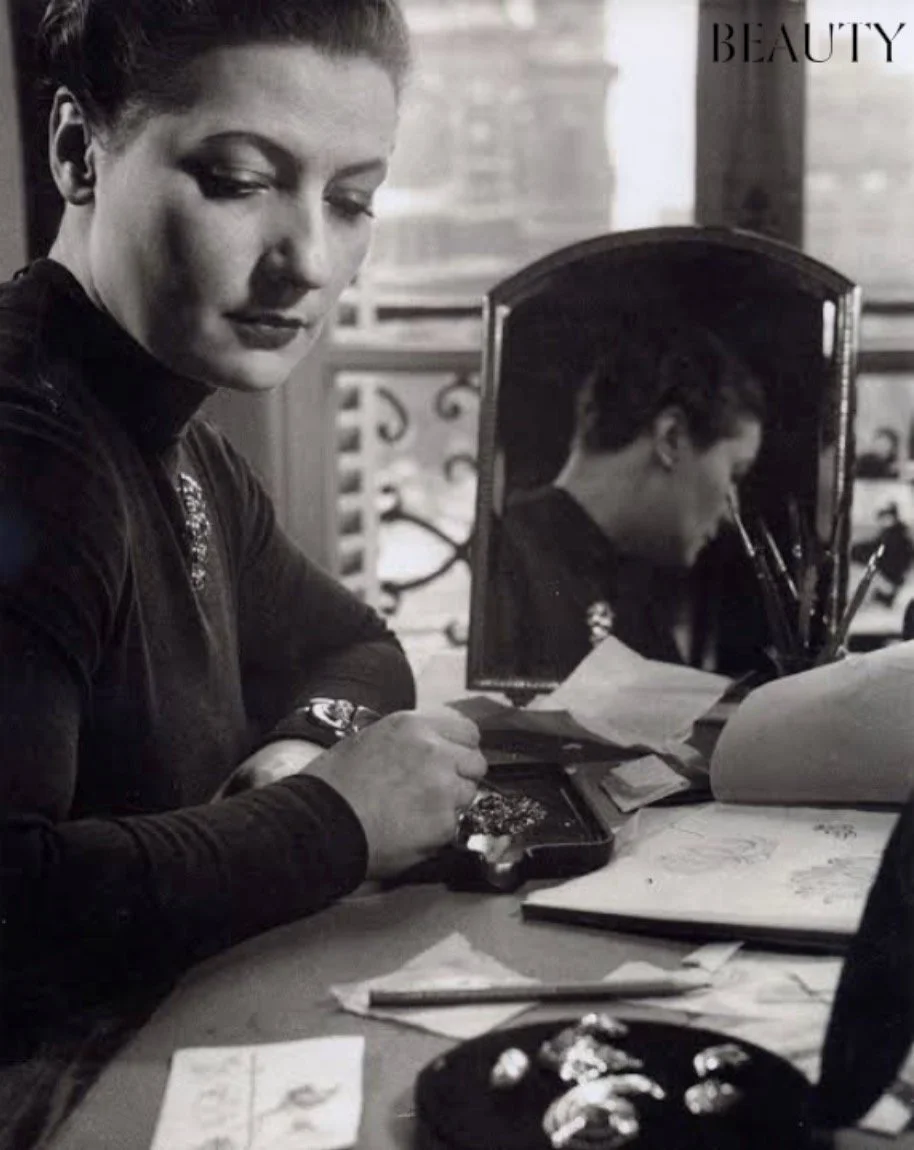
Suzanne Belperron died in 1983 having spent fifty years producing some of the most formally original jewellery of the twentieth century without signing a single piece. This was a deliberate philosophical position: ‘My style is my signature,’ she said, and the statement was both accurate and, for the four decades following her death during which her work was largely unattributed, a significant commercial liability. The jewels in major collections that were Belperron were listed in inventories as ‘French, mid-century’ or ‘unsigned, attributed to various.’ The recovery of her identity as their maker — beginning in the early 2000s as jewellery scholarship caught up with the attribution — produced one of the most significant market corrections in the history of fine jewellery.
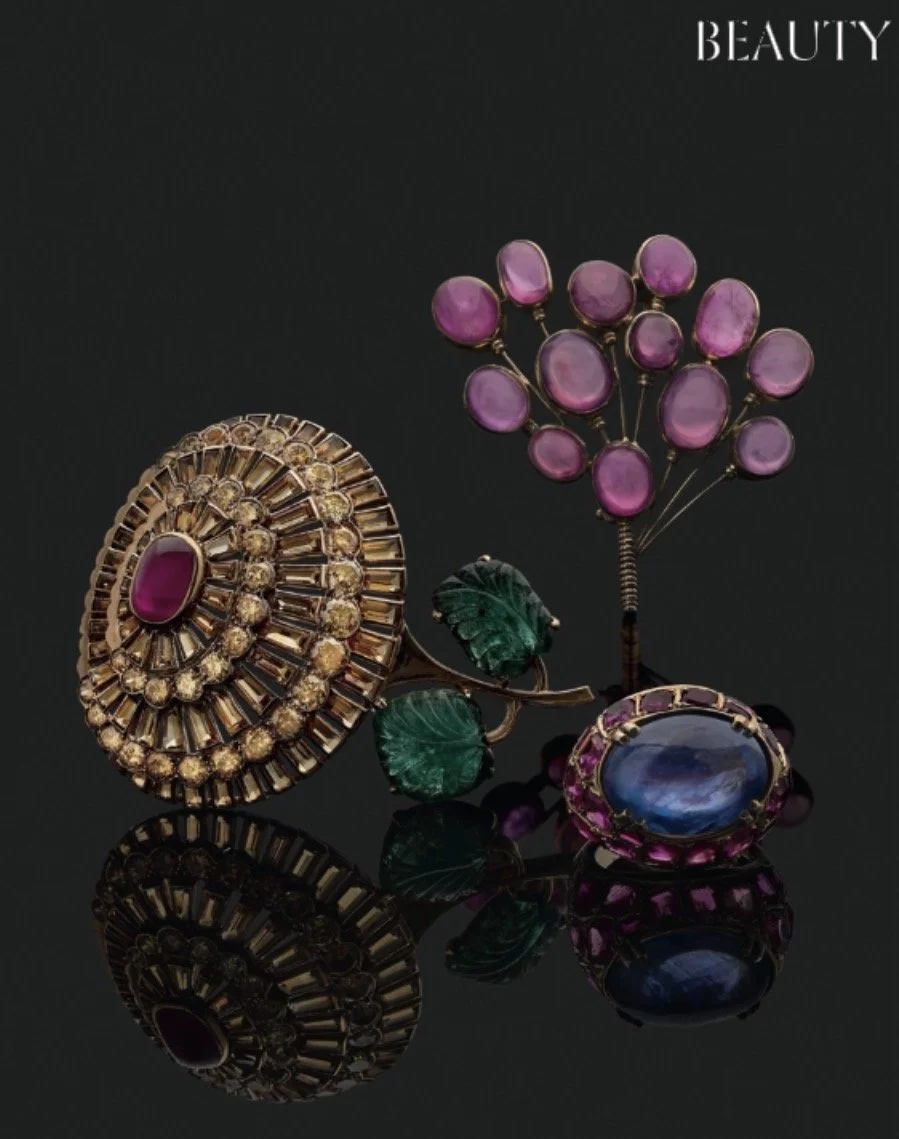
She was born in Saint-Claude in the Jura in 1900 — the watchmaking and jewellery-making district of France. She trained at the Ecole des Beaux-Arts in Besançon, moved to Paris in 1919, and joined the jewellery house Maison René Boivin, where she worked as a designer for fifteen years before establishing her own practice in partnership with Bernard Herz in 1932. The Boivin years produced the formal vocabulary that would define her career: the voluminous three-dimensional forms, the unusual material combinations, the use of chalcedony, quartz, and semi-precious stones in settings of unexpected technical sophistication.
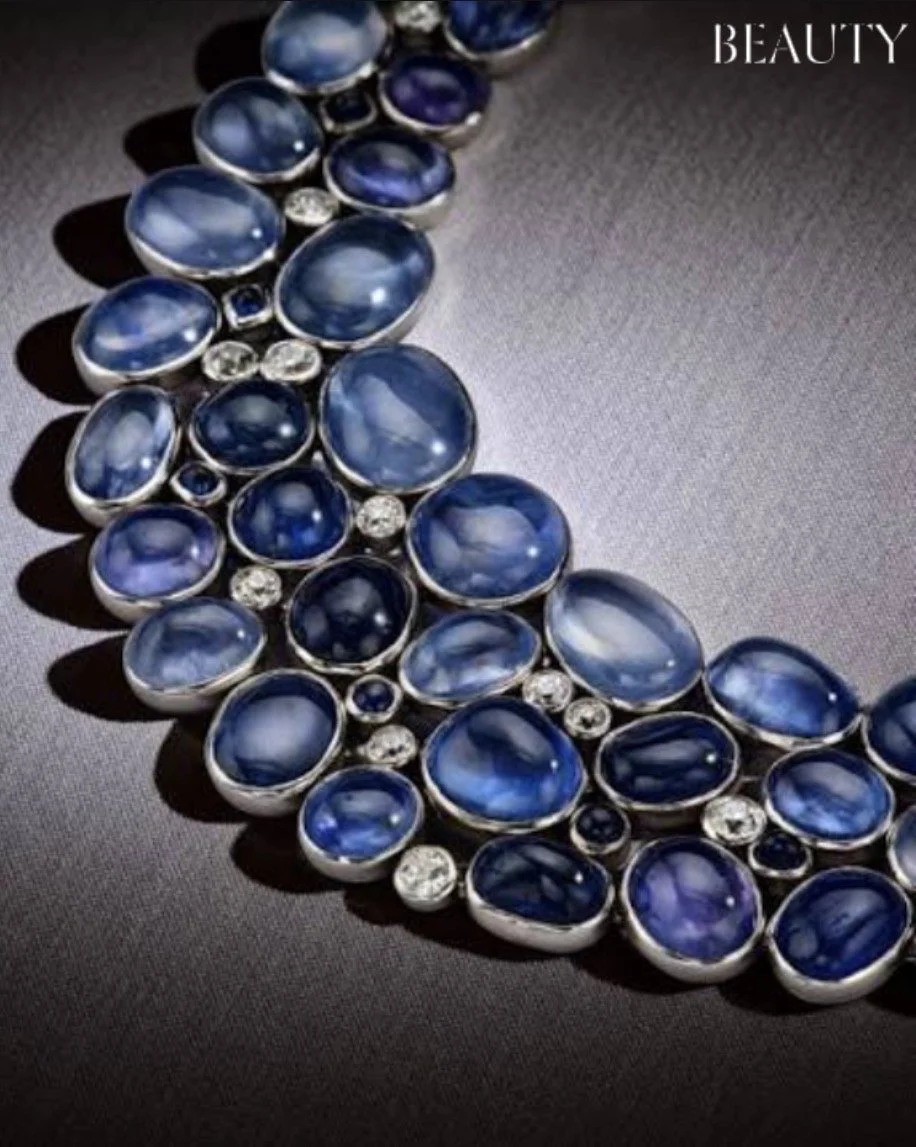
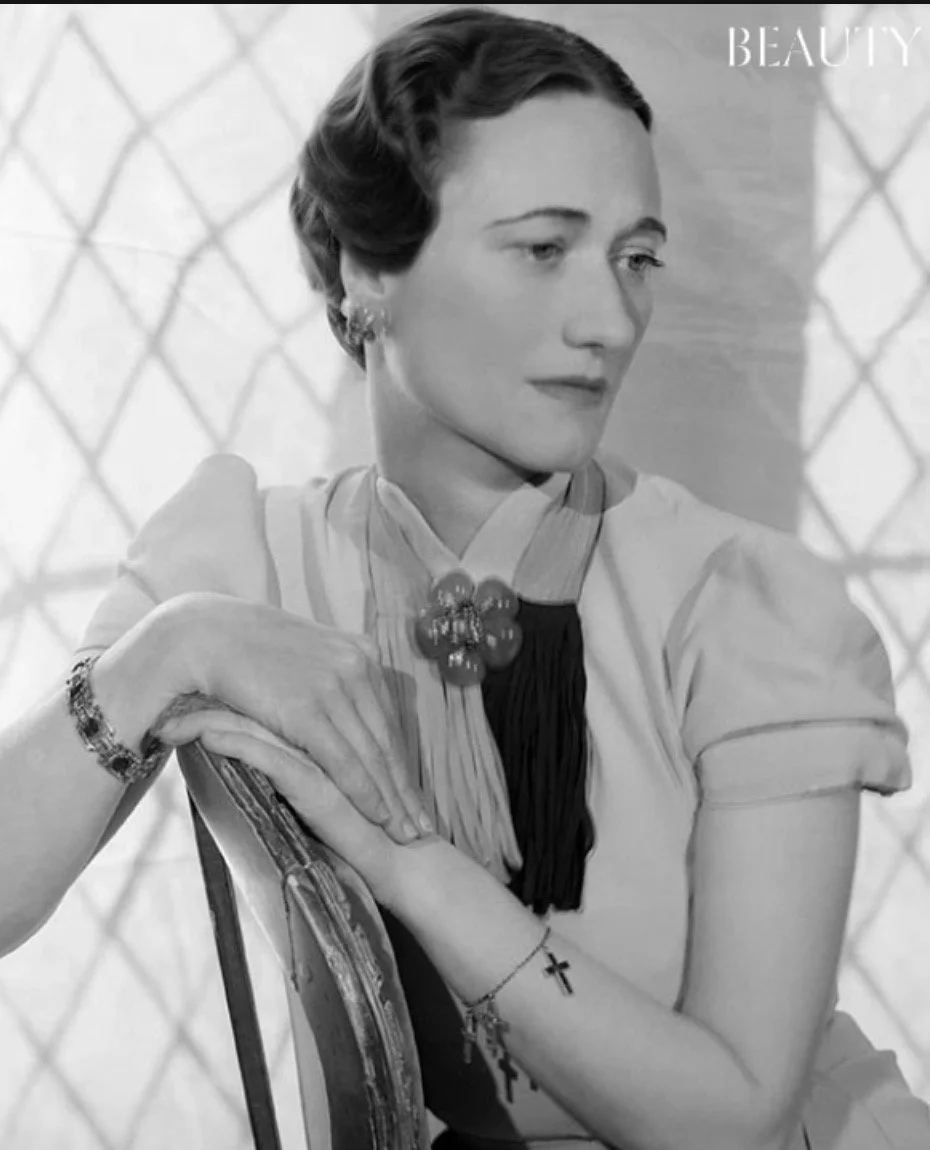
The clients who found her during the 1930s and 1940s were the clients looking for something the conventional houses were not making. Coco Chanel, who had a precise and largely correct eye for what would last. Elsa Schiaparelli, whose own relationship to unusual materials made her attuned to someone working in the same register. The Duke and Duchess of Windsor, whose jewellery collection remains the most documented record available of the taste of people who had the means to acquire anything and the intelligence to choose specifically.
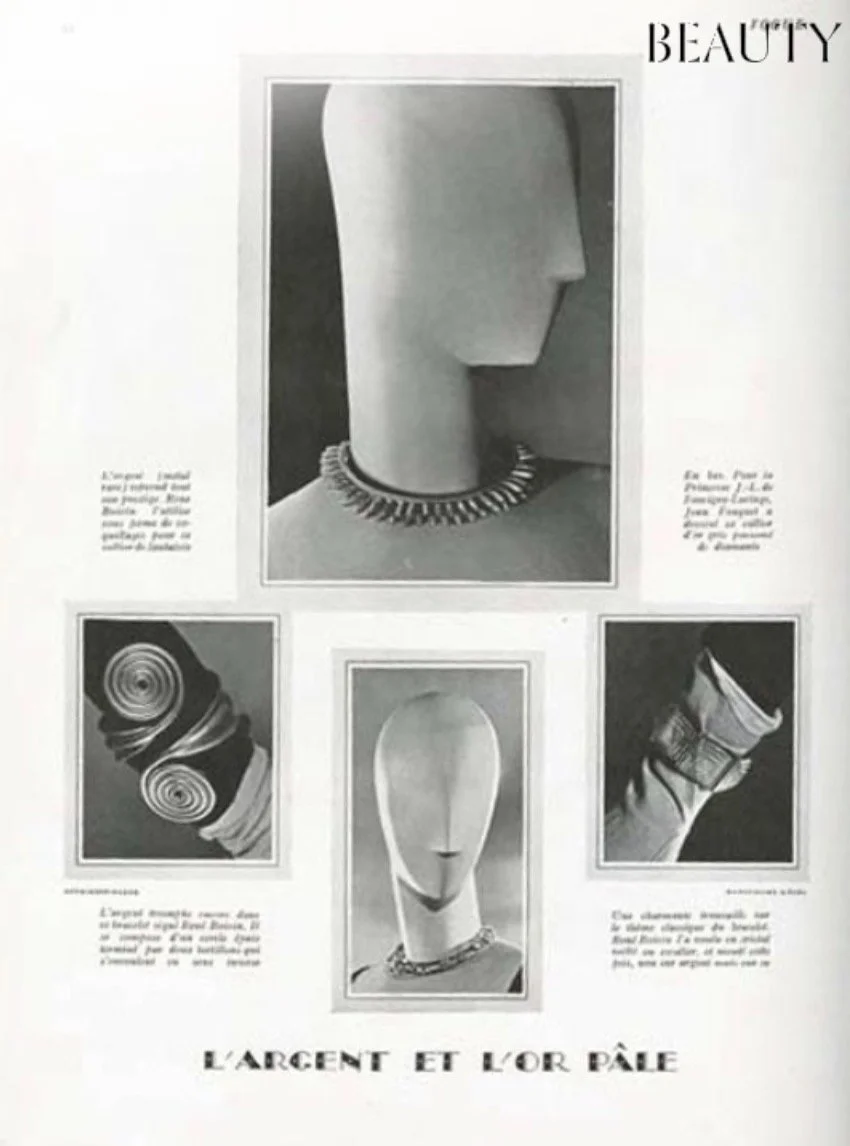
The formal intelligence: she worked primarily with forms derived from nature — shells, coral, rocks, organic shapes — but processed through an abstraction that removed the botanical or geological specificity while retaining the organic structural logic. A Belperron bracelet does not look like a shell, but it has the specific kind of three-dimensional curvature that only a shell or similar organic form produces. The relationship between the piece and the body that wears it is specifically considered: her pieces fit the wrist or the neck or the finger in ways that straight geometric jewellery cannot.

The materials she used most distinctively: chalcedony, the waxy translucent quartz she used in carved settings that allowed light to move through the stone in ways transparent faceted gems do not; rock crystal, similarly carved and lit; and unusual combinations of precious metals with semi-precious materials that gave her work a visual weight that the more expensive all-precious combinations of her contemporaries at Cartier and Van Cleef & Arpels could not always achieve.
The auction market correction began at Christie’s Geneva in 2004 and has continued steadily since. A Belperron chalcedony and gold cuff that sold for under twenty thousand dollars in the 1990s — when listed as unsigned — sold for four hundred thousand dollars at Sotheby’s New York in 2018, after attribution. The attribution process, developed by Ward Landrigan, who acquired the archive of original designs and documentation from the Belperron estate, is the most rigorous application of jewellery scholarship to market correction available as a case study.
For the collector: the attribution is now established and the market is responding.
The entry points for Belperron remain below the levels that her formal significance justifies relative to her contemporaries at the major houses.
BY OONA CHANEL
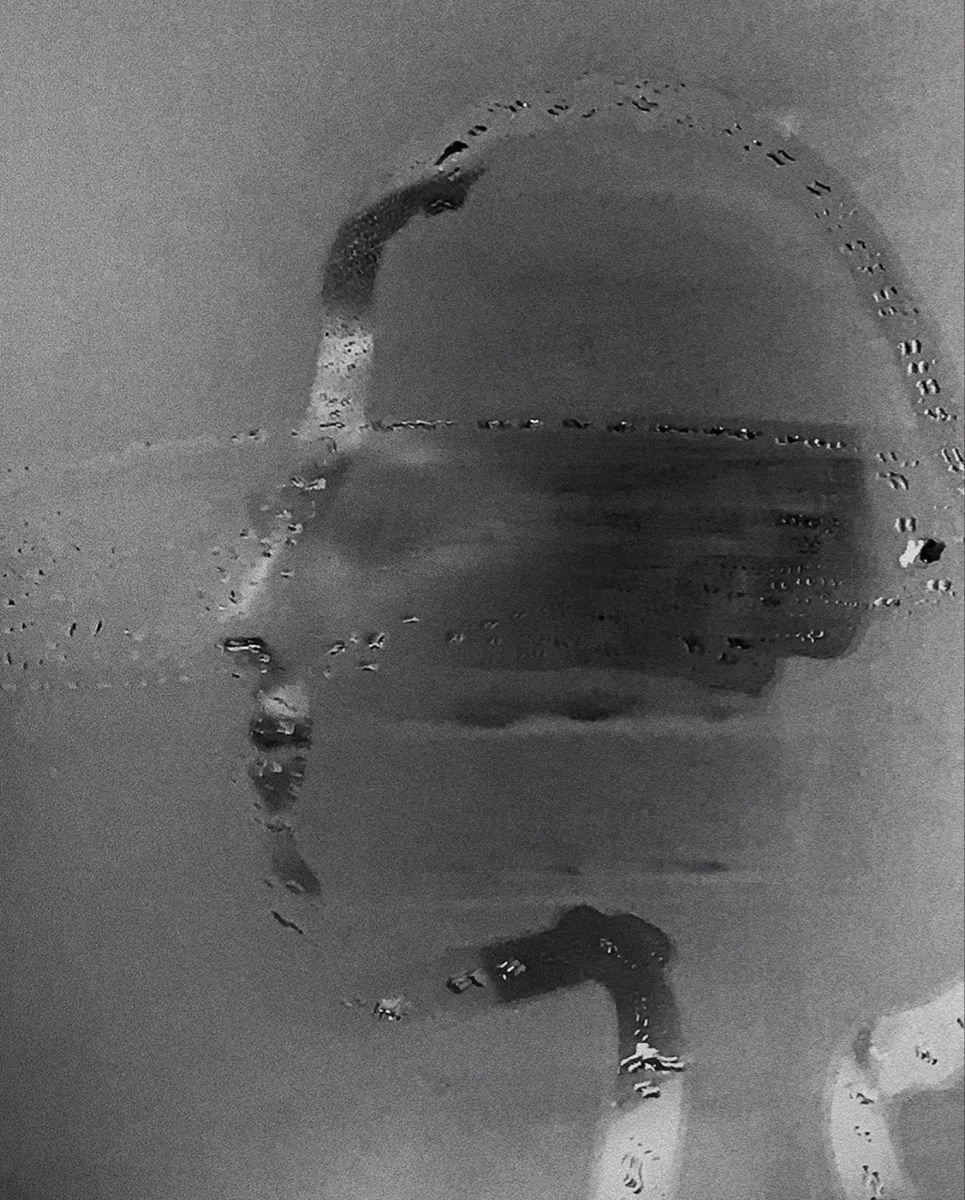
Retinoids in Summer: The Myth About Sun and the Evidence That Changes the Conversation
The received wisdom says stop your retinol in summer. The dermatological evidence says the concern is manageable and the cost of stopping is real. Author on the clinical literature — and what the smartest practitioners are actually recommending.
“A 2023 clinical review found no statistically significant increase in UV-induced damage in retinoid users who consistently applied SPF 30+ compared to non-retinoid users with equivalent SPF habits. The recommendation to discontinue retinoids during summer is not supported by the evidence base.”
The conversation about retinoids in summer has been shaped, more than any clinical finding, by a single concern: photosensitivity. Retinoids — the vitamin A derivative family including retinol, retinaldehyde, adapalene, and tretinoin — accelerate cellular turnover, which leaves the newly produced surface skin cells slightly more vulnerable to UV damage in the hours following application. This is real. The question of whether it is significant enough to justify discontinuing one of the most evidence-supported interventions in dermatology for three to four months every year is where the clinical literature and the wellness-industry consensus diverge.
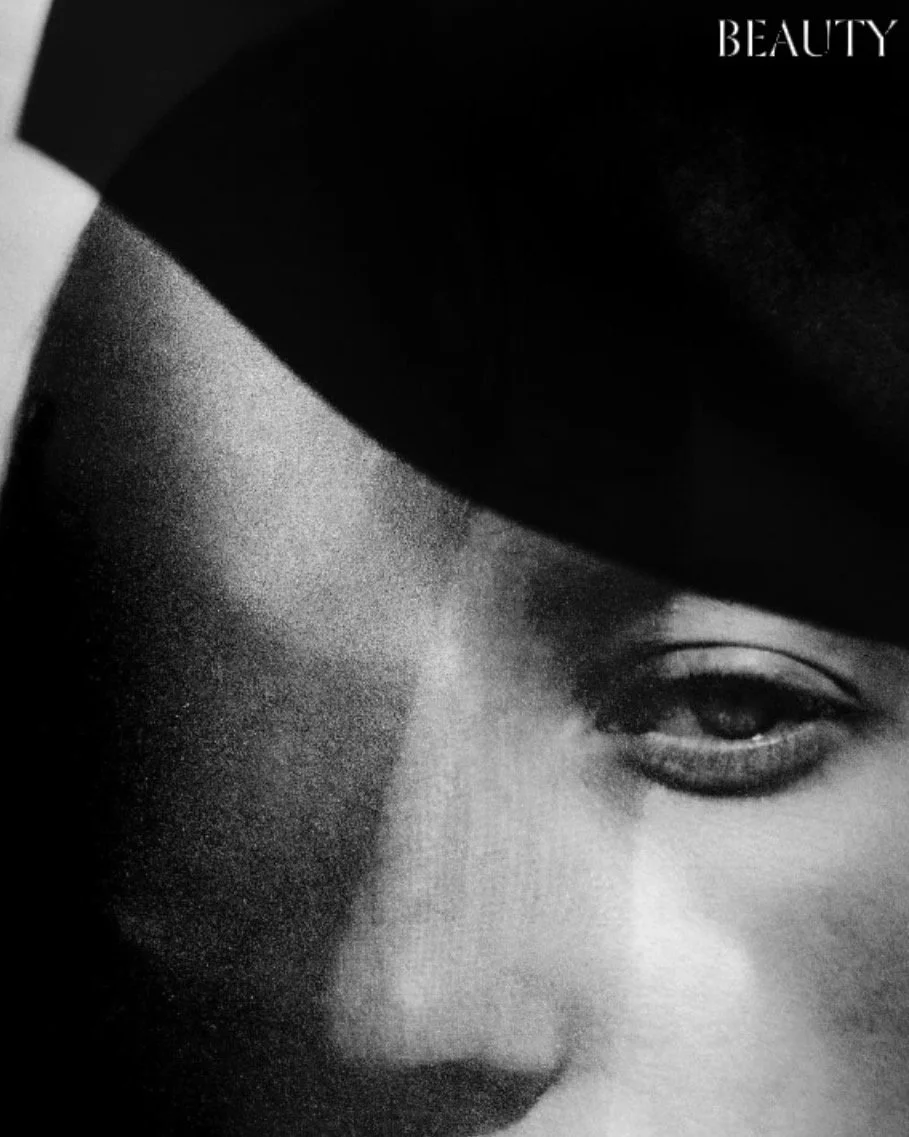
The photosensitivity concern applies specifically to daytime application. Retinoids are degraded by UV light anyway, which is why the clinical recommendation has always been evening application — applying them in the morning produces both reduced efficacy and increased photosensitivity simultaneously. If you are applying your retinoid at night and using broad-spectrum SPF 30+ the following morning, the photosensitivity risk in real-world conditions is, according to the most current clinical dermatology consensus, minimal for most skin types.
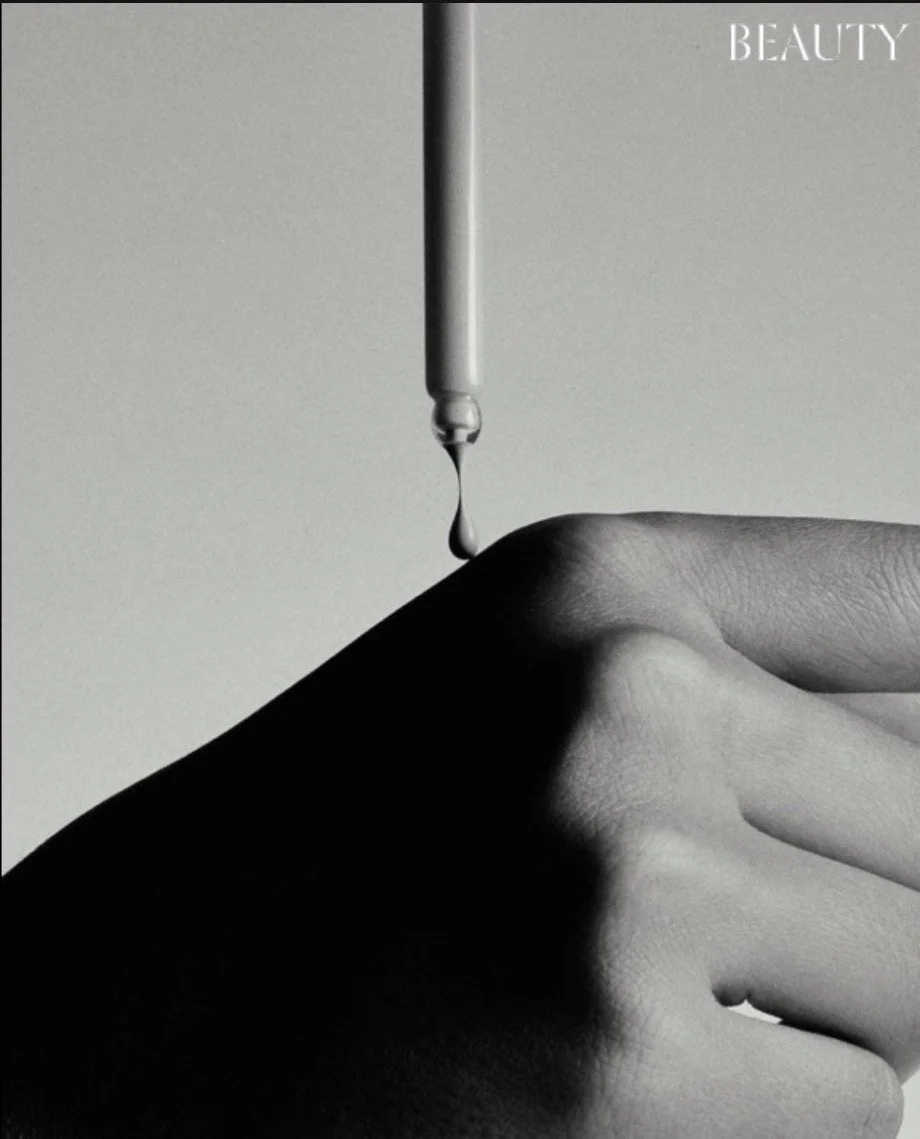
A 2023 clinical review in the Journal of the American Academy of Dermatology examined retinoid use across seasonal conditions and found no statistically significant increase in UV-induced damage in retinoid users who consistently applied SPF 30+ compared to non-retinoid users with equivalent SPF habits. The review concluded that the recommendation to discontinue retinoids during summer was not supported by the evidence base and represented a conservative clinical default that had been transmitted as received wisdom rather than updated against the literature.
The cost of discontinuing retinoids for three to four summer months is not zero. The specific cellular mechanisms through which retinoids produce their long-term benefits — increased collagen synthesis via fibroblast stimulation, regulated cellular turnover that prevents the accumulation of damaged cells, enhanced epidermal differentiation — require consistent engagement over months and years. A four-month gap produces a measurable reduction in the established benefits, which then requires a re-establishment period of several weeks when the retinoid is reintroduced, because the skin adapts its response curve.
The practical protocol that the most clinically current dermatologists are recommending for summer retinoid use: maintain your established retinoid at your established frequency, ensure the retinoid is applied at least twenty minutes before sleep (not immediately before, as fresh application on pre-sleep skin can occasionally cause minor irritation), and upgrade your morning SPF to SPF 50+ with a physical blocker (zinc oxide or titanium dioxide) during peak UV months. If you are in high-UV conditions for extended periods — beach holidays, high-altitude environments — a temporary frequency reduction (from three times per week to twice weekly) is reasonable. A full stop is not.
The summer-specific concern that does require genuine attention is formulation stability. Many retinol and retinaldehyde products are less stable at higher temperatures. Heat degrades the active compound — a product stored in a bathroom cabinet in a warm climate may be delivering significantly less active ingredient by August than it was in January. Store your retinoid in a cool, dark location (a bedroom drawer, not a bathroom shelf), and consider replacing your product mid-summer if you are in a consistently warm environment.
For the person managing a nuanced skin concern — active acne, post-inflammatory hyperpigmentation, established photoaging — the summer months are not the time to pause a working protocol. UV exposure in summer is precisely when the photoprotective effects of retinoid-modified skin are most valuable. The evidence supports continuing. The key is the SPF, which should have been there regardless.
BY OONA CHANEL
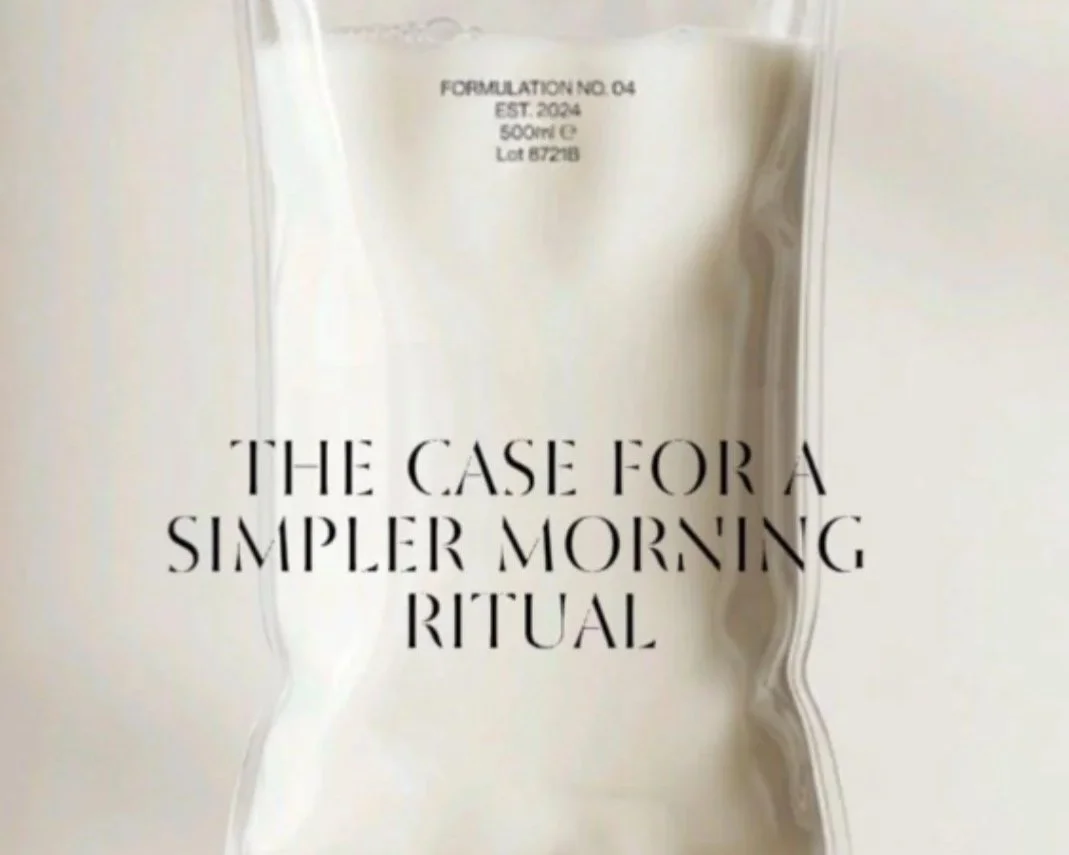
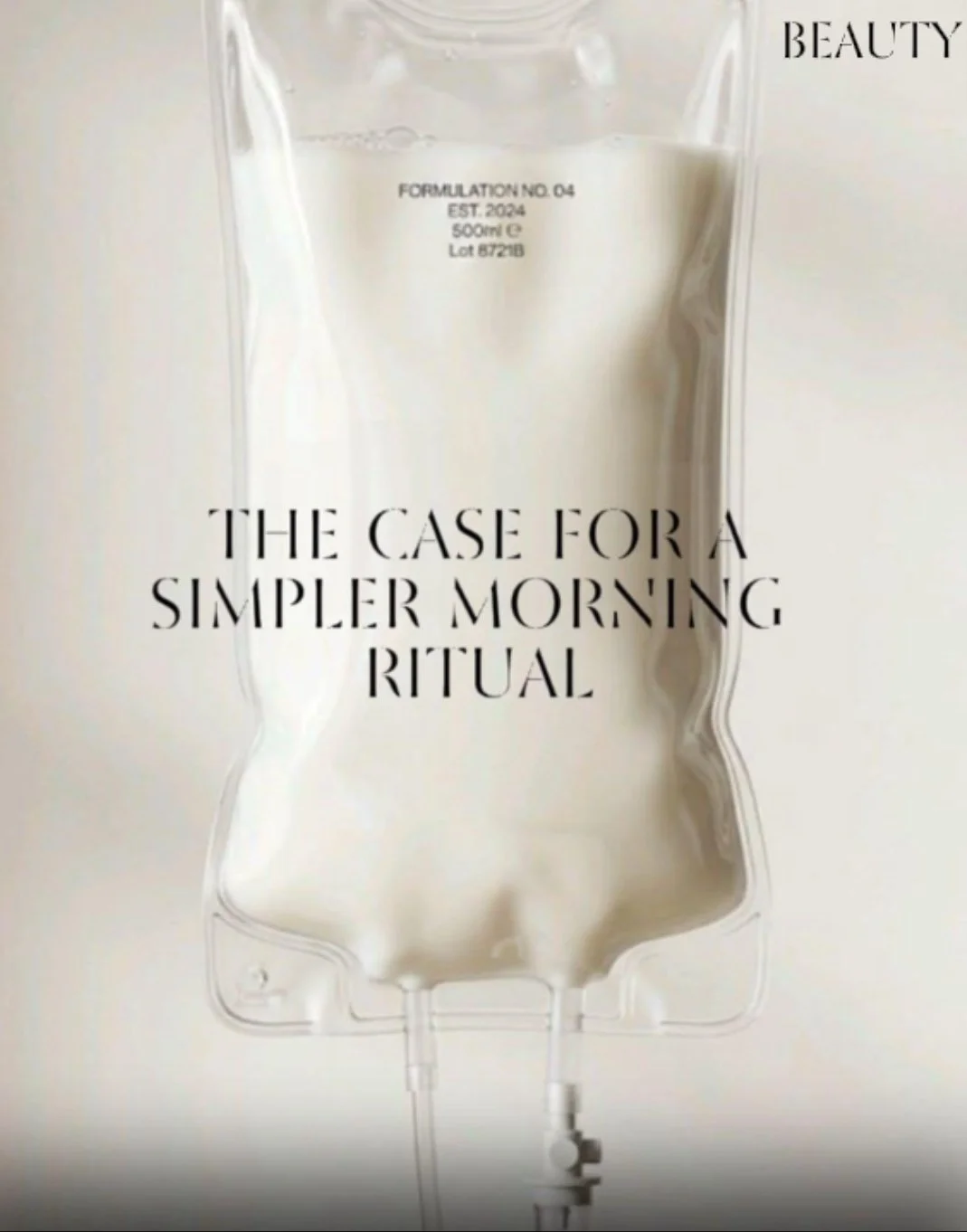
The Case for a Simpler Morning Ritual — and What to Actually Keep
The reduction of a beauty routine is not minimalism as a trend. It is the application of what the skin science is saying to the specific conditions of your life. Here is how to do it with intelligence rather than deprivation.
“The product that says it supports barrier function is, in most cases, supplementing a barrier capable of supporting itself — at the cost of the pH shift the product's application produces. The skin, given space to regulate itself, tends to improve.”
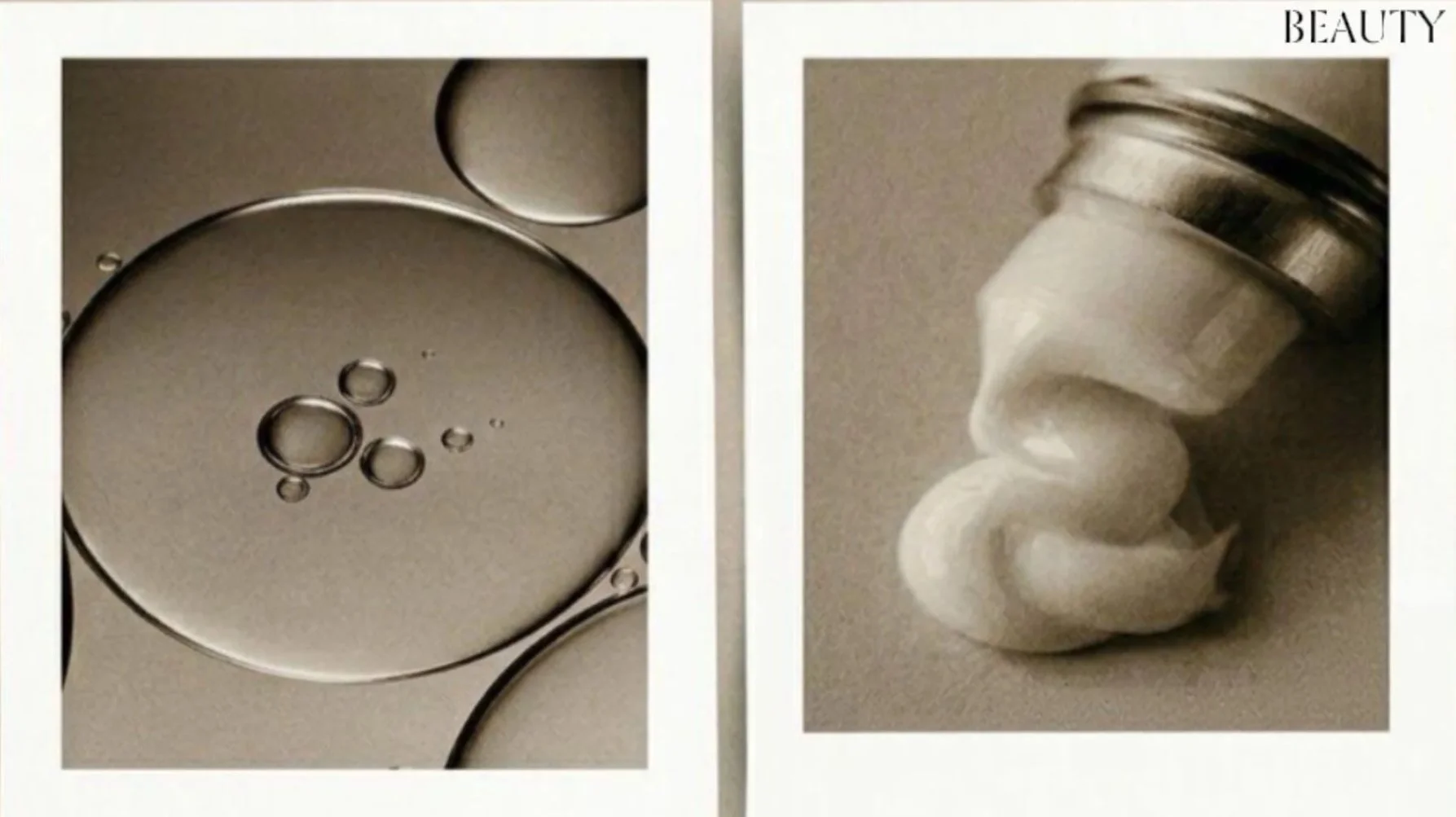
The most consistent conversation in high-level skincare practice right now is about subtraction. Not because the ingredients being removed are ineffective — retinoids work, vitamin C works, well-formulated SPF works — but because the combination of these ingredients, applied daily in the sequence most routines require, is producing, for a significant proportion of the people practising it, a chronic low-grade disruption of the skin's own regulatory intelligence.
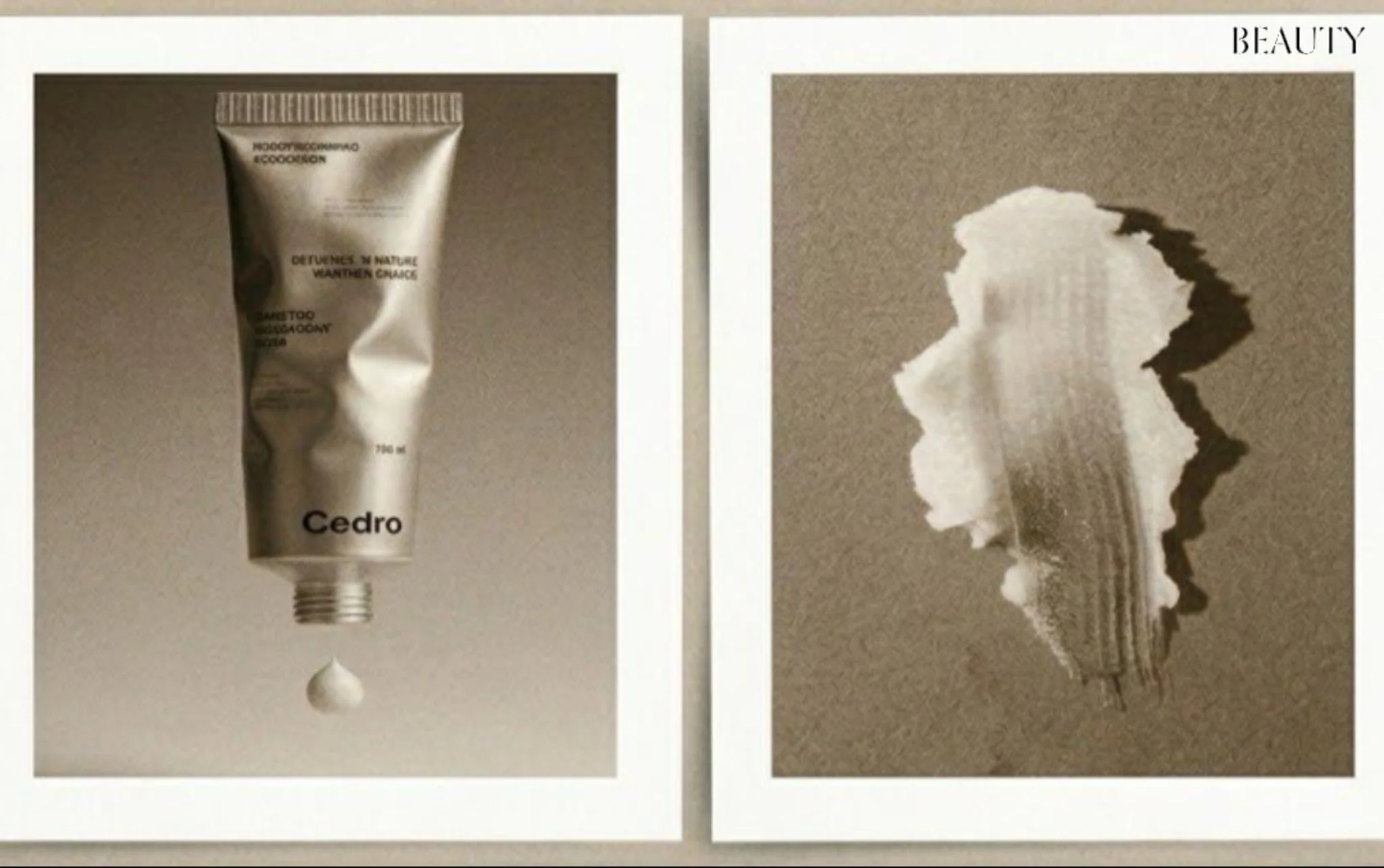
The practical question — the one worth answering usefully rather than theoretically — is not whether to simplify but how. Which elements of a routine are genuinely earning their place and which are present because the routine was assembled by addition rather than by design?
Start with what the skin does that no routine needs to do for it. The skin regulates its own pH, produces its own natural moisturising factor, maintains its own microbiome, synthesises its own ceramides. All of these functions are more efficient and more intelligent than any topical product that claims to replicate them, in a skin that is not significantly compromised. The product that says it supports barrier function is, in most cases, supplementing a barrier capable of supporting itself — at the cost of the pH shift the product's application produces.
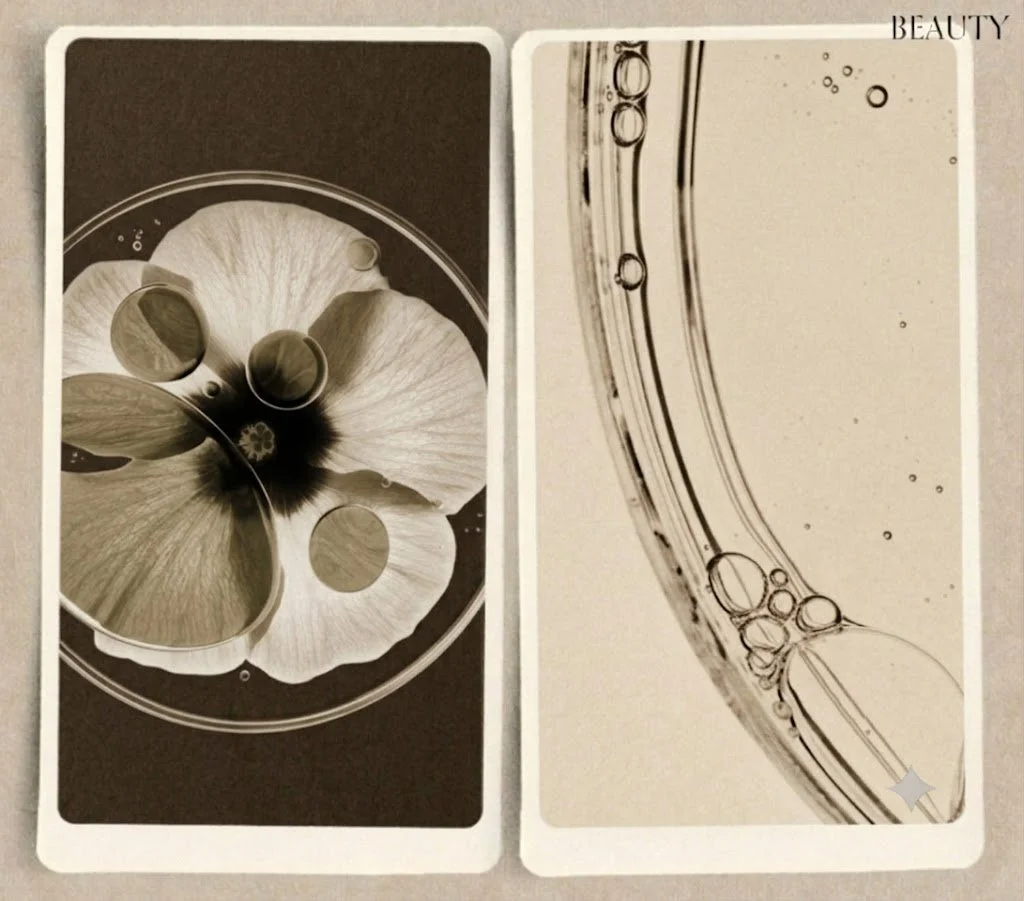
The three things that deserve to stay in almost every routine: a gentle cleanser used once daily in the evening, to remove the day; a moisturiser chosen for texture rather than its ingredient list (the most important quality is whether it sits well on the skin without occluding it — the ceramide content and hyaluronic acid percentage are secondary to this); and SPF applied every morning to exposed skin.
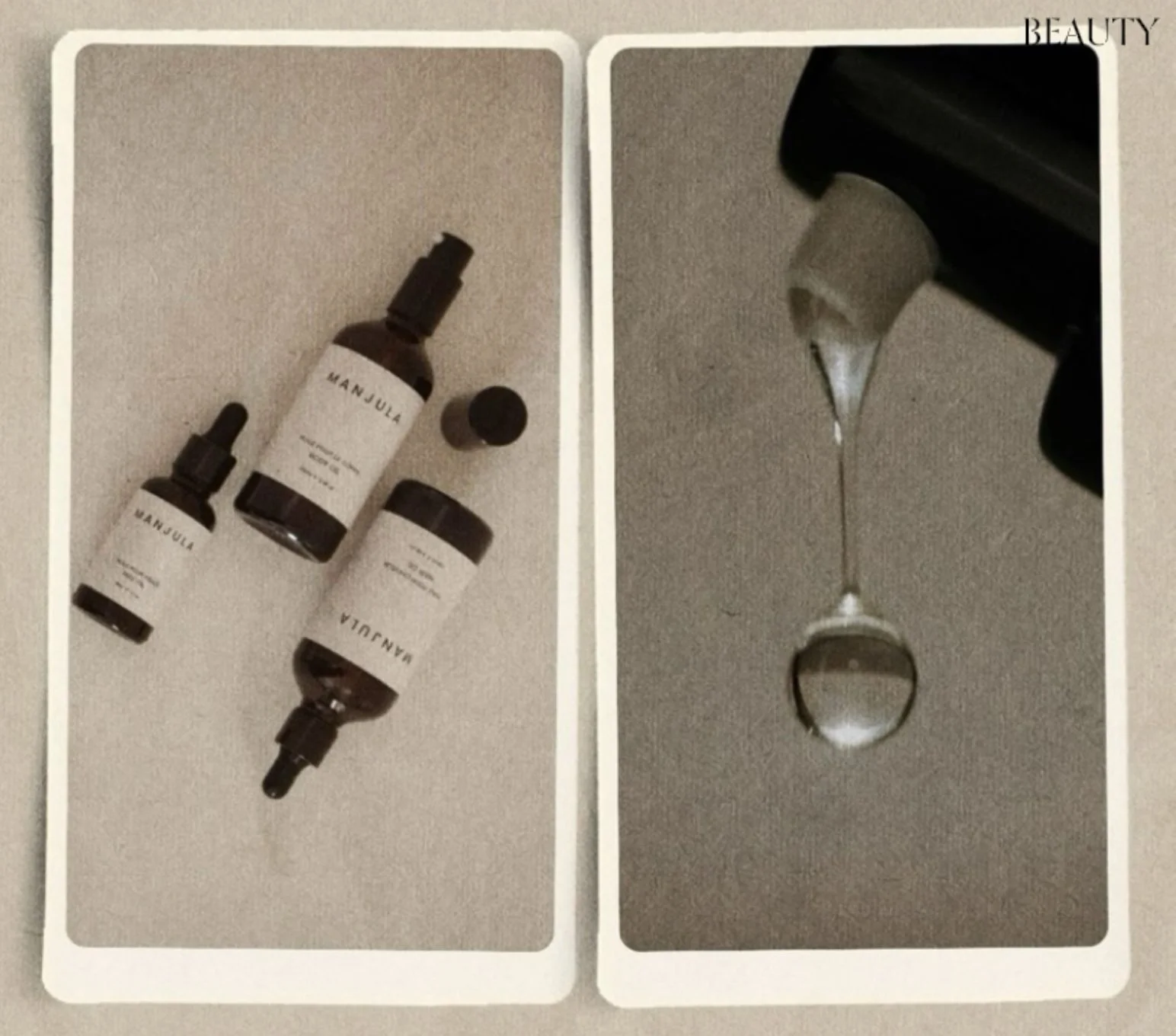
The things that deserve to stay if your skin is specifically requesting them: a retinoid, used two to three times per week rather than daily — the frequency that produces the clinical benefits without cumulative disruption; and a targeted treatment for a specific concern, applied to the specific area.
The things most often present without earning their place: toners (they rebalance a pH that your cleanser disrupted — if your cleanser doesn't disrupt your pH, you don't need the toner); essence layers (in most Western skin types, these add hydration the moisturiser provides anyway); eye cream (a gentle version of your regular moisturiser, applied carefully, does the same job in most cases).
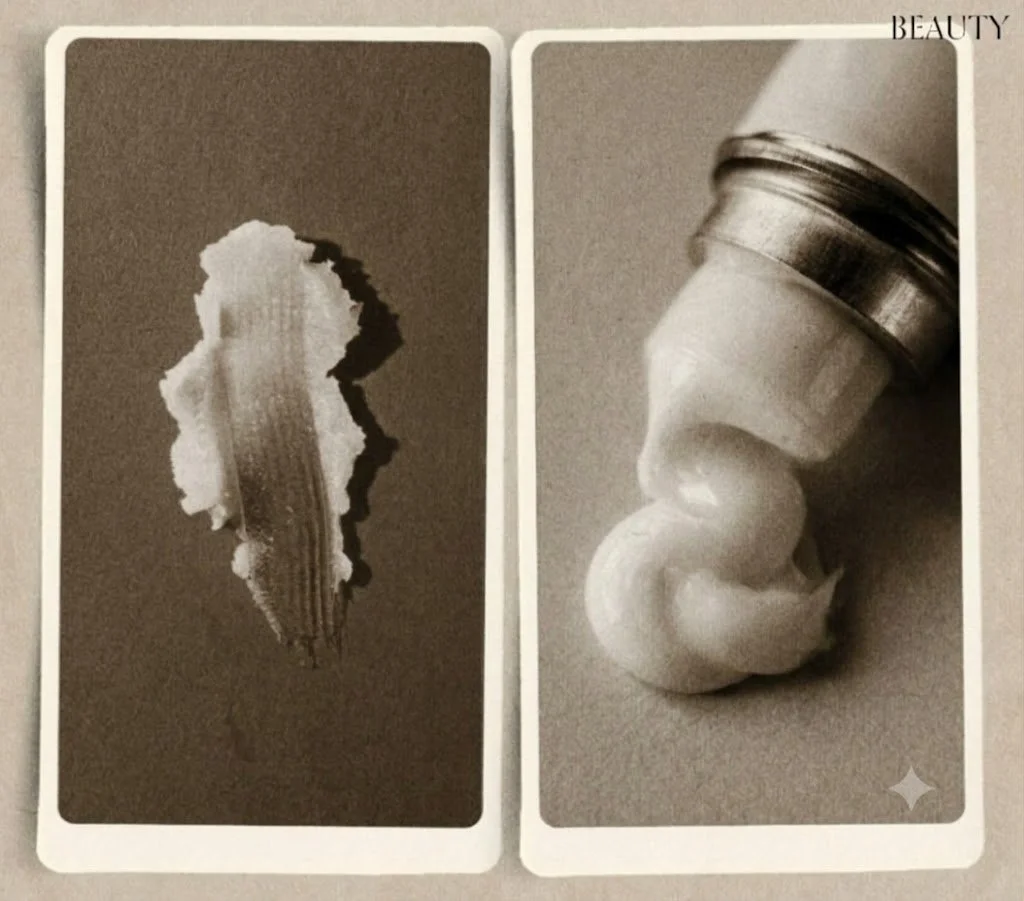
The morning ritual that the skin science supports, stated plainly: rinse with water. Apply moisturiser. Apply SPF. Three steps. Two to three minutes. The evening ritual: gentle cleanse. Active treatment if using one. Moisturiser. The rest of the thirty minutes you were spending is available for something else.
The skin, given the space to regulate itself, tends to improve. This is not minimalism as a philosophy. It is what the research says. The philosophy is whatever you make of the extra twenty-five minutes.
BY OONA CHANEL
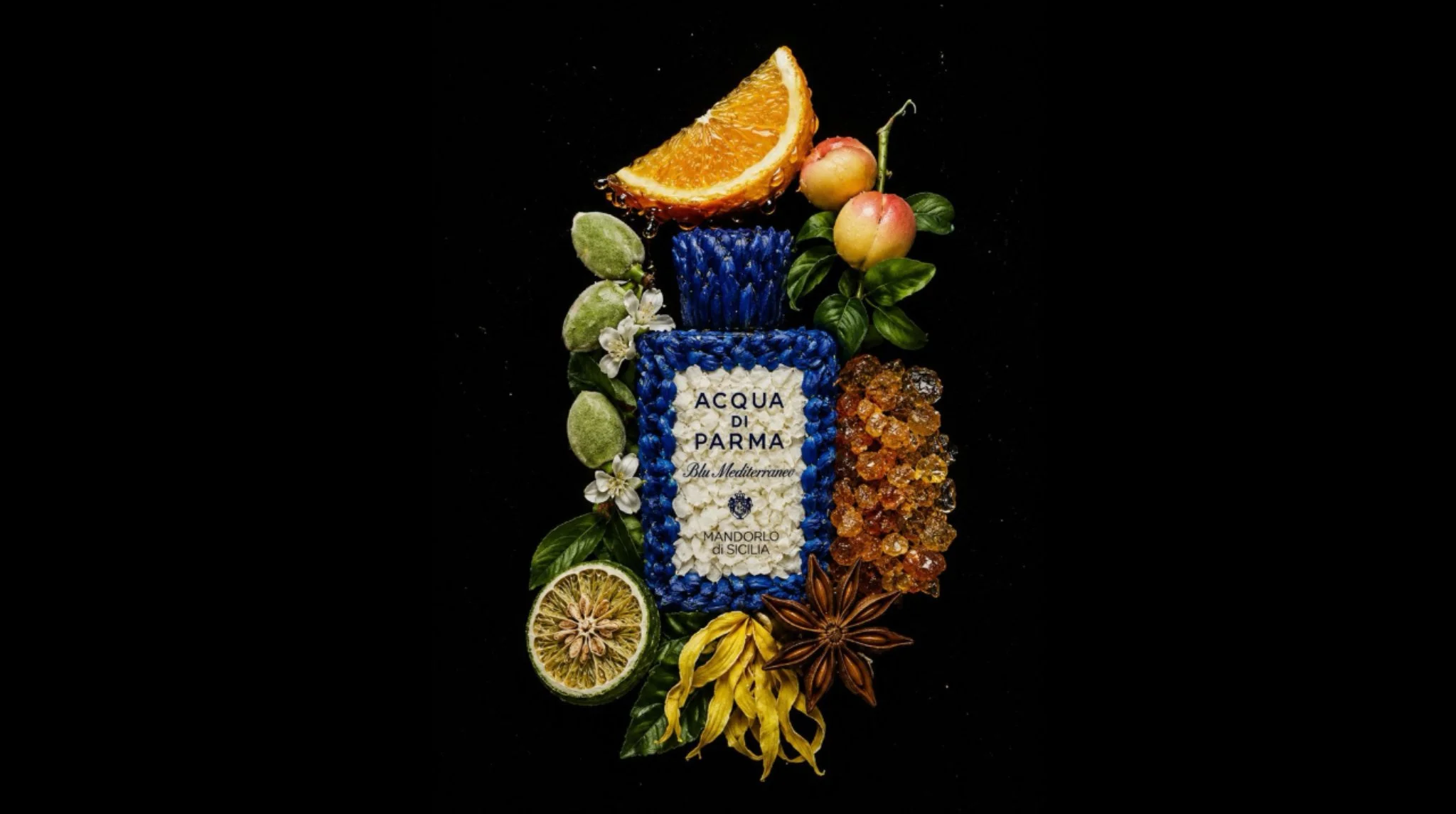
The Architecture of Scent
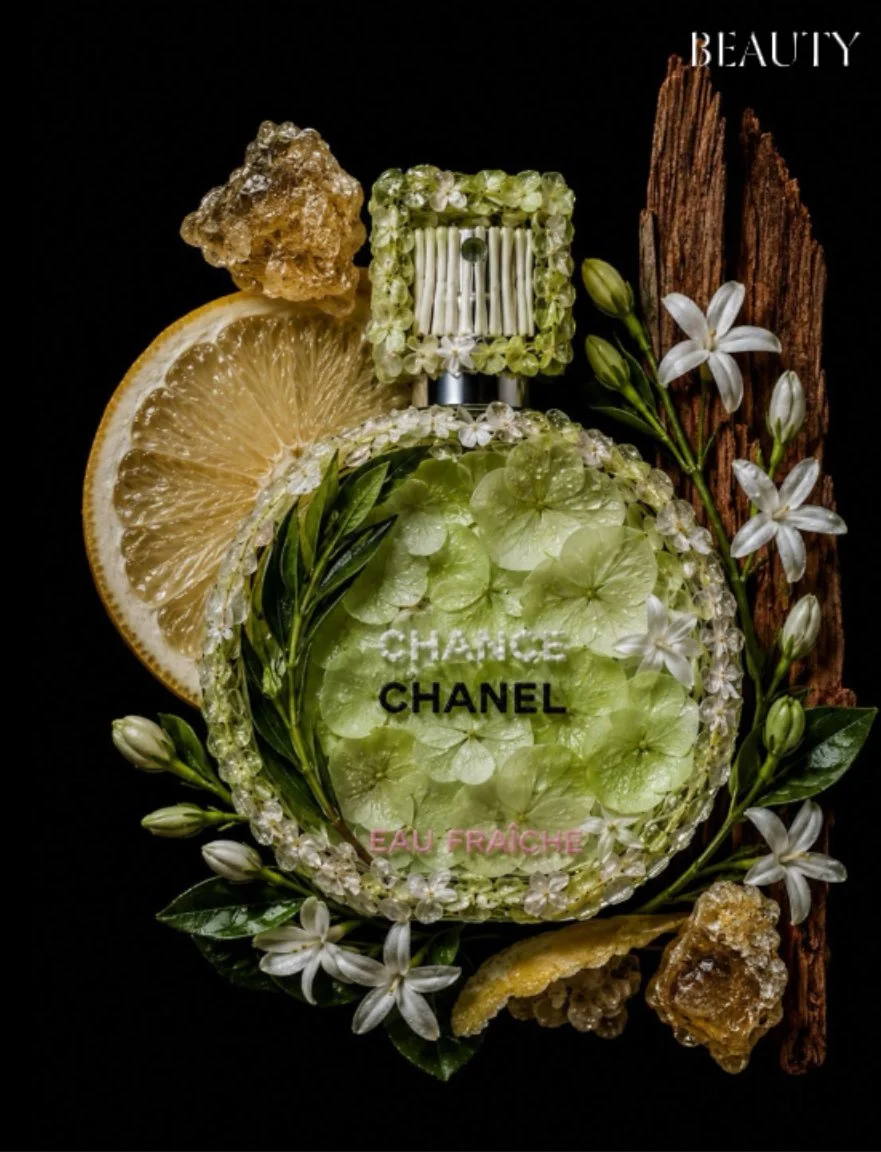
SHOP NOW : CHANEL-Chance Eau Fraîche EDT
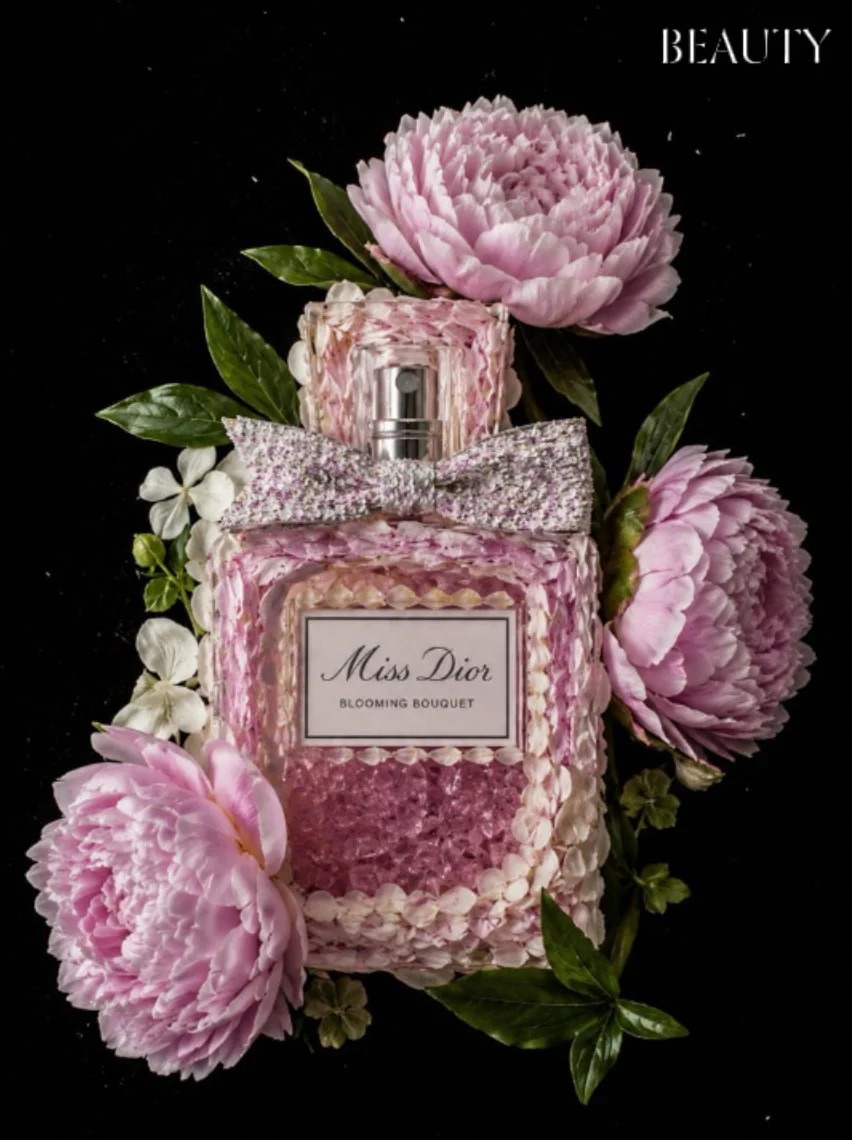
SHOP NOW : DIOR-Miss Dior Blooming Bouquet EDT
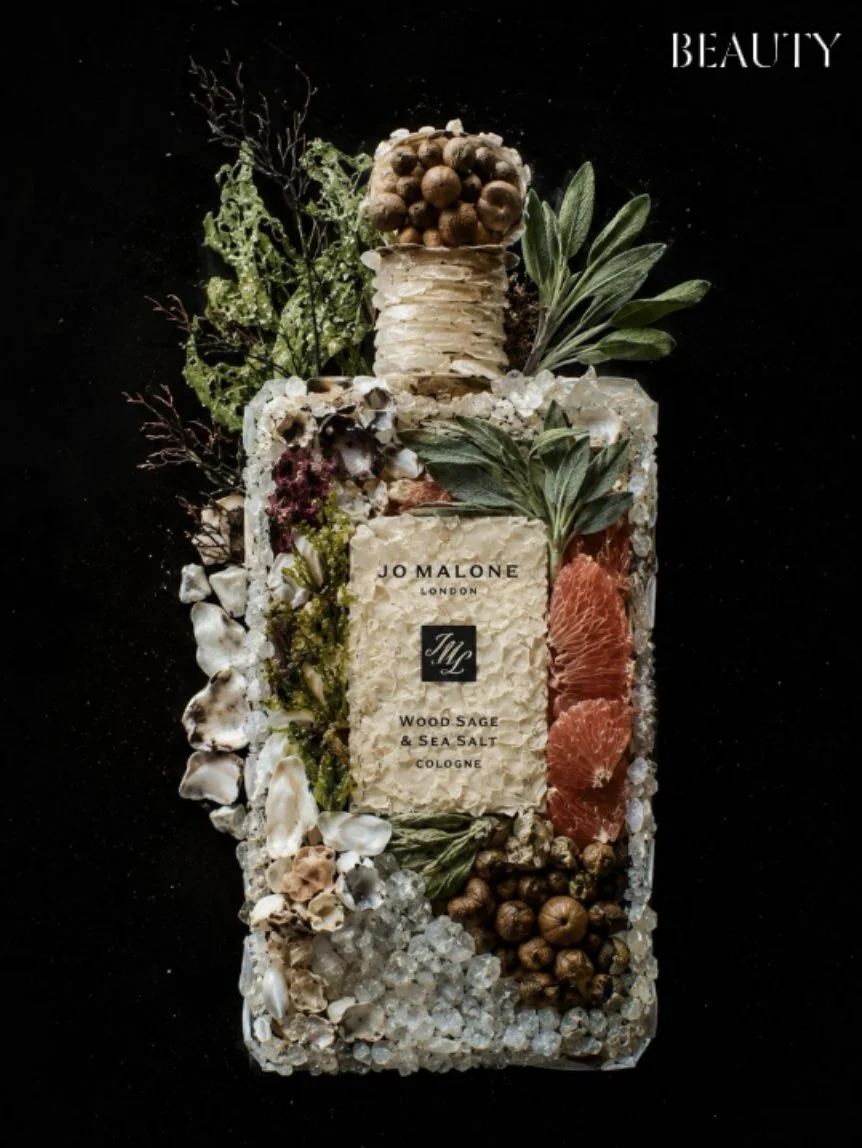
SHOP NOW : JO MALONE LONDON-Wood Sage & Sea Salt
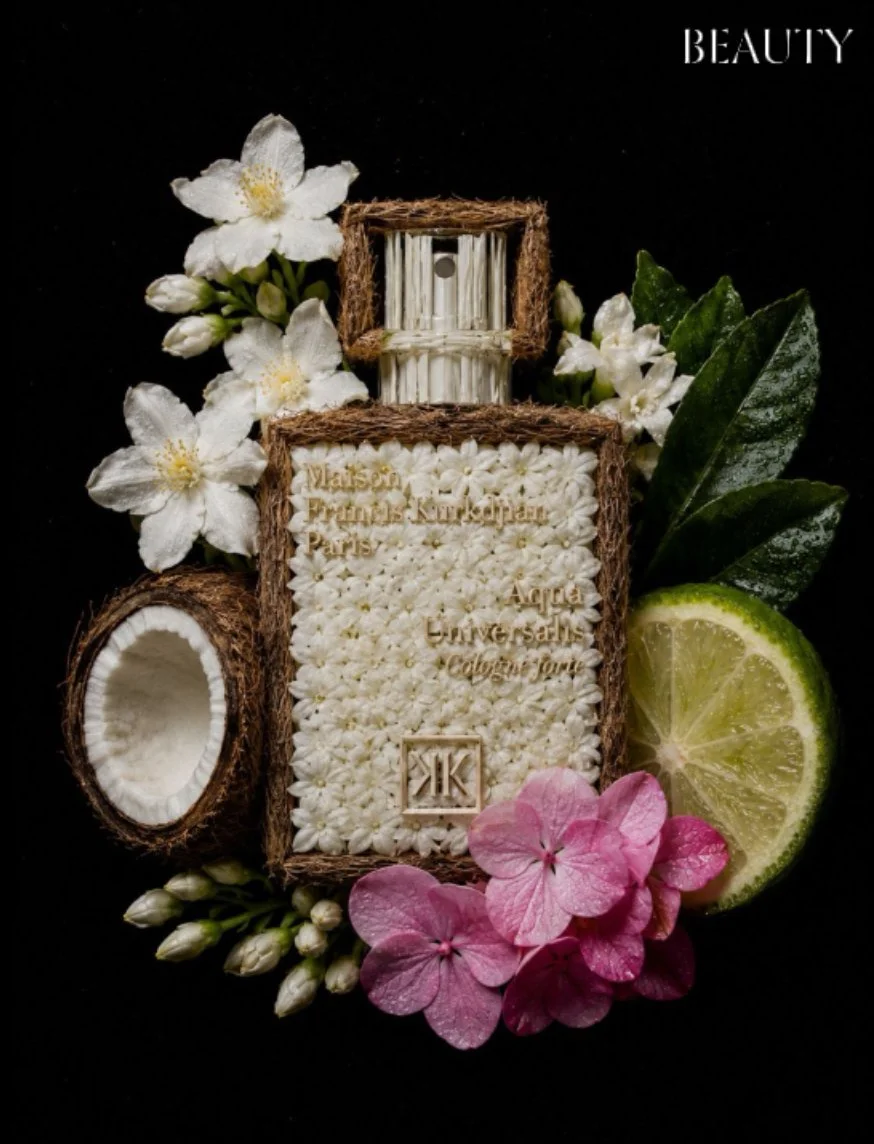
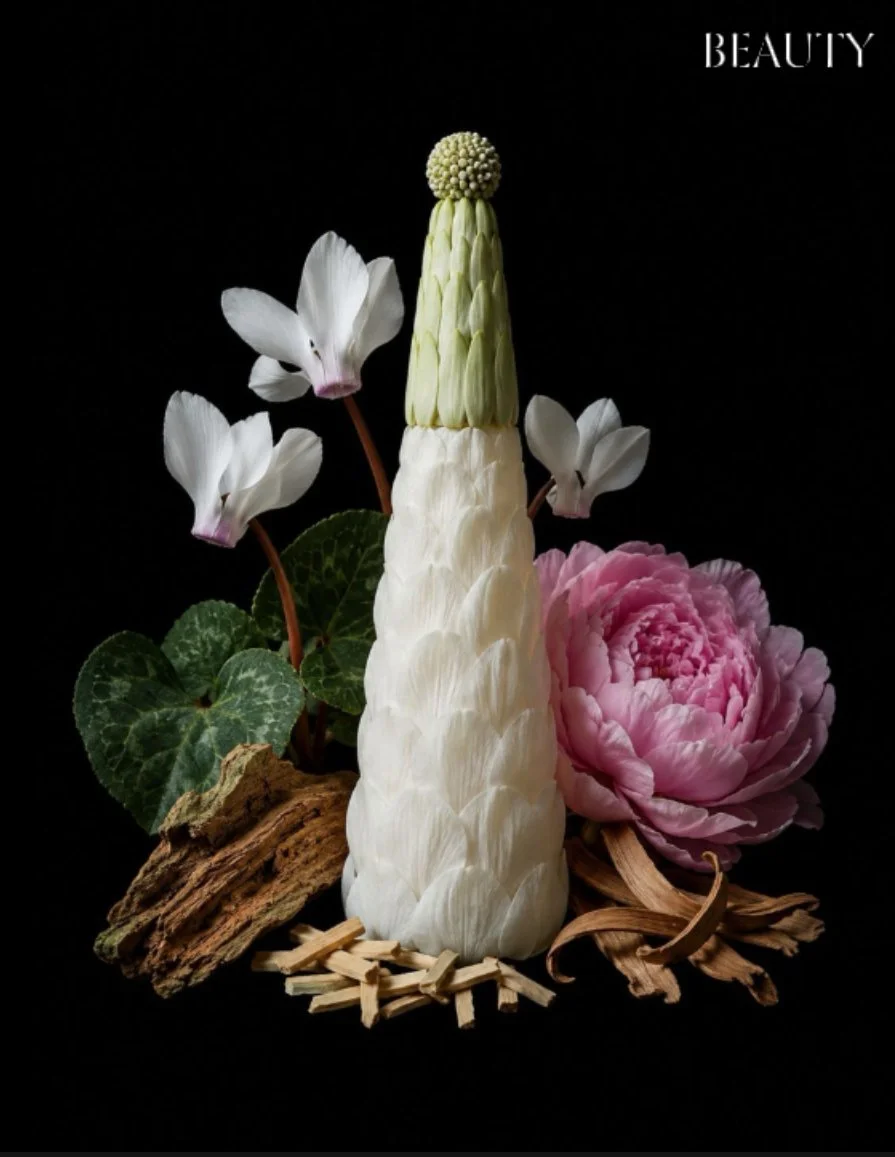
SHOP NOW :ISSEY MIYAKE-L'Eau d'Issey EDP
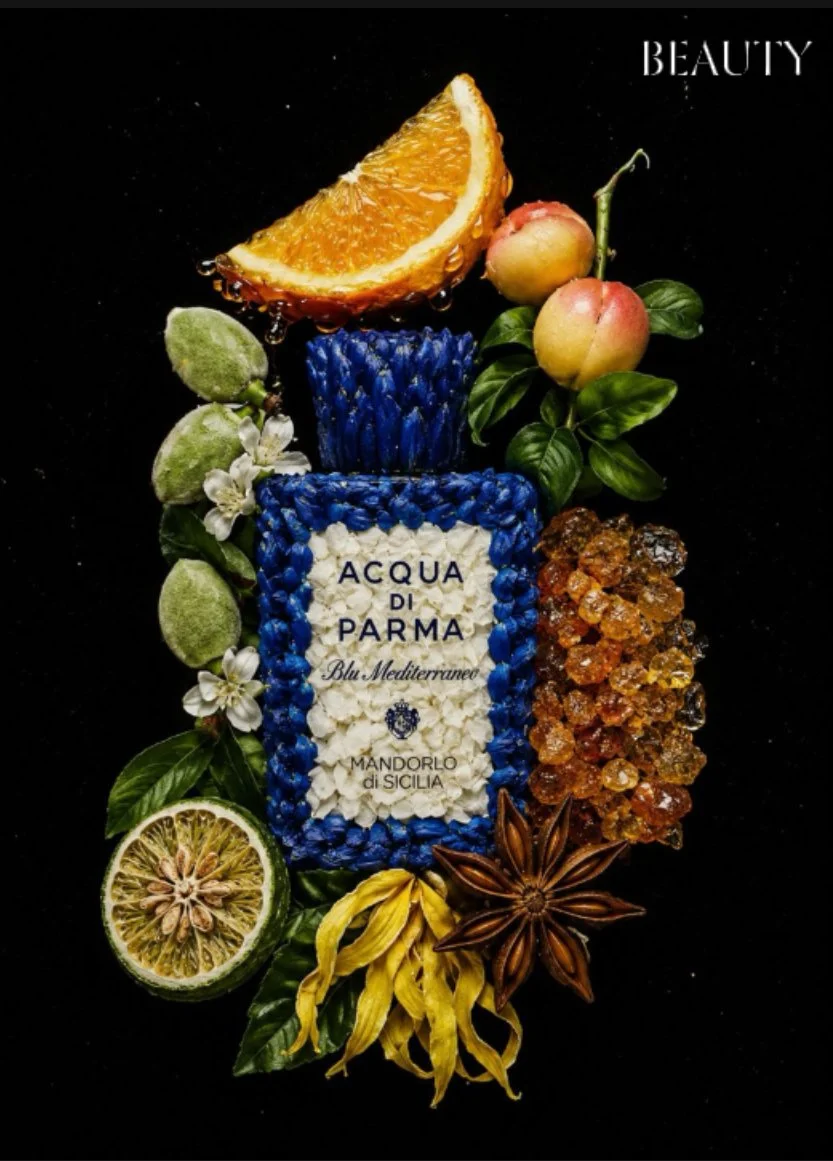
SHOP NOW : ACQUA DI PARMA-Blu Mediterraneo
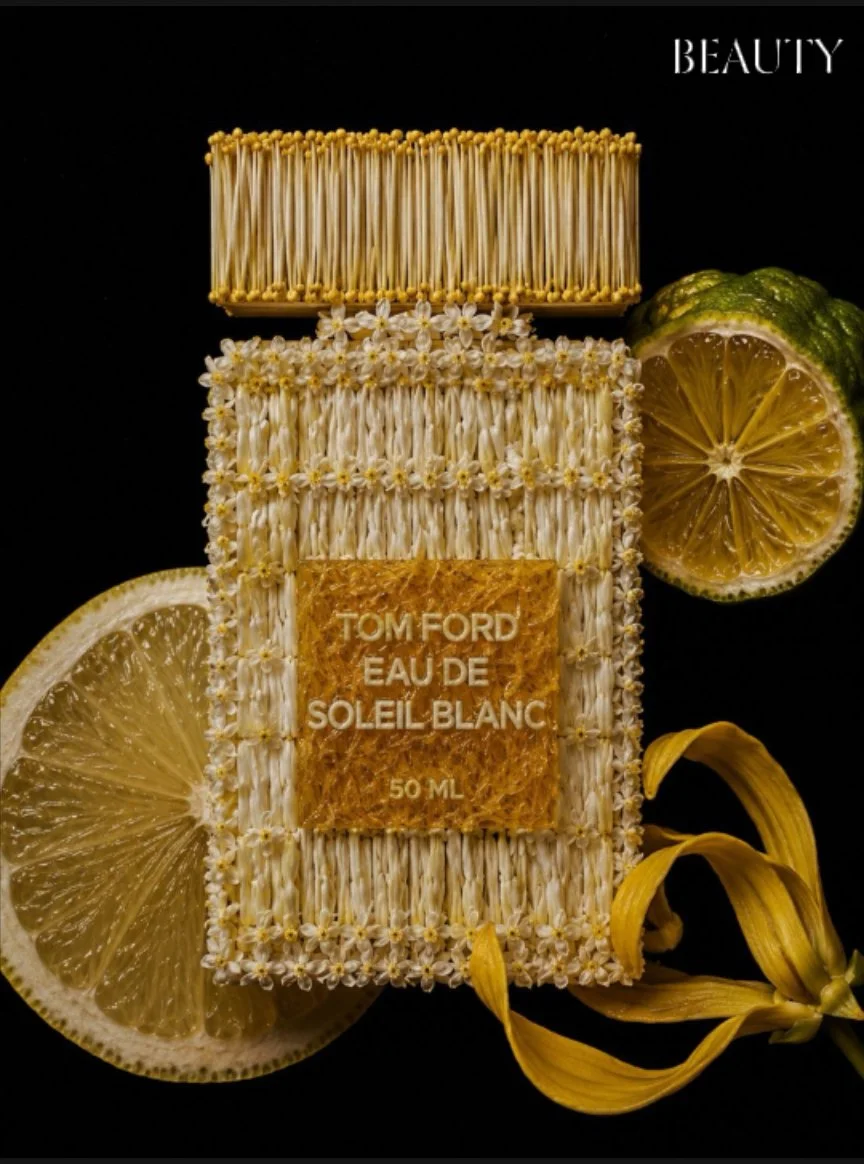
SHOP NOW : TOM FORD-Soleil Blanc EDP
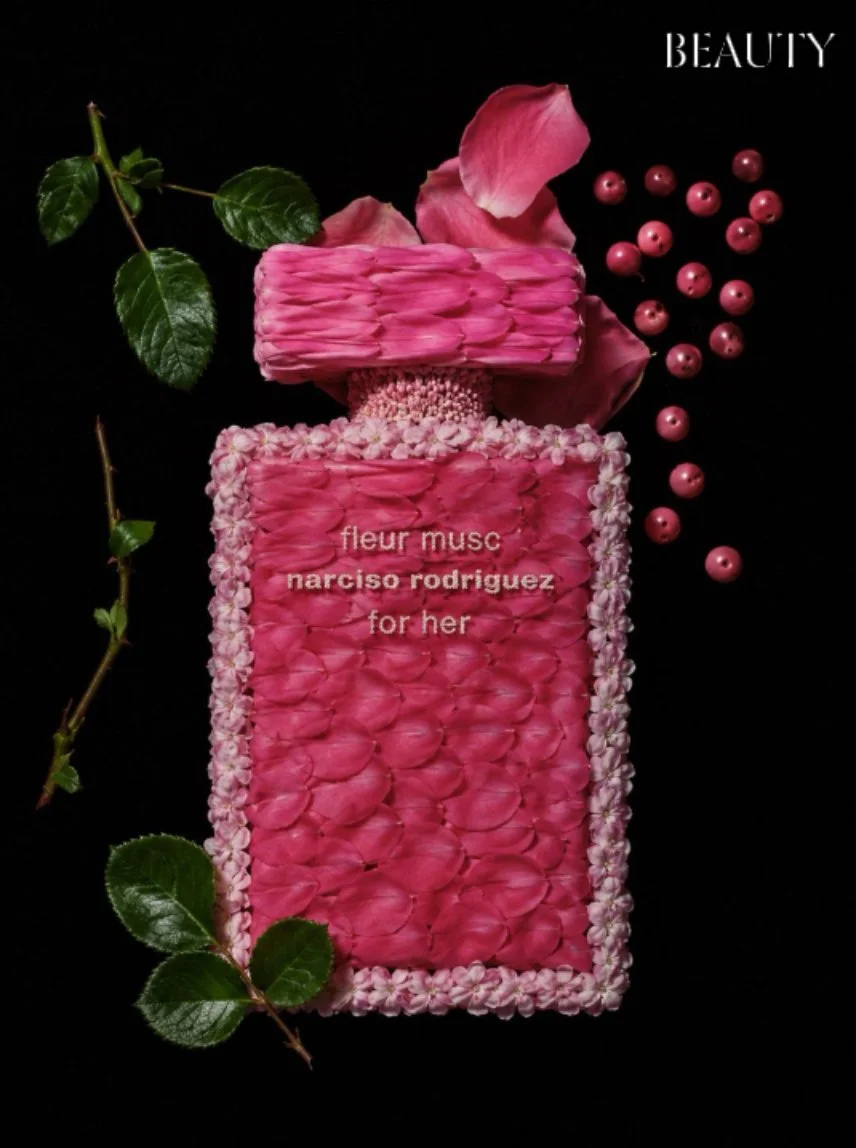
SHOP NOW : NARCISO RODRIGUEZ For Her Fleur Musc EDP
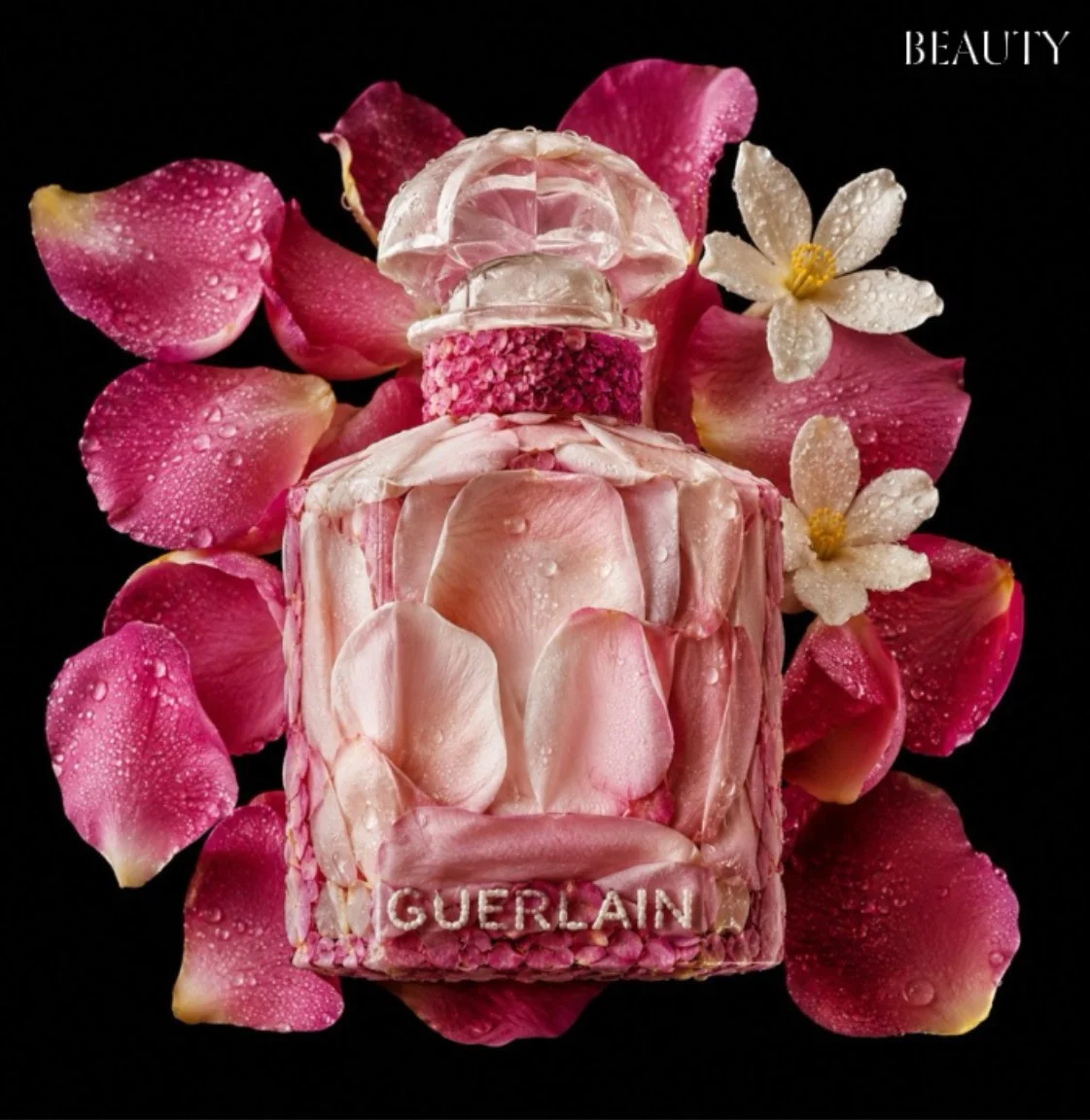
SHOP NOW : GUERLAIN-Mon Guerlain Bloom of Rose EDP

SHOP NOW : GIVENCHY-Irresistible Rose Velvet EDP
CREATIVE DIRECTION AND IMAGE BY OONA CHANEL
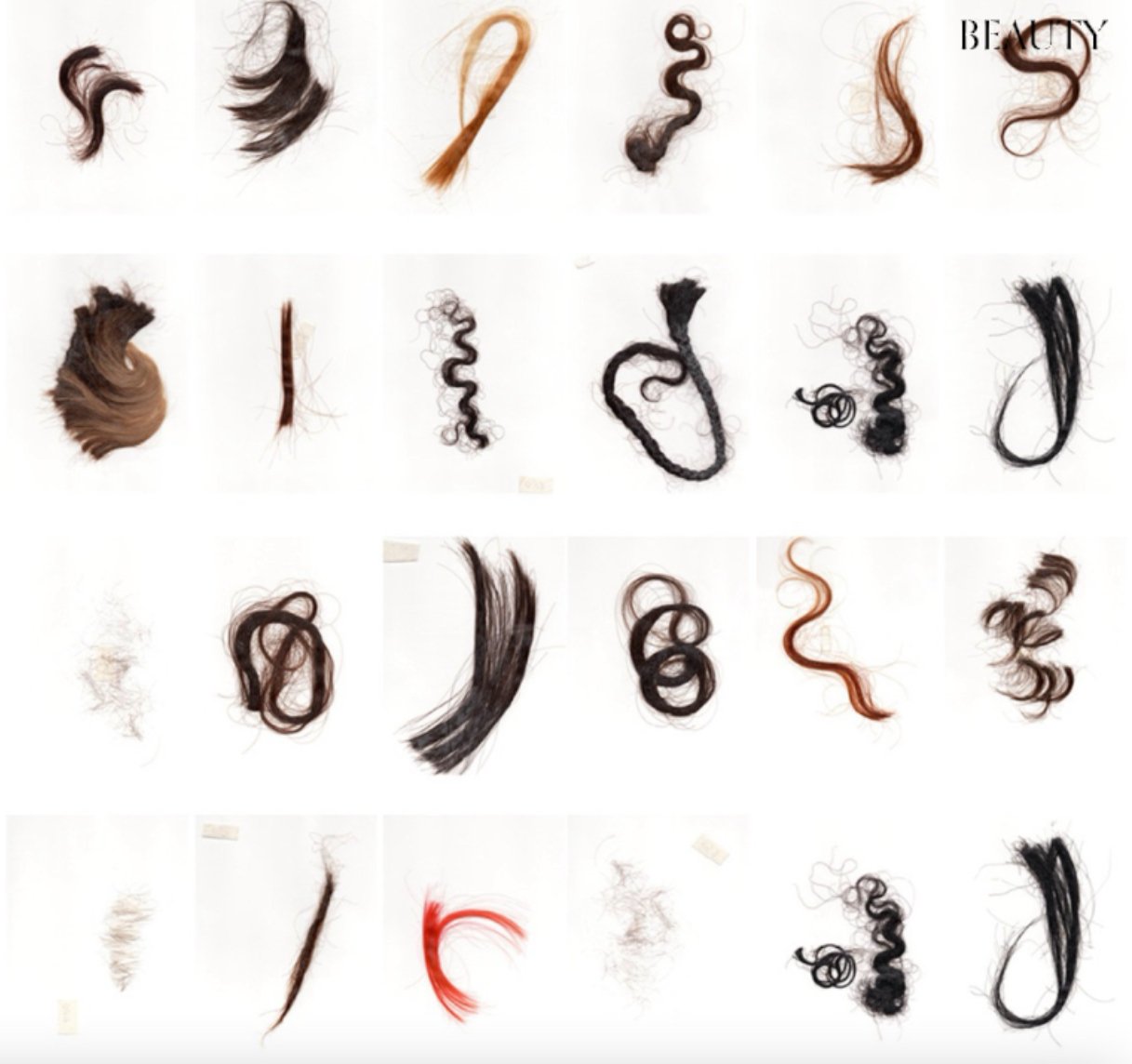
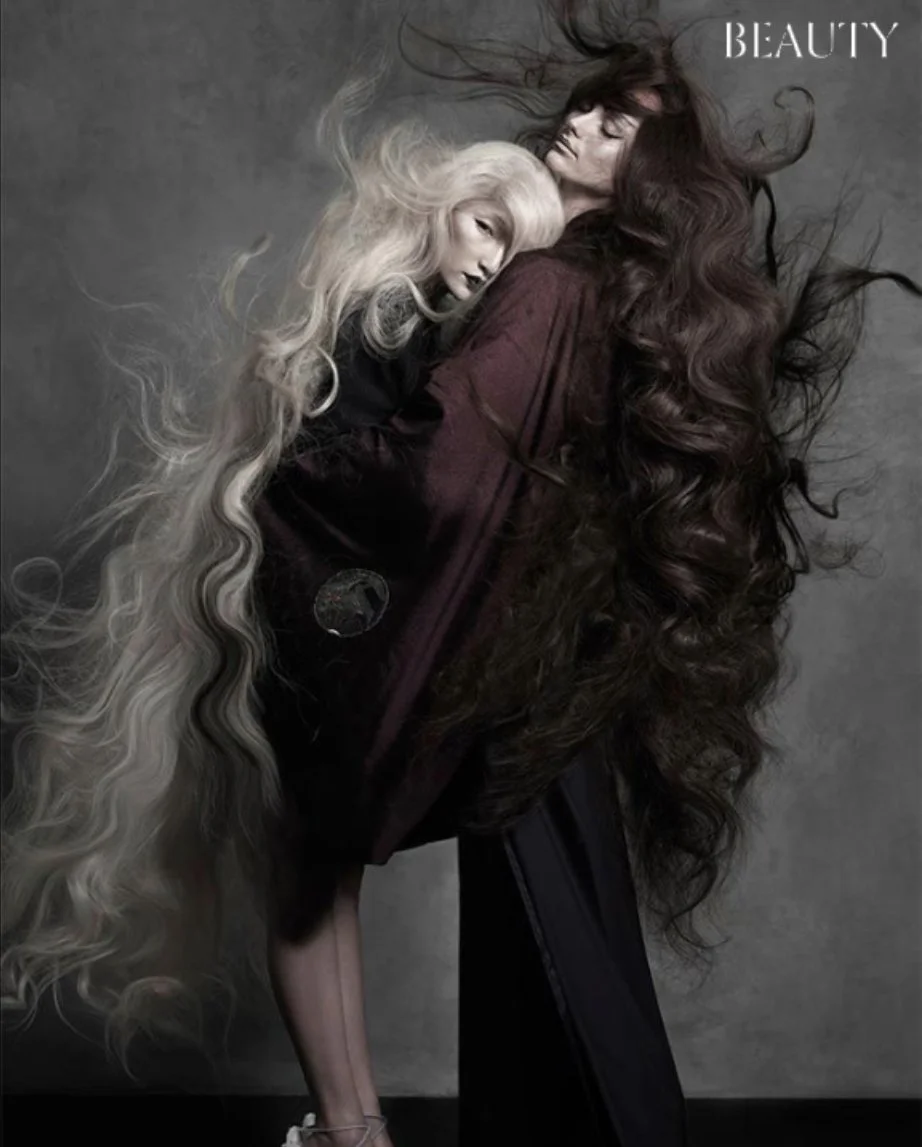
Hair as History: The Untold Story of What Women Do to Their Hair and Why It Matters
From the elaborate architecture of the French court to the political defiance of natural Black hair movements, what we do to our hair is always a statement about something larger than hair.

Hair Cocoon Photography
“There is no neutral Black hair choice in America. Every choice is made in relation to a set of structural pressures. The decision to wear natural hair to a job interview is not simply an aesthetic decision. It is a political act in a context constructed, over centuries, to make it so.”
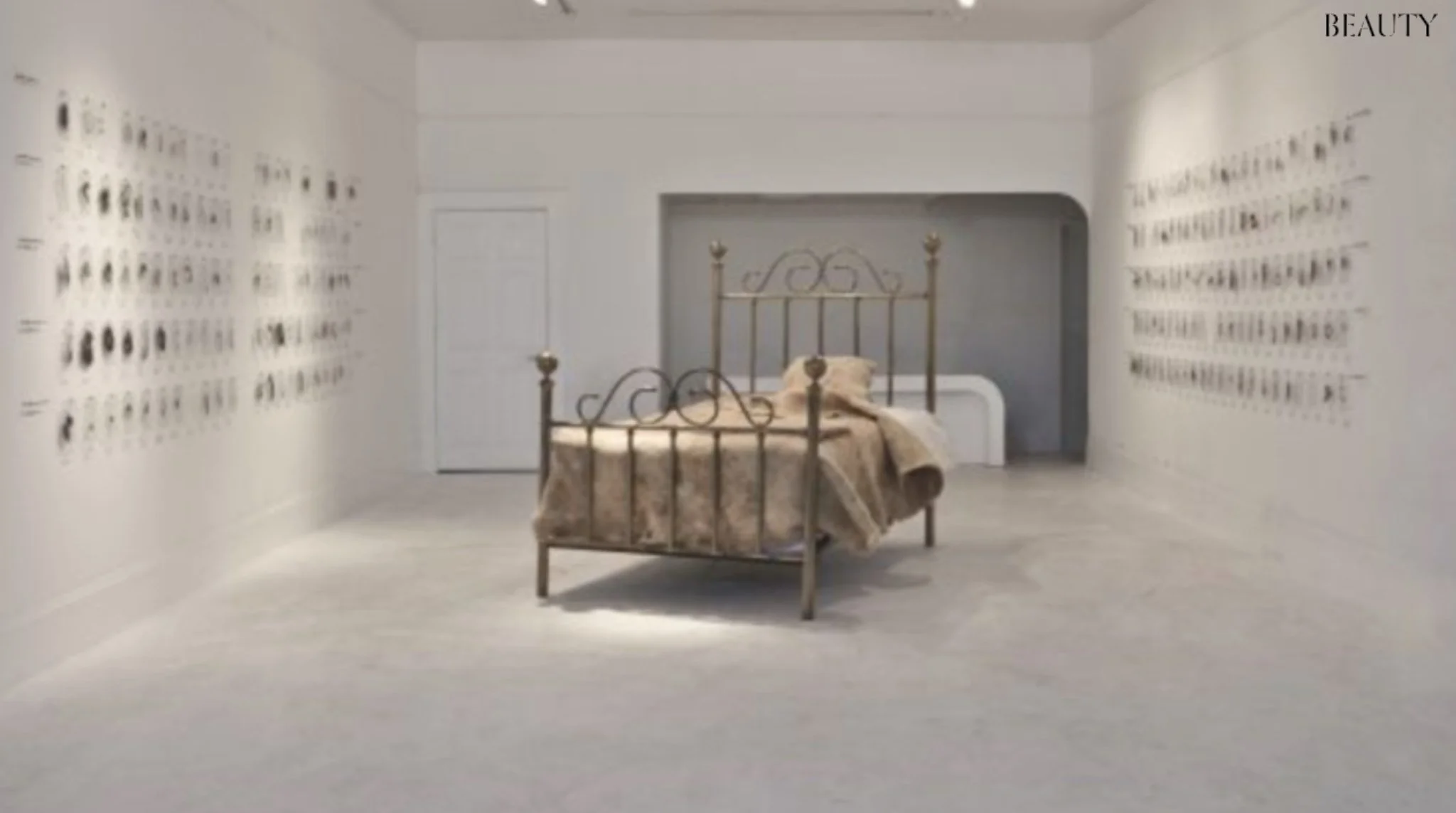
Adrian Pepe- Hair bed
When Marie-Antoinette's hair was shaved off on the morning of her execution, the act was understood by everyone present to be a form of erasure. Not of her beauty, which had always been secondary to her political meaning. Of her power. Her hair — which had been, at its most elaborate, a monument to the absolute: towers of powdered and sculpted grey reaching fifty centimeters above her head, decorated with feathers, flowers, model ships, and, in one documented instance, a scene from a recently won military campaign — had been one of the most legible symbols in the political language of the ancien régime. To remove it was to remove a language.
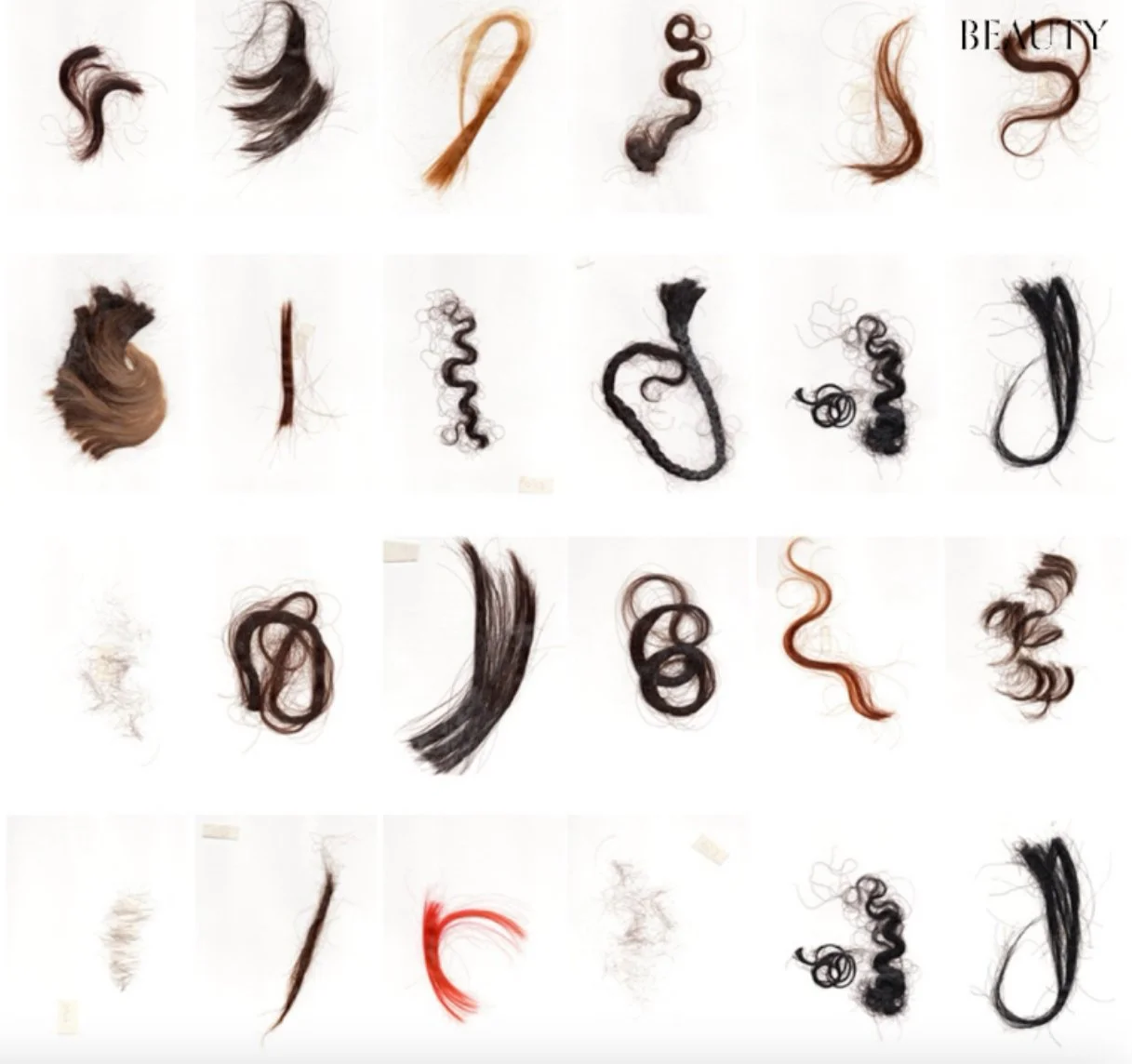
Adrian Pepe
Hair has always been political in ways that the beauty industry acknowledges only occasionally and the historical record documents consistently. The powdered wigs of the European aristocracy. The cropped hair of the flapper as the shorthand for an entire reordering of female public life. The elaborately maintained natural hair of the Harlem Renaissance as a reclamation of aesthetic authority. The Afro as a statement so unambiguous in the late 1960s that Angela Davis's silhouette became a political symbol understood without caption across six continents. The relaxed hair of mid-century Black American professional life as a document of accommodation and the structural violence of beauty standards.
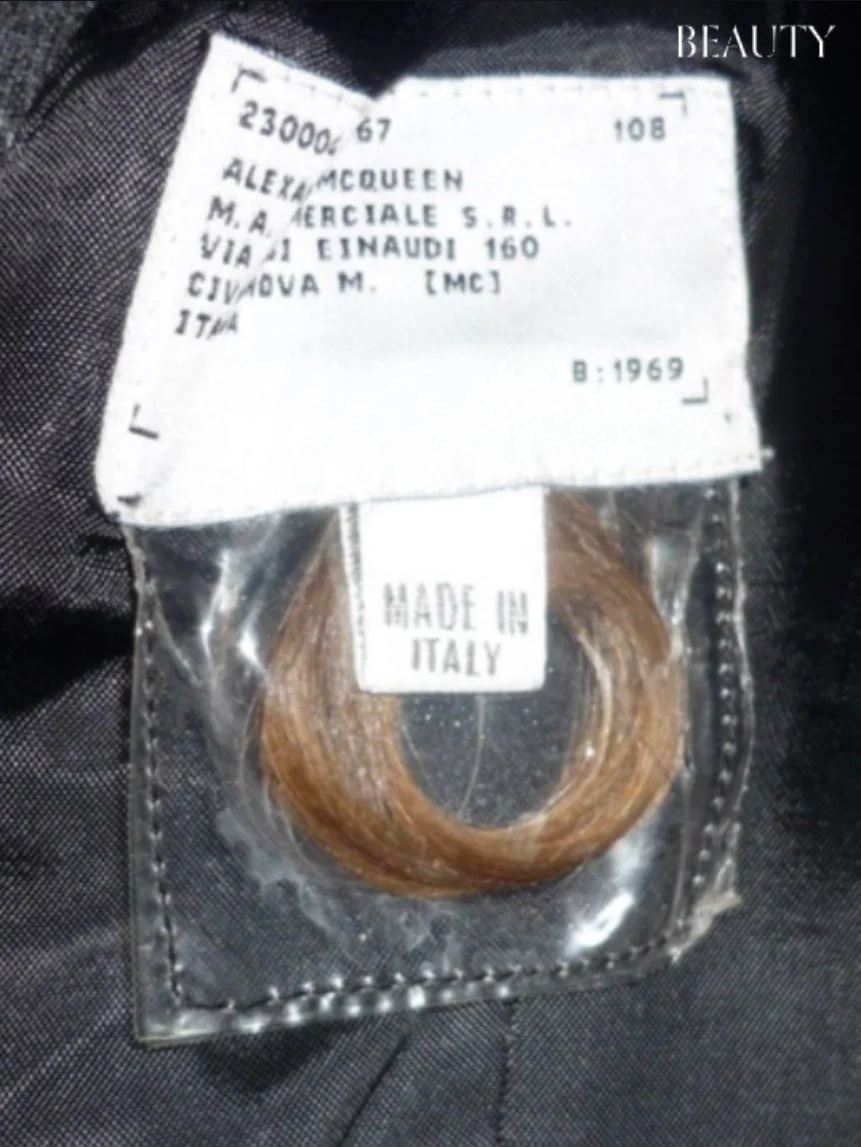
Alexander McQueen 1992 “Hair Labels
We spoke with six historians, anthropologists, and hair practitioners across four countries about what hair does in culture — how it communicates, what it claims, what it costs.
Dr. Lanita Jacobs, whose anthropological research focuses on the politics of Black hair in America, describes the weight of the conversation with a precision that comes from decades of documentation: "There is no neutral Black hair choice in America. Every choice is made in relation to a set of structural pressures that are, in some contexts, legal and employment-related in their consequences. The decision to wear natural hair to a job interview in 2026 is not simply an aesthetic decision. It is a political act in a context that has been constructed, over centuries, to make it so."
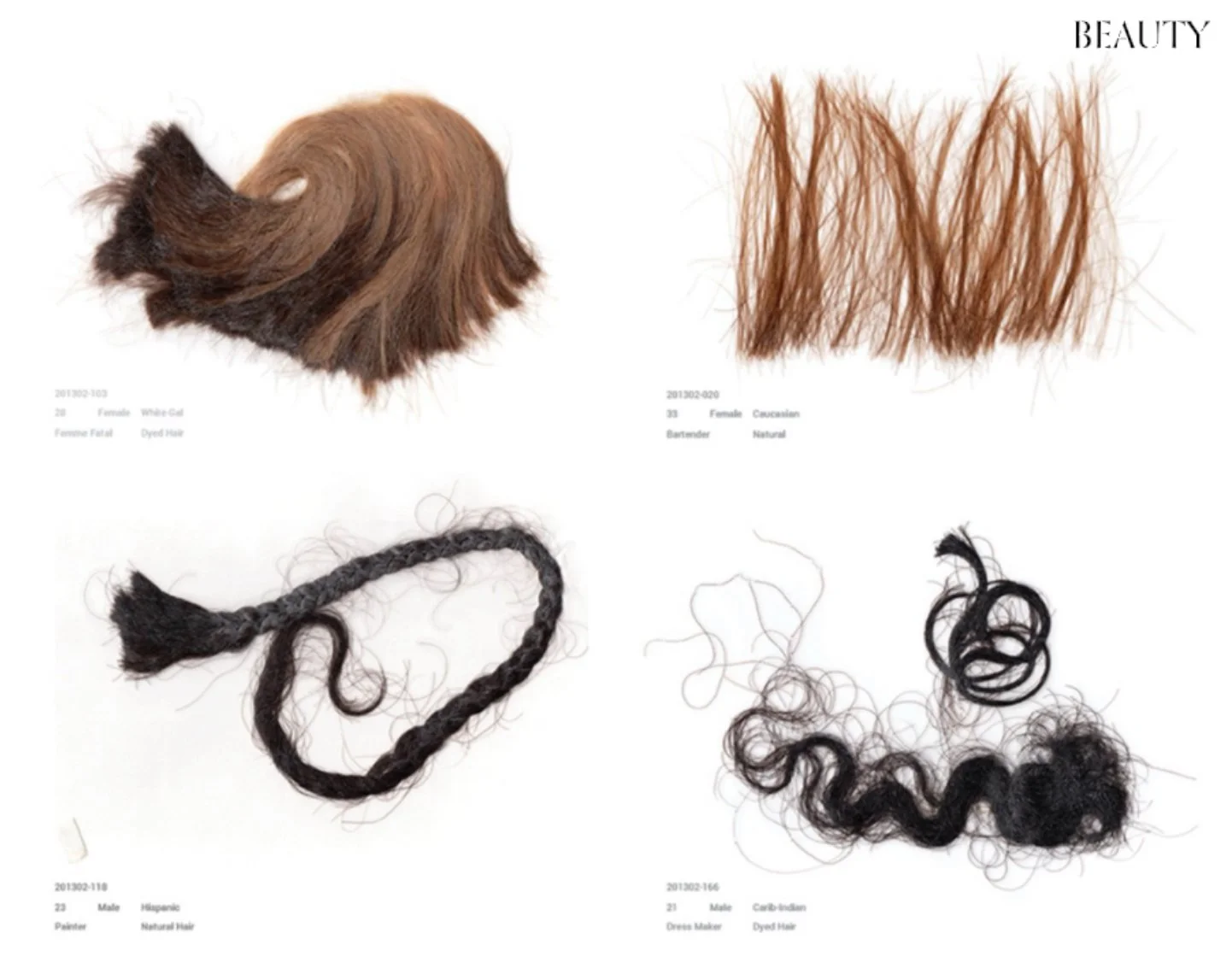
Adrian Pepe
The CROWN Act — which prohibits discrimination based on hair texture and natural hairstyles in the United States — has passed in several states but remains contested at the federal level. The existence of the legislation is the evidence of what it addresses: that what a Black woman does with her hair has been, and in many contexts remains, a criterion on which her access to economic opportunity is evaluated.
In Japan, the history of hair is different but equally dense with meaning. The elaborate shimada hairstyles of the Edo period — their specific variations indicating marital status, social class, and the context of the wearing — were a complete social grammar worn on the head. The meiji-era shift to Western hairstyles was not cosmetic. It was a statement of modernization that had the specific political meaning of the period: a deliberate departure from the visual language of a feudal system being actively dismantled.
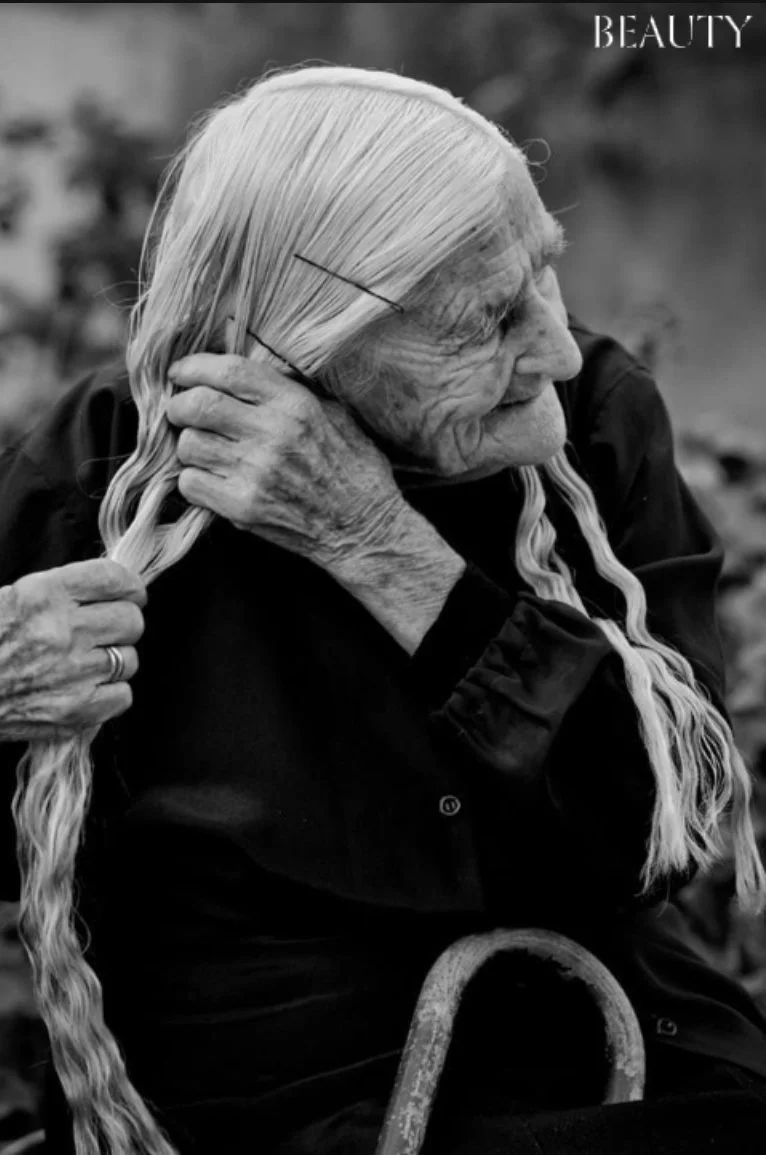
The contemporary story runs through the natural hair movement, the protective styles of the 2010s, the pandemic's relationship to hair practice — the long months at home that became, for many people, the period in which they stopped performing the version of themselves that professional life required and discovered something else — and into the current moment, in which the conversation about hair is being conducted, particularly by young people, with a sophistication about its political dimensions that previous generations had to develop in less legible terms.
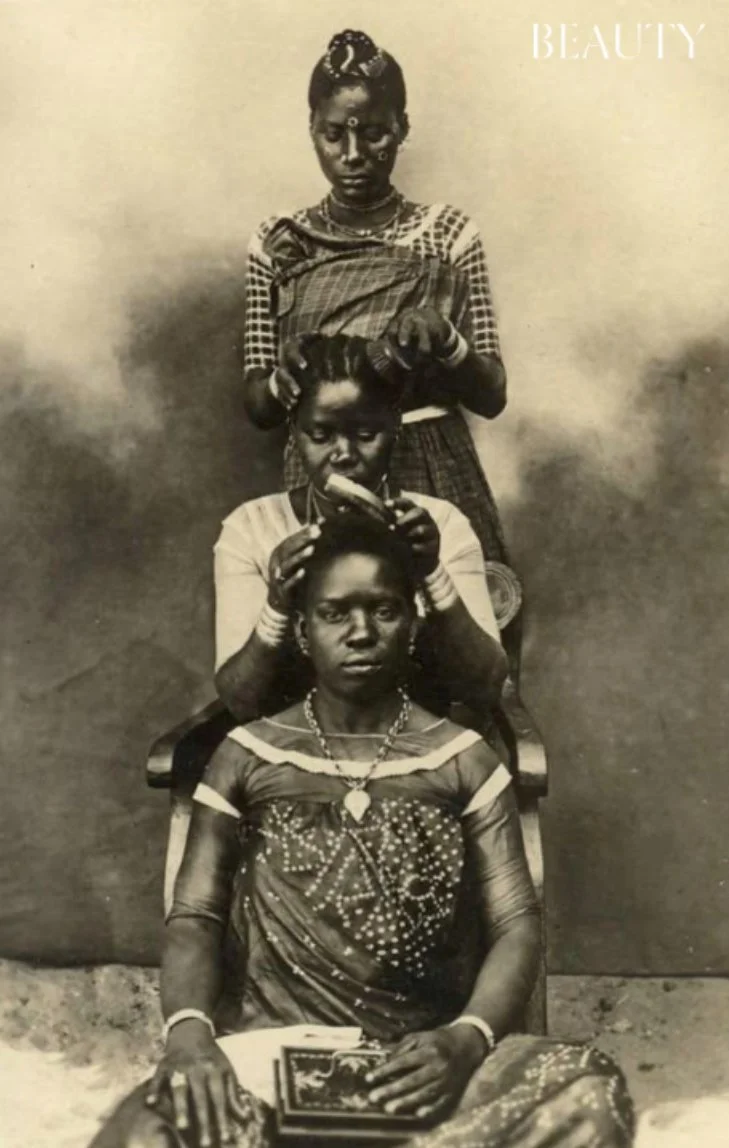
The hairdresser Christiaan, who styled for Vogue throughout the 1970s and 1980s and remains one of the most respected practitioners in the field, speaks about hair with the considered affection of someone who has been in close physical relationship with the material of human self-expression for fifty years: "Hair is the most personal thing there is. It grows from your body. It changes with your health, your age, your stress. It carries, literally, the chemical trace of your life. When I cut someone's hair, I am not changing their style. I am participating in their ongoing conversation with who they are."

This is what the beauty industry finds difficult to hold and what the cultural record documents consistently: that hair is never just appearance. It is identity, memory, politics, loss, claim, and the ongoing negotiation between the self you were born with and the self the world wants you to perform. Every haircut is a position. Every color change is a decision. Every woman who walks into a salon, or who puts down the flat iron, or who lets the grey grow, is making a statement in a language as old as power.
BY OONA CHANEL
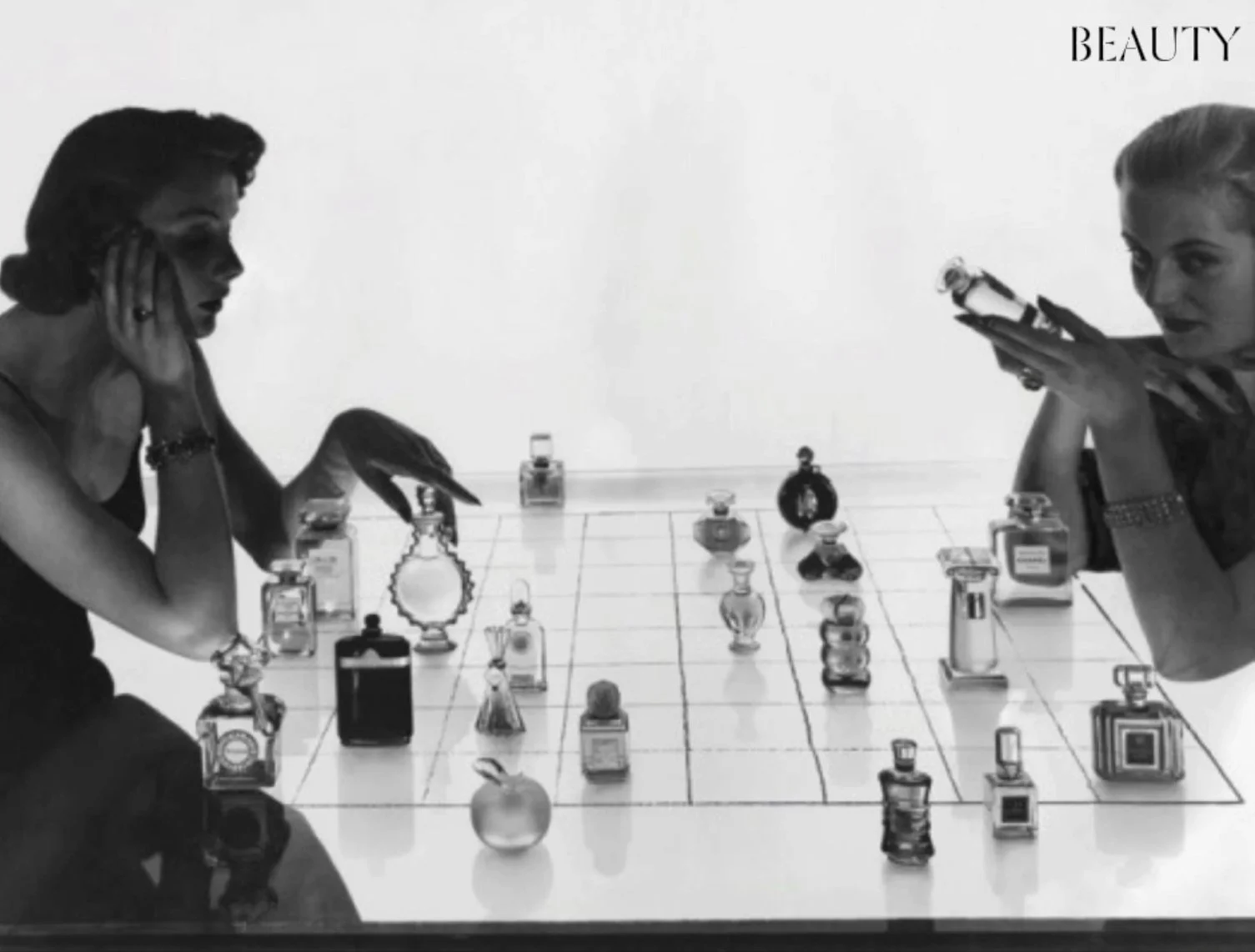
The Perfumer's Year: A Month-by-Month Map of the Living Olfactory World
Before the bottle. Before the formula. Before the ingredient list. Fragrance begins with what the world smells like at a specific moment in time — and learning to read it.
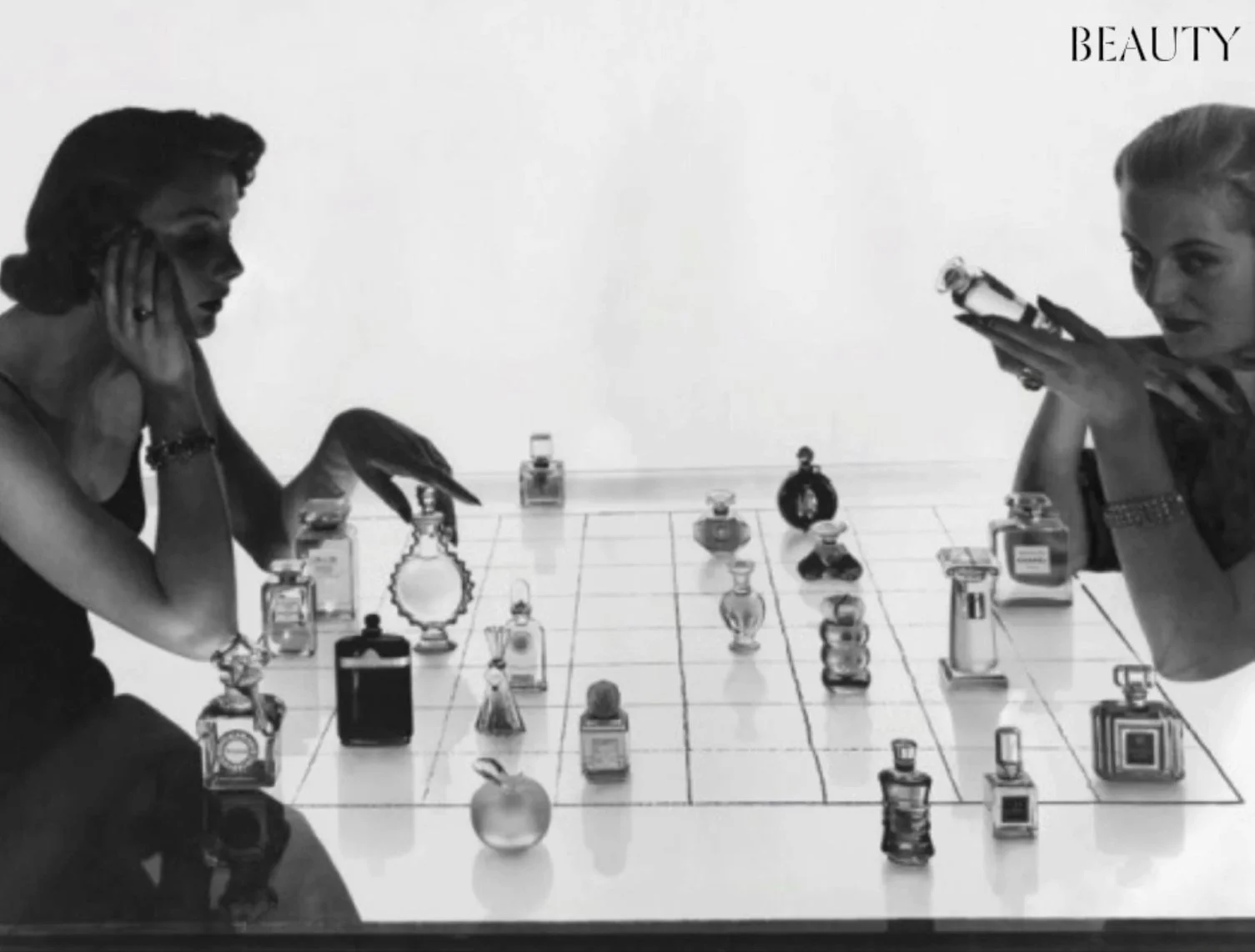
“Smell is the most honest sense. You cannot fake a response to it. It reaches you before you have decided how to feel. This is why it is so powerful — and why it is so rarely taken seriously by people who make things.”
In April, in the south of France, the mimosa is finished. This matters. The mimosa window — the two weeks in February when the groves of Mandelieu-la-Napoule produce a honey-dense golden warmth that exists nowhere else at no other time — has closed for another year, and Bertrand Duchaufour, who has been one of the most important noses in perfumery for thirty years, is already thinking about what comes next.
What comes next, in May, is the rose.
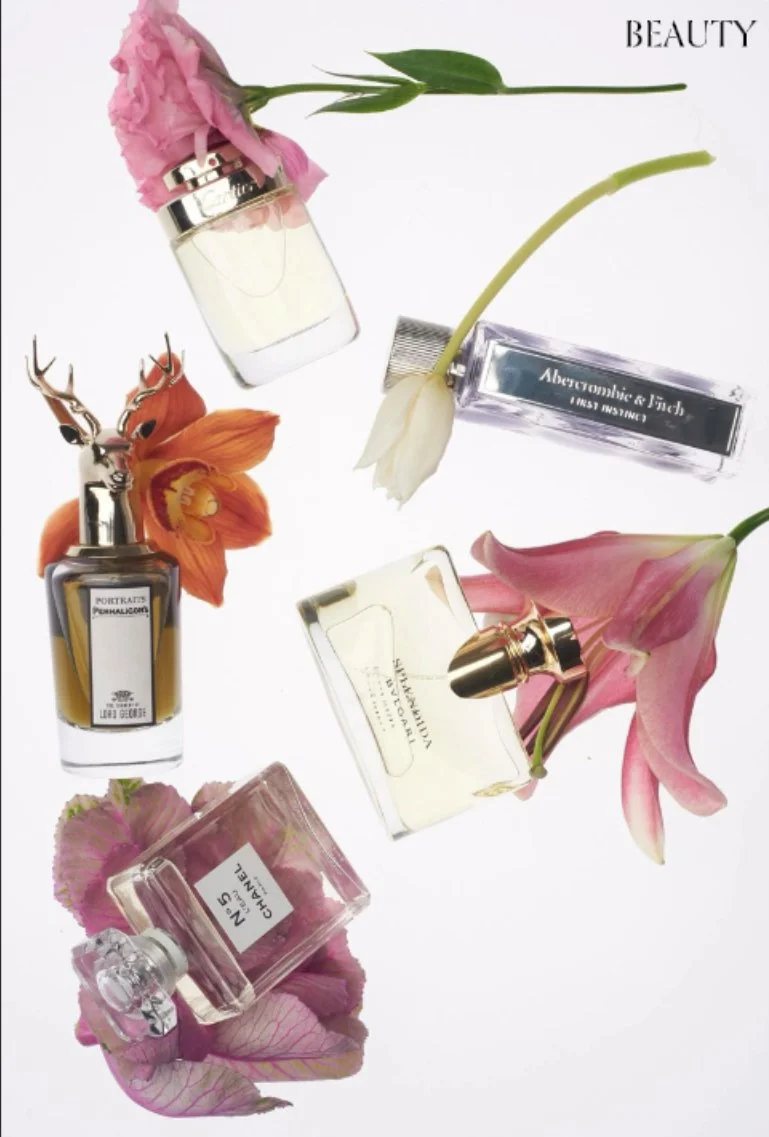
The rose harvest at Grasse is not a metaphor. It is one of the most labor-intensive agricultural events in the luxury world: pickers beginning before dawn, before the heat opens the petals too fully and the most volatile compounds begin to escape, working with a speed that seems impossible until you understand that they have been doing this since childhood. A kilogram of rose absolute requires approximately five tonnes of petals. The rose harvest lasts perhaps six weeks. This is all the rose absolute there will be for the year.
Duchaufour takes me through the year the way a vintner takes you through the seasons of a vineyard: not as a technical calendar but as a sensory narrative, a sequence of qualities that the natural world presents and that the perfumer's task is to receive.
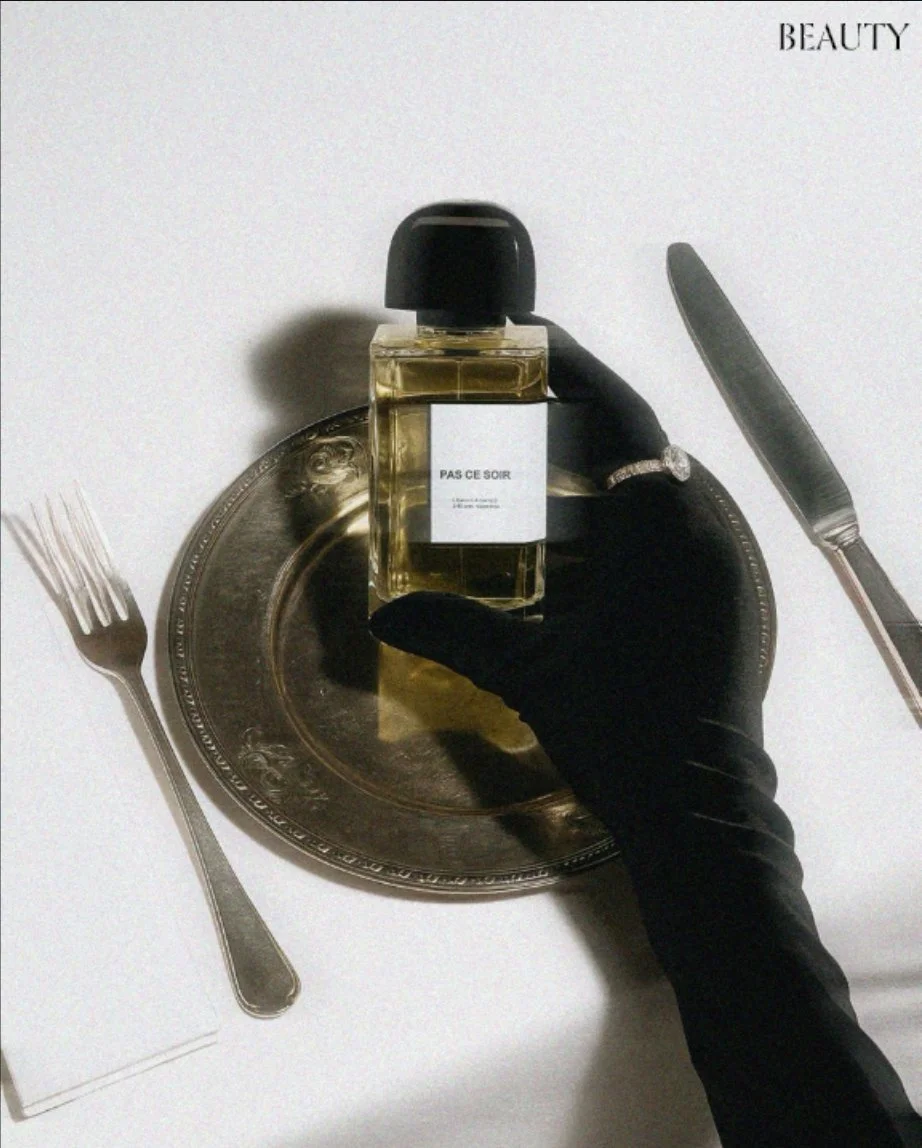
March: the first grass. April: mimosa ending, violet emerging, the specific cold-green of the air after rain on stone. May: rose, jasmine beginning. June: jasmine peak, the orange blossom of Calabria if you can still find a reliable source, the beginning of the lavender. July: lavender in its full purple heat, the dry woody smell of garrigue that has no equivalent in any catalog. August: the sea and the resins — labdanum from Cistus plants, the camphor of the Atlas cedar, the beginning of the incense season. September: the first woods starting to change, the beginnings of mushroom and moss in northern latitudes. October: the oakmoss harvest, patchouli arriving from Indonesia. November and December: the cold materials — vetiver, oud, the deep amber compounds that are too heavy for summer and that bloom in cold air as nothing else does.
"A perfumer who does not know the year," Duchaufour says, "knows perfume the way a painter who has never been to a forest knows green. Which is to say: technically. But not fully."
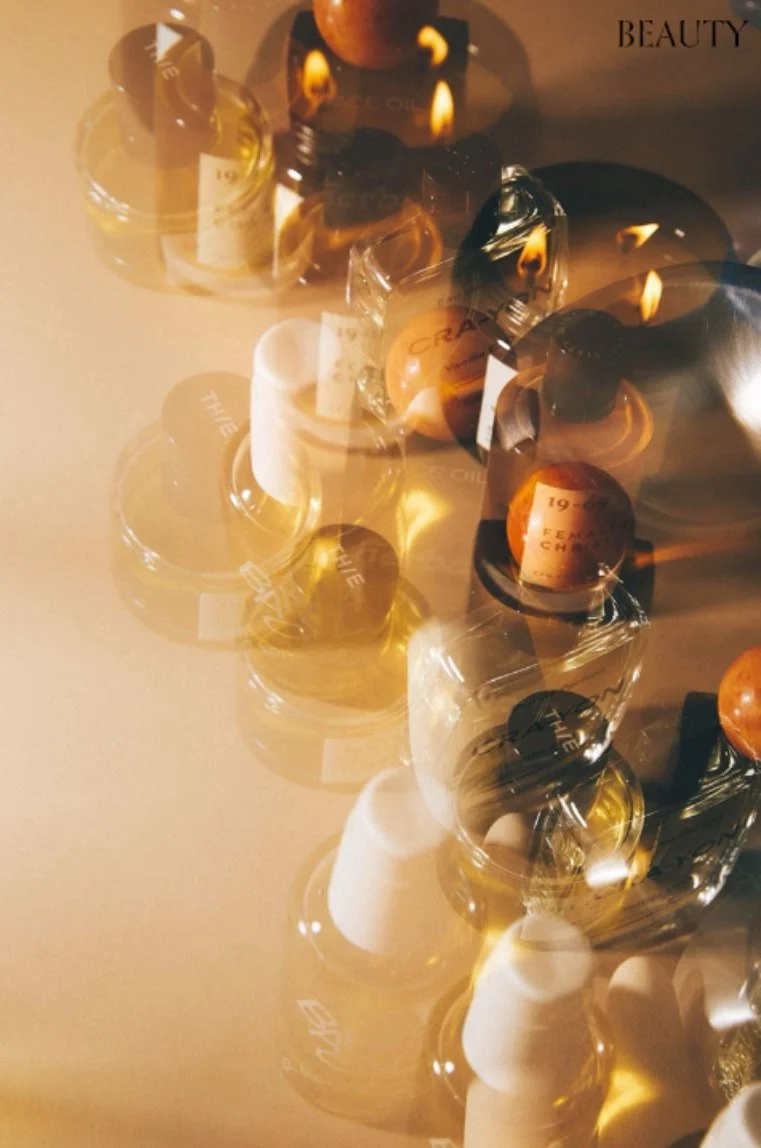
We spent a week following him through the processes of evaluation and selection that precede any formula: the visits to the raw material suppliers, the hours in the evaluation room with strips of paper and the discipline of smell without language, the process of building what he calls "the accord" — the conversation between materials that is the emotional core of any fragrance before it becomes a product.
The raw material room is the most interesting room I have visited in a year of interesting rooms. It contains approximately three thousand samples, from the most common (bergamot, vetiver) to the extraordinary (a small vial of orris absolute valued at something in the order of €100,000 per kilo) to the materials that no longer exist in commercial production and survive only here, in small quantities, because Duchaufour has spent decades acquiring them. The room smells — to put it very simply — of time.
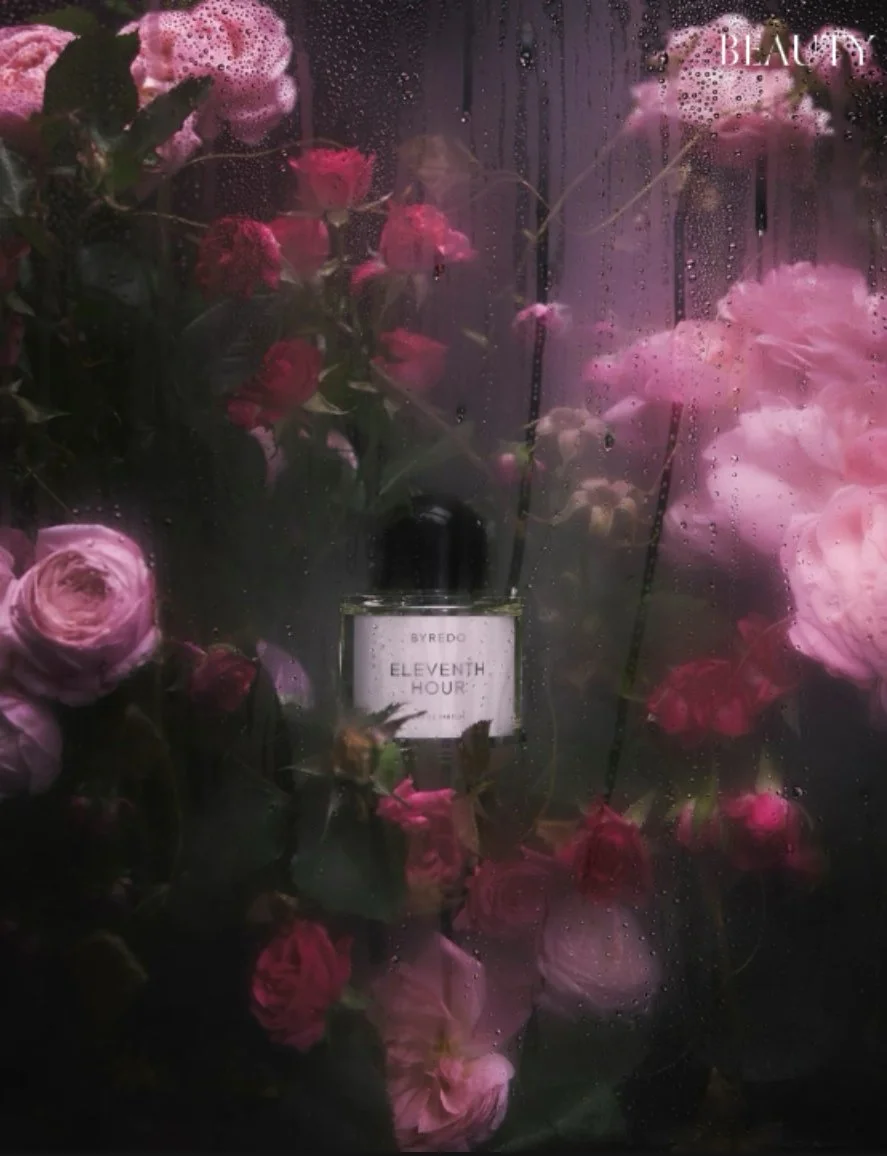
He has been formulating for three decades, and his practice has become something the perfume industry has not entirely caught up with: he works primarily to commission now, for clients who want something specific rather than something commercial. The commissions are not always for personal fragrances, though some are. They are sometimes for places — the particular smell of a hotel lobby that should remind you of nothing specific but of a feeling you cannot name — and sometimes for events, for collections, for the olfactory dimension of spaces designed by architects who understand that smell is the only sense that bypasses the rational brain entirely and acts directly on memory and emotion.
"Smell is the most honest sense," he says. "You cannot fake a response to smell. It reaches you before you have decided how to feel about it. This is why it is so powerful, and why it is so rarely taken seriously by people who make things. They trust the eye. The eye can be managed. The nose cannot."
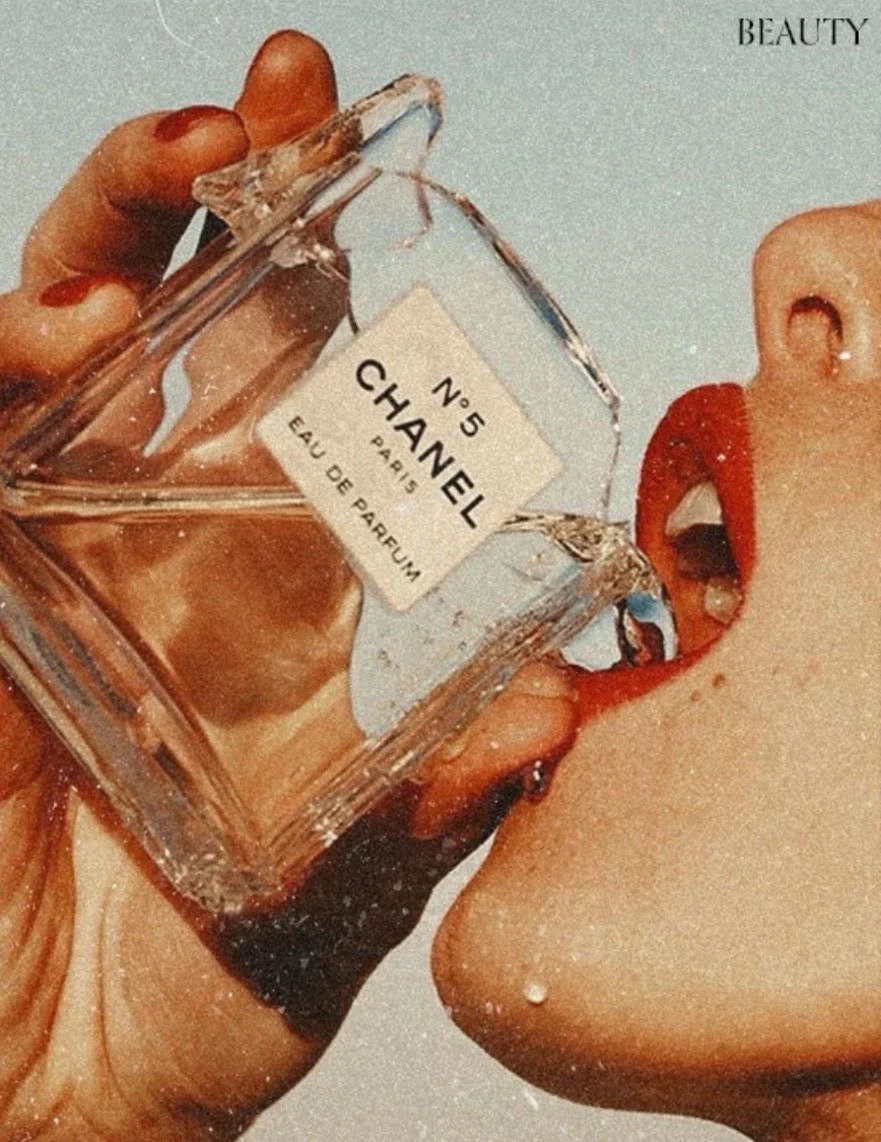
The year, he says, teaches you that the most interesting materials are the ones that exist for a limited time in a specific place and that cannot be reproduced by synthesis. The natural world has a precision that chemistry cannot replicate — not because chemistry is inadequate, but because what a natural material offers is not just a compound but a context: the temperature at which it was harvested, the quality of the season, the specific maturity of the plant. These things are not isolatable variables. They are the material itself.
He says: "People ask me what the best perfume is. The best perfume is the one you smell the moment before you understand you are smelling it. When it is already in you before you can think about it. That is what the natural world does, every morning, for free. We are trying to make a bottle of that."
By Oona chanel

All of the lights

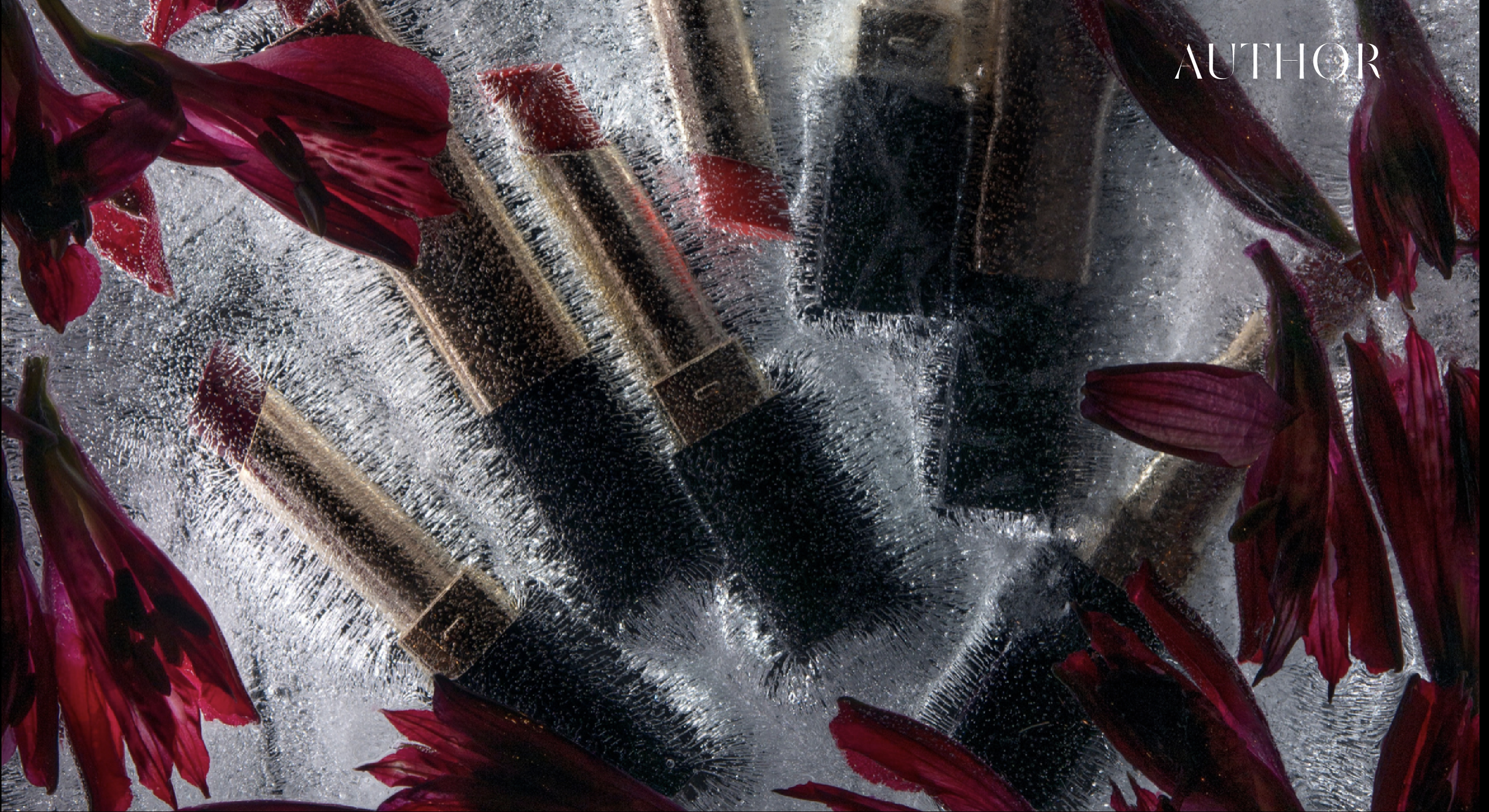
Because 1 lipstick is not enough. The lipsticks you never knew you needed!
Scroll through this beautiful editorial exclusively by Author Magazine and click to shop your favorite lipsticks

CREDITS
Photographer: Helmut Stelzenberger
Lipsticks by: Dolce & Gabbana and Chanel

Pulchritude


Photographer: Juha Mustonen
Beauty Editor: Joseph DiMaggio
Creative Director: Oona Chanel
Model: Sveta Matiunina
Makeup Artist: Roy Liu

In Bloom
Discover this Author Magazine exclusive beauty editorial “In Bloom”. Scroll and click to discover your favorite fragrances all available at Author Shop.

Lancome
La nuit tresor

Bottega Veneta
Knot

Chanel
N°5

Cartier
Panthère

Maison Margiela
By the fireplace

Marc Jacobs
Decadence

Givenchy
Gaiac Mystique

Lanvin Jeanne
Couture

Van Cleefs & Arpels
Imperial
CREDITS:
Photographer Helmut Stelzenberger
Stylist Garance Du Nord
Botanic
It all begins with an idea.

Miss Sicily Lipstick, Dolce & Gabbana
Author Magazine exclusive Beauty Editorial. Scroll and discover the perfect lipstick for you


Rouge Louboutin, Christian Louboutin

Rouge Coco Gloss, Chanel
CREDITS
Photographer: Dylan Griffin
Lipsticks: Chanel, Dolce & Gabbana, Christian Louboutin