

Morocco in June: Why the Rest of the World Gets the Timing Wrong
Every travel guide says visit Morocco in spring or autumn. June is actually its most interesting month — the heat is real, the festivals are extraordinary, and for the first time all year, the medinas belong primarily to the people who live in them.
“The riad was designed for this climate. Thick walls maintain a temperature eight to twelve degrees lower than outside. The courtyard creates airflow. The fountain produces cooling that air conditioning cannot replicate because air conditioning seals a room and flattens its sensory life.”
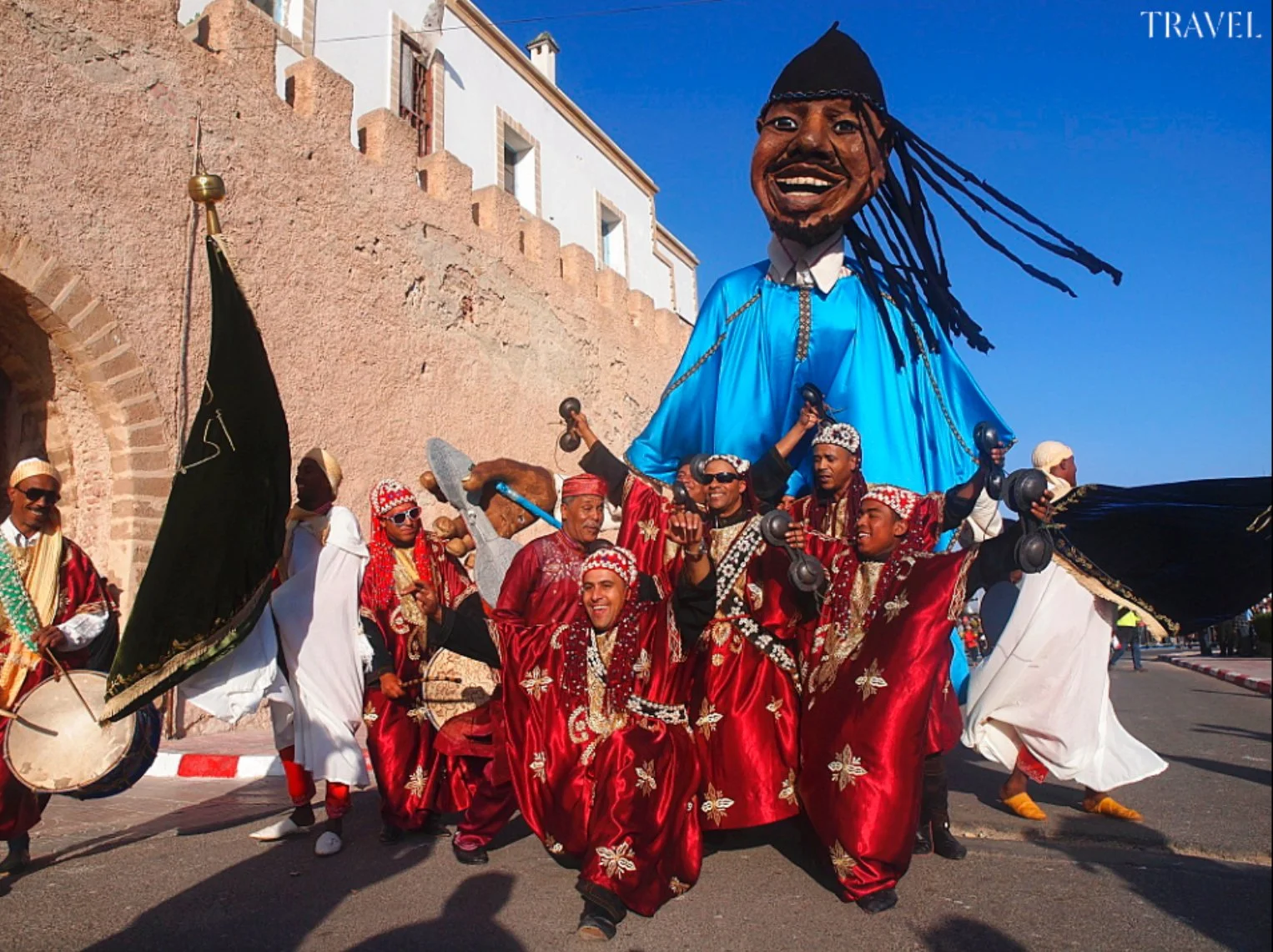
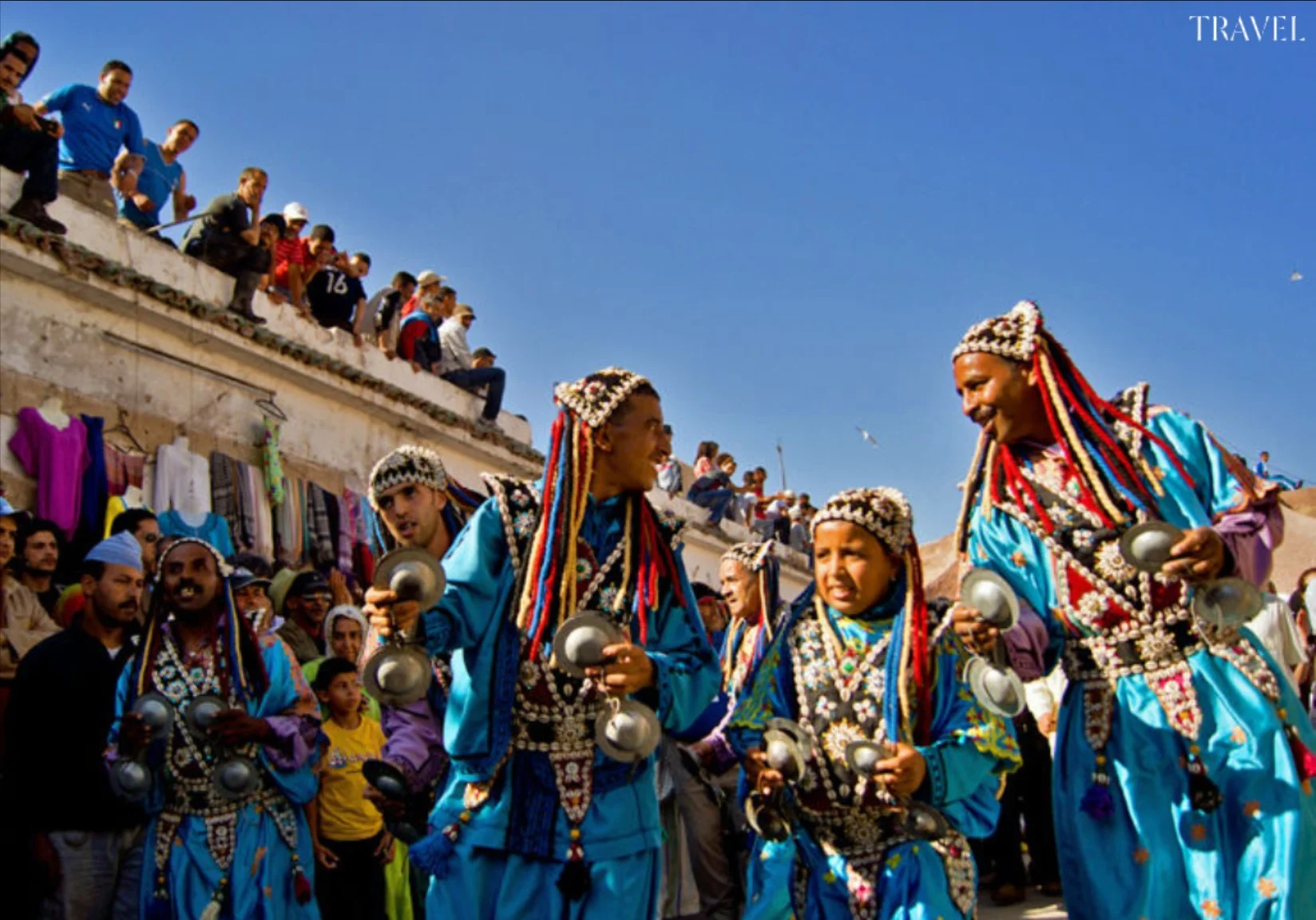
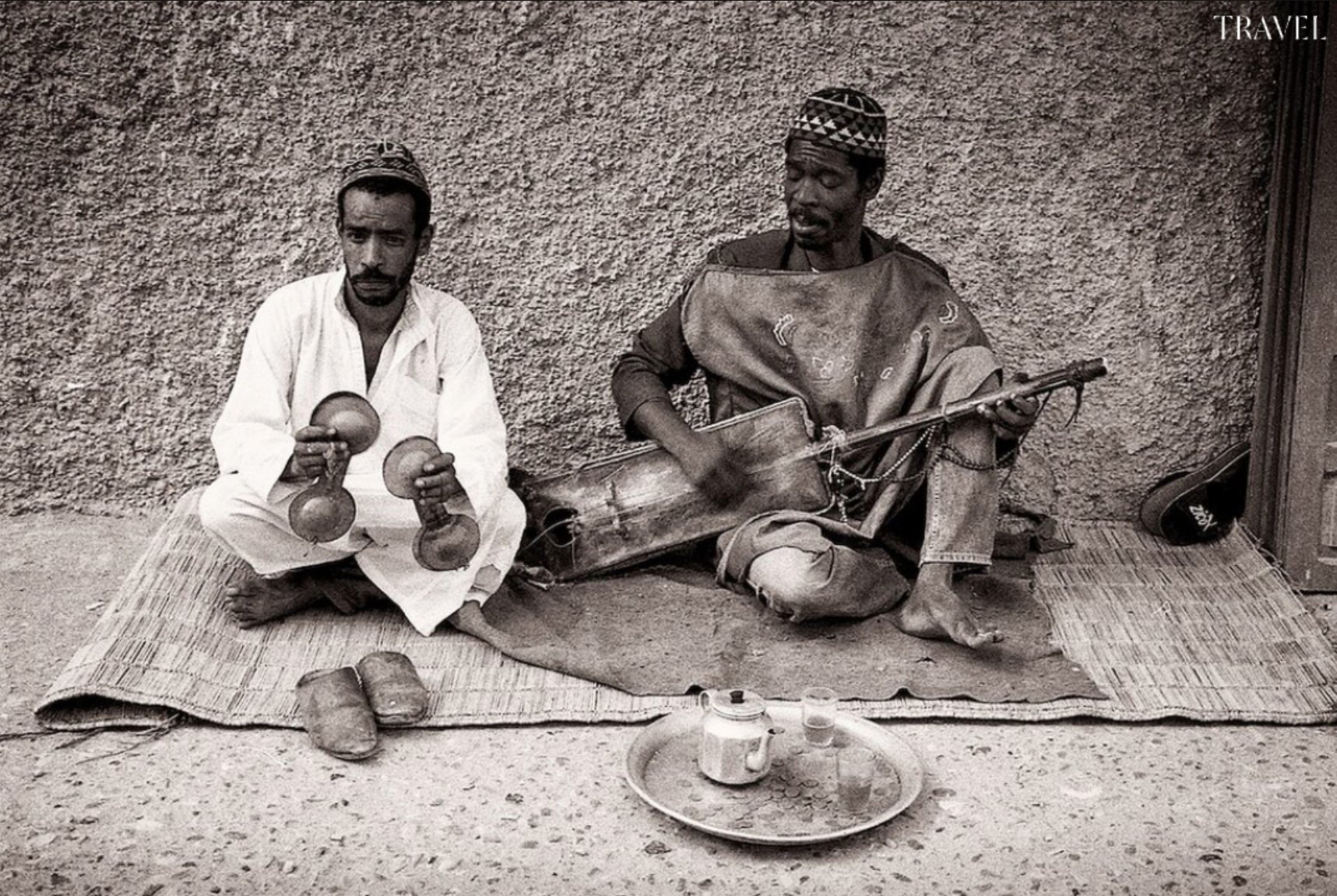
The Gnaoua World Music Festival opens in Essaouira on June 25th. For three days, the coastal city that sits on the Atlantic edge of Morocco — wind-scoured, blue and white, perpetually about twelve degrees cooler than Marrakech — transforms into something that defies easy description. It is not a music festival in the global sense of the word. It is a ceremony that has been expanded to accommodate an audience. The Gnaoua brotherhood, whose trance rituals have roots in sub-Saharan African spiritual practice going back centuries, perform alongside international jazz, blues, and world musicians in a fusion that should not work and consistently does. The old ramparts, the beach, the narrow streets of the medina: all of it becomes a stage.
The festival is free. This is the first thing worth knowing. The second thing: arriving three days early and leaving three days late changes the experience entirely. Essaouira in the weeks bracketing the festival is already extraordinary — the fortified fishing port, the woodworkers carving thuya root into objects of improbable beauty, the best fresh fish on the Atlantic coast at prices that have no relationship to the quality — and the festival adds to this rather than replacing it.
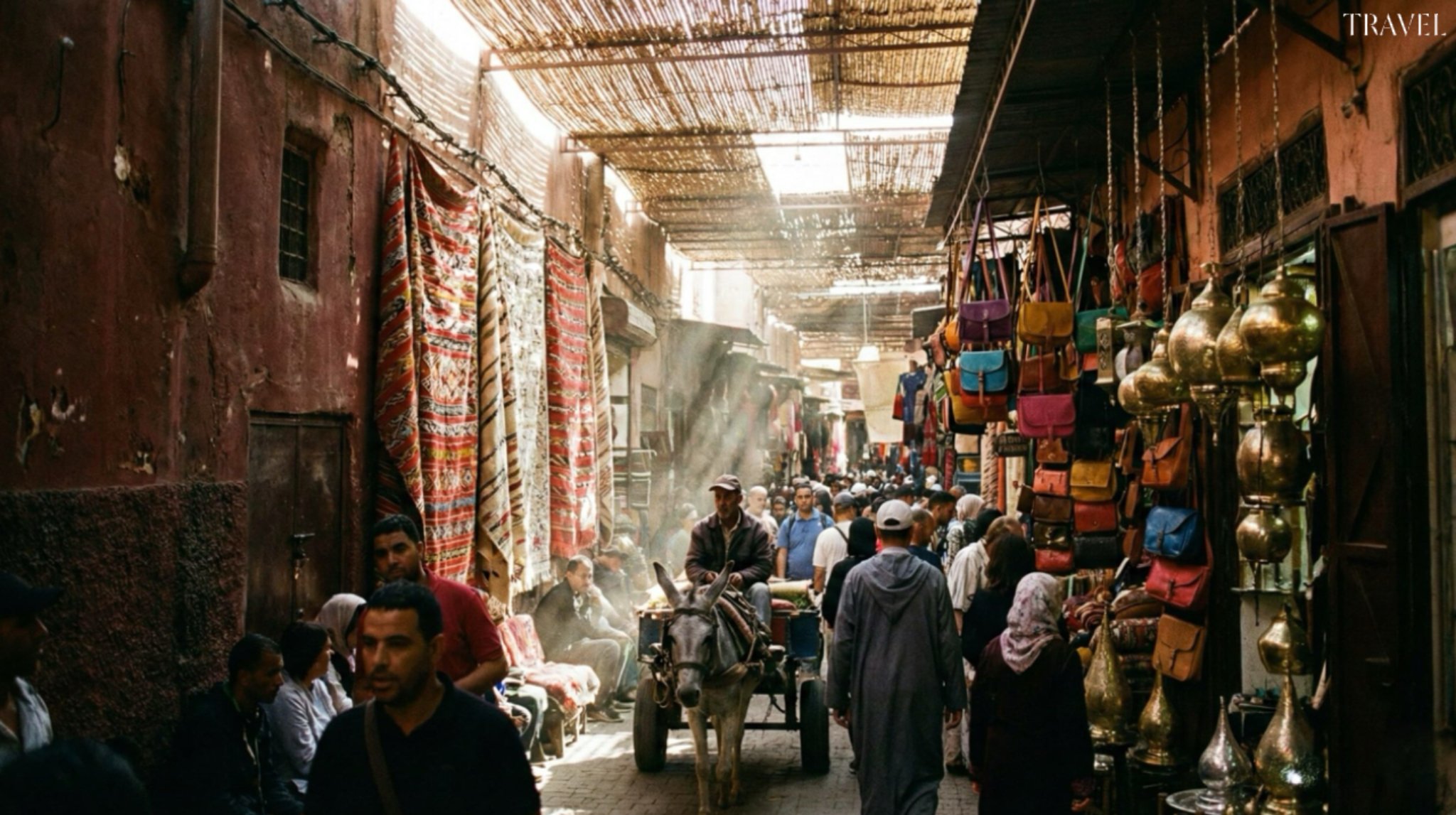
The deeper case for June in Morocco is structural. The school holiday crowds that fill the riads of Marrakech and Fes from July through August have not yet arrived. The Ramadan period, which produces a different and in some ways more interesting Morocco but one that is harder to navigate as a visitor unfamiliar with its rhythms, is over for the year. The European summer tourist wave, which peaks in August and has been reshaping the experience of the medinas for thirty years, is still a few weeks away.
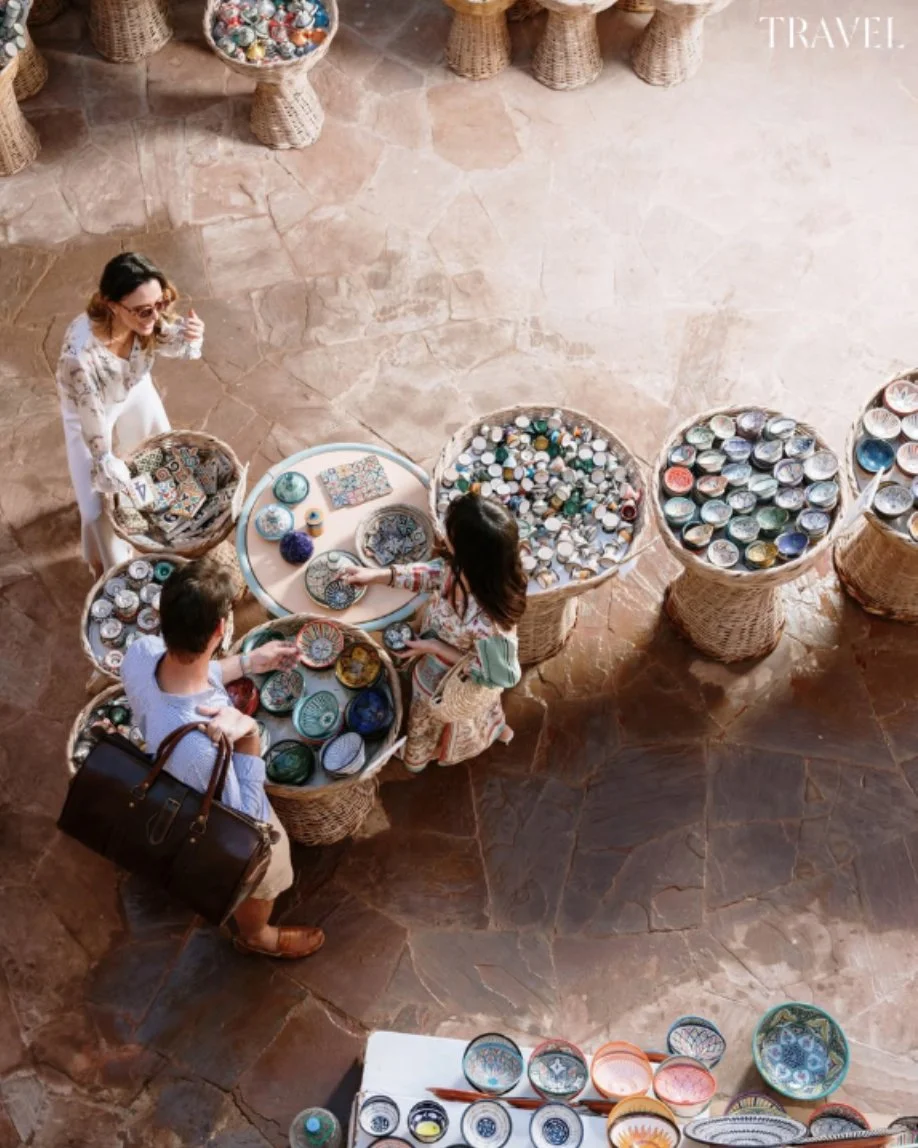
What you get instead: a Morocco operating at its own pace, for its own people, in the specific heat of early summer that the architecture was designed for. The riad — the traditional courtyard house with thick walls, a central fountain, rooms arranged around an open sky — is, as guides consistently note, an extraordinarily effective natural cooling system. The walls maintain a temperature eight to twelve degrees lower than outside. The courtyard creates airflow. The fountain produces sound and humidity that feels physically cooling in a way that air conditioning, which seals a room and flattens its sensory life, cannot replicate.
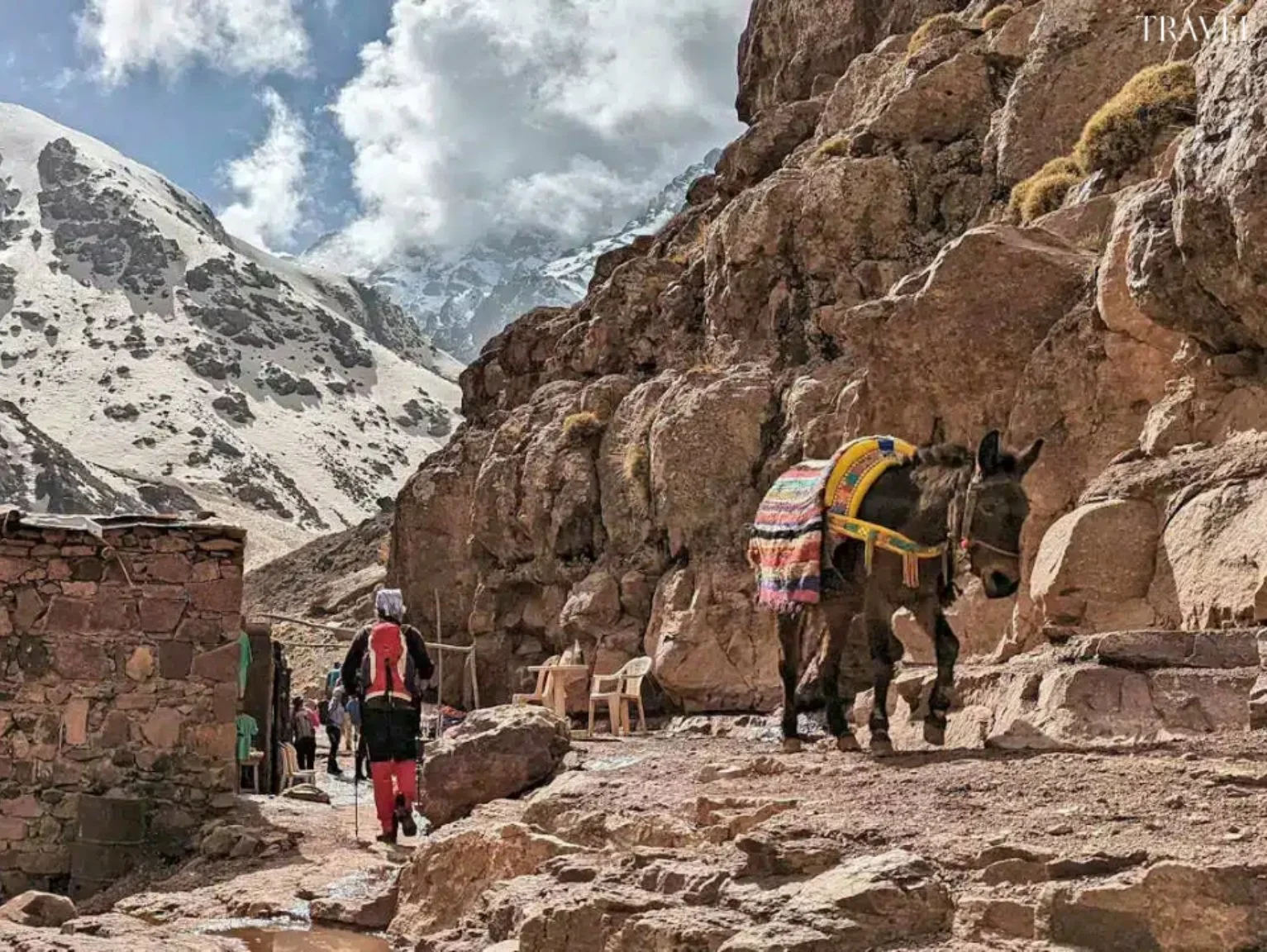
The Fes Festival of World Sacred Music runs June 4 to 7. Fes in June for the Sacred Music Festival is a different proposition from Fes at any other time of year: the ancient medina — a UNESCO World Heritage city that is the largest urban medieval Islamic city in the world, with nine thousand alleys and one hundred thousand craftspeople — is at its most alive and its most cosmopolitan simultaneously. The concerts are held in the Bab Makina, a vast open courtyard in the Royal Palace complex, and in the gardens of the Batha Museum. The programming ranges from Sufi devotional music to Georgian polyphony to West African griot performance. The city surrounds and sustains all of it.
The practical dimension that the travel press underreports: June in Morocco is hot in the interior but temperate on the Atlantic coast, and the country's geography makes it possible to design an itinerary that uses the coast as a base and the Atlas Mountains as a coolant. The drive from Marrakech to Ouarzazate over the Tizi n'Tichka pass — 2,260 meters at its highest, through Berber villages and kasbahs that have been in continuous occupation since the medieval period — is at its most accessible in June, when the snow is gone and the summer flash floods have not yet begun.
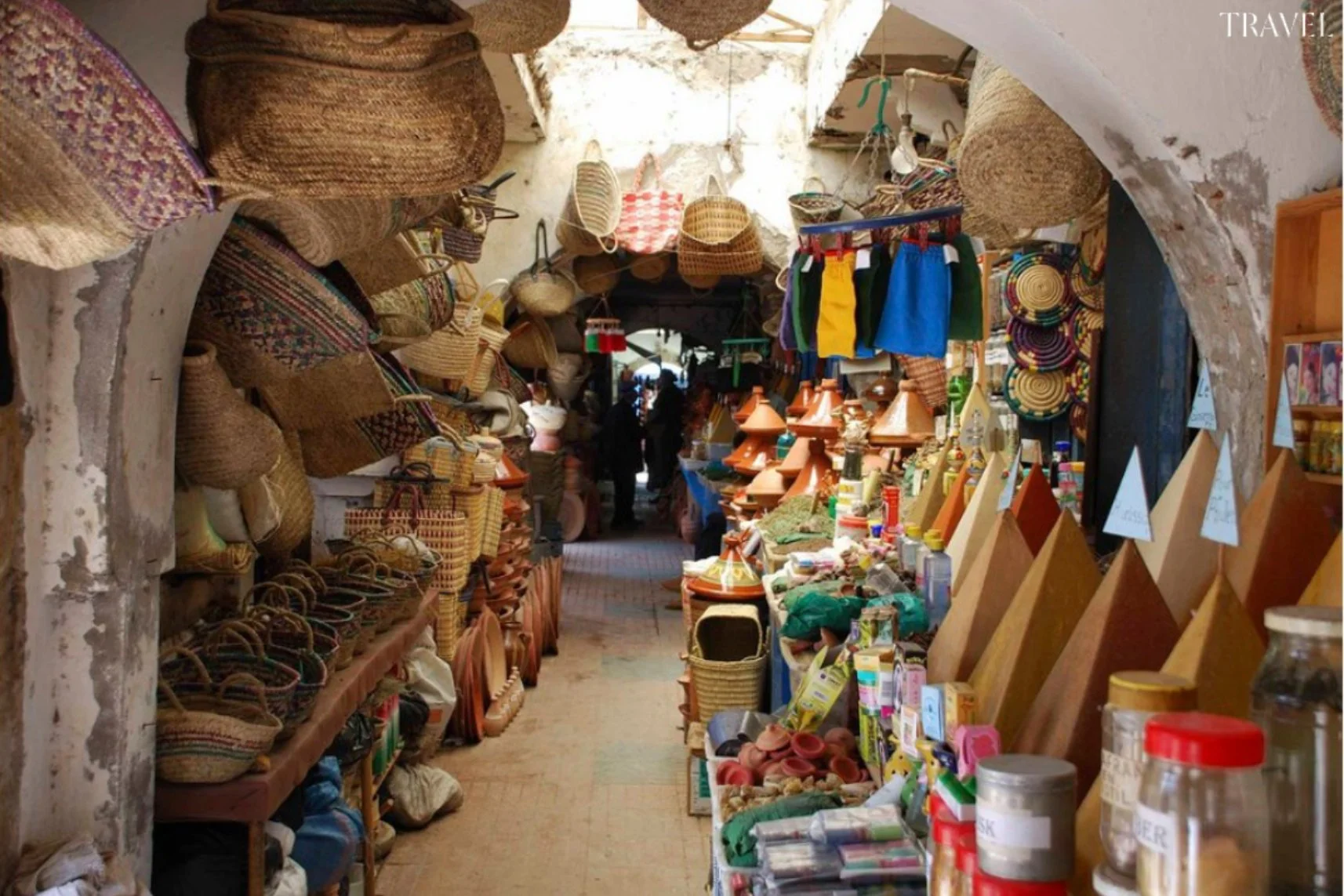
The specific restaurants worth building a Marrakech itinerary around in June: Nomad, on the rooftop above the spice square in the medina, for its reinterpretation of Moroccan classics in a room that feels like a collaboration between traditional architecture and contemporary intelligence. Le Jardin, in the northern medina, for the specific quality of a meal eaten in an actual garden, the kind of garden where the trees are large enough to create their own microclimate. Al Fassia, Marrakech's most celebrated restaurant for classic Fassi cooking, run entirely by women since its founding in 1987, whose bastilla and mechoui have been the standard by which visiting chefs measure their understanding of the cuisine.
Come for the festivals. Stay for the medina in the morning before the heat arrives, when the streets are being washed and the bread is coming out of the communal ovens and the city is briefly, entirely, itself.
BY OONA CHANEL
