

The Last Café: On the Disappearing Art of the Public Room
The café as a form of civic architecture has survived three centuries of pressure. It is not surviving the current one without help — and the people fighting for it deserve to be understood
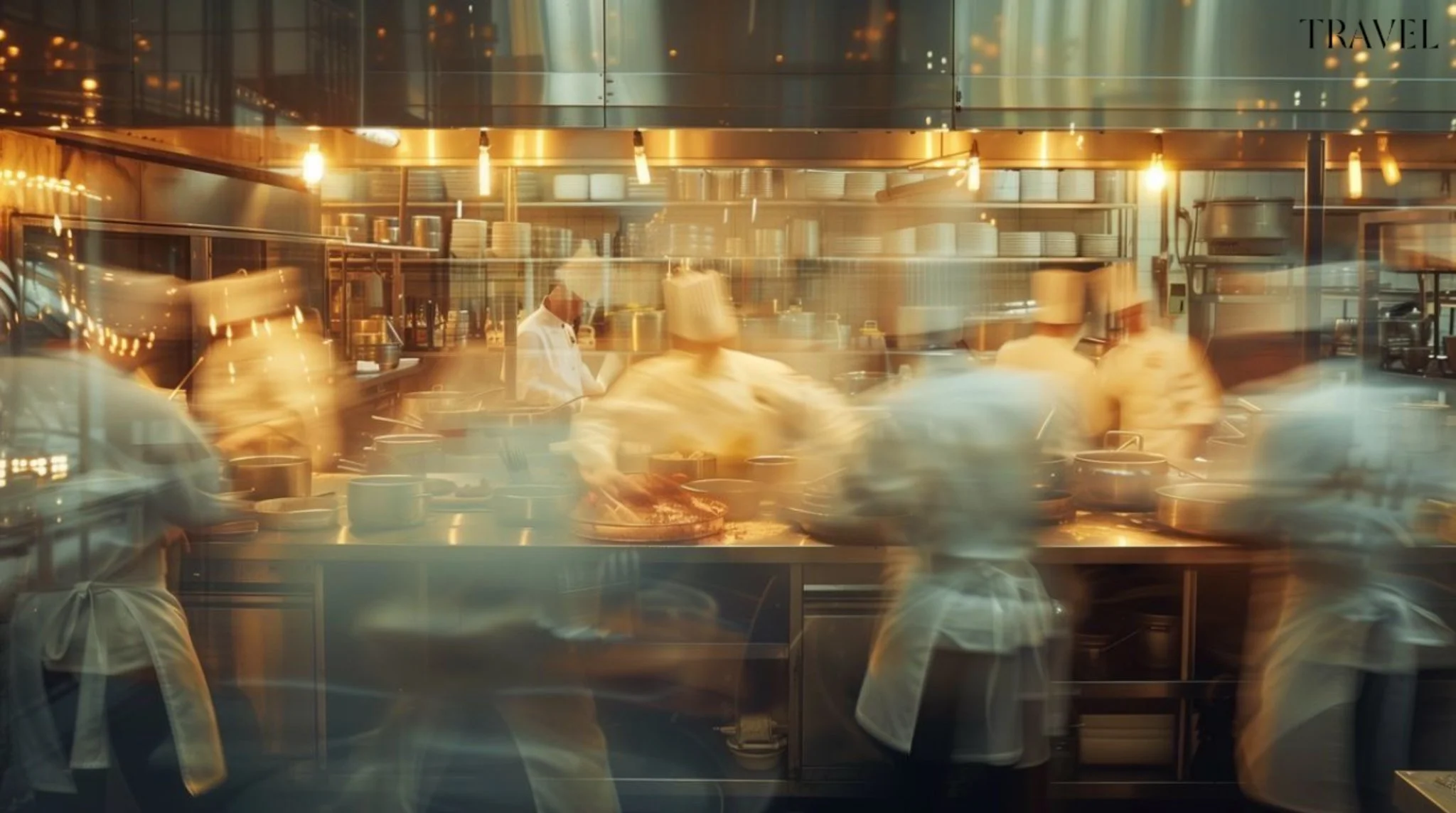
“The café is a machine for the production of a certain kind of time — unhurried, unstructured, socially available time that does not need to justify its existence with productivity. The places that protect it are protecting a form of human experience with no adequate substitute.”
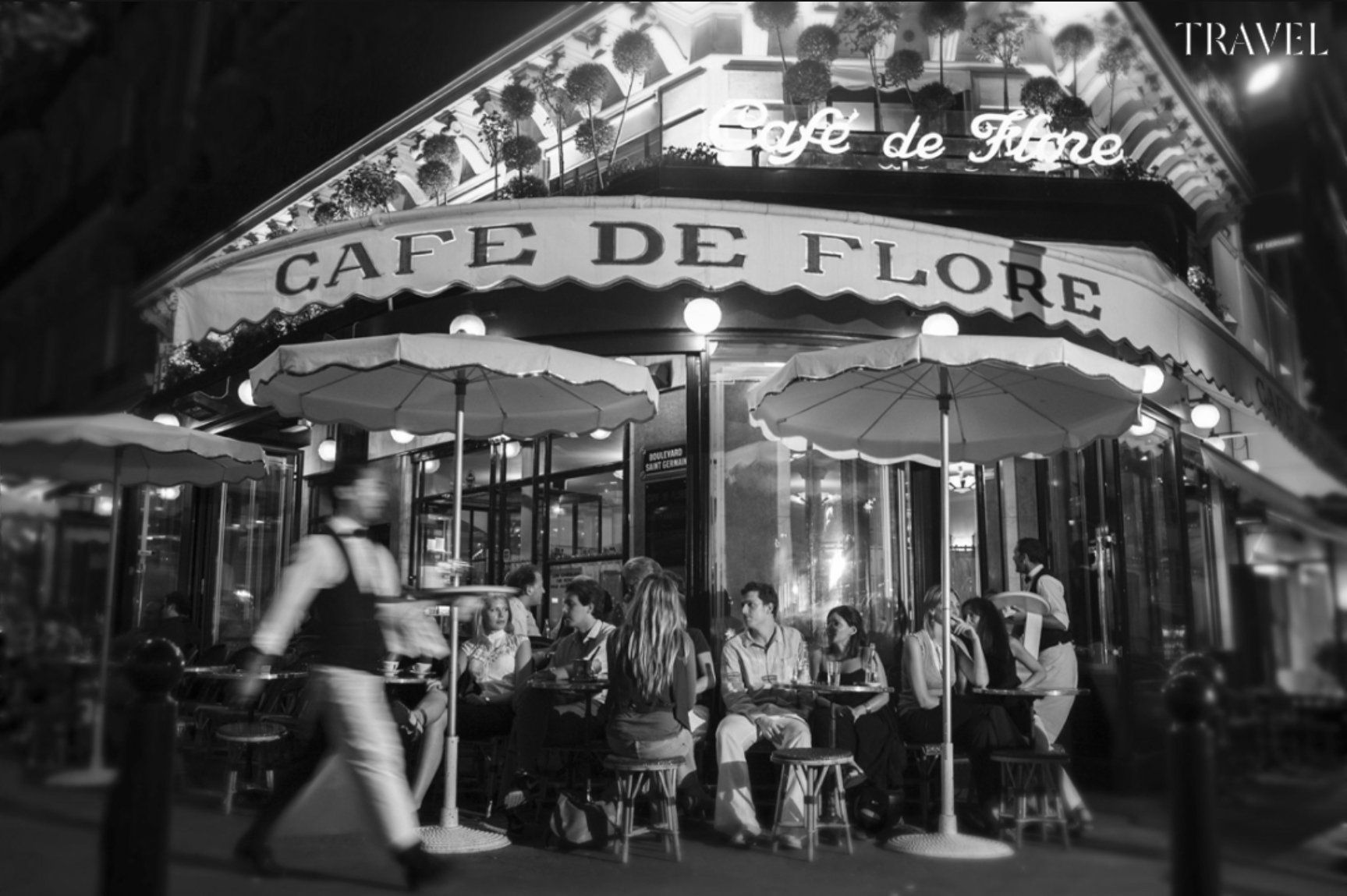
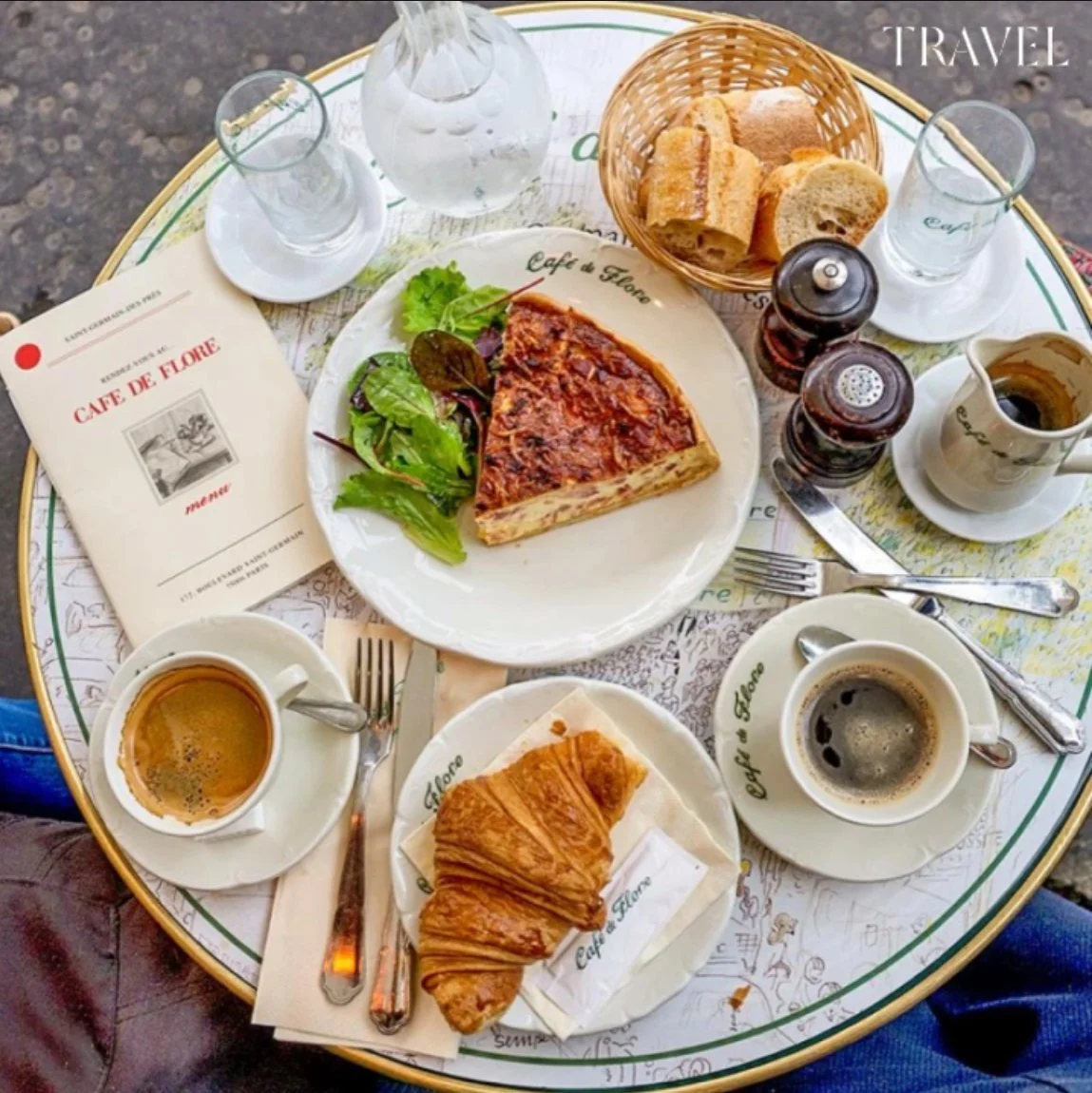
The Café de Flore has been open since 1887. It has survived the Commune, two world wars, the German occupation (during which Sartre wrote Being and Nothingness at his regular table, reportedly because it was heated), the tourist industry, and four decades of Instagram. It is still, on a Wednesday morning in October, when the tourists are not there, exactly what it has always been: a room where the public life of the mind happens alongside the private life of the body, where a person can sit for three hours with a café crème and an idea and no one will ask them to move.
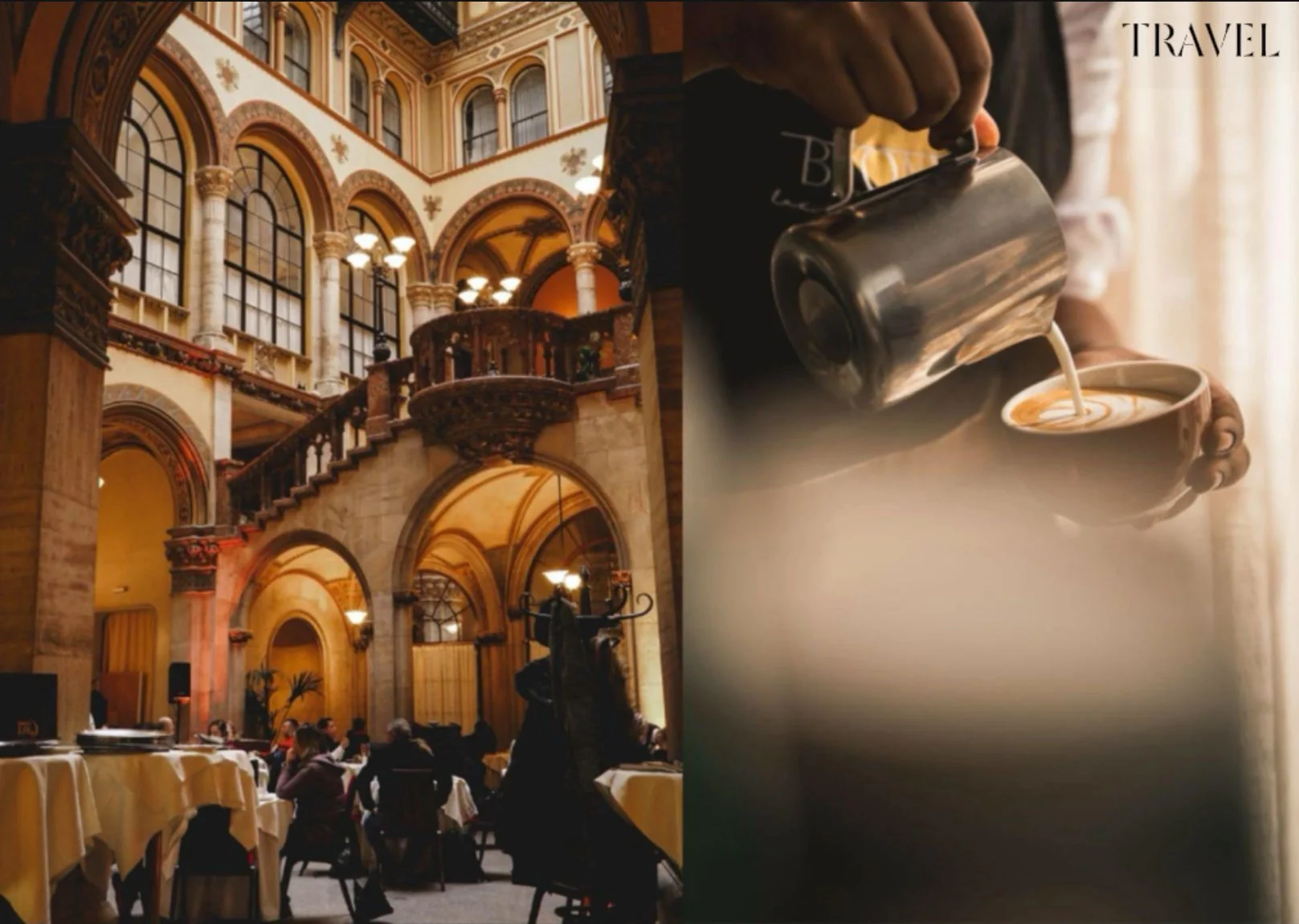
The café, as an institution, is one of the most important and least examined contributions to human civilization. Not the café as product — the coffee, the food, the service — but the café as a specific kind of public architecture: the room that is neither public nor private, that belongs to no one and therefore to everyone, that makes possible a quality of social life that has no equivalent in any other setting.
The history of the public café is inseparable from the history of democratic thought. The coffeehouses of seventeenth-century London — Lloyd's, Garraway's, the Turk's Head — were the places where the information economy of the emerging middle class was constituted: where merchants and lawyers and writers and scientists met on a basis of relative equality to exchange news, opinions, and the substance of what was becoming, over the century following, a public sphere. Jürgen Habermas, whose concept of the bourgeois public sphere remains one of the most useful frameworks for understanding the social function of modern democracy, roots it here, in the coffeehouse: the space where private individuals come together to form public opinion.
The Viennese café took this further. The institution that produced Freud, Wittgenstein, Zweig, Herzl, Klimt, and the other architects of early twentieth-century modernity was not the university or the salon or the intellectual journal, though all of these existed. It was the café. The Café Central. The Landtmann. The Griensteidl. These were the spaces where people who were changing the way the Western world thought about itself spent the hours that thinking requires: the long hours of unstructured attention, of conversation conducted without agenda, of the kind of intellectual sociability that does not produce a document but produces, over years and decades, a way of being in the world.
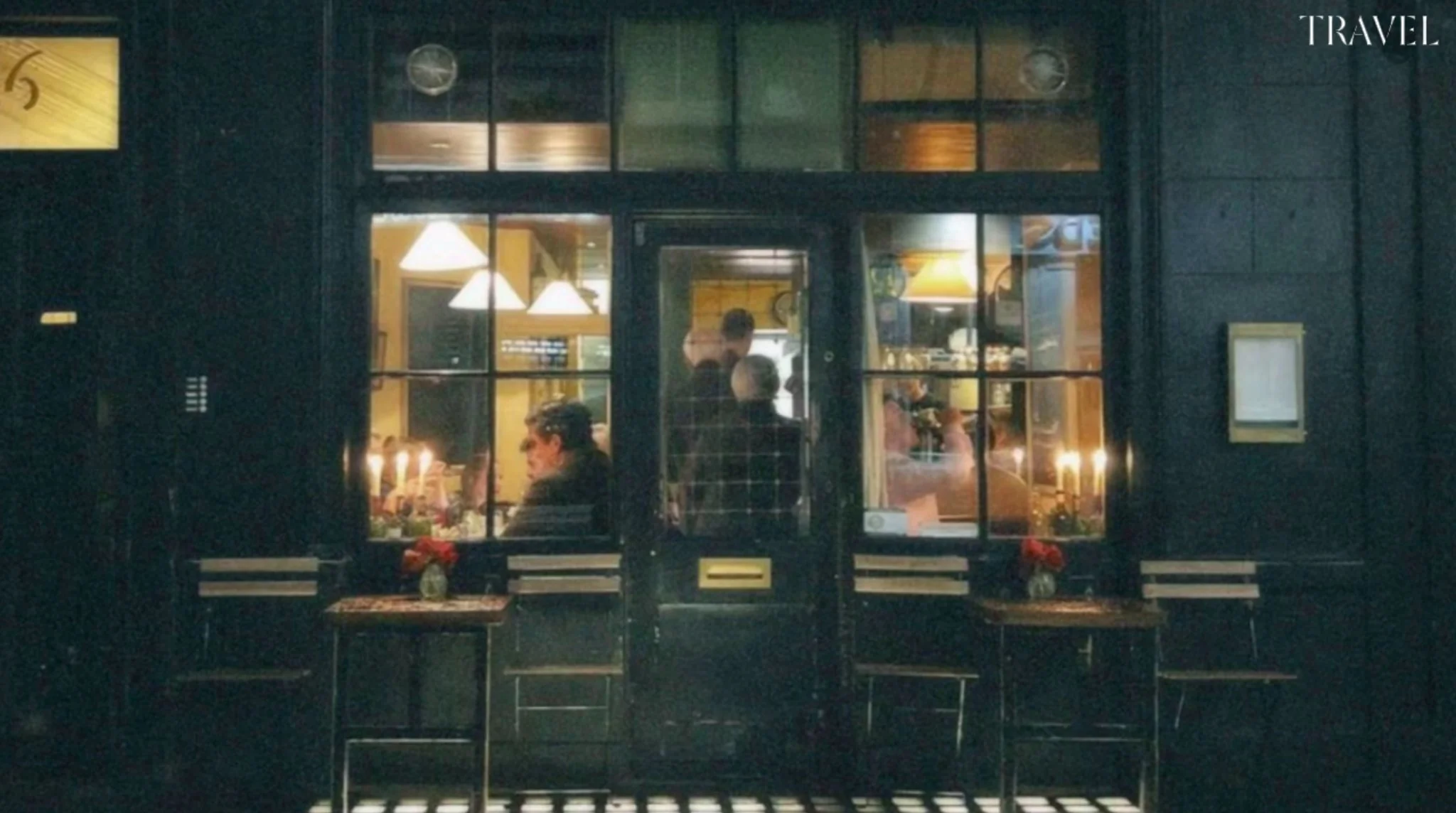
What threatens the café now is not the tourist, exactly, though the tourist is part of it. It is the logic of the contemporary experience economy, which has identified the café as content — as a backdrop for the image, as a brand, as an aspiration that can be commodified — and which has, in its commodification, destroyed precisely the quality that made it worth commodifying. The Viennese café that charges thirty euros for a Melange and provides a QR code instead of a menu has not been preserved. It has been taxidermied.
But the institution is not dead. It is, in some cities and in some specific rooms, still alive — still performing its essential function of making the public life of the mind possible in a physical space with a cup of coffee and enough hours.
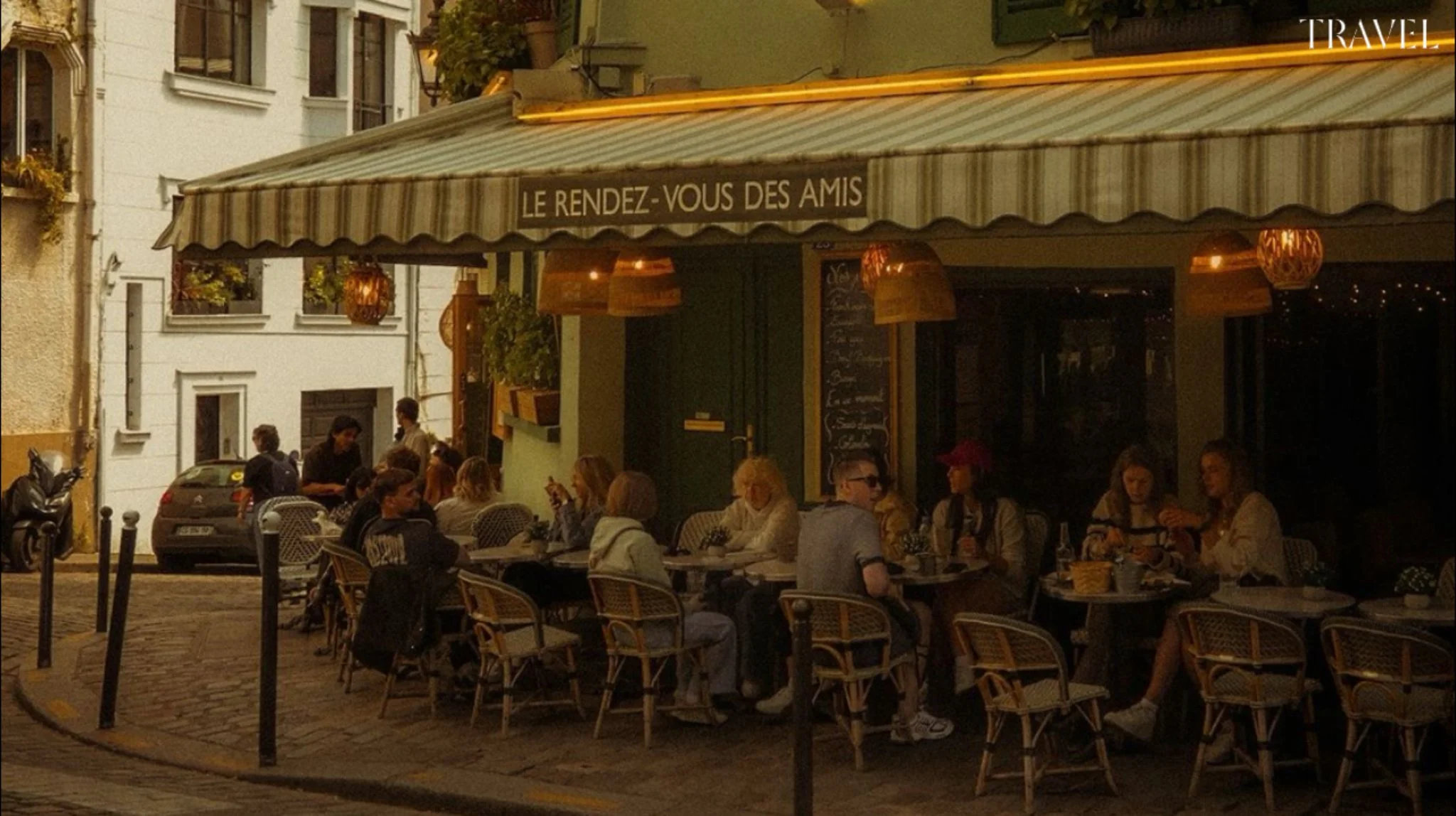
The Kaffeehäuser of Vienna that survive as genuine institutions rather than heritage performances are fewer than twenty by serious count. The Landtmann, adjacent to the Burgtheater and the Rathaus, has been continuously occupied by the same quality of Viennese intellectual and political life for 150 years and remains so, to an extraordinary degree, still. The Prückel, the Schwarzenberg, the Hawelka (now run by the founder's son, who understands what he has inherited) — these rooms have maintained the essential condition: you are welcome to sit for as long as you need to, and no one will make you feel that your presence requires justification.
In Paris, outside the tourist circuit: the Café de la Mairie on the Place Saint-Sulpice; the Rostand facing the Luxembourg Gardens; the Tourville; the Procope, which is the oldest continuously operating café in Paris and which has survived by being honestly itself rather than performing its age. In Vienna, in the rooms above. In Lisbon: the Brasileira, where Pessoa's bronze is not the point; the São Nicolau near the river, which remains inhabited by the kind of people who have actual conversations.
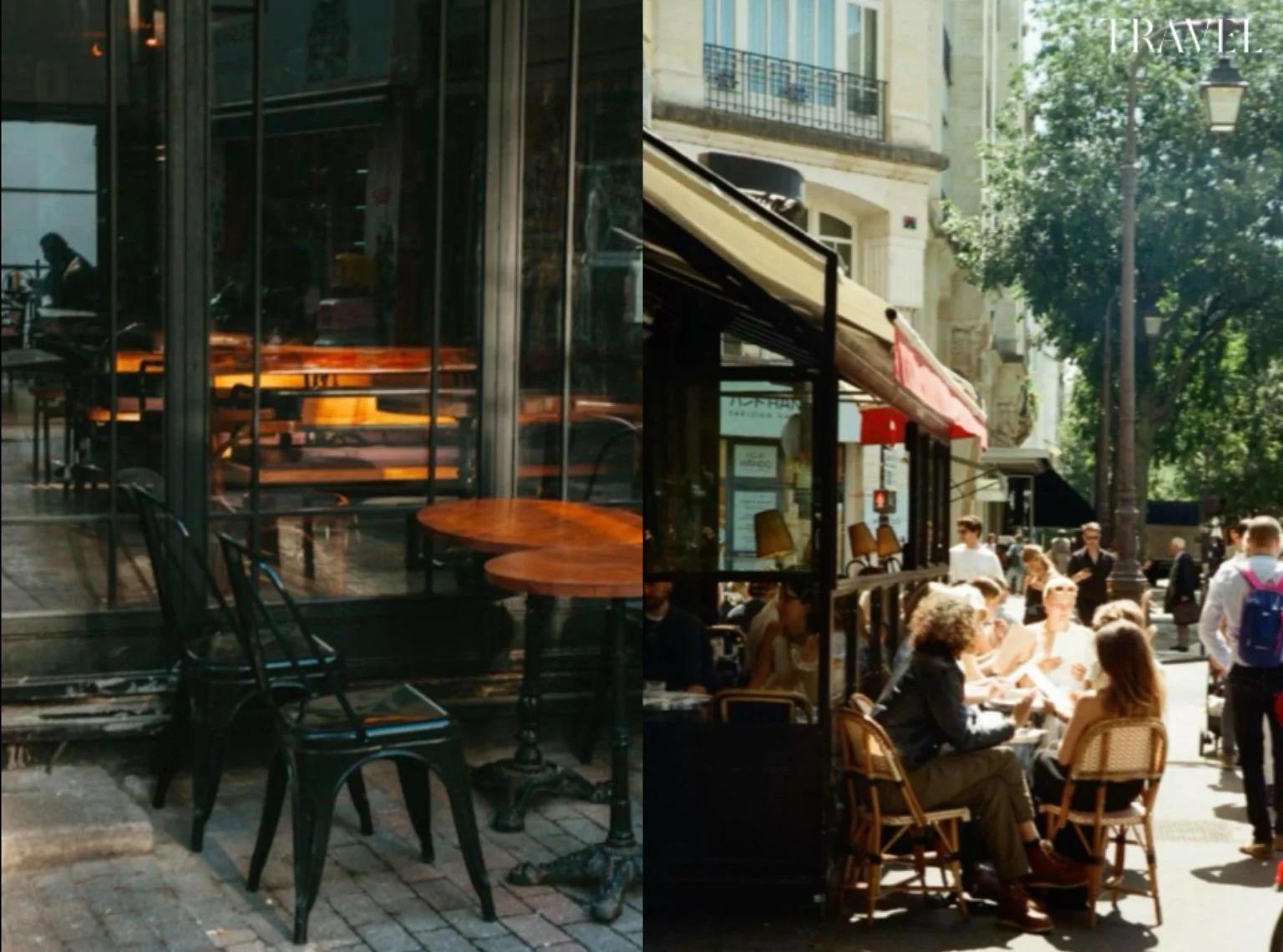
The designer and historian Marco Magnifico, who has written extensively on the social architecture of public space in European cities, describes what is at stake in terms that go beyond nostalgia: "The café is a machine for the production of a certain kind of time — unhurried, unstructured, socially available time that does not need to justify its existence with productivity. This kind of time is under the most severe pressure it has been under in the modern era. The places that protect it are, in the most literal sense, protecting a form of human experience that has no adequate substitute."
The most important thing you can do for the café, he says, is go there and stay.
BY OONA CHANEL
