

The Amalfi Interior: What Happens When You Leave the Coast
The Amalfi Drive is one of the most photographed roads in the world. Two kilometers inland, the tourists disappear and Italy begins.
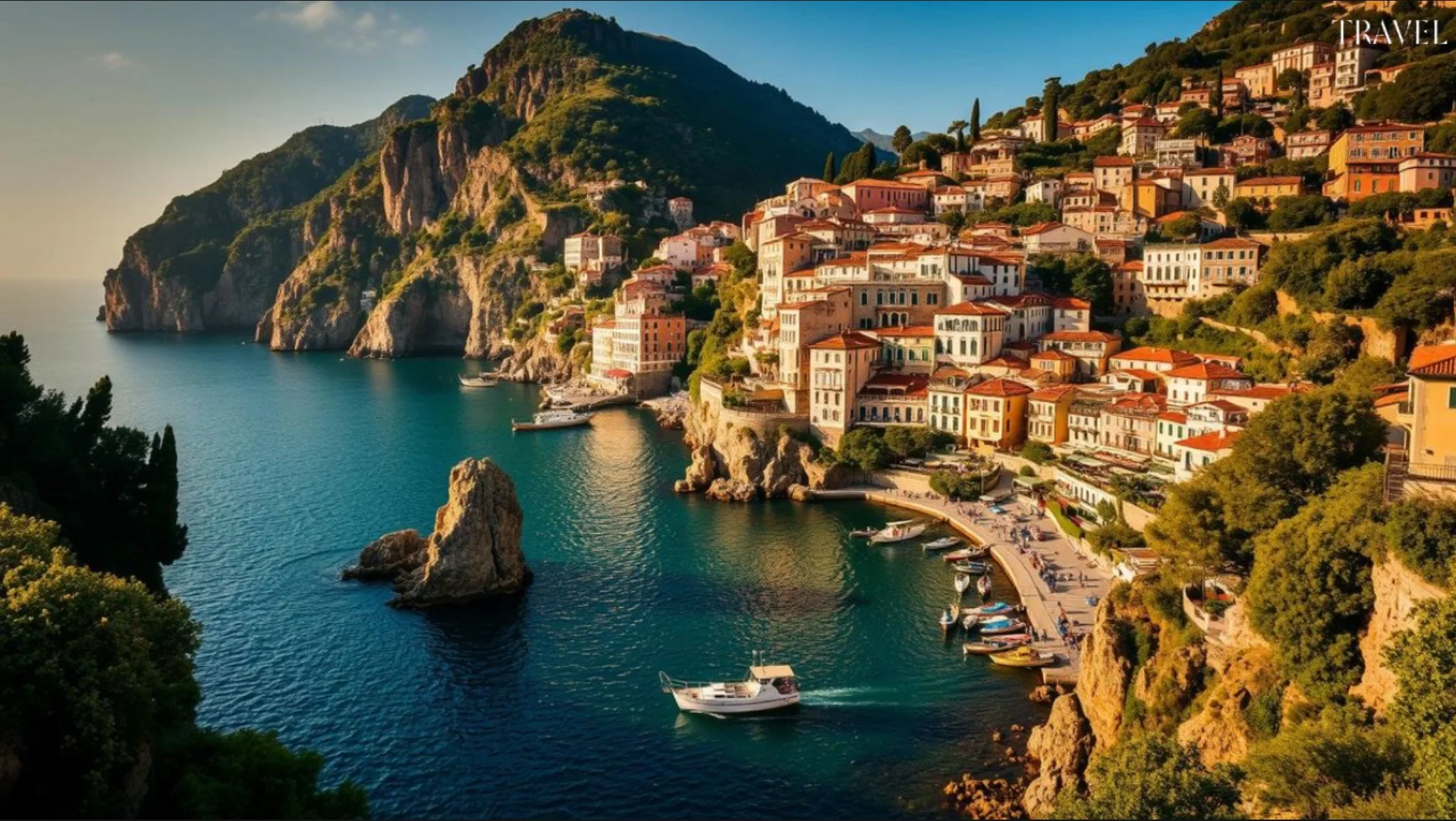
“After 7pm, when the day-trippers have descended to their coastal hotels, the town is left to itself and to the small number of people who had the foresight to stay.”
The road to Ravello runs upward from the coast at a gradient that makes the rental car protest and the lungs grateful. Fourteen hundred meters, from the sea. At the top: a town of two thousand people that has been receiving artists, writers, and composers for a hundred and fifty years and has, somehow, absorbed the attention without being disfigured by it.
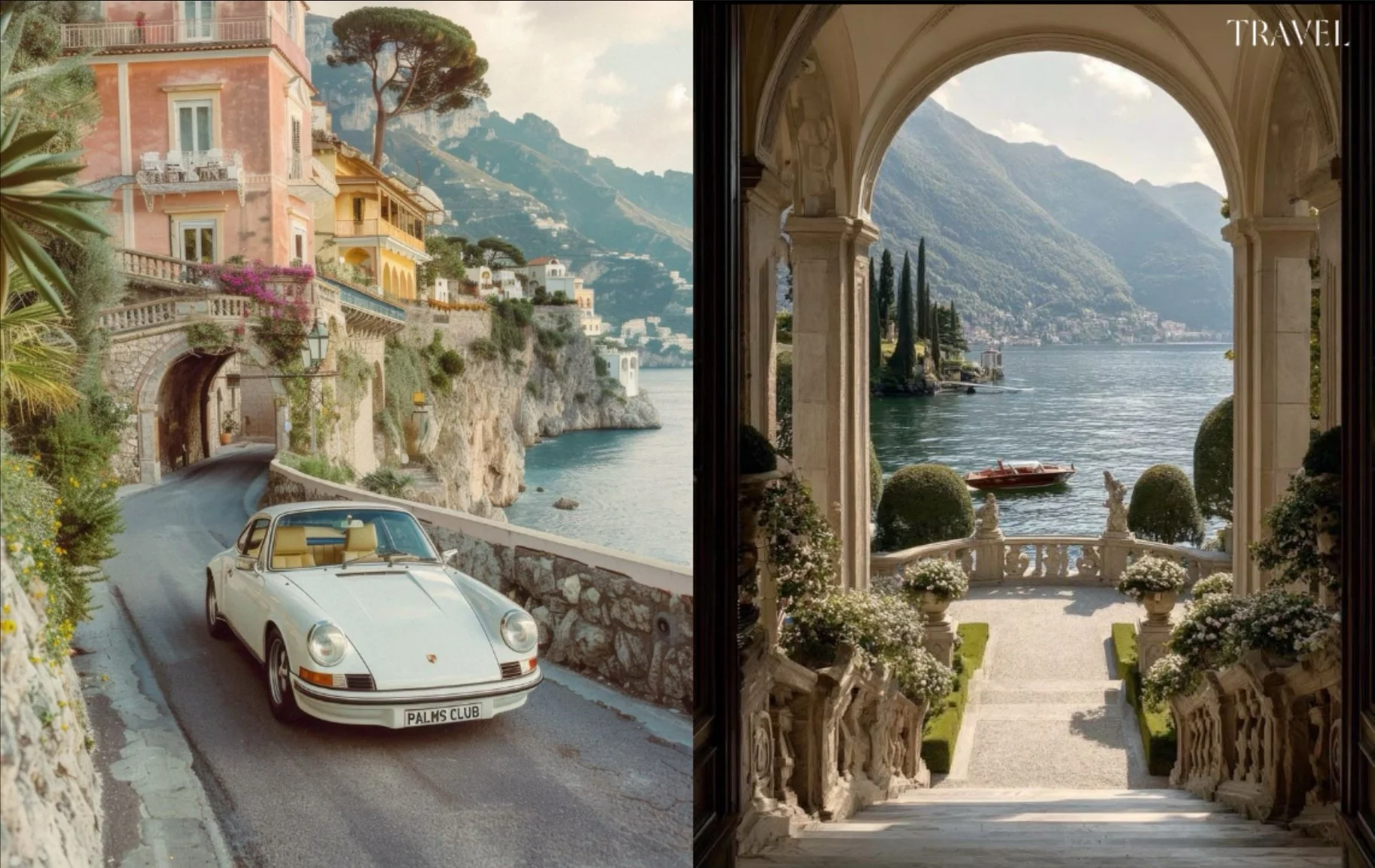
Wagner composed here. Gide wrote here. Virginia Woolf described the view from Villa Rufolo as the most beautiful in Europe — a statement she made, characteristically, as a fact rather than a preference. D.H. Lawrence lived here long enough to start a fight with the local literary community. Gore Vidal had a house on the hill for forty years and used it as the base for a sustained argument with the twentieth century that only ended when he died.
Ravello is not undiscovered. Nothing on the Amalfi coast is undiscovered, and the attempt to present it otherwise is a form of dishonesty that the landscape itself corrects quickly: the buses arrive, the terraces fill, the photographers congregate at the belvedere at sunset with a punctuality that implies prior arrangement. But Ravello, unlike Positano and Amalfi itself, closes its gates at a time that is not metaphorical. After 7pm, when the day-trippers have descended to their coastal hotels, the town is left to itself and to the small number of people who had the foresight to stay.
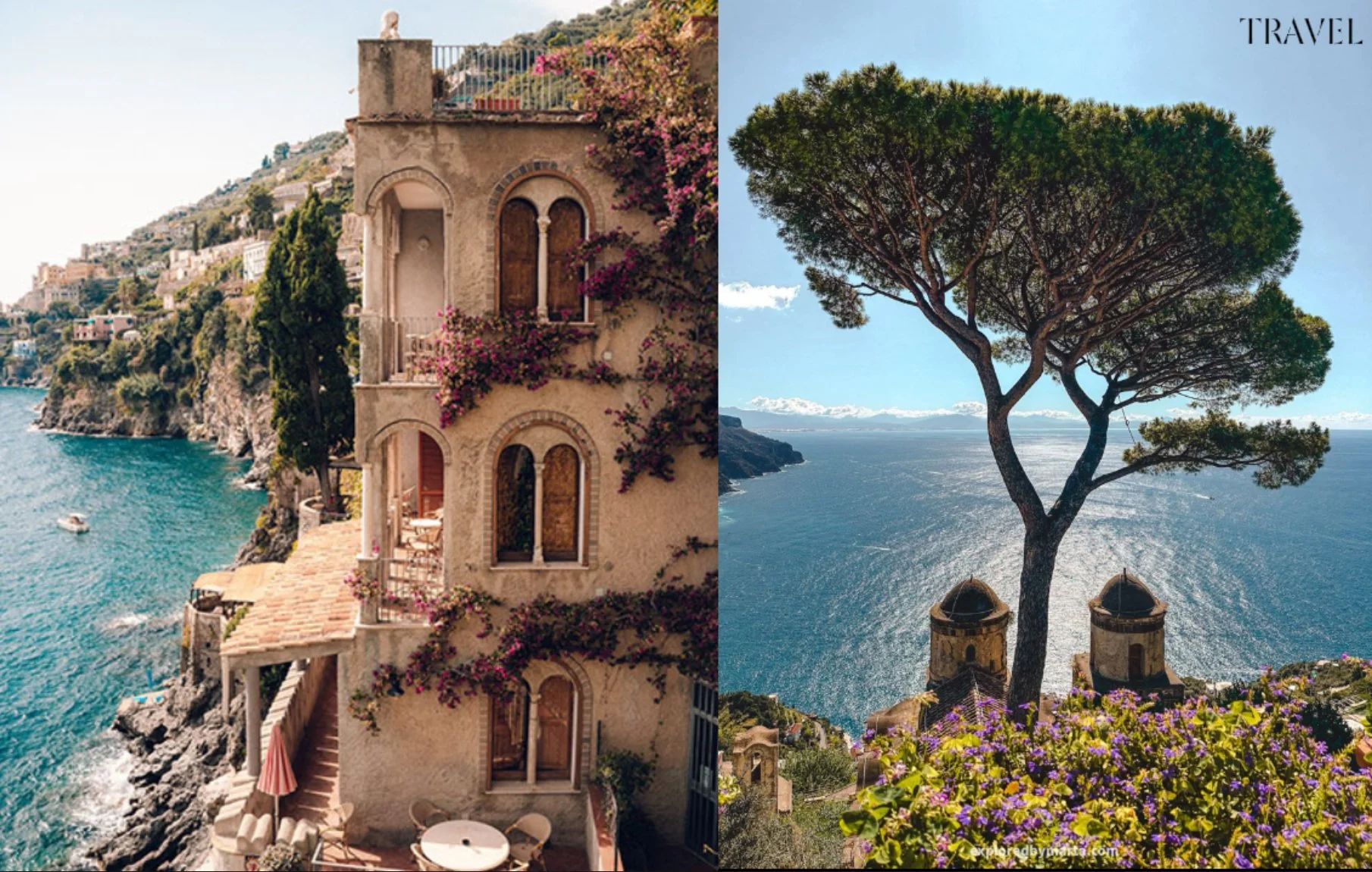
The Palazzo Sasso — the hotel occupying a twelfth-century palazzo on the edge of the town's main piazza, with a terrace that overlooks the full sweep of the Gulf of Salerno from a height that makes the boats below look genuinely toy-like — is the base. The question of what to do with the next three days, having arrived, is one of the more enjoyable problems a person can have.
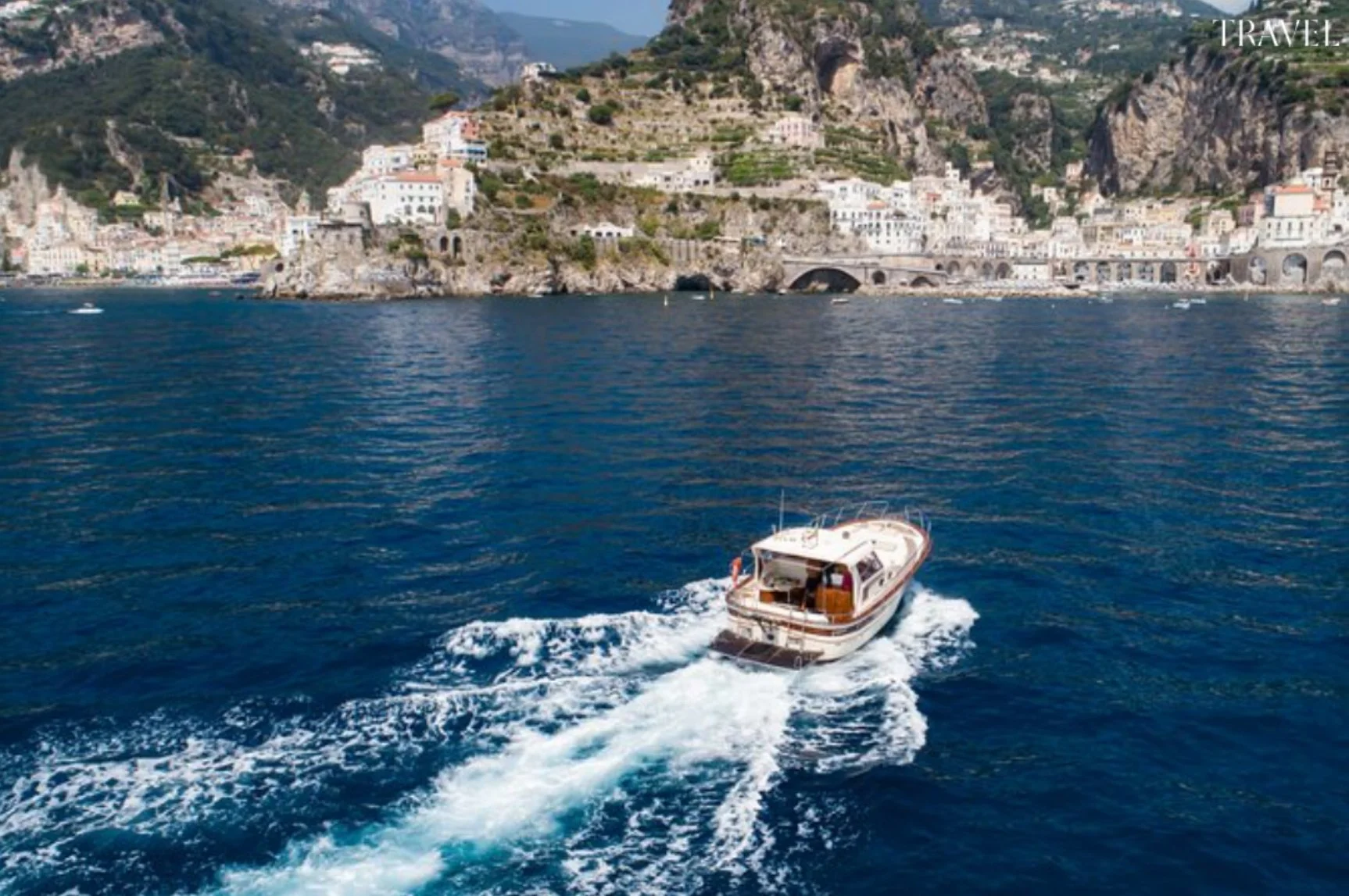
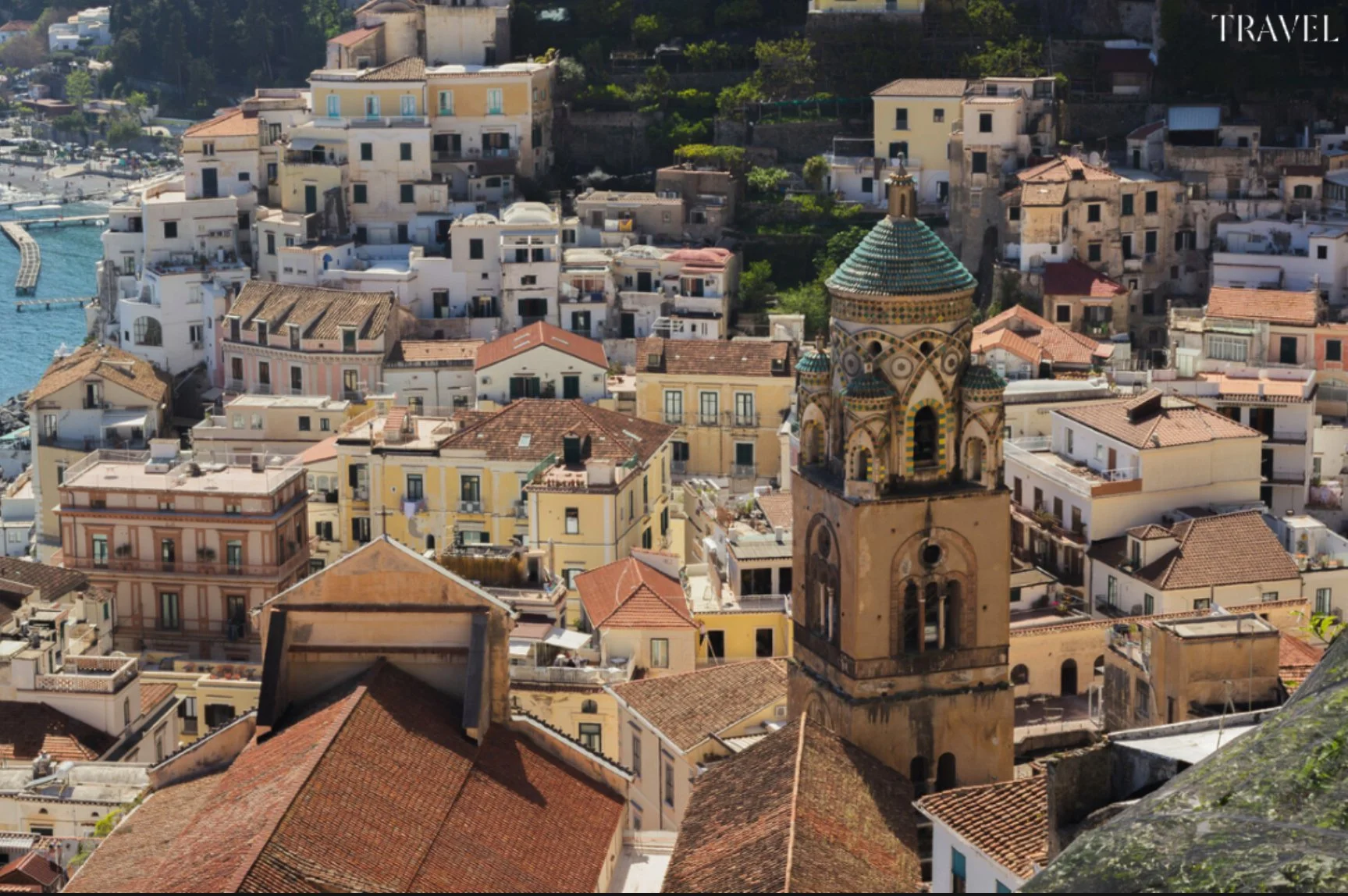
Walk inland. This is the instruction that supersedes all others, and it is consistently not taken. The walking paths above Ravello — the Sentiero degli Dei, the 'Path of the Gods,' which runs along the ridge connecting Positano to Agerola and offers, at certain moments of the morning, a view of the coast that makes the word 'beautiful' seem like a category error — traverse a landscape that has been terraced for lemon and olive production since Greek colonization and that retains, away from the coastal road, a quality of time that the resort economy below has not reached.
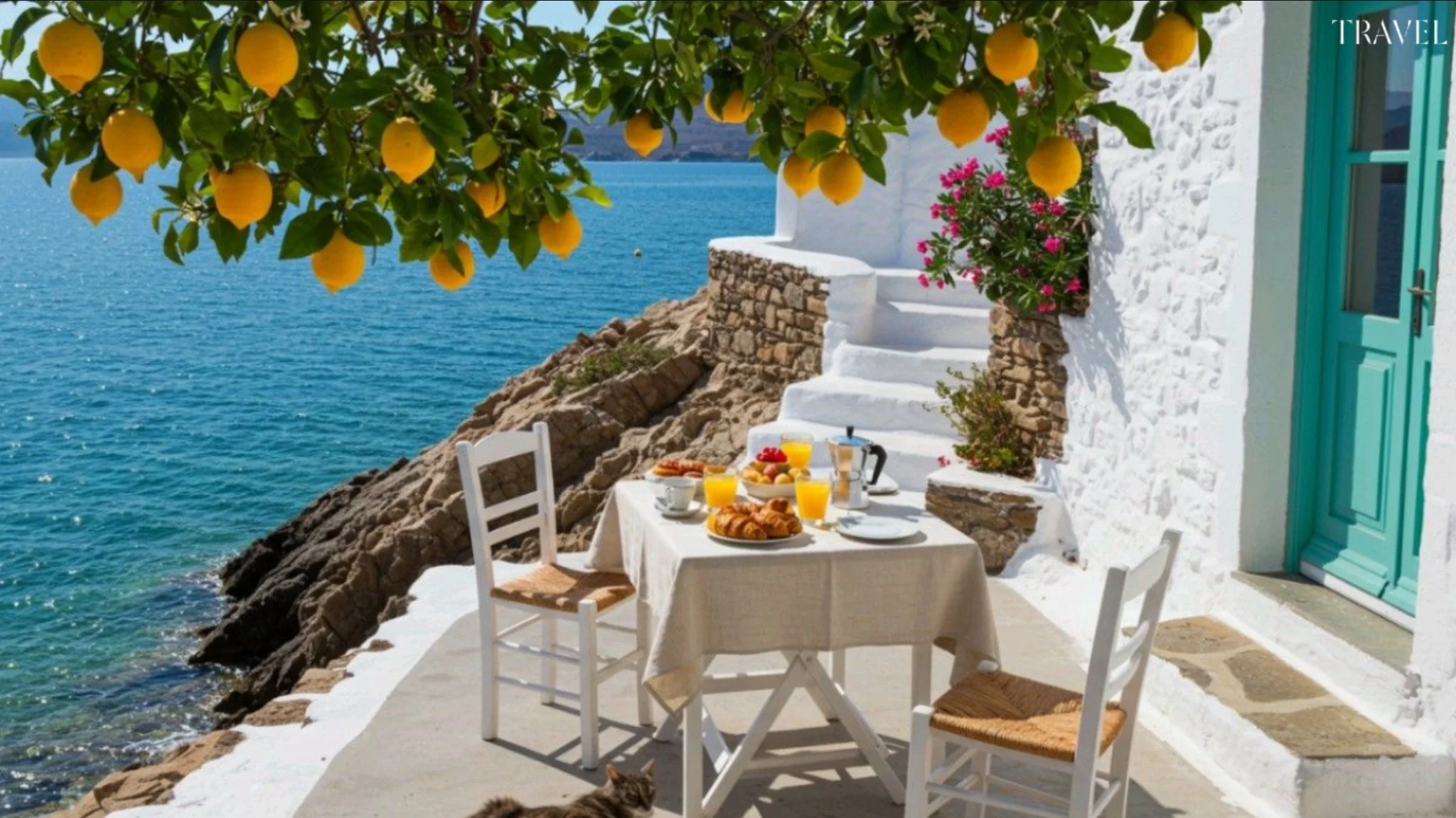
The lemons of the Amalfi coast are, in the late May harvest, at their full yellow-green absurdity of size. The sfusato amalfitano — the local cultivar, elongated, with a rind thick enough to serve as the primary ingredient in the area's limoncello — hangs from the terraces in quantities that make the trees look temporarily confused about what they are. The farmers who work these terraces are, almost universally, over sixty. The next generation is, almost universally, not in farming. This is a landscape in transition, and the beauty of the transition is inseparable from its melancholy.
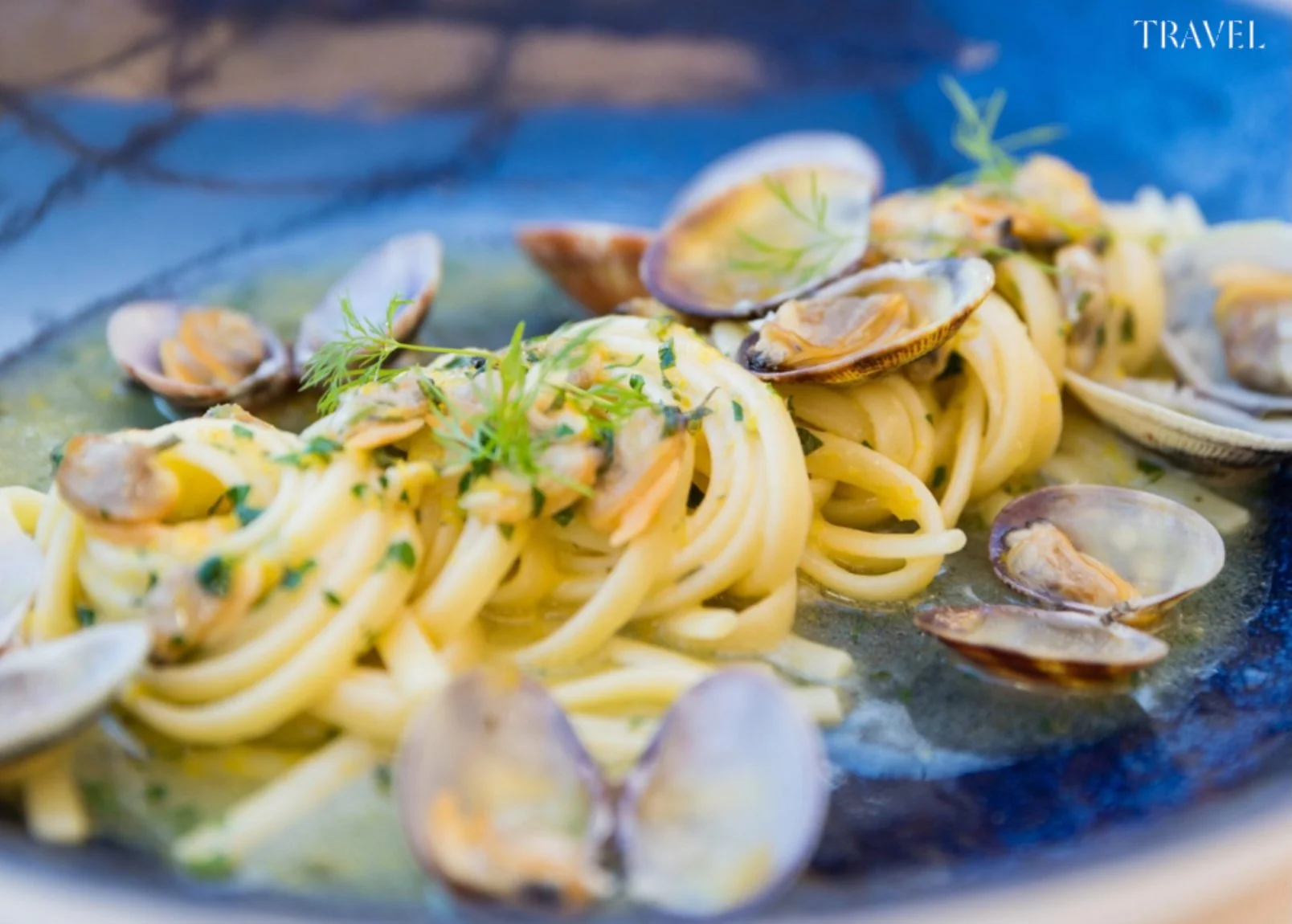
The two restaurants in Ravello that deserve extended attention are not the ones on the main piazza. The first — Cumpa' Cosimo, run by the Bottone family since 1929, which has not changed its menu in any meaningful way in the author's three visits across twelve years and does not need to — serves the food of the interior: pasta al ragù made from the particular combination of pork and beef that has been the Campanian standard since the Spanish Bourbons brought their cuisine to Naples in the eighteenth century, and a fried zucchini flower that is better than any fried zucchini flower has a right to be. The second — a place without a sign, on a lane off the Via della Marra, recommended by the concierge at Palazzo Sasso as "appropriate for people who don't mind not being sure" — serves, on the evening we go, a single fixed menu determined that morning at the market in Maiori, and a carafe of local wine from a grape variety that I cannot identify and do not ask about.
This — the carafe of unidentified wine, the unmarked door, the meal that was not planned until this morning — is the travel experience that the coast, with its protocols of reservation and its prices calibrated for international tourism, makes difficult. Two kilometers inland, it is offered to you without ceremony, for approximately what it costs.
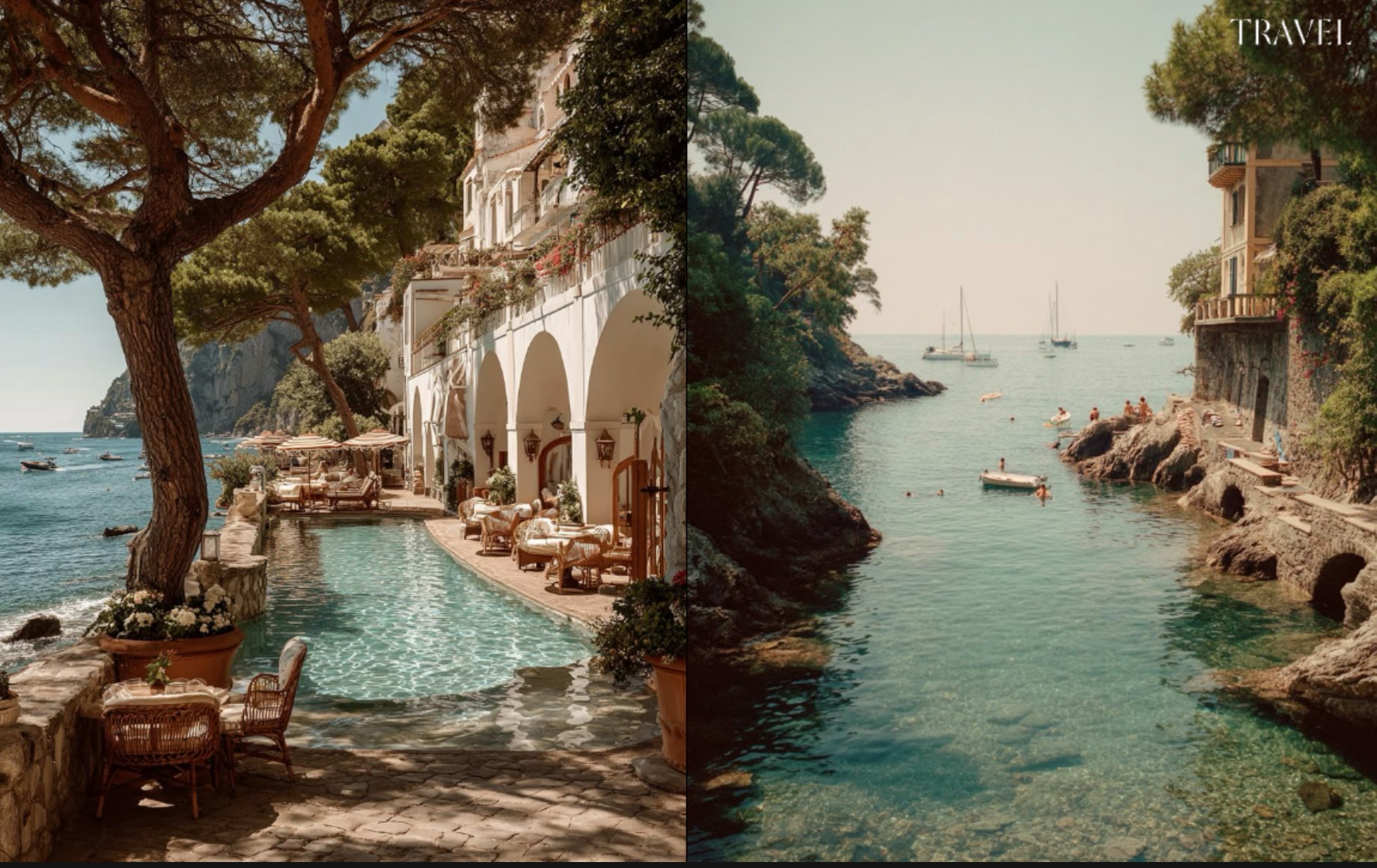
The morning before we leave, I walk at six before the town is awake. The light at this hour, coming from the east across the gulf, is the light that Gide and Wagner and Woolf were all, presumably, working with: gold and flat and entirely indifferent to the fact that it is producing, daily, one of the most beautiful things available to a human being who has the wit to be here before 7am.
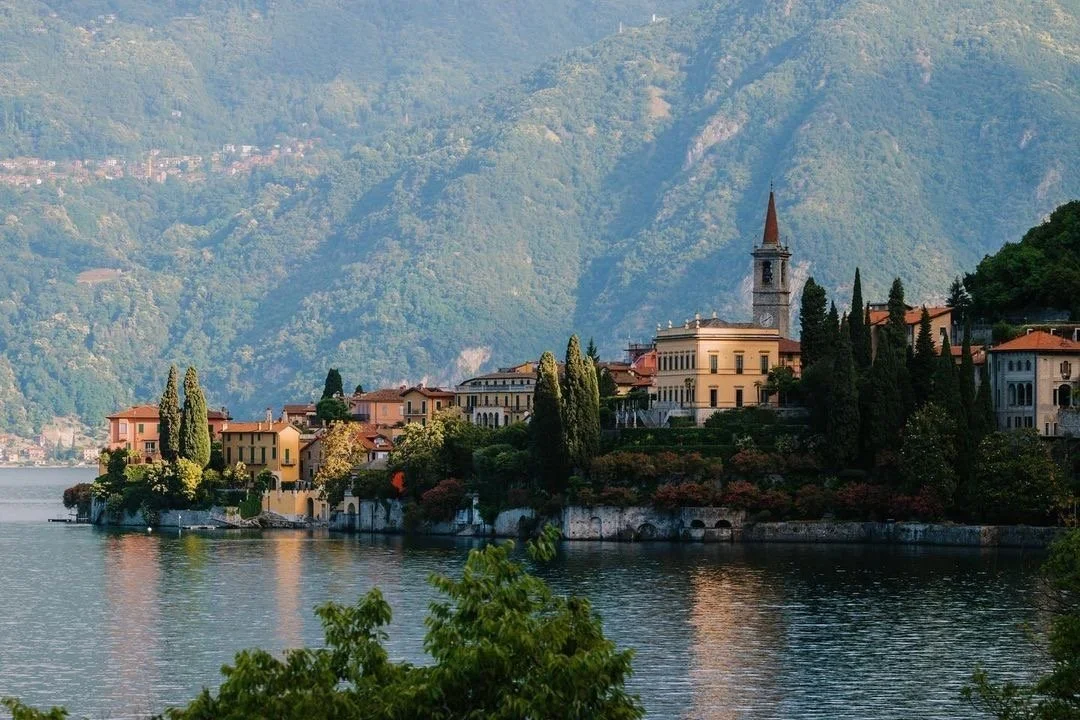
The boats below. The lemons. The path running inland, still damp from the night.
Italy has been this beautiful for a very long time. The specific grace of the place is that it does not appear to have noticed.
BY OONA CHANEL
