

Bhutan in the Emerald Season: The Kingdom That Does Not Perform Itself for Tourists
July and August are Bhutan's best-kept secret. The blue poppy — the national flower — blooms only in these months. The festival calendar is intimate and local. Tiger's Nest has almost no queue. Author on the monsoon season that the guidebooks warn you away from.
“The blue poppy — Bhutan's national flower — blooms only in the high alpine meadows between late June and late July. You cannot see it in spring or autumn. It blooms here, now, briefly, and then it is gone. This alone is worth the journey.”
The standard advice about Bhutan is to visit in spring (March to May) or autumn (September to November). The standard advice is wrong in the specific way that travel advice is always wrong when it is organised around optimising for weather and crowd-avoidance simultaneously: it sends everyone to the same windows, producing the crowds it was designed to help you avoid, and steers you away from the months when the destination is most genuinely itself.
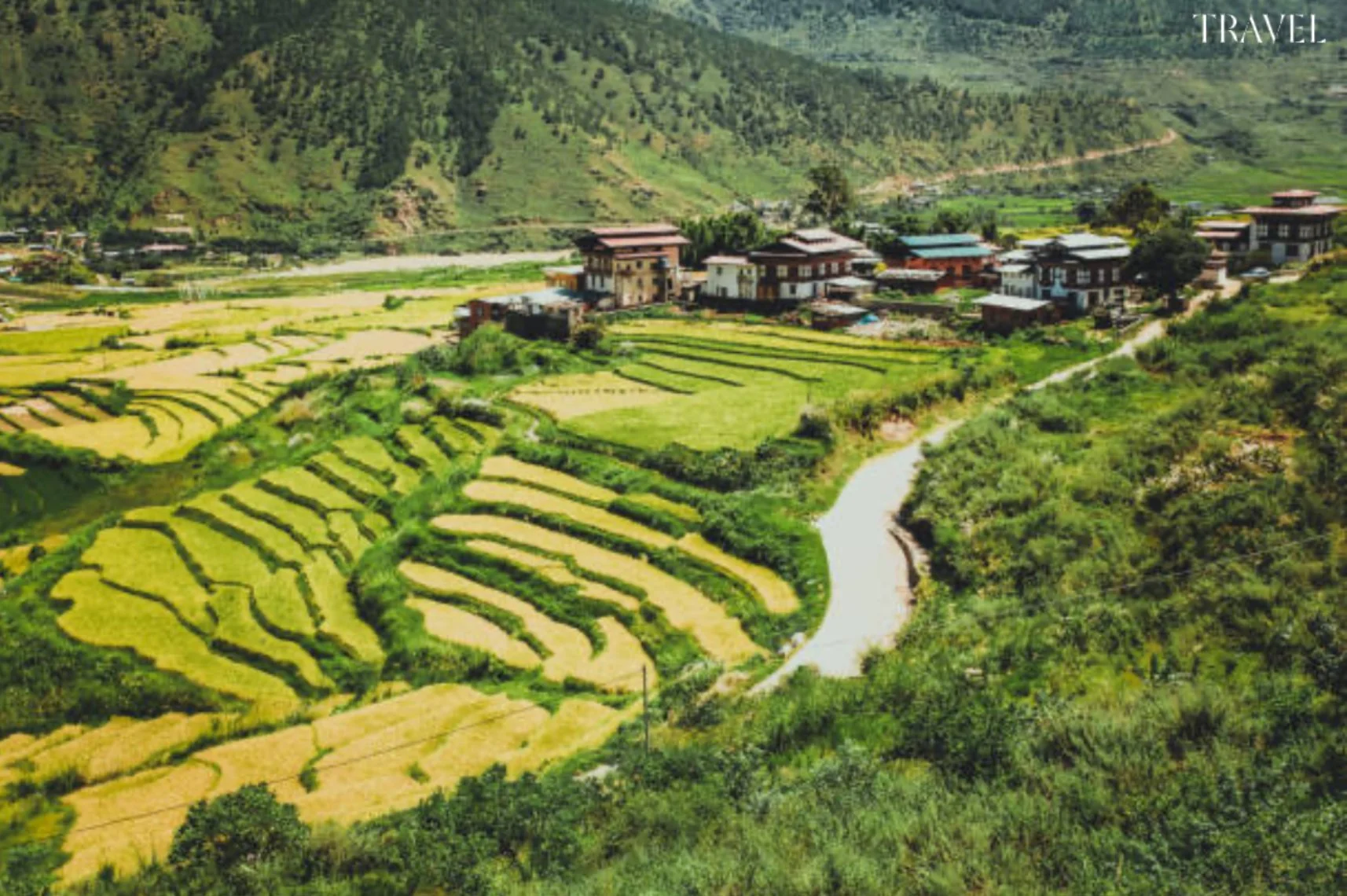
Bhutan in July and August is the Emerald Season — not a marketing term but an accurate description of what the monsoon does to a landscape that is already extraordinary. The rains transform the valleys into a deep green that the dry months cannot produce: the rice terraces stepped into the hillsides, the farmhouse paths lined with wildflowers, the pine and blue poppy forests above the treeline doing what they only do during this window. The blue poppy — Meconopsis betonicifolia, Bhutan's national flower — blooms only in the high alpine meadows between late June and late July. You cannot see it in spring or autumn. It blooms here, now, briefly, and then it is gone.
The practical case for July-August travel is equally compelling. The Sustainable Development Fee — the $40 per person per day levied on international visitors since 2023 — applies year-round, but accommodation rates drop significantly in the monsoon season, with luxury 5-star properties offering discounts of 20-40% and extended stay packages that are not available in peak season. Drukair and Bhutan Airlines flights from Bangkok, Delhi, Kathmandu, and Dubai are rarely full in summer. The booking flexibility this creates is significant: you can plan a Bhutan journey in July on three weeks' notice in a way that is impossible in October.
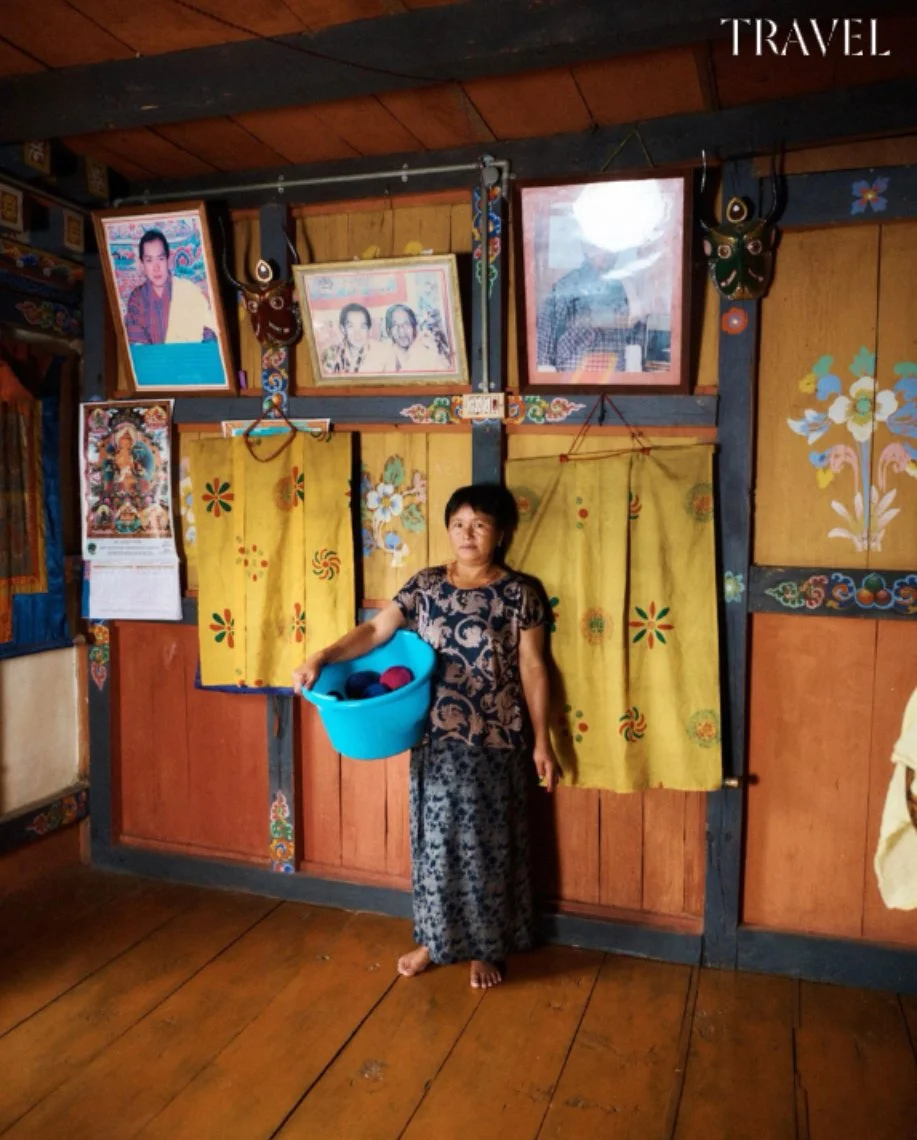
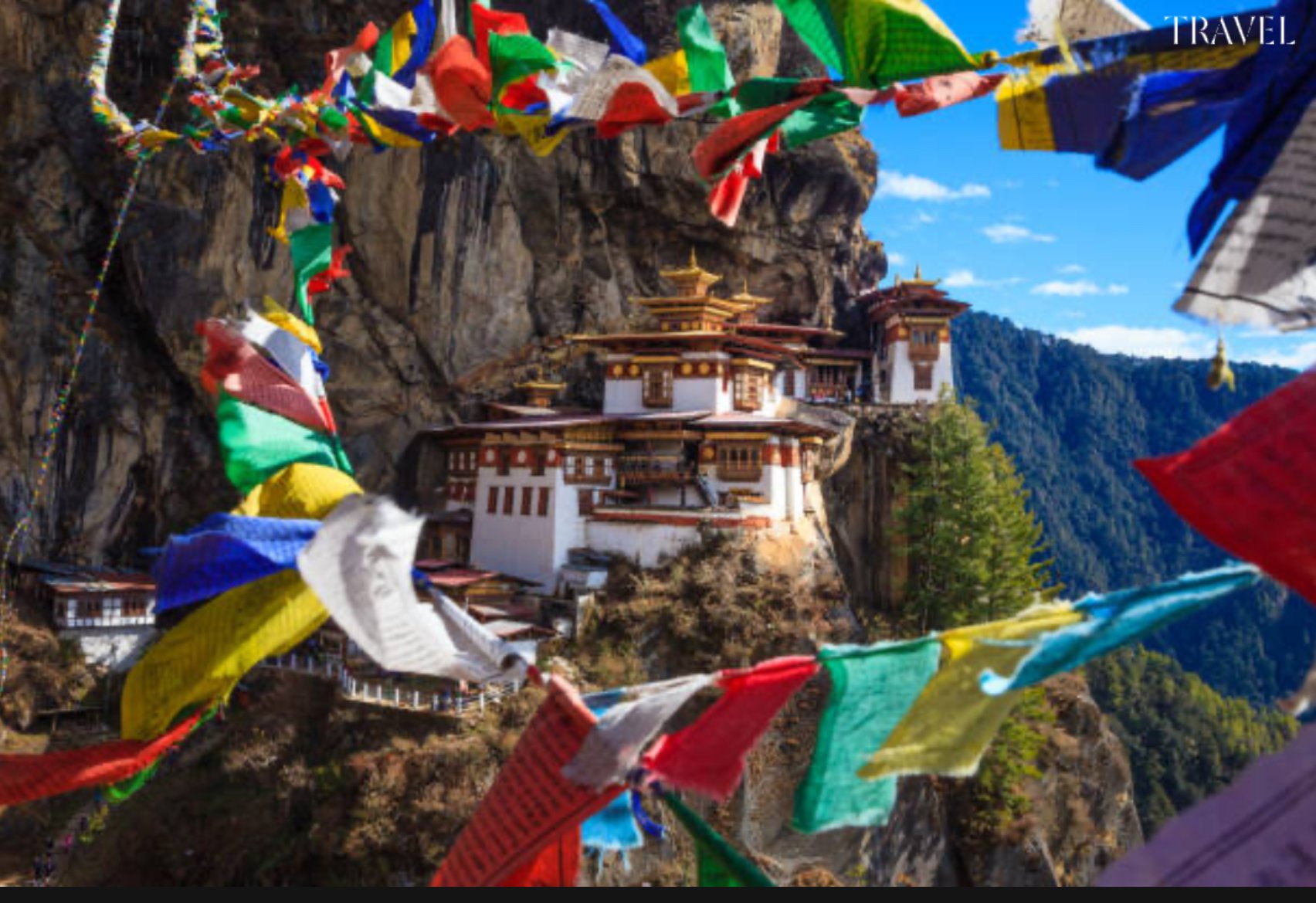
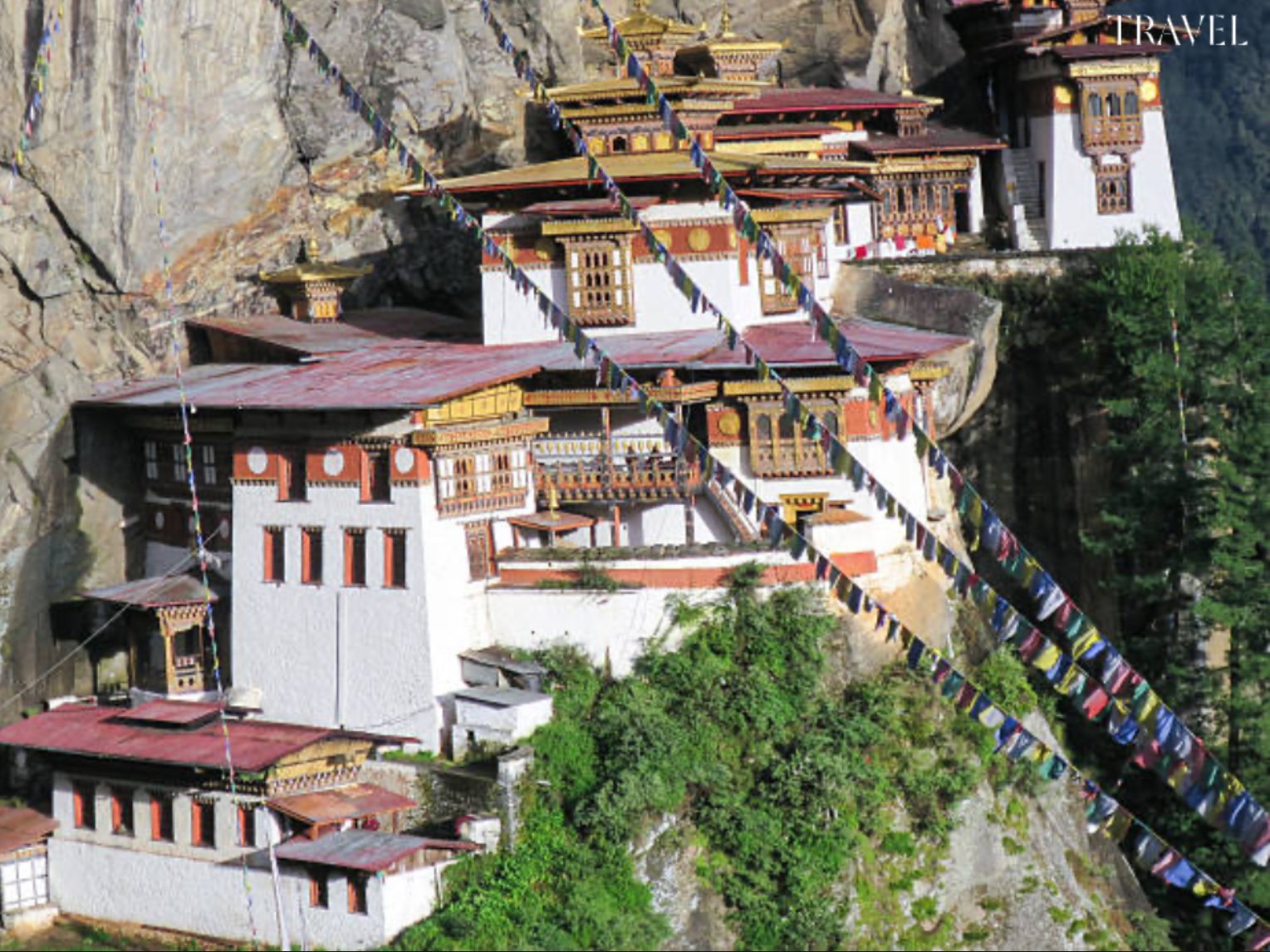
The tourism density at the major sites changes the entire experience. Paro Taktsang — Tiger's Nest, the cliff-hanging monastery above Paro valley that has become the postcard image of Bhutan — receives thousands of visitors per day in October's peak season. In July, the path to the monastery can be walked in relative quiet, with the mist from the monsoon clouds occasionally obscuring and then revealing the monastery in a way that the clear blue skies of autumn cannot produce. The mist is not a disappointment. It is the condition under which the place looks like what it actually is: a sacred site built into a cliff face above a world that does not stop at the human scale.
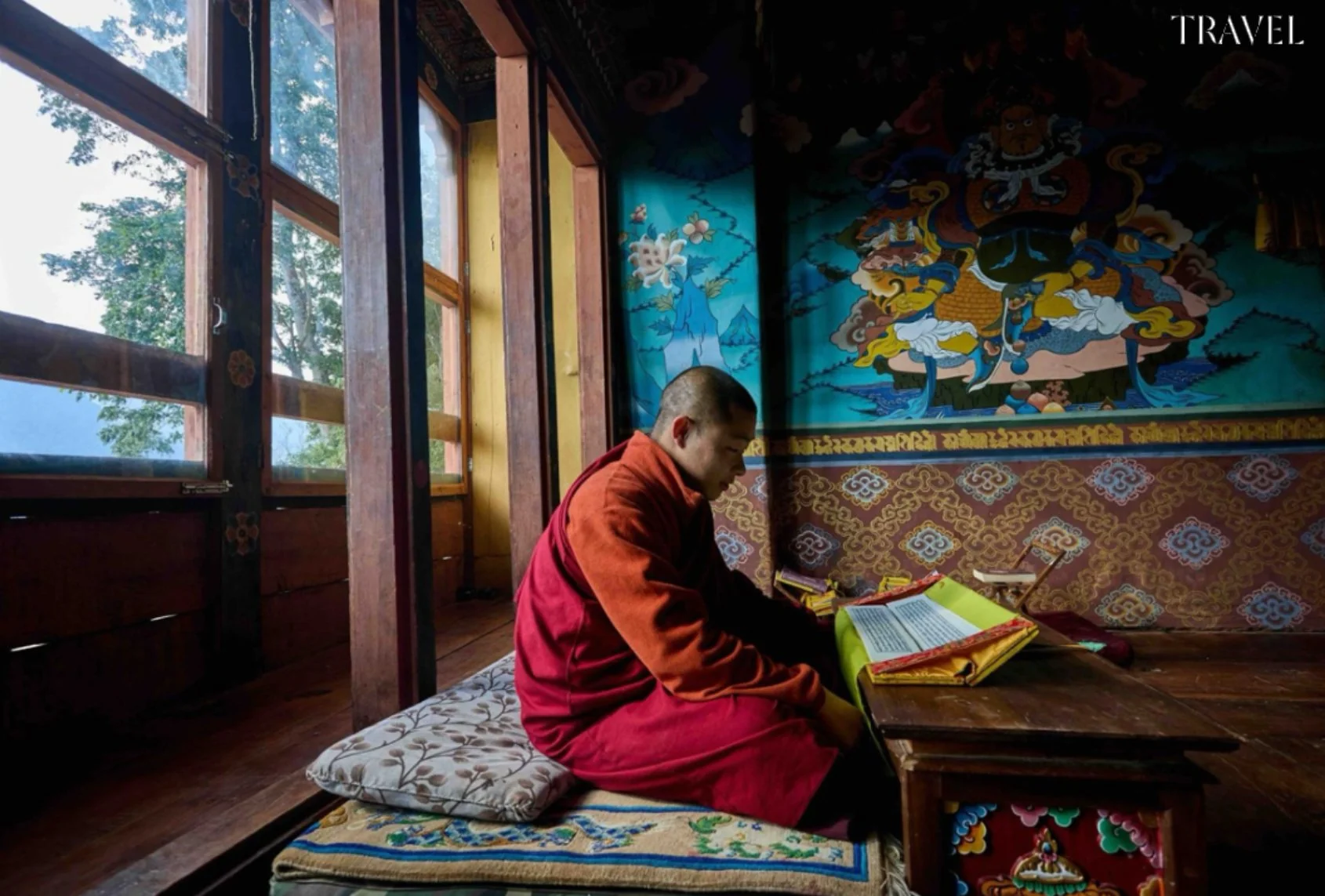
The festival calendar in July is, for the serious cultural traveller, more valuable than the large Thimphu Tshechu in autumn. The Nimalung Tshechu at Bumthang in late June to early July — masked dances performed by monks in the specific atmosphere of a festival attended primarily by the local community — provides a quality of cultural encounter that the autumn festivals, which are organised partly for tourist attendance, cannot replicate.
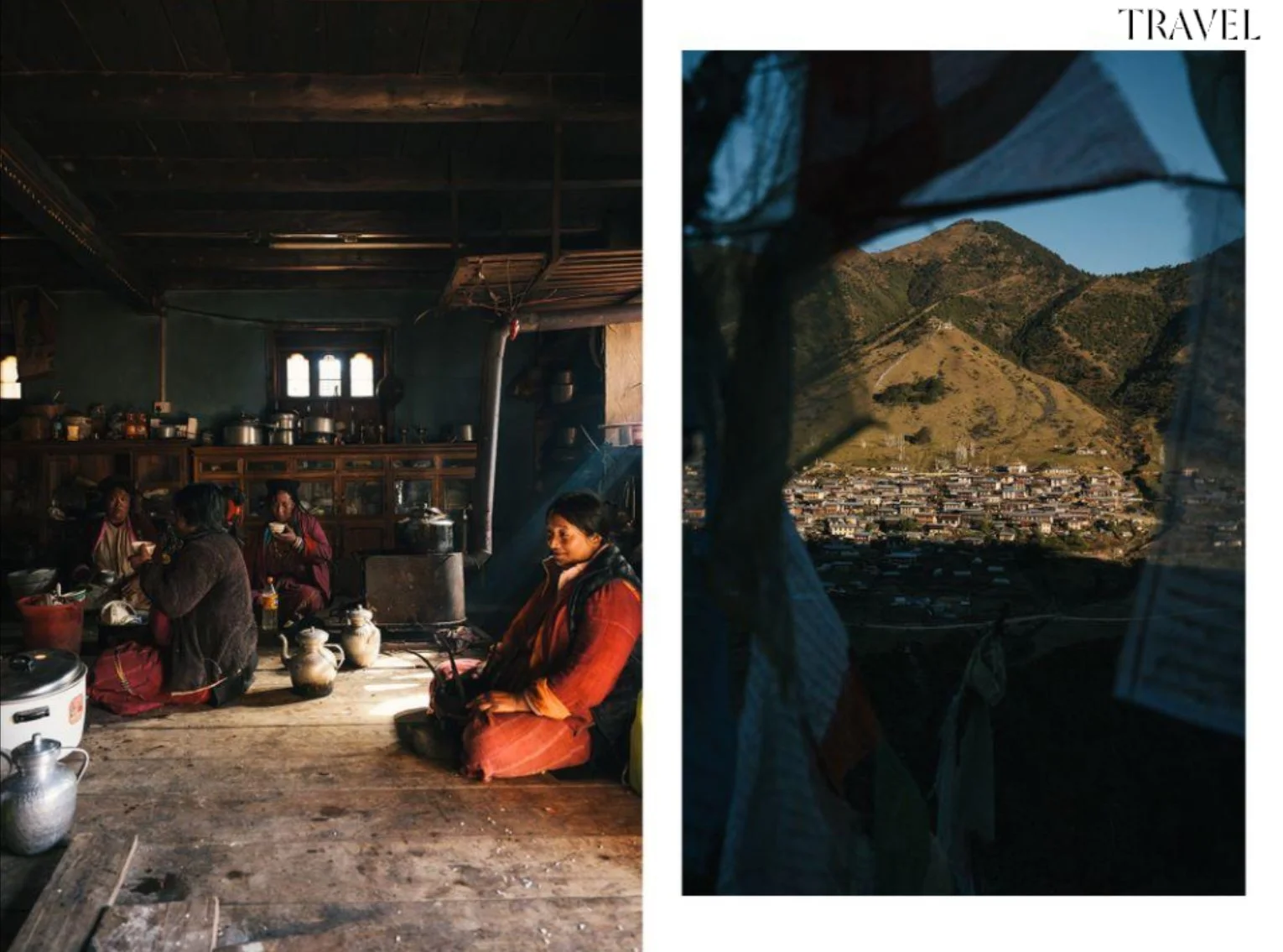
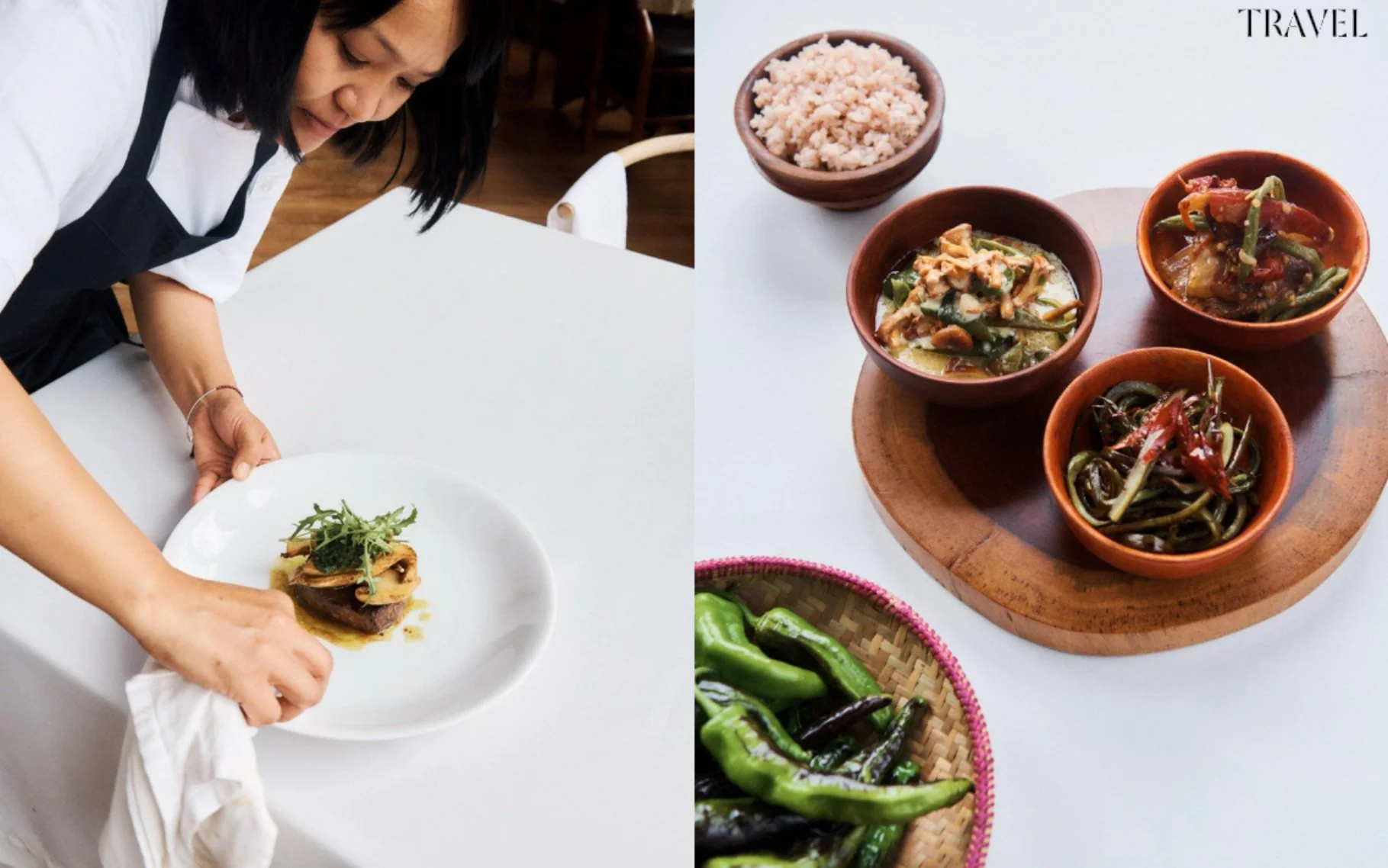
The Kurjey Tshechu at Kurjey Lhakhang, one of the most sacred monasteries in Bhutan (it houses the body imprint of Guru Rinpoche), is an intimate one-day event with deep local significance. The Matsutake Mushroom Festival in Ura Valley in August — during which visitors can forage in the forests with local guides and participate in mushroom-themed communal meals — is the most direct available engagement with everyday Bhutanese rural life.
The wellness dimension of a July Bhutan visit deserves specific mention. The hot stone bath — kha chu, a traditional Bhutanese wellness practice in which river stones heated over wood fire are placed in wooden tubs filled with water and local medicinal herbs including artemisia and other indigenous plants — is available year-round but is most therapeutic in the monsoon season, when the cool damp air makes the heat most rewarding. Many of the mid-range and high-end lodges in Paro and Punakha offer this as part of their standard programming. It is not a spa treatment. It is a several-hundred-year-old practice that happens to have been adapted for guests.
The practical note on rain: the Bhutanese monsoon is not the Southeast Asian monsoon. Rain in Bhutan typically arrives in the late afternoon or overnight. The mornings are frequently clear. The rain, when it comes, is cleansing rather than relentless — most days offer four to six hours of good light and clear conditions. The roads occasionally have brief disruptions from minor landslides that the Department of Roads clears within hours. Pack a quality waterproof layer, wear good grip footwear for muddy trails, and accept that the weather will be part of the experience rather than a condition to be avoided.
BY OONA CHANEL
