

The Monasteries of Meteora: How to Visit One of the World's Greatest Places Without Destroying It
Six Byzantine monasteries on columns of rock 400 meters above the Thessalian plain. A place of such improbable beauty that it has, for twenty years, been in danger of being loved to death.
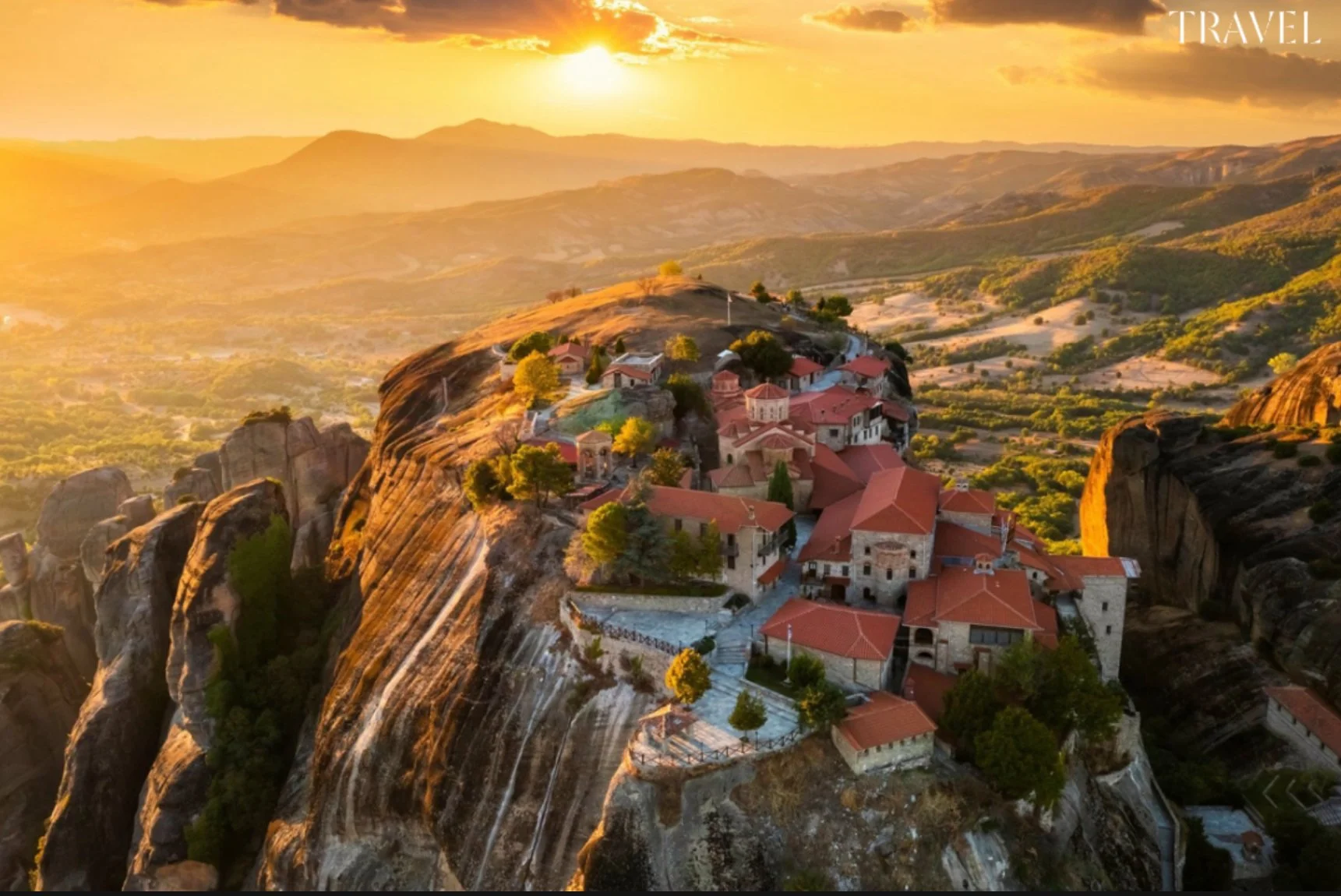
Monasteries of Meteora
“We were built for silence. We have learned to find it in smaller quantities.”
The monks are awake before you are. This is the first and most important thing to understand about Meteora, and about the category of place it represents: a living sacred site in the middle of a UNESCO World Heritage listing in the middle of a global tourism system that has approximately no capacity to distinguish between the two.
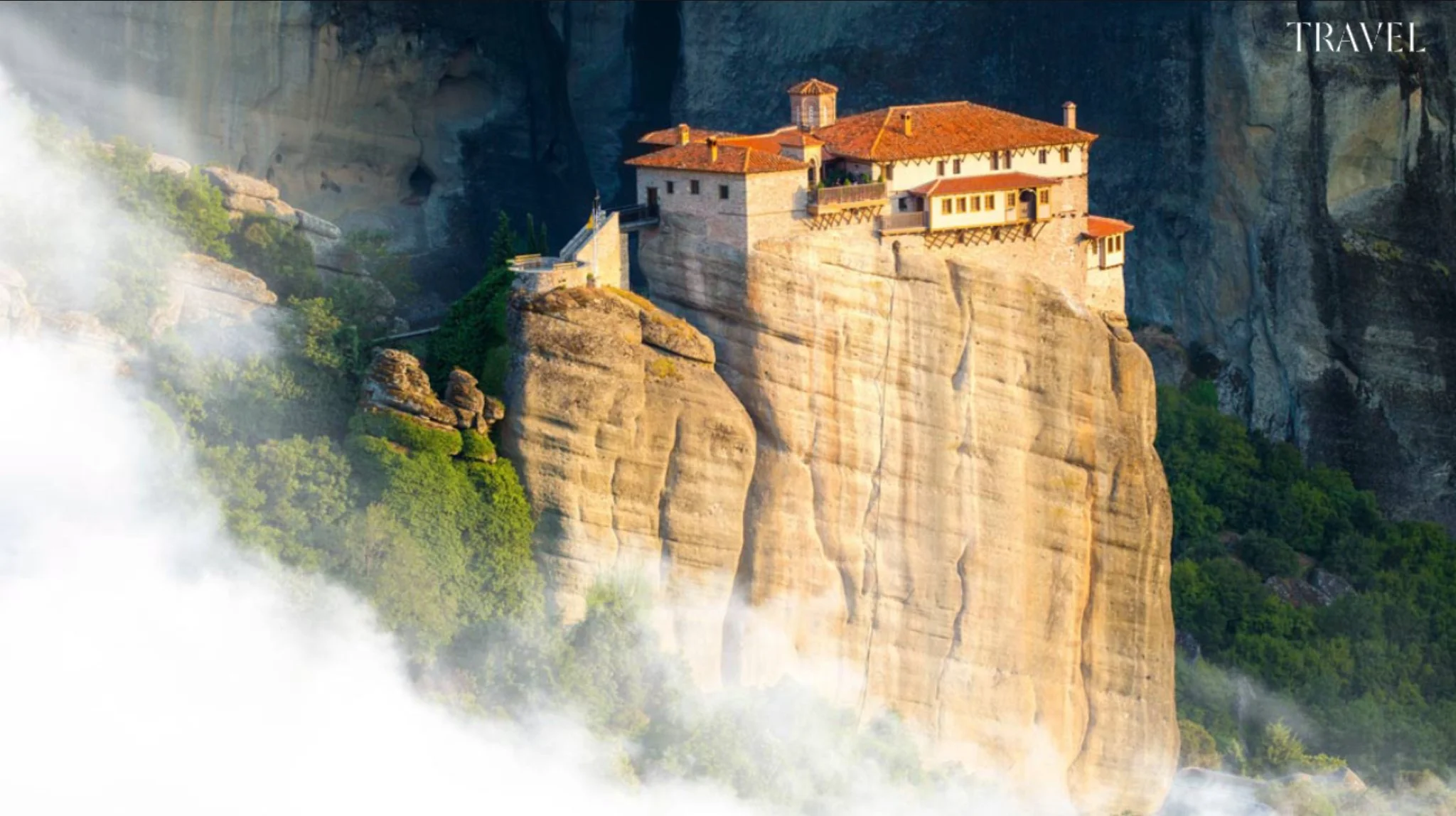
Majestic Greek Monasteries
The six monasteries that remain inhabited and open — of the original twenty-four, at their medieval peak — sit on columns of sandstone and conglomerate that rise from the Thessalian plain to heights between 300 and 400 meters. They were built, beginning in the fourteenth century, by monks who wanted to be closer to God and further from the world: far enough up, on rock difficult enough to climb, that the various invasions moving through this part of Greece would not reach them. The strategy worked, for varying periods of time, for several centuries. The problem it did not anticipate was modernity.
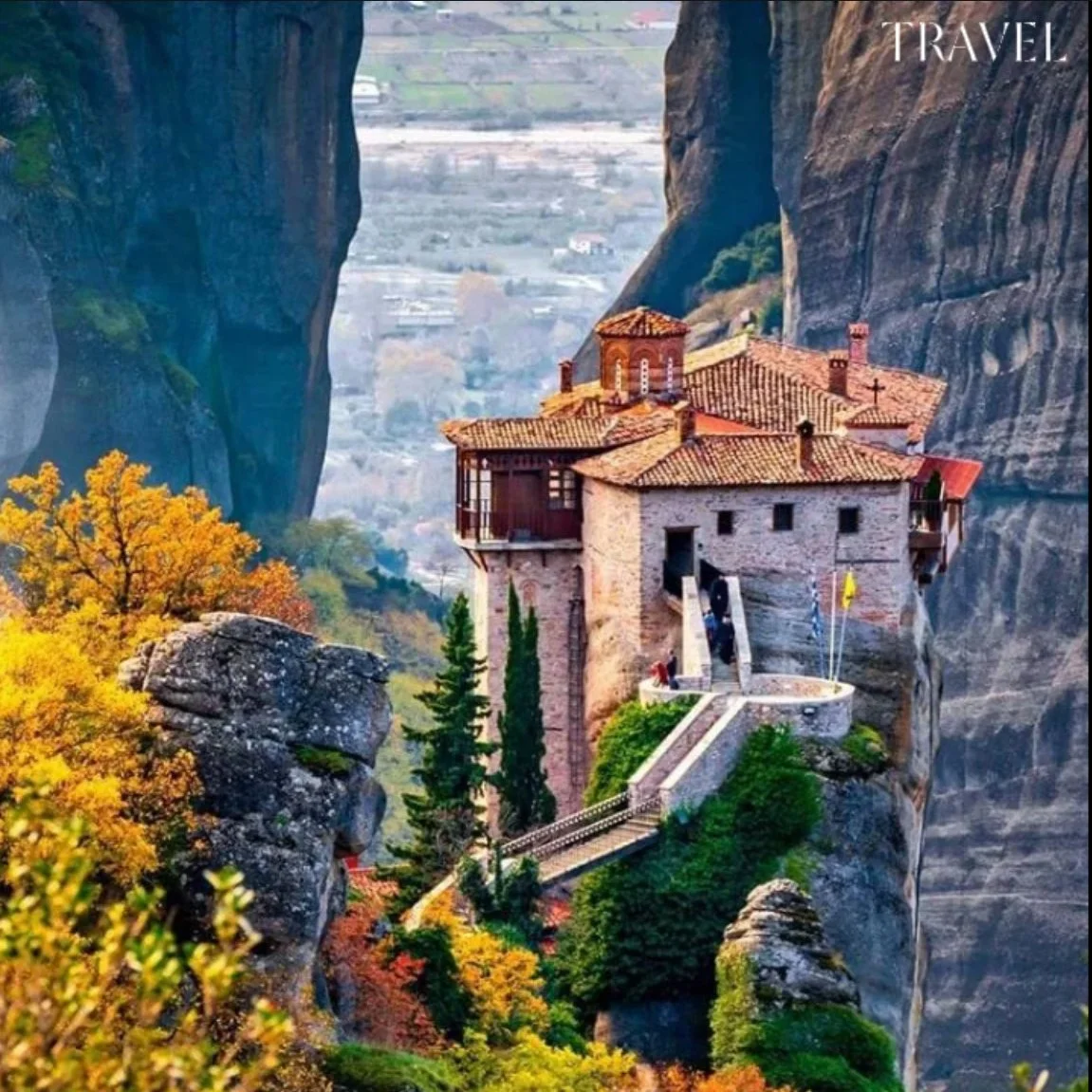
Monasteries of Meteora
In 2025, Meteora received 1.7 million visitors. The monasteries have existed in their current form for six hundred years. The tourism infrastructure — the roads, the parking lots, the souvenir stands on the approach — has existed for approximately forty. The visitors, for the most part, come on day trips from Kalambaka, in coaches, between 10am and 3pm. They photograph. They do not linger. They are, as a category, not doing anything wrong. The problem is the scale.
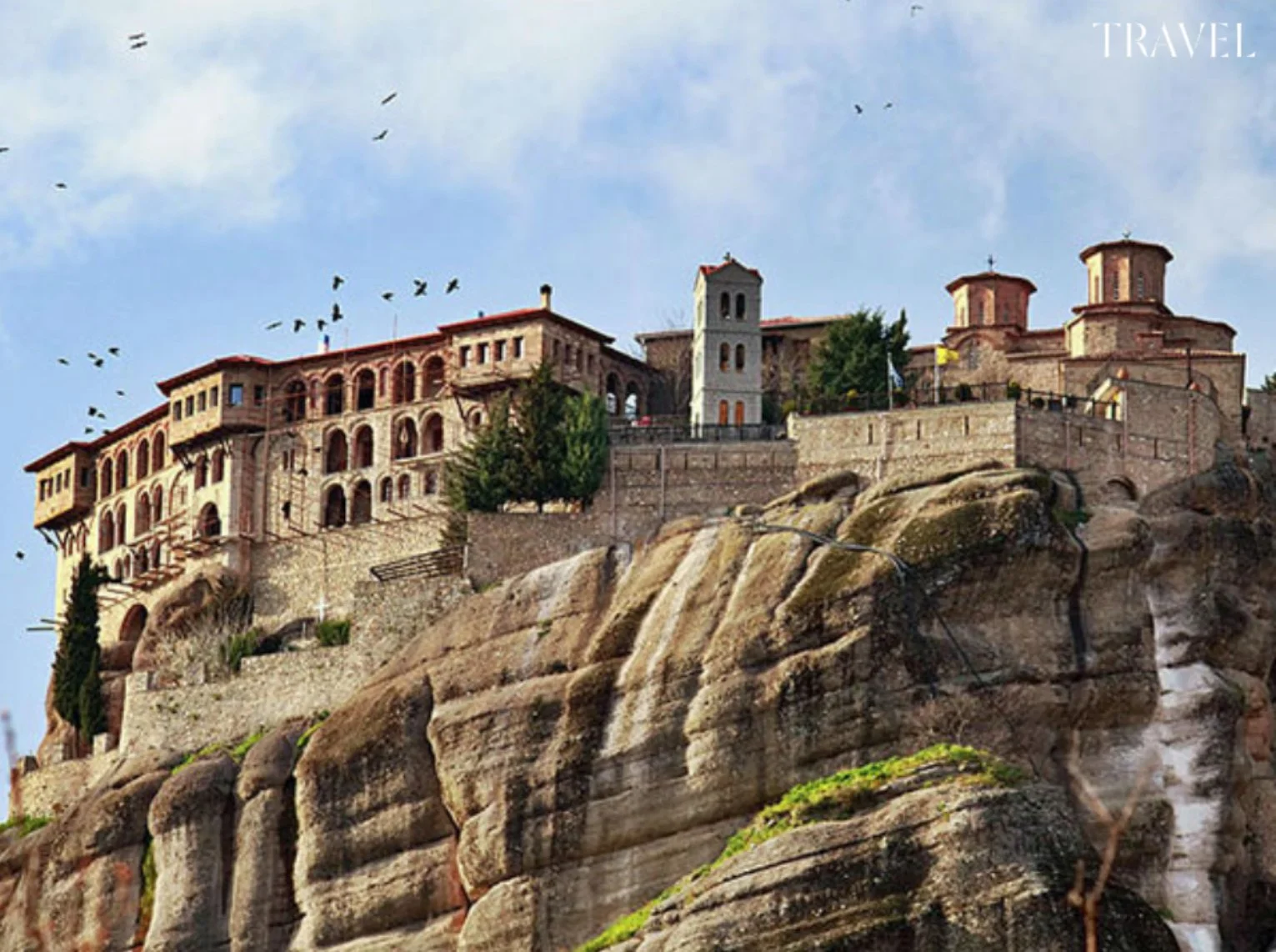
The monks do not speak about this in terms of complaint. They speak about it in terms of the mission of the monasteries, which is prayer and the preservation of a spiritual tradition that has been continuous here since the fourteenth century. The prior of the Great Meteoron monastery — the oldest, the highest, the one that receives the most visitors — says: "We were built for silence. We have learned to find it in smaller quantities."
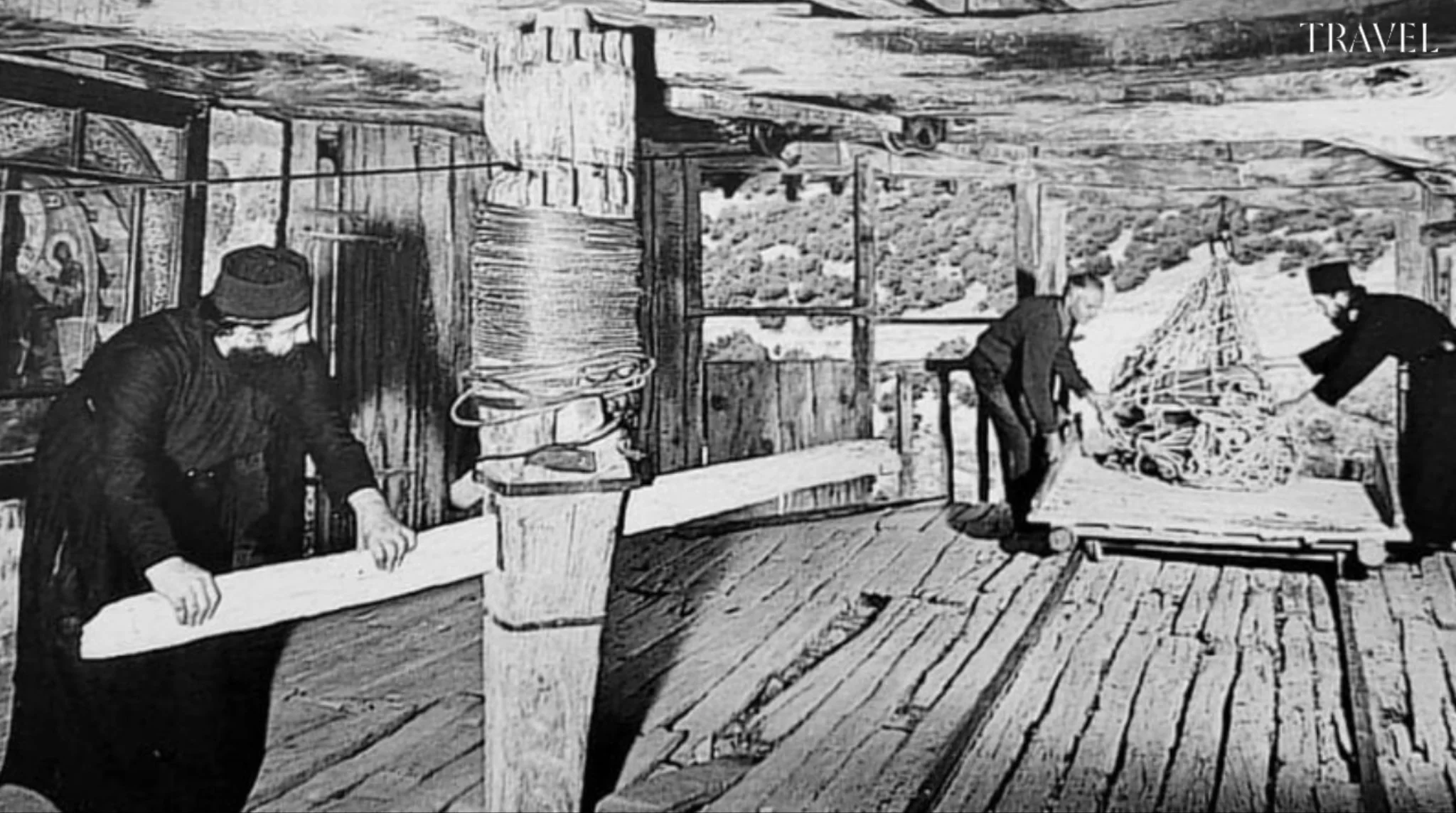
Monks in Monasteries of Meteora
Here is how to be in Meteora in a way that does not contribute to the problem, and that allows you to experience the place at its actual depth.
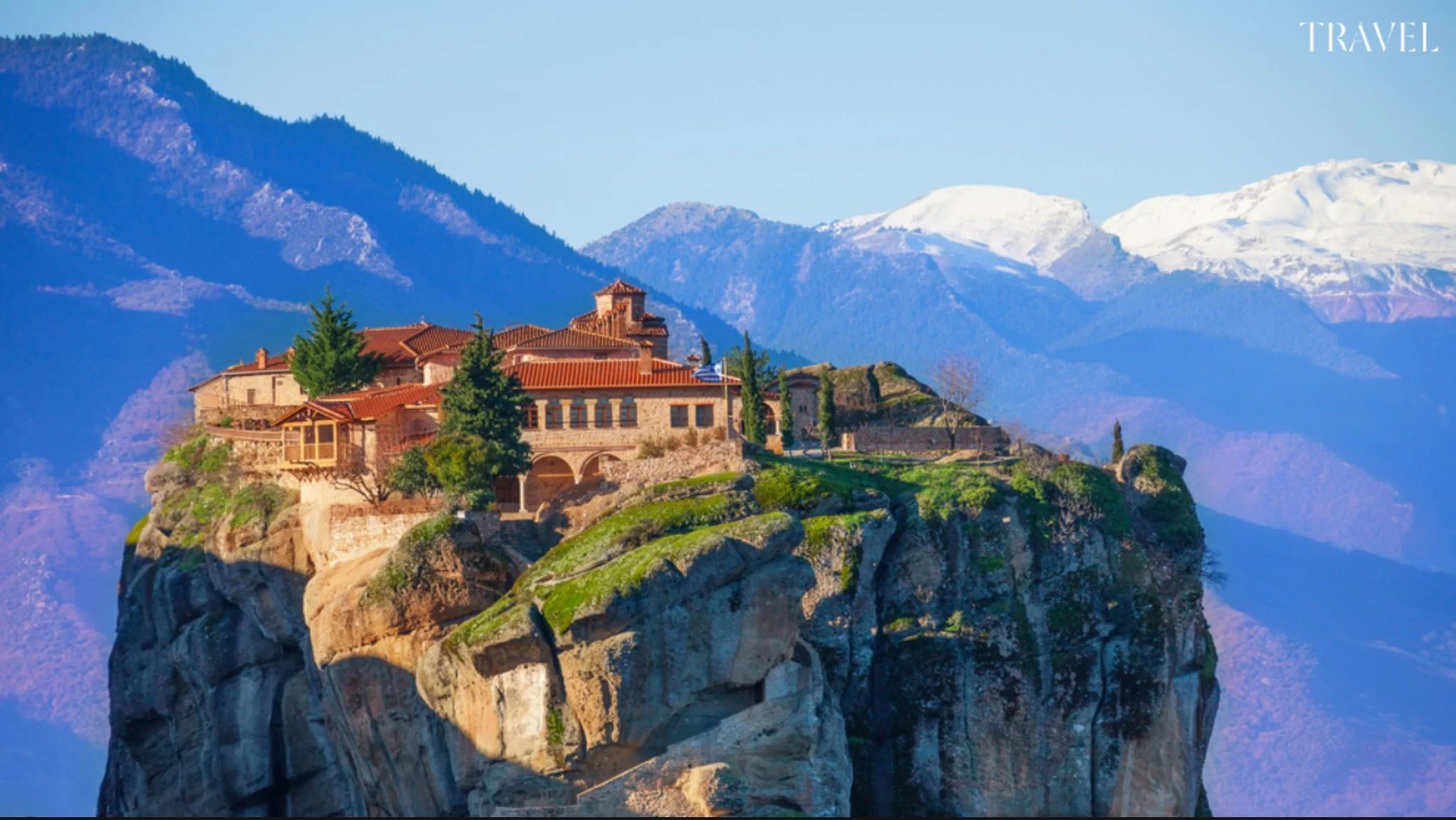
Arrive on a Wednesday in May, before 8am. The coaches do not begin until 9:30. The light at 7am in May, coming from the east across the plain, produces the monasteries at their most impossible: the rock columns emerging from a low morning mist, the chapel domes orange-lit, the valley below still sleeping. This light lasts forty minutes. Plan your arrival around it.
Stay not in Kalambaka but in Kastraki — a village of five hundred people at the base of the rocks that has, so far, been spared the full weight of tourist accommodation. The Guesthouse Ziogas, run by a family who have been here for four generations, offers rooms without air conditioning or reliable WiFi, which is either a deficiency or a feature depending on what you came here for. The breakfast, which is made rather than assembled, justifies everything.
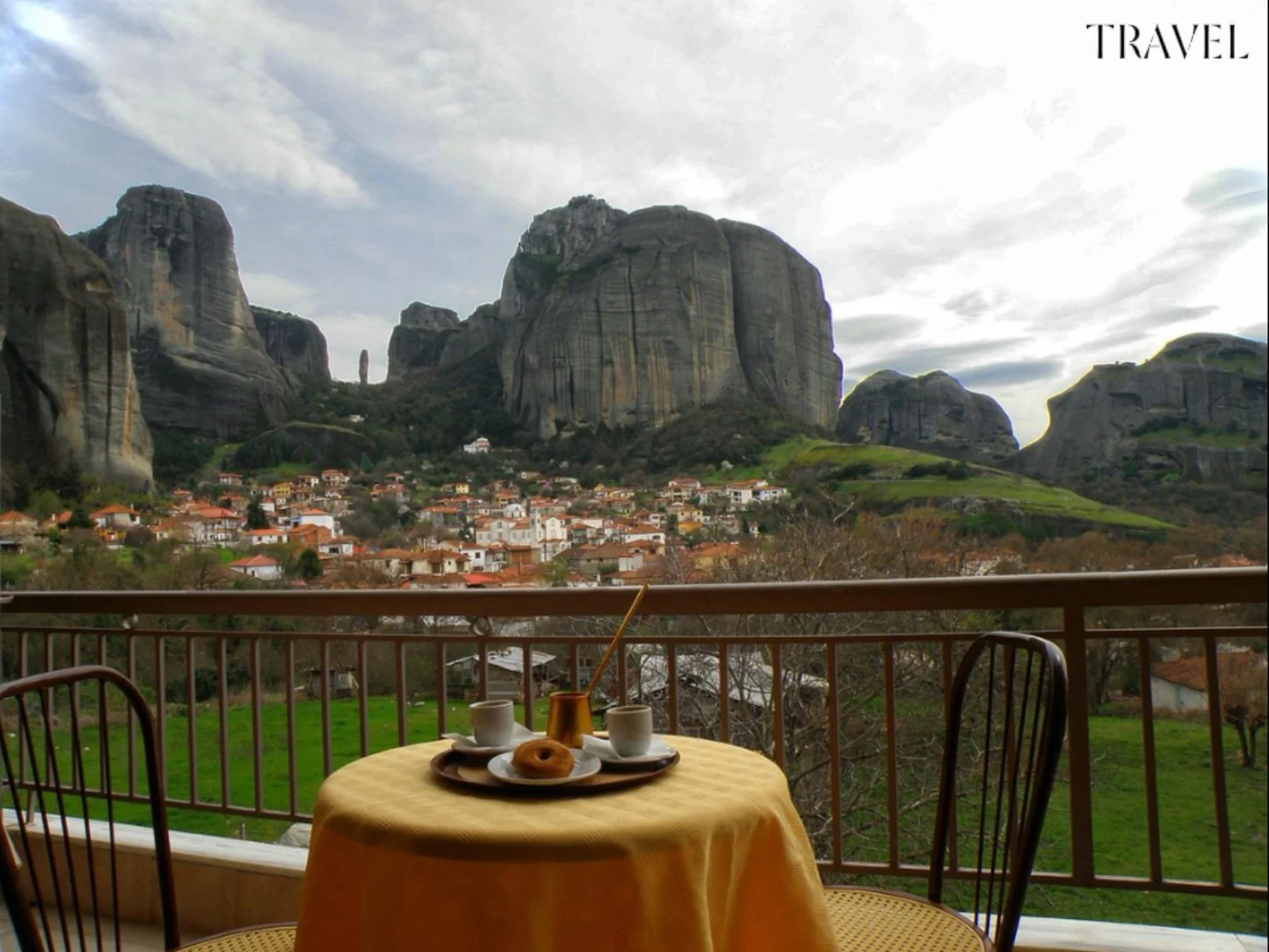
Guesthouse Ziogas
Walk. The monasteries are connected by paths that the monks have used for six centuries and that the tourist infrastructure has not yet fully replaced with roads. The walk from Kastraki to the Roussanou monastery — the one that appears most dramatically against the rock, most paintings depict this one — takes forty minutes on foot and passes through scenery that has not changed in any significant way since the thirteenth century. Do not take the road.
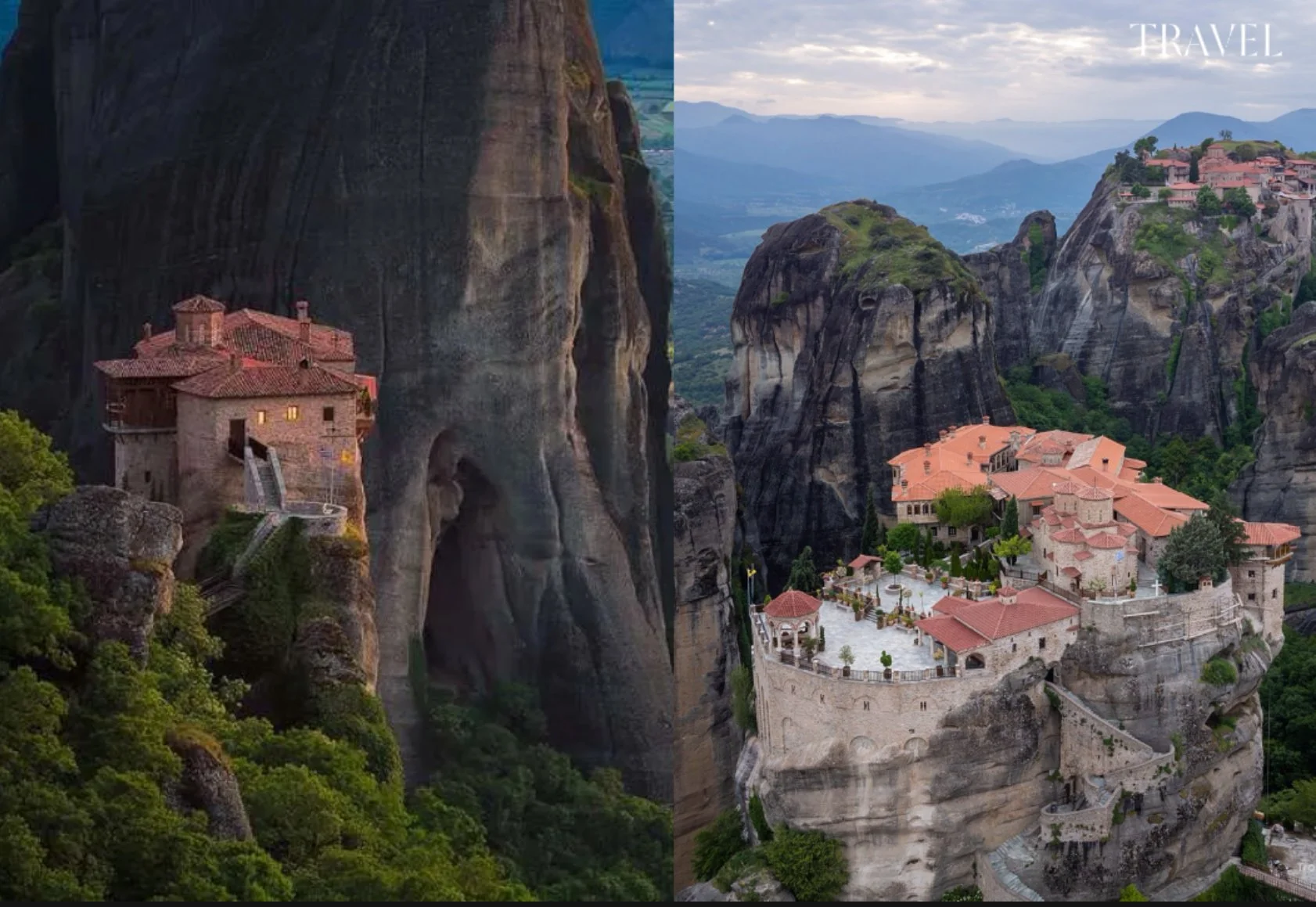
Majestic Greek Monasteries
Attend the evening service at one of the monasteries open for vespers — Great Meteoron, if you can arrange it, admits a small number of visitors to evening liturgy by quiet request. The service lasts an hour. The chant, which is Byzantine polyphony in a form that has been sung here continuously for six hundred years, is one of the most moving pieces of music you will ever hear, not because it is beautiful, though it is, but because it is genuinely alive — not performed for you, but happening in a tradition that does not require your presence to continue.
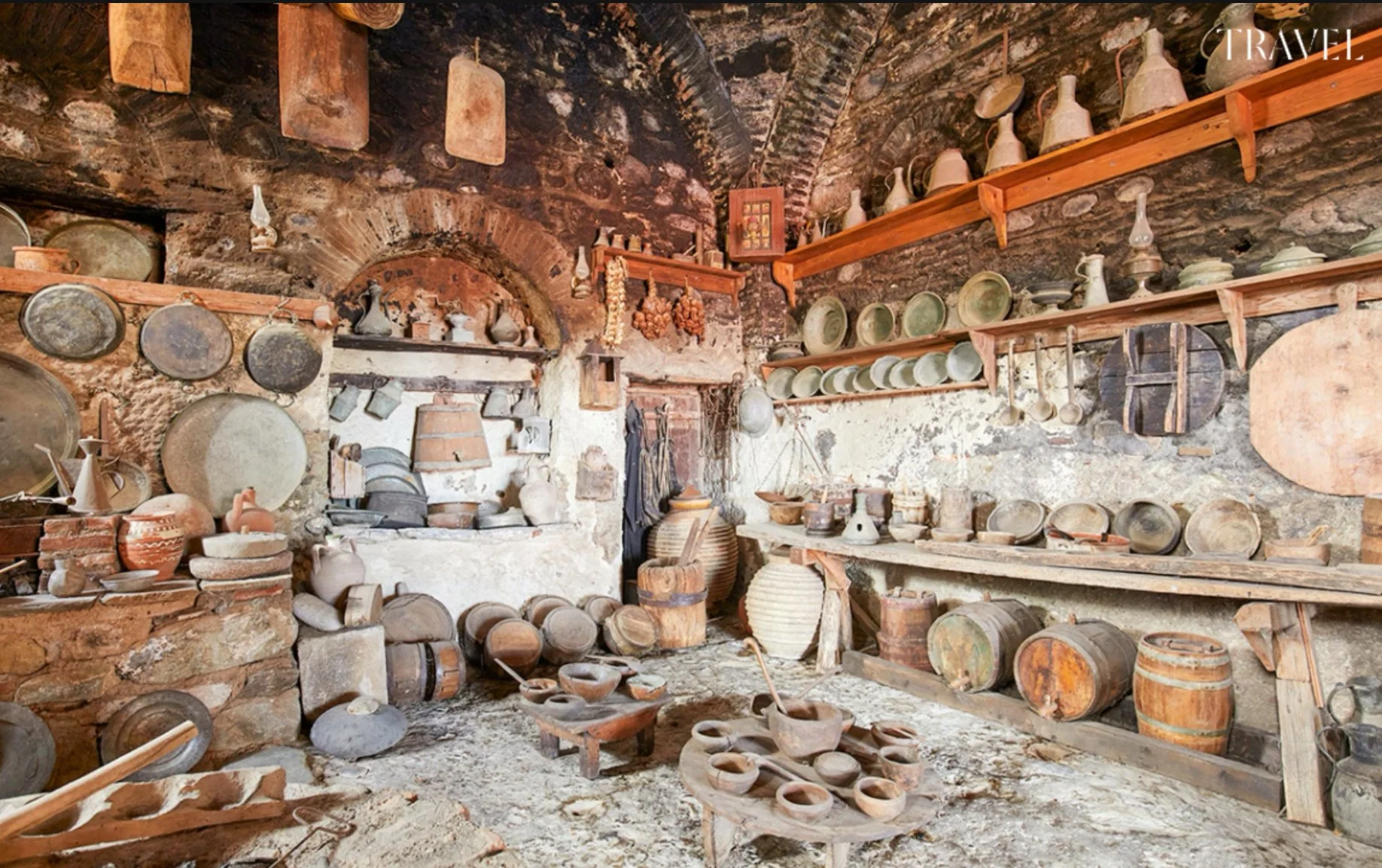
Great Meteoron Monastery
The question, with places like Meteora, is always: what am I here for? If the answer is the photograph — which is a legitimate answer, these are among the most photographed places on earth for good reason — then the day-trip model serves adequately. If the answer is something else: the encounter with a civilization that organized itself around a set of values entirely different from the ones we operate by, the specific quality of a place that has been prayed in continuously for six centuries, the view from the rock at dawn before anyone else has arrived — then you need more time, more care, and a willingness to arrive before the coaches do.
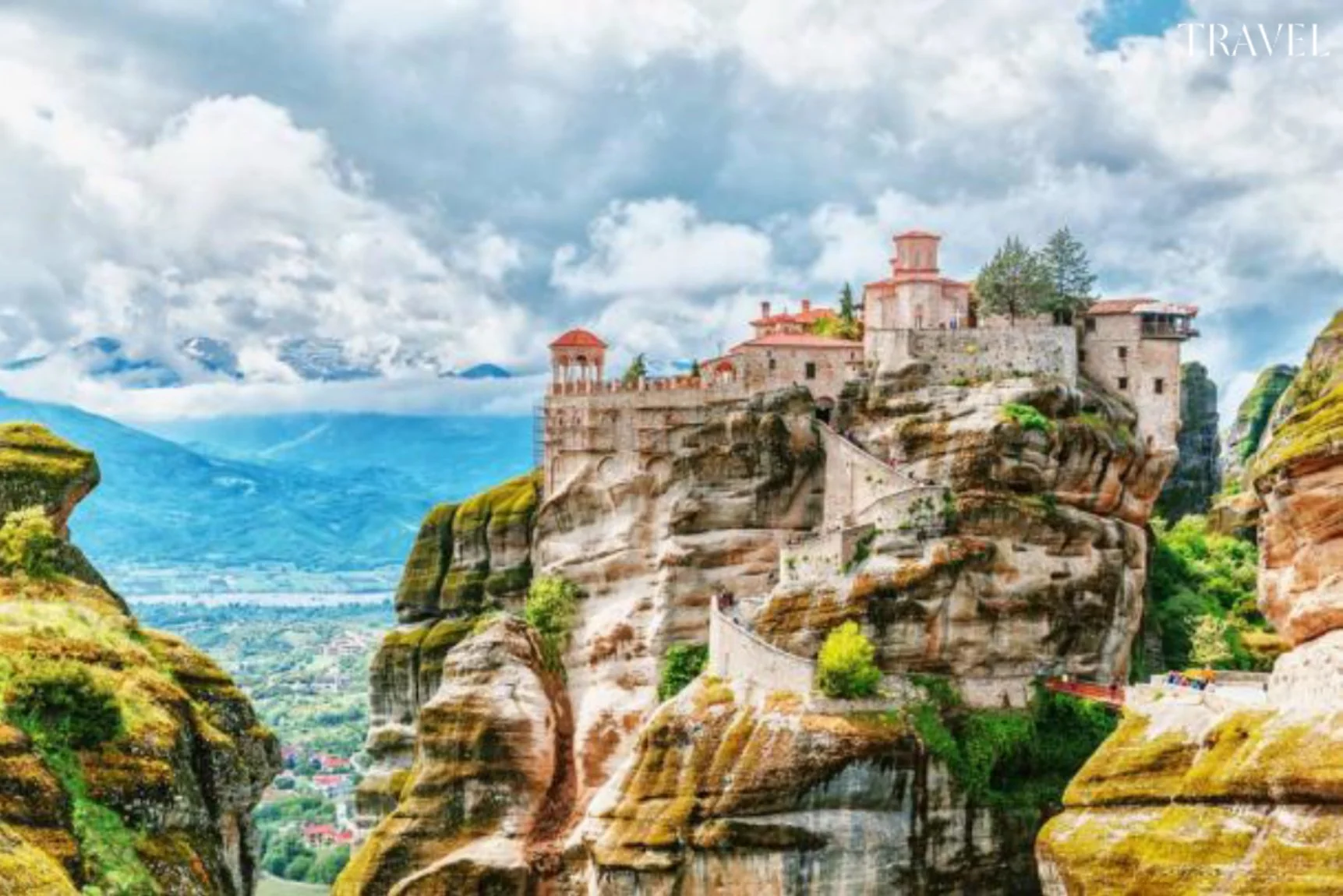
Monastery Meteora, Greece
The monks are awake before you are. They have been for six hundred years.
BY OONA CHANEL
