

The Côte d'Azur After Cannes: What the Festival Crowd Knew That the Summer Tourist Doesn't
The 79th Cannes Film Festival closed on May 23rd. The summer tourist wave arrives in July. For the six weeks between them, the French Riviera is briefly — and specifically — the most beautiful place in Europe to be.
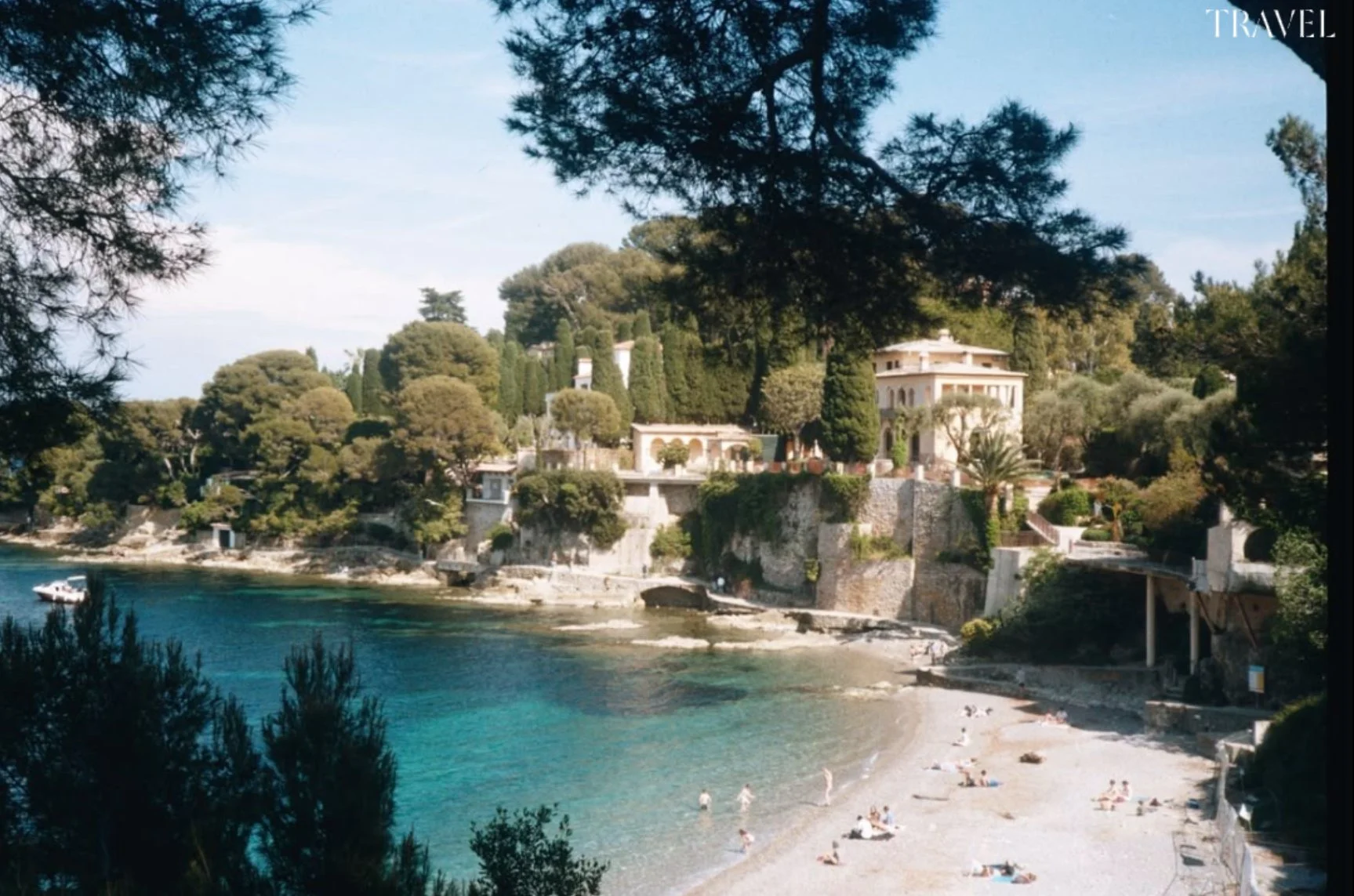
“Matisse arrived here in 1917 and never left for the rest of his life. The light is why. In June, before the summer peak, you understand it — the specific quality that made him stay, available to you now, in the weeks the photographers haven't filled yet.”
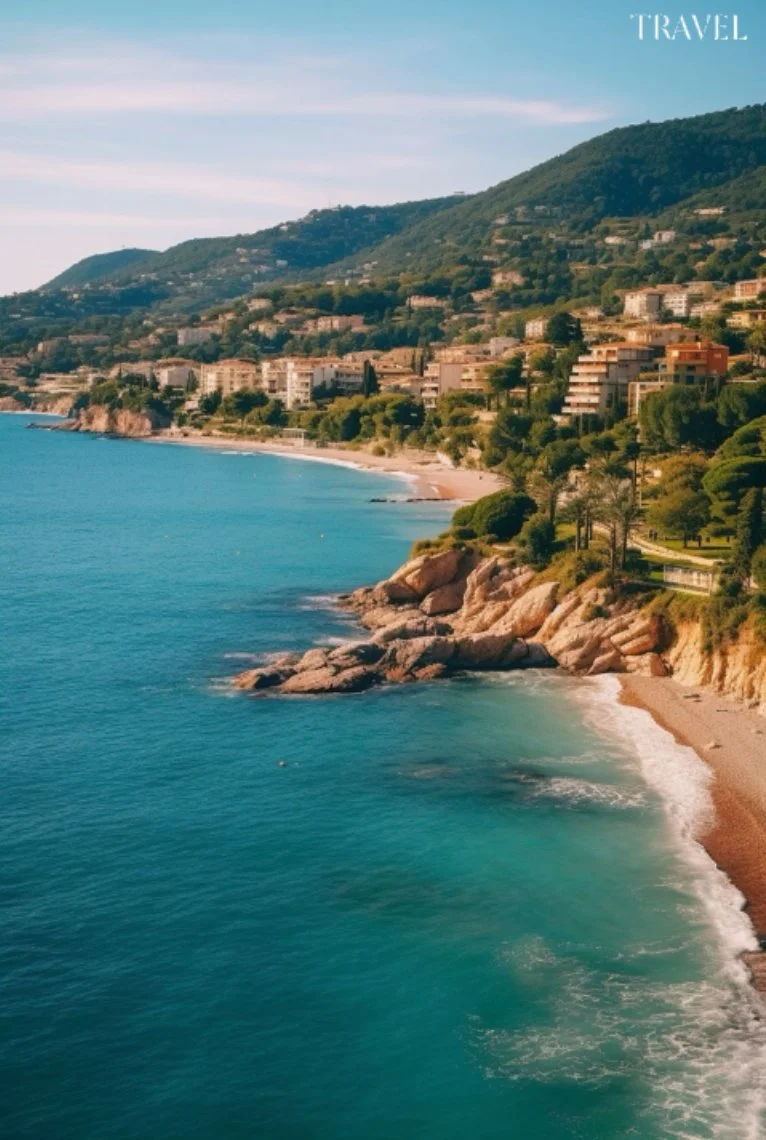
The 79th Cannes Film Festival closed on May 23rd with Park Chan-wook's jury awarding the Palme d'Or, the red carpet dismantled, and the Croisette already beginning its transition from the world's most photographed kilometre back to a seaside promenade in a mid-sized French city. The transformation takes about a week. By the end of May, the Côte d'Azur belongs to itself again.
This is the window. The festival crowd has left. The summer rental crowd — the peak-season mass that fills the coastal road with rental cars and the beaches with sunloungers arranged with military precision — doesn't arrive in force until mid-July. Between those two moments, roughly six weeks, the French Riviera operates at a scale and temperature that the photographs almost never capture, because by the time the photographers are there in volume, the moment has passed.
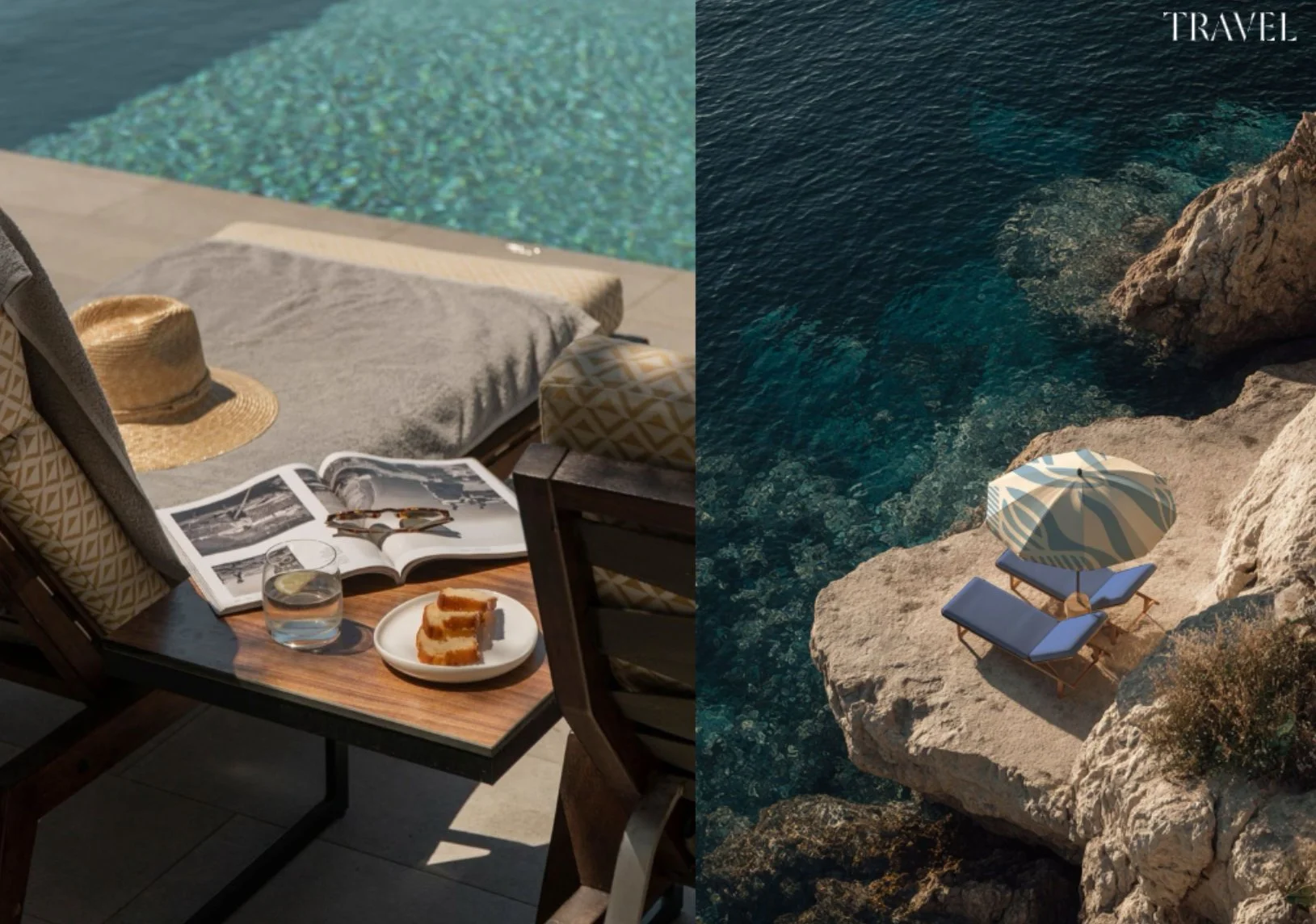
The light in June on the Côte d'Azur is not the bleached light of August. It is lower, more golden, arriving earlier and leaving later, doing what Mediterranean light does at this latitude in early summer: making the limestone hills and the terracotta rooftops and the specific blue of the sea simultaneously sharper and softer. Matisse arrived here in 1917 and never left, substantively, for the rest of his life. The light is why. In June, you understand it.
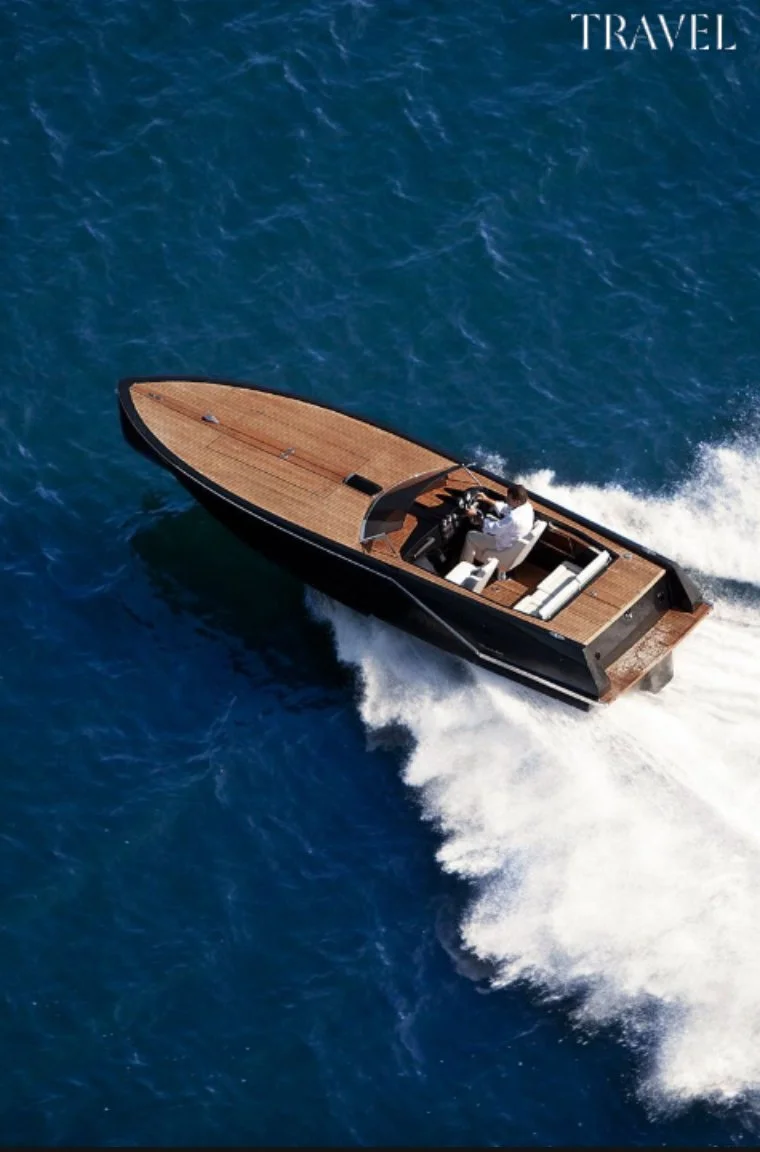
The restaurant reality in June is the inverse of August. La Petite Maison in Nice — which has spawned outposts across the world but whose original on the Rue Saint-Francois de Paule remains the best — has tables without the two-week booking lead time August requires. Mirazur in Menton, Mauro Colagreco's three-starred restaurant at the Italian border with a garden that produces a significant proportion of what arrives at the table, takes June reservations that are genuinely available. Tetou in Golfe-Juan — which has been making bouillabaisse since 1920, has no website, no social media presence, and is the most honest fish restaurant on the coast — does not overfill in June.
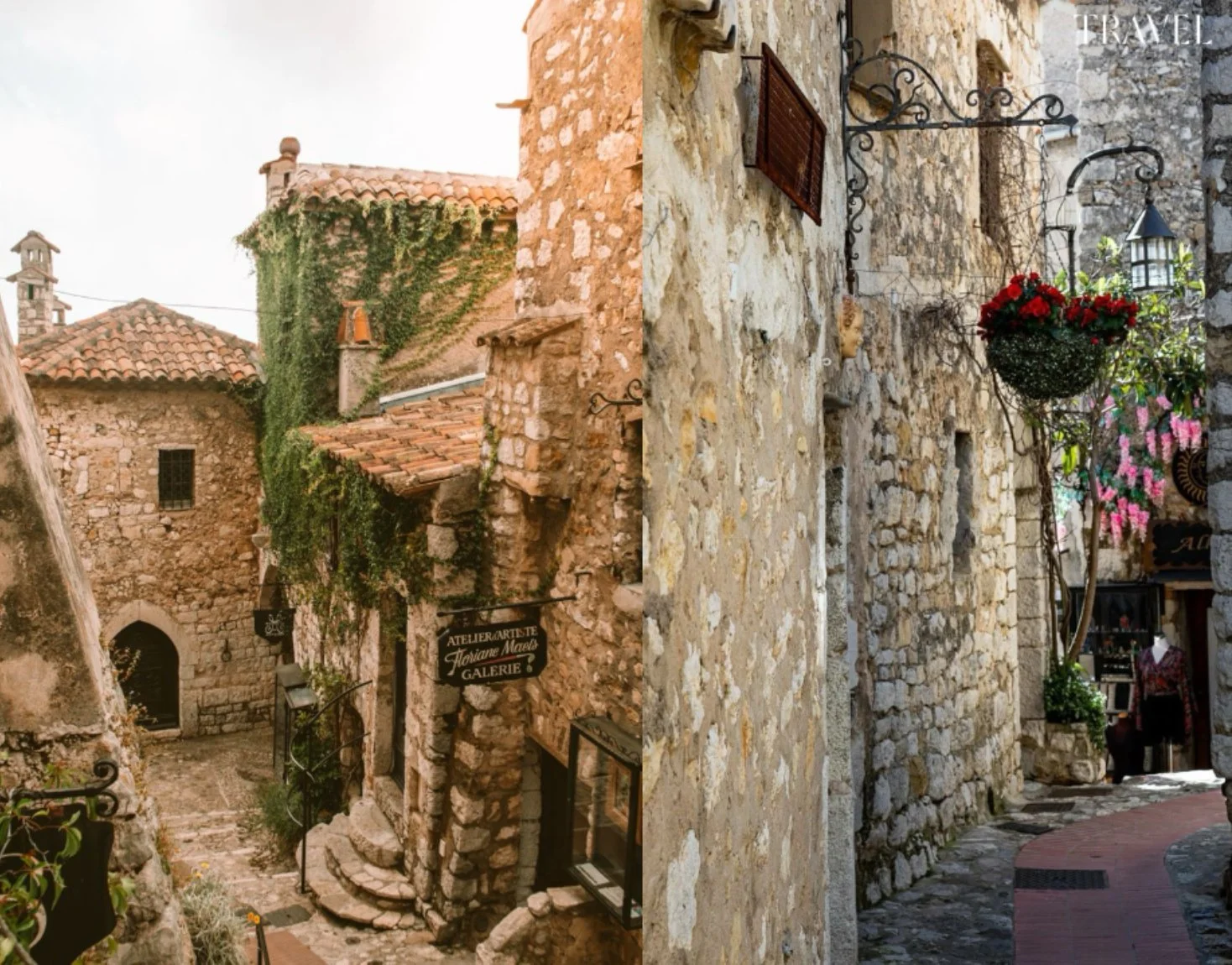
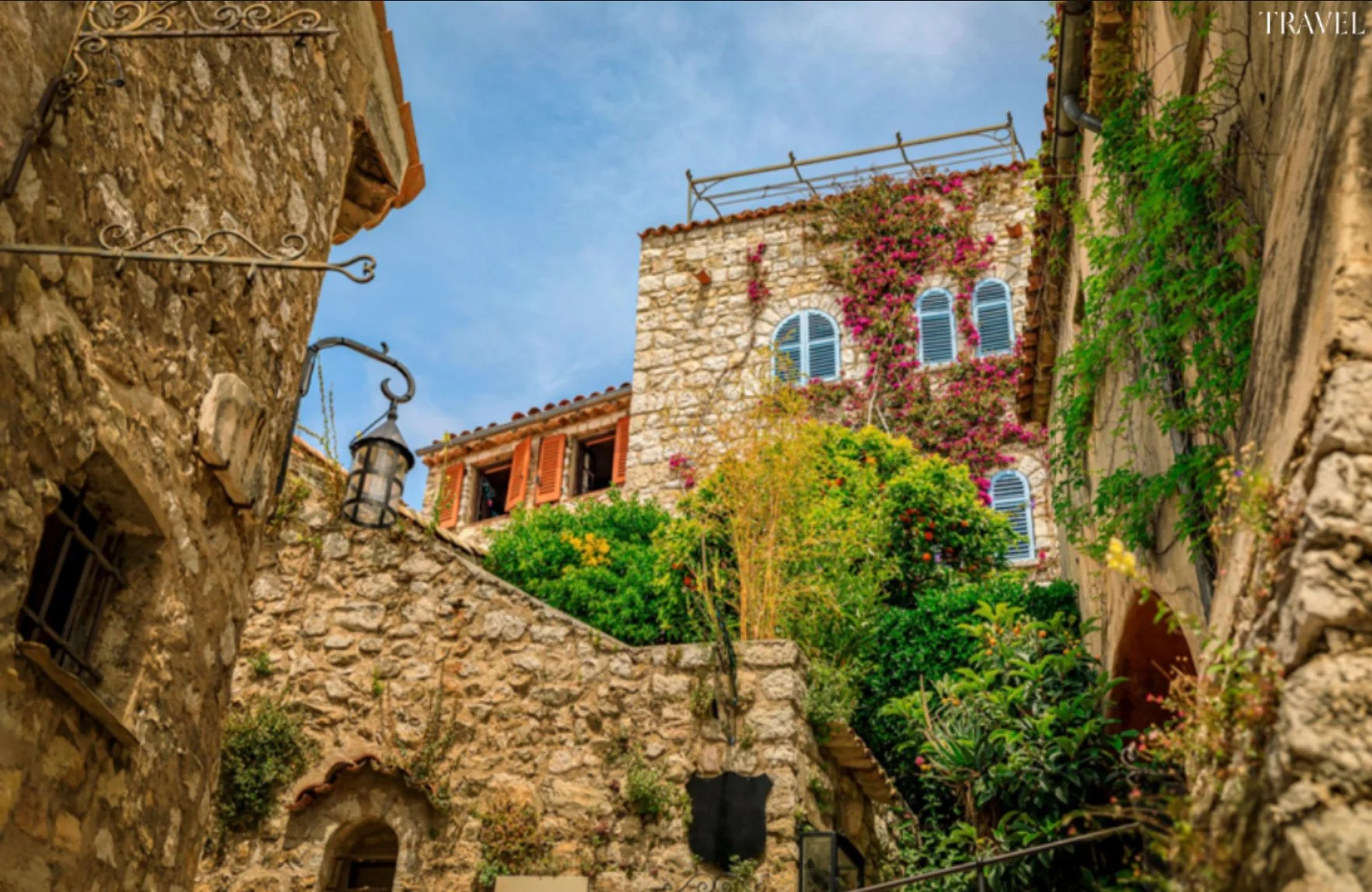
The villages above the coastal road are at their most genuine in this window. Eze, perched above the sea with its medieval core intact. Gourdon, almost vertical above the Gorges du Loup. The quieter medieval villages east of Grasse where the perfume roses are still being harvested in the first weeks of June. These places exist in July but are shared. In June they are encountered.
The hotels that most reward this timing are those with terraces facing west, so that the evening light arrives and stays. The Hotel du Cap-Eden-Roc at Cap d'Antibes, which has been in continuous operation since 1870 and which in June is the hotel that people who know the hotel mean when they say it is the best hotel in the world. The Bastide Saint-Antoine in Grasse, surrounded by centenarian olive trees and the specific smell of a Provence garden in the hours after rain.
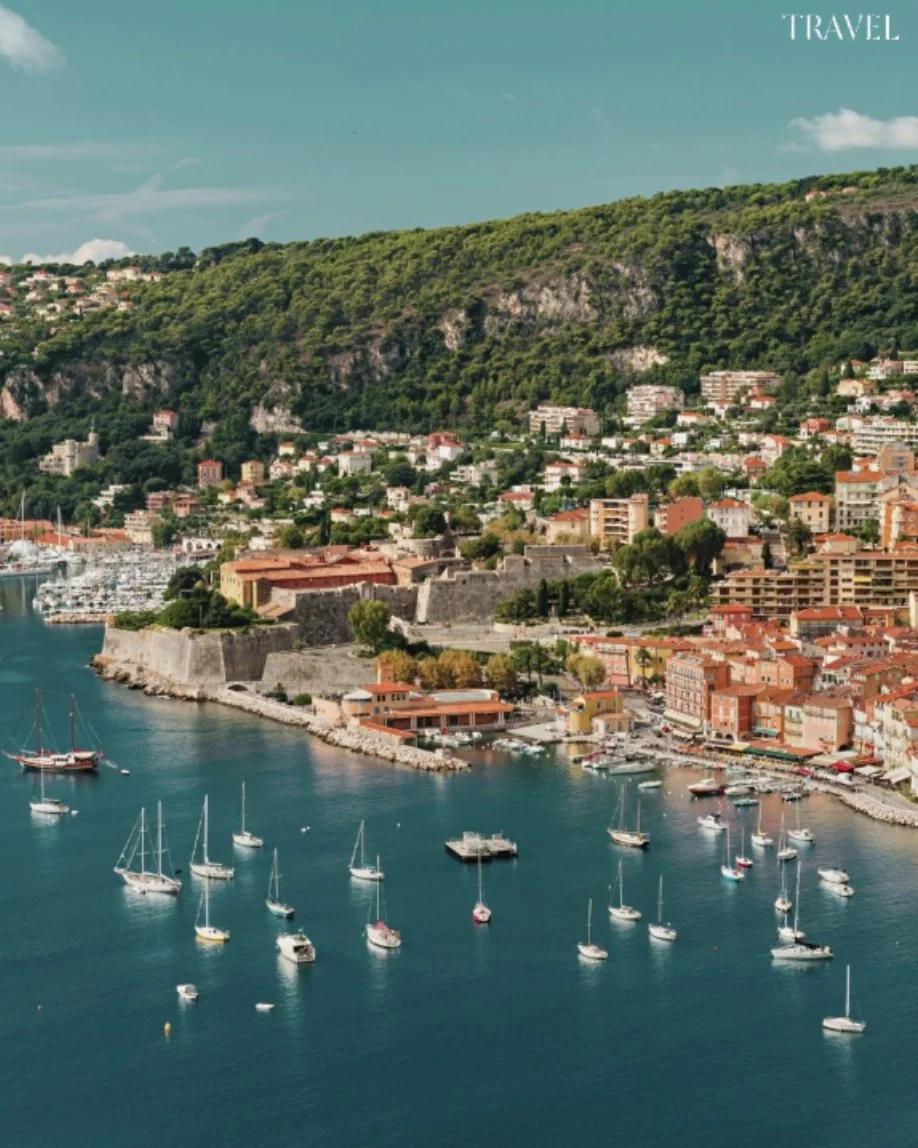
The practical note: book before you read this. The people who know about this window have been booking for years, which means availability in June is better than August but not unlimited. Three weeks notice is usually enough. Three months is comfortable. Come for the roses and the light and the fish. Leave before July changes everything.
BY OONA CHANEL
