

The Azores in Midsummer: Europe's Last Genuinely Unspoiled Atlantic Islands
Nine volcanic islands in the middle of the Atlantic, six hours from New York, two and a half from Lisbon. July and August offer the warmest water, the best whale watching, the most accessible trails, and the fewest crowds of any comparable destination in Europe. Author on what is there and how to reach it.
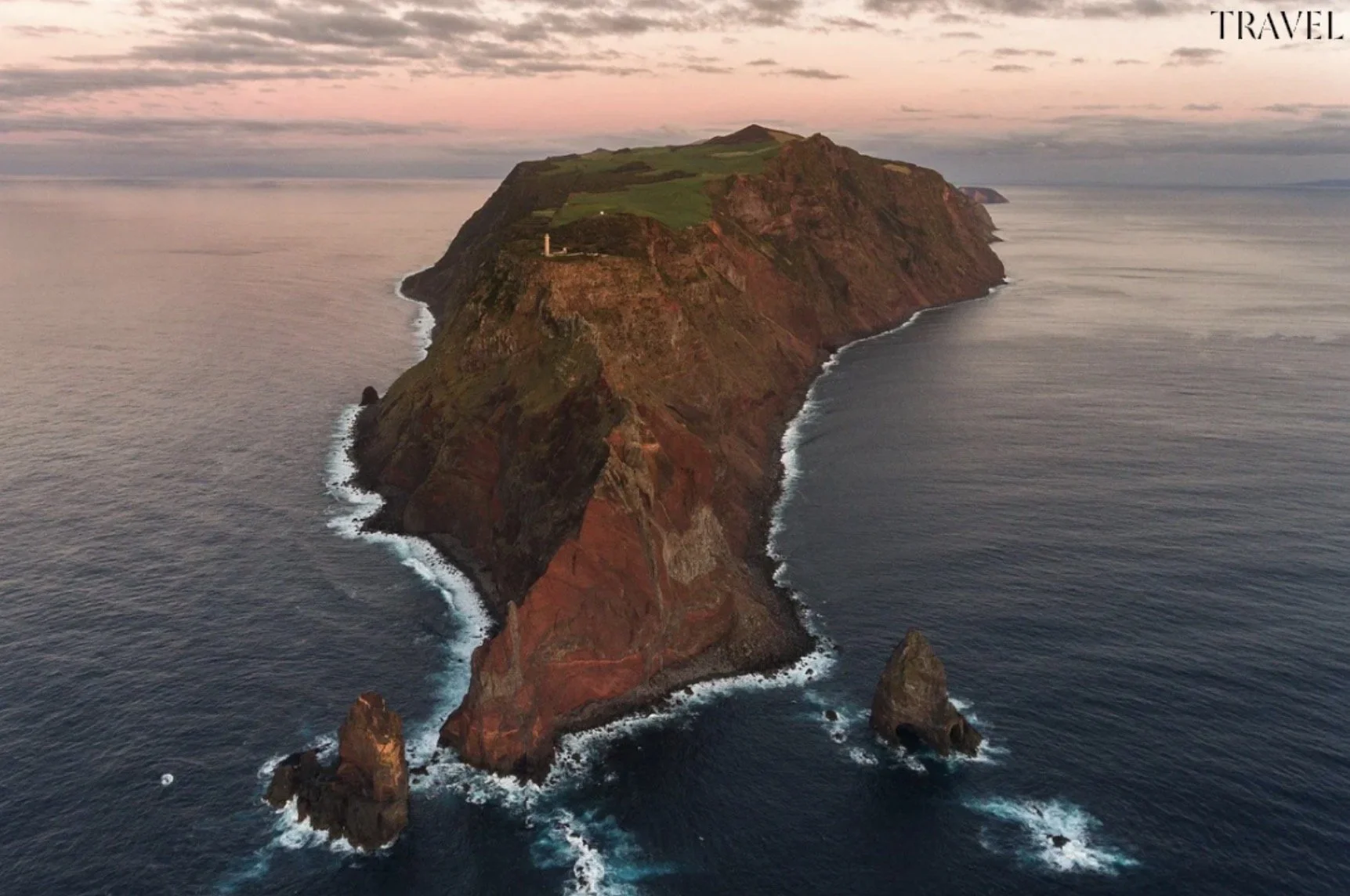
“The whale watching departures from Pico are operated by the same families that hunted whales from the island until 1987 — the last whale hunt in the Azores. The cetacean observation carries a specific historical weight that no equivalent experience elsewhere provides.”
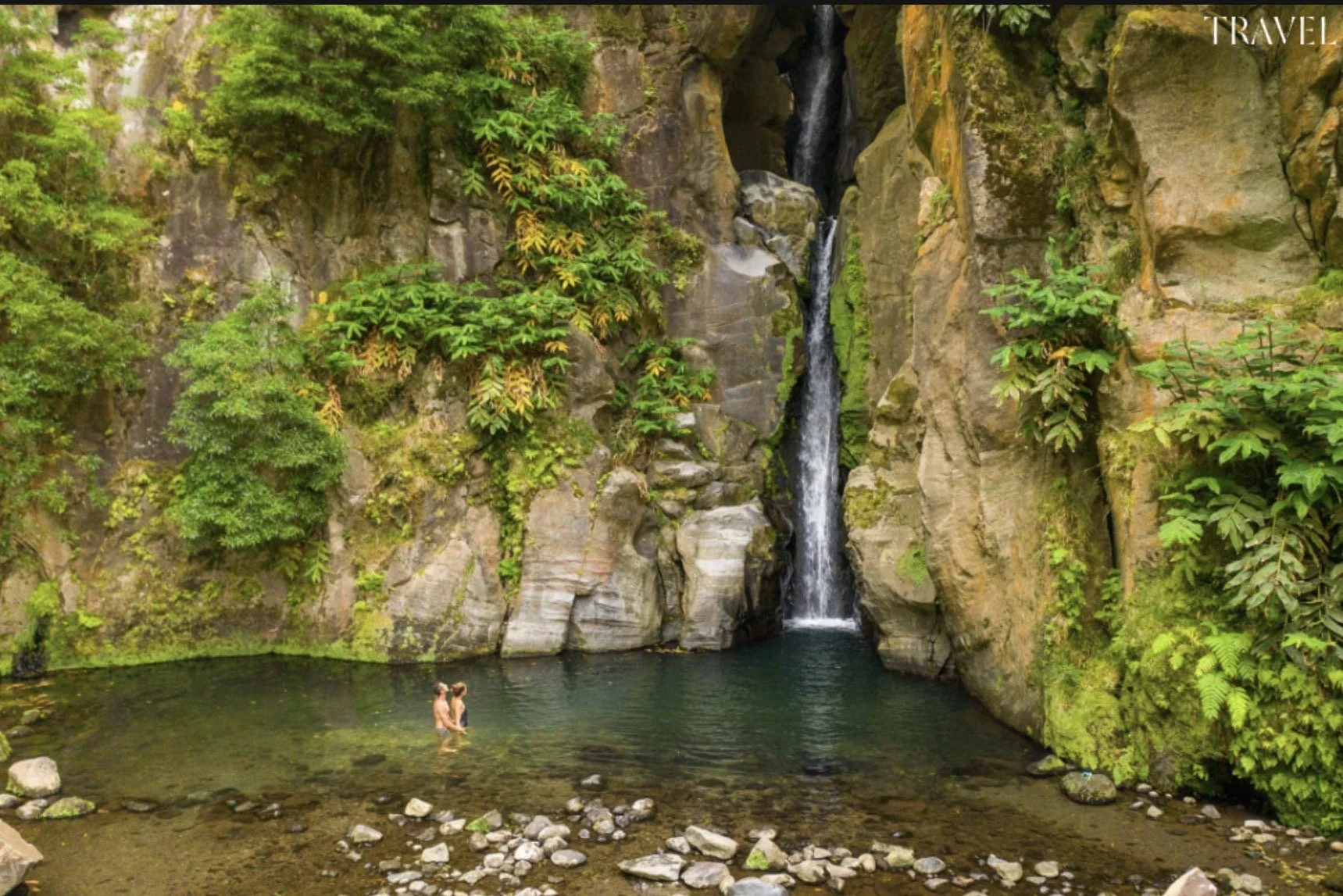
The Azores archipelago sits in the middle of the North Atlantic, 1,500 kilometres west of mainland Portugal and 3,400 kilometres east of North America. The nine islands — three island groups, volcanic in origin, with the geology still active on several of them — are Portuguese territory and have been continuously inhabited since the fifteenth century. They are not a secret. They are simply not part of the standard itinerary for the traveller whose European summer is organised around the Mediterranean, which means they receive a fraction of the visitor traffic of destinations with equivalent natural distinction.
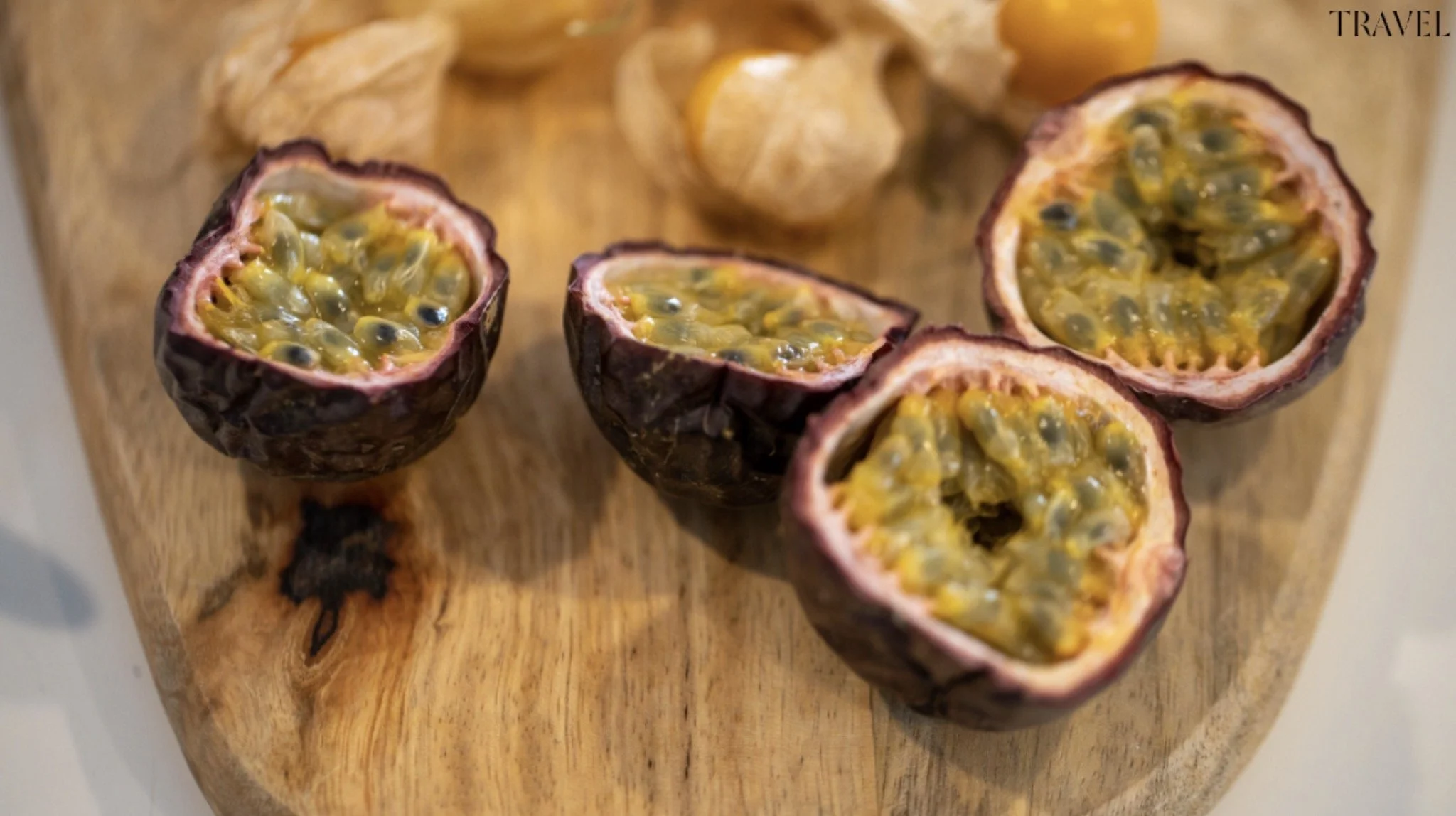
In July and August, the Azores offer the ideal Atlantic conditions: sea temperatures that have risen to approximately 22-24°C across the main islands, stable high-pressure weather systems that bring warm, clear days with the specific quality of Atlantic light — cleaner and more directional than Mediterranean light, producing the specific blue of the ocean that the islands are surrounded by. The whale watching season peaks between April and October, with the waters around Pico and Faial hosting blue, sperm, sei, and fin whales alongside large pods of common dolphins and the occasional killer whale.
Sao Miguel, the largest island and the site of Ponta Delgada, is the primary entry point and the island with the most developed infrastructure. The Sete Cidades crater lake — a dormant volcanic caldera containing two lakes, one green and one blue, connected by a bridge — is the most photographed feature of the island and deserves its reputation: the scale (the caldera is approximately 12 kilometres in circumference) and the specific quality of the mist that forms above the water in the mornings produce a landscape that is unlike anything in mainland Europe. The thermal springs at Furnas, where the volcanic activity is close enough to the surface that the ground temperature reaches boiling point in some locations, produce a cooking tradition specific to the island: the cozido das Furnas, a slow-cooked meat and vegetable stew that is lowered into the earth in a clay pot the night before and left in the geothermal heat to cook overnight.
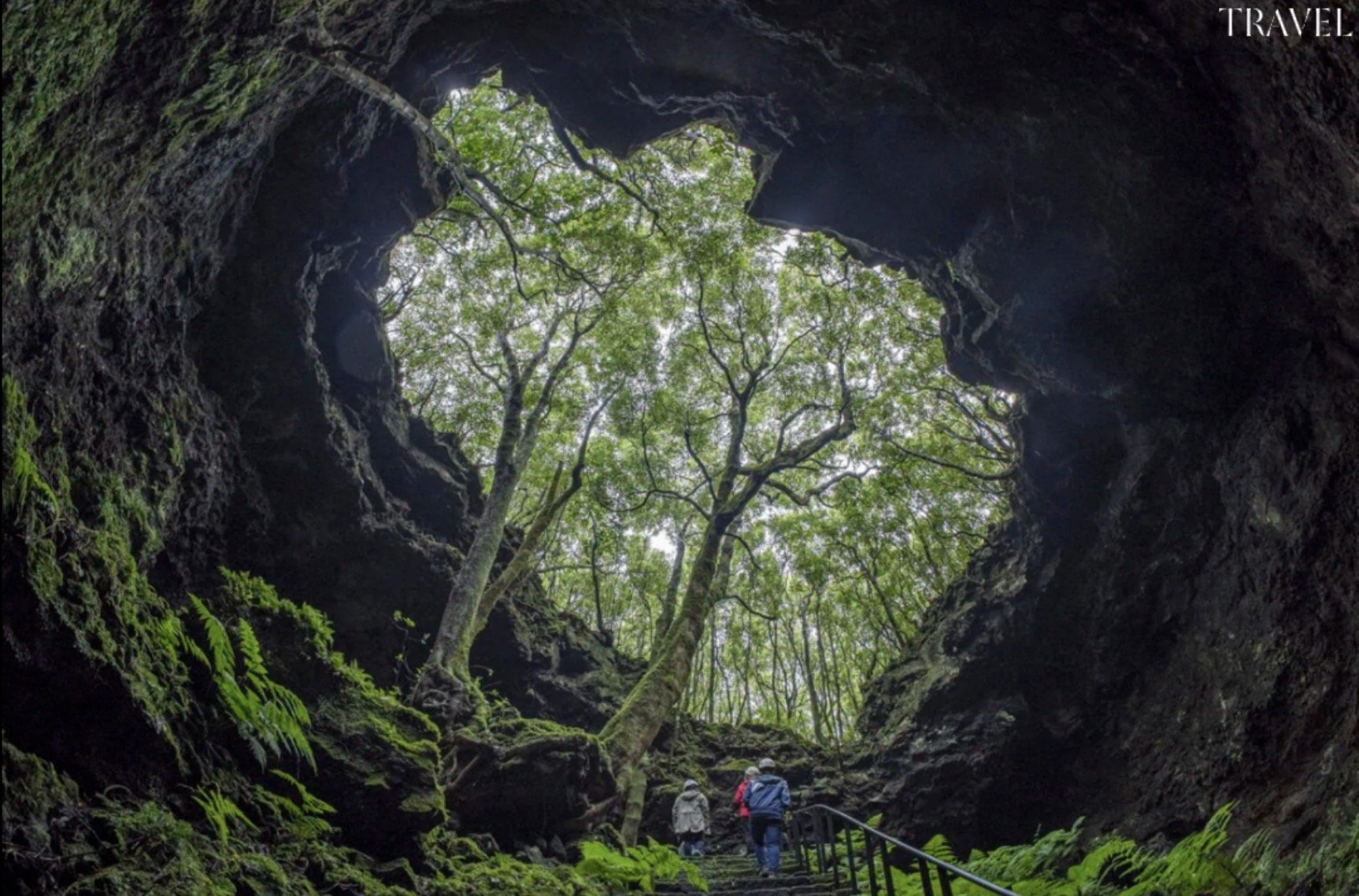
Pico, named for the volcanic peak that rises 2,351 metres from sea level — the highest point in Portugal — is the island for the traveller who is there for the landscape rather than the infrastructure. The Pico mountain trail, which takes approximately 5-7 hours return and requires physical fitness and appropriate gear, produces from the summit (weather permitting) views across the Atlantic to Faial, Sao Jorge, and Terceira that make the effort unambiguous. The whale watching departures from Madalena, the main town, are operated by the same families that hunted whales from the island until the 1980s — the last whale hunt in the Azores was in 1987 — giving the cetacean observation a specific historical weight.
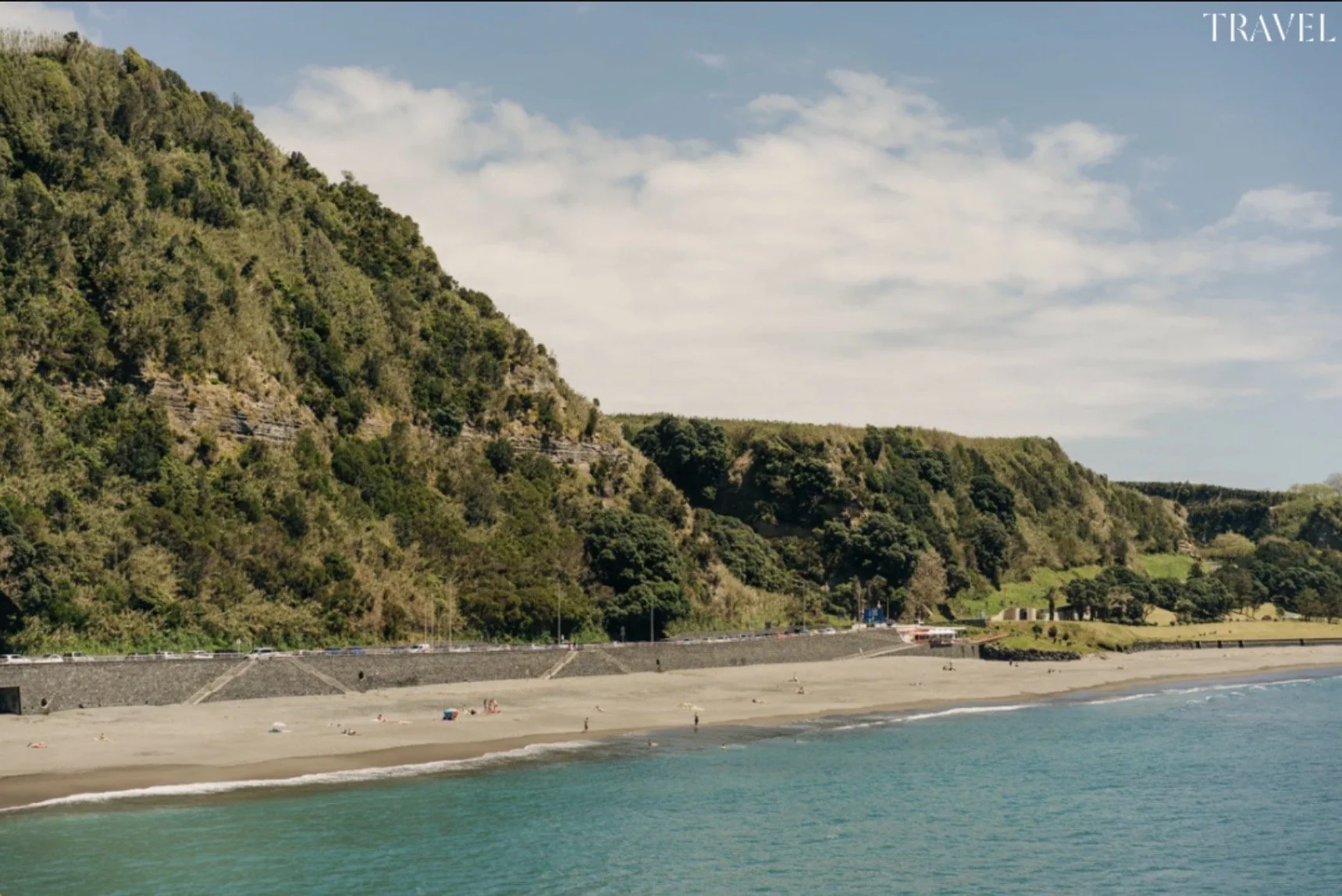
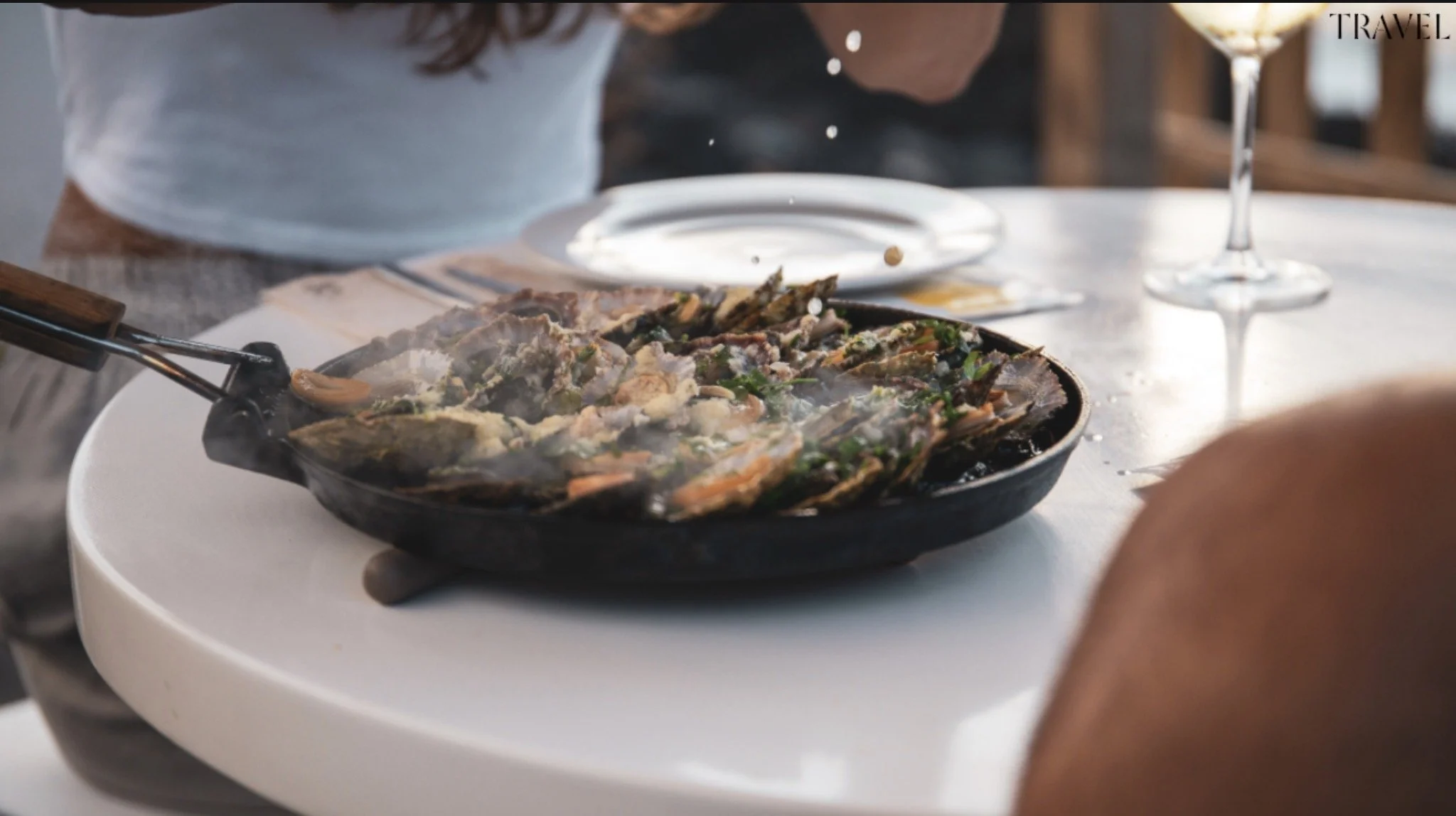
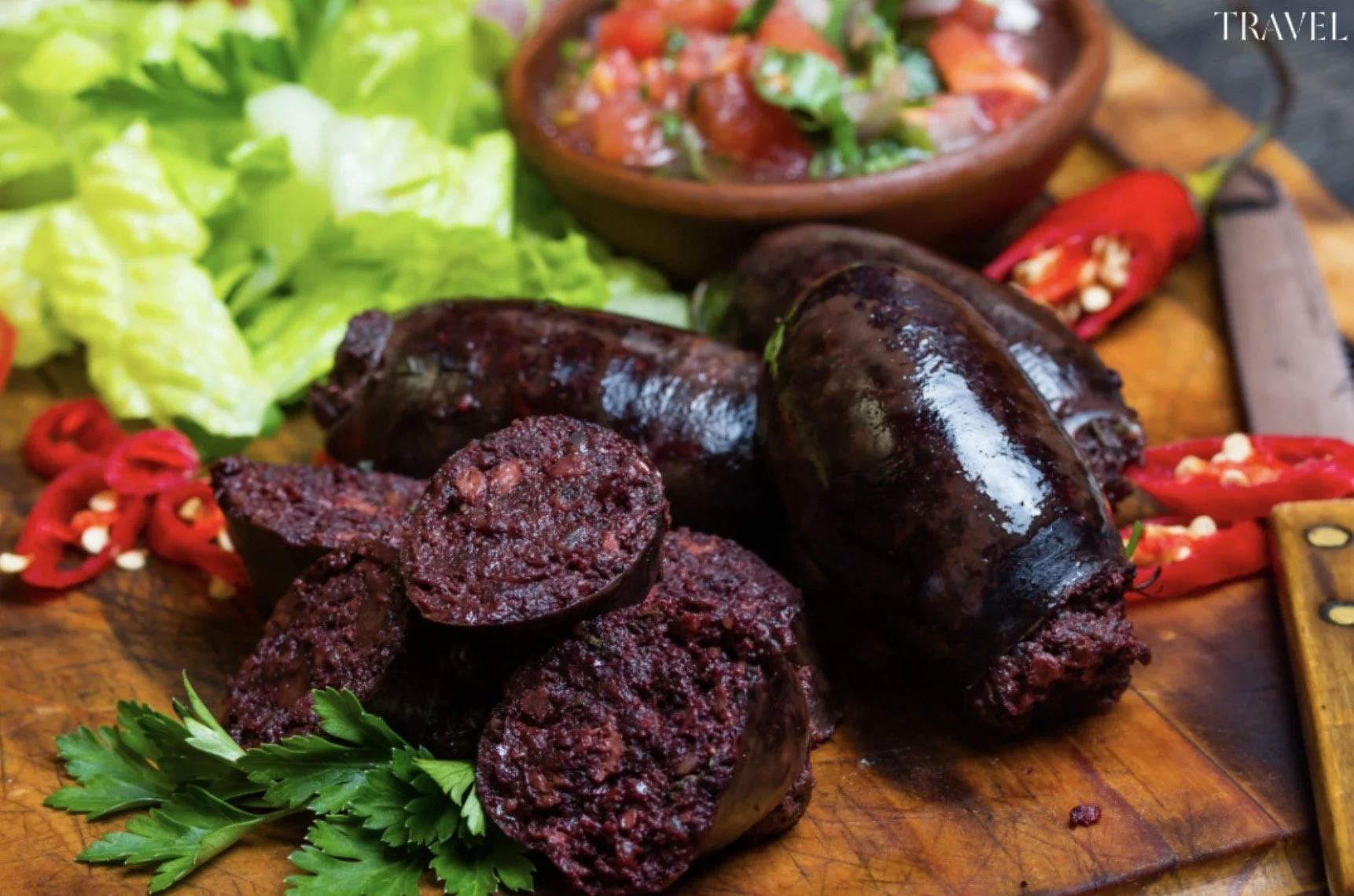
The food of the Azores is the most underreported aspect of the islands. The cheese — especially the queijo São Jorge, a firm aged cheese from the island of the same name that has been produced using the same methods since the fifteenth century — is one of the best in Portugal. The beef from the grass-fed cattle that are visible on every hillside is of exceptional quality. The percebes (goose barnacles) harvested from the volcanic rock coastlines and the lapas (limpets) grilled on hot volcanic rock with garlic and lemon are the two indigenous culinary experiences that justify the journey on their own terms.
For the traveller concerned about the development trajectory: the Azores are committed by regional legislation to a sustainable tourism model. The maximum hotel development allowed per island is regulated. The nature trails are maintained by the regional parks authority. The whale watching operations are licensed and monitored. The question is not whether development will arrive — it will — but whether the Azores can manage its growth as the destination becomes more widely known. The summer of 2026 is, by most assessments, still within the window when the islands are genuinely themselves.
BY OONA CHANEL
