

Tbilisi: The City That Rewards the Second Visit More Than the First
Most travellers leave Tbilisi having been charmed. The travellers who return leave having been changed. Here is the difference — and what the second visit makes possible that the first cannot.
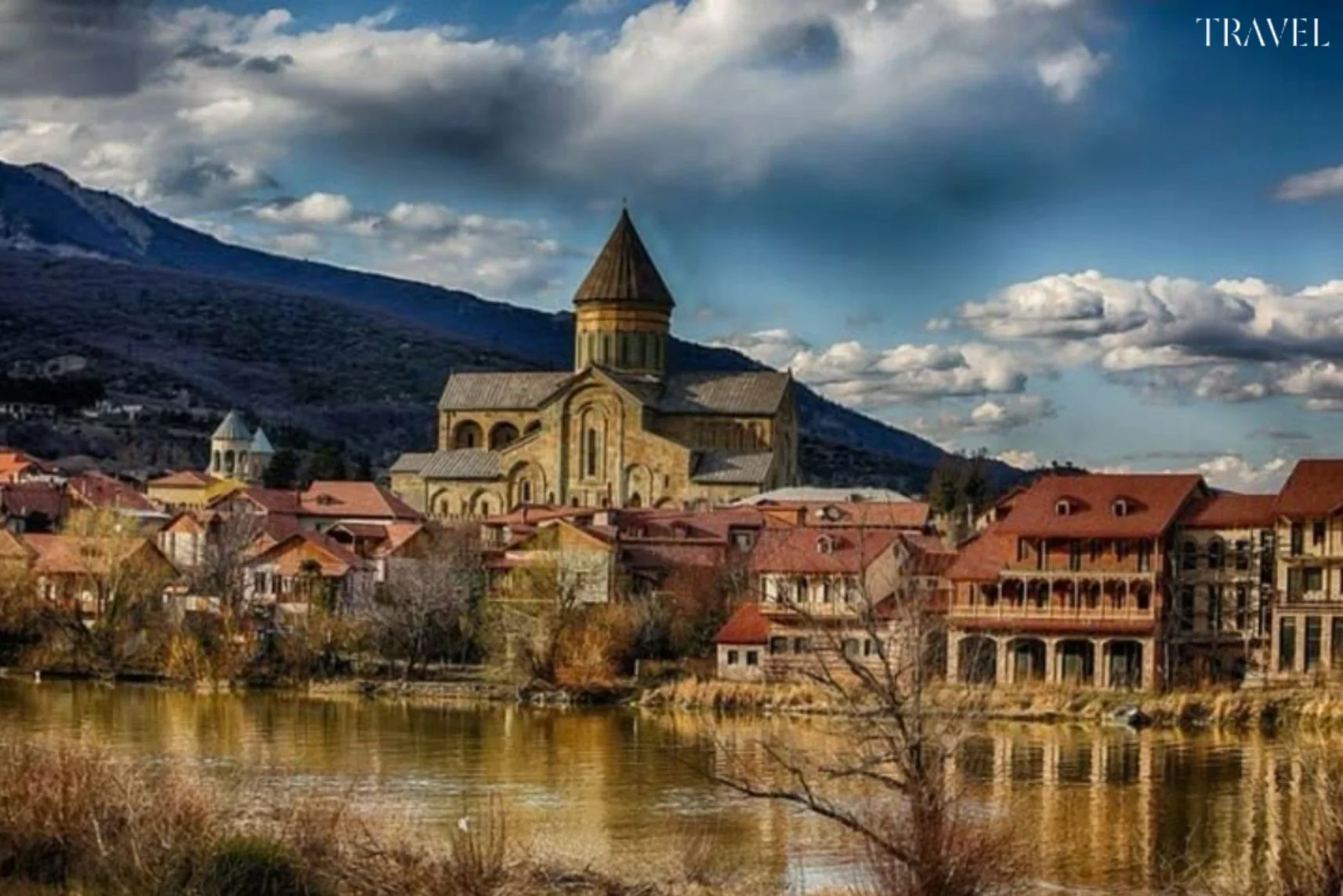
“Georgia has been invaded, occupied, and absorbed by successive empires — and has remained, underneath all of it, recognizably Georgian. This is the product of a cultural confidence that is visible everywhere in Tbilisi but that requires time to read.”
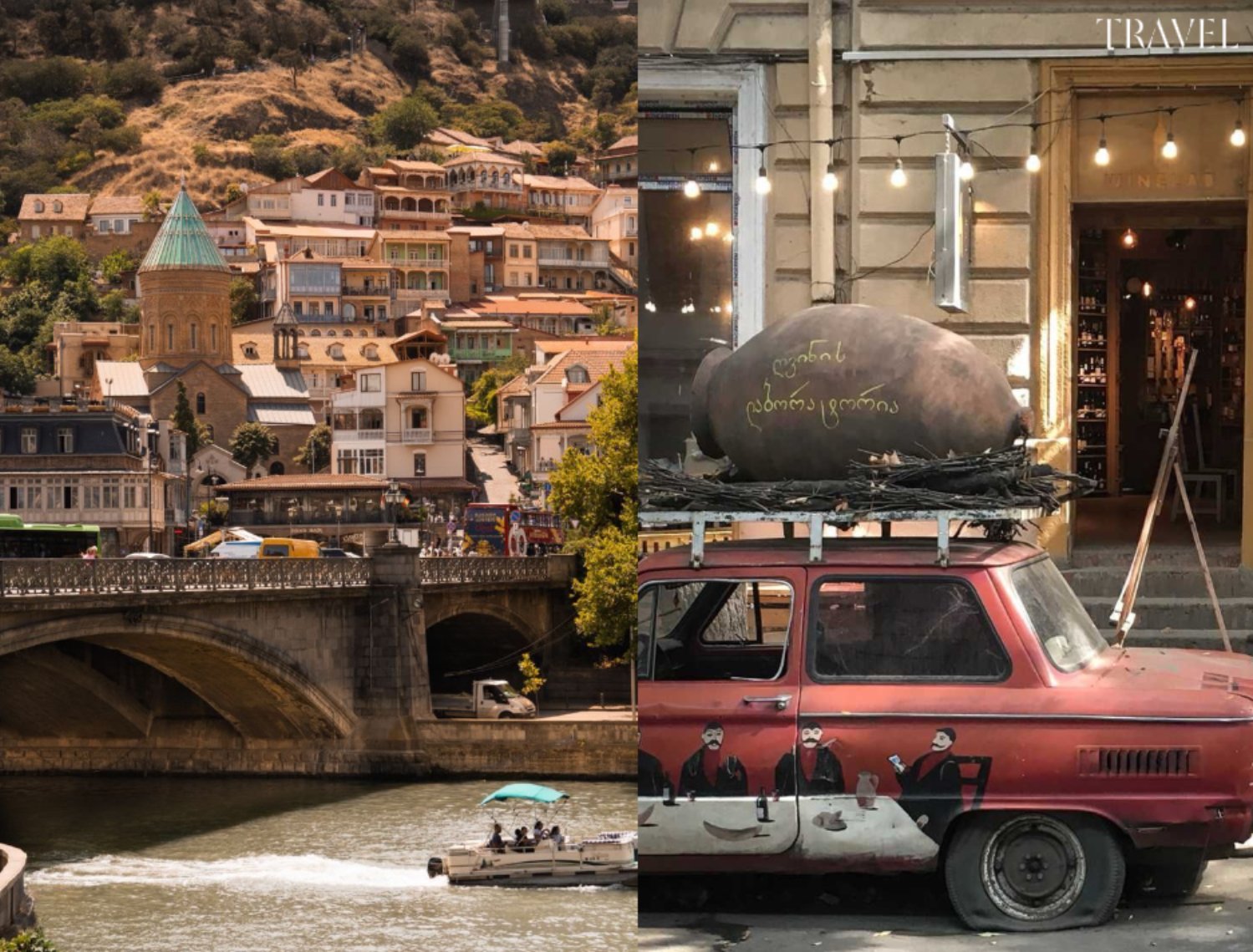
The first visit to Tbilisi produces a very specific response in almost everyone who makes it: the sense of having arrived somewhere that has been waiting to be discovered, a city whose beauty and complexity and hospitality have been available all along but whose position at the edge of the European travel imagination has kept it from becoming a destination in the organised sense. The carved wooden balconies, the sulphur baths of Abanotubani, the layered architecture of a city that has absorbed Persian, Ottoman, Russian, and Soviet influence without losing its essential Georgian character — all of this is available on the first visit and is, by any standard, extraordinary.
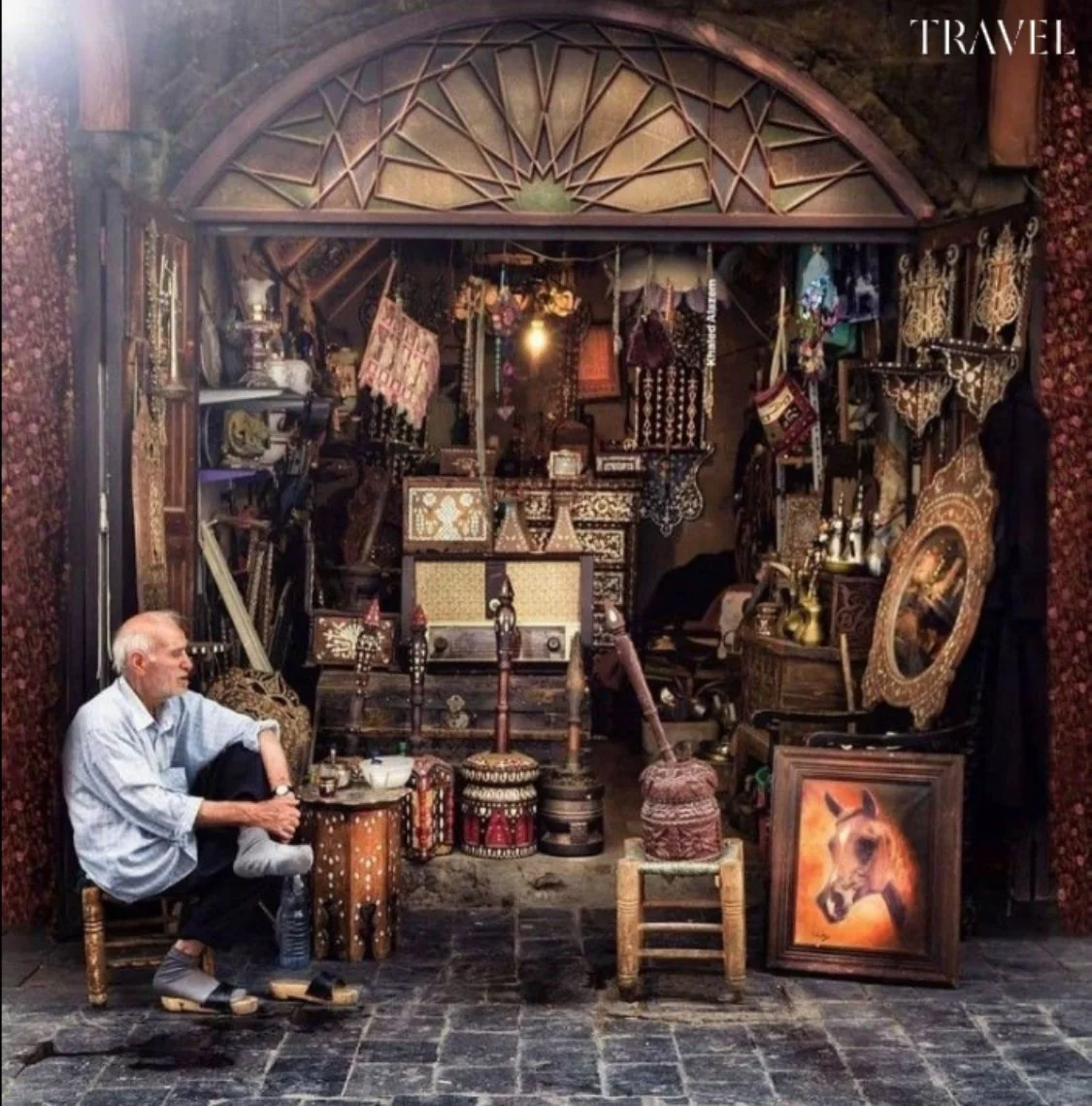
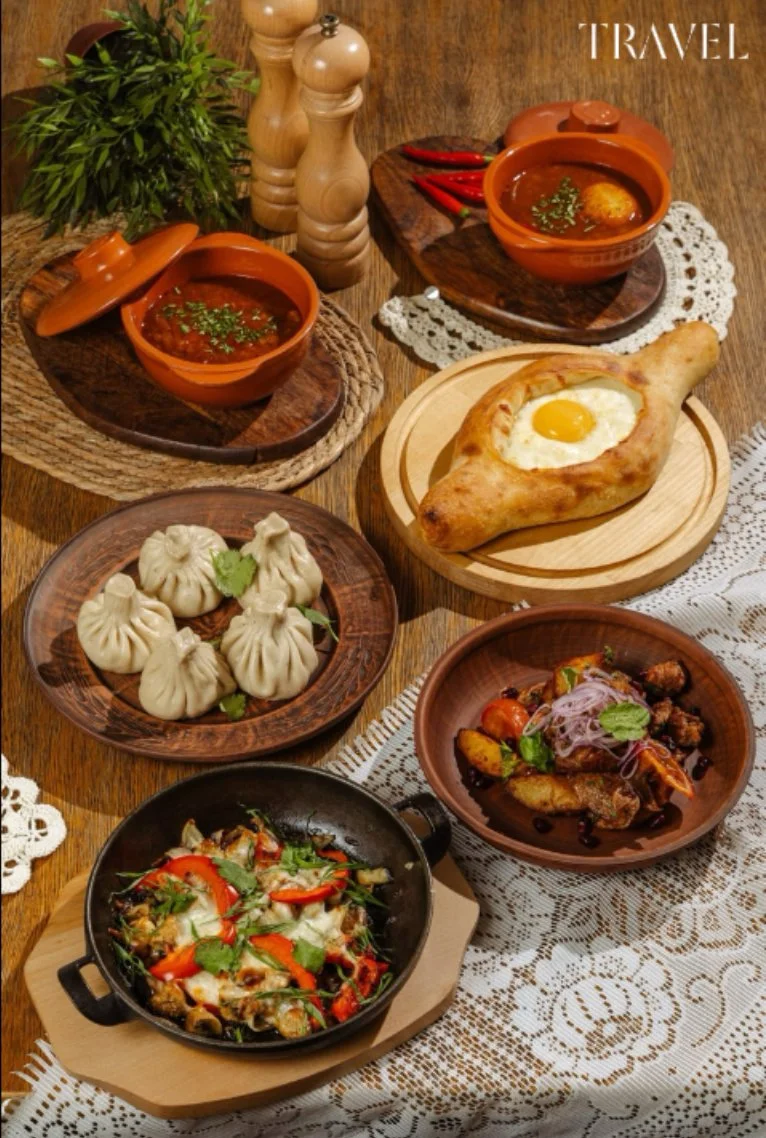
The second visit is different in a way that is difficult to communicate to someone who has not had it. The architecture is still there. The food is still extraordinary — the khinkali, the churchkhela, the specific quality of amber wine from the Kakheti region that has been made in clay vessels buried in the earth for eight thousand years. But the second visit adds something the first cannot provide: the city's relationship to its own past and future, which is one of the most complex and most honestly discussed relationships between a capital and its history that exists in contemporary Europe.
Georgia has been invaded, occupied, partitioned, and culturally absorbed by successive empires — Persian, Ottoman, Russian, Soviet — and has remained, underneath all of it, recognizably Georgian. This is not a small thing. It is the product of a cultural confidence that is visible everywhere in Tbilisi but that requires time to read. The polyphonic choral tradition, which has been sung here for at least fifteen hundred years. The Kartvelian script, one of fourteen independent writing systems ever developed. The specific hospitality culture — maspindzloba, the sacred obligation of the host.
The institutions that reward the second visit: the National Gallery, which holds the work of the early twentieth-century Georgian artists — Niko Pirosmani above all, whose naïve formal genius is unlike anything else in European art — in a context that explains rather than merely presents. The State Museum of Georgian History, where the gold jewellery of the ancient Colchian civilization — the Colchis of the Golden Fleece myth, which was a real place — is displayed with the seriousness it deserves.
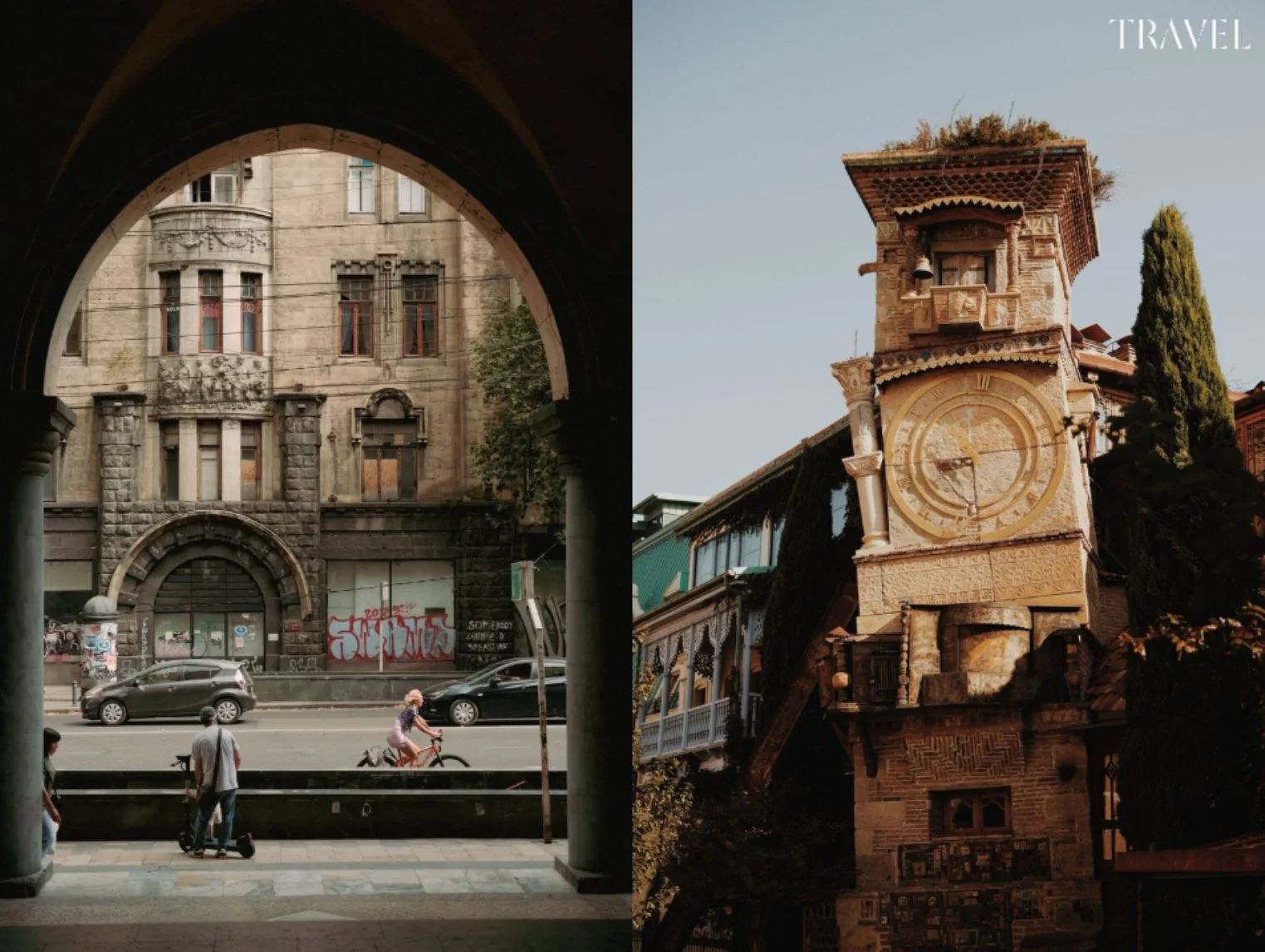
The wine is worth its own attention. Georgian natural wine — made from Rkatsiteli, Saperavi, and dozens of ancient varieties preserved in the Caucasus while European viticulture was being reorganized by the French appellation system — is still underrepresented in serious wine conversation. The amber wines, made with extended skin contact in qvevri clay vessels, are unlike anything produced anywhere else and are available in Tbilisi at prices that represent one of the better value propositions in serious drinking.
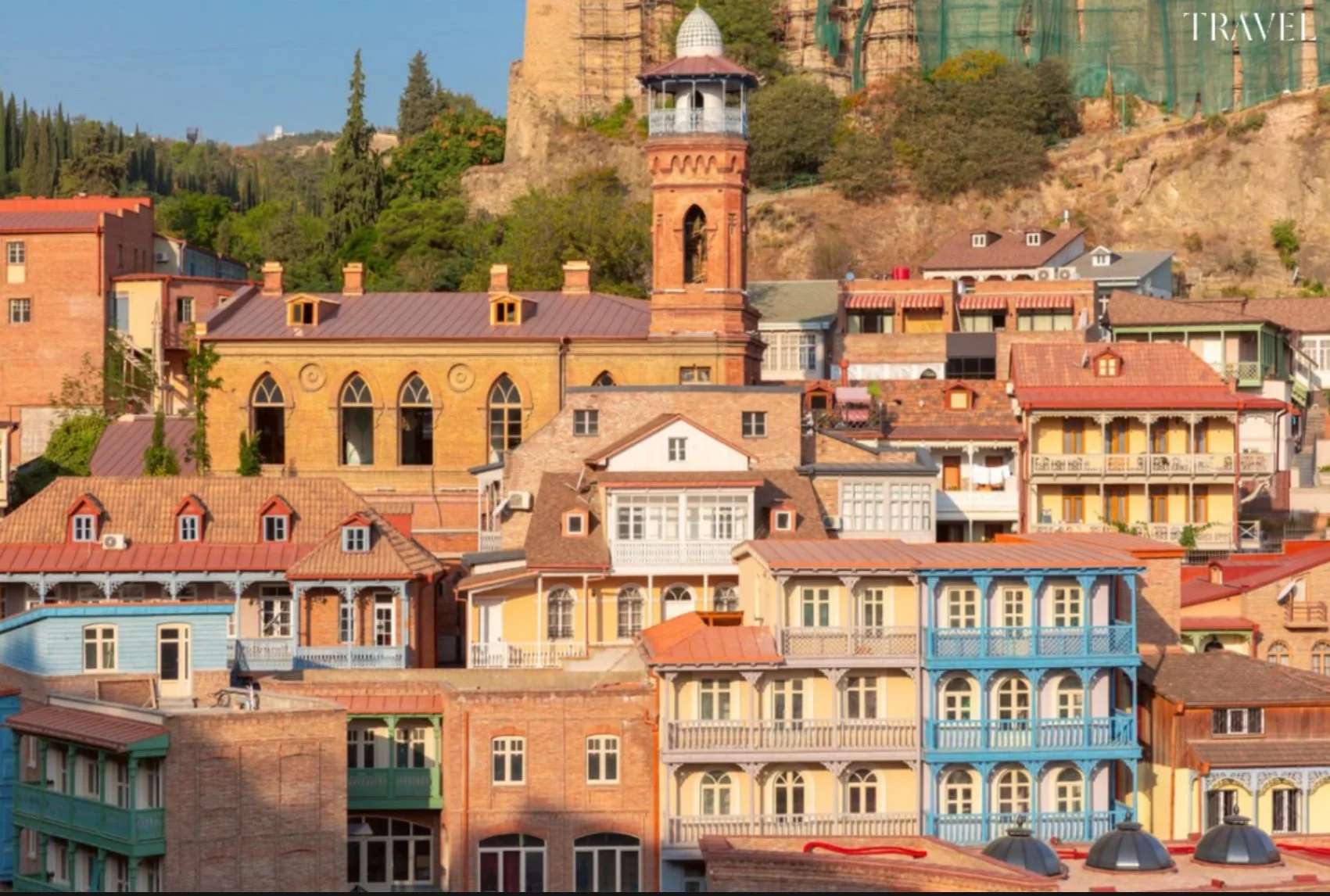
The recommendation for the second visit: stay longer, go slower, eat where the Georgians eat rather than where the tourists do. Find a guide who is interested in the cultural history rather than the tourist itinerary. Go to a polyphonic concert — not a tourist performance but an actual ensemble, findable through the network of cultural venues in the old city.
The first visit shows you Tbilisi. The second visit shows you what Tbilisi is.
Most travellers do not make the second visit. This is, from the perspective of anyone who has, a significant loss.
BY OONA CHANEL
