

Japan in June: The Hydrangea Season Nobody Talks About
The cherry blossom brings everyone. The hydrangea brings the people who know. For three weeks in June, Japan is at its most quietly extraordinary — and the crowds are a fraction of what the spring season produces.
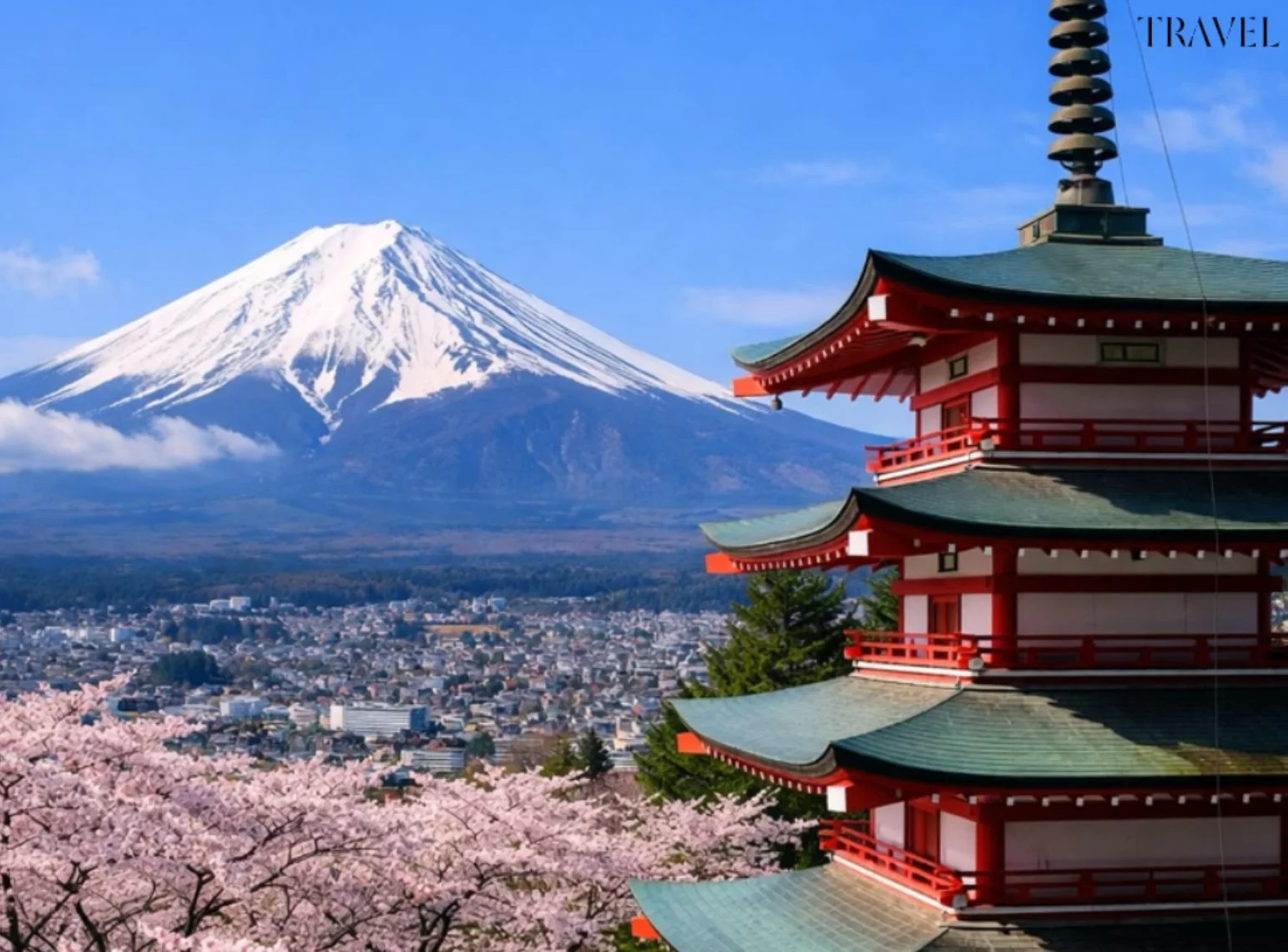
“The difference between the cherry blossom and the hydrangea season is the difference between beauty that announces itself and beauty that requires you to be present to receive it. The people who return to Japan in June come back for the second kind.”
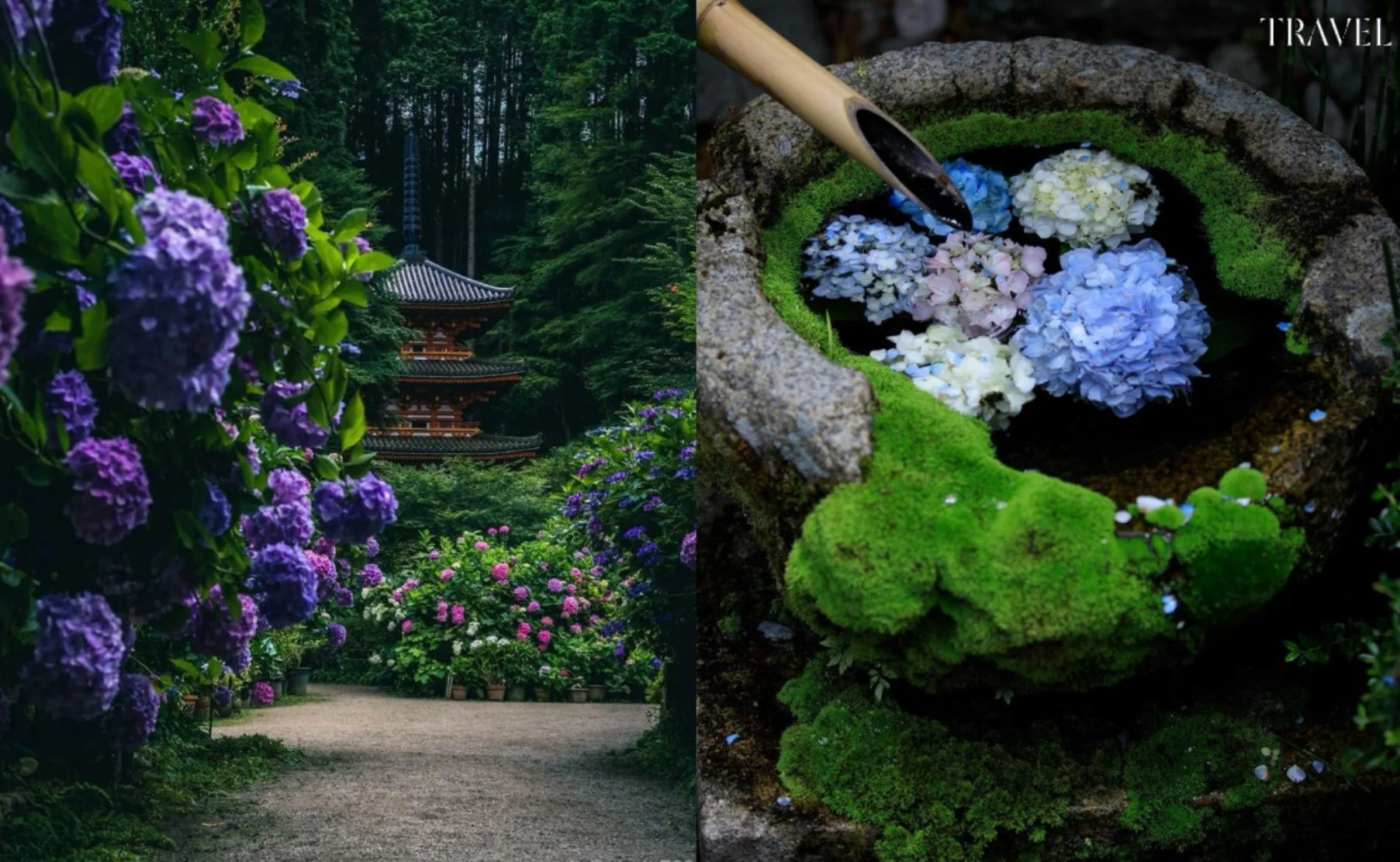
The ajisai — the Japanese hydrangea — blooms from approximately the second week of June through mid-July, depending on the region and the altitude. In the temples and shrines of Kamakura, where the hydrangeas grow in gardens that the Japanese describe as tsukiyama — the carefully considered natural landscape — the June bloom produces a quality of beauty that is entirely different from the sakura spectacle and, for the people who find it, more satisfying. The difference is between beauty that announces itself and beauty that requires you to be present to receive it.
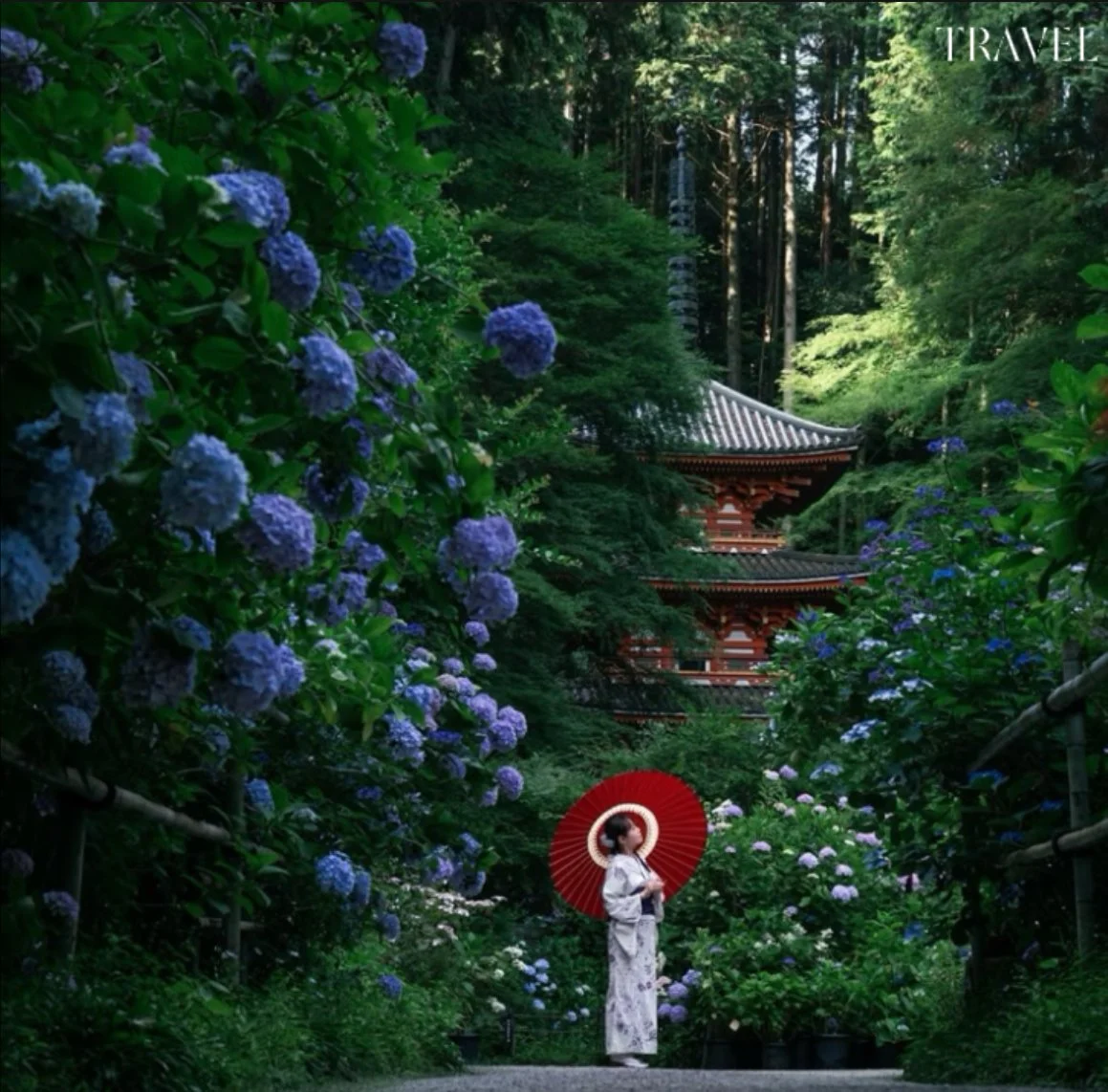
Kamakura, forty minutes by express train from Tokyo, is organised around a combination of Zen Buddhism and coastal topography unique even by Japanese standards: major temples and shrines in forested valleys, connected by ancient pilgrimage paths still in daily use, with the sea visible from the hilltops. In spring, it is among the most photographed places in Japan. In June, it is among the most peaceful.
The Meigetsuin temple is the most celebrated hydrangea site in Kamakura, and the relationship between the garden design and the bloom is one of the most considered in Japan. The approach, along a stone path edged with ajisai in every blue and purple the plant produces, culminates in a circular moon window in a painted wall through which the garden behind — only revealed fully in late June — is partially visible. The management of revelation, the idea that a garden shows itself gradually and that the partial view is more interesting than the complete one, is a specifically Japanese aesthetic principle that the hydrangea season makes tangible.
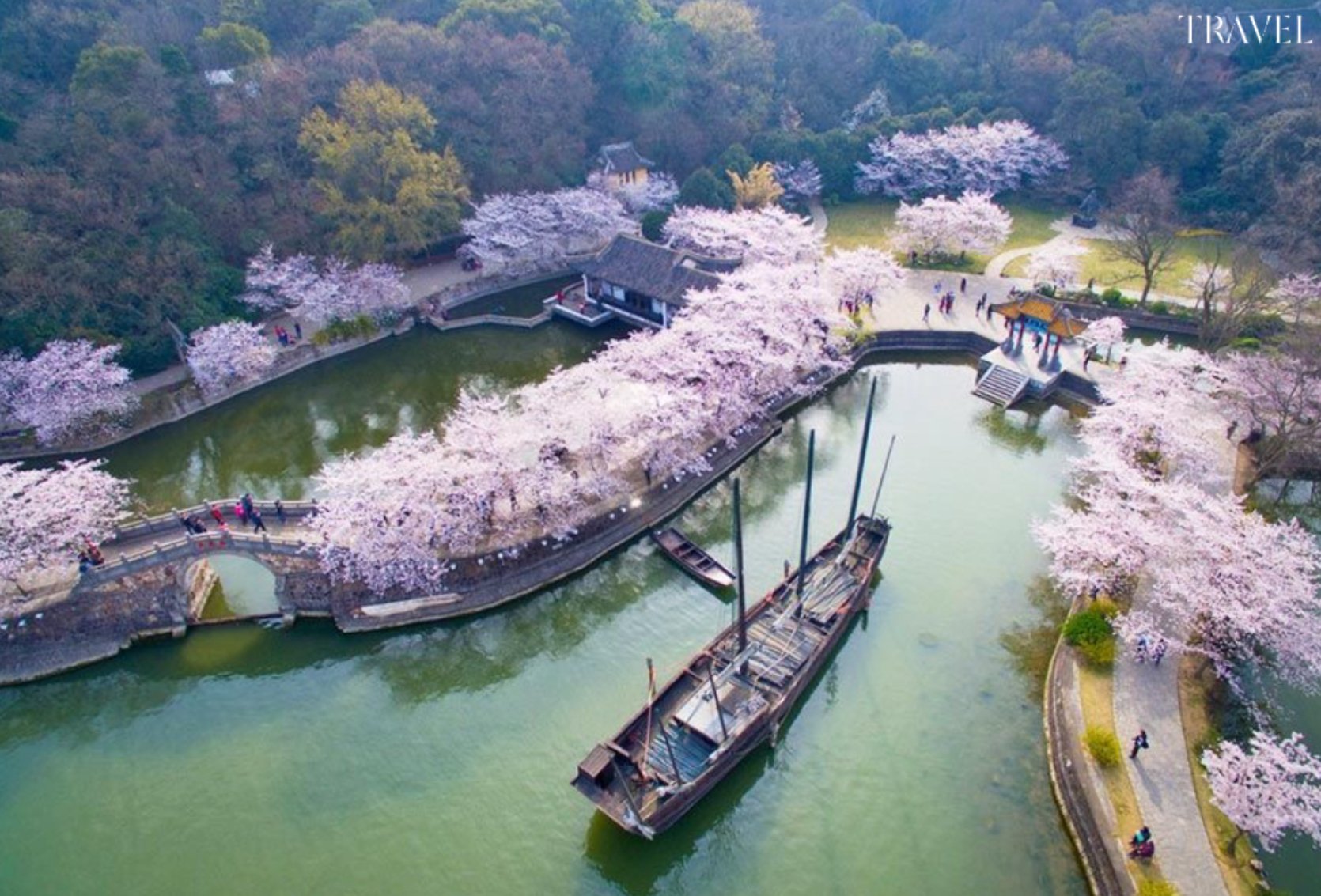
The Hase-dera temple, also in Kamakura, manages the hydrangea display at scale: a hillside path winding between thousands of specimens at the height of their bloom, with views across the coast to Enoshima island. The crowds are real even in June, but they are the crowds of Japanese visitors for whom this is an annual ritual rather than the international mass tourism of the sakura season.
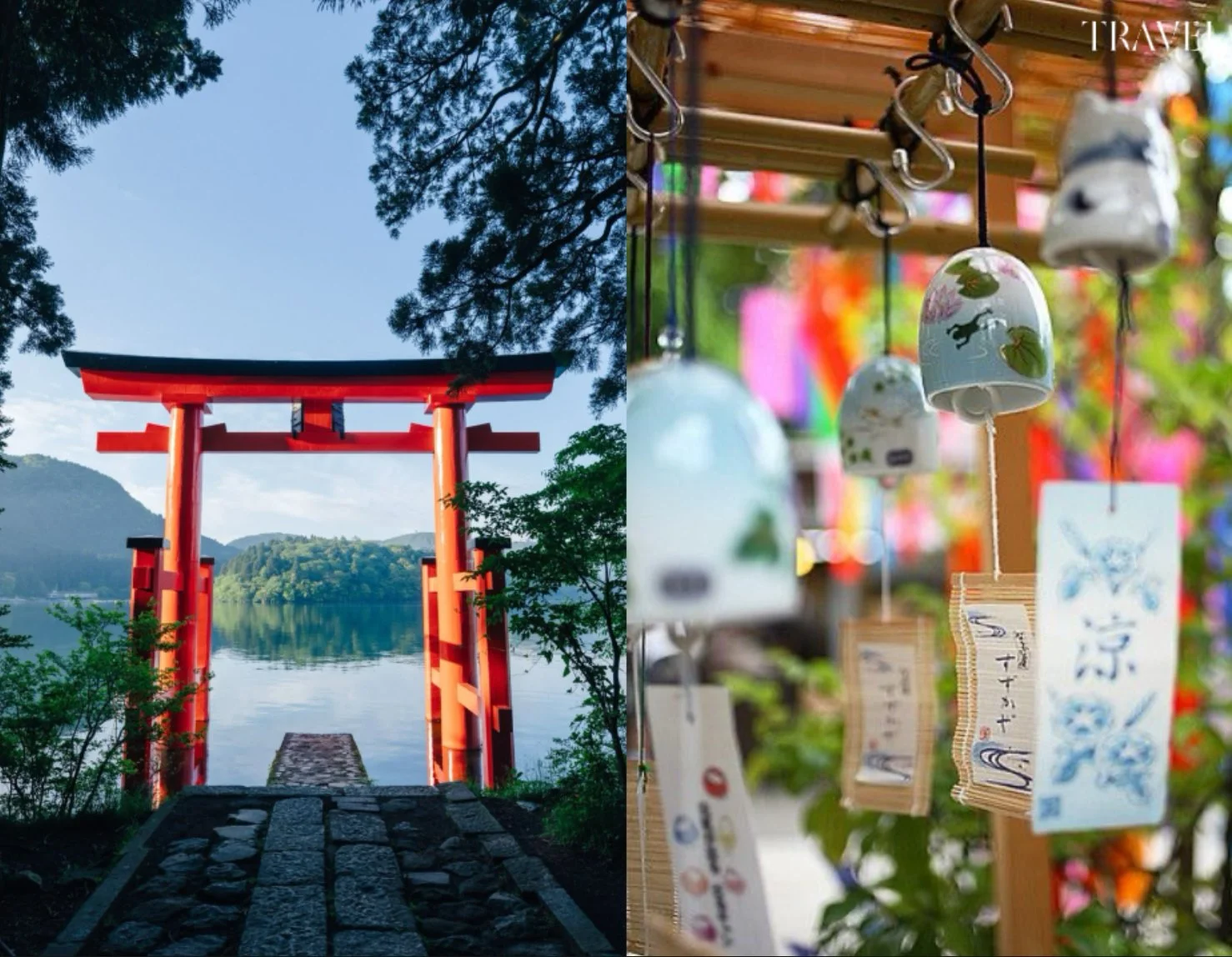
For Tokyo residents, the June hydrangea destinations extend further: the Meiji Jingu Gaien in Shinjuku; Nankoji temple in Bunkyo; the Hakone region, where the highland conditions produce blooms extending into July and where the Hakone Open Air Museum provides the specific combination of large-scale sculpture and extraordinary mountain landscape that is unique to it.
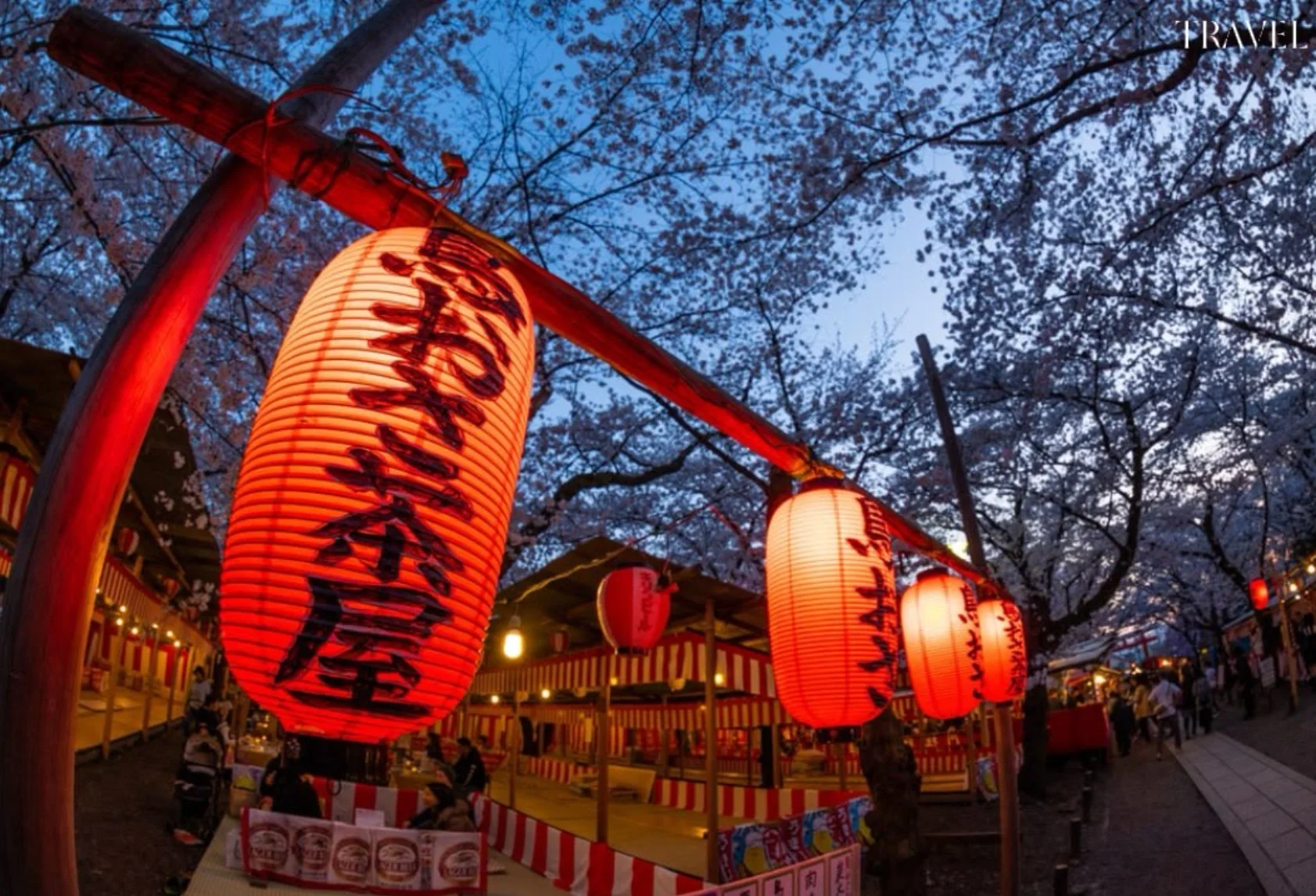
The practical dimension: the June travel window in Japan falls during the tsuyu, the rainy season, which produces the misty, overcast days that Japanese aesthetics has always valued — the quality of light diffused through cloud that makes the ajisai's blues and purples more vivid than they appear in direct sun. Carry an umbrella. Do not hurry.
The rain on the hydrangea garden is not a problem to be managed. It is the condition the garden was designed for.
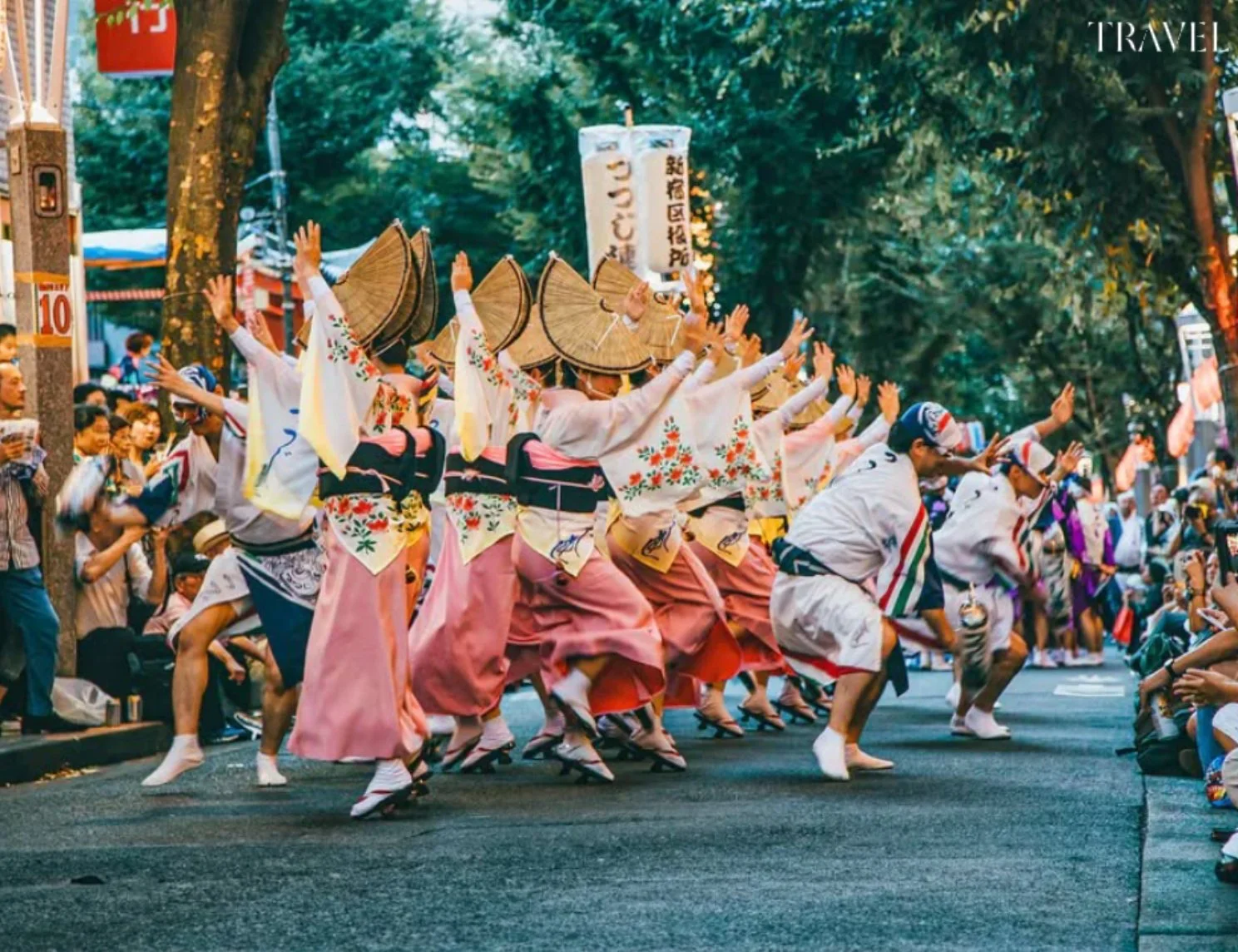
The ryokan situation in Kamakura is, in June, more accessible than in April. Rates are lower. The most sought-after properties have availability that spring does not allow. A week in Kamakura in June, organised around the hydrangea temples and the coastal walks and the excellent ramen of Komachi-dori, is a different Japan from the one the sakura season delivers. It is quieter, more internal, more specifically Japanese in its attention to beauty that arrives and passes with the season, regardless of whether anyone is watching.
BY OONA CHANEL
