

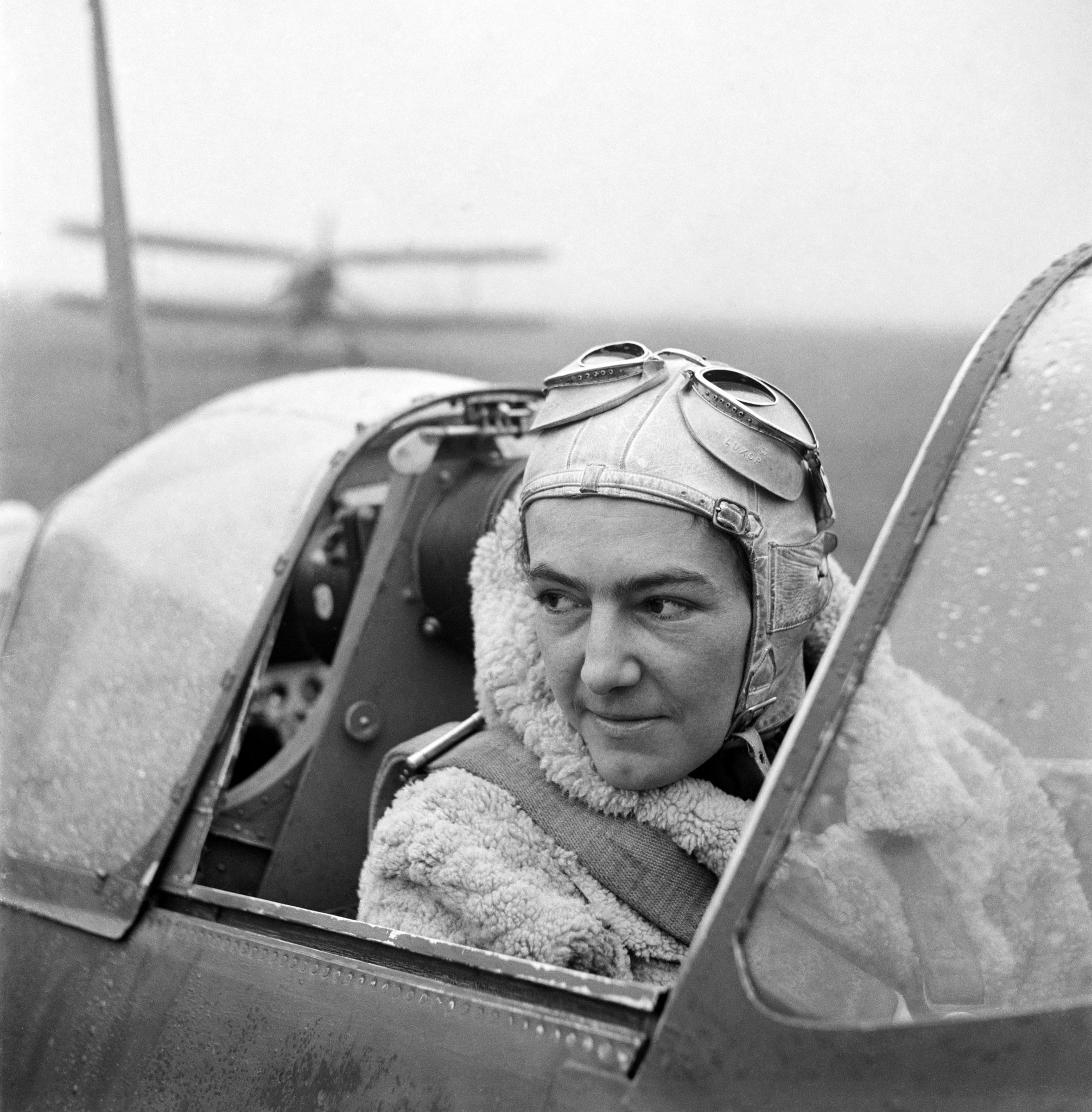
Lee Miller: The Woman Who Was the Photograph and Then Became the Photographer
She was Man Ray's model and then his peer. She documented the liberation of Dachau and bathed in Hitler's bathtub in a photograph that is one of the most politically complex images of the twentieth century. What her life and work actually mean.
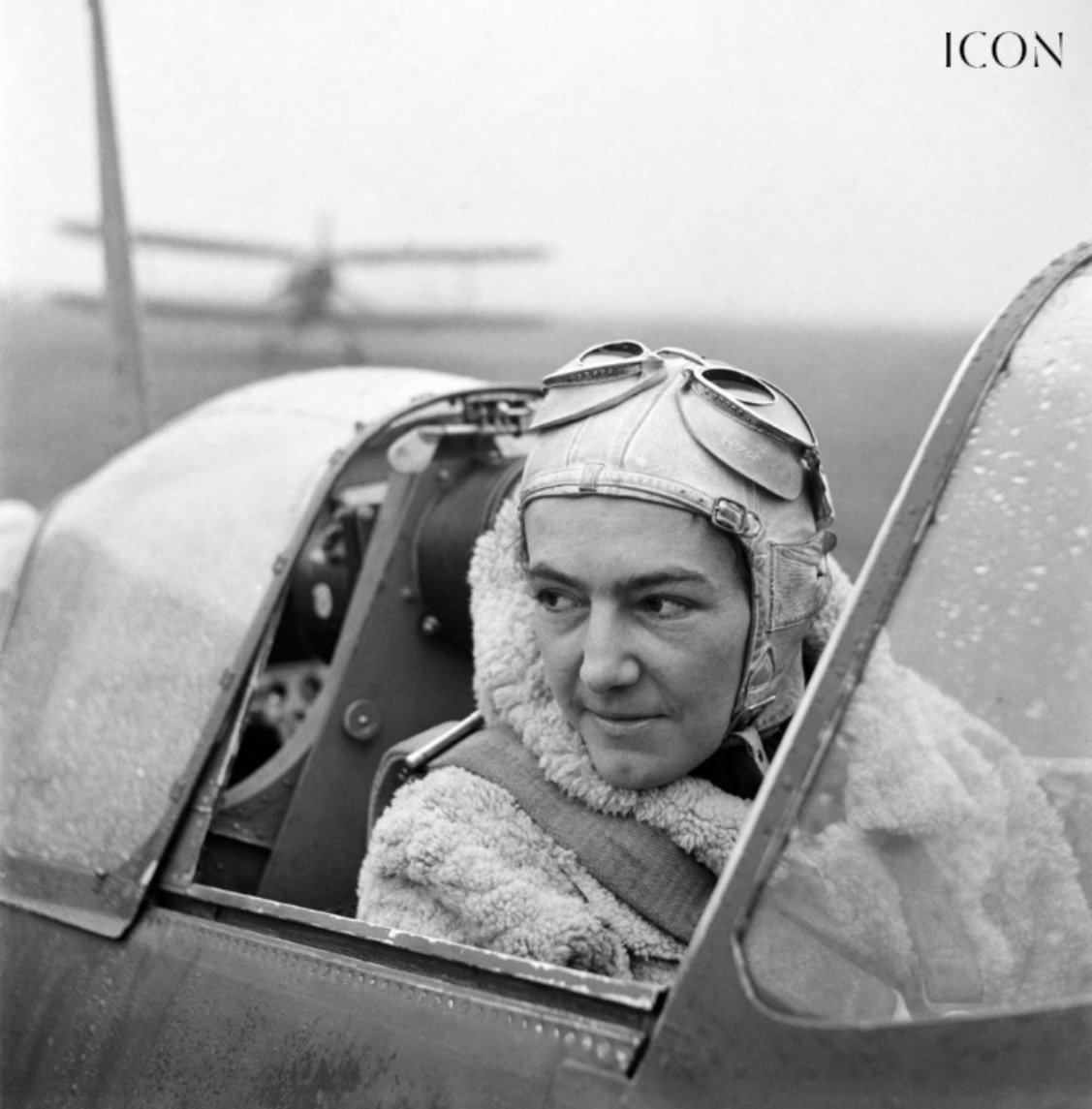
"She sent the Dachau photographs to British Vogue with the message: 'I implore you to believe this is true.' Publishing them in the same issue as clothes and beauty pages was a choice made consciously. It remains one of the most radical editorial decisions in the history of magazine publishing."
The photograph was taken on April 30, 1945 - the day Adolf Hitler died. Lee Miller, photographed by her colleague David Scherman, is in Hitler's bathtub in his Munich apartment, still wearing the boots she had worn at Dachau earlier that day. The mud of the concentration camp is on the bathroom floor. A photograph of Hitler sits on the shelf beside the tub. She is washing herself clean of the day, and she is doing it here, in this bath, in this apartment. The photograph is both exactly what it appears to be and one of the most complex political acts in the history of documentary photography.
Elizabeth Lee Miller was born in Poughkeepsie, New York, in 1907. She was raped at seven years old by a family friend, contracted gonorrhoea from the assault, and spent her childhood in medical treatment for the consequences. Her father, Theodore, an amateur photographer, documented her life with the obsessiveness that would become, in his daughter, a professional methodology.
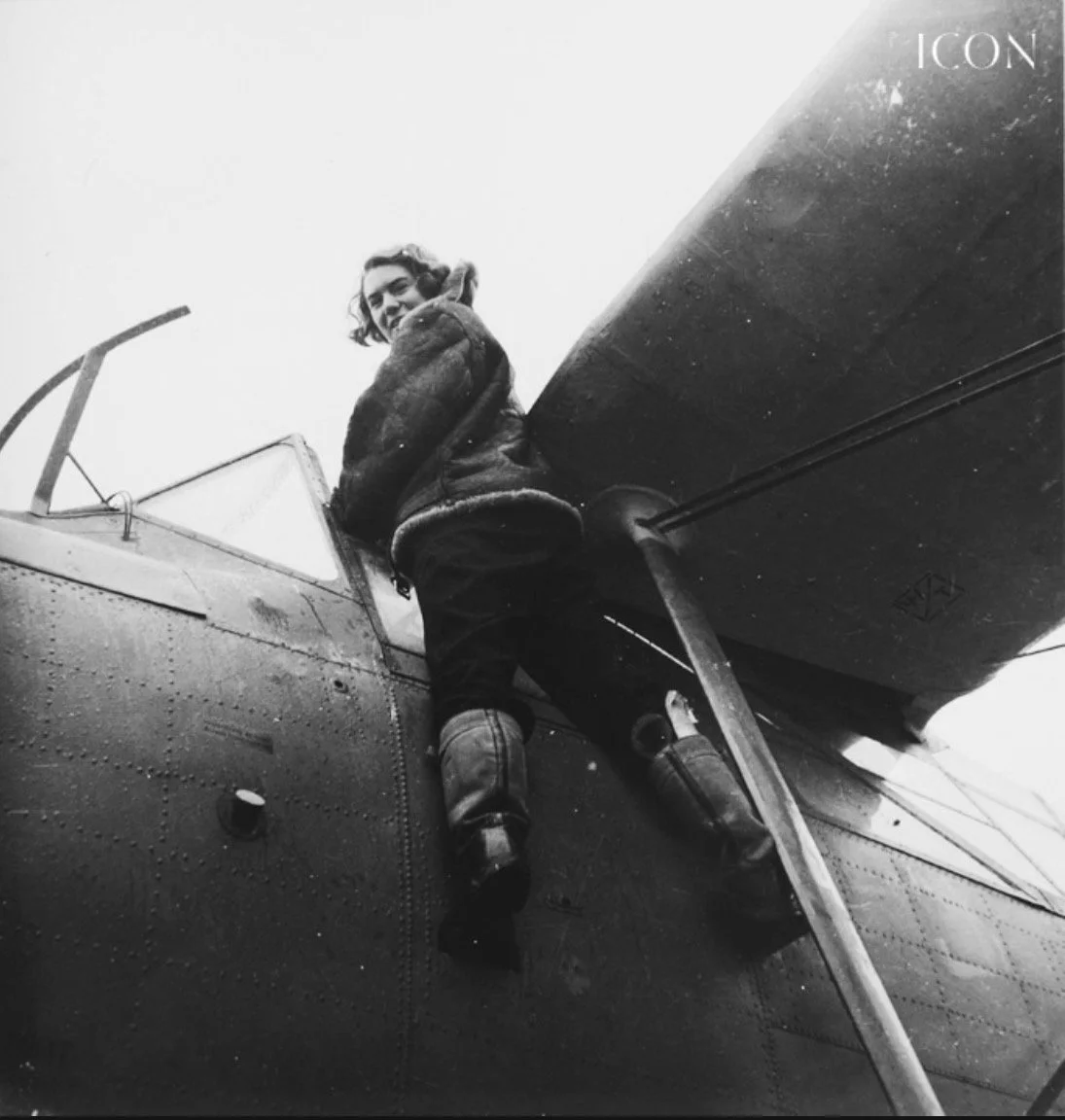
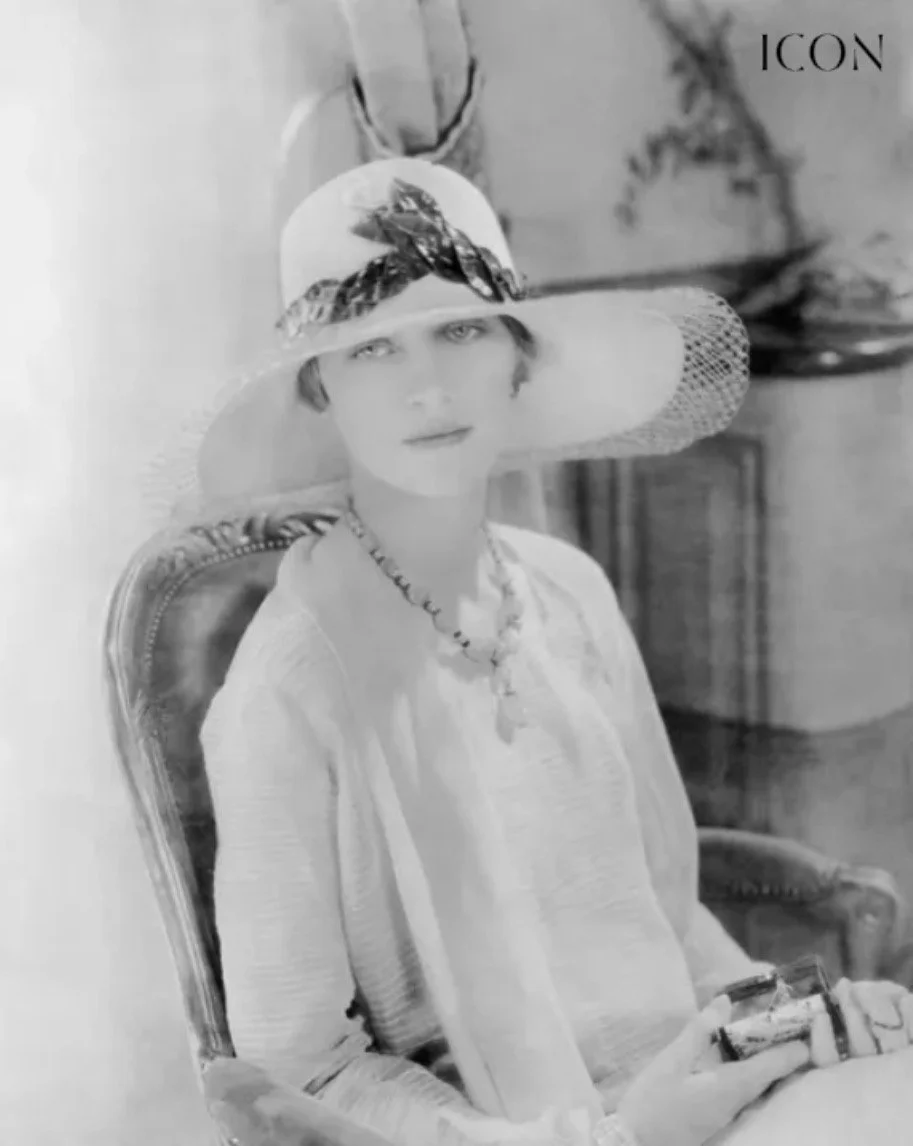
She arrived in Paris in 1929 with the intention of becoming a photographer. Man Ray was not taking students. She became his student, his model, his lover, and his peer, in that order and sometimes simultaneously. She is credited with the co-discovery of the solarisation technique that became one of the most distinctive techniques associated with Surrealist photography. Man Ray later disputed the credit.
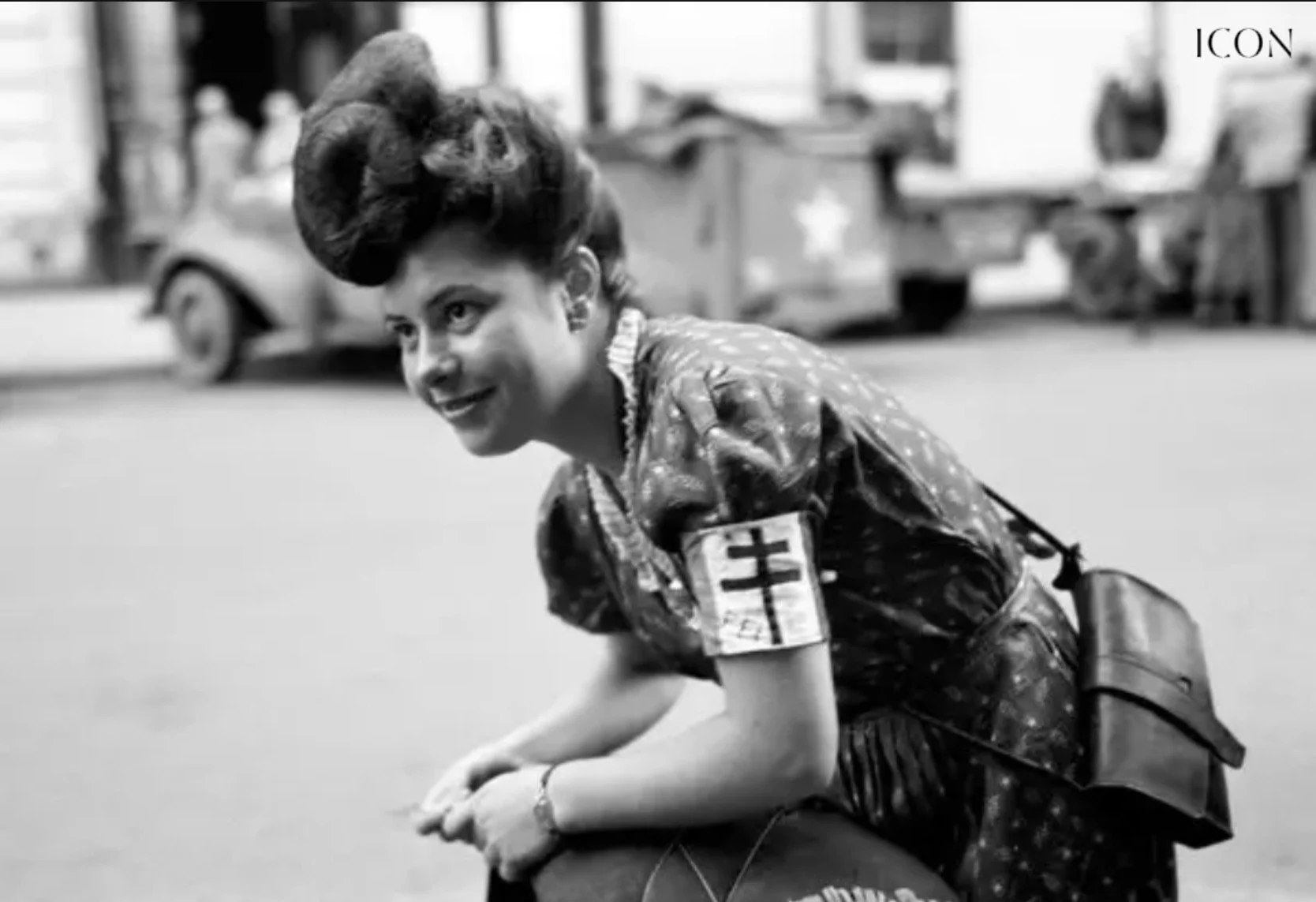
She returned to England in 1939. When war was declared, she applied to Vogue to work as a war correspondent. She was initially refused. She persisted. She was ultimately accredited and embedded with US Army units across France, Belgium, Luxembourg, Germany, and Austria, producing some of the most important photographic documentation of the liberation of Western Europe and of the concentration camps the Allied forces discovered.
She sent the Dachau photographs to Audrey Withers at British Vogue with the message: 'I implore you to believe this is true.' Withers published them. The publication of these photographs in a fashion magazine — in the same issue as clothes and beauty pages - was a choice made consciously by both Miller and Withers, and remains one of the most radical editorial decisions in the history of magazine publishing.
After the war, she stopped photographing. She moved to Sussex with Roland Penrose and their son Antony, made food, gave dinners, and drank. The archive of her work - forty thousand images - was discovered by her son in the attic of their Sussex farmhouse after her death in
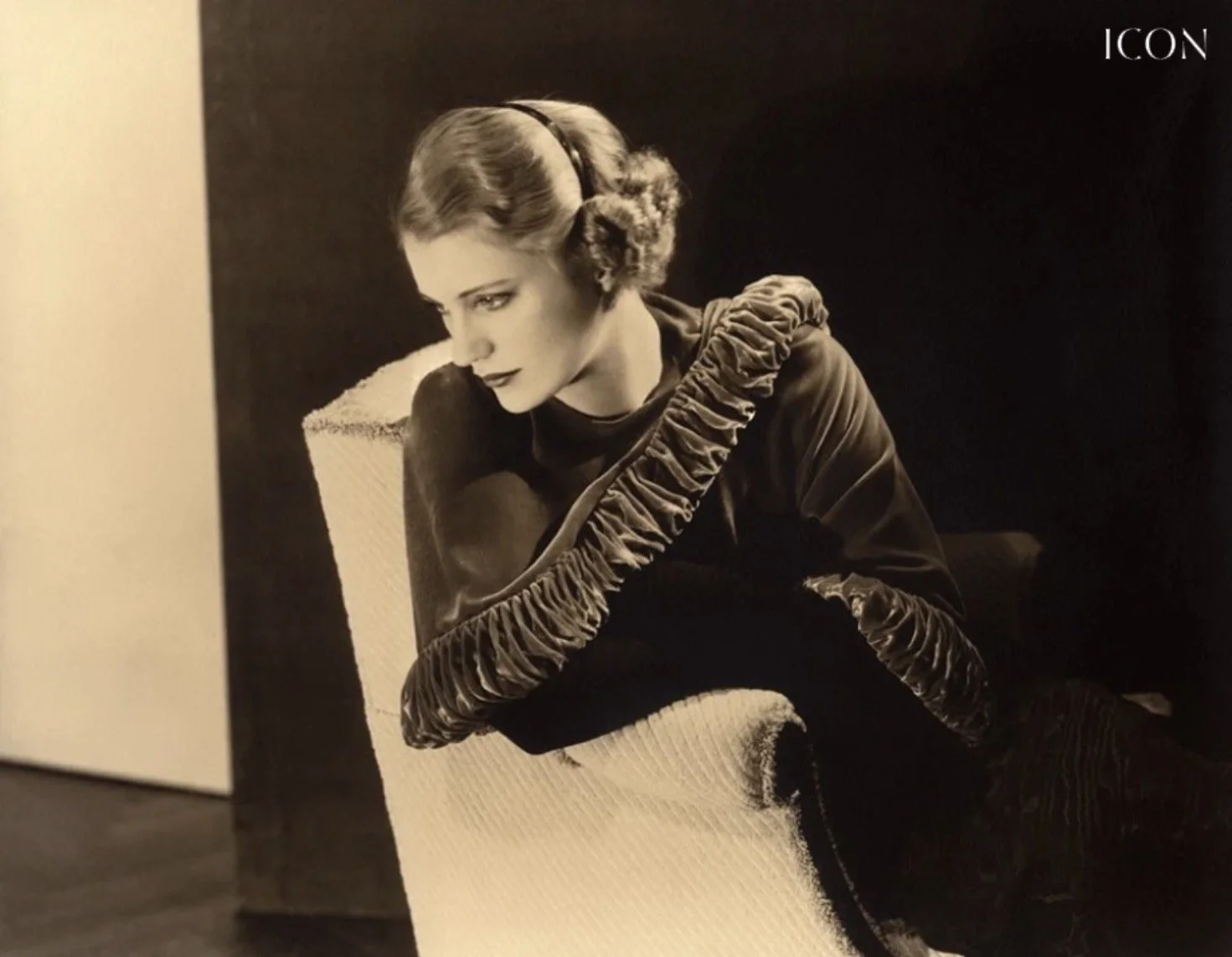
1977. The Lee Miller Archives now holds this material, and the rediscovery of her work is ongoing.
The bathtub photograph is the one most people know. The question worth asking is what kind of knowledge it takes to make an image like that, and what kind of life produces that knowledge.
BY OONA CHANEL
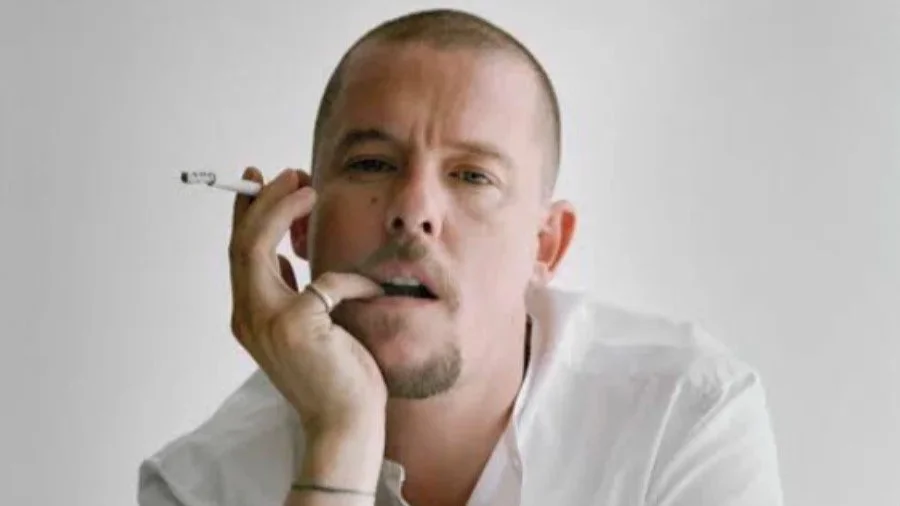
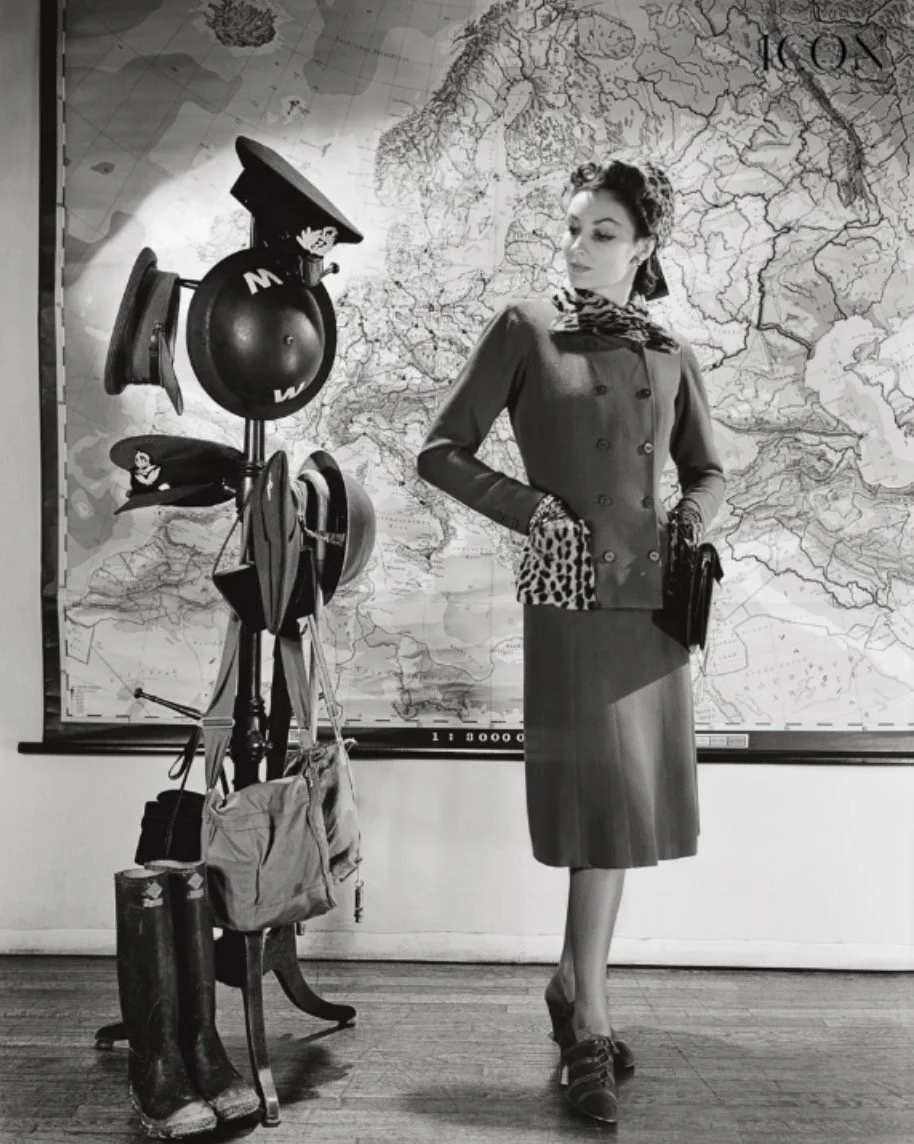
Alexander McQueen: What He Was Actually Making When He Called It Fashion
He died in 2010 at forty years old with forty-six completed collections. The work was not about clothes. It was about the history of violence done to the female body and the specific kind of power available to the woman who refuses to look away from it.
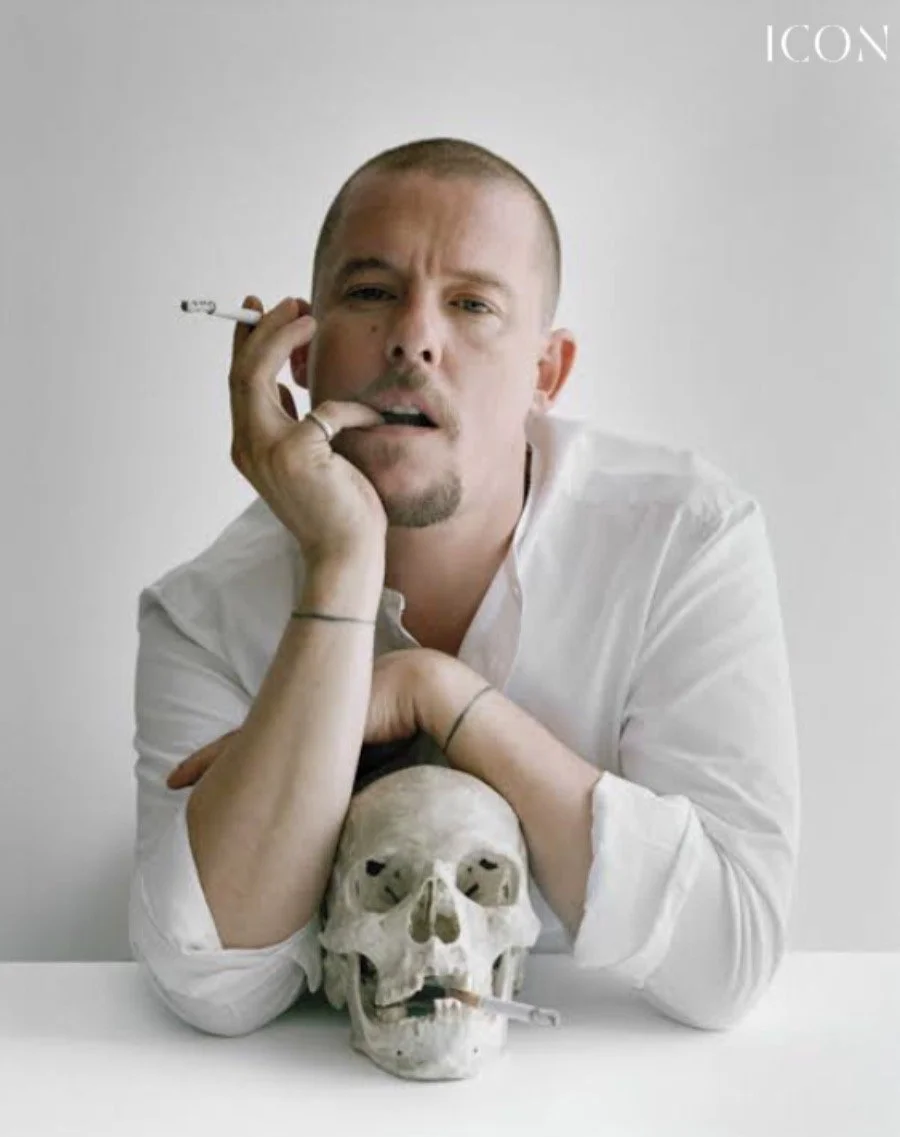
"The work was not about clothes. It was about the history of violence done to the female body and the specific kind of power available to the woman who refuses to look away from it. He named this in his first collection at age twenty-three and never stopped naming it."
Alexander McQueen was born in Lewisham in 1969, the youngest of six children of a taxi driver. He left school at sixteen. He trained on Savile Row, at Anderson and Sheppard and Gieves and Hawkes, learning the grammar of English tailoring in the buildings where it had been practised for two centuries. He enrolled at Central Saint Martins on the strength of a portfolio he made at night while working during the day. His MA graduation collection in 1992 was bought in its entirety by Isabella Blow.
The graduation collection, titled Jack the Ripper Stalks His Victims, was made from materials that included human hair — some of it McQueen's own - sealed inside the lining of the tailored jackets. The collection was not presented to disturb. It was presented to name something. The history of violence done to women by men in the public spaces of London was a fact, and he made it materially present in the clothes.
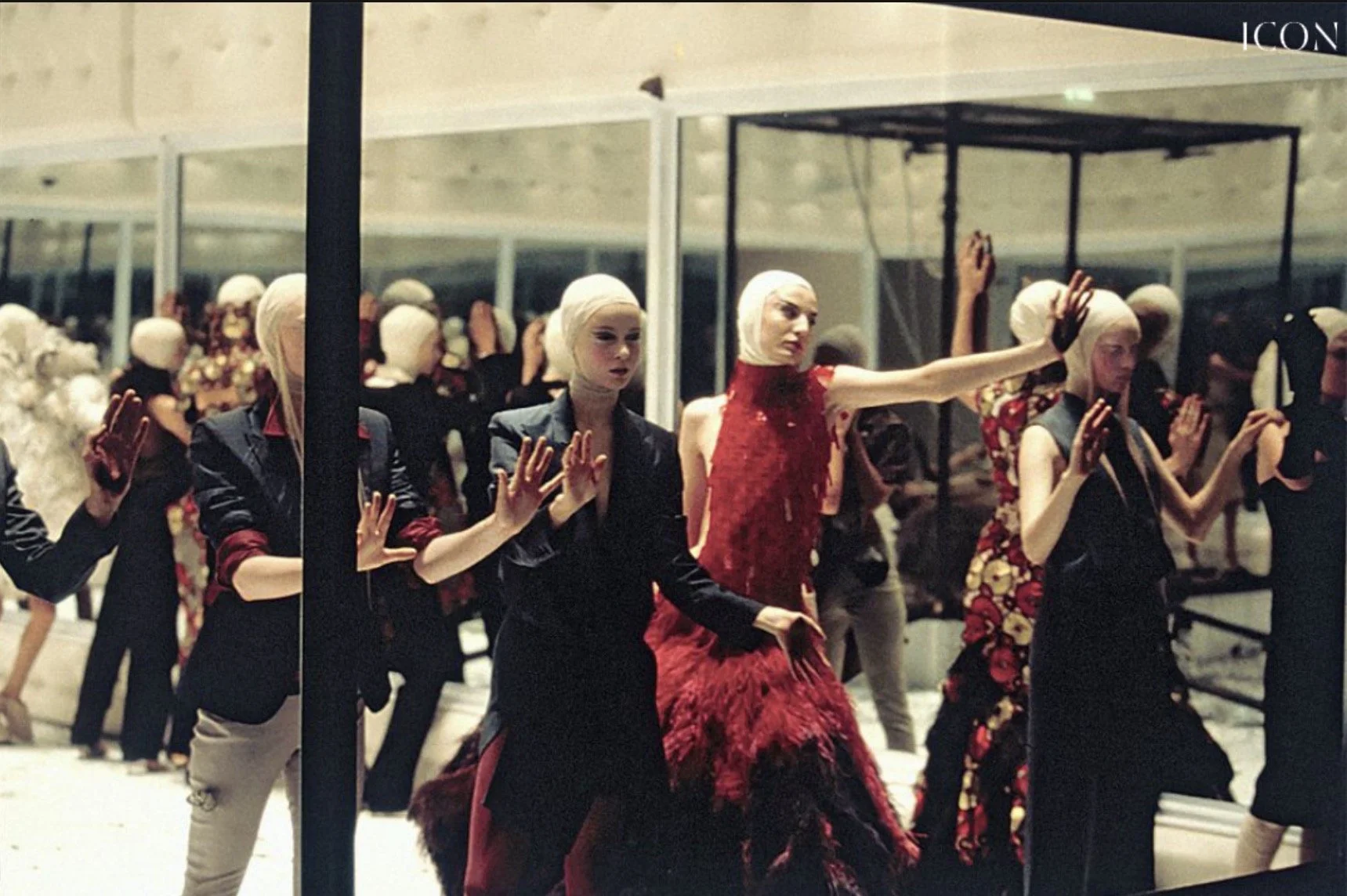
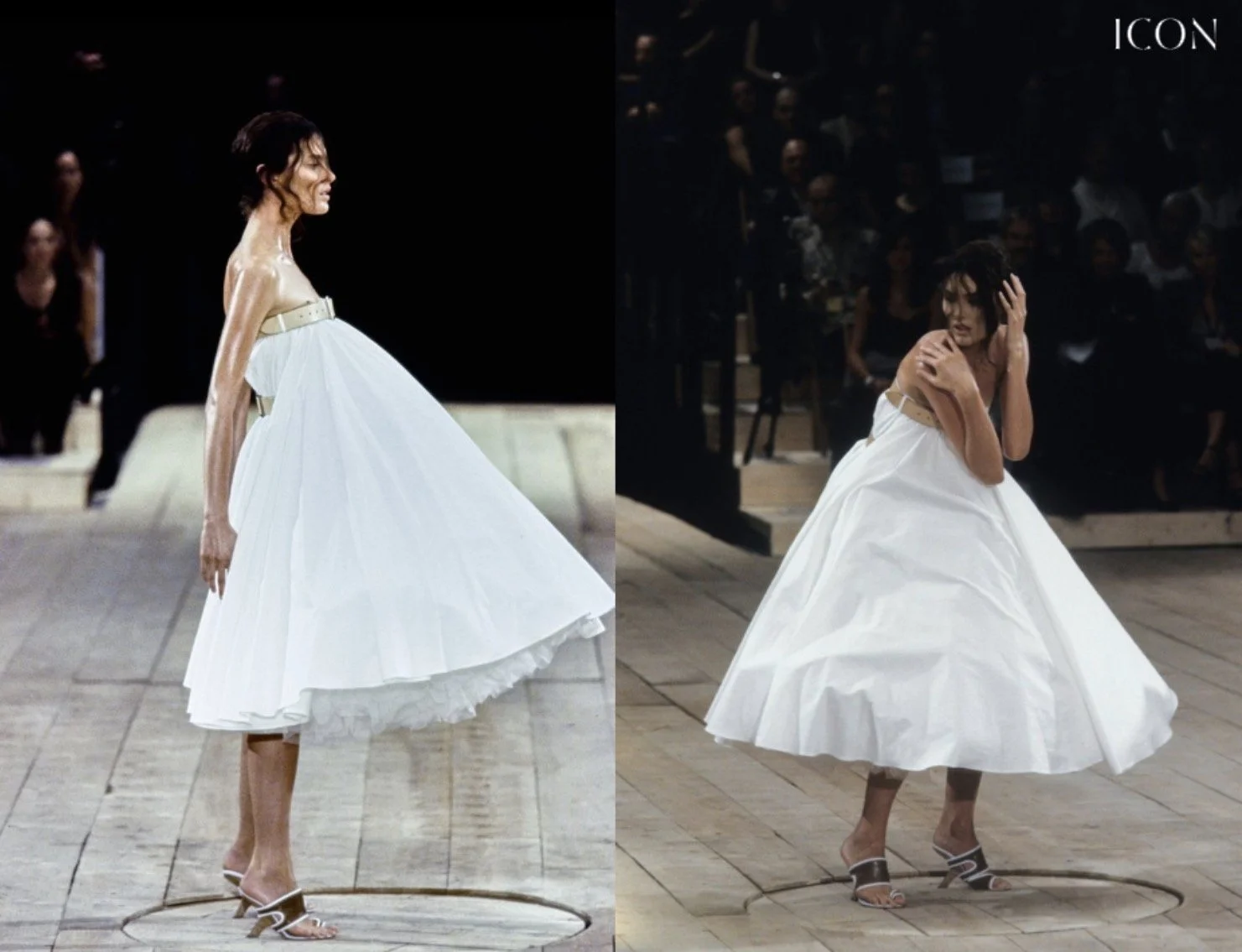
This is what he was always doing, across forty-six collections and fifteen years at the highest level of fashion production. The 1995 Bumster - the trouser cut so low at the back that the base of the spine was exposed. The 1999 No. 13 collection, in which Shalom Harlow stood on a turntable in a white dress while industrial spray-painting robots covered her in paint, producing something between a masterpiece and a violation in real time. The 2001 Voss collection, in which the models circled inside a mirrored box while the audience watched from outside, and the box opened at the end to reveal Michelle Olley lying among moths and tubing.
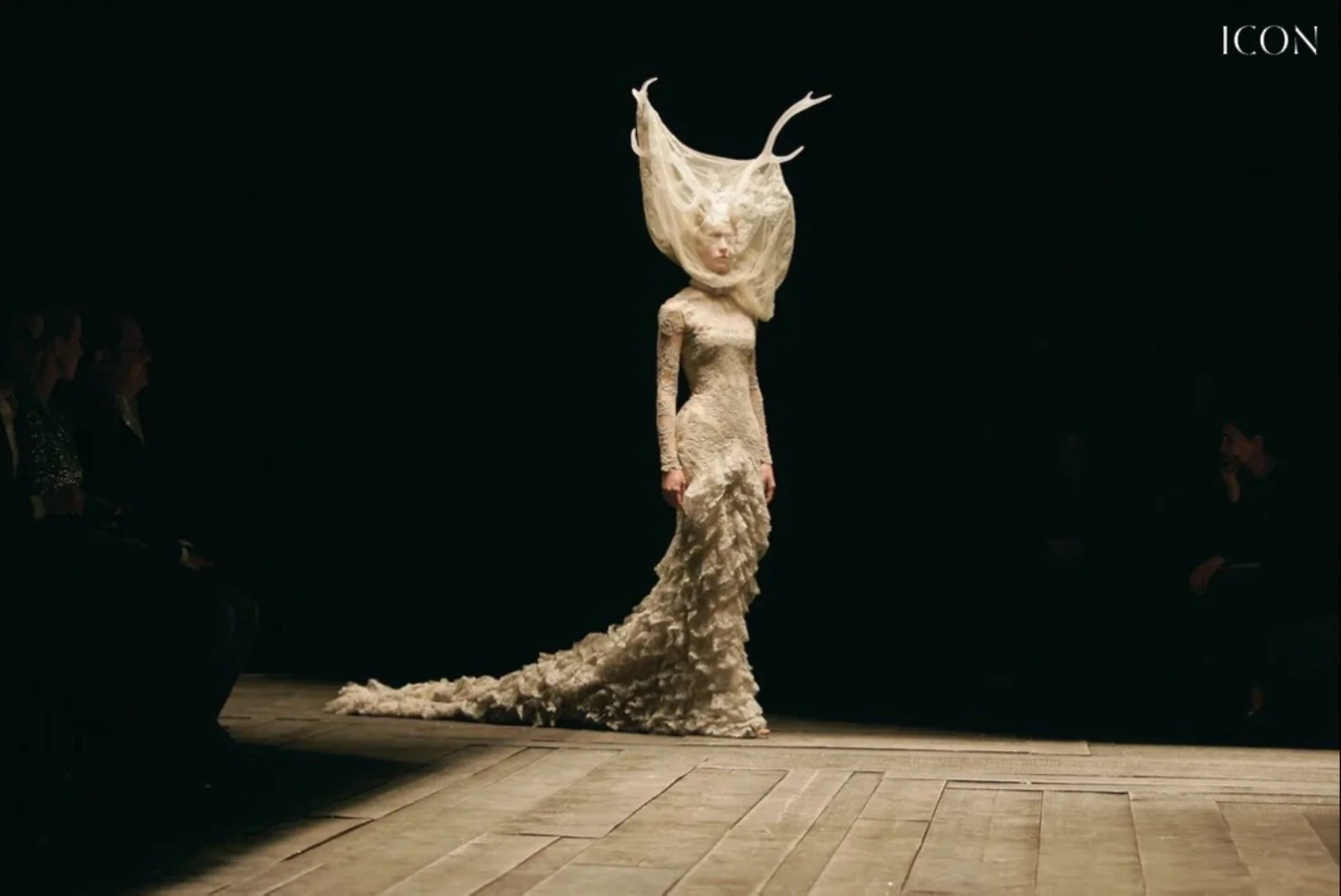
The violence in his work was always historicised. The AW1995 Highland Rape collection - the name and the images are still controversial, and should be - was about the historical rape of Scotland by the English, the specific violence of colonisation, and McQueen as a person of Scottish descent making something from that history using the language of fashion, which had always used the female body as the site of its arguments.
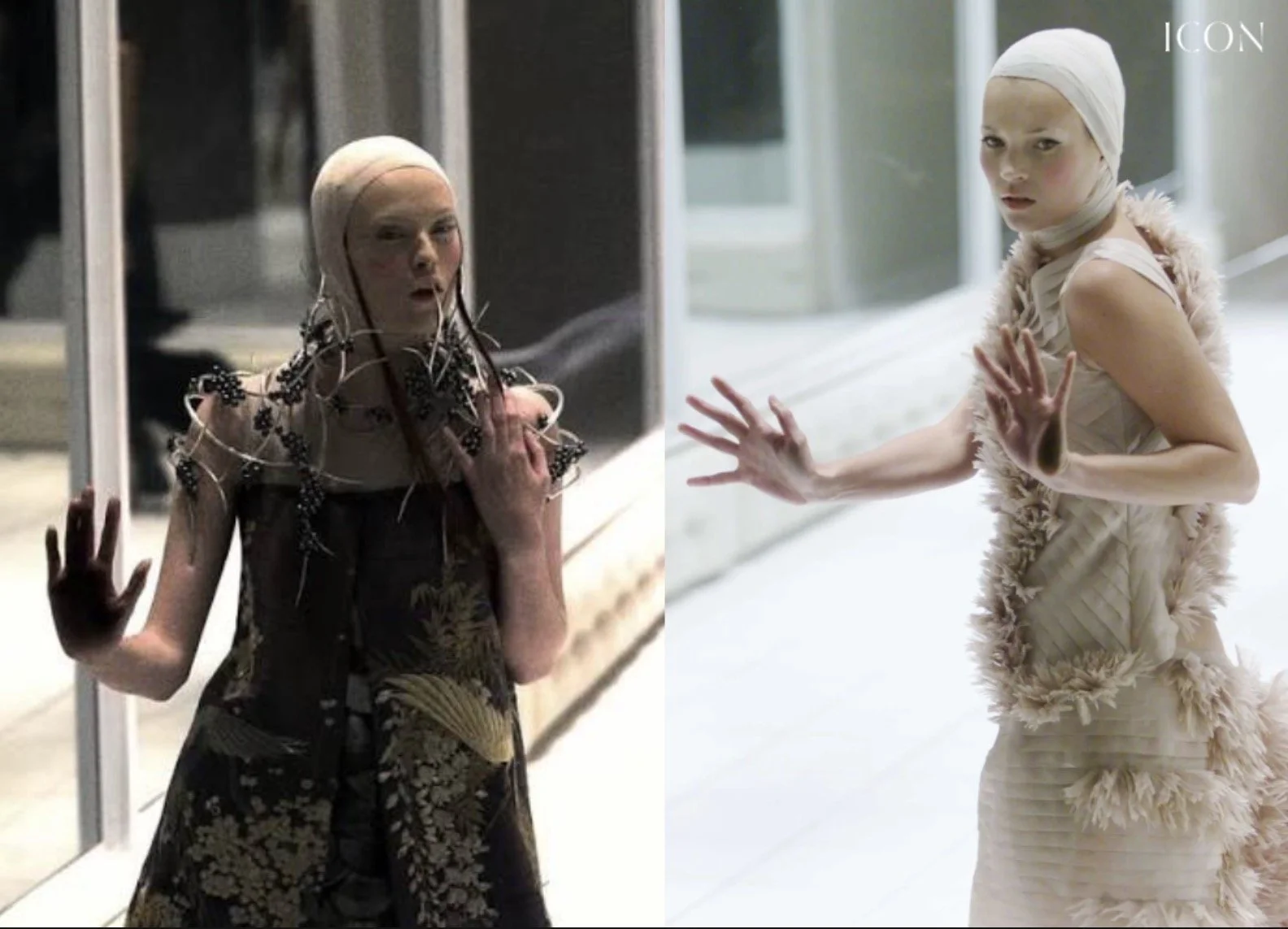
He was appointed creative director of Givenchy in 1996, at twenty-seven, following Galliano's departure for Dior. He left in 2001 when the Gucci Group acquired his label and, for the first time, he had the financial resources to make what he was actually trying to make.
The Widows of Culloden AW2006 collection. The Plato's Atlantis SS2010 collection - the last he completed before his death, streamed live on the internet for the first time in fashion history.
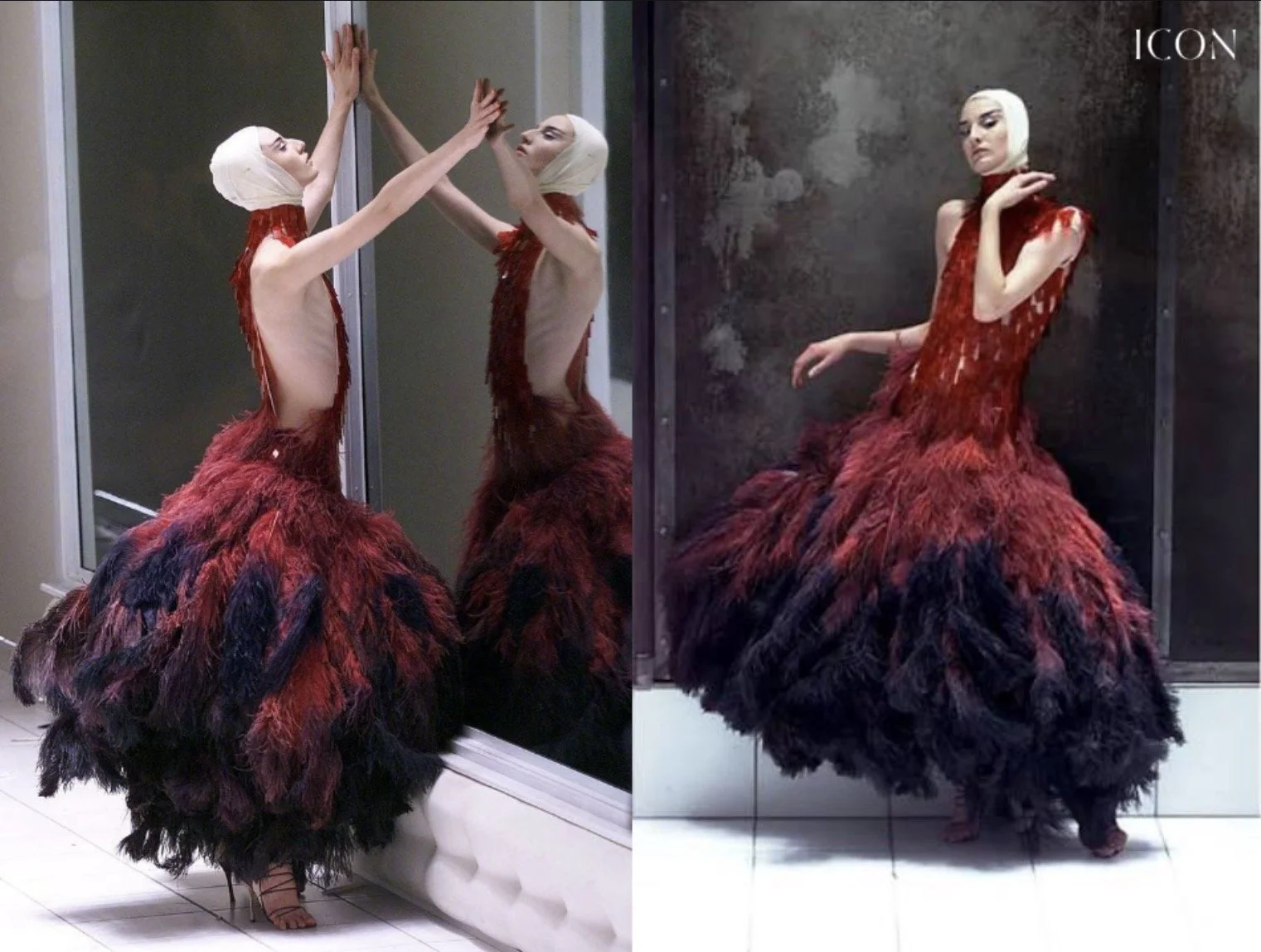
The work was, by the end, as technically advanced as anything being made in any medium, and it was about exactly what it had always been about.
He died on February 11, 2010, nine days after the death of Isabella Blow and one day before his mother's funeral. He was forty years old. The question of what he would have made in the sixteen years since is the most interesting unanswered question in fashion.
BY OONA CHANEL
Azzedine Alaïa: The Couturier Who Refused to Be on Time — and Was Always Right
He showed when the work was ready. He fed everyone at the long table in the Marais. He died in 2017 as the most respected designer in the world who was not a household name. What his practice actually meant - and why it matters more now.
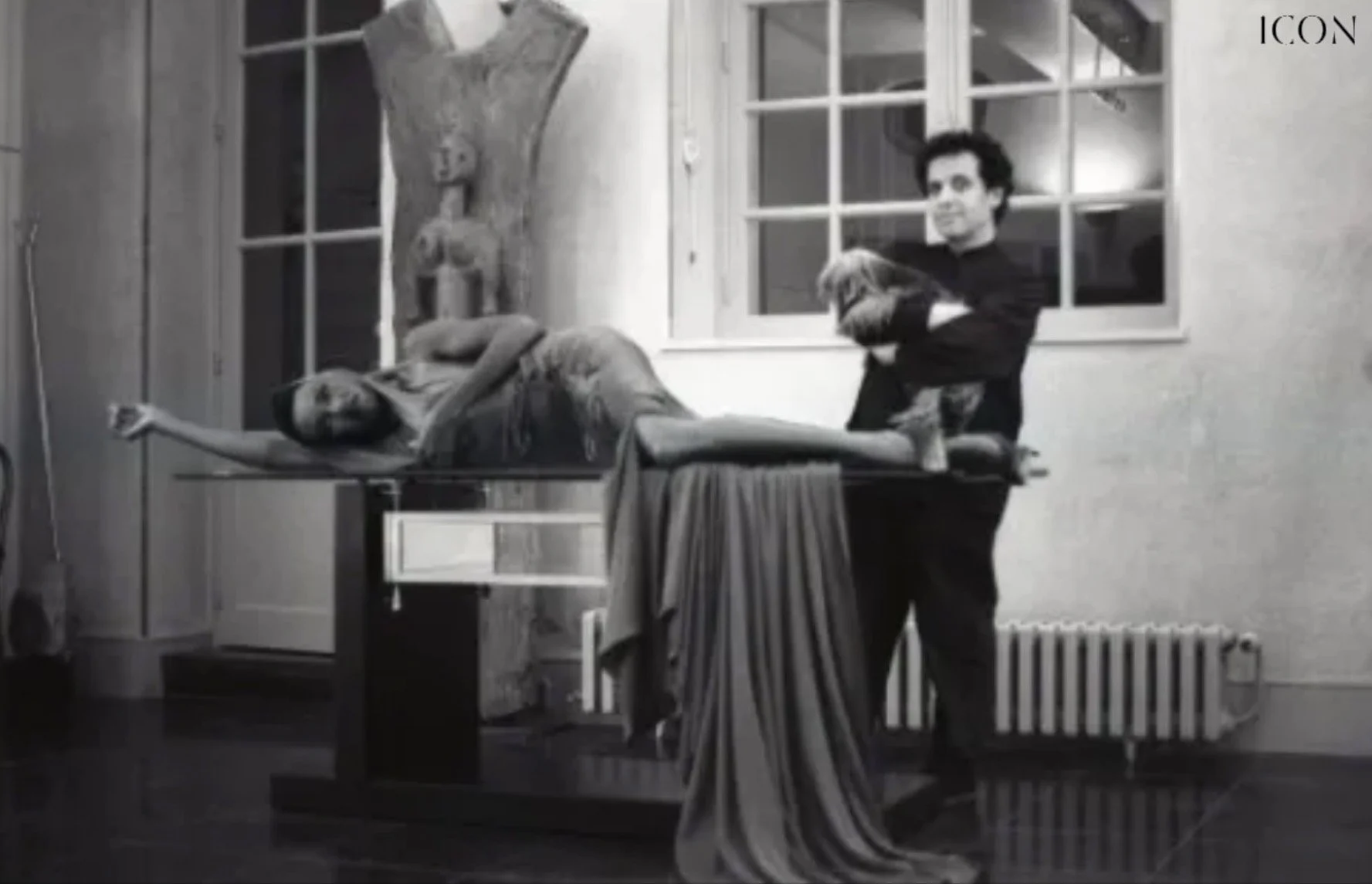
" He showed when the work was ready, which could mean July instead of February. Anna Wintour famously banned his collection from Vogue after he refused to show on schedule. The decision this says more about is hers."
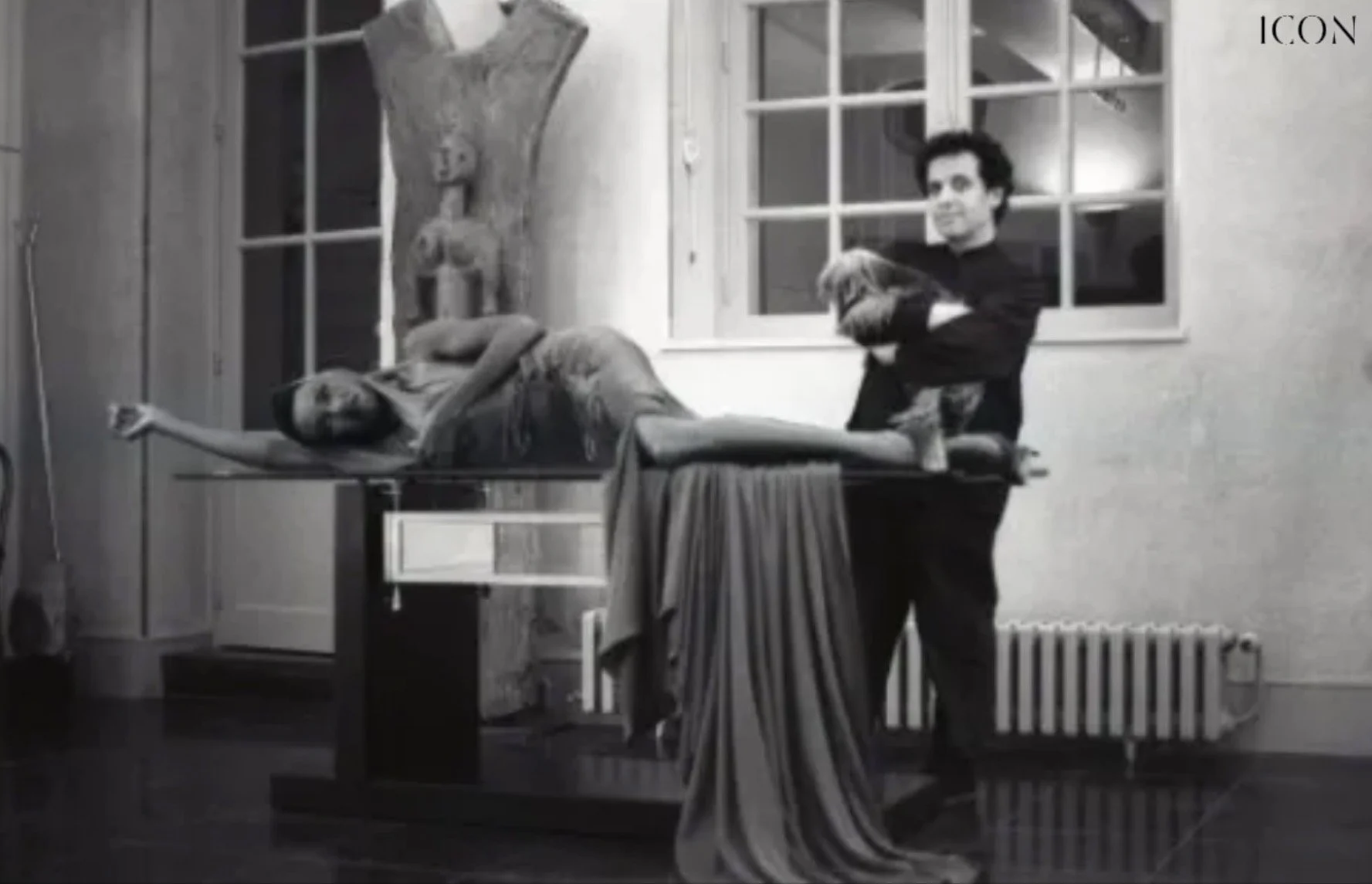
Azzedine Alaïa died on November 18, 2017, at his atelier on Rue de Moussy in the Marais, the building he had lived and worked in since 1980. He was somewhere between 75 and 82 - the exact year of his birth in Tunis was never established with certainty.
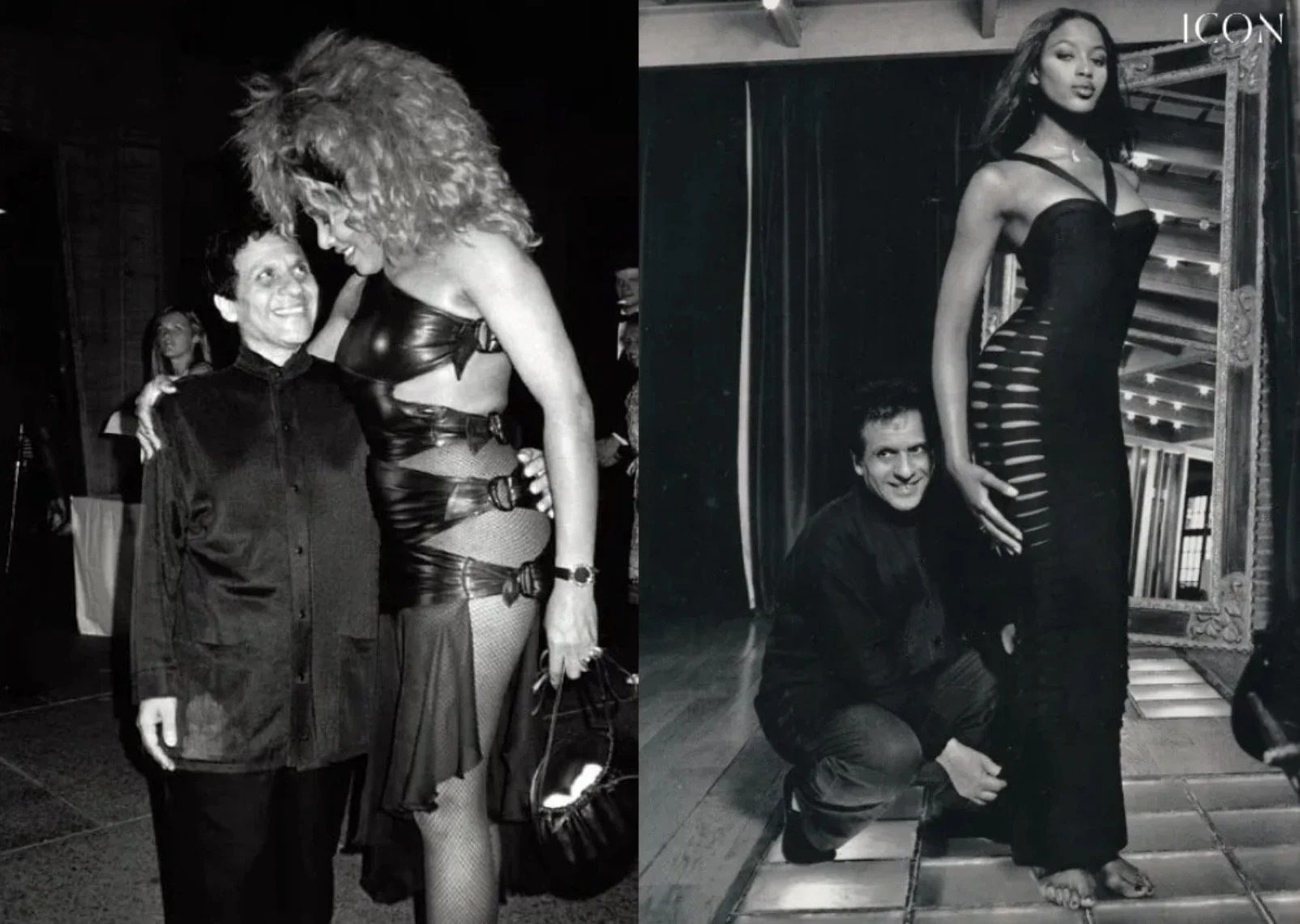
The uncertainty was characteristic. He found the industry's appetite for information about him irrelevant to the information he wanted to communicate, which was in the clothes.
He did not advertise. He did not follow the fashion calendar - he showed when the work was ready, which could mean July instead of February, autumn instead of spring, a private presentation in the atelier instead of a public runway. Anna Wintour famously banned his collection from the pages of American Vogue after he refused to show on schedule. The decision this says more about is hers.
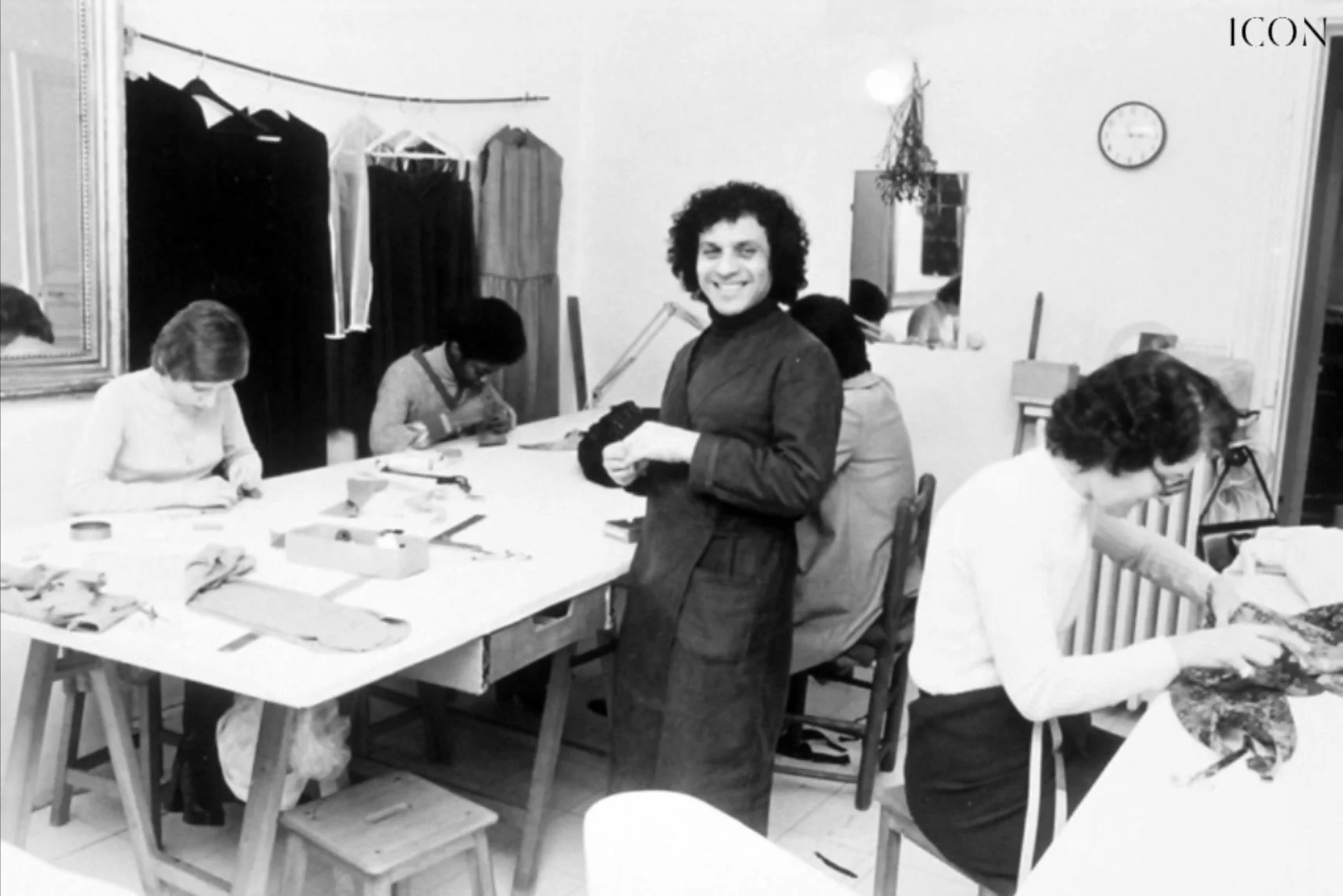
He arrived in Paris from Tunis in the mid-195os, briefly worked inside the ateliers of Christian Dior, and spent the next two decades making clothes for private clients. He did not open his first ready-to-wear show until 1983, by which point he had been making clothes for nearly thirty years. The 1983 show produced the nickname that both captured and reduced him: King of Cling.
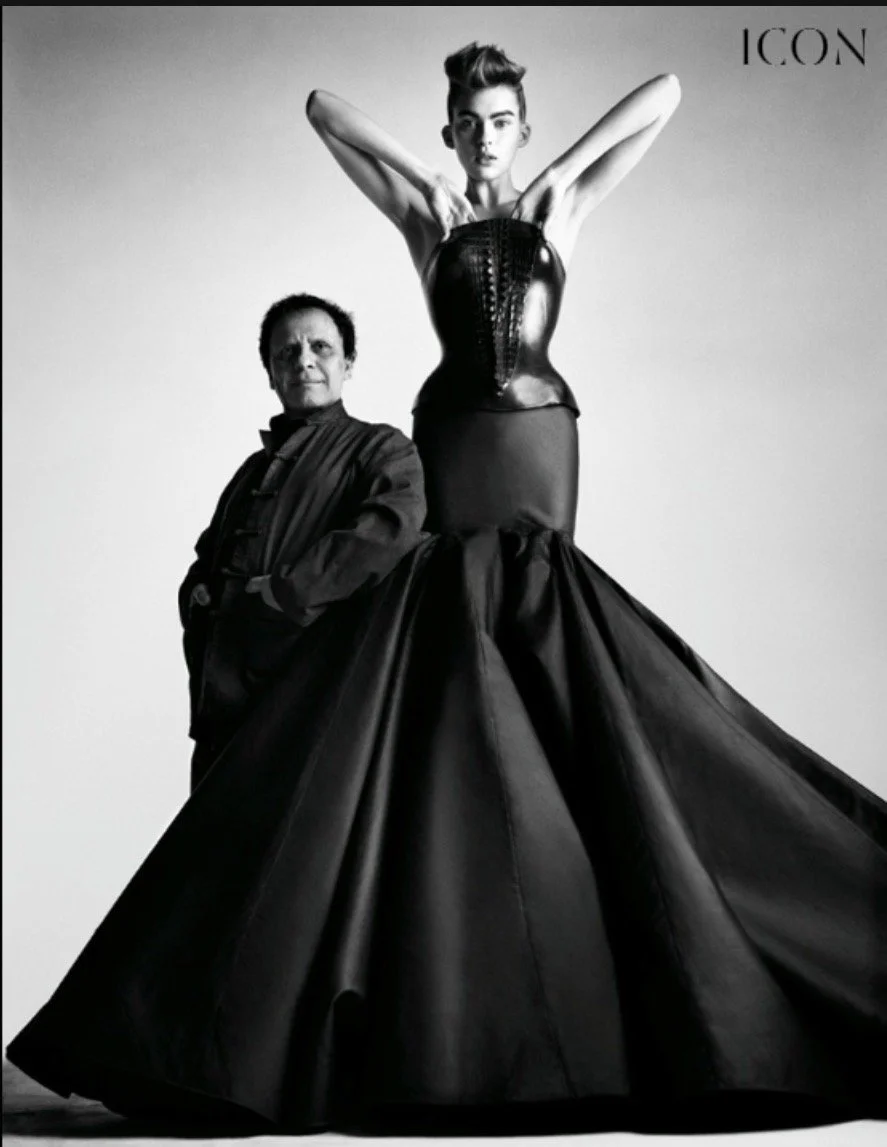
The bodycon silhouette was read as sexy, and it was, but the reduction to sexuality missed the structural argument. He studied sculpture at the Ecole des Beaux-Arts in Tunis before he studied fashion, and the sculptural lens was never not present. The clothes were not revealing the body for titillation. They were arguing that the body's architecture was the most interesting formal problem available to someone making clothes.
His atelier was also his home and his restaurant. The table at Rue de Moussy was one of the great institutional tables in Paris - not a table where deals were made or hierarchies displayed, but a table where the model sat next to the art director, the friend from Tunis sat next to the collector, the young designer who had no money sat next to the person who had bought his clothes for thirty years. He cooked. He fed everyone.
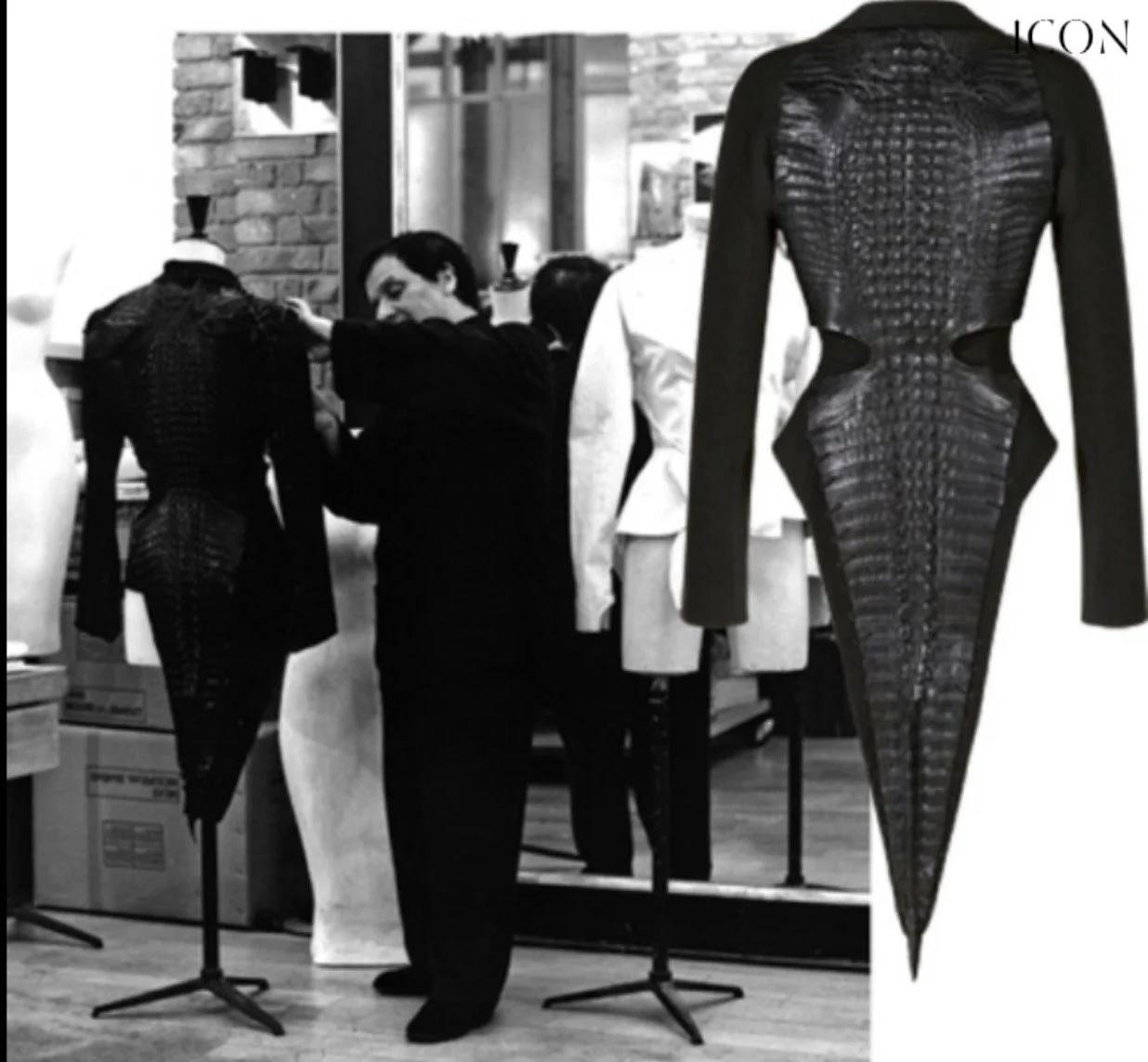
His refusal to follow the fashion calendar inspired a respect for slow, deliberate creation that the industry has been learning from ever since without, in most cases, having the commercial courage to practise. The calendar he rejected is the same calendar that is now recognised as one of fashion's most destructive structural problems. He was right about it in 1983. The Azzedine Alaïa Foundation at Rue de Moussy continues. A 2025 dual exhibition at La Galerie Dior and the Foundation - showing his personal Dior archive alongside his own designs- produced one of the more precise statements in recent fashion history about the relationship between influence and independence.He was usually right. He was rarely on time. The distinction, for the work he made, was irrelevant.
BY OONA CHANEL
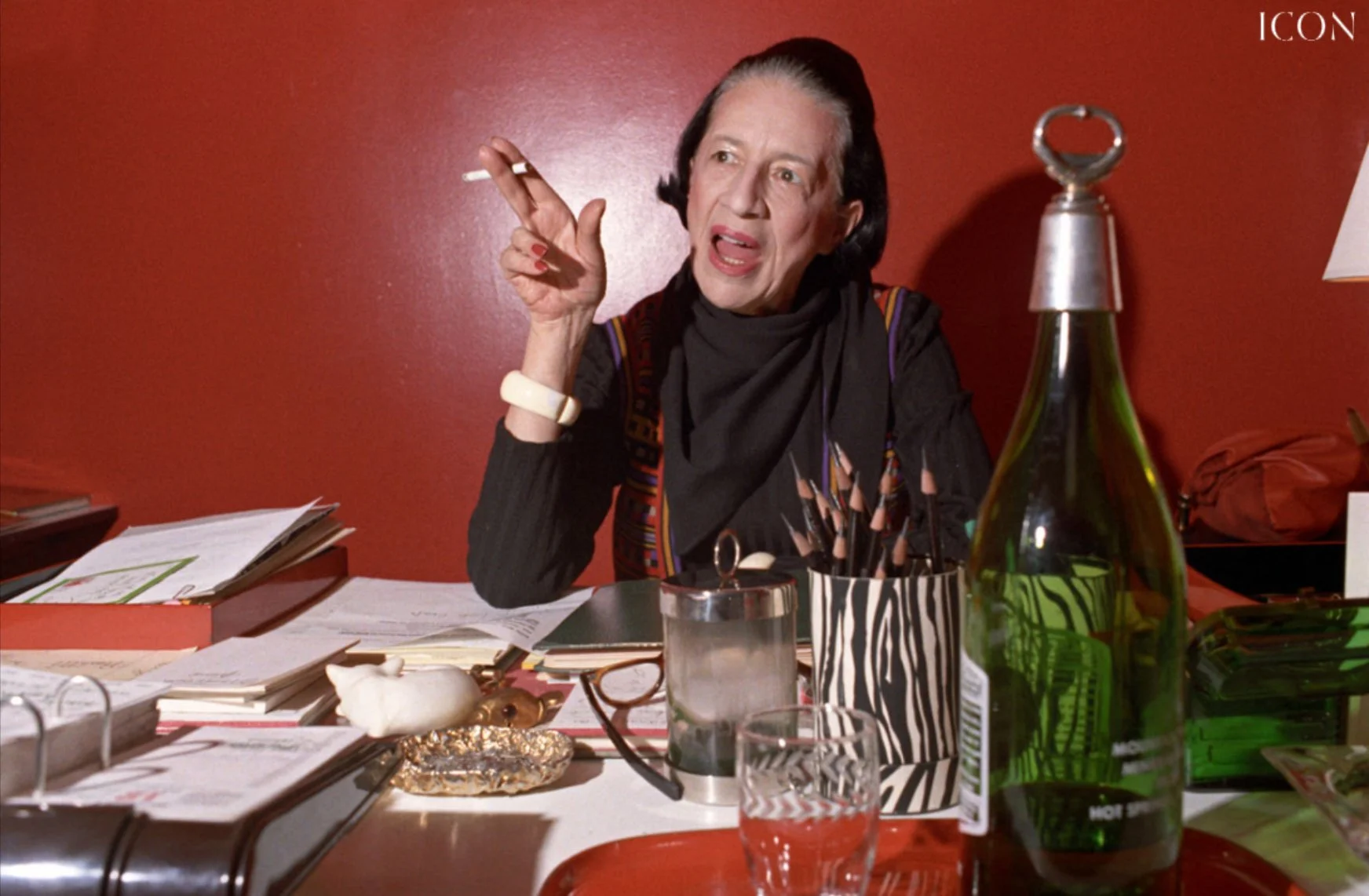
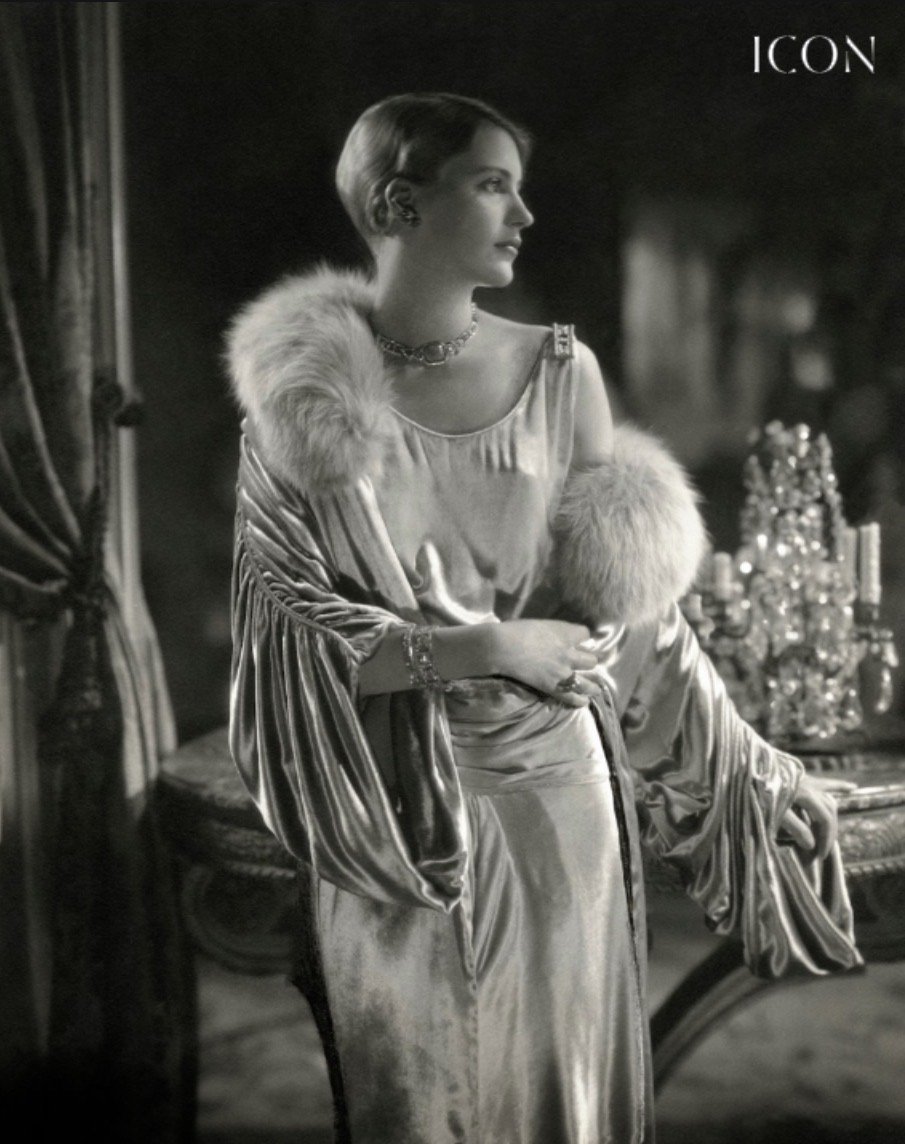
Diana Vreeland: The Editor Who Invented the Way We See Fashion
She ran Harper's Bazaar for 26 years and Vogue for 8. She invented the fashion editor as cultural authority. She was wrong about many things and right about everything that mattered. What her legacy actually means now.
“The reader is not asking to be shown what exists. She is asking to be shown what is possible. The magazine that answers the first question is a catalogue. The magazine that answers the second is a cultural force. Vreeland spent fifty years answering the second.”
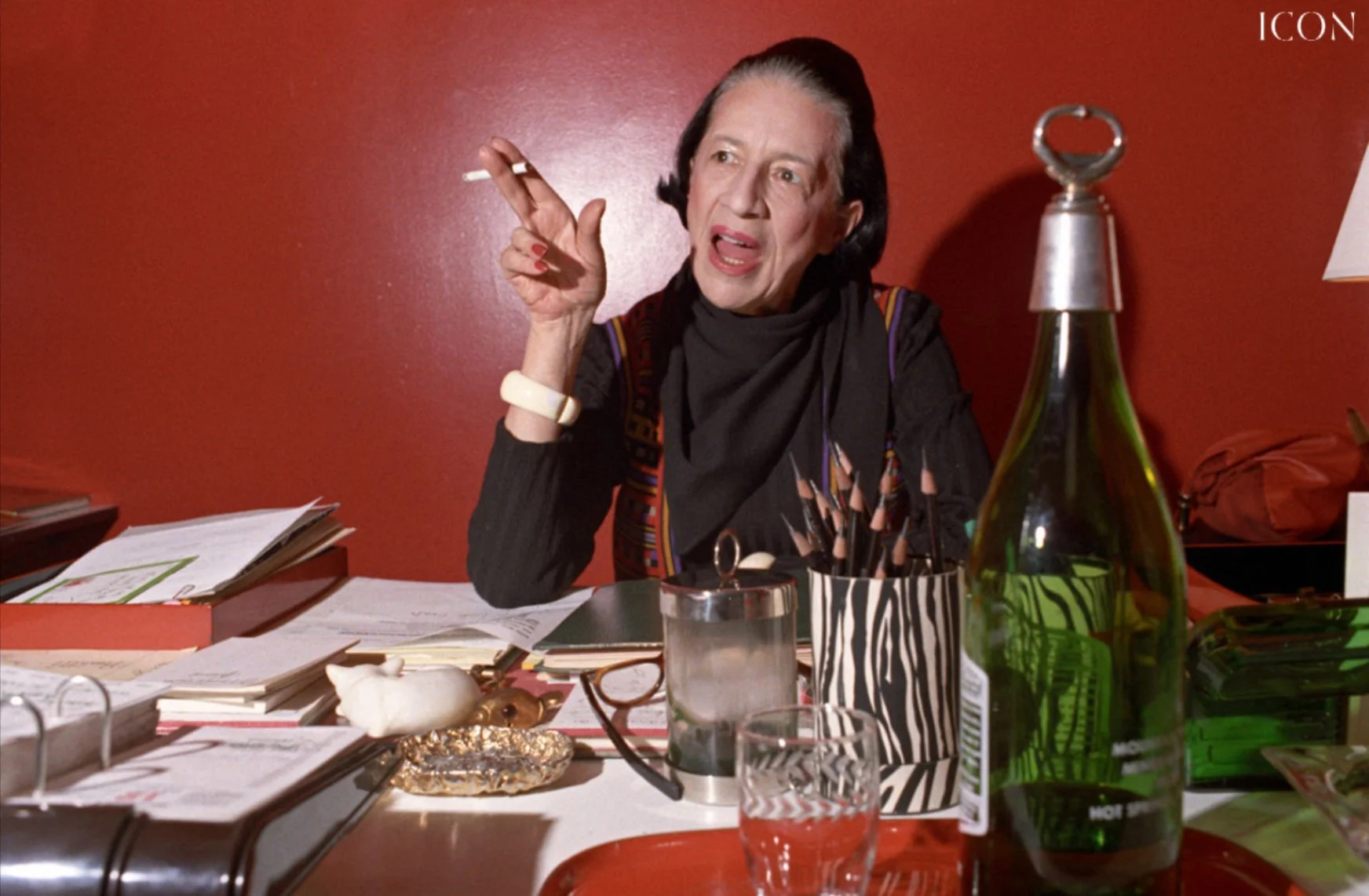
Diana Vreeland never graduated from school. She could not spell. She dictated all her correspondence. She once told a writer to make a piece 'more bumpy' and expected to be understood. She was, by every measurable institutional standard, unqualified for any position she held. She was also the most consequential editorial mind in the history of fashion journalism, and the gap between those two facts is the most interesting thing about her.
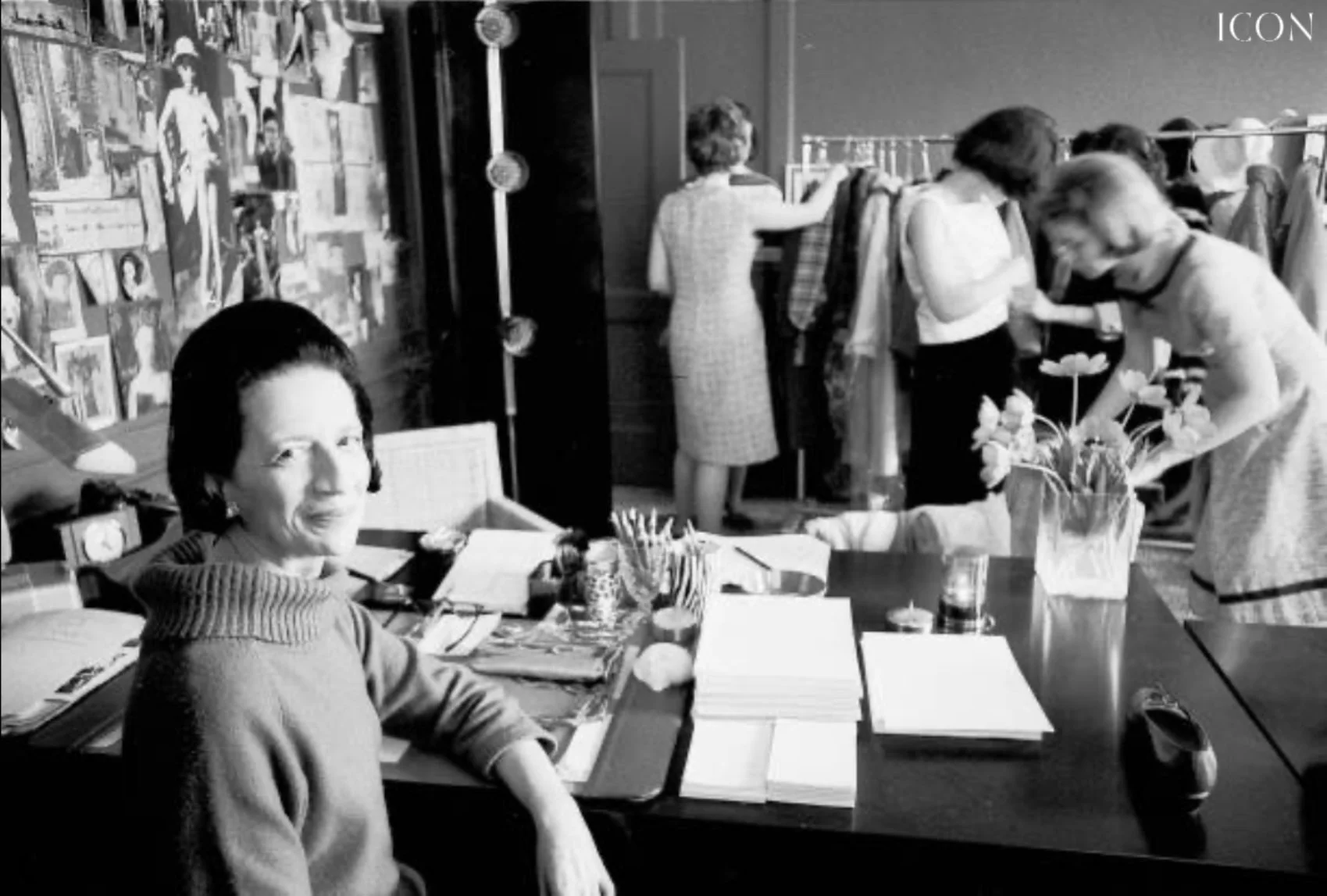
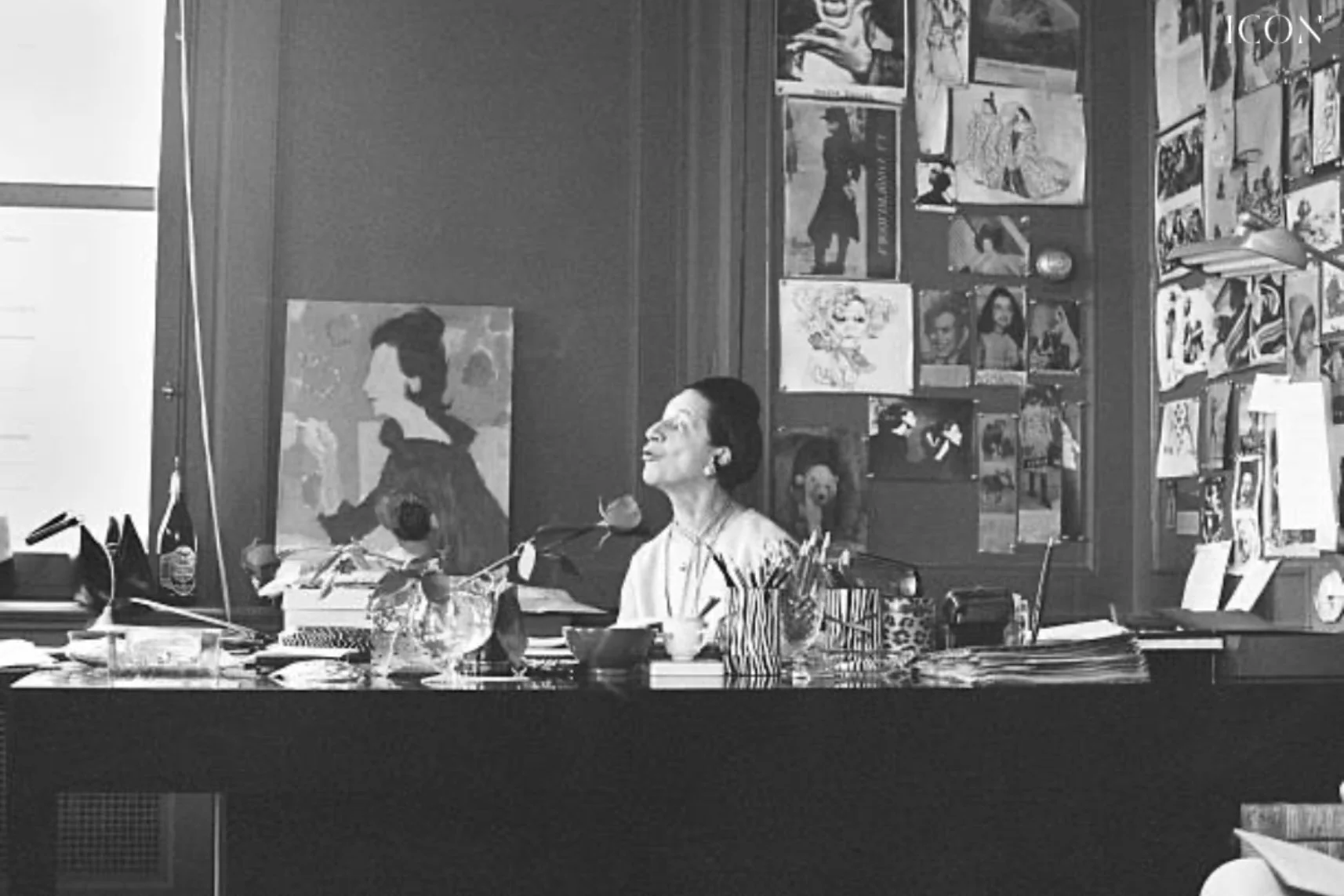
She arrived at Harper's Bazaar in 1936 as a fashion editor with no journalism experience and an approach to the job that had no precedent in the publication's history. The Bazaar under Carmel Snow was already the most sophisticated fashion magazine in America; Vreeland made it into something else. She understood — before anyone else in the industry had articulated it — that fashion was not a service but a philosophy. That the reader did not want to be told what to wear but what to want to become.
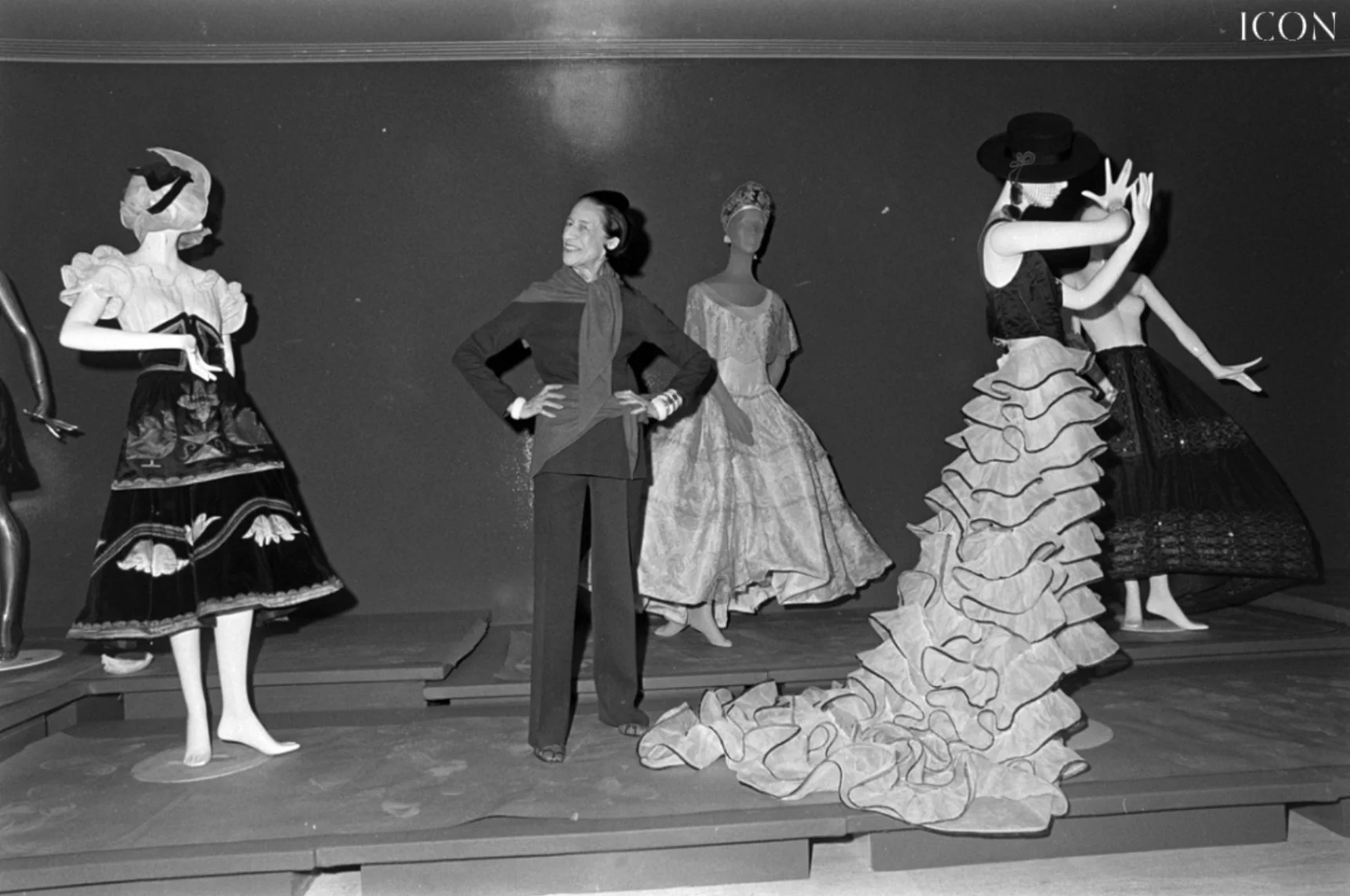
Her column Why Don't You? became legend for suggestions that were, by any practical standard, absurd: 'Why don't you rinse your blonde child's hair in dead champagne, as they do in France?' 'Why don't you paint a map of the world on all four walls of your boys' nursery so they won't grow up with a provincial point of view?' The column was not advice. It was aspiration in its most distilled form — the proposition that the life you were living was a choice, and that choosing differently was always available to you.
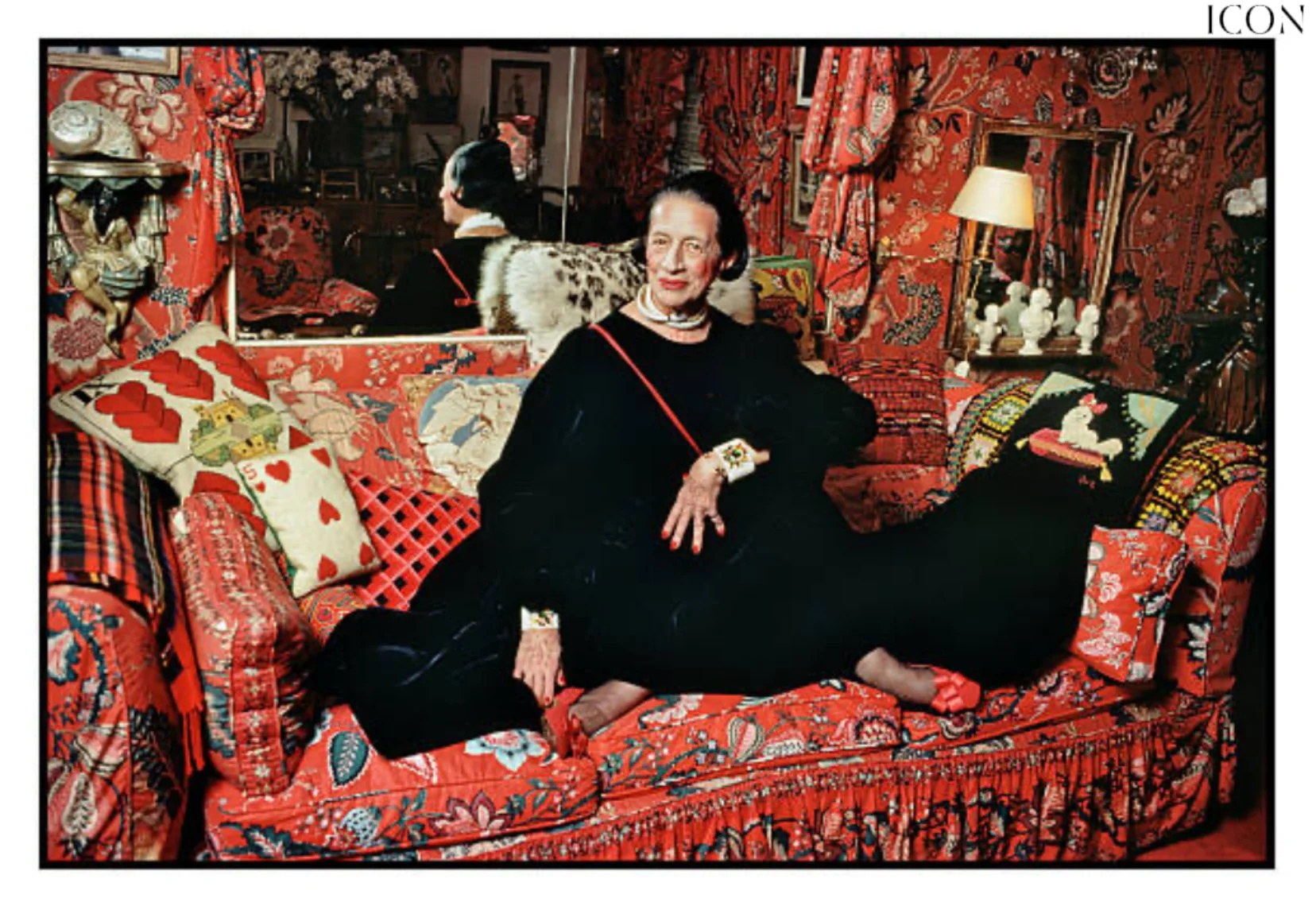
At Vogue, where she served as editor-in-chief from 1963 to 1971, she pushed the magazine into territory that the institution found increasingly uncomfortable. She brought in Richard Avedon. She published the first American fashion coverage of the youth revolution in London. She ran photographs of Veruschka painted as a tiger, of Penelope Tree in clothes that looked like costumes from a film that had not yet been made.
The firing in 1971 — she was asked to resign, in the genteel corporate language of the era — produced the most unexpected second act in magazine history. She was hired by the Metropolitan Museum of Art's Costume Institute, which she proceeded to transform from a curatorial archive into the most visited department in the museum. The series of exhibitions she produced between 1973 and 1989 — on Balenciaga, on Diaghilev, on Hollywood costume, on the 18th century — established the template for fashion exhibition as cultural event that the industry is still working within.
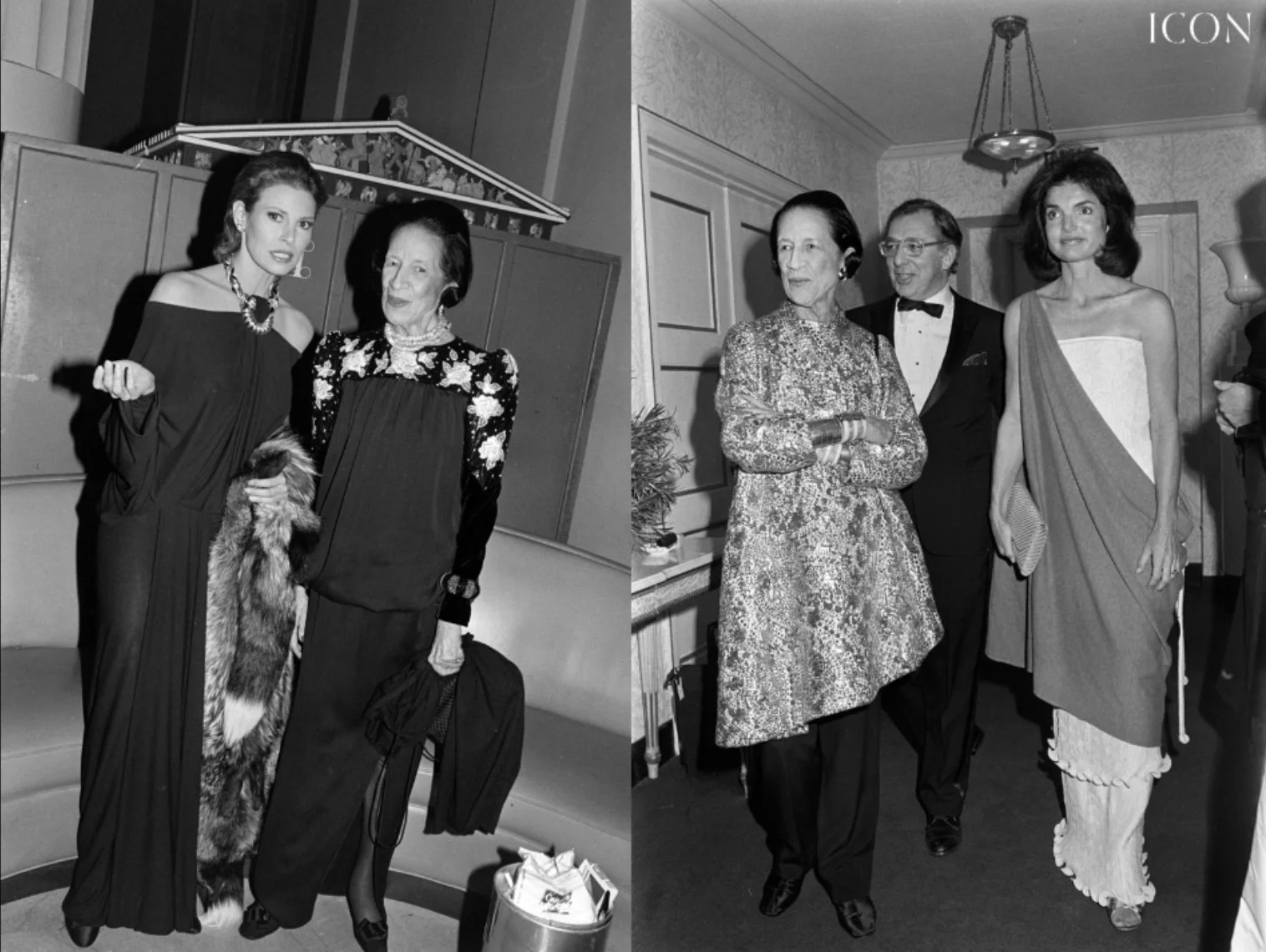
What Vreeland understood that most fashion editors still do not: the reader is not asking to be shown what exists. She is asking to be shown what is possible. The magazine that answers the first question is a catalogue. The magazine that answers the second is a cultural force. Vreeland spent fifty years answering the second question with a consistency that produced, in the people who worked with and for her, the specific quality of thinking that comes from being asked, repeatedly, to exceed what you believed the brief required.
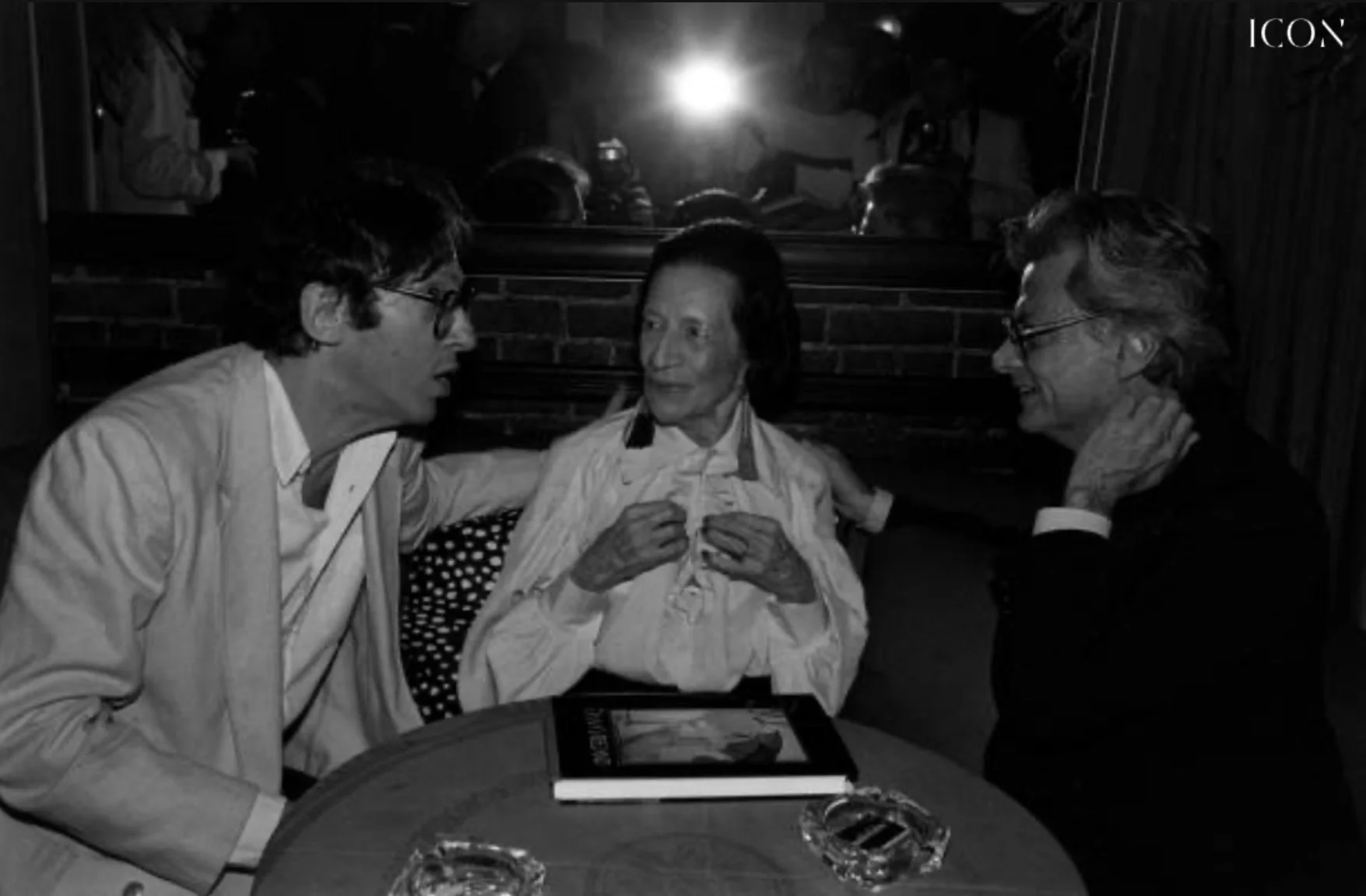
'The eye has to travel,' she said. It was her most quoted observation and her most precise one. The eye that stops moving — that is satisfied with what it has found — is the eye that has stopped seeing.
The Costume Institute exhibition she might have made for 2026 — had she lived to see the archive she helped build — would have been entirely wrong and more interesting than anything else on offer.
BY OONA CHANEL
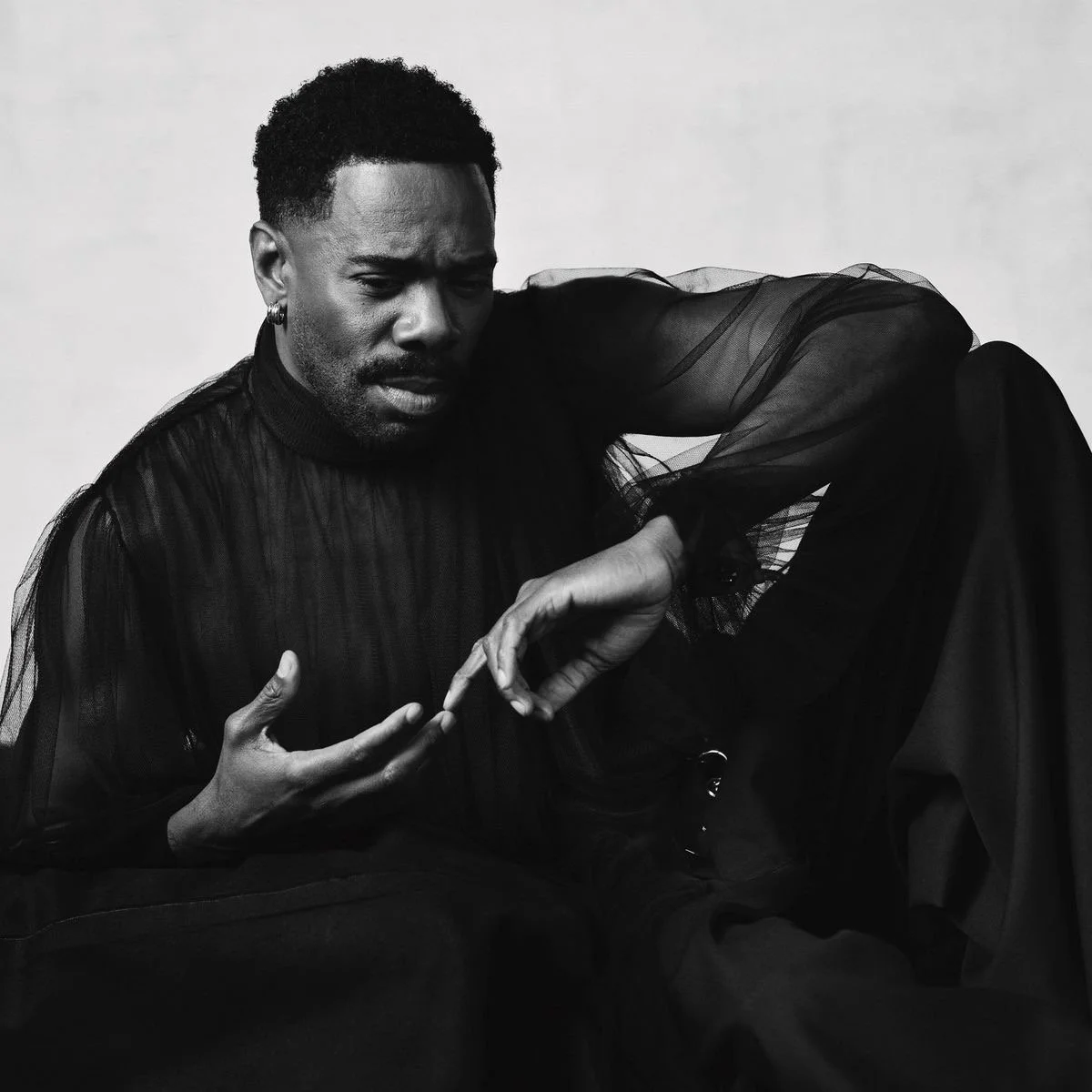
Colman Domingo: The Actor Who Arrived Everywhere at Once
He has been working for twenty years. In the past three he has become one of the most present creative forces in contemporary culture — in film, television, fashion, and the specific quality of public intelligence that very few performers manage to project at scale.
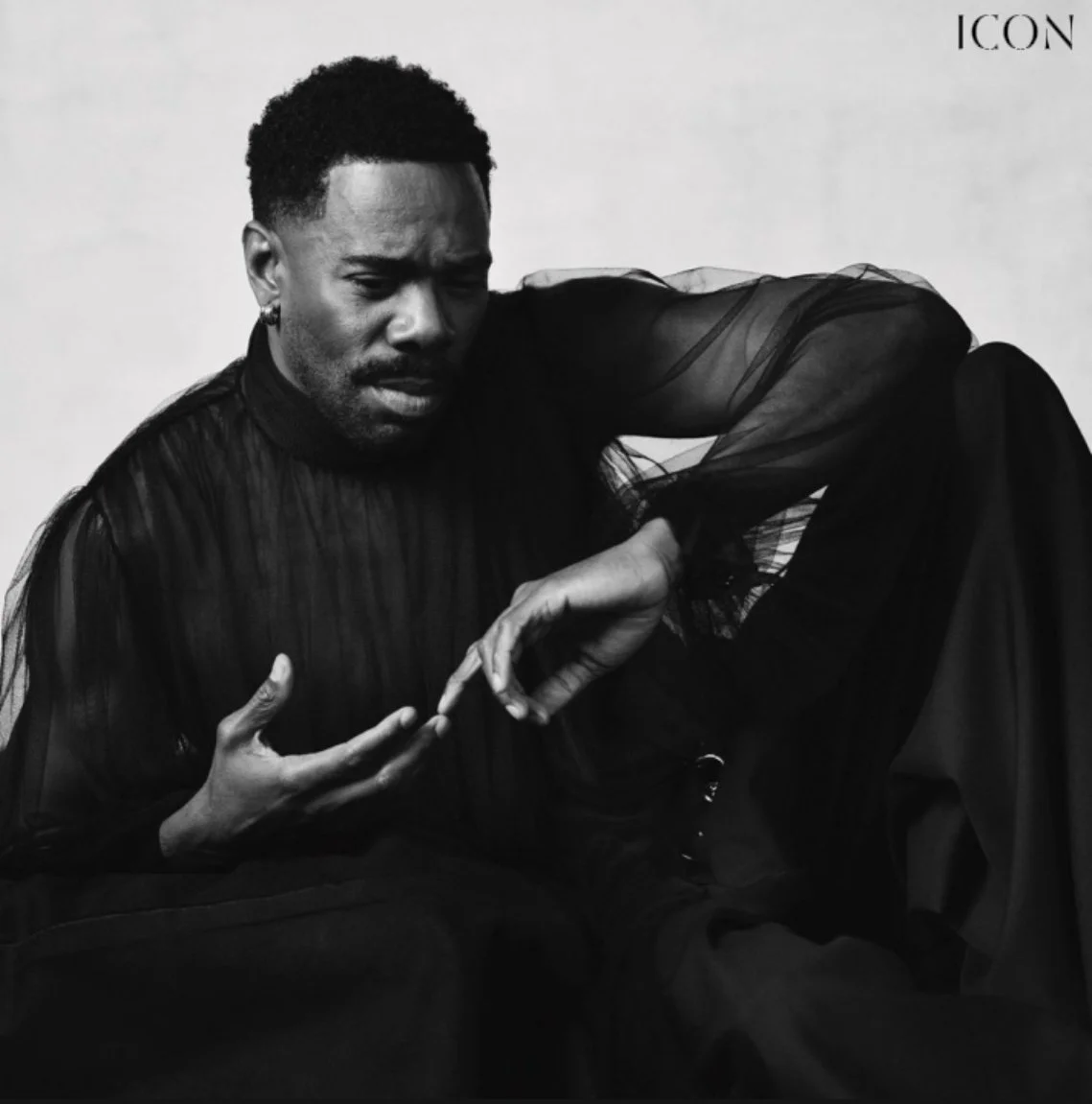
“He is wearing Valentino because the conversation between his physical presence, his theatrical sensibility, and the house's creative direction is producing something neither party could produce alone. This is the difference between a brand ambassador and a fashion collaborator.”
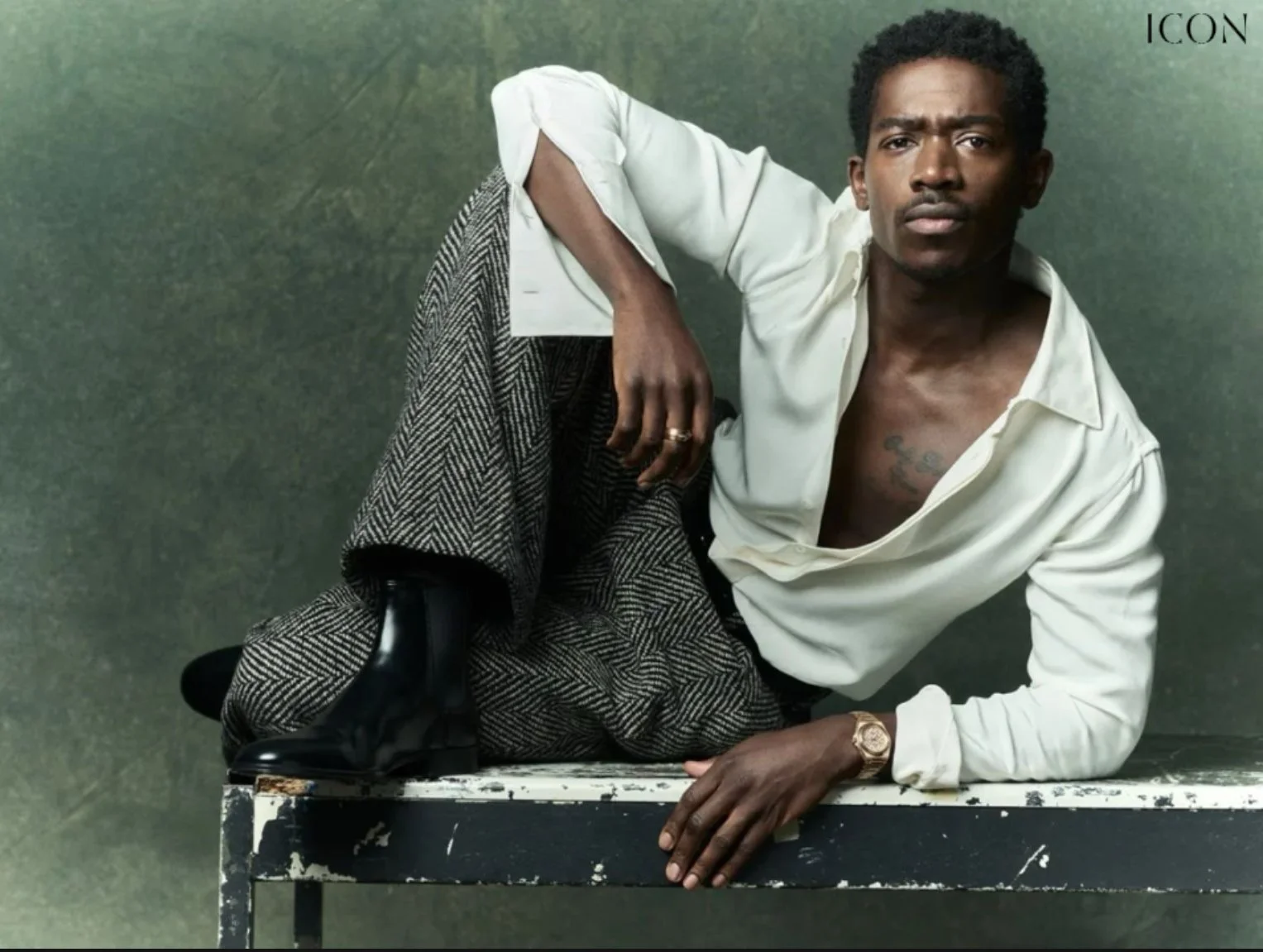
The Colman Domingo moment is not, despite how it appears, a sudden one. The career has been building across two decades of theatre, television, and film work — the Robert Guenveur Smith plays, the Fear the Walking Dead years, the Euphoria arc — that produced, in the people who were paying attention, a consistent and growing recognition that this was a performer of unusual breadth and depth. The awards cycle that culminated in his Academy Award nomination for Rustin, and the major fashion covers and campaigns that followed, represent not a discovery but an arrival: the cultural apparatus finally recognising what the work had been demonstrating for a long time.
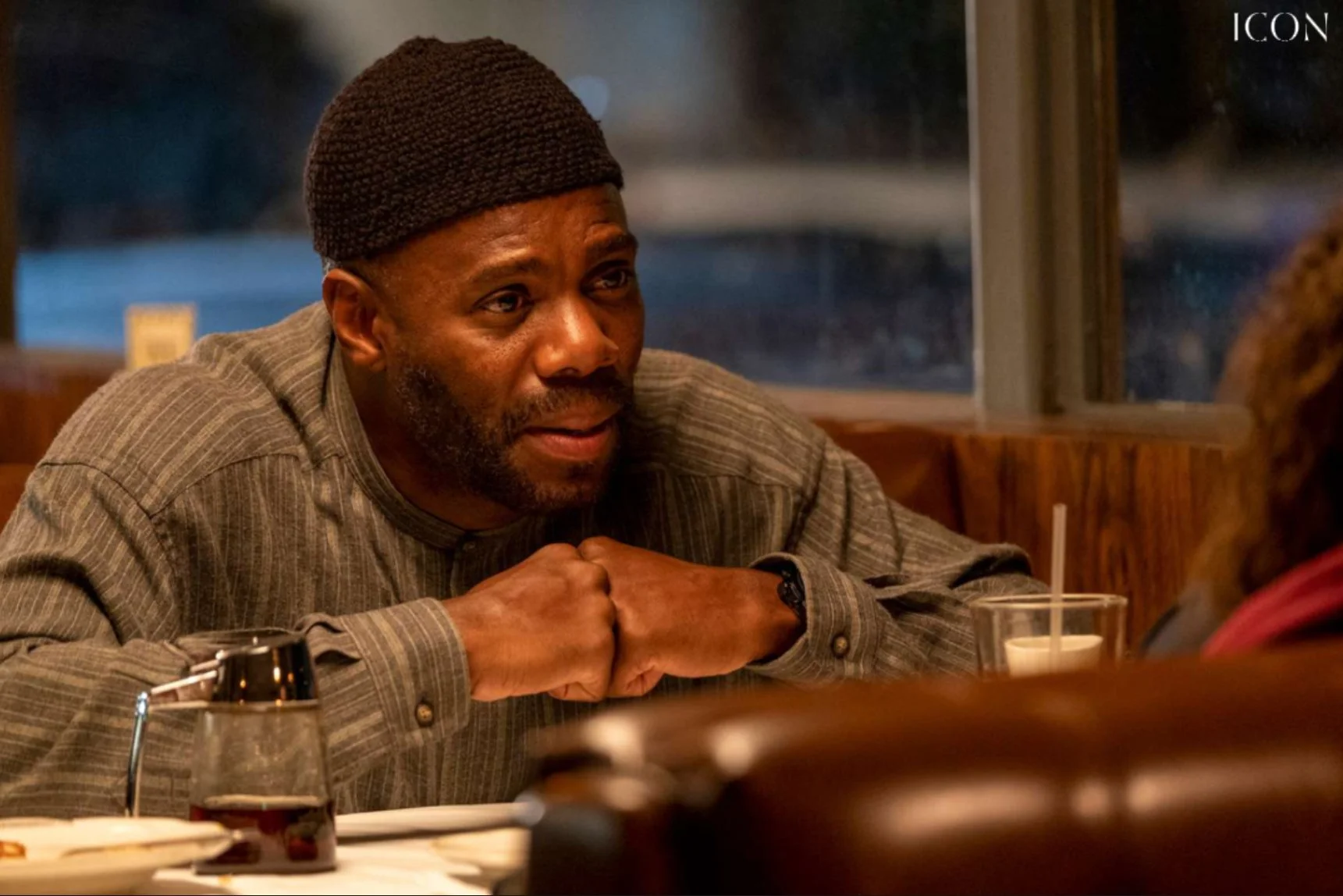
His fashion presence has become a distinct dimension of the cultural conversation about him, partly because his red carpet choices are, by any standard, extraordinary. The dramatic purple diamond-encrusted silk shirt with a train at the Garance screening at Cannes. The multiple Valentino appearances that have produced some of the most discussed menswear red carpet moments in recent years. This kind of choice — voluminous, theatrical, completely self-possessed — requires a specific quality of physical confidence that reads differently depending on how it is inhabited. On someone performing confidence, the theatrical garment reads as effort. On Domingo, it reads as his natural register.
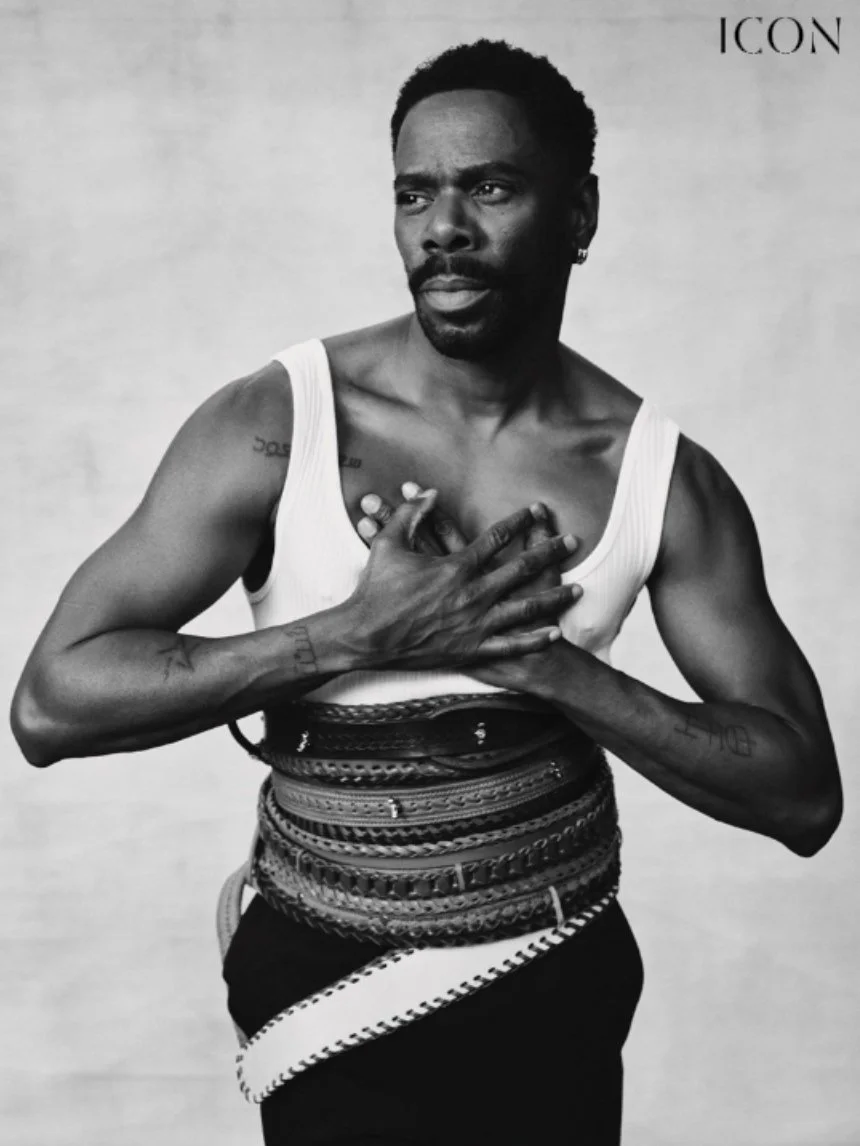
His collaboration with Valentino has produced work that is genuinely mutual rather than transactional, which is rarer than it appears. He is not wearing Valentino because Valentino is paying him. He is wearing Valentino because the conversation between his specific physical presence, his theatrical sensibility, and the house's current creative direction is producing something that neither party could produce alone.
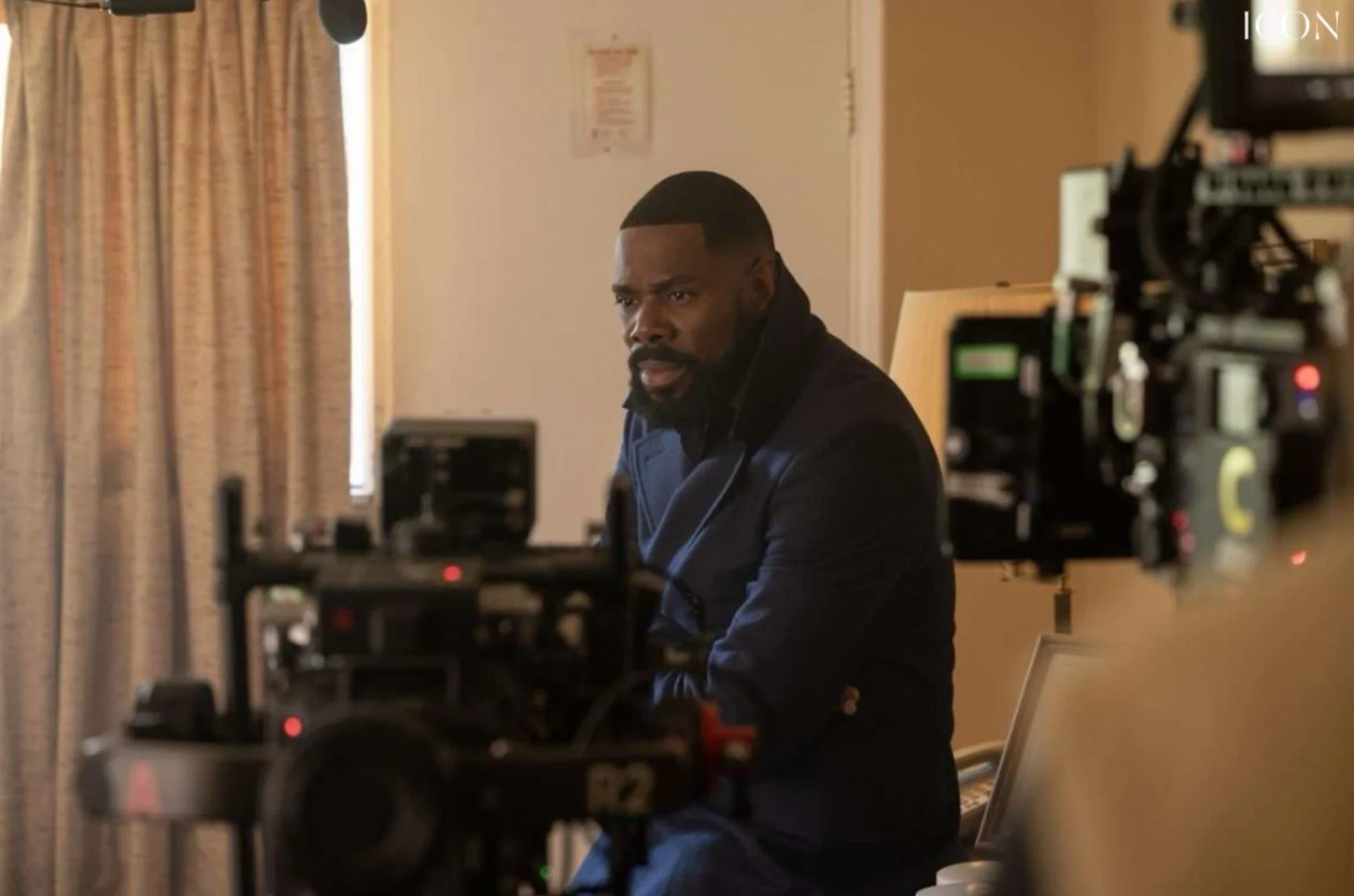
The intelligence dimension is what distinguishes his cultural position from the straightforward celebrity arc. He has spoken consistently, in interviews and in public appearances, about his craft with the specificity of someone who has been studying it for decades. His reflections on character — on what it means to play a historical figure like Bayard Rustin, on the specific responsibility of portraying a gay Black activist whose life has been underrepresented — are not standard interview material. They are the output of a serious artistic practice that has been running for twenty years.
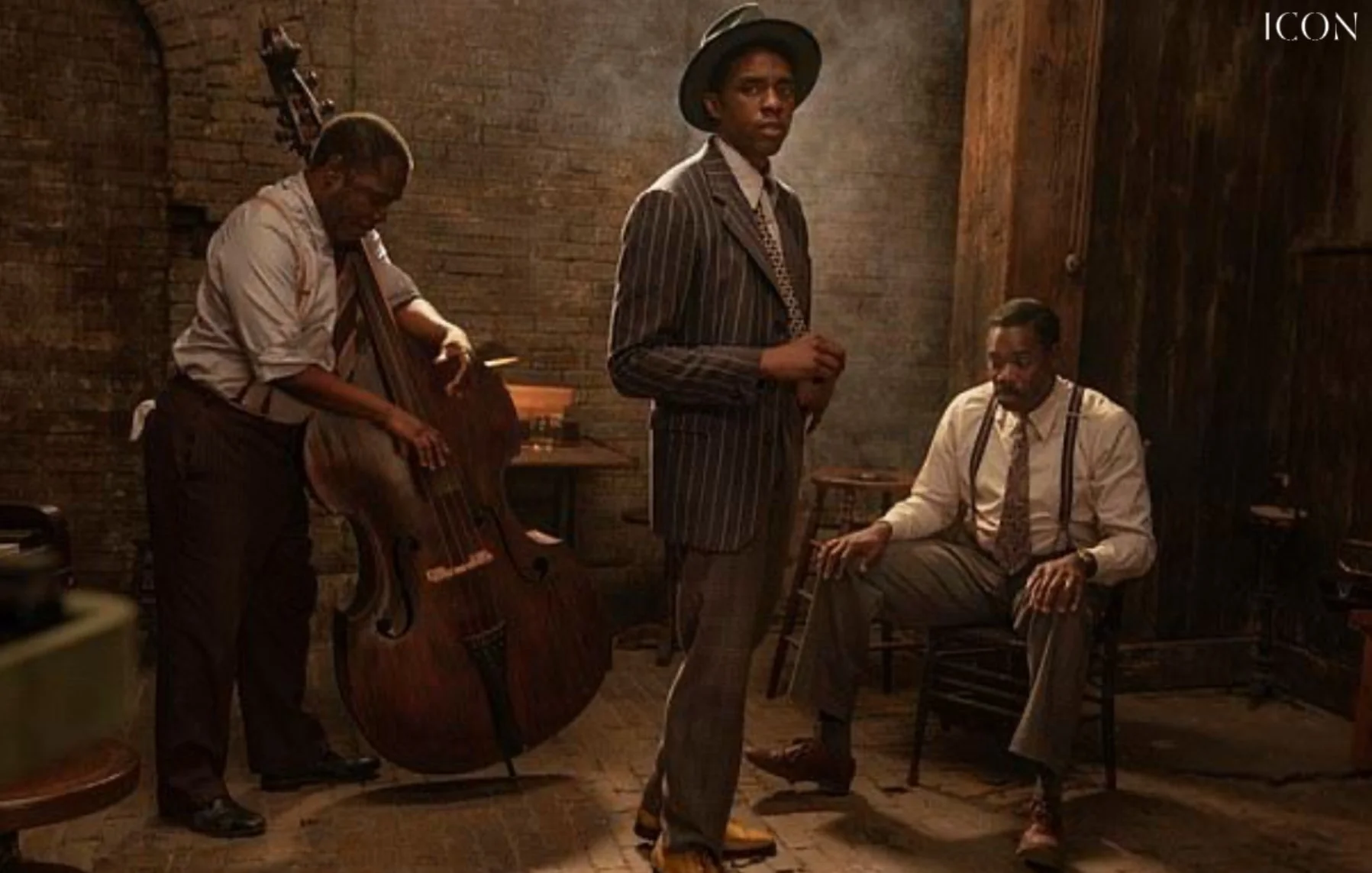
He is, in this respect, what the fashion industry and the film industry both claim to want and rarely actually find: a person with a genuinely developed interior life who is willing to make that interior life visible in the specific ways that fashion and performance require. The combination is unusual. The fact that it has taken this long to reach this scale of recognition says more about the cultural apparatus than about the work.
At Cannes this year, he wore the purple silk with a complete absence of irony, which is the specific quality that makes theatrical dressing interesting rather than embarrassing. He did not dress up. He dressed himself, at full volume.
The distinction is everything.
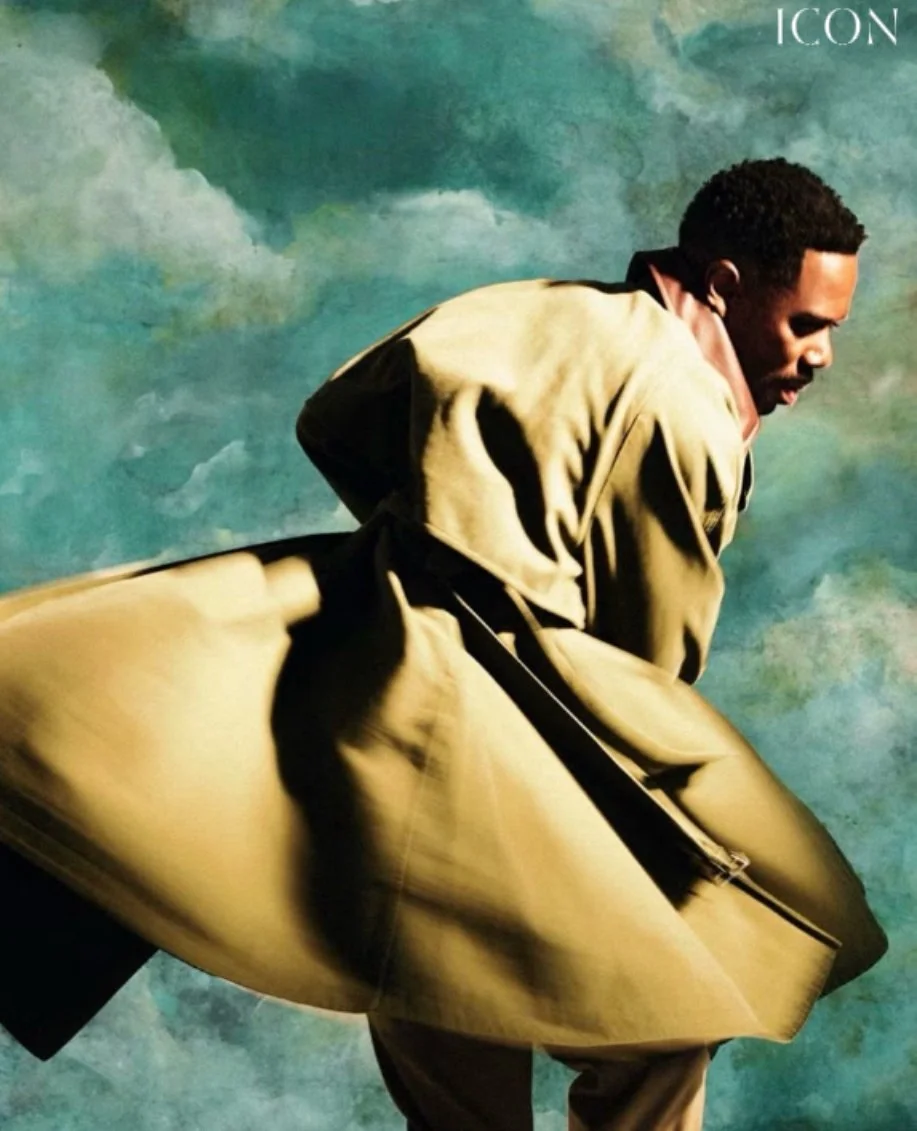
What the Domingo moment means for the culture: the specific kind of male beauty and style intelligence he represents — theatrical, romantic, historically informed, completely unbothered by the conventions of how men are supposed to present — is receiving the visibility and the institutional support it has always deserved. The Cannes purple Valentino is not an anomaly. It is, finally, the norm.
BY OONA CHANEL
Isabelle Huppert at Cannes: On Parallel Tales, Farhadi, and What It Means to Play Someone Who Watches
She arrived on the Croisette in a dramatic red Valentino gown and gave the most precise interview of the festival. Her new film — Asghar Farhadi's Parallel Tales — earned a seven-minute standing ovation. Here is what she said about the work, the watching, and why she finds the question of age in cinema mildly beneath her
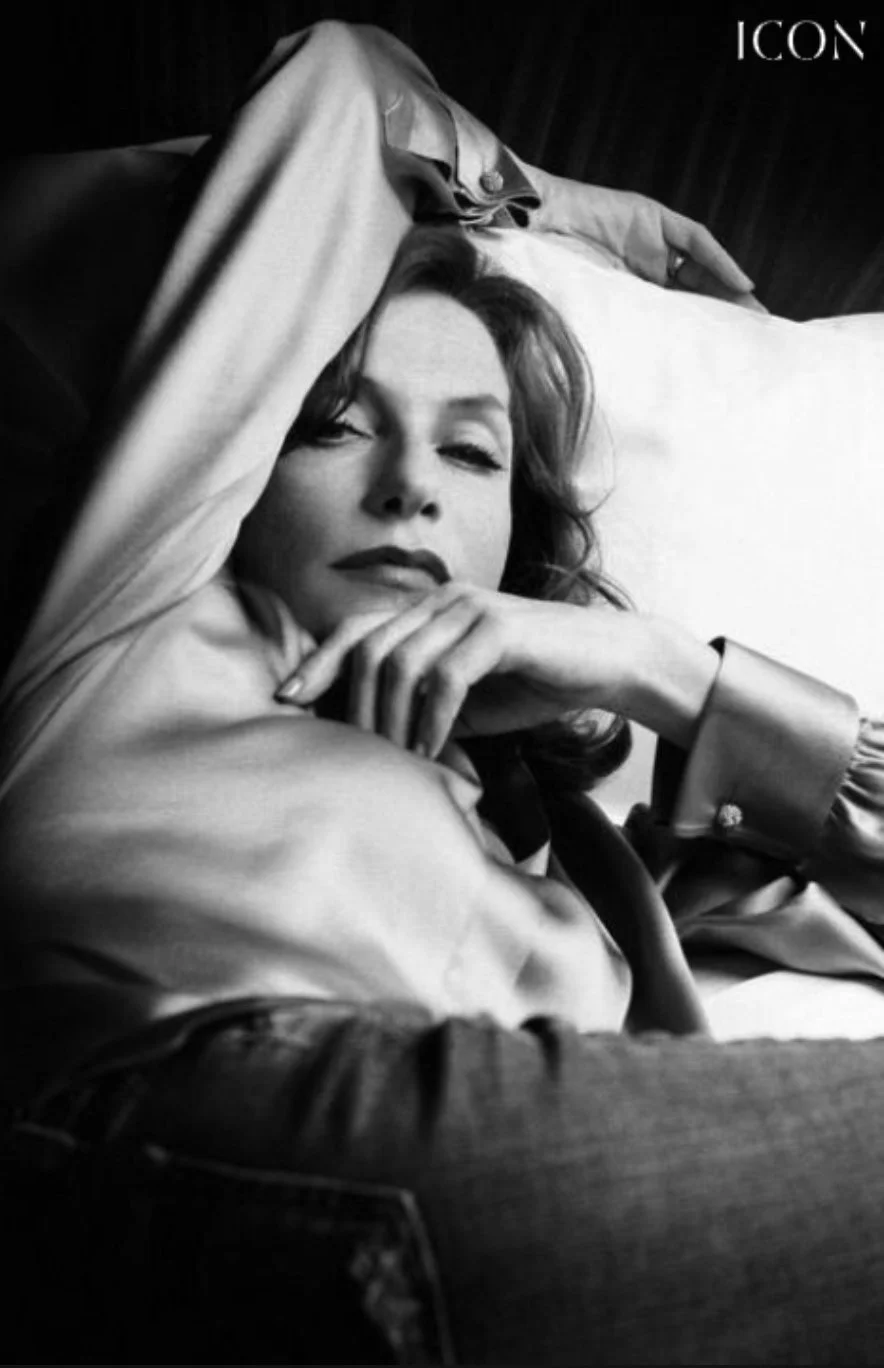
“She receives roles now that she did not receive at forty because she is more interesting now to the directors who find complicated women interesting. The directors who do not have never given her good roles at any age. That has always been the division.”
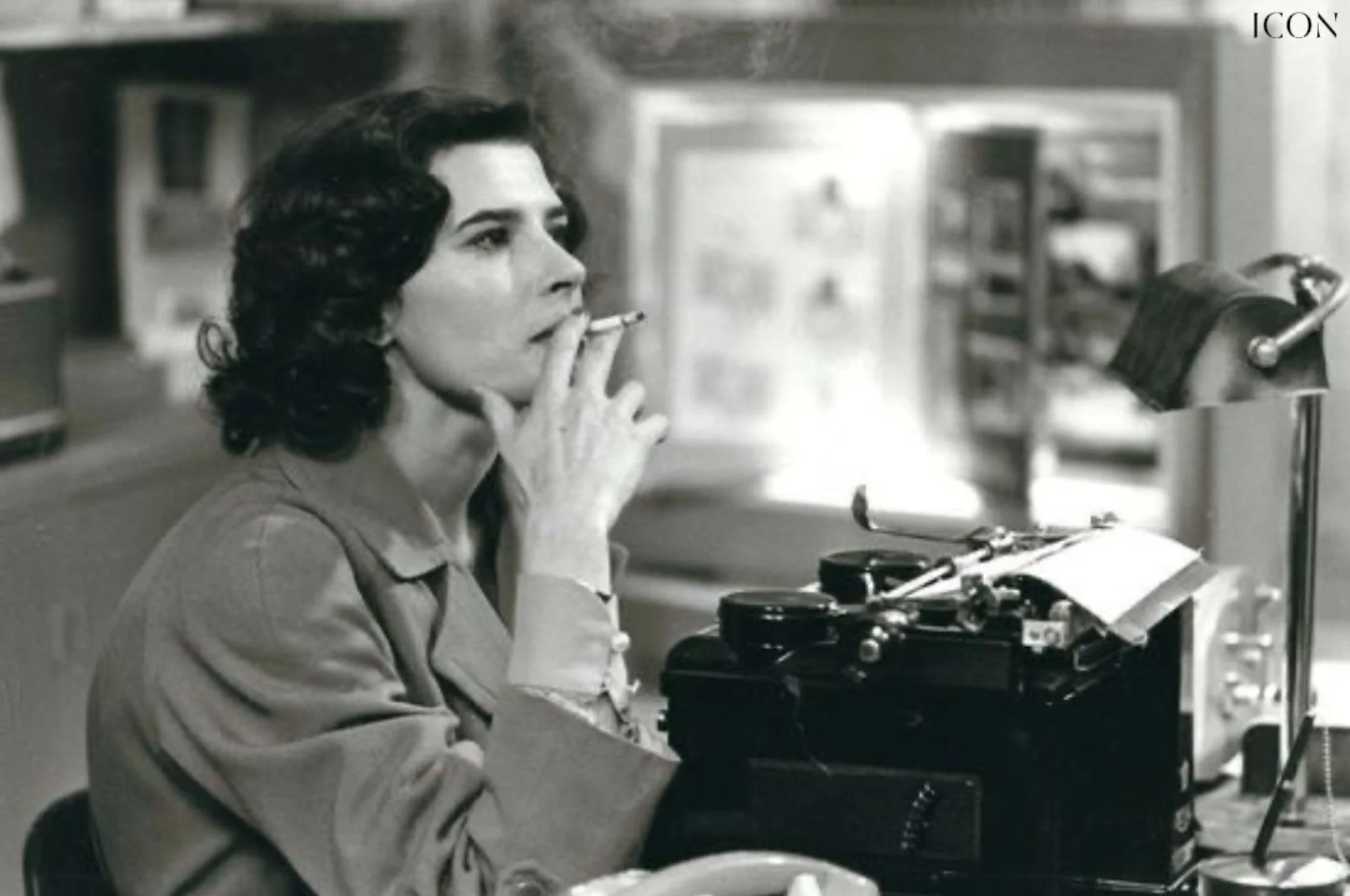
The premiere of Asghar Farhadi's Parallel Tales at the 79th Cannes Film Festival produced one of the more extraordinary scenes of the two-week event: a seven-minute standing ovation in which Farhadi blew kisses to the crowd while Catherine Deneuve, Virginie Efira, and Vincent Cassel — each extraordinary in their own right — stood beside Isabelle Huppert, who wore a dramatic red Valentino gown and remained politely, precisely smiling throughout. Not performing gratitude. Receiving it.
In the Farhadi film, Huppert plays Sylvie, a French novelist whose better days are behind her. She lives in a stately Paris apartment that has started to fray at the seams. In search of inspiration, she begins spying on her neighbours across the street — a voyeurism that becomes, as Farhadi's plots always do, a trap of her own making. The film is freely inspired by the sixth episode of Kieslowski's Dekalog, and Huppert in it is, by the consensus of those who found it among the competition's best, extraordinary: dressed in vintage nightgowns and velvet jackets, typewriting at an ancient Olivetti, her cool intelligence deployed not in opposition to the character's recklessness but in perfect, uncomfortable concert with it.
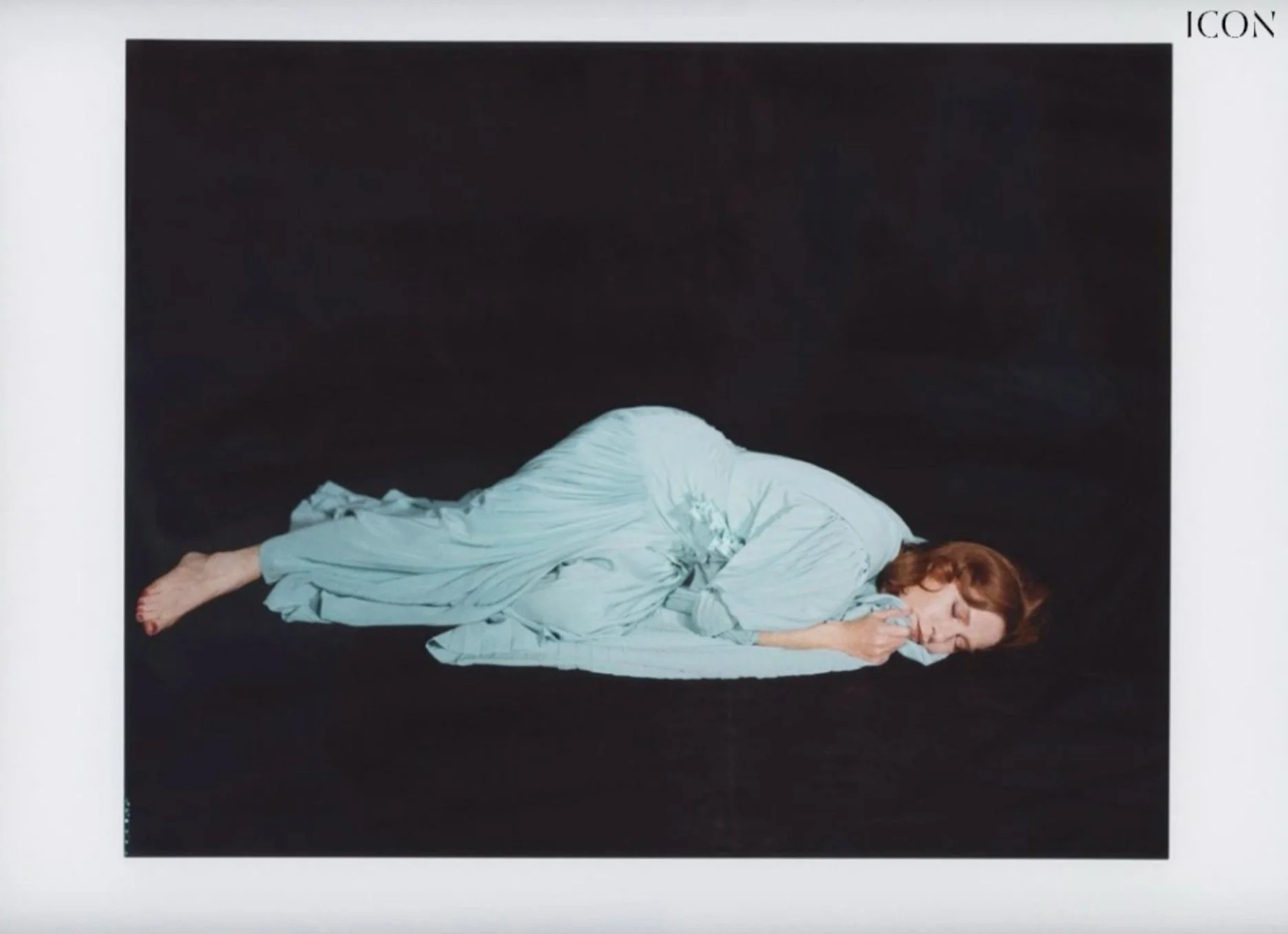
We spoke with her the morning after the premiere at the Hotel Martinez, where she had arrived from Shanghai — she had just received a Magnolia award, the Chinese equivalent of a Tony, for her stage production of The Cherry Orchard — and was already in what she described as Cannes mode, which looked from the outside like the absence of any mode at all. She was simply present, which is, in a festival context, the most unusual quality available.
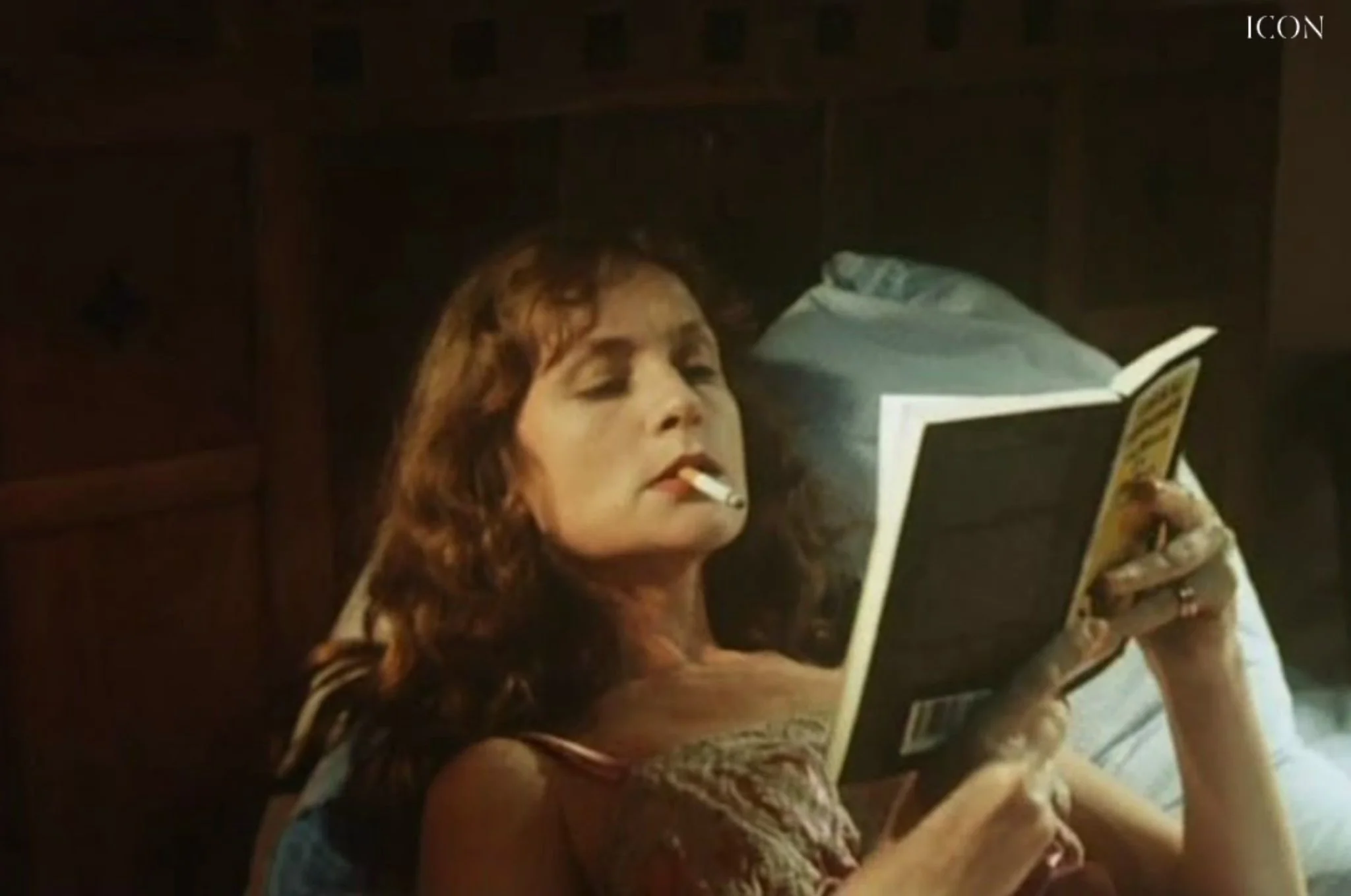
On the character: She plays a novelist who invents fiction more compelling than reality and then finds reality catching up. It is a specifically Farhadi trap — the story where the ordinary life turns out to be the dangerous one — and Huppert describes it as the most natural role he could have cast her in. She has always been interested, she says, in characters who observe before they act. Who watch rather than simply see.
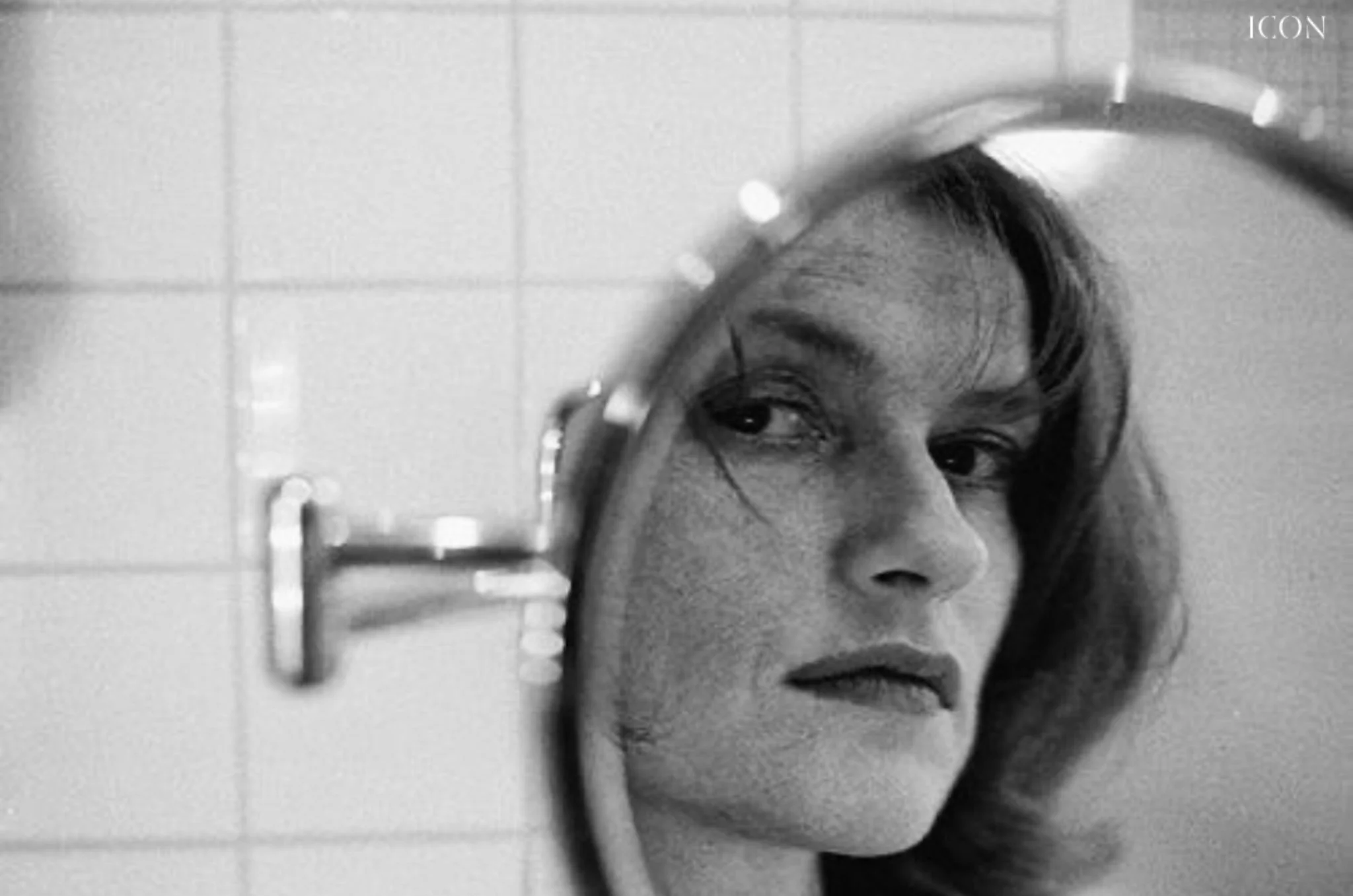
On working with Farhadi: The match between the two of them is not accidental. Farhadi makes films about people who believe they understand the situation they are in — who are confident in their reading of the room — and who discover, incrementally and painfully, that they have misread everything. Huppert specialises in the specific quality of intelligence that produces this misreading: not stupidity, not naivety, but the particular blindness of the person whose intelligence has become a form of control. She is the ideal subject for his films and has apparently known this for some time.
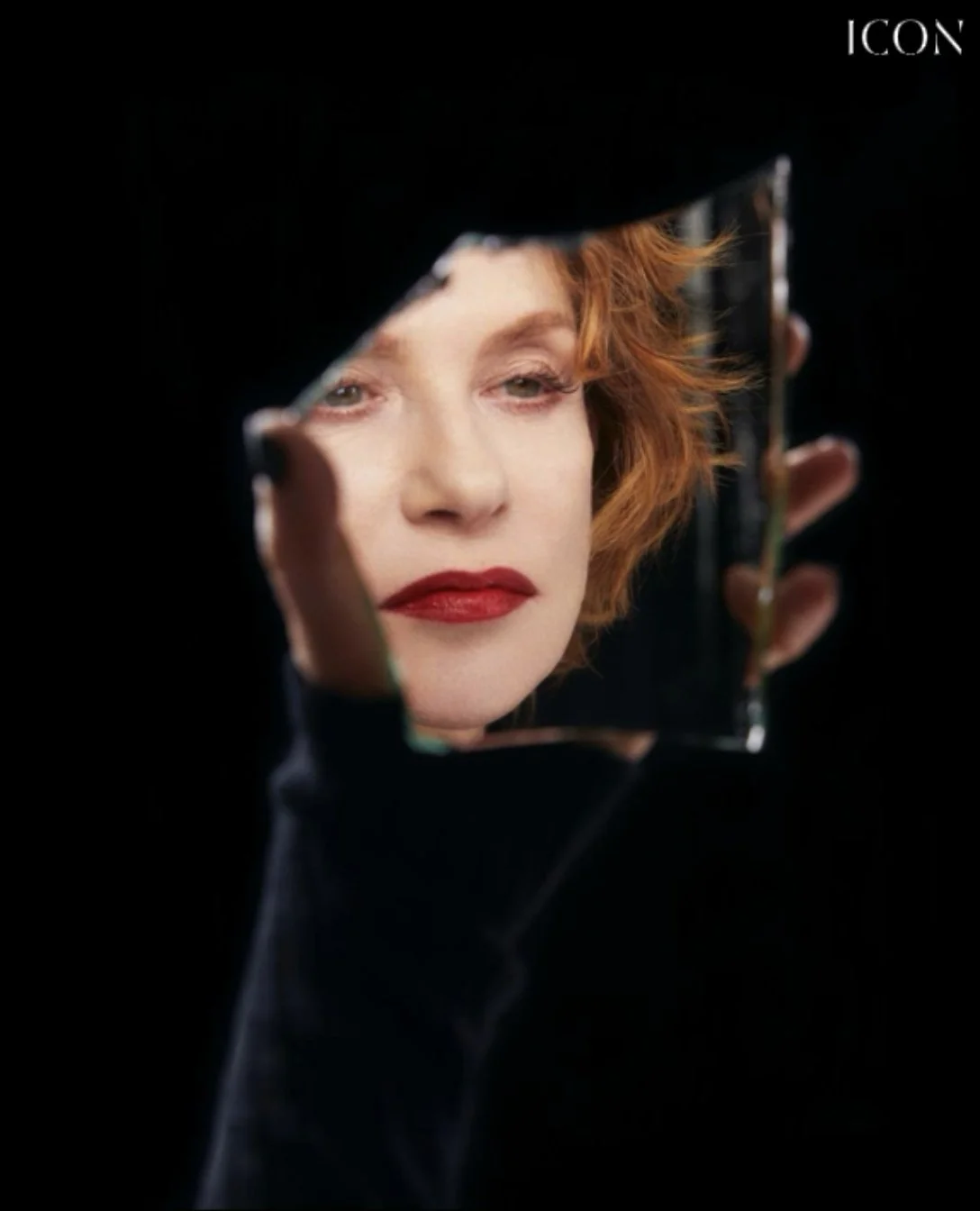
On Cannes, on the red carpet, on the week's specific social electricity: She is affectionate about the festival and entirely unromantic about what it is. A market, she says, with a beautiful setting. She has been coming since the early 1970s. She no longer counts the times.
On the question of age and the roles she is receiving: She looks at the question the way she looks at all questions that are really statements in disguise. Her answer is that she receives roles now that she did not receive at forty because she is more interesting now to the directors who find complicated women interesting. The directors who do not have never given her good roles at any age. That has always been the division.
Parallel Tales is in French theatres now. No US or UK distribution confirmed at press time. Watch for it.
BY OONA CHANEL
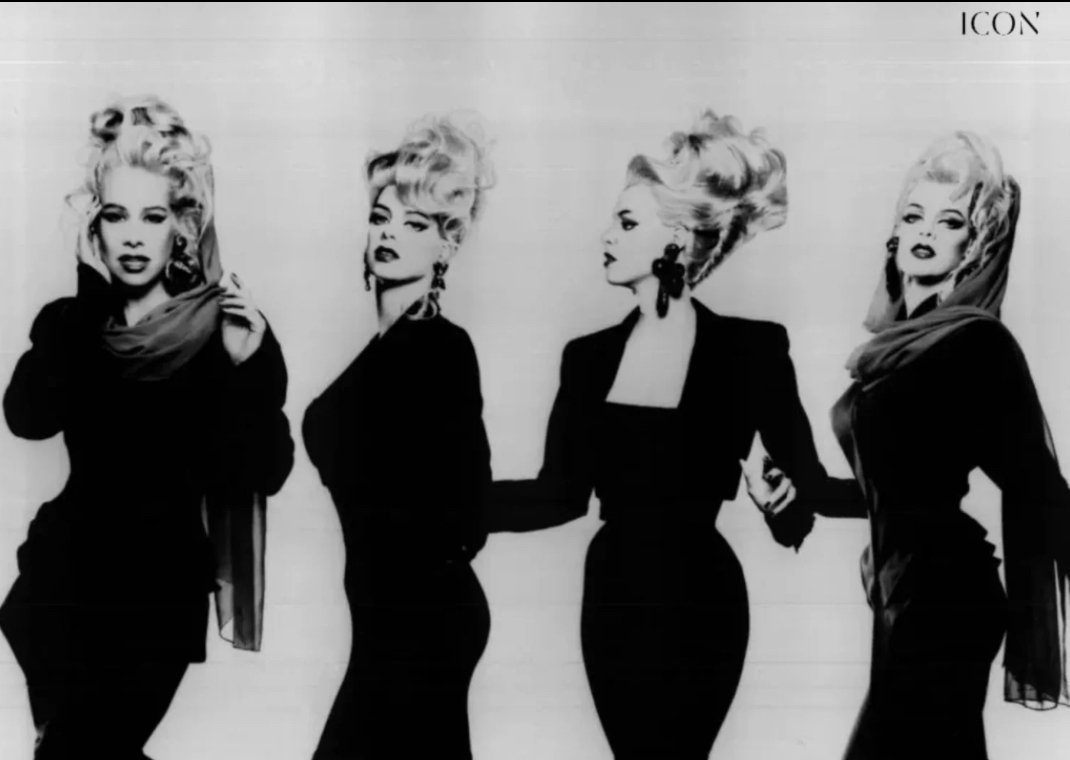
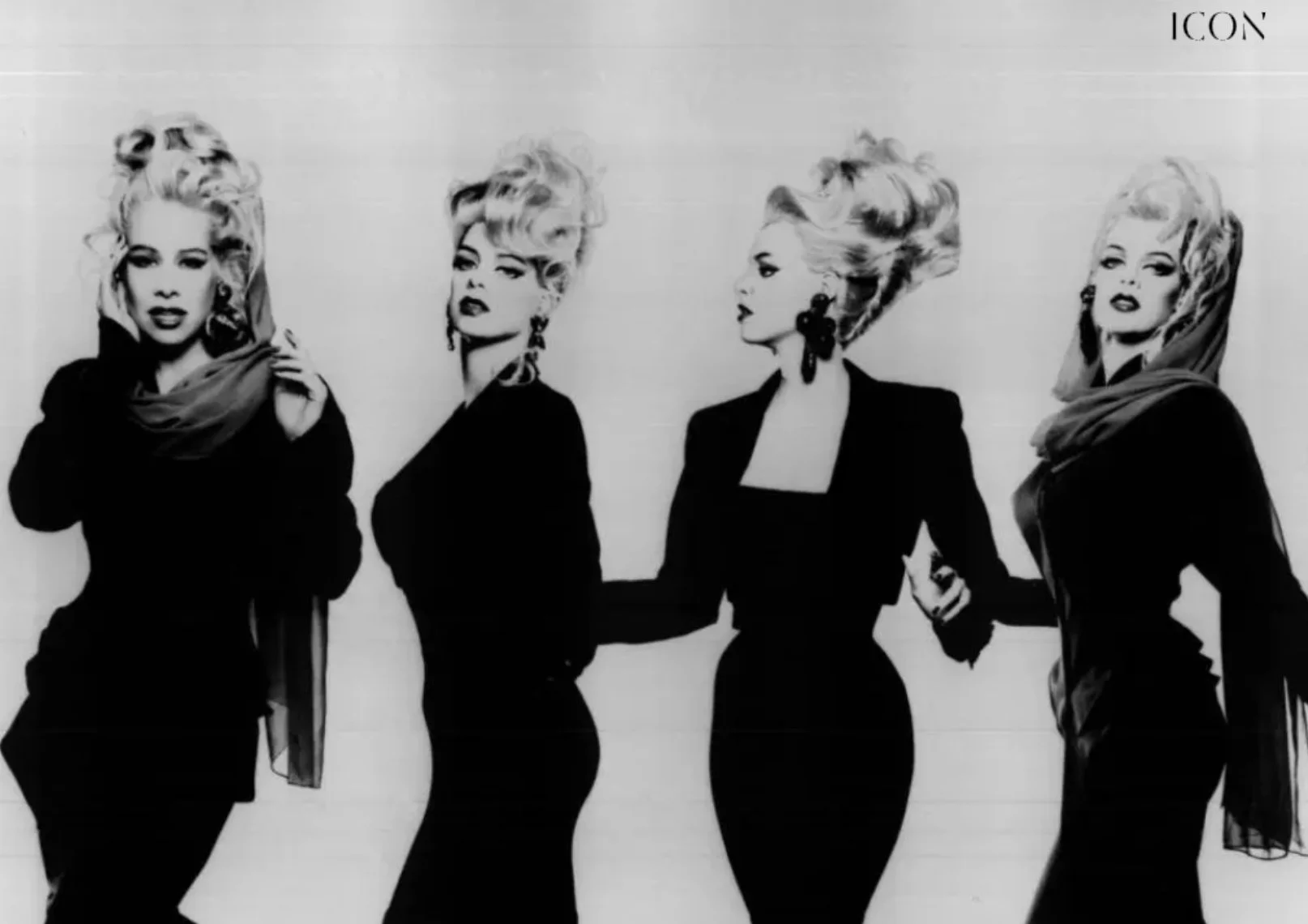
Dianne Brill: The Woman Who Invented the Night and Forgot to Stop
She was the undisputed Queen of New York's 1980s underground. She has been, in the decades since, every other thing she wanted to be. At 65, the party is still happening.
“I was never trying to be part of a scene. I was trying to be alive. The scene happened to be where alive was. Later, in other places, alive was somewhere else. I followed it.”
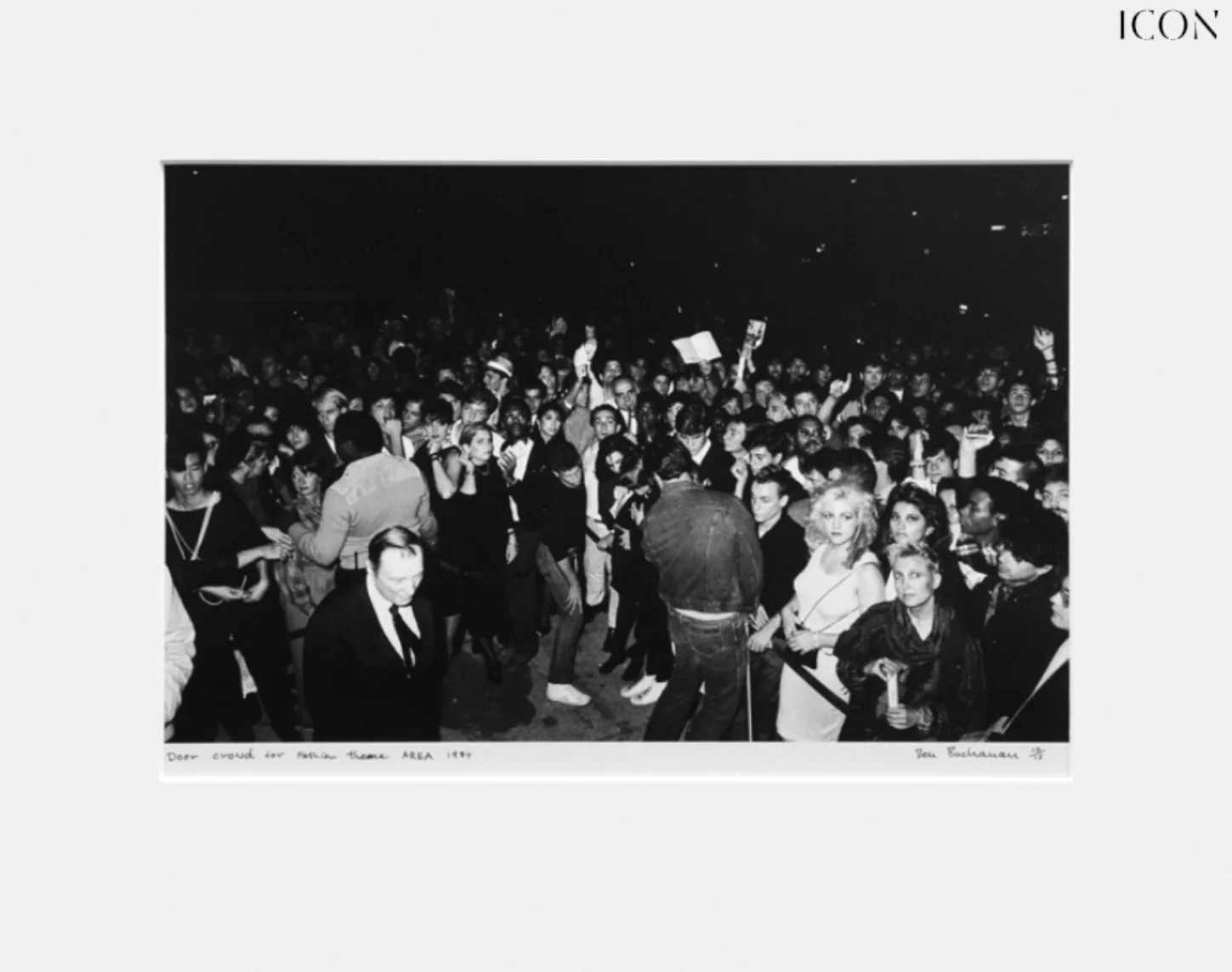
There is a photograph of Dianne Brill at the entrance to Area nightclub in 1986, standing in something that appears to be architecture rather than clothing — a construction of black fabric and structure that enters a room before she does, that makes the doorway she is standing in look like a frame a museum would build around an important object. She is looking directly at the camera with an expression that contains several things simultaneously: amusement, invitation, a kind of triumphant self-knowledge, and the barely-contained energy of a woman who is going to have a more interesting evening than anyone else in the zip code.
She is sixty-five now. The energy is the same.
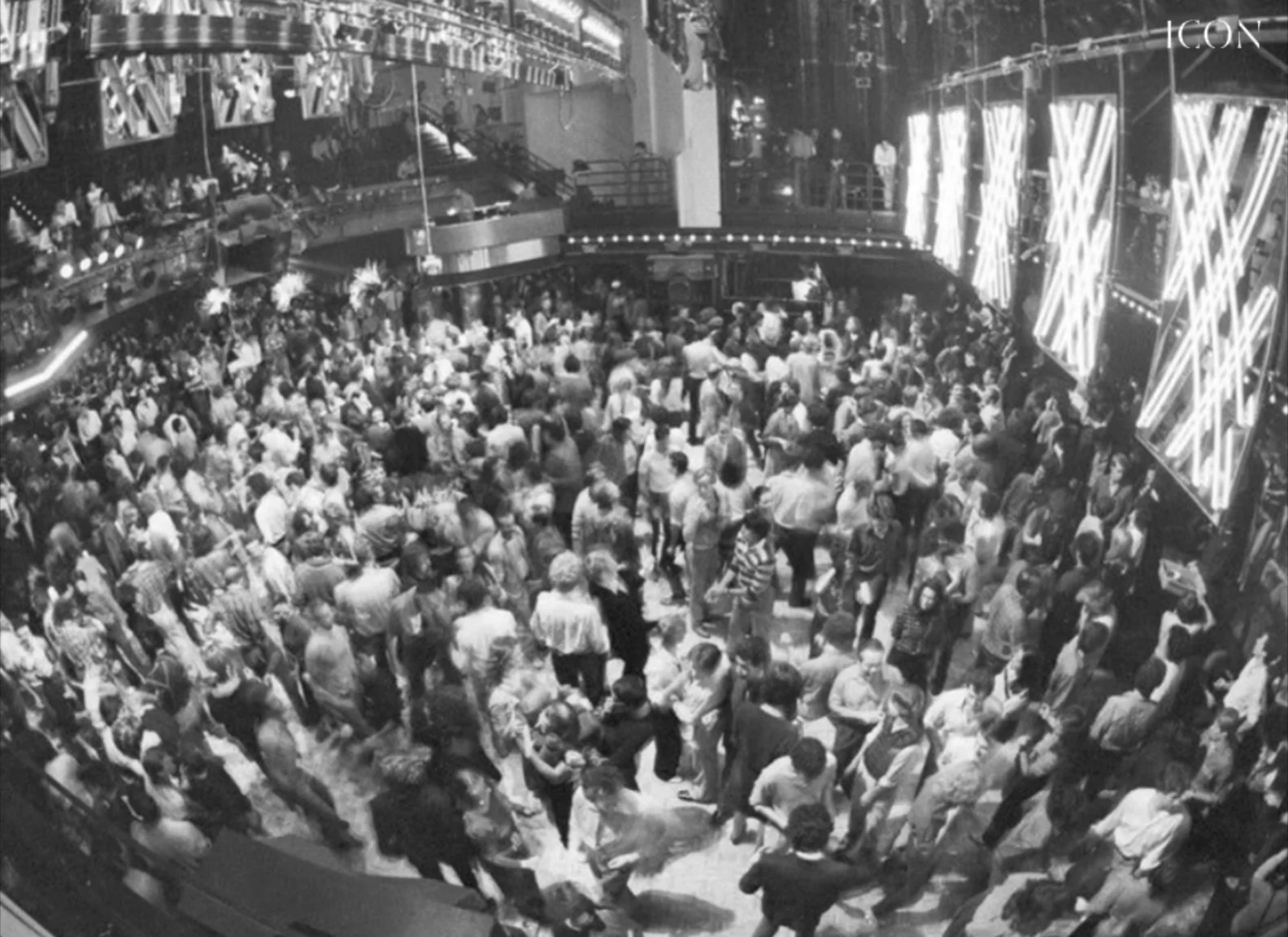
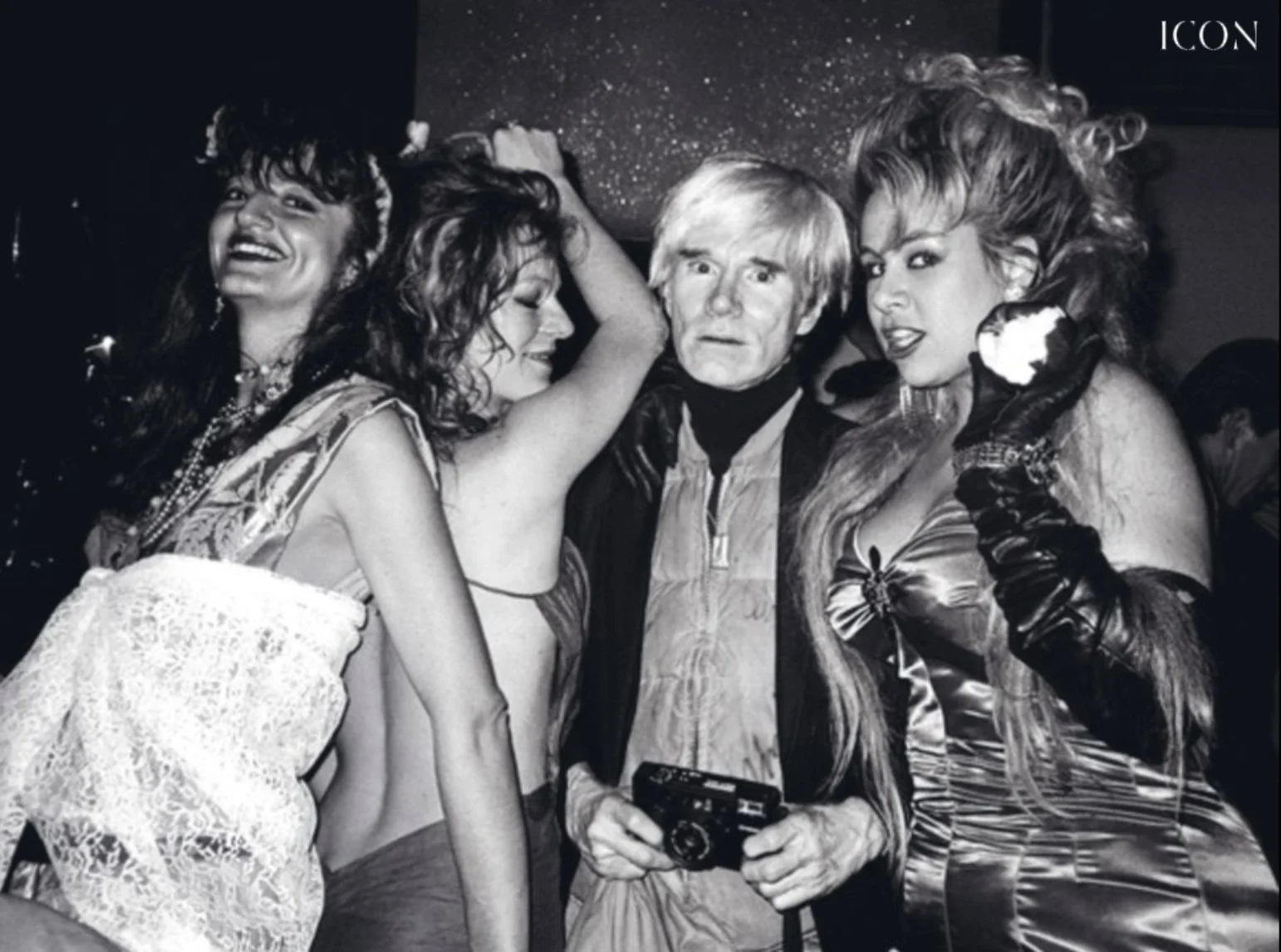
Dianne Brill is one of the very few people who can be said to have genuinely invented something: she invented, in the club culture of 1980s New York — at Studio 54 in its final years, at Area, at Danceteria, at the Mudd Club and all the spaces that preceded and followed them — a specific model of femininity that did not previously exist in those exact terms. It was not the waif. It was not the power suit. It was not the supermodel precision of the decade's commercial beauty standard. It was something more fundamental and more disruptive: the enormous, unapologetic, intelligent, sensual, theatrical woman who had decided that the world would accommodate her scale rather than the reverse.
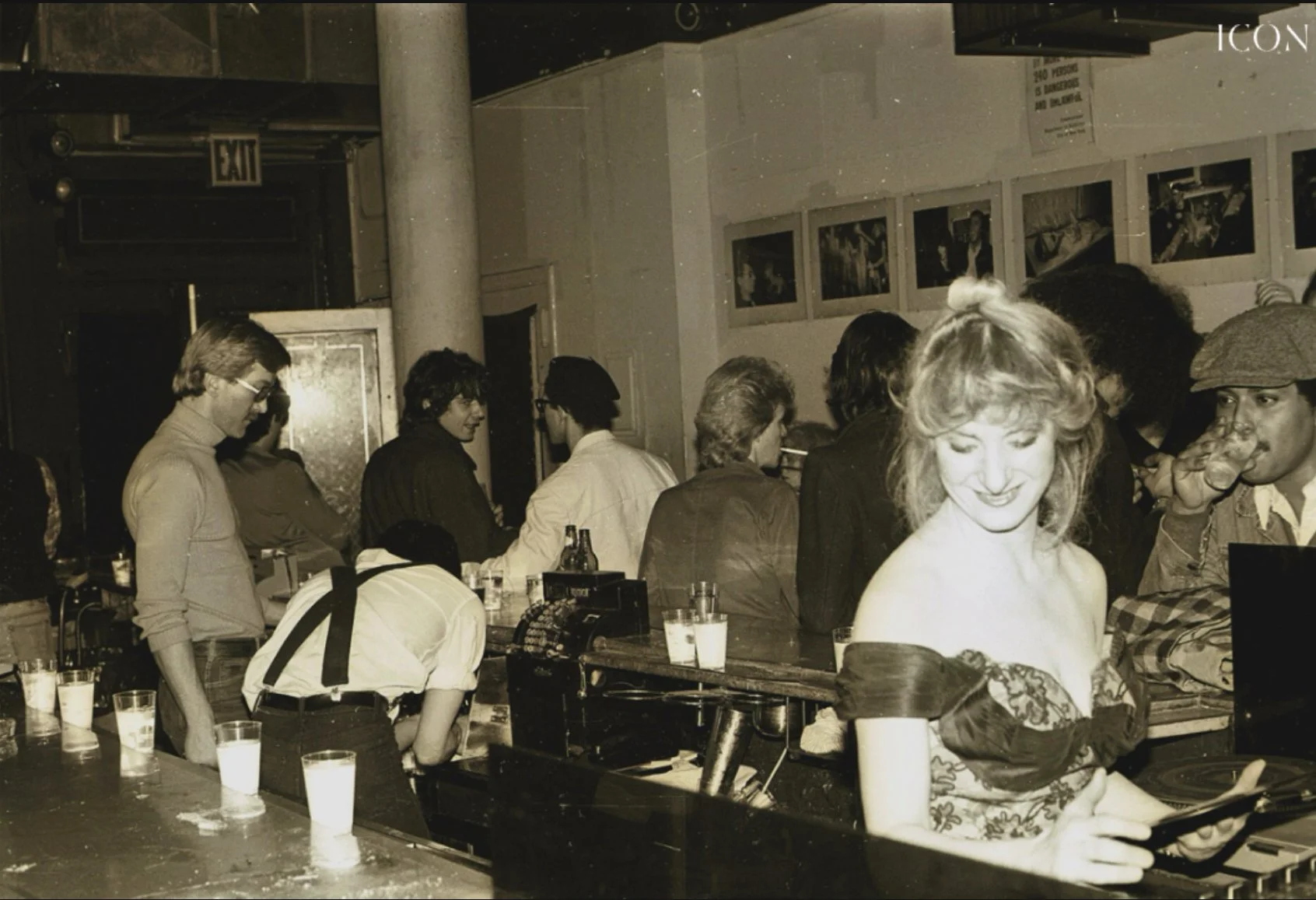
She was from Tampa, Florida, which she left at seventeen for New York, which was, in the late 1970s, simultaneously the most dangerous and the most creative city in the world. She arrived with no money and extraordinary confidence — the two, she has said repeatedly, being not unrelated — and proceeded to construct, through sheer force of personality and an eye for the possibilities of a room and a moment, a position at the center of a cultural world that was producing some of the most important art, music, and fashion of the late twentieth century.
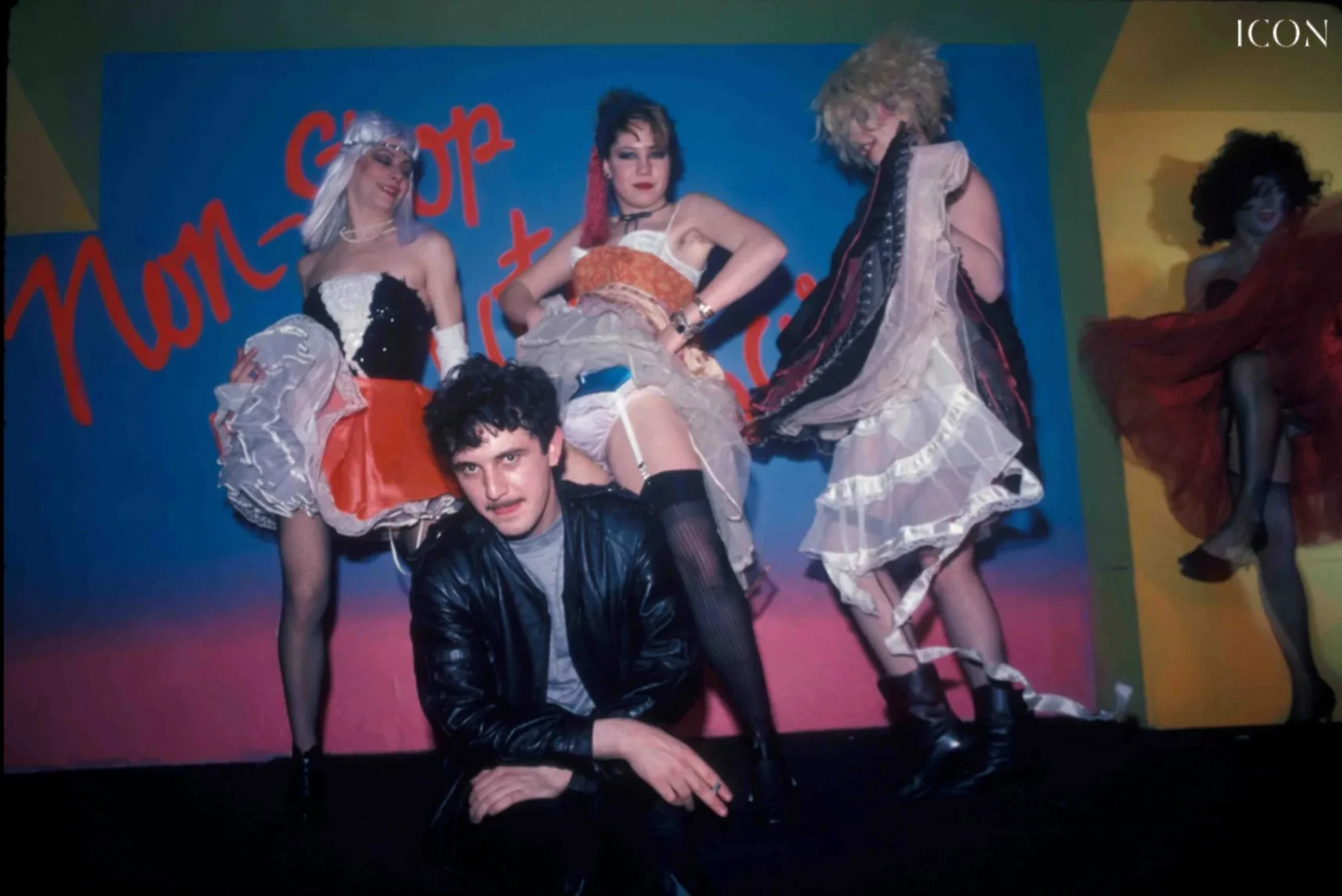
"I was never trying to be part of a scene," she says, in the airy Amsterdam house she shares with her son, surrounded by the accumulation of a life that has moved through New York, Paris, and Europe with the restlessness of someone who finds stasis a form of death. "I was trying to be alive. The scene happened to be where alive was. Later, in other places, alive was somewhere else. I followed it."
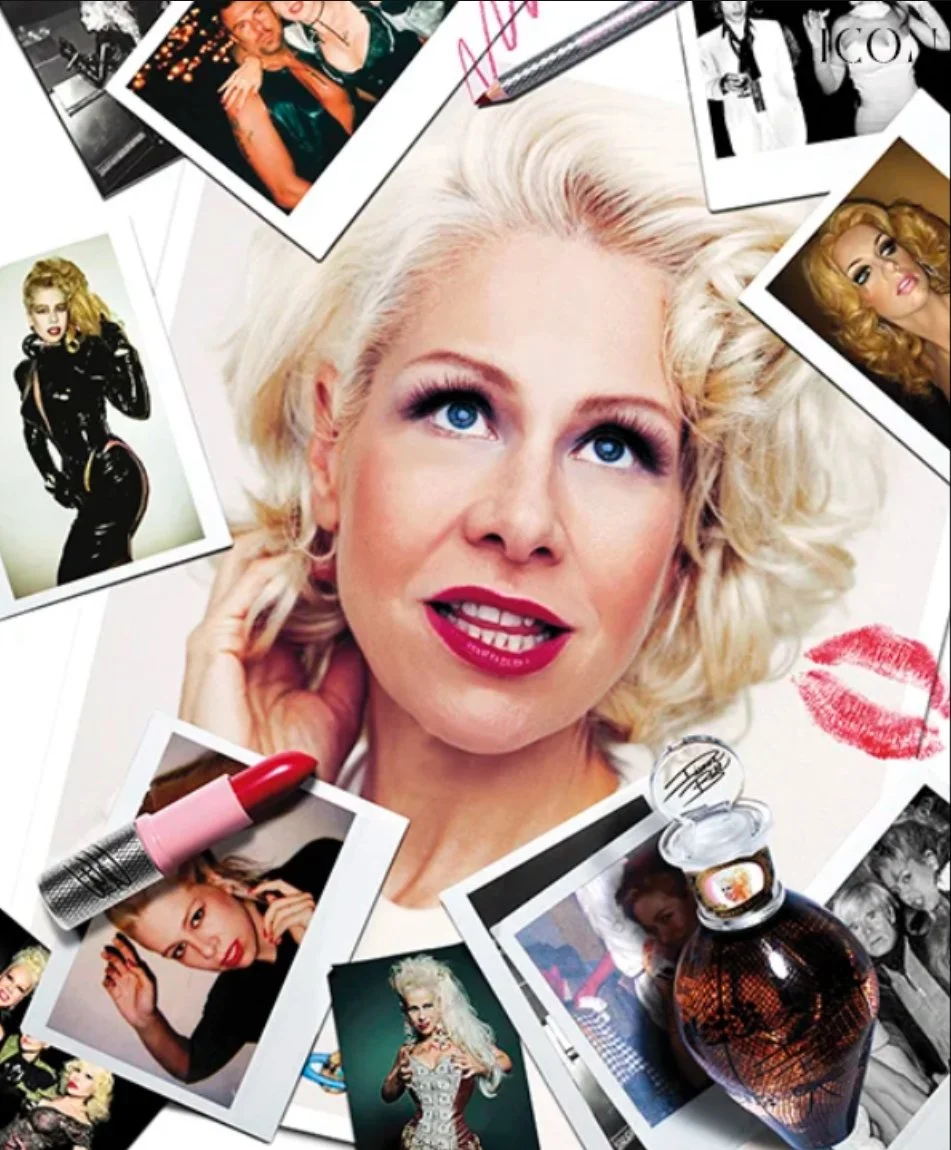
She designed a clothing line that was impossible to miss: constructed, large, theatrical in a way that the fashion industry simultaneously couldn't categorize and couldn't stop watching. She wrote a book — Boobs, Boys, and High Heels, or How to Get Dressed in Just Under Six Hours, published in 1995 — that is, in retrospect, one of the more interesting fashion documents of its decade: funny, explicit, opinionated, entirely lacking in the apologetics that female authors in the 1990s were still expected to perform. She moved to Europe. She had a son. She built a beauty brand. She lived, in short, multiple complete lives.
The beauty brand — Dianne Brill Cosmetics, with its focus on bold color and the explicit refusal of the idea that makeup should look natural — is currently in what she describes as "a renaissance." The red lipstick that launched the brand has been reformulated three times and has, in the current cultural moment, found an audience that Brill recognizes as familiar: women who have decided that visibility is not a problem to be managed but a quality to be inhabited.
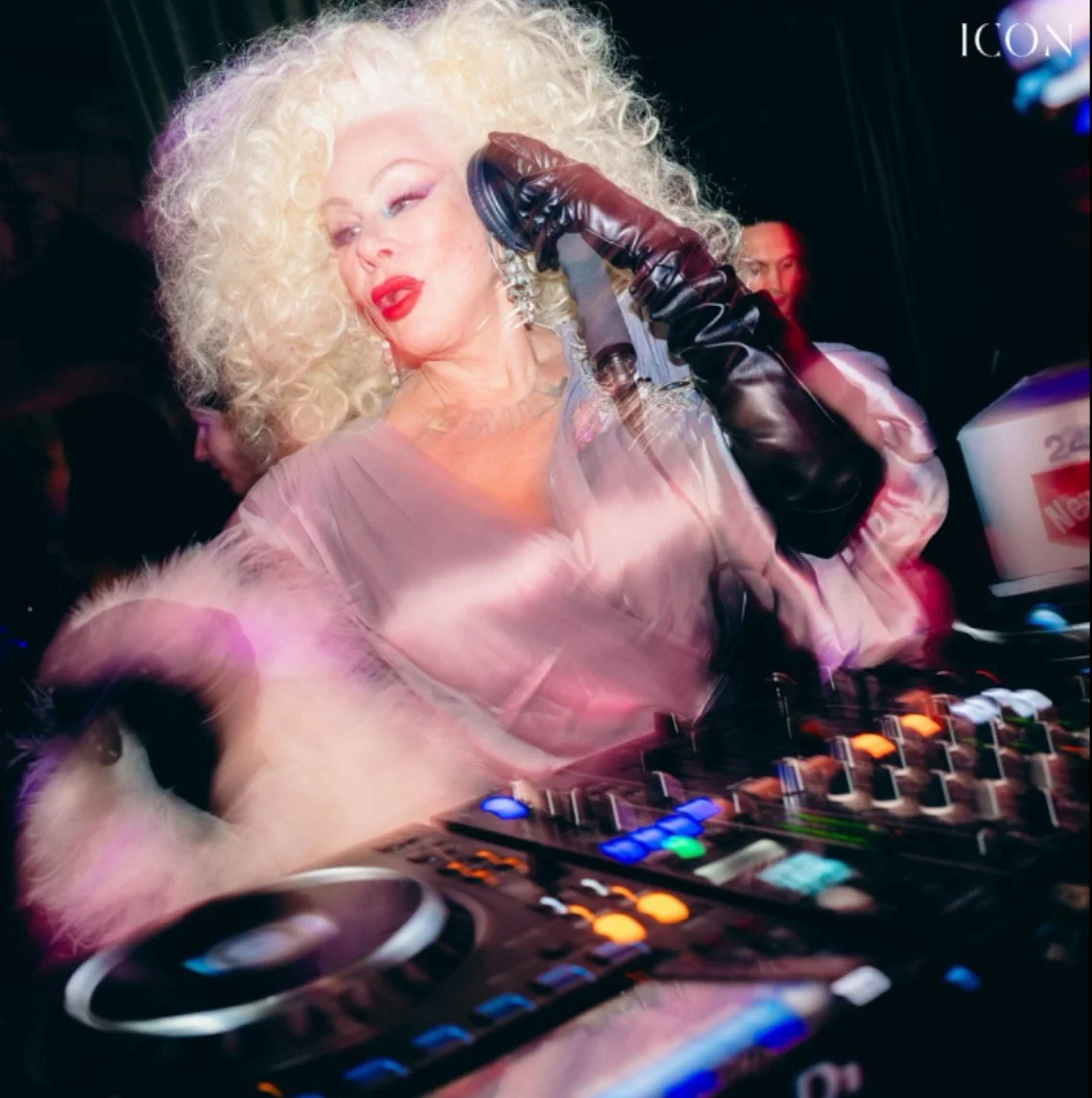
"There is a woman right now," she says, "who is forty-five, fifty, sixty, who watched the conversation about female visibility in the 1990s go entirely in the wrong direction — toward disappearance, toward smallness, toward the idea that the best you could do was take up as little space as possible. And she never believed it. She was always waiting for the moment when the world caught up. I think the world is catching up."
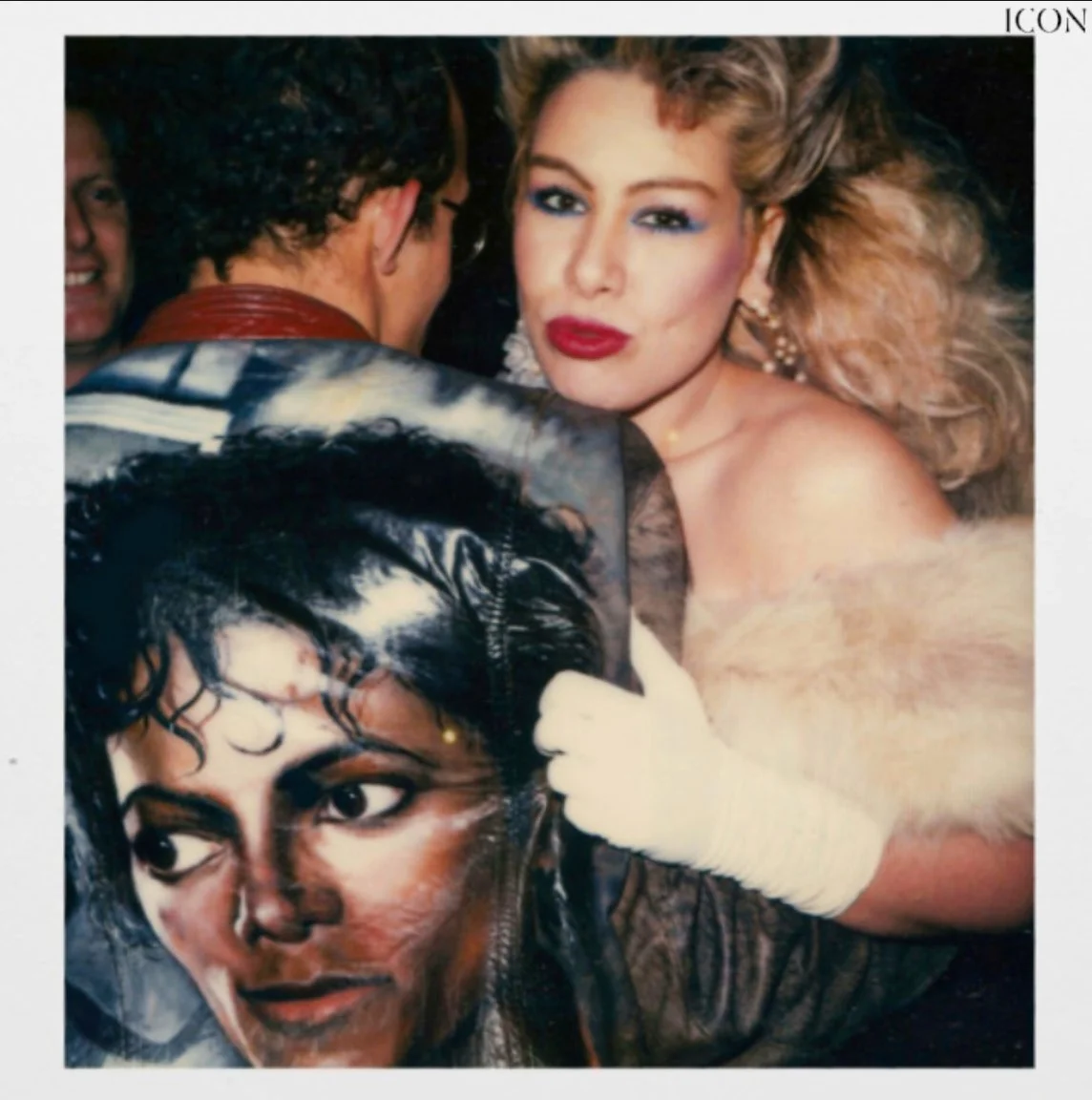
She says this without triumphalism — she has been making this point for forty years and is accustomed to being ahead of the consensus — and with a generosity of spirit that is, in the end, the quality that makes her most herself. The scene queen mythology obscures this, but the people who have known her across the decades are consistent: she is kind. She is interested in people. She finds delight — genuine, unperformed delight — in the energy of a room, in the unexpected encounter, in the possibility of the night.
We finished the interview in the garden, in May light, and she said — about nothing in particular, or about everything — "The party is always about to begin. That's the thing. Every time I walk into a room, it's the beginning. I have never once arrived late."
BY OONA CHANEL
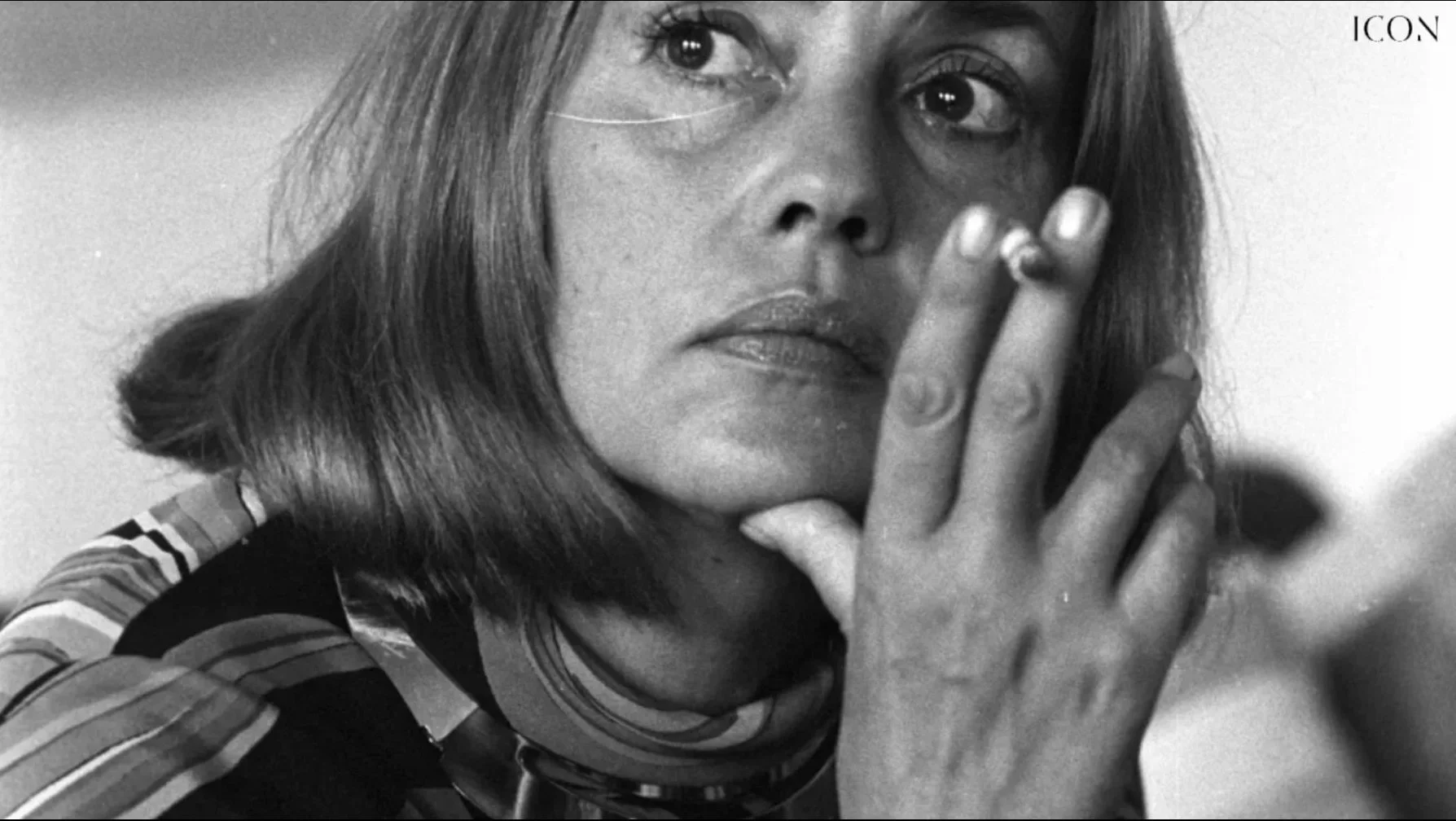
Jeanne Moreau, Remembered by the People Who Watched Her Work
She died in 2017. She is, in 2026, more present in the culture than at any point since her peak. A reassessment — and a portrait drawn from the people who knew her work most intimately.
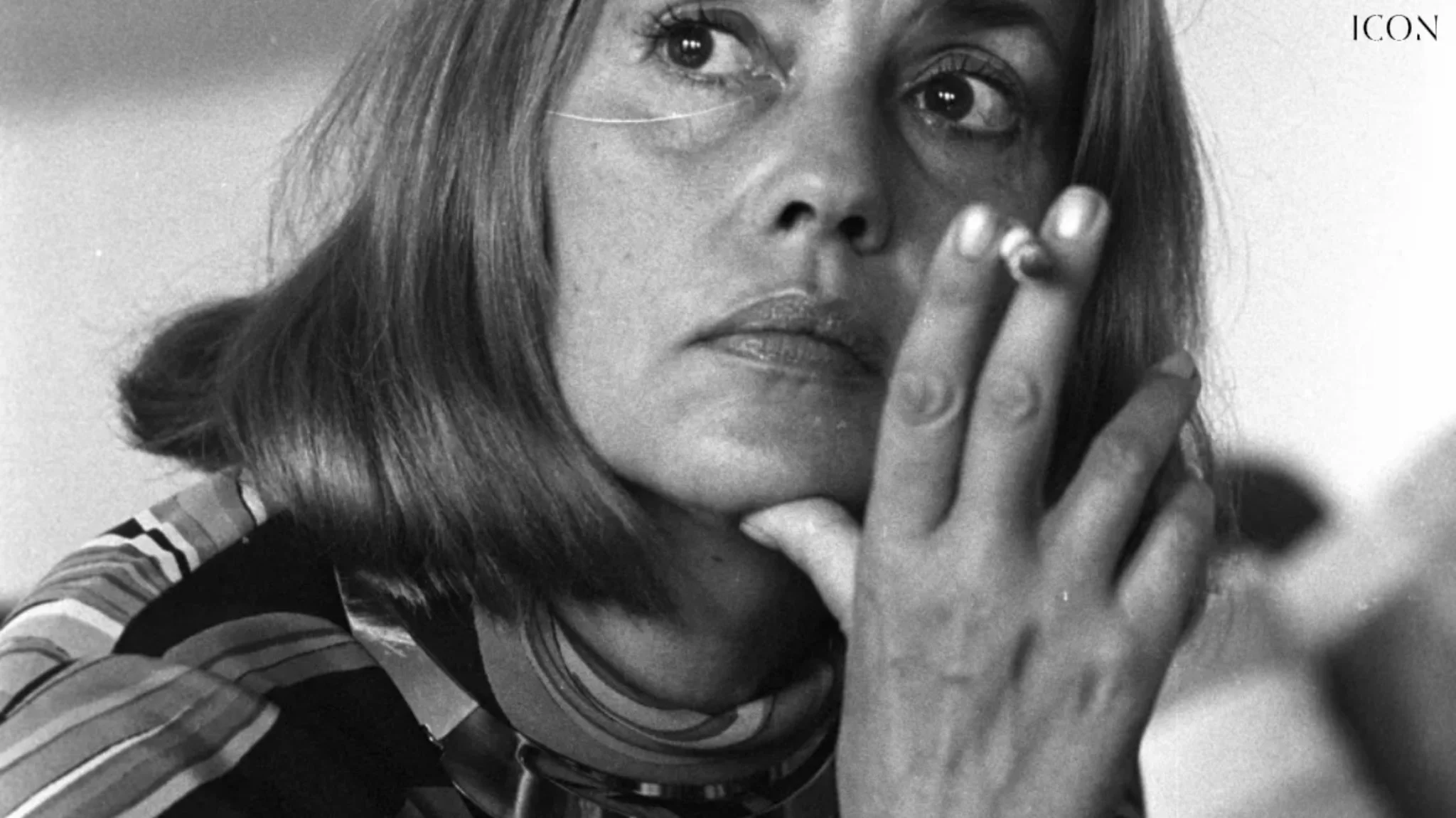
Jeanne Moreau
“I need a light that has given up trying to be beautiful. Truffaut used those exact words in his notes. I thought about that for thirty years.”
She never repeated herself. This is the first thing that everyone says who worked with her: the directors, the cinematographers, the editors who spent months in cutting rooms with her face. She was never, from one take to the next, doing the same thing. Not because she was unpredictable or undisciplined — she was meticulous, technically — but because she believed, as a fundamental principle, that a character is not a fixed thing and that the camera's task is to catch the moment of its becoming, not the static fact of its existence.
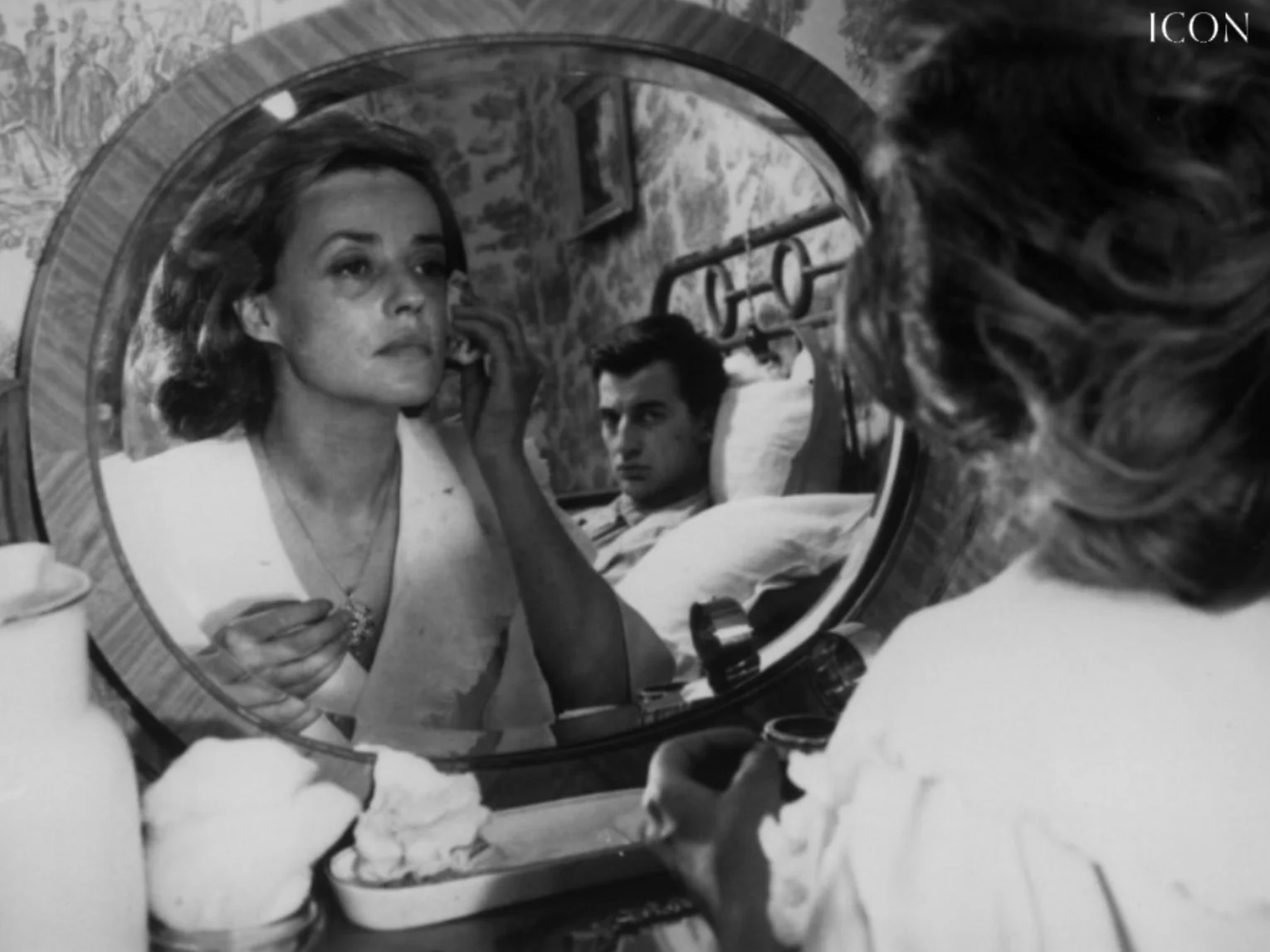
Jules et Jim era imagery (Truffaut)
Jeanne Moreau died on July 31, 2017, in Paris, at the age of eighty-nine. She had been working until very close to the end. She had been, for sixty-five years, the most important actress in French cinema — and by reasonable extension, one of the most important actresses in the history of cinema, full stop. The assessment is not controversial among people who have looked carefully at the work. The assessment is simply, somehow, not as widely held as it should be.
This is changing. A convergence of forces — the Cinémathèque Française retrospective that opened in Paris last autumn and transferred to London and New York; the arrival of streaming access to the complete filmography; and a generational rediscovery by critics and cinephiles who came to her through Malle or Truffaut and went further and kept finding things — has produced, in 2026, a Moreau moment. The kind of posthumous recognition that should have been current all along but arrived, as these things often do, late and all at once.
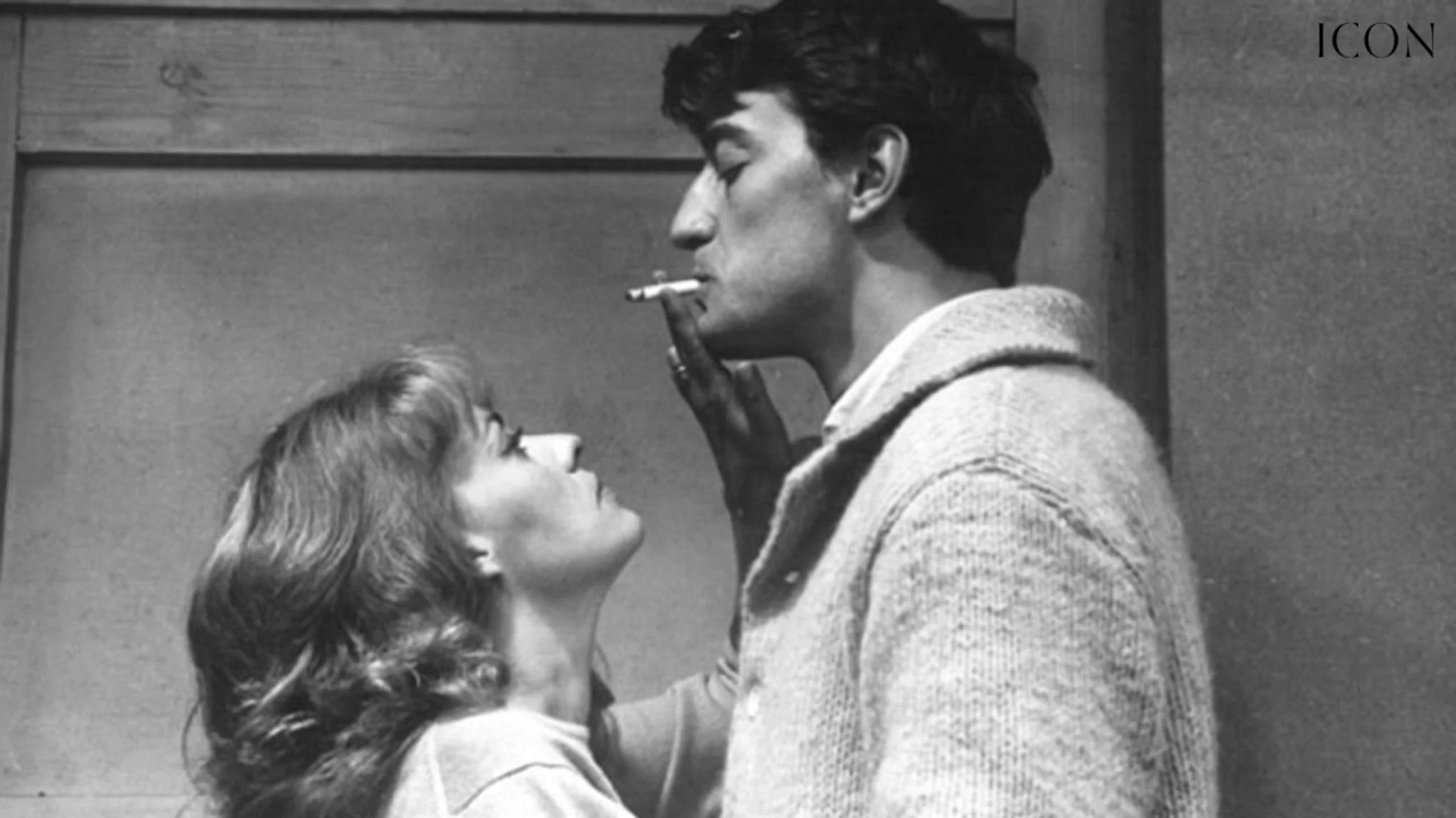
Jules et Jim era imagery (Truffaut)
We spoke with four people who knew her work from the inside: Bertrand Tavernier, the director, who worked with her in the 1970s and has given us access to his notes from that period; Agnès Troublé, the fashion designer known as agnès b., who designed costumes for several of her later films and remained a close friend; a critic at Cahiers du Cinéma who has spent three years writing the definitive critical reassessment of her work; and a cinematographer, now in his eighties, who shot two films with her in the 1960s and speaks about working with her with the reverence of someone describing an unrepeatable natural phenomenon.
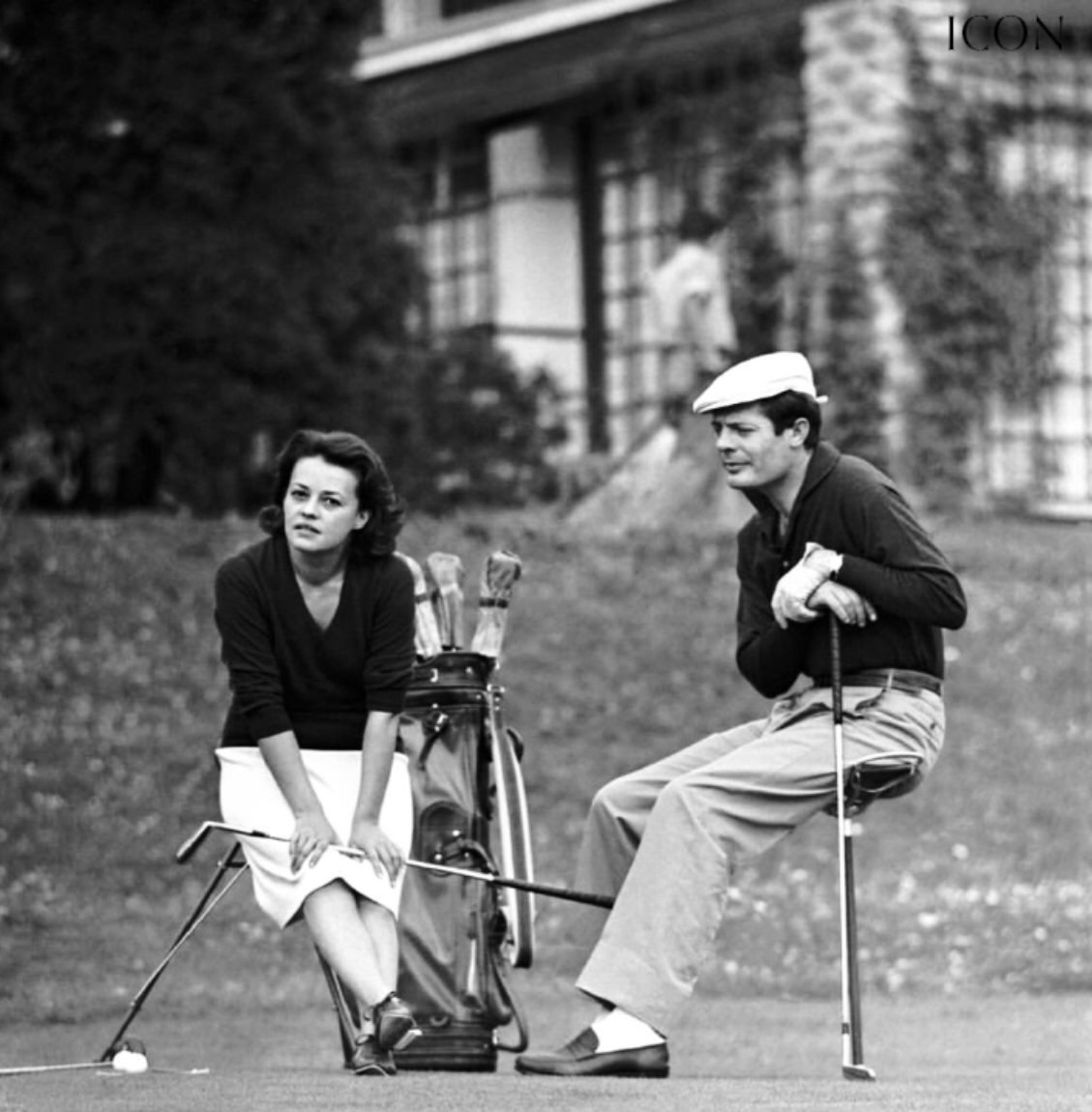
Antonioni-era stills (La Notte)
The cinematographer: "She understood light the way a painter does. Not technically — she was not interested in the technical. But emotionally. She knew what kind of light she needed to be able to feel what the character was feeling. On Jules et Jim, when Truffaut was shooting her running along the bridge — the most famous shot in the film — she asked him for a particular quality of afternoon light, very flat, very honest. She said: 'I need a light that has given up trying to be beautiful.' Truffaut used those exact words in his notes. The light that has given up trying to be beautiful. I thought about that for thirty years."
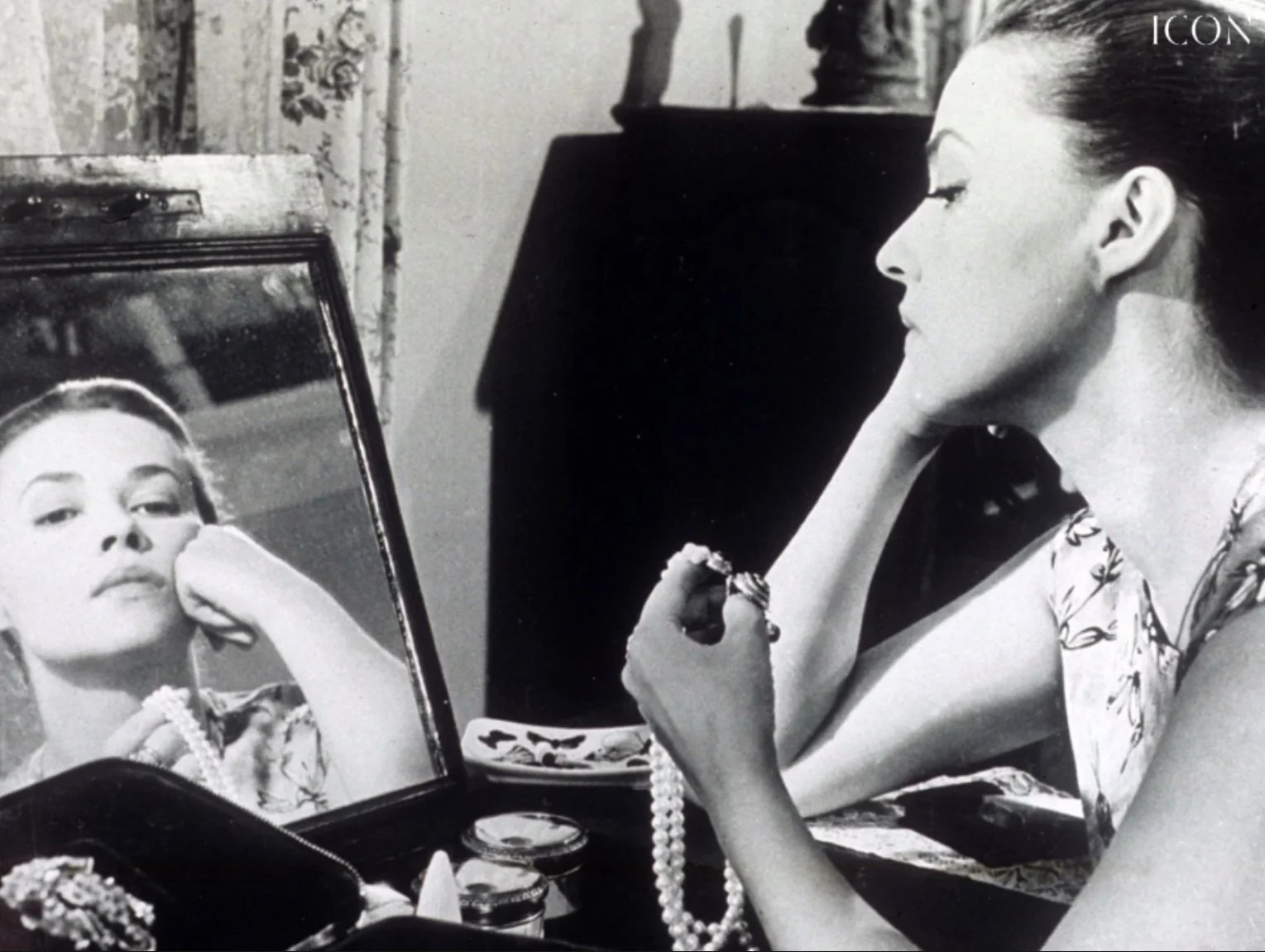
Antonioni-era stills (La Notte)
Agnès Troublé, on designing for her: "She wore clothes as if she had found them. Not in the careless sense — she was extremely specific about what she wore, extremely engaged in the conversations about the costumes. But the result was always of total appropriation. The clothes became her clothes. The character's clothes. The distinction between Jeanne Moreau and the woman she was playing was always, when she was working, almost entirely invisible."
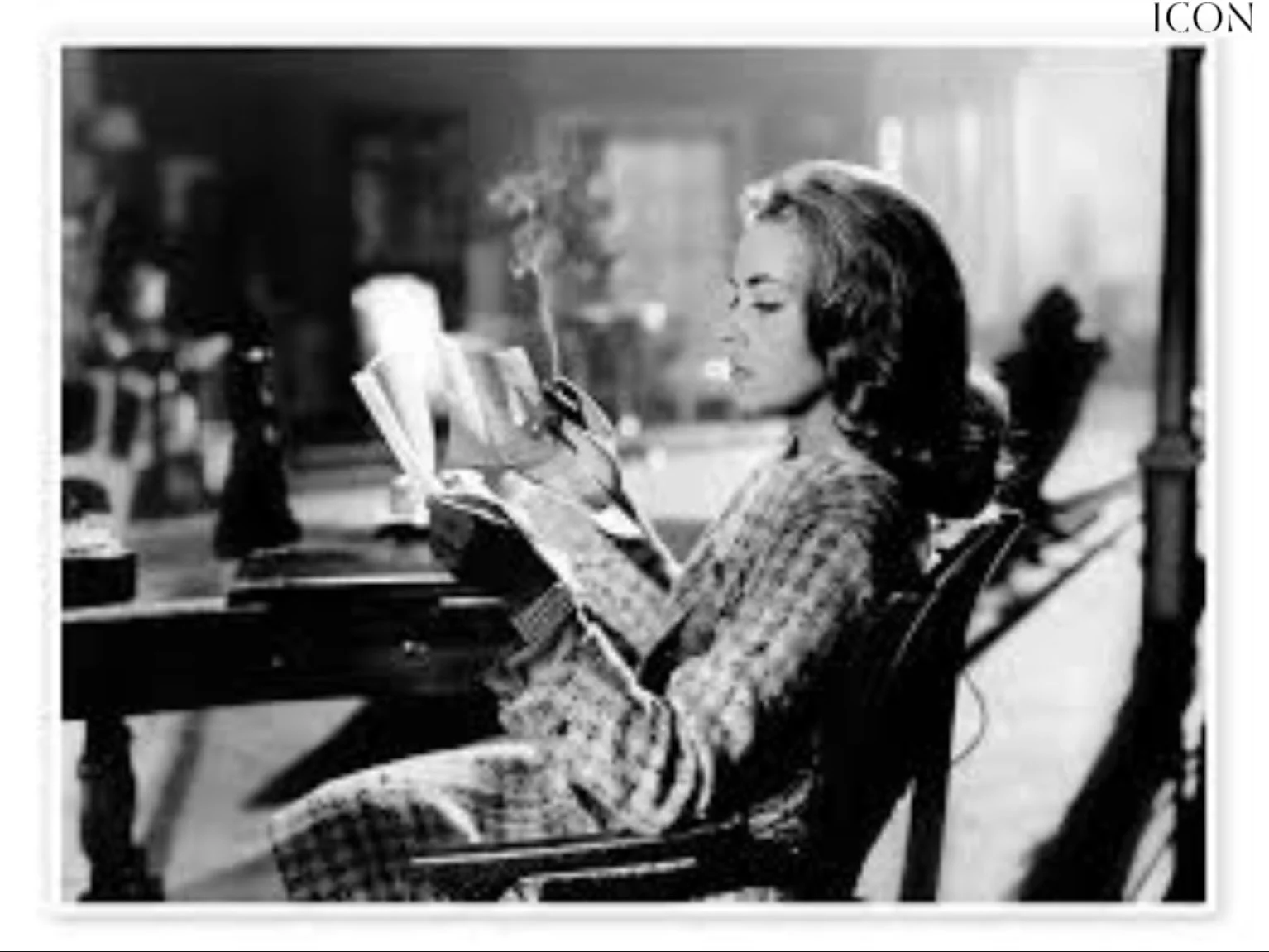
The Cahiers critic, who spent three years on the reassessment: "What is missed, in the conventional account of her, is the comedy. She is remembered for the existential films — Jules et Jim, The Fire Within, La Notte with Antonioni. But she was extraordinarily funny. The comedy operates through the same intelligence as everything else she did: the exact observation of how people behave when they believe no one is watching, translated through a body and a face that could tell the truth and the lie simultaneously. It is the rarest thing in acting. She made it look like breathing."
And Tavernier, from his notes, written the day after one of their last conversations, three years before her death: "She said that she was not afraid of the end, because she had already been in so many ends — in the sense that every film is the end of a life, the life of the character, and she had inhabited so many deaths. She said: 'I have already been many people when they stopped. I know what it is.'"
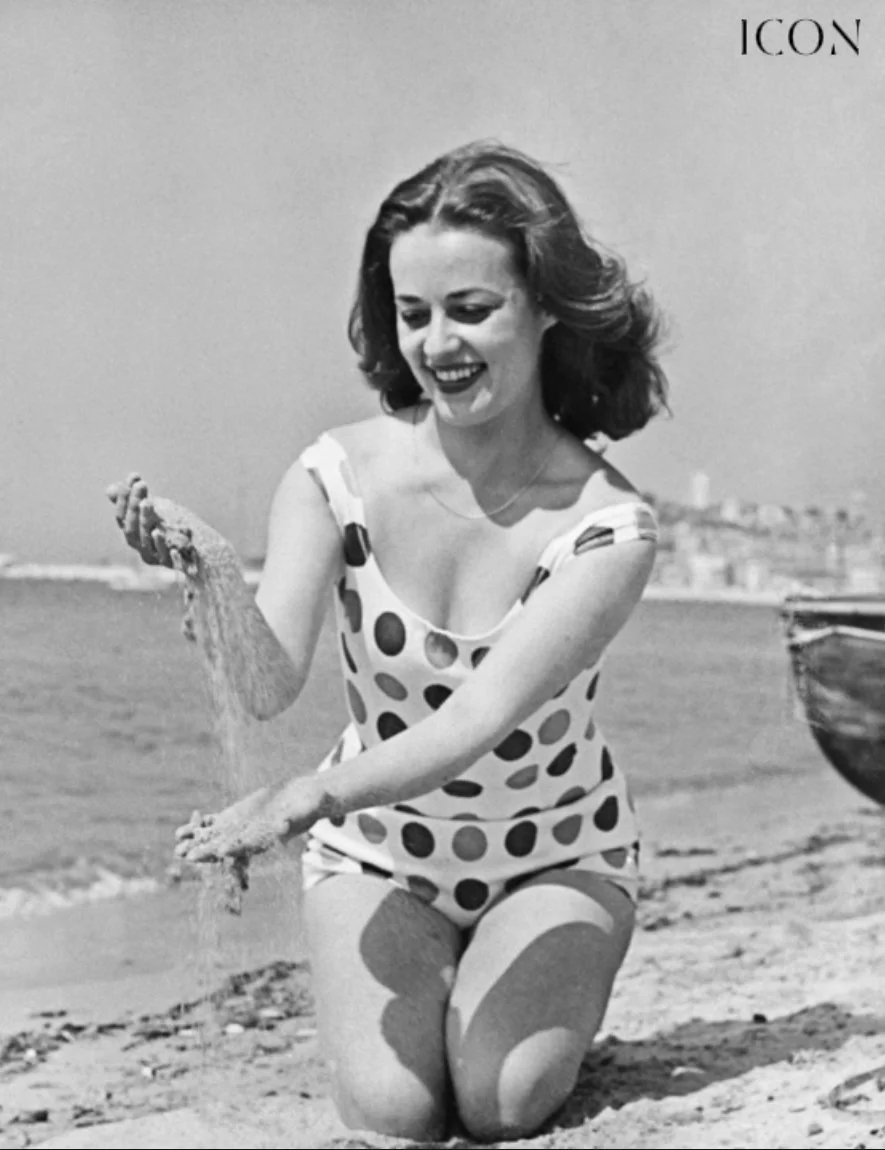
What the reassessment confirms, if confirmation were needed, is that the best actors — the ones at Moreau's level — are not performing. They are discovering. Each take is an act of genuine inquiry: not the execution of a pre-formed conception but the investigation of a question about how a human being behaves in extremity. The answer, for Moreau, was always more complex, more contradictory, and more true than anyone expected.
She is more present now than she was five years ago. She will be more present in ten years than now. The work does not diminish. It accumulates authority. This is what happens to the work of people who were always telling the truth.
BY OONA CHANEL
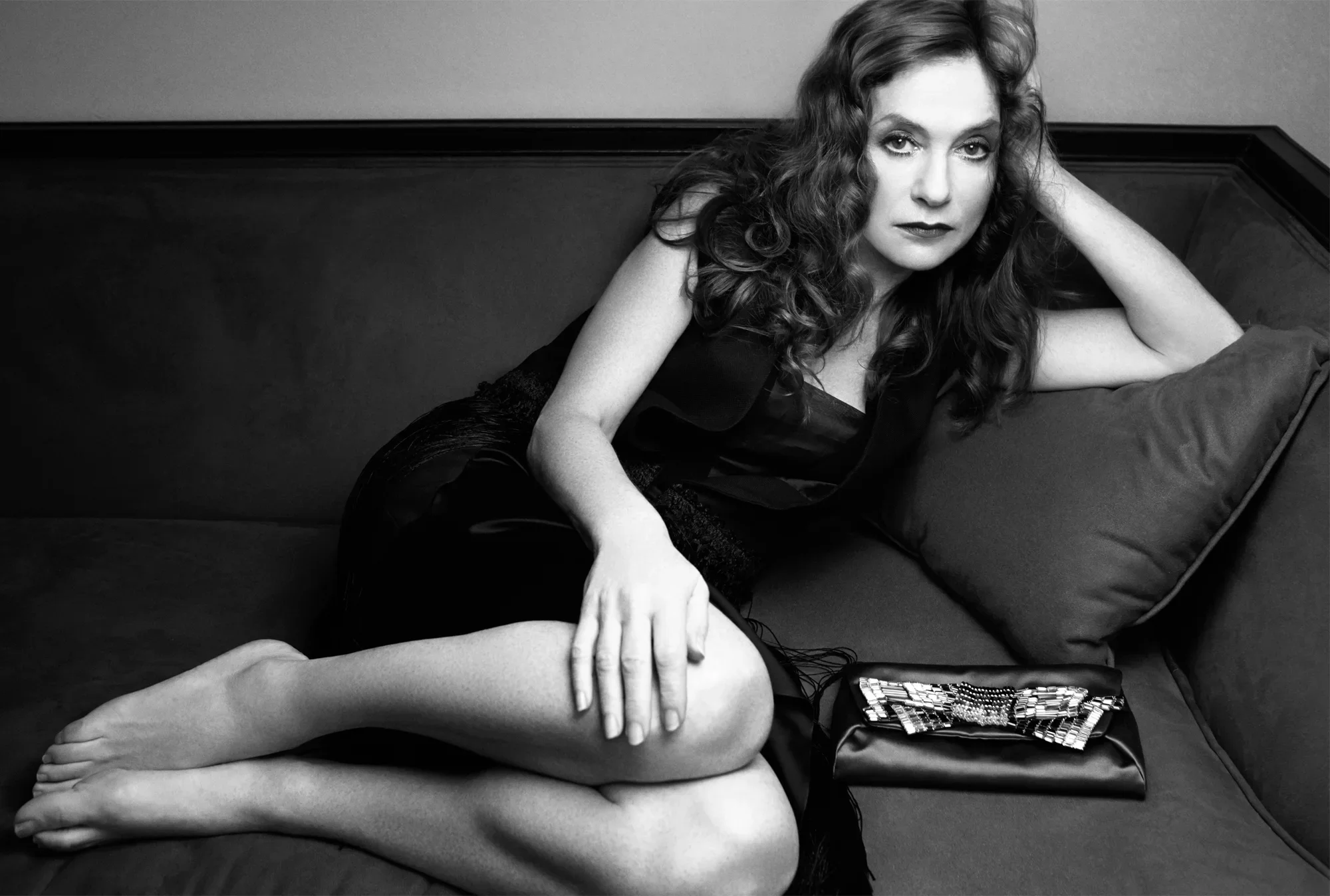
Isabelle Huppert: The Last Dangerous Woman in Cinema
She has played a murderer, a masochist, a fraud, a ghost, and a piano teacher. She has never played it safe. At 73, she has no intention of starting.
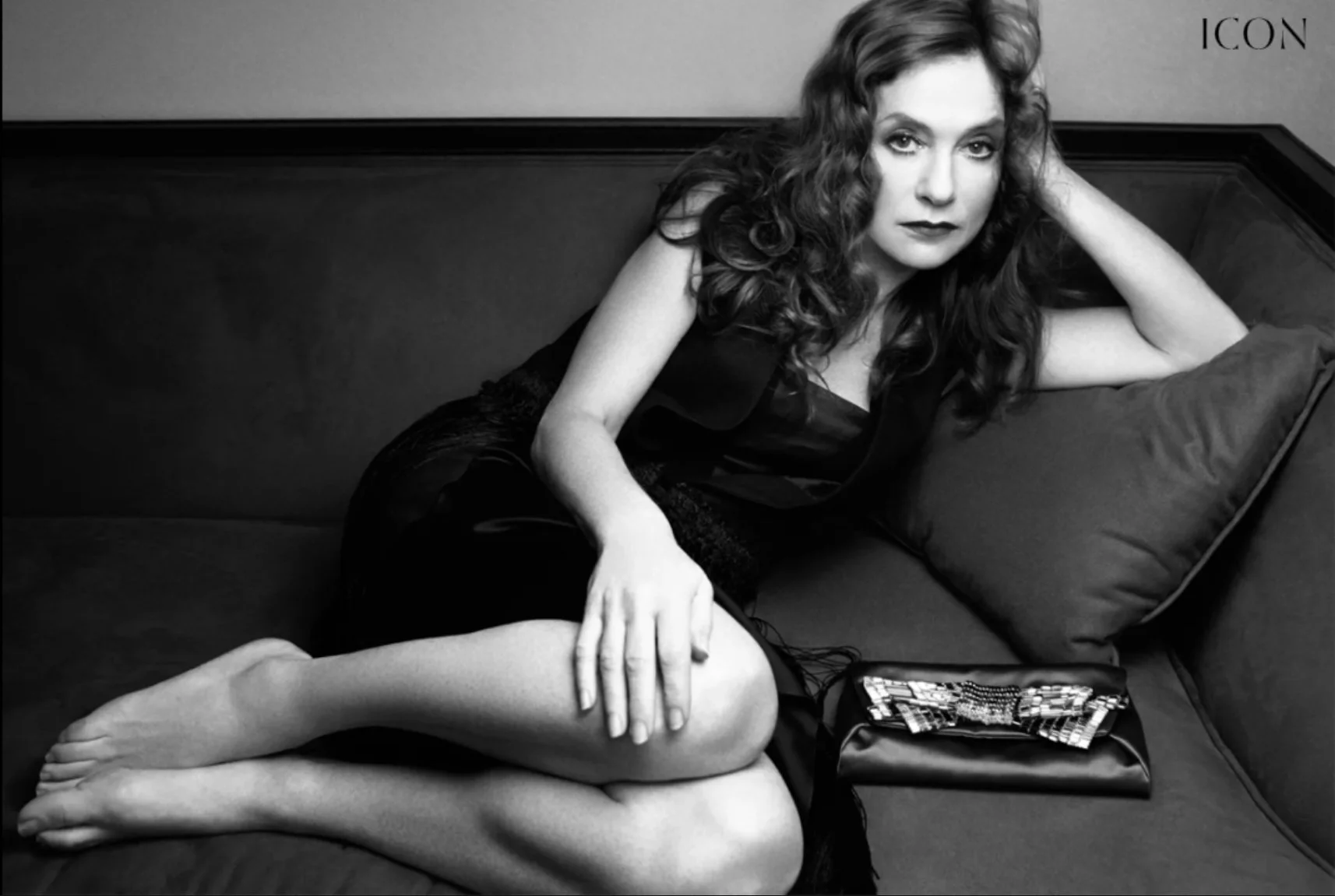
“I don't decide who the character is before I play her. I discover who she is while I'm playing her. This means I am always, to some degree, surprised.”
The first question I ask Isabelle Huppert is not the first question I planned to ask. The one I planned was about the new film — a Pierre Salvadori thriller in which she plays a woman whose life has been built on a set of elaborately sustained lies, and whose face, throughout the film, gives nothing of this away. But walking into the room where she is waiting, in a Paris hotel she chose because it has a garden, I find her already in conversation — with herself, it seems, or with the middle distance — and the first question that arrives is the only honest one: what are you thinking about?
She looks at me with the expression that has, for fifty years, made directors, audiences, and interviewers simultaneously grateful and uncomfortable. It is the expression of someone for whom the interior is never separate from the exterior, but who controls the translation between them with absolute precision.
"I was thinking," she says, "about whether patience is a virtue or a strategy."
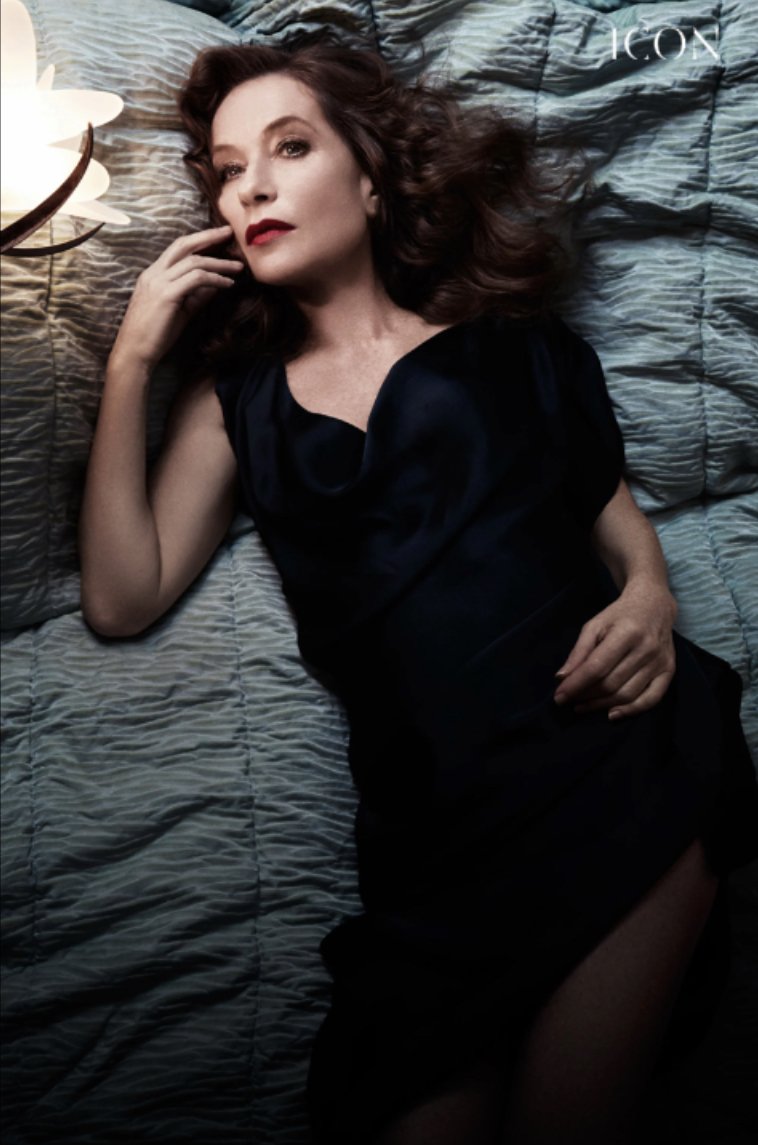
This is vintage Huppert. The statement that is also a question. The apparent disclosure that is also a deflection. The beginning of a conversation that she has already decided will go somewhere the other person did not plan for.
Isabelle Huppert is, by most serious accounts, the greatest living film actress in the world. The arguments in favor of this position are straightforward and extensive: a career spanning more than fifty years, during which she has worked with Chabrol, Haneke, Verhoeven, Mia Hansen-Løve, and every other director worth naming in European cinema; a range that encompasses terror, comedy, predation, victimhood, desire, and the specific quality of a person who contains all of these things simultaneously; two César Awards, two Cannes Best Actress prizes, a Golden Globe, and an Academy Award nomination for Elle that produced, in the Hollywood press, a confusion bordering on panic because the film required them to engage with a character whose motivations did not resolve into the categories they expected.
She has never played a character whose motivations resolve into the categories you expect. This is the point.
"There are actors who interpret their characters," she says. "They read the script, they decide who this person is, they execute that decision. I don't work that way. I don't decide who the character is before I play her. I discover who she is while I'm playing her. This means I am always, to some degree, surprised."
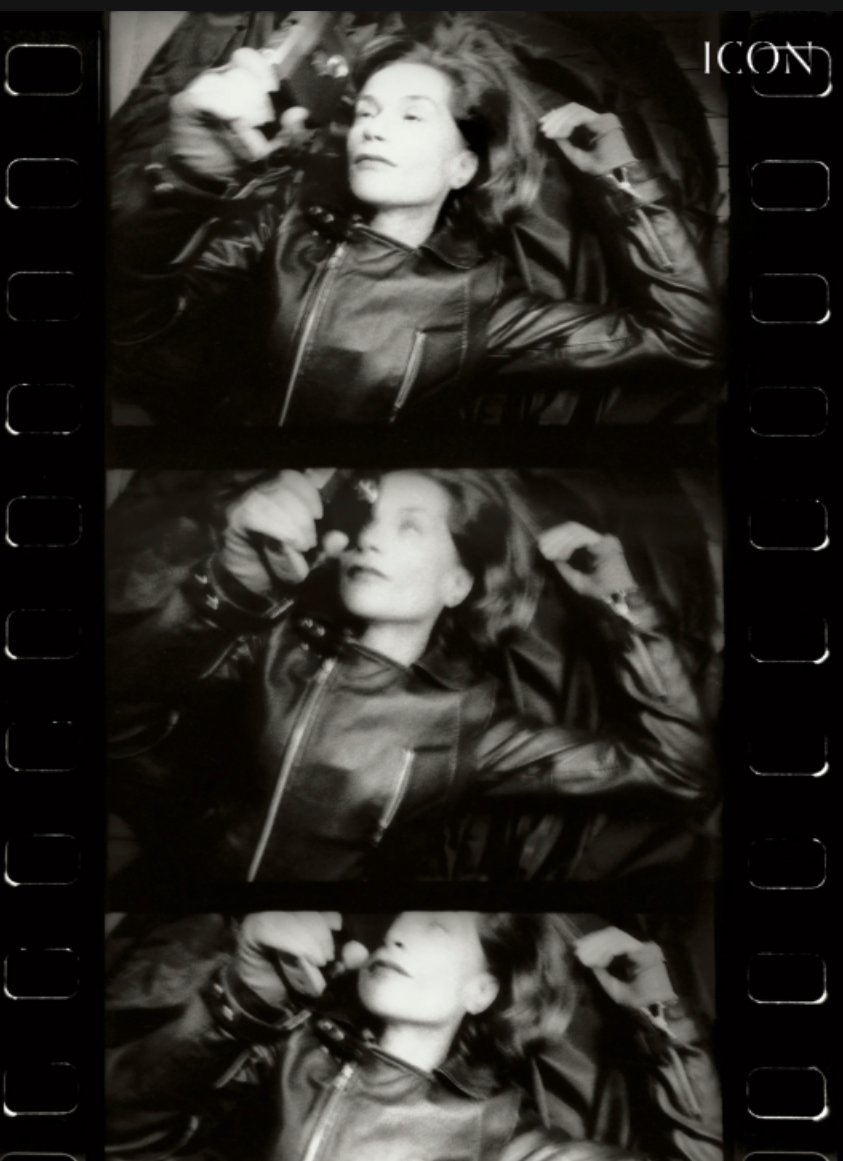
The implication — that the character herself does not know what she will do next — is, for anyone who has watched Huppert work, entirely credible. It is the source of her particular quality of danger: the sense, in every scene, that the situation could still go anywhere. In a medium where most performances are, in retrospect, precisely what they were always going to be, Huppert's work retains, even upon repeated viewing, the quality of contingency.
We spoke about Michael Haneke, with whom she made The Piano Teacher in 2001 — the film that required of her one of the most extreme performances in cinema history, and which she discusses with a cheerful matter-of-factness that is either the product of genuine comfort with extreme material or the most sophisticated form of self-protection available. Possibly both.
"Michael is the person who has trusted me most completely," she says. "He asked me to do things that required absolute trust — not in him, but in myself. The scene in the bathroom. The scene at the concert. The ending. None of those things were manageable with conventional technique. You have to go past technique. You have to find the thing that is true before the craft is applied."
At seventy-three, she is more employed than she has been at any point in her career. The past three years have produced six films. She is in preproduction on two more. She does theater, consistently and without the hierarchy that separates film actors from stage: she has played Phedre, Medea, and the works of Marguerite Duras, in which she has found something she describes as "a kind of permanent autobiography — not my autobiography, but the autobiography of the interior, which is the same for everyone."
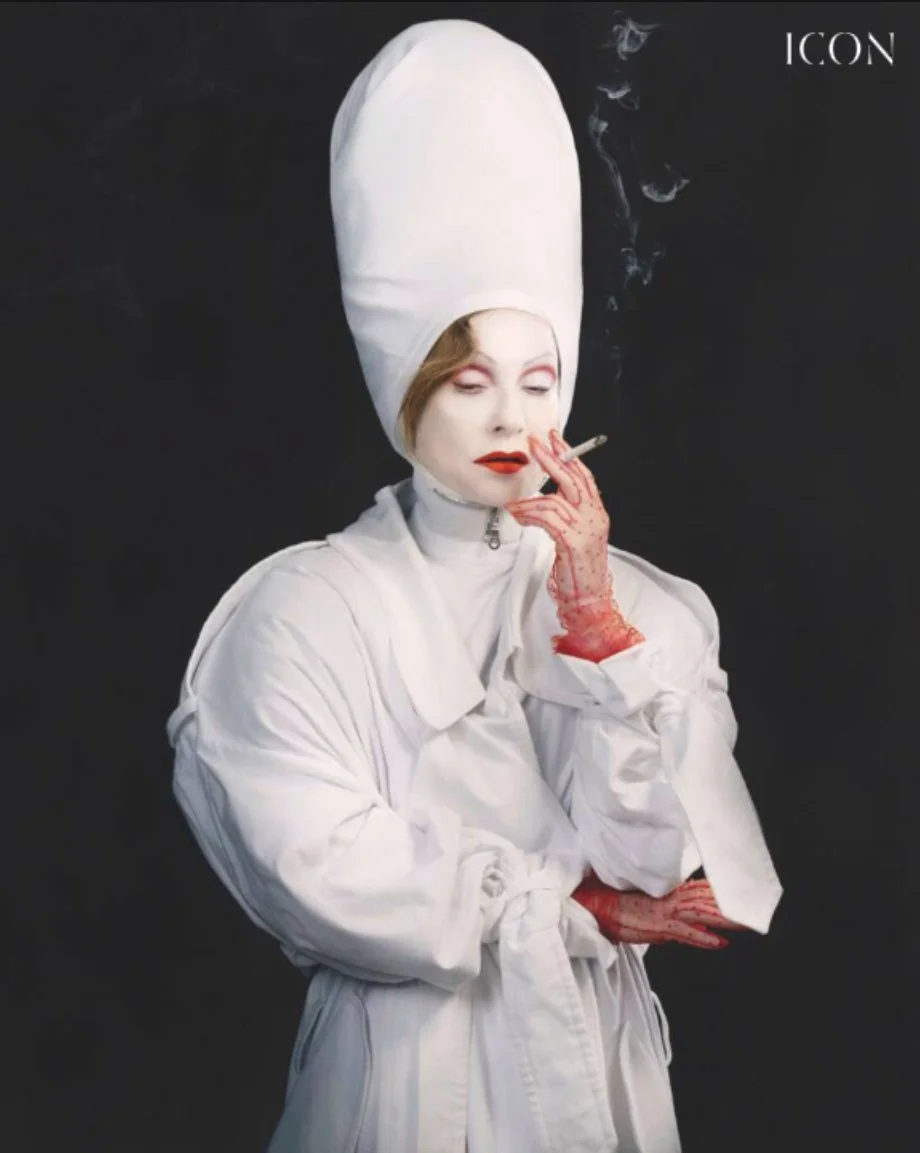
She drinks her tea. Looks at the garden. Returns to the question she answered instead of mine.
"I have decided," she says, "that it is both. Patience is a virtue when you do not know what you are waiting for. It is a strategy when you do."
She stands to leave. The interview is over before I had planned for it to be over. This, too, is vintage Huppert: the exit before the exit was expected, the departure that arrives precisely at the moment the conversation was most interesting.
She pauses at the door. "The film opens in May," she says. "I think you'll find it uncomfortable."
She says this the way she says everything: as a compliment.
by Oona chanel
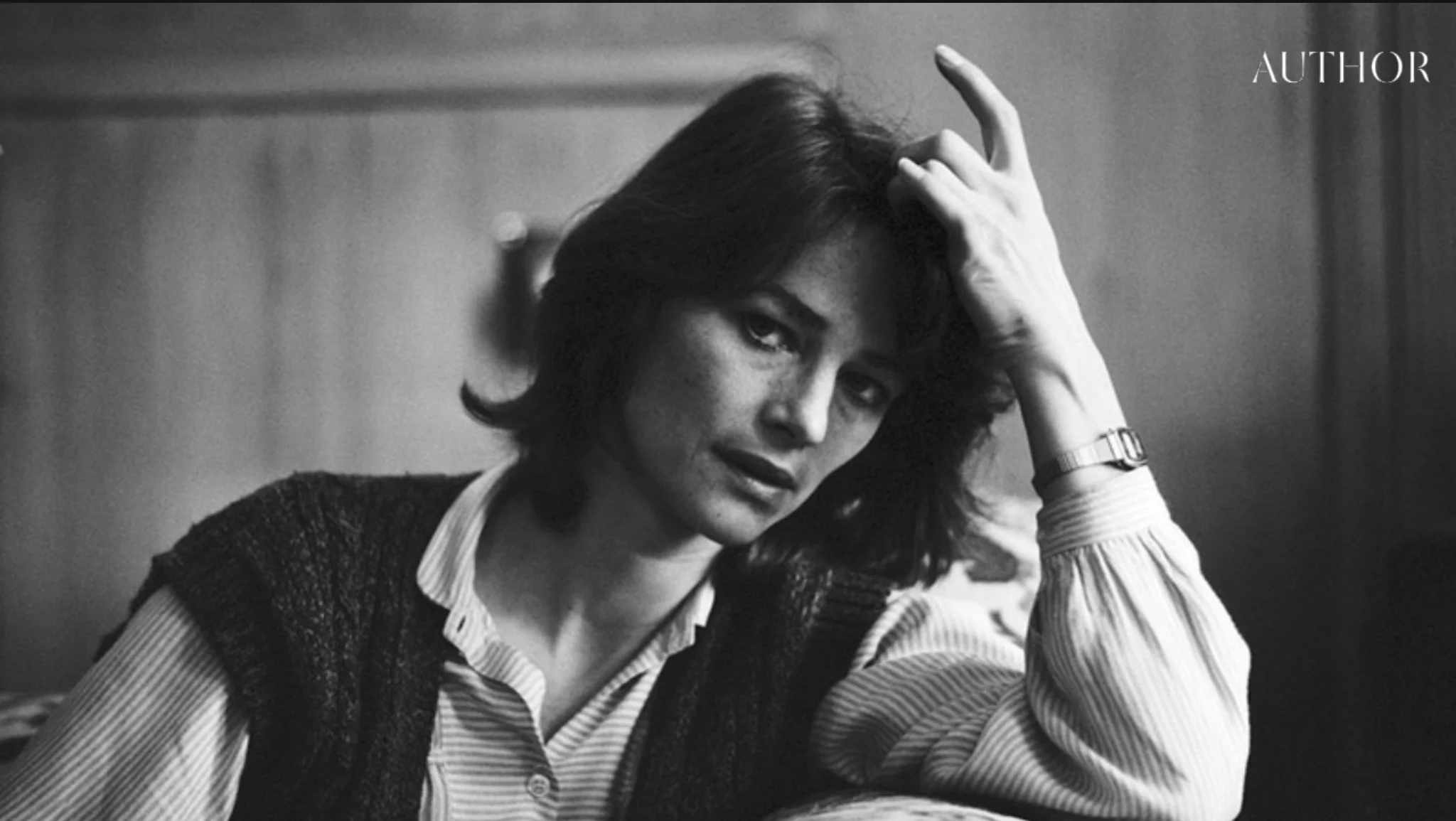
Charlotte Rampling: The Woman Who Refused to Be Decoded
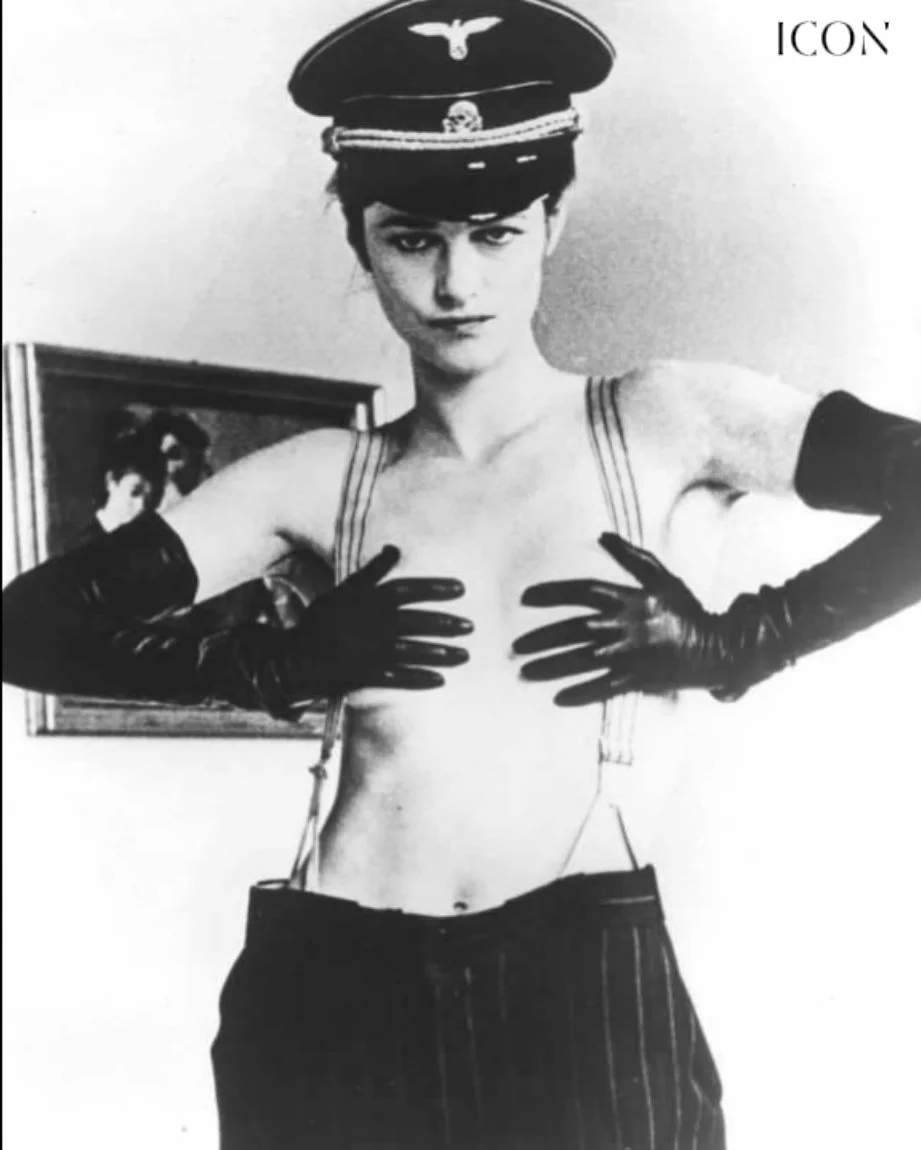
Eighty years alive. Six decades in front of a camera. And still, fundamentally, unknowable.
“Old is not a tragedy. It is a clarification.Everything that was noise falls away. What is left is you. Some people find that terrifying. I find it a great relief.”
There is a particular quality to being in a room with Charlotte Rampling that is difficult to describe without sounding unhinged. It is not intimidation, exactly, though that ispart of it. It is more that she seems to occupy a different relationship to time than the people around her—as if she has already considered this moment, found it interesting, and decided to stay. She is, in person, warmer than her screen presence suggests. She laughs more readily. She listens with the focused attention of someone who finds the world genuinely curious, rather than merely tolerable.
We met in Paris on an afternoon in late March. She had been shooting—she is always shooting, at eighty, because the work arrives now with a velocity that would exhaust most people half her age—and she arrived at the café on the Île Saint-Louis wearing almost nothing decorative: dark trousers, a plain jacket, sunglasses she removed before she sat. Noperformance of arrival. She simply arrived.
The career is, by any measure, one of the strangest in cinema history. It begins in earnest with Luchino Visconti’s The Damned in 1969—a film so dense with moral darkness that it still disturbs, half a century later—and proceeds through a sequence of work so determinedly uncommercial that it functions less like a career than a sustained argument. The Night Porter. Stardust Memories. Under the Sand. Heading South. 45 Years. Each film chosen not for visibility but for the quality of the problem it poses: to her, to the audience, to the idea of what a woman in film is supposed to be.
She never played the game as it was understood. She never gave the interview that reduced her. She never allowed the image—and she has always had one of the most potent images in European culture—to become a cage.
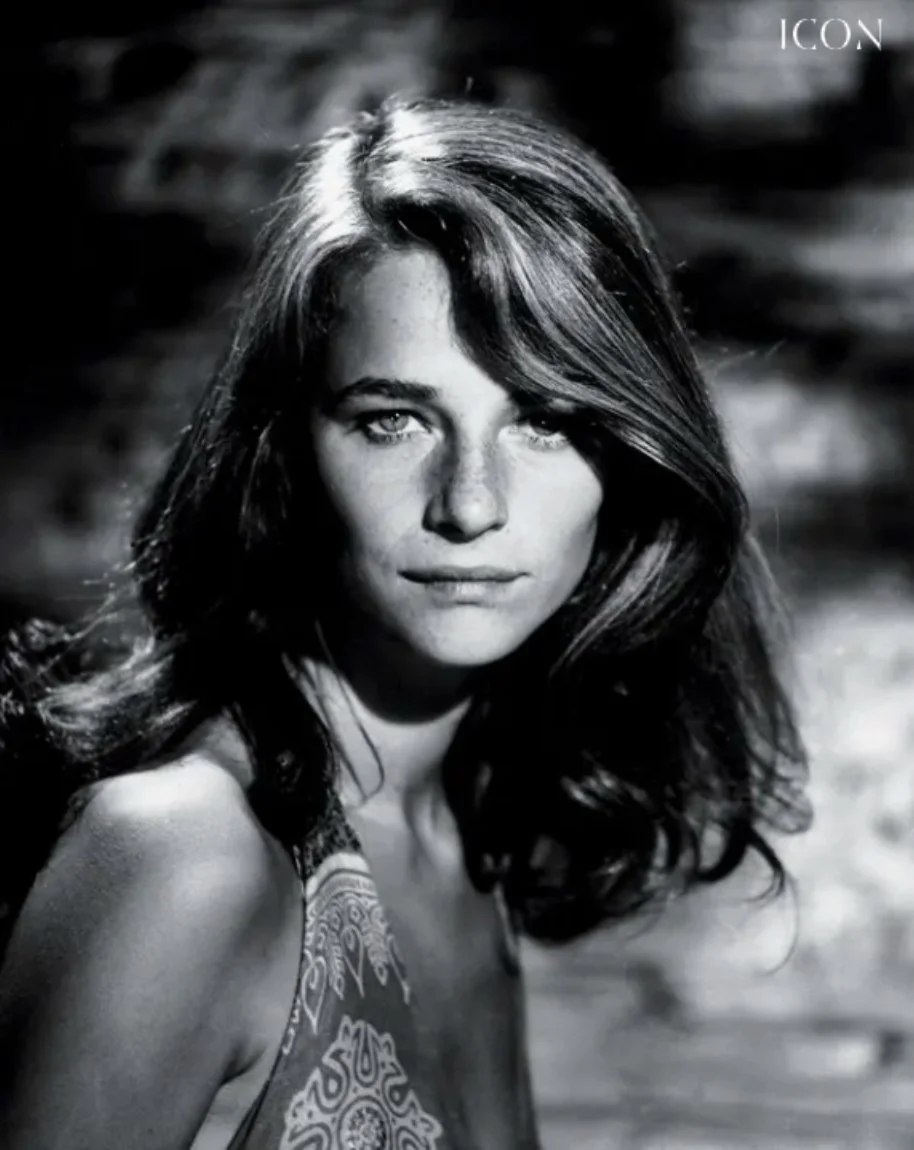
“I have been given so many categories,
she says, when I ask about this..” The enigmatic one. The dangerous one. The cold one. People need a category because without one they don’t know how to feel safe.” She pauses, drinks her tea. “I have always found the categories more interesting than the person they describe. They say so much about the person doing the categorising.”
This is Rampling’ss essential mode: the return of the question. She is not evasive—she answers everything, and answers it directly—but she has a quality of reflection that transforms the question into something more interesting than the answer would be alone.She is, in this sense, a profoundly Socratic presence. The conversation does not proceed toward a conclusion. It proceeds toward a better question.
We spoke for two hours about the nature of erotic power in cinema, about loneliness as a precondition for creativity, about the deaths she has survived—her sister, her husband, her great love Jean-Michel Jarre, from whom she separated in 2012—and about what it means to be old in a culture that has no useful language for it. On that last subject she is characteristically direct.“Old is not a tragedy. It is a clarification. Everything that was noise falls away. What is left is you. Some people find that terrifying. I find it a great relief.”
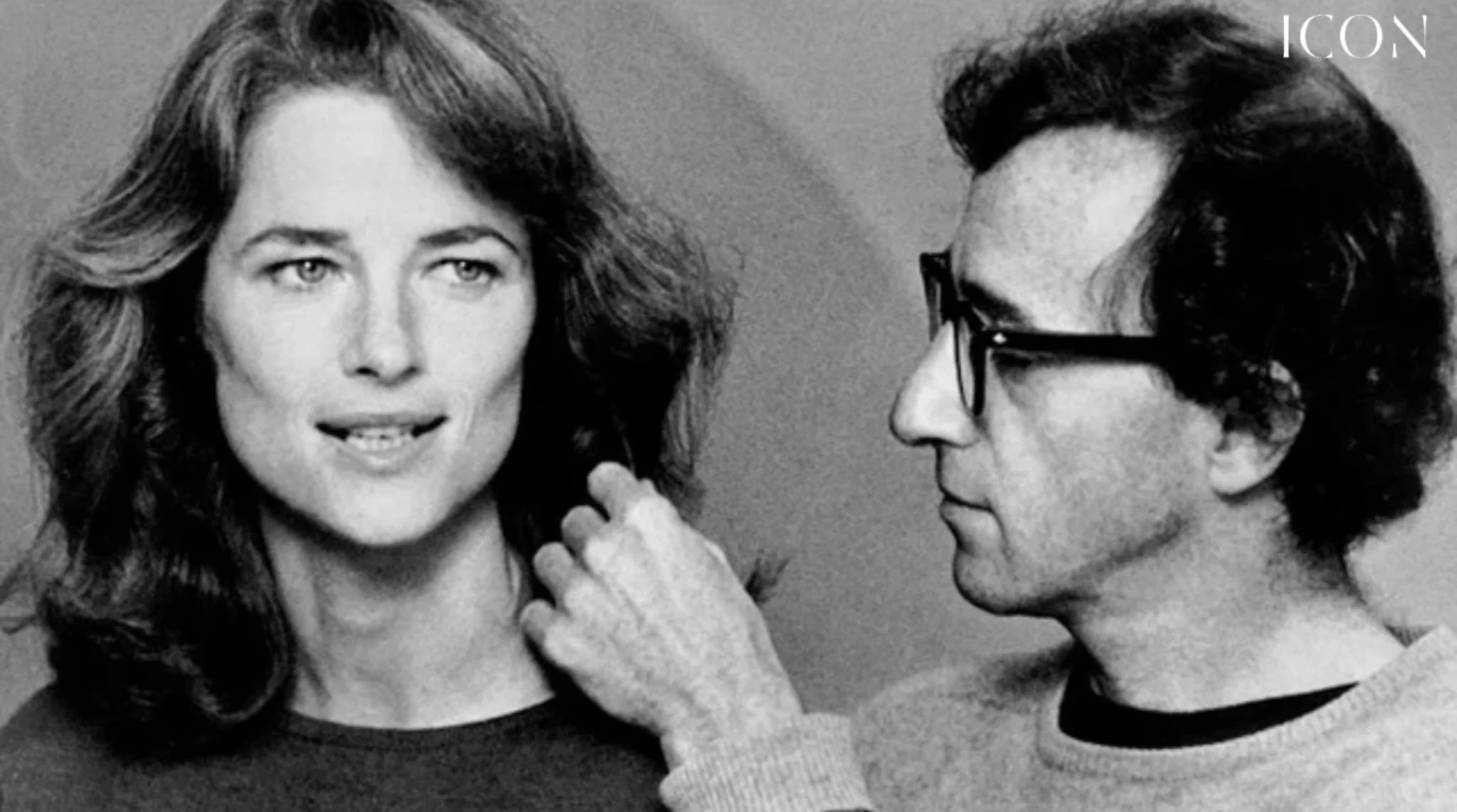
She is currently in production on two films. She will not discuss them. She says: “I never discuss what I’m doing until it is done. Because to discuss it is to begin performing it, and performance is the thing that kills the work while it is still becoming something.” What she will discuss—at length, with something that might be called passion—is thequestion of female aging and cinema. She is one of the few women of her generation who has continued to receive complex, central roles into her seventh and eighth decades, and she is clear about why this is unusual and what it reveals.
“The industry has always been comfortable with older women if they can be explained by their age—the grandmother, the widow, the woman who once was beautiful and now is something else. What they are not comfortable with is the woman who is simply herself, at whatever age she happens to be, without any reduction. “She looks out at the Seine.” I have refused that reduction my whole life. It has cost me certain things. It has given me others.”
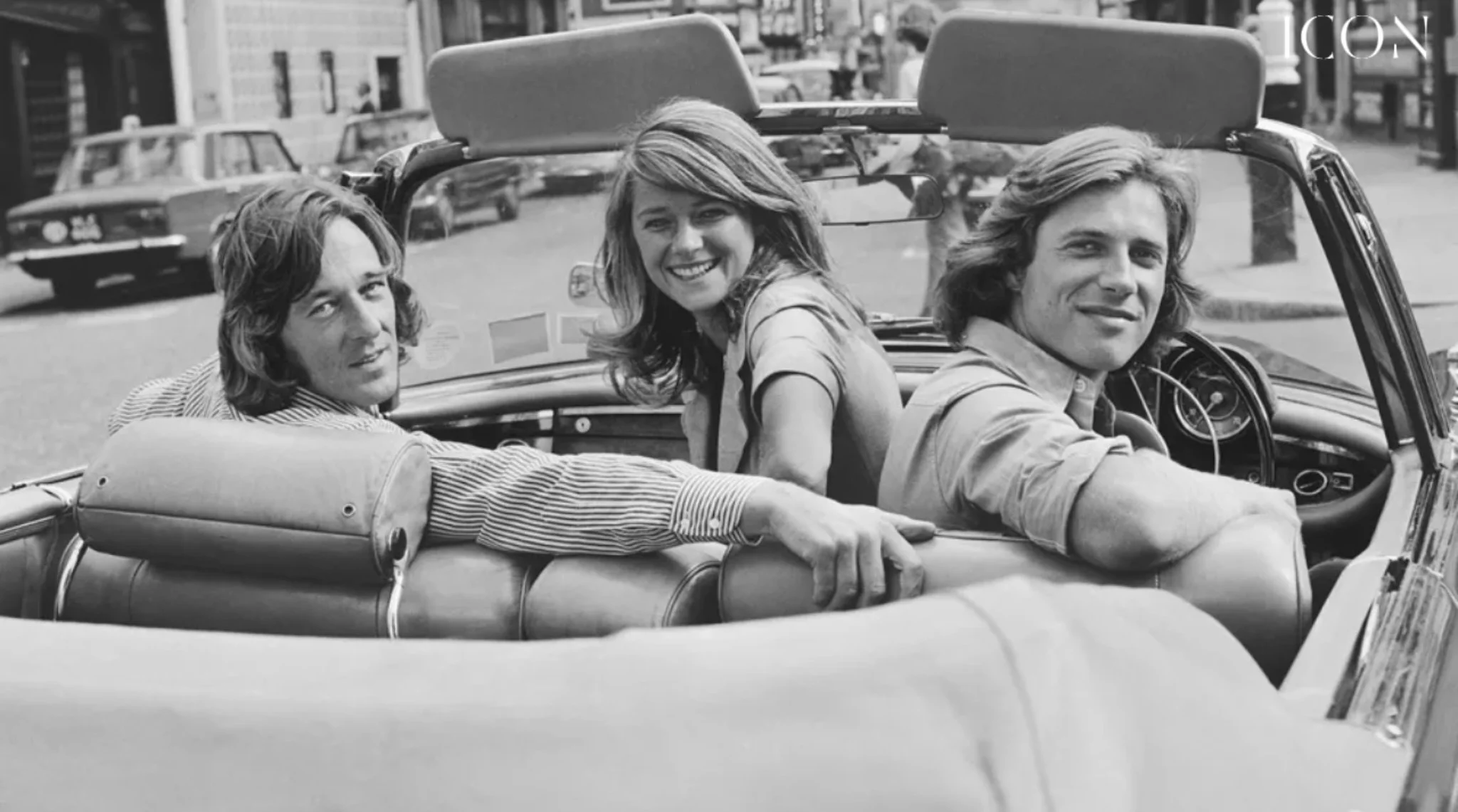
She will not name what was lost, and she will not name what was gained. That, too, is the Rampling method: the precise and deliberate withholding, not of truth, but of the easy version of it. She pays for her own coffee. She leaves before I have finished mine. The afternoon light coming off the water, makes the moment briefly cinematic—which she would, almost certainly, find predictable.
By Oona Chanel

The Melody of Vulnerability: Caroline Vreeland on Family, Art, and Authenticity

In an conversation with Author Magazine's Editor-in-Chief Oona Chanel, Caroline Vreeland delves into the defining moments of her artistic journey, from a childhood shaped by a global array of musical influences to her unflinching embrace of vulnerability in her creative expression. Vreeland’s reflections reveal the deeply personal and universal truths that continue to inspire her evolving body of work.
"PLEASE FEEL has always been my credo. I encourage people to feel their feelings, no matter how ugly or raw" - Caroline Vreeland
OONA: Looking back at your childhood, were there any pivotal moments or influences that sparked your interest in art and creativity? Can you share a cherished memory or experience that ignited your passion for self-expression?
CAROLINE: I have always had a very tumultuous relationship with my semi-estranged father, but it was his influence that first ignited my interest in music from all over the world. As a German diplomat he was posted in countless cities across they globe and would always bring interesting music to my ears. In this way, I grew up with opera, classical, reggae, blues, and jazz constantly playing in his house. Still now I tend to deviate from the more mainstream artists, mostly favoring abstract music from other cultures. I have him to thank for this…I guess I should let him know that I’m grateful for his influence. I’m thankful to have things that connect us now, as our relationship is evolving, finally. He is also the first person who played me Fiona Apple’s debut album, Tidal, which completely changed my young life.
OONA: Growing up, did you have any role models or mentors who inspired you to pursue a career in the arts? How did they shape your early artistic aspirations and beliefs about the power of creativity?
CAROLINE: When I was very young, probably around 10, my grandfather Jack used to hold family meetings called “Project Warbler” in which he would encourage everyone in the family to come up with ideas for making my love of music flourish. He even set up an easel in the dining room with our ideas on it. My pull to be an artist was always supported by my family and that made a huge impact on me. Nothing seemed impossible and everyone took my desires seriously. I think that’s greatly shaped me; it may actually be the foundation of my sparkling confidence.
OONA: Can you recall the first time you realized that you wanted to pursue a career as an artist? What were some of the initial steps you took to manifest this vision into reality?
CAROLINE: At age 8 I was cast in the roll of The Wind in the school play. I wasn’t even on stage-I had a microphone backstage and just made blowing, ethereal, wind sounds into it. Even at that tender age I clearly remember the feeling of controlling and manipulating the microphone with my voice. After that performance I enrolled in singing lessons with who would then become my vocal coach for the next 10 years. We didn’t have a lot of disposable family income but my mom made my lessons happen. Back then, I didn’t even know what sacrifices she was making in order to ensure that her daughter could train her voice and hone her craft.
OONA: on your journey from aspiring artist to established creative, what were some of the biggest challenges you faced along the way? How did you overcome them, and what lessons did you learn from those experiences?
CAROLINE: Being young in Los Angeles is wild. I’ve had countless men (and women) creep on me. People are ruthless and manipulative, especially in a place like LA, and especially in the entertainment industry. I have always believed in myself and felt strong in my convictions. I certainly never felt like a victim; these were just instances for me to learn to build my strength. Looking back, I feel proud of how I handled shady situations. I stood up for myself constantly. I may have been a bit of a wild child but I certainly maintained a strong moral compass.
OONA: As someone who embraces vulnerability and authenticity in your art, how do you navigate the journey of self-discovery and personal growth through your creative expression? Are there any ecific themes or emotions from your childhood that continue to resonate deeply in your work today?
CAROLINE: Being vulnerable and sharing this vulnerability with others has been a cornerstone to my entire identity. I have always found it more interesting to share the not-so-perfect moments as well as the glorious ones. Showing imperfections, zits, stomach flus, heartbreak, remorse for mistakes made, and overall brutal honesty on my social media from a young age has been a sort of therapy to me. I’m lucky that it garnered a positive response online. I’m grateful to have this connection with people.
CAROLINE: I used to think my daddy issues were what made me interesting and unique as an artist and I sometimes feared that if I made amends with my father, my music would no longer be interesting. Of course the opposite is true; healing and forgiveness are just as powerful (if not more so) than pain and revenge.
OONA: Looking back, is there any advice you would give to your younger self as she embarked on her artistic journey? What words of wisdom or encouragement would you offer to aspiring artists who are just beginning to explore their creative potential?
CAROLINE: PLEASE FEEL has always been my credo. I encourage people to feel their feelings, not matter how ugly or raw. I have this phrase tattooed on my body. Owning the entire range of my emotions has made me more easily able to work through tough times. In a digital world of fakeness and impossible standards of beauty and lifestyle, I find authenticity to be exceedingly rare and precious.
OONA: Finally, as you continue to evolve and expand your artistic horizons, what are some of your hopes and aspirations for the future of your creative journey? How do you envision your art making an impact on the world around you, both personally and collectively?
CAROLINE: I want to become a student again. I want to learn something completely new which humbles me and strips me bare. I have two new singing projects in the works, both of which are mostly foreign to me. I would expand on this here but I’ve learned it’s chicer to do the work in private before talking about it. Watch this space.
Interview By Oona Chanel
Image By Lawrence Cortez

MICHÈLE LAMY - State of Grace
Michèle Lamy - State of Grace

The Creative Wunderkind On Taking The Road Less Travelled
To say that you are not too sure what to expect up on meeting alternative fashion’s Grande Dame Michèle Lamy is something of an understatement. It’s difcult to pin down an artist whose metaphoric curriculum vitae ricochets from defense attorney to performer, designer, filmmaker and even restaurateur [ofthenow-closedsalon-style LA speak easy Les Deux Café], not to mention associate and muse to Rick Owens. But the first thing that strikes you about Michèle up on meeting her is her broad glinting smile and the clear authenticity that effortlessly shines though.In this extract from the extended interview in AUTHOR, the modern-day shaman tells us why the best approach to life is to organise your magic, and why the true meaning of luxury is to live in a state of grace.

“I am really like one of those Berbers who are always on the road. There have been so many times when I didn’t even know where I was going to end up because I would travel on a one way ticket. I really think that if you believe you are coming back, then there is really no reason to go anywhere, because to move is like cutting something from you so it can take you somewhere else, and that is the way I believe everything in life should go. When you live that way, there is always a chance to transform yourself. You have to just follow your magic and see where you end up. There are so many things that would not have happened in my life if I had not gone with the flow.“
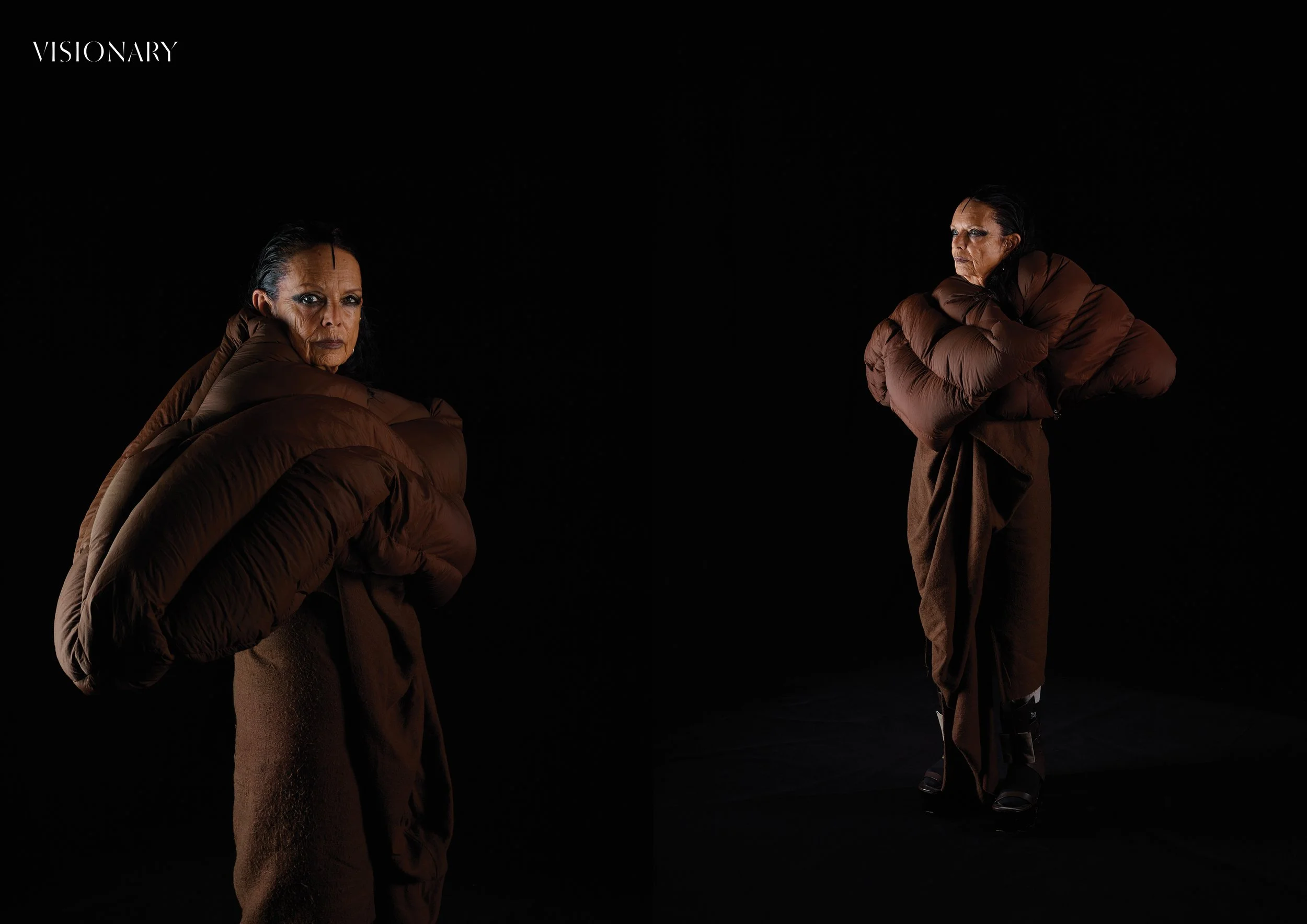
“Luxury is having time and grace and being able to sing a song, this is real luxury. The word ‘luxury’ has been ruined and it has a lot to do with the images that are fucking with our heads, propagating the idea that luxury is just that a dress that is by so-and-so. There are some new magazines that are not about what is ‘inorout’, but most of these fashion magazines seem to show luxury as the grossest thing. I hope something will resist what is going on now and that we can change this system. We are just a little bubble in a big avalanche, but we can try to do something with all of this, and fight.I can not wait to see what happens.”
Interview by JOHN-PAULPRYOR
Pictures by CATHYOPIE

Michelle Rodriguez – New Dimensions: Ayahuasca, Consciousness & Spiritual Awakening
Michelle Rodriguez Explores New Dimensions with Ayahuasca | AUTHOR Magazine

The Power of Ayahuasca in Consciousness Expansion
Michelle Rodriguez has built a career portraying strong, fearless women—characters unafraid to challenge the status quo. But off-screen, her journey into consciousness expansion and spiritual awakening through ayahuasca ceremonies has led her to question reality itself.
In this exclusive AUTHOR Magazine interview, Rodriguez delves into her experiences with plant medicine, reflecting on the transformative effects of ayahuasca, psychedelic therapy, and the unseen dimensions of the mind.
With the rise of celebrity ayahuasca experiences and the mainstreaming of psychedelic therapy, the conversation around spiritual awakening and self-awareness has never been more relevant. Rodriguez shares her raw, unfiltered thoughts on how DMT experiences have altered her perception and the importance of intention in psychedelic healing.
Michelle Rodriguez – New Dimensions: The Truth About Ayahuasca, Consciousness & Spiritual Awakening
Michelle Rodriguez on Ayahuasca: A Journey into Consciousness
OONA: Were you aware of the power of visualization before taking ayahuasca?
MICHELLE: With certain psychedelics, you have this ability to manifest the spiritual questions you’ve always had in your visual cortex. For me, ayahuasca ceremonies did just that—it solidified my intuition, my inner feeling, and my sensation of the world around me.
I believe in using plant medicine responsibly—to gain awareness, not to escape reality. Doing ayahuasca every month? No. But once in a while, to lift the veil and truly see what’s happening in the world, that’s something else.
I’m extremely sensitive to energy, and that’s why I’d never do hallucinogens in a club setting. Imagine being at Burning Man or Ultra Fest with 60,000 people, taking in all their negative baggage. That’s the quickest way to lose yourself instead of finding yourself.
Psychedelic Therapy, Spiritual Awakening & the Power of DMT
OONA: Would you say the true ayahuasca experience happens after the ceremony? Does it alter your perception every time?
MICHELLE: Yes, it changes every time. But in general, I seek a developmental shift in my evolution—a new way of perceiving the world.
If I stop being curious, I might as well be dead. As we get older, we solidify—we have opinions and beliefs that make our perspectives narrower. Sam Worthington, the lead in Avatar, once said:
When you’re a kid, you look at the world like this’—[Michelle makes a wide gesture]—‘and as you get older, your perspective starts closing in, and closing in, until you’re looking at the world through a peephole.
For me, ayahuasca and DMT experiences are about widening that peephole again
Celebrity Ayahuasca Experiences—What You Need to Know
The rise of celebrity ayahuasca experiences has sparked mainstream curiosity about plant medicine, self-awareness, and psychedelic therapy. But Rodriguez is quick to note that ayahuasca isn’t a trend—it’s an ancient spiritual tool that requires intention.
If you approach ayahuasca ceremonies like a drug trip, you’re missing the point. It’s about spiritual healing, not just hallucinations.
Rodriguez emphasizes the difference between psychedelics and plant medicine, highlighting the spiritual meaning behind ayahuasca ceremonies and their potential role in personal growth and healing.

“I´m so sensitive to energy” - Michelle Rodriguez
What is Ayahuasca & How Does It Work?
Ayahuasca, a sacred Amazonian brew, contains DMT, a powerful psychoactive compound that induces altered states of consciousness. Used in shamanistic rituals for thousands of years, ayahuasca is believed to facilitate spiritual awakening and self-discovery.
The Role of Intention in Psychedelic Healing
The intention behind taking ayahuasca determines the experience. Rodriguez stresses the importance of setting clear goals for spiritual growth and approaching the ceremony with respect
The Evolution of Consciousness – How Psychedelics Expand Perception
Many believe ayahuasca and psychedelics can expand consciousness beyond the material world, allowing individuals to experience higher dimensions of existence.
How Michelle Rodriguez Uses Ayahuasca for Personal Growth
Rodriguez views ayahuasca as a tool for transformation, helping her maintain self-awareness and emotional clarity in her life and career.

Interview by OONA CHANEL
Pictures by HECTOR PEREZ
Introduction by CHANTAL BROCCA
Make up by ADRIENNE HERBERT
Hair by TRACI BARRETT
Casting by Allyson Spiegelman
ASM Management
Art Department LA
Retouch by Jam Imaging

Emanuelle Béart
Emmanuelle Béart: A Force of Nature | AUTHOR Magazine

Emmanuel Béart is a true force of nature. As our society is increasingly defined by strong women, there’s never been a more important time for female voices to lay their claim. Emblematic of a legacy of willful women, Béart has helped to drive a shift in the status quo. She is an accomplished humanitarian and longtime champion of women’s rights, using her voice as a catalyst for social change and consistently shining a spotlight on rampant ageism, sexism, and racism, which have defined how we view traditional beauty. Here, Béart sits down with AUTHOR founder Oona, to discuss everyday heroes and why she won’t ever be quiet.

OONA: “Who is Emmanuelle Béart?”
Emmanuelle: “I can’t answer you... I’m still searching for that answer.”
OONA: “When have you been most satisfied in your life? “
EMMANUELLE: “Not being satisfied is my permanent driving force.”
OONA: Who is your role model, and why?
EMMANUELLE: “My grandmother, her love was unconditional.”
OONA: “Tell me about an accomplishment that you consider to be the most significant in your career and in your personal life?”
EMMANUELLE: “Staying free against all odds.”
OONA: “What’s your super-power?”
EMMANUELLE: “My pelvic floor.”
OONA: “Tell me about your childhood.”
EMMANUELLE: “I only believe in the present.”
OONA: What was your dream job as a child and why?
EMMANUELLE: “Being a cheerleader in Australia. How can you explain a kid’s dream?”
OONA: “If you could tell your younger self one thing you know about yourself now, what would it be?”
EMMANUELLE: “Find what you love and let it kill you. Charles Burkowski.”
OONA: “Who are your favorite cultural heroines? What appeals to you about them?”
EMMANUELLE: “My role models are everyday women because of their courage.”
OONA: “Looking back, what would you have done differently? What would you do again?”
EMMANUELLE: “Nothing. I owe all my achievements to my failures.”
OONA: “What does success mean to you? “
EMMANUELLE: “Where you are is not who you are. Circumstances matter.”
OONA: “What are three events that helped to shape your life?”
EMMANUELLE: “One, two, three kids.”
OONA: “How did you balance being a mother and actress? What have you sacrificed at each stage of your career?”
EMMANUELLE: “I have never sacrificed anything for them, and maybe that’s why they are happy!”
OONA: “Is there an interesting fact most people wouldn’t know about you?”
EMMANUELLE: “Nobody knows anything about me. Even I’m searching for something!”
OONA: “In the past you have said: “I want to use all my powers, open all the windows, all the doors...”
Are you still on the same path?”
EMMANUELLE: ”I hadn’t realised that was endless. I learned to close certain doors.”
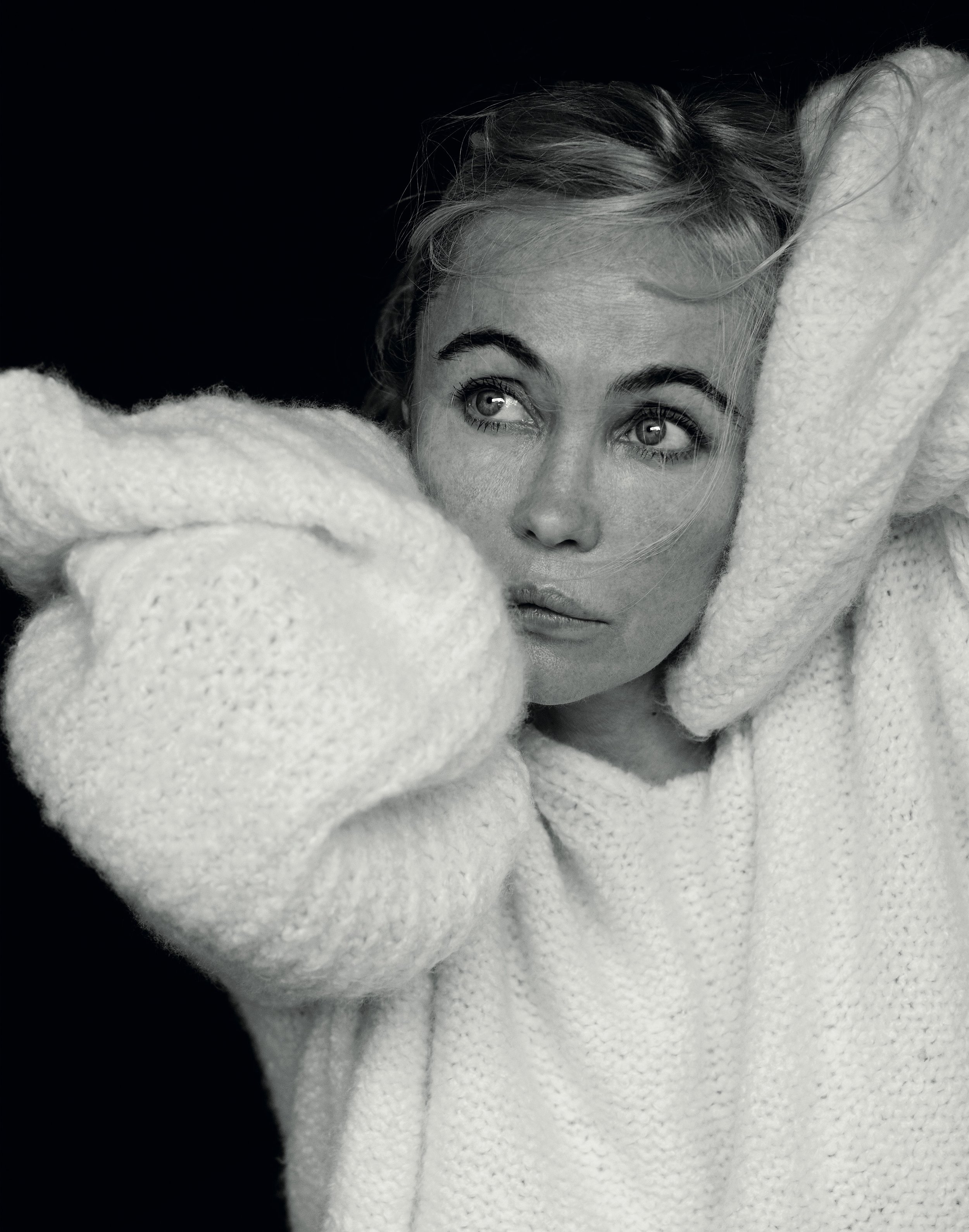
OONA: “What image have you struggled to get rid of? “
EMMANUELLE: “Fuck society’s image of beauty!”
OONA: “Looking at your career, what was the greatest role you played? Who were you closest to, that you could relate to personally?”
EMMANUELLE: “It’s as if you were asking a mother to choose their preferred child! I’ve loved them all.”
OONA: “Define perfection. What does that mean to you? “
EMMANUELLE: “I can’t find an answer.”
OONA: “You have talked about being a voyager, and now after decades of travelling, where do you find yourself the most at home? “
EMMANUELLE: “On a Greek island without any tourists.”
OONA: “You have referred the importance of great men throughout your career and in your personal life. How important is it to
have a man in your life?”
EMMANUELLE: “Overtime, I discovered my masculine side is away to deal with the feminine side of men. This temporary inversion
suits me!”
OONA: “What is intimacy for you?”
EMMANUELLE: “Loneliness. Rupi Kaur said ‘loneliness is a sign you are in desperate need of yourself’.”
OONA: “Do you still feel acting is similar to selling one’s body? That once the money has been exchanged, a producer owns the actor or actress?”
EMMANUELLE: “Selling your body is nothing. The only serious thing is to sell your soul.”
OONA: “You always choose stories with a character you want to share and tell the world about. What attracts you to these roles?”
EMMANUELLE: “The necessity of being in the present. At that moment, in that place.”
OONA: “What is happiness to you?”
EMMANUELLE: “Happiness is when my brain shuts up!”
OONA: “Who was your favorite producer so far to work with and why?”
EMMANUELLE: “I am not a woman of producers! I’m a woman of directors!”
OONA: “What does beauty mean to you?”
EMMANUELLE: “Beauty has no skin tone!”
OONA: “What would be your advice for women who are building careers?”
EMMANUELLE: “If someone is brave enough to tell you that they have been sexually abused, don’t reply ‘are you sure?’.”
OONA: “What do you think is holding women back?”
EMMANUELLE: “In a society that profits from your self-doubt, liking yourself is a rebellious act.”
OONA: “What’s your personal mantra?”
EMMANUELLE: “ DON’T BE QUIET!”

Interview by: Oona Chanel
Introduction by: Sebastian Perlman
Pictures by: Sylvie Castioni
Hair Stylist: Giulio Panciera
Makeup Artist: Océane Sitbon Ghoula
Styling by: Fanélie Patras
Assisted by: Iris Lepape

Renaissance Woman - Bambou
It all begins with an idea.

The Celebrated Actress On Spiritual Balance And True Happiness
For those who truly understand the elements of style, Caroline Von Paulus A.K.A. Bambou remains as ever an enduring and bold, albeit reticent, icon. One maybe tempted to place her in the context of her late partner, the legendary Serge Gainsbourg, but Bambou is truly a renaissance woman in her own right: actor, singer, model, entrepreneur, mother—she truly transcends any genre or conventional classification. Perhaps now more than ever, Bambou embodies the quintessence of what it means to be a modern woman. In this extract from her extended interview in Author Book 2, she discusses beauty, happiness, and the world.

“Happiness is to feel incomplete agreement with yourself as often as possible”
–Bambou
Oona: Who is Bambou, and who is Caroline Von Paulus?
Bambou - It is difficult to describe yourself as you can not have an objective perspective. Bambou and Caroline are the same person.
Oona: What name you go by in your private life?
Bambou - Bambou.
Oona: Let’s time-travel a little, to when you were the transcendent muse of Serge Gainsbourg in his final years. How did you meet? What attracted you to Serge initially?
Bambou - I met Serge at a gathering. What seduced me was his awkwardness, his intelligence, and his humour. I found him beautiful and incredibly sexy.
Oona: What was your relationship with Serge like once it evolved into collaborations and working together?
Bambou - To work with him was hard. He was looking for perfection.
Oona: When have you been most satisfied in your life?
Bambou - The birth of my son, Lulu.
Oona: Who is your role model, and why?
Bambou -I do not have a role model. Maybe Mahatma Gandhi.

Oona: Tell me about an accomplishment that you consider to be the most significant in your career and in your personal life?
Bambou - My son, Lulu. To have been able to raise him alone, to educate him and to send him into the real world.
Oona: What does perfection mean to you?
Bambou - Perfection doesn’t exist, but we can try and get close to it.
Oona: What is happiness to you?
Bambou - Happiness is to feel incomplete agreement with yourself as often as possible.
Oona: What does beauty mean to you?
Bambou - Beauty is the reflection of the soul.
Oona: What attributes of the people that you surround yourself with have in common?
Bambou - They regain the balance between the Ying and the Yang.
Oona: What’s your personal mantra?
Bambou - Om Namah Shivaya.
Interview by OONA CHANEL ,
Introduction by SEBASTIAN PERLMAN,
Pictures by SYLVIE CASTIONI,
Fashion Stylist FANELIE PATRAS, Assistant stylist -IRIS LEPAPE,
Make up Artist - OCÉANE SITBON GHOULA,
Hair stylist - JONATHAN DADOUN,
Talent - BAMBOU, IMG, Casting director - GÉRALDINE L’HENORET,
Digital retoucher - LUDOVIC CABRIN Ludovic Cabrin
Special thanks to Studio Montmartre

Ageless Elegance - Sophia Loren
Ageless Elegance: Sophia Loren's Lifelong Ambition | An Interview - Author Magazine

The legendary actress Sophia Loren tells us why she had to fulfil a lifelong ambition to shoot a classic monologue by Jean Cocteau

To say that the word ‘icon’ has lost its gravitas in the modern zeitgeist would be an accurate assertion, but there are still a chosen few who can genuinely lay claim to that title, and the enigmatic actress and beloved screen goddess Sophia Loren is undoubtedly one of them. Given her arguably unparalleled status in the history of cinema, it’s perhaps, interesting to note that her beginnings in life were unlike those of the stars of the current era who are often the children of wealth, fame, and privilege.
Living with her grandmother in Naples, Loren witnessed war and poverty in her formative years, disturbing experiences that would come to shape the performance that garnered the attention of the world – the unfathomably resilient Cesira in the multi-award-winning Two Women, a searing tale of a mother and daughter caught in the crossfire of war, who suffer gang rape inside a Catholic Church directed by the prolific director Vittorio De Sica.
While much of her vast catalog of subsequent work was more commercial in nature and witnessed her become the leading lady to revered heroes of the post-war era such as Marlon Brando and Paul Newman, she has never lost her penchant for taking on a challenging role.
Now, in her 81st year, Loren is far from reclusive, and refuses to rest upon the laurels of past successes. In fact, she chose to mark her entry into her golden years by starring in a short film directed by her son Edoardo Ponti, based upon the classic monologue The Human Voice by Jean Cocteau; a short which documents the descent of an aging woman into obsession and madness. Here, she discusses what inspired her to inhabit a character that suggests some uneasy truths about the human condition.

“The Human Voice is a monologue that every actress who has reached the highest peak would like to do, and to do it has been on my mind since I was very young. Of course, when I was young, I could not do it, as it needs a woman in the later years of her life. There is no real tragedy when you are young because you have your whole life ahead of you. It’s when you are older than the problems start, and I think you begin to die emotionally after a little while; in a way you die and that’s just the way it is. So, when I finally reached the right age, I spoke with my son, and I said, ‘Let’s try and buy the rights, and let’s think seriously about doing this short.’ It was wonderful because it was really something we started together – our project. He wrote the project with another author and they worked very quickly. When they came to me with the scenario they had created, it was a beautiful one, and it was exactly what I always had in mind for the monologue. It touched my heart completely.
When you live a difficult life, you start to build something inside of yourself, and you can use that in difficult situations when you’re acting. For us Neapolitans, it is a very difficult life, but there is something very successful in it, because, for Neapolitan people, just the fact you are alive can make you happy – that is our philosophy. Sometimes, when I wake up in the morning, I don’t like what I see in the world, but I am a very positive person, and I like to see positive things in front of me, and, at the beginning of the day, every day, I know, I have to start living. It’s the beauty of the soul, the beauty of how you see life that’s important – the beauty of finding the joy in being alive, and how you see and receives love.”
CREDITS
By John-Paul Pryor
Pictures by Ormond Gigli

Arbiter of style - DIANE PERNET
Arbiter of Style: Diane Pernet's ASVOFF Journey | Interview - Author Magazine

The Founder Of ASVOFF Tells Us How The Convergence Of Fashion AndFilm Has Re-Ignited Creativity In Style Culture
The communication of fashion, at its very best, is an aesthetic communication of a unique cultural viewpoint through the lens of style. It has little, or nothing, to do with commerce but is about a pure expression of individuality – a celebration of an artistic adornment of the self that projects identity and delineates an alignment with an often subcultural mindset. The last ten years have witnessed a genuinely transformative era in the history of fashion, whereby that pure artistic expression, outside the realm of commerce or advertising, has boldly found its natural home in the film.
This transitional period has been championed in no small part by the singular vision of one woman – the black-clad front-row figure of inimitable cultural provocateur Diane Pernet. With her unmistakable personal style, Pernet is one of the fashion sphere’s most recognizable, multi-faceted, and enduring individuals, and she has almost single-handedly
pioneered the fashion film genre with her much-lauded film festival (ASVOFF) A Shaded View on Fashion, which has screened works by Steven Klein, Bruce Weber, Ellen von Unwerth, and Chris Cunningham; taking into its sway everything from transgender issues to surreal flights of fancy that Magritte would undoubtedly have loved to have had the technology to be able to create.
The festival is now firmly entrenched in the consciousness of the style community, arguably scaling new heights in 2015, being presented at Centre Pompidou, Paris, and presided over by the guest president of the jury, Jean-Paul Gaultier.
With the festival in its ninth year, the founder of ASVOFF tells AUTHOR exactly what she looks for when accepting submissions and why the key element that she seeks out in the work is whether it has something to say in the wider cultural context of the zeitgeist.

“I don’t think you could find
a designer today who doesn’t make fashion films”
-Diane Pernet
“Fashion and film are my two personal passions, but the idea behind ASVOFF was always to reward excellence in a young genre that needed a platform and an environment to nurture the talent behind it, along whatever path it should take. The festival format was important to me because it is a broader, fresher way to connect the fashion and film industries – there has always been a synergy between the two but they’ve never had a dialogue like this before, and there is something about projecting it on the big screen that lets you appreciate fashion film for its true potential. ASVOFF is now in its ninth year, but I actually started my first festival in Los Angeles with the precursor to ASVOFF called ‘You Wear it Well’ at Cinespace on Hollywood Boulevard. That was back in 2006 and, to be honest, it was a struggle to even find enough quality material to do an entire fashion film festival. All that feels like a lifetime ago now.
I don’t think you could find a fashion designer today who doesn’t make fashion films. The growth of fashion film feels exponential to me. To begin with, the technology behind filmmaking itself has become so much more affordable, so fashion film is an accessible genre for everyone – designers, creatives, directors, and photographers, young and old. Bigger budgets usually help, but with enough imagination, talent, and drive, you can still achieve something powerful; you can even make a successful fashion film on a mobile phone so, in that sense, it is such a level playing field.
The other tech dimension is that broadcasting has completely opened up thanks to the internet, so we can build critical mass audiences and even nurture niche sub-genre audiences all around the world for fashion films in a way that wouldn’t have been possible before. And let’s not forget that video-enabled social media is a perfect distribution channel for short film genres; they’re a natural fit for viral content. It’s really a perfect storm where technology has converged with the emergence of the fashion film genre.
Fashion film needs an annual festival like ASVOFF to chronicle and critique it – because it is such a dynamic genre that is constantly evolving in tandem with these parallel technologies that are evolving so fast. When we are judging the entries for ASVOFF the more important criteria is that the films have to be moving and touch us. I want to see something that takes my breath away. For the Grand Prize, I try to direct the jury to use the sort of criteria that we’d use assessing any good film – narrative, great acting, great camerawork, editing, the list goes on and on. I mean, we have to keep in mind that fashion should somehow be the protagonist in the film, but that doesn’t mean it should overpower the film. On the contrary, the fashion element can be extremely subtle and still be powerful.
We have different prizes, so we look for what moves us about the sound design, the art direction, the acting, the styling, and so on. If the film has been made by an emerging talent, then we ask ourselves what the film says about their future as well as what it says in itself. We also try to keep in mind the context and the purpose of each film – for example, how it fits into the wider cultural context or the state of the world. It is a matter of taking the whole package into consideration while leaving yourself open to feeling something visceral that points you in the direction of a particular film instinctively.
There have been so many high points so far, but for me, one of them has to be the whole family of Alejandro Jodorowsky doing a panel discussion after the screening of Dance of Reality. I’d wanted Alejandro for six years, and in 2014 it became a reality. Also, every moment spent with Jean Paul Gaultier was incredible. He was a genius President of the Jury and a great master of ceremonies for the closing two years ago. I cannot find enough words to express the total joy of working with him.”
CREDITS
By John-Paul Pryor
Pictures by Miguel Villalobos and Alan Gelati