

Norwegian Fjords in August: The Light That Doesn't End and the Silence That Earns It
August in Western Norway: 20 hours of daily light, the most dramatic coastal scenery in Northern Europe, and a specific quality of silence that the midnight sun produces in the hours between 11pm and 2am. Author on the fjords at their peak - and the routes that take you away from the cruise ships.
"The 2-3 hours of twilight between 11pm and 2am in August produce the specific quality of Nordic late-summer light that is golden, horizontal, and renders the ford walls and water in a way that full daylight cannot. This is the light that landscape photographers come for. It is available to anyone who is there and Awake”
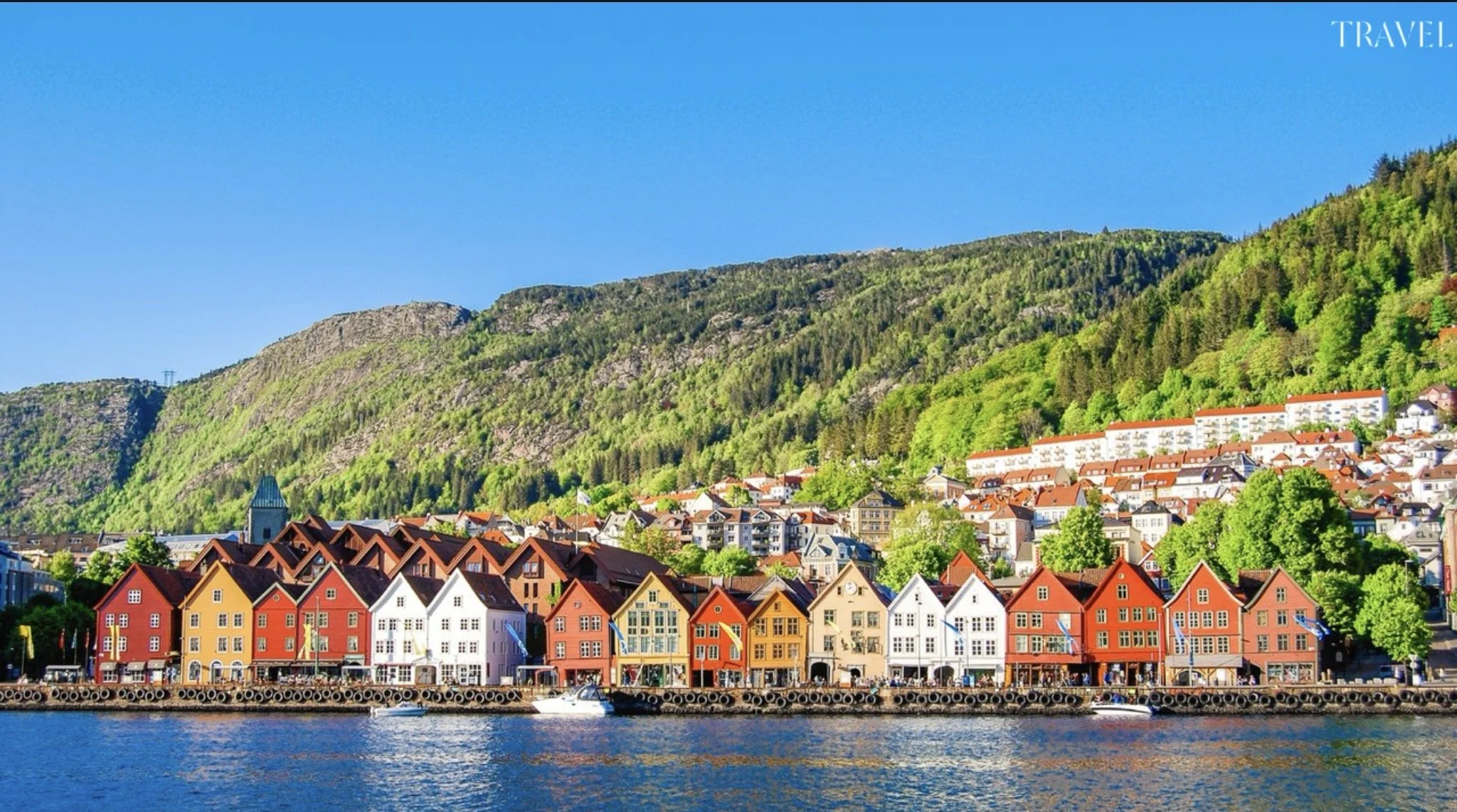
The Norwegian jords have been on the UNESCO World Heritage List since 2005 - specifically, the Naeroy and Geiranger fjords, which the committee described as 'among the most scenically outstanding fjord landscapes in the world. This is an accurate description and one that, paradoxically, has contributed to the problem that has made the fjords simultaneously easier to visit and harder to experience: the UNESCO designation brought the cruise industry, and the cruise industry brought volumes that the fjords' infrastructure and ecology were not designed to accommodate.
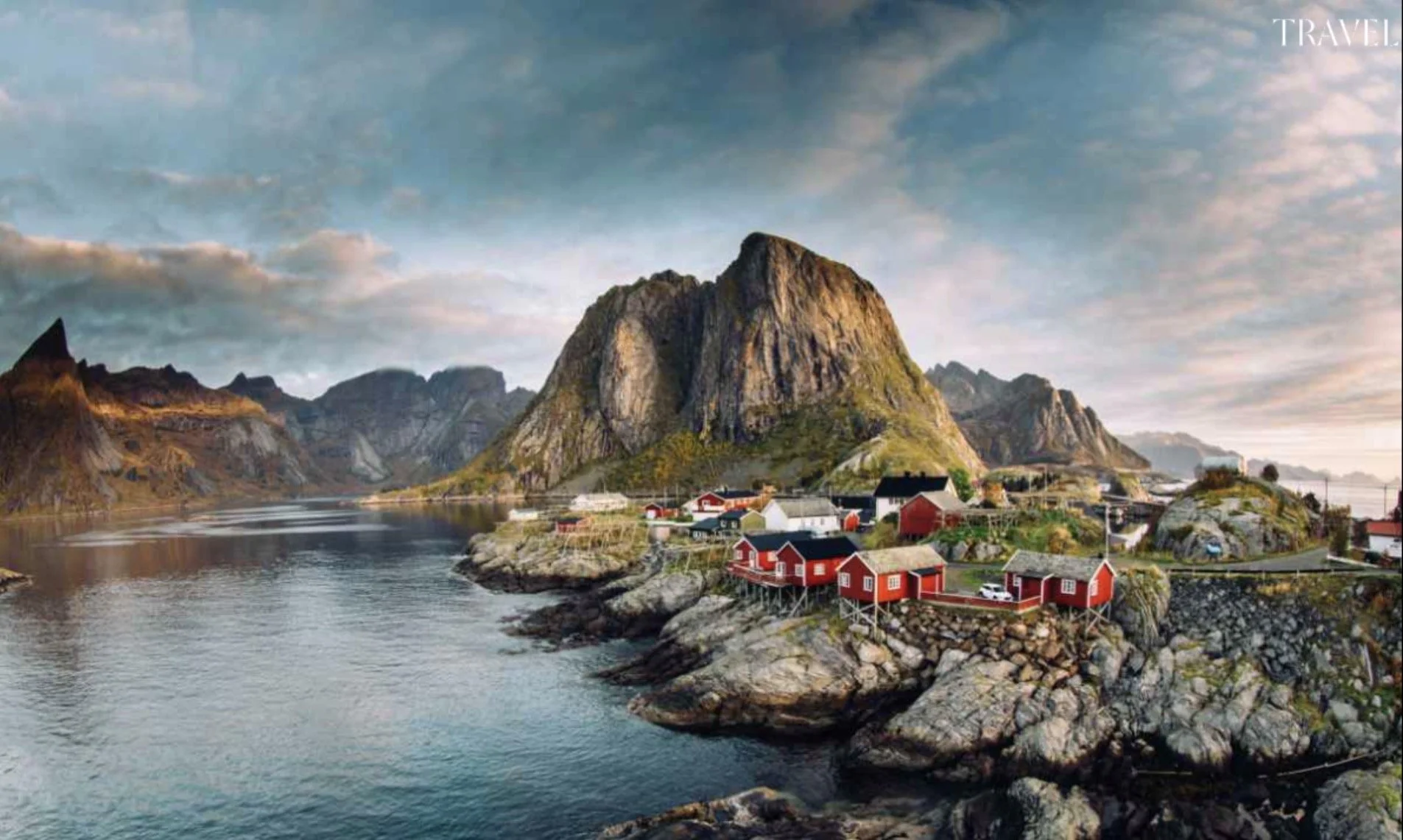
August is the peak month. Geirangerfjord in August receives more cruise ships than any other single-ford destination in Northern Europe. The solution for the traveller who wants to experience what the fjords actually are - as opposed to what the cruise terminal offers them to be — is geographic rather than seasonal. The western fjords are extensive, and the Geiranger-Flam concentration that the cruise itineraries favour represents a small fraction of the accessible fjord landscape.
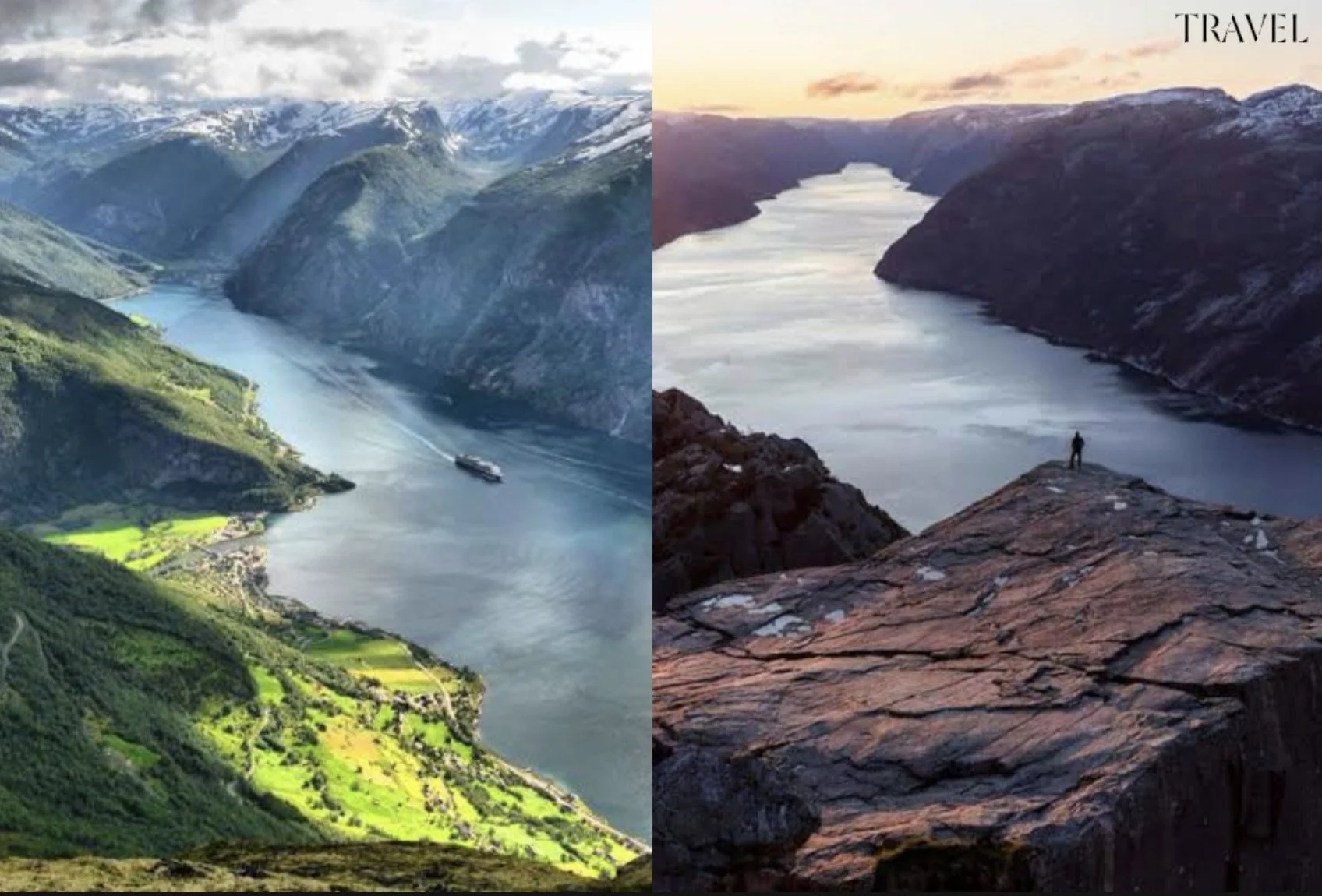
The Sognefjord - at 204 kilometres the longest fjord in the world and the second deepest - receives dramatically less traffic than the UNESCO-listed fjords while offering equivalent or superior landscape. The Lustrafjord arm, at the far end of the Sognefjord system, is accessible by ferry from Skjolden and provides the specific quality of fjord landscape - the granite walls dropping directly to the water, the waterfalls visible from the ferry deck, the specific quality of blue-green water produced by glacial meltwater - without the cruise ship accompaniment.
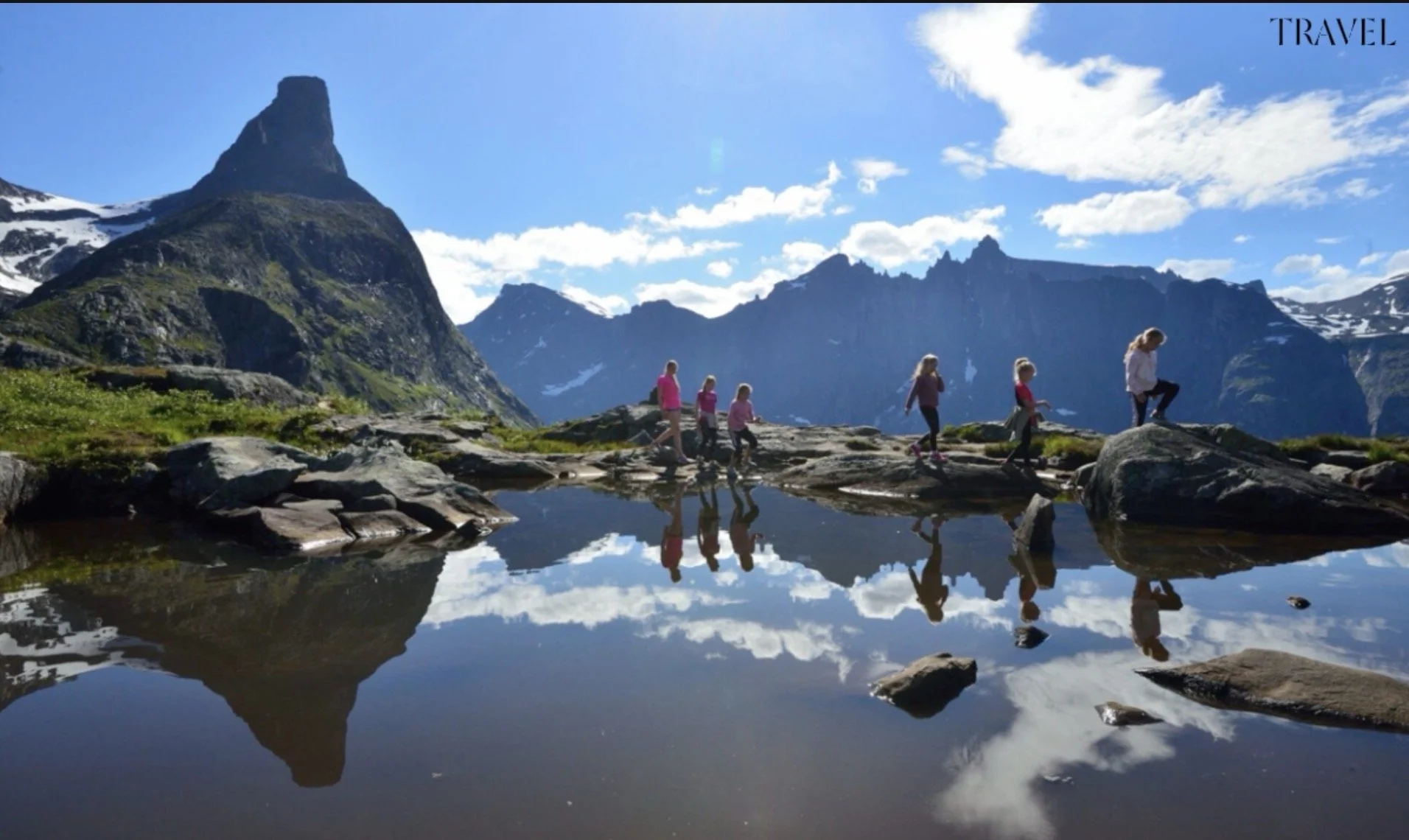
The Hardangerfjord, south of Bergen, is the orchid ford - the landscapes around Hardanger bloom with apple, cherry, and plum orchards in spring, and in August the fruit is on the trees in a way that changes the valley character entirely from the bare granite of the more famous fjords.
The Voss to Ulvik route, traversable by road or by the regional ferry network, produces the combination of orchard valley, steep ford walls, and the specific Norwegian village architecture
- red and white wooden houses on the ford shore - that represents the most visually complete version of what the region looks like.
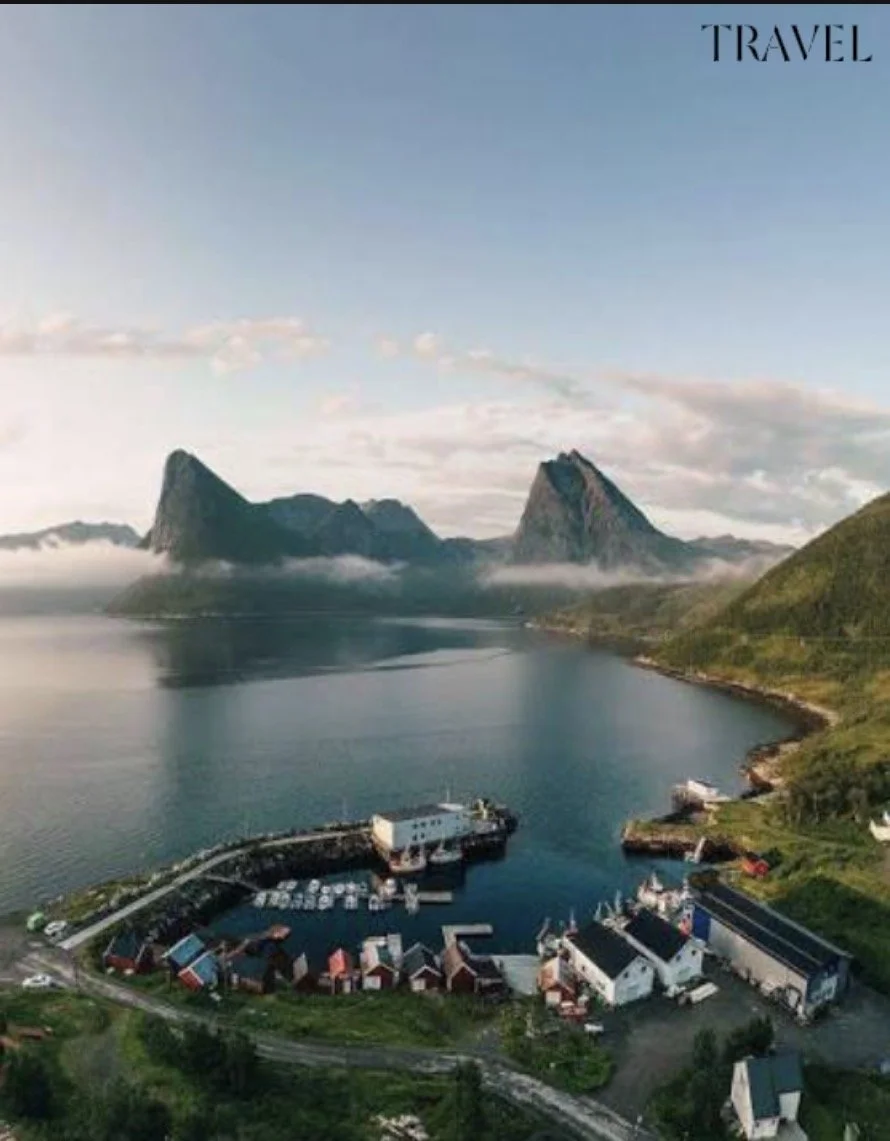
The August light is the specific case for this timing: in Bergen, the sun sets after 9:30pm and rises before 5am, producing approximately 17 hours of daily daylight. In the northernmost
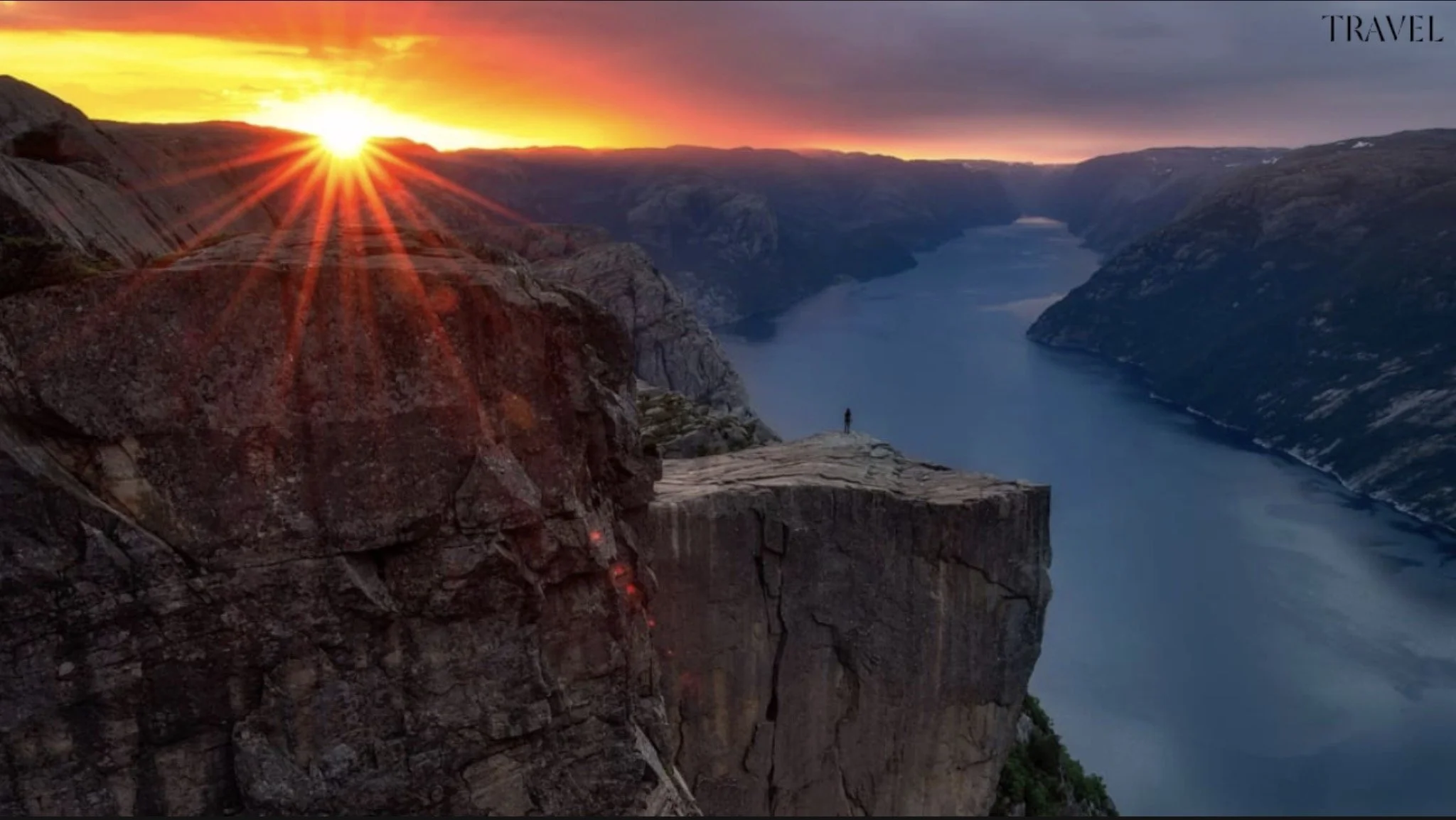
accessible fjord regions, the light barely disappears - the 2-3 hours of twilight between 11pm and zam produce the specific quality of Nordic late-summer light that is golden, horizontal, and produces the ford walls and water in a way that full daylight cannot. This is the light that the landscape photographers come for. It is available to anyone who is there and awake.
Bergen is the practical entry point for most fjord itineraries - served by direct flights from most European hubs and by the Bergen-Oslo train (the Bergensbanen) which is one of the most celebrated train journeys in Europe. For the ford experience beyond the standard routes, the Hurtigruten coastal ferry - which has been running from Bergen to the North Cape since 1893
— is the most interesting transport option. The ferry makes 34 stops over eleven days; individual segments are bookable.
BY OONA CHANEL
