

Rwanda and the Gorillas: What a Safari Without a Destination Hierarchy Actually Means
Volcanoes National Park in Rwanda hosts mountain gorillas, golden monkeys, and one of the most emotionally significant wildlife encounters available to any traveller. In July and August, it is in its most accessible and most alive condition. Here is what going looks like — and what it costs in the honest sense.
“There are 1,063 mountain gorillas remaining in the world. The number is counted, not estimated. It has grown from 620 in 2010. The increase is the direct result of conservation work funded substantially by tourism revenue. This makes gorilla trekking one of the few forms of tourism where the economic relationship between visitation and conservation is direct and auditable.”
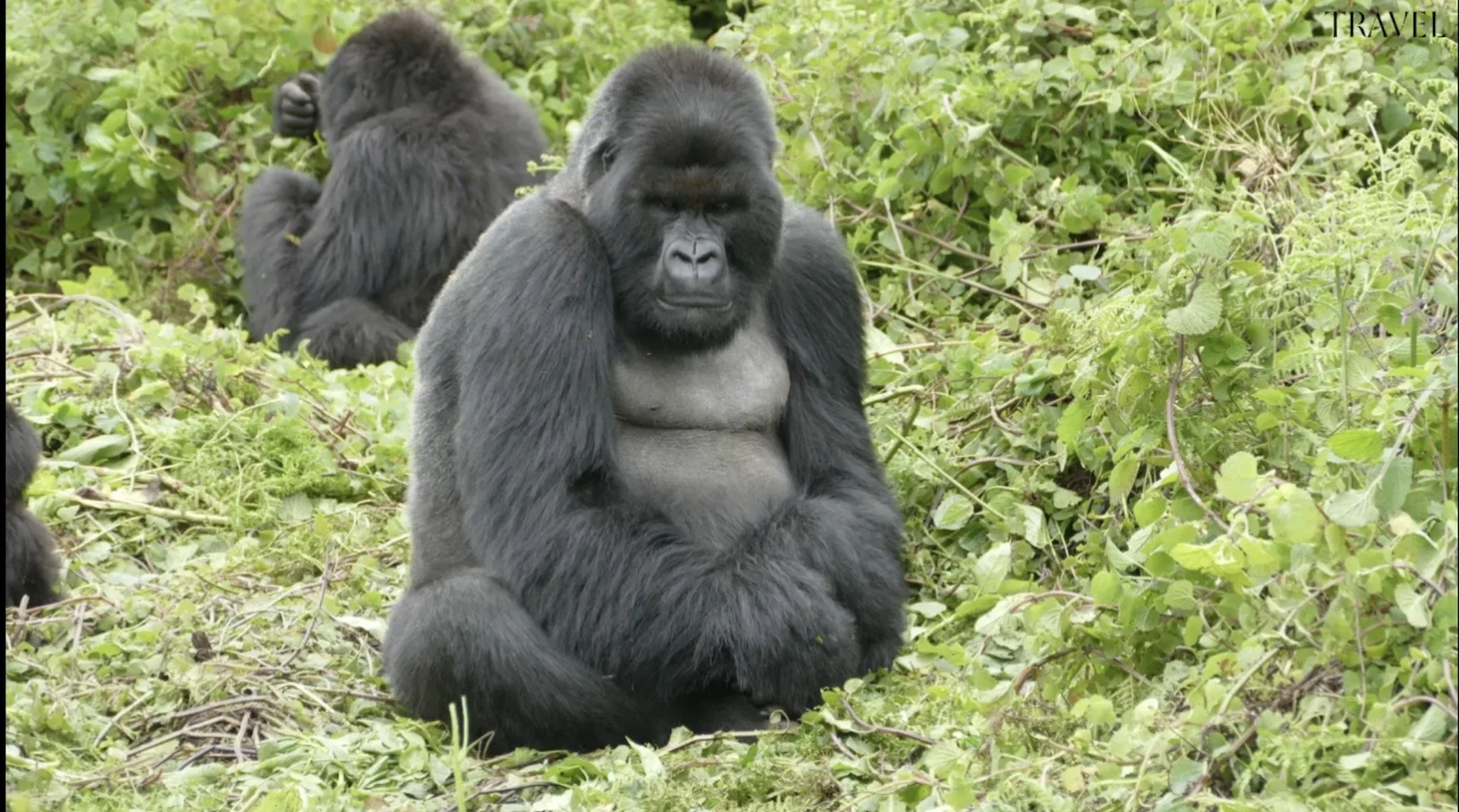
There are approximately 1,063 mountain gorillas remaining in the world. All of them live in a contiguous range covering the Virunga Massif — the chain of volcanoes that straddles the borders of Rwanda, Uganda, and the Democratic Republic of Congo — and the Bwindi Impenetrable Forest in Uganda. The number 1,063 is not estimated; it is counted, through a census process that involves tracking individual gorillas by facial recognition and nose print analysis. The population has grown from approximately 620 in 2010. The increase is the direct result of conservation work funded substantially by tourism revenue.
This makes gorilla trekking in Rwanda one of the few forms of tourism in the world where the economic relationship between visitation and conservation is direct, auditable, and demonstrably effective. The permit fee for gorilla trekking in Volcanoes National Park — $1,500 per person per visit, set by the Rwanda Development Board — sounds like luxury pricing. It is conservation pricing. Fifteen percent of the fee goes directly to communities adjacent to the park through the Revenue Sharing Program. The remainder funds the tracking teams, the veterinary intervention program that monitors gorilla health, the anti-poaching patrols, and the research programs that produced the population increase.
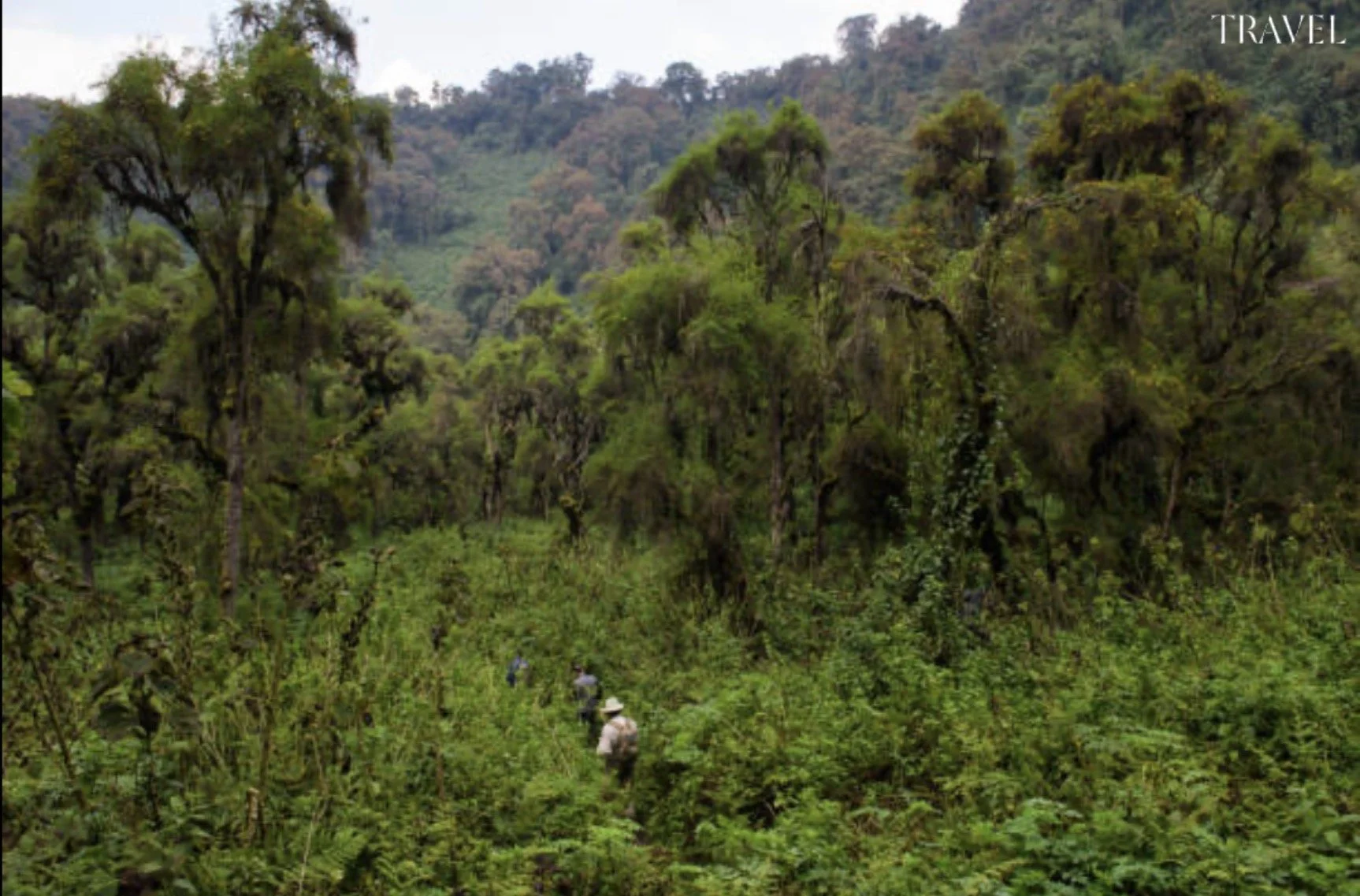
July and August are the dry season in Rwanda — the most accessible trekking conditions, with the ground relatively firm and the vegetation manageable. The Virunga volcanoes rise to 4,507 metres at the summit of Mount Karisimbi, but the gorilla families are typically found at altitudes between 2,500 and 3,500 metres. The trek to reach them ranges from thirty minutes to several hours depending on the family's location that morning, which is scouted by tracking teams who go into the park before visitors arrive.
The encounter is one hour. This is not a commercial limitation; it is a conservation requirement. The gorillas have been habituated to human presence — a process that takes typically two to three years per family — but sustained exposure to human-transmitted respiratory pathogens is a genuine health risk for a population with no immunity to common human colds and influenza. Masks are required. You will be required to stay seven metres away, which the gorillas may or may not observe from their side.
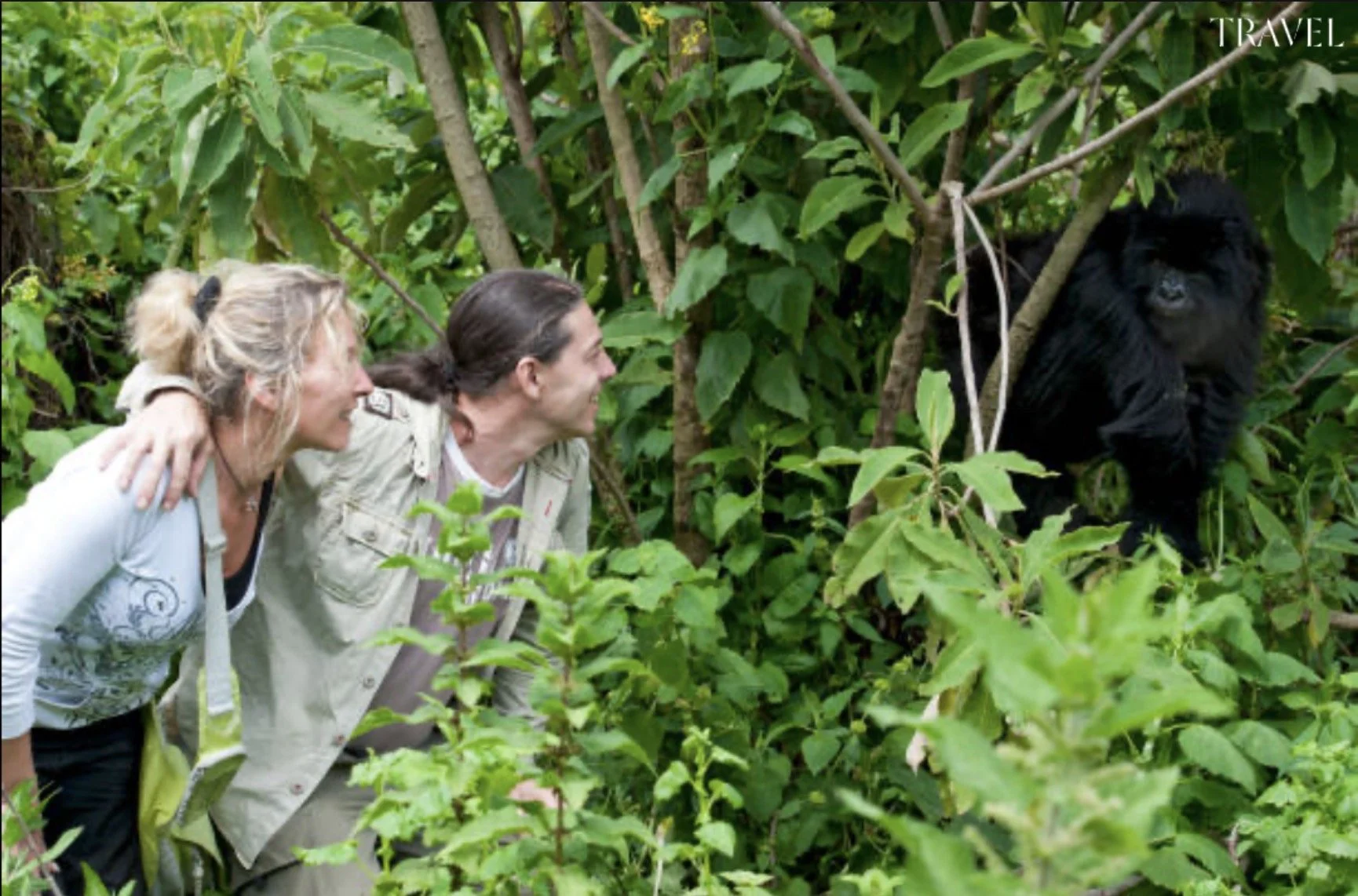
The seven-metre rule is enforced inconsistently by the gorillas. Juvenile gorillas are curious and fast. You may have one climb over your boot. You may have a silverback walk directly toward you and make eye contact for thirty seconds in a way that produces in most people the specific experience of encountering an intelligence that is not human and is not less than human. This is not hyperbole; it is the consistent reporting of thousands of trekkers across decades, and the neurological evidence on primate communication and social intelligence supports the phenomenology.
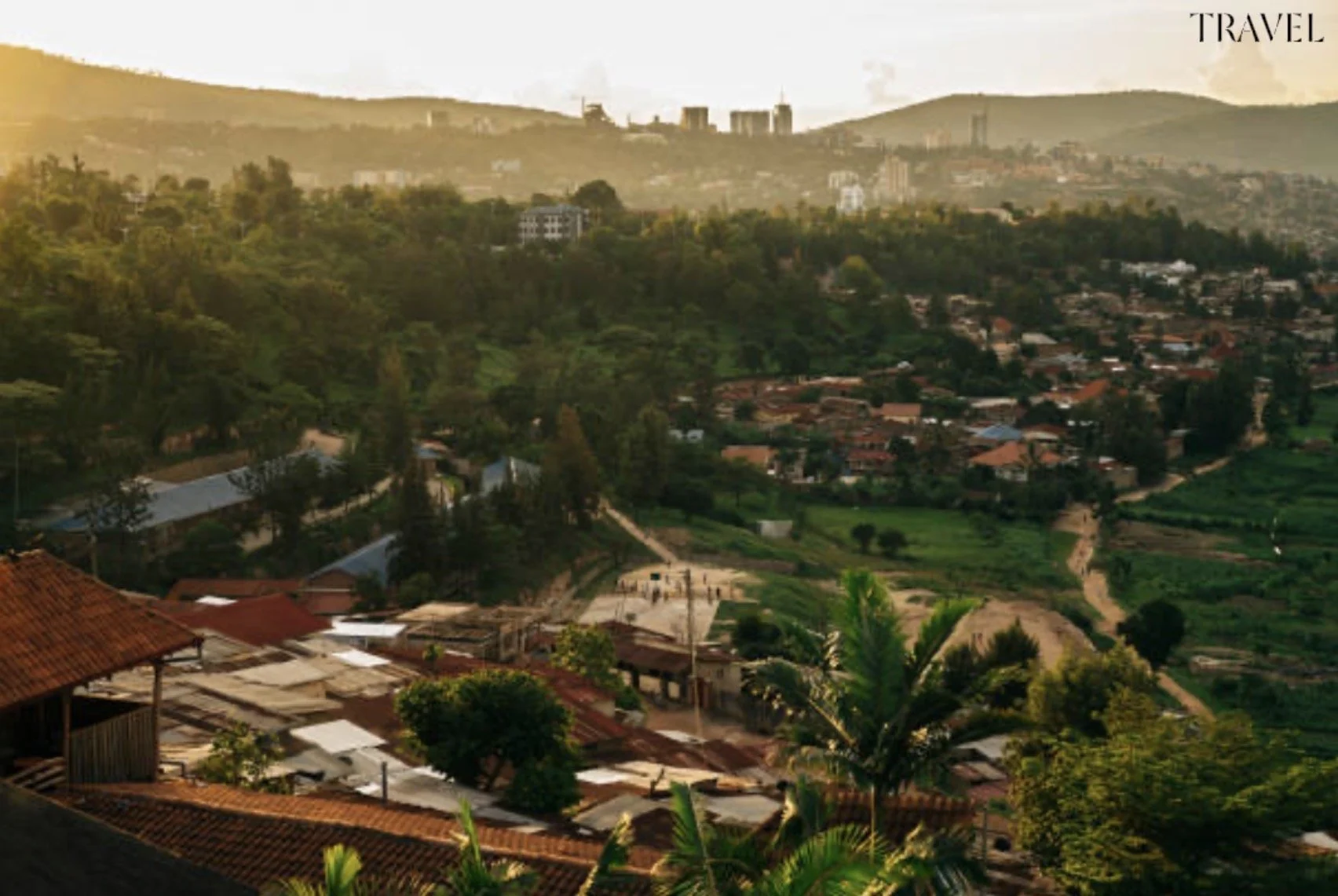
Kigali, Rwanda's capital, is one of the most surprising cities in Africa — clean (there are no plastic bags, by law, anywhere in the country), efficiently run, and increasingly the site of serious contemporary art, architecture, and a food culture that is developing with the speed of a city that has been rebuilt from near-complete destruction within living memory. The Kigali Genocide Memorial, which documents the 1994 genocide that killed an estimated 800,000 people in 100 days, is a necessary and well-handled part of engaging with Rwanda honestly. It cannot be avoided by the traveller who is paying attention.
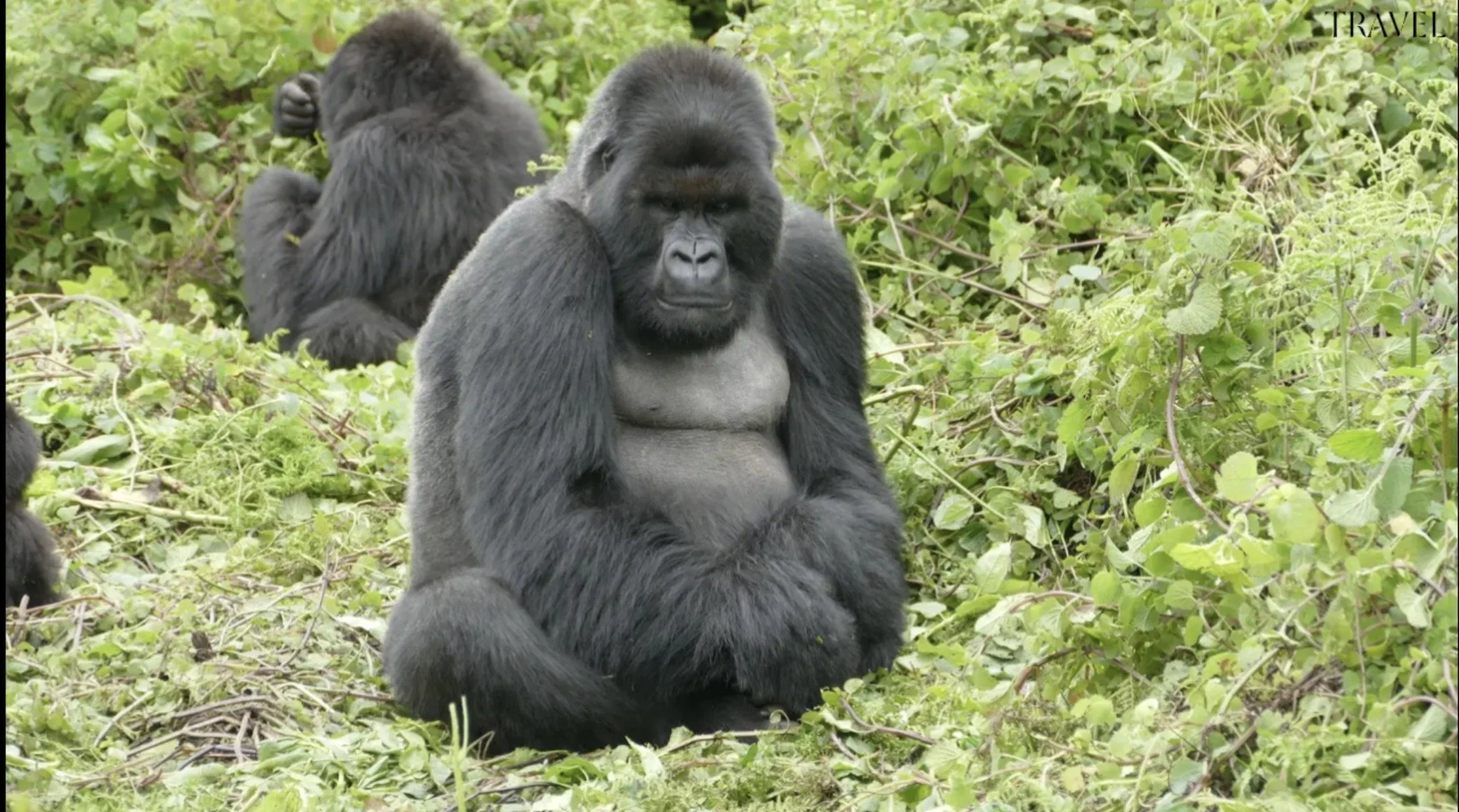
The Singita Kwitonda Lodge and One&Only Gorilla's Nest — both in the Kinigi area near the park entrance — are the most significant luxury properties in the area. For the gorilla trekking experience specifically, the proximity to the park entrance and the quality of the pre-trek briefings matter more than any amenity.
BY OONA CHANEL
