

AMARU: A Restaurant Between Worlds
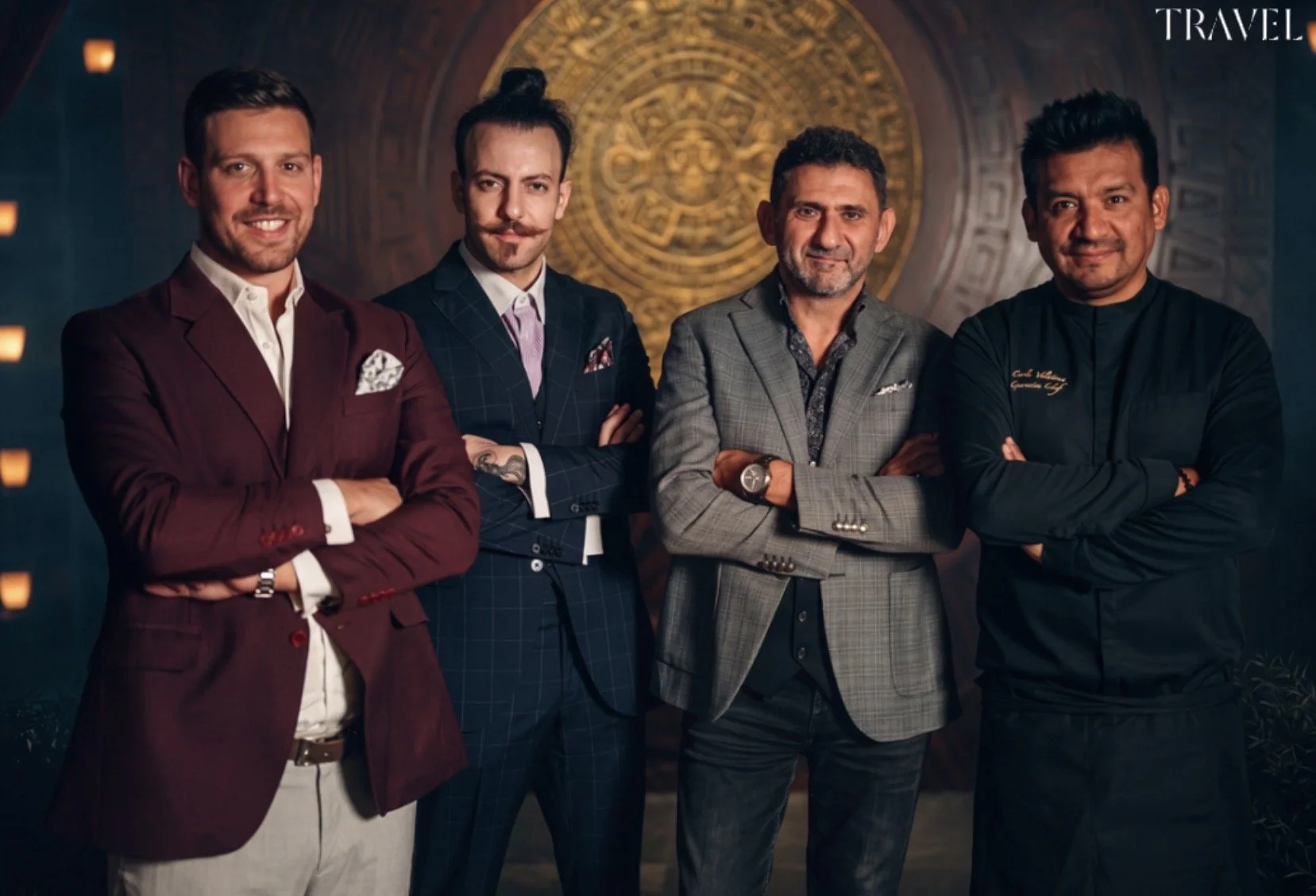
Fadi Bijjani’s restaurant in Dubai was built to change form over the course of an evening. He and the men who made it with him on myth, memory, and who, in the end, a restaurant belongs to.
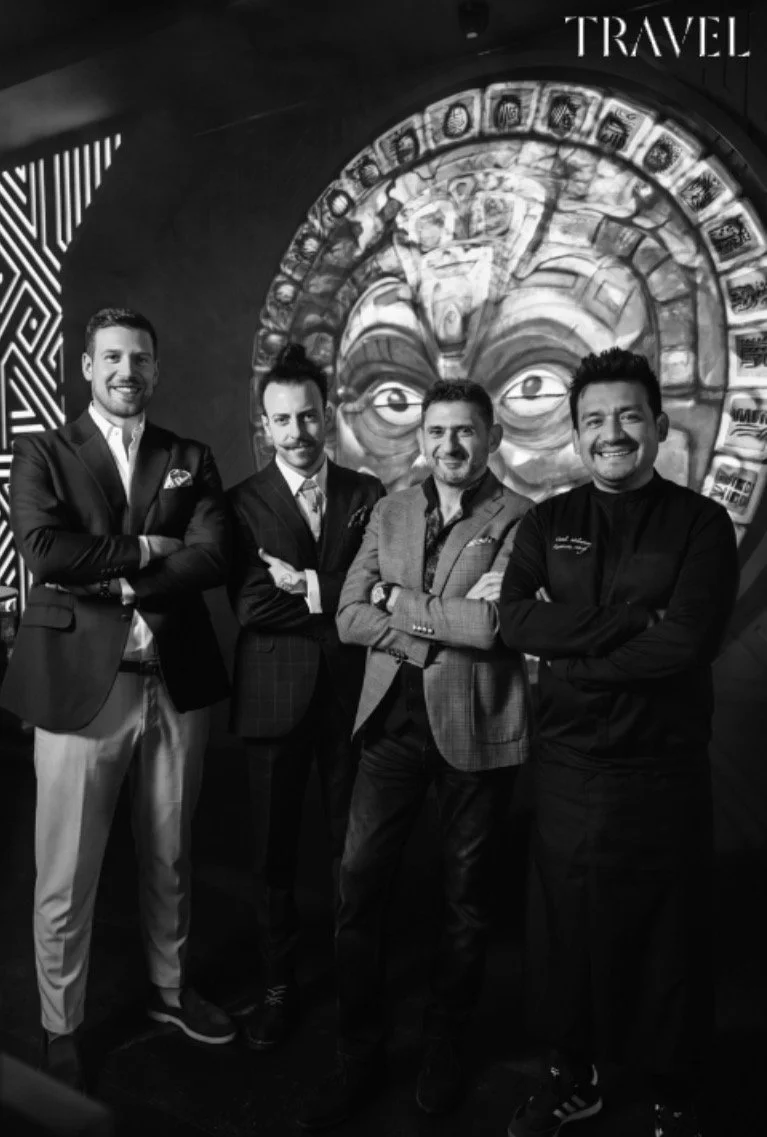
Around the table: Fadi Bijjani, Founder and CEO · Chef Carlo Valentino, Executive Chef · Firas Youssef, Beverage Director · with Ognjen “Ogi” Bozalo, General Manager
Ovid opens the Metamorphoses with a promise to tell of bodies changed into new forms, then spends fifteen books declining to explain how it is done. Daphne becomes a laurel, Arachne a spider, Narcissus a flower, and each change is complete before anyone thinks to object. Fadi Bijjani has built a restaurant on the same principle.
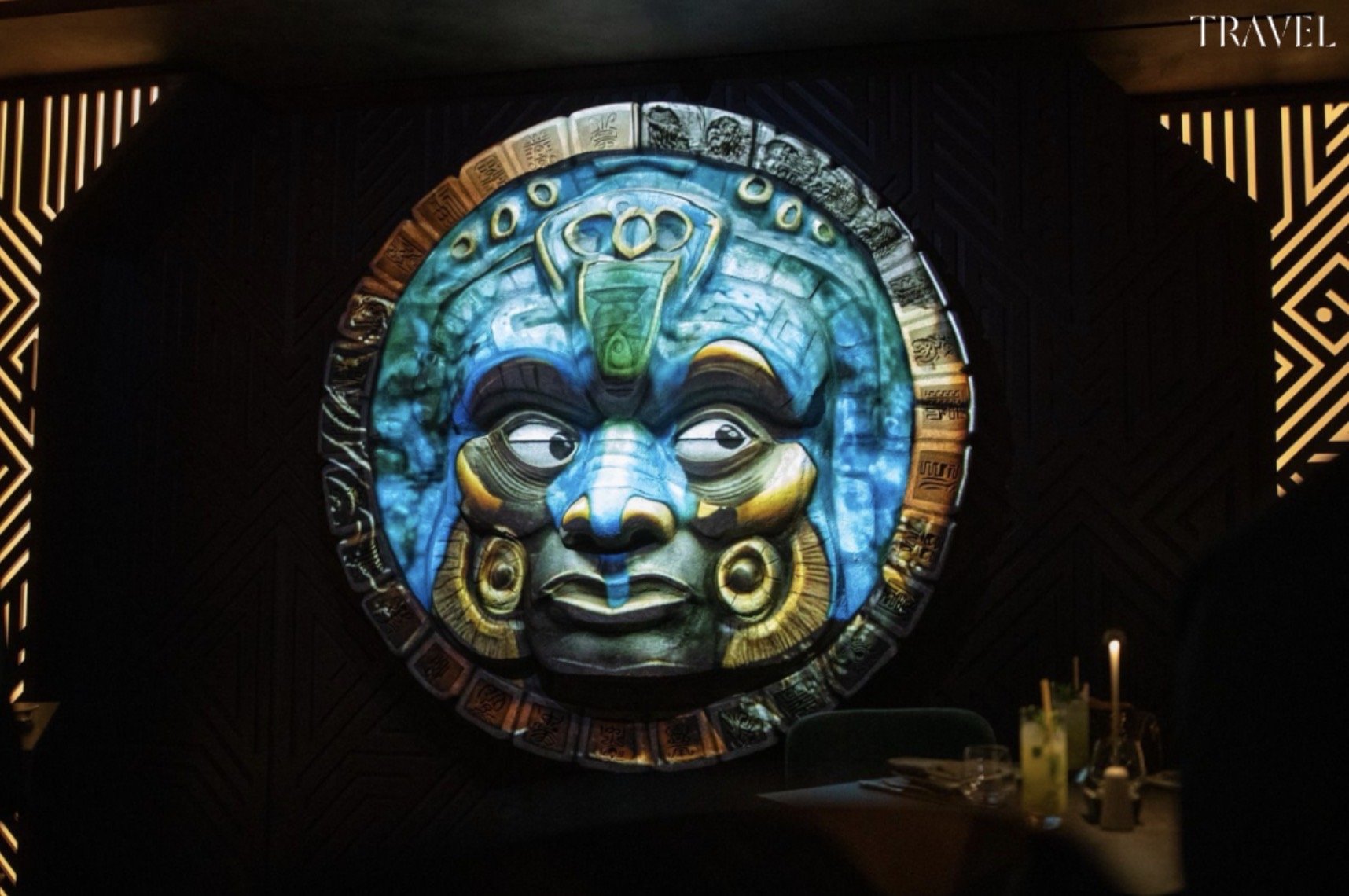
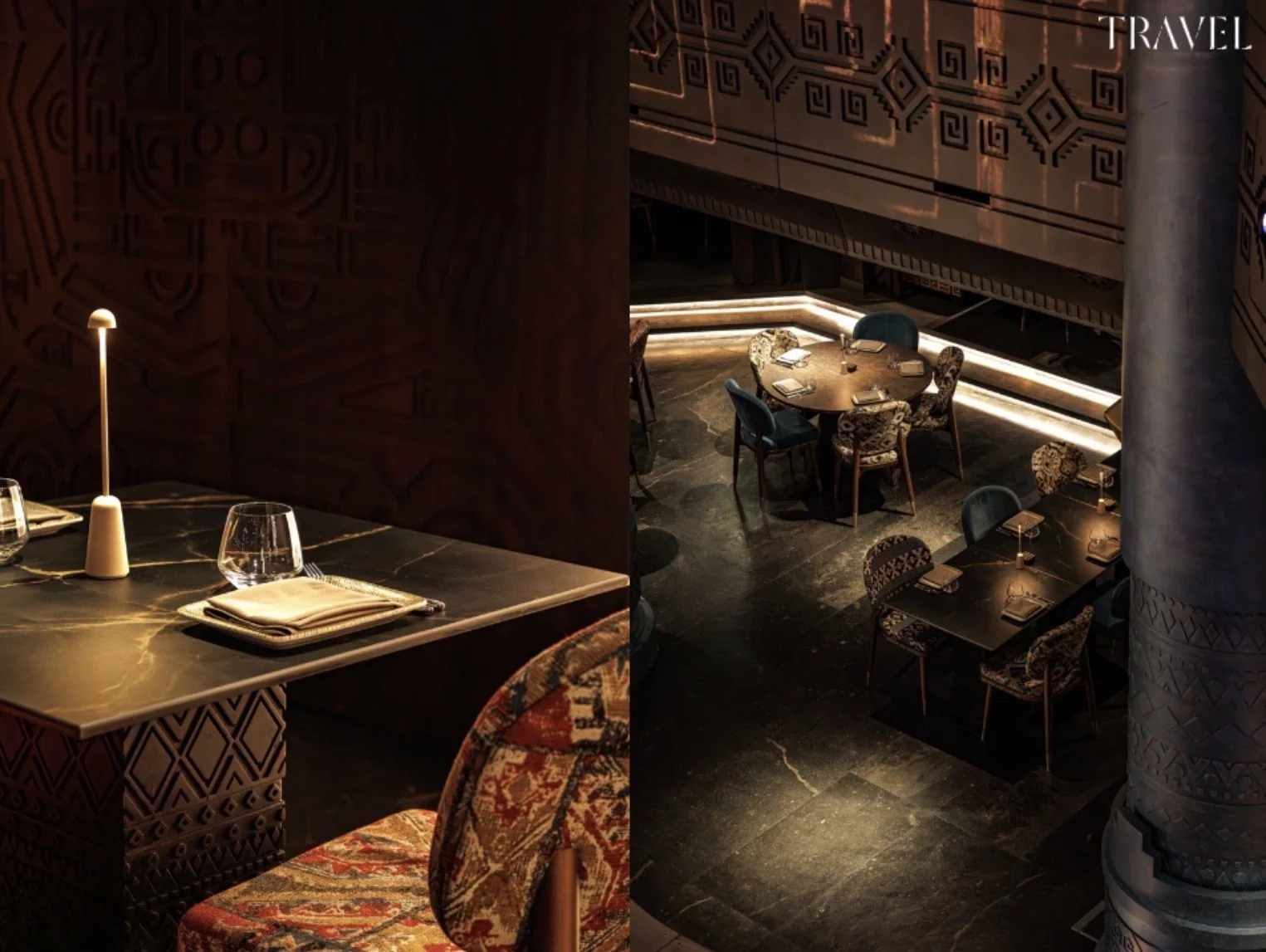
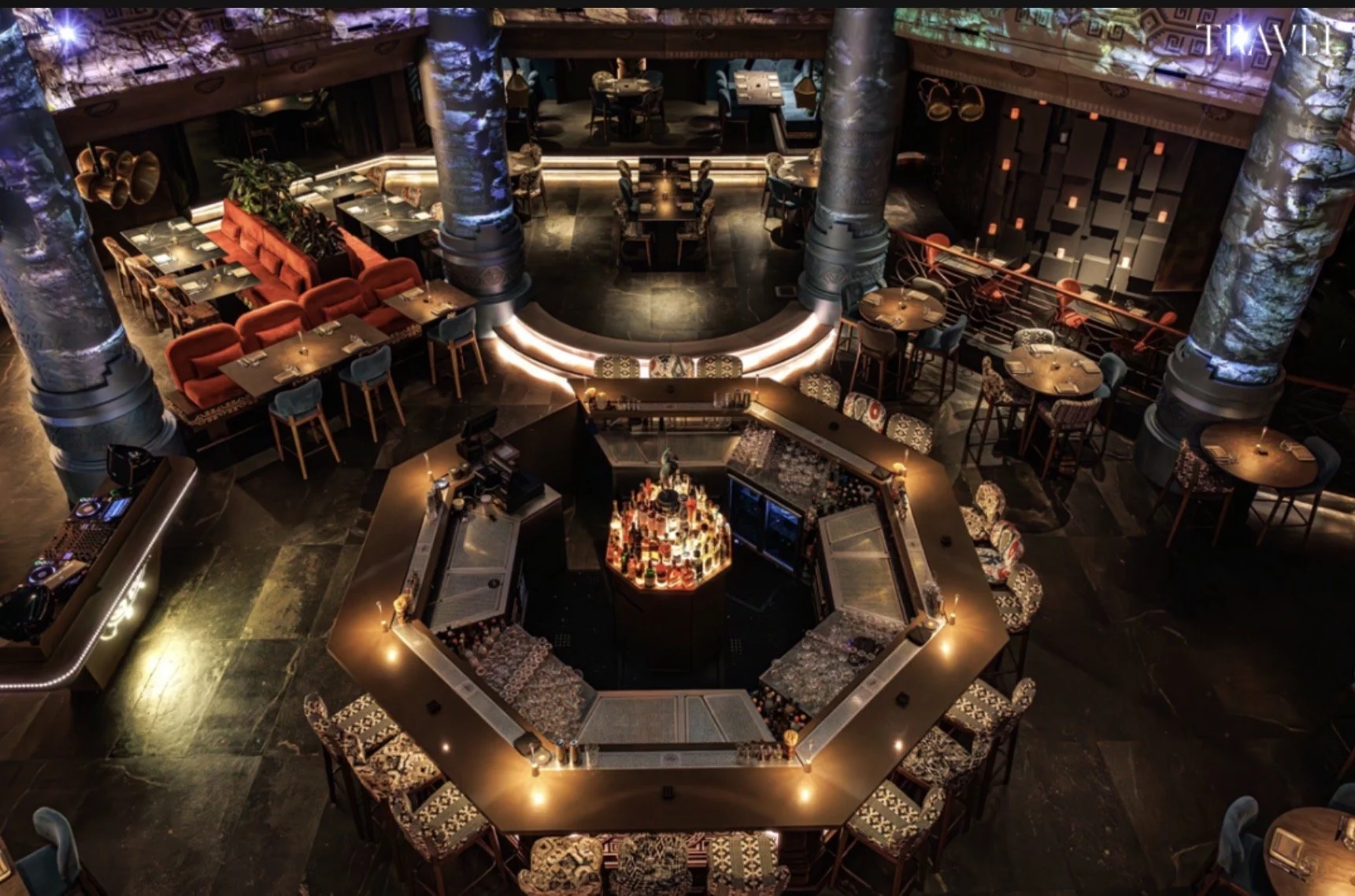
At AMARU, in Dubai, dinner comes first: a serious kitchen, a serious bar, a room quiet enough for conversation. Then, at around eleven, the music begins to climb, the light turns, projected images start to move through the room, and diners who came for ceviche find themselves, some time later, on their feet. Bijjani calls it a metamorphosis, and he means the word in its Ovidian sense. Nobody is supposed to see the moment it happens.
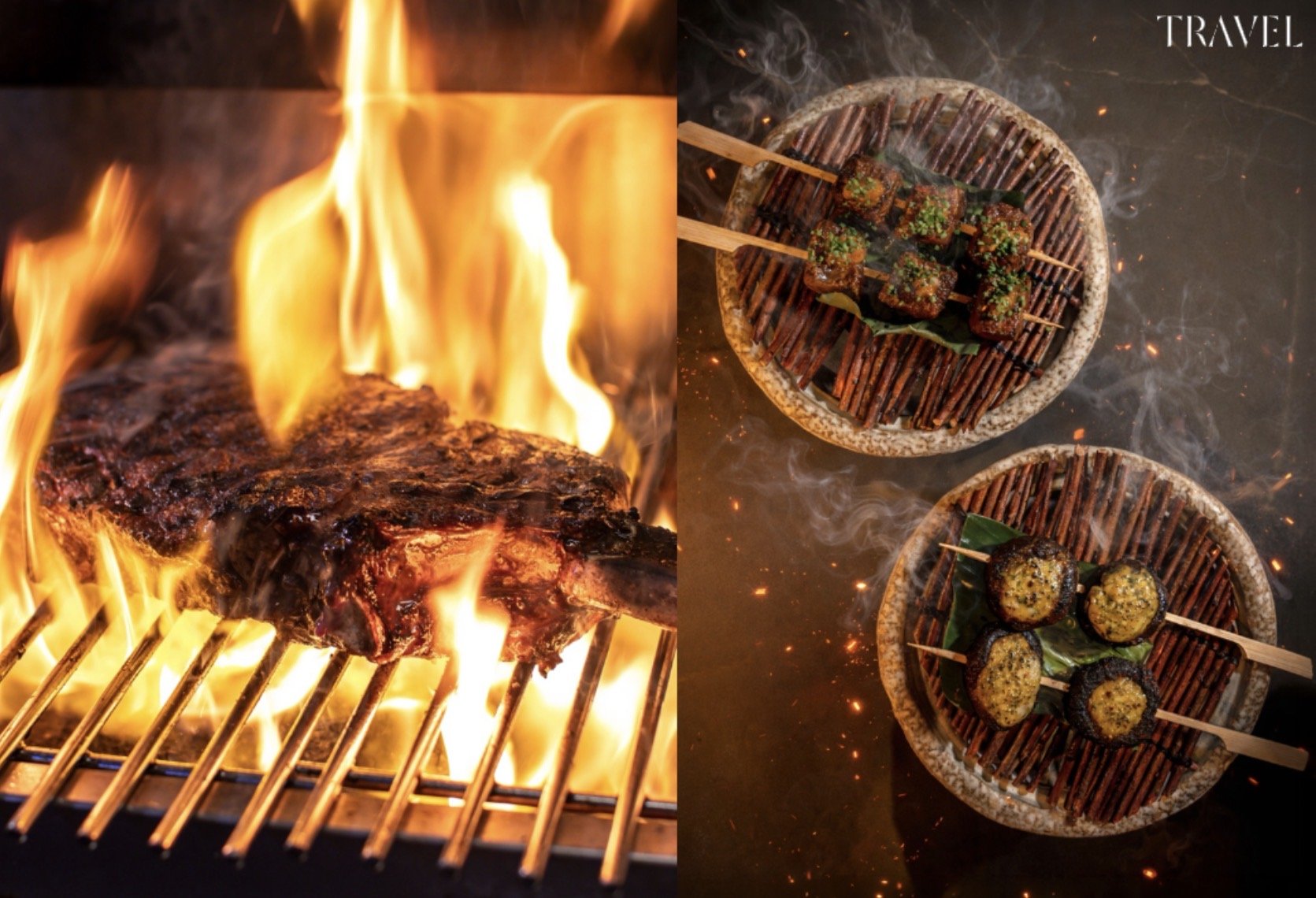
The idea reaches back to Argentina in 2010, to a venue where dinner was served on an upper floor left open to a dance floor below, so that diners could watch the night gathering beneath them. Bijjani, who is Lebanese and has spent more than twenty-five years in hospitality, was on one of many long journeys through Latin America, and the image waited years for its building. There is an old symmetry in his route. A century ago, Lebanese emigrants crossed to the same continent in such numbers that their descendants there are now counted in the millions. Bijjani went as a traveller, and what he brought home was not a new life but an idea for a single room.
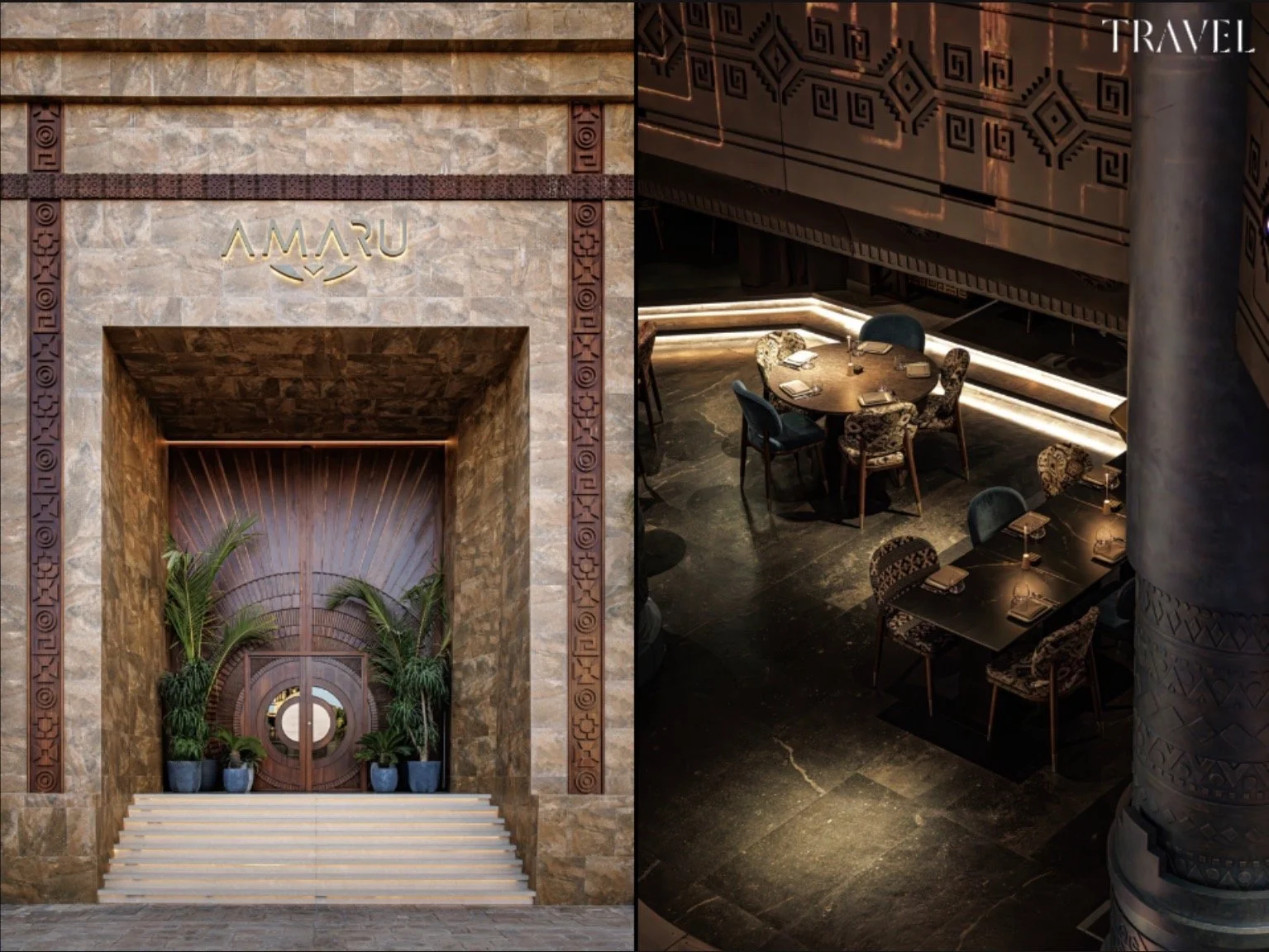
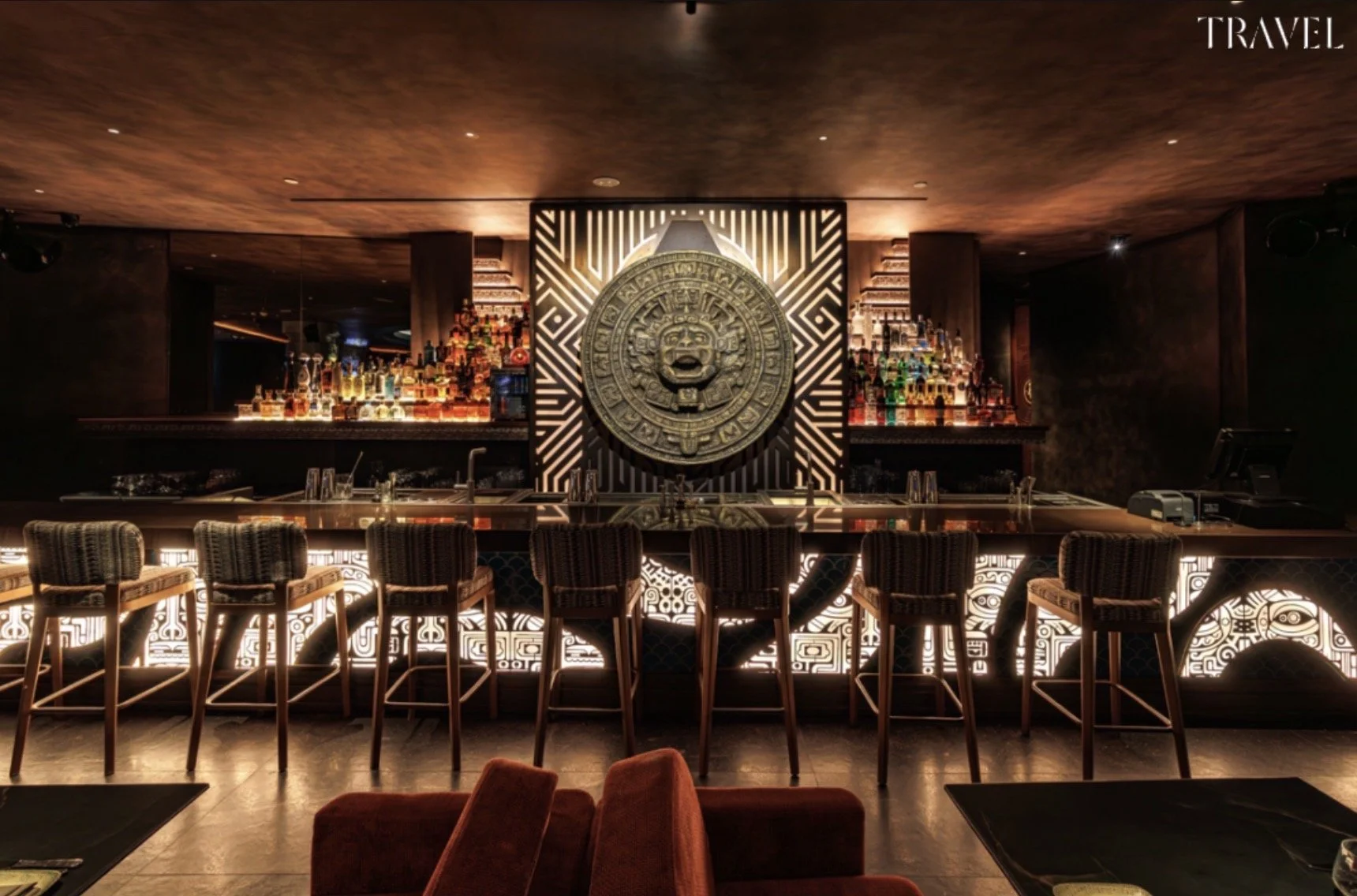
He named it for a creature of Andean myth. Inca cosmology divided the world into three: Hanan Pacha above, Kay Pacha, where the living go about their business, and Uku Pacha beneath. Amaru, a serpent-dragon of water and of the earth’s upheavals, moves among them, which makes it a fitting emblem for a place that intends to be several things in one night.
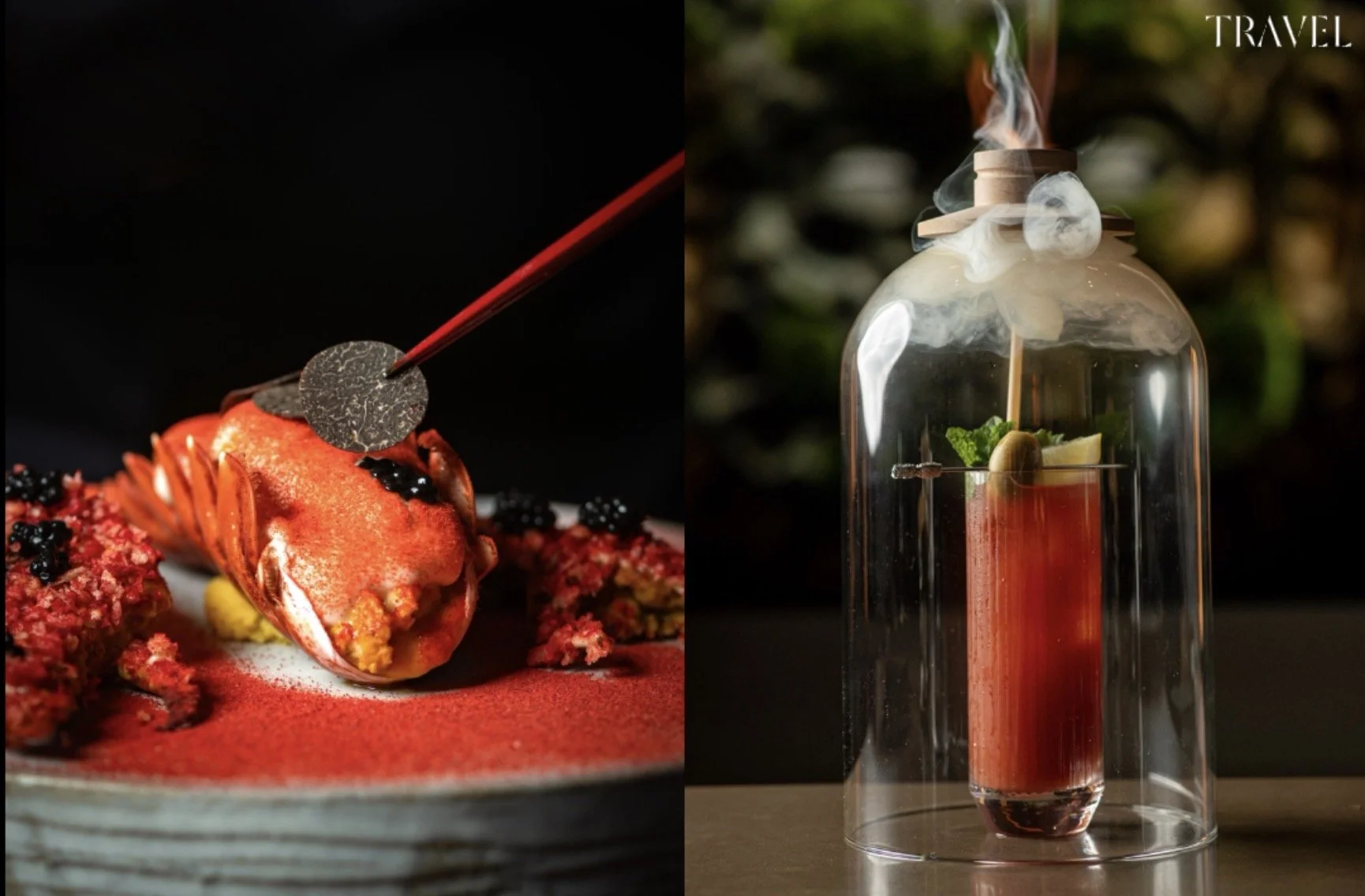
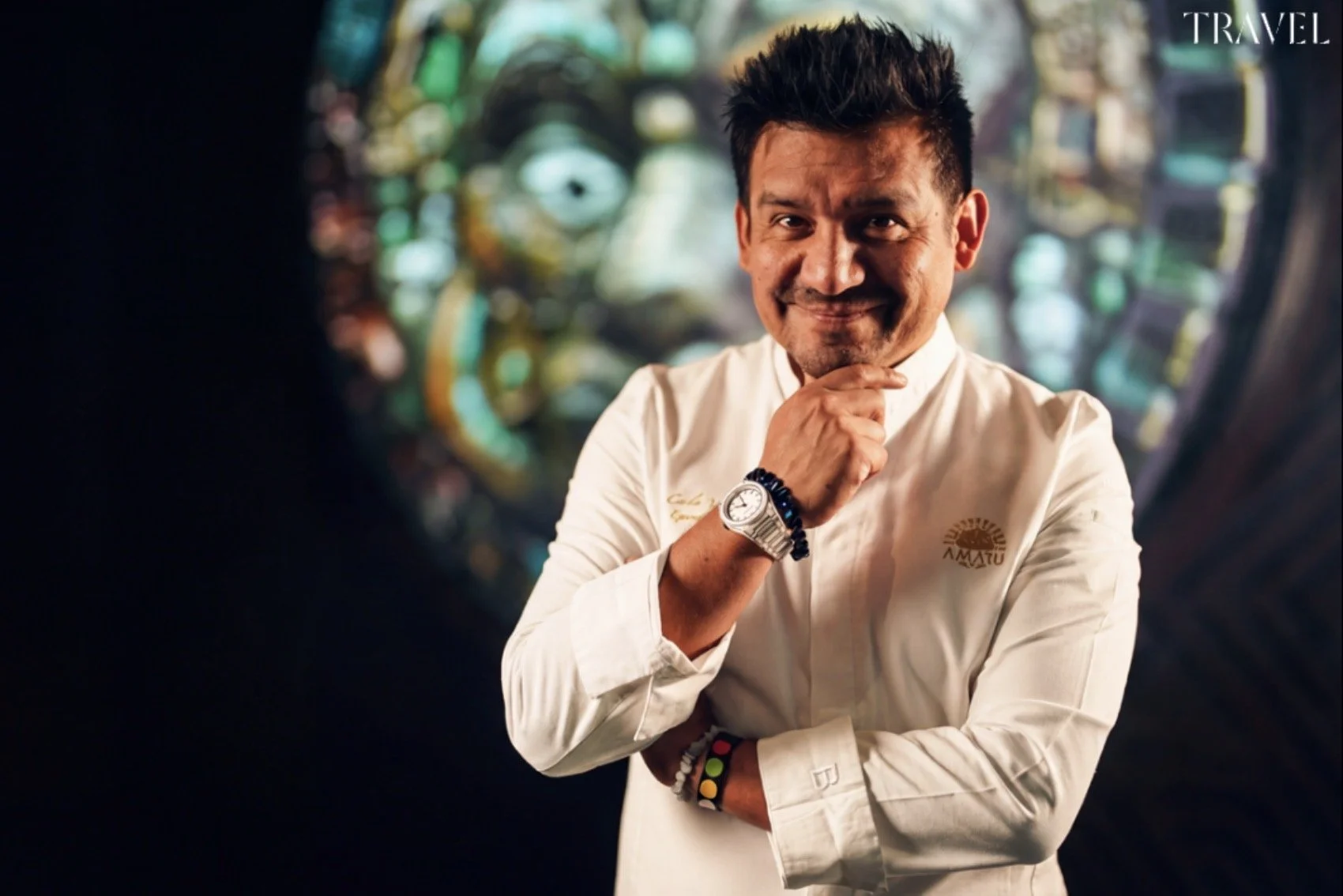
Ask Bijjani who AMARU belongs to and he answers first, and without hesitation: the concept, the name and the mythology are his. The men beside him tell a more complicated story. Carlo Valentino, the Peruvian executive chef, learned what an ingredient is in a small boat with his father, a doctor by profession and a fisherman by devotion. Firas Youssef, the beverage director, trained as a cinematographer, and describes a cocktail the way he would a scene, with an opening image, a turn and a final frame. Ognjen Bozalo, the general manager, known to everyone as Ogi, oversees the operation and leaves the talking to the others, though Bijjani calls him the glue, and his influence surfaces in nearly every answer about how the house actually works. Put the four together and the conversation behaves rather like the restaurant. One voice sets a theme, another picks it up, a third quietly carries it somewhere else.
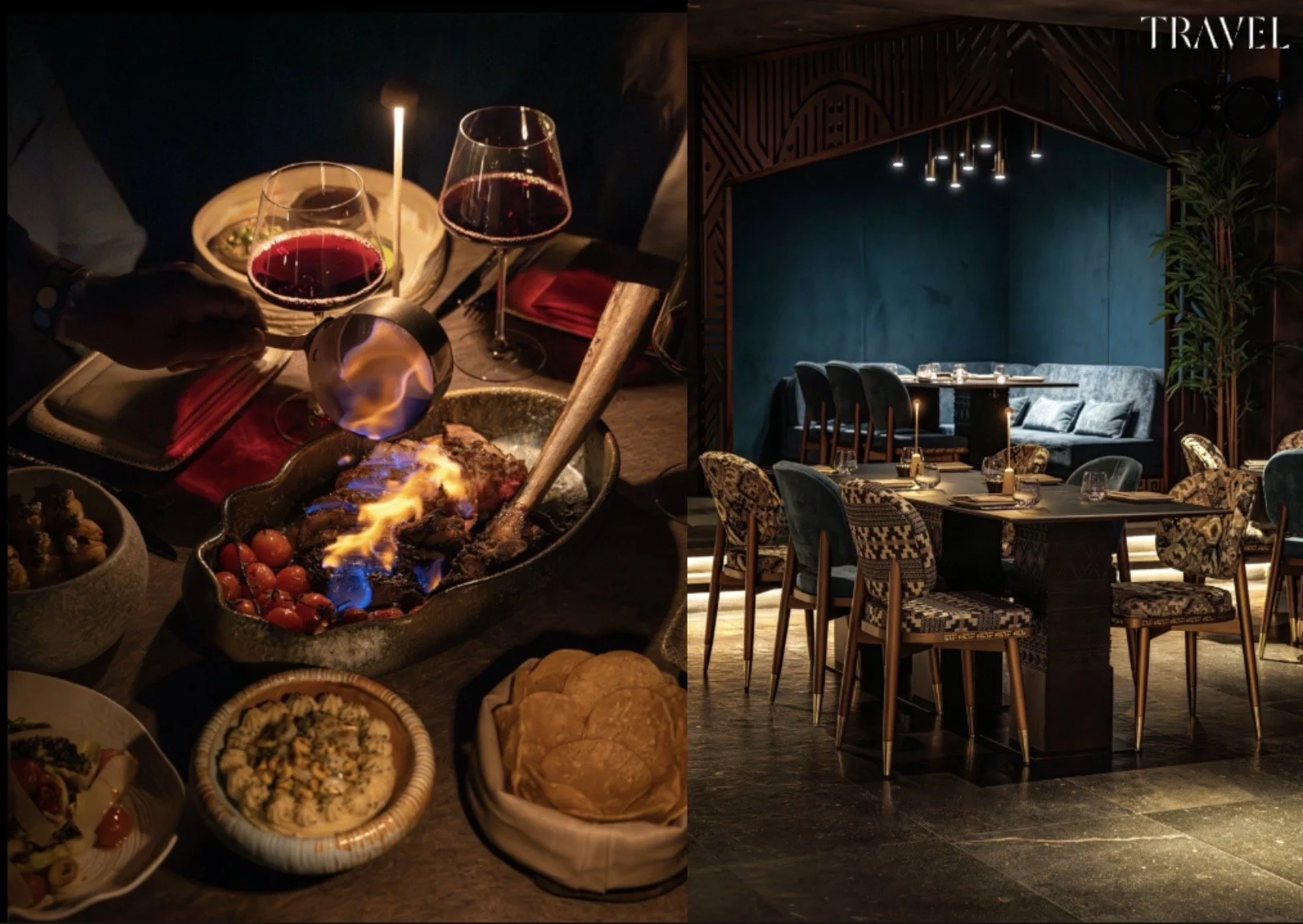
What they are making matters beyond its own walls. Dubai has long imported its great dining rooms, already celebrated and already finished. AMARU was conceived here, for a city in which most residents were born somewhere else and a Lebanese founder, a Peruvian chef and a cinematographer behind the bar look less like a novelty than a fair sample. It also reaches for something closer to art than to dinner, composing food, drink, architecture, music and moving image into what Wagner, writing of the opera, called a Gesamtkunstwerk. Restaurants make awkward artworks. They are consumed in the act of being enjoyed and rebuilt each evening from nothing; Valentino’s kitchen makes amuse-bouches meant to last a single night. And they are finished by an audience that never saw the drafts. When a world is imagined by one man and made by several, whose is it? It is the question the conversation kept returning to.
Fadi, before AMARU was a business, what was the private obsession behind it?
FADI It was personal long before it was a business. Over twenty-five years in hospitality I kept going back to Latin America: Cuba, Mexico, Chile, Peru, Argentina, Uruguay, Brazil. I became fascinated by the culture in the broadest sense. The food, of course, but also the music, the warmth, the colour, the ancient civilisations and, above all, the way people there celebrate life. It reconnected me with music, which had come much earlier. I grew up in Lebanon with brothers who always had music playing, and very young I understood that music has the power to change the energy of a room.
The idea crystallised in Argentina in 2010. I visited a venue built over two levels. Upstairs was dining, downstairs was dancing, and the upper floor was left open so you could look down on the dancers. I loved that the two experiences were separate, yet connected visually and emotionally. AMARU is not a copy of that place, but that night stayed with me. Eventually it became La Galería, our first floor, which opens onto the room below.
I had seen great restaurants and I had seen great nightlife. What I had rarely found, outside a few places in the world, was one room where both could exist at a high level, and where the transition itself became part of the experience. I also wanted AMARU to be a home away from home for the Latin American community in Dubai, somewhere a guest from Peru, Mexico or Colombia could walk in, recognise something emotionally familiar, and discover a contemporary interpretation of their own culture, made here.
Amaru is a serpent that moves between worlds. Which worlds does this restaurant move between?
FADI Transformation is at the heart of AMARU, which is why the name mattered so much. When I discovered the story of the serpent-dragon who crosses between realms, it brought together ideas that were already in my head: Latin America, mythology, fire, movement, rebirth, the idea of crossing from one state into another.
So AMARU moves between Latin America and Dubai, between ancient mythology and a very contemporary experience, and between memory and invention. Carlo may begin with something he remembers from Peru, Firas with a Latin spirit or ingredient, and we reinterpret it through a modern Dubai lens. Most visibly, it moves between dinner and the energy of the night. And it is personal. My own life has moved between Lebanon and other countries and cultures, between business, music and hospitality. I have never been interested in staying inside one box.
CARLO For me, it is about showing people where we come from. For the Latin community, I want AMARU to feel like a reconnection, as though for a moment they have been carried back home. For someone who has never been to Latin America, I want it to be an invitation. AMARU is not simply bringing Latin American food to Dubai. It is bringing a piece of Latin America to life.
Bijjani does not pretend the idea belongs to anyone else. What he wanted from his collaborators, he says, was opinions of their own, and the table bears him out.
When you invited Carlo, Firas and Ogi into that vision, what did each of them change that made AMARU no longer entirely yours?
FADI I would answer that slightly differently. The concept, the name, the mythology and the world I wanted to create came from a very personal vision, and in that sense AMARU remains deeply mine. But having a vision and bringing it to life are two very different things. I never wanted to surround myself with people who would simply execute instructions. I wanted specialists with strong personalities and their own point of view, because that is how a concept gains depth.
Carlo took my idea of a culinary journey across Latin America and gave it authenticity through his own life. He brought memories, ingredients and techniques I could never have manufactured, and made the food a personal expression of Latin America rather than a menu built around a theme. Firas did something similar with the bar. I wanted drinks to be integral to the experience, not an appendix to it, and he pushed that much further: culinary techniques, aromas, textures, pairing cocktails with dishes, treating a drink almost as another course.
Ogi’s contribution goes beyond operations and hospitality. He understands the culture I have always wanted to build inside AMARU, one based on dedication, care, loyalty and a genuine sense of responsibility towards one another and towards the business. Culture is not something written in a manual. It shows in how people behave, particularly when things are difficult, and Ogi understands that instinctively. He cares about the people, the product and the company. In many ways he has become the glue of AMARU, connecting the vision, the team and the day-to-day reality of the business.
So I created the world, and I continue to guard its DNA. But the people I chose have been given the freedom to author important parts of it.
The question passes down the table to Valentino and Youssef.
Carlo, Firas, when did you stop feeling you were executing Fadi’s idea, and start feeling you were authoring it with him?
CARLO The first time I met Fadi, I understood the idea immediately, and I connected with it on a very deep level. It touched where I come from and everything I have lived across Latin America, the people, the folklore, the music, the colours, the ingredients and, above all, the food. I knew we could create something special, and what makes it meaningful is that we are still learning from each other every day.
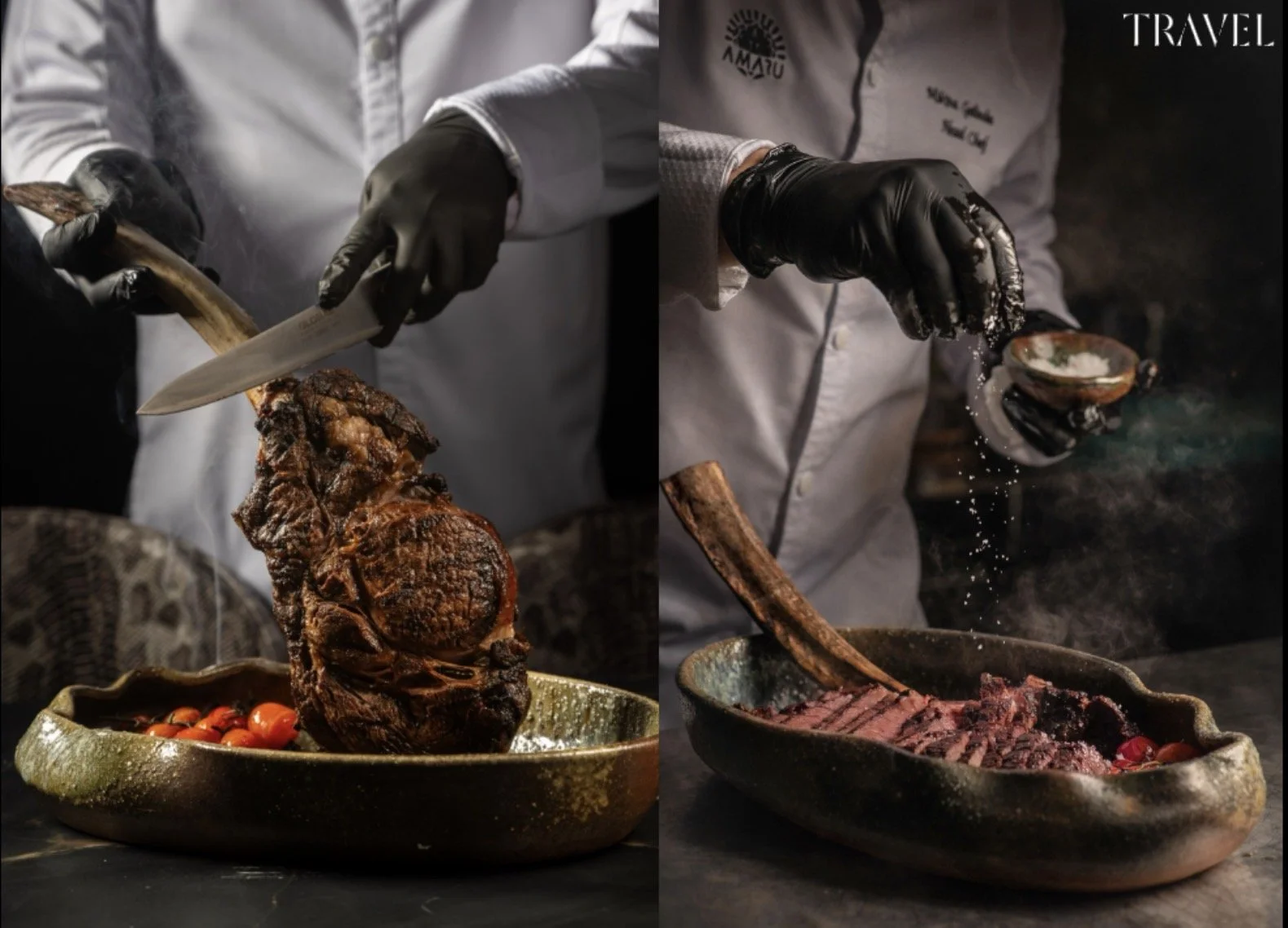
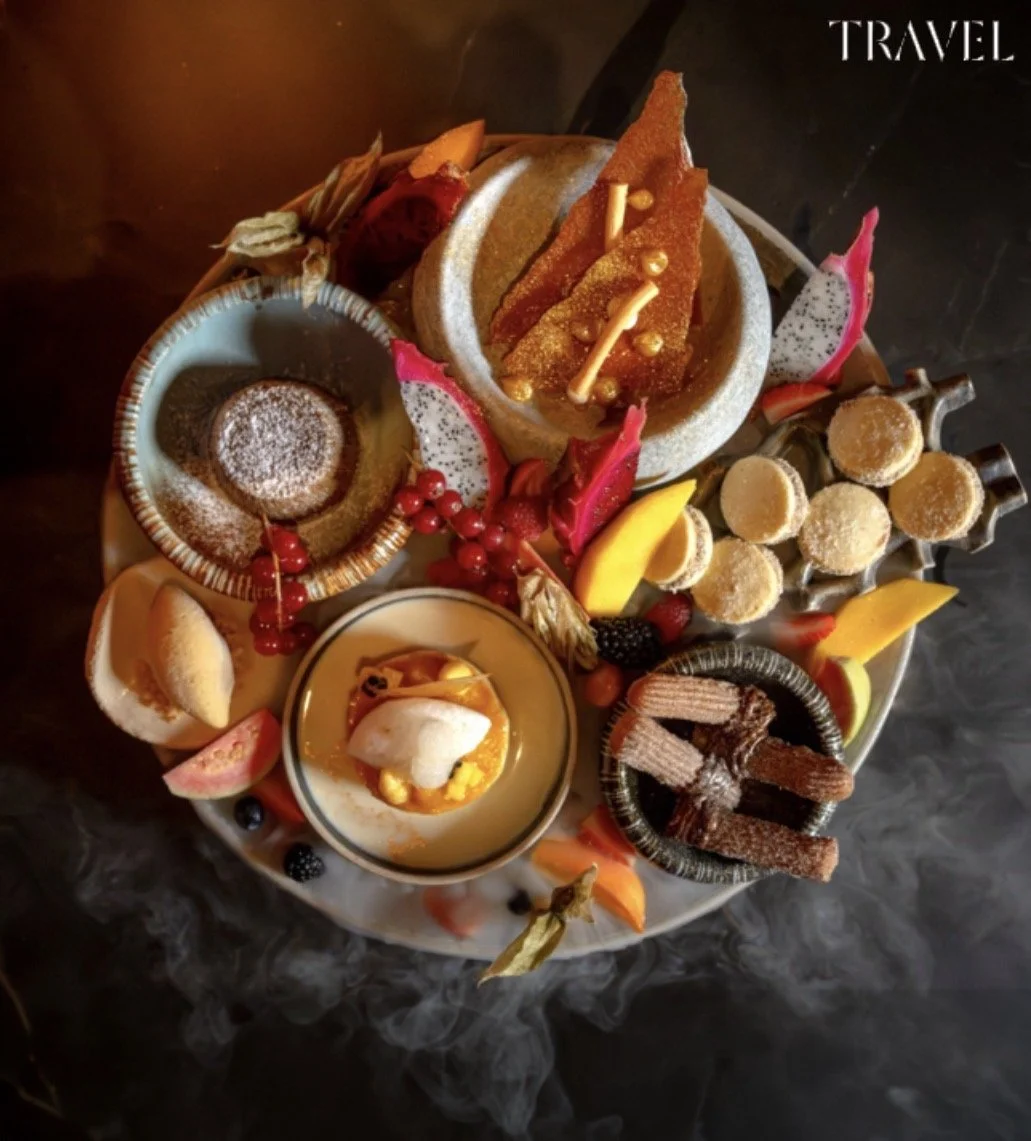
My role is to translate those experiences into food, to show the energy, the charisma and the emotion of Latin America in a contemporary way, not only through traditional dishes. With my team we are constantly developing. Every day we create amuse-bouches that exist for one night only. That is part of being a chef who creates: you never stand still, you keep finding another way to tell the story.
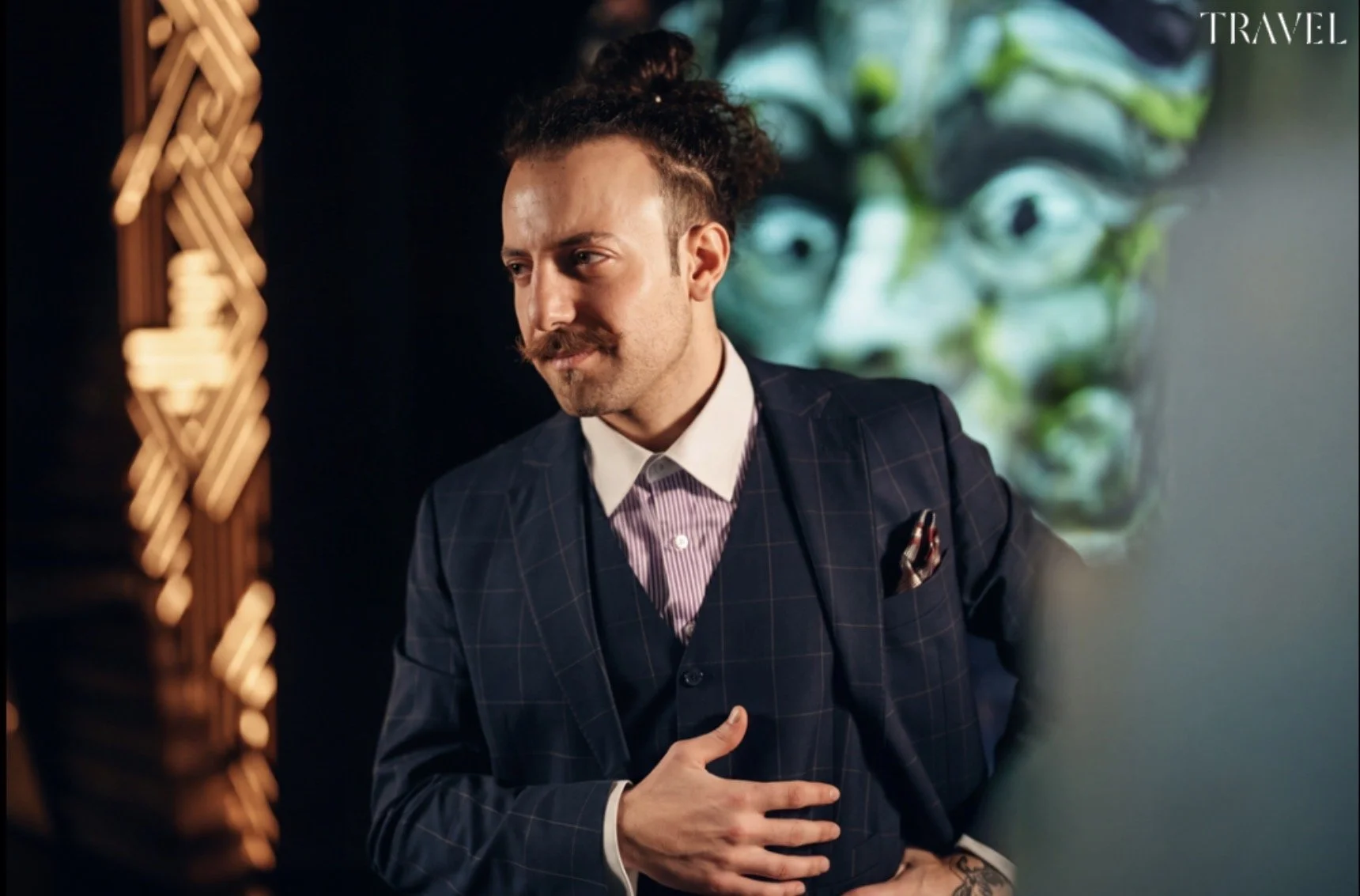
FIRAS I never felt I was simply executing Fadi’s idea. If anything, it was the opposite. His vision became an anchor for my madness, the thing I return to whenever I’m building a new flavour combination. I love being challenged; it makes me think deeper. He challenged me to stay faithful to an authentic Latin flavour profile, and that forced me to find new ways into the very same ingredients.
“His vision became an anchor for my madness.”
— Firas Youssef
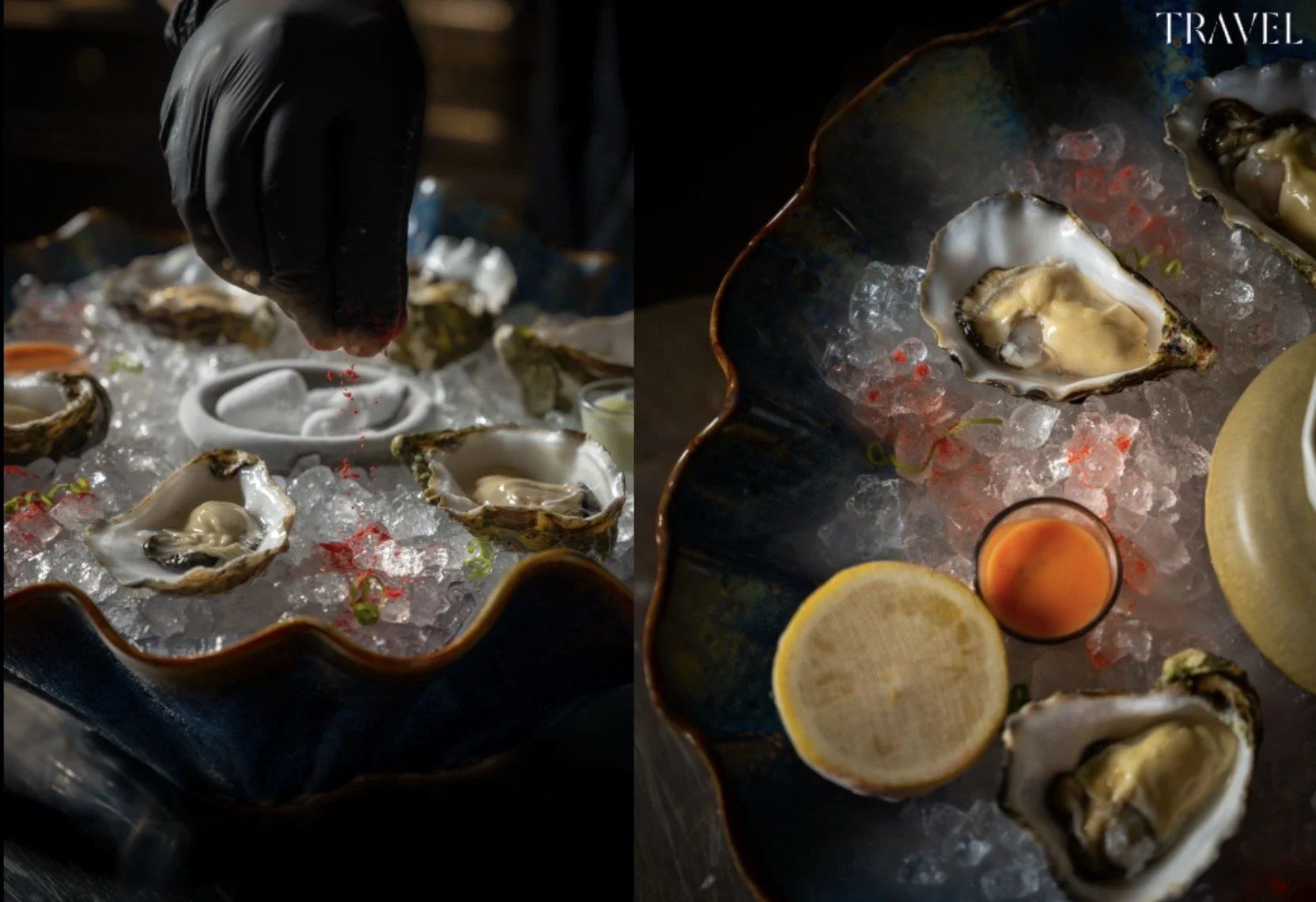
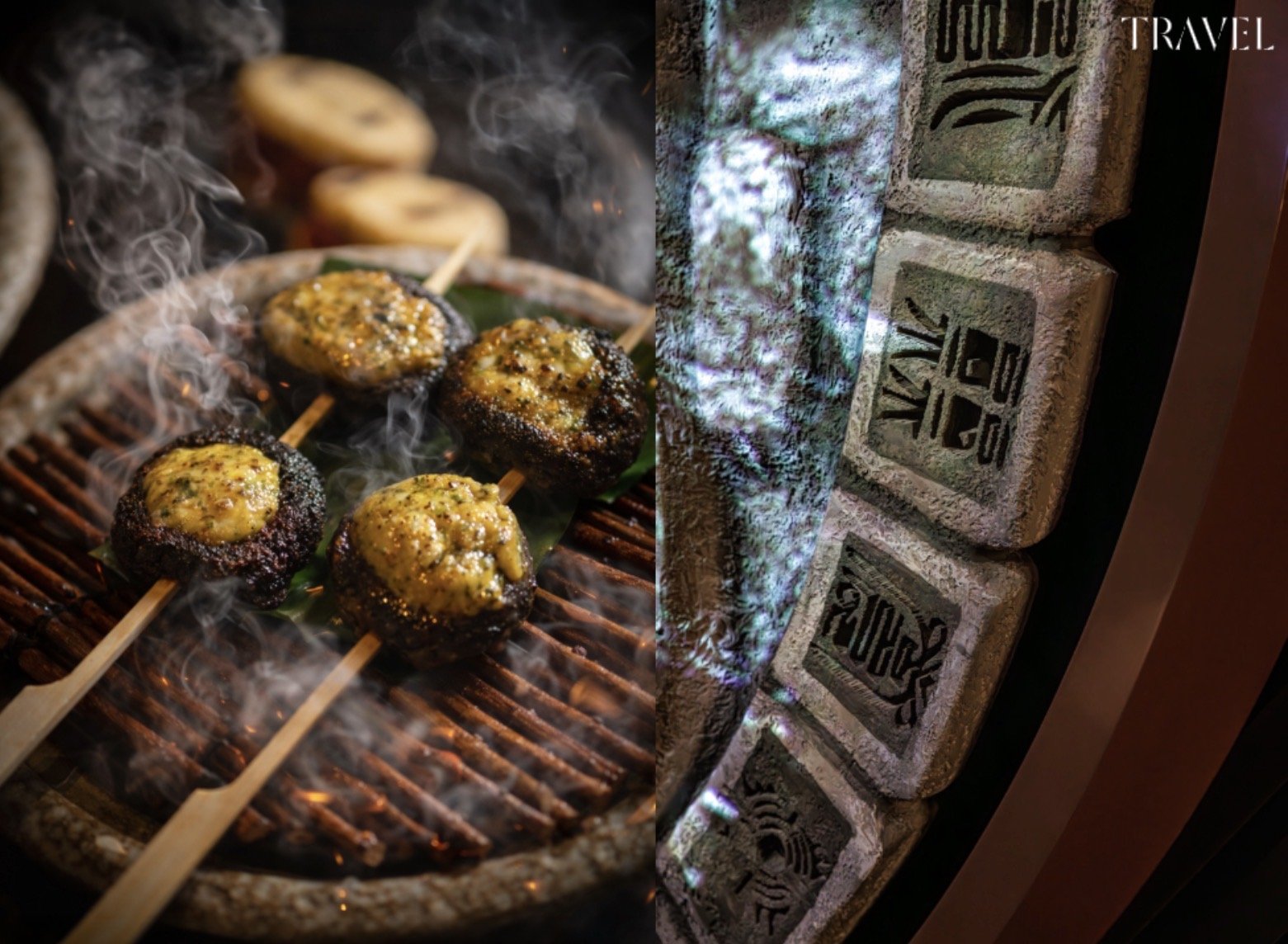
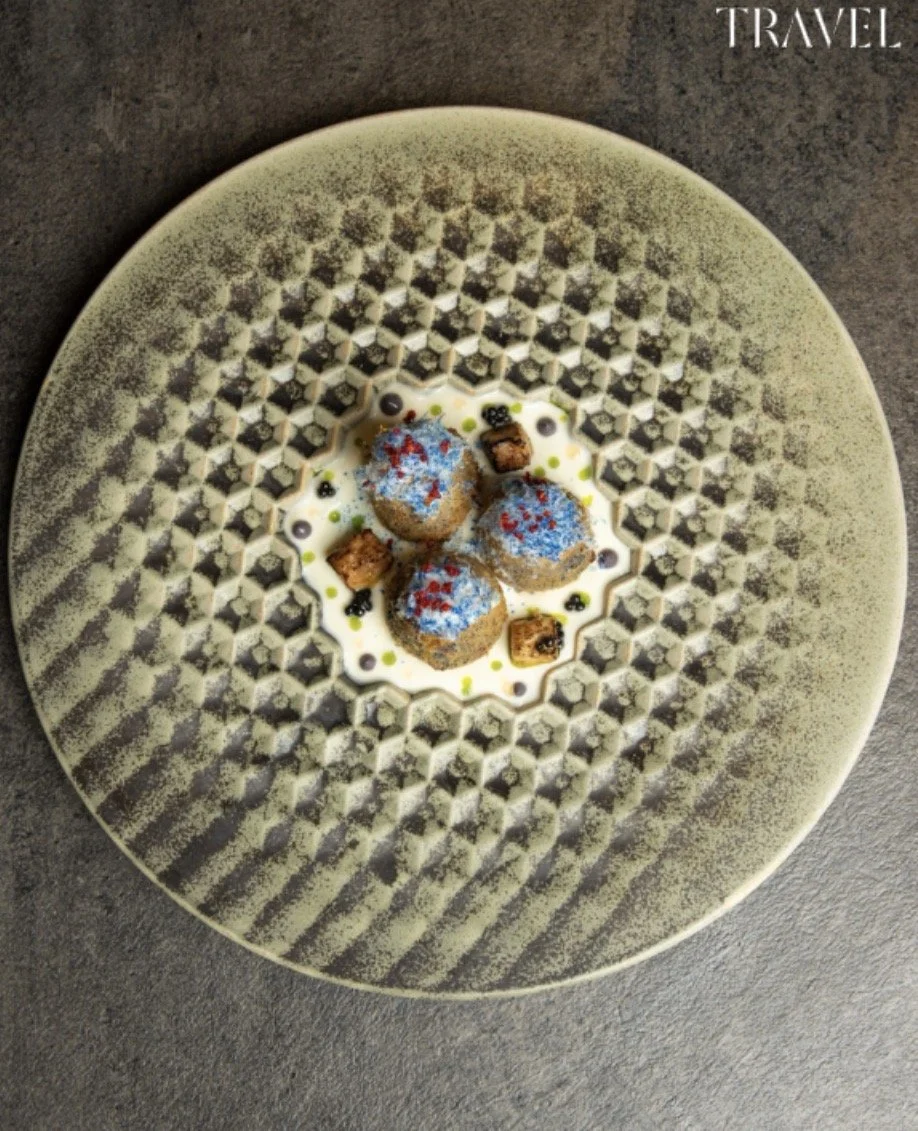
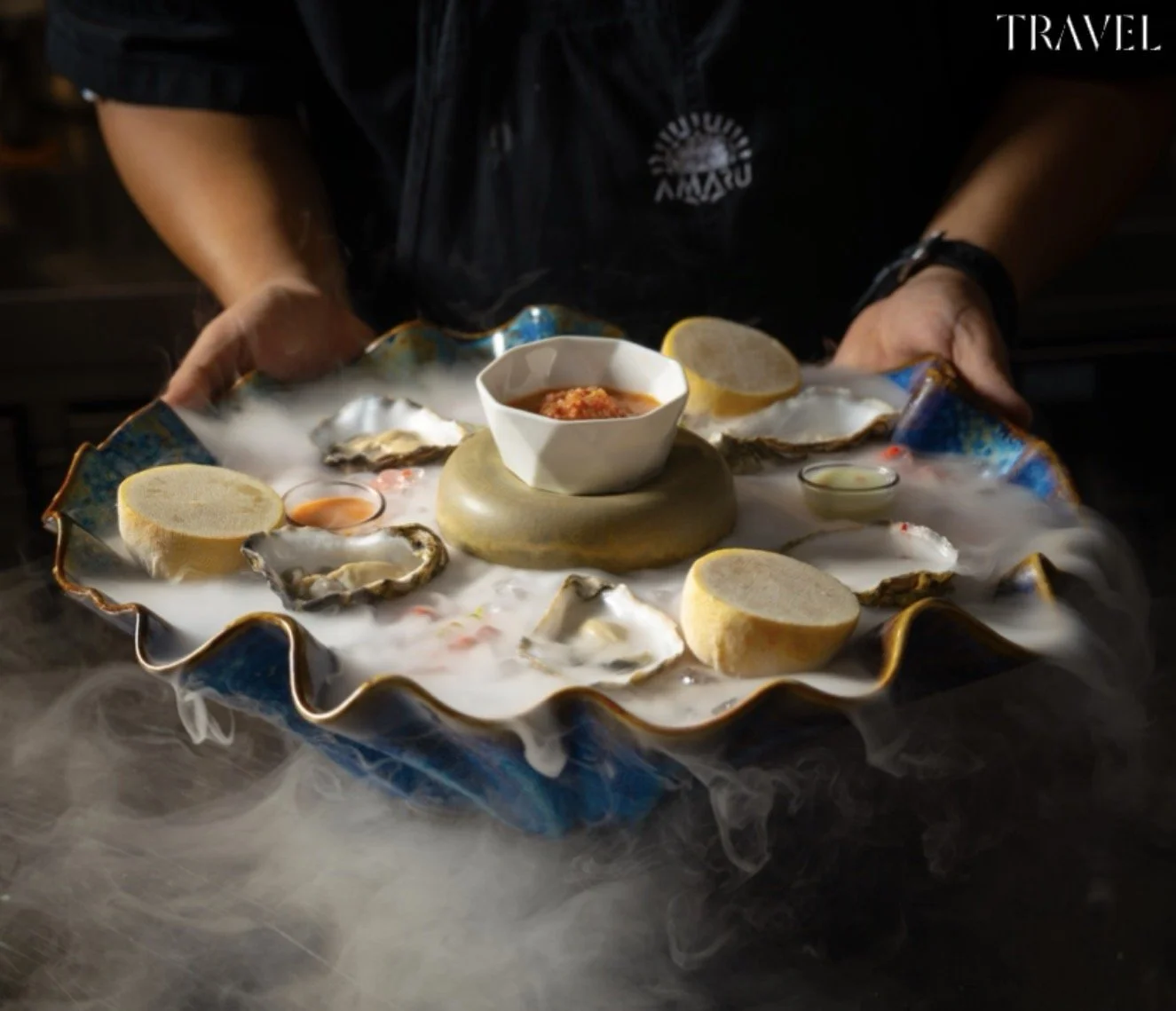
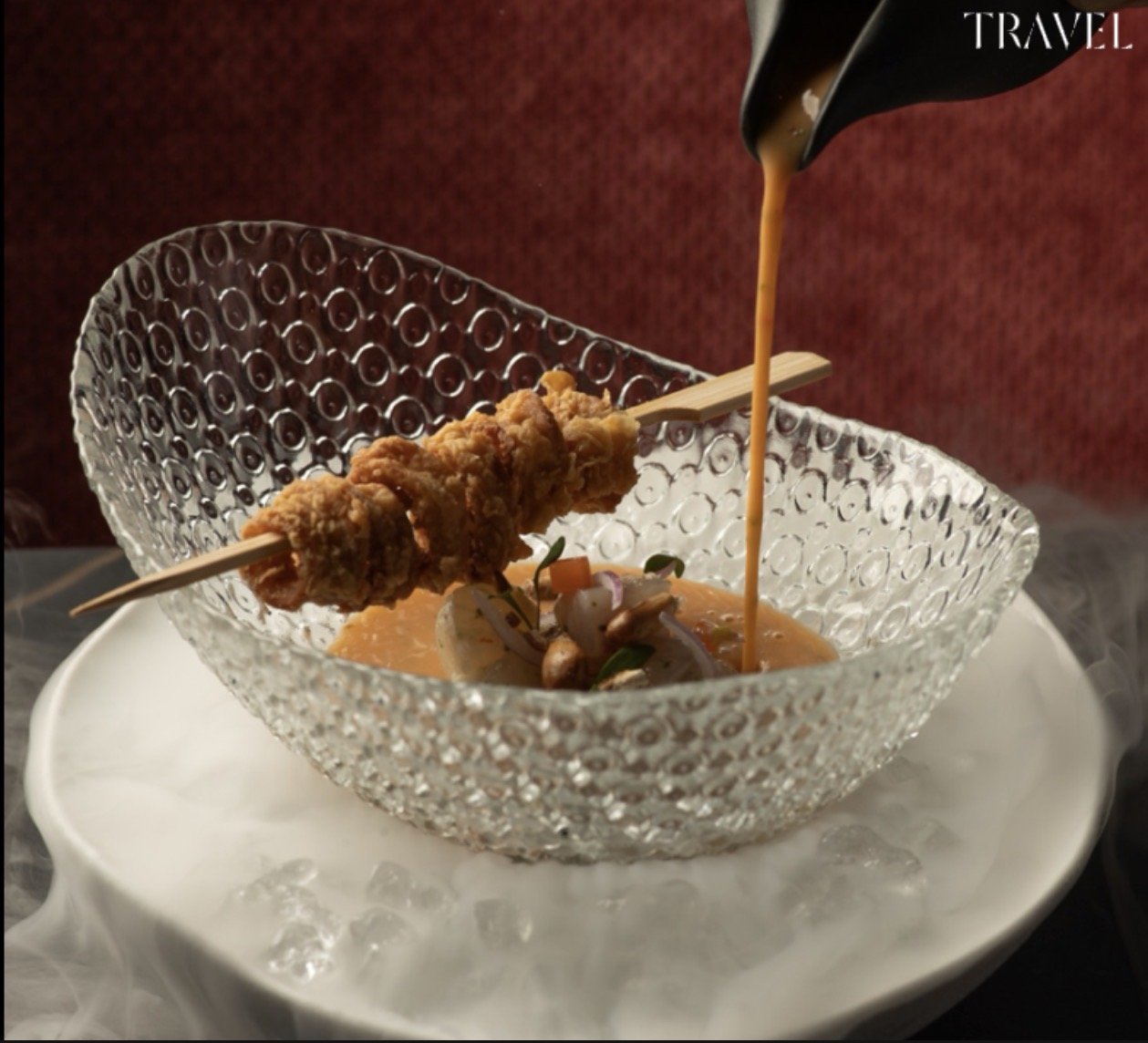
Valentino’s contribution begins at sea. Peru declared ceviche part of its national heritage in 2004, and UNESCO inscribed it on its list of intangible cultural heritage in 2023; for Valentino it was first something his father assembled on a small boat, with a knife, a few limes and whatever they had caught. The memory has consequences for the menu. AMARU’s ceviche has been kept recognisably Latin American, and the kitchen declined Nikkei, the Japanese-Peruvian cuisine that grew out of migration to Peru more than a century ago, despite its dependable popularity in Dubai.
Carlo, before octopus was an ingredient in your kitchen, it was a living creature you learned to catch as a boy with your father, and once, one fought back. When an ingredient has confronted you as something alive, can it ever be simply food again?
CARLO First, a small correction: my father isn’t a fisherman. He’s a doctor, but he has always had a huge passion for fishing, and that became a very important part of my childhood.
What that encounter taught me has stayed with me throughout my career: respect. Respect for every animal, every ingredient and every process. I don’t believe there is such a thing as a simple ingredient. Each one has its own world, its own character, so many possibilities waiting to be discovered. Our job as chefs is to understand it, to preserve its soul, its flavour and identity, and then to transform the way we experience it through texture, temperature, technique and form. It left such a deep mark that I have a tattoo on my arm connected to it. I became fascinated by how complex, intelligent and almost mysterious that animal is.
But when I think about octopus, I don’t only remember that day. I remember my father taking me fishing when I was a child. We would go out in a tiny boat with a little bag: a small chopping board, some limes, onions, chilli, salt and a knife. We would catch fish and make ceviche right there on the boat. Nothing complicated. Just fresh fish, the sea, my father and those few ingredients. Honestly, nothing I have experienced in a professional kitchen has ever matched that freshness, or that feeling. That memory is still inside my cooking today.
“Nothing I have experienced in a professional kitchen has ever matched that freshness, or that feeling.”
— Chef Carlo Valentino
FADI This is exactly why I wanted someone like Carlo to lead the kitchen. I can create the vision of a journey through Latin America, but authenticity comes from people who carry those places inside them. When a dish carries a real memory, a father, a coastline, a childhood, it stops being simply a recipe.
CARLO Authenticity cannot come only from following a recipe or researching a culture. It comes from experience, from having memories tied to the places, ingredients and people you are trying to represent. When I create a dish, I ask myself what I want the guest to feel: the freshness of the sea, the warmth of a family memory, the energy of a Latin American street, or something completely unexpected. I don’t want to reproduce what I have eaten or learned. I want to respect its origin, understand its soul and give it my own interpretation. AMARU should not be a museum of Latin American cuisine. It should be a living, evolving expression of it.
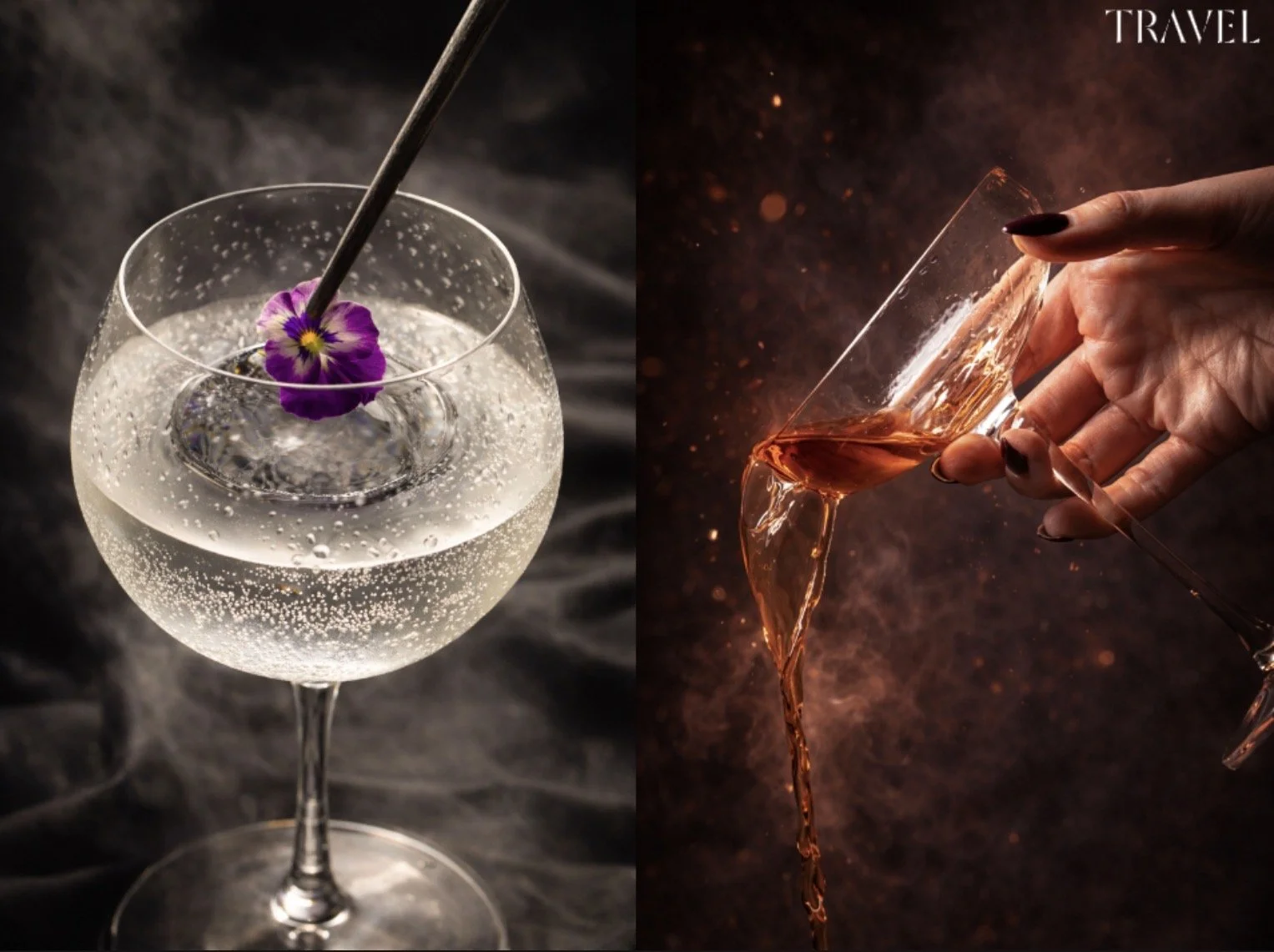
Latin America is too vast to be reduced to one aesthetic. What did you deliberately leave untranslated?
FADI One of the first things we had to accept is that there is no single Latin America. The cuisines, the music and the histories are enormously different, so AMARU could never be a collection of obvious Latin symbols placed in one room. We chose inspiration rather than imitation. We are not trying to reconstruct a restaurant from Lima or a bar from Havana in Dubai.
At the same time, I don’t believe everything must be softened simply because we are in Dubai. Our seafood ceviche is a good example. I didn’t want it diluted into a generic international seafood starter to make it feel safer or more familiar. We can refine the presentation and execution, but its character has to remain recognisably Latin American. For me, that is the difference between interpretation and dilution. The other example is Nikkei. It was trending, and it is very popular in Dubai, but we wanted a purely Latin American concept, and we all agreed to stay Latin.
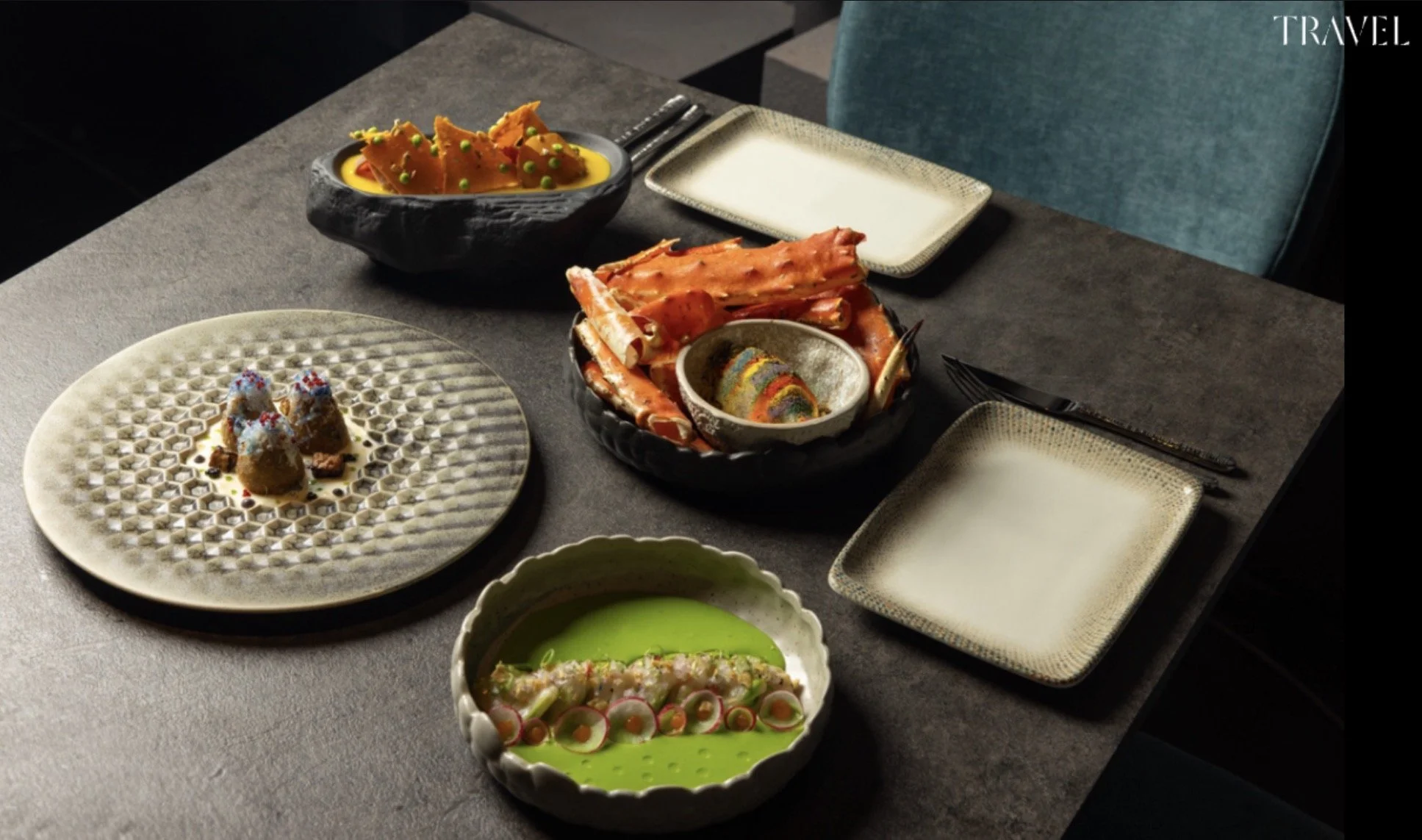
The Chef’s Journey travels across Latin America. What determines the sequence: geography, autobiography, flavour, or an emotional arc that only appears when the courses are experienced together?
CARLO It is not simply geography. Latin America is incredibly diverse. Every country has its own identity, flavours, traditions and stories, and I didn’t want a menu that represented only one of them. I wanted a journey in which, course by course, the guest discovers different parts of the continent, the way I did travelling through it. One course takes you to Peru, the next to Mexico, Brazil, Colombia or Argentina, and sometimes a dish combines several places at once. You don’t necessarily know where you are going next. You simply let the food take you there. I don’t want people only to eat Latin American food. I want them to feel they have travelled through Latin America. And because Latin America is always evolving, the journey can evolve with the seasons, the ingredients and new discoveries.
FADI Geography gives us the map, but it should never feel like a geography lesson. There should be rhythm: a beginning that invites you in, moments of surprise, stronger passages, quieter ones and a conclusion. It is the same way I think about an entire night at AMARU.
Youssef works across the room from Valentino and, in a sense, in counterpoint to him, which is what a good pairing requires. Film students learn early about the Kuleshov effect, the discovery that a single neutral shot of an actor’s face appears to express hunger, grief or desire depending on the image placed beside it. A drink does something comparable to a dish. Youssef’s Tiger Milk Martini takes its name from leche de tigre, the citrus marinade left in the bowl after ceviche, so that the kitchen’s oldest memory reappears at the bar in another medium.
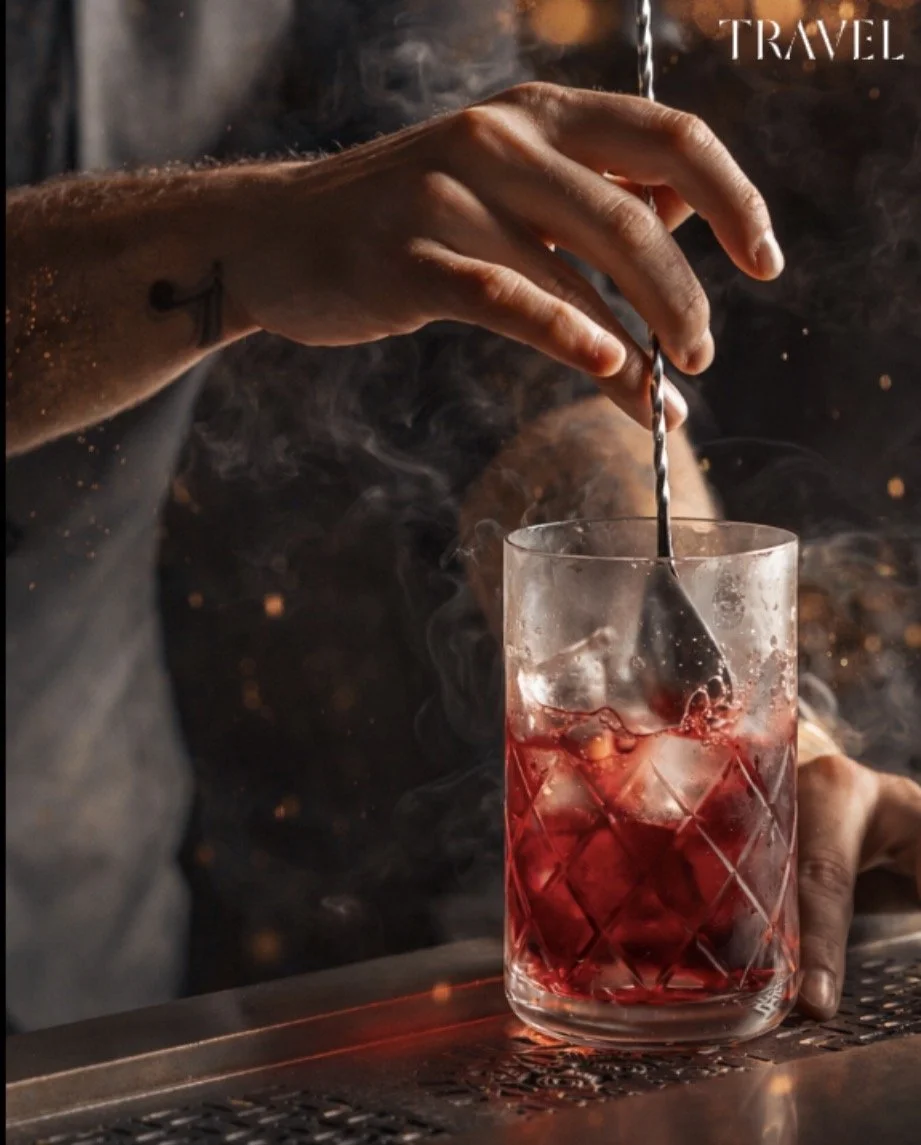
Firas, how do you decide whether a drink should follow that movement, interrupt it, or take the guest somewhere else entirely?
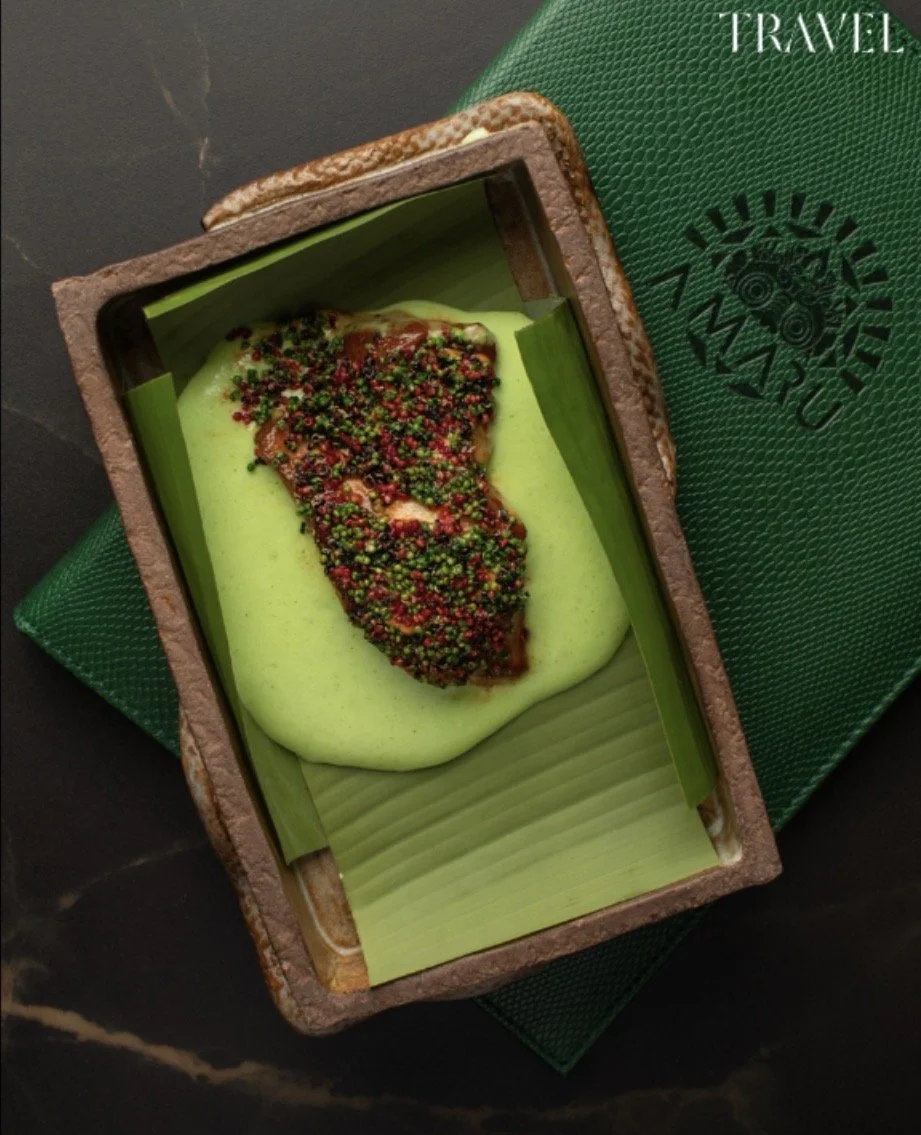
FIRAS Flavour stirs emotions. Sometimes I pair the bite and the sip to complement each other, sometimes to oppose each other. Our asado negro has a sweet, earthy dressing, so I will choose a smoky, sour cocktail knowing it will cut straight through it.
But pairing goes much deeper than flavour. It is about all the senses. The eye sees, so I’m attentive to presentation. The hand feels, so the size and temperature of the drink play a role. The nose smells, and most flavours are perceived through the nose rather than the tongue. The tongue reads texture as well as taste, so it becomes a game of pairing textures. And the ear hears: the glassware, and the material it is made of, changes the sound when glasses touch. All of that goes into a pairing.
Firas, cinema makes meaning not only through images but through what happens between them: the cut, the pause, the change in rhythm. Can a cocktail work the same way?
FIRAS The first thing I learned in my first cinematography class was that cinema is the manipulation of time and space. I have always said that flavour stirs emotion, but it doesn’t end there. I would say flavour, too, is the manipulation of time and space. A flavour in a cocktail can take you back to your childhood, or to last Christmas, or to an island you visited a couple of years ago.
A cocktail also evolves as you drink it. Most of ours are served slightly under their optimal dilution, so they reach it while the guest is enjoying them. So, the structure: the opening image is the presentation and the garnish, what the guest sees first. The narrative turns when the flavours reveal themselves. Often a drink is presented very quietly and neatly, and then the flavour explodes on the palate. The final frame is the long finish, and the feeling it leaves behind.
The venue itself works the same way. You walk in and suddenly you are in a temple of flavour somewhere in the ancient Andes. AMARU is the manipulation of time and space.
Bijjani takes up the metaphor and widens it.
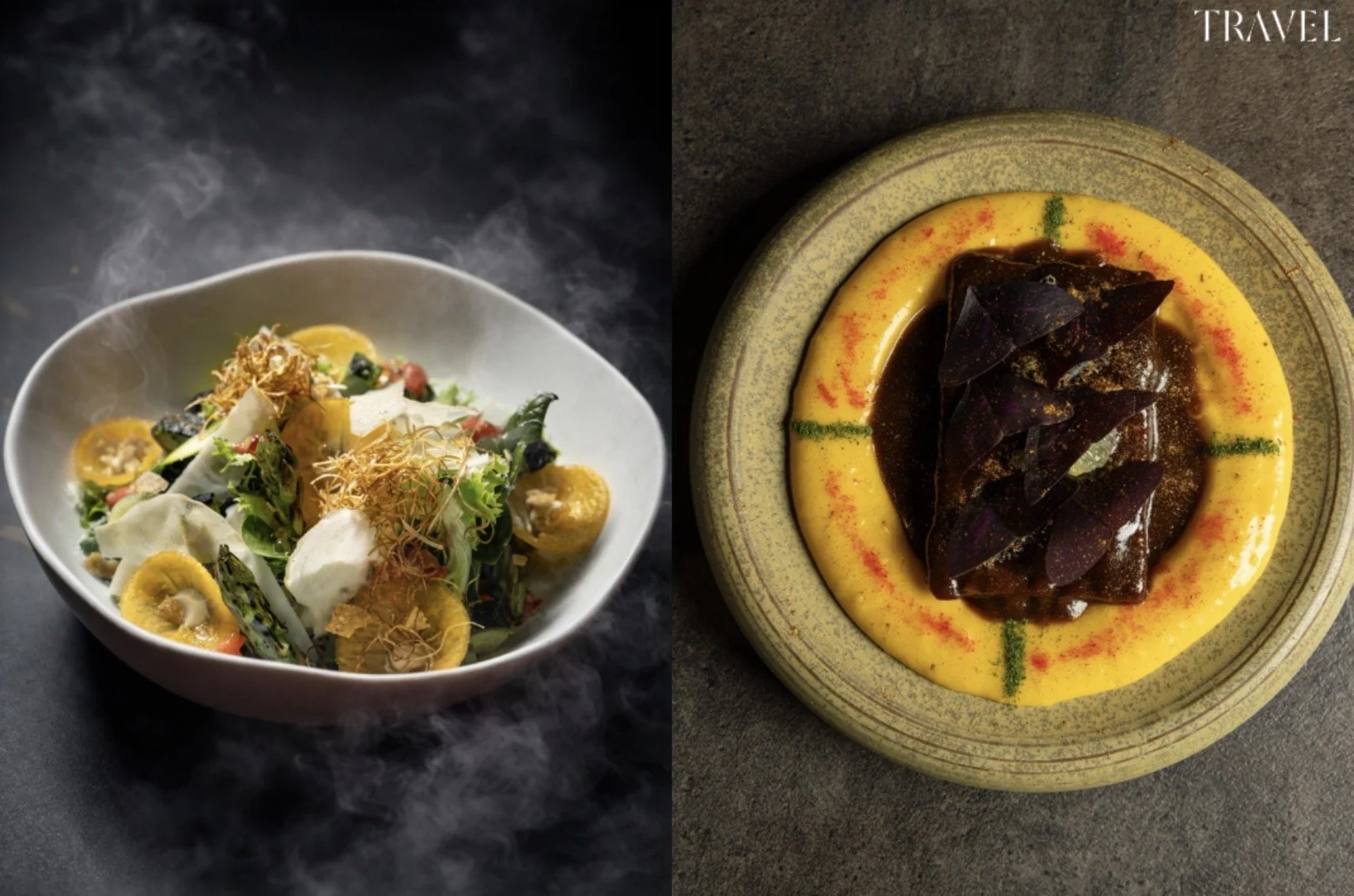
Fadi, has that cinematic way of thinking changed how you understand an evening?
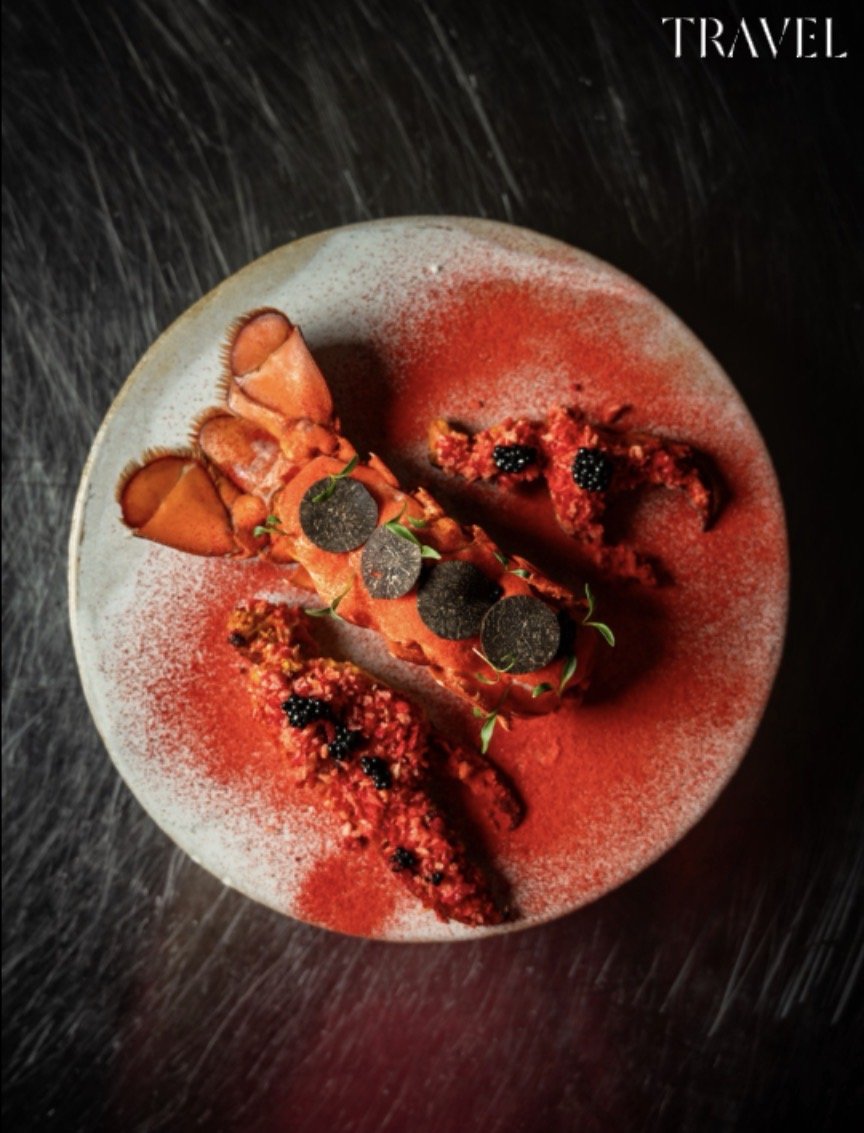
FADI It is very close to how AMARU was conceived. An evening is not one image. It is a sequence. The first frame is the entrance and the first impression of the room, then the welcome, the first drink, the food, the central bar beginning to fill, a change in the lighting, a projection, a different musical rhythm, perhaps a live performance. Each moment changes the meaning of the one before it. Firas brings that same thinking into the glass, and some of his cocktails deliberately cross the line between kitchen and bar: the Tiger Milk Martini, the Wagyu Sazerac, the Dirty Lobster Martini. What interests me is not complexity for its own sake. It is narrative.
The late-evening transformation is the most conspicuous thing about AMARU, and the part most easily mistaken for its purpose. Bijjani is wary of that misreading.
At what point does a restaurant become a work of art, and when does calling it art become an excuse to forget that people came to eat, drink and be welcomed?
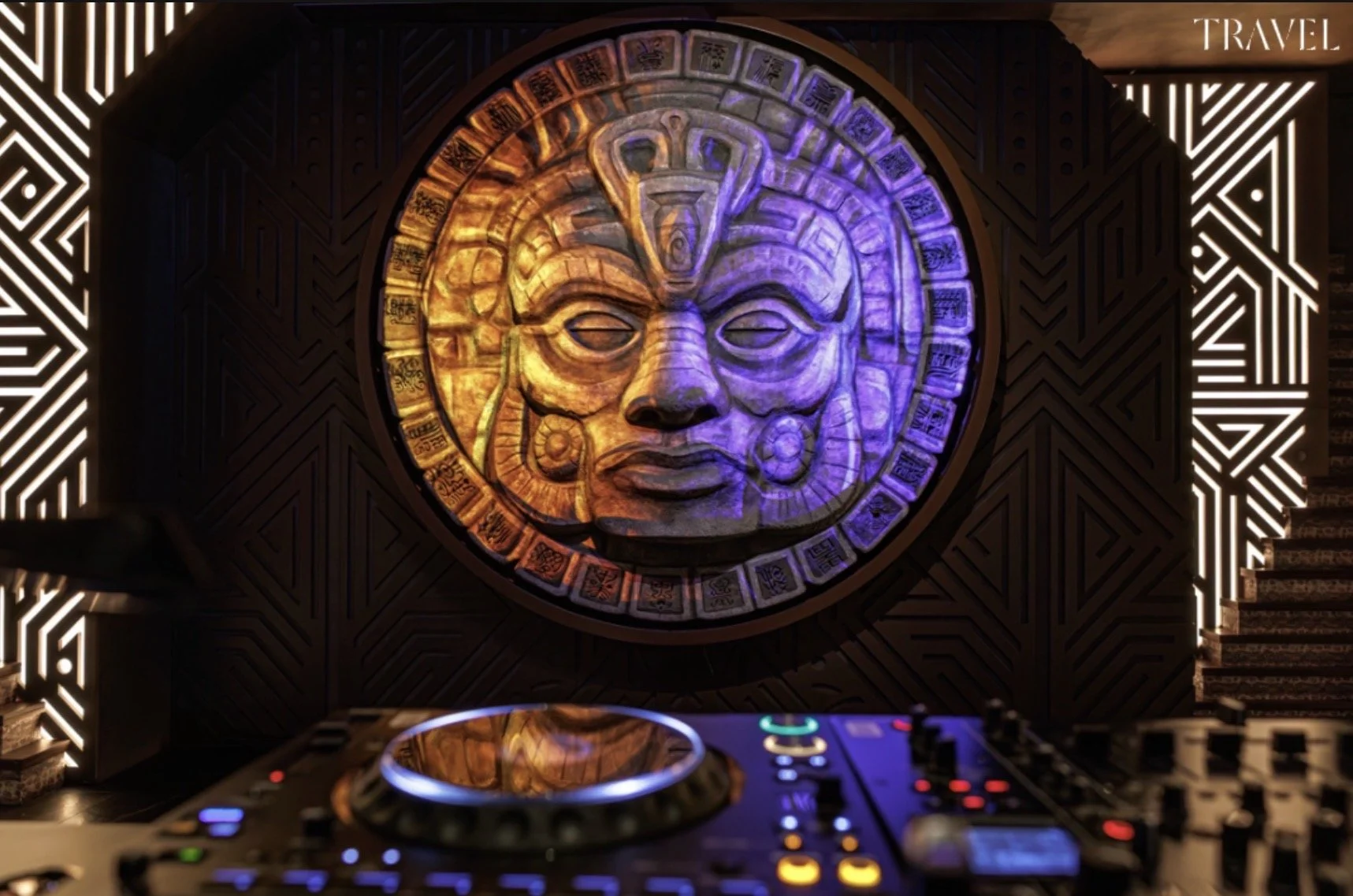
FADI When all of those disciplines stop competing for attention and begin creating one emotion. At AMARU, the food, the cocktails, the architecture, the mythology, the projection, the lighting and the music are all forms of storytelling. I wanted the guest to enter a world rather than a decorated room. Fire can appear through projection, the serpent can come alive, the music can change the emotional temperature of the room.
But I would never allow the idea of art to become an excuse for forgetting hospitality. We are still a restaurant. The food has to be excellent, the cocktails balanced, the service warm and intuitive. The theatre should enhance the experience, not compete with the person at the table. The real achievement is when the guest does not see the machinery. If the creative elements make people feel more connected, more curious and more alive, then perhaps it becomes art. If they make the guest feel secondary to the concept, we have gone too far.
At what precise moment does AMARU change genre, and who decides?
FADI There is a transformation, but I never want it to feel as though somebody has pressed a switch. Dinner must lead. People should be able to arrive early, have an excellent meal, talk comfortably and enjoy the craftsmanship of the kitchen and the bar.
Then AMARU begins to awaken. The music gradually gains energy. The lighting changes. The projections become more present. The bar becomes a stronger focal point, and people begin moving between the tables, La Galería and the bar. The room becomes more social, and eventually celebratory.
We trigger the Amaru moment at around eleven o’clock to carry guests across that transition, but the precise moment is different every night, because the guests are part of it. You have to read the room. You cannot force energy onto people because a clock says it is time. The most successful night is when a guest arrives believing they are coming for dinner and realises, hours later, that they have moved into a completely different experience without ever feeling it was imposed on them.
AMARU is grand in scale, but hospitality is experienced one person at a time. How do you keep scale from becoming distance?
FADI By remembering that the spectacle is there for the guest; the guest is not there for the spectacle. A guest does not experience AMARU as a capacity number. They experience the person who greets them, the table they are given, whether the team remembers a preference, whether the waiter knows when to engage and when to step away, whether somebody notices that their evening has a particular purpose. The bigger and more immersive the environment, the more those small details matter.
That is also why experiences like Carlo’s Chef’s Table are important. In the middle of a large concept, we can create something for eight or ten people, where the chef personally builds an off-menu journey around them. Luxury is no longer simply scale or expense. Increasingly, it is personalisation, and feeling recognised.
Are the guests your audience, your participants, or the material from which the night is made?
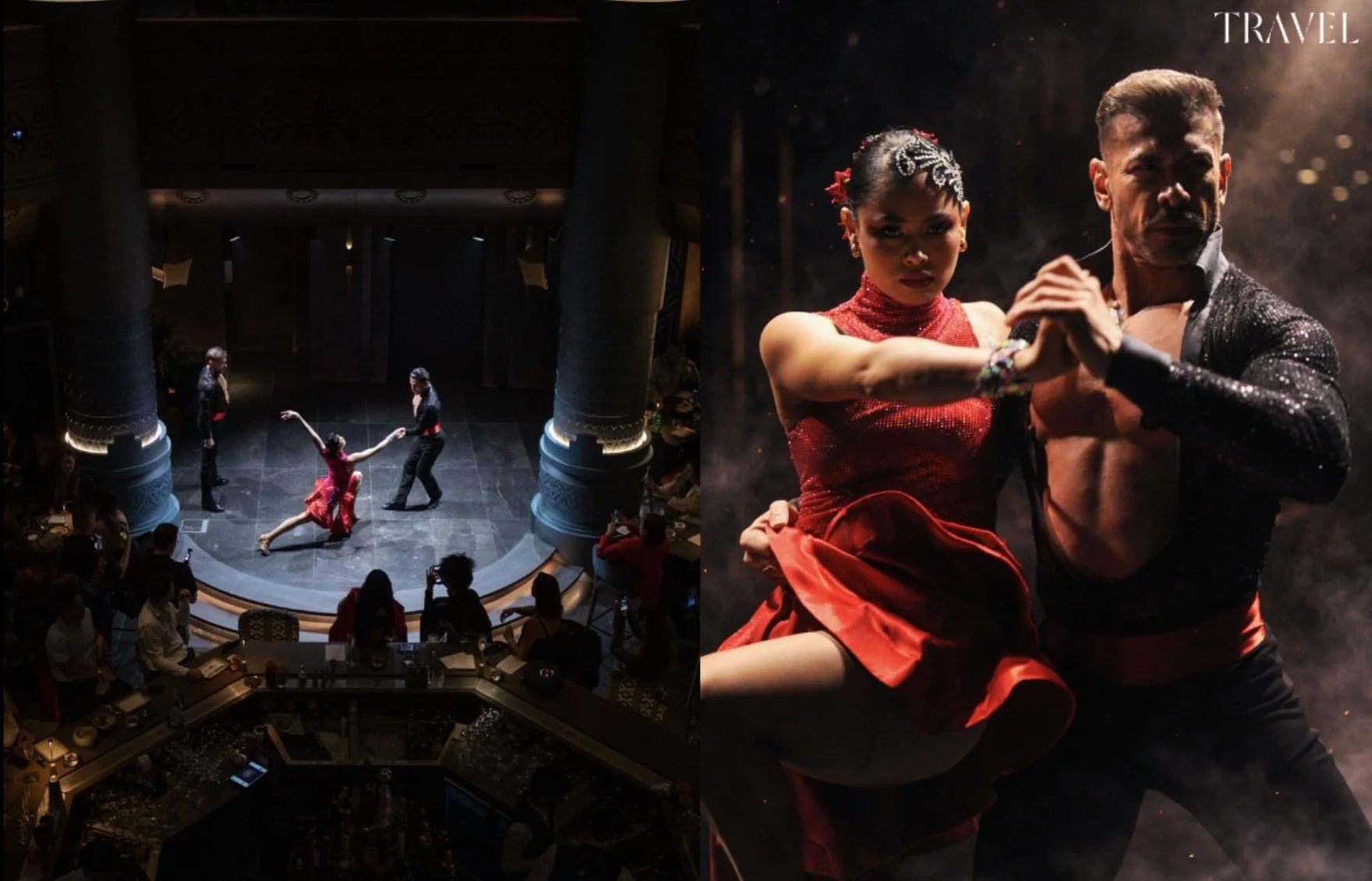
FADI We can design the stage, but we cannot completely design the night. The moment the doors open, the guests begin writing the evening with us. At first they are an audience, because they are discovering the space. Very quickly they become participants. Somebody meets a friend at the bar. A table begins celebrating. People from different groups react to the same song. Someone gets up to dance. The DJ senses the room and changes direction. Those moments cannot be manufactured, and I would not want them to be. On two different nights the room can be physically identical and the experience completely different. That unpredictability is part of the beauty of it.
Dubai hospitality is often synonymous with abundance. Where did AMARU choose restraint?
FADI For AMARU, restraint is not about making the concept minimal. It is about knowing when each element should speak. If the mythology, the fire, the projection mapping, the music and the performance all operated at maximum intensity from the moment a guest entered, it would be exhausting, and more importantly, it would destroy the restaurant. So the restraint is in the pacing. Early in the evening the table comes first, the acoustics allow people to talk, and the visual storytelling is present without demanding constant attention. We also rejected the idea that every theatrical moment is automatically a good one. At the table, theatre should add aroma, emotion, story or surprise. If it exists only to be photographed, it is not enough.
The most tangible example was colour. I love the bold colours of Latin America, and initially I wanted much more of that energy in the design. But once the whole environment came together, using them too strongly would have competed with the materials, the mood and the way the room transforms through the evening. So we deliberately held back. You still see touches of colour, particularly in some of the furniture, but it does not dominate the architecture. That was a real exercise in restraint for me, because it meant editing something I personally love. Not less ambition, but more discipline.
In cinema, the final work is often discovered in the edit. What was AMARU before it was edited, and who had the final word?
FADI Before it was edited, AMARU was probably every idea I had ever loved about Latin America, hospitality, music, mythology and nightlife, all trying to exist at the same time. That is normal at the beginning. You imagine without limits, and then reality, expertise and good collaborators force you to decide what actually belongs. Sometimes an idea looked extraordinary on paper but interfered with the dining experience. Sometimes the kitchen or the bar found a more intelligent way of expressing something. Sometimes operational reality told us that something beautiful would not work night after night.
I would not manufacture a story about one person forcing another to cut a favourite idea. That is not how AMARU developed. We tested ideas, saw them in the room, understood their effect and refined them together. The edit was an evolution rather than a confrontation, and I encourage that challenge. But ultimately, as founder, owner and CEO, I carry responsibility for the concept and its DNA. Carlo has authority over his culinary craft, Firas over his, the specialists around me over their disciplines, but somebody has to look at the whole and ask: is this still AMARU? That responsibility is mine. Not because every idea has to be mine, but because the different ideas have to belong to the same world.
The timing of the opening did not help, and Bijjani is frank about it. He is equally firm about why he believes the concept could only have begun in Dubai.
AMARU opened during a moment of profound regional uncertainty. What did reality teach you that design could not?
FADI Designing a restaurant and operating one are completely different experiences. You can spend years imagining how a room will behave, but eventually the guests tell you what the restaurant really is. We opened into a very difficult environment, and naturally it affected travel, footfall, spending and people’s willingness to go out. I would not pretend it was easy, and I would not romanticise it. But it forced us to become much more attentive. It reinforced that AMARU cannot depend only on being a beautiful restaurant, or only on late-night energy. Its strength is the complete journey.
In practical terms, there was no major redesign after opening, only small calibrations based on watching the room. We adjusted some of the lighting and slightly redistributed the music as we saw how guests responded to different areas and how the energy moved through the venue. In an immersive concept, small adjustments can change how the whole evening feels. So no, reality did not compromise the vision. It tested it, and it has made us more disciplined about protecting what is essential.
Why could AMARU only have been created in Dubai, and why now?
FADI Because Dubai is itself a city between worlds. It is one of the few places where a Lebanese founder can create a concept inspired by years of travelling through Latin America, work with a Peruvian executive chef, an international beverage director and a multinational team, and present it to an audience drawn from almost every culture imaginable, and none of it feels unusual. Dubai’s audience has also evolved. People here understand both high-end dining and nightlife, and they want experiences rather than categories. So why should a guest have to choose between an exceptional dinner and an exceptional night out?
In Lima, the Latin American references would be read very differently, because you are inside one of the cultures that inspired us. In Beirut, my own background would change the story. London or New York would bring another set of expectations and histories. Dubai gave AMARU neutrality and possibility.
If AMARU travels, what must remain unmistakably of Dubai, and how much should it change?
FADI I think Dubai has reached the stage where it should not only import great hospitality concepts. It should export them. If AMARU travels, I would be proud for people to say, “This came from Dubai.” Not because of a visual motif. I don’t want to place a piece of Dubai decoration in every future AMARU to prove where it came from. The connection is deeper: ambition, openness, multiculturalism, a willingness to combine worlds and a belief that hospitality can be both refined and celebratory. Latin America is the soul of the inspiration. Dubai is the place that allowed that soul to become AMARU.
And it should transform. The name almost demands it. If we simply photocopied the Dubai venue into another city, we would be contradicting the concept itself. A future AMARU should listen to its city. But Latin America must remain the cultural soul, the food and drink must be taken seriously, music must remain fundamental, and the mythology must stay meaningful rather than become a logo. Evolution is when a new city adds another chapter to the story. It stops being AMARU when you can remove the name and there is nothing distinctive left underneath.
“It stops being AMARU when you can remove the name and there is nothing distinctive left underneath.”
— Fadi Bijjani
A restaurant disappears every night when the last guest leaves. When the room is empty, what part of AMARU still exists, and what do you hope a guest carries away?
FADI When the room is empty, the physical world of AMARU is still there: the bar, the textures, the serpent, the architecture, the stage. But the real AMARU is dormant. That idea is very close to the mythology. Every evening it has to awaken again.
What I hope guests carry with them is how the evening felt. Perhaps a Latin American guest felt unexpectedly at home. Perhaps someone who has never travelled there became curious about the culture. Perhaps somebody came for dinner and ended the night dancing. The best hospitality memories are sensory. Years later, a song can take you back to a room, a smell can bring back a city, a flavour can return you to a particular night. If for a few hours we made people feel they had travelled somewhere without leaving Dubai, then AMARU has done what I created it to do.
Bijjani keeps the final cut, and somebody must; a room with four authors and no editor would be a quarrel rather than a restaurant. Yet the place described here has plainly been written by many hands: a doctor who took his son fishing, a bartender who learned in a film class that his medium was time and space, a general manager who keeps a team loyal when things are difficult, and the guests who rise from their tables without being asked. In 1967, Roland Barthes argued that a text’s unity lies not in its origin but in its destination, in the reader. In literary studies it was a provocation. In a dining room it is simply a description. Every evening AMARU is composed again by whoever happens to be in it. Then the last guests leave, the lights come down, and the serpent goes back beneath the floor, waiting to be read again.
BY OONA CHANEL
