

Diana Vreeland: The Editor Who Invented the Way We See Fashion
She ran Harper's Bazaar for 26 years and Vogue for 8. She invented the fashion editor as cultural authority. She was wrong about many things and right about everything that mattered. What her legacy actually means now.
“The reader is not asking to be shown what exists. She is asking to be shown what is possible. The magazine that answers the first question is a catalogue. The magazine that answers the second is a cultural force. Vreeland spent fifty years answering the second.”
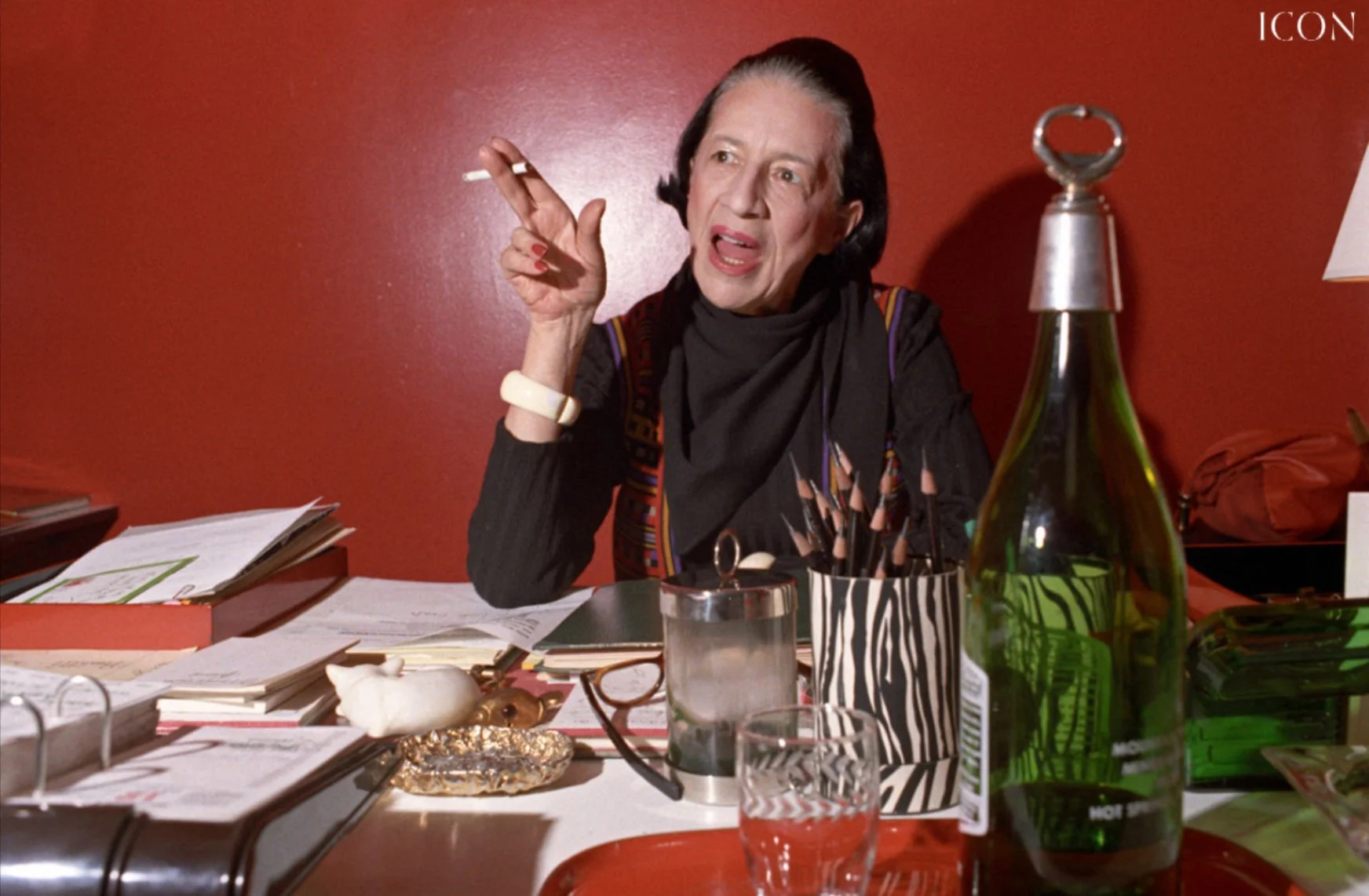
Diana Vreeland never graduated from school. She could not spell. She dictated all her correspondence. She once told a writer to make a piece 'more bumpy' and expected to be understood. She was, by every measurable institutional standard, unqualified for any position she held. She was also the most consequential editorial mind in the history of fashion journalism, and the gap between those two facts is the most interesting thing about her.
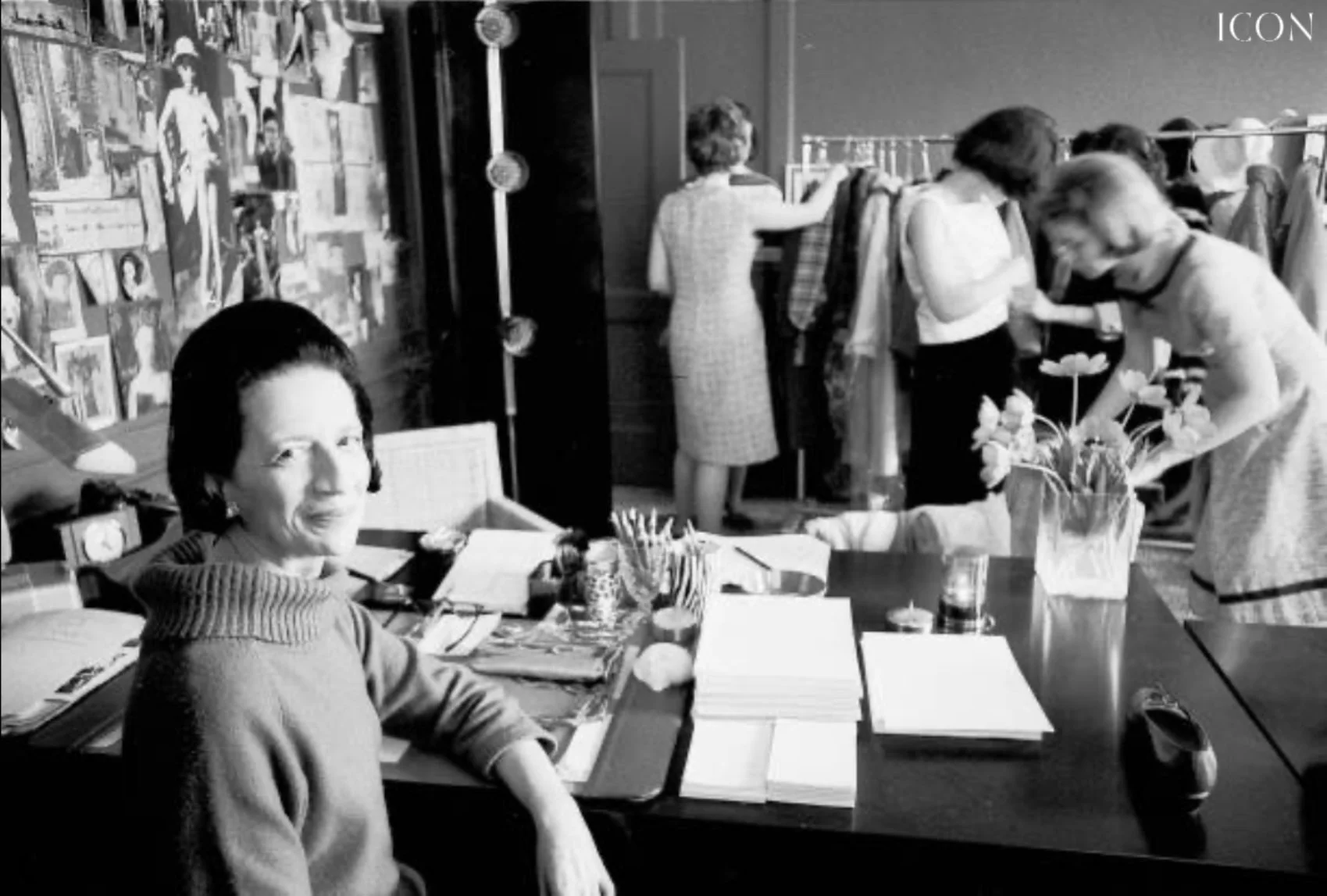
She arrived at Harper's Bazaar in 1936 as a fashion editor with no journalism experience and an approach to the job that had no precedent in the publication's history. The Bazaar under Carmel Snow was already the most sophisticated fashion magazine in America; Vreeland made it into something else. She understood — before anyone else in the industry had articulated it — that fashion was not a service but a philosophy. That the reader did not want to be told what to wear but what to want to become.
Her column Why Don't You? became legend for suggestions that were, by any practical standard, absurd: 'Why don't you rinse your blonde child's hair in dead champagne, as they do in France?' 'Why don't you paint a map of the world on all four walls of your boys' nursery so they won't grow up with a provincial point of view?' The column was not advice. It was aspiration in its most distilled form — the proposition that the life you were living was a choice, and that choosing differently was always available to you.
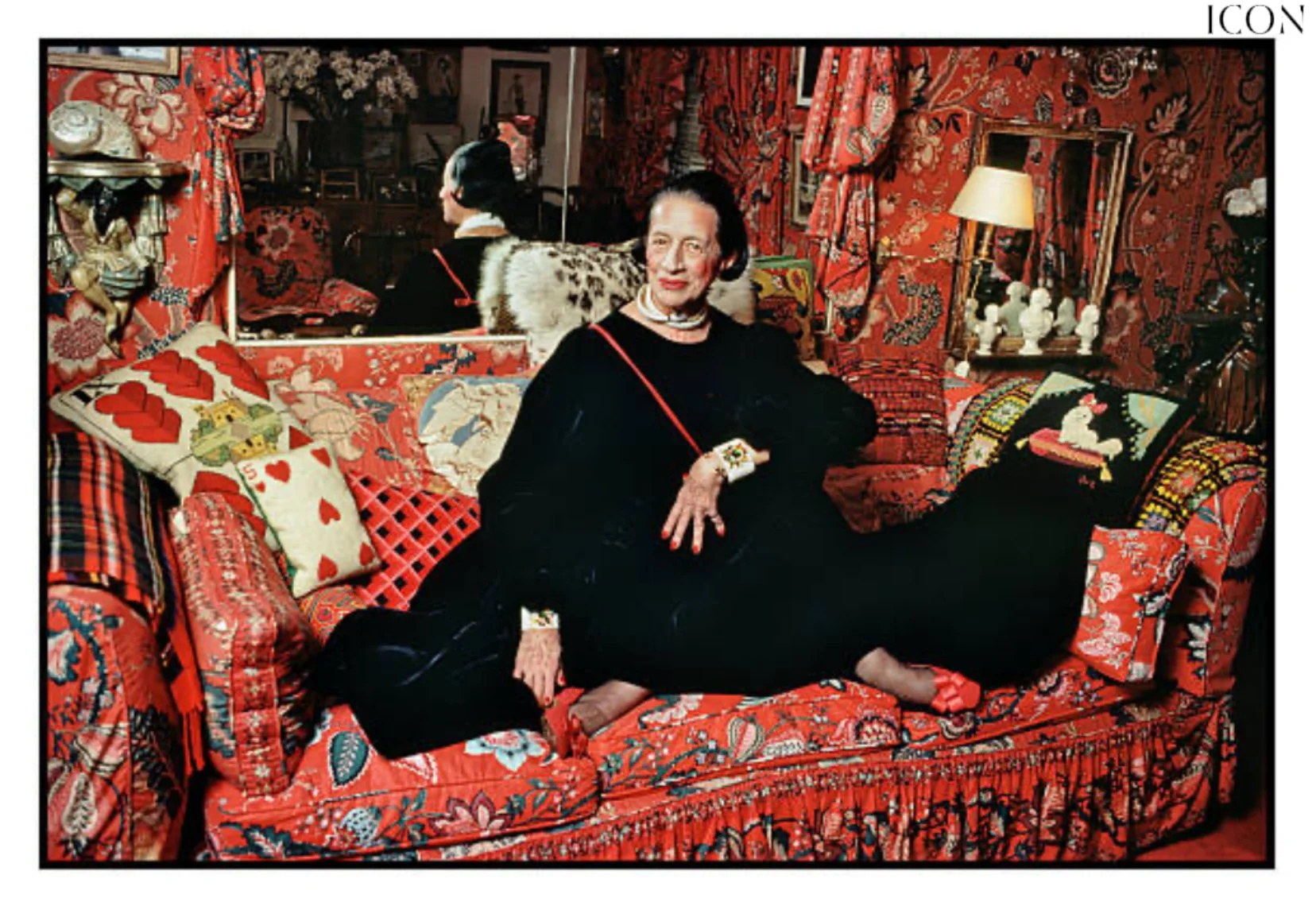
At Vogue, where she served as editor-in-chief from 1963 to 1971, she pushed the magazine into territory that the institution found increasingly uncomfortable. She brought in Richard Avedon. She published the first American fashion coverage of the youth revolution in London. She ran photographs of Veruschka painted as a tiger, of Penelope Tree in clothes that looked like costumes from a film that had not yet been made.
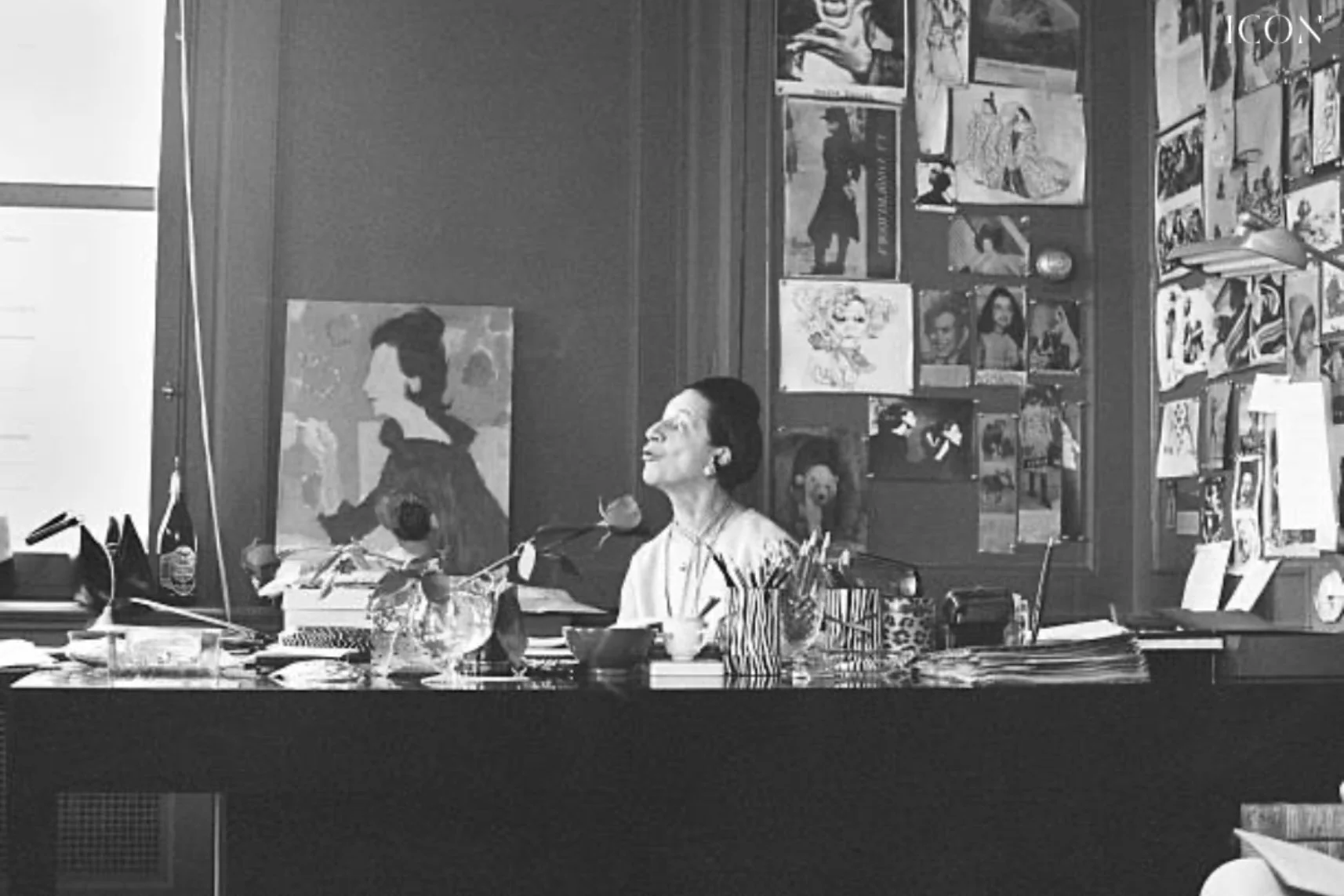
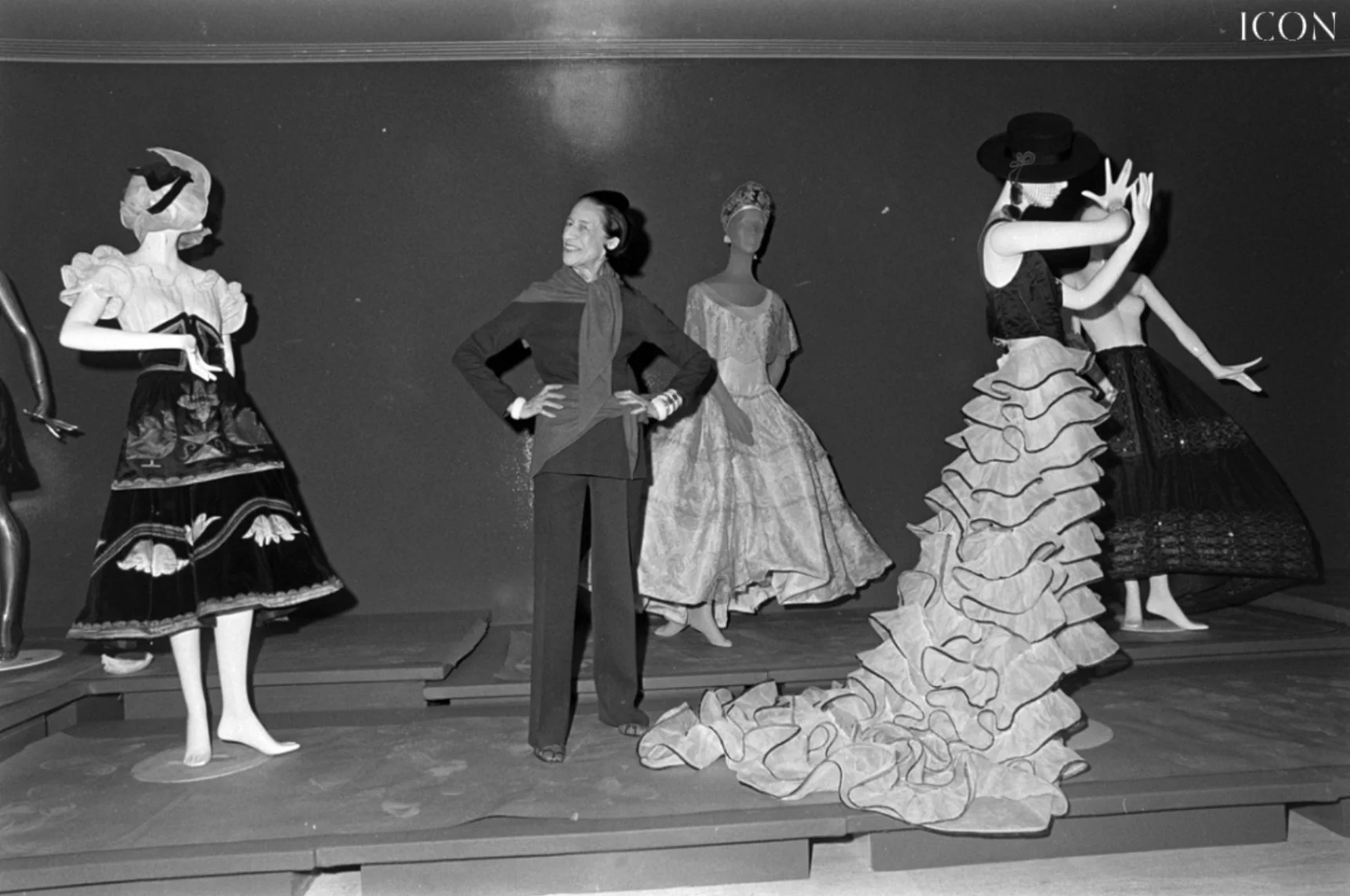
The firing in 1971 — she was asked to resign, in the genteel corporate language of the era — produced the most unexpected second act in magazine history. She was hired by the Metropolitan Museum of Art's Costume Institute, which she proceeded to transform from a curatorial archive into the most visited department in the museum. The series of exhibitions she produced between 1973 and 1989 — on Balenciaga, on Diaghilev, on Hollywood costume, on the 18th century — established the template for fashion exhibition as cultural event that the industry is still working within.
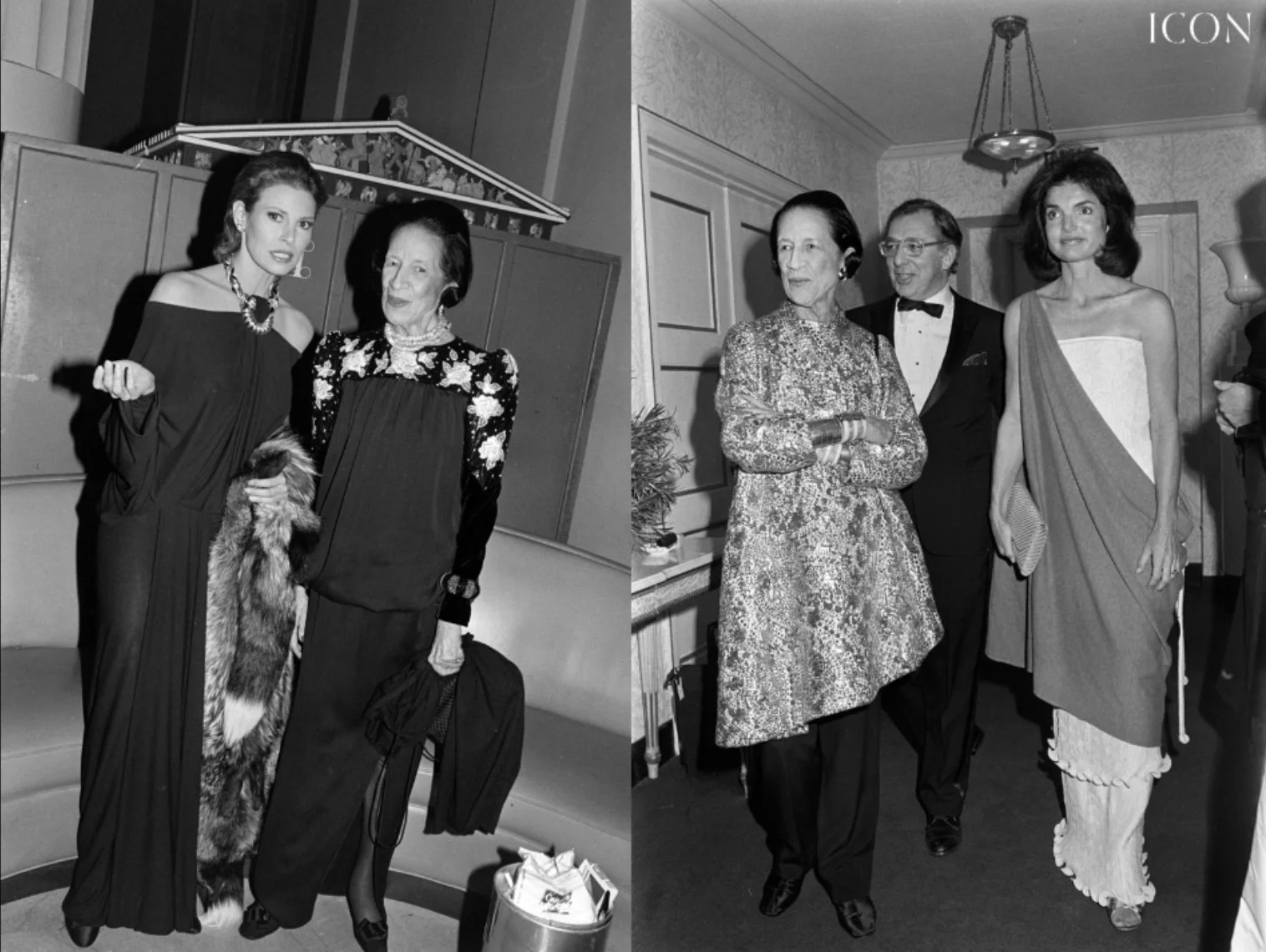
What Vreeland understood that most fashion editors still do not: the reader is not asking to be shown what exists. She is asking to be shown what is possible. The magazine that answers the first question is a catalogue. The magazine that answers the second is a cultural force. Vreeland spent fifty years answering the second question with a consistency that produced, in the people who worked with and for her, the specific quality of thinking that comes from being asked, repeatedly, to exceed what you believed the brief required.
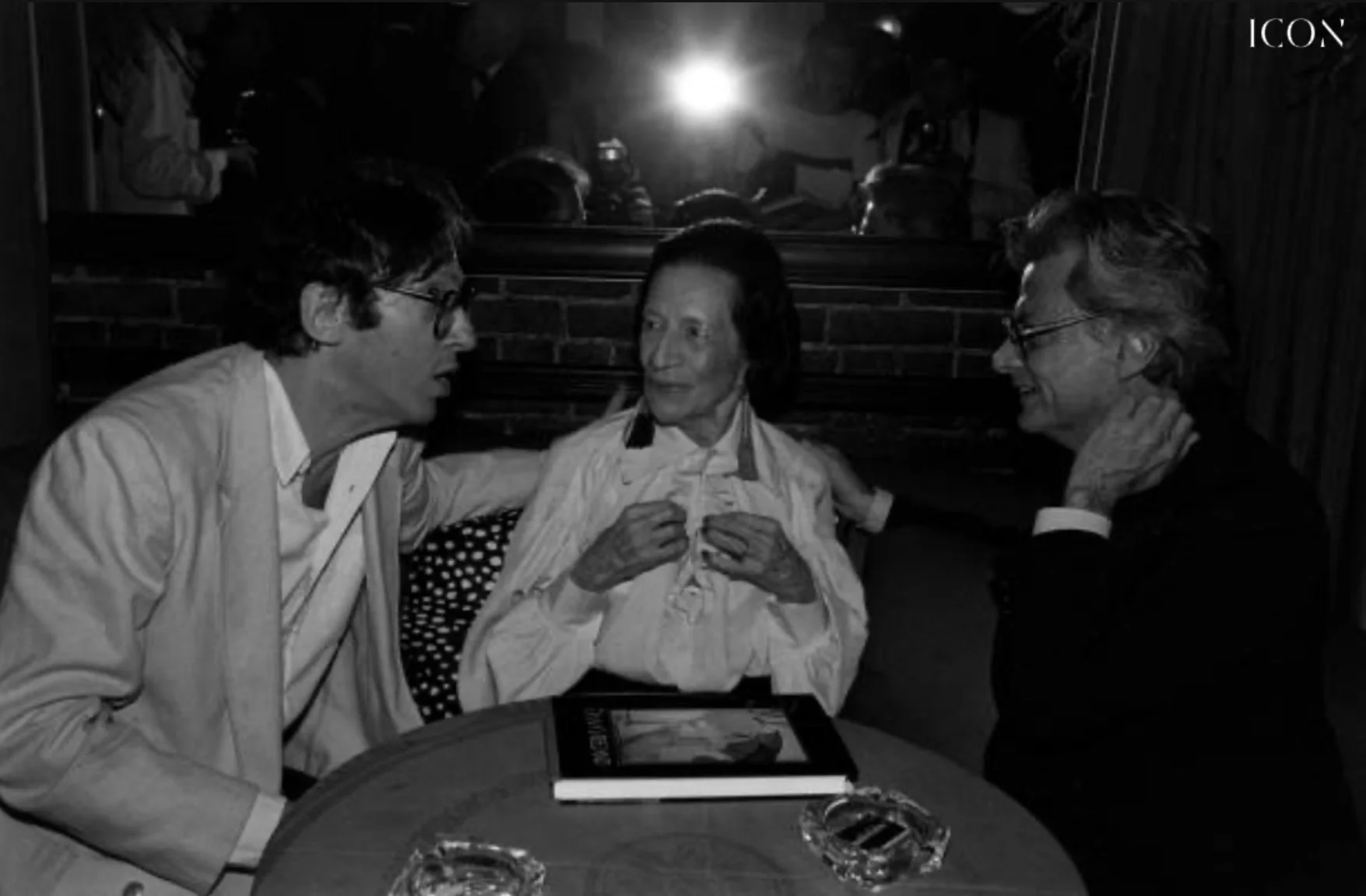
'The eye has to travel,' she said. It was her most quoted observation and her most precise one. The eye that stops moving — that is satisfied with what it has found — is the eye that has stopped seeing.
The Costume Institute exhibition she might have made for 2026 — had she lived to see the archive she helped build — would have been entirely wrong and more interesting than anything else on offer.
BY OONA CHANEL
