

Azzedine Alaïa: The Couturier Who Refused to Be on Time — and Was Always Right
He showed when the work was ready. He fed everyone at the long table in the Marais. He died in 2017 as the most respected designer in the world who was not a household name. What his practice actually meant - and why it matters more now.
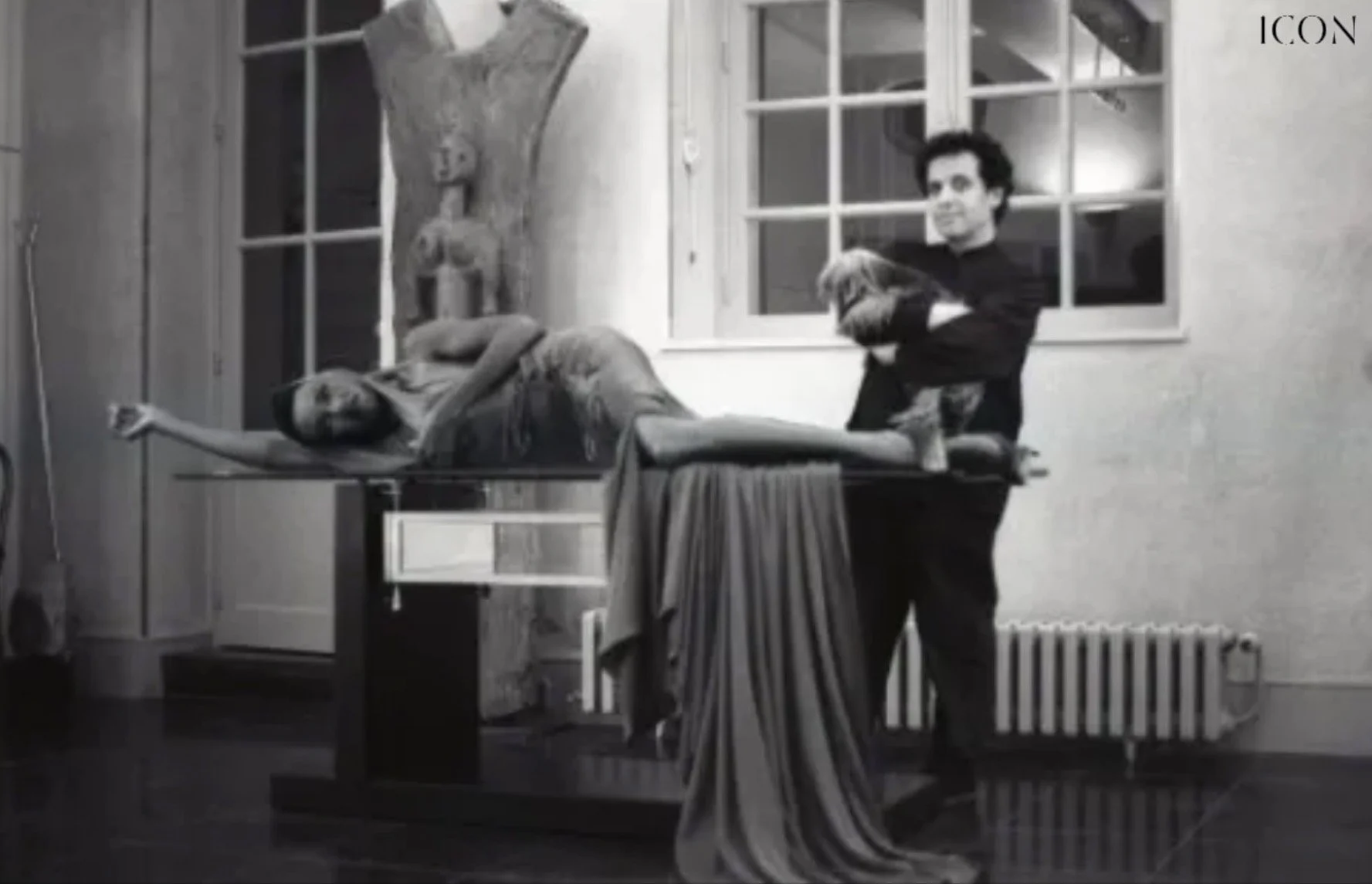
" He showed when the work was ready, which could mean July instead of February. Anna Wintour famously banned his collection from Vogue after he refused to show on schedule. The decision this says more about is hers."
Azzedine Alaïa died on November 18, 2017, at his atelier on Rue de Moussy in the Marais, the building he had lived and worked in since 1980. He was somewhere between 75 and 82 - the exact year of his birth in Tunis was never established with certainty.
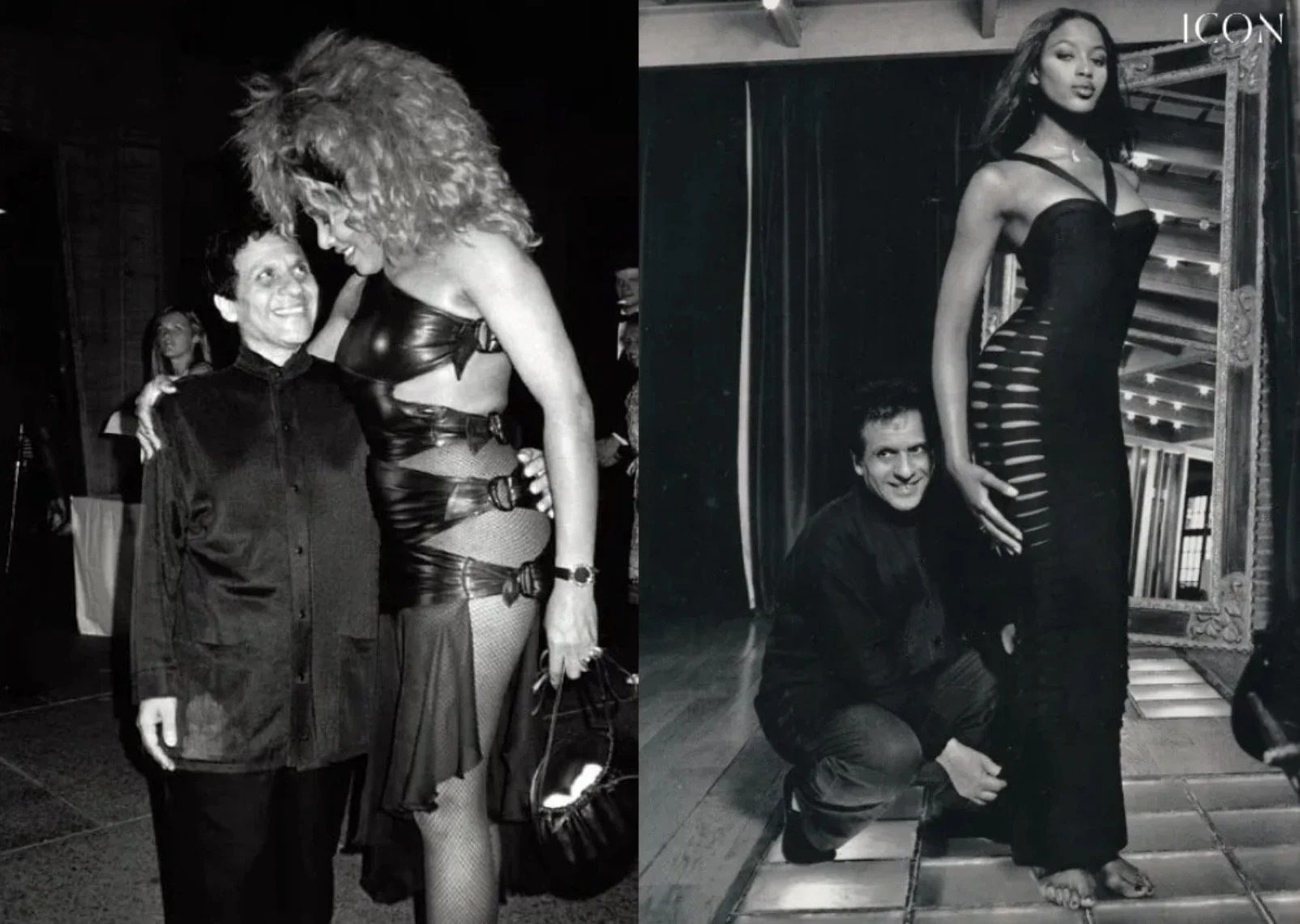
The uncertainty was characteristic. He found the industry's appetite for information about him irrelevant to the information he wanted to communicate, which was in the clothes.
He did not advertise. He did not follow the fashion calendar - he showed when the work was ready, which could mean July instead of February, autumn instead of spring, a private presentation in the atelier instead of a public runway. Anna Wintour famously banned his collection from the pages of American Vogue after he refused to show on schedule. The decision this says more about is hers.
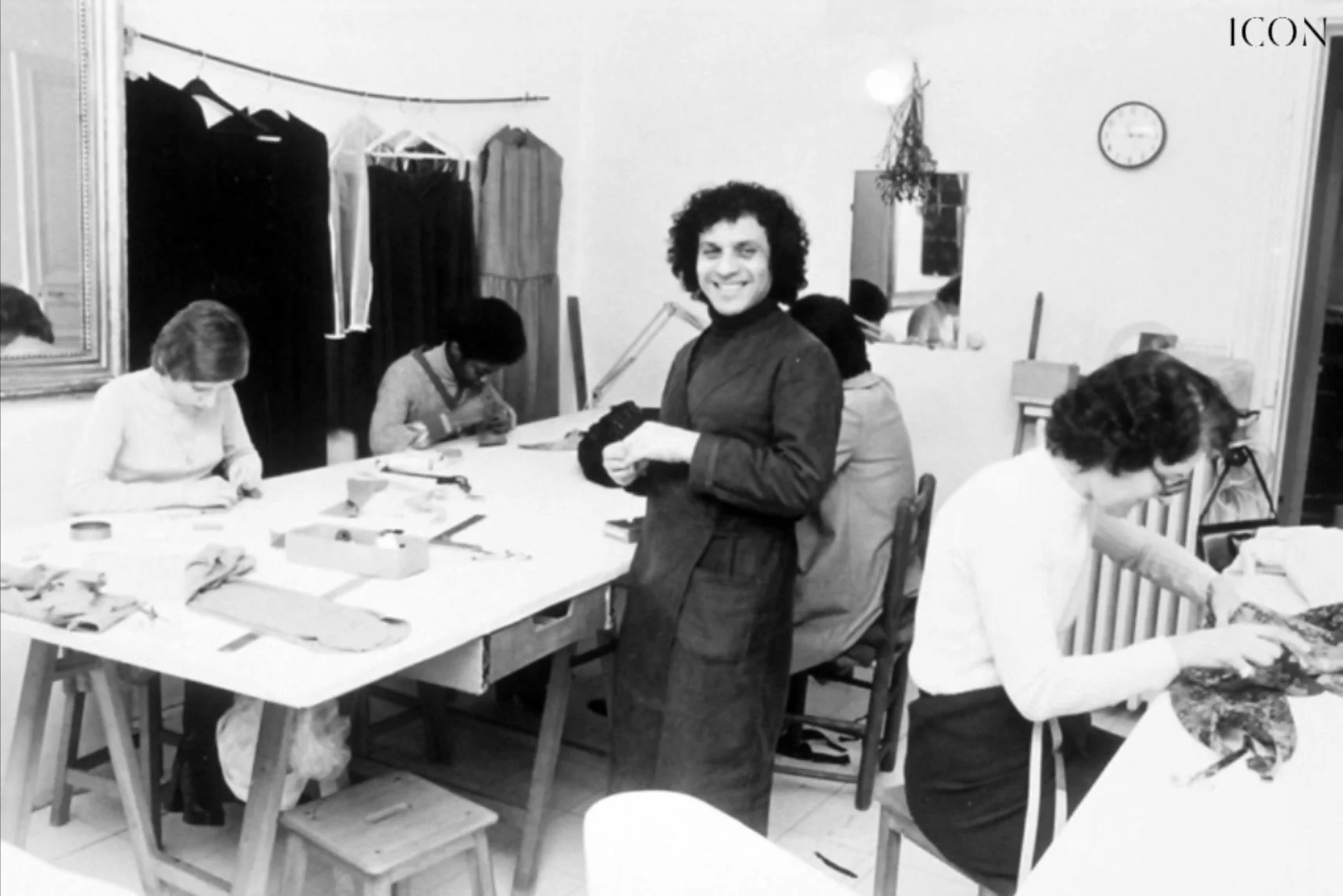
He arrived in Paris from Tunis in the mid-195os, briefly worked inside the ateliers of Christian Dior, and spent the next two decades making clothes for private clients. He did not open his first ready-to-wear show until 1983, by which point he had been making clothes for nearly thirty years. The 1983 show produced the nickname that both captured and reduced him: King of Cling.
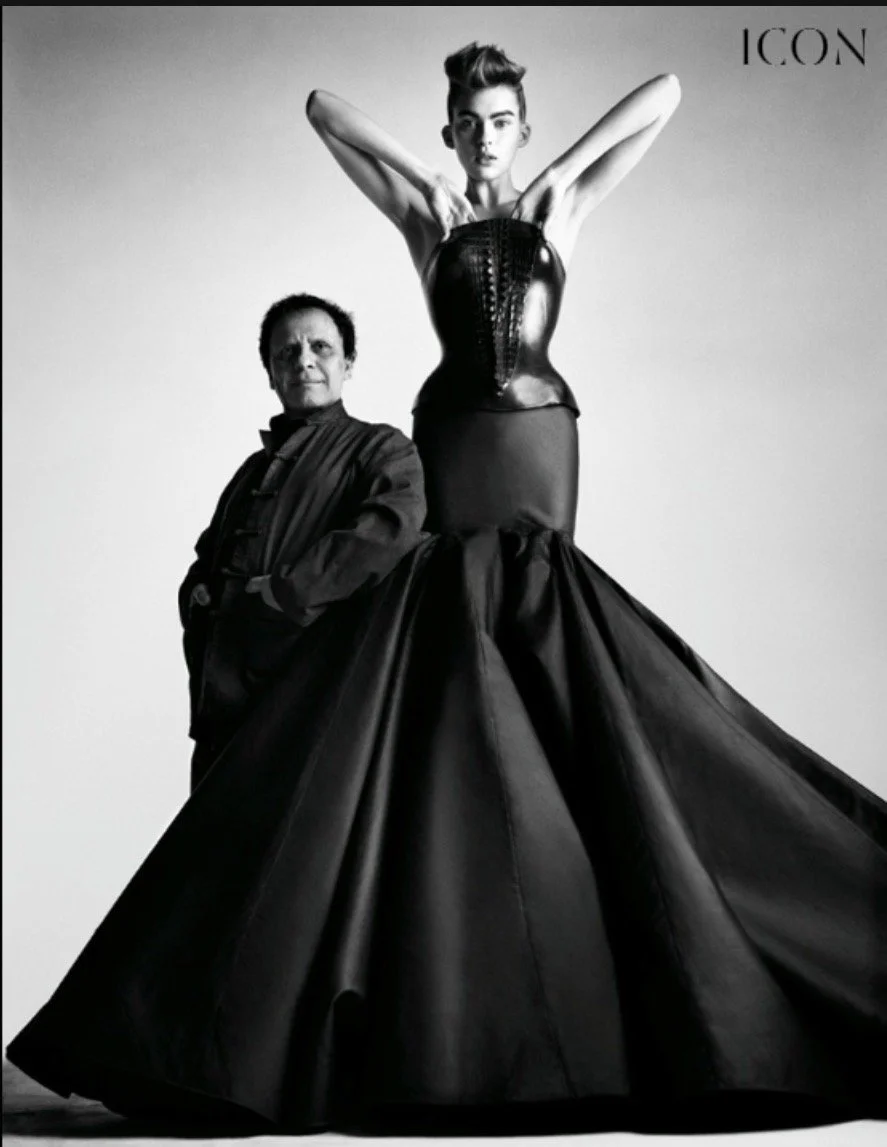
The bodycon silhouette was read as sexy, and it was, but the reduction to sexuality missed the structural argument. He studied sculpture at the Ecole des Beaux-Arts in Tunis before he studied fashion, and the sculptural lens was never not present. The clothes were not revealing the body for titillation. They were arguing that the body's architecture was the most interesting formal problem available to someone making clothes.
His atelier was also his home and his restaurant. The table at Rue de Moussy was one of the great institutional tables in Paris - not a table where deals were made or hierarchies displayed, but a table where the model sat next to the art director, the friend from Tunis sat next to the collector, the young designer who had no money sat next to the person who had bought his clothes for thirty years. He cooked. He fed everyone.
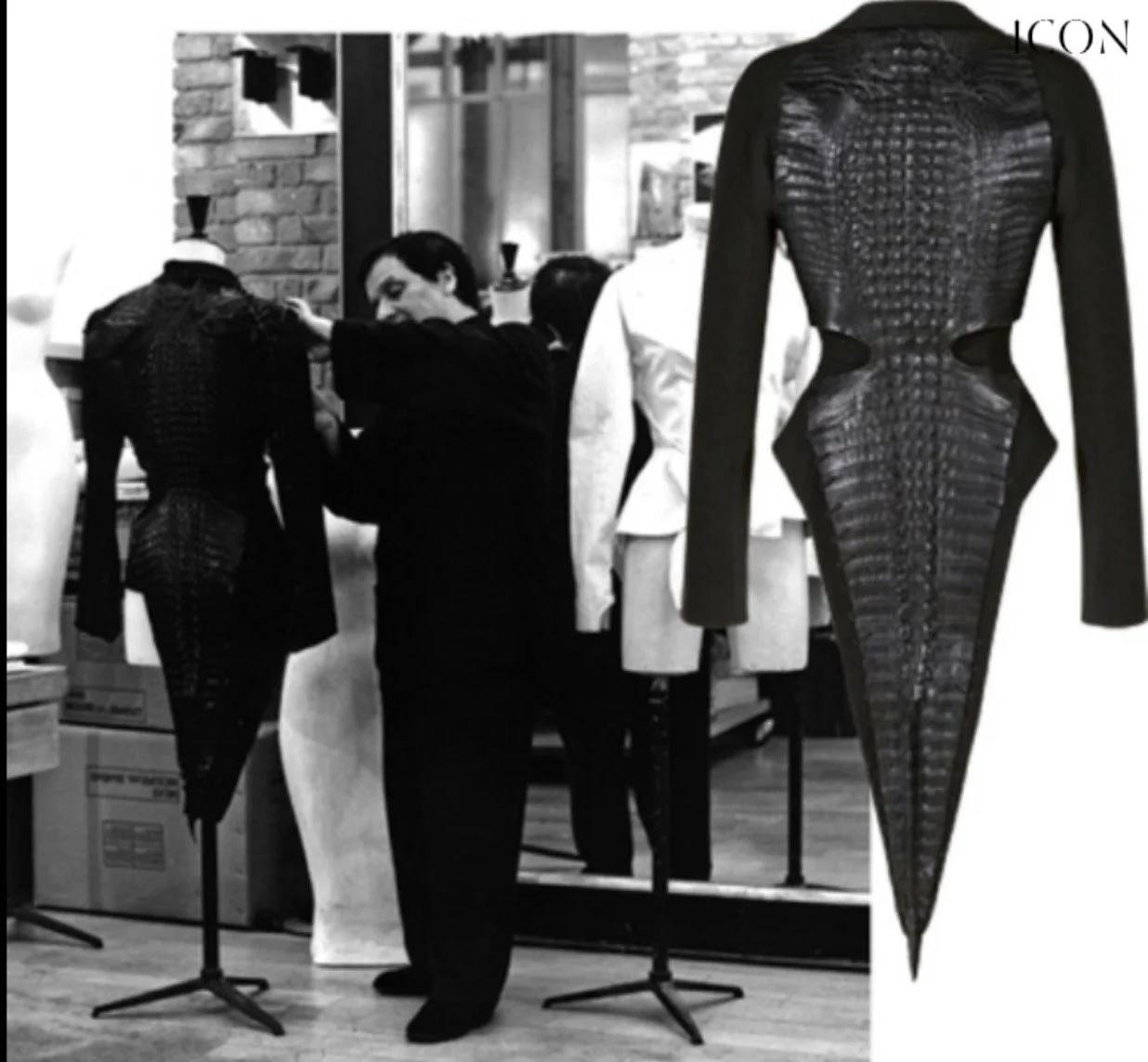
His refusal to follow the fashion calendar inspired a respect for slow, deliberate creation that the industry has been learning from ever since without, in most cases, having the commercial courage to practise. The calendar he rejected is the same calendar that is now recognised as one of fashion's most destructive structural problems. He was right about it in 1983. The Azzedine Alaïa Foundation at Rue de Moussy continues. A 2025 dual exhibition at La Galerie Dior and the Foundation - showing his personal Dior archive alongside his own designs- produced one of the more precise statements in recent fashion history about the relationship between influence and independence.He was usually right. He was rarely on time. The distinction, for the work he made, was irrelevant.
BY OONA CHANEL
