

Colman Domingo: The Actor Who Arrived Everywhere at Once
He has been working for twenty years. In the past three he has become one of the most present creative forces in contemporary culture — in film, television, fashion, and the specific quality of public intelligence that very few performers manage to project at scale.
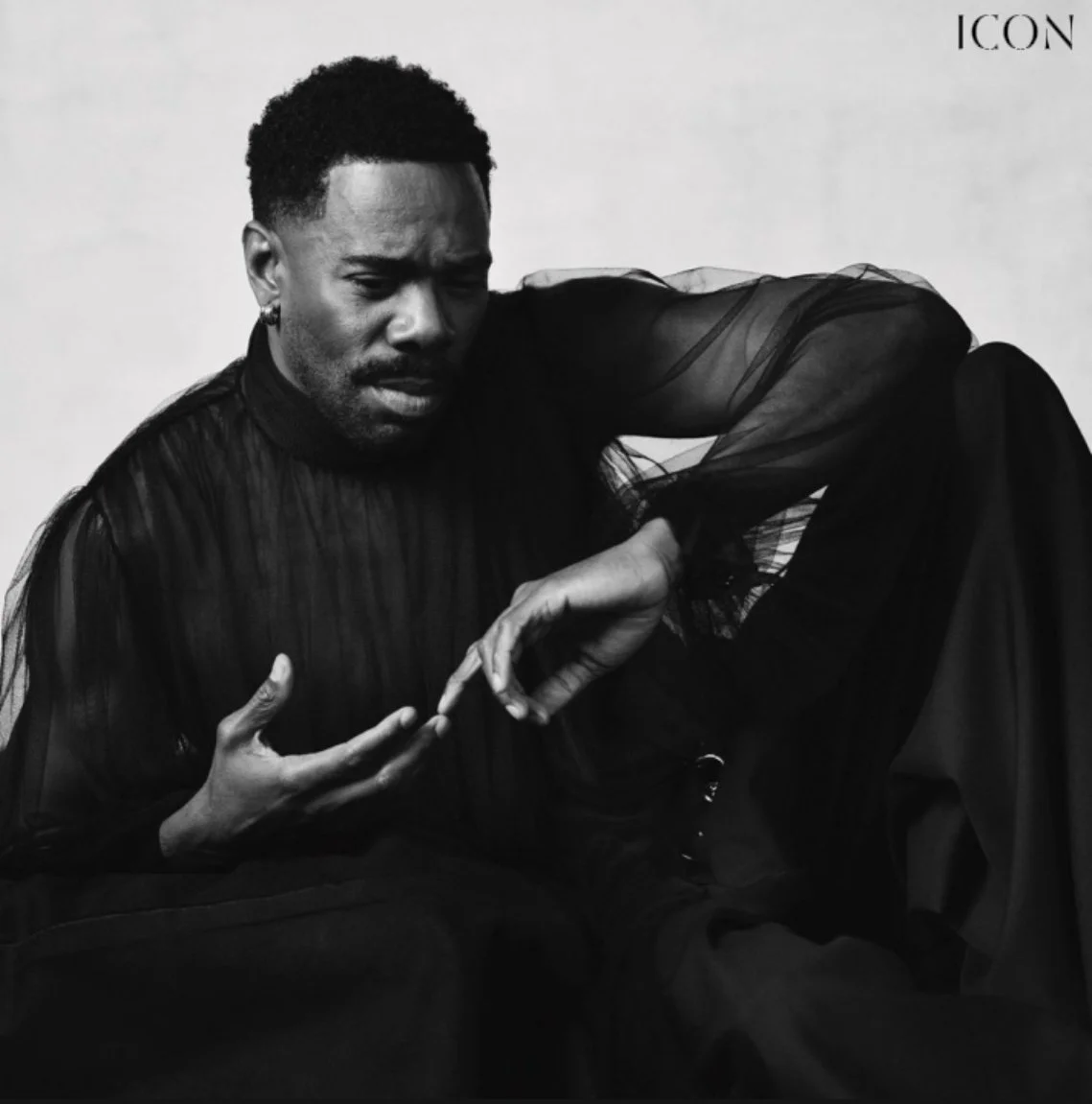
“He is wearing Valentino because the conversation between his physical presence, his theatrical sensibility, and the house's creative direction is producing something neither party could produce alone. This is the difference between a brand ambassador and a fashion collaborator.”
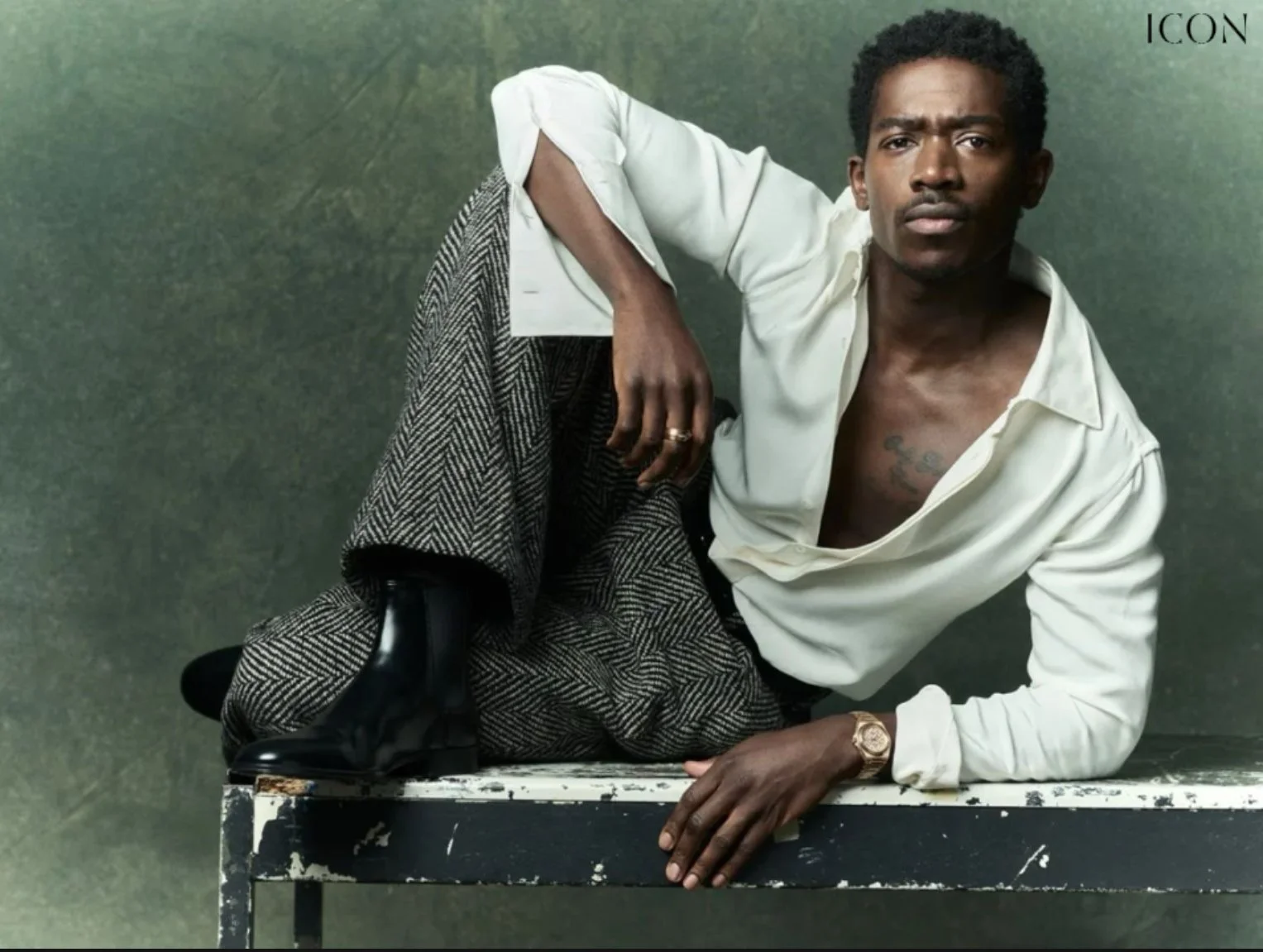
The Colman Domingo moment is not, despite how it appears, a sudden one. The career has been building across two decades of theatre, television, and film work — the Robert Guenveur Smith plays, the Fear the Walking Dead years, the Euphoria arc — that produced, in the people who were paying attention, a consistent and growing recognition that this was a performer of unusual breadth and depth. The awards cycle that culminated in his Academy Award nomination for Rustin, and the major fashion covers and campaigns that followed, represent not a discovery but an arrival: the cultural apparatus finally recognising what the work had been demonstrating for a long time.
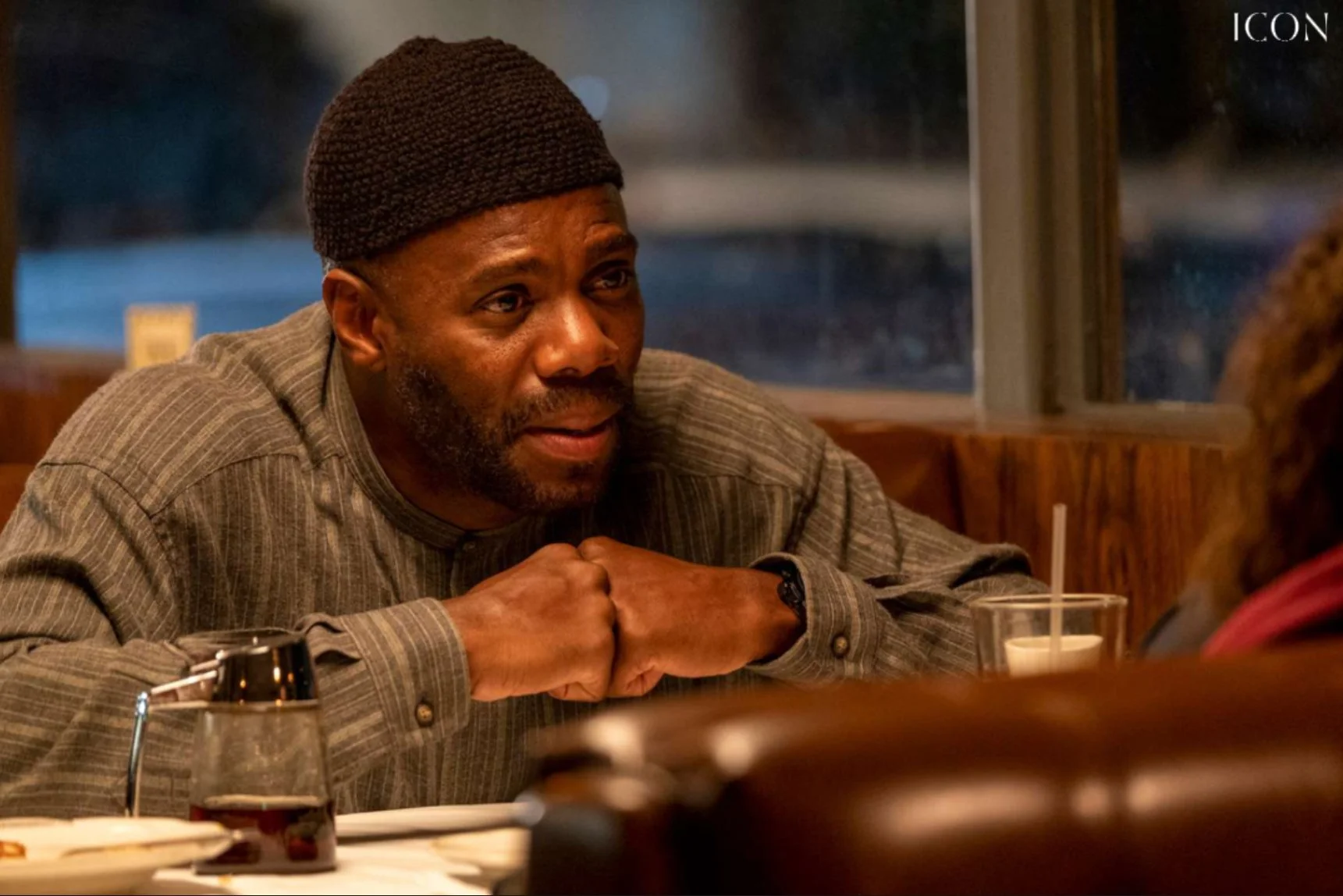
His fashion presence has become a distinct dimension of the cultural conversation about him, partly because his red carpet choices are, by any standard, extraordinary. The dramatic purple diamond-encrusted silk shirt with a train at the Garance screening at Cannes. The multiple Valentino appearances that have produced some of the most discussed menswear red carpet moments in recent years. This kind of choice — voluminous, theatrical, completely self-possessed — requires a specific quality of physical confidence that reads differently depending on how it is inhabited. On someone performing confidence, the theatrical garment reads as effort. On Domingo, it reads as his natural register.
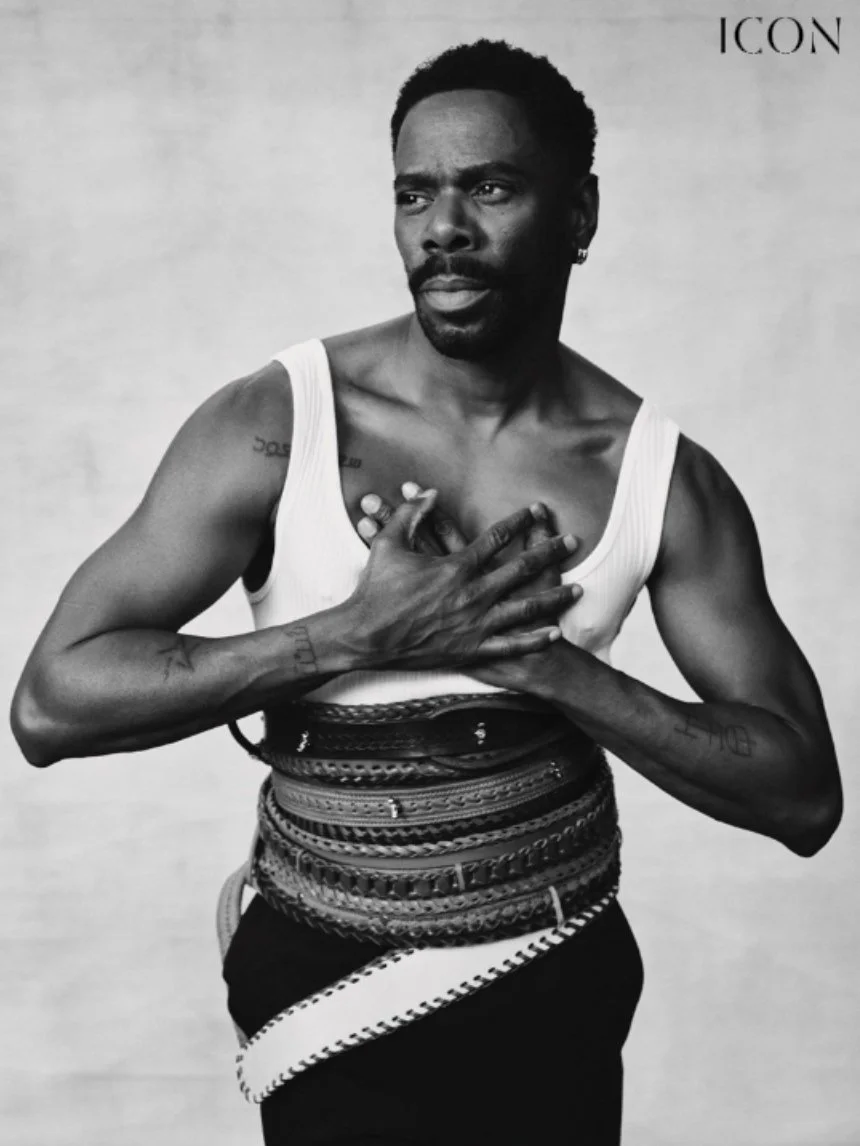
His collaboration with Valentino has produced work that is genuinely mutual rather than transactional, which is rarer than it appears. He is not wearing Valentino because Valentino is paying him. He is wearing Valentino because the conversation between his specific physical presence, his theatrical sensibility, and the house's current creative direction is producing something that neither party could produce alone.
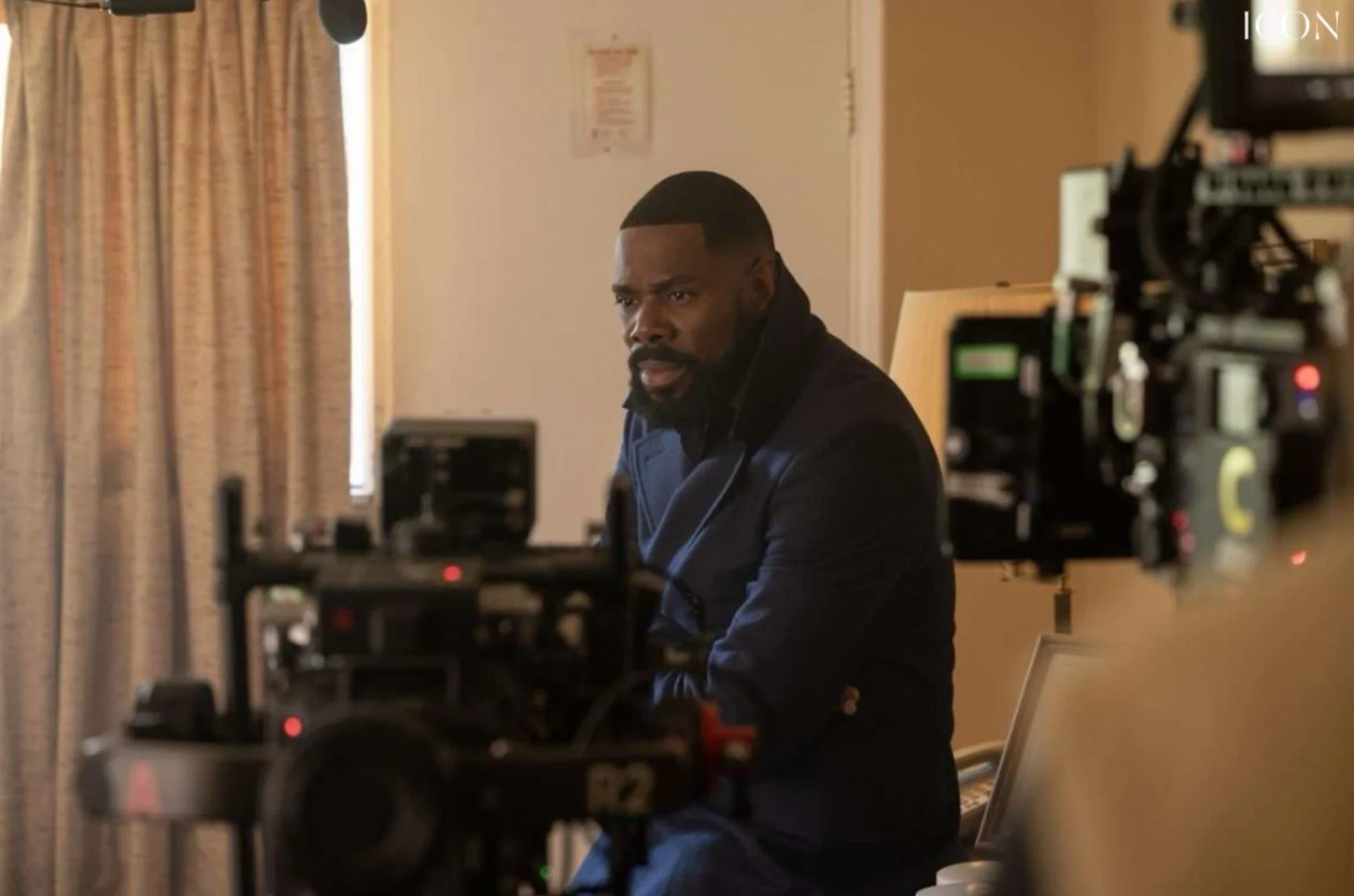
The intelligence dimension is what distinguishes his cultural position from the straightforward celebrity arc. He has spoken consistently, in interviews and in public appearances, about his craft with the specificity of someone who has been studying it for decades. His reflections on character — on what it means to play a historical figure like Bayard Rustin, on the specific responsibility of portraying a gay Black activist whose life has been underrepresented — are not standard interview material. They are the output of a serious artistic practice that has been running for twenty years.
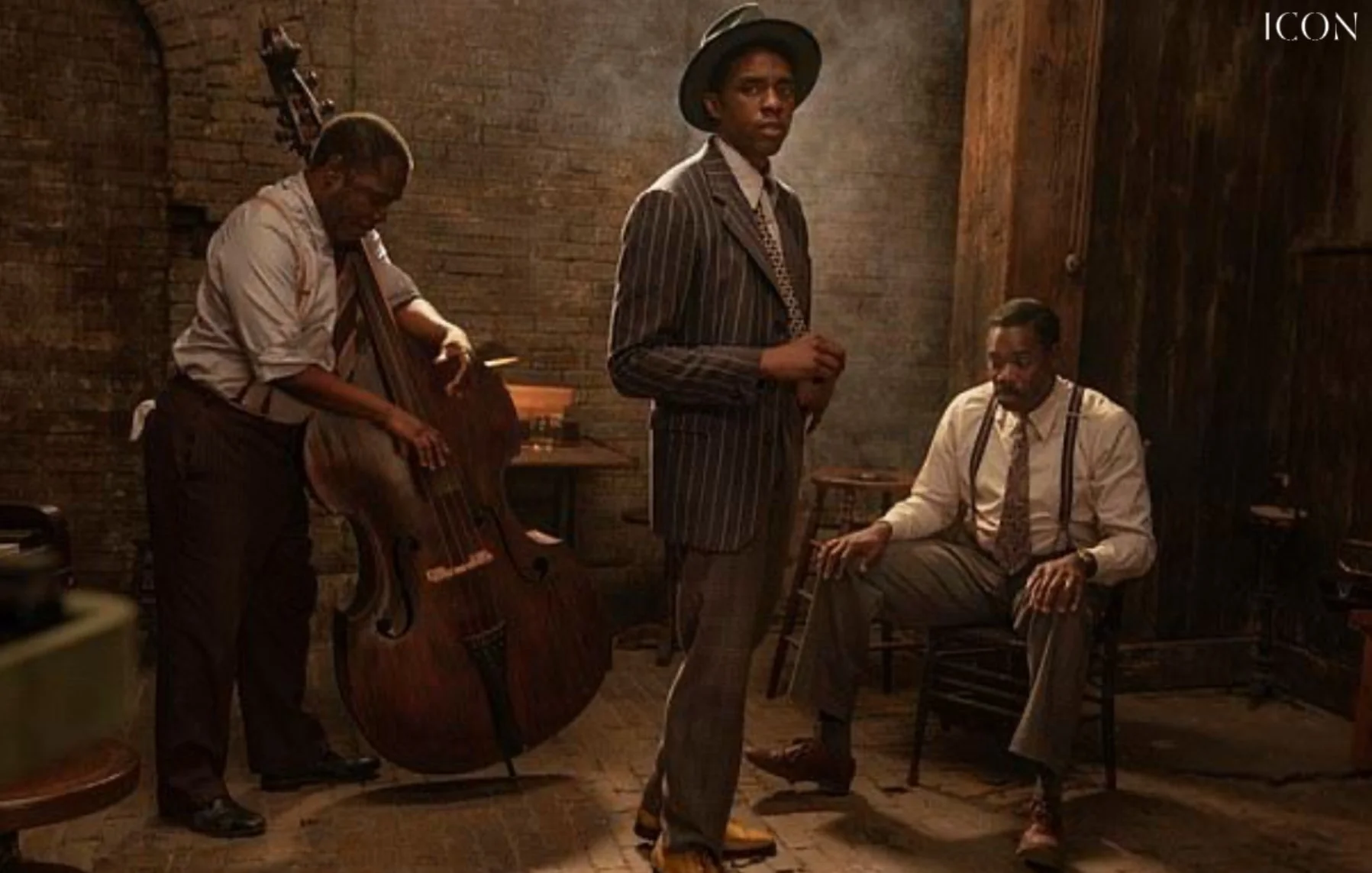
He is, in this respect, what the fashion industry and the film industry both claim to want and rarely actually find: a person with a genuinely developed interior life who is willing to make that interior life visible in the specific ways that fashion and performance require. The combination is unusual. The fact that it has taken this long to reach this scale of recognition says more about the cultural apparatus than about the work.
At Cannes this year, he wore the purple silk with a complete absence of irony, which is the specific quality that makes theatrical dressing interesting rather than embarrassing. He did not dress up. He dressed himself, at full volume.
The distinction is everything.
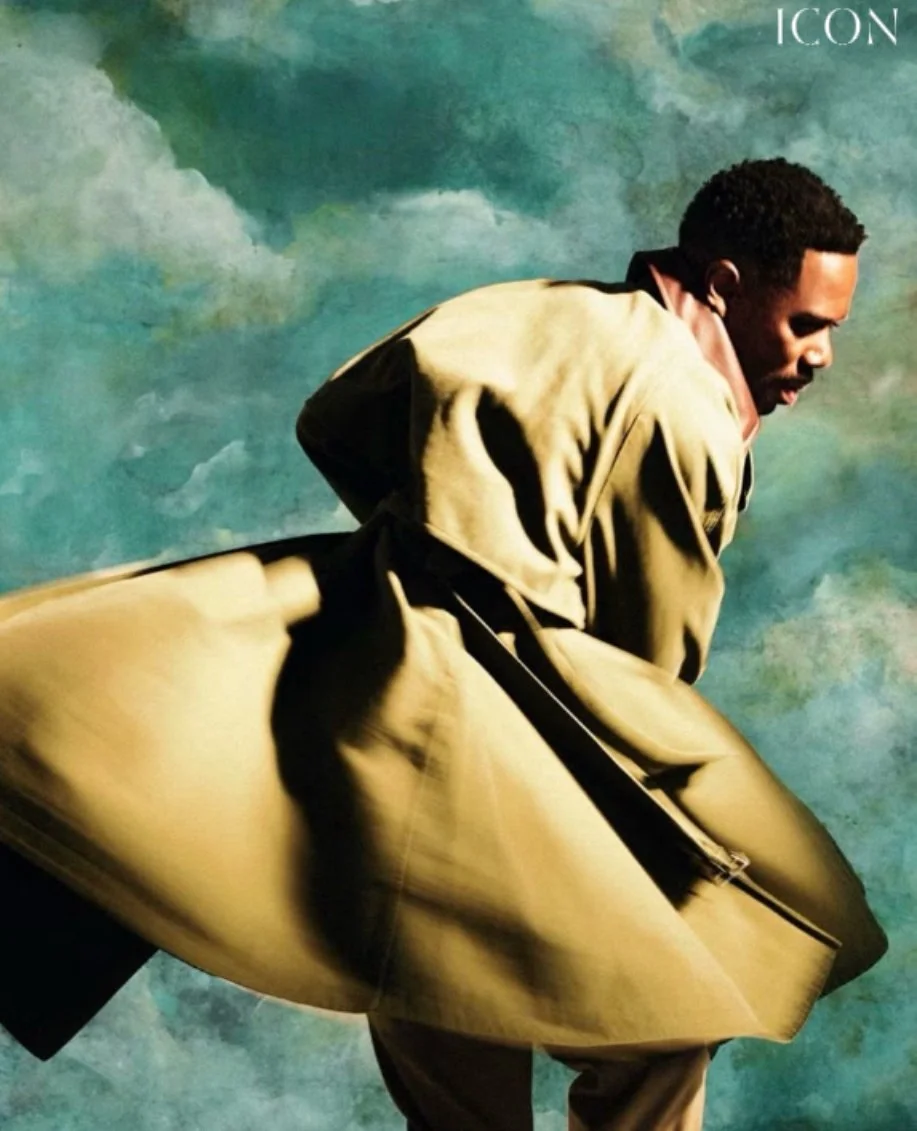
What the Domingo moment means for the culture: the specific kind of male beauty and style intelligence he represents — theatrical, romantic, historically informed, completely unbothered by the conventions of how men are supposed to present — is receiving the visibility and the institutional support it has always deserved. The Cannes purple Valentino is not an anomaly. It is, finally, the norm.
BY OONA CHANEL
