

Alexander McQueen: What He Was Actually Making When He Called It Fashion
He died in 2010 at forty years old with forty-six completed collections. The work was not about clothes. It was about the history of violence done to the female body and the specific kind of power available to the woman who refuses to look away from it.
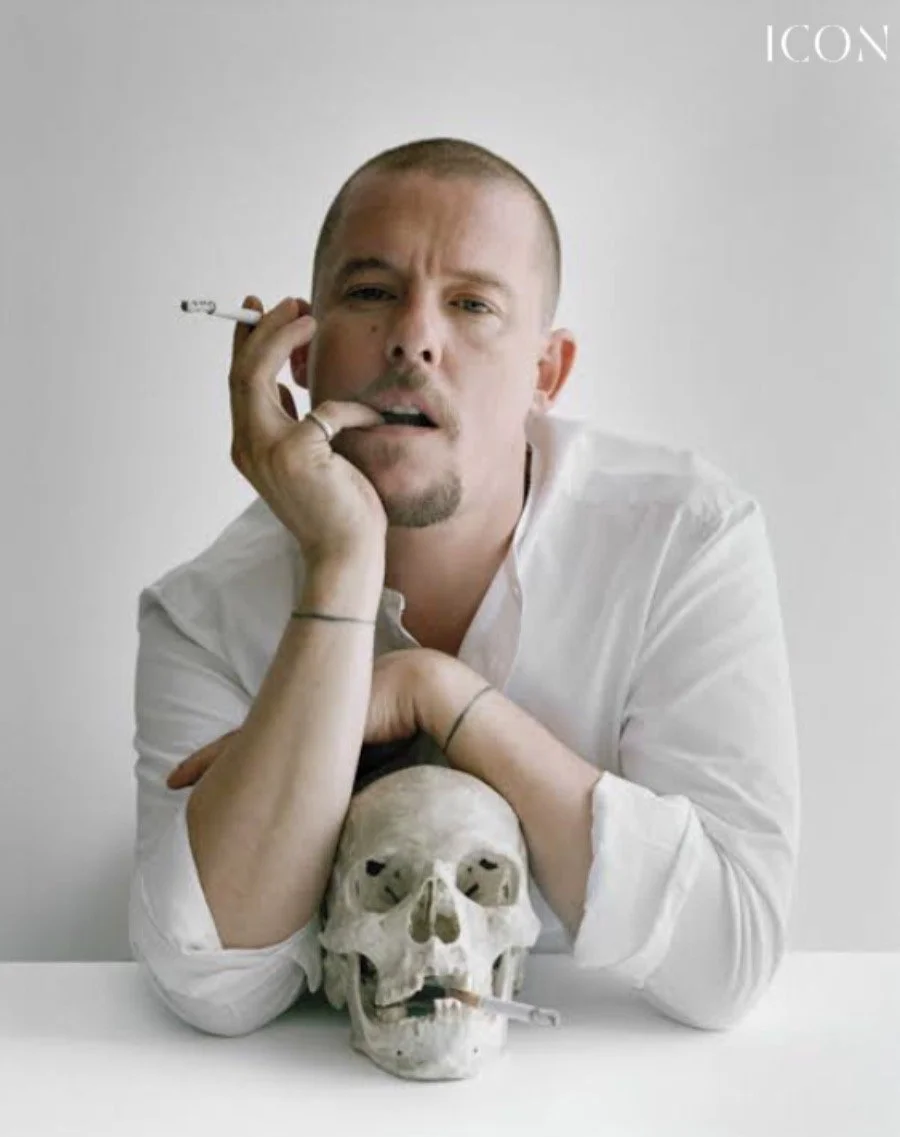
"The work was not about clothes. It was about the history of violence done to the female body and the specific kind of power available to the woman who refuses to look away from it. He named this in his first collection at age twenty-three and never stopped naming it."
Alexander McQueen was born in Lewisham in 1969, the youngest of six children of a taxi driver. He left school at sixteen. He trained on Savile Row, at Anderson and Sheppard and Gieves and Hawkes, learning the grammar of English tailoring in the buildings where it had been practised for two centuries. He enrolled at Central Saint Martins on the strength of a portfolio he made at night while working during the day. His MA graduation collection in 1992 was bought in its entirety by Isabella Blow.
The graduation collection, titled Jack the Ripper Stalks His Victims, was made from materials that included human hair — some of it McQueen's own - sealed inside the lining of the tailored jackets. The collection was not presented to disturb. It was presented to name something. The history of violence done to women by men in the public spaces of London was a fact, and he made it materially present in the clothes.
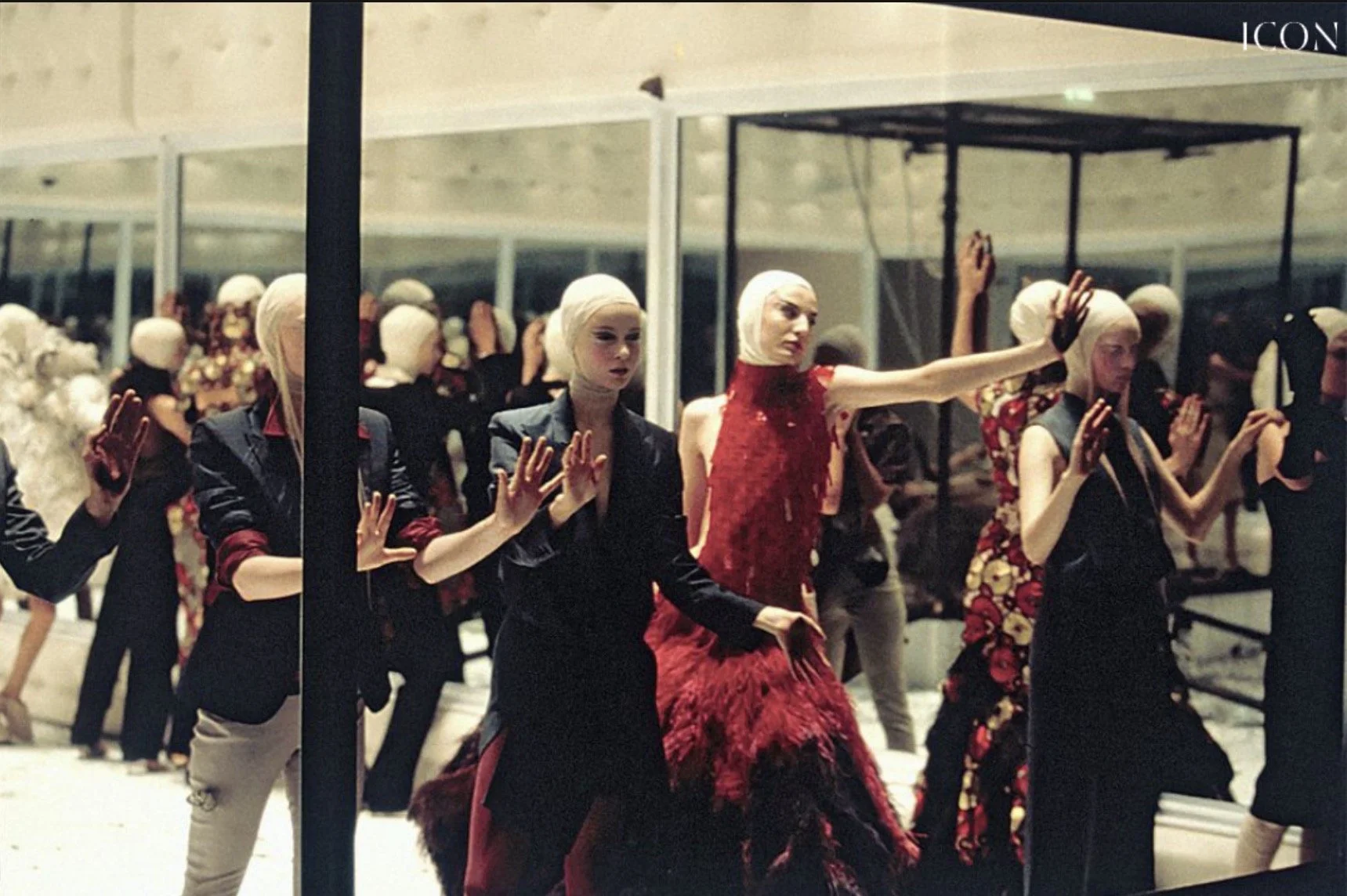
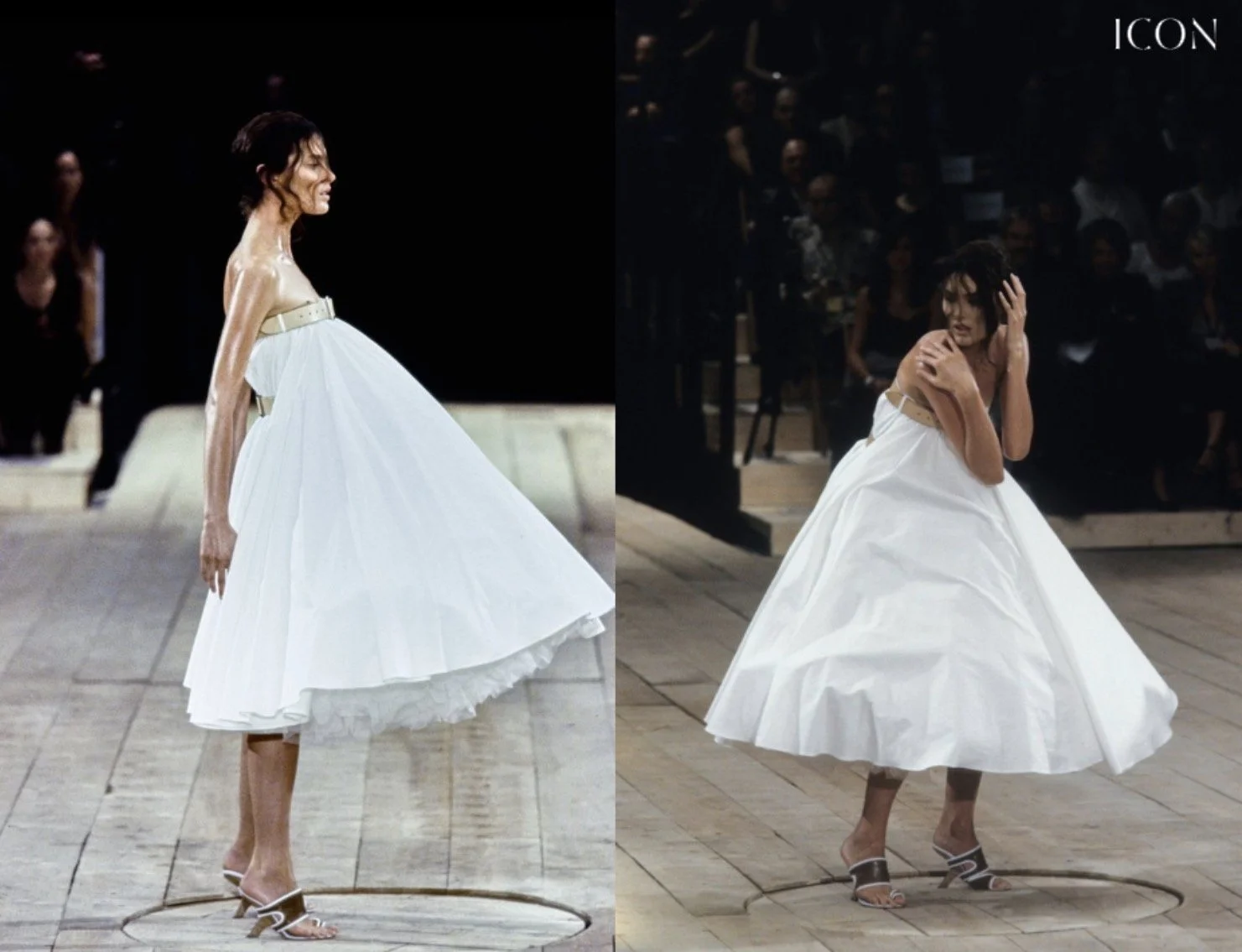
This is what he was always doing, across forty-six collections and fifteen years at the highest level of fashion production. The 1995 Bumster - the trouser cut so low at the back that the base of the spine was exposed. The 1999 No. 13 collection, in which Shalom Harlow stood on a turntable in a white dress while industrial spray-painting robots covered her in paint, producing something between a masterpiece and a violation in real time. The 2001 Voss collection, in which the models circled inside a mirrored box while the audience watched from outside, and the box opened at the end to reveal Michelle Olley lying among moths and tubing.
The violence in his work was always historicised. The AW1995 Highland Rape collection - the name and the images are still controversial, and should be - was about the historical rape of Scotland by the English, the specific violence of colonisation, and McQueen as a person of Scottish descent making something from that history using the language of fashion, which had always used the female body as the site of its arguments.
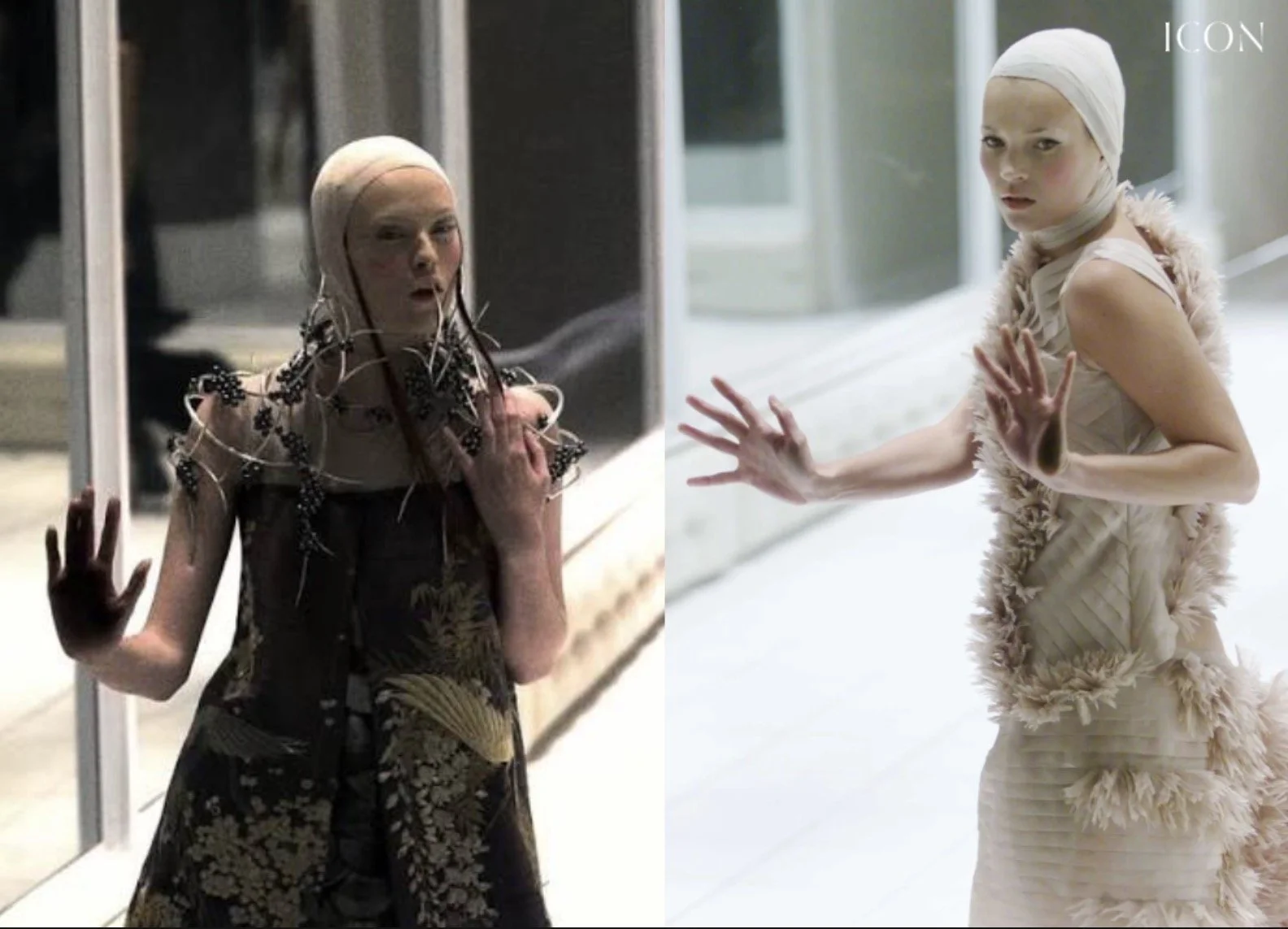
He was appointed creative director of Givenchy in 1996, at twenty-seven, following Galliano's departure for Dior. He left in 2001 when the Gucci Group acquired his label and, for the first time, he had the financial resources to make what he was actually trying to make.
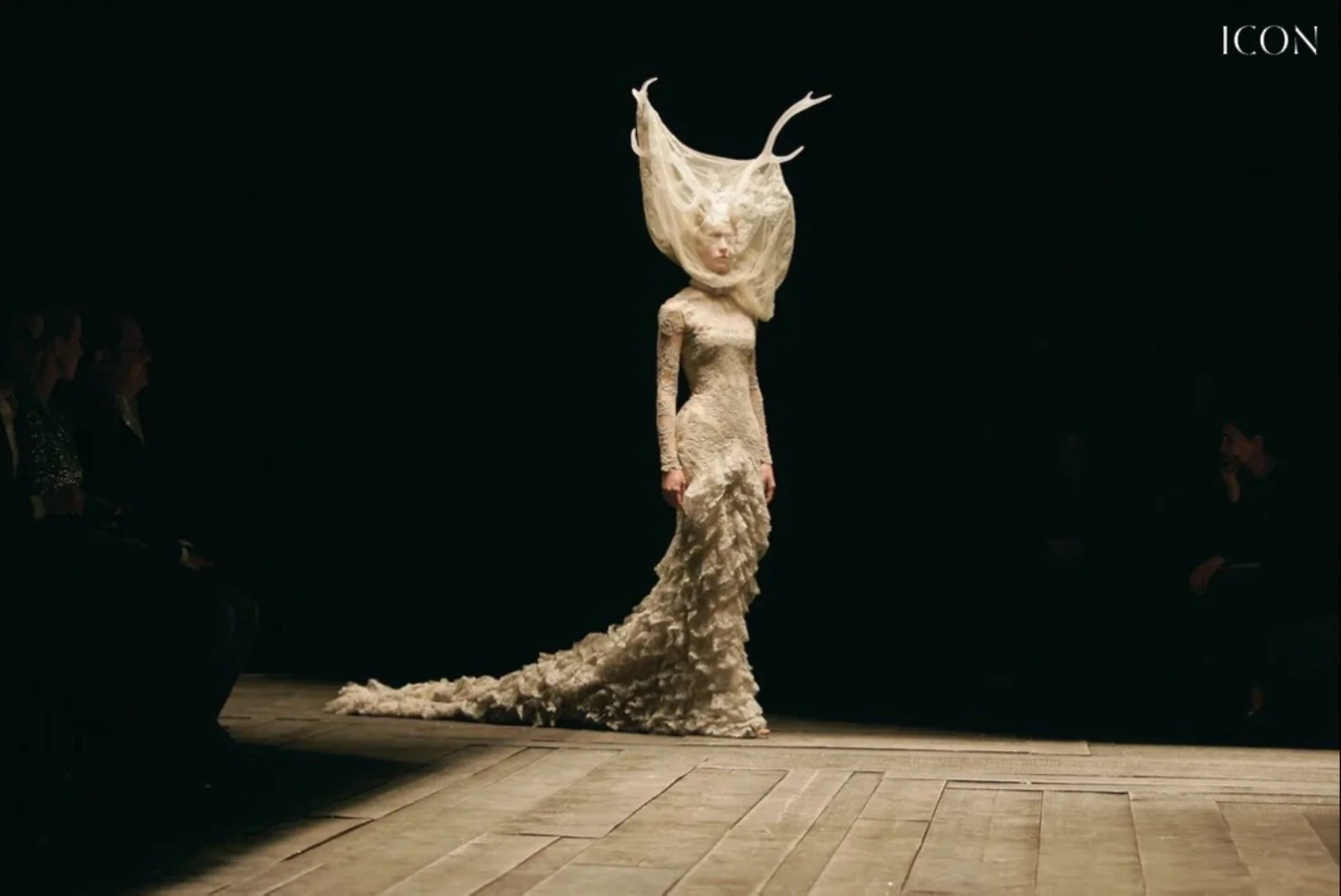
The Widows of Culloden AW2006 collection. The Plato's Atlantis SS2010 collection - the last he completed before his death, streamed live on the internet for the first time in fashion history.
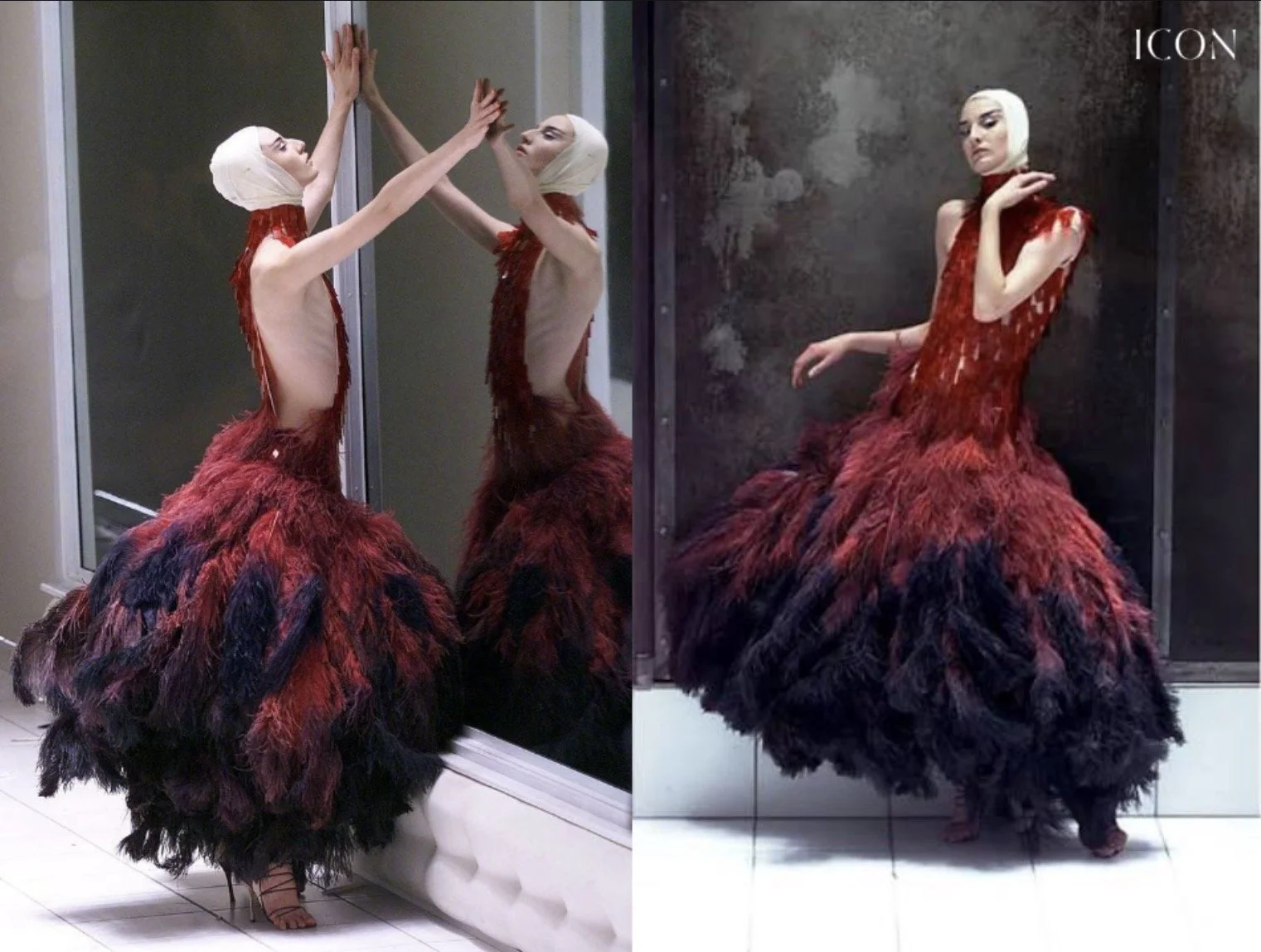
The work was, by the end, as technically advanced as anything being made in any medium, and it was about exactly what it had always been about.
He died on February 11, 2010, nine days after the death of Isabella Blow and one day before his mother's funeral. He was forty years old. The question of what he would have made in the sixteen years since is the most interesting unanswered question in fashion.
BY OONA CHANEL
