

Lee Miller: The Woman Who Was the Photograph and Then Became the Photographer
She was Man Ray's model and then his peer. She documented the liberation of Dachau and bathed in Hitler's bathtub in a photograph that is one of the most politically complex images of the twentieth century. What her life and work actually mean.
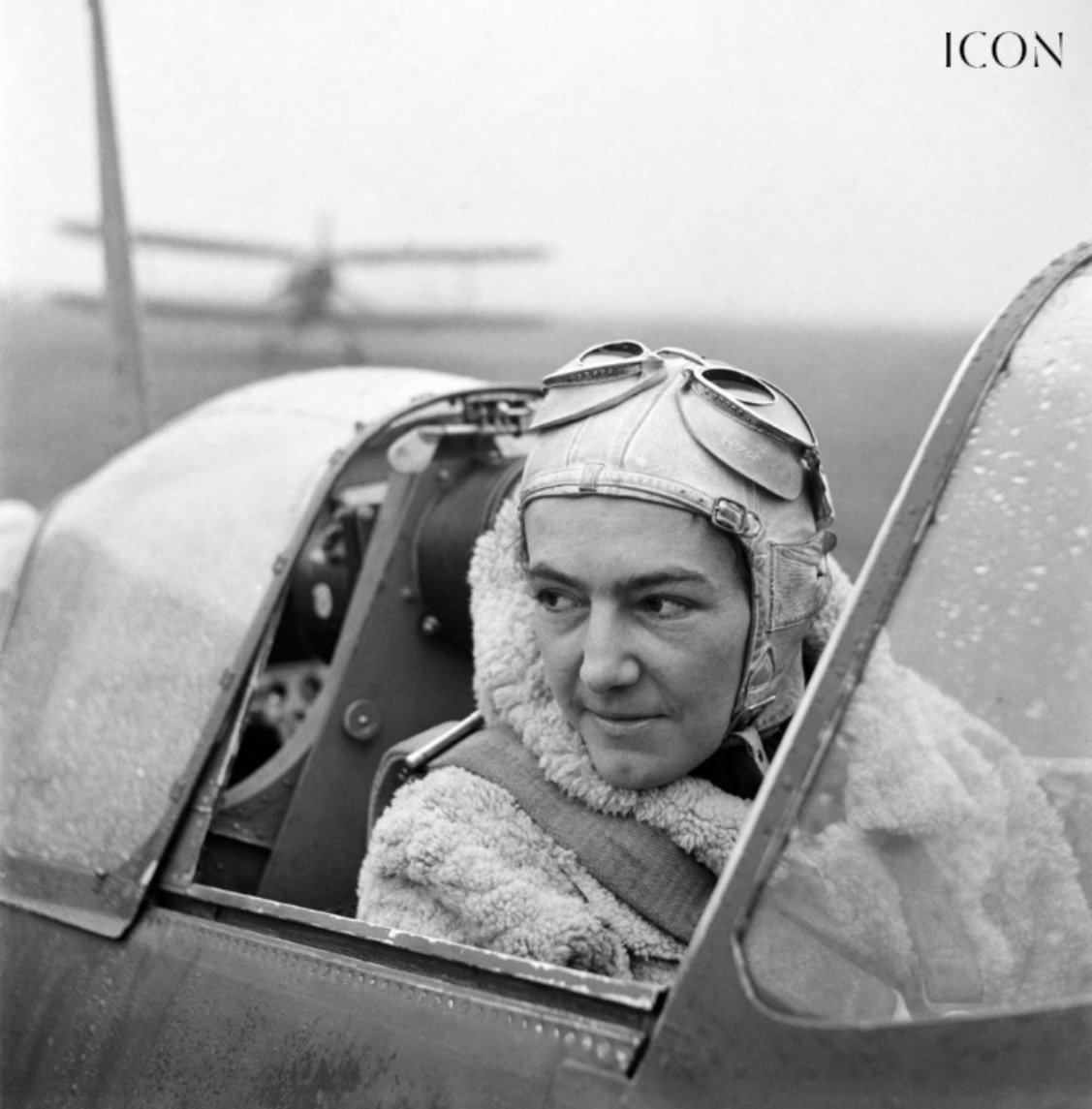
"She sent the Dachau photographs to British Vogue with the message: 'I implore you to believe this is true.' Publishing them in the same issue as clothes and beauty pages was a choice made consciously. It remains one of the most radical editorial decisions in the history of magazine publishing."
The photograph was taken on April 30, 1945 - the day Adolf Hitler died. Lee Miller, photographed by her colleague David Scherman, is in Hitler's bathtub in his Munich apartment, still wearing the boots she had worn at Dachau earlier that day. The mud of the concentration camp is on the bathroom floor. A photograph of Hitler sits on the shelf beside the tub. She is washing herself clean of the day, and she is doing it here, in this bath, in this apartment. The photograph is both exactly what it appears to be and one of the most complex political acts in the history of documentary photography.
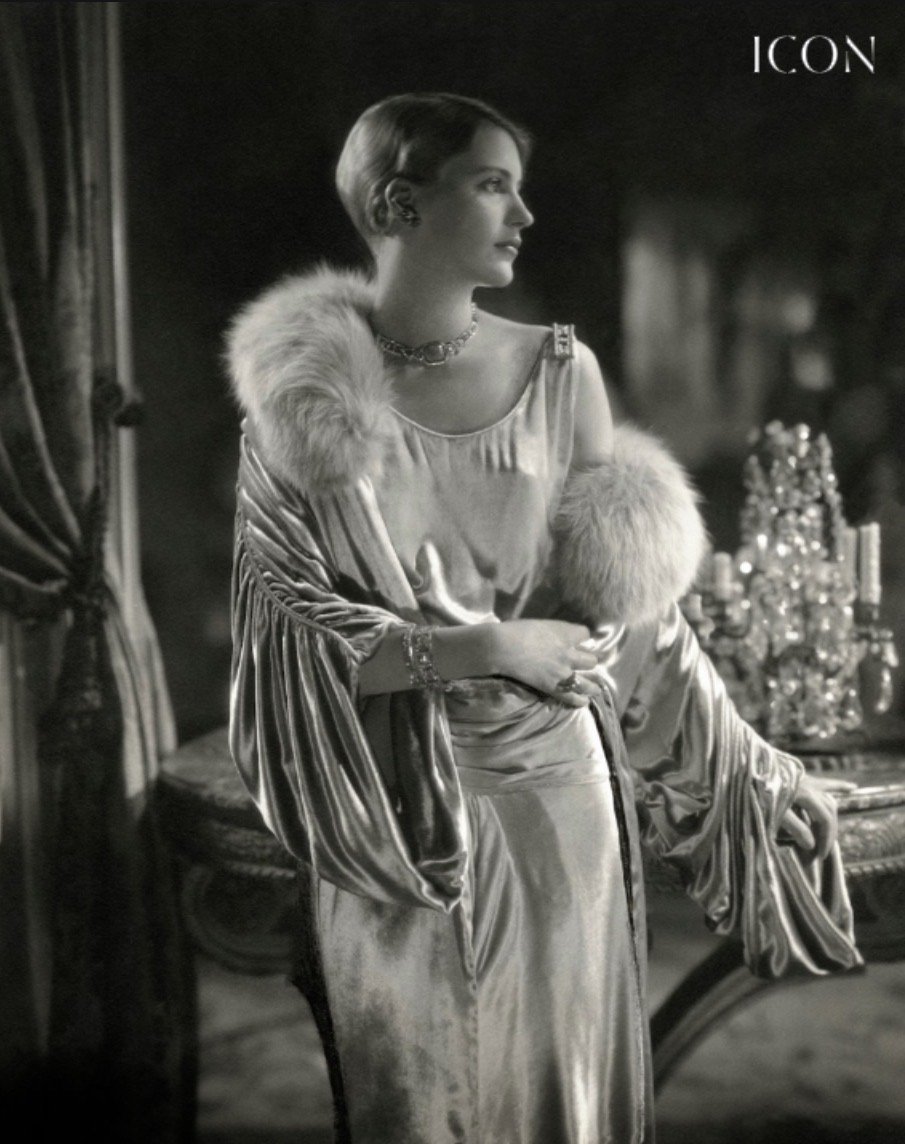
Elizabeth Lee Miller was born in Poughkeepsie, New York, in 1907. She was raped at seven years old by a family friend, contracted gonorrhoea from the assault, and spent her childhood in medical treatment for the consequences. Her father, Theodore, an amateur photographer, documented her life with the obsessiveness that would become, in his daughter, a professional methodology.
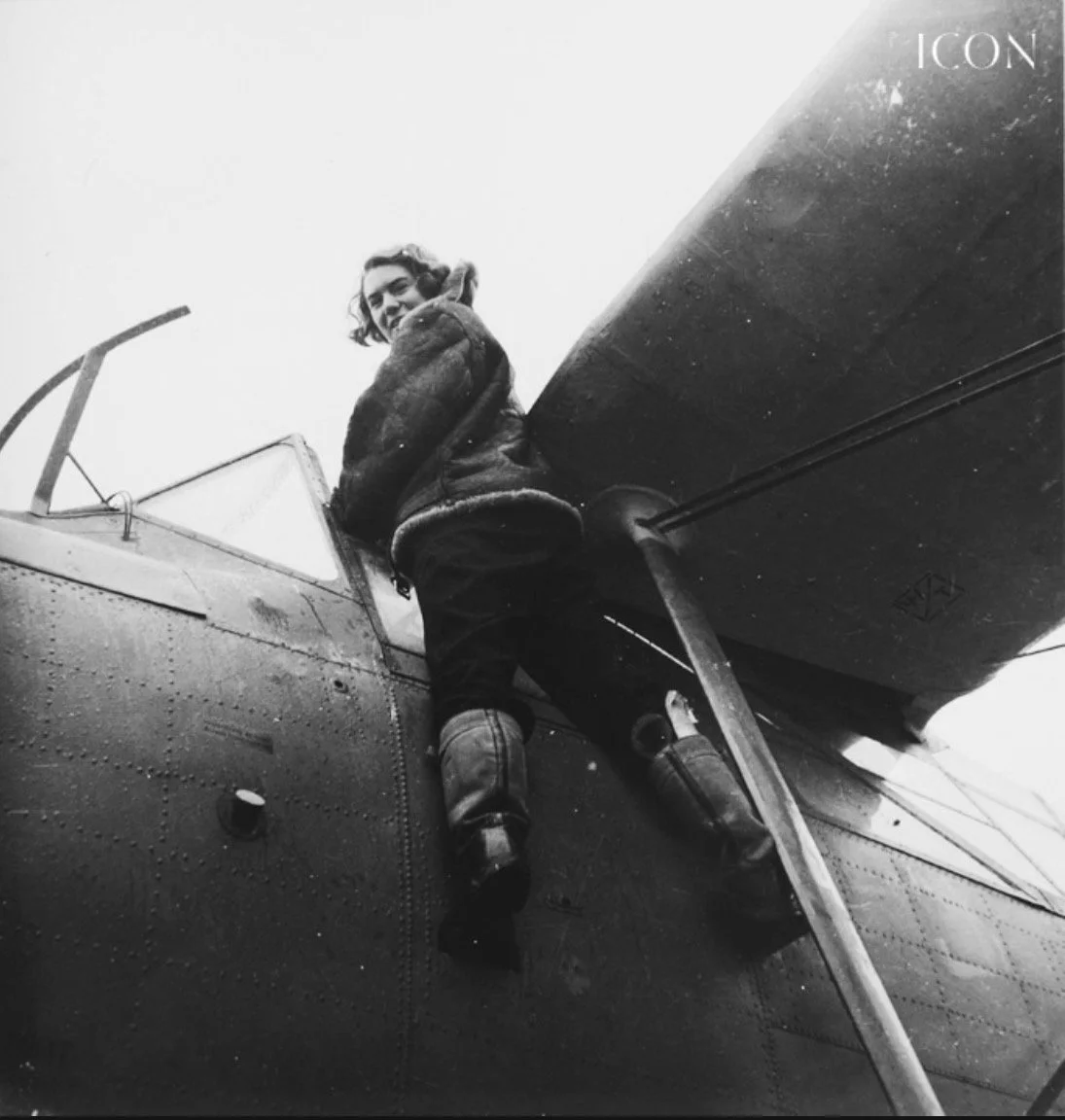
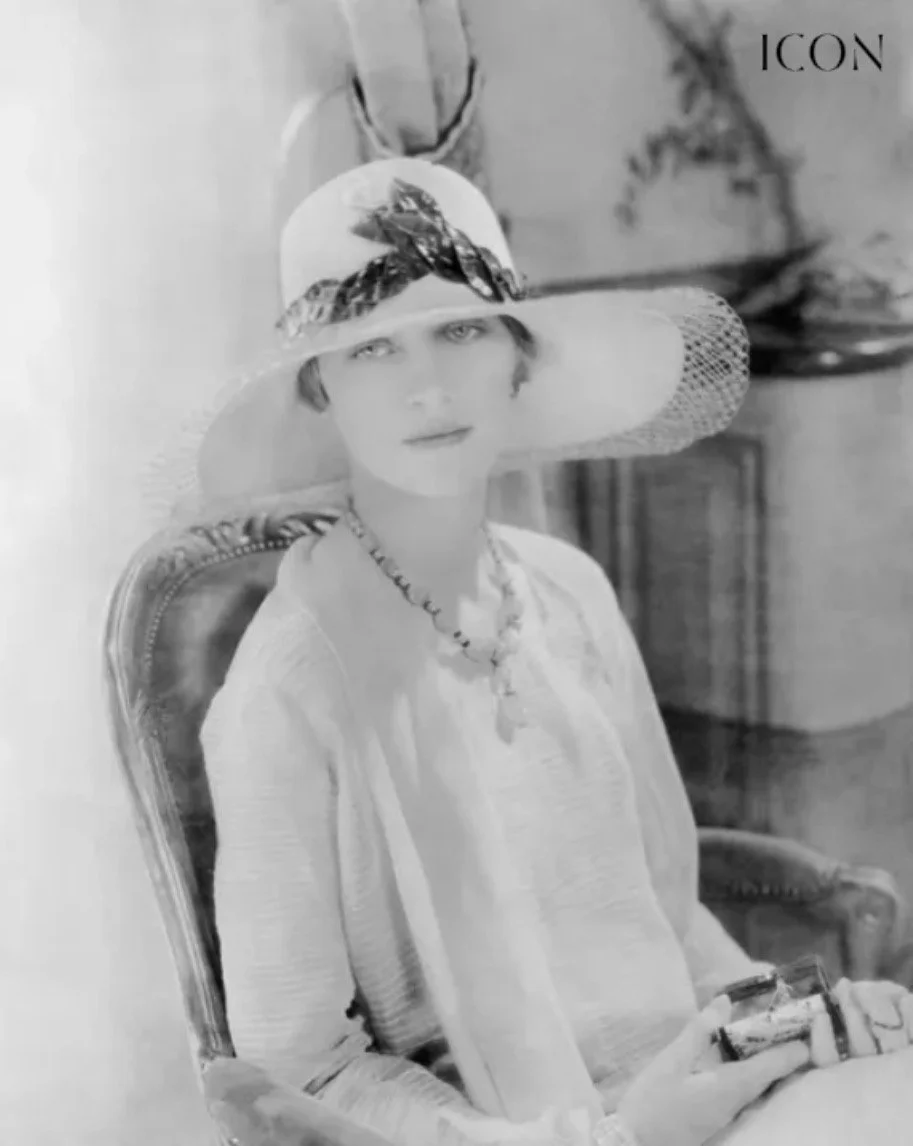
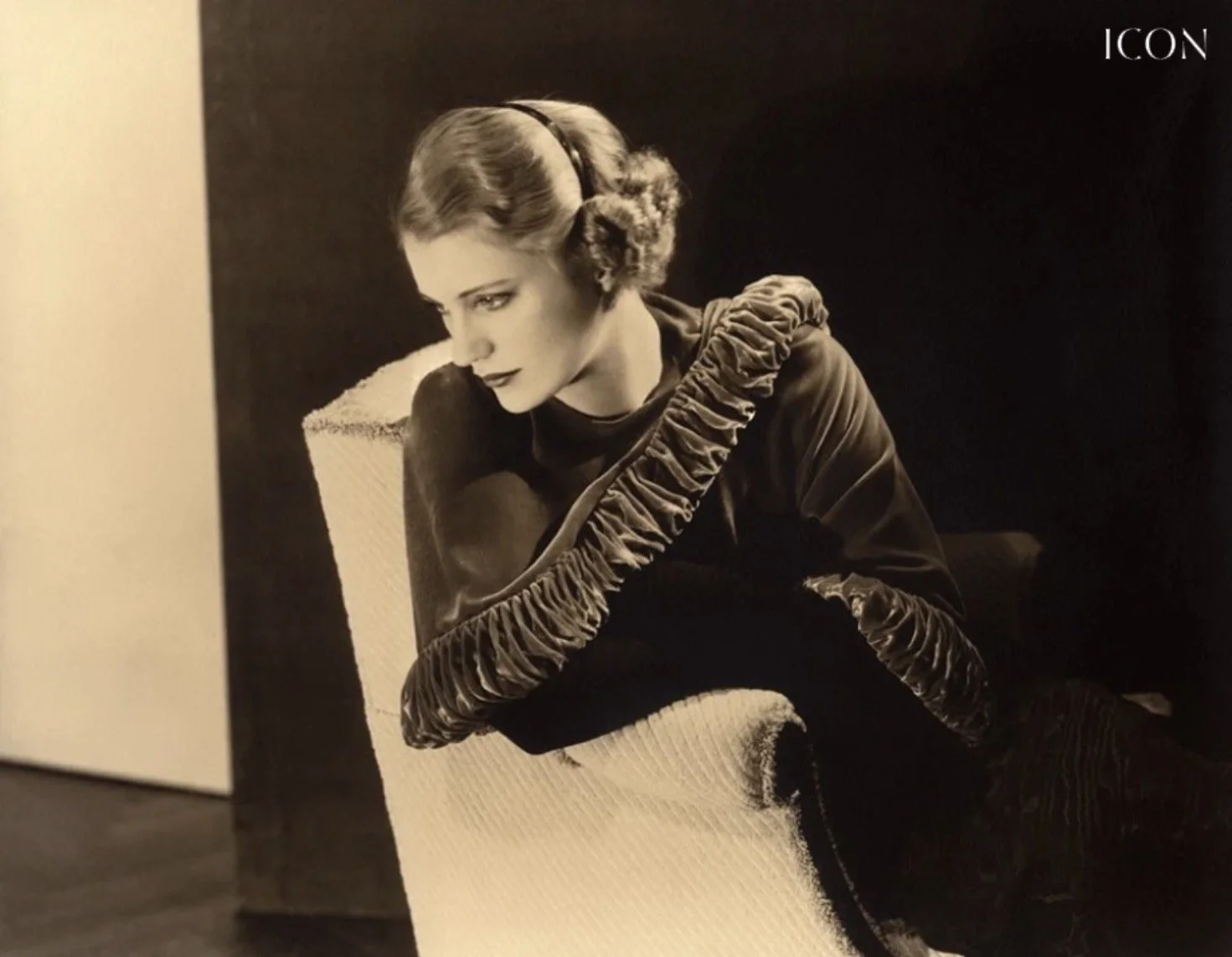
She arrived in Paris in 1929 with the intention of becoming a photographer. Man Ray was not taking students. She became his student, his model, his lover, and his peer, in that order and sometimes simultaneously. She is credited with the co-discovery of the solarisation technique that became one of the most distinctive techniques associated with Surrealist photography. Man Ray later disputed the credit.
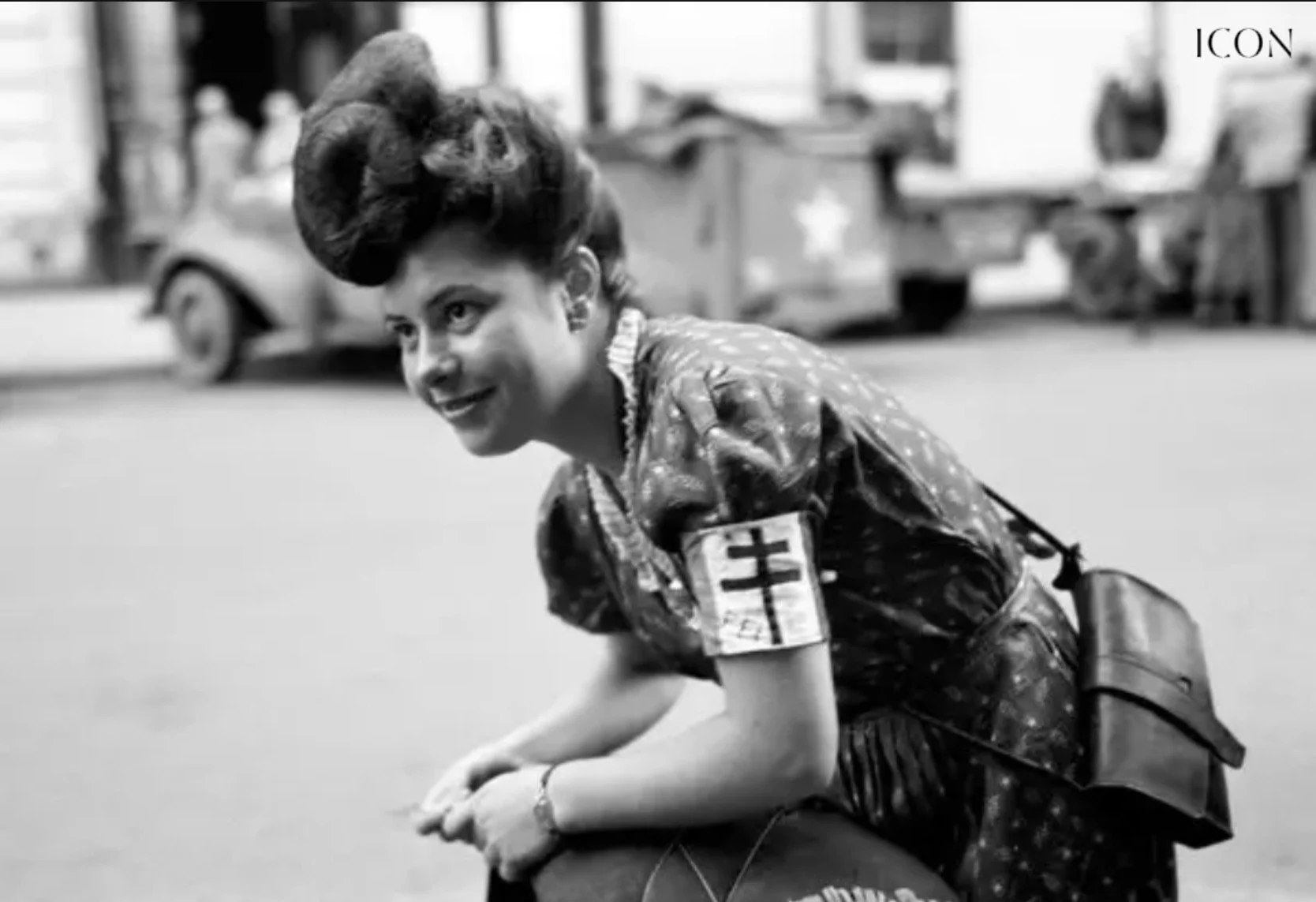
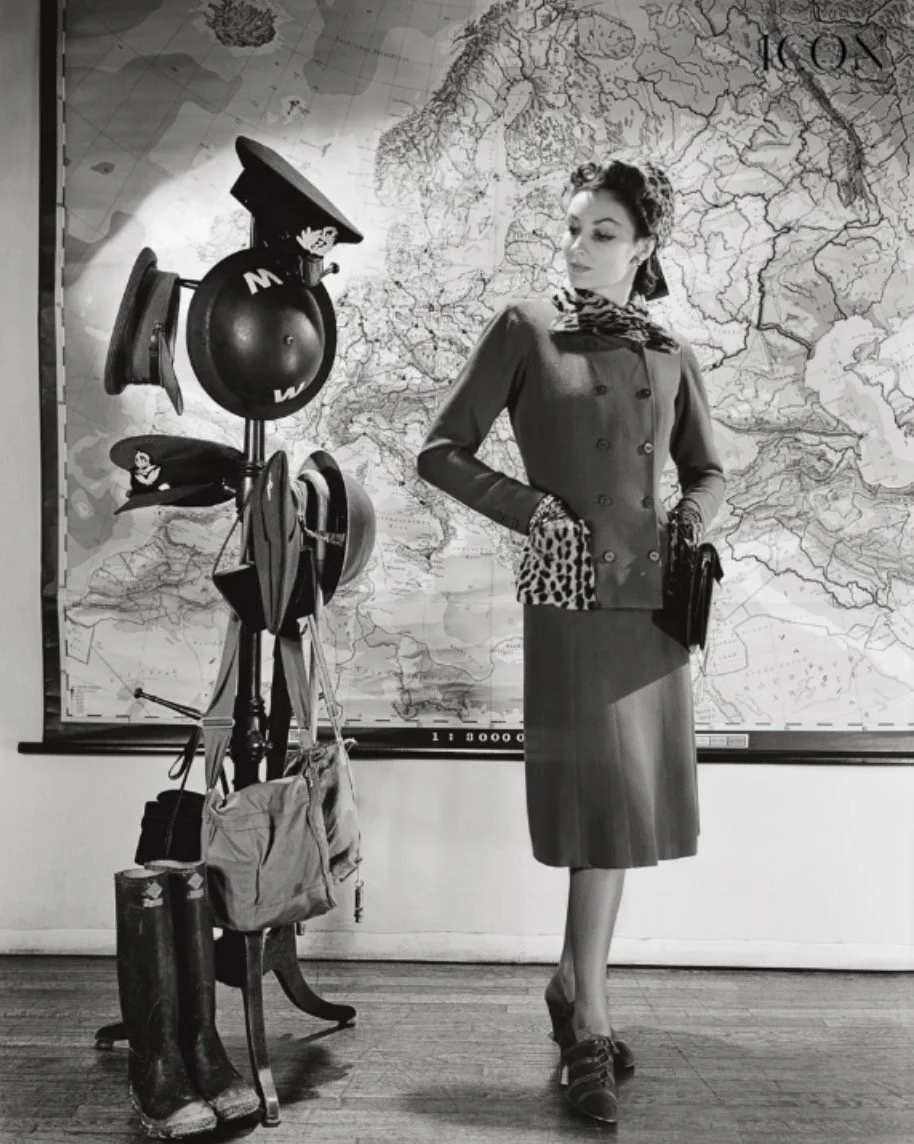
She returned to England in 1939. When war was declared, she applied to Vogue to work as a war correspondent. She was initially refused. She persisted. She was ultimately accredited and embedded with US Army units across France, Belgium, Luxembourg, Germany, and Austria, producing some of the most important photographic documentation of the liberation of Western Europe and of the concentration camps the Allied forces discovered.
She sent the Dachau photographs to Audrey Withers at British Vogue with the message: 'I implore you to believe this is true.' Withers published them. The publication of these photographs in a fashion magazine — in the same issue as clothes and beauty pages - was a choice made consciously by both Miller and Withers, and remains one of the most radical editorial decisions in the history of magazine publishing.
After the war, she stopped photographing. She moved to Sussex with Roland Penrose and their son Antony, made food, gave dinners, and drank. The archive of her work - forty thousand images - was discovered by her son in the attic of their Sussex farmhouse after her death in
1977. The Lee Miller Archives now holds this material, and the rediscovery of her work is ongoing.
The bathtub photograph is the one most people know. The question worth asking is what kind of knowledge it takes to make an image like that, and what kind of life produces that knowledge.
BY OONA CHANEL
