

What the Best Rooms in the World Have in Common That Photography Never Shows
After two decades in which the most discussed painting was largely abstract or conceptually driven, a generation of figurative painters is producing work that argues, with considerable force, that the human body in paint is the most complex subject available.
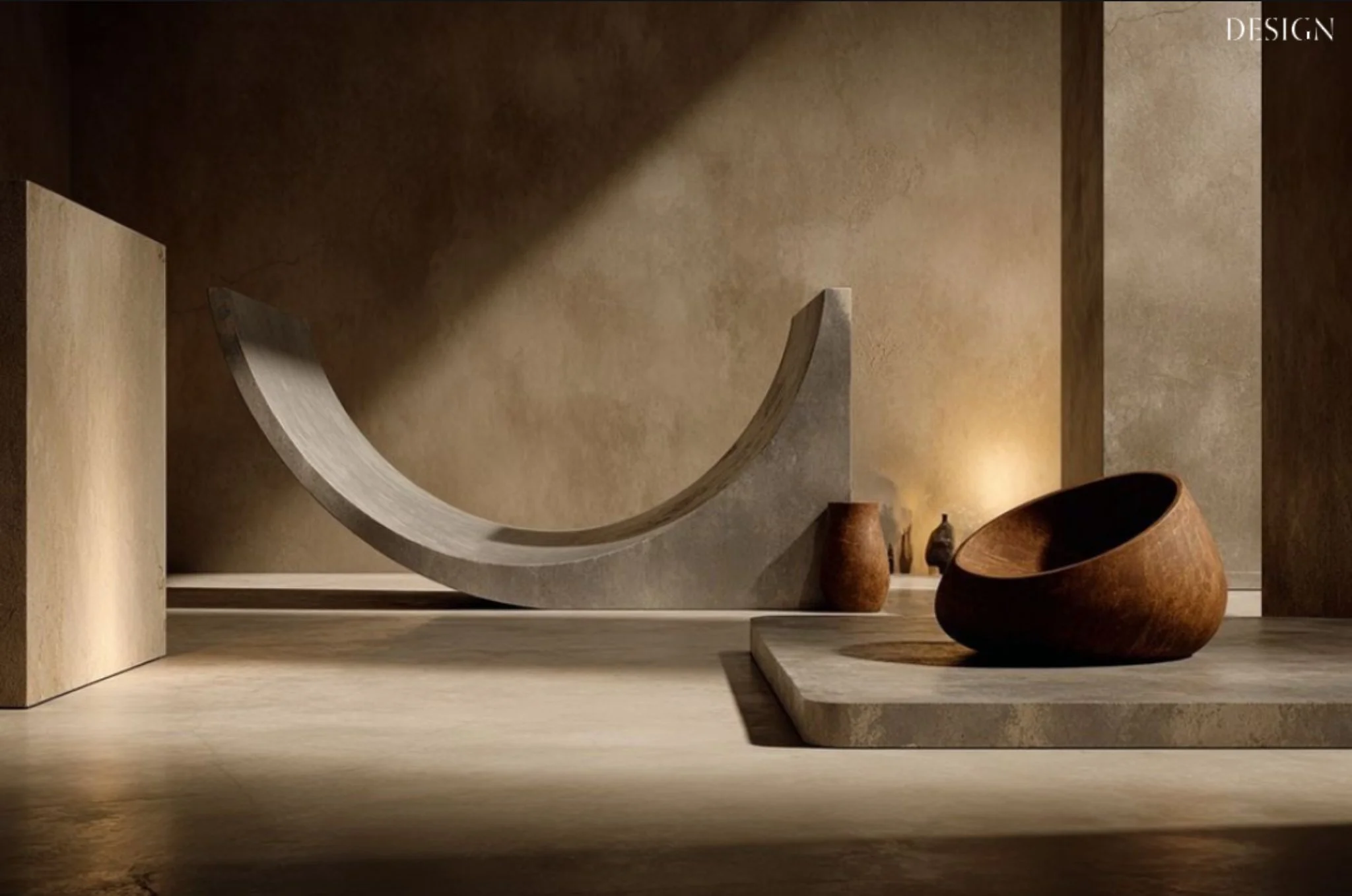
“A room designed for duration looks different from a room designed for the photograph. The furniture is at the height the specific people who will sit in it actually need. The proportions are calibrated not to the photographed state but to the inhabited state.”
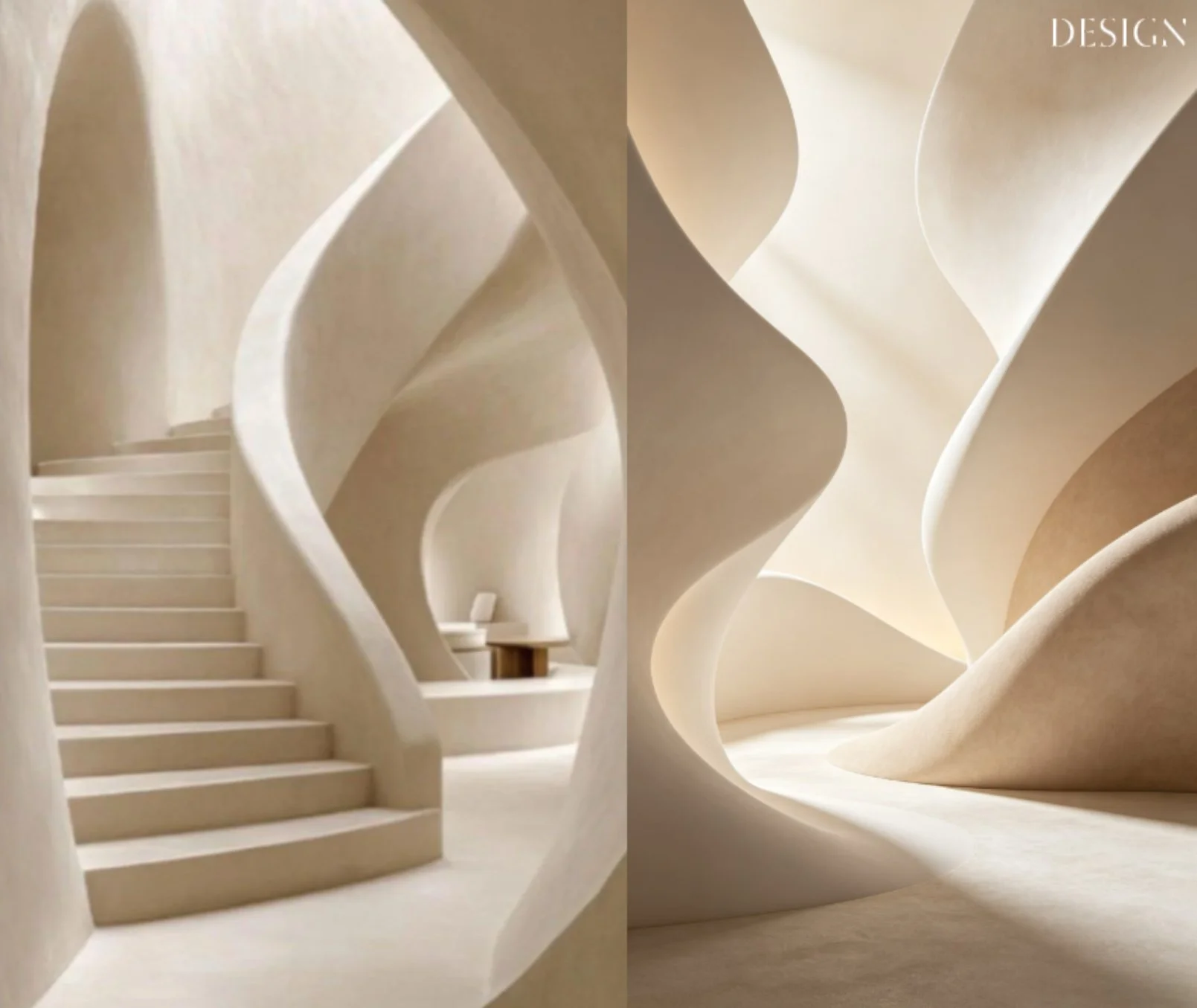
Pierre Yovanovitch describes the design process for a private commission as a conversation about duration. Not about style, not about reference, not about the visual language that will make the photographs work — about duration: what the room feels like at 7am in February, at 3pm in August, at 10pm with twelve people in it, at 11pm with two. A room designed for duration looks different from a room designed for the photograph.
The furniture is at the height that the specific people who will sit in it actually need it to be. The light comes from where the light needs to come from for the activities that occur in that room at the times they occur. The proportions are calibrated not to the photographed state but to the inhabited state, which is a different brief and produces a different result.
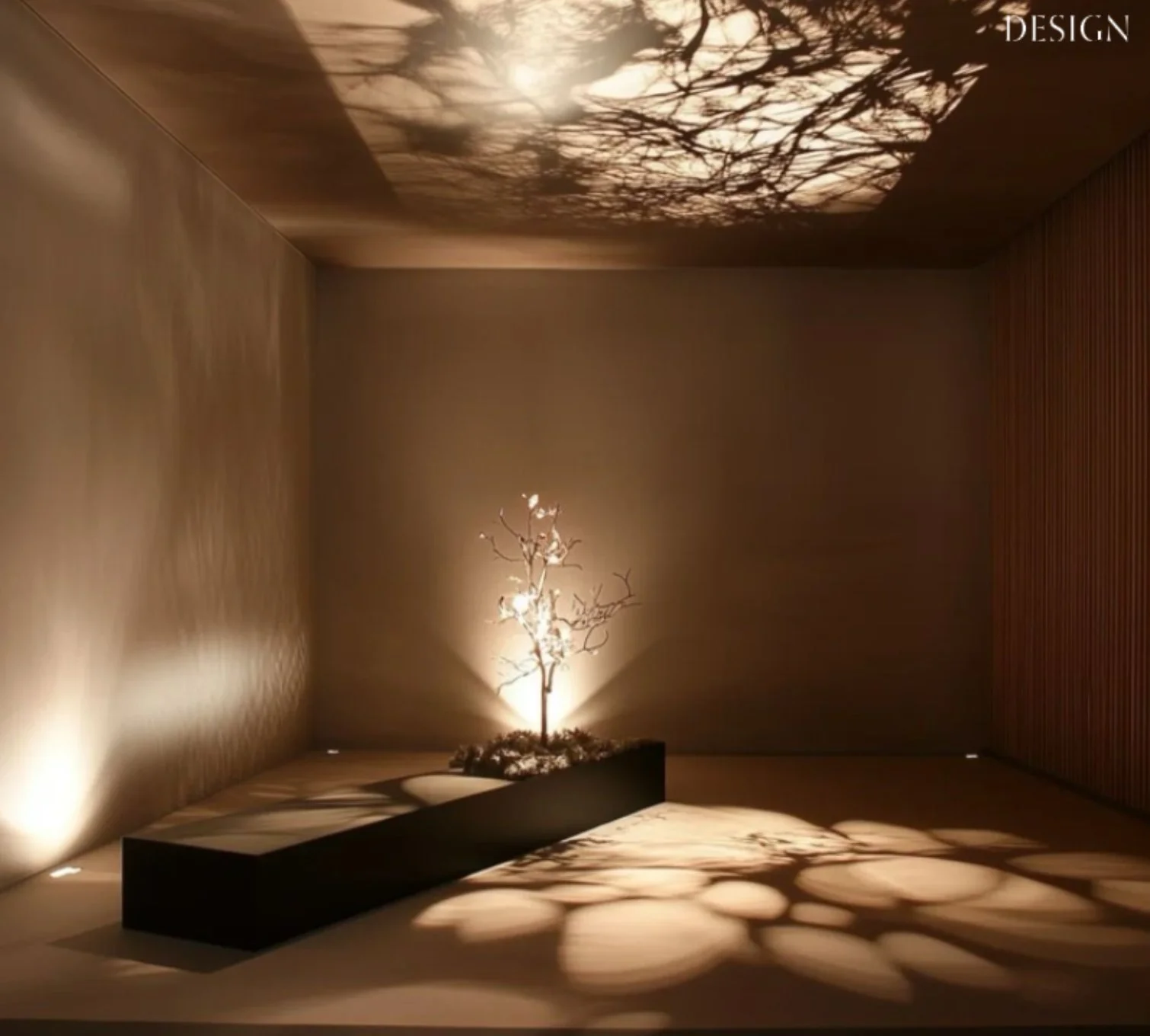
The quality that distinguishes rooms that are irreplaceable from rooms that are simply beautiful is not available in the photograph. It is temporal: the sense, in the room, that the space has been made for this specific accumulation of hours, for this specific combination of people and light and purpose, for a life rather than for an image of one.
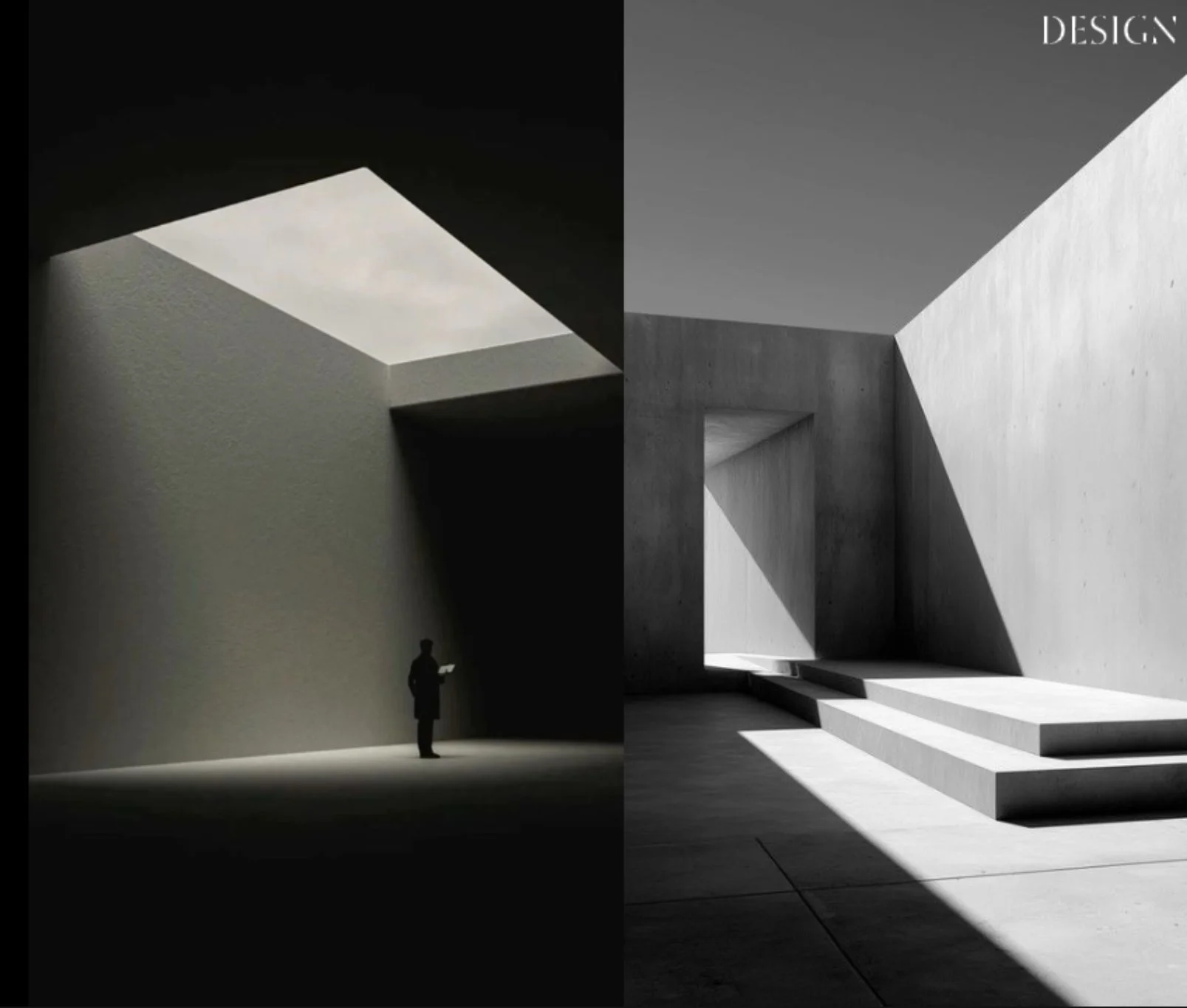
This quality is produced by a design process that begins with questions about how the room will be inhabited rather than how it will look, and it is, for reasons that are entirely legible, less common than it should be at the highest price points. The rooms that generate the most visible proof of excellence are the rooms that photograph best, and the rooms that photograph best are designed, consciously or not, for the photographic state.
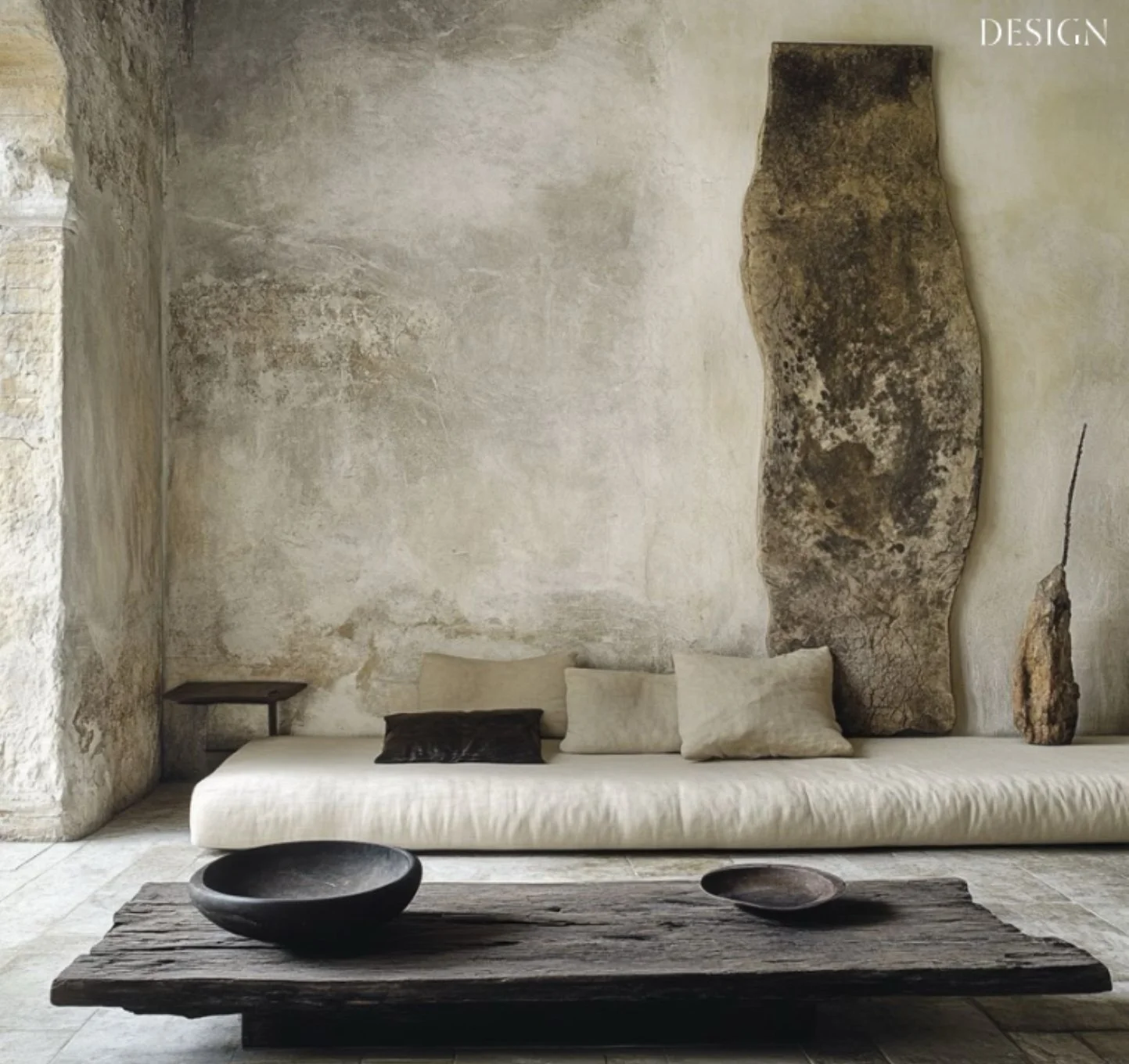
Axel Vervoordt makes rooms that are notoriously difficult to photograph. The quality of surface he pursues — the worn, the aged, the material that carries time visibly — loses in compression to high-gloss finishes and saturated colour. His rooms, in photographs, often look spare to the point of austerity. In person, they produce a quality of presence — the sense of being in a space that is alive in a way that newly made spaces rarely are — that people who have experienced them consistently describe as the closest thing to inhabiting a work of art that a domestic space can offer.
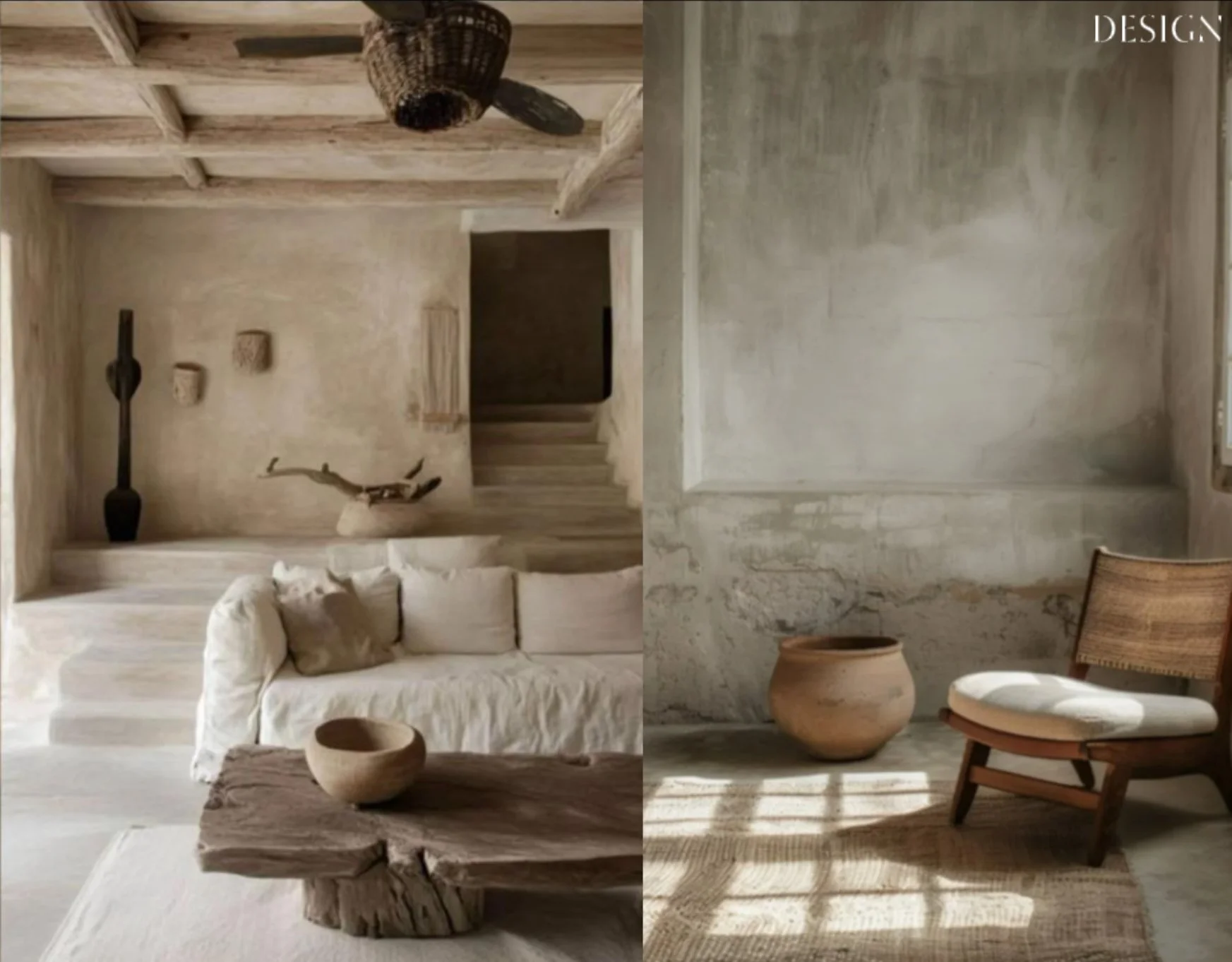
The specific things the best rooms have in common, described by the designers who make them: natural light arriving from more than one direction; acoustic properties that allow for the specific silence of a room that absorbs rather than reflects sound; furniture at the right height for the actual people who will use it; and the quality that Yovanovitch calls surprise — a detail, a material, an object that the eye finds unexpectedly and returns to, giving the room its quality of inexhaustibility.
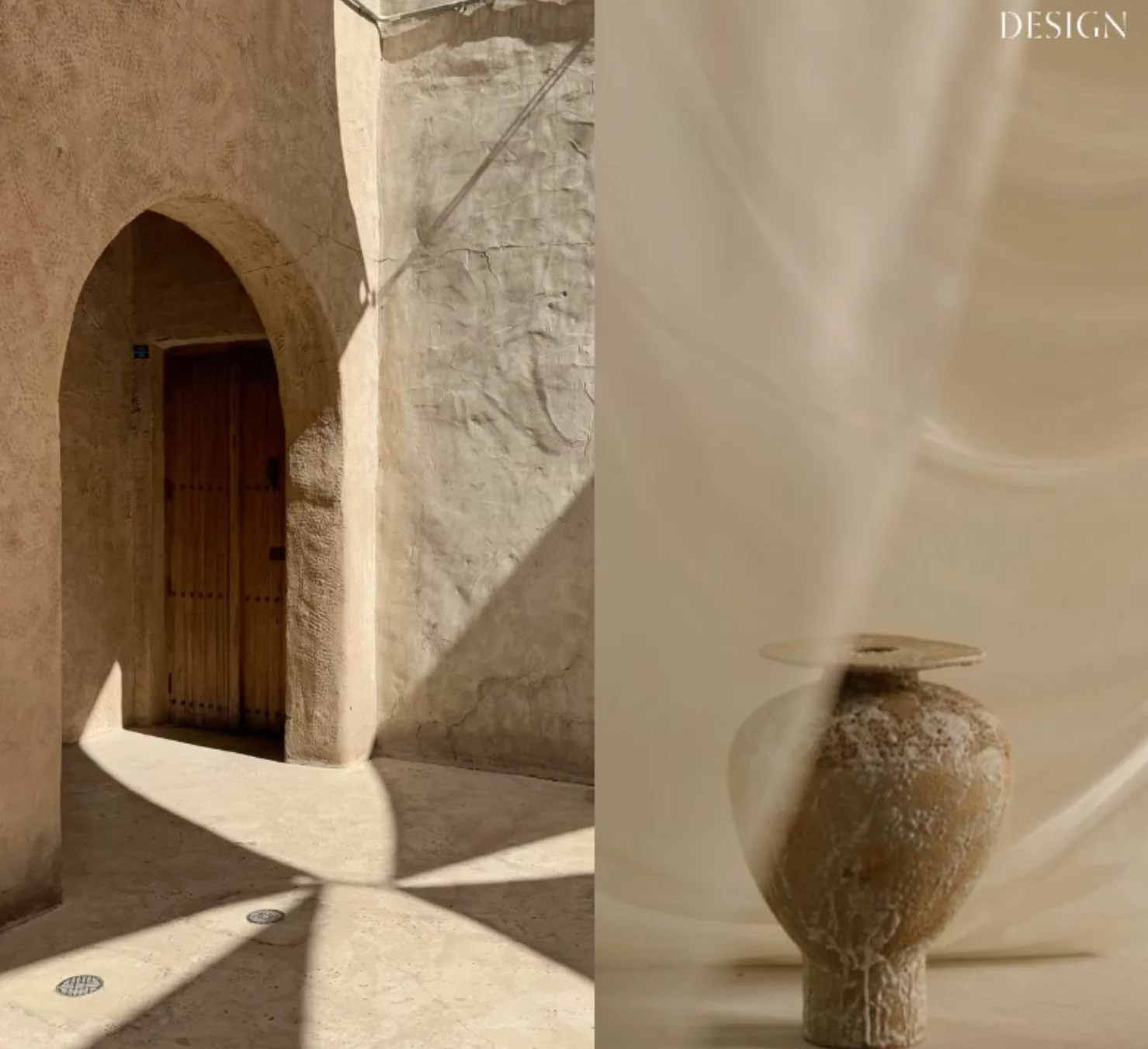
The inexhaustible room — the room you can live in for years and keep finding something new inside — is the highest aspiration of residential design. It requires the designer to have thought not just about the room's composition but about the relationship between the composition and time.
How will the experience of this room change as the occupant changes? What will it offer the person who has known it for twenty years that it cannot offer them in the first month? These are questions the photograph cannot ask. They are what the design process, at its highest level, answers.
BY OONA CHANEL
