

The Matthieu Blazy Chanel Era Has Begun. Here Is What It Means.
He spent five years building one of the most critically admired practices in luxury at Bottega Veneta. His first Chanel collection suggests he understands something most incoming creative directors miss: the house already has the answers. The question is which questions to ask it.
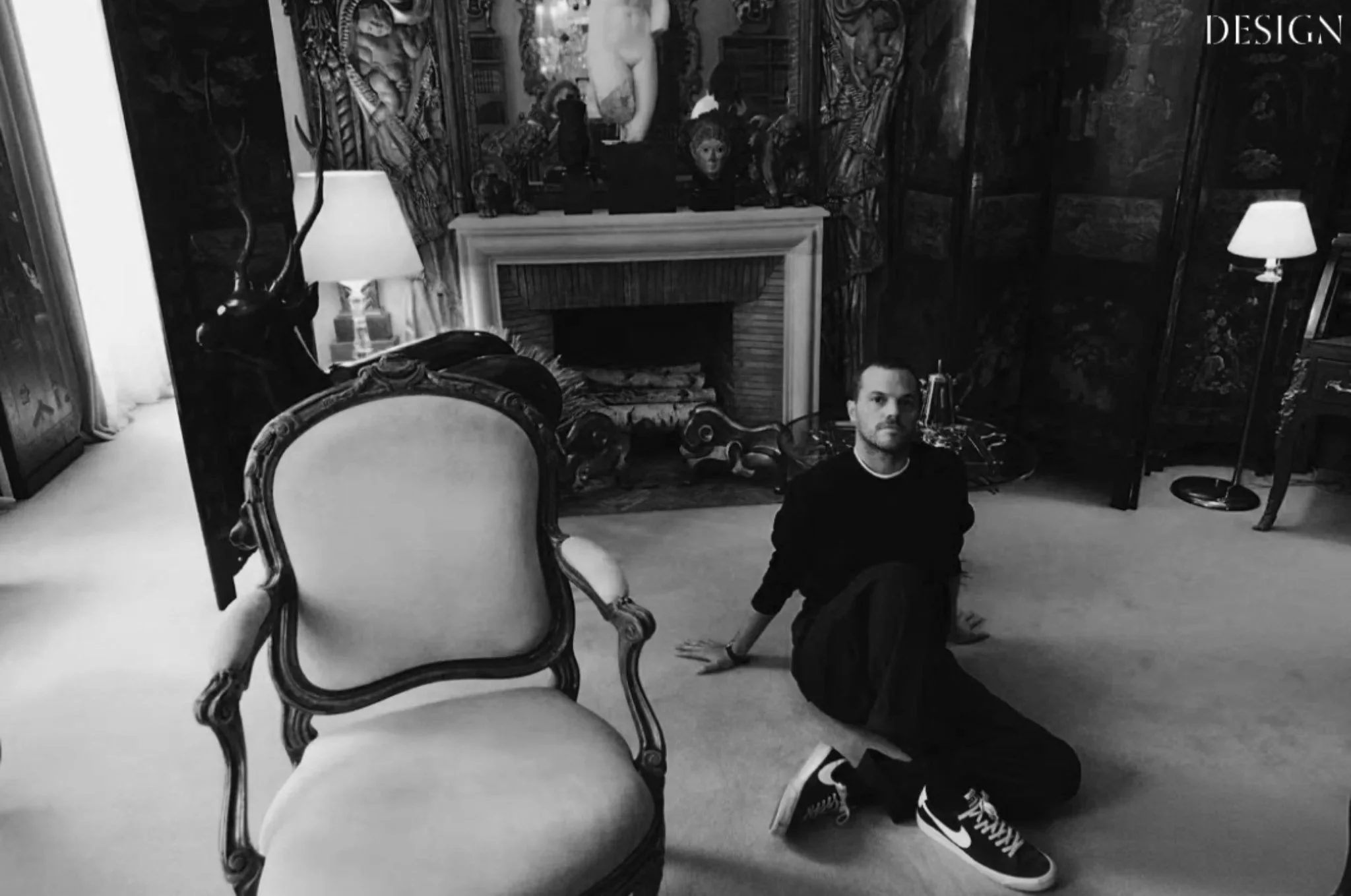
“He used the codes as materials rather than requirements. The tweed in unexpected weights. The chain as structure rather than decoration. The jersey in constructions as rigorous as anything in his Bottega vocabulary. This is how you enter an archive.”
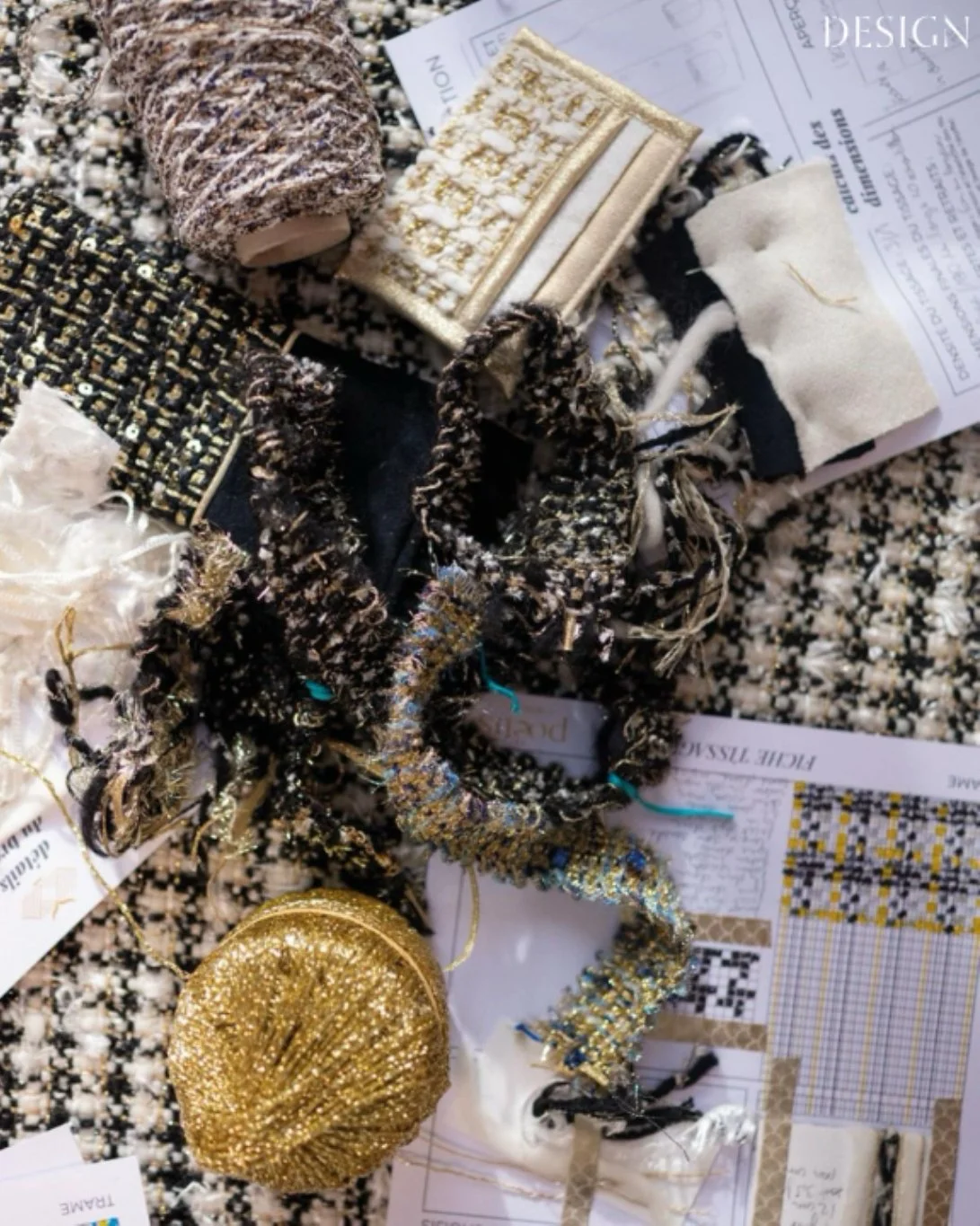
The difference between a designer who has done the archival work and one who has merely researched the archives is subtle but, in the work itself, unmistakable. Matthieu Blazy has done the archival work. You can see it in his first Chanel collection in the way details appear not as references but as consequences — the braid trim at a particular angle, the proportion of the collar to the shoulder, the specific way the jersey moves — as if the garment were produced by someone who had spent time in the atelier understanding how these decisions had been made before.
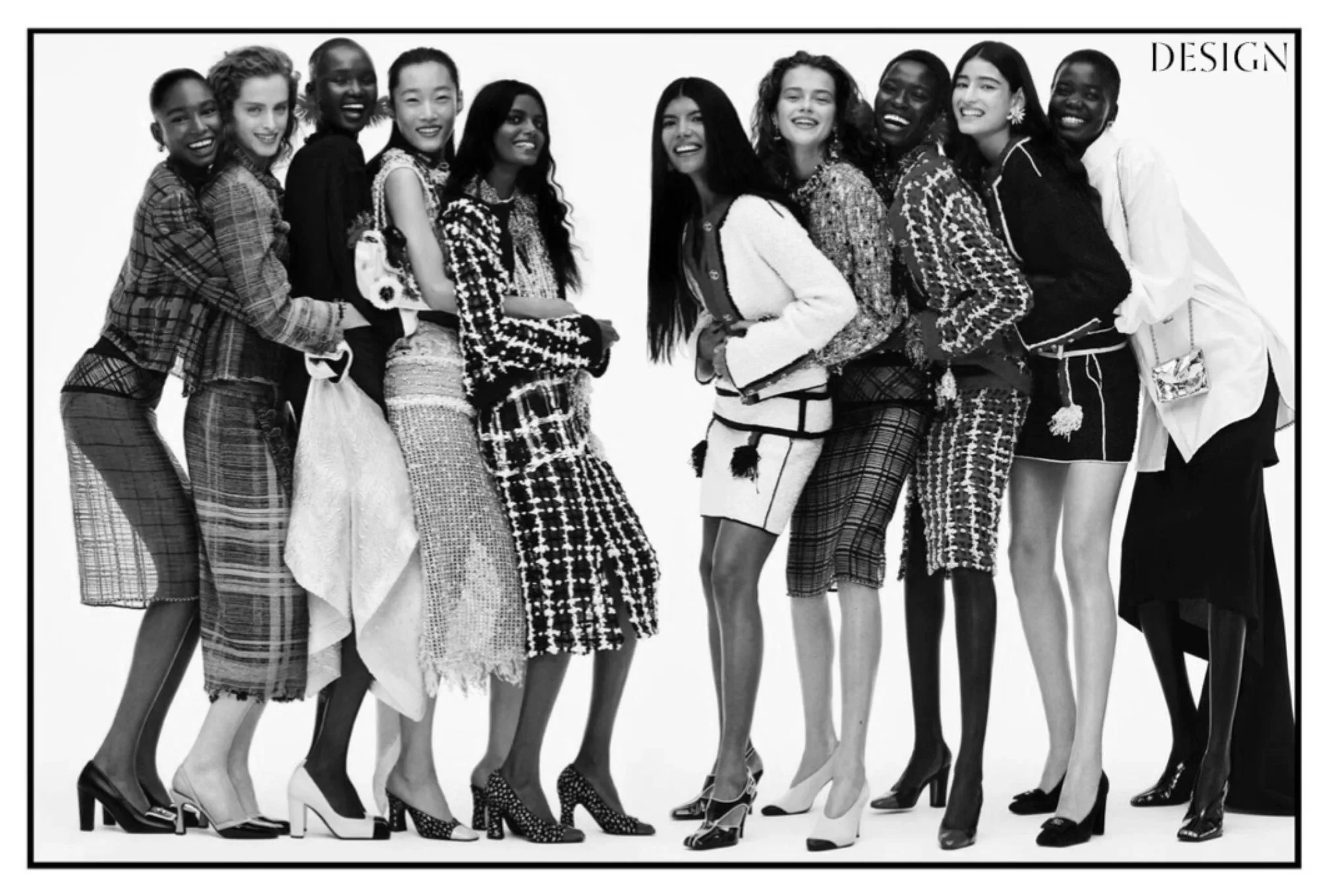
Blazy arrives at Chanel from Bottega Veneta, where his five-year tenure produced what many critics consider the most sustained creative run in recent luxury fashion. The achievement there was specific: he made clothes that were, technically and formally, the most sophisticated in the market, and that were also, in their feeling, easy. Not casual — Bottega is not casual — but worn. As if the person wearing them had owned them for years.
The question for Chanel is whether the same intelligence can operate inside one of the most symbol-laden houses in fashion history. Chanel is not a blank canvas. It is a system of codes — the tweed, the chain, the camellia, the costume jewellery, the shoe with the black cap toe — whose meaning has been accumulated across a century. The failure mode is a creative director who manages the codes rather than uses them, producing work that is recognisably Chanel without being specifically anything.
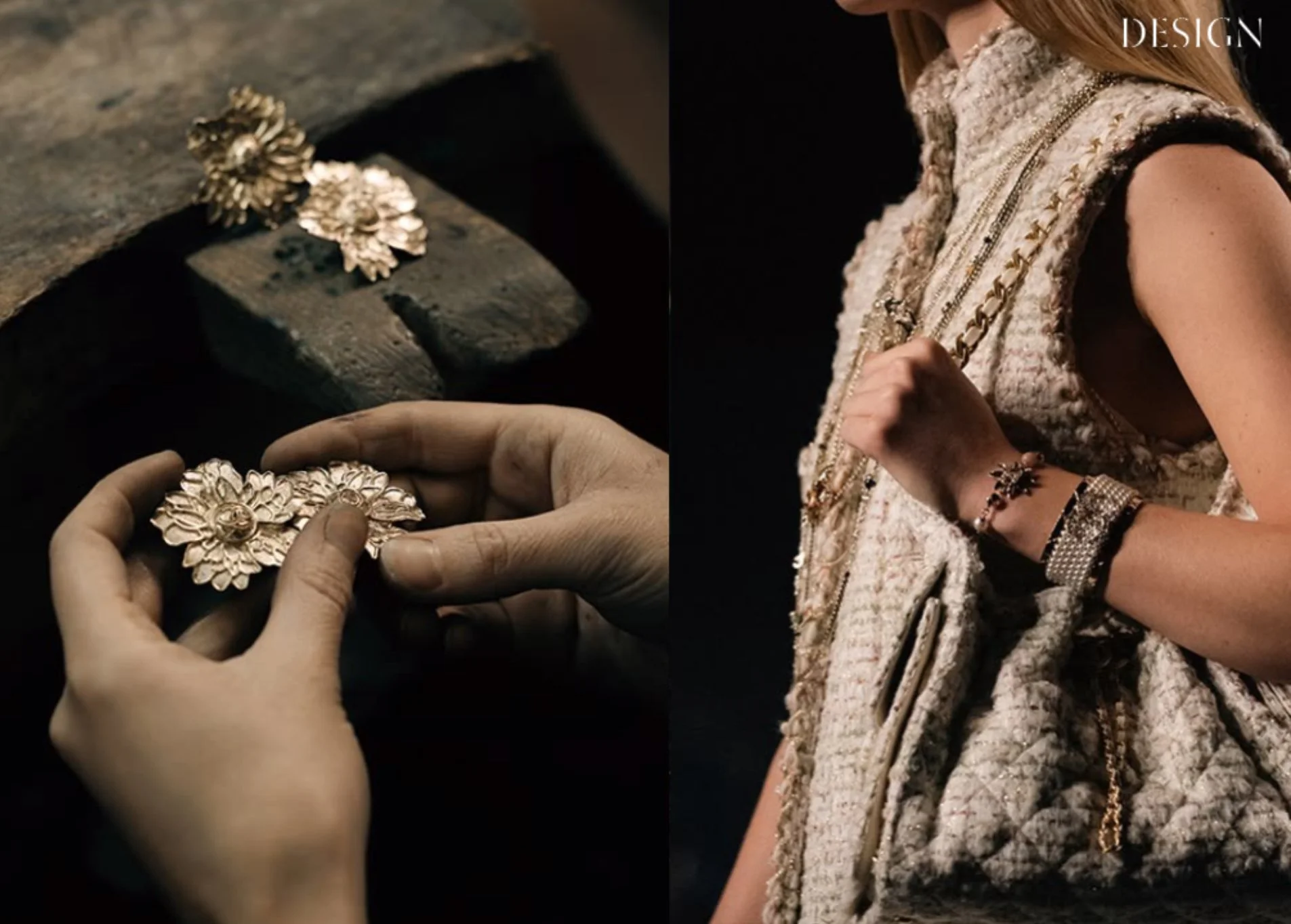
Blazy's first collection did something different. He used the codes as materials rather than requirements — the tweed in unexpected weights and scales, the chain as a structural element rather than a decorative one, the jersey in constructions as formally rigorous as anything in his Bottega vocabulary. The collection was described by Wallpaper as a calibration rather than a revolution — exactly the right beginning.
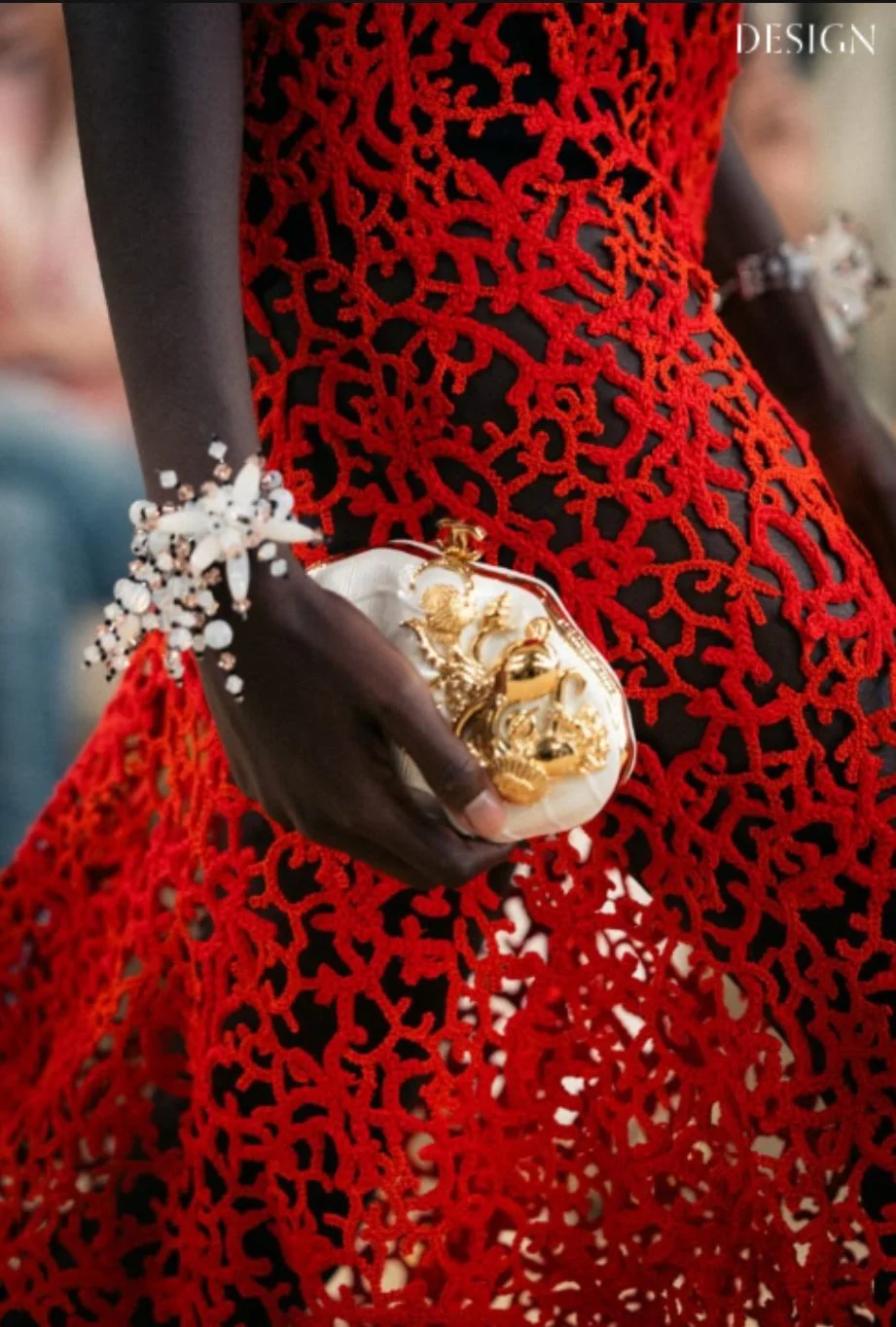
His Chanel Cruise 2026 show in Biarritz extended the argument into a more relaxed register without losing its specificity. The travel wardrobes, the beach-to-dinner transitions, the question of what a Chanel woman wears when she is between obligations: these are the collections that reveal a creative director's understanding of a client's actual life rather than the life the brand mythology imagines for her.
The client question is interesting at Chanel specifically because the Chanel client is, by demographic and by self-understanding, one of the most confident consumers in fashion. She has been buying Chanel for years. She knows what she wants from it. She does not need to be told what Chanel is. She needs a creative director who respects what she already knows and can show her something she had not yet seen inside it.
Blazy's intelligence at Bottega was consistently about the something-not-yet-seen inside a vocabulary the client already understood. The vocabulary at Chanel is richer and more complex. The intelligence, so far, looks equal to it.
The bags will be the early commercial test. The Bayswater, the Lily, the Postman's Lock — what Blazy does with the Chanel bag archive will tell us more about his vision than any runway look.
BY OONA CHANEL
