

Salone del Mobile 2026: The Six Things That Actually Mattered
Four hundred thousand visitors. A thousand exhibitors. Six days in April. Here is the edit — the works, the ideas, and the sensory shift that will be visible in the best interiors of 2028.
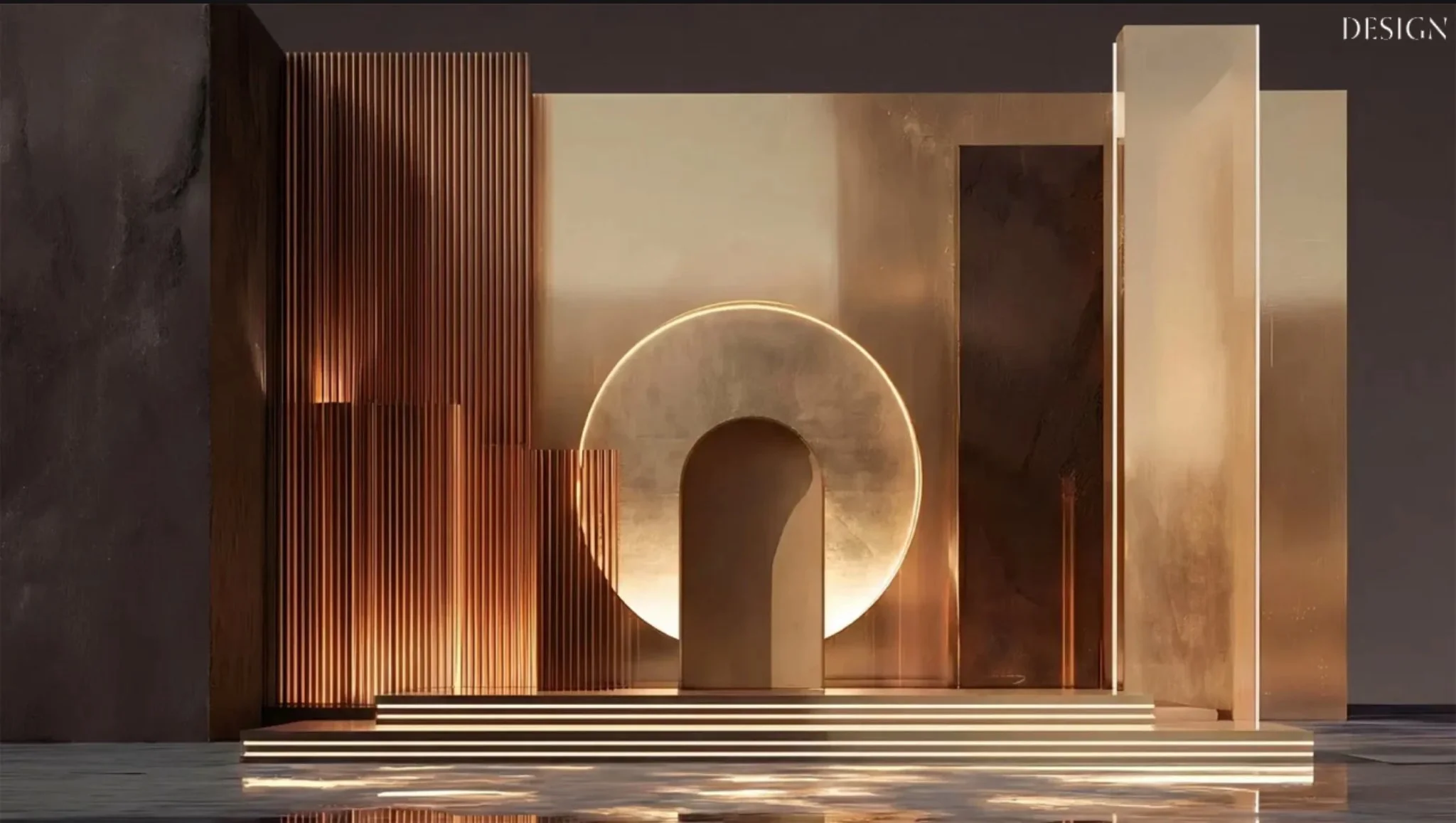
“The most memorable experiences of the week were not primarily visual. Design arguing for the primacy of physical experience at the exact moment when everything else is trying to move us away from it.”
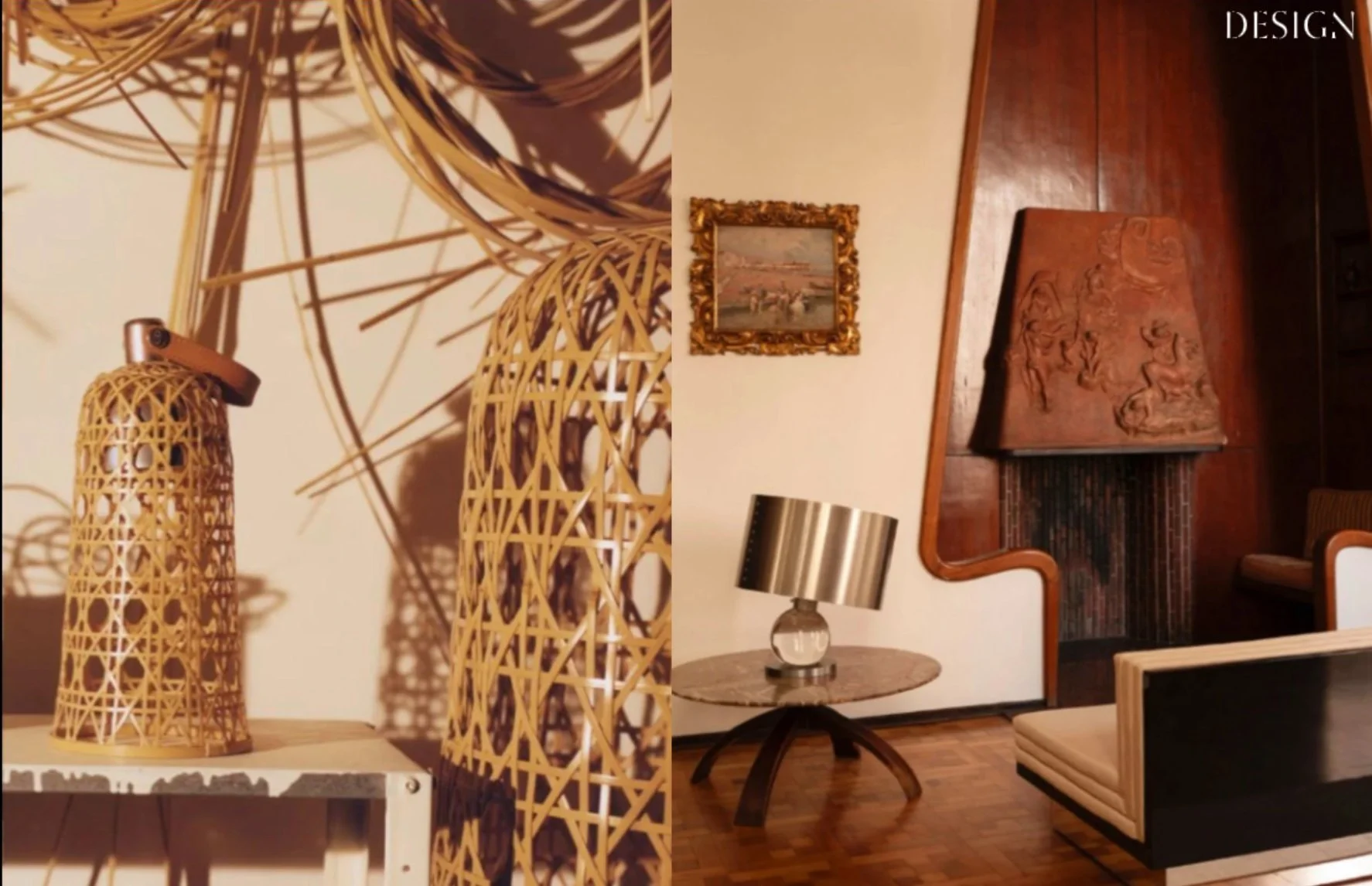
The first thing that mattered at Salone del Mobile 2026 was not an object. It was a method: the most memorable experiences of the week were not primarily visual. The USM and Snohetta Renaissance of the Real exhibition was built around scent, sound frequencies, and diffuse light rather than around visual spectacle. The listening sessions, the floral-scented aperitivo at the Marimekko osteria, the specific texture of materials that demanded to be handled rather than photographed: this was design arguing for the primacy of physical experience at the exact moment when everything else is trying to move us away from it.
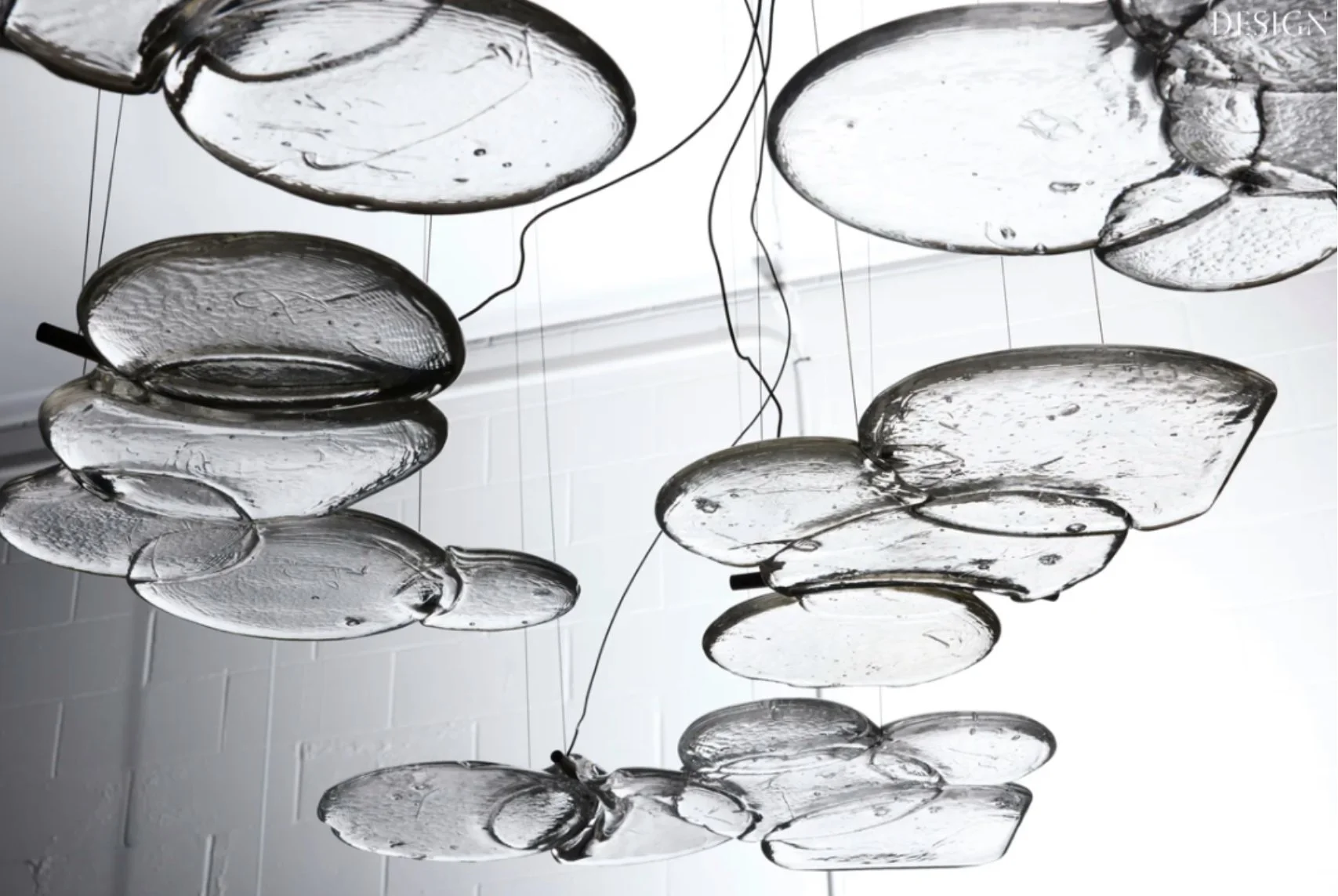
Second: process shone brighter than product at SaloneSatellite. All three top winners had invented the experimental systems behind their objects. The first prize went to Russo Betak, a Copenhagen studio that 3D-prints flat sheets from a blend of oyster, mussel, and scallop shells collected from restaurants — natural diffusers of light — shaped by hand. Sustainability not as a concept. As a formal decision.
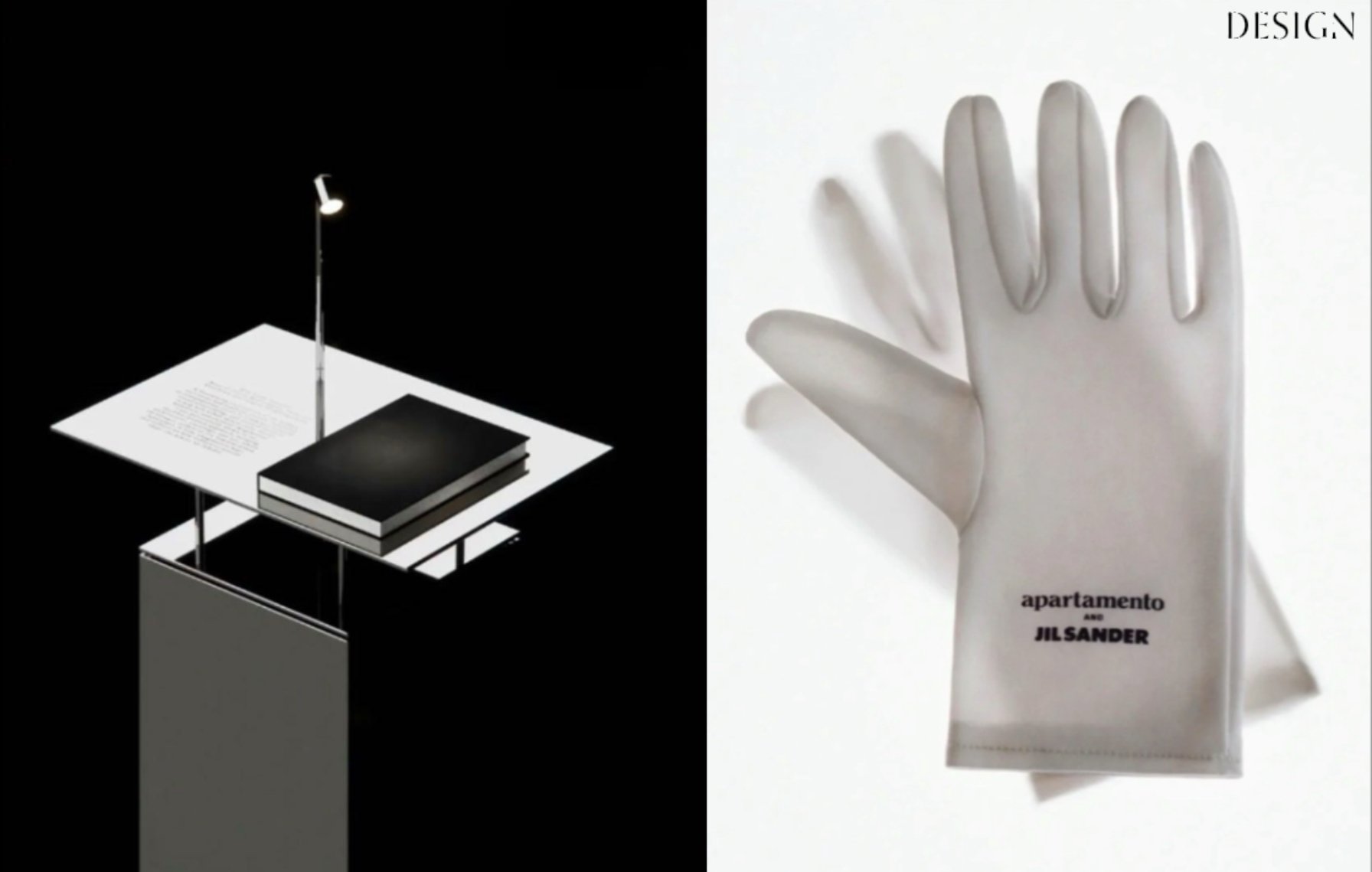
Third: B&B Italia marked its return to Salone after a 25-year hiatus with a Formafantasma-designed booth whose coffered ceiling evoked a midcentury office while marble partitions offered privacy and intimacy. A statement about how to honour a house's archive without being trapped inside it. Formafantasma's answer was spatial intelligence: a booth that was an argument about how you move through a room.
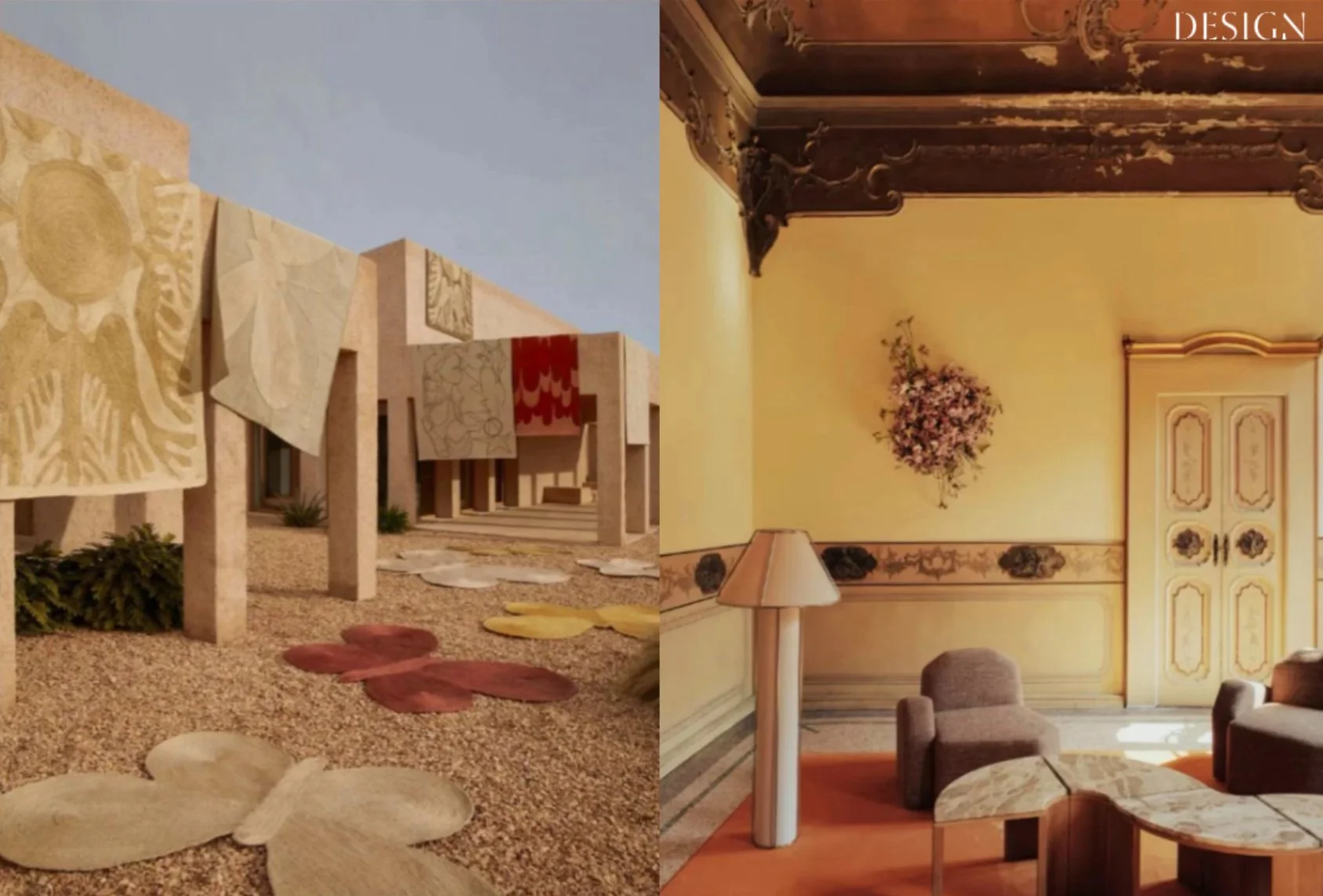
Fourth: orange emerged as the most commercially consequential colour at the fair, appearing across multiple categories from Nilufar's collectible sconces to Knoll's new Johnston Marklee chair. This is not a colour trend in the superficial sense. It is a warmth trend — a design world moving away from the cool greys and whites of the previous decade toward something that acknowledges the specific pleasure of a room that feels inhabited rather than curated.
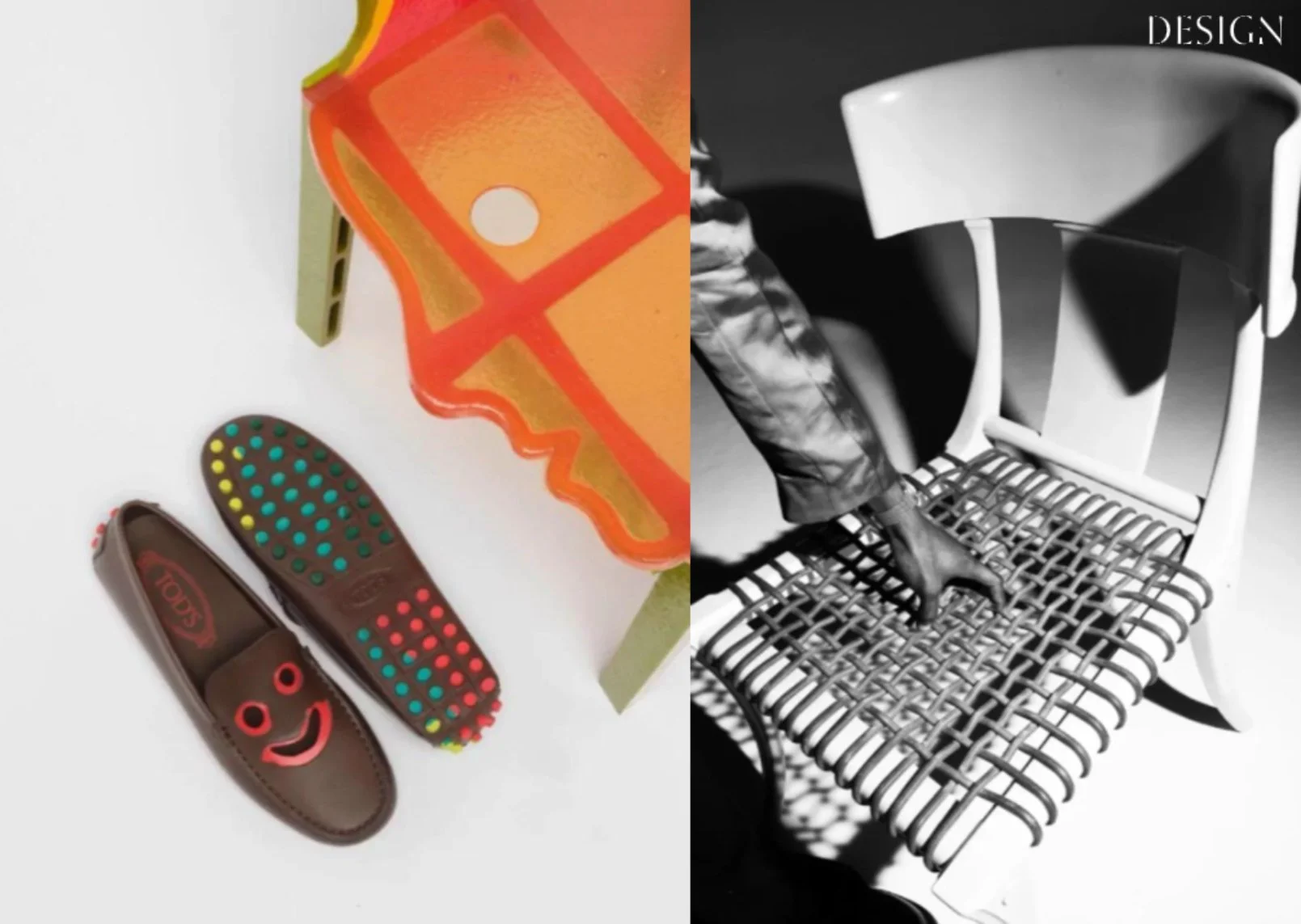
Fifth: Moncler wrapped 10 Corso Como in a giant inflatable octopus by set designer Andy Hillman, its tentacles snaking through windows past 24 mannequins dressed in the Summer 2026 collection. What was different this year was that the most discussed spectacular moment was also, in its formal extravagance, genuinely funny. Humour in luxury design is rarer than it should be and more valuable than the people producing it sometimes recognise.
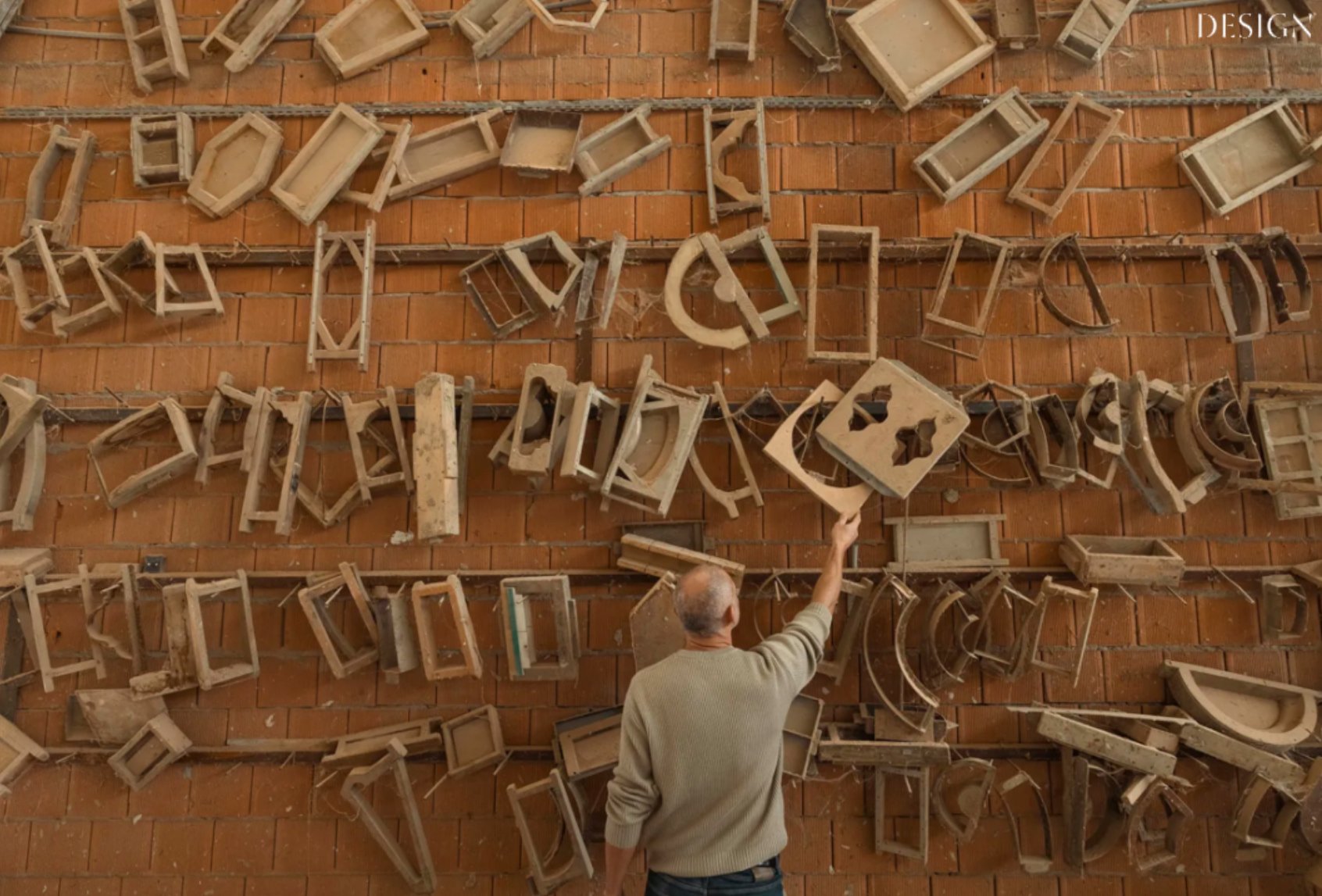
Sixth, and most important for the long term: the EuroCucina return brought AI kitchen integration to the forefront, with invisible induction hobs embedded directly into countertop material and ovens with AI vision to identify food and suggest cooking parameters. The intelligence being built into kitchen infrastructure in 2026 will determine what the kitchen looks like — and does — for the decade that follows.
The edit of Salone is always an act of preference. What these six share is that they are all, in different registers, arguments about the same thing: that the best design is in conversation with the person who uses it, at the level of the senses, not just the level of the eye.
The next Salone opens April 2027. The ideas announced this year will take until 2028 to reach the rooms where they belong.
BY OONA CHANEL
