

The Marchetti Studio and the Return of Terrazzo: How One Material Became the Defining Aesthetic Conversation of 2026
Terrazzo — the composite flooring material of Venetian origin, made from chips of marble, granite, quartz, and glass set in cement or resin — has returned to serious design conversation after decades in which it was associated with 1970s public sector interiors. Here is what is happening to it and why it matters.
“Cement-based terrazzo continues to reveal itself over years as it is polished by use. Resin-based systems are faster and lower-cost but will not achieve the same depth. The difference in cost is 30-40%. The difference in what happens to the floor over twenty years is the more interesting question.”
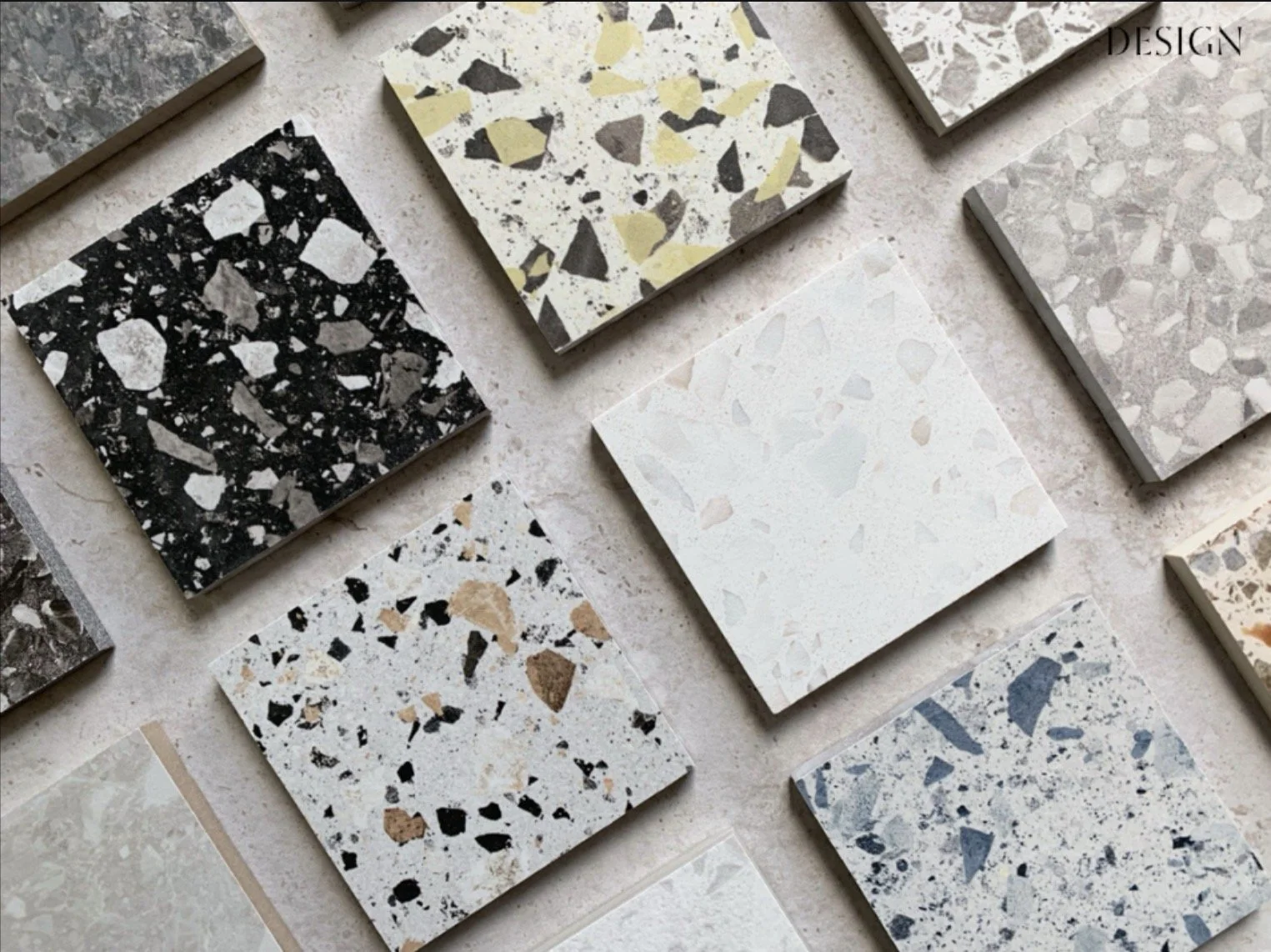
Terrazzo is having a moment that is not a moment. The material has been in continuous production since the fifteenth century, when Venetian craftspeople developed the technique of using marble offcuts — chips too small for standalone use — set in clay-and-goat-milk binders as a cheap and durable flooring solution. It became the defining surface material of mid-twentieth-century modernism, covering the floors of airports, schools, hospitals, and civic buildings across the developed world, before falling out of favour in the 1980s and 1990s when the materials associated with public sector efficiency became aesthetically suspect.
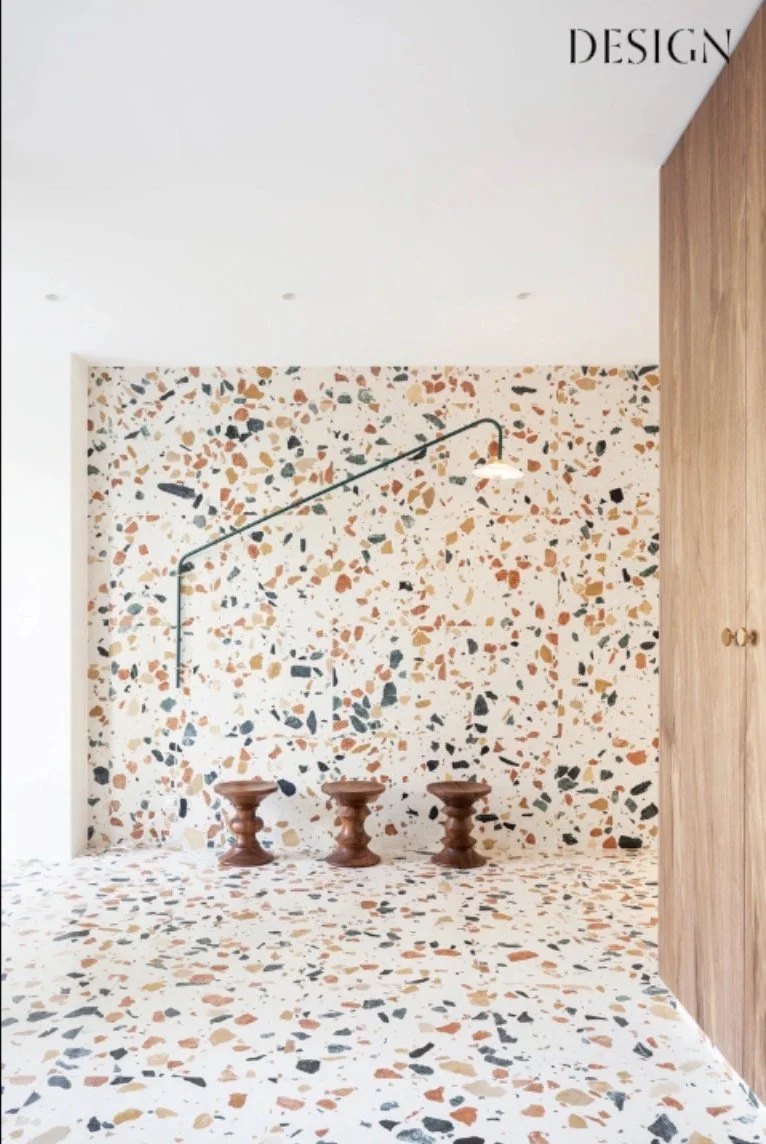
The return is not the retro rehabilitation of a dated style. It is the rediscovery of a material with properties that the synthetic alternatives of the past forty years cannot replicate: durability that improves with age (the aggregate and binder density increasing over decades as the material cures), the specific quality of a floor surface that has been polished to a mirror finish and then worn to a slight warmth, and the most compelling property for the contemporary interior context — infinite design flexibility, since the pattern is embedded in the material rather than printed on a substrate and will therefore outlast the surface without fading or peeling.
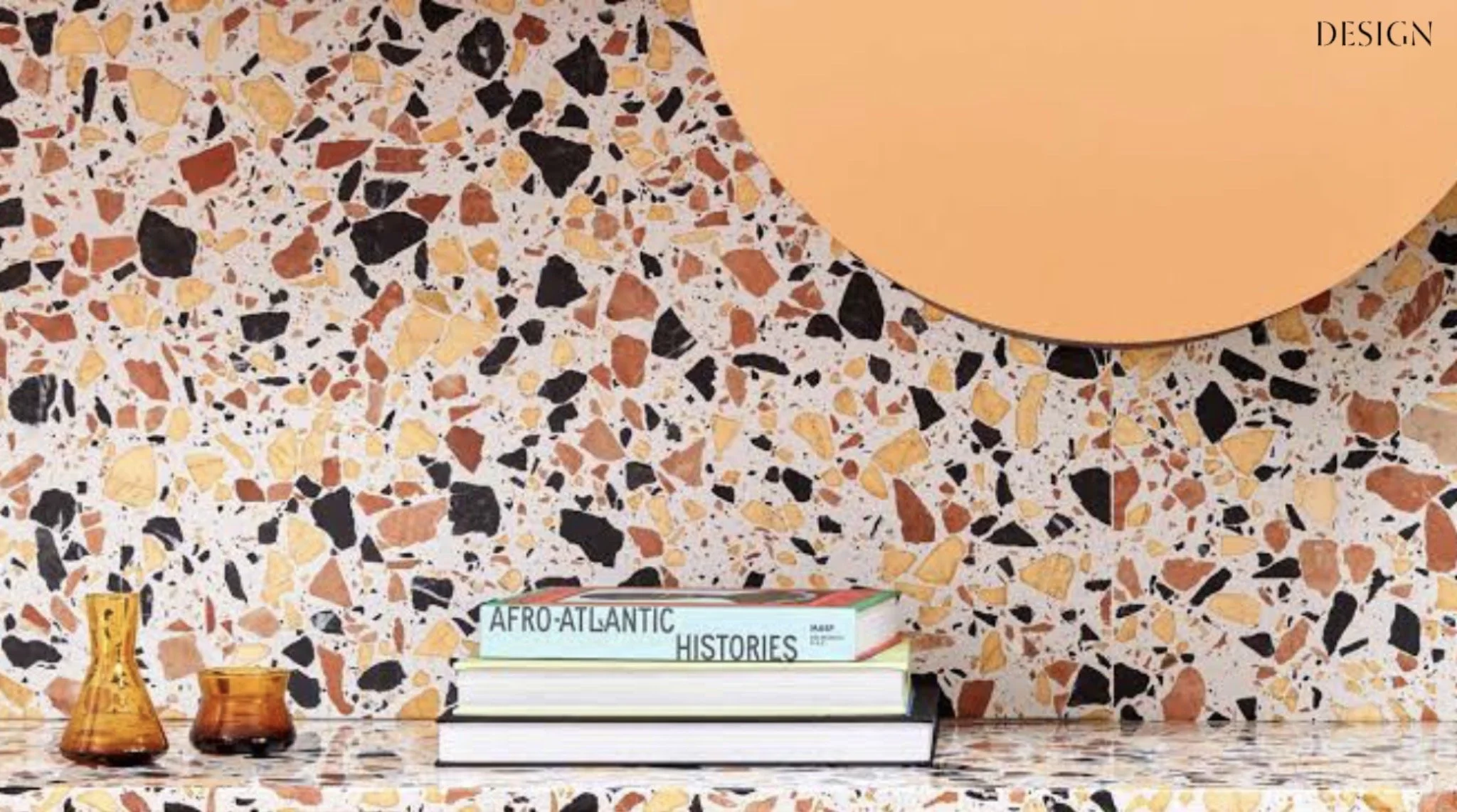
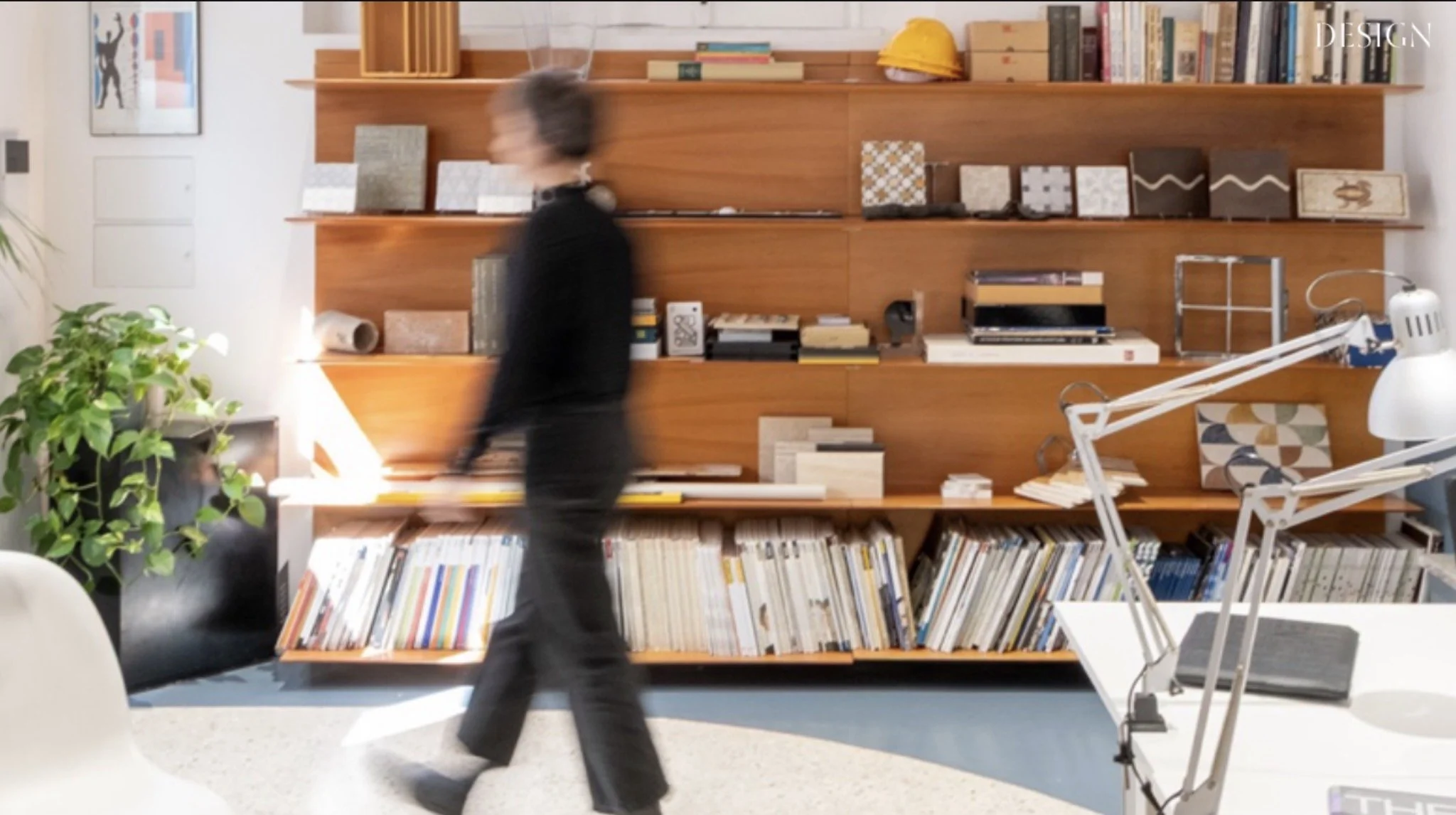
The designers working most seriously with terrazzo in 2026 are approaching it as a surface design medium rather than as a flooring specification. Patricia Urquiola's interiors for various Cassina and B&B Italia showrooms have used custom terrazzo patterns coordinated with upholstery to produce spatial unity from the floor up. The Milan-based Marchetti Studio has been developing what they describe as 'narrative terrazzo' — surfaces in which the aggregate pattern is designed to read differently at different scales, producing a micro-pattern at close inspection and a macro-composition at room scale. Studio Mumbai in India, under Bijoy Jain, uses locally sourced aggregate mixed in the ancient lime-based traditional binder as an explicit argument about material continuity and regional identity.
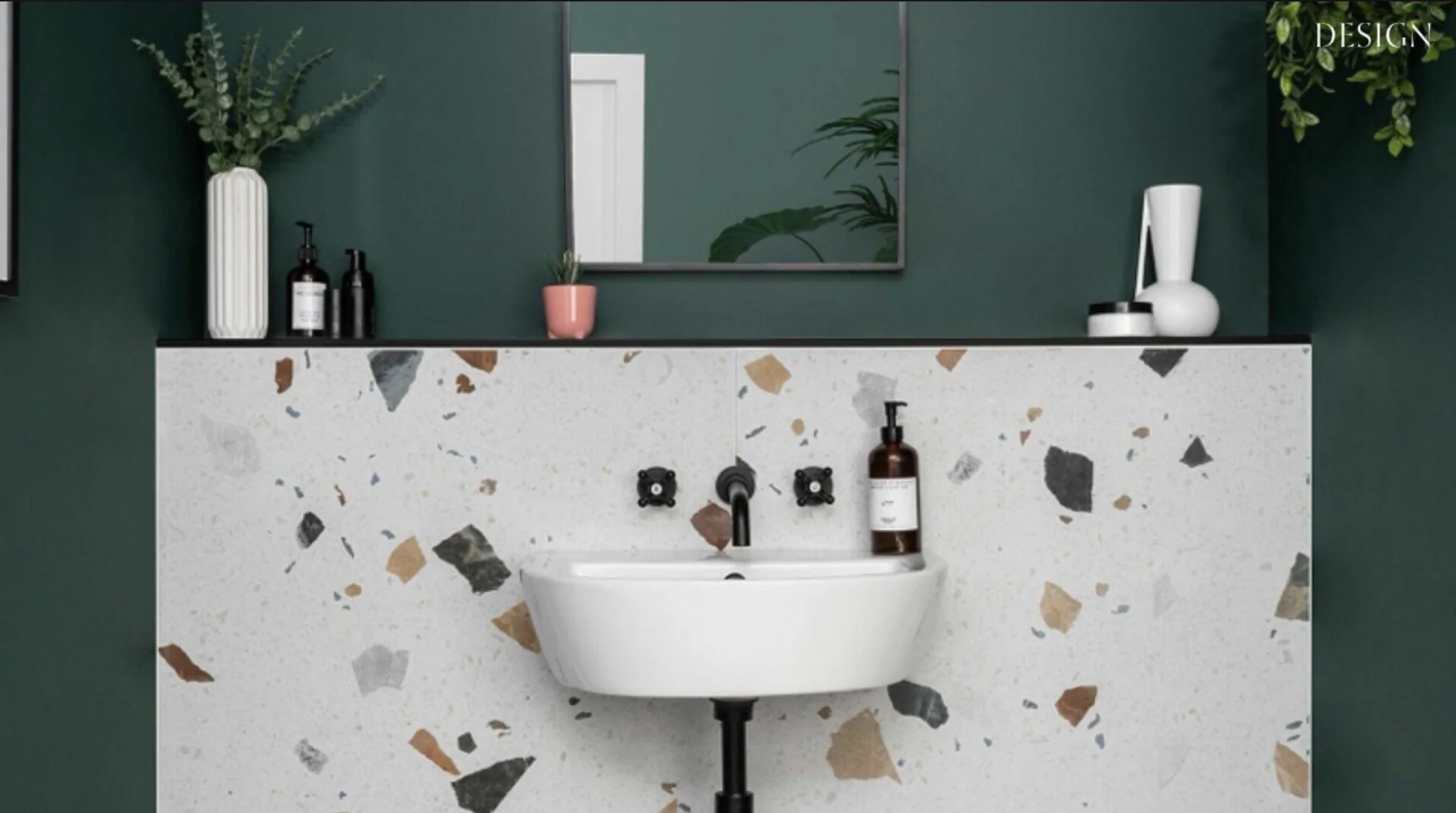
The technical dimension that the current revival is engaging with most seriously: the resin-based terrazzo that replaced cement-based formulations in most commercial applications is faster to lay and cheaper to produce but has a different surface quality and a different environmental profile. Cement-based terrazzo, finished and polished over several days, produces the depth and warmth that the material's historical reputation is based on. It also sequesters carbon in the curing process in ways that resin-based formulations do not. The sustainable architecture conversation is beginning to engage with this distinction.
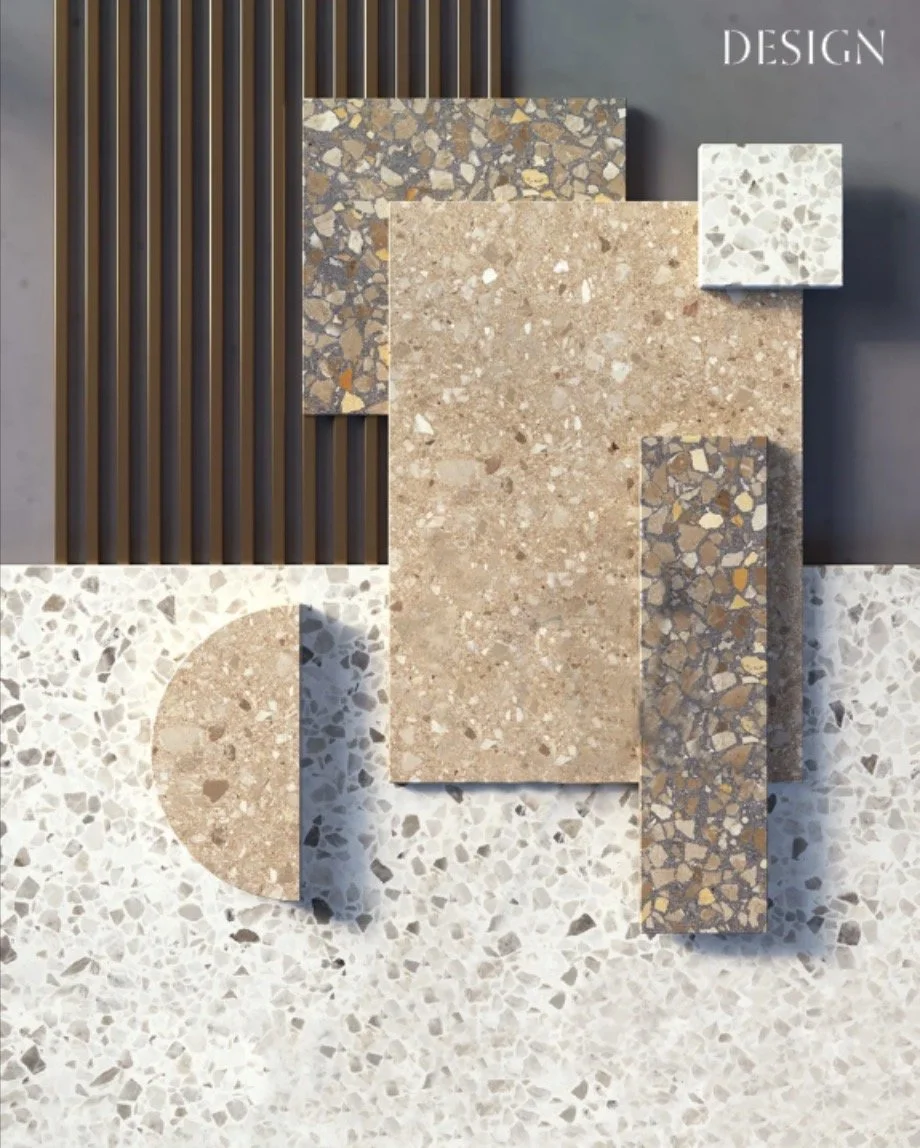
For the residential client specifying interiors: the key decision is binder and aggregate. Cement-based with locally sourced aggregate (where available) produces the best long-term surface quality and the most interesting visual result — the material continues to reveal itself over years as it is polished by use. Resin-based systems are faster and lower-cost but will not achieve the same depth. The difference in cost is approximately 30-40% for the finished floor; the difference in longevity and aesthetic development is significant.
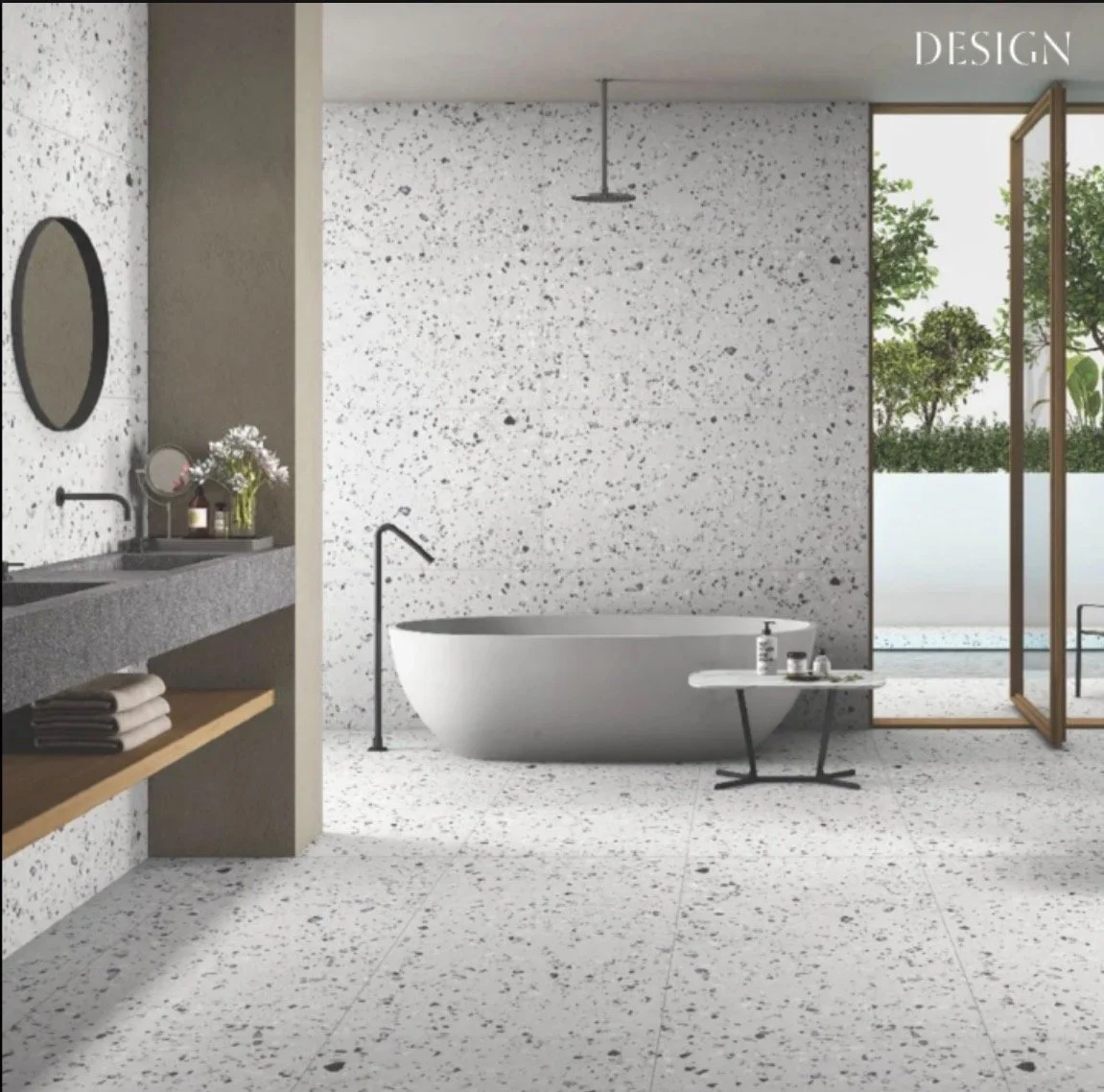
The current design conversation about terrazzo is one of the more honest debates in the interior design world: about the value of materials that take time to make and improve with age, versus the materials that are deployed quickly, look initially equivalent, and do not have a relationship to time. The choice between them is a choice about what you believe the interior is for.
BY OONA CHANEL
