

JAR: The Jeweller Who Refuses to Sell and Why the Waiting List Is Irrelevant
Joel Arthur Rosenthal has been making jewels in a tiny Paris atelier since 1978. He does not advertise. He does not wholesale. His work sells for between fifty thousand and seven million dollars and there is no straightforward way to simply buy it.
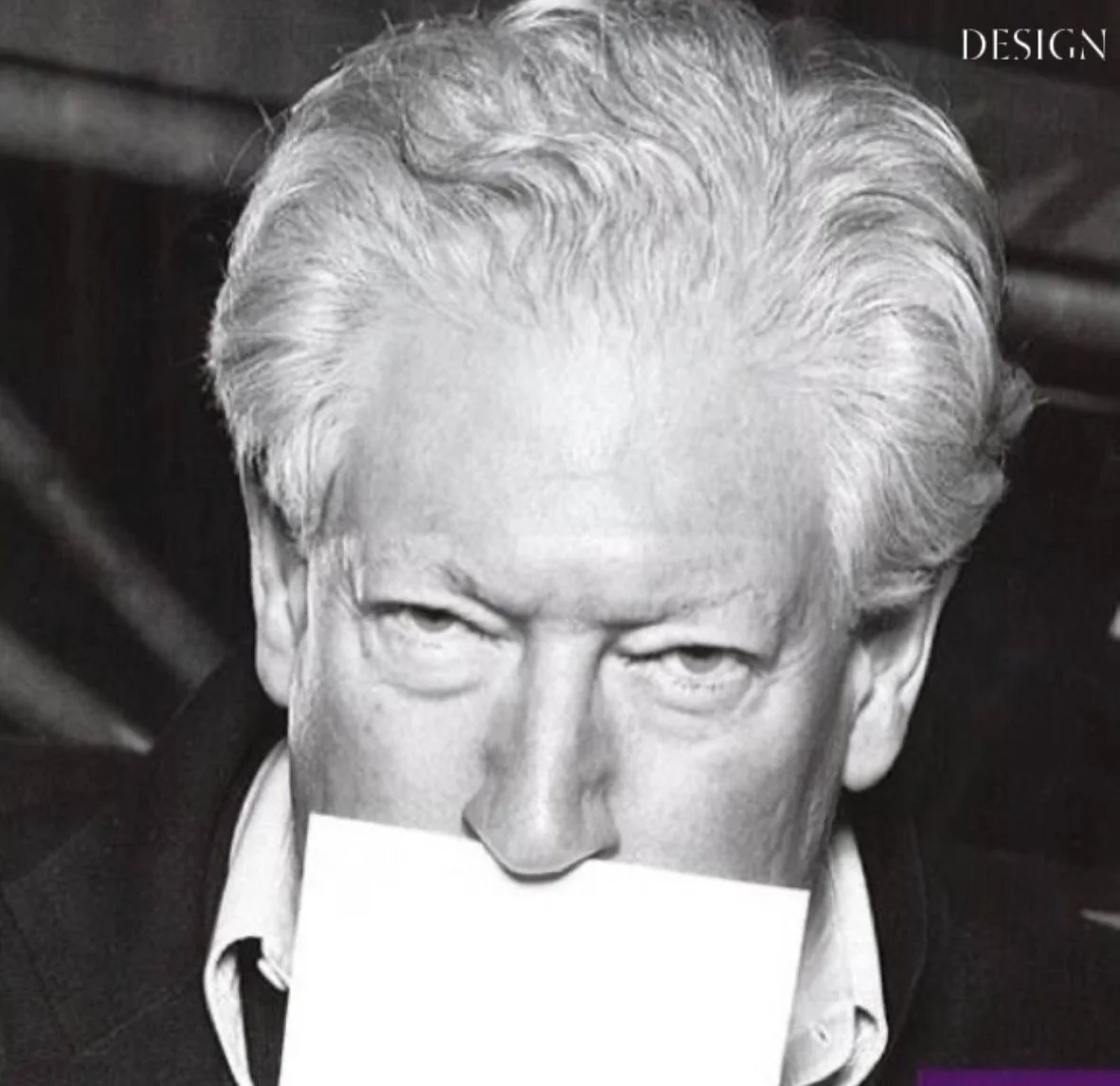
"The value in a JAR piece is not the material value of the stones. It is the intelligence that transforms whatever material is present into something that could not have been made by anyone else. His work is not expensive because the stones are expensive. The stones are expensive because his work is expensive."
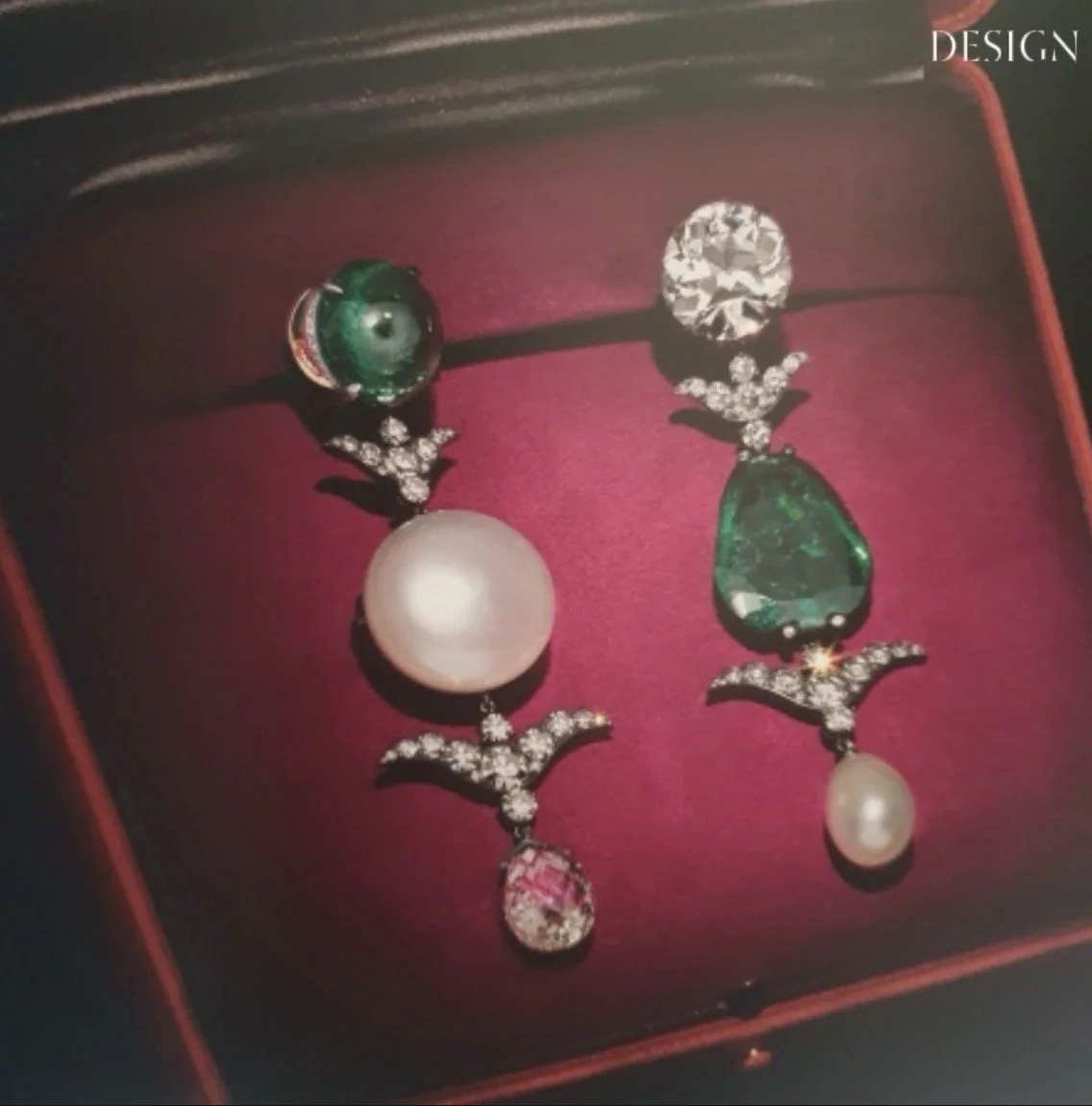
Joel Arthur Rosenthal - JAR - operates from a first-floor atelier at 7 Place Vendôme in Paris that has no sign, no retail space visible from the street, and no purchasing process that resembles what the word 'buying' usually means. You do not go to JAR and select a piece. You are introduced, by someone who already has a relationship with the atelier, and over a period of time that may extend to years, a piece may be made for you. The alternative is the auction market, where JAR pieces appear with the frequency of serious private collections being dispersed and with prices that reflect the specific quality of objects made by someone who considers nothing finished until it is perfect.
He was born in New York in 1943 and trained neither as a goldsmith nor as a jeweller but as a painter - at Harvard, where he studied art history and studio art. He moved to Paris in the late 196os and began making jewels almost accidentally, producing pieces for friends that demonstrated a technical facility with gemstones and precious metals that no formal training had produced.
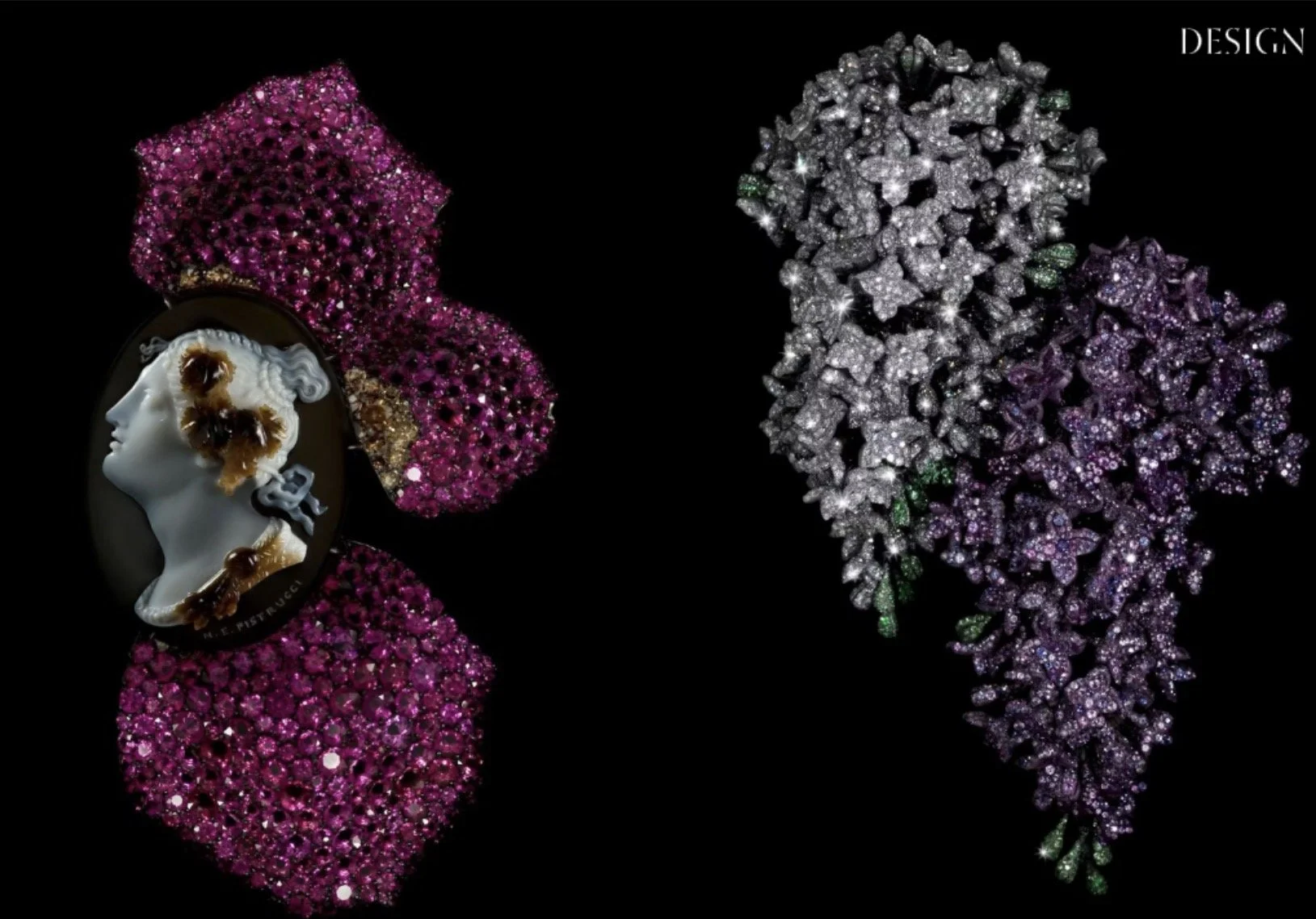
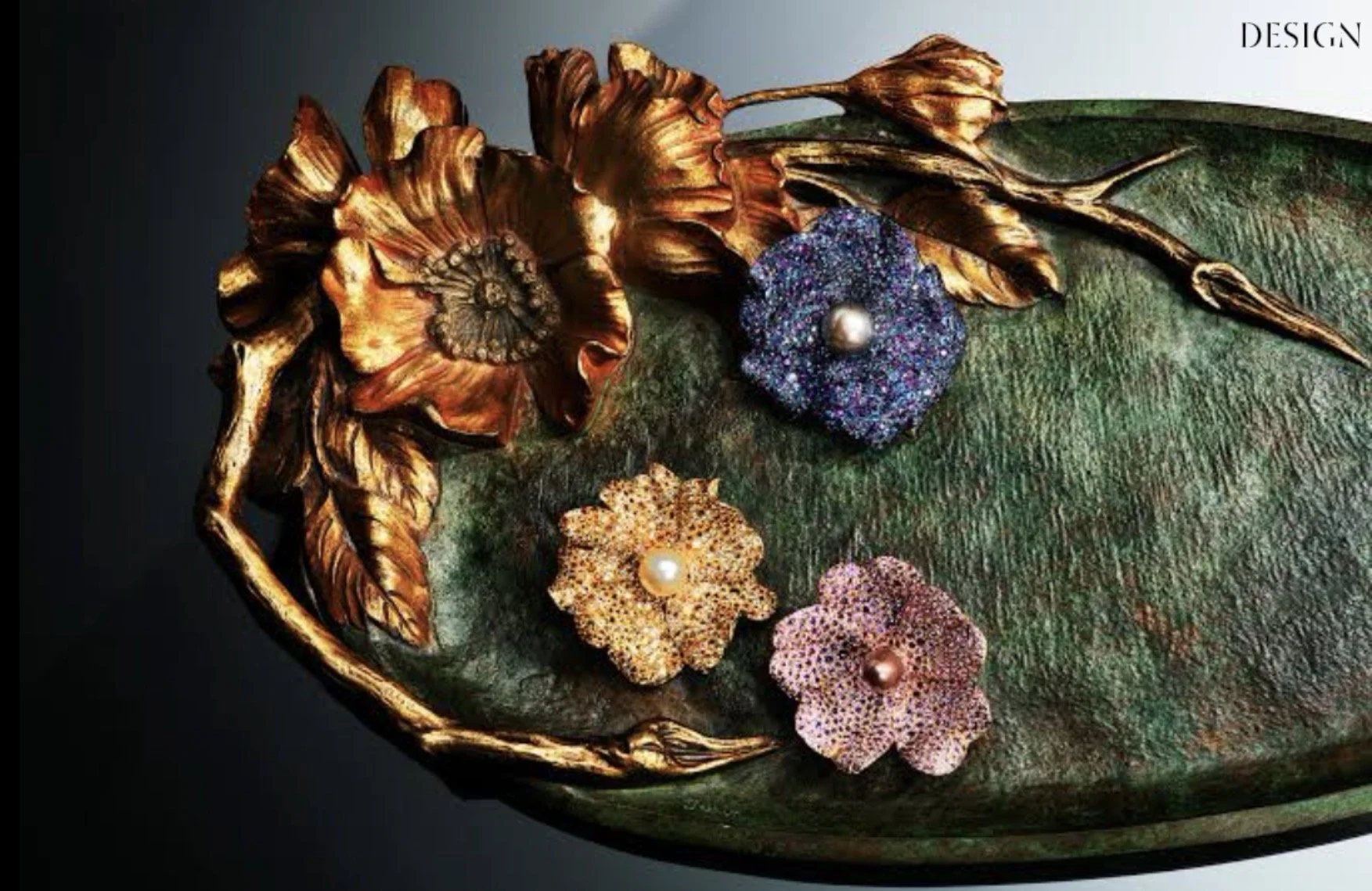
The technical language of JAR is worth establishing before anything else, because the formal intelligence of his work is inseparable from its material intelligence. He uses pave setting at densities that conventional jewellery manufacture considers structurally impossible: stones so closely set that the metal between them is reduced to almost nothing, producing a surface that reads as pure colour rather than as gemstones in a setting. No other jeweller working at any scale has produced pave at this density with this consistency.
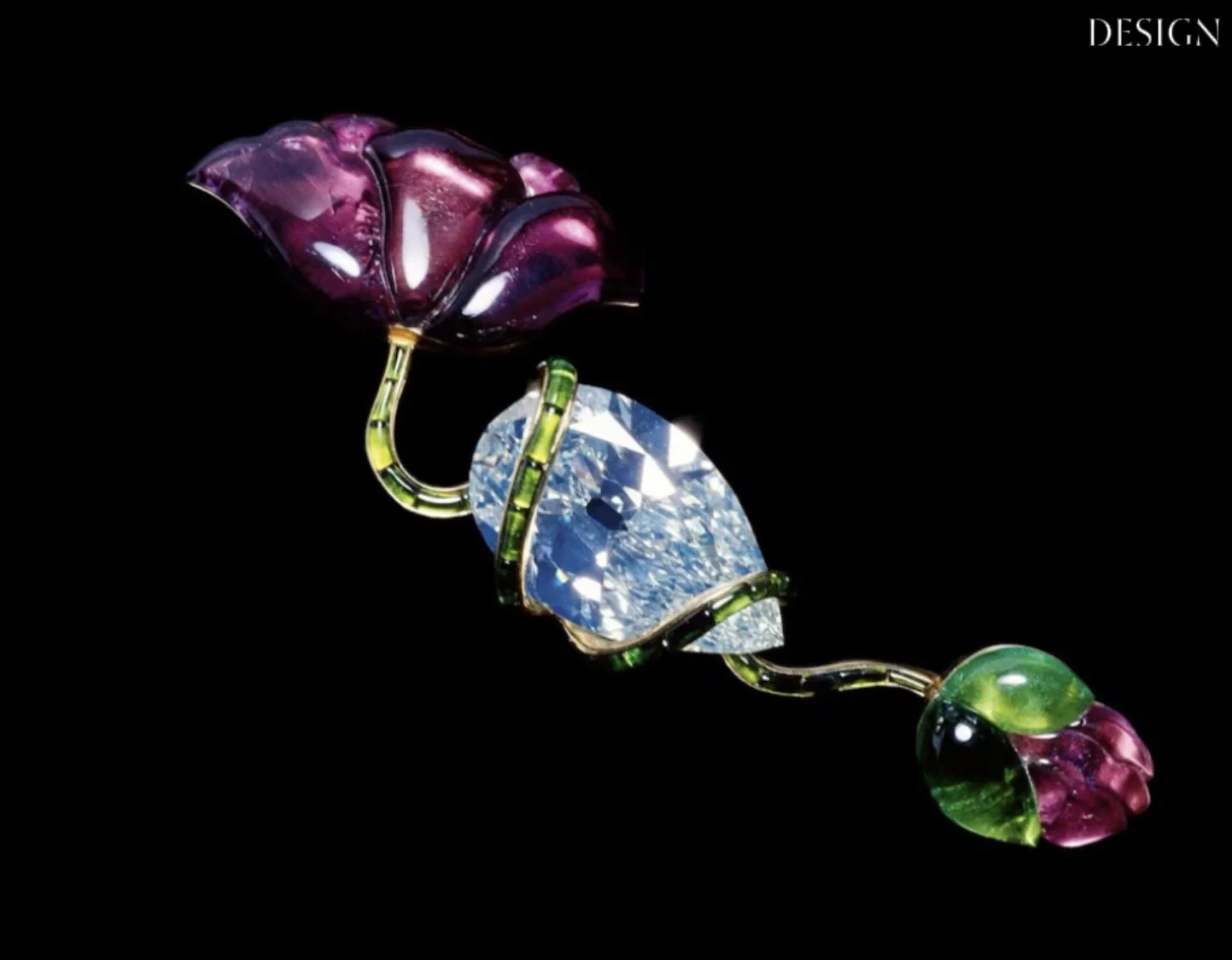
The materials he uses are not always the most expensive available. A JAR piece may be centred on a very fine Colombian emerald, or it may be centred on a piece of glass, or a river pebble, or a material whose identity is deliberately ambiguous. The value in a JAR piece is not the material value of the stones. It is the intelligence that transforms whatever material is present into something that could not have been made by anyone else. His work is not expensive because the stones are expensive. The stones are expensive because his work is expensive.
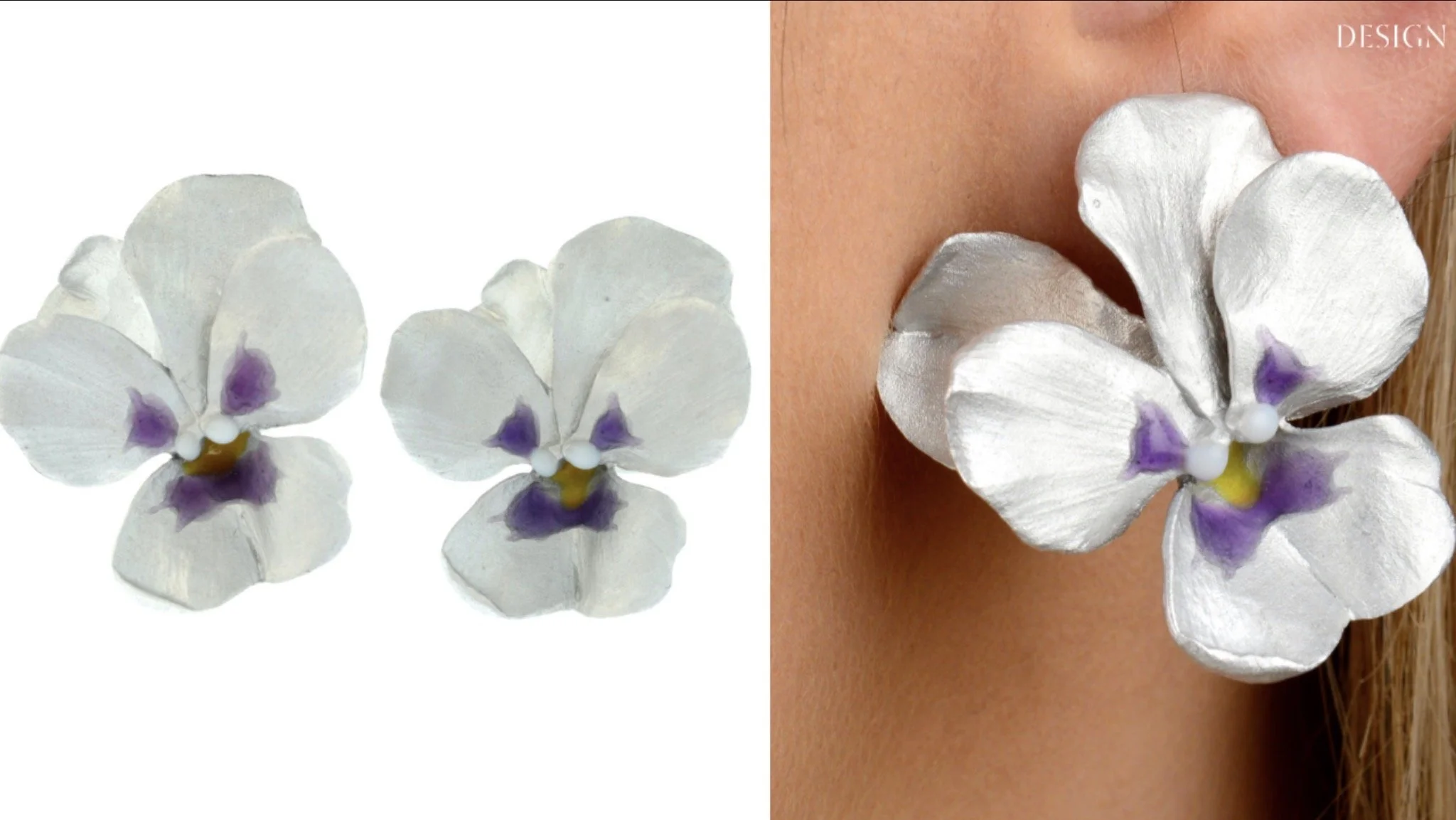
The exhibitions have been rare and institutional: a retrospective at the Metropolitan Museum in 2013, curated by Harold Koda, which was the most visited Costume Institute show that was not a celebrity retrospective since the Balenciaga show of the 1970s. The institutional response was consistent: people who had never considered jewellery a serious art form came to look and came back to look again, because what they found in the cases was not decorative art. It was, in the specific sense, sculpture.
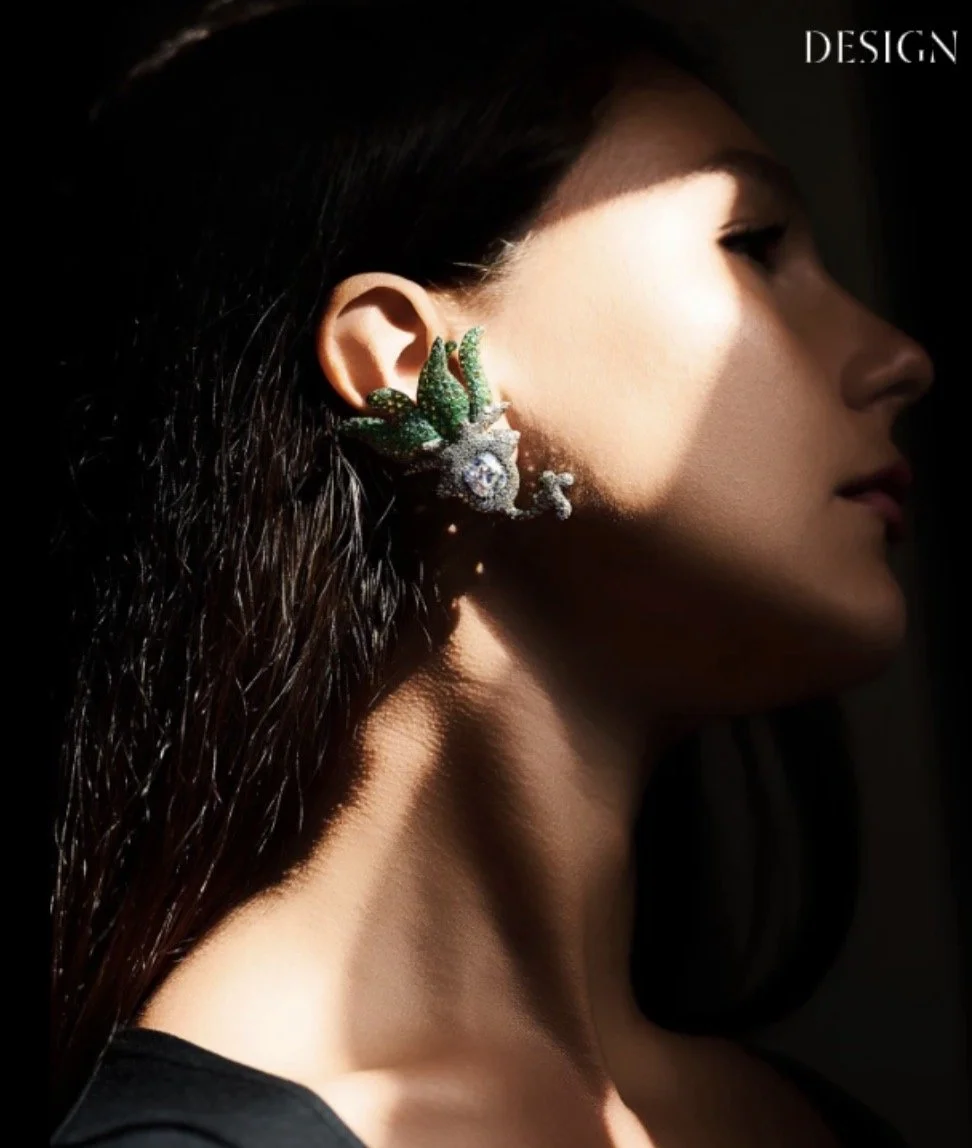
The Christie's and Sotheby's secondary market for JAR has been consistent and is now one of the most closely watched specialist jewellery categories in the auction world. Pieces sold in the 1990s at five figures now achieve six and seven. The trajectory is not speculation - it reflects the recognition that there is a finite number of JAR pieces in existence and that no new pieces can be made at the rate that demand is growing.
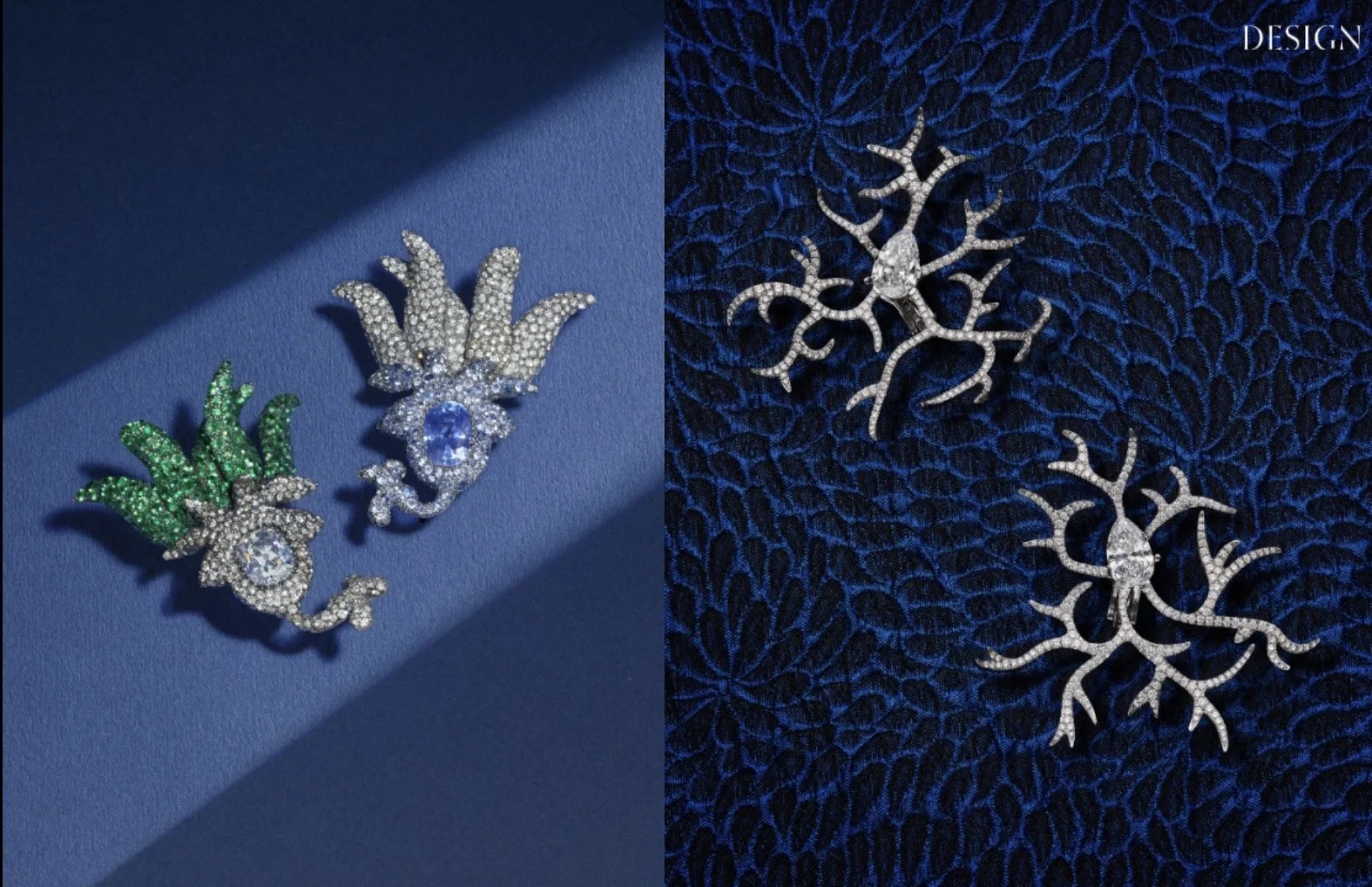
For the reader who will never be introduced to the atelier: the auction previews at Christie's and Sotheby's in London, Geneva, and New York are the available route to encountering the work in person.
Go to the previews. Look at the pieces long enough to understand what the light is doing. That quality - the specific relationship between the setting and the light - is the argument the work has been making since 1978.
BY OONA CHANEL
