

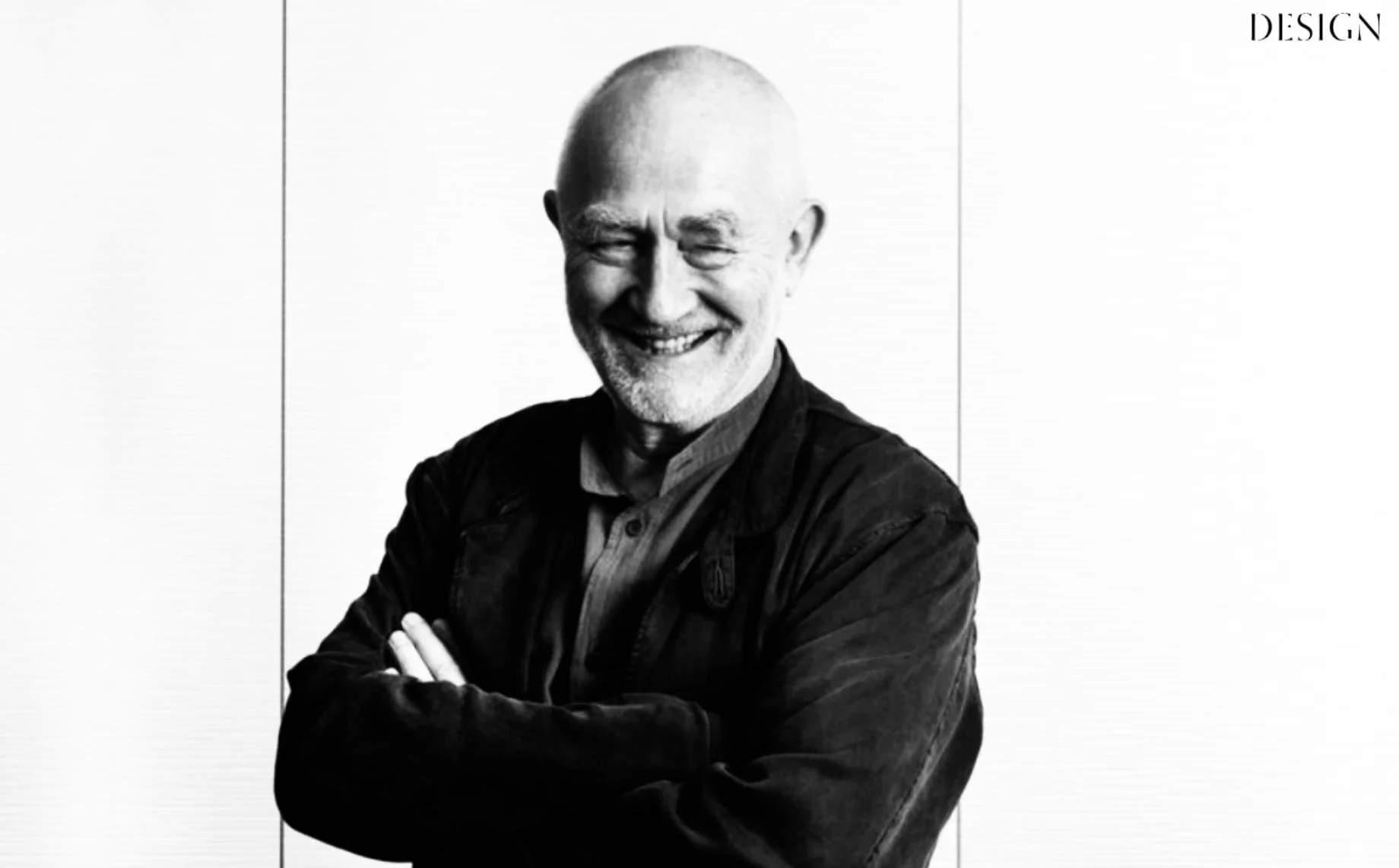
He has designed fewer buildings in fifty years than most architects complete in five. Every one of them has been in the permanent collection of architectural consciousness since the day it opened. What Zumthor is actually doing — and why his method is the most urgent argument in architecture right now.
“Buildings that appear to have grown from their locations naturally and self-evidently, as if they could not be any other way. This is not a poetic metaphor. It is a design criterion — and the most urgent argument in architecture right now.”
Peter Zumthor works slowly. This is the most important fact about him, and it is the fact that the architecture industry, built around the commission-to-completion cycle that requires continuous production, has found the most difficult to accommodate. He has been in practice since the 1970s. He has completed, across fifty years, approximately thirty buildings. Many architects produce more than that in five years. The buildings Zumthor has completed are studied in every serious architecture school in the world. The buildings produced at greater velocity are, by the same measure, largely unstudied.
The pace is not a personal eccentricity. It is a methodology. Zumthor, who was born in Basel in 1943 and trained first as a cabinetmaker before studying design and architecture, approaches each building as a problem that requires the development of a specific material and spatial knowledge before any design work can begin. This means time on site. Time understanding the climate, the light at different hours, the specific way sound travels in the landscape. Time with the materials — not as specified items on a sheet, but as physical things with specific weight and temperature and the way they age in specific conditions.
The Vals Therme, built between 1994 and 1996 in the Swiss mountain village of Vals, is the building that established Zumthor's international reputation and that remains, thirty years after its completion, one of the most discussed architectural works in the world. It is a bathing complex built into the hillside above the village, constructed from locally quarried Valser quartzite laid in 32-centimetre strata. The material is specific to the place — quartzite from the same mountain that the building inhabits — and this specificity is not decorative but structural: the material determines the thermal mass of the walls, the acoustic quality of the water chambers, and the specific quality of light that penetrates through the narrow slots between the stone layers.
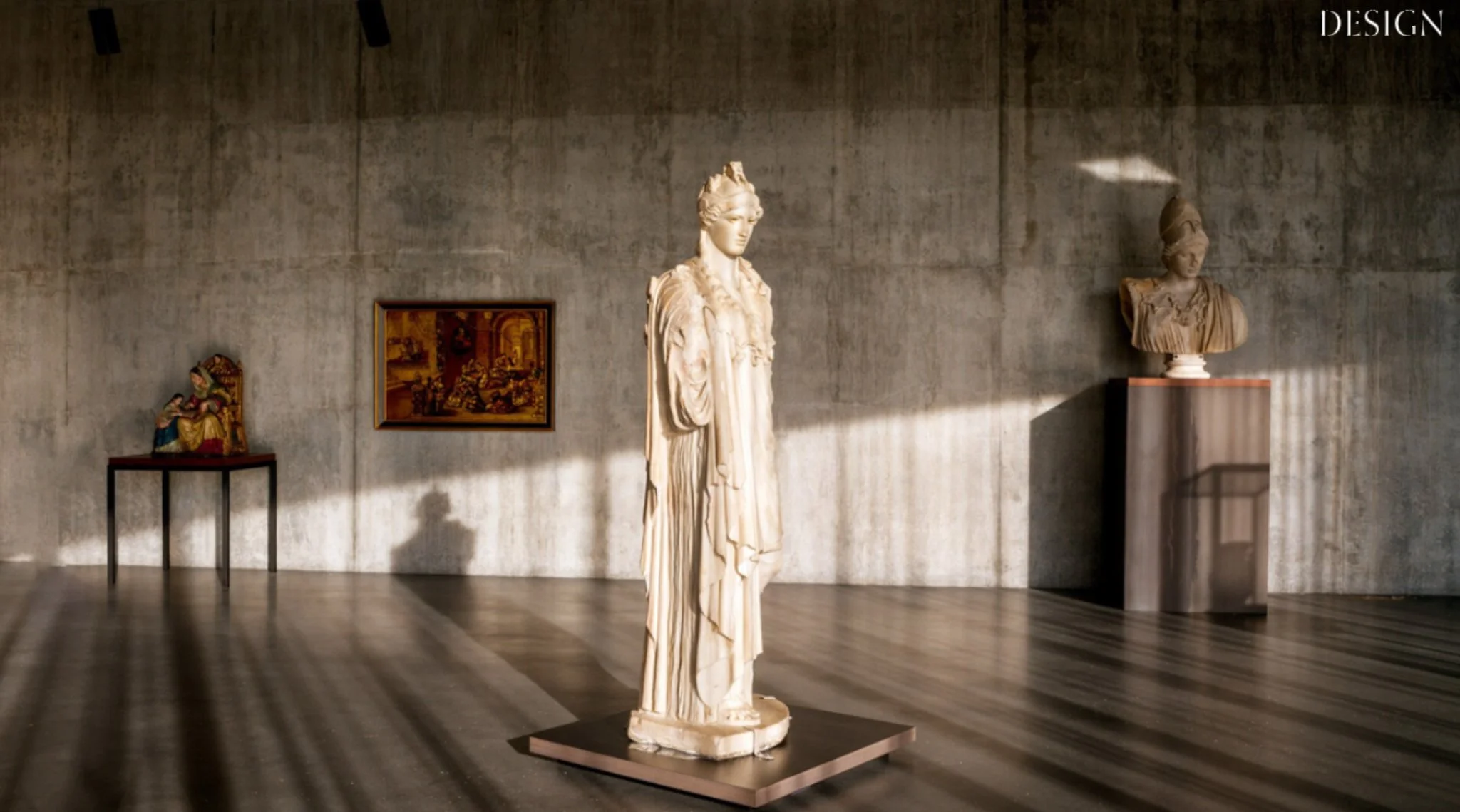
What the Vals Therme does that almost no other building manages: it produces, in the person who enters it, a specific quality of presence that is simultaneous with a specific quality of quiet. You are in the building and you know it and you are, simultaneously, less aware of yourself than you usually are. This is the architectural quality that Zumthor has described as atmosphere — the sense that a building has gathered itself around a specific human experience and that the experience is the point. The materials are in service of this. The proportions are in service of this. The light is in service of this.
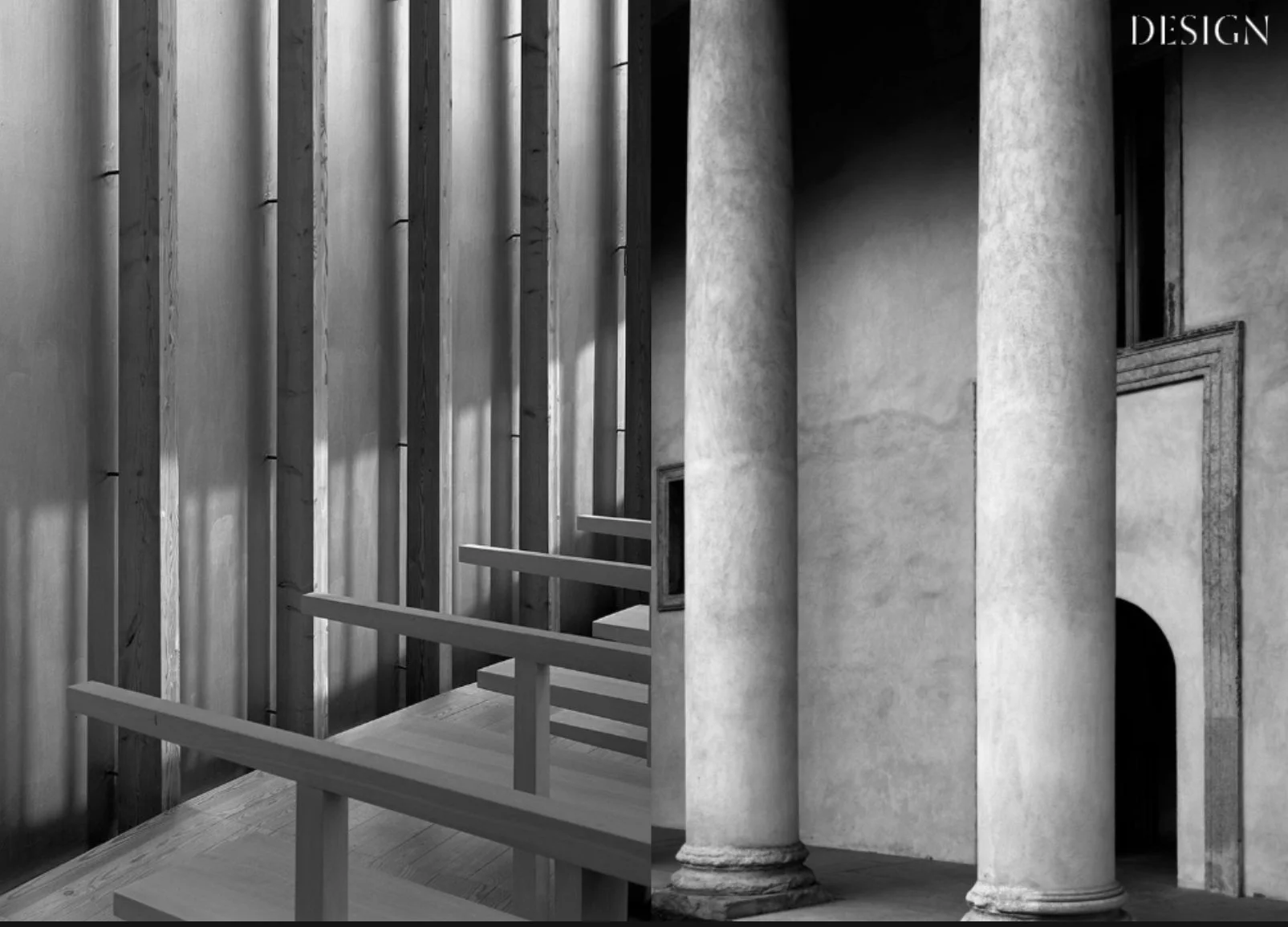
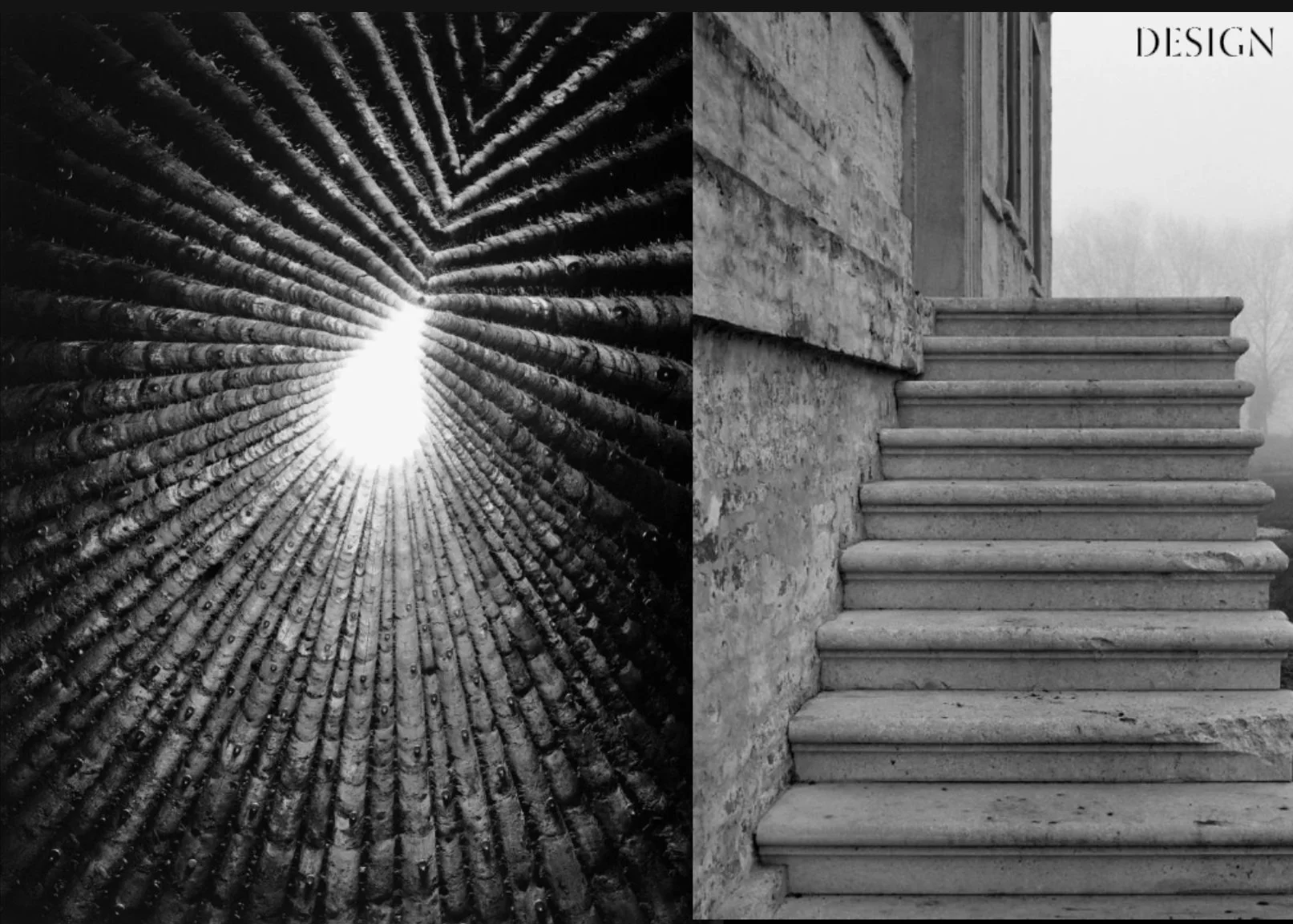
His Bruder Klaus Chapel in Mechernich, Germany — completed in 2007 — was built by local farmers over a period of three years, using a technique in which a wooden formwork of 112 tree trunks was erected and then the concrete poured around it. The formwork was subsequently burned from the inside, leaving the charred surface of the trunks as the interior wall and the concrete as the outer shell. The chapel is twelve meters tall, has one aperture at the top, and is open to the weather. It is not a demonstration of technical complexity. It is the most minimal possible architectural statement about shelter, fire, and the sacred. It works because every decision was made in service of that statement.
The Pritzker Prize, which Zumthor received in 2009, is the most prestigious recognition in architecture. His acceptance speech included a description of what he considers beautiful: 'Buildings that appear to have grown from their locations naturally and self-evidently, as if they could not be any other way.' This is not a poetic metaphor. It is a design criterion. The building that could not be anywhere else is the building that Zumthor is trying to make.
He is currently working on the Los Angeles County Museum of Art — a building that, if completed, will be his first major public commission in North America and his most scrutinised project. The LACMA project has been revised, debated, delayed, and debated again over more than a decade. The process is characteristic. The building, when it arrives, will have been made from the specific knowledge of a specific place accumulated over years. Whether Los Angeles will be patient enough to receive it on those terms is the interesting institutional question.
BY OONA CHANEL
