

Schiaparelli at the V&A: When Discomfort Becomes Legacy
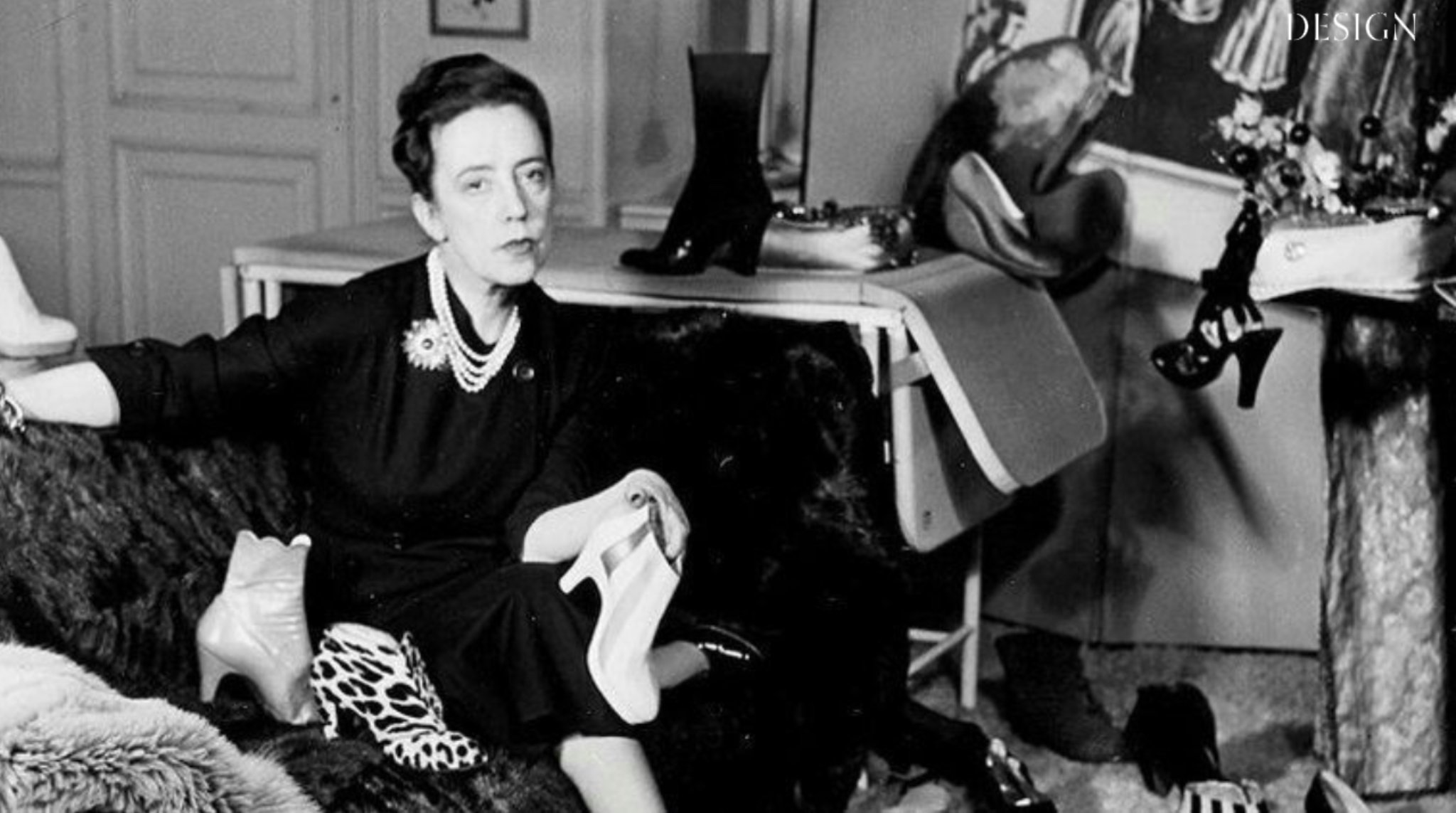
Elsa Schiaparelli
Elsa Schiaparelli’s surrealist disruption enters the museum — and confronts its own afterlife in contemporary fashion
Schiaparelli did not design to beautify the body — she designed to destabilize it. The museum can preserve that gesture, but it cannot restore its original force.
The Victoria and Albert Museum is not simply presenting Elsa Schiaparelli. It is doing something more complicated than that: it is placing one of fashion’s most destabilizing minds inside the calm machinery of cultural recognition. That is no small act.
The exhibition, Schiaparelli: Fashion Becomes Art, is framed as a celebration of genius — and of course it is. Schiaparelli was a genius. But celebration is never neutral. It tends to imply resolution, and Schiaparelli was never resolved. Her work was too sharp, too strange, too psychologically charged to sit entirely comfortably inside a narrative of heritage.
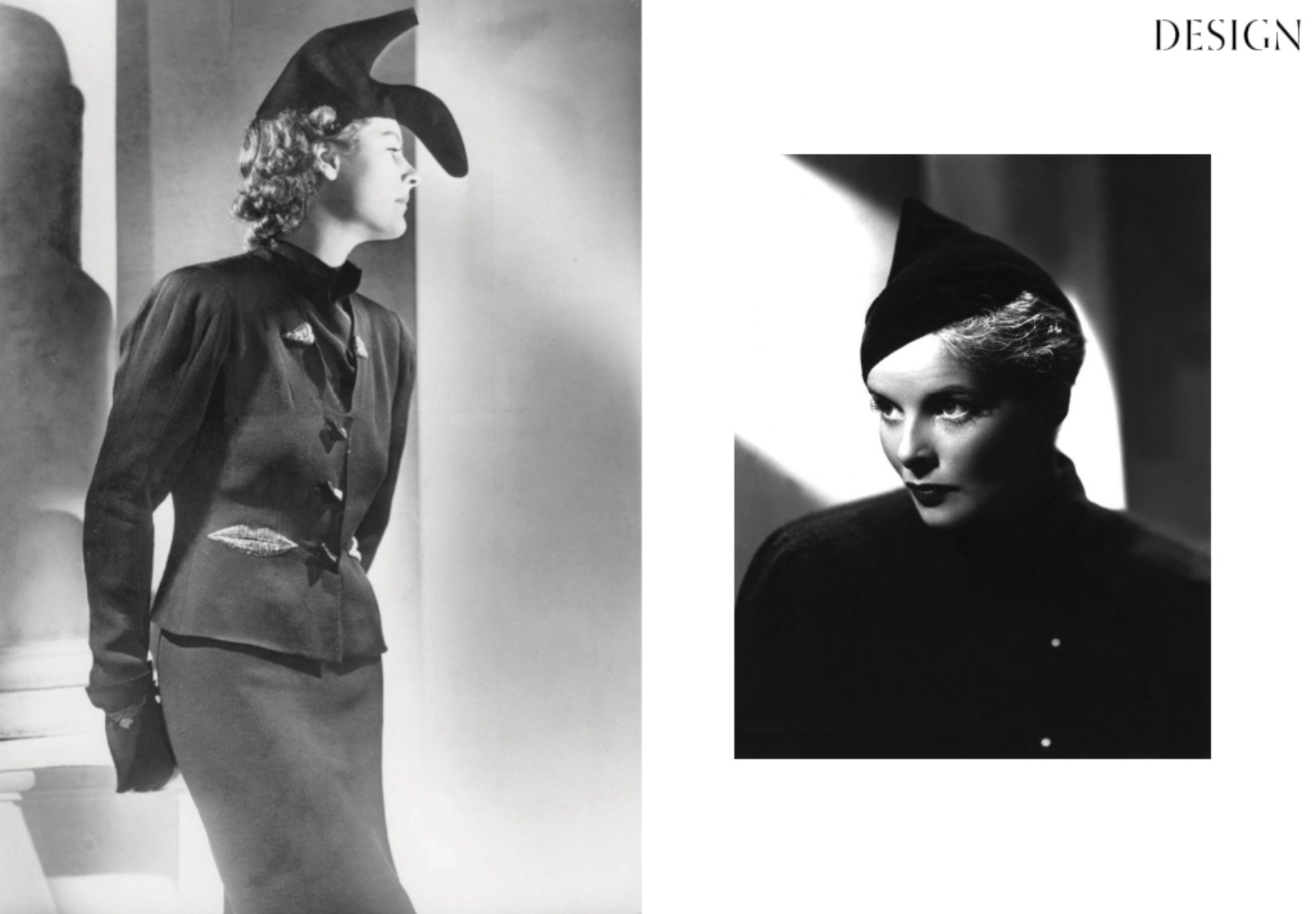
Schiaparelli — Shoe Hat, 1937
What she made was not merely imaginative fashion, nor even simply couture in conversation with art. She approached dress as a form of interference. Working in close proximity to Surrealism — not as an aesthetic moodboard, but as an intellectual and cultural force — she understood the body as unstable terrain. Her collaborations with Salvador Dalí and Jean Cocteau were not ornamental alliances. They were extensions of a deeper inquiry into distortion, desire, displacement, and the instability of appearances.
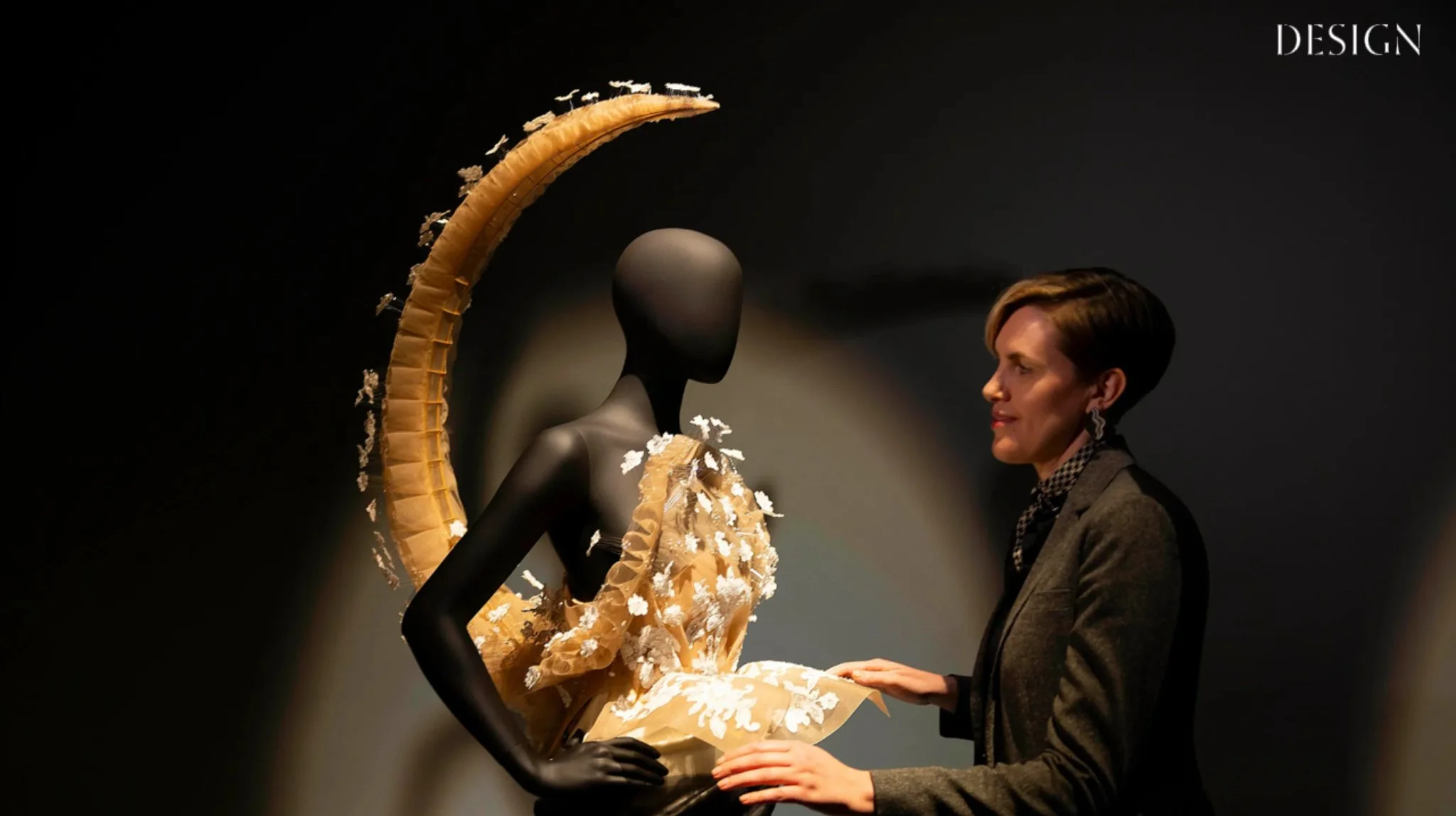
Schiaparelli at the V&A
Surrealism, for Schiaparelli, was never fantasy in the soft sense. It was rupture.
That is what the strongest garments still communicate. The skeleton dress does not merely depict anatomy; it inverts the logic of the body, pulling what should remain hidden outward into view. The lobster dress does not decorate the surface so much as disrupt it, placing something faintly erotic and faintly absurd exactly where composure would normally reside. The shoe hat is not whimsical in any harmless sense. It is an act of displacement, a refusal of function, a joke with consequences. These clothes did not simply adorn the body. They made the body strange.
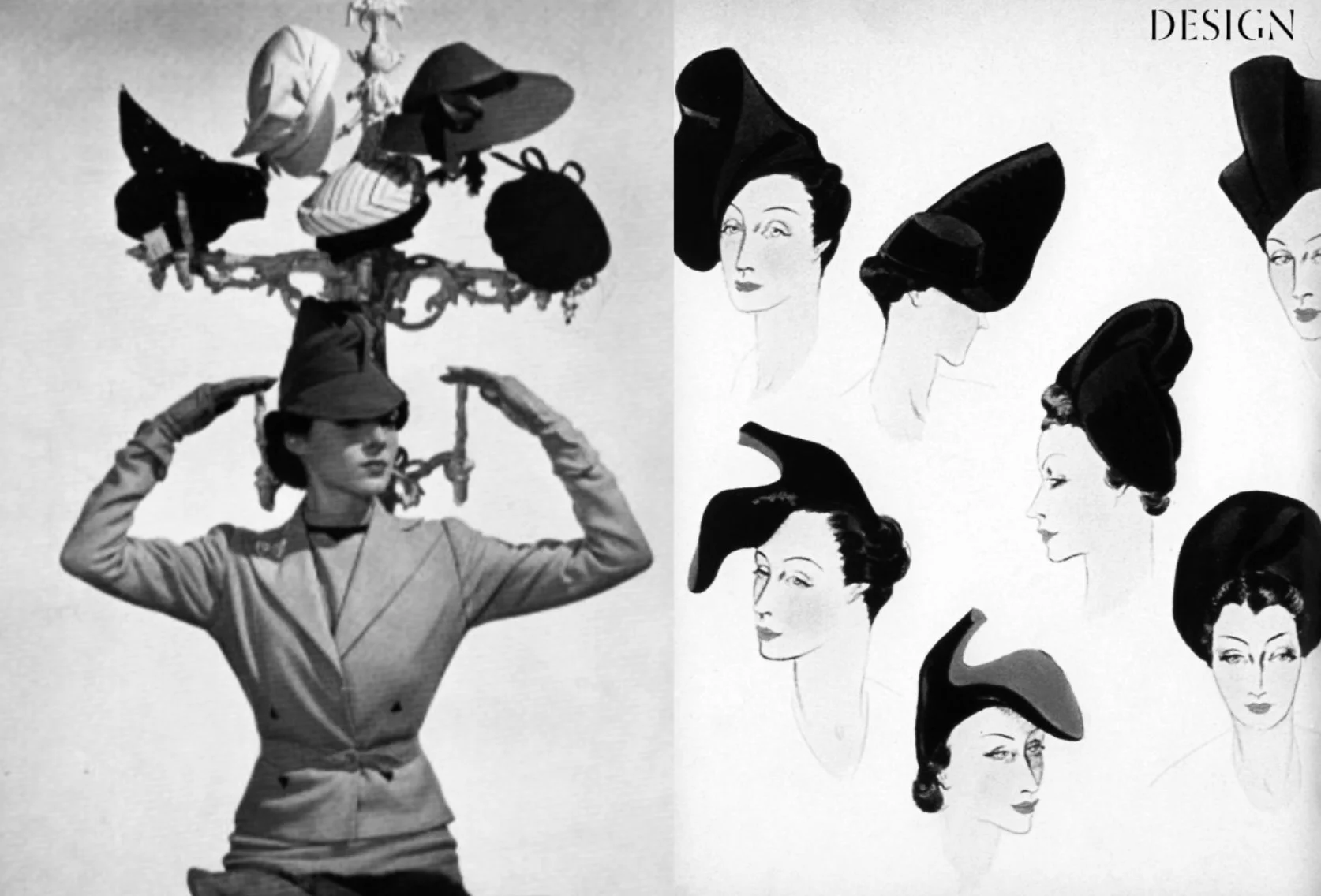
Schiaparelli hats
That is the essential point, and also the one most at risk of being softened once Schiaparelli enters the museum. Institutions such as the Victoria and Albert Museum do what museums are designed to do: they preserve, organize, contextualize, and canonize. They take what was once unruly and place it inside historical continuity. They explain what once unsettled. They convert aggression into significance and difficulty into legacy. This does not erase Schiaparelli’s radicalism. But it does change its temperature.
Inside the museum, her work is no longer encountered as interruption. It is encountered as knowledge. The garments are lit, framed, and narrated. Their strangeness is made legible. Their provocation is translated into innovation. Their discomfort becomes part of a lineage. That, in itself, is fascinating, because the exhibition arrives at a moment when Schiaparelli has already been returned to the center of fashion under Daniel Roseberry. And here the story becomes more layered than a simple opposition between original radicality and contemporary appropriation.
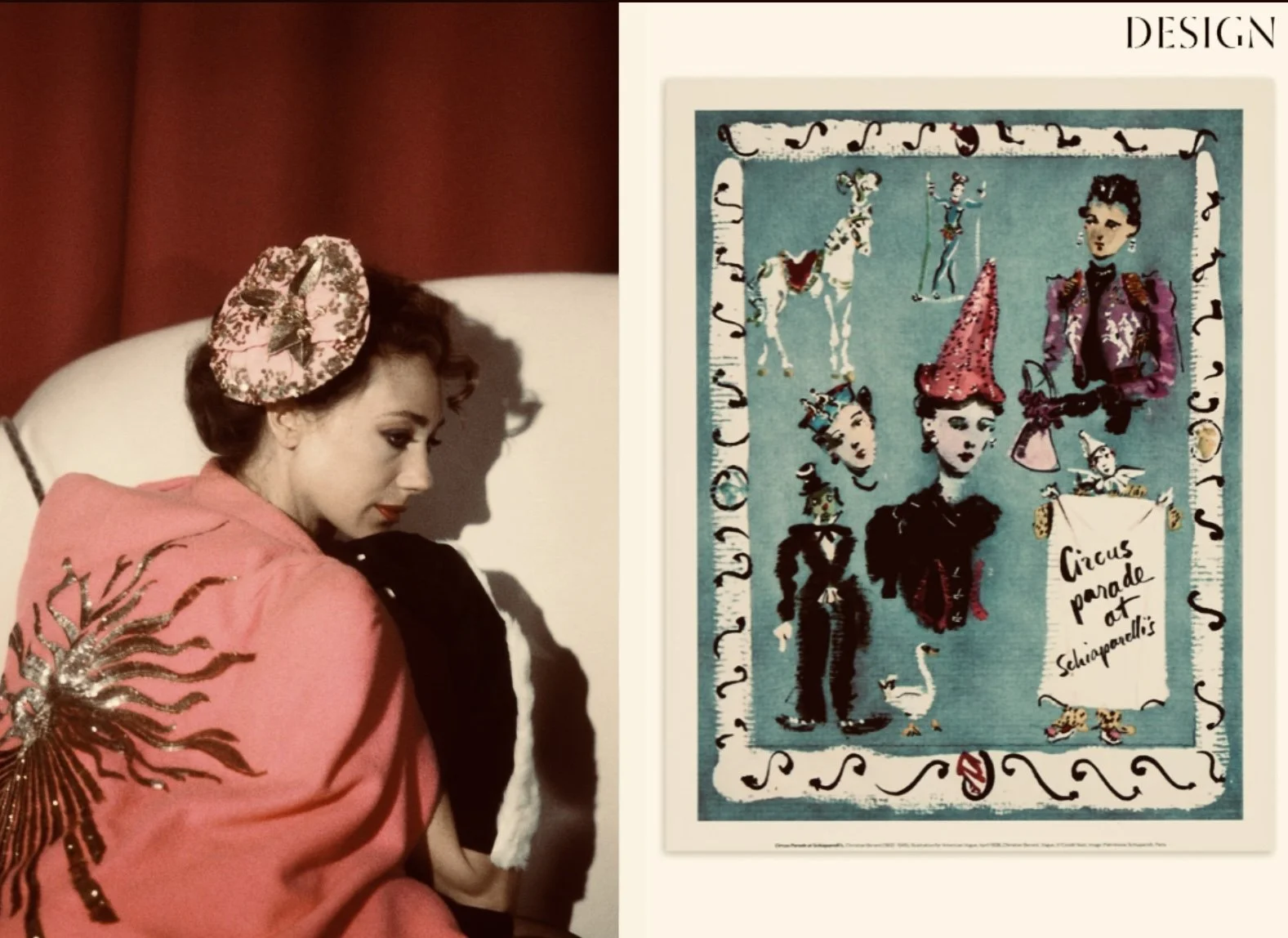
Roseberry’s achievement should not be dismissed. On the contrary, what he has done with the house is, in many ways, extraordinary. He has understood Schiaparelli’s codes with real conviction: anatomy, exaggeration, surreal scale, bodily symbolism, the charged relation between ornament and object. He has taken a dormant house and returned it to cultural life, not timidly but with force. He has made Schiaparelli visible again. He has made it desirable. He has made it part of contemporary fashion’s central conversation. That matters. And it is not, in itself, a betrayal.
If Elsa’s work emerged in an era when fashion could still interrupt from within, Roseberry is working in a system governed by instantaneous visibility. The red carpet, the editorial image, the social feed, the global cycle of fashion imagery — all of this demands immediacy. A garment now has to register in a split second. It has to survive the speed of attention. In that context, the contemporary Schiaparelli does something very different from Elsa’s original work, but not necessarily something lesser. It translates her language into a new condition. The difference is not that the house has become superficial. It is that the surreal now operates under different terms. Elsa used surrealism to destabilize the body. Roseberry often uses it to monumentalize it. Elsa’s garments introduced tension and left it unresolved. The contemporary house sharpens that tension into image, into icon, into desire. The grotesque becomes luxurious. The strange becomes aspirational. The unsettling becomes highly legible.
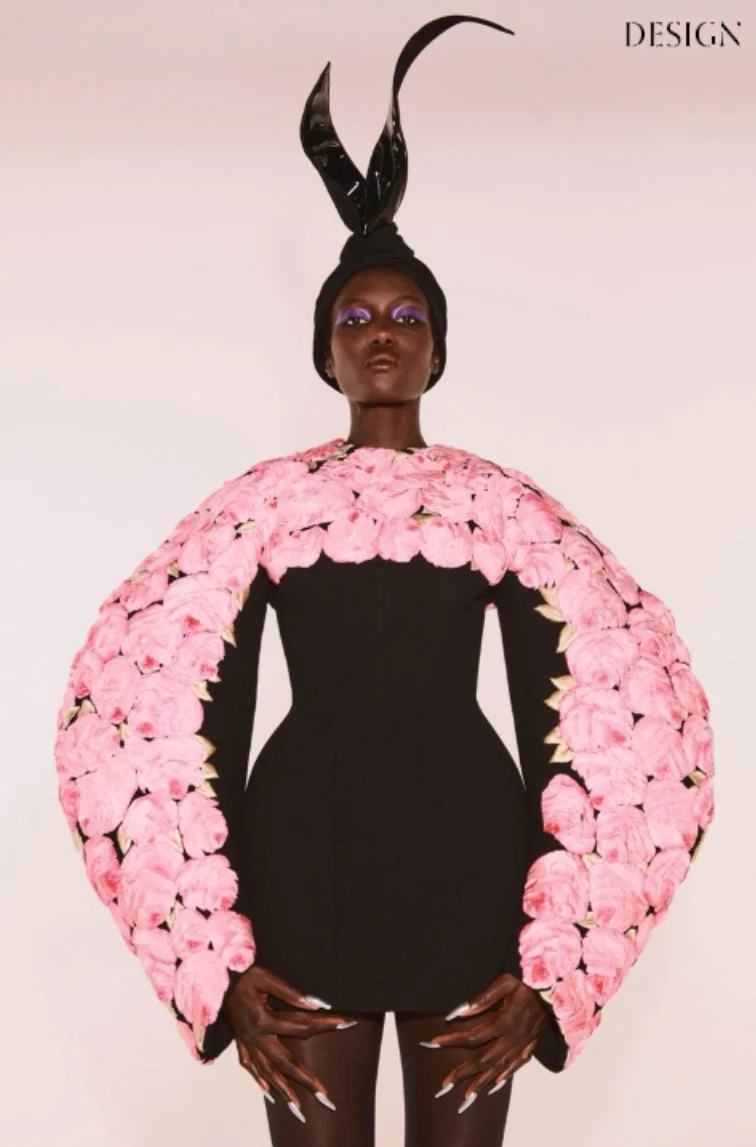
Schiaparelli Evening coat - 1937
This is precisely why the house is polarizing, and precisely why it is effective. From one perspective, something is inevitably lost: opacity, friction, the refusal to be easily understood. But from another, something significant is gained. Schiaparelli is no longer a historical reference or a niche intellectual fascination. It is living fashion again. It circulates. It provokes. It generates longing. Its objects are wanted. And want, in fashion, is never trivial. It is one of the central mechanisms through which cultural power is expressed.
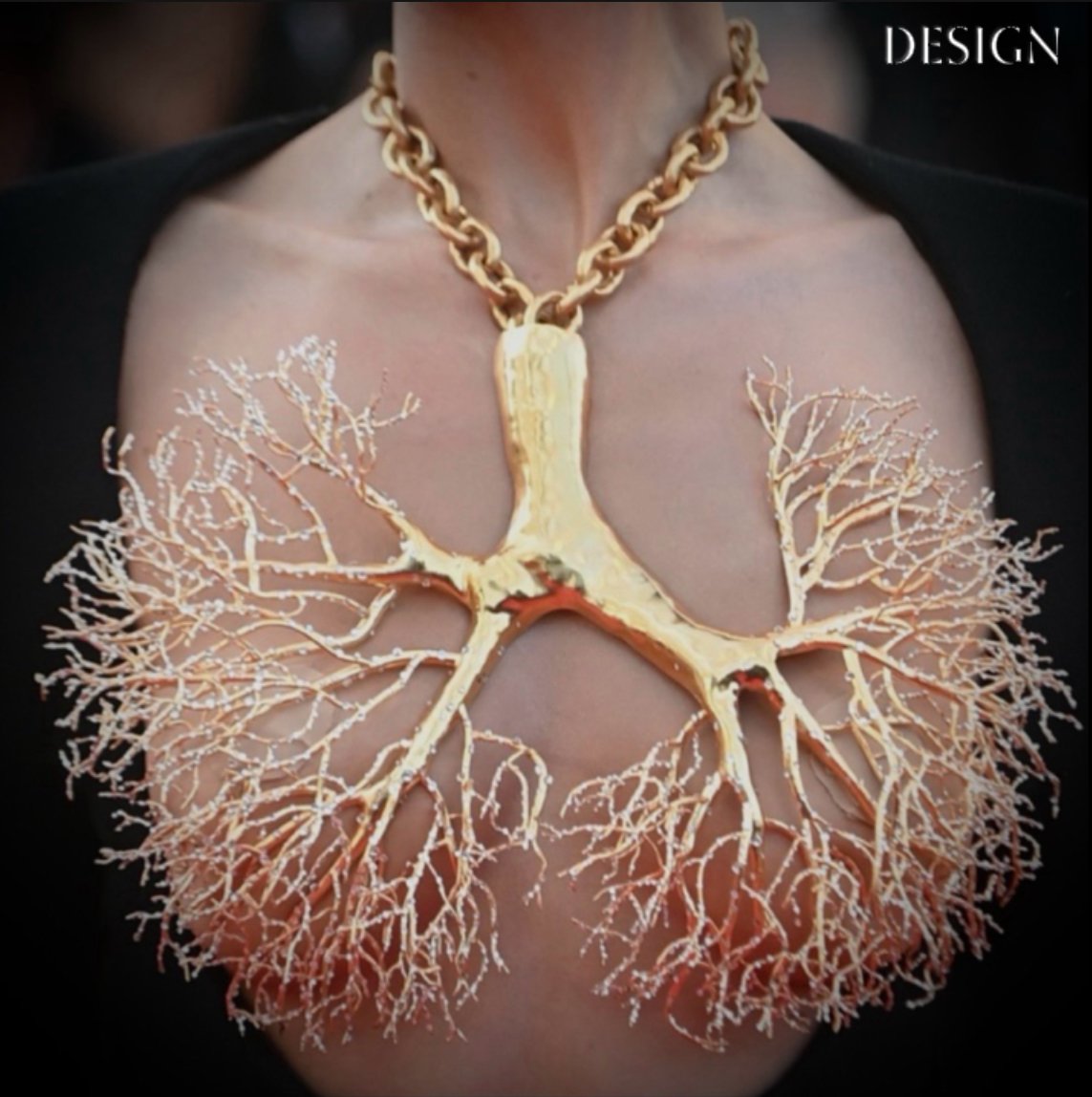
Schiaparelli Haute couture 2022
What the V&A exhibition captures, perhaps more clearly than it intends to, is the tension between those two Schiaparellis: Schiaparelli as rupture and Schiaparelli as system; Schiaparelli as disturbance and Schiaparelli as desire. The distance between them is not a failure of the exhibition. It is its real subject.
The broader shift the show exposes is the movement from rarity to repetition. Schiaparelli’s original works were singular interruptions. They appeared against expectation and violated it. Today, her codes are endlessly reproduced, cited, circulated, and identified at a glance. Anatomy, surreal gesture, bodily symbolism, conceptual ornament: all have entered the visual vocabulary of contemporary luxury fashion. And with repetition comes recognition. Recognition, in turn, changes the emotional charge of an image. What once produced unease now often produces instant comprehension. What once demanded interpretation now invites identification. This is not unique to Schiaparelli; it is the condition of contemporary fashion itself, in which ambiguity is constantly pressured by the need for visibility. Still, the exhibition does not collapse under that pressure. Because the garments remain stronger than the narratives around them.
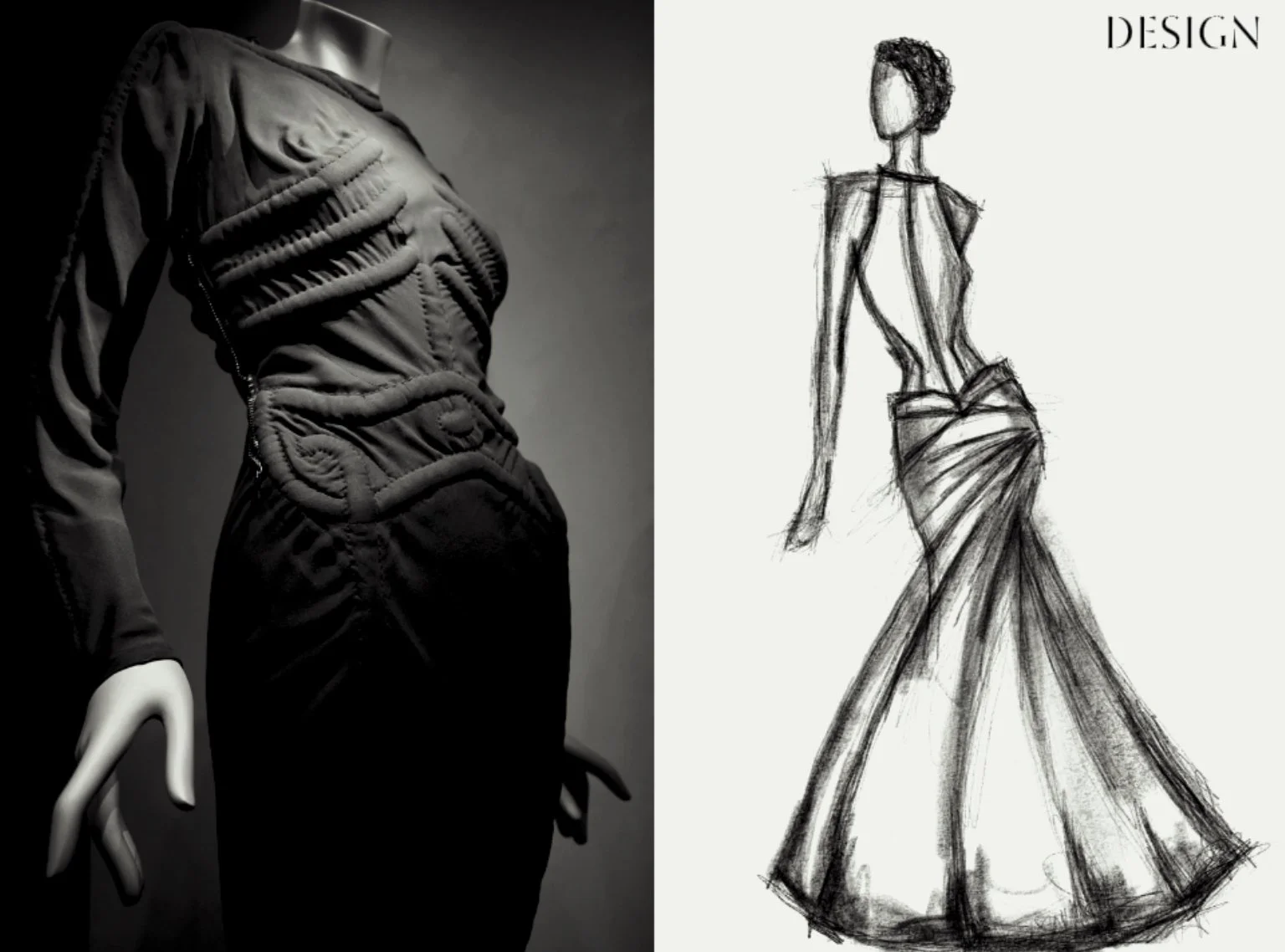
Schiaparelli — Skeleton Dress, 1938
Even under glass, they retain friction. They do not sit entirely still. They resist pure admiration. There remains, in the best pieces, something unresolved, slightly insolent, faintly improper. They still suggest that elegance can be contaminated by absurdity, that glamour can coexist with aggression, that beauty can become psychologically unstable without losing its force. That is where Schiaparelli continues to matter.
Not only as a genius, though she was one. Not only as a pioneer, though she was that too. But as a designer who understood that clothing could do more than seduce or signify status. It could produce disorientation. It could disturb the body’s image of itself. It could make thought visible.
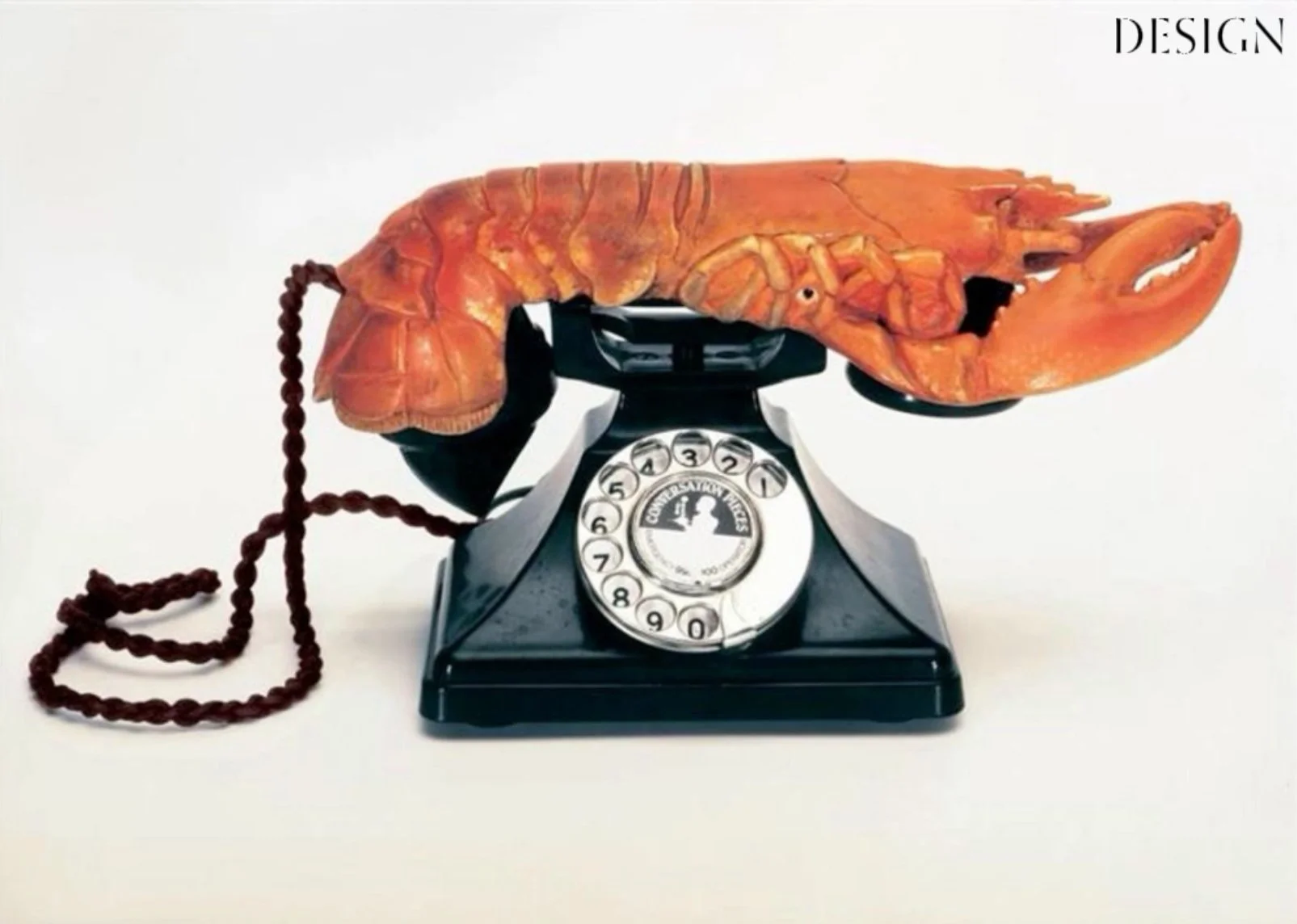
Dali’s Lobster Telephone
The real question the V&A raises is not whether Schiaparelli deserves celebration. She does.
It is whether fashion can still sustain that level of discomfort once it has been institutionalized, aestheticized, and absorbed into the economy of desire.
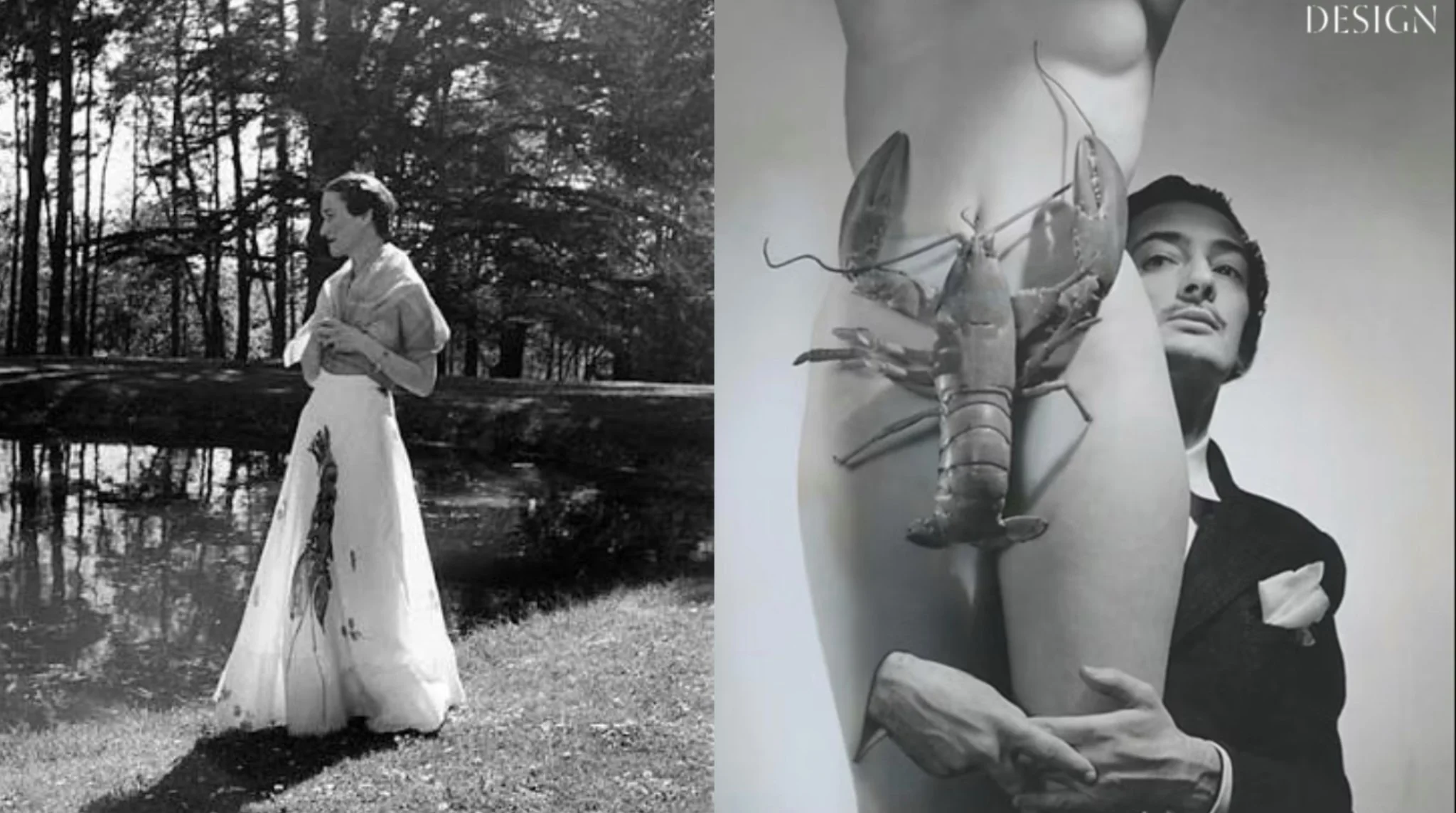
schiaparelli lobster dress
Can surrealism still unsettle once it becomes a luxury language?
Can the body still be destabilized by a garment designed to circulate instantly and beautifully?
Can fashion still think critically in a culture that rewards immediate legibility?
Elsa answered those questions one way.
The contemporary house answers them another.
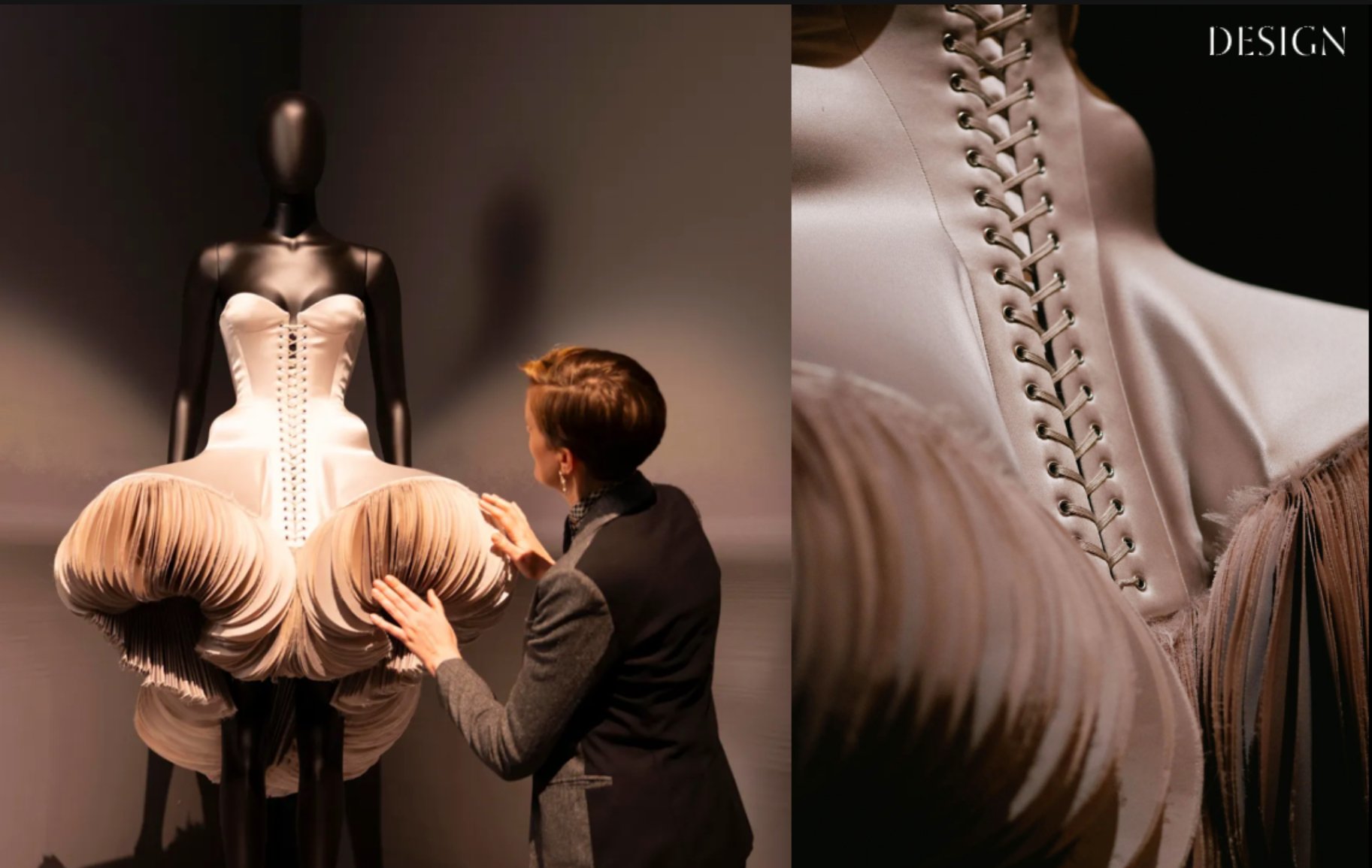
Schiaparelli at V&A Exhibition
The V&A, perhaps unintentionally, places both answers in the same room. That is what makes the exhibition worth taking seriously. Because what it finally offers is not a simple retrospective, nor a straightforward celebration of genius, but a confrontation between two conditions: the original disturbance and its afterlife. The museum can preserve Schiaparelli. It can elevate her. It can explain her. But it cannot fully restore the moment when these clothes first appeared as acts of elegant sabotage. That moment is gone.
What remains is the trace of it — and, if you look closely, the discomfort has not disappeared. It has merely changed form.
By Oona Chanel
