

Pierre Yovanovitch’s Exacting Interiors
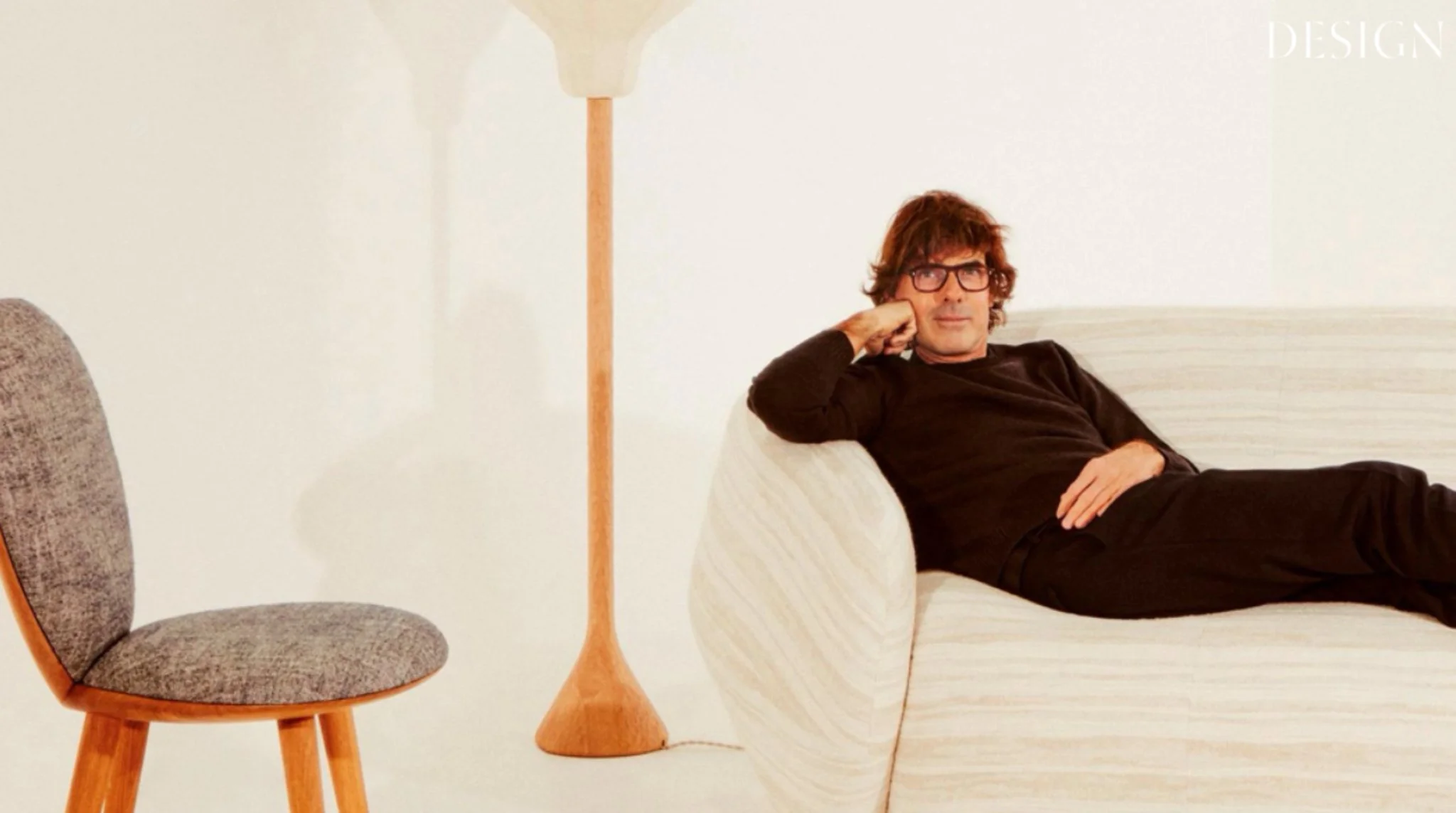
Pierre Yovanovitch
Pierre Yovanovitch is often grouped into the broad, exhausted category of quiet luxury. The label is useful for branding and almost useless for criticism.
What defines his work is not quietness, nor luxury in any generic sense, but control.
Yovanovitch’s interiors are highly disciplined exercises in proportion, scale, and spatial pressure. They are designed to appear effortless, but their effect depends on rigorous calibration. A room is pared back, but never empty. A chair is oversized, but never clumsy. A wall is left almost bare, yet it carries as much visual weight as a decorative scheme in a lesser interior. His work is not about reduction as style. It is about composition as structure.
That distinction matters.
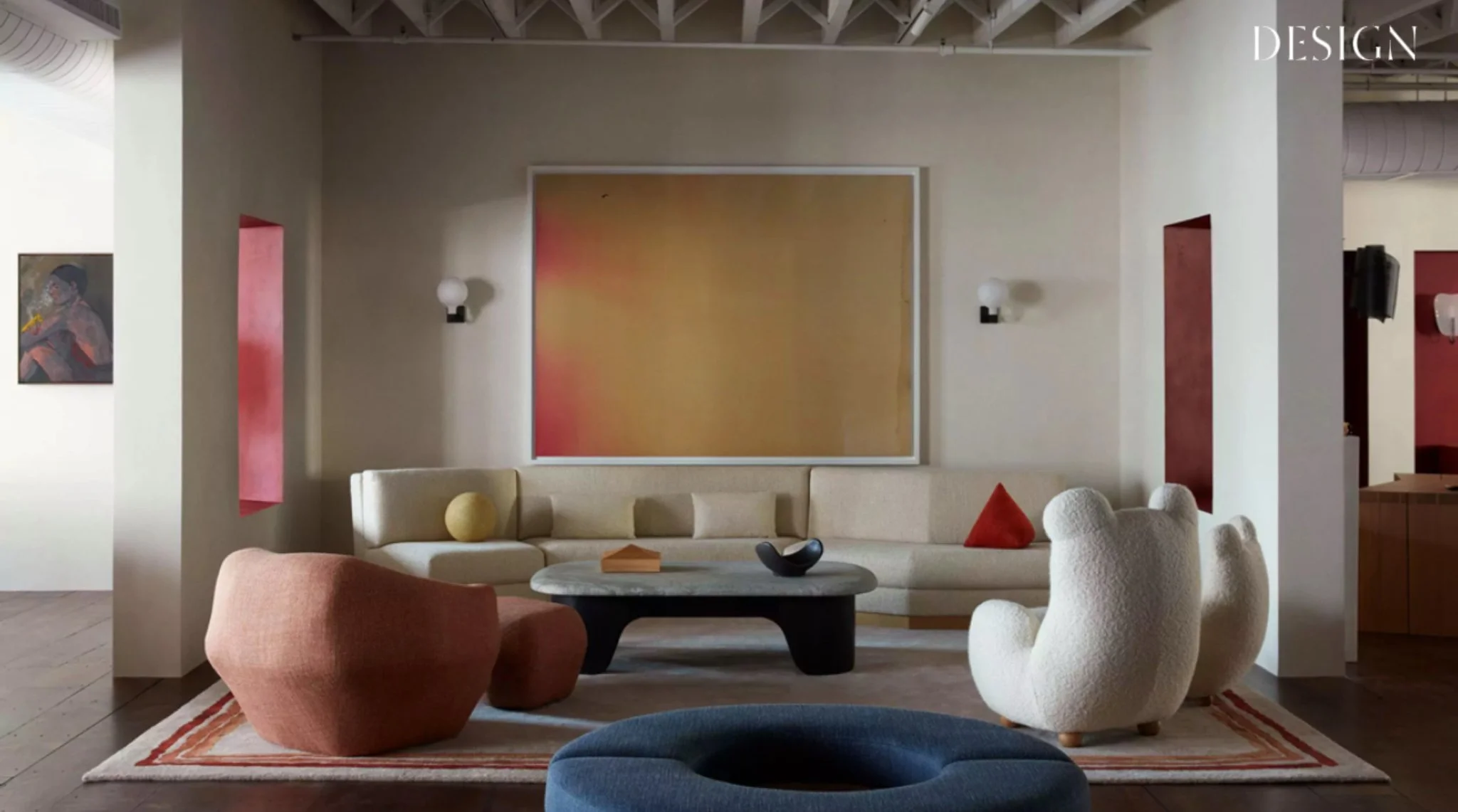
Yovanovitch‘s interior
Before founding his studio, Yovanovitch worked in fashion at Pierre Cardin, and traces of that training remain visible in the precision of his interiors. He understands line, silhouette, and the relation between softness and construction. He places furniture the way a couturier places volume on a body: to correct, elongate, balance, or interrupt. The result is that his rooms do not read as decorated spaces so much as controlled environments.
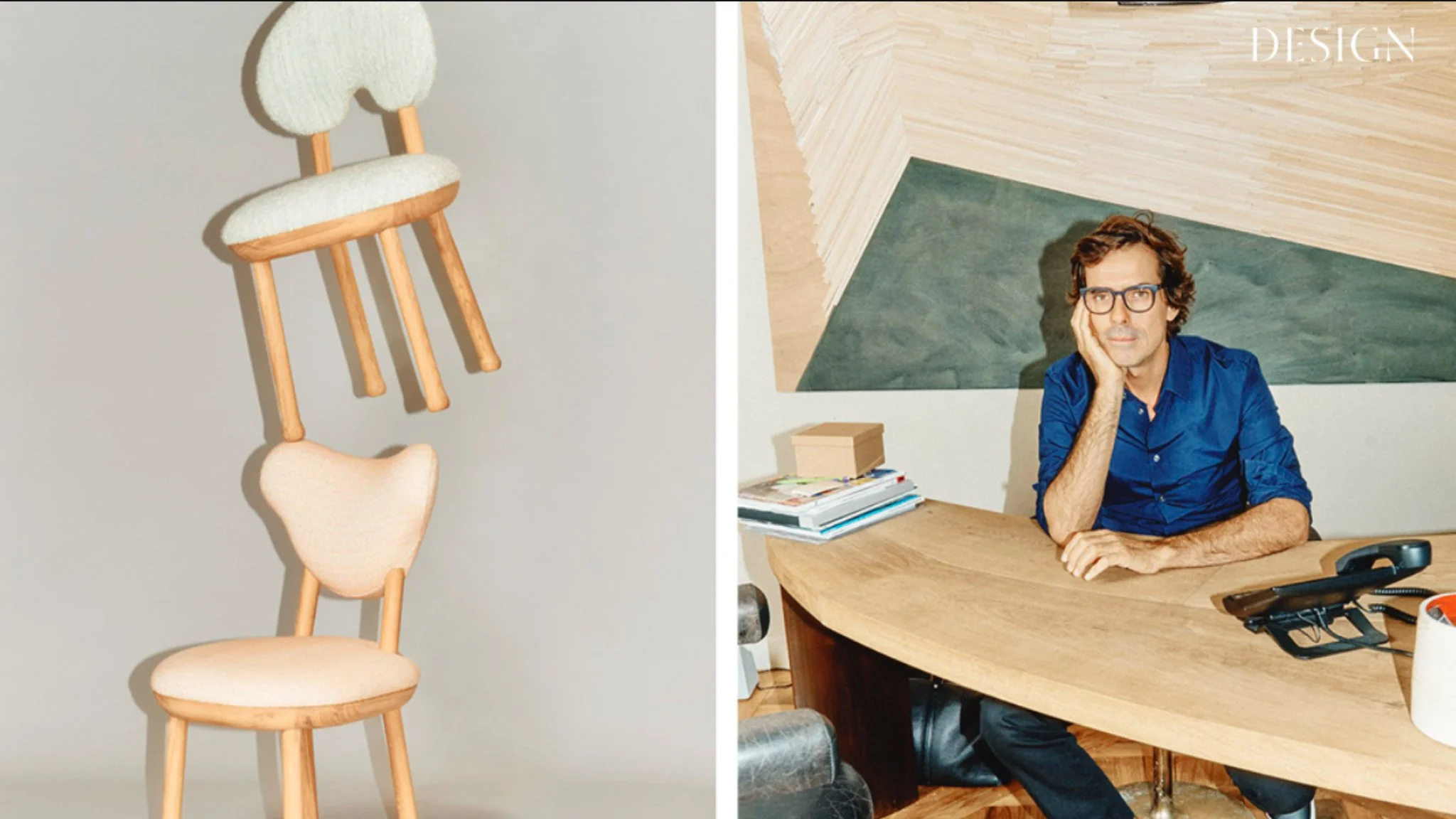
His most iconic interiors make this clear. Whether in Paris, New York, London, or Provence, the rooms tend to be built around a few decisive formal elements: a sculptural armchair, a massive fireplace, a monolithic table, a carefully judged threshold between one volume and the next. Nothing is there to fill space. Each object has a structural role.
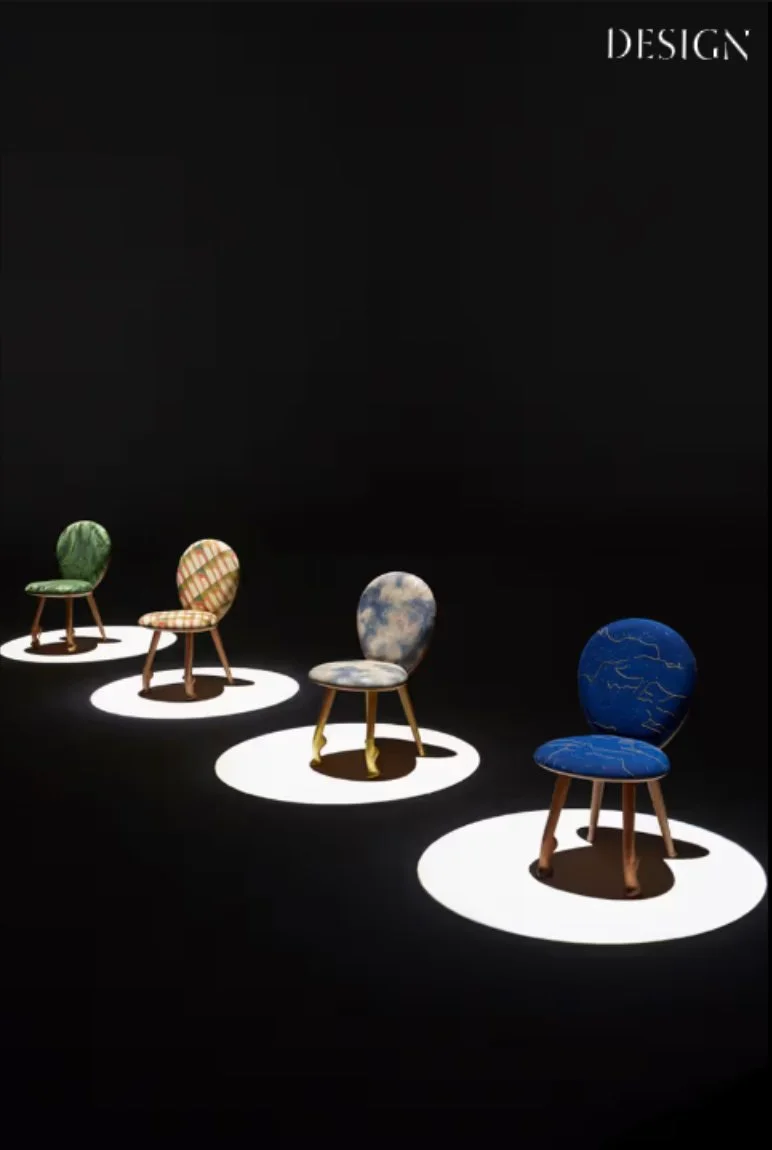
Morphea
This is why his interiors hold.
They are not image-led rooms, despite how often they are photographed. They are rooms constructed through spatial logic. Their success depends on proportion before palette, on mass before mood.
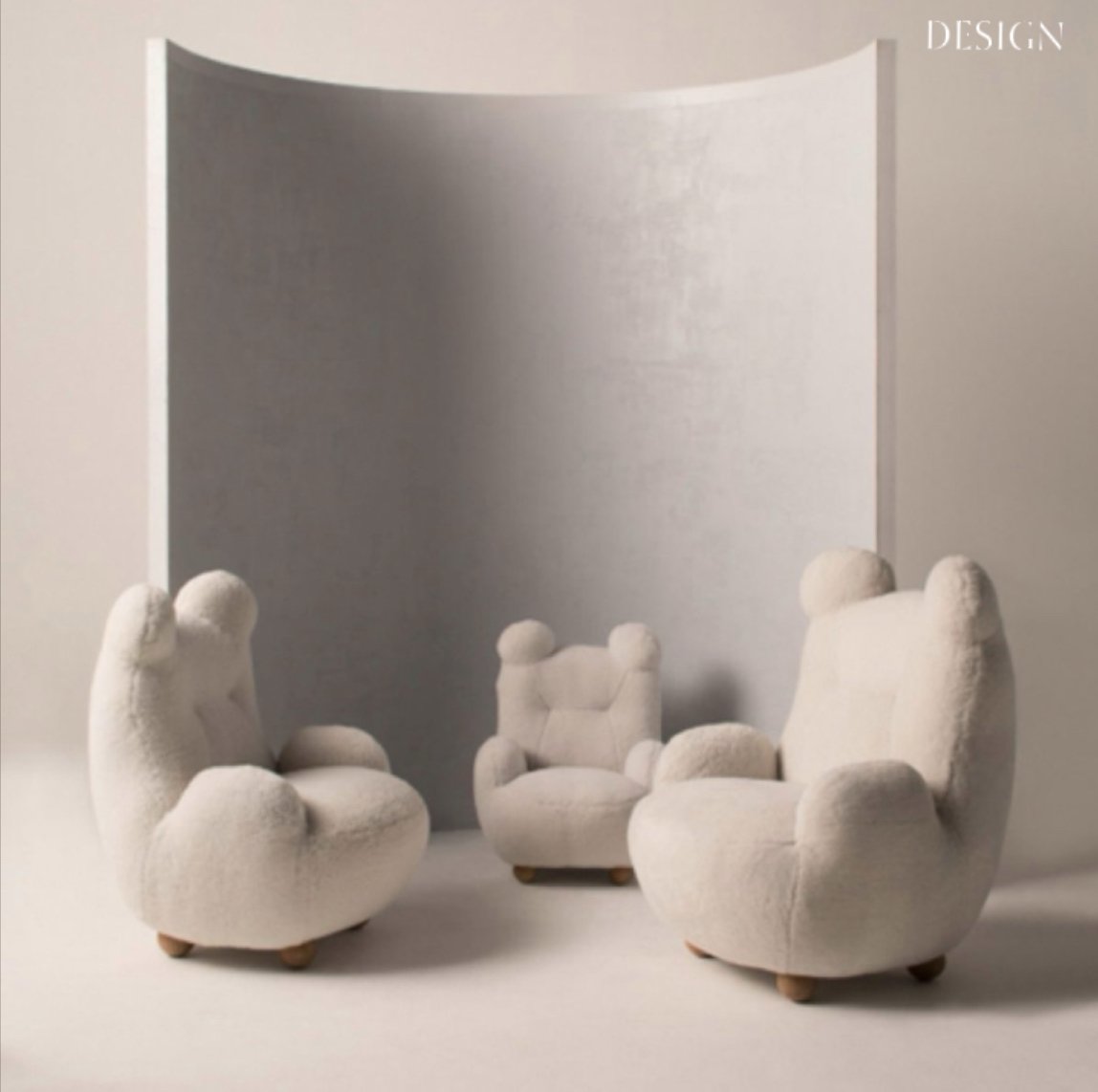
Papa bear chair
The so-called Papa Bear chairs are an instructive example. They are frequently treated as charming signatures, almost mascots of the studio, but their real importance is architectural. Their exaggerated curvature softens strict interiors without sentimentalizing them. They introduce tactility and scale at once. They are comfortable, certainly, but more importantly they organize the room around themselves.
Yovanovitch is strongest when he resists prettiness.
At his best, he works within a lineage of twentieth-century French interior design without lapsing into citation. One can detect echoes of Jean-Michel Frank in the restraint, Jean Royère in the sculptural ease, and broader postwar modernist principles in the handling of volume and material. But these influences are absorbed rather than performed. His rooms do not depend on vintage nostalgia or collector signaling to establish authority.
That is one of their strengths.
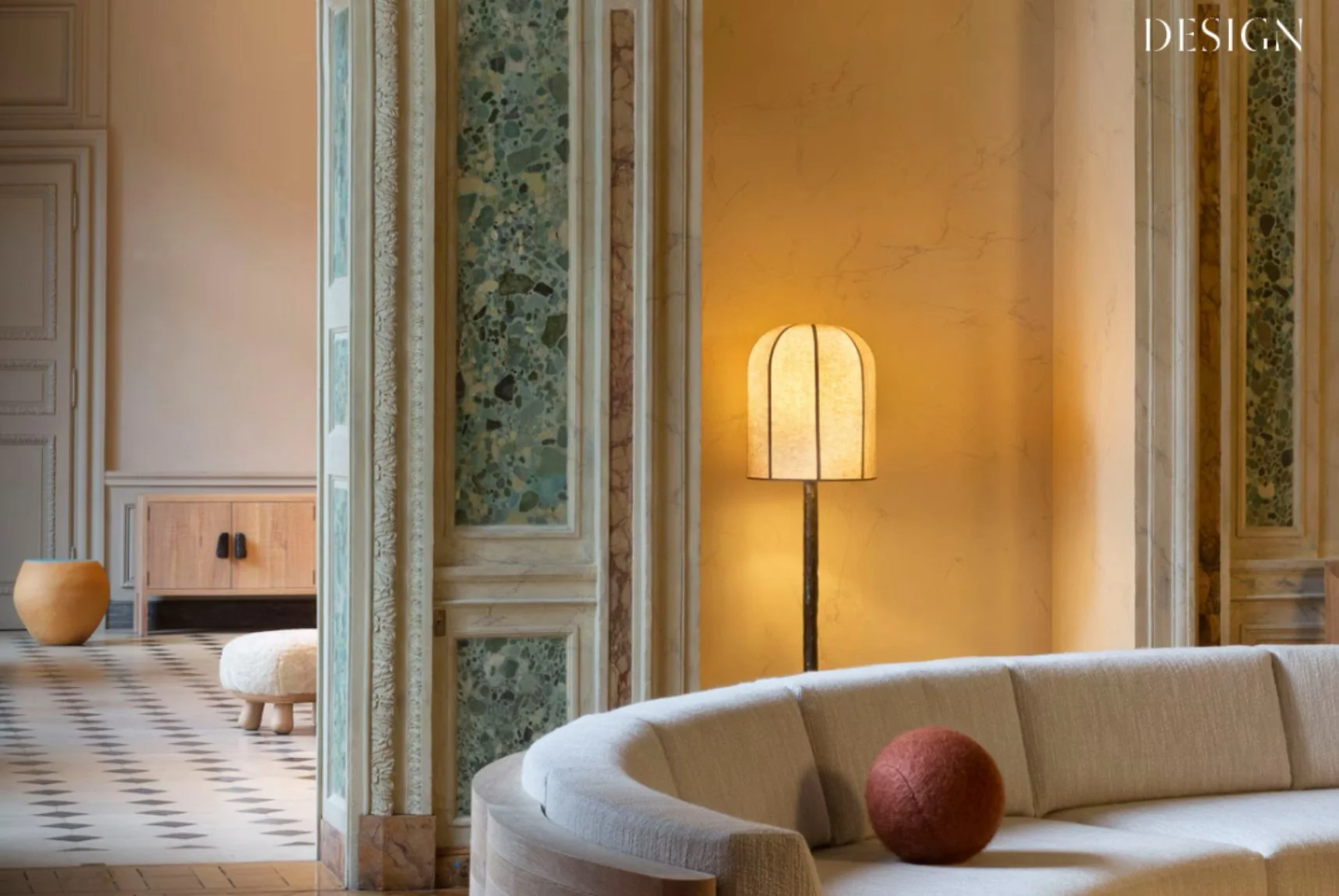
French inspired interior
The material palette is similarly controlled. Oak, plaster, stone, ceramic, bronze, velvet, bouclé: these materials are not deployed as luxury markers but as tonal instruments. Yovanovitch understands that texture is not ornamental. It determines how light behaves, how the eye travels, how the body registers a room. Matte plaster can quiet a space more effectively than decoration. A single polished surface can sharpen an otherwise soft composition.
There is also a notable severity beneath the warmth. This is where his work avoids the common failure of contemporary luxury interiors, which often confuse softness with ease. Yovanovitch’s rooms may feel calm, but they are not casual. They are exact. Their atmosphere is produced through discipline, not relaxation.
That rigor is what gives the work durability.
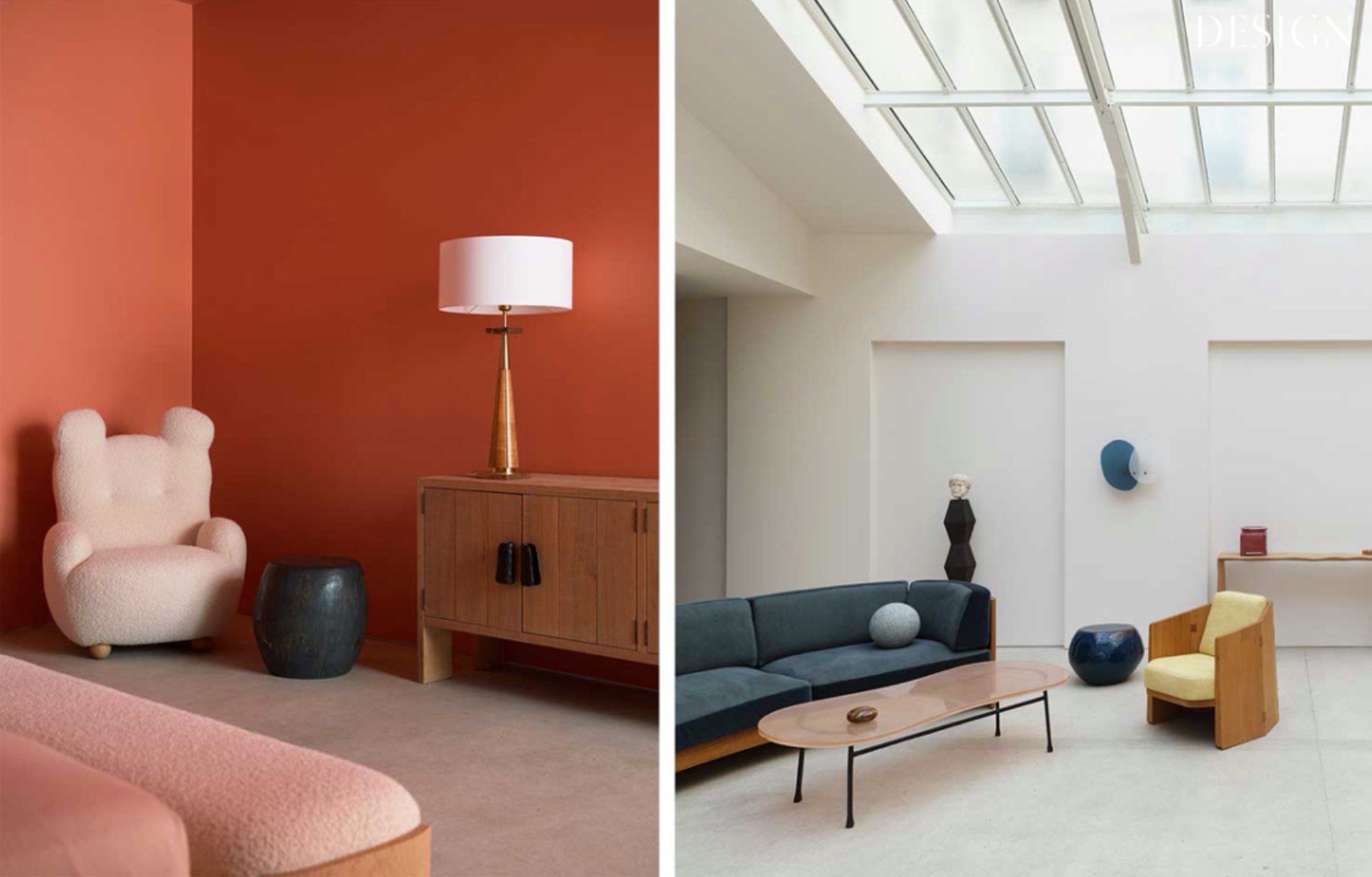
In an era of over-resolved interiors designed for immediate legibility, Yovanovitch remains committed to slower effects. His rooms are not built around instant recognition or excessive visual incident. They reveal themselves through use, movement, and duration. The eye adjusts. Proportions begin to register. The authority of the room emerges gradually.
This is a more serious proposition than lifestyle luxury.
Pierre Yovanovitch’s best interiors demonstrate that restraint is not an aesthetic mood but an architectural method. Their refinement lies not in what they display, but in how precisely they are composed. That is why they endure.
By Oona Chanel
