

Salone del Mobile 2026: The Fair That Decided Design Has Something to Say
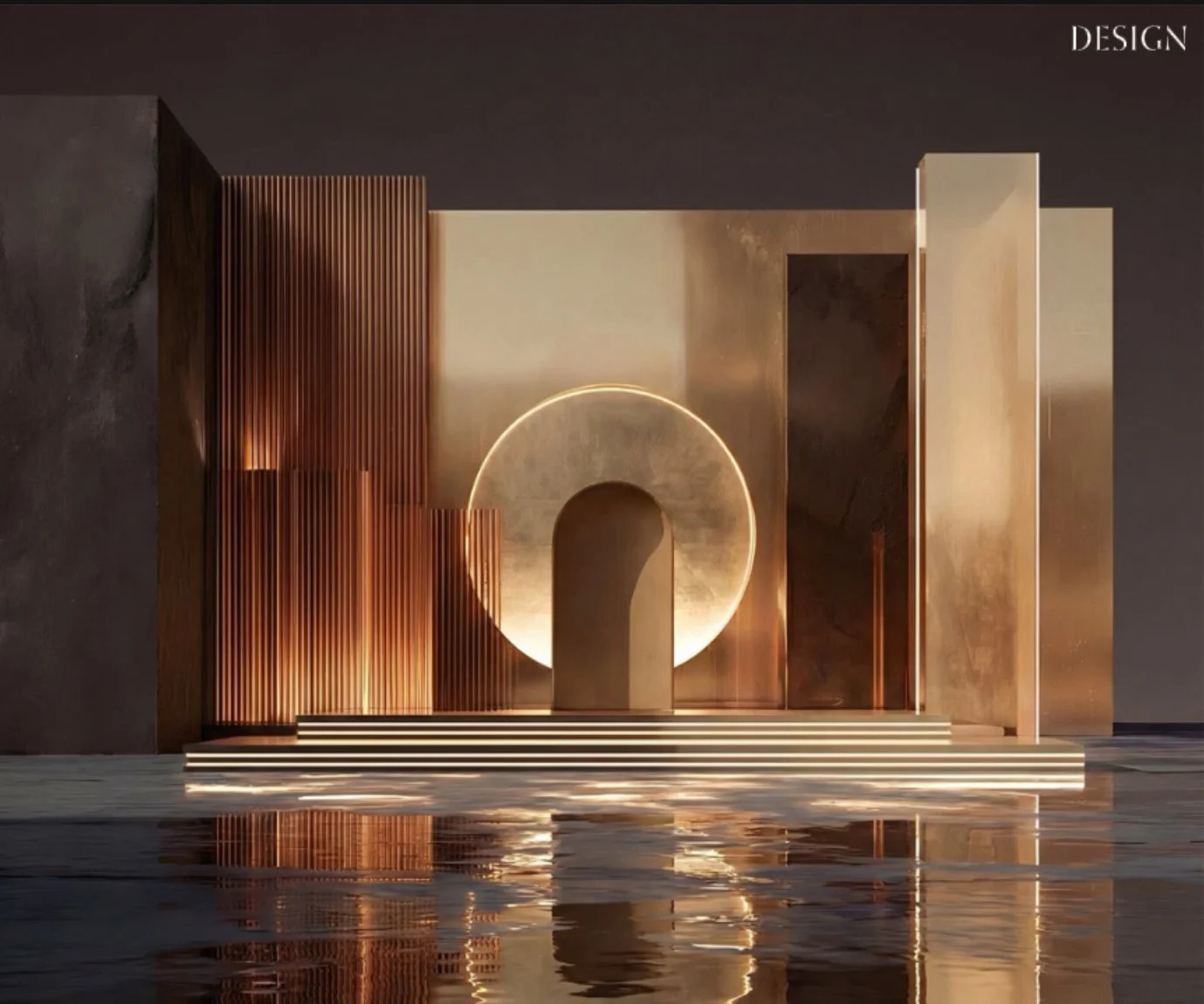
Visualisation of Aurea, an interpretation of an imaginary luxurious, cinematic hotel
The 64th edition ran April 21–26 in Milan. Author was on the ground. Here is what mattered — and what it means for the future of the designed world.
“The best objects here were not the most expensive or the most photographed. They were the ones that seemed to know, with certainty, who they were for and what they were for. In a fair of hundreds of thousands of objects, this quality is extremely rare — and absolutely unmistakable.”
The concert at La Scala opened it. This detail, which was new for 2026, was either a statement of cultural ambition or a piece of theater, depending on your degree of cynicism — and at the Salone del Mobile, the world's largest furniture and design fair, the degree of cynicism you arrive with tends to determine what you see. Those of us who arrived willing to be surprised found, over six days at the Rho Fiera fairgrounds and across the city's showrooms, installations, and galleries, something that felt genuinely different from previous editions: a fair that had, for the first time in several years, a point of view.
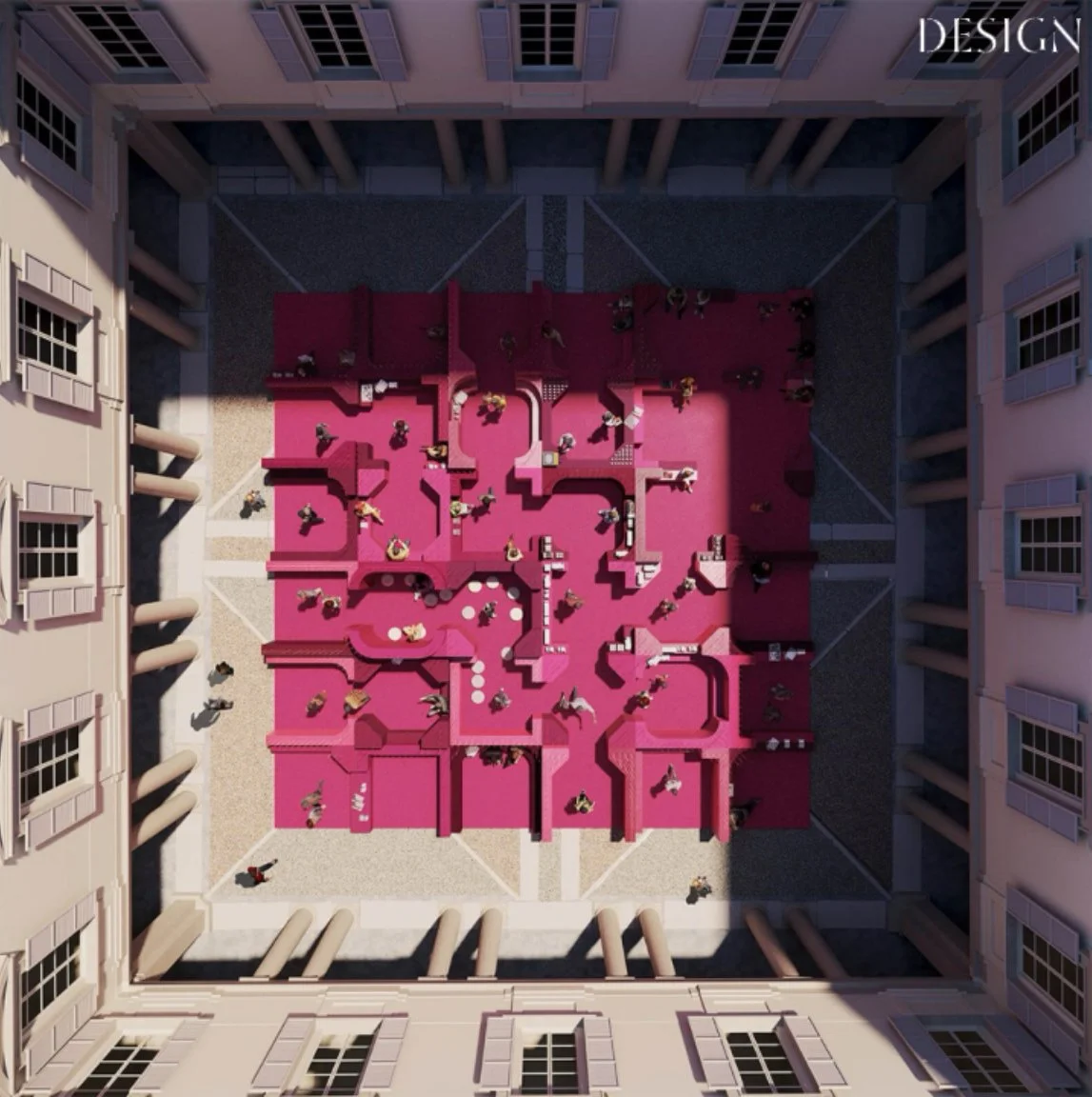
Metamorphosis in Motion by Lina Ghotmeh is part of the dynamic MoscaPartners Variations exhibition, designed to reflect Fuorisalone’s theme
The point of view is not yet a consensus, and it is not without contradiction. But it is present: a widespread, if unevenly executed, conviction that design in 2026 must grapple with value — not market value, which the fair has never lacked for, but meaning. What is an object for? What does it ask of the person who lives with it? What does it give back? These are old questions. The fact that they are being asked loudly, at a fair of more than 1,900 exhibitors across 169,000 square meters, is new.
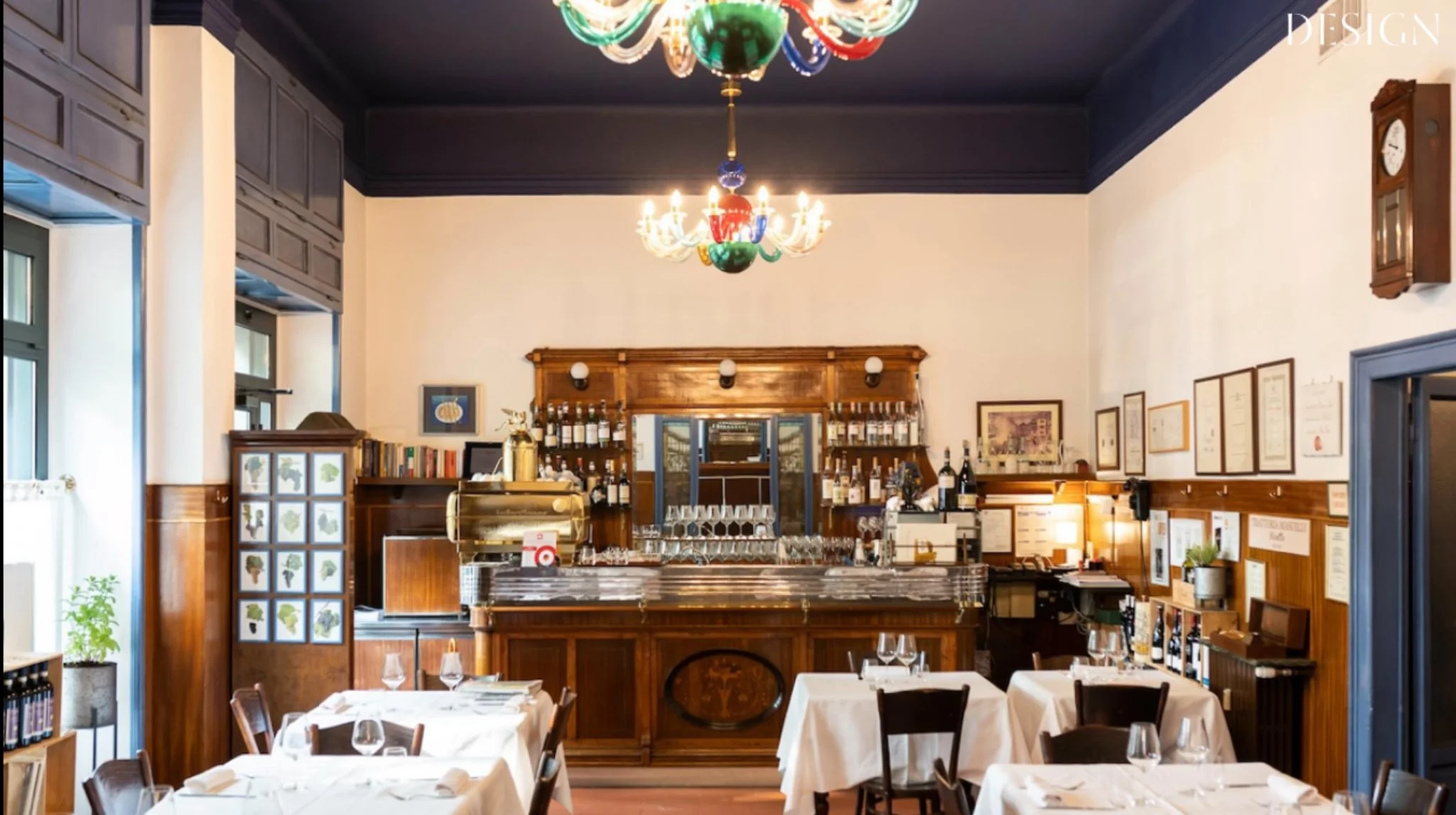
Inside Trattoria Masuelli.
The most significant structural change of this edition was the debut of Salone Raritas — a dedicated section for collectible design, limited-edition pieces, and what the organizers call "outsider objects," curated by Annalisa Rosso and given physical form by the exhibition design of Formafantasma, the Amsterdam-based Italian design duo whose practice operates precisely at the intersection of material intelligence and cultural argument. Raritas was positioned in Pavilions 9–11 with a circular layout conceived so that every element could be disassembled and reused — a formal commitment to the sustainable logic it was supposed to embody rather than merely describe.
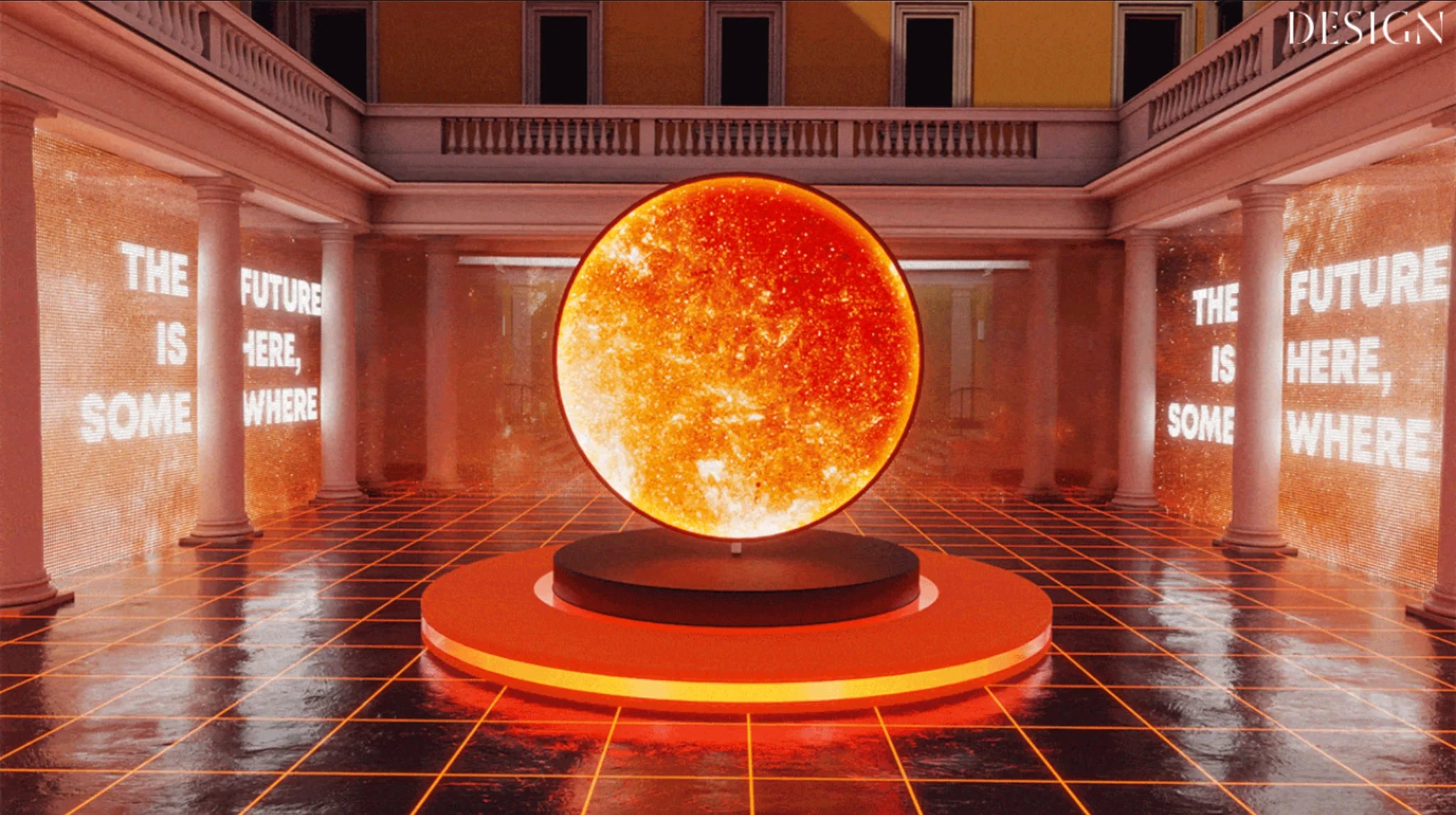
glo art 2026 is an immersive installation symbolising connection and belonging
What it contained was the most interesting collection of objects in the fair: pieces by Nilufar, whose founder Nina Yashar has spent twenty years insisting that the line between design and art is a bureaucratic distinction rather than an aesthetic one; Salviati working with Draga & Aurel in Murano glass; Brun Fine Arts with a selection of mid-century European pieces that needed no curatorial context; and a sequence of independent studios from Mexico City, Seoul, and São Paulo whose work the international design market is still catching up to. Raritas was, among the hundreds of thousands of objects on display this week, the place where you felt most strongly that you were looking at things that had been made with a genuine idea of who they were for.
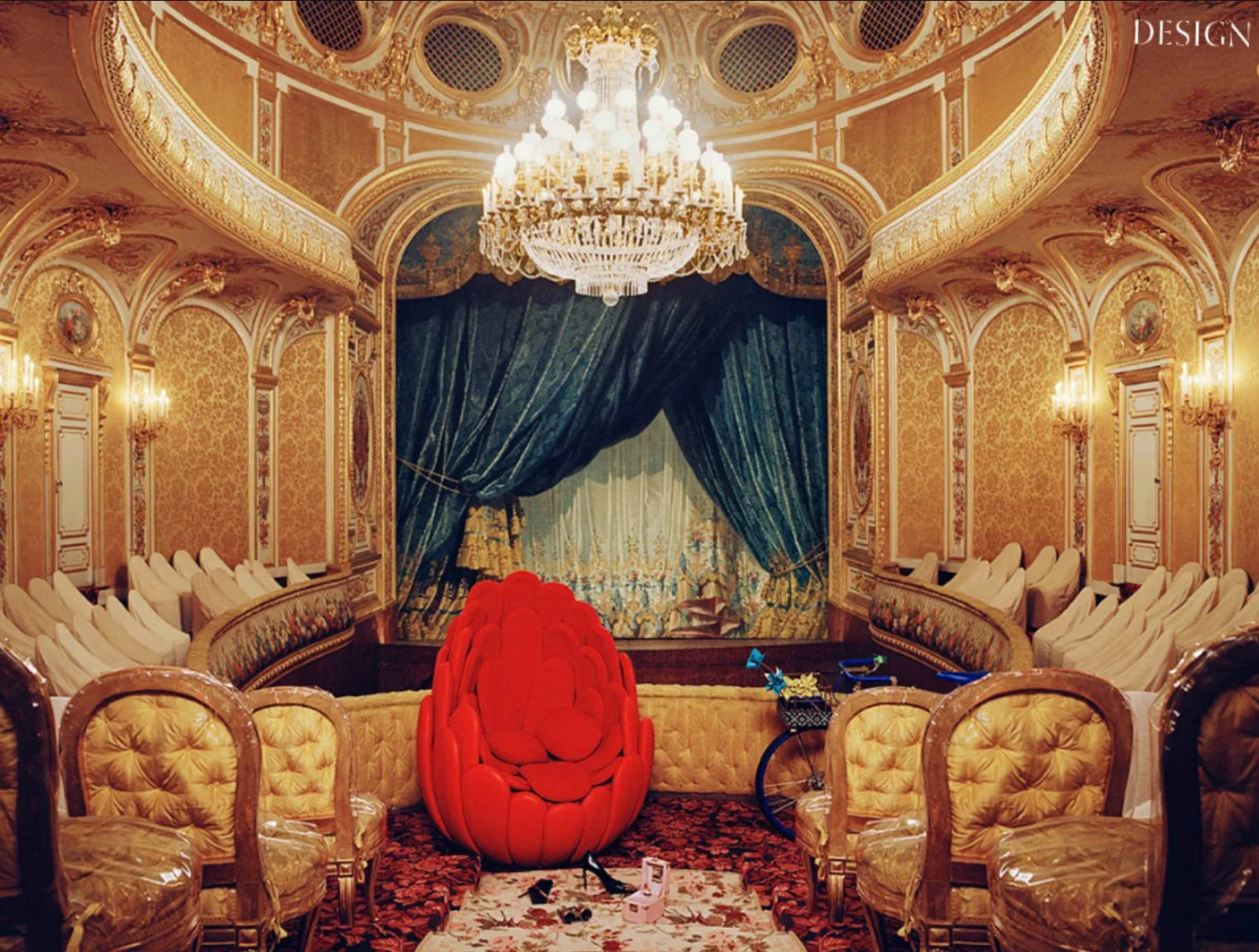
Louis Vuitton Objets Nomades Bulbo by the Campana Brothers
Beyond the fairgrounds, in the Fuorisalone that transforms Milan into the world's largest temporary design city every April, the most discussed installation was Ai Weiwei's engagement with Rubelli: the artist using silk — a material he had not worked with before — to envelop the Venetian fabric house's showroom in a lampas-woven installation called About Silk, accompanied by a documentary on the parallel origins of the material in China and its craft history in Venice. This was, in the context of a week full of brand activations masquerading as cultural interventions, a genuine cultural intervention.
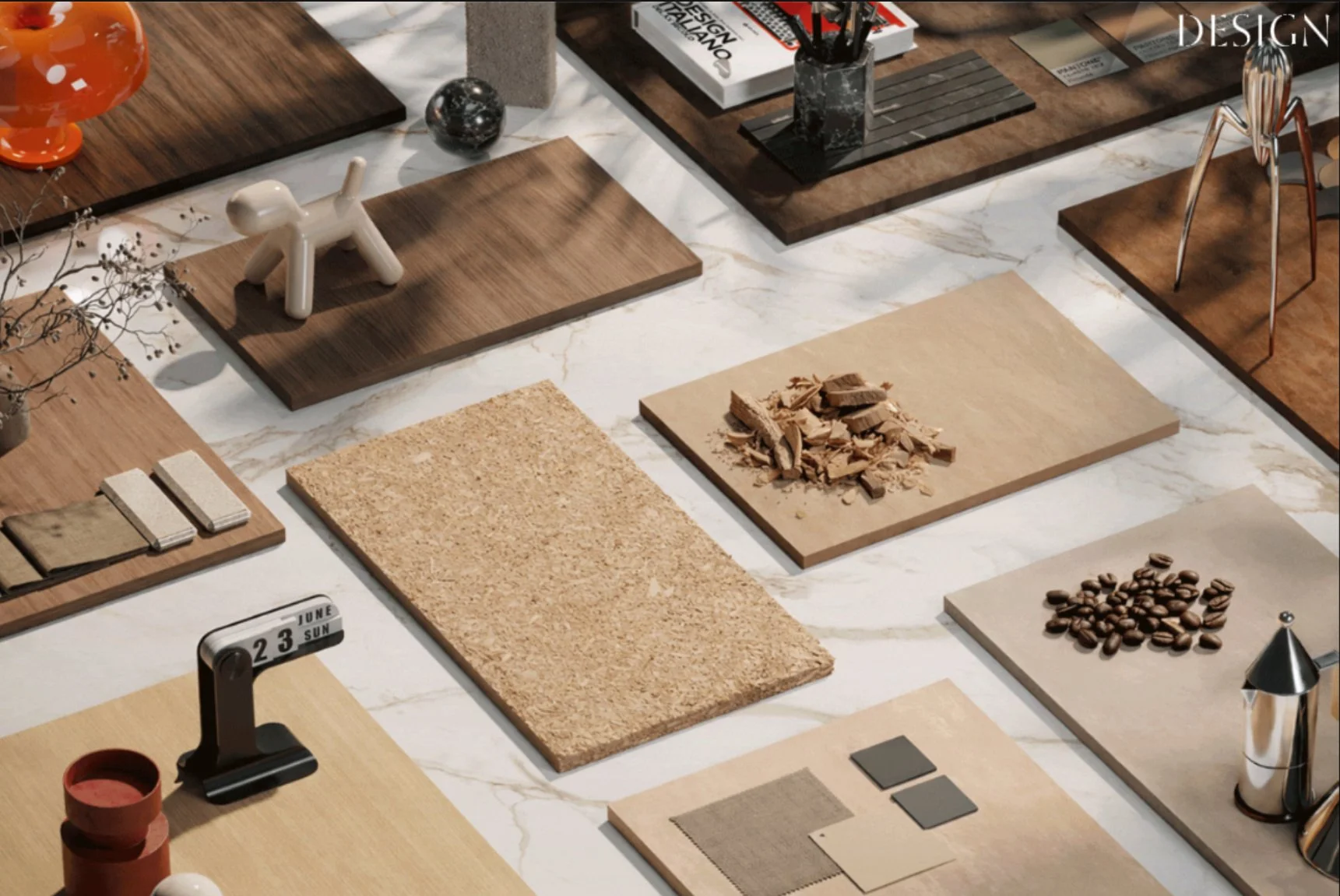
Circular and sustainable material innovations will be displayed at the exhibition, The New State of Materials
At Palazzo Serbelloni, Louis Vuitton's Objets Nomades program presented a reissue of Pierre Legrain's 1920s Art Deco furniture alongside new commissions from Raw Edges and Estudio Campana — a proposition about the relationship between archive and future that the house has been developing with increasing confidence over several years and that, this year, felt fully resolved.
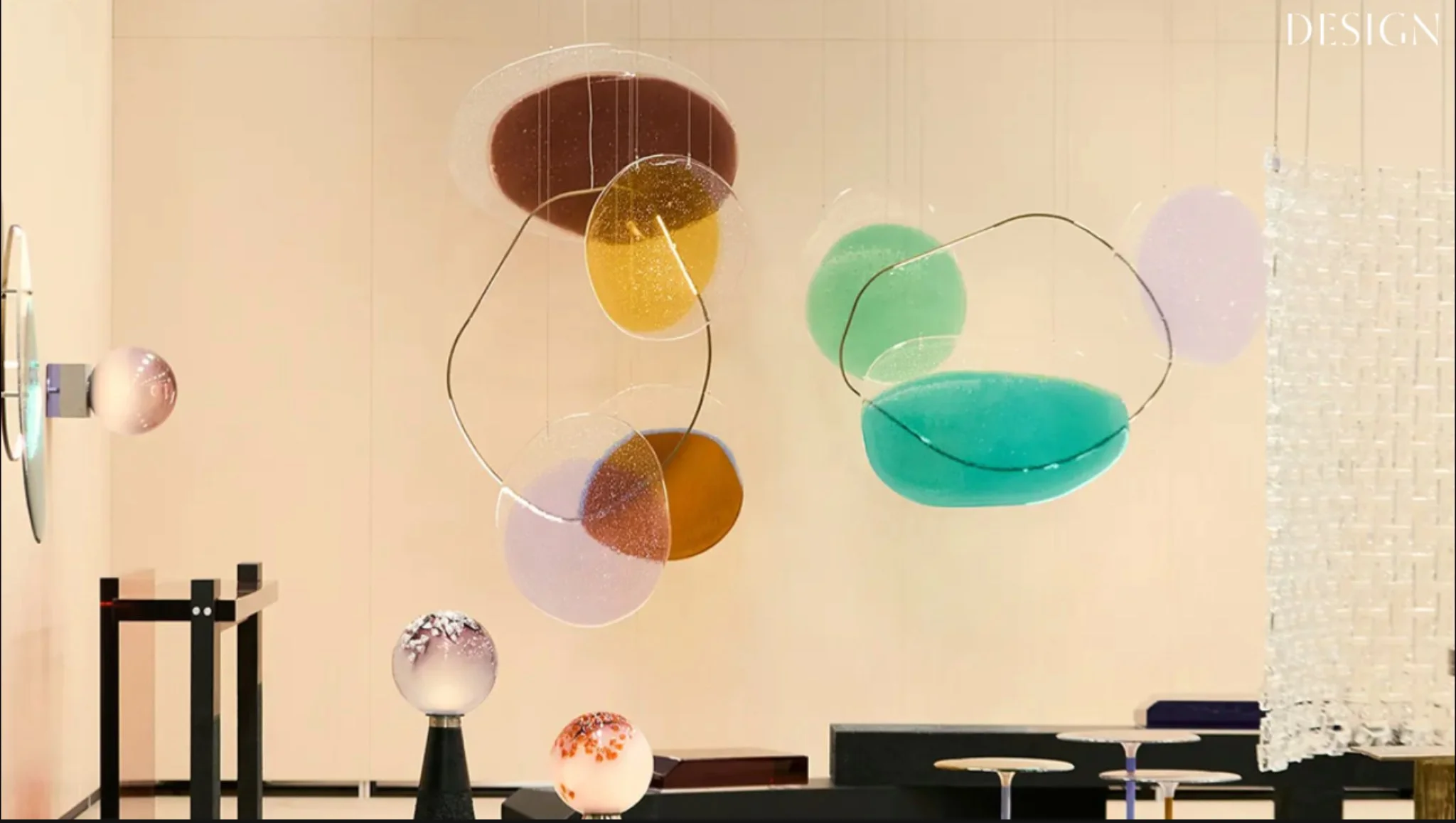
Salviati x Draga & Aurel, Salone Raritas
The Alcova platform — which has been, for several years, the fair's most intellectually honest corner — took over the Baggio Military Hospital for the second consecutive year, placing independent design within a rawness of context that the corporate showrooms of the Brera Design District cannot provide. Alcova's selection this year was more internationally diverse than any previous edition and more willing to include work that was not yet finished in the commercial sense: objects that were still becoming something, presented in the spirit of genuine research rather than product launch.
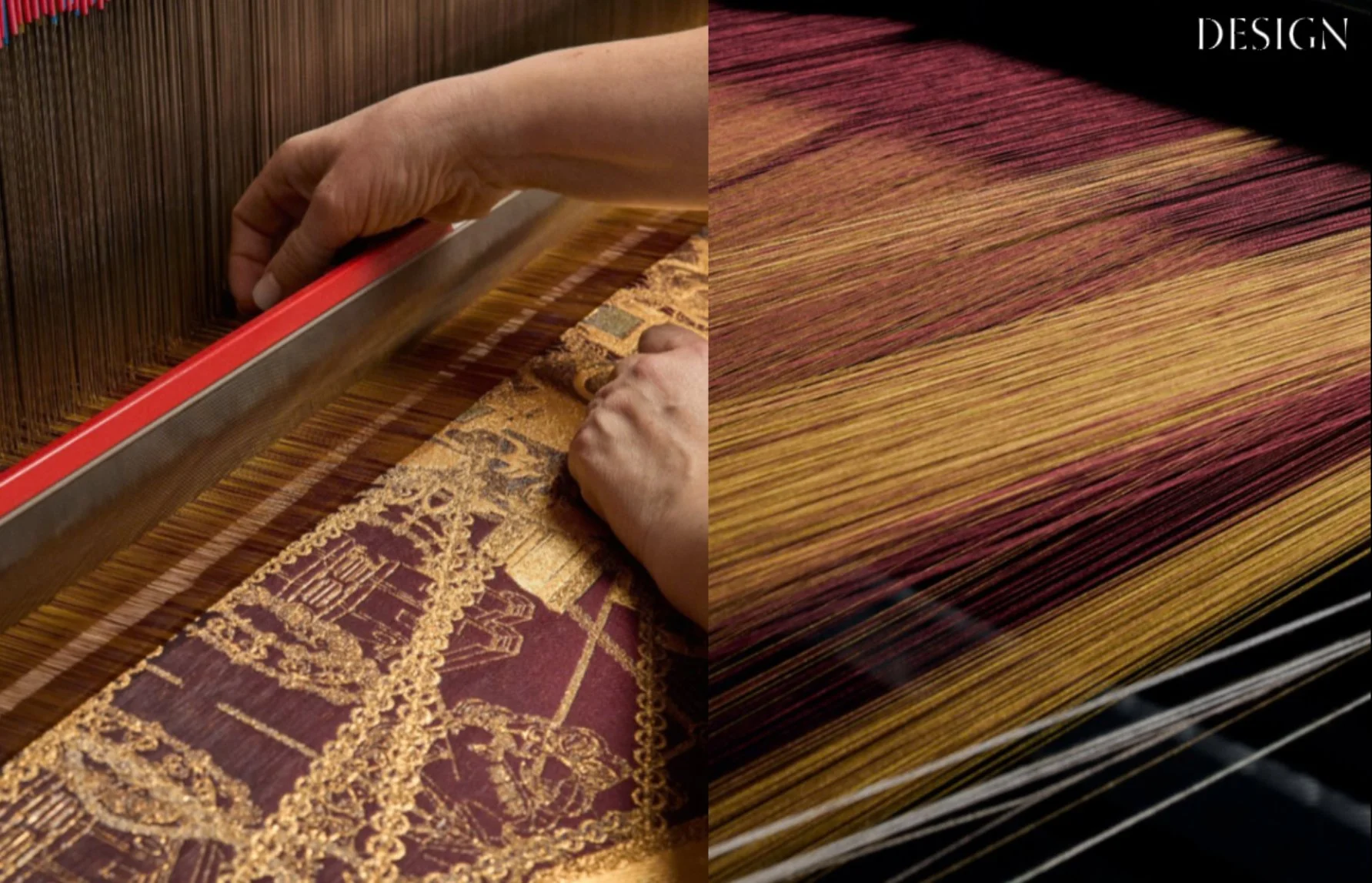
Ai Weiwei's engagement with Rubelli: the artist using silk
Rem Koolhaas delivered his lecture on the transformation of collective spaces with the intellectual violence that characterizes everything OMA produces at this scale: a diagnosis of what hospitality, retail, and public space have become and what they might be made into by the Salone Contract initiative that will make its full debut in 2027. Whether the Salone can actually execute on the ambitions Koolhaas articulated is a question that will be answered over the next several years. The ambition itself — to connect design to the large-scale construction of environments rather than merely the furnishing of them — is correct.
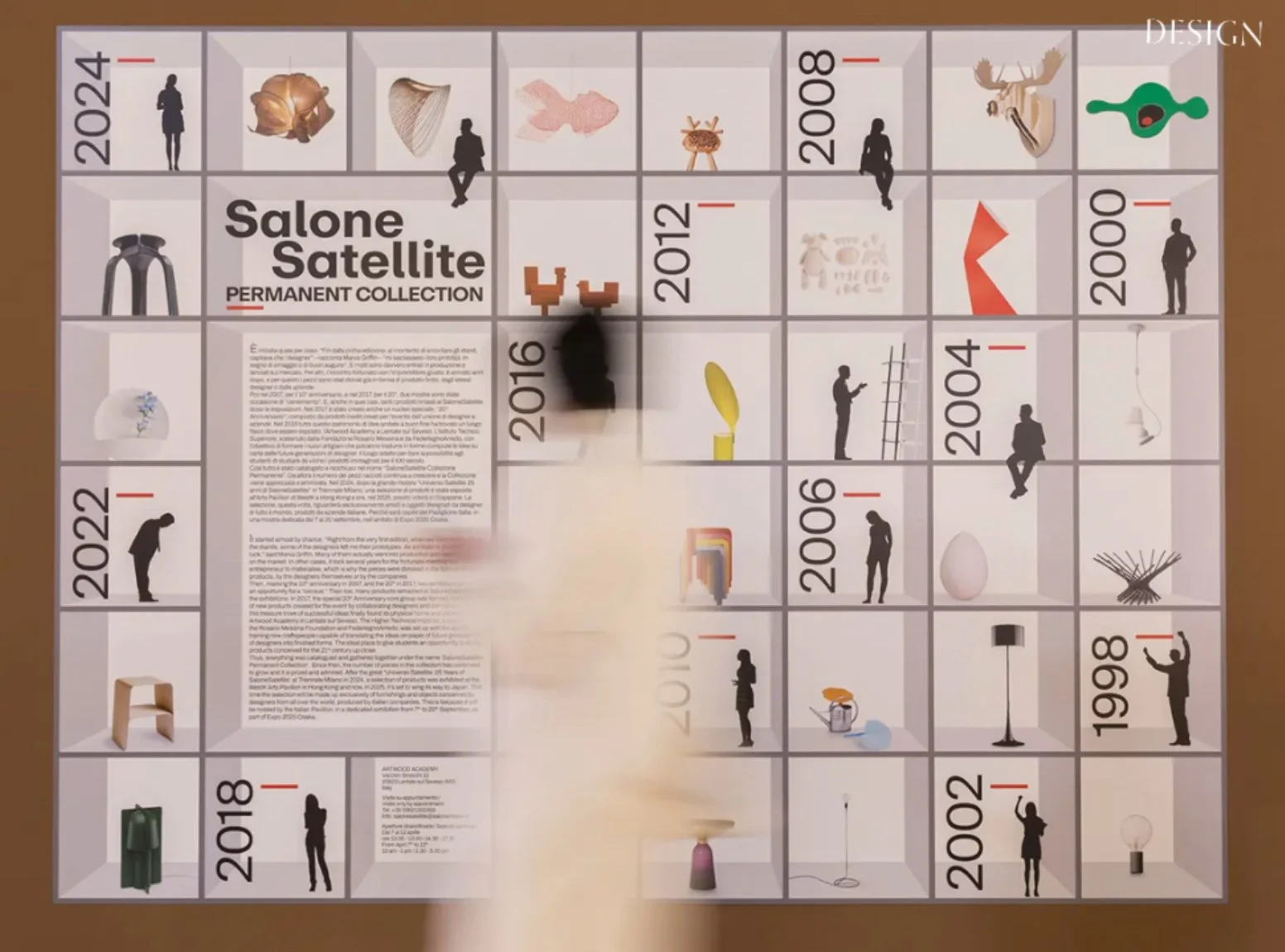
SaloneSatellite, the fair's platform for designers
SaloneSatellite, the fair's platform for designers under 35, reached its twenty-seventh edition with a theme that felt more urgent than most curatorial premises manage: the relationship between handcraft and emerging digital fabrication technologies, and the question of whether these are opposites or — as the strongest work on display argued — a single continuous investigation into what the human hand can do when its range of tools expands. The answer, in the work of the most interesting young designers here, was consistently that the digital and the manual are not in competition. They are in conversation.
The fair closed, as it always does, with the city slightly exhausted and the industry slightly altered. Not transformed — the Salone is too large and too commercial to transform in a single edition. But the argument that was made across Raritas, Alcova, Fuorisalone, and the lecture halls was coherent enough to constitute a direction: design in 2026 is trying to remember that it is, before it is a market, a practice. A way of thinking through objects about how human beings should live.
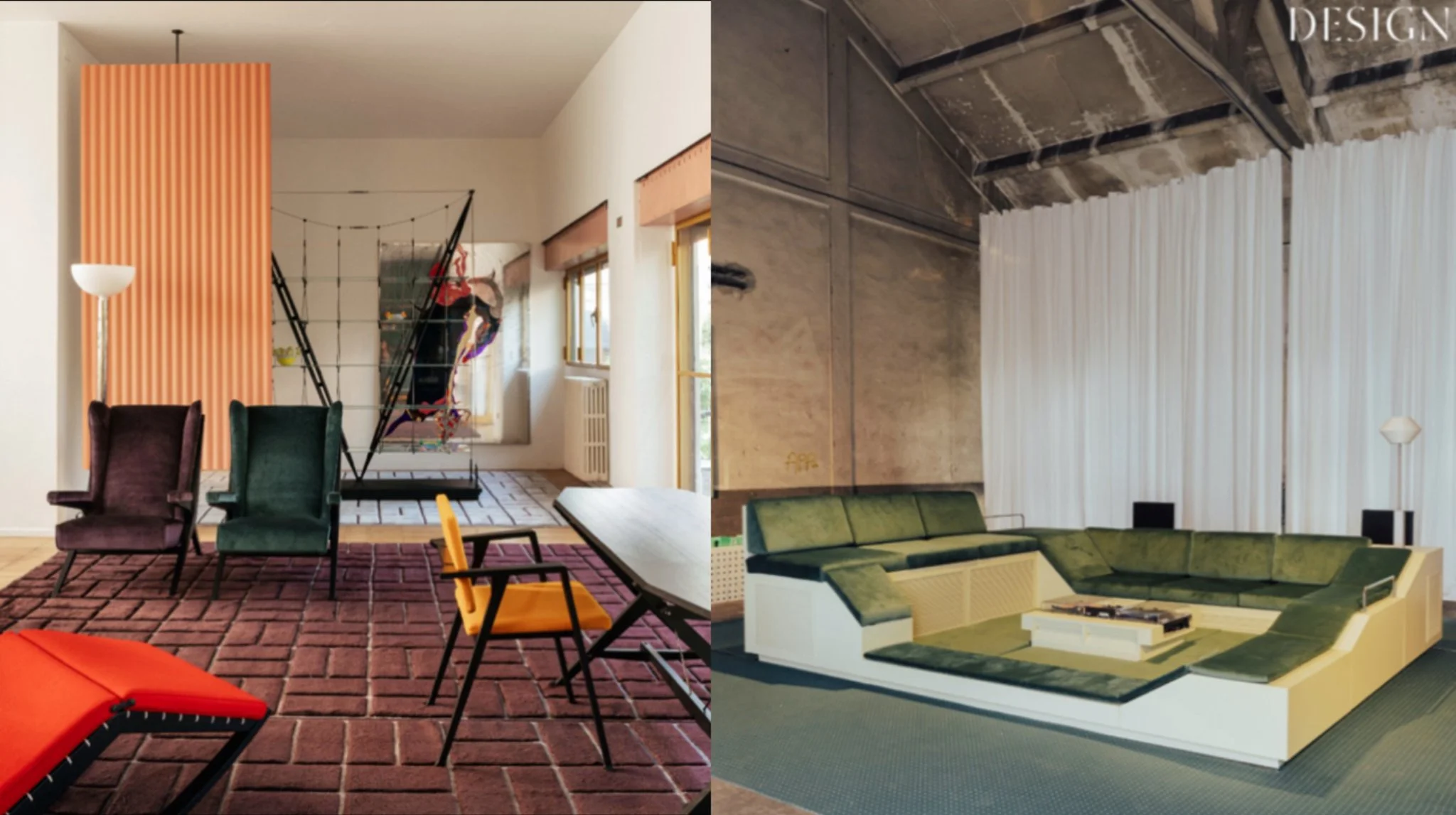
Left: Haworth & Cassina by Patricia Urquiola at Villa Pestarini; right: Supaform at Baggio military hospital
The best objects here — a few dozen, in a fair of hundreds of thousands — embodied this. They will be in the rooms of people who understood what they were looking at, being looked at and used and understood more fully over years. That is what the Salone, at its best, has always been for.
By Oona Chanel
