

Kengo Kuma: The Architect Who Dissolves Buildings Into Their Materials
He built the Tokyo 2020 Olympic Stadium from wood. His philosophy — erasing architecture, allowing the material to speak — is producing some of the most quietly significant buildings in the world right now. Here is what he is making and why it matters.
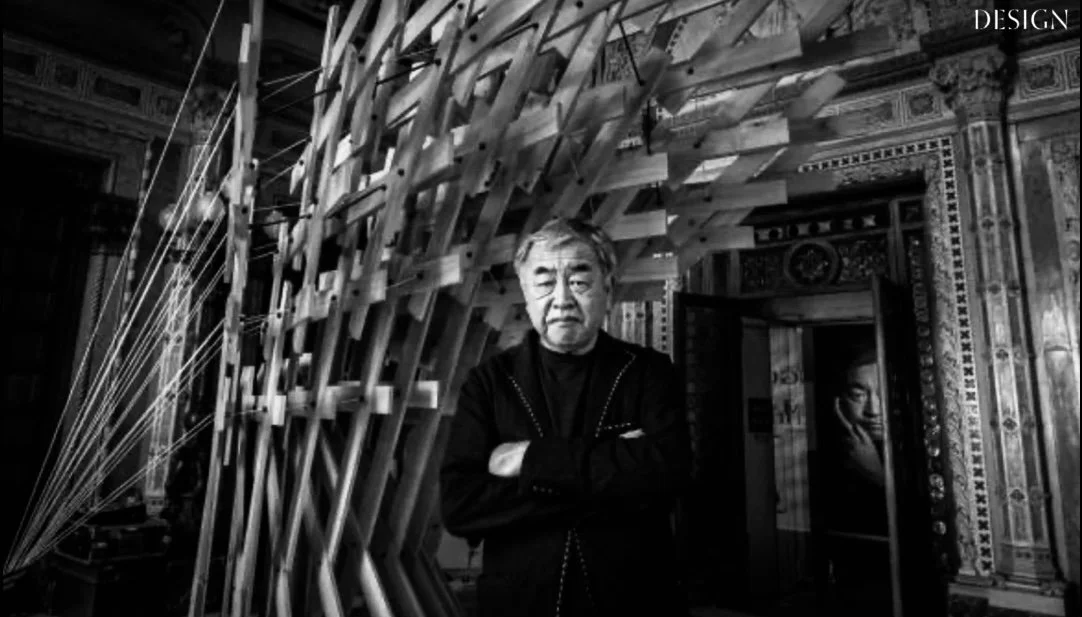
“The material should be the presence rather than the formal gesture. The building made of stone should produce the experience of stone — its weight, its temperature, the way light behaves on its surface — rather than the experience of a designer having made choices about stone.”
Kengo Kuma opens his 2010 book Anti-Object with a provocation that is also a design philosophy: the problem with modern architecture is that it insists on asserting itself. The building declares its presence. It announces its designer. It occupies the landscape as a statement rather than as an inhabitation. Kuma has spent thirty years making the opposite argument in concrete, stone, wood, and paper — that the best buildings are the ones that you forget are there.
This sounds like a formula for invisibility, which would make for uninteresting buildings. What Kuma means is something more specific: that the material should be the presence rather than the formal gesture. A building made of stone, in his understanding, should produce the experience of stone — its weight, its temperature, its specific acoustic quality, the way light behaves on its surface at different times of day — rather than the experience of a designer having made choices about stone. The material should exceed the designer's intervention.
The Japan National Stadium — the primary venue for the Tokyo 2020 Olympic Games — is the most public application of this philosophy. After the original stadium design by Zaha Hadid Architects was cancelled following public controversy about its scale and cost, a revised competition was held. Kuma's winning design uses 47 species of Japanese cedar and larch wood in the exterior eaves, chosen specifically to reflect the regional timber traditions of each Japanese prefecture. The wood is not decorative — it provides natural ventilation, reducing the stadium's energy load and producing the specific quality of airflow through the stands that enclosed concrete structures cannot achieve.
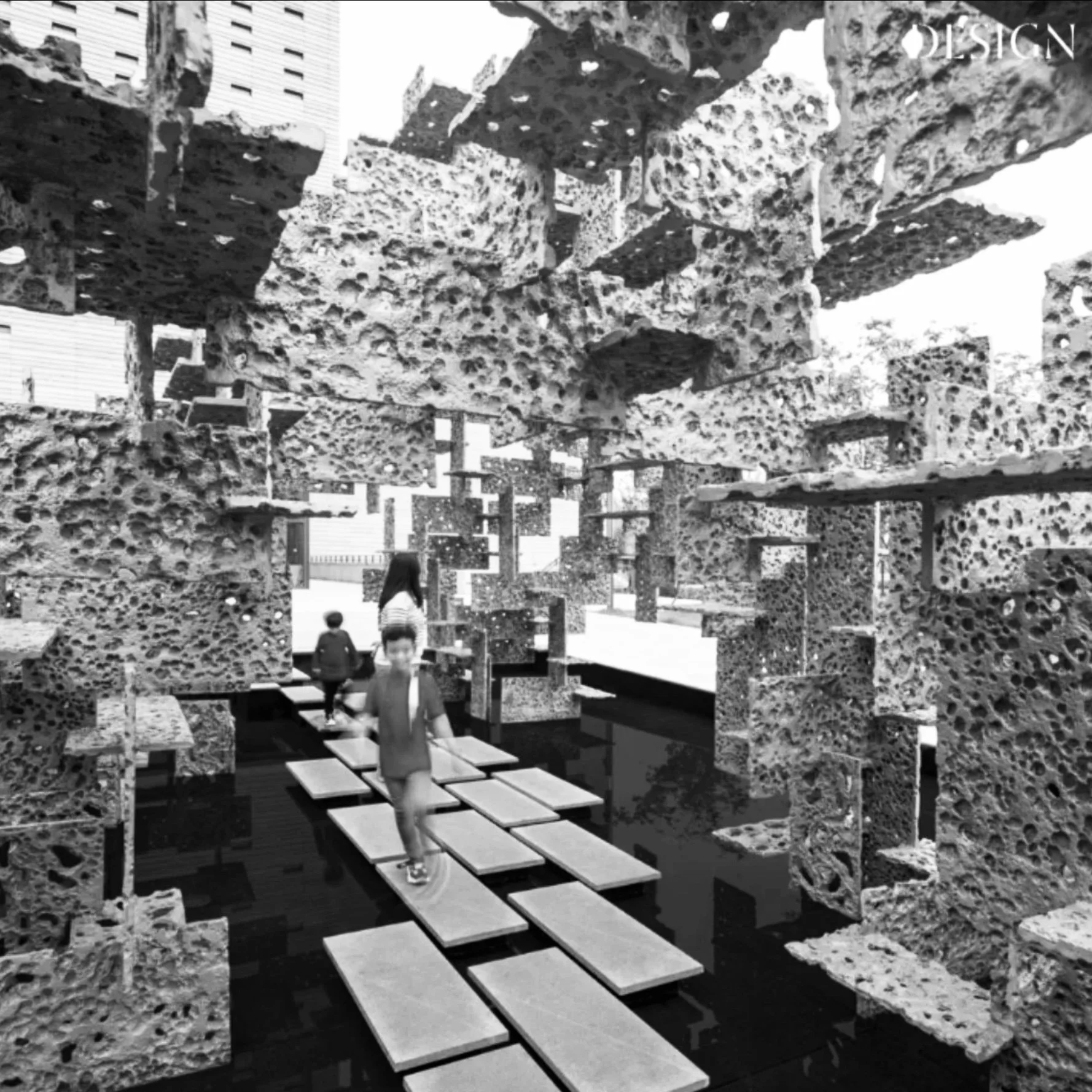
His current work spans from the V&A Dundee — Scotland's first design museum, completed in 2018, where the building appears to grow from the waterfront as a series of faceted concrete panels that read as geological strata — to the forthcoming Kuma-designed Atelier Shiseido creative hub in Tokyo, to a series of smaller residential and cultural projects that demonstrate, more clearly than the large commissions, the specific quality of his spatial intelligence.
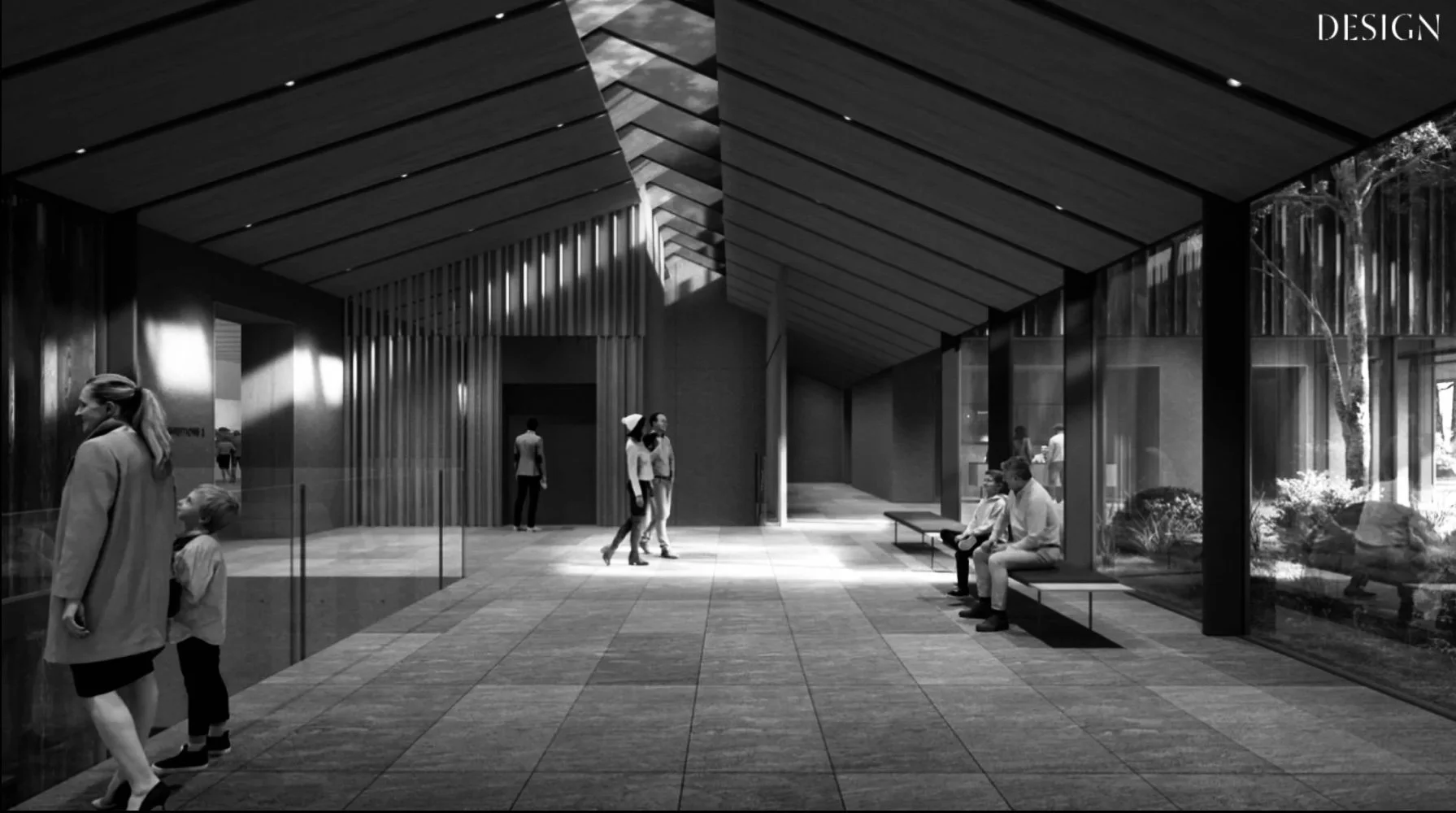
The Nakamura Keith Haring Collection in Kobuchizawa, Japan — a museum housing one of the most significant Keith Haring collections outside the US, completed in 2013 — is one of the least-publicised and most rewarding of his smaller projects. The building uses locally sourced Yatsugatake stone in a pattern that reads as pixelated at close range and as texture at distance, a formal response to Haring's own use of pattern and scale that is compositional rather than illustrative.
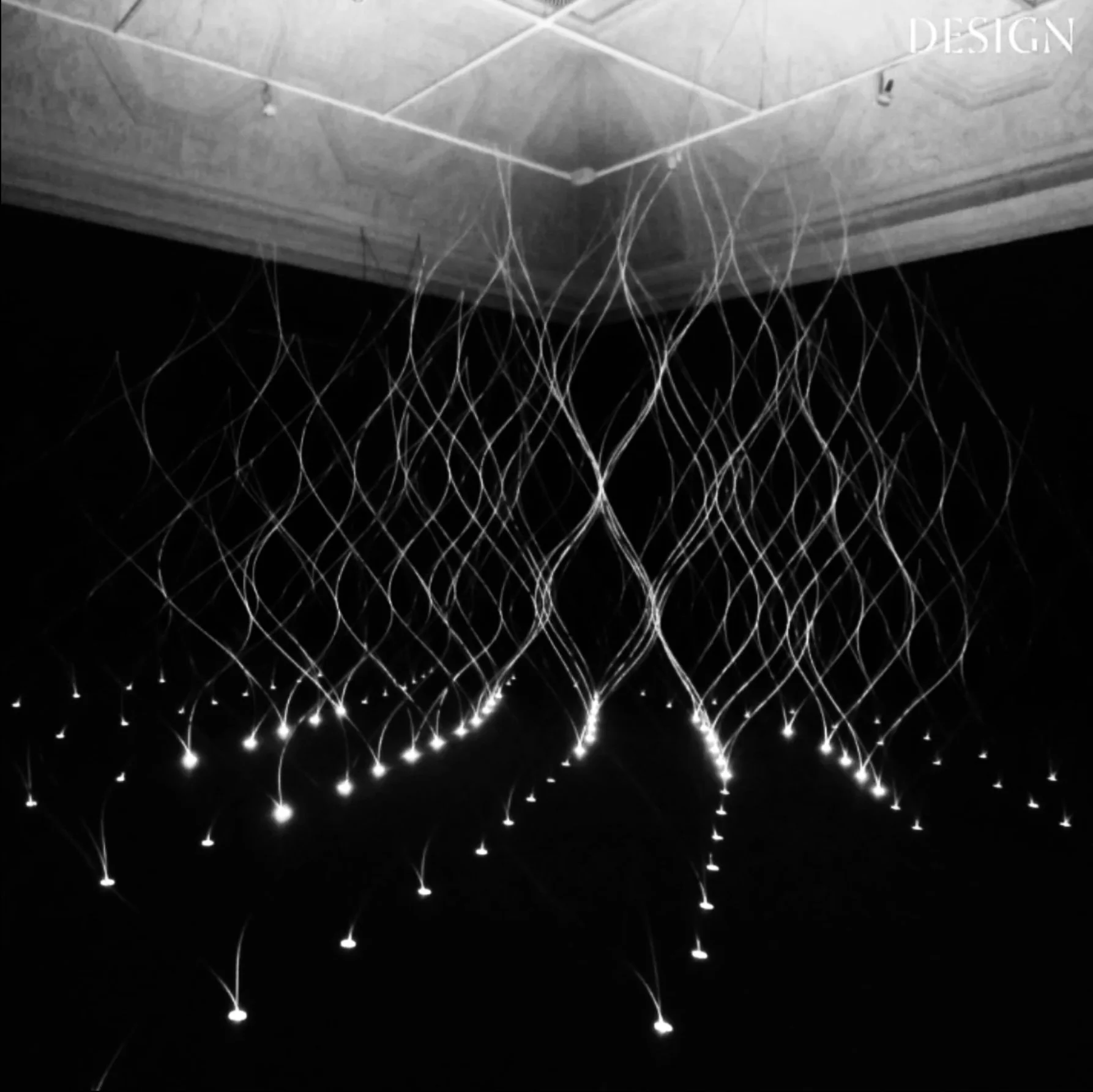
For the architect or designer who wants to engage with his practice beyond the completed buildings: Kuma's writing is accessible and specific. Anti-Object (2010) lays out the philosophy clearly. Studies in Organic (2009) is more technical but equally readable. He is currently a Professor at the University of Tokyo Graduate School of Engineering — his lectures are occasionally available through the university's open academic channels.
He remains actively taking new commissions through his Tokyo-based practice Kengo Kuma and Associates, which has offices in Paris for European projects.
BY OONA CHANEL
