

Milan: Where Luxury Goes to Prove It Is Still Worth the Price
MFW September 22–28. Prada. Gucci under Sabato De Sarno. Bottega Veneta under Louise Trotter. Versace under Dario Vitale. Four houses with new or recent creative directors making the argument for Italian luxury in the most commercially significant week in fashion.
“The houses navigating the commercial challenge best are the ones generating genuine desire rather than brand recognition alone — desire for this specific thing at this specific moment rather than for the logo on the bag. Milan this week is making that argument. The collections are the argument. The business case depends on whether it is convincing.”
Milan Fashion Week is where the argument about luxury is made at its most direct. Paris is about authority and culture. London is about ideas and risk. New York is about the commercial intelligence of the dressed American woman. Milan is about the proposition that a garment made with exceptional materials by exceptional craft should cost what it costs, and the runway is the demonstration of why. The houses that make this argument most convincingly are the ones whose collections justify their price points not through heritage alone but through the specific quality of making.
Bottega Veneta under Louise Trotter, who succeeded Matthieu Blazy when Blazy moved to Chanel in 2024, is the most watched appointment in the Italian system. Blazy built a critical and commercial platform at Bottega through an approach that treated the house’s material intelligence — its mastery of intrecciato leather, its command of texture and surface — as the content of the collection rather than the backdrop. Trotter’s first two seasons have extended this logic with a somewhat different relationship to colour and a different reading of what the Bottega customer wants to wear at the level of function rather than aspiration. The third collection is where the direction either deepens or reveals its limits.
Gucci under Sabato De Sarno is entering a more settled phase after the uncertainty of his debut period. The critical response to his early collections described them as commercially legible but creatively cautious relative to the formal ambition of the Alessandro Michele era. His SS27 collection will be the most commercially significant thing shown in Milan this week.
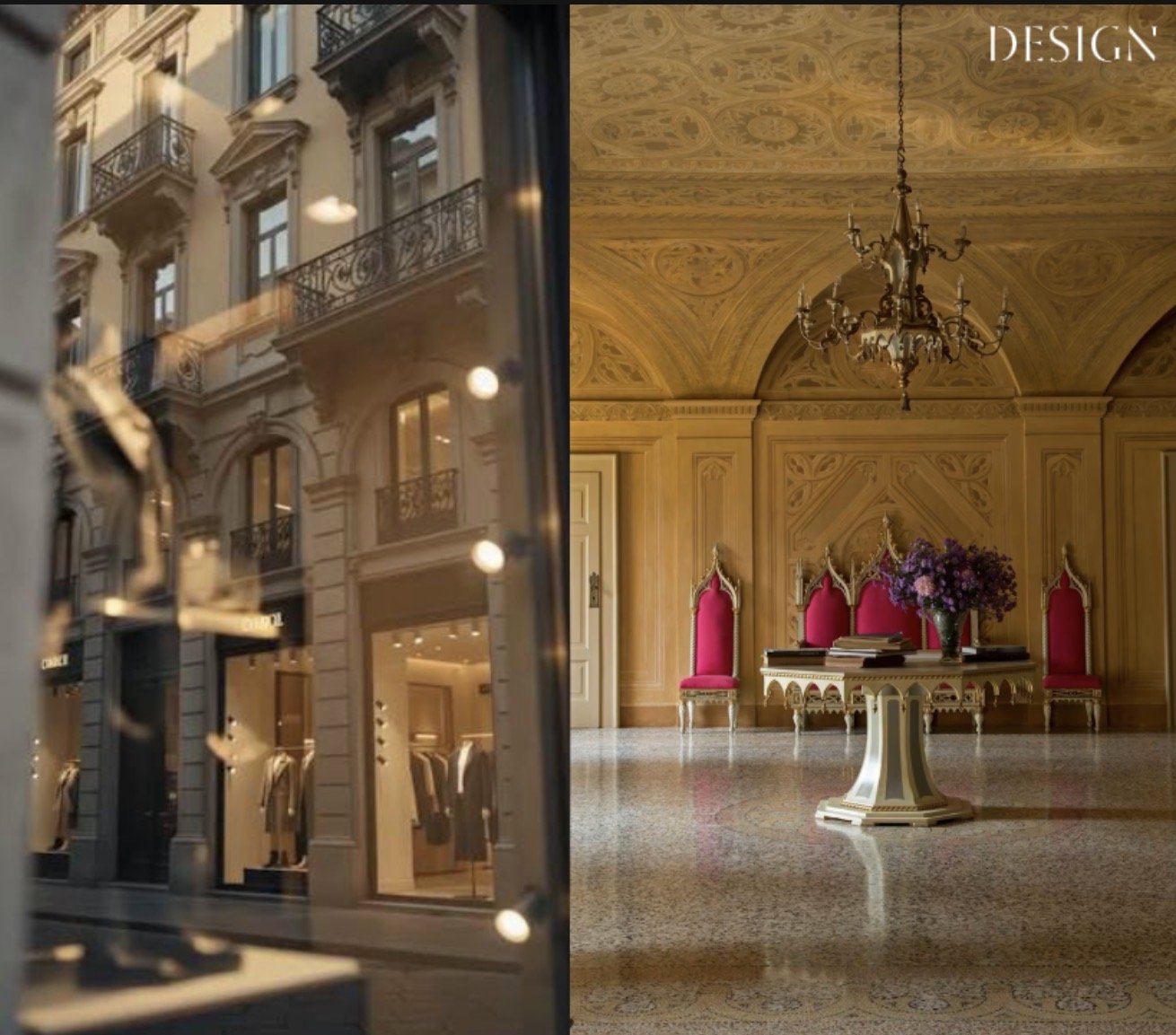
Versace under Dario Vitale is the appointment with the most to prove in the shortest time. Vitale came from within the house after the departure of Donatella Versace from the creative director role she held for twenty-six years. He is making a collection under scrutiny that no new creative director faces in quite the same way: the house’s aesthetic identity was so completely associated with its founder’s vision that any departure reads as loss and any continuation reads as maintenance rather than creation.
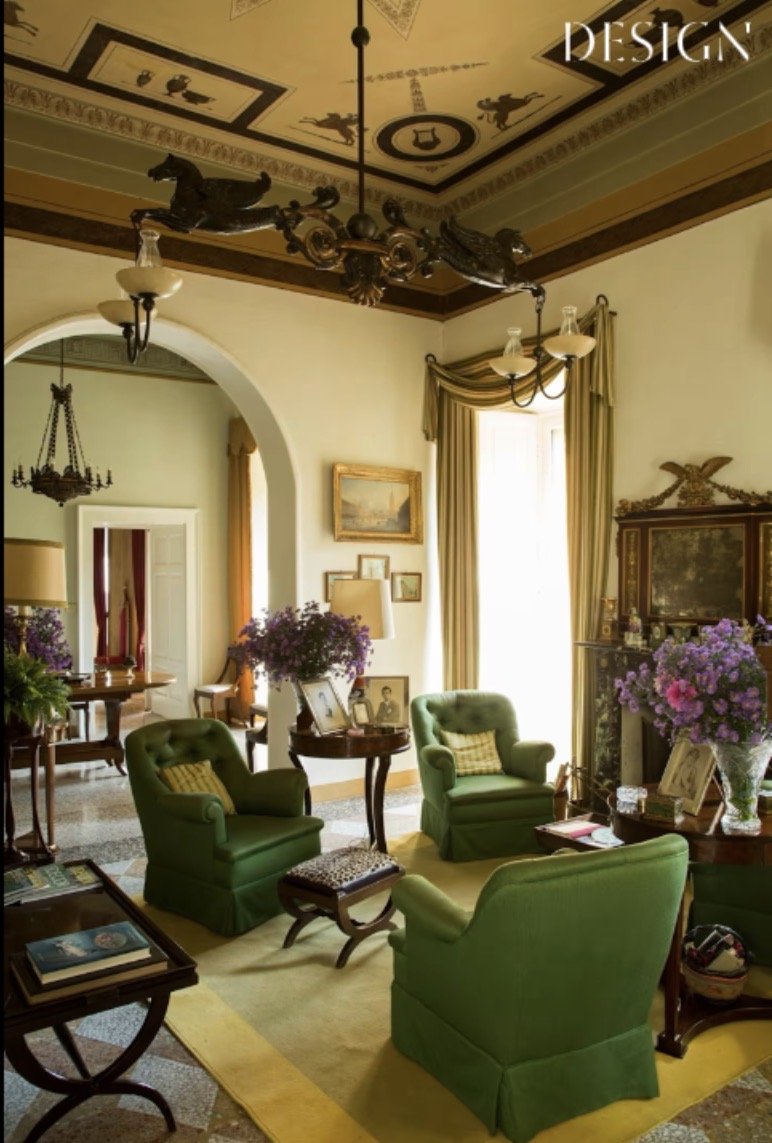
Prada remains the intellectual anchor of the Milan week and the house that most consistently produces work that the fashion critical apparatus cannot quite categorise, which is the clearest available signal that something interesting is happening. Miuccia Prada and Raf Simons have been co-creative directing since 2020 and the collaboration has produced, across six years, a specific quality of uncertainty about what Prada is going to do that is the rarest quality available in a heritage house with this commercial footprint.
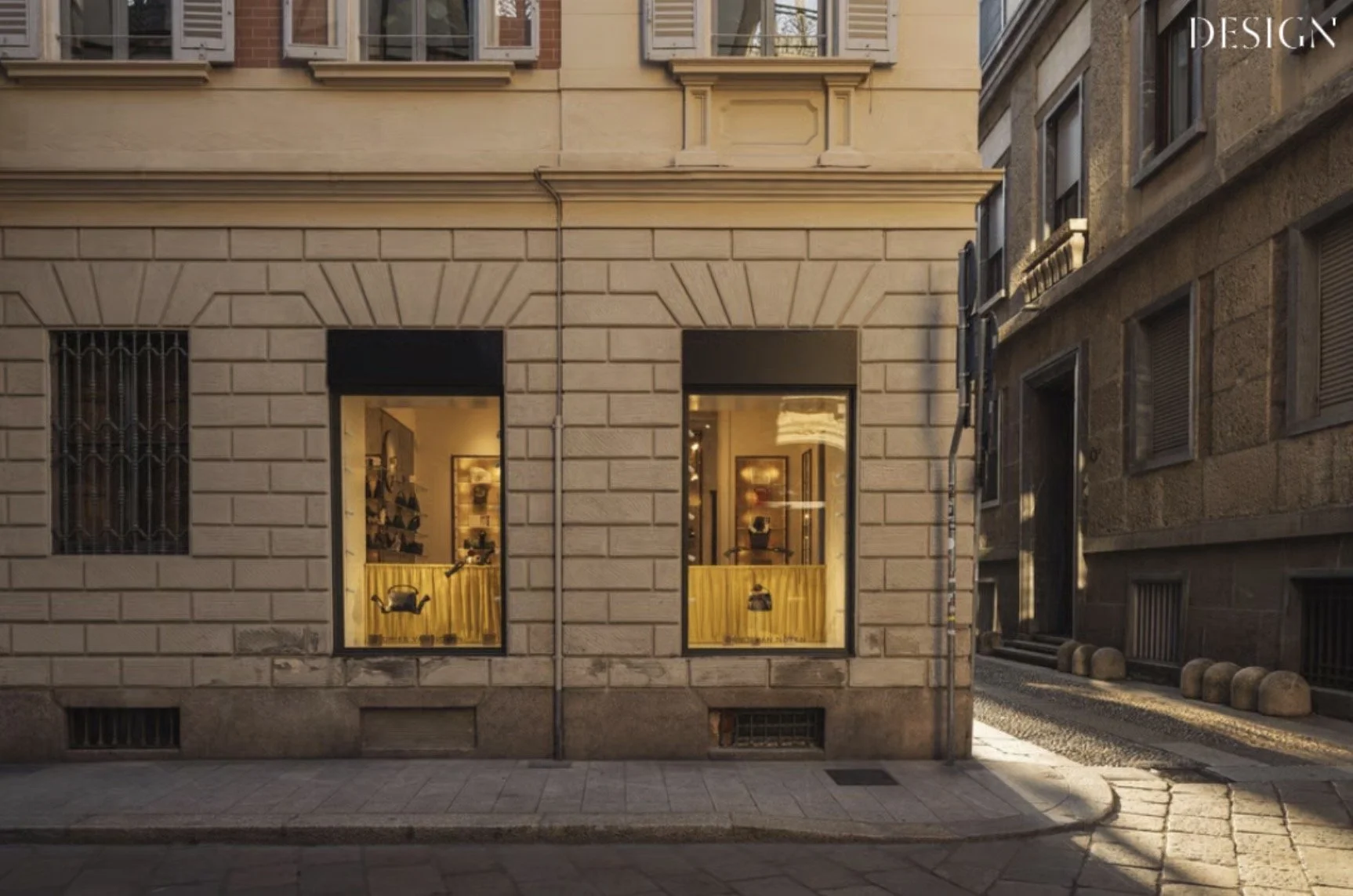
The commercial reality beneath the creative conversation: Italian luxury is in a more complex economic position than it has been in a decade. The Chinese luxury consumer has not returned to the pre-2022 spending levels that the industry had structured itself around. The houses navigating this best are the ones generating genuine desire rather than brand recognition alone — desire for this specific thing at this specific moment rather than for the logo on the bag.
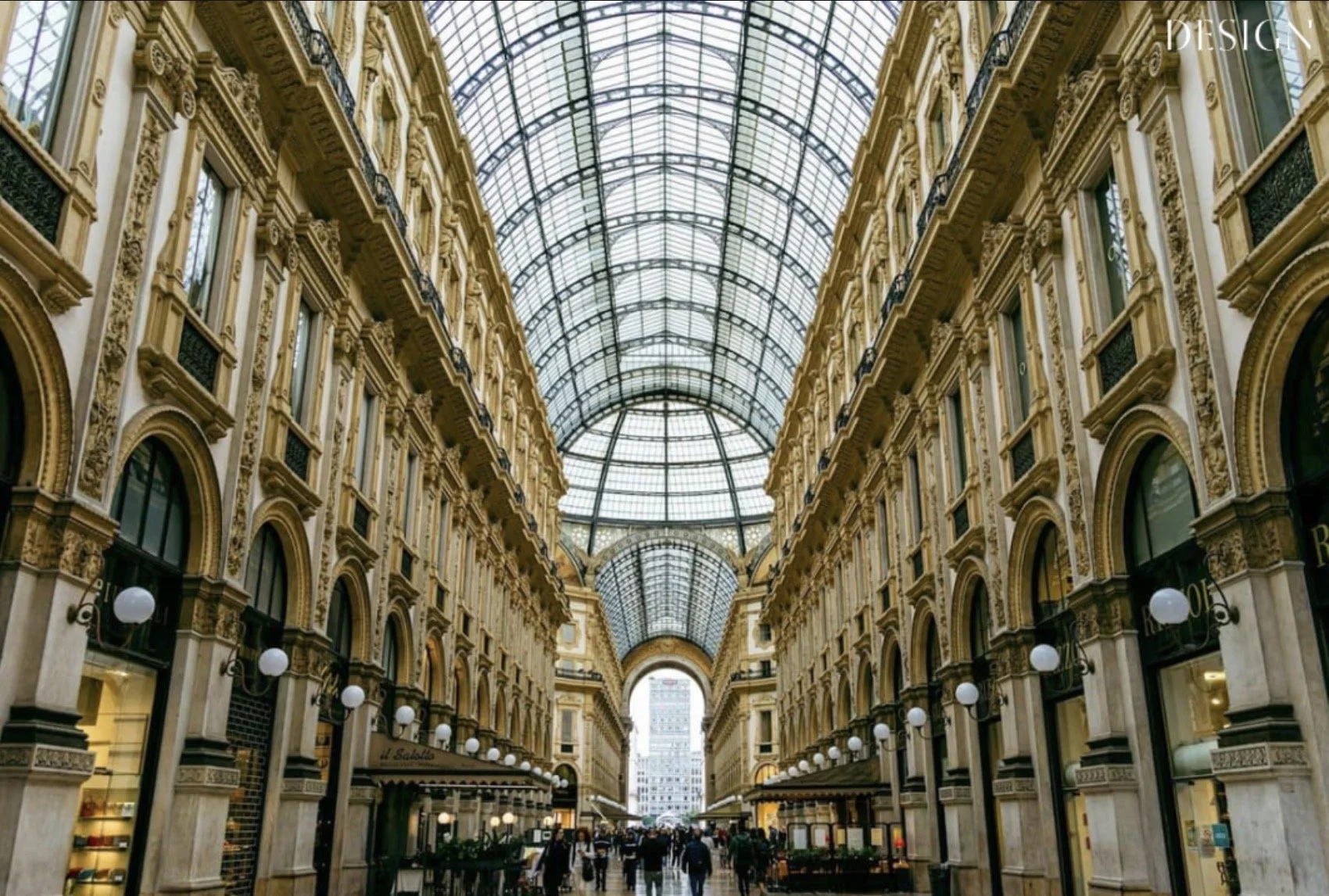
Milan this week is making the argument that Italian luxury can continue to generate that desire at a price point that the current economic environment is questioning.
The collections are the argument. The business case depends on whether it is convincing.
BY OONA CHANEL
