

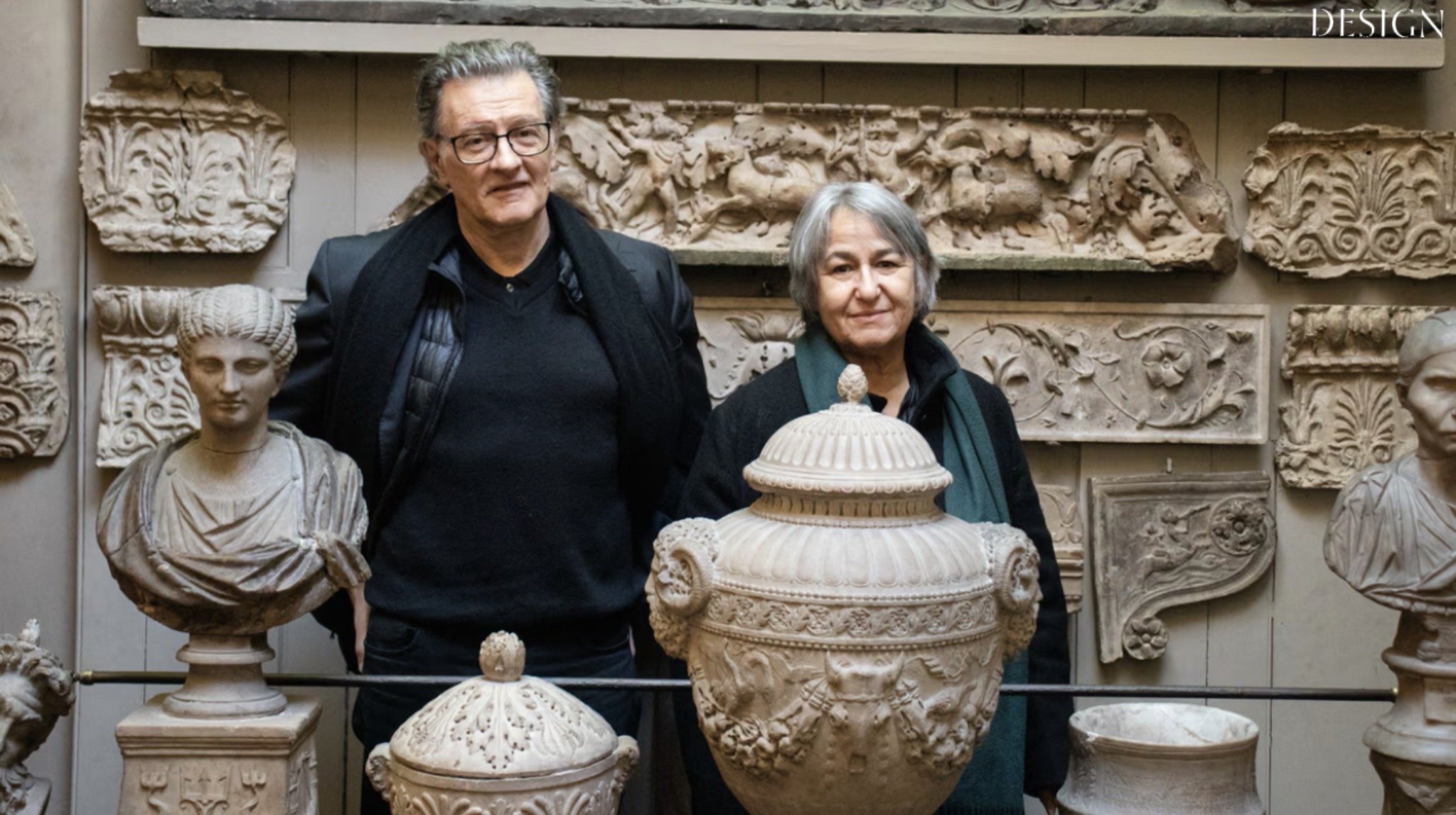
Anne Lacaton and Jean-Philippe Vassal won the Pritzker Prize in 2021 with a practice built on the proposition that the best building is the one that already exists, improved. Their work on French social housing has produced more genuinely liveable space at less cost than any new-build programme in Europe.
“Never demolish. The best building is the one that already exists, improved. The Tour Bois Le Prêtre transformation added winter gardens and fifteen to twenty square metres per apartment at forty percent less cost than new build. The residents remained in their homes. The Pritzker jury called it a new definition of generosity in architecture.”
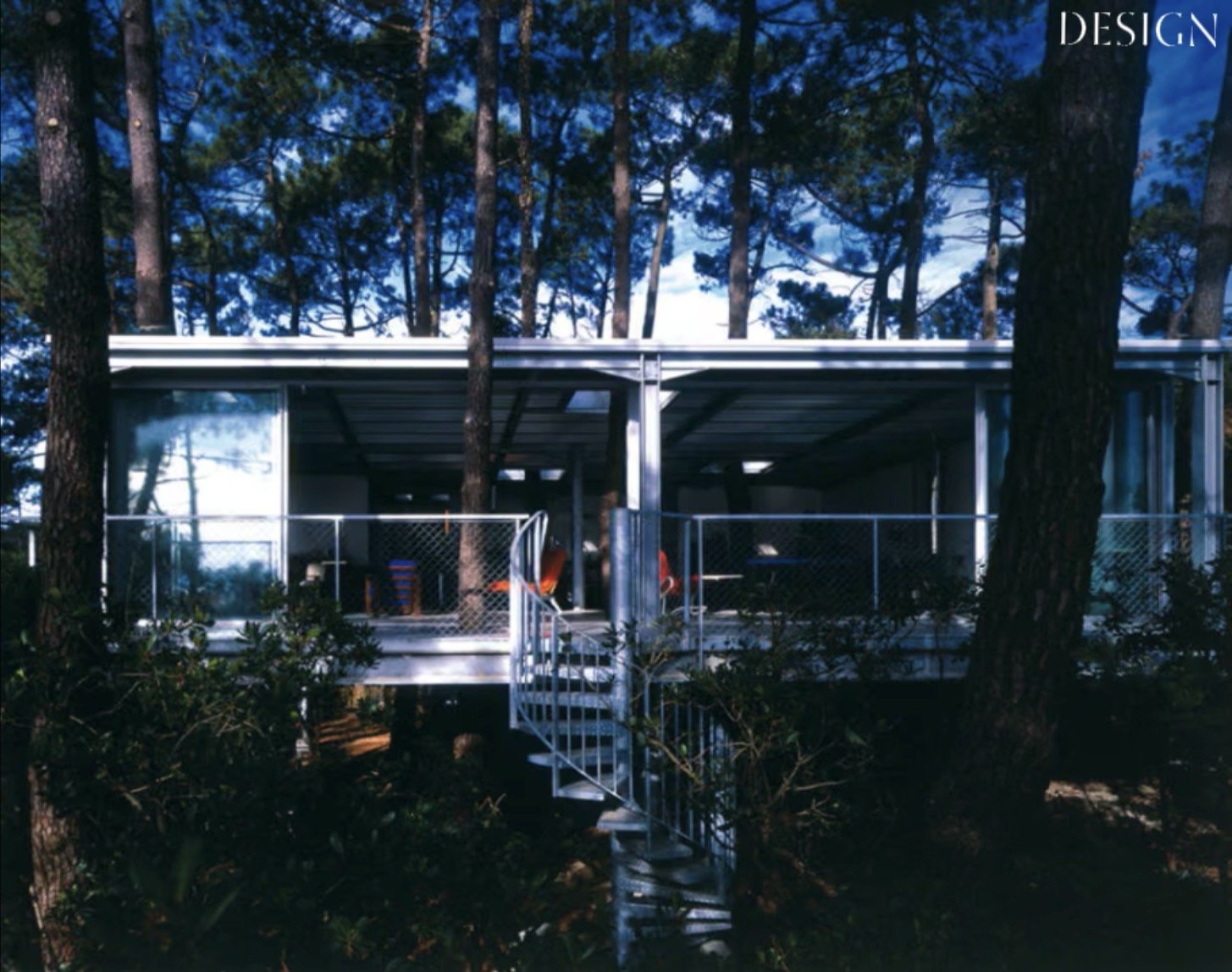
Anne Lacaton and Jean-Philippe Vassal were asked, in 1996, to redesign the Place Léon Aucoc in Bordeaux — a public square the city administration had identified as needing improvement. They spent several weeks observing the square in use: the boules players, the market stalls, the residents sitting on the benches in the evenings. Their recommendation to the city administration was that the square should not be redesigned. It was being used well, by the people who used it, in the ways they had adapted it to serve their needs. The cost of redesigning it would be high. The benefit would be indeterminate. The correct intervention was to clean the gravel, trim the trees, and leave it alone.
This story is quoted in almost everything written about Lacaton & Vassal because it distils the practice’s fundamental methodological principle: that the question before any architectural intervention should be whether the intervention is necessary, and that the answer is more often ‘no’ than the architecture profession’s financial structure is set up to acknowledge. The architect who recommends no intervention is the architect who generates no fees. Lacaton & Vassal have built a practice on recommending minimal intervention at every possible opportunity and demonstrating, across thirty years of work, that minimal intervention is not minimal architecture.
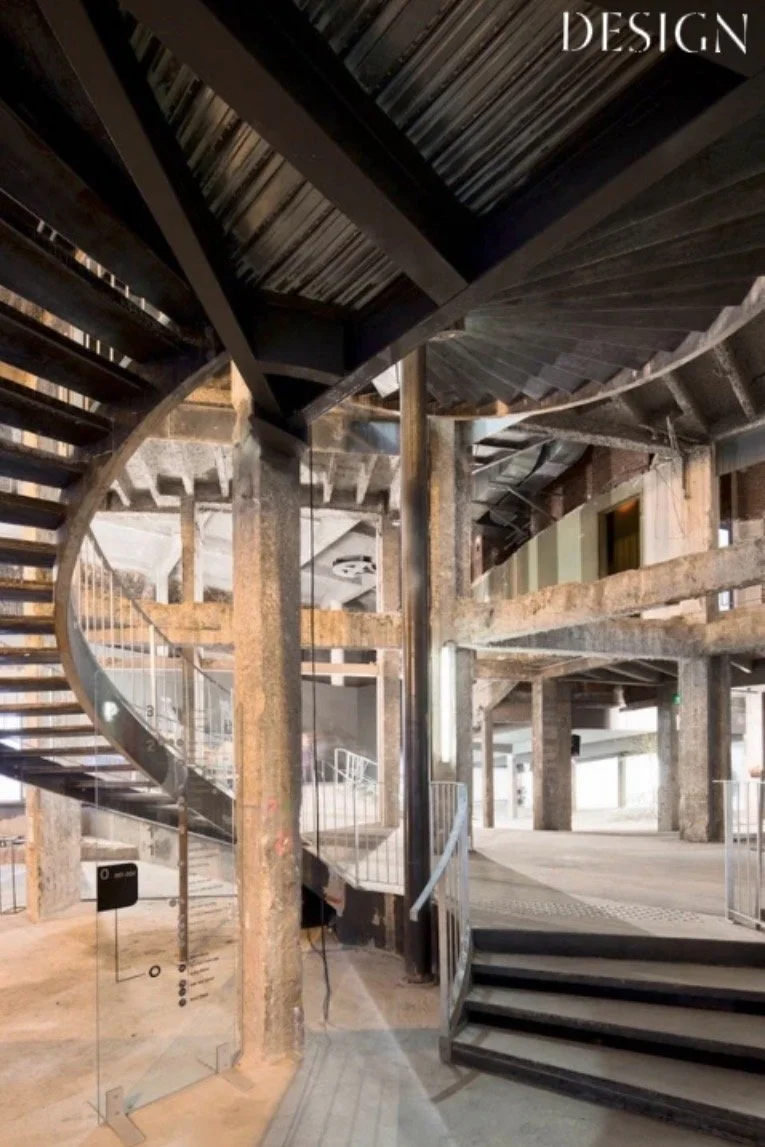
The social housing transformation work — specifically the rehabilitation of post-war housing towers across France in collaboration with Frédéric Druot — is the body of work that produced the Pritzker Prize. The problem they were asked to address: the large post-war social housing estates built rapidly across French cities in the 1960s and 1970s are now failing their residents, consuming excessive energy, and producing the social segregation that concentrated poverty in peripheral urban locations.
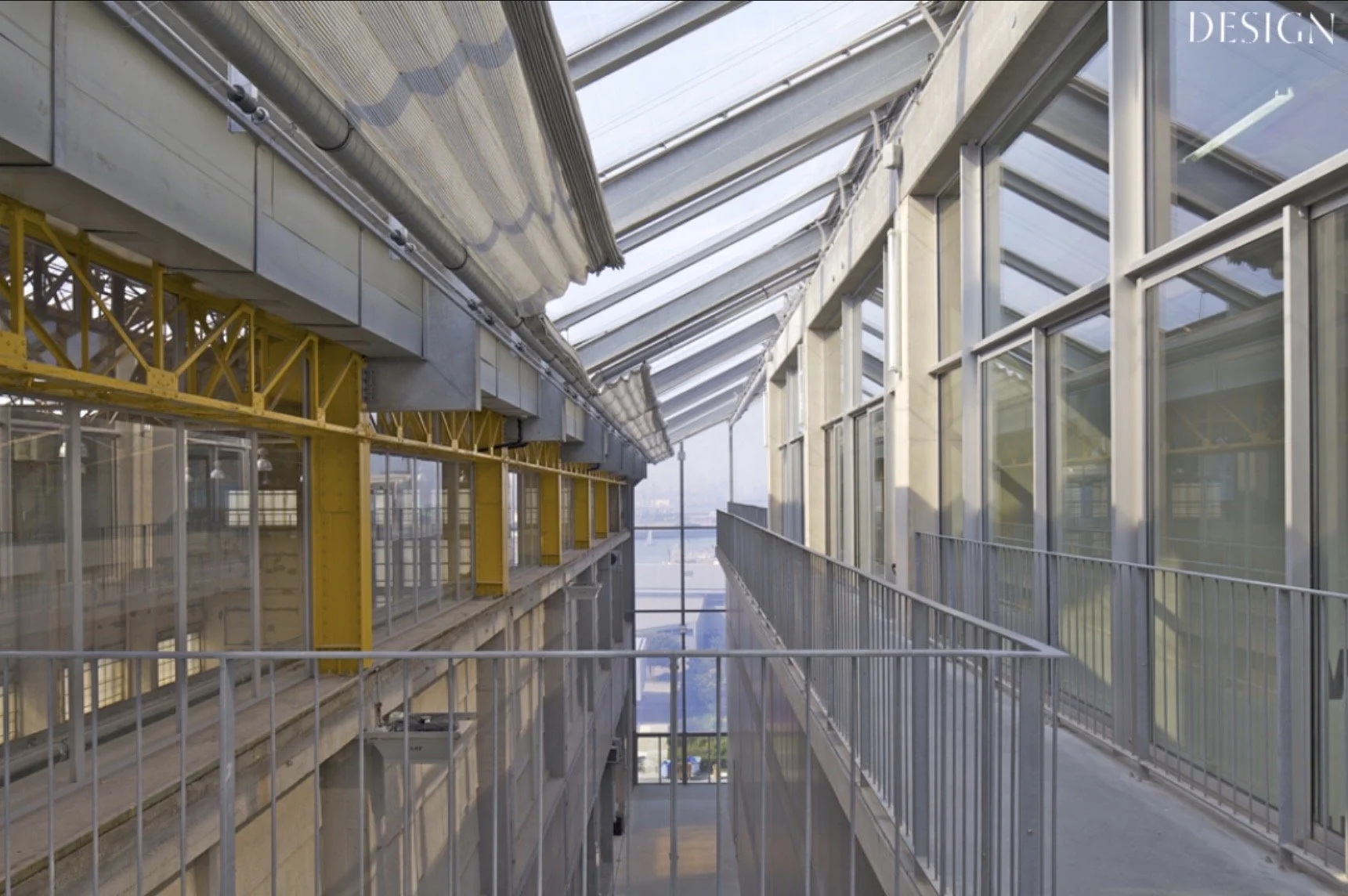
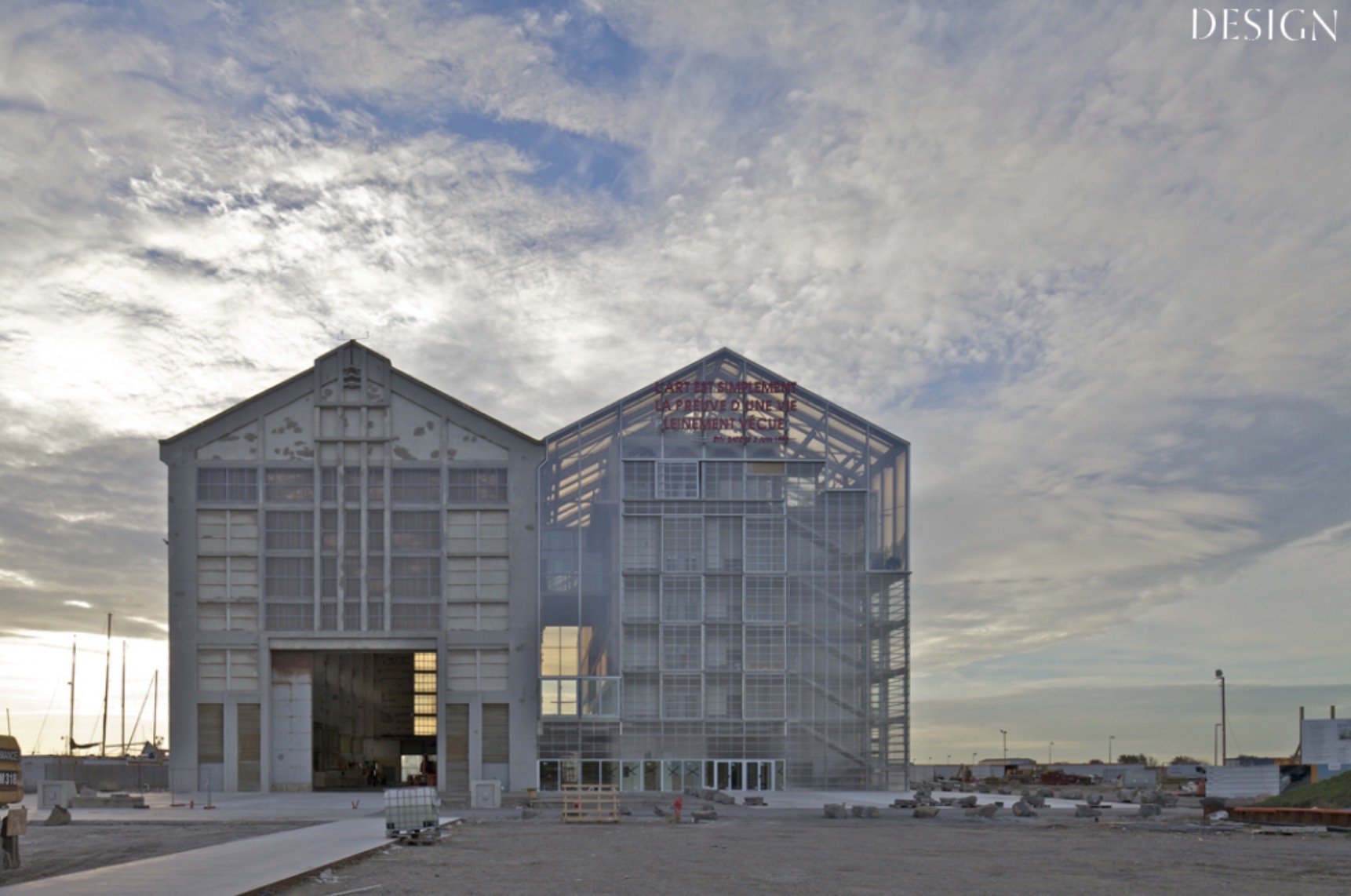
The standard French government response has been demolition and replacement. Lacaton & Vassal’s response, first proposed in their 2004 co-authored research publication Transformation, is extension and upgrade: wrapping the existing building in a structure that adds a new layer of habitable space — typically winter gardens and extended living areas — while retaining the existing fabric. The residents remain in their homes during construction where possible. The result, in the completed projects, is apartments that are significantly larger than the original, significantly better in energy performance, and have cost substantially less per unit than equivalent new-build replacement.
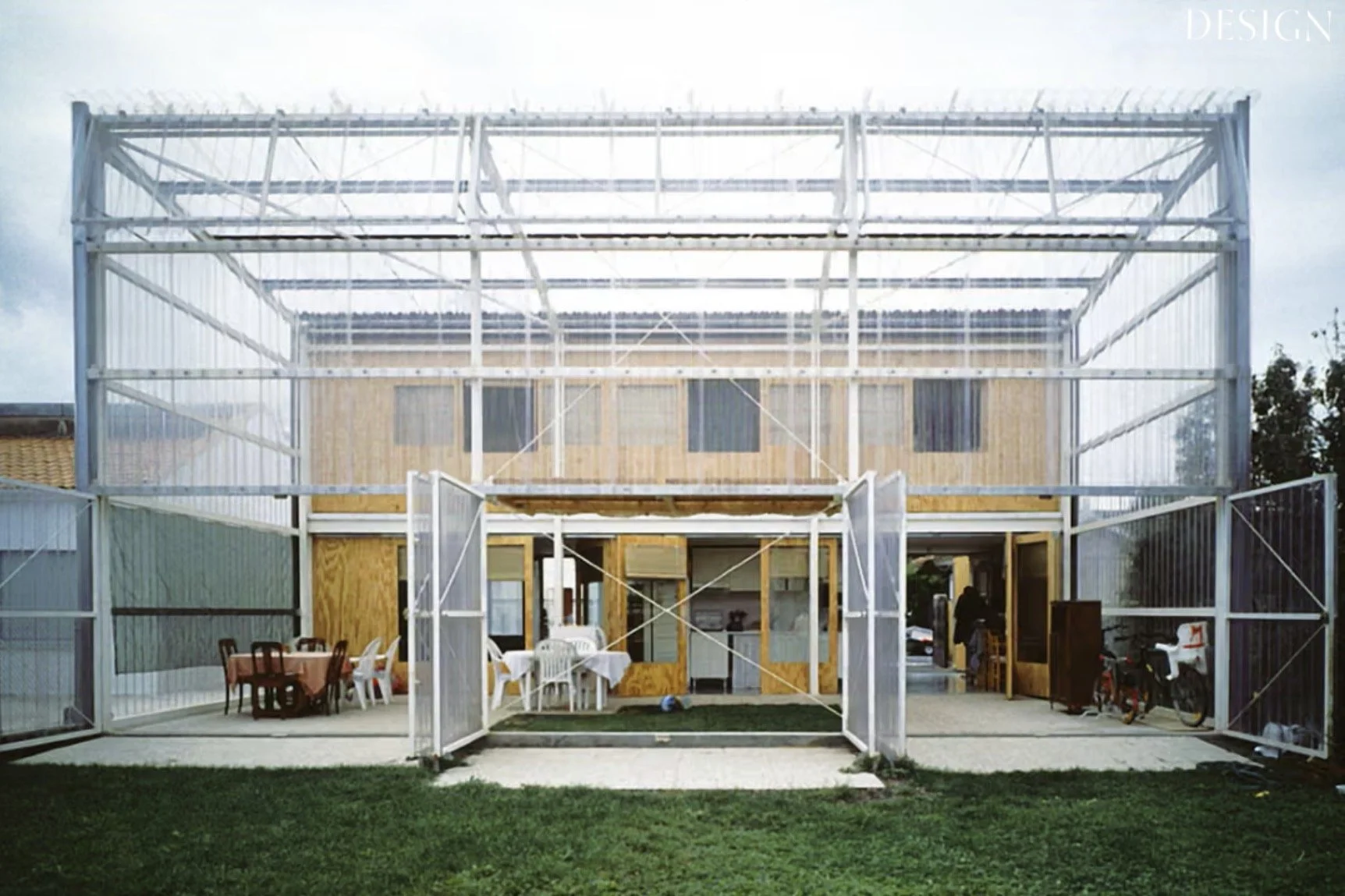
The Tour Bois Le Prêtre project in Paris, completed in 2011, is the most widely documented realisation of this approach. The hundred-and-sixty-five apartments, originally built in 1962, were transformed without demolition: the existing concrete frame retained, a new glass façade wrapping providing winter gardens extending each apartment by fifteen to twenty square metres, the building’s energy performance substantially improved. The cost was approximately forty percent less than demolition and new build would have cost for equivalent unit provision.
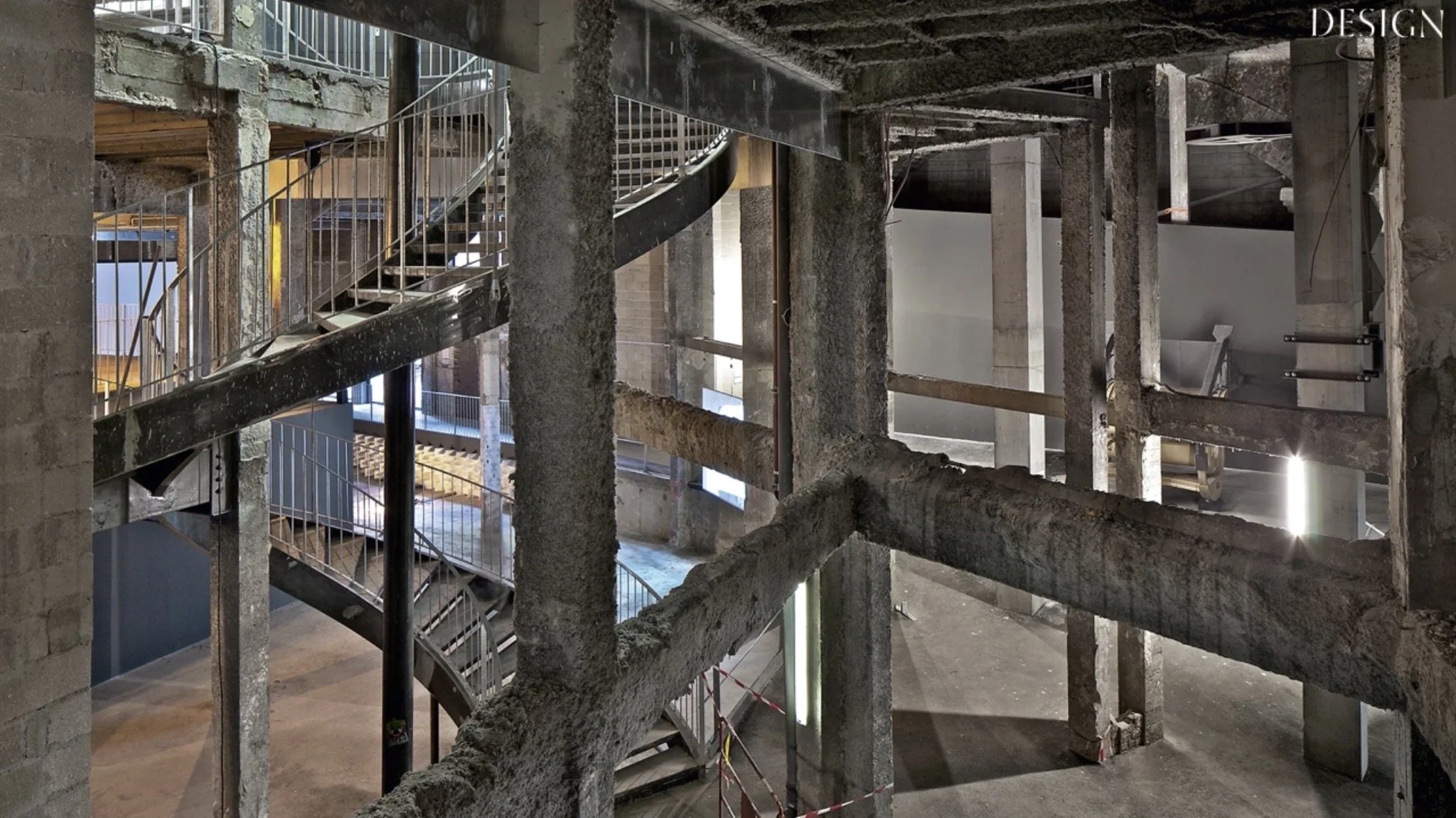
The Pritzker Prize citation in 2021 specifically noted that their practice offers a new definition of generosity in architecture: not the generosity of grand buildings or expressive form, but the generosity of space and light given to people who have been historically denied it.
They are currently working on projects across France, Belgium, and several international commissions. The practice remains small by choice.
The Pritzker Prize has produced a level of international attention that the practice has absorbed without expanding in ways that would change the quality of attention available per project.
BY OONA CHANEL
