

The Return of Sensory Design: Why Touch, Scent, and Sound Are the New Luxury Materials
At Salone, the most talked-about installations asked you to smell, hear, and feel rather than simply look. The shift toward multisensory design is not a trend. It is a response to a world that has organised itself almost entirely around vision.
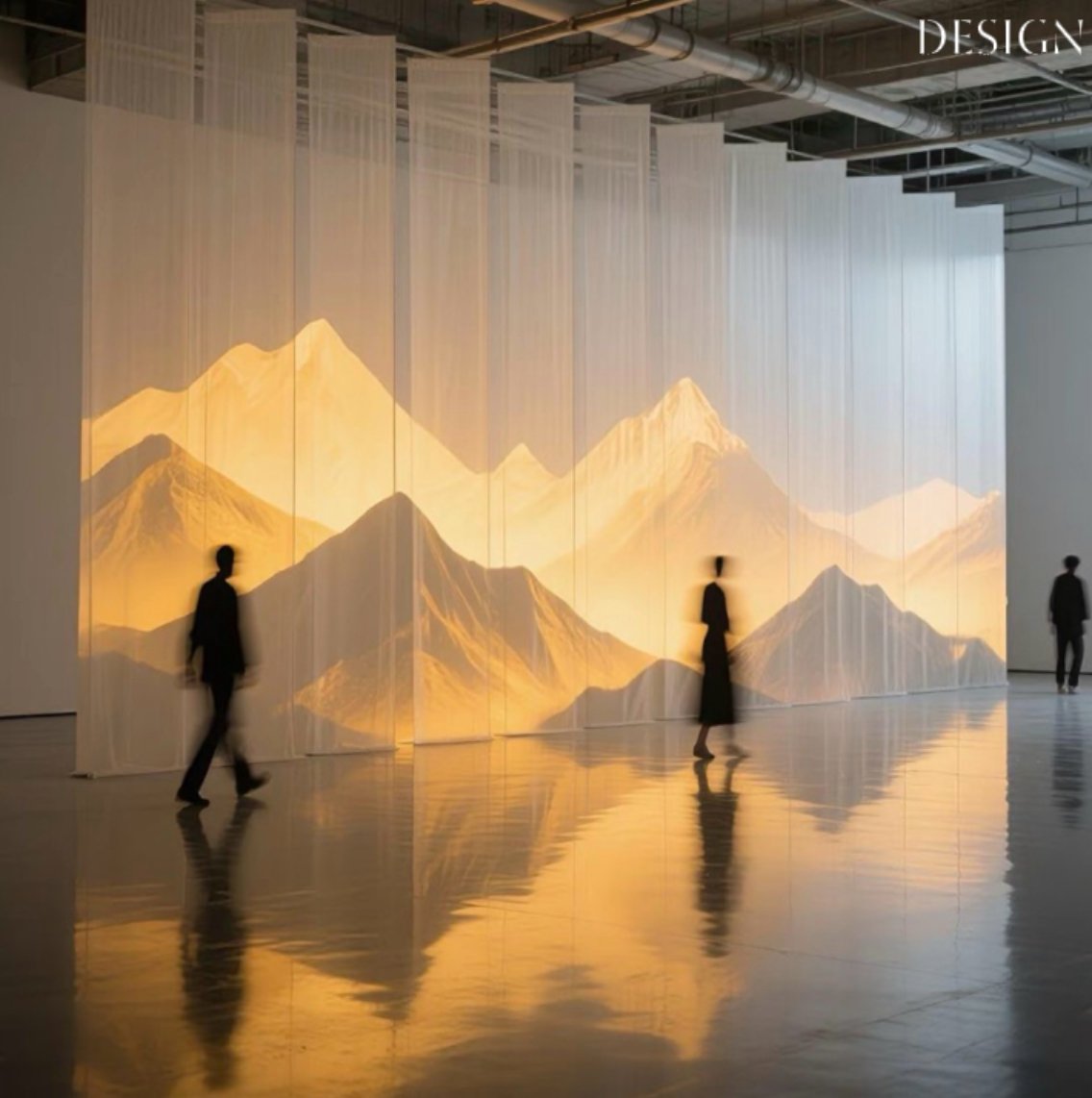
“The most influential interiors of the next decade will be the ones that the people who inhabit them cannot quite explain. They will be comfortable in ways that are not immediately legible as comfort. They will smell like themselves.”
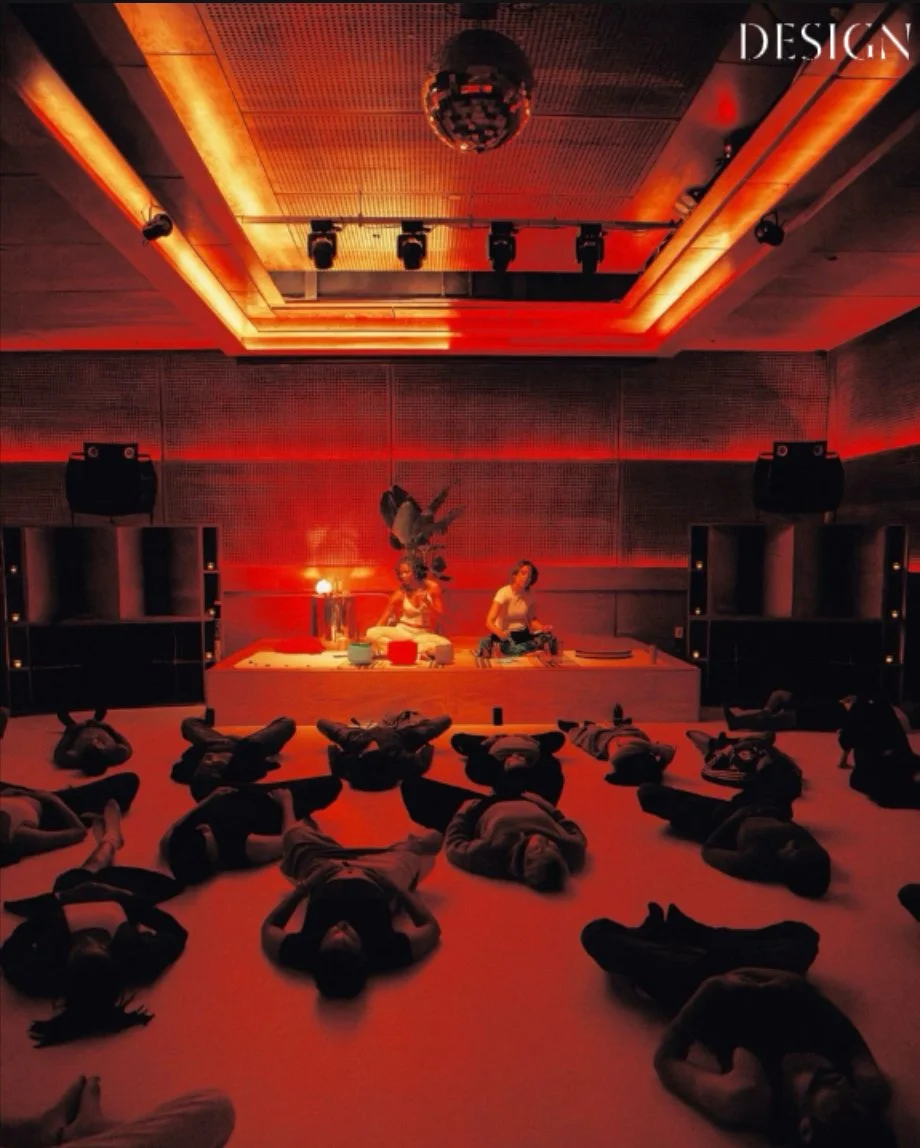
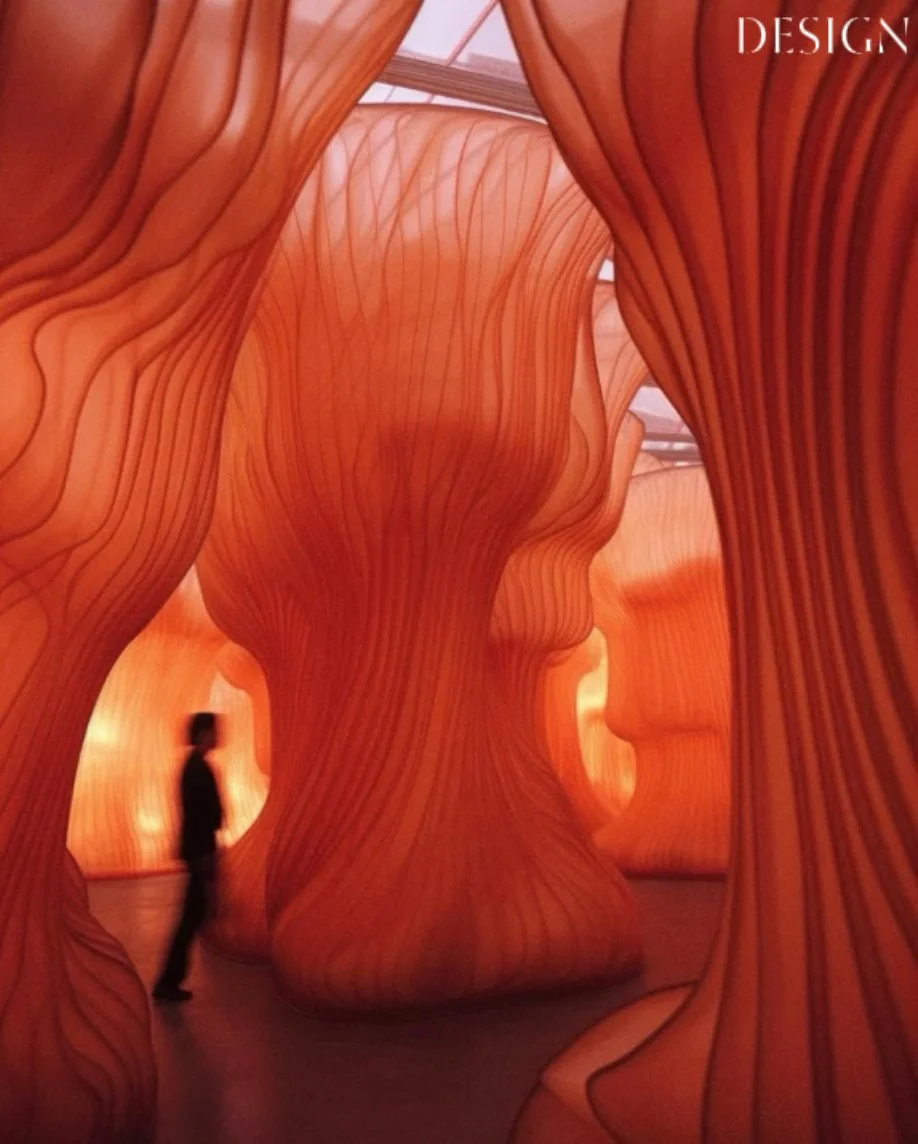
The most discussed installation at Salone del Mobile 2026 was not the most beautiful. It was the one that made you close your eyes. The USM and Snohetta Renaissance of the Real exhibition — which combined the Swiss manufacturer's iconic steel modular system with a textile cocoon designed by artist Annabelle Schneider — was built around scent, sound frequencies, and diffuse light rather than around the visual spectacle Salone usually rewards. Visitors who entered the cocoon described standing inside it as an experience of physical recalibration: the world of the fair, which is relentlessly visual and relentlessly loud, simply stopped.

This is what the most interesting design thinking in 2026 is doing: recovering the senses that the visual economy of the past two decades — the Instagram image, the architecture photography, the product rendering, the screen — has systematically underinvested in. Touch, which reveals qualities in materials that photography cannot. Scent, which accesses the limbic system directly and produces an emotional response before the rational brain has organised a position. Sound, which shapes spatial experience at a level below conscious awareness.
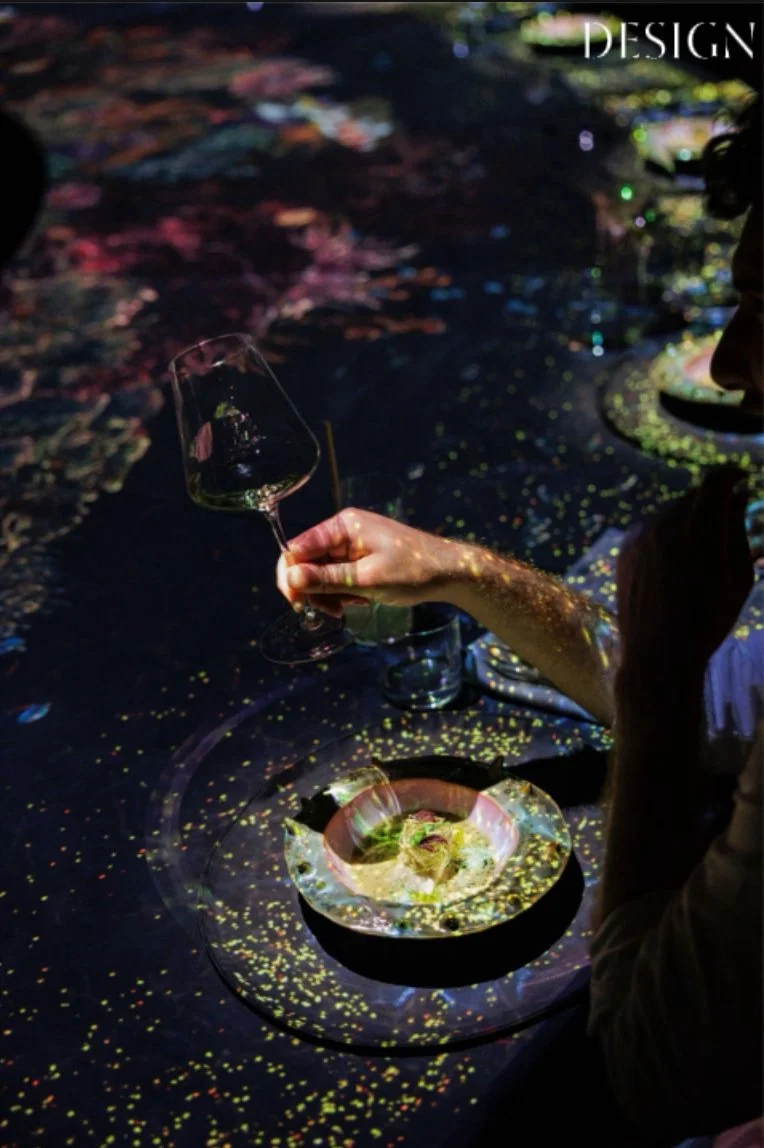
The theoretical framework for this has been available for years — the phenomenological philosophy of Maurice Merleau-Ponty, whose work on perception and the body in space is now regularly cited by architects and designers; the research on embodied cognition that has produced, in the design world, an interest in what physical sensation does to thought rather than simply to comfort. What is new is the commercial appetite for work that applies this framework rather than merely referencing it.
The practical dimension for interiors: a room that has been designed with sensory intelligence as a primary criterion is a different room from one designed with visual intelligence as the primary criterion. The acoustic properties — whether surfaces absorb or reflect sound, whether there is an ambient level below which the room falls into genuine quiet — are as important as the visual proportions. The material temperature — whether the floor is warm or cold underfoot, whether the furniture invites touch or repels it — is as important as the material colour.
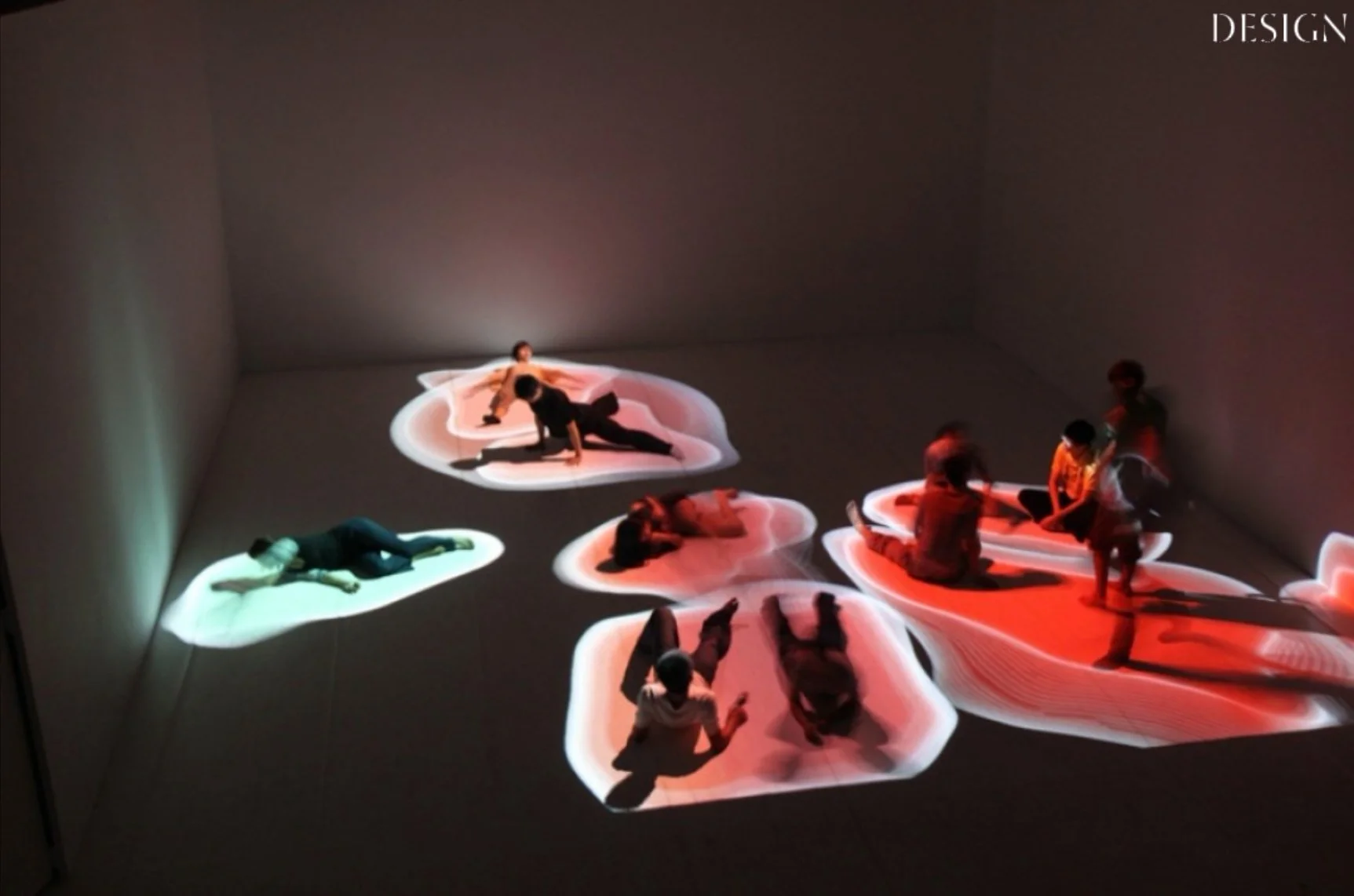
The scent question is one that residential design is only now beginning to take seriously. A room with a specific smell — however subtle, however native to its materials and its light and its particular combination of objects — is a room that has an identity that persists in memory in a way that a visually beautiful but scent-neutral room does not. The specific smell of a well-kept library, of a stone-floored kitchen with a garden window, of a bedroom that has been lived in by people who care about their sheets: these are not incidental. They are the room's signature.
The brands that are building sensory intelligence into their products at scale — Aesop, whose retail environments are arguably the most consistently successful multisensory design projects in commercial space; the hotel groups that have developed scent programmes not as branding but as spatial experience; the residential designers who are now specifying acoustic materials with the same precision they once reserved for visual finishes — are doing so in response to a growing appetite for environments that feel as good as they look.
The most influential interiors of the next decade will be the ones that the people who inhabit them cannot quite explain. They will be comfortable in ways that are not immediately legible as comfort. They will smell like themselves.
This is not mysticism. It is the application of the full range of sensory intelligence to design — and it is, in 2026, finally being taken seriously at the scale it deserves.
BY OONA CHANEL
