

Issey Miyake: The Philosophy That Outlasts the Founder
He died in 2022. The house he built — on the premise that clothing is a conversation between the body and the future — has never been more alive.
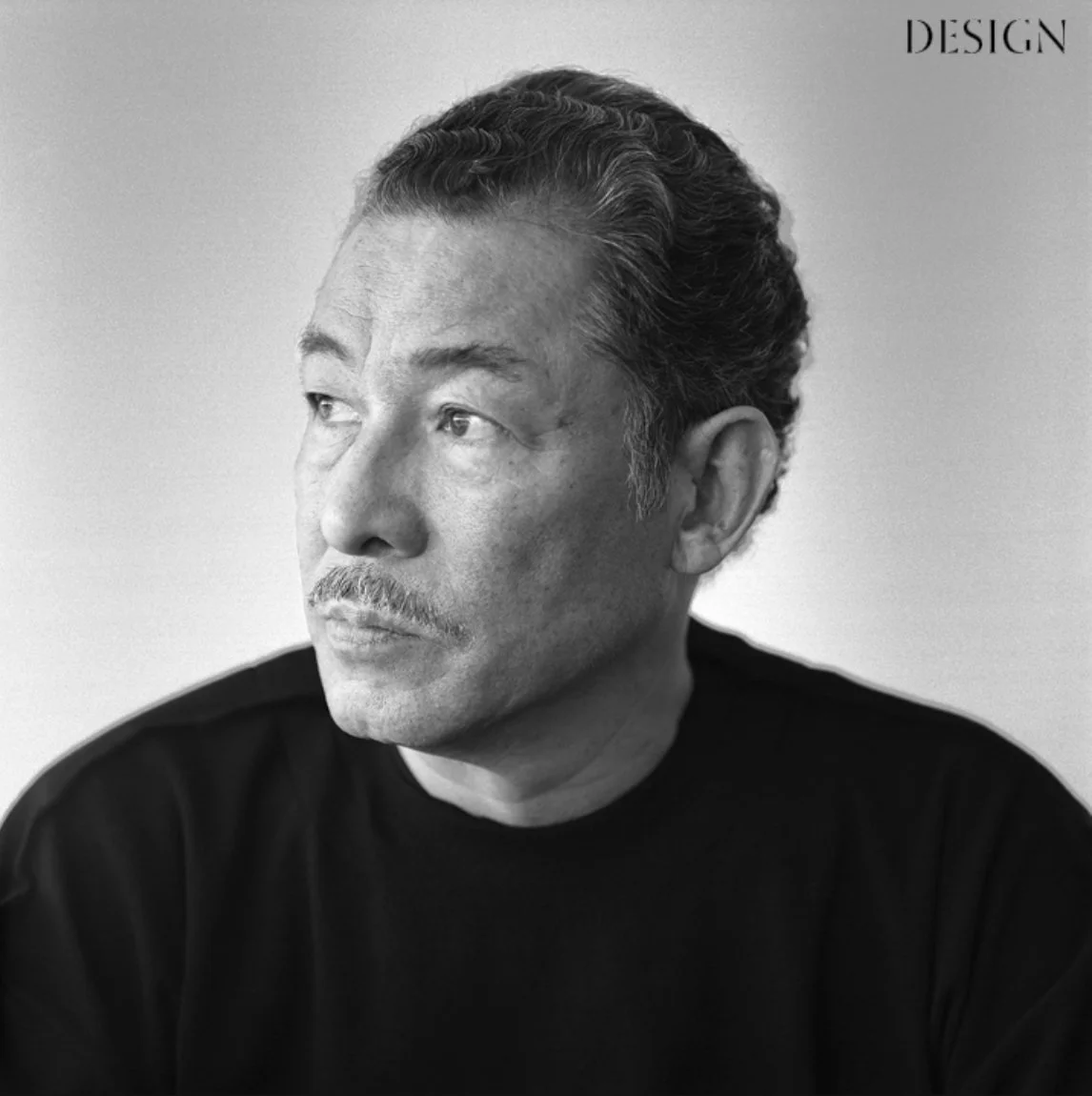
“The garment begins with the material, and the material is chosen in response to what the body needs from it. Not what the market wants. Not what the editorial images will support. What the body, moving through the world, actually requires.”
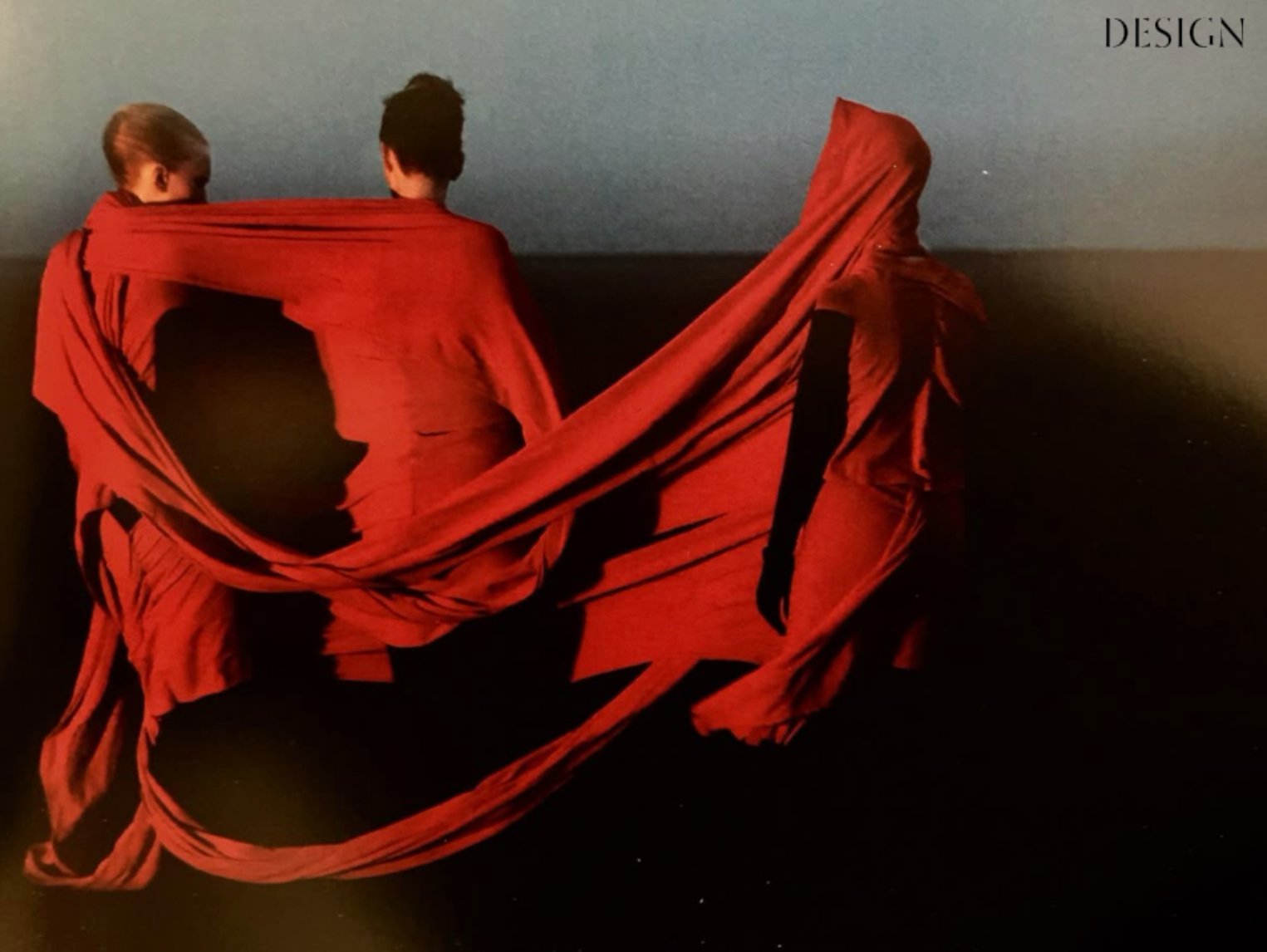
There is a garment in the Miyake archive that was made in 1993 and that, when worn today, looks like it arrived from a decade that has not yet occurred. This is not nostalgia's paradox. It is the result of a design philosophy so grounded in first principles — in the relationship between fabric and body, in the investigation of material behavior, in the conviction that clothing should be a form of liberation rather than a form of constraint — that it operates outside the time signature of fashion cycles.
Issey Miyake died in August 2022, at eighty-four. In the fashion press, the obituaries were generous and correct: they noted the Pleats Please lines, the A-POC concept (A Piece of Cloth), the Bao Bao bags, the collaborations with scientists and engineers and architects that produced some of the most formally innovative textiles in the history of the medium. What they struggled to articulate — because articulating it requires a language that fashion criticism has not fully developed — was the philosophical dimension: that Miyake was not, primarily, a designer. He was a researcher. His question, held across fifty years of practice, was: what can cloth do?
The question arrived from a specific origin that Miyake was always willing to discuss and that his work always, in some form, addressed: he was in Hiroshima on August 6, 1945, seven years old, two kilometers from the hypocenter of the atomic bomb. He saw what destruction at that scale does to the human body, and to the fabric that clothes it. He decided, in the years that followed, to spend his life in the opposite territory: making things that honor the living body, that create conditions for it to move and breathe and persist.

This is the foundation on which the house was built, and it is the foundation on which it continues. The current Miyake company — three main lines, multiple collaborations, an ongoing materials research program that is one of the most serious in the global fashion industry — operates with the coherence of a practice that knows what it is for. This is rarer than it should be.
Yoshiyuki Miyamae, who heads Issey Miyake Women, speaks about the design process in terms that would be recognizable to anyone who has studied the founder's stated philosophy: the garment begins with the material, and the material is chosen or developed in response to what the body needs from it. Not what the market wants. Not what the editorial images will support. What the body, moving through the world, actually requires from the fabric that covers it.
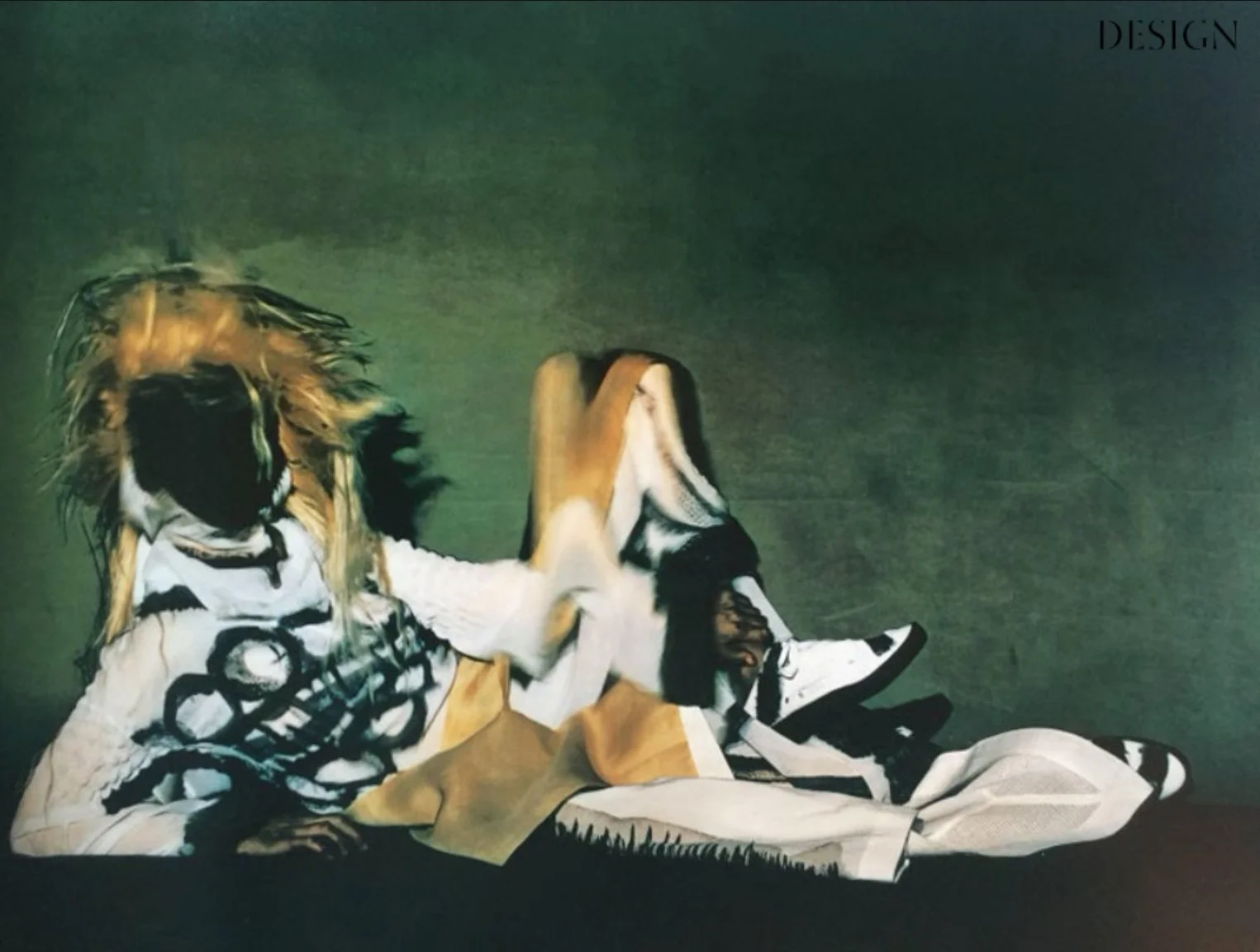
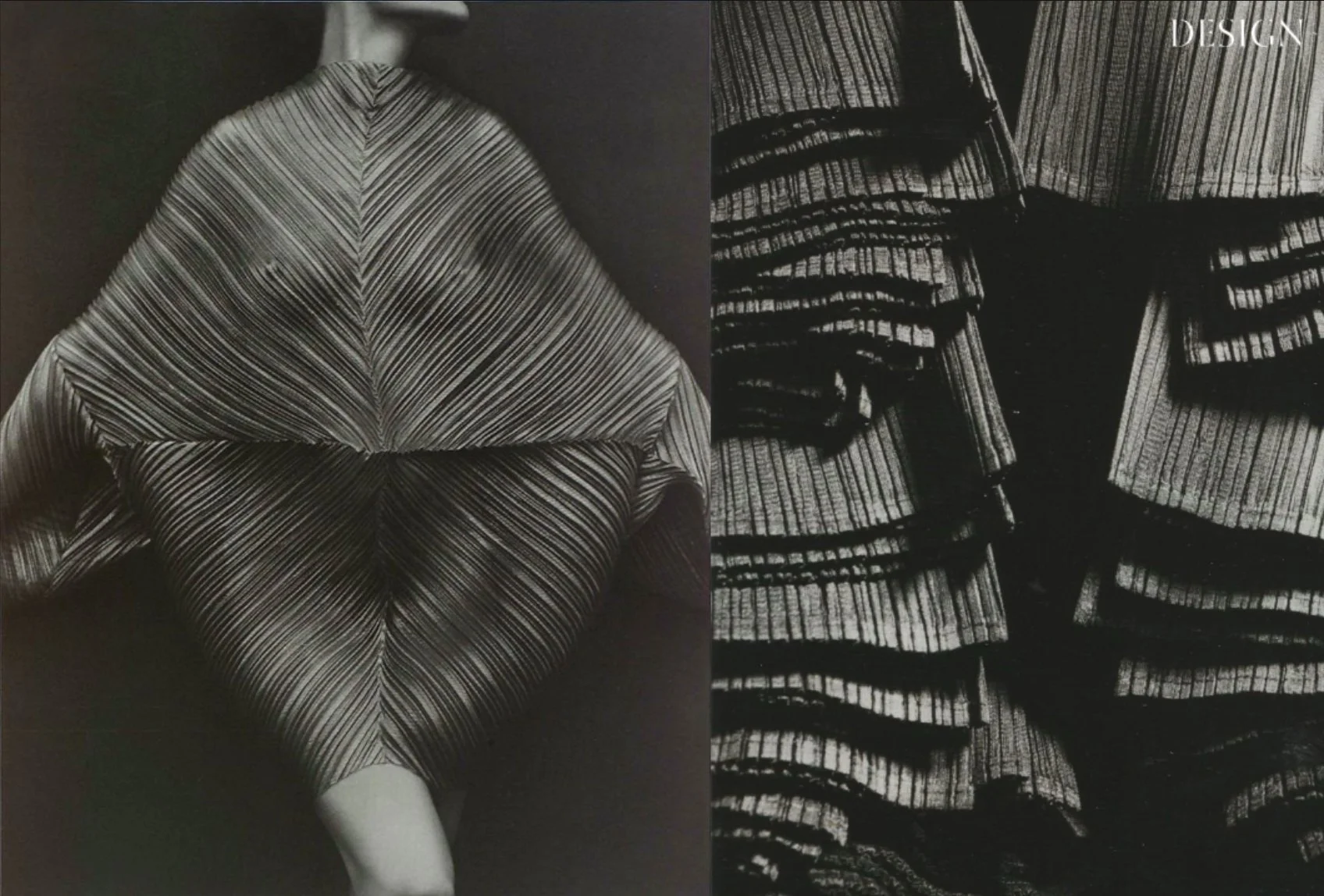
The Pleats Please line, which has been in continuous production since 1993 and shows no sign of reaching its expiration, is the most legible version of this philosophy: permanently pleated polyester that fits every body, travels without care, maintains its appearance through use, and is, in its combination of technical sophistication and radical accessibility, the most honest garment in luxury fashion. It is sold at accessible price points relative to comparable quality. It is available in a range of colors and forms that respond to bodies of every kind. It was designed, from the first, to be worn and lived in and washed and worn again, not preserved in tissue paper.
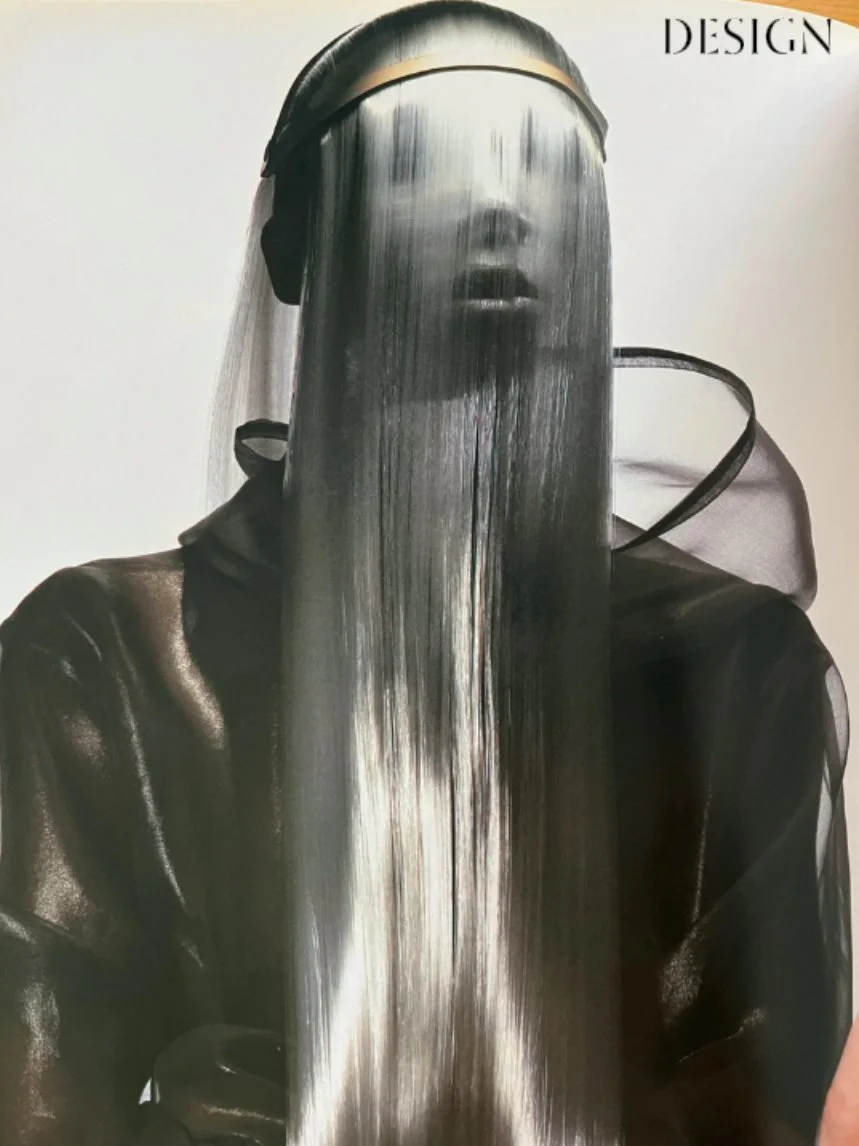
The paradox of the Miyake legacy in 2026 is this: in a fashion moment defined by conspicuous investment and the performance of exclusivity, the house remains committed to the opposite proposition — that the most significant design achievement is the democratization of quality, the making available of something truly excellent to the widest possible range of people. This is not a marketing position. It is a philosophical one, and it was Miyake's from the beginning.

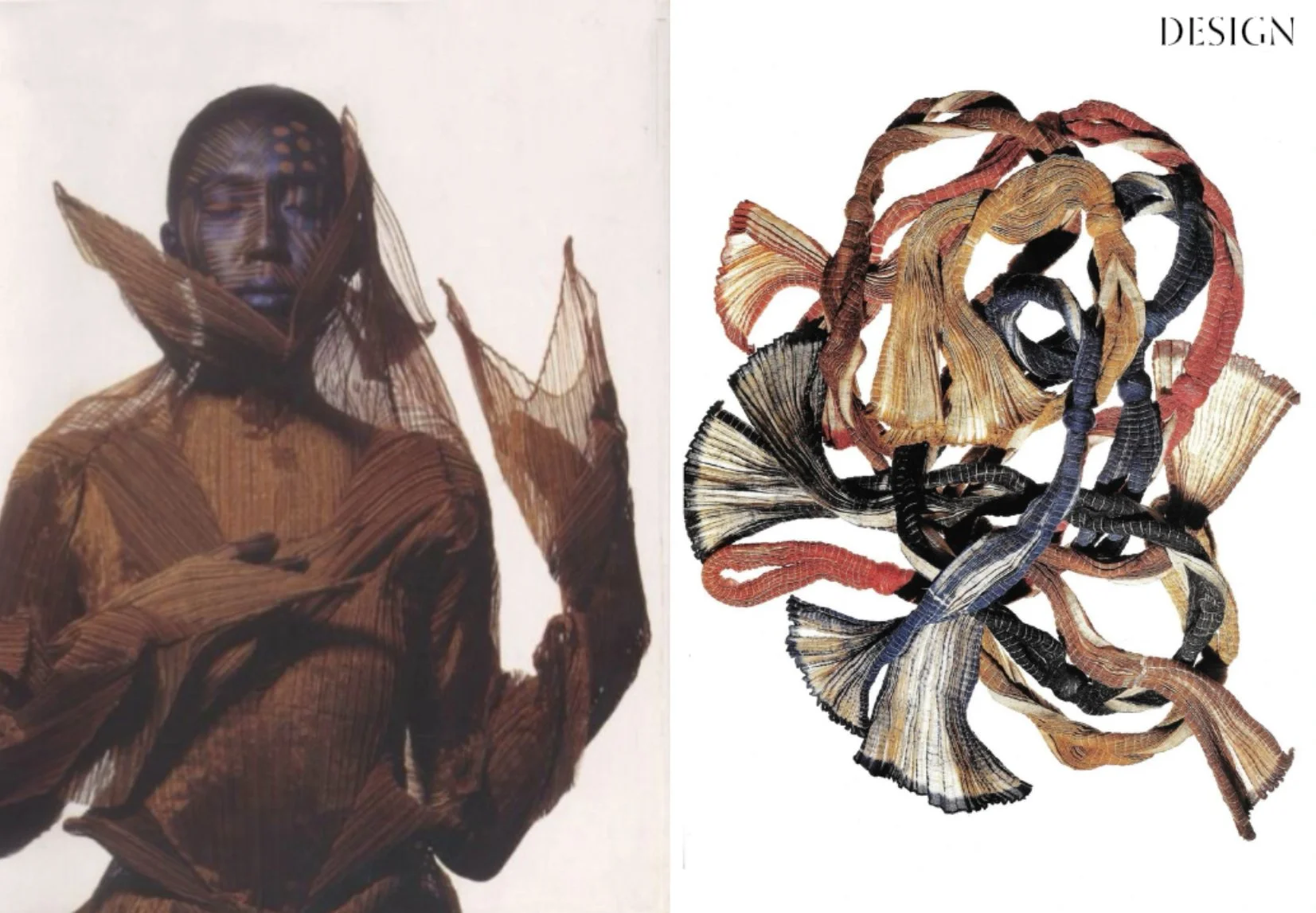
The materials research program at Reality Lab, Miyake's research and development arm, has in recent years produced textiles made from food waste, from recycled ocean plastics, from steam-molded single pieces of material that eliminate the seam and therefore the most common failure point of the garment. The research is ongoing and has a timeline that does not submit to the fashion calendar: some of the materials currently under development have been in research for seven years and are not expected to be production-ready for three more.
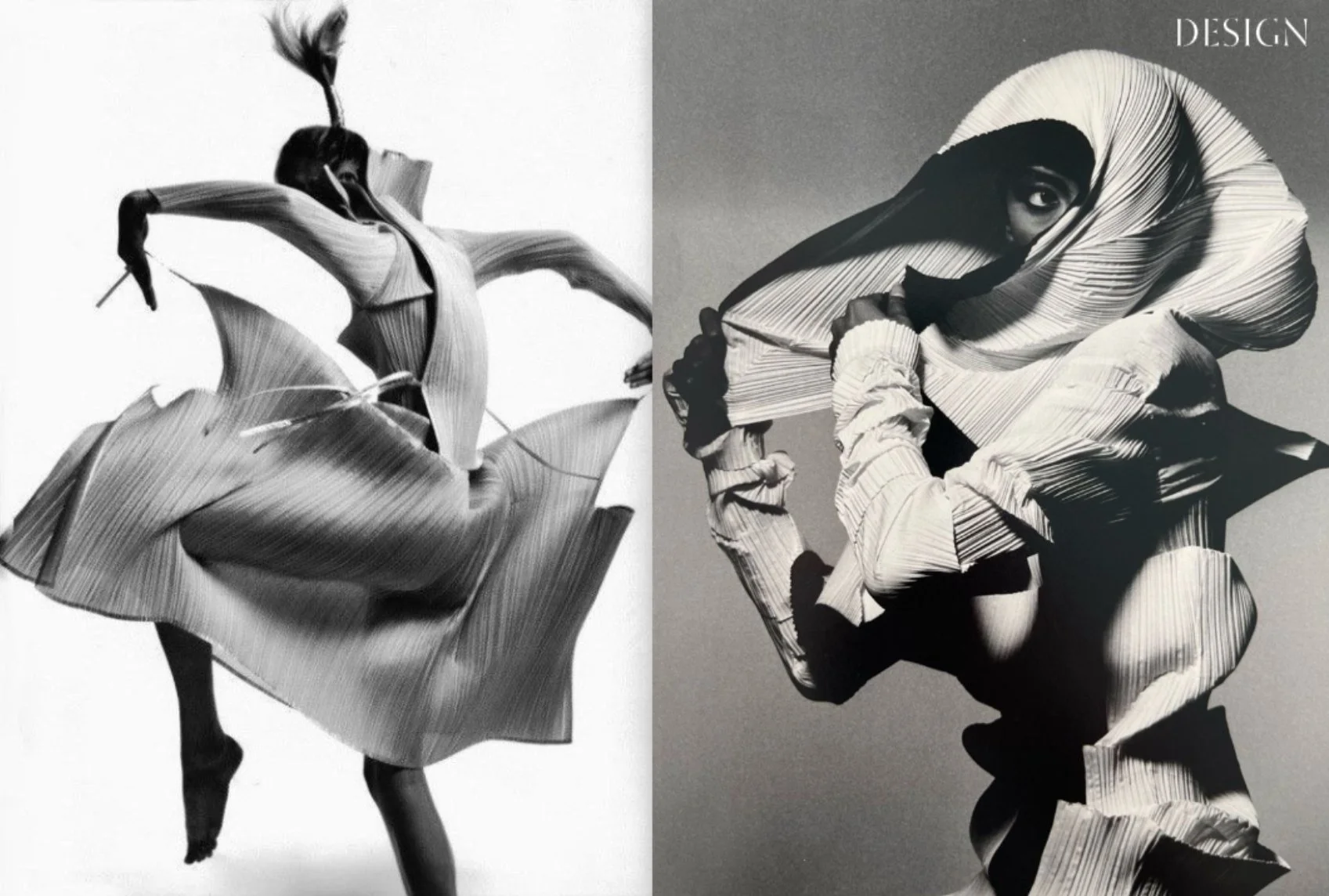
This is the deepest form of the Miyake inheritance: the willingness to work on a timescale that the market cannot accelerate. The conviction that the thing worth making is worth waiting for. And the understanding that the body — the actual, moving, sweating, aging, breathing human body in its full specificity and its full dignity — is the right subject for a lifetime's serious attention.
He left behind a practice that knows what it is for. In the history of fashion, this is one of the rarest and most valuable things.
BY OONA CHANEL
