

What Jonathan Anderson Is Actually Doing at Dior
His first two collections have been about something more specific than a new direction. They are about returning the house to the idea that a garment should make the person wearing it feel like a version of themselves they had not yet met.
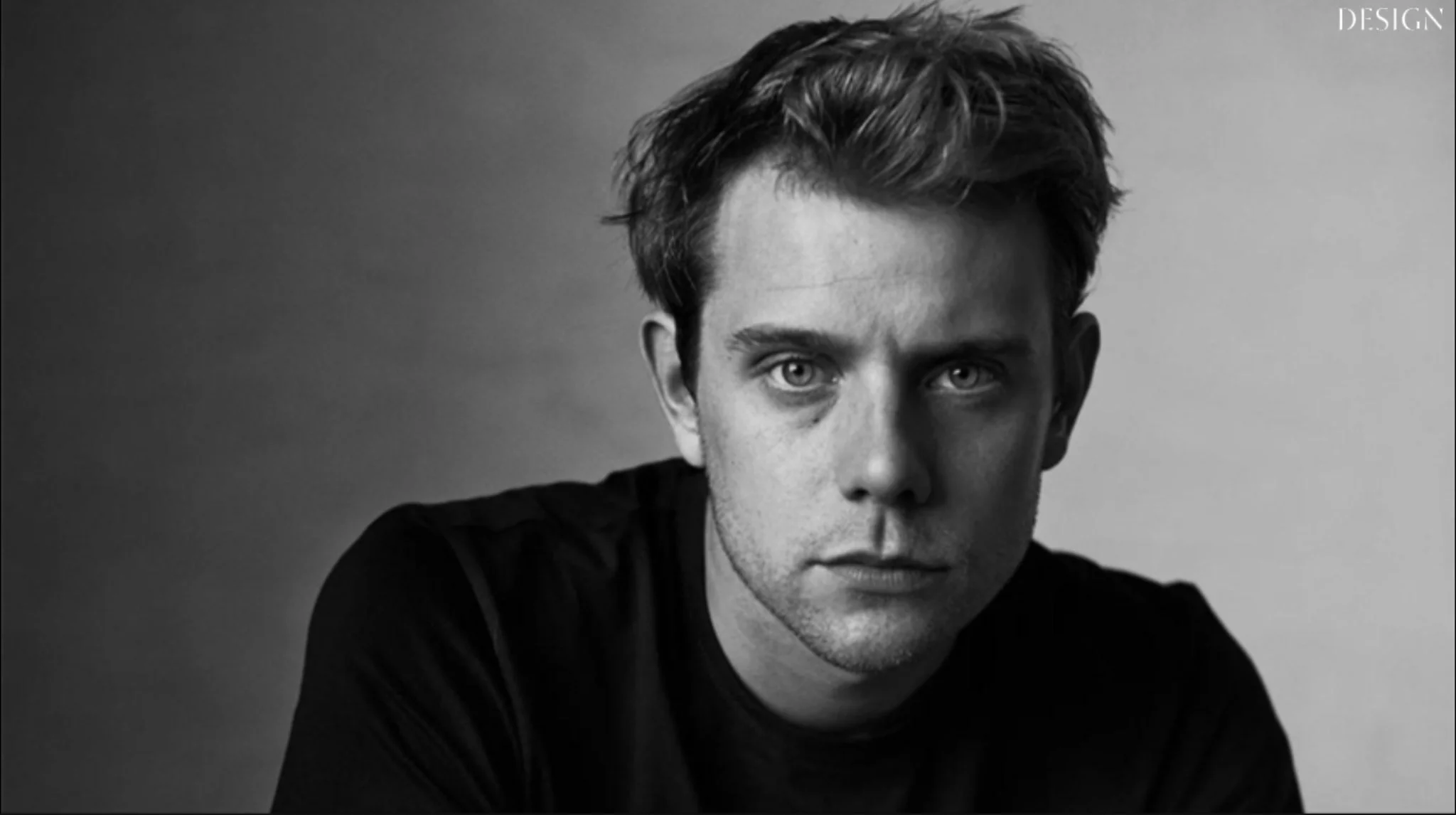
“He wants Dior women to feel observed without being watched, present without being on display. That is a specific and sophisticated brief — and the collections so far suggest he knows exactly how to answer it.”
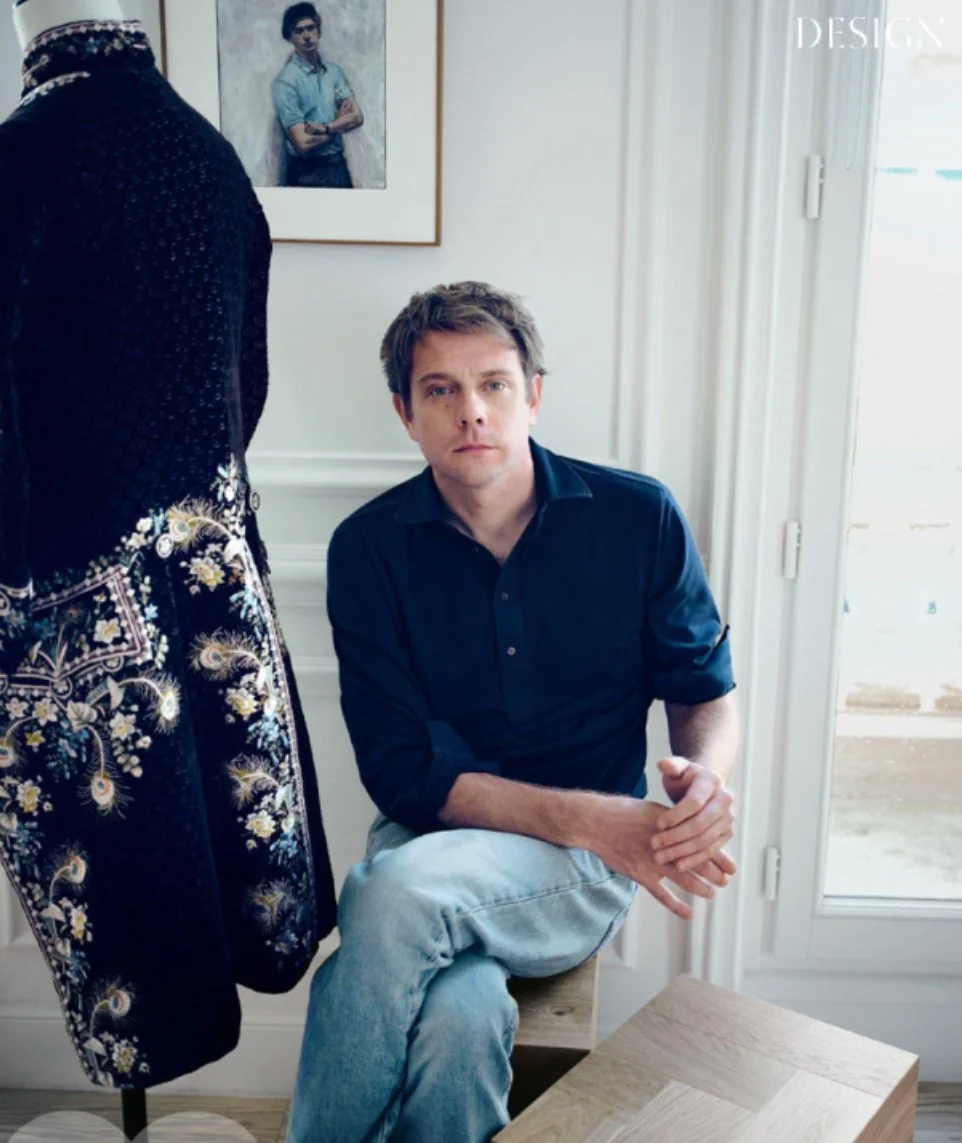
There is a moment in Jonathan Anderson's A/W 2026 Dior show — staged in the Tuileries Gardens on a platform the exact green of the Luxembourg chairs — when a model walks out in a Bar jacket that has been reimagined as something between architecture and a pressed flower. The silhouette is Dior to its foundations. The feeling is not. The feeling is of something alive, slightly unruly, entirely pleased with itself.
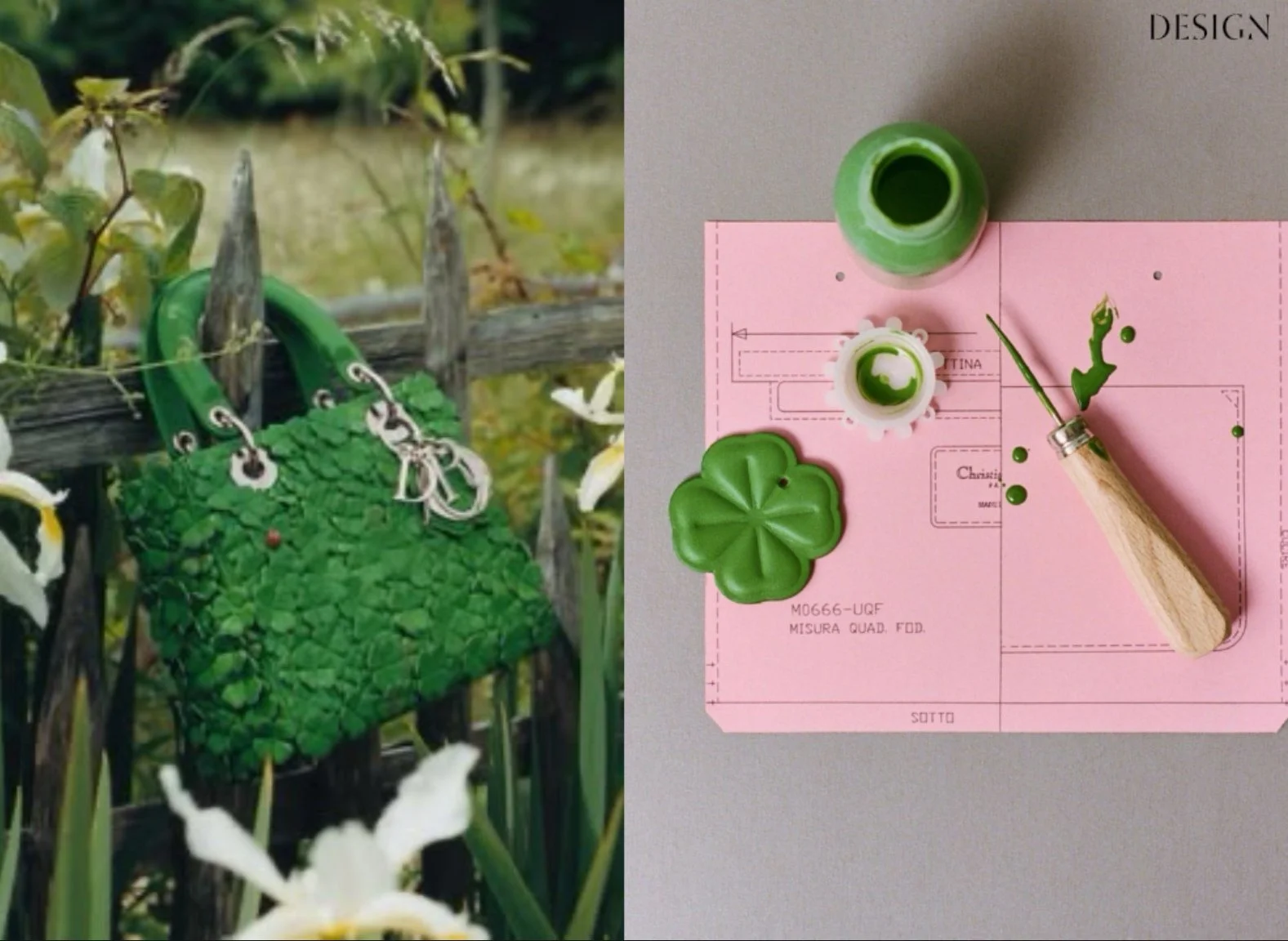
That pleasure is the thing Anderson is restoring to Dior. Not rebellion — he is too respectful of the archive for rebellion — but the specific joy that Monsieur Dior himself described in his memoir as the joy of making a woman feel she had arrived at herself. The SS26 debut, in the Tuileries with Greta Lee and Louis Garrel in the front row, was a controlled detonation: denim skirts paired with couture capes, bold reinterpretations of overcoats, the Dior Bow bag introduced with an invisible closure that suggests considerable thought about what a woman does with her hands when she carries something she loves.
The AW26 collection deepened the argument. Water lily motifs wove through suiting and gowns. Impressionism was the reference — not as decoration but as philosophy: the idea that a garment, like a Monet, might be best understood from a specific distance, in specific light, by someone who has given it time. Anderson told press that the collection was about seeing and being seen. What he meant, specifically, is that he wants Dior women to feel observed without being watched, present without being on display.
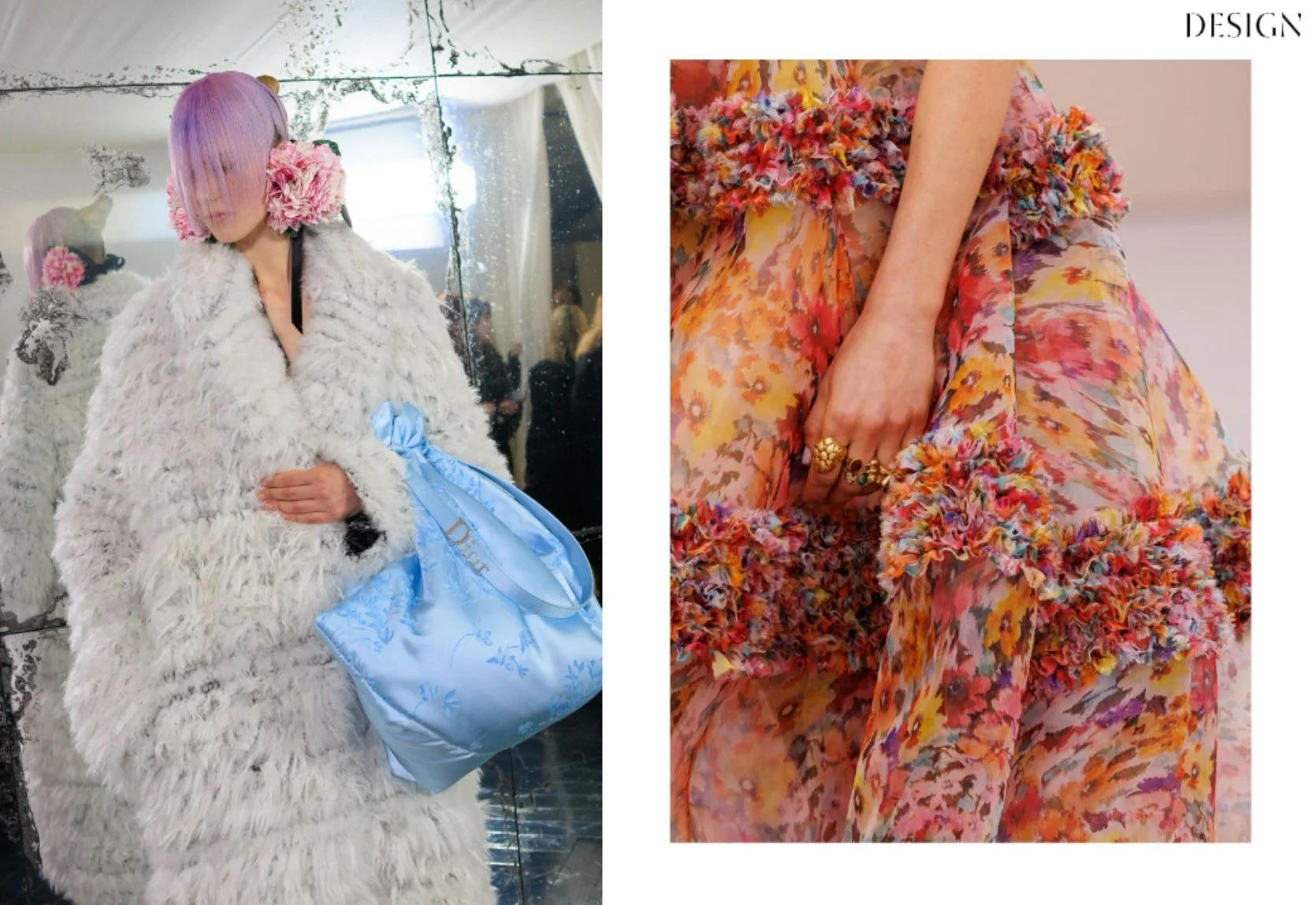
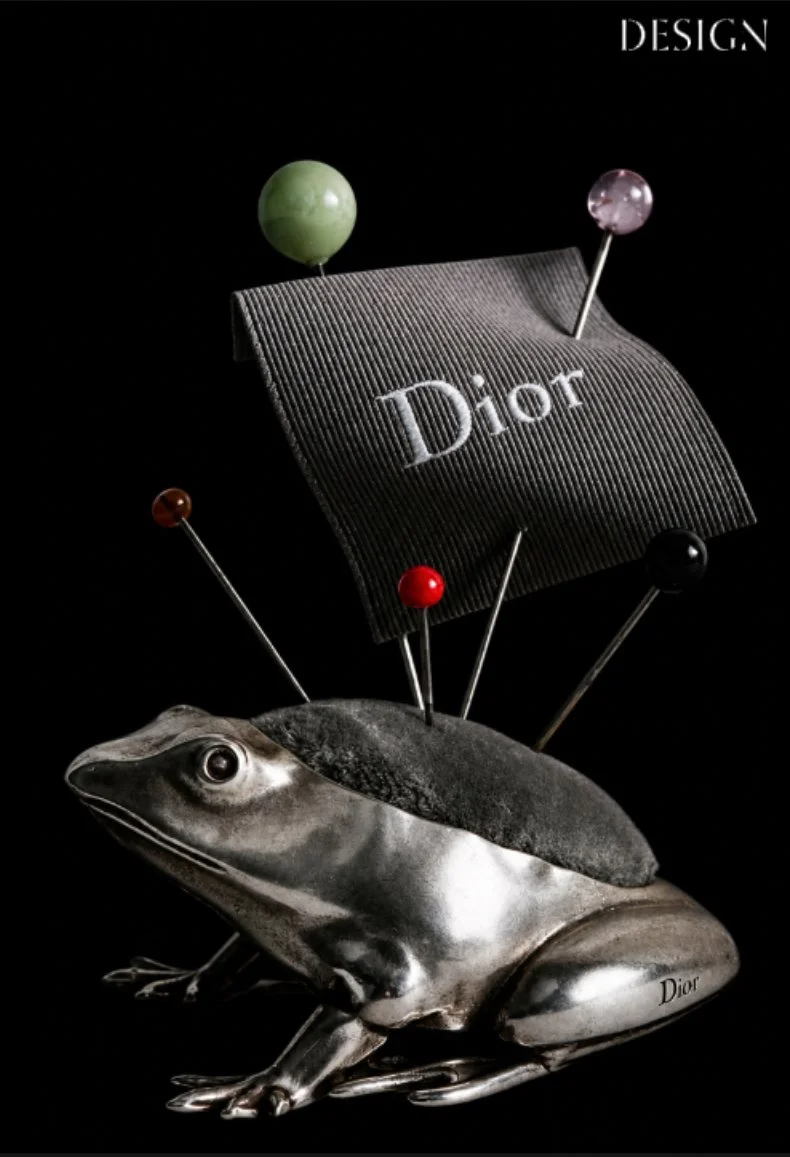
The couture debut in January was the most explicit statement of intent. Staged as a Wunderkammer — a cabinet of curiosities — the show drew from the Dior vaults with the confidence of someone who has done the archival work and has no need to demonstrate it ostentatiously. The proportions were not quotes from the archive. They were arguments derived from it.
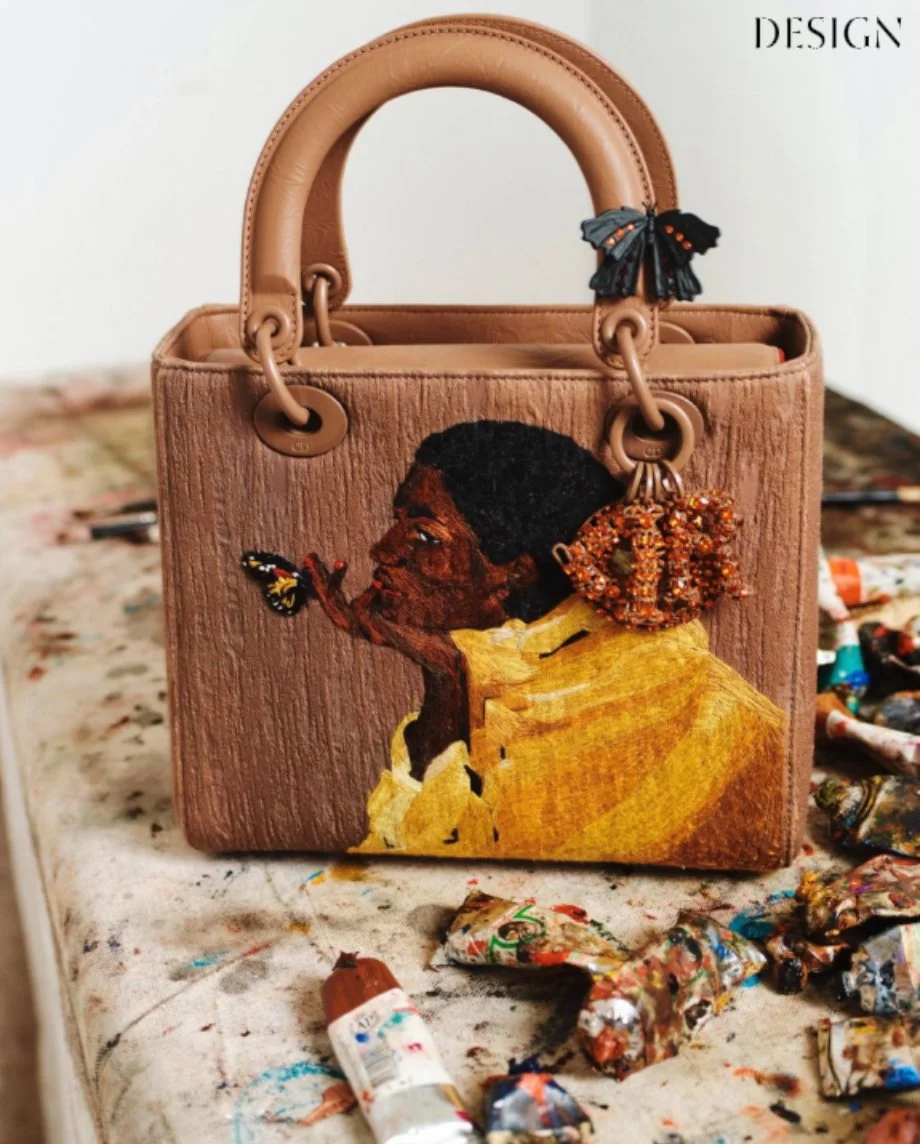
His accessories instinct is where the commercial transformation of the house is most legible. The Lady Dior is being re-pressed into service with new hardware and new textures. The Bow bag is already one of the most discussed new introductions in the market. The Cruise 2026 show, held in Los Angeles, carried California light into every seam without becoming a resort line in the lazy sense.
The question the industry circles without asking directly is whether Anderson's intellectual ambition is compatible with the commercial scale of the business. Dior is the world's top-grossing luxury house. The creative director of Dior is not making art. He is making proposals about what the aspirational object should look, feel, and mean for millions of people across dozens of markets.
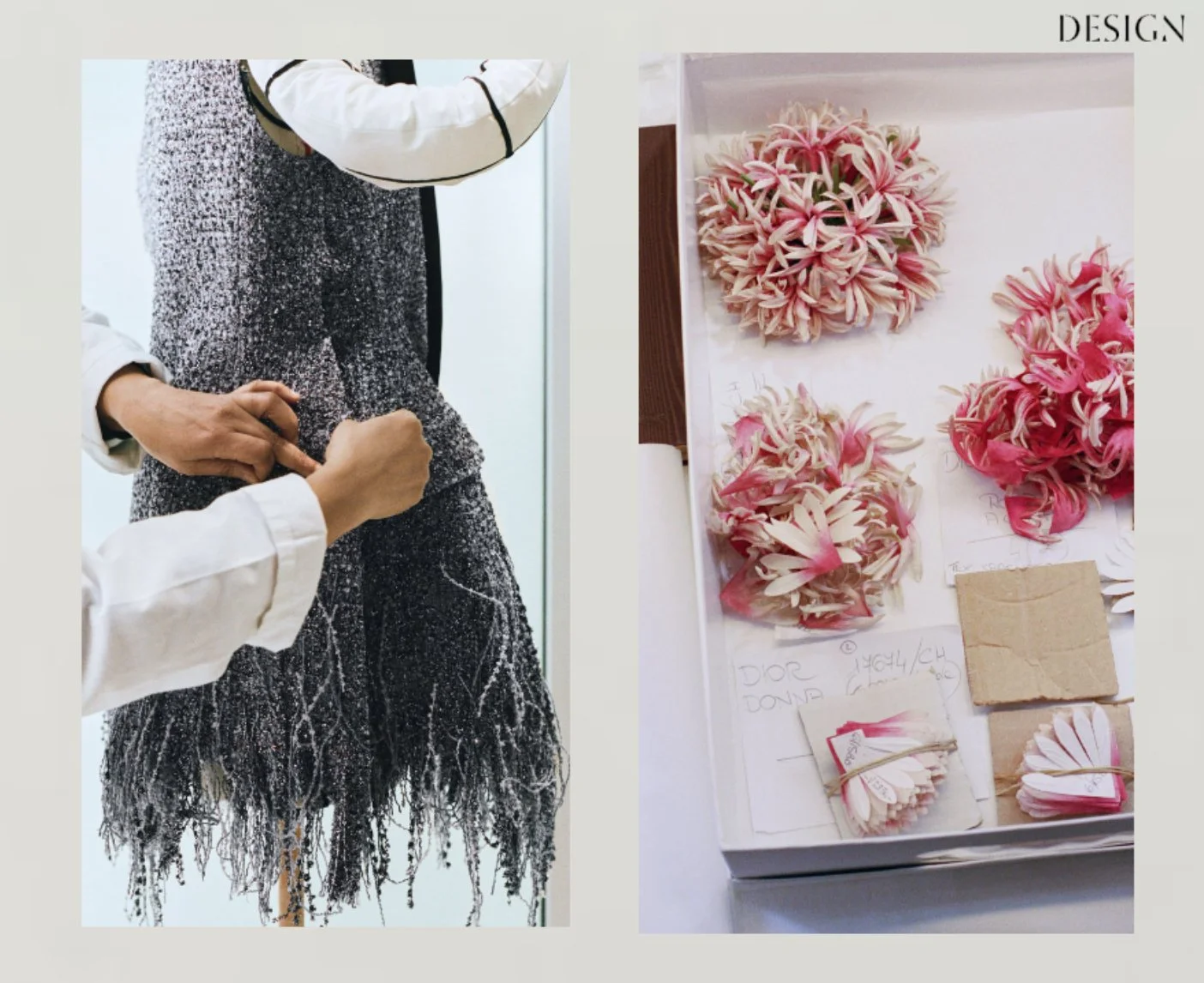
Anderson's answer — given in the work rather than in interviews, which is the only answer that matters — is that intelligence and accessibility are not opposites. The Tuileries show was the most discussed collection of the season and also the most wearable. The couture Wunderkammer was intellectually serious and emotionally open. The Bow bag is coveted by people who have never read fashion criticism and by people who have read all of it.
What Dior under Anderson is becoming is a house where the person who dresses carefully and the person who dresses intellectually are, increasingly, the same person. That is not a small achievement. It is, in fact, the thing the house was always supposed to be.
BY OONA CHANEL
