

Ann Demeulemeester: The Language She Left Behind
She retired from fashion in 2013. The world has spent the intervening decade discovering that what she made was not a collection. It was a vocabulary — and the conversation is still happening.
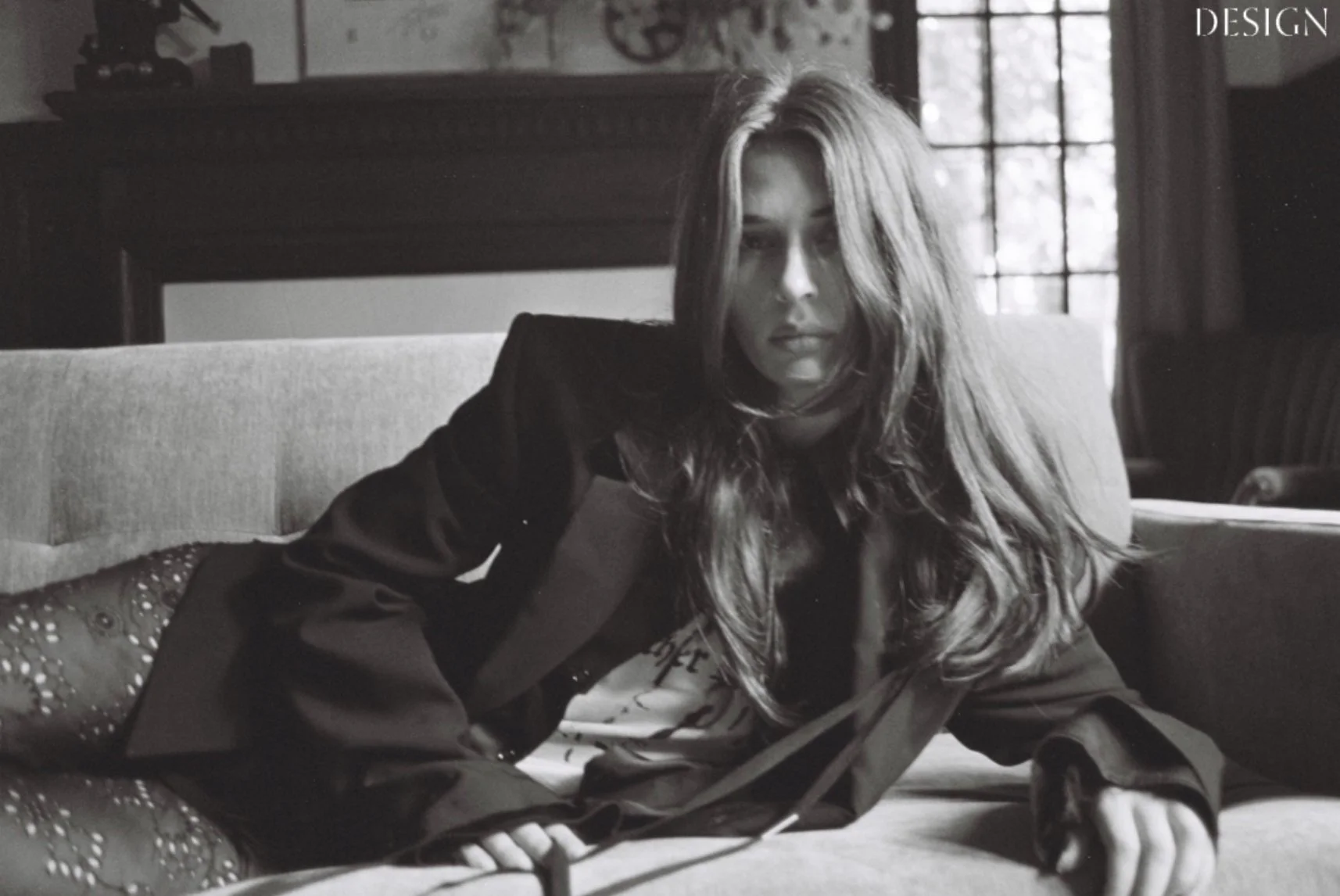
“I never wanted to make fashion. I wanted to make a world.”
In the last year of her time at the house that bore her name, Ann Demeulemeester gave an interview in which she said: "I never wanted to make fashion. I wanted to make a world." She said it without grandiosity — she is constitutionally incapable of grandiosity — in the flat, precise way she says everything, as if stating a fact that had always been obvious to her and that she was now willing to share.
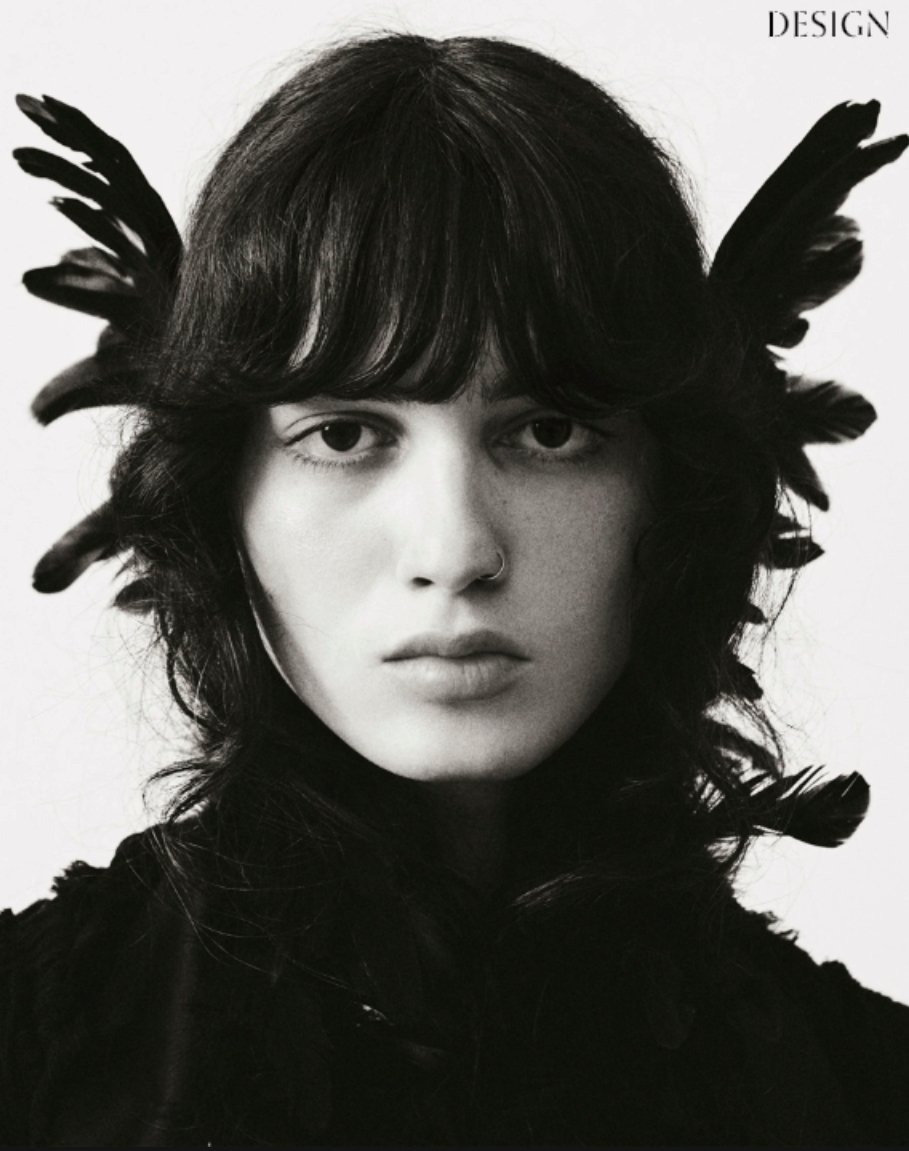
The world she made is still there. It exists in the wardrobes of a specific category of person — the person who discovered Demeulemeester in their twenties and never recovered, who wears the pieces from that period with the loyalty of someone returning to a text they cannot finish understanding — and it exists, increasingly, in the culture's reassessment of what the Antwerp Six meant and what it means now that the fashion system has absorbed the surface of everything they did without the substance.
She trained at the Royal Academy of Fine Arts in Antwerp, graduating with the group that was called the Antwerp Six when they showed at the British Designer Show in 1986: Dries Van Noten, Dirk Van Saene, Walter Van Beirendonck, Marina Yee, Dirk Bikkembergs, and Demeulemeester. The name was given by the press, which needed something to call them. What they shared was less a style than a seriousness: the conviction that fashion was a form of thinking, not a form of entertainment, and that the human body in a garment was a subject worth the full force of an artistic intelligence.
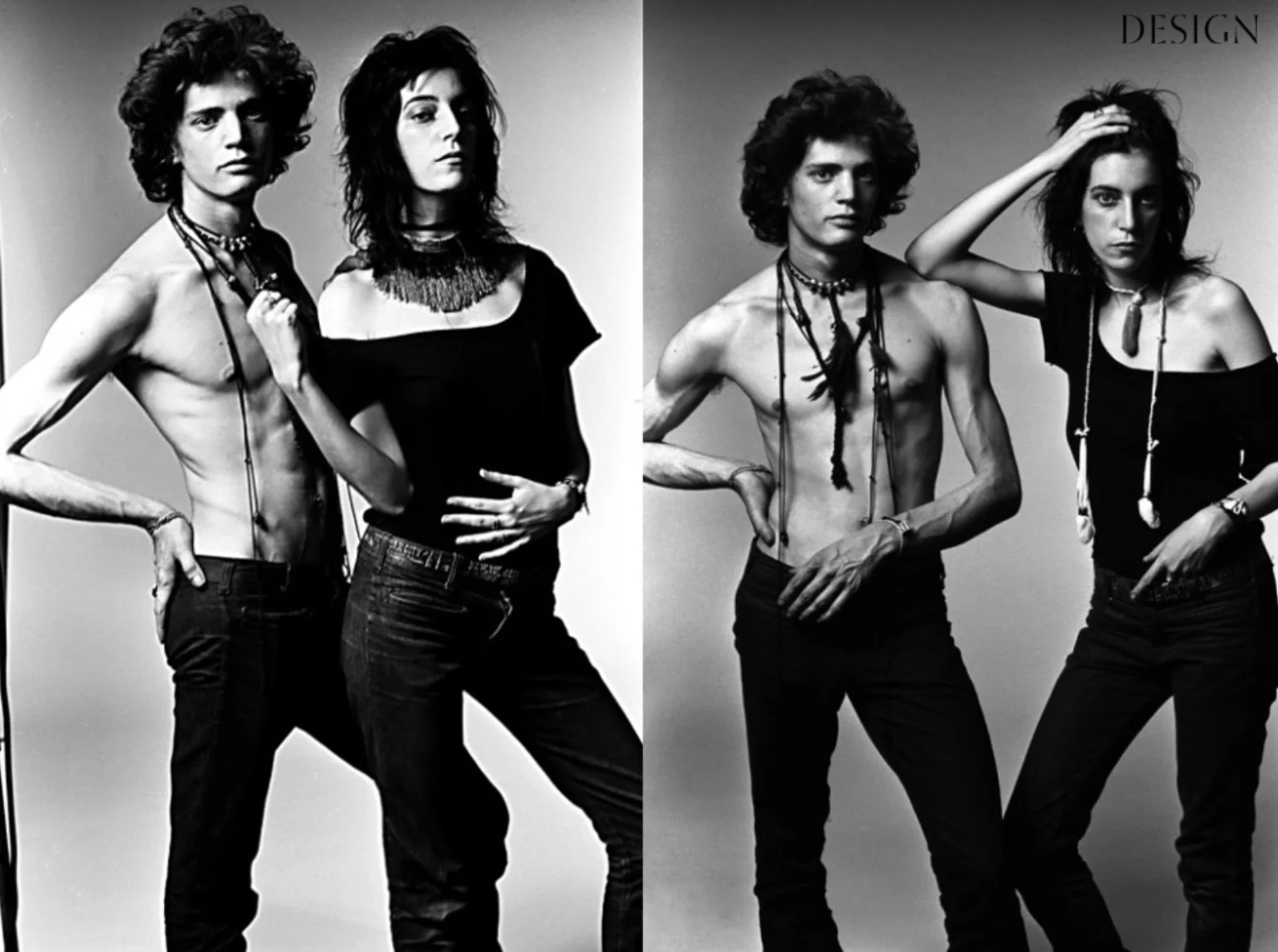
Demeulemeester's particular intelligence ran toward the poetic. Her references were consistent across twenty years of work and were, in their consistency, a statement: Robert Plant in the 1970s, Patti Smith in the 1970s, the specific quality of romantic darkness that is not Gothic but is adjacent to it, the relationship between softness and structure that is resolved only when both are present at the highest level. The clothes were always black, or white, or the precise grey that exists between them. They were always constructed from materials with texture and weight. They were always, in their proportions, slightly wrong in a way that was more right than right would have been.
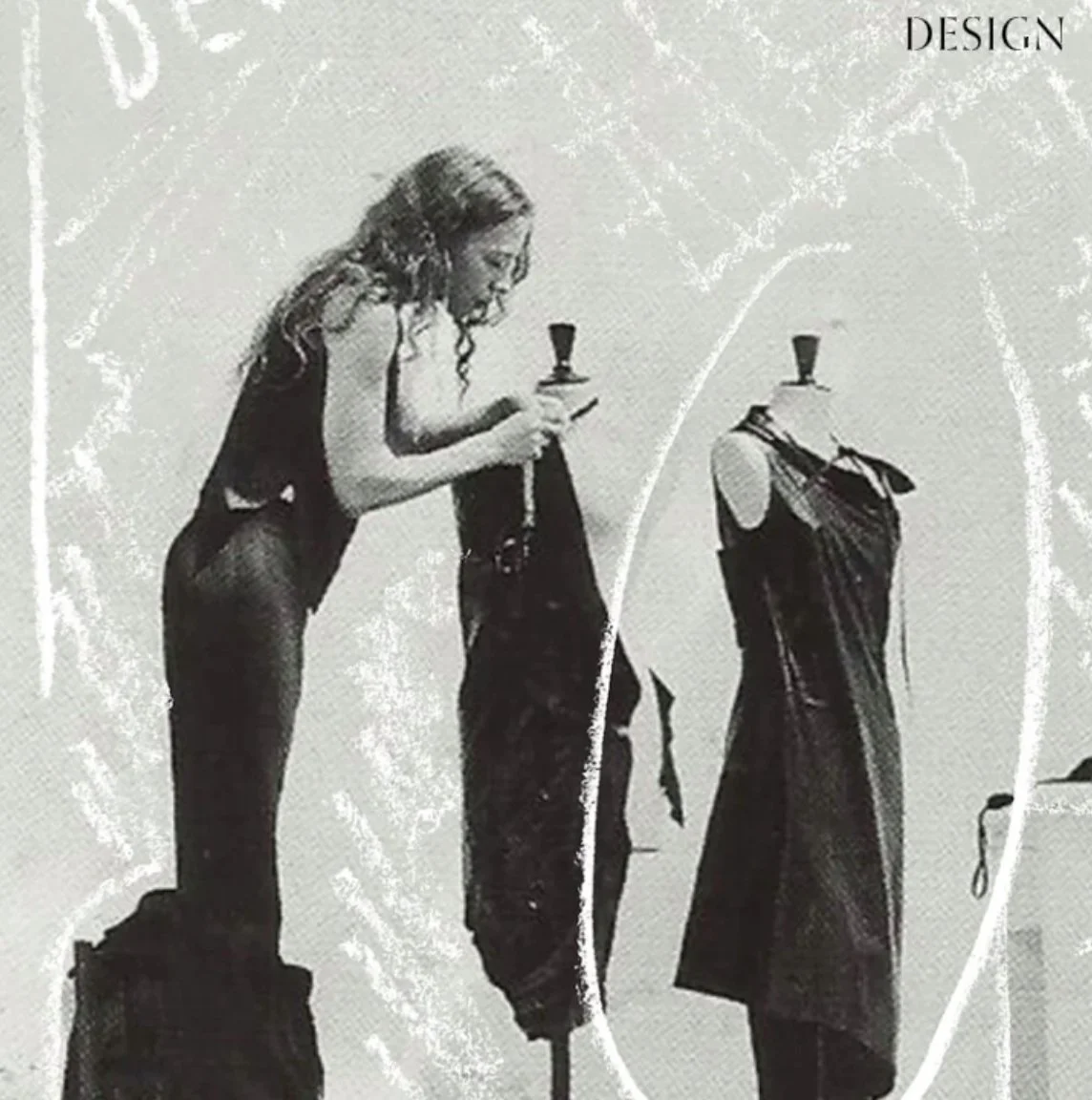
The RTW pieces from the late 1990s and early 2000s are now among the most sought objects in the high-end resale market: not for their collectability in the investment sense, though the prices have moved significantly, but because the people who want them want to wear them. They want to put on a Demeulemeester coat and feel what the woman who made it understood about the relationship between a body and a garment and a world. That feeling is not reproducible. It exists in these specific objects or nowhere.
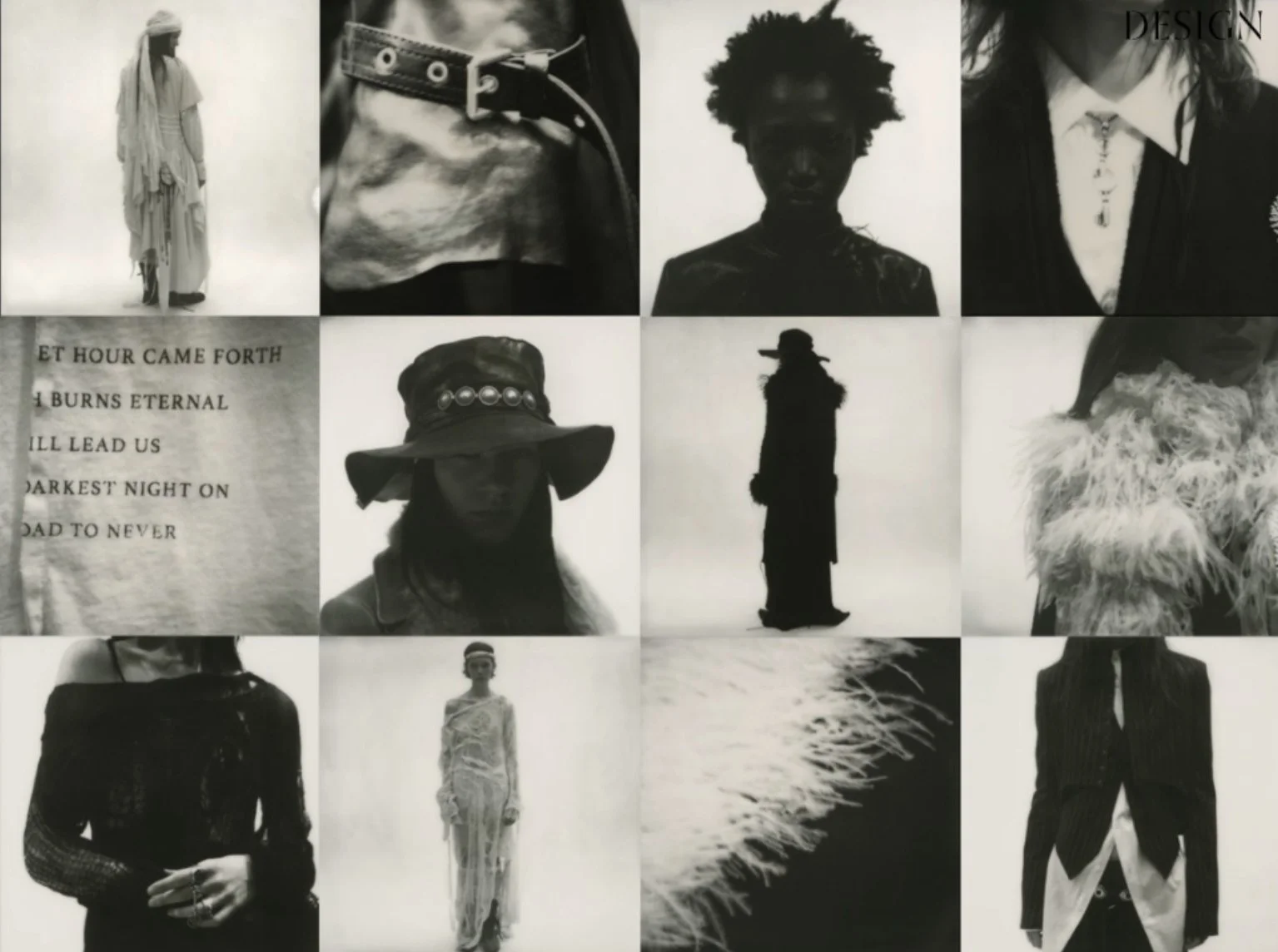
What Demeulemeester understood — and what the secondary market is now pricing, imperfectly but genuinely — is that a garment is a philosophical position. This coat says: I am interested in darkness and in the beauty that exists inside it. These trousers say: I believe that the relationship between the masculine and feminine in a body is not a problem to be resolved but a complexity to be honored. This dress says: I am not trying to please you. I am trying to tell the truth.
The current house — which continues under the creative direction of Stefano Gallici, who has approached the stewardship of Demeulemeester's language with seriousness and intelligence — is engaged in the genuinely difficult task of continuing a conversation that its originator had with her own interior. The results are sometimes moving and sometimes reveal, through their distance from the origin, precisely how singular the original voice was.
Demeulemeester herself has not spoken about fashion in the years since her retirement. She lives in Antwerp and makes sculpture and raises chickens and tends a garden. When asked, occasionally, about the work, she deflects — not out of false modesty but because she seems to have moved to a different conversation, one that fashion was always adjacent to but never identical with.
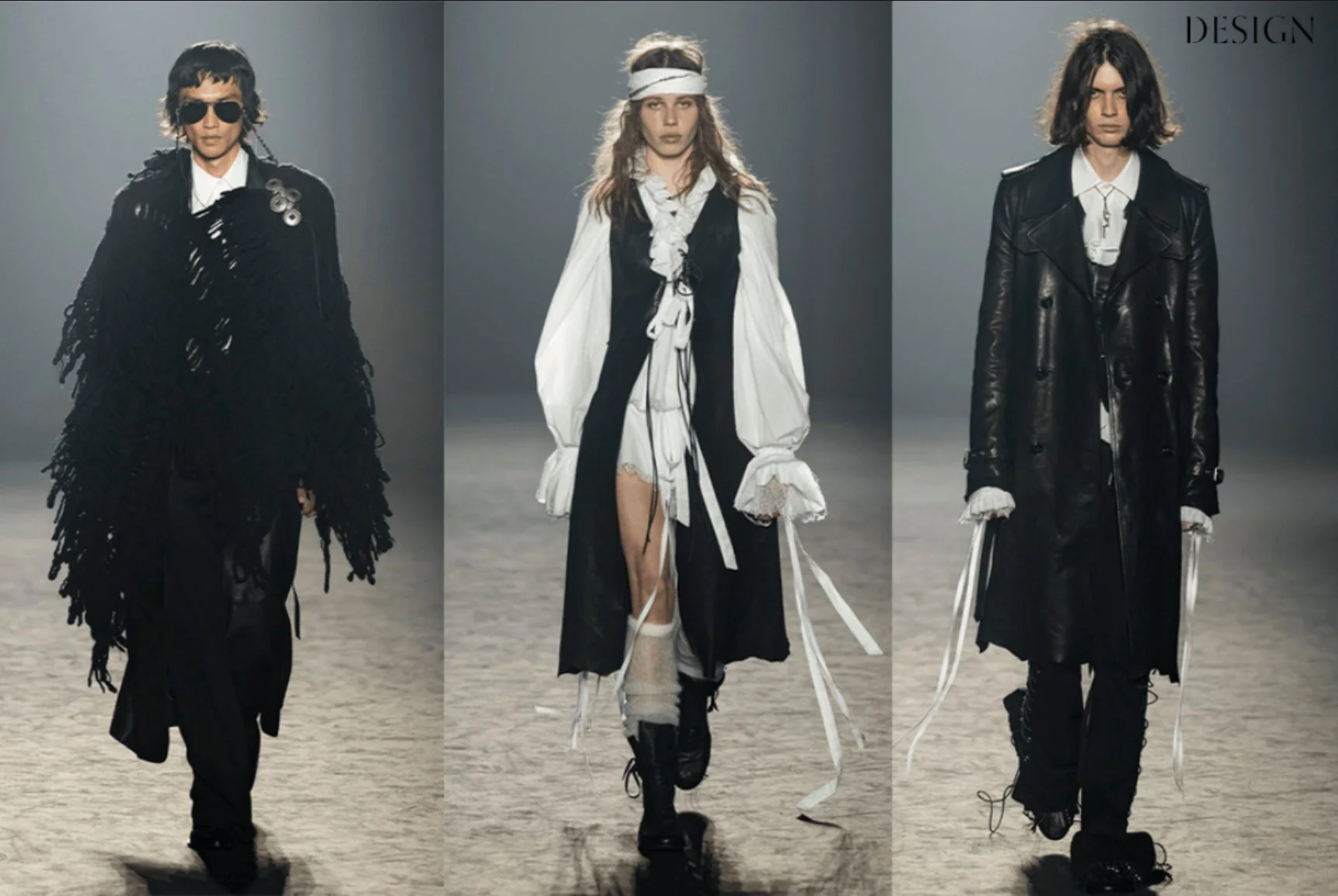
The vocabulary remains. It is used now by designers who came after, by stylists who understand what it means, by the person in their thirties or forties or fifties who puts on the coat they bought in 2002 and finds that it still fits — not the body, which has changed, but the thought.
That is what happens when a garment is made from a genuine philosophy: it outlasts the season, the collection, the company, the decade. It continues to say what it was made to say. And the people who need to hear it find it, eventually, however long it takes.
BY OONA CHANEL
