

He shuts down entire suburban streets for days to make a single image. He uses a crew that rivals a feature film production. The photographs look like stills from a film that is always about something that happened just before the frame was captured. Author on the practice and whether the scale is the point.
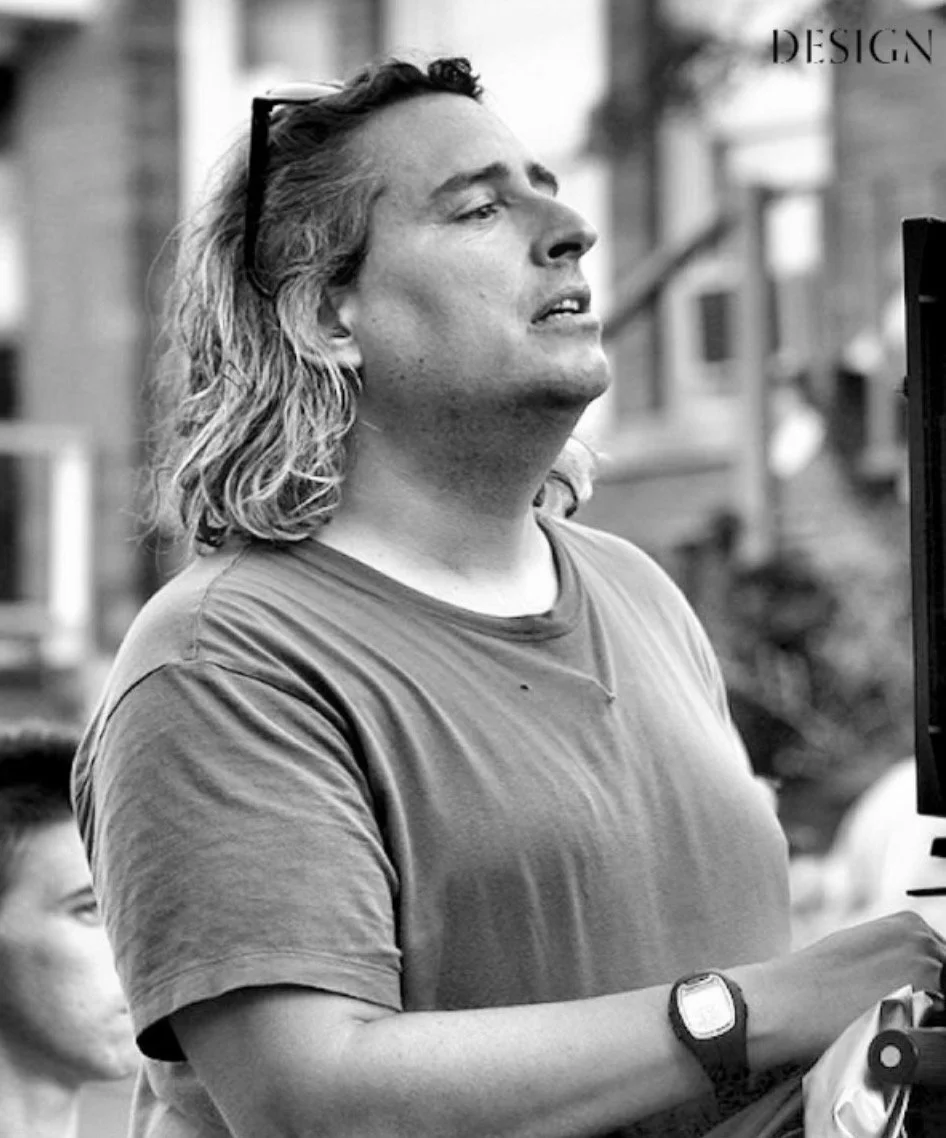
"The scale is not the point. The scale is the mechanism. The specific quality of light Crewdson produces - artificial modification of natural sources so the image reads as real while being formally impossible - is only achievable through the production infrastructure. The light is the point. The production is what the light requires."
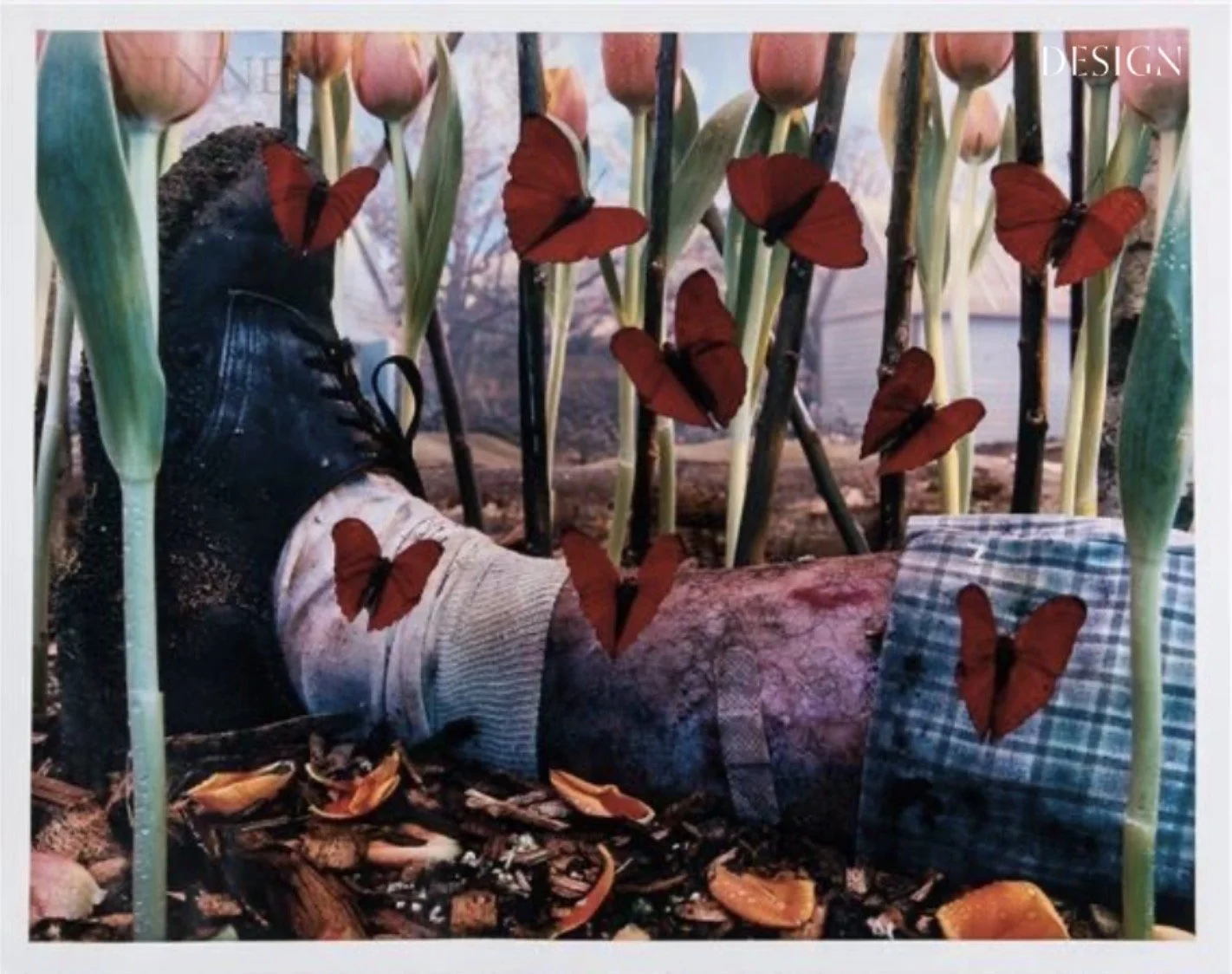
Gregory Crewdson makes photographs that require an infrastructure more commonly associated with film production than with photography. For the Twilight series, he hired a full Hollywood grip and electric crew, shut down streets in small Massachusetts towns, built practical lighting rigs that modified the ambient conditions of entire residential blocks, and spent up to ten hours setting up each image before the camera recorded a single frame. For the Beneath the Roses series, the production was scaled further: multiple locations, a crew of hundreds for certain images, a production budget per photograph that the secondary market has subsequently more than justified.
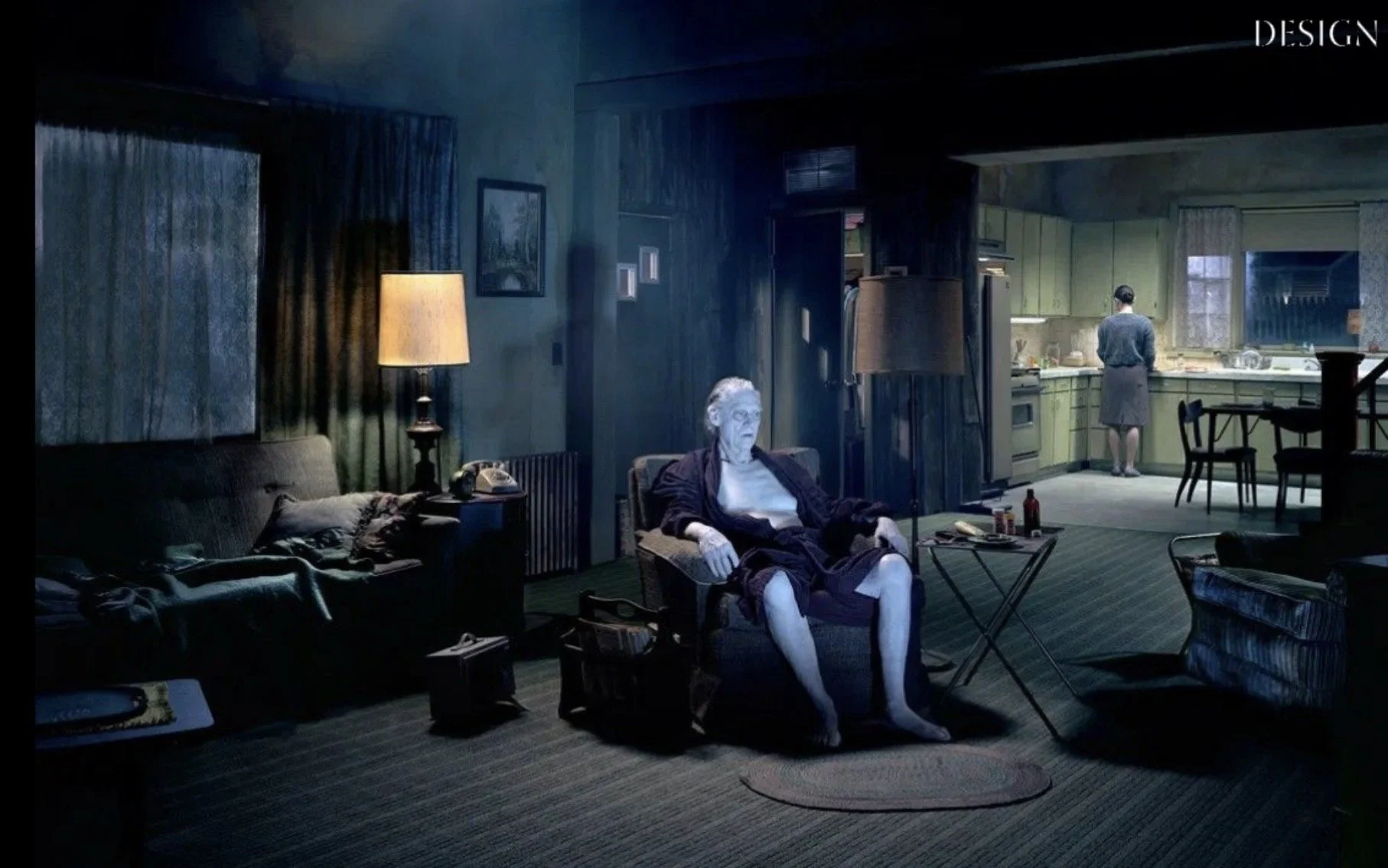
He was born in Brooklyn in 1962 and grew up in what he has described as a neighbourhood that felt permanently suspended between normality and its opposite - a quality of suburban life that combines the visual reassurance of ordered domesticity with the persistent sense that the order is covering something. This is the subject of every photograph he has ever made, from the earliest works to the most recent, and the formal language he has developed across thirty years is the most coherent available means of communicating that quality without describing it.
The scale of the production is the first thing anyone encounters when they read about Crewdson, and it is the question his work is most often asked to answer: is the scale the point? The answer is that the scale is the mechanism, not the point. The specific quality of light that Crewdson produces - the artificial modification of natural light sources so that the image reads as real while being formally impossible, the interior lighting that bleeds through windows in ways that natural light sources do not bleed, the street-level sky that is always at the specific moment before or after a storm - is only achievable through the production infrastructure. A smaller production could not produce this specific light. The light is the point. The production is what the light requires.
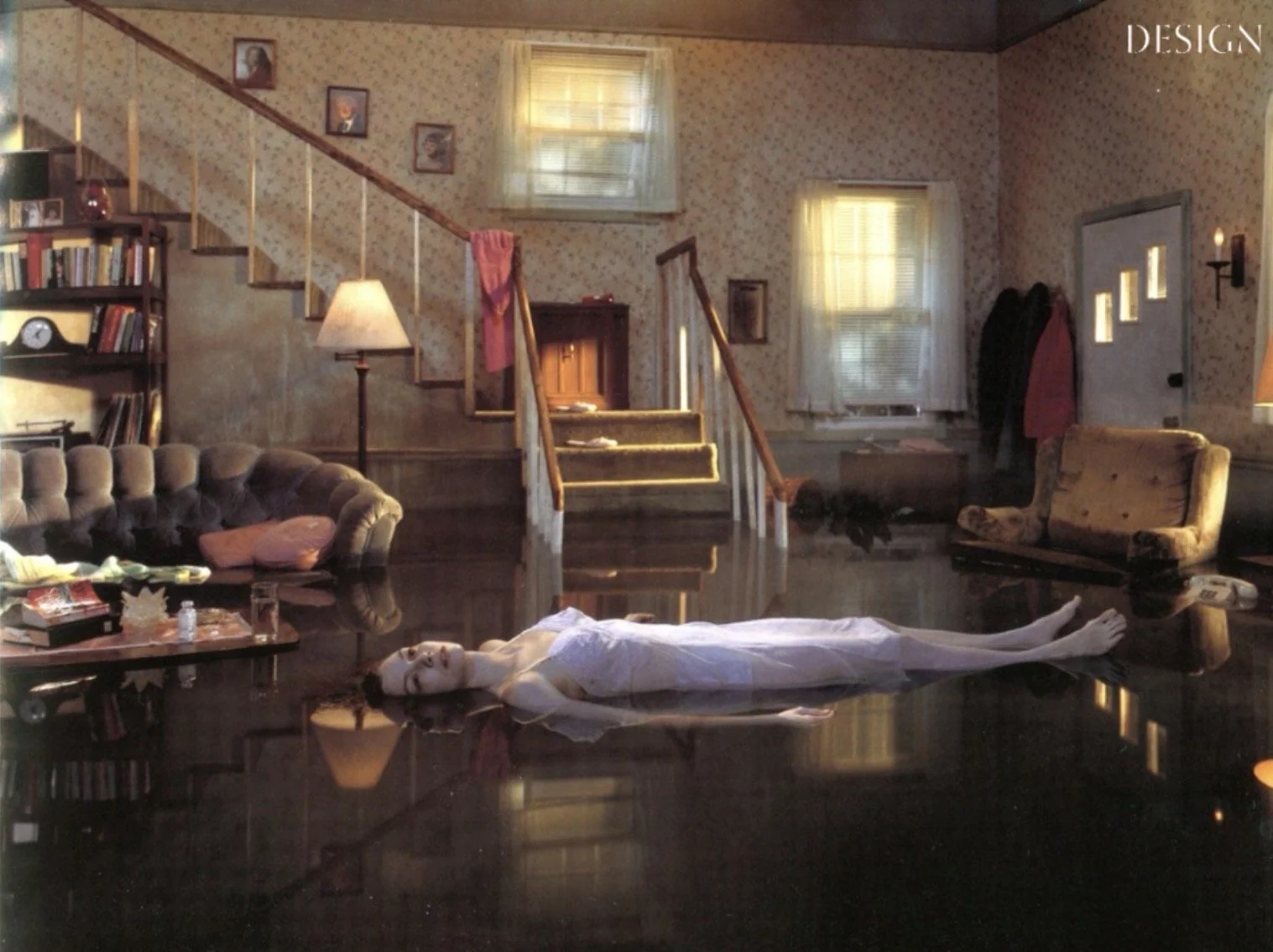
The photographs work the way certain kinds of literature work: they provide enough information to produce a complete imaginative world and withhold exactly the information that would resolve the narrative. The woman standing in the flooded living room is there and the water is there and the light is exactly right and nothing in the image tells you whether she is about to do something or has just finished doing something or has been standing there for a very long time. The suspension is permanent. No continuation of the narrative is possible or desirable.
His most recent body of work, An Eclipse of Moths, was shot in and around Great Barrington, Massachusetts, and continues the formal programme at a scale that has not diminished since the early work. The light has become, if anything, more precise: the specific quality of a tungsten interior seen from outside at dusk, the way the moth-attracting light of a kitchen window creates a halo in the night air. The title is not explained by the images. The images are not explained by the title. This is the correct relationship between a title and a body of photographic work.
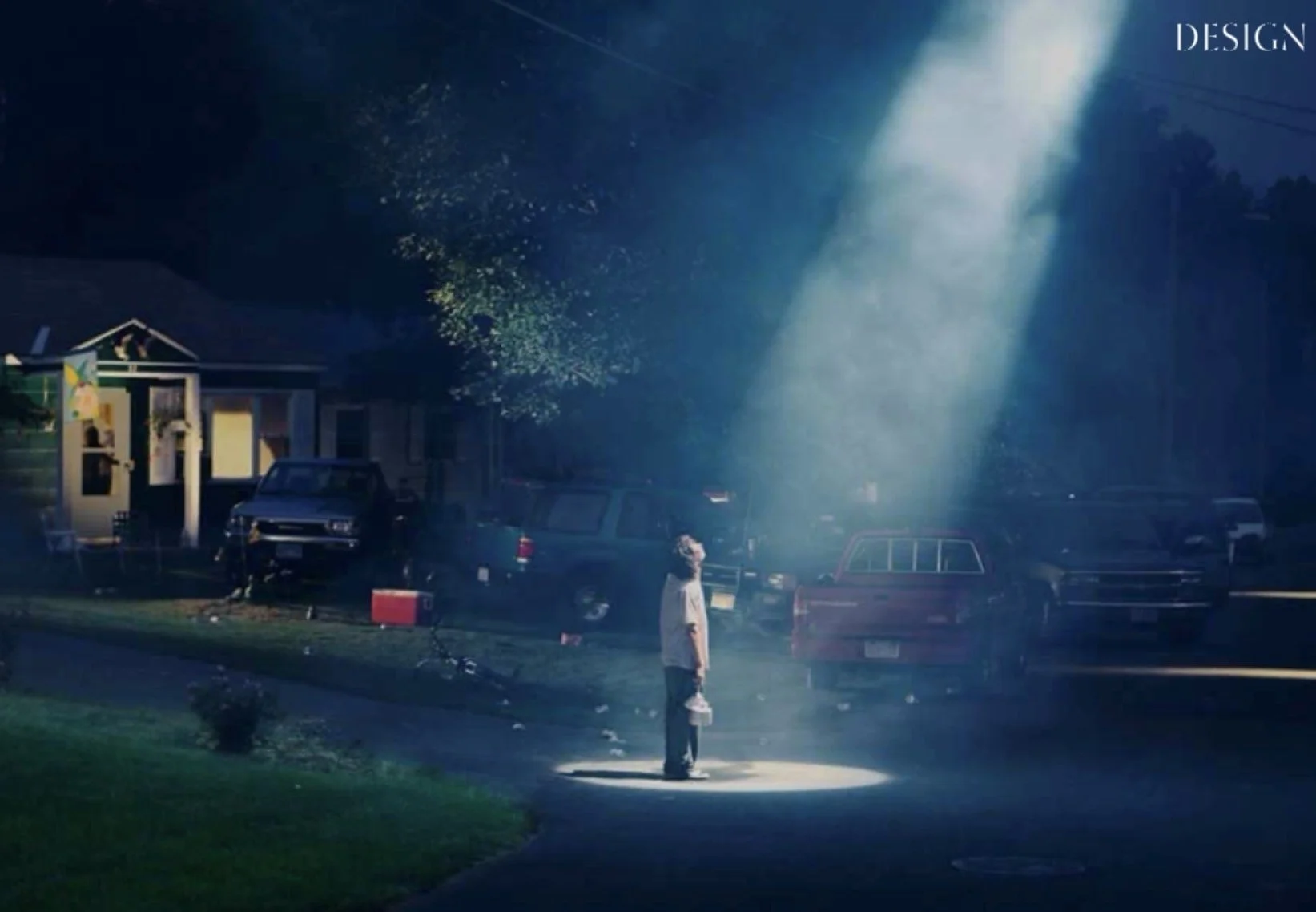
His most recent body of work, An Eclipse of Moths, was shot in and around Great Barrington, Massachusetts, and continues the formal programme at a scale that has not diminished since the early work. The light has become, if anything, more precise: the specific quality of a tungsten interior seen from outside at dusk, the way the moth-attracting light of a kitchen window creates a halo in the night air. The title is not explained by the images. The images are not explained by the title. This is the correct relationship between a title and a body of photographic work.
He is represented by Gagosian in New York, London, and internationally, and by White Cube in London. The secondary market for his prints is one of the most consistently active in American photography: Christie's, Phillips, and Sotheby's have placed major prints from all his series in their flagship contemporary sales.
The specific recommendation: find an An Eclipse of Moths print in reproduction or in person. Look at the light in the kitchen window for thirty seconds.Then consider what kind of light requires a film crew and a closed street and ten hours of preparation to make it appear natural.
BY OONA CHANEL
