

He died in April 2024 at eighty-four and left behind a body of work that the design world has never quite known what to do with. His pieces are irregular, deliberately imperfect, brightly coloured, and made to last centuries. He was doing what design is only now beginning to catch up to. Author on the legacy.
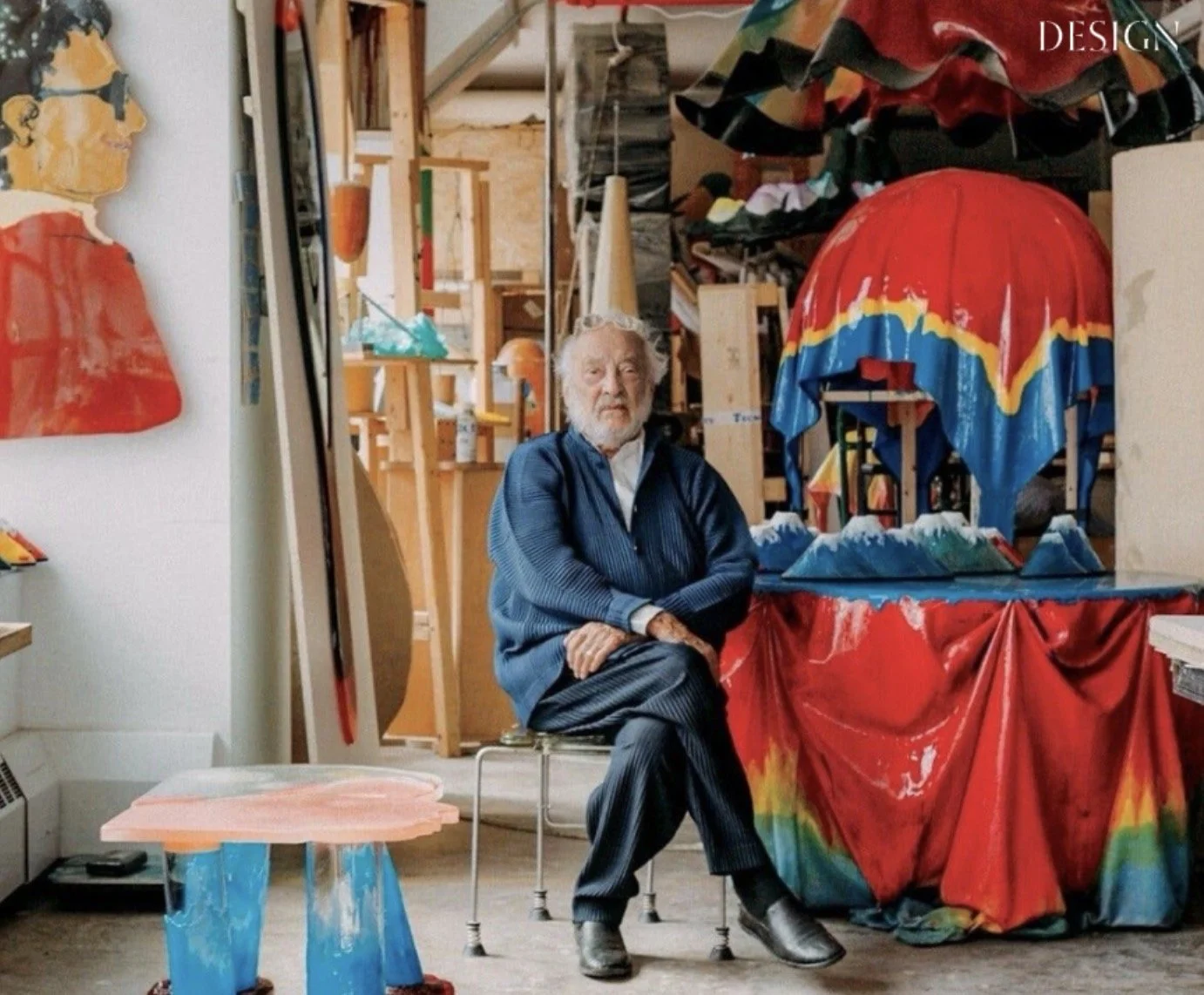
"The contemporary premium on visible handmaking, on the unique, on the object that shows how it was made, is Pesce's argument from 1969, made in mass-produced polyurethane foam and largely ignored by the design mainstream for fifty years before the market decided that uniqueness was valuable. He arrived at the destination first. The contemporary design world is still on the way."
Gaetano Pesce died on April 3, 2024, in New York, at eighty-four years old. He had been working until very recently before his death, producing the specific kind of work he had been producing since the 196os: objects that looked like nothing else in design history, that were deliberately imperfect in a way that was entirely intentional, that used industrial materials - polyurethane foam, resins, oxy - in ways that those materials had never been used, and that carried a philosophical programme so explicit and so specific that the design world's repeated failure to integrate it into the mainstream of design discourse says more about the discourse than about the programme.
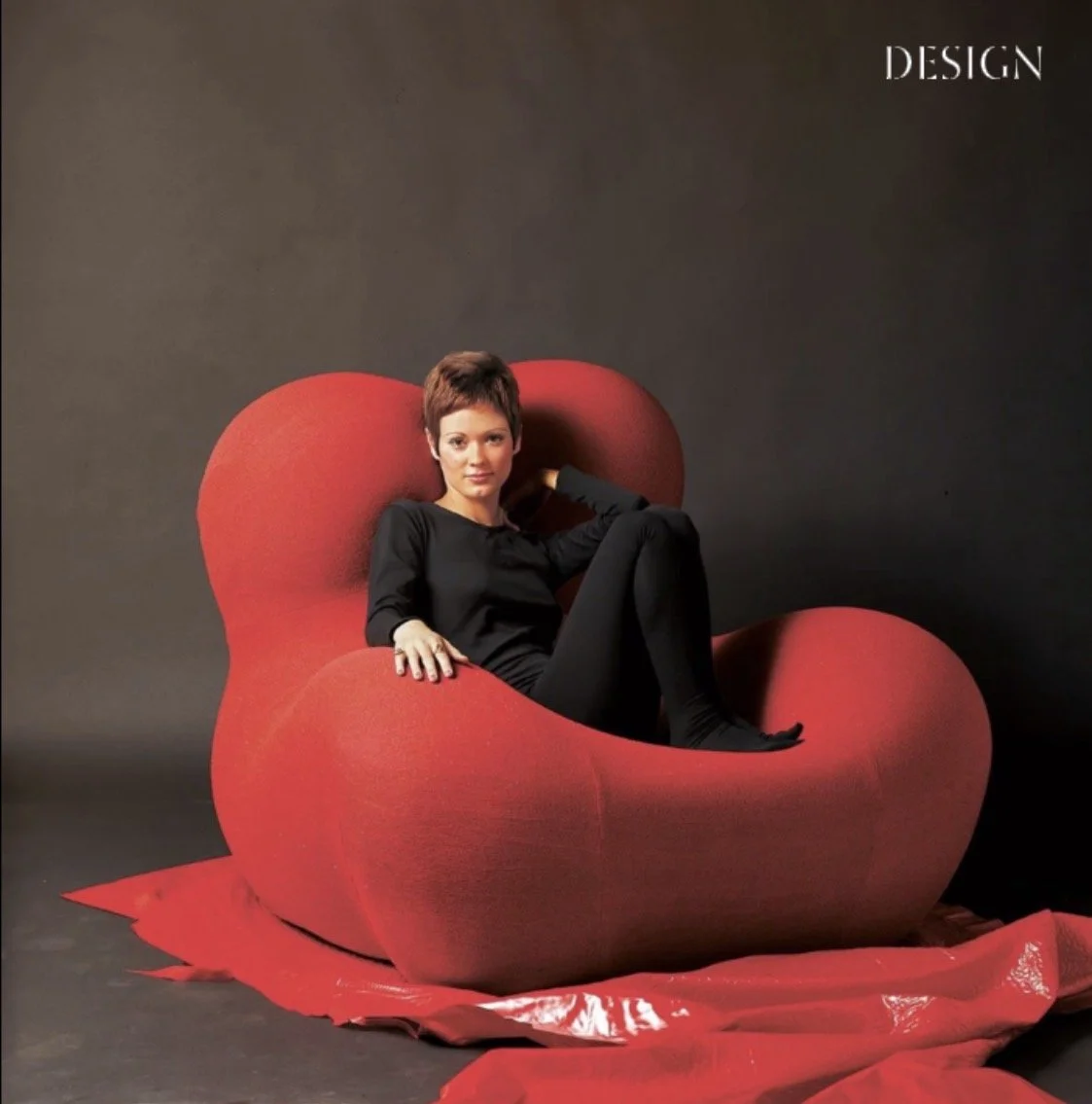
He was born in La Spezia in 1939 and studied architecture in Venice at the same institution and in the same period as Carlo Scarpa and Aldo Rossi, which is the biographical detail that contextualises his commitment to the idea that designed objects should carry meaning rather than merely function. His early work in the 196os, produced under the umbrella of what would later be called Italian radical design, included the UP series of armchairs for B&B Italia, completed in 196g: foam chairs that were vacuum-packed flat, shipped in PVC envelopes, and expanded to full size when the envelope was opened, combining the industrial logic of polyurethane with a form language - the specific bodily, fleshy, rounded quality of the UP5, which the designer described as a woman's body with a ball and chain attached - that was simultaneously feminist critique and formal proposition. The chair is in the permanent collection of the Museum of Modern Art.
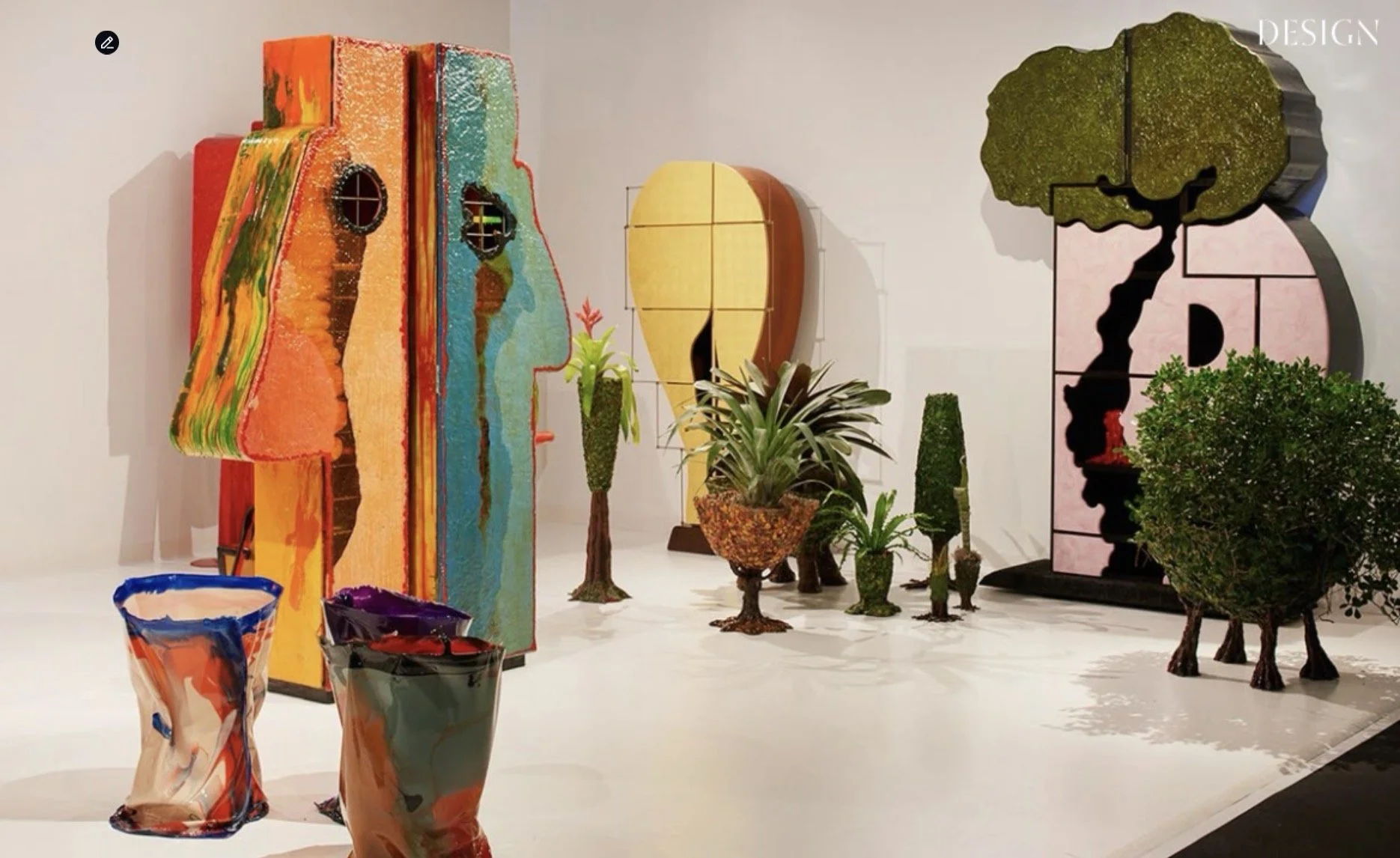
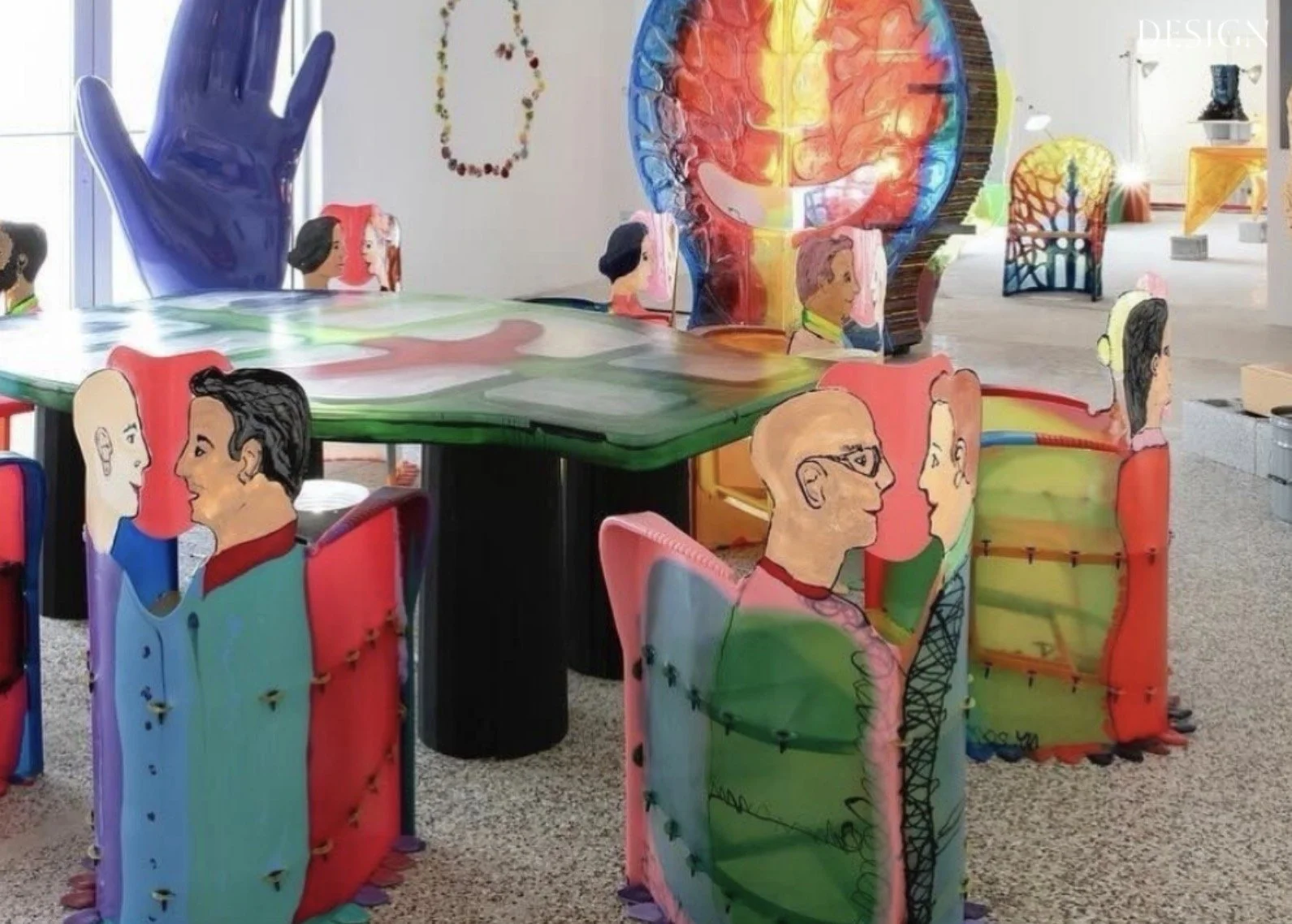
His fundamental proposition about objects - stated explicitly across decades of interviews, lectures, and writings - was that industrial production, by producing identical objects in series, had created a world in which objects had no identity, and that objects without identity could not communicate the social or emotional content that objects in pre-industrial cultures had always carried. His solution was to design objects that were intrinsically variable: chairs whose colour distribution changed across each cast, vases whose shape was different in each production run, furniture that incorporated intentional formal asymmetry and material irregularity as designed qualities rather than manufacturing defects.
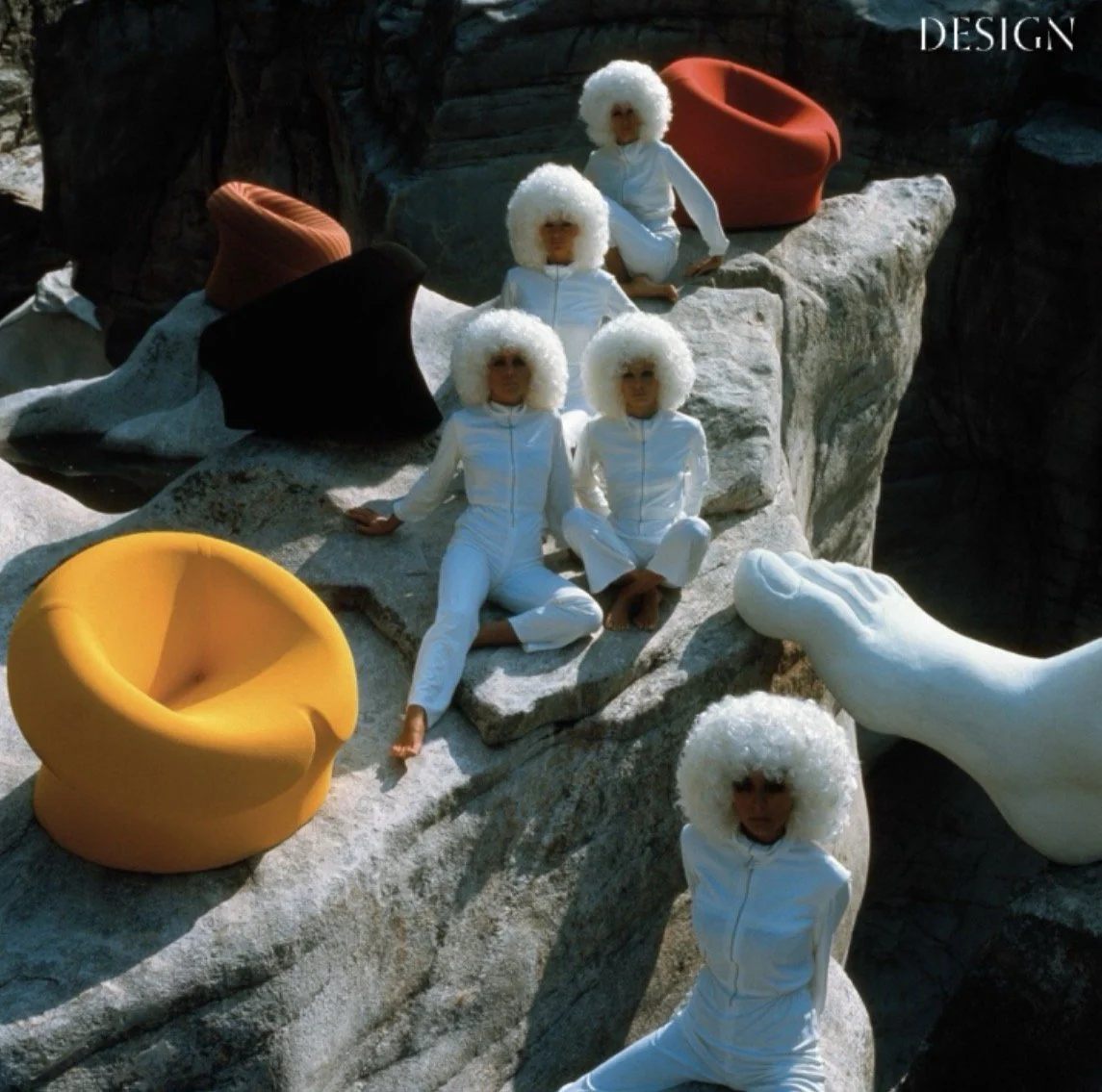
This is the design position that the contemporary interest in craft, in small-batch production, in the 'fingerprint' of human making in objects, has arrived at without naming him. The contemporary premium on visible handmaking, on the unique, on the object that shows how it was made, is Pesce's argument from 1969, made in mass-produced polyurethane foam and largely ignored by the design mainstream for fifty years before the market decided that uniqueness was valuable.
His work was produced primarily for Cassina, B&B Italia, Fish Design (his own New York studio), and a range of gallery contexts including Galerie Yves Gastou in Paris and multiple major design museums. The secondary market for his pieces has been active at Wright Auctions in Chicago and at Sotheby's Design sales in New York, with his most significant historical pieces achieving prices that reflect the belated recognition of his importance.
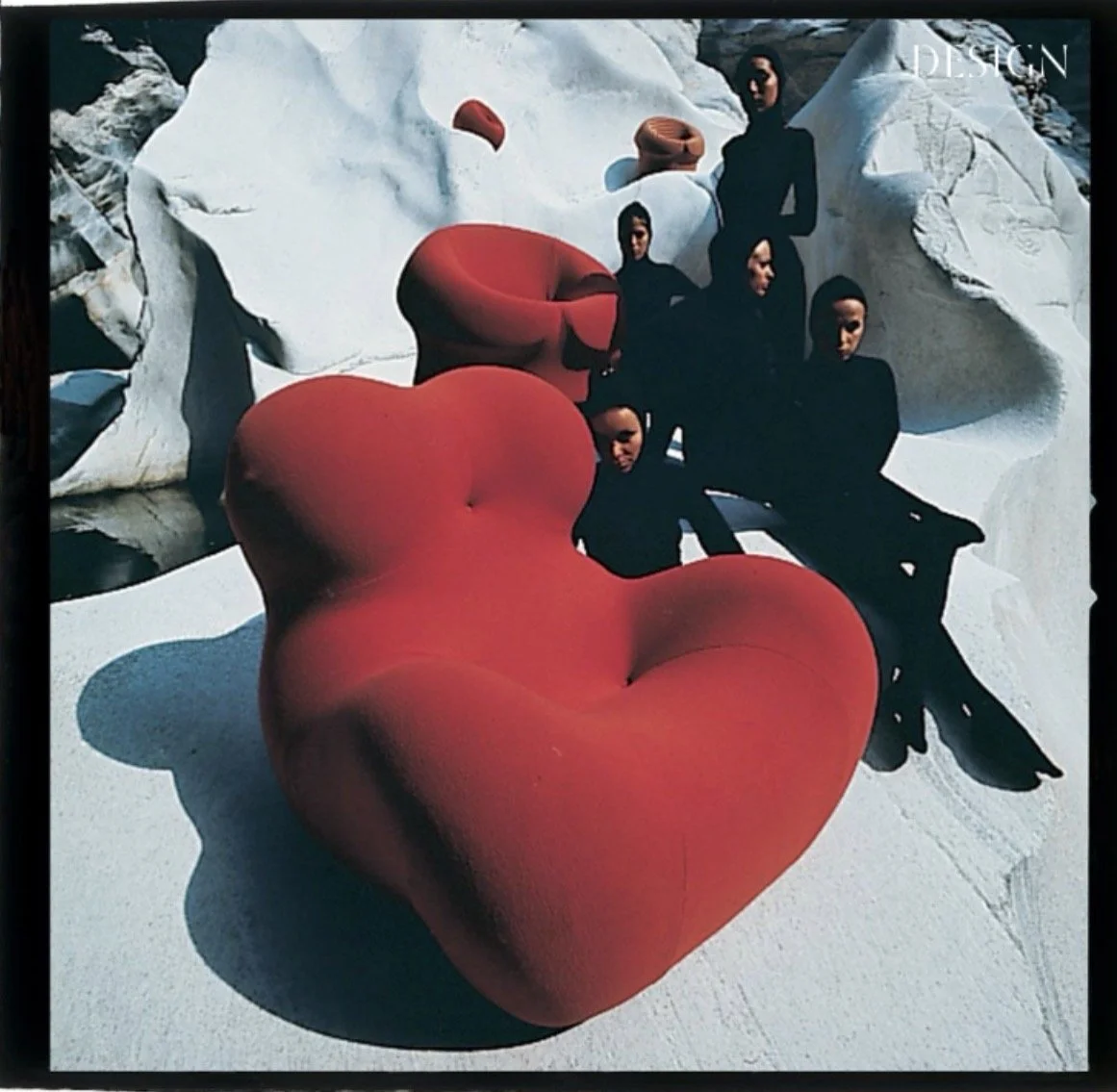
The legacy question: what Pesce demonstrated, across sixty years, is that the designed object can be a philosophical proposition and that this does not require the object to stop being useful. The chair sits. The vase holds flowers. The proposition is present in both functions simultaneously.
The contemporary design world is building toward this understanding from a different direction- through sustainability, through craft revival, through the rejection of the generic. arrived there first, and the work he left behind is the record of what the destination looks like.
BY OONA CHANEL
