

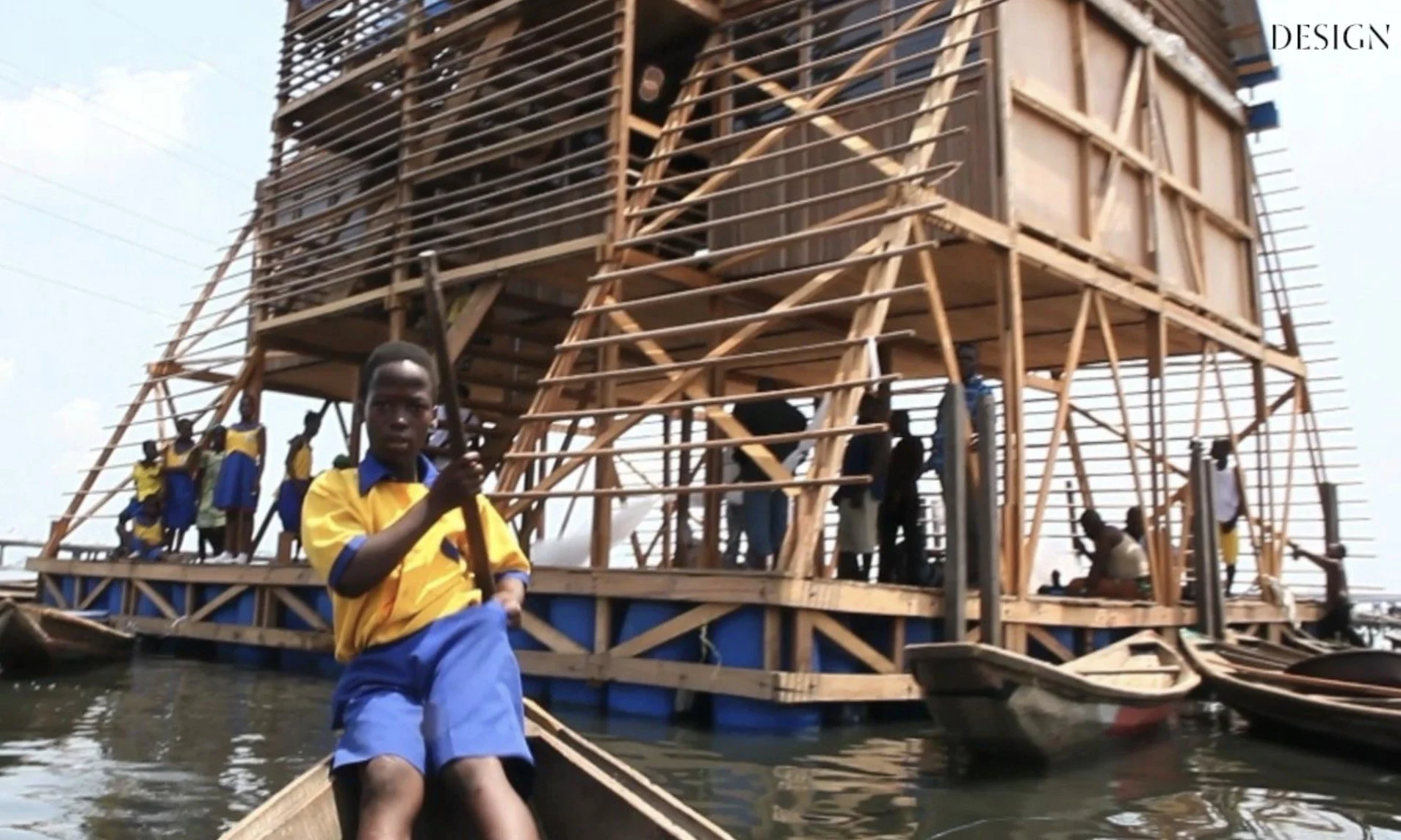
He designed Makoko Floating School for a Lagos water community that had been earmarked for demolition. The school was destroyed in a storm. He rebuilt the proposition and continued. His practice is one of the most consequential architectural arguments being made anywhere in the world. Author on NLE and what it represents.
"The structural failure of Makoko Floating School was documented, analysed, and used as the basis for an improved system in the second-generation prototype. The argument was not abandoned. The community was not abandoned. The failure was treated as information rather than as a reason to withdraw. That is what serious architectural practice looks like."
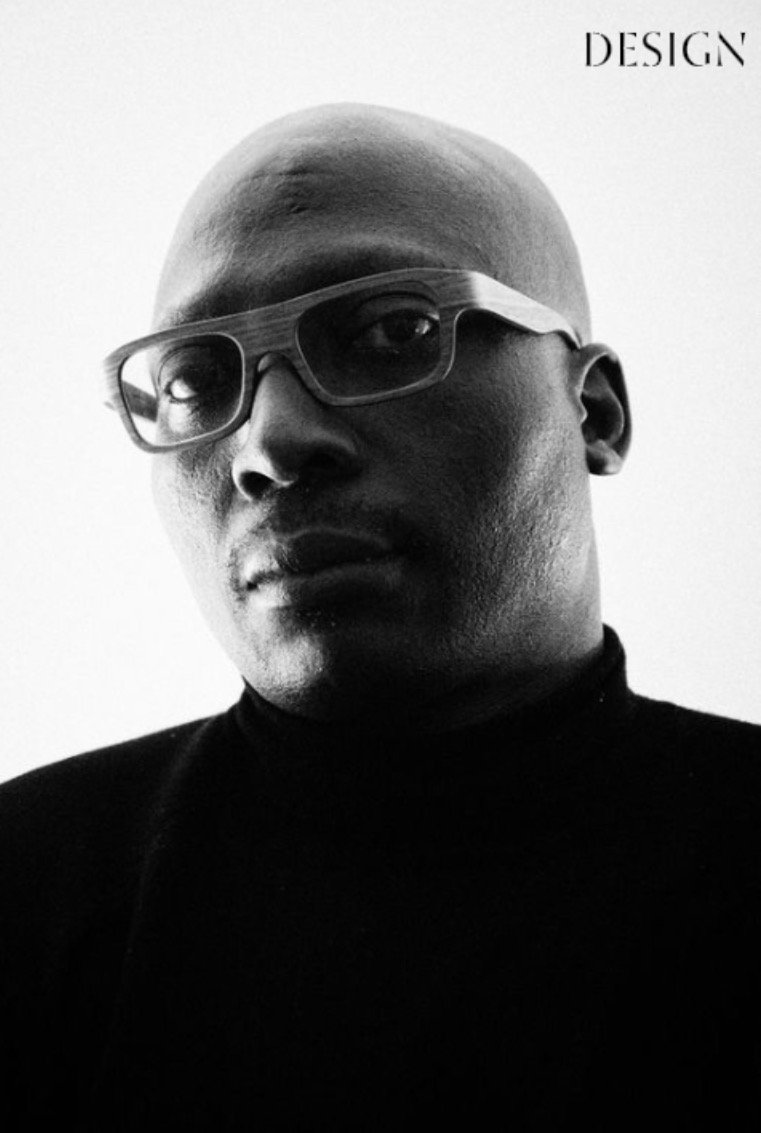
Kunlé Adeyemi grew up in Lagos and studied architecture at the University of Lagos before completing his postgraduate training at Princeton and working with Rem Koolhaas at the Office for Metropolitan Architecture. He founded NLE in Lagos and Amsterdam in 2010, and the practice he has built since then is
organised around a single formal and political premise: that the communities living in and on the water in Lagos and across West Africa have been building with water for generations, that this knowledge is sophisticated and not well-documented, and that architecture can serve these communities rather than the planners who have decided they should not exist.
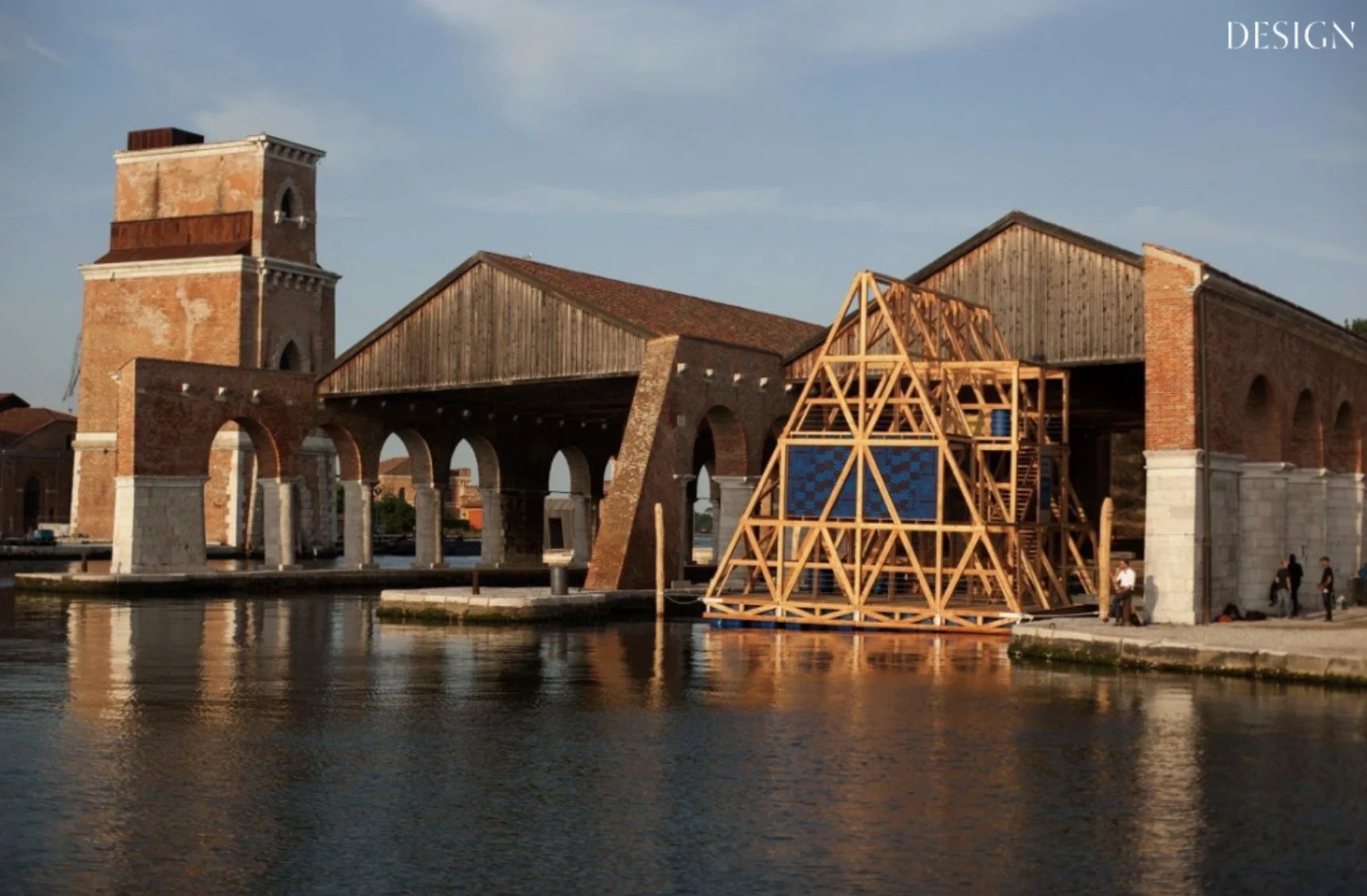
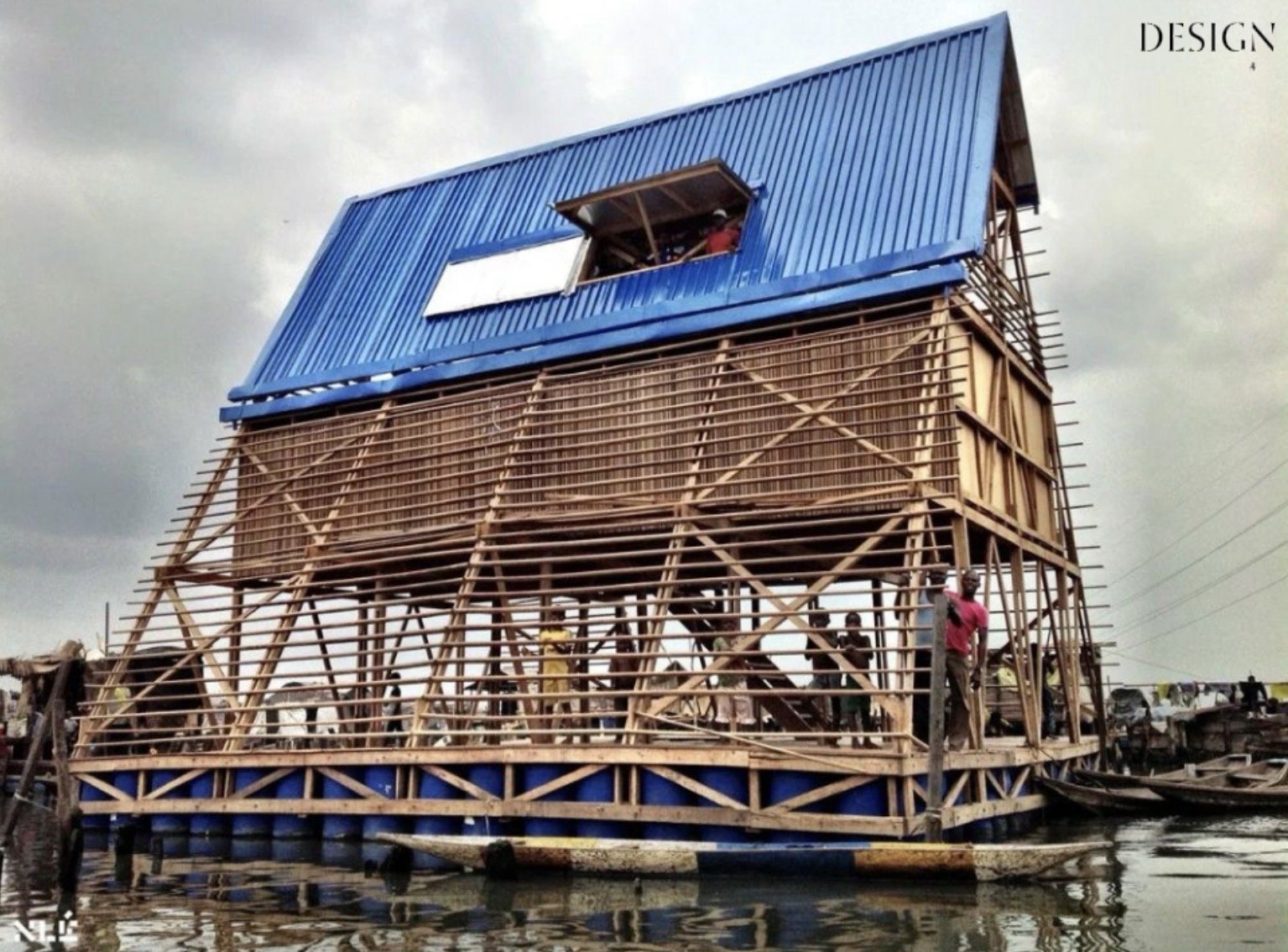
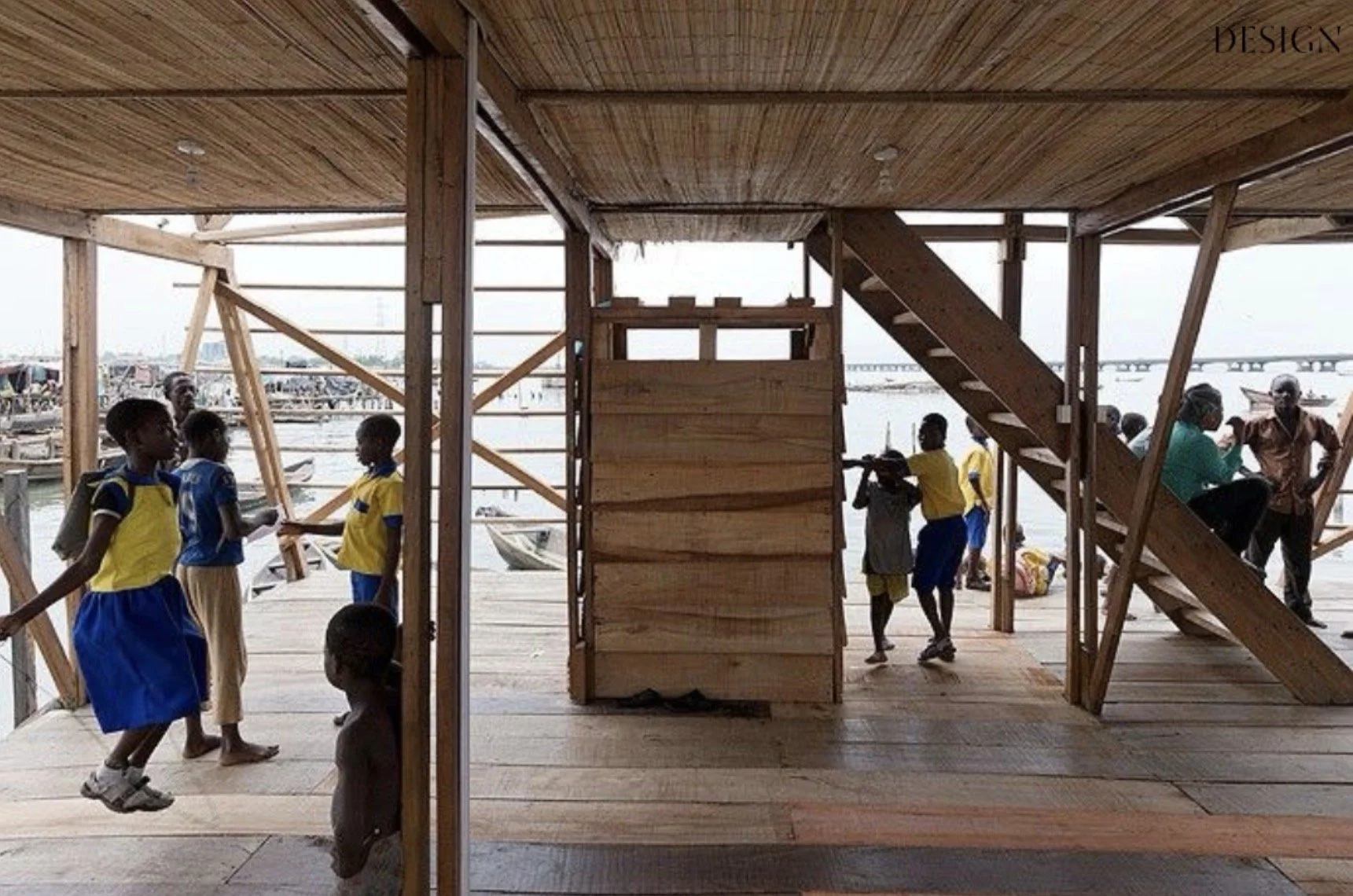
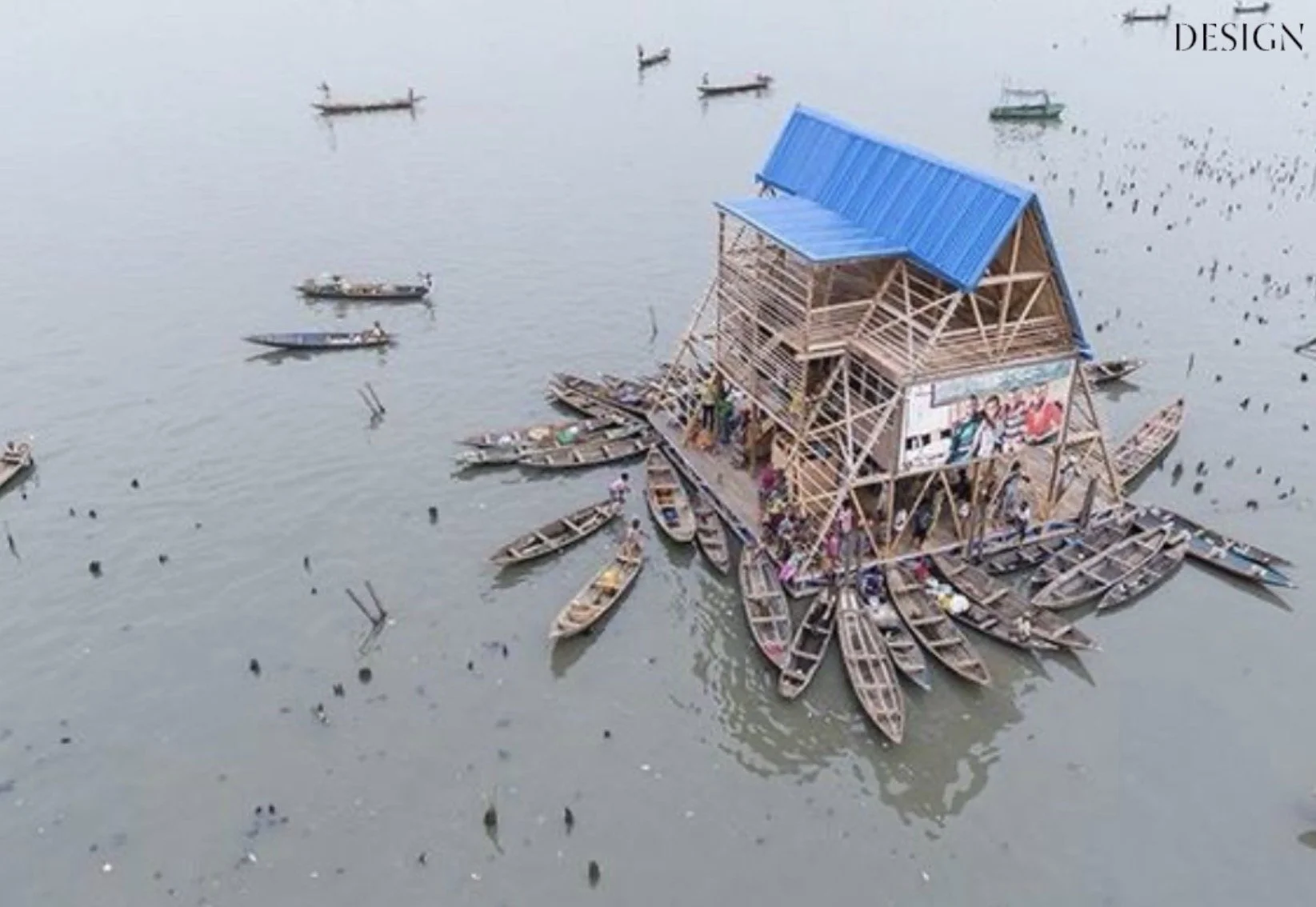
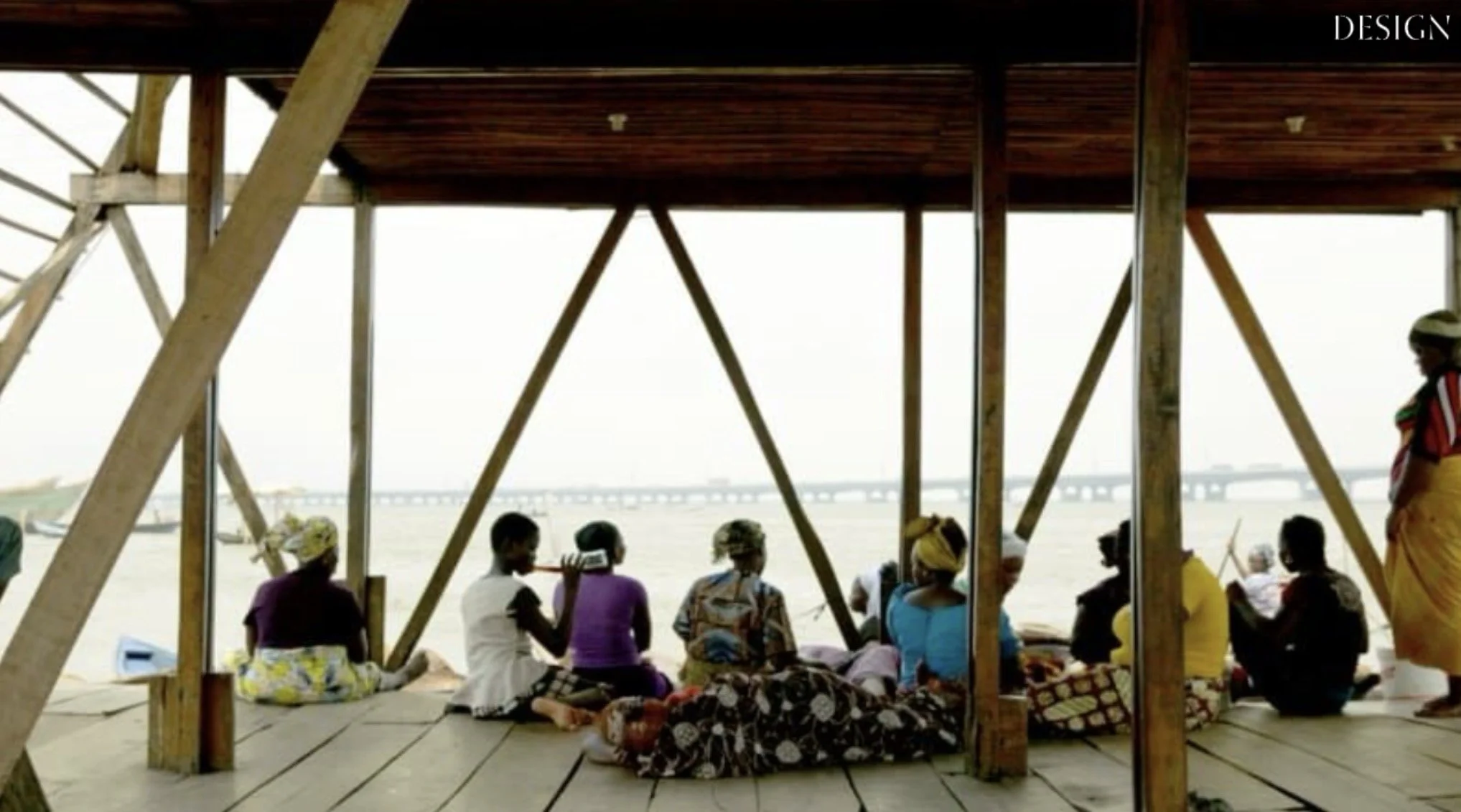
The Makoko Floating School, completed in 2012 in the water settlement of Makoko on the Lagos Lagoon, was a three-storey floating structure built from locally available timber and intended to serve as a school, community space, and prototype for future floating structures in the settlement. Makoko is one of the largest water settlements in West Africa, home to
approximately 100,000 people who have been living on the lagoon for generations and who have been subject to repeated demolition attempts by the Lagos State Government on the grounds that the settlement is illegal. The floating school was intended to demonstrate that the settlement had a future that did not require either demolition or displacement.
The school collapsed in a storm in 2016, three years after it was completed. The structural failure was the result of a combination of factors that the subsequent investigation identified as including the specific loading conditions created by the form and the connection detail at the junction between the buoyancy platform and the superstructure. Adeyemi documented the failure, published the engineering analysis, and used it as the basis for an improved structural system in the second-generation Makoko prototype. The response to failure is as significant a statement about the practice as any of the built work: the argument was not abandoned, the community was not abandoned, and the failure was treated as information rather than as a reason to withdraw.
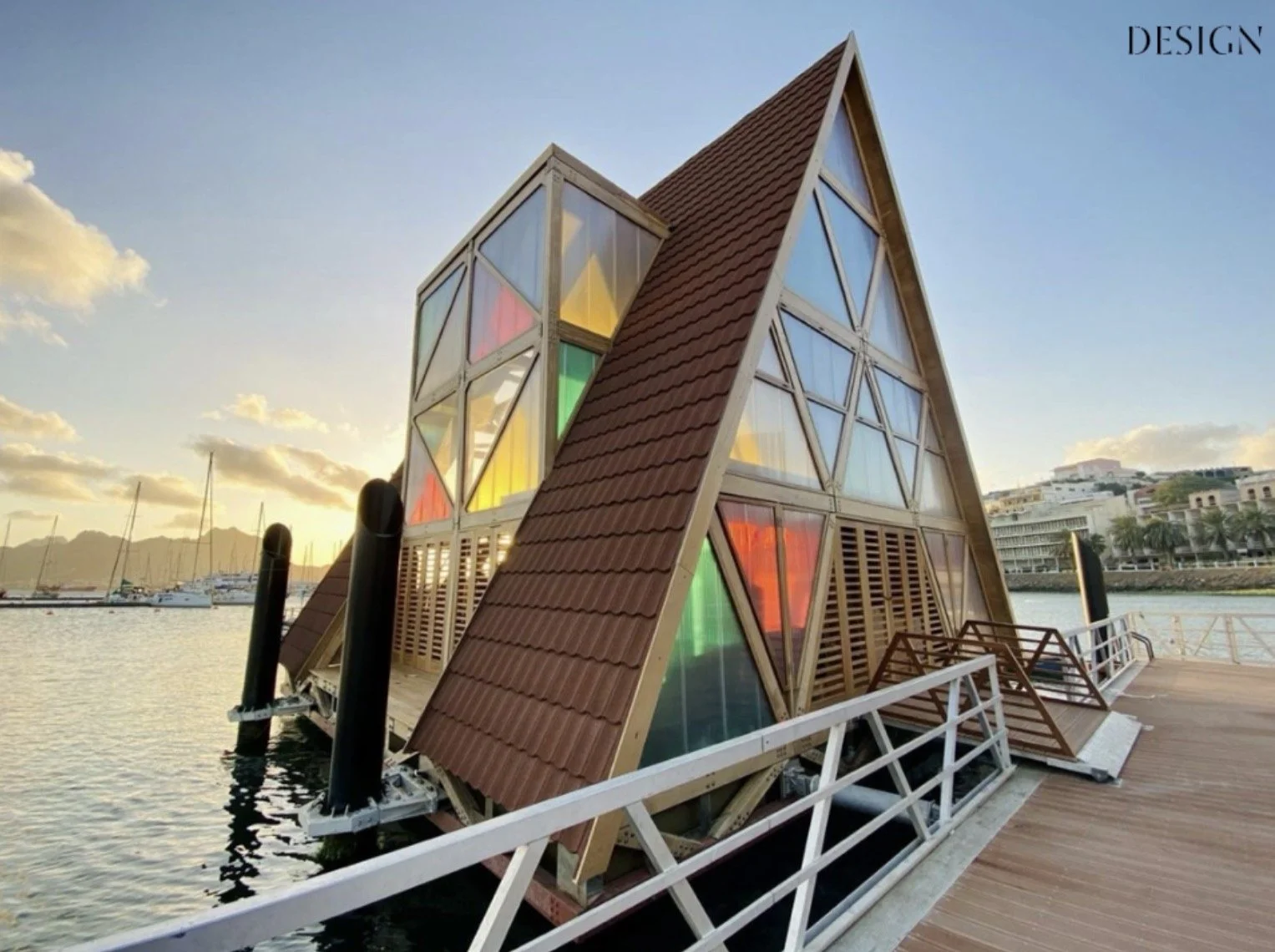
The current NLÉ practice extends beyond Makoko to a range of projects across Africa, Europe, and North America that examine the relationship between water, community, and architecture in contexts ranging from the Amsterdam canals to the mangrove settlements of Senegal. The practice has produced a research body - the African Water Cities research, which documents the floating and water-edge settlements across twelve African cities - that is among the most important available records of how a significant proportion of the world's urban population lives, and that the mainstream urban planning literature has not adequately engaged with.
His Serpentine Pavilion in 2023 was the first by an African architect and the first to address, directly in its form and programme, the relationship between water and public gathering. The pavilion included a floating element on the Serpentine Gallery lake and was, in the manner of the best Serpentine commissions, a spatial argument rather than an architectural object.
He is based between Lagos and Amsterdam and is available for interview through the NLÉ practice. The interview is worth pursuing: he is one of the most precisely articulate architects working anywhere on the relationship between architecture, community, and political conditions.
The Makoko story - the building, the collapse, the rebuilding of the argument - is the most honest available account of what serious architectural practice looks like when it is working at the intersection of formal intelligence and political commitment.
Both dimensions are necessary. Neither alone is sufficient.
BY OONA CHANEL
