

The Women of the Bauhaus: A Century of Forgetting, and the Reassessment That Is Finally Happening
The Bauhaus is remembered for its masters. The masters were, almost entirely, male. The story of what was actually made there has been waiting a hundred years to be told properly.
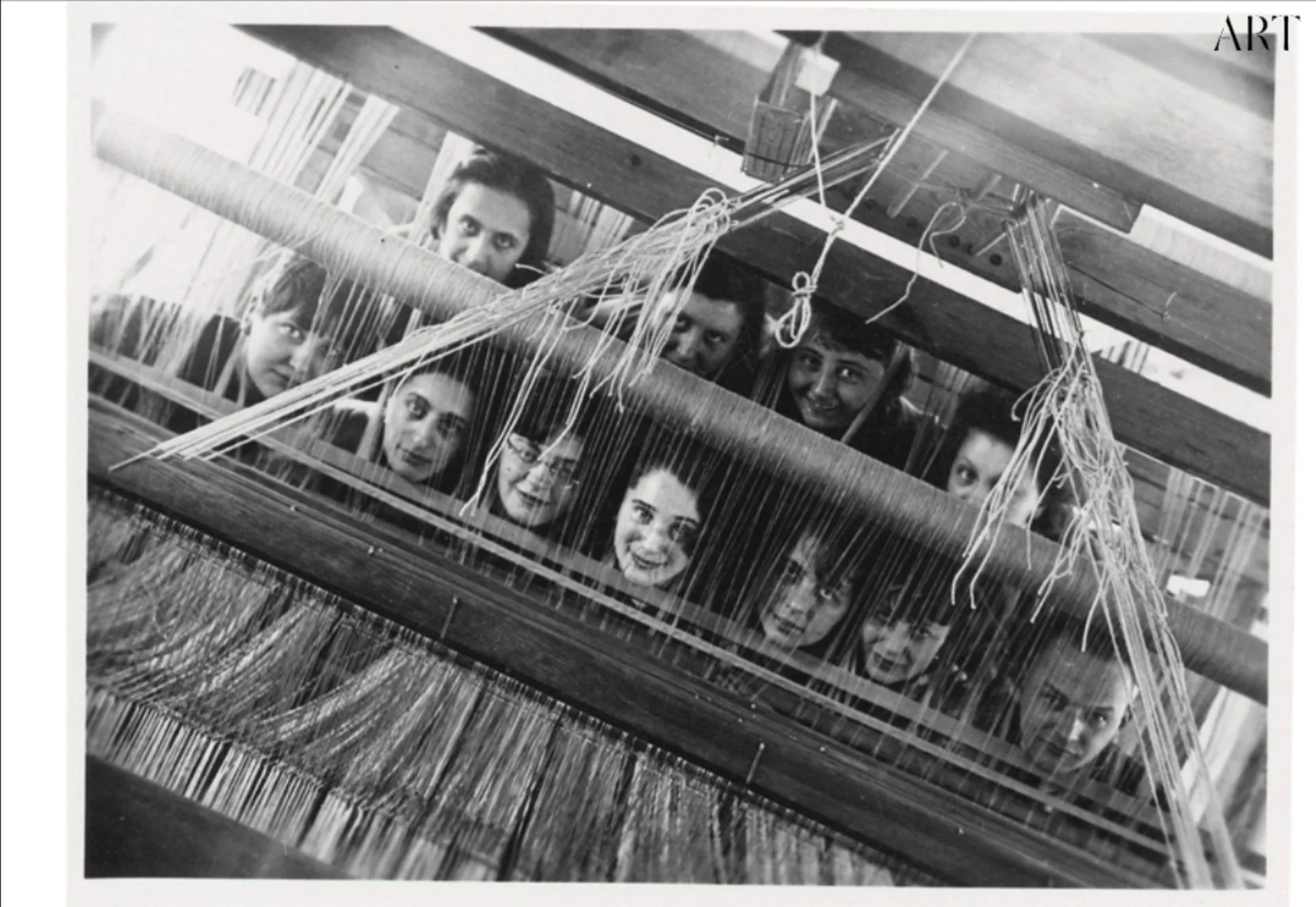
The constraint produced a concentration of talent and energy that resulted in work of extraordinary originality. The weaving workshop became one of the most innovative textile design programs in the history of European art.”
The Bauhaus existed for fourteen years, from 1919 to 1933, and produced an aesthetic revolution that reshaped the visual language of the twentieth century. This is established fact, widely taught, and broadly understood. What is less widely understood — and what a generation of scholars has spent the past twenty years working to correct — is which people at the Bauhaus made which things, and why the canonical account has systematically misattributed, undercredited, and in some cases simply erased the contributions of the women who were there.
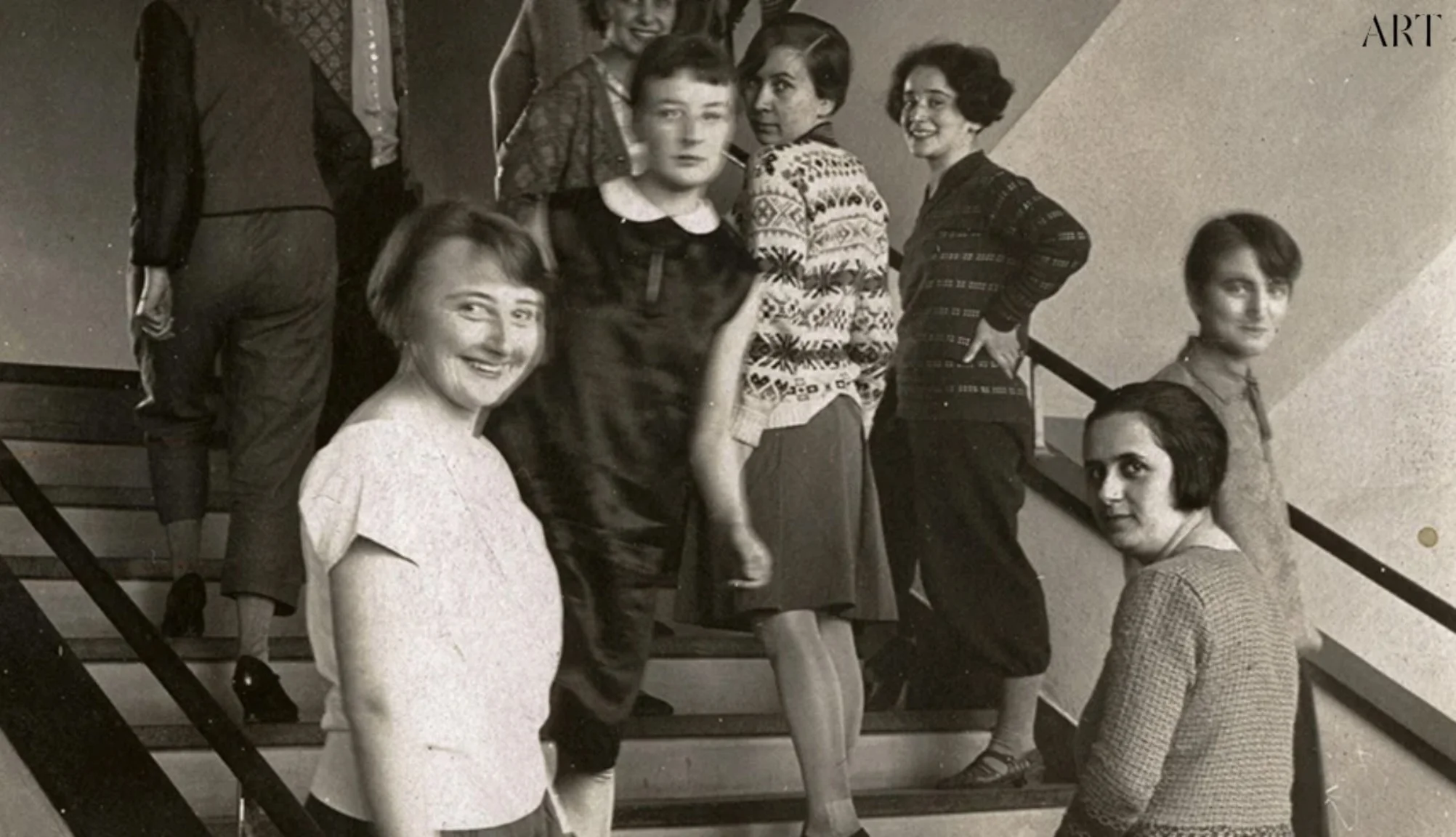
There were a significant number of them. When Walter Gropius opened the school in Weimar in 1919, he invited women to apply on an equal basis — a radical gesture in the context of German art education, where women had historically been excluded from the major academies. The response was overwhelming. In the first year, women made up approximately half of the enrolled students. This created, very quickly, a problem for Gropius and the male masters, who had not anticipated the degree to which their invitation would be taken up and who, in response, began directing female students away from the workshops in architecture, furniture, and metalwork — the workshops with professional and commercial futures — and toward the weaving workshop, which was considered appropriate for women and which was, by implication, considered less serious.
The weaving workshop became, as a direct consequence, one of the most innovative textile design programs in the history of European art. This is the central irony and central tragedy of the Bauhaus gender story: the constraint produced a concentration of talent and energy that resulted in work of extraordinary originality. Anni Albers, Gunta Stölzl, Otti Berger — the names that the reassessment has recovered — were not making decorative work. They were investigating, with the same rigor that the male masters brought to their disciplines, the structural properties of textile, the relationship between material and function, the capacity of woven cloth to embody abstract compositional principles.
Gunta Stölzl, who became the only female master at the Bauhaus and who directed the weaving workshop from 1926 to 1931, produced work that is, in its formal intelligence, comparable to anything made at the school. Her Double Weave (1925-26) is a technical and conceptual achievement that would be recognized immediately as major if it had been made in any medium associated with male practice. It is woven cloth. This has historically been the problem.
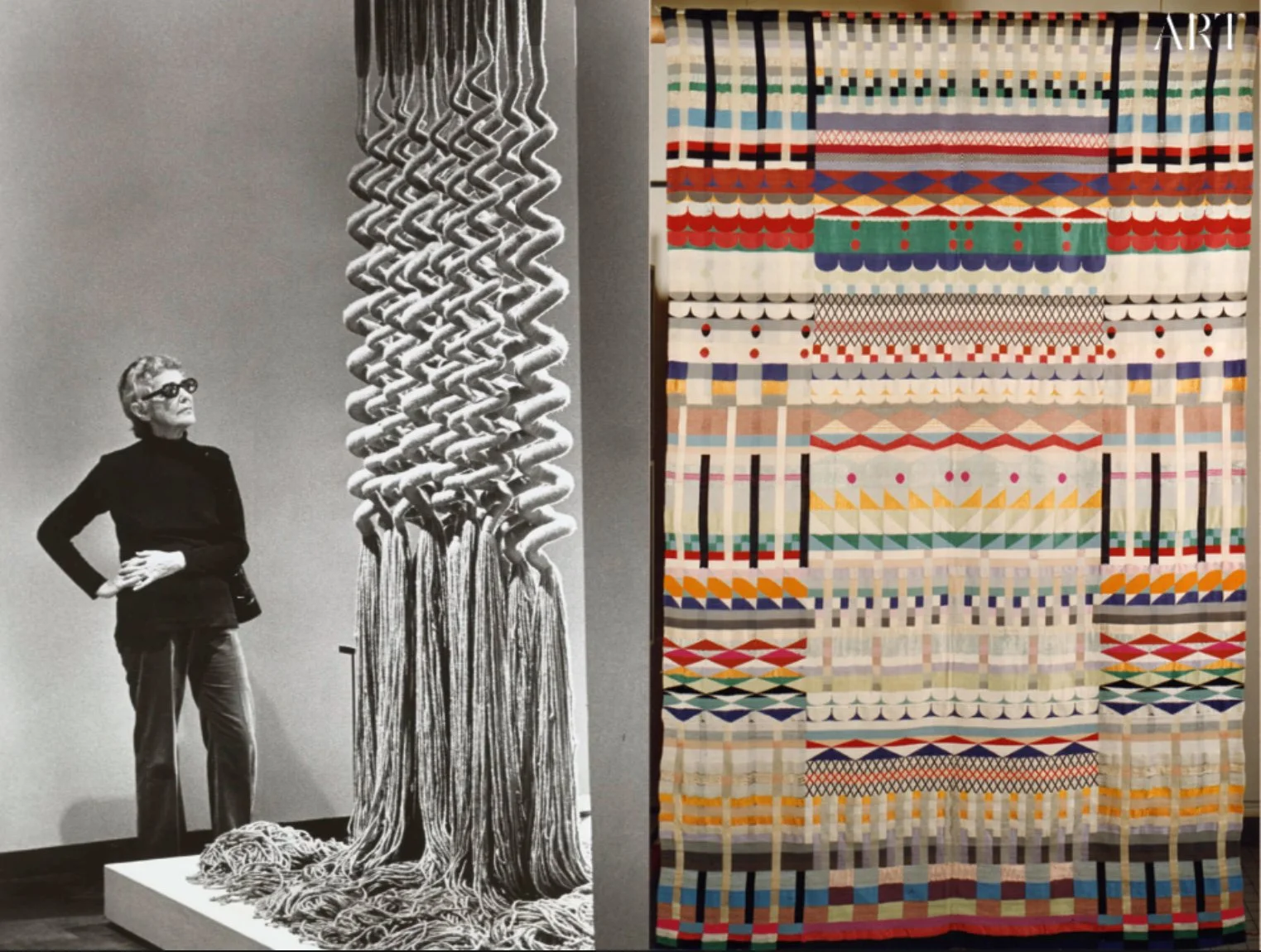
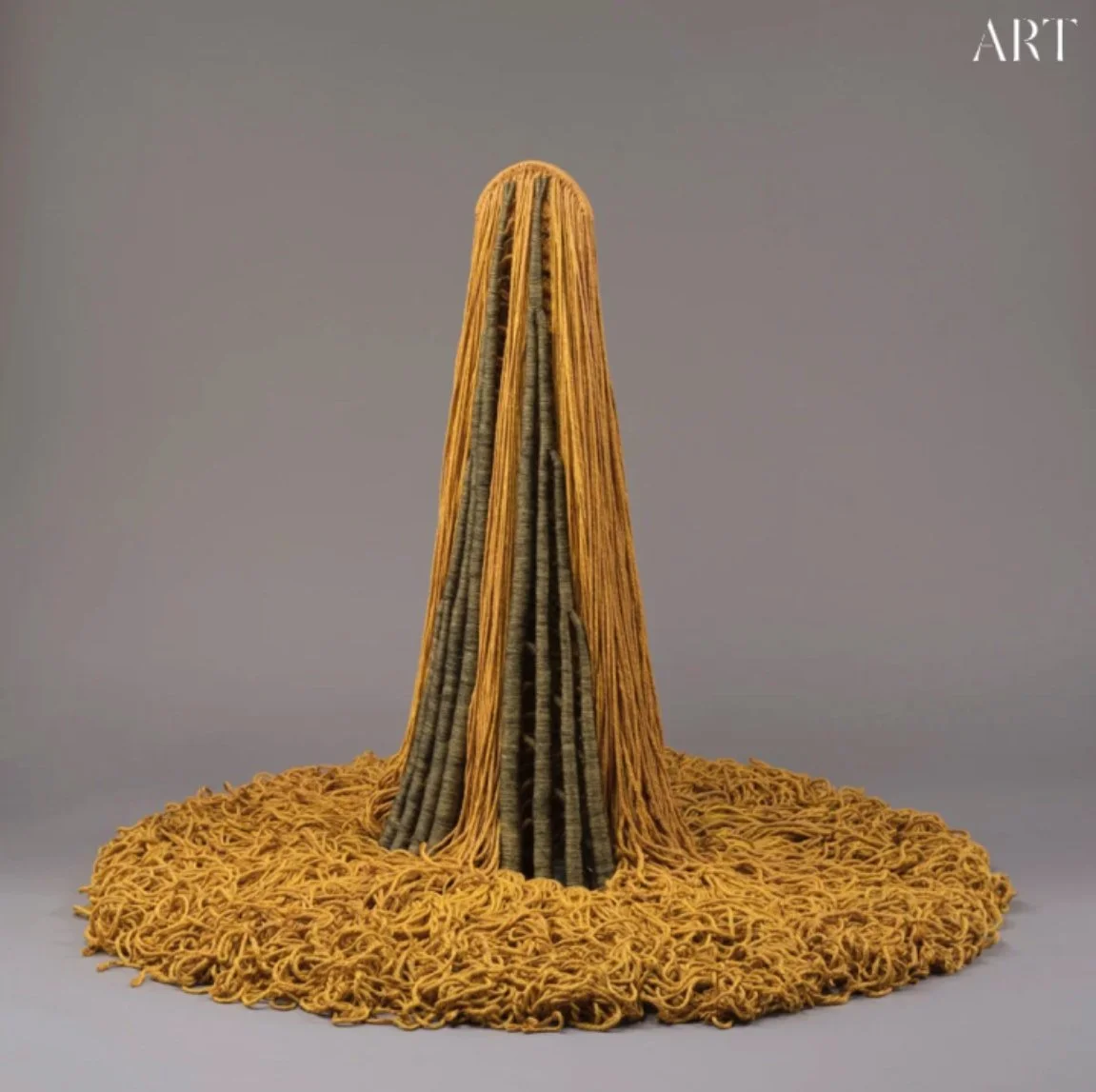
Anni Albers, who left Germany for Black Mountain College in 1933 with her husband Josef and who spent the following decades developing a practice that integrated the investigation of textile structure with a sustained theoretical engagement with the nature of visual art, is the figure whose rehabilitation has been most complete. Her 2018 retrospective at Tate Modern was one of the major art events of the decade and produced a reassessment so thorough that the critical apparatus is still absorbing it.
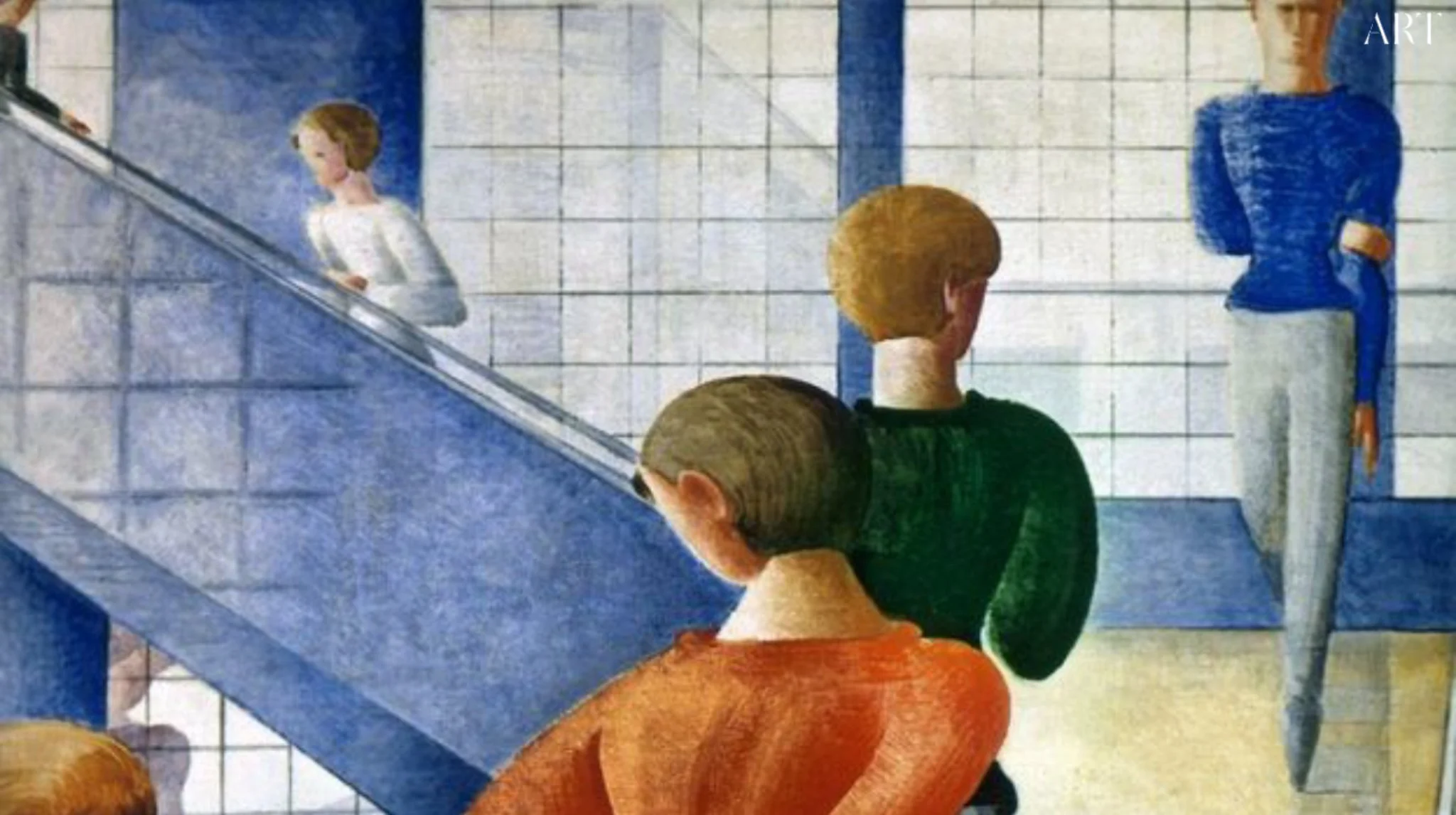
But Albers is now the exception in a category that contains many: the women of the Bauhaus who did not have the specific combination of talent, survival, emigration, and institutional support that allowed her story to be told. Otti Berger, whose work was arguably more technically innovative than Albers's, died in Auschwitz in 1944. Her archive is substantially lost. The reconstruction of her practice — which is ongoing, led by scholars at the Bauhaus Archive in Berlin — is a work of recovery that involves reading correspondence, tracking down surviving pieces in private collections, and working from descriptions in documents of the work that no longer exists.
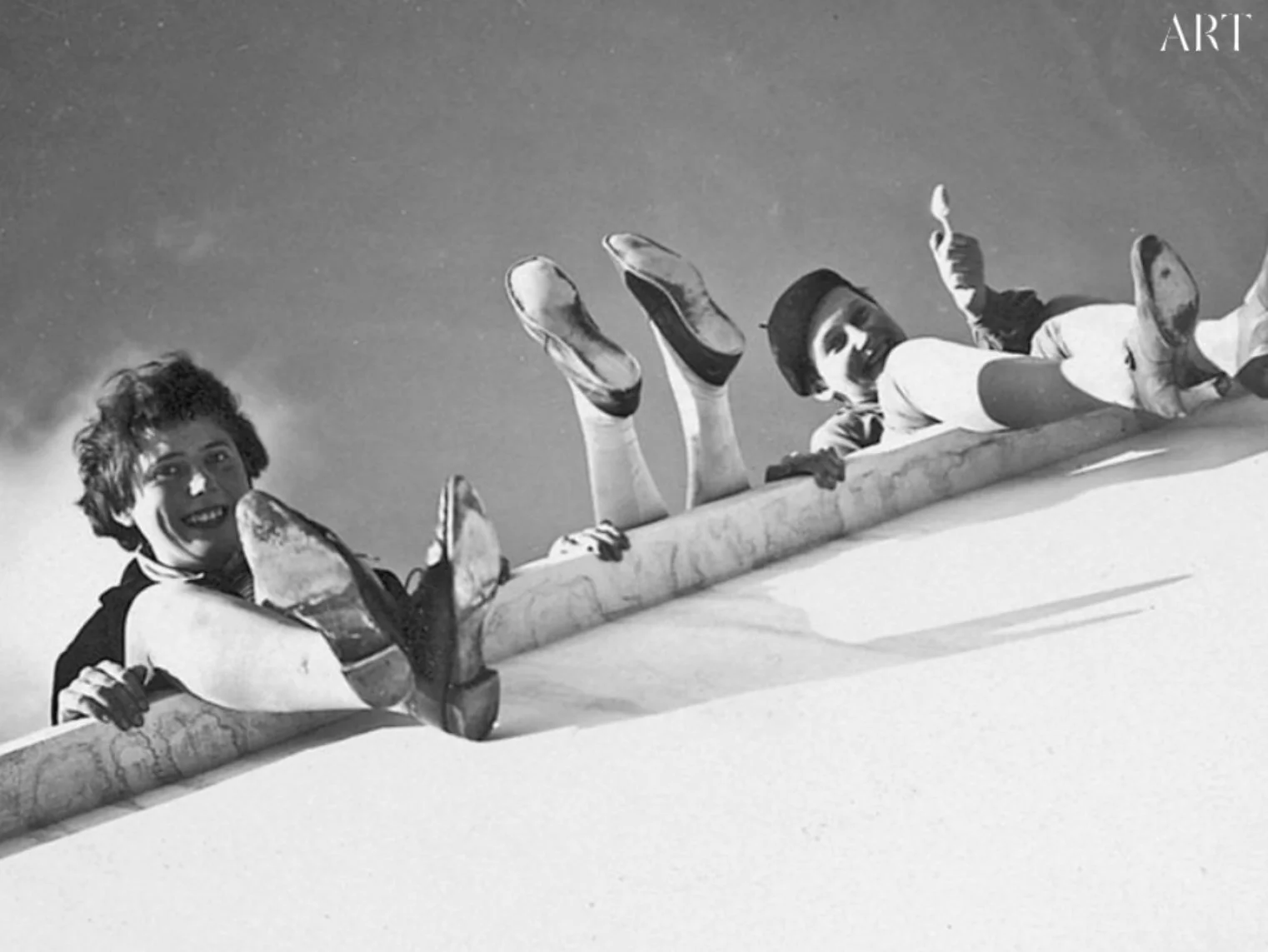
This is not ancient history. The systematic undervaluation of work made by women, in textile and other craft-adjacent media, is ongoing and is measurable in auction results, museum acquisitions, and the ratio of male to female artists in permanent collections at major institutions. What the Bauhaus reassessment does — and why it matters beyond the historical record — is provide the evidentiary basis for a conversation about the criteria of value themselves: what makes something count as art, and who decides.
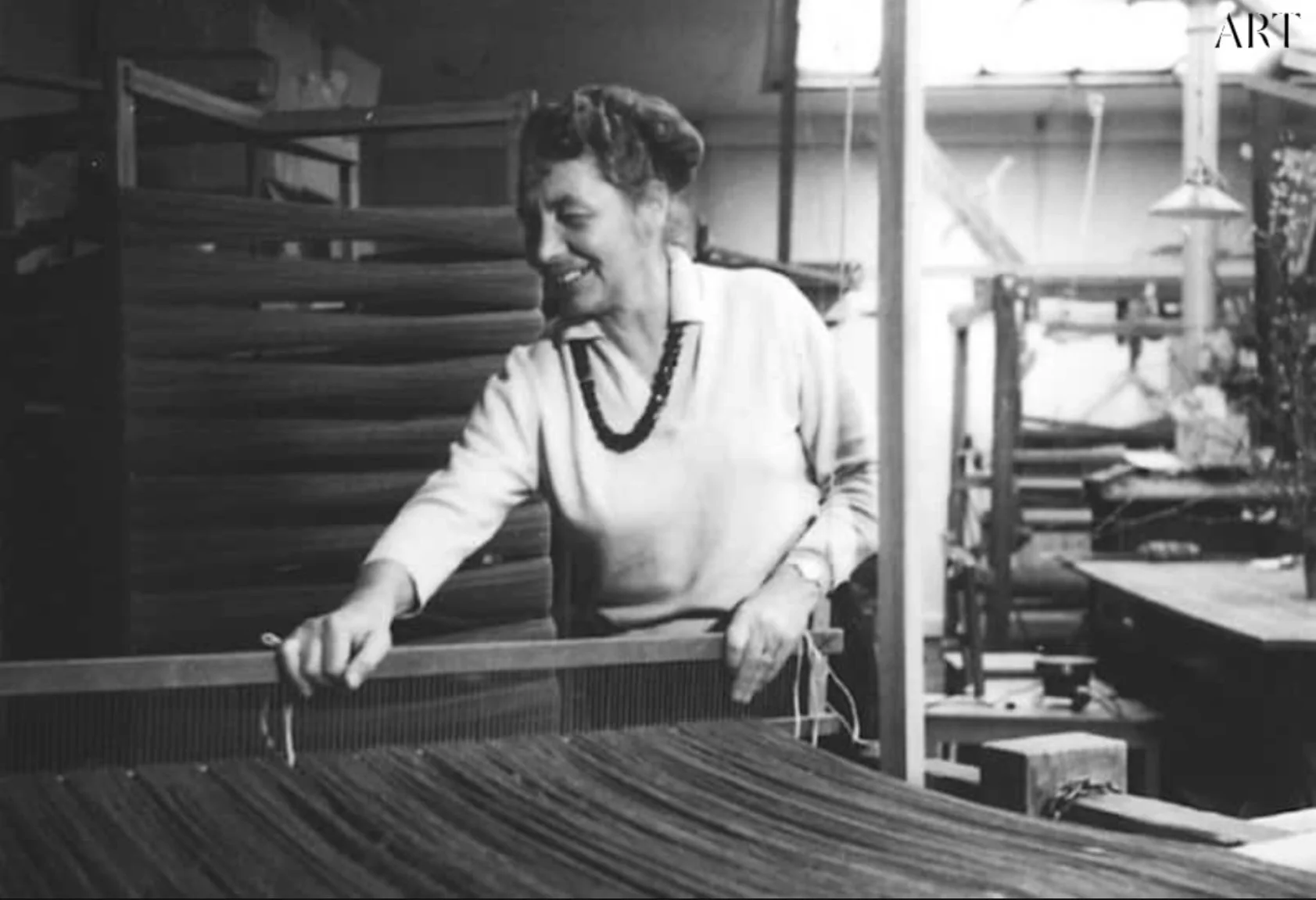
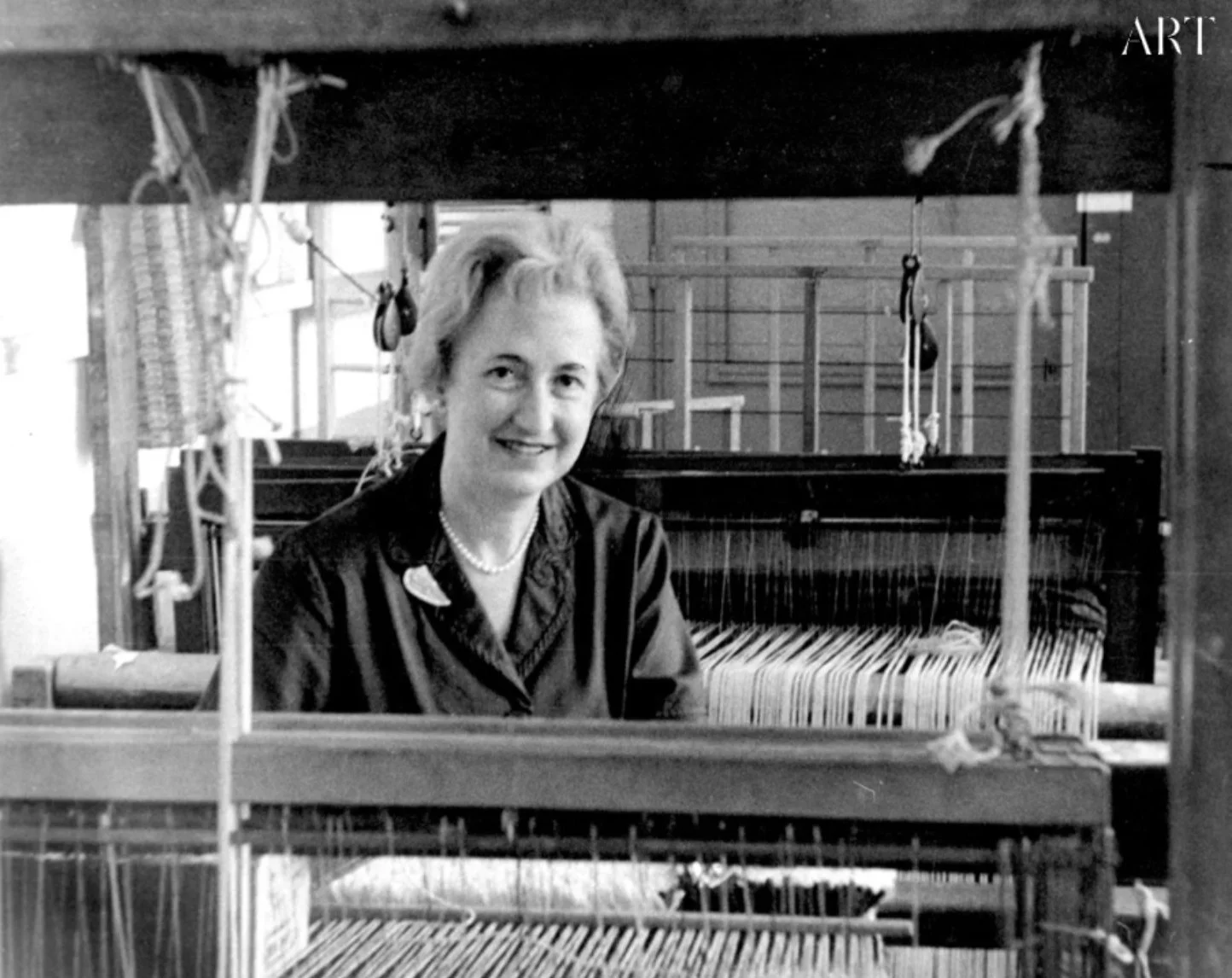
Gunta Stölz
The scholars working on this — T'ai Smith, Elizabeth Otto, Ulrike Müller — are not making a political argument primarily. They are making an evidential one: here is the work, here is its quality, here is the history of why it was not seen, here is what we lose by not seeing it. The argument does not require any revision of aesthetic standards. It requires their consistent application.
Which is, of course, the more radical proposal.
BY OONA CHANEL
