

The Painters Who Are Making Figuration Feel Necessary Again
After two decades in which the most discussed painting was largely abstract or conceptually driven, a generation of figurative painters is producing work that argues, with considerable force, that the human body in paint is the most complex subject available.
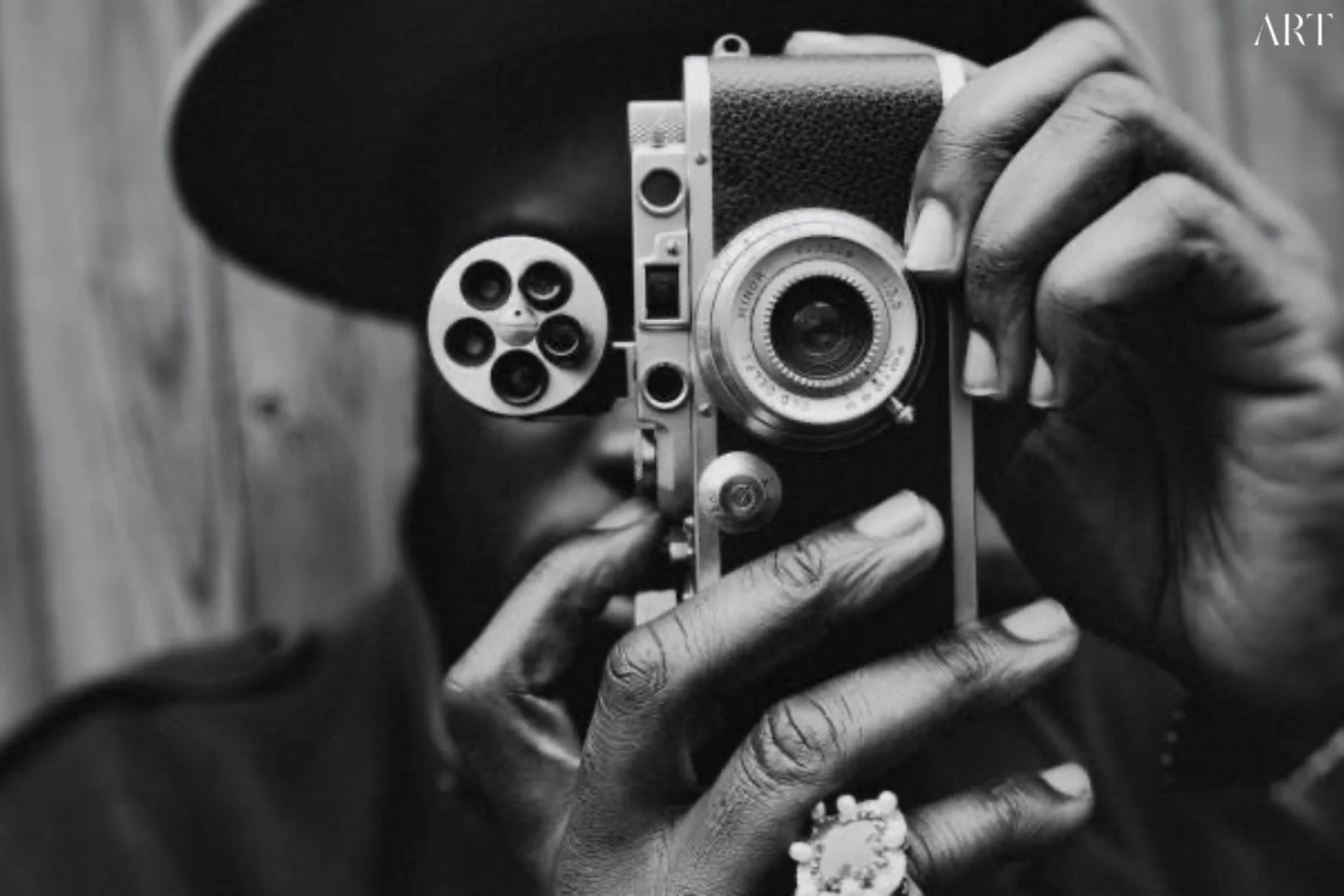
“The painted figure is not a subject. It is a position. And the position carried by a specific body in a specific painting — made in full consciousness of every decision being an argument — is different from any position any other kind of image can hold.”
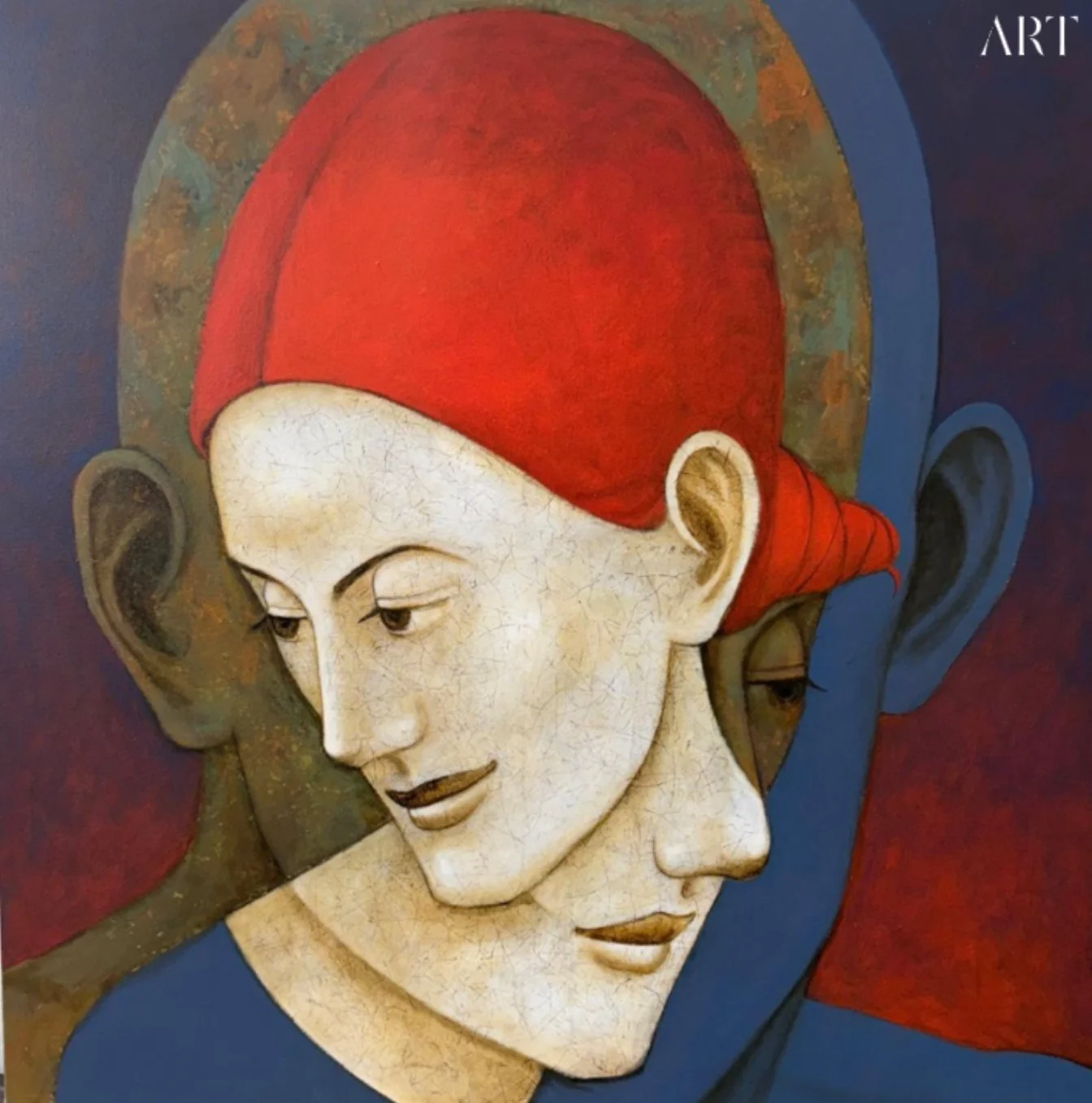
Something has shifted in contemporary painting, and the shift is visible enough that even critics who resist the narrative of generational turns are acknowledging it. The figuration that was, for much of the early 2000s, associated with illustration or commercial sensibility — with a certain accessible pleasantness the serious art world found suspect — is now being practiced, at the highest level of technical and intellectual ambition, by painters whose work is among the most significant being made.
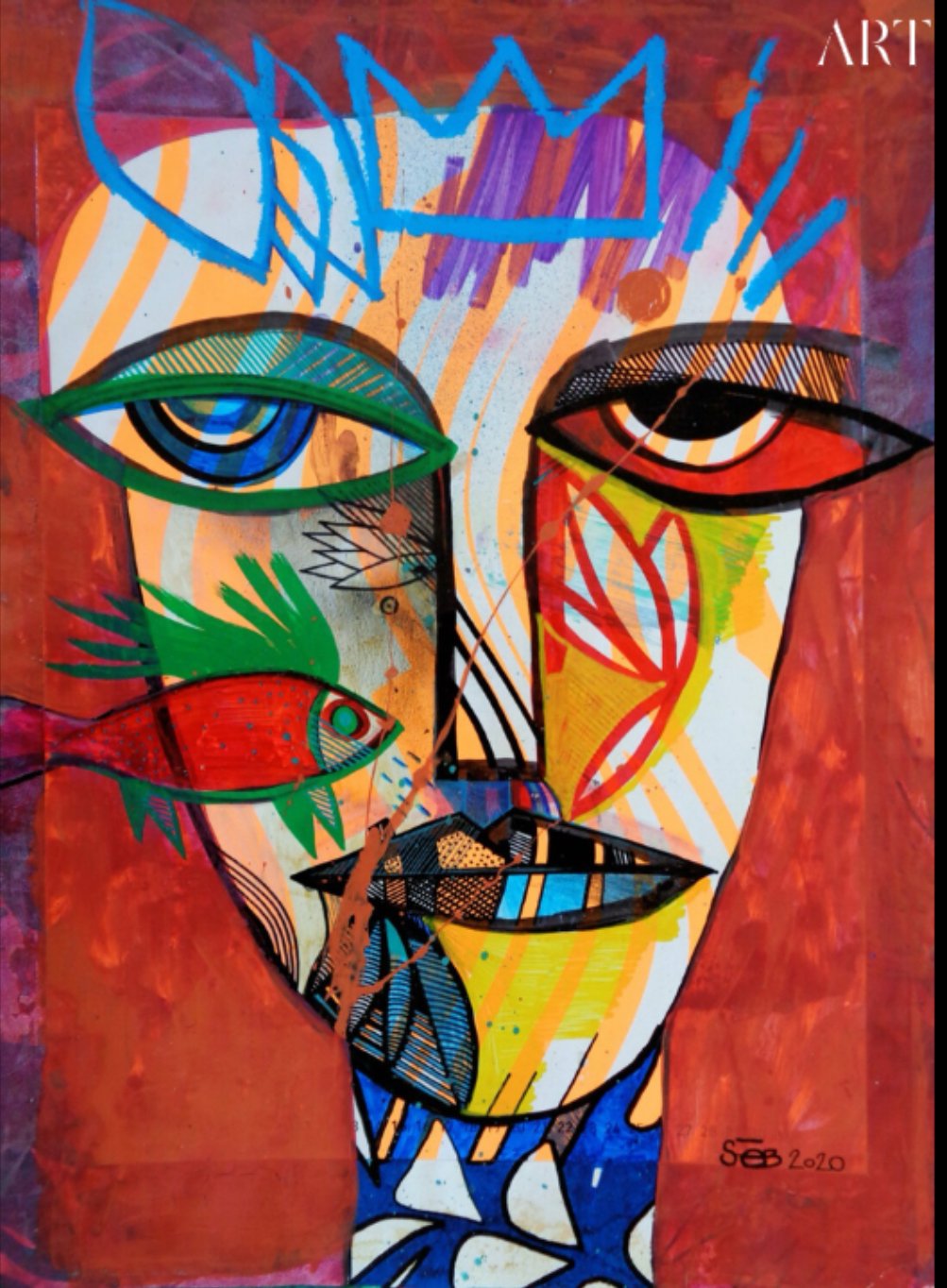
The names have accumulated into a loose movement that is not really a movement: Lynette Yiadom-Boakye, whose Venice Biennale British Pavilion commission this year represents the most important institutional endorsement of figurative painting in a generation; Cecily Brown, whose decades of insisting on the body as the site of painting's most urgent questions now look like prophecy; Jordan Casteel, whose Harlem portraits carry the specific weight of being made in the place they depict about the people who live there; Tschabalala Self, whose constructed figures propose a new anatomy; Salman Toor, whose intimate domestic scenes produce the specific quality of images that are private made public.
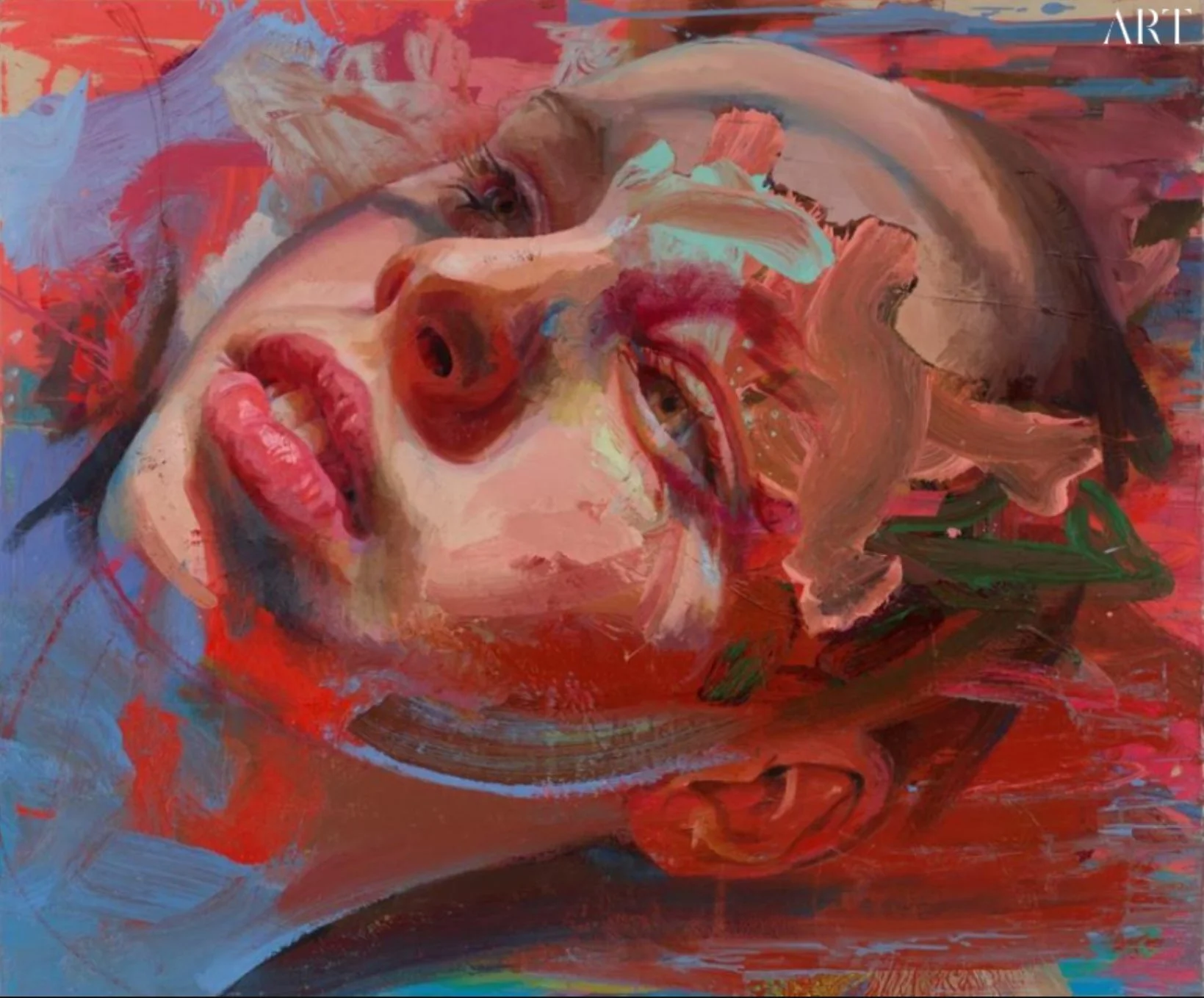
What these painters share is not a style — the range from Yiadom-Boakye's gestural economy to Self's layered construction to Toor's Vermeer-influenced interior light is wide. What they share is a conviction: that the painted figure is not simply a subject but a position, and that the position carried by a specific body in a specific painting is different from the position carried by any other kind of image.
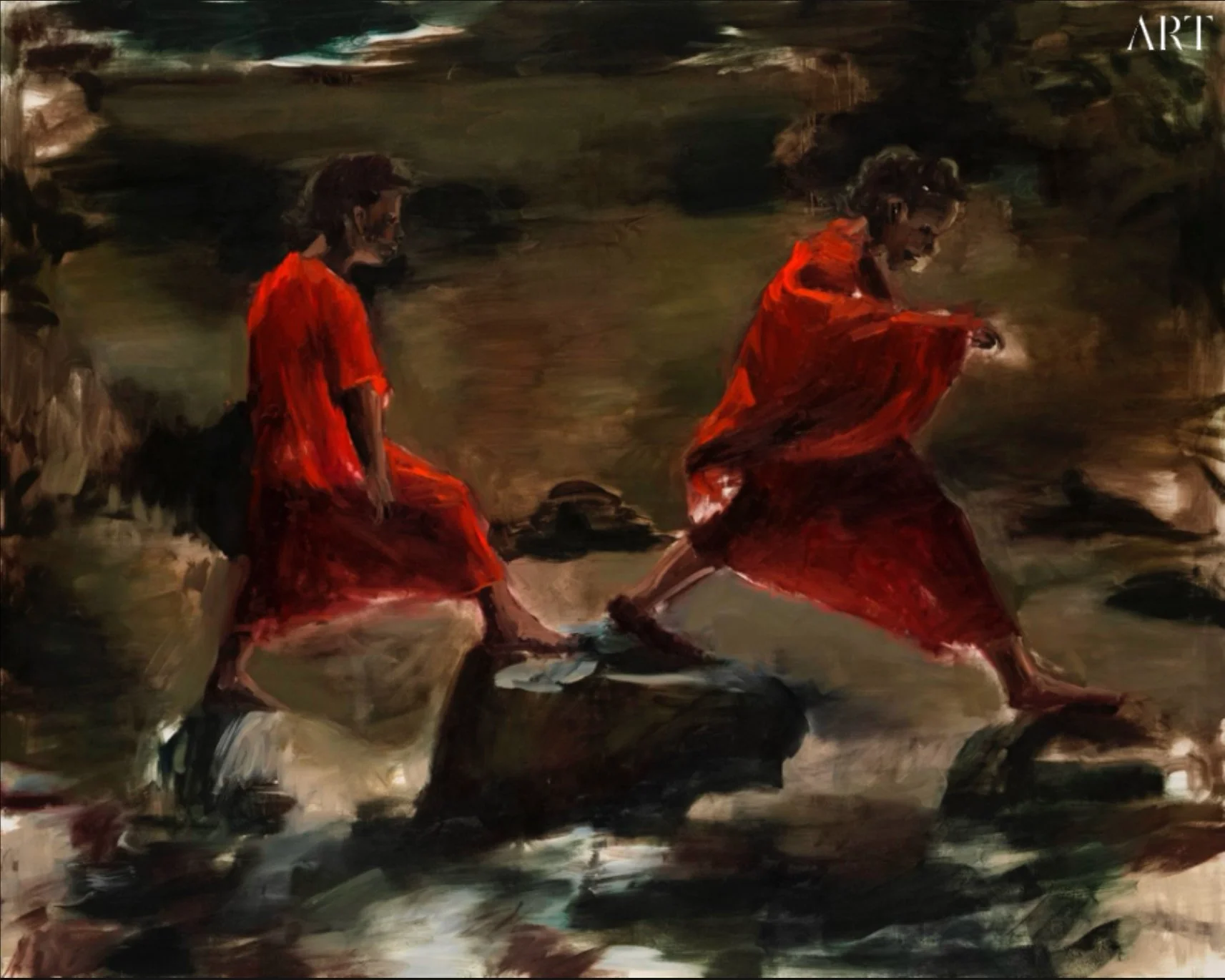
The distinction from photography is worth making explicit. A photograph of a body documents. A painting of a body decides — decides which gestures, which light, which psychological interior to construct from the accumulated decisions of the painter. Yiadom-Boakye's figures are not photographs of people who were present. They are syntheses: every formal decision made in full consciousness that the decision is making an argument about who this person is, how they occupy space, what their interiority contains.
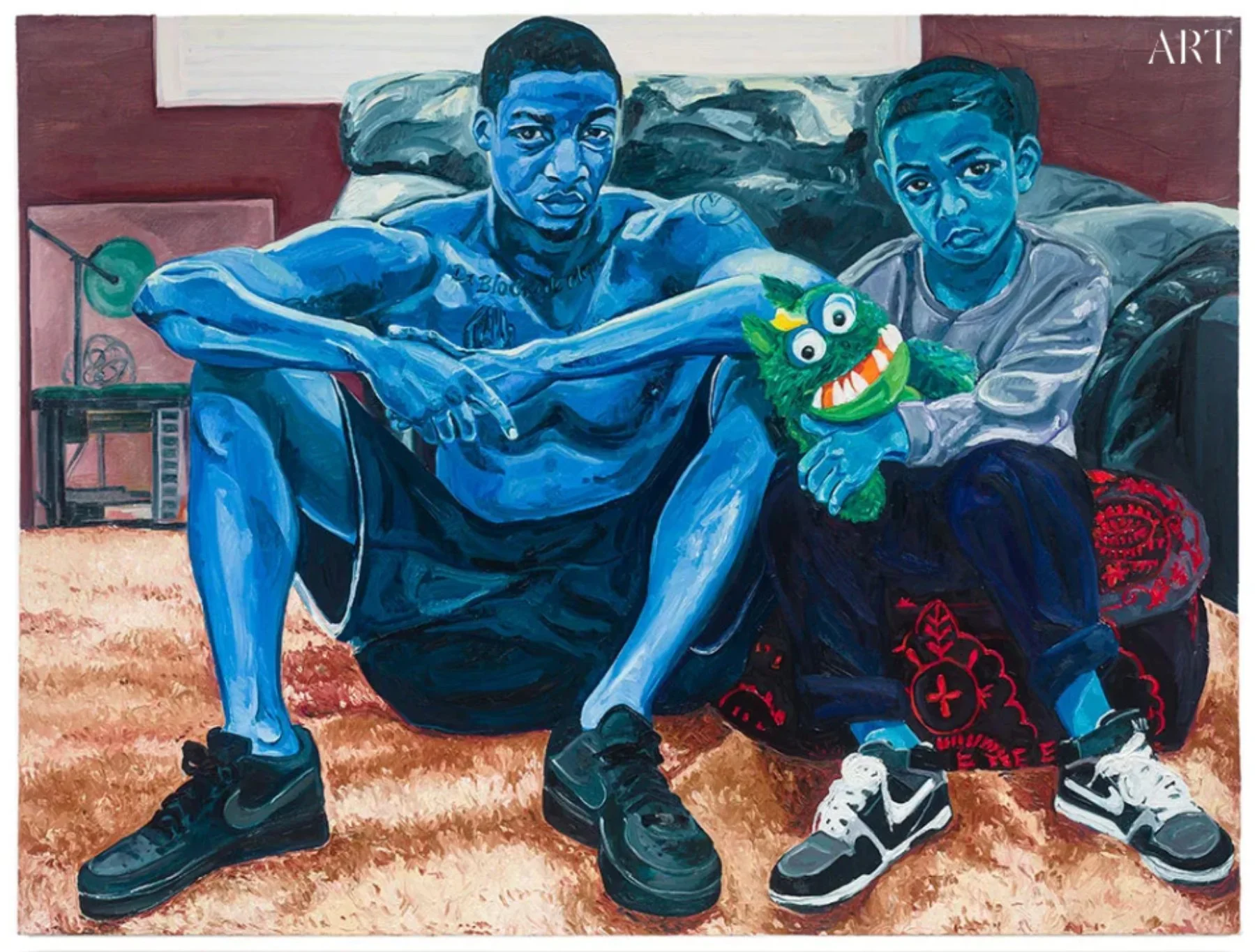
The market has followed the critical conversation, with some of the most significant auction results of the past three years going to figurative works by painters in this generation. Yiadom-Boakye has broken her auction record twice in one season. Cecily Brown's prices are at levels that would have been considered extraordinary a decade ago.
For the collector who is paying attention: the figurative turn is producing, right now, work at price points that will not be available in five years. The institutional endorsements — Yiadom-Boakye at Venice, Casteel at the Whitney, the major museum acquisitions happening across the group — are the leading indicators. The market typically follows institutional validation by eighteen to twenty-four months. The institutional validation is happening now.
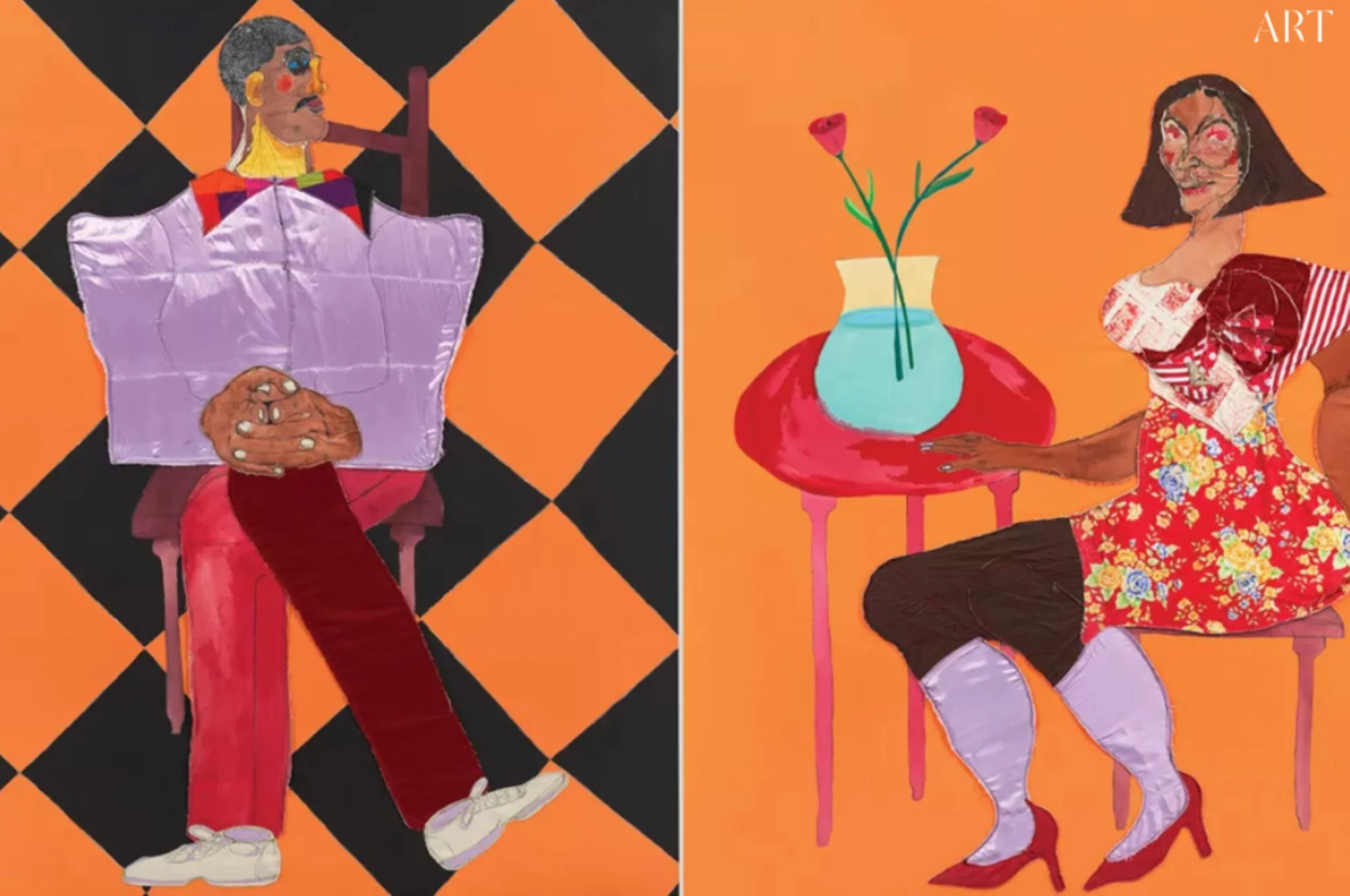
More importantly than the market: the work is extraordinary. These are not painters benefiting from a trend. They are painters who have been making serious work for years and for whom the cultural moment has arrived at the quality of attention their work has always deserved.
The painted figure is not a nostalgic gesture. It is, right now, the most urgent argument available in a room.
BY OONA CHANEL
