

Daido Moriyama: Still Hunting, Still Running, Still Tokyo
He has been photographing the street for sixty years. He has never found what he is looking for. This is, he says, entirely the point.
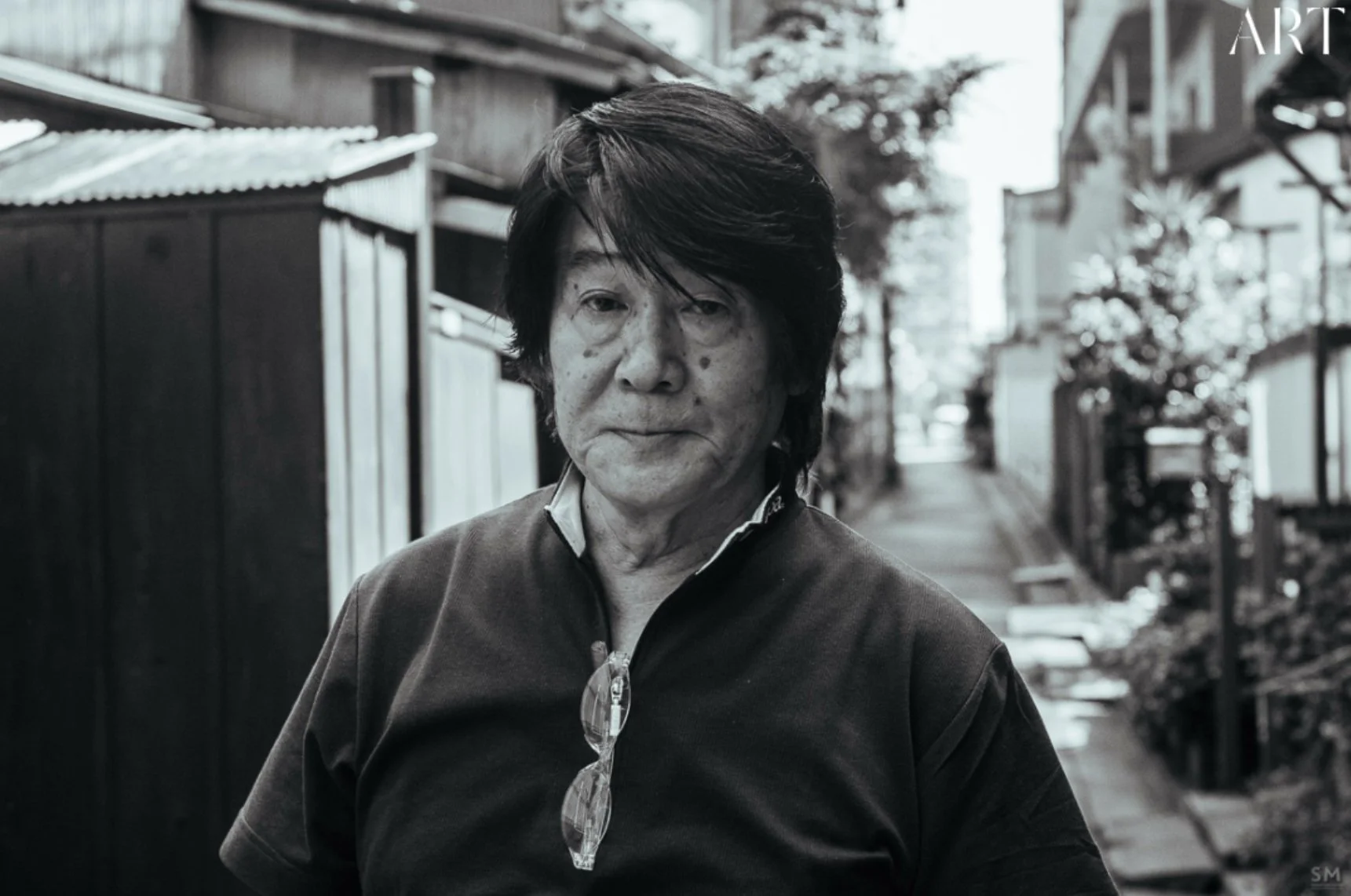
He is still running. This is the thing that everyone who has worked with Daido Moriyama eventually says, with a quality of astonishment that does not diminish with retelling: at eighty-six, one of the greatest photographers in the history of the medium is still moving through Tokyo with a small camera, at speed, making the blurred and grainy and deliberately imperfect images that have, since the late 1960s, changed the way we understand what photography can be.
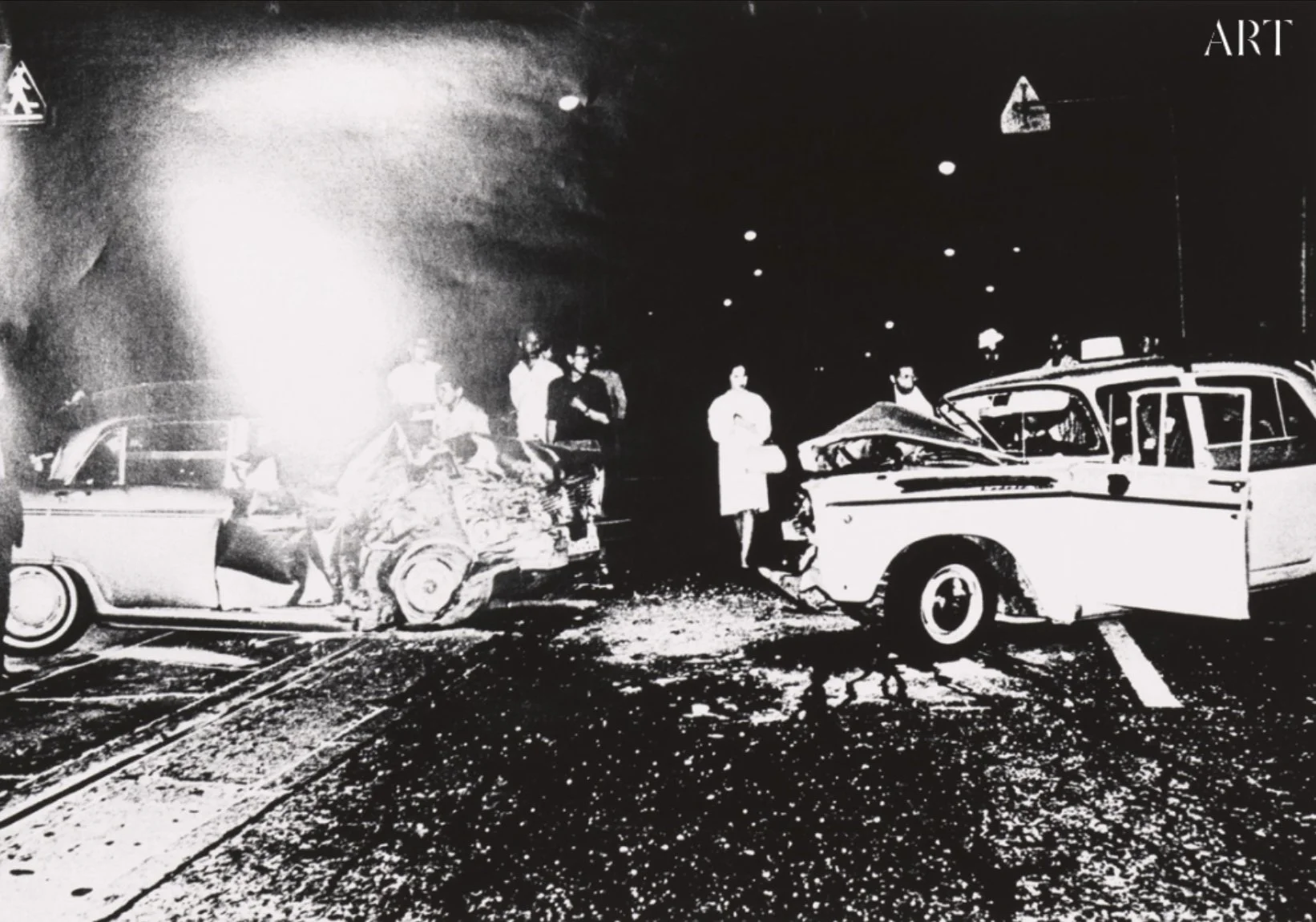
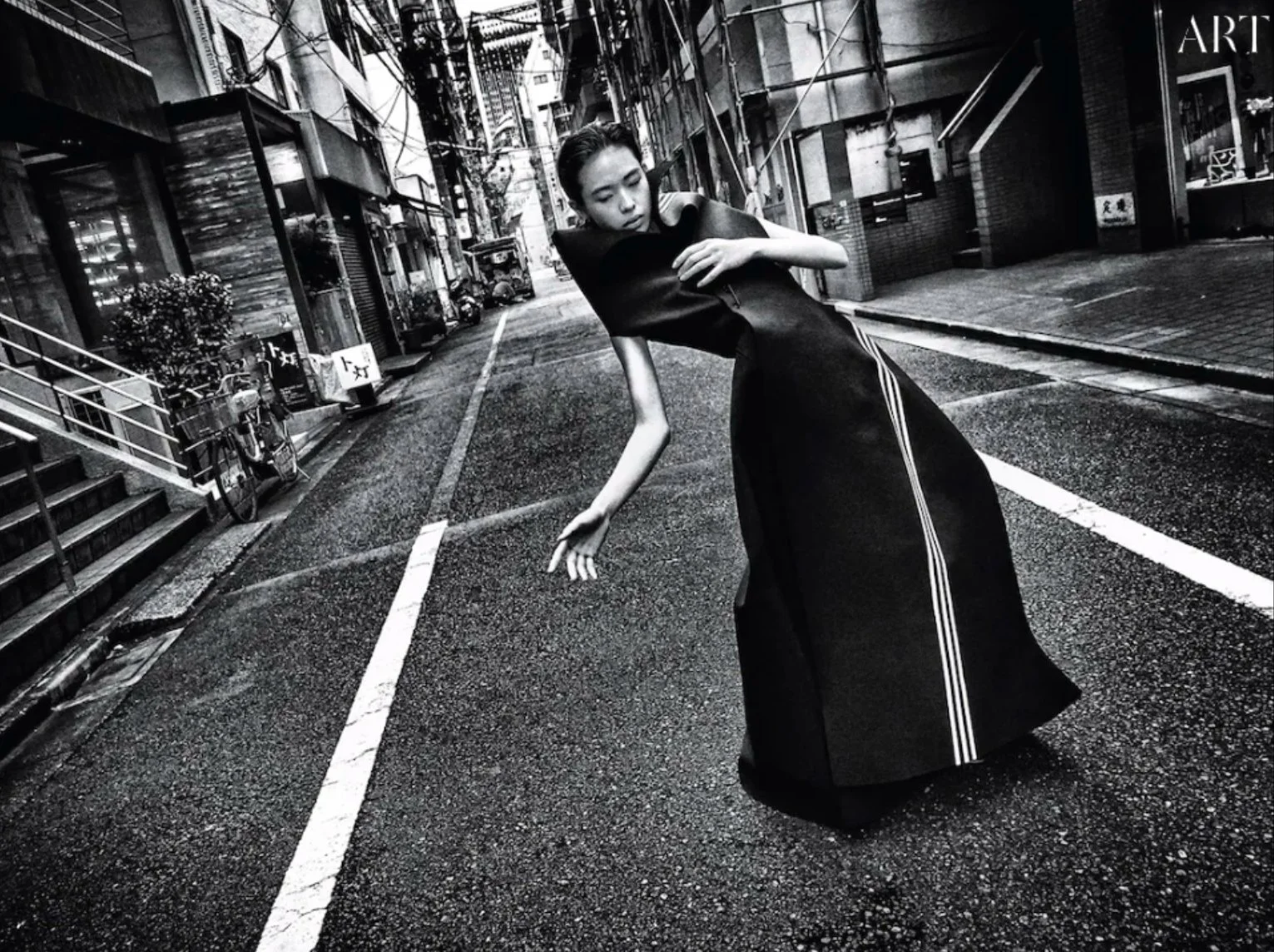
Moriyama's project is, at its simplest, the attempt to photograph what cities feel like rather than what they look like. The distinction sounds academic. The photographs make it concrete: the images are high-contrast, frequently blurred, often shot at extreme angles, indifferent to the conventional hierarchies of photographic subject matter. A dog in an alley. A street lamp reflection on wet pavement. A woman's back. A neon sign in daylight. A hand. A boot. The fragment of a body from a shop window mannequin. These are the images of someone moving through the city at the speed of attention — which is faster than the eye and slower than the thought.
We spent a day with him in Shinjuku — the district he has been photographing since 1968, which he chose for its density and its contradictions, which still provides, he says, more material in a single walk than most cities offer in a lifetime. He is small and moves quickly. He stops without warning. He raises the camera — a compact digital now, after decades with a Ricoh GR — and shoots without apparent deliberation, then moves on before you have registered that a picture has been made.
"I do not decide to take a picture," he says, over tea afterward, his back to the wall in a narrow kissaten coffee shop. "The picture happens. My job is to be in the right place, moving at the right speed, with the right attention. The camera is almost incidental. It is the attention that makes the photograph."
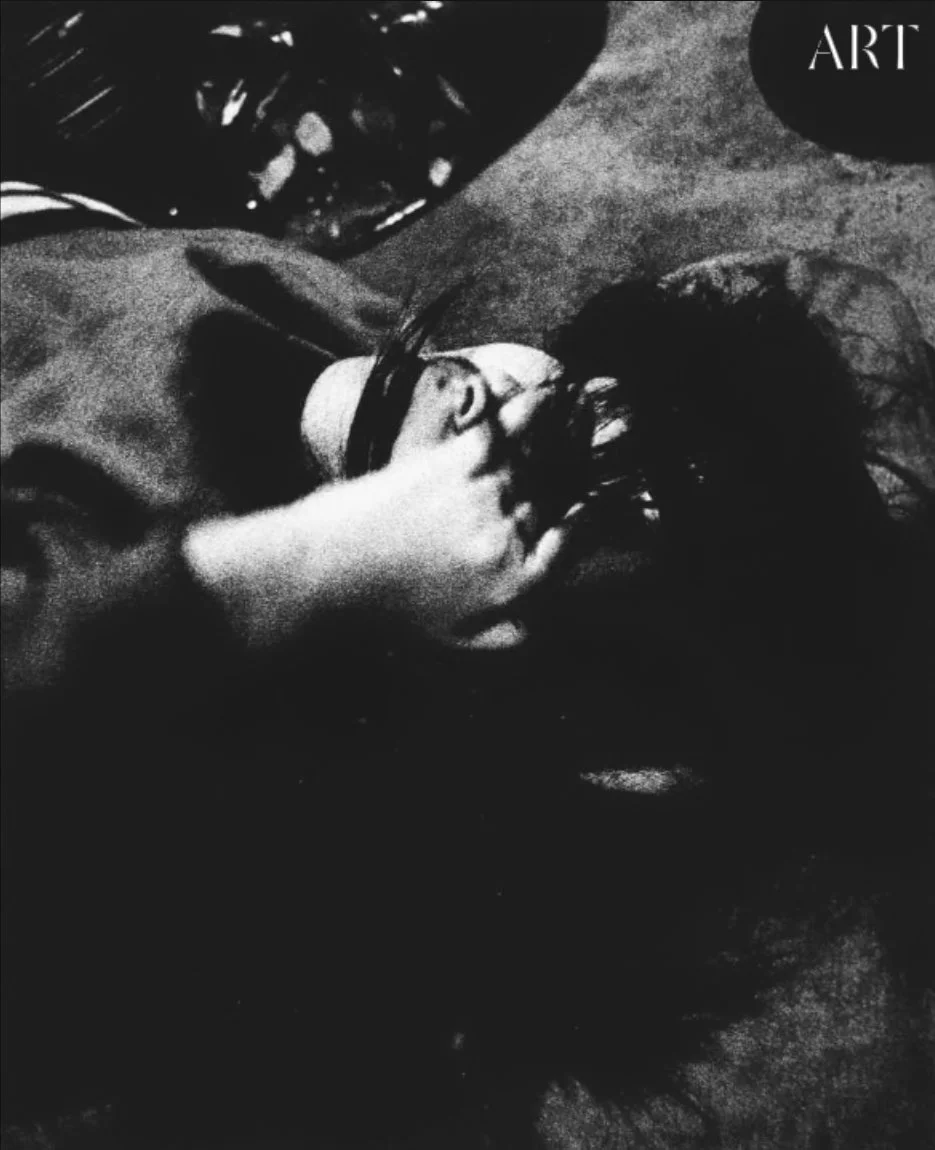
The attention, in Moriyama's case, is calibrated by a philosophy of photography that he developed in the late 1960s in response to — and in explicit opposition to — the humanism of his great predecessor and mentor, Ken Domon, and the documentary tradition of the Japan that emerged from the second world war. Where that tradition was interested in the dignity of the human subject, in the capacity of photography to testify to the value of individual lives, Moriyama was interested in something more fragmentary, more honest about the conditions of modern urban experience: the fact that in a city, you do not see people. You see fragments. You see the evidence of lives passing. You see, if you are attentive, the residue of a civilization moving through itself at a speed that exceeds comprehension.
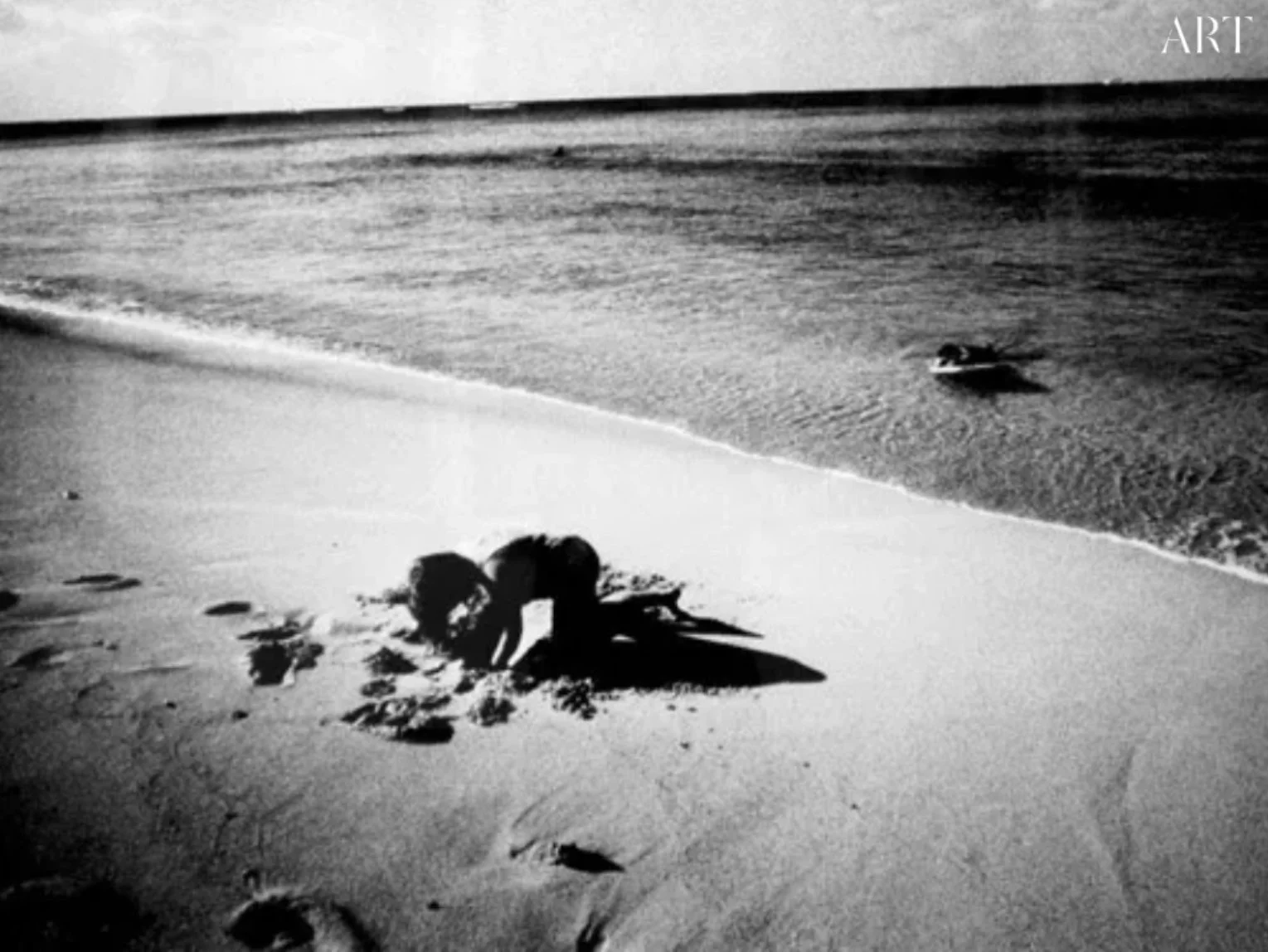
The greatest influence on his development was not a photographer but a novelist: the work of Masuji Ibuse and the postwar Japanese literary tradition that was willing to describe the city as a place of contradiction and violence and beauty and loss, without resolving these things into a narrative of progress or meaning. Moriyama's photographs, at their best, have this quality: they refuse meaning in the literary sense while being saturated with something that functions like meaning, something that the image produces in the body of the viewer before the mind has time to organize a response.
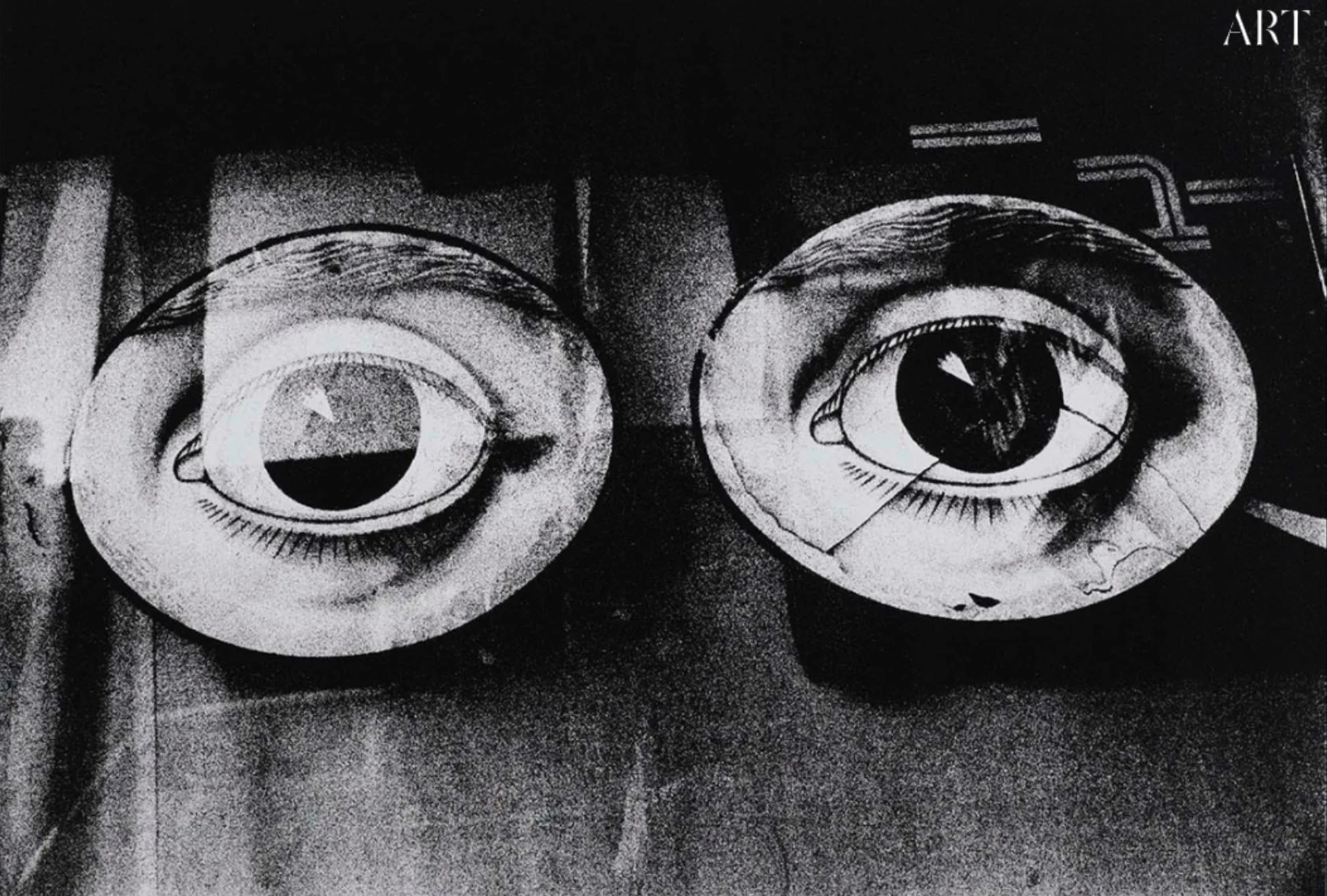
He has been asked, repeatedly, over sixty years, whether the work is political. He resists the framing. "I am not making a statement about Tokyo. I am trying to see Tokyo. These are different things. A statement has a conclusion. Seeing has no conclusion. I have been looking at this city for sixty years and I have found nothing that looks like a conclusion."
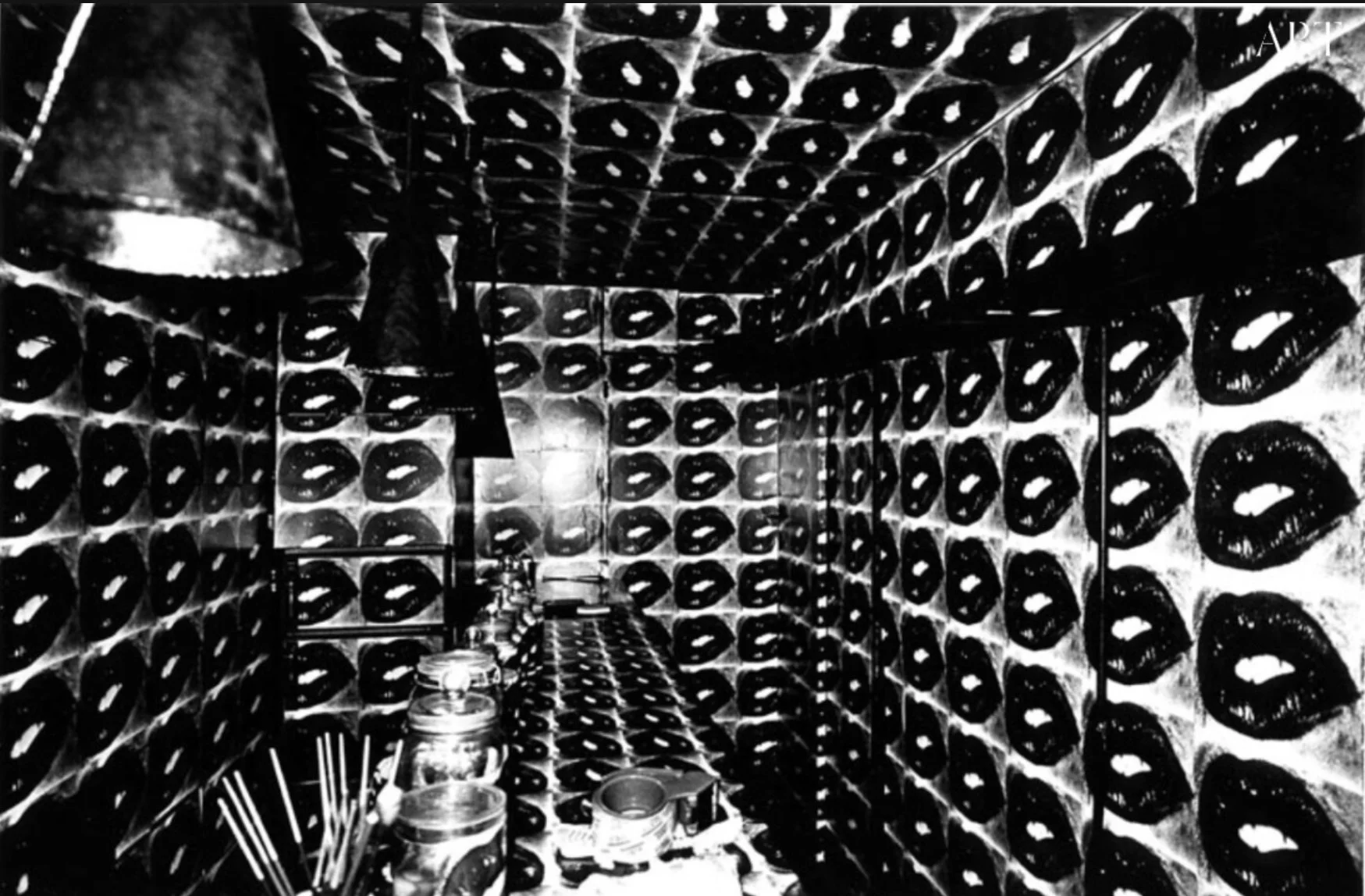
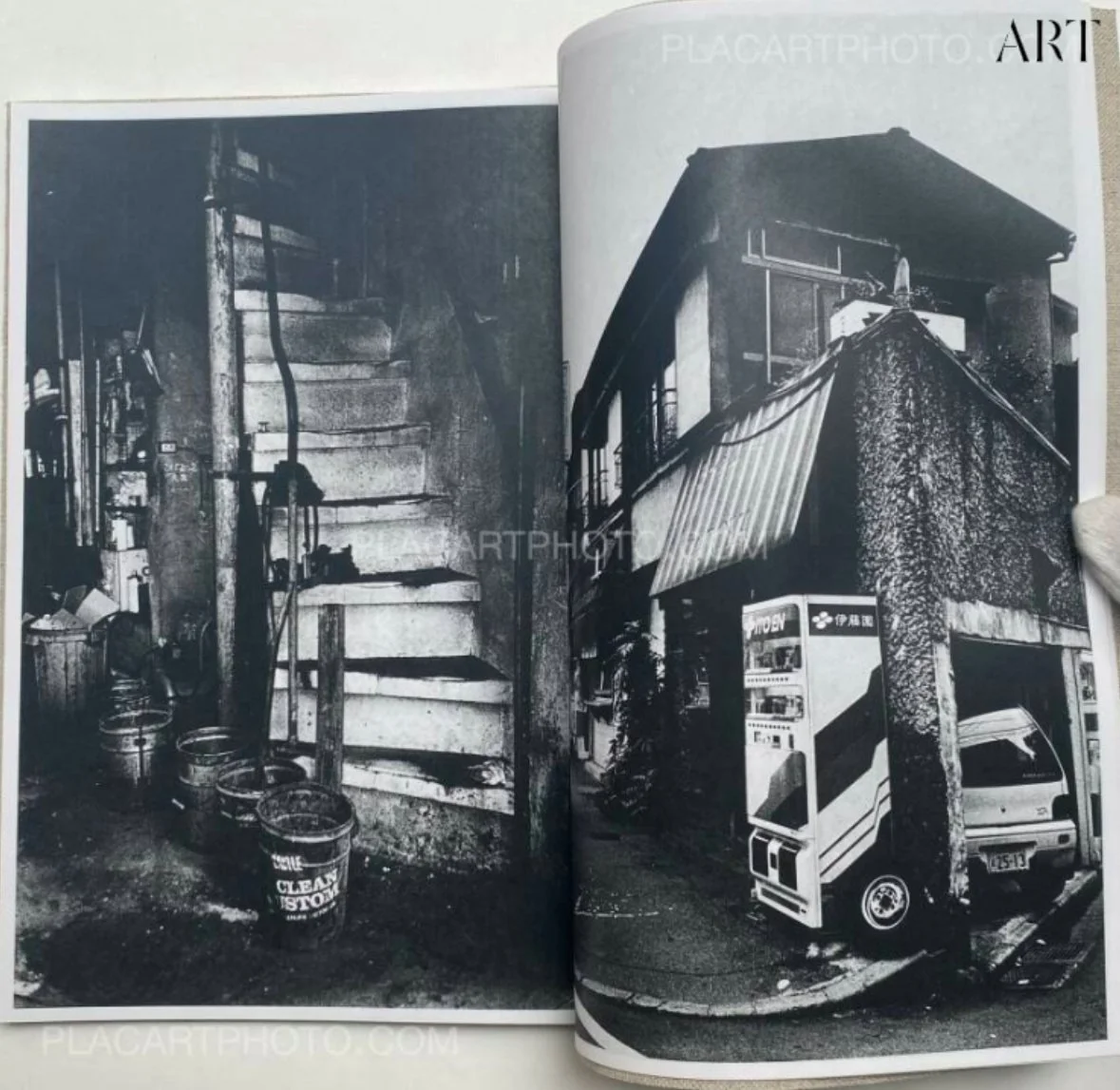
The new work — which he shows us in a small book, printed at his own cost, in an edition of fifty that he distributes to people he considers worth the conversation — continues the project with an urgency that seems, if anything, more acute than in earlier decades. The images are darker. The contrast is higher. The blurs are more extreme. He says: "I am less patient now. I know more clearly what I am looking for. This means I am less willing to stop and wait. I shoot faster. The images get more extreme. This is perhaps not progress. It is perhaps just age."
He drinks his coffee. Looks at the street through the window. The city moves past without noticing him, which is as it should be, and which he has spent sixty years making the most of.
BY OONA CHANEL
