

How to Buy Art When You Are Beginning: A Practical Intelligence for the New Collector
The advice given to new collectors is either commercial or intimidatingly academic. Here is the framework that experienced collectors wish someone had given them — and the specific things they look for now that they didn't know to look for then.
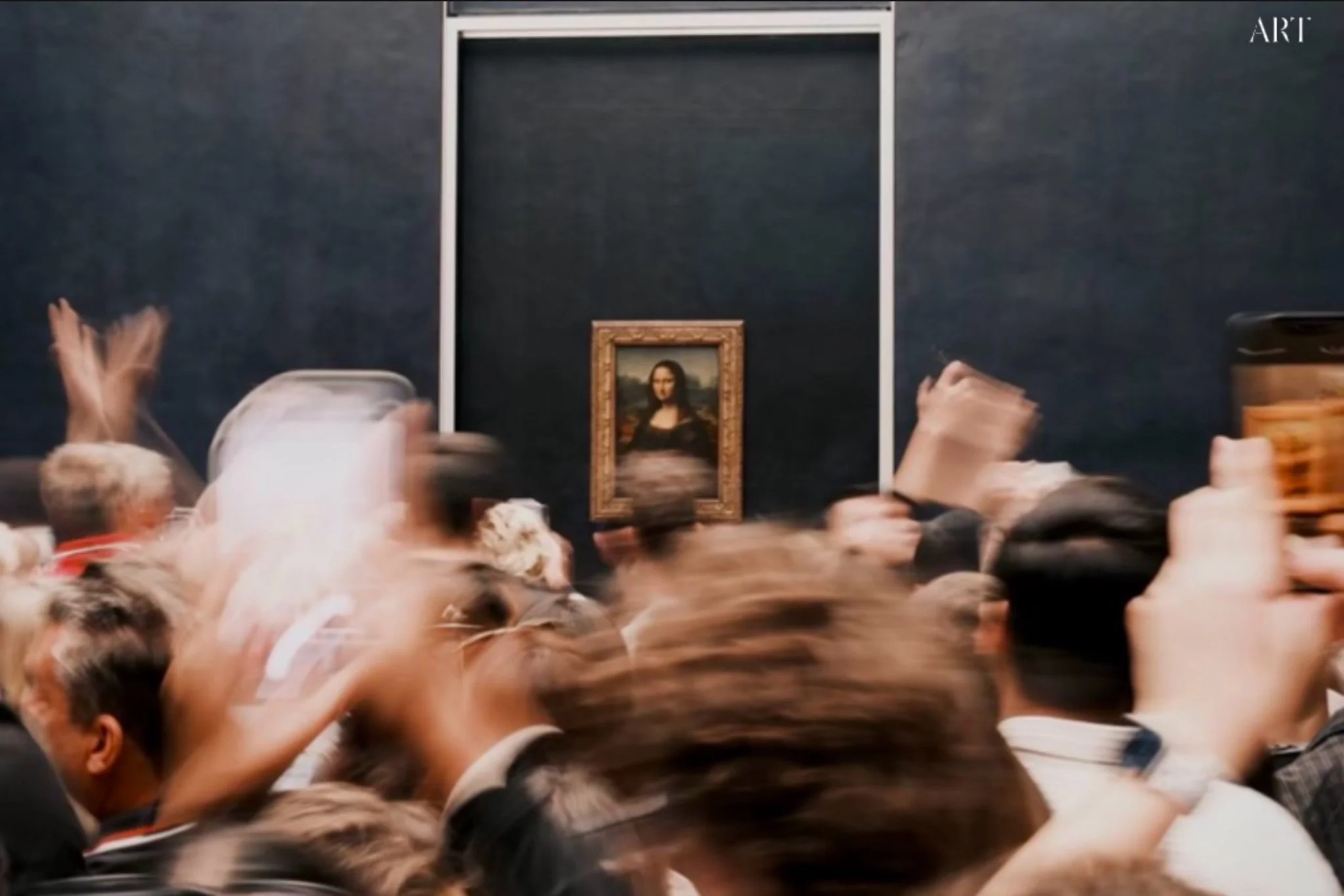
“The piece you regret not buying is always more expensive than the piece you regret buying. This is not an argument for recklessness. It is an argument for trusting the quality of your attention when it is genuinely arrested by something.”
The most useful thing an experienced collector once told me about buying art was this: the piece you regret not buying is always more expensive than the piece you regret buying. This is not an argument for recklessness. It is an argument for trusting the quality of your attention when it is genuinely arrested by something — when you stop in front of a work and find, ten minutes later, that you are still there.
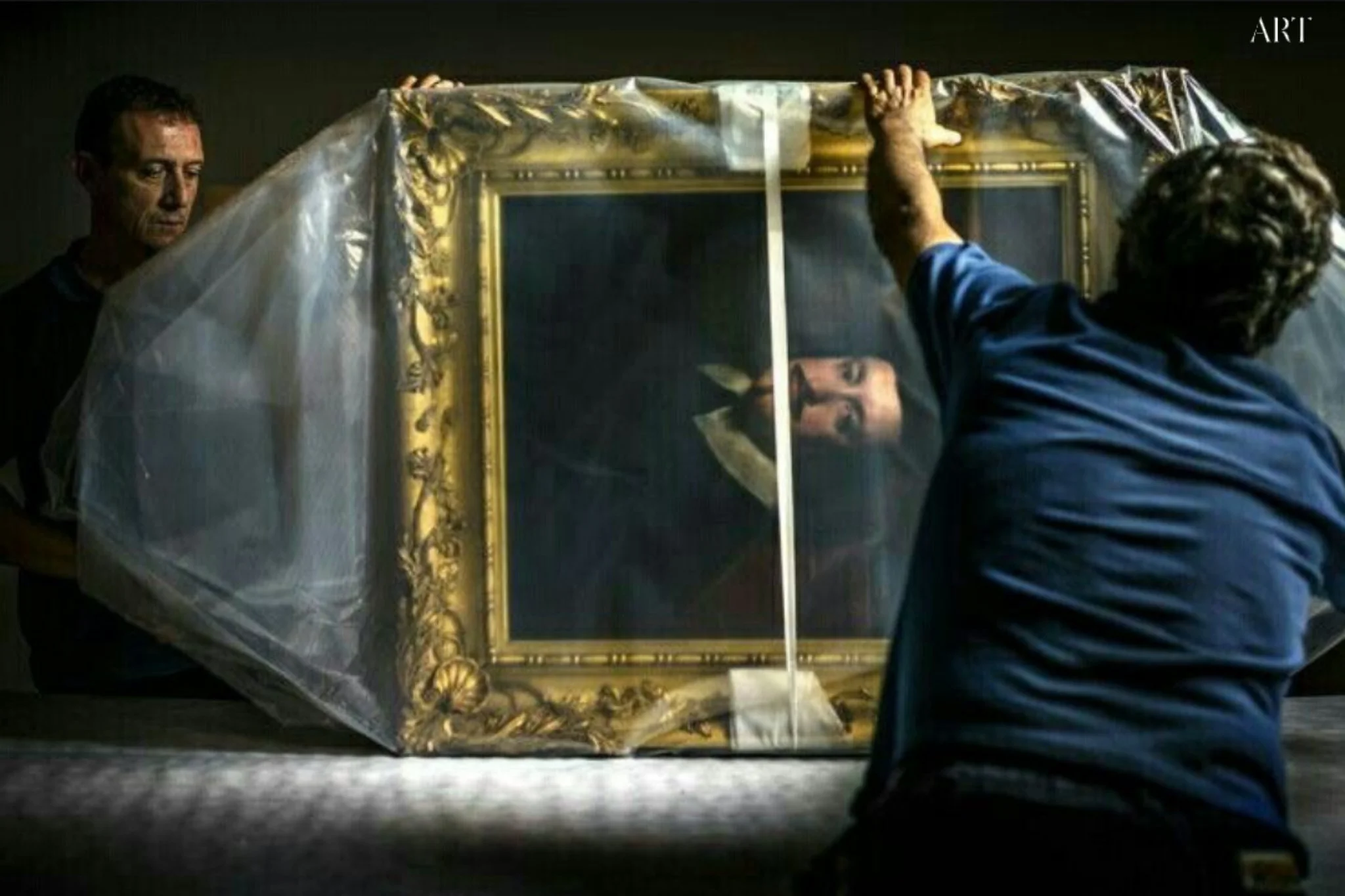
The framework for building a collection intelligently begins not with budget but with looking. Looking seriously, repeatedly, in as many contexts as possible — galleries, museum permanent collections, auction previews, the degree shows of the art schools where the next generation of significant artists are producing their first serious work. Looking without the intention to buy, initially, develops the vocabulary through which you will eventually be able to say specifically what you are seeing rather than generally that you like something.
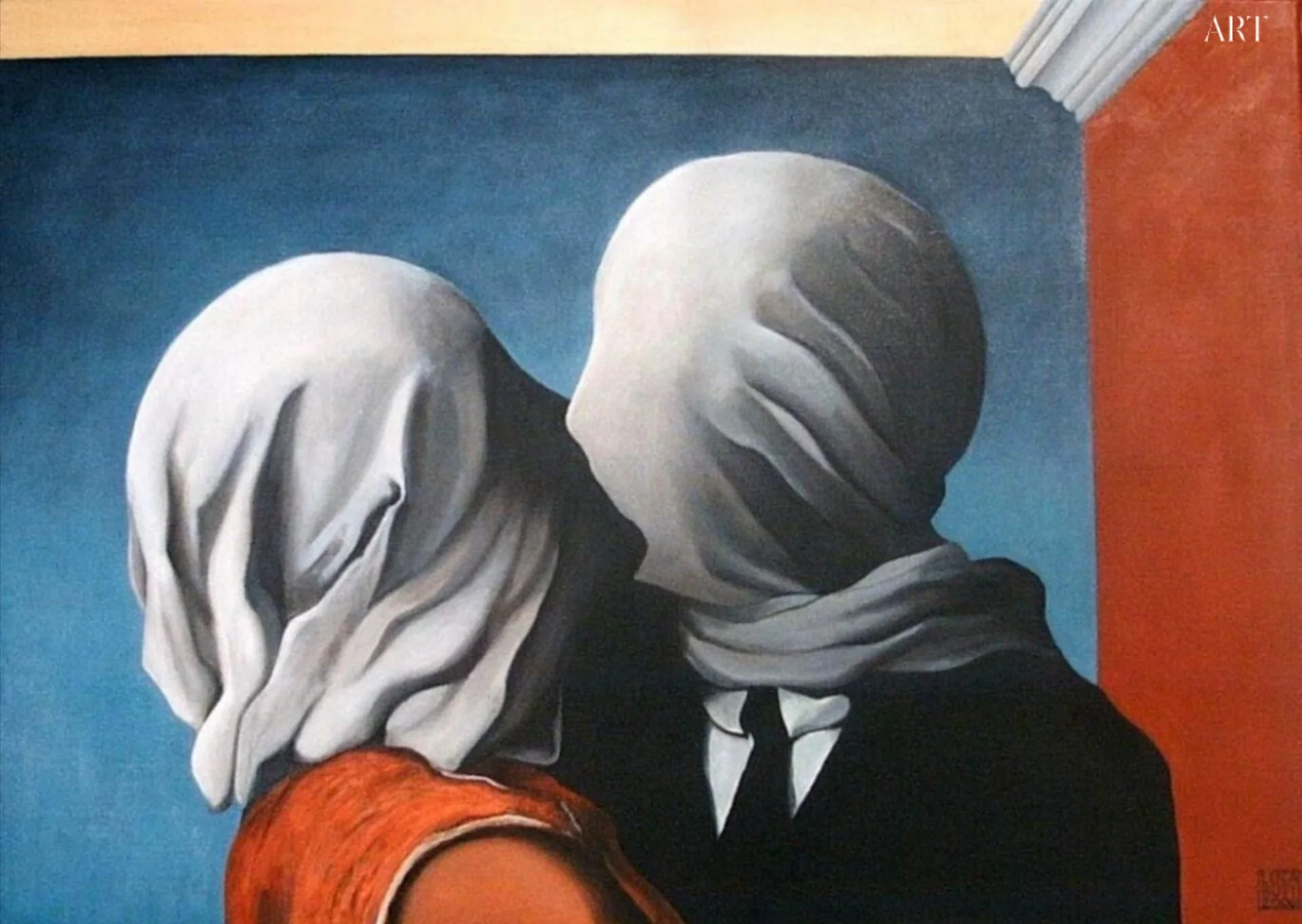
The distinction matters because the collecting conversation — with galleries, with advisors, with other collectors — operates in a specific language, and fluency in that language is what allows you to articulate why a particular work interests you rather than simply that it does. Why is a question with answers that reveal your specific sensibility, which is the thing that makes a collection coherent over time rather than a group of unrelated acquisitions.
On budget: the most significant quality jumps in the art market occur at lower price points than most new collectors assume. Work at two thousand to ten thousand pounds from artists with institutional exhibition history, critical engagement, and gallery representation in a city with a serious art ecosystem is often work of genuine quality whose market has not yet reflected the critical consensus about its significance.
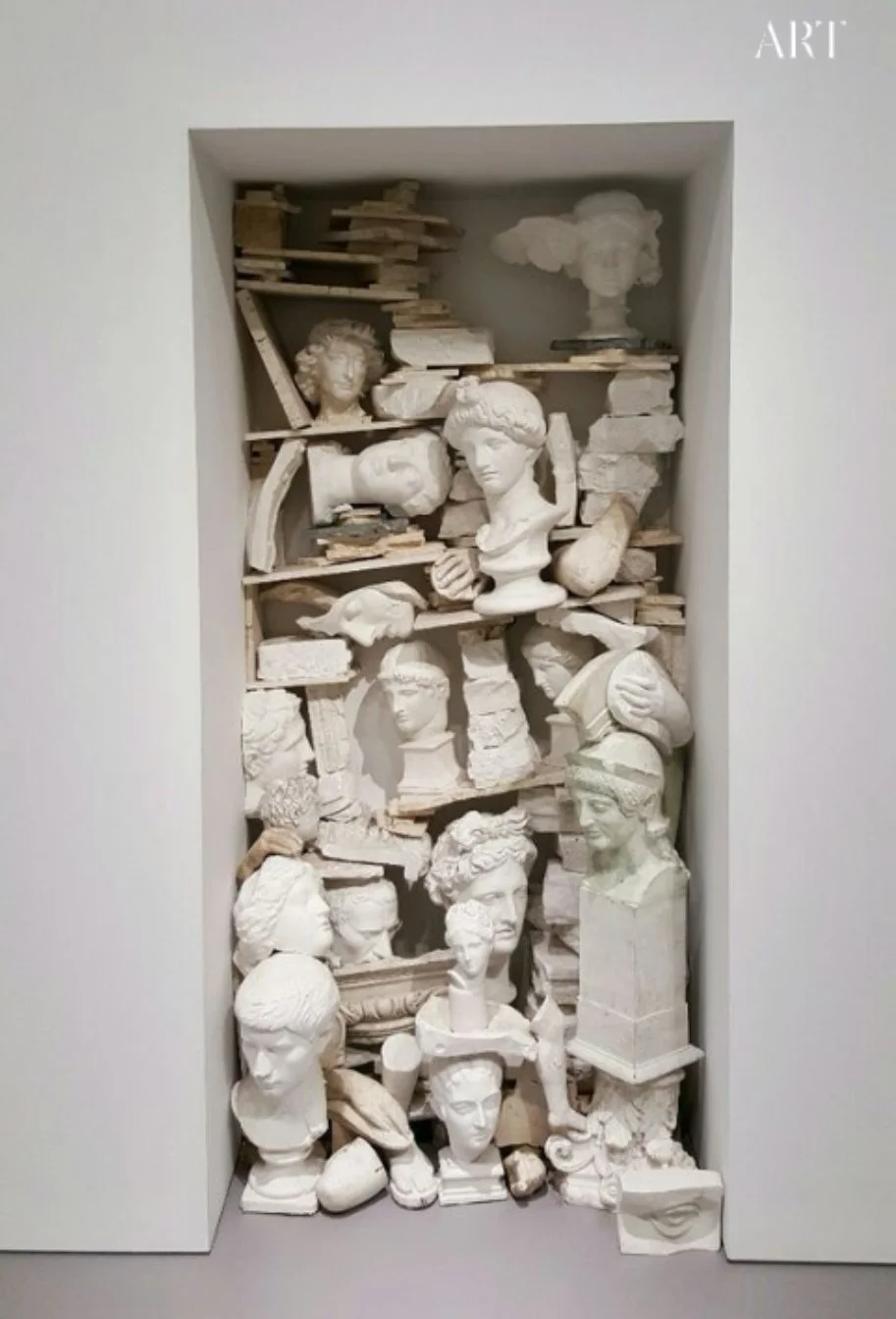
The specific signals worth looking for in a young artist: gallery representation with a gallery that has a curatorial rather than purely commercial orientation; inclusion in museum and public institution exhibitions; a critical literature that engages with the work on its own terms; and — most importantly — a quality of formal and intellectual development visible across the work over time. The artist who is making more interesting work each year is a different prospect from the artist who has found a saleable formula.
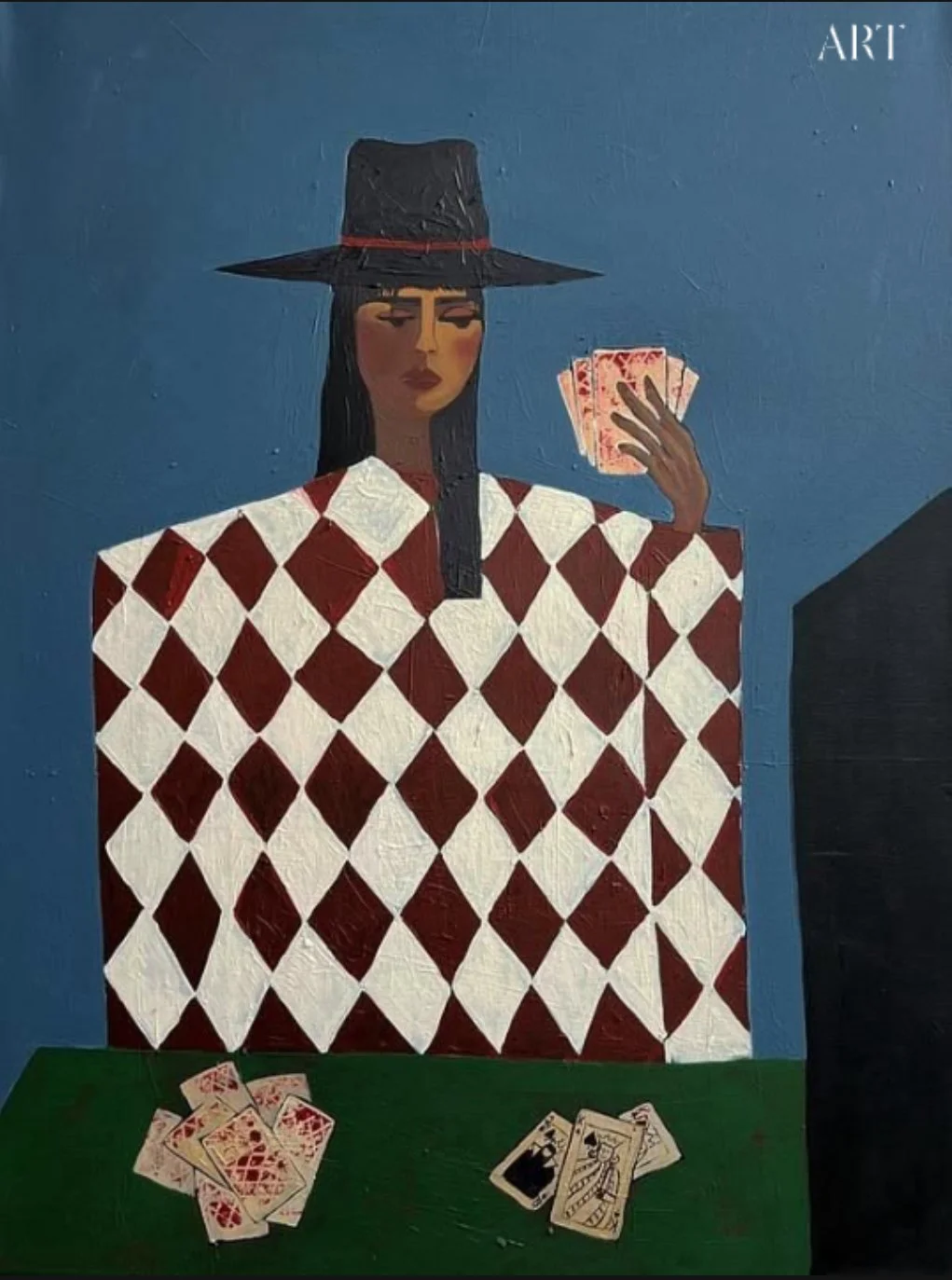
On the practical relationship with galleries: the gallerist is your most important resource and also has a commercial interest in your decisions. A good gallerist will tell you things that are not commercially convenient — which works in their programme are stronger, which artists are developing more interestingly — because the long-term relationship with a serious collector is worth more than any individual transaction. Find these gallerists. Return to them. Ask the questions that require honesty to answer.
On living with work before you buy it: most good galleries will lend you a work for two weeks. This practice is rarer in the current market than it was but it still exists, particularly for collectors with whom the gallery has an established relationship. Two weeks living with a work tells you more about whether you want to own it than two hours looking at it ever can.
The collection you build over twenty years will reflect your looking rather than your buying. The looking is the investment. The buying is the record of it.
BY OONA CHANEL
