

Sara Flores: The Amazonian Artist Whose Work Is Filling the White Cubes She Was Never Supposed to Enter
Born in the Shipibo-Conibo community in the Peruvian Amazon, she paints the cosmological patterns of her people on massive canvases that are now in the permanent collections of MoMA and the Tate. She is currently showing at White Cube New York through August 14. Here is what the work is doing.
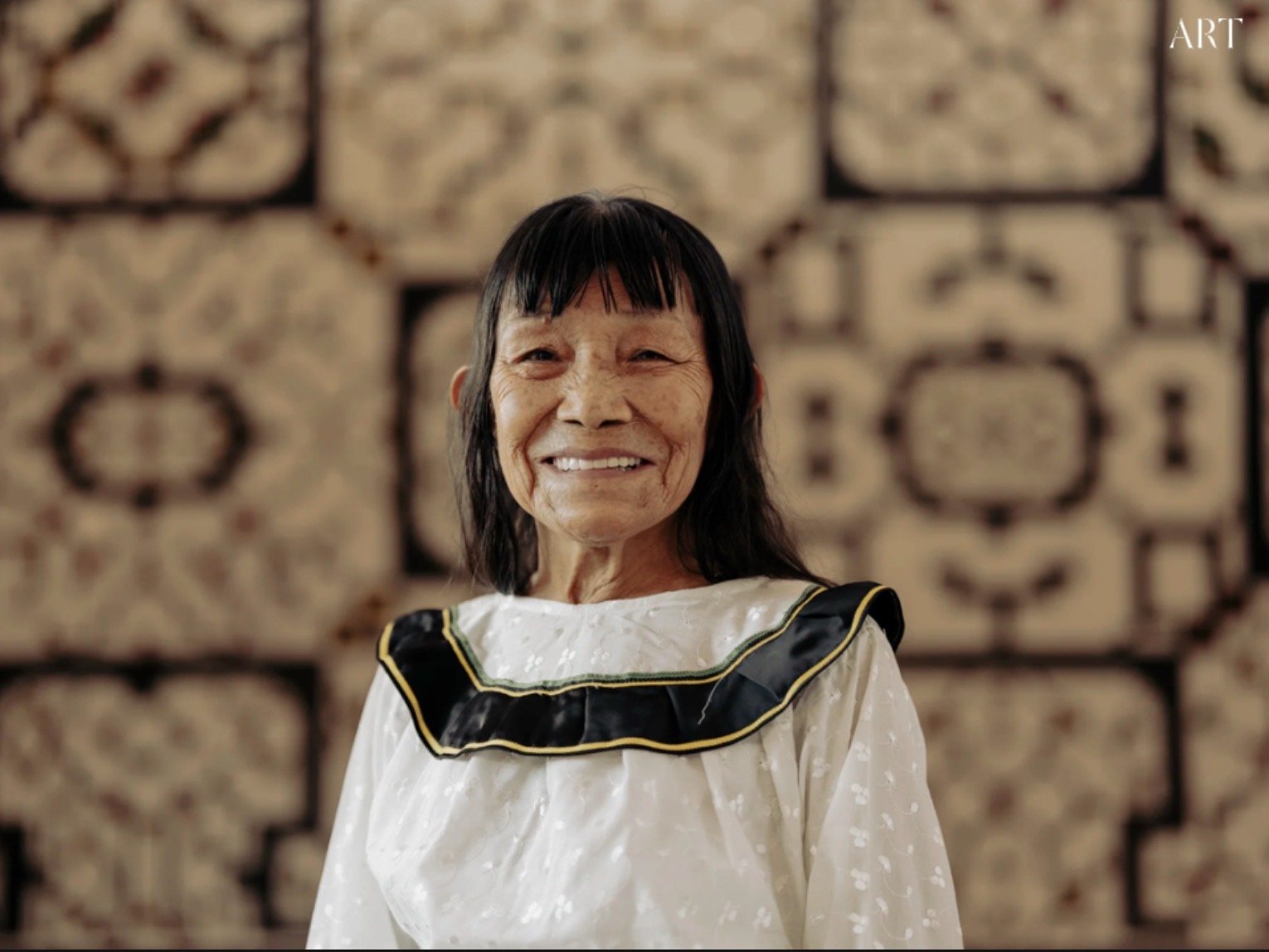
“The kene are not decorative. They are a visual language that encodes cosmological and medicinal information. The translation into Western fine art is not a domestication of the cosmological. It is an expansion of the fine art category to accommodate something it has not previously been able to hold.”
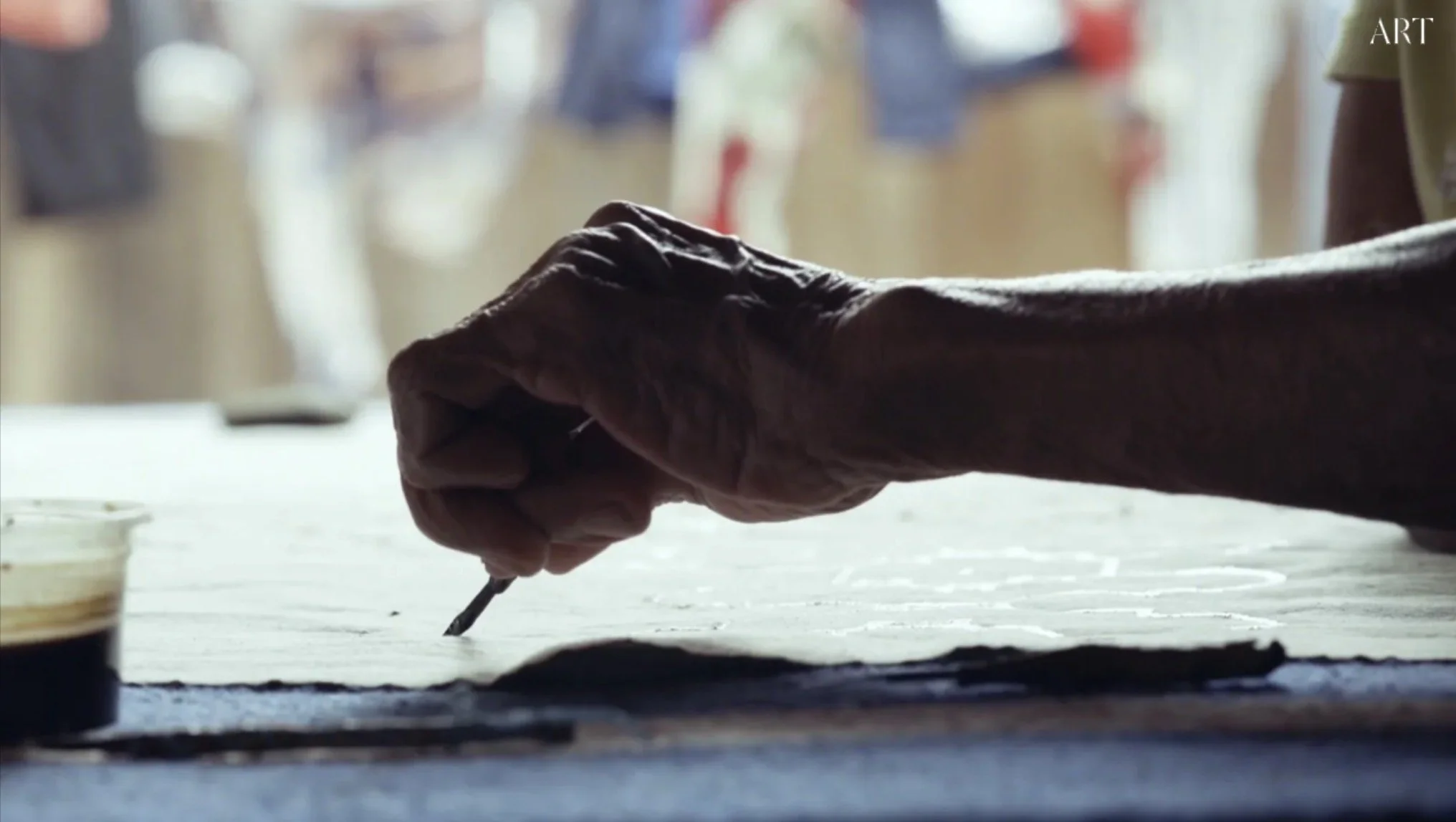
Sara Flores was born in 1948 in the Ucayali region of the Peruvian Amazon, in a Shipibo-Conibo community that is one of the indigenous peoples of the Amazon basin. She learned to paint the kene — the geometric, labyrinthine patterns that are central to Shipibo-Conibo material culture, appearing on ceramics, clothing, and the ceremonial objects that connect the visible and invisible worlds in the cosmological system of her community — as a child, in the way that this knowledge is transmitted: by watching, by practising, by the kind of accumulated bodily knowledge that formal instruction cannot produce.
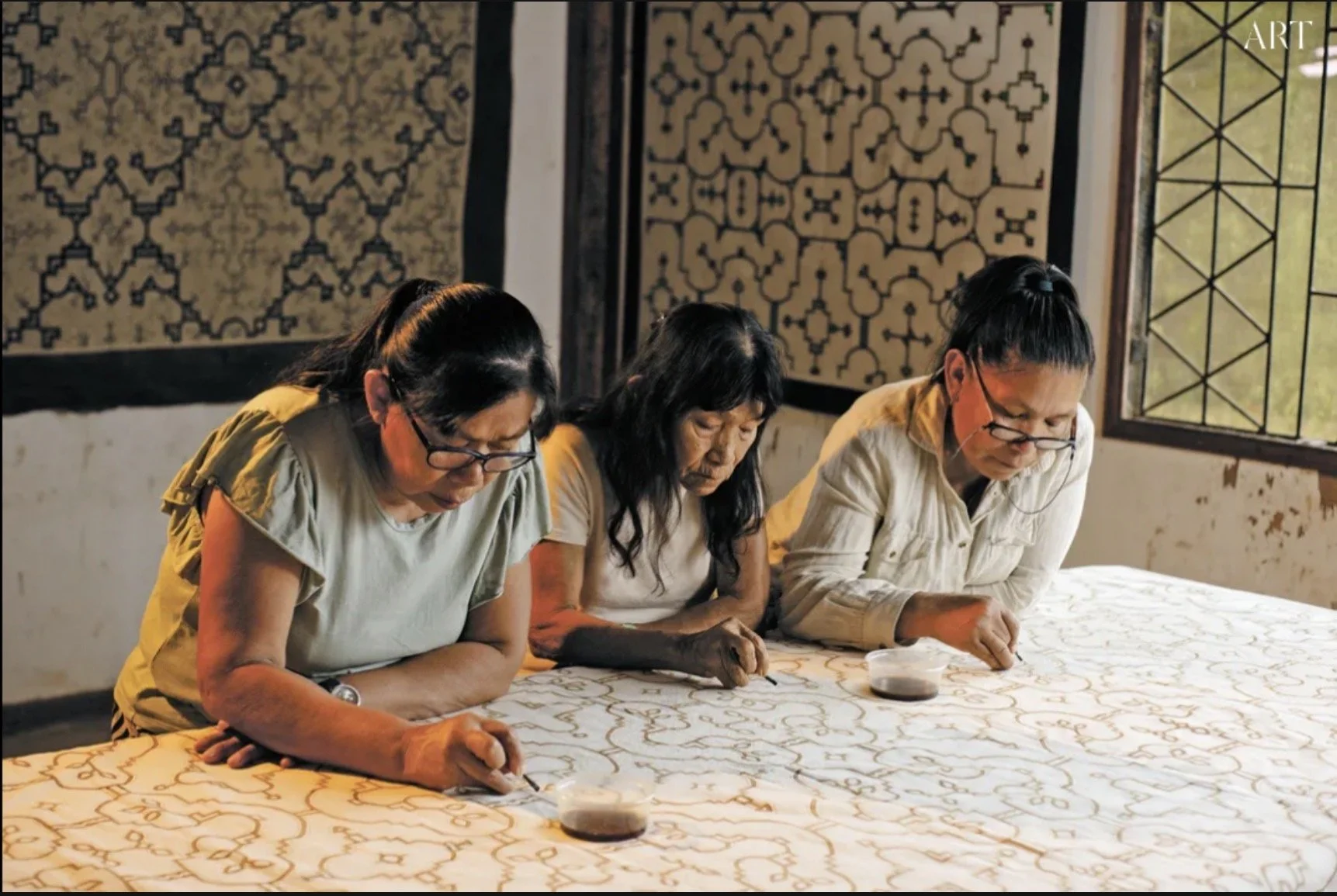
The kene are not decorative. This is the first and most important thing to understand about what Sara Flores makes. The patterns are a form of writing — a visual language that encodes cosmological and medicinal information in ways that only initiated practitioners can fully read. They are associated with the ayahuasca ceremony, in which the patterns are understood to be the visual manifestation of the songs sung by the healer — each song producing a specific pattern, each pattern encoding a specific healing intention. The translation of this into the idiom of Western fine art is, in Flores's hands, not a domestication of the cosmological. It is an expansion of the fine art category to accommodate something it has not previously been able to hold.
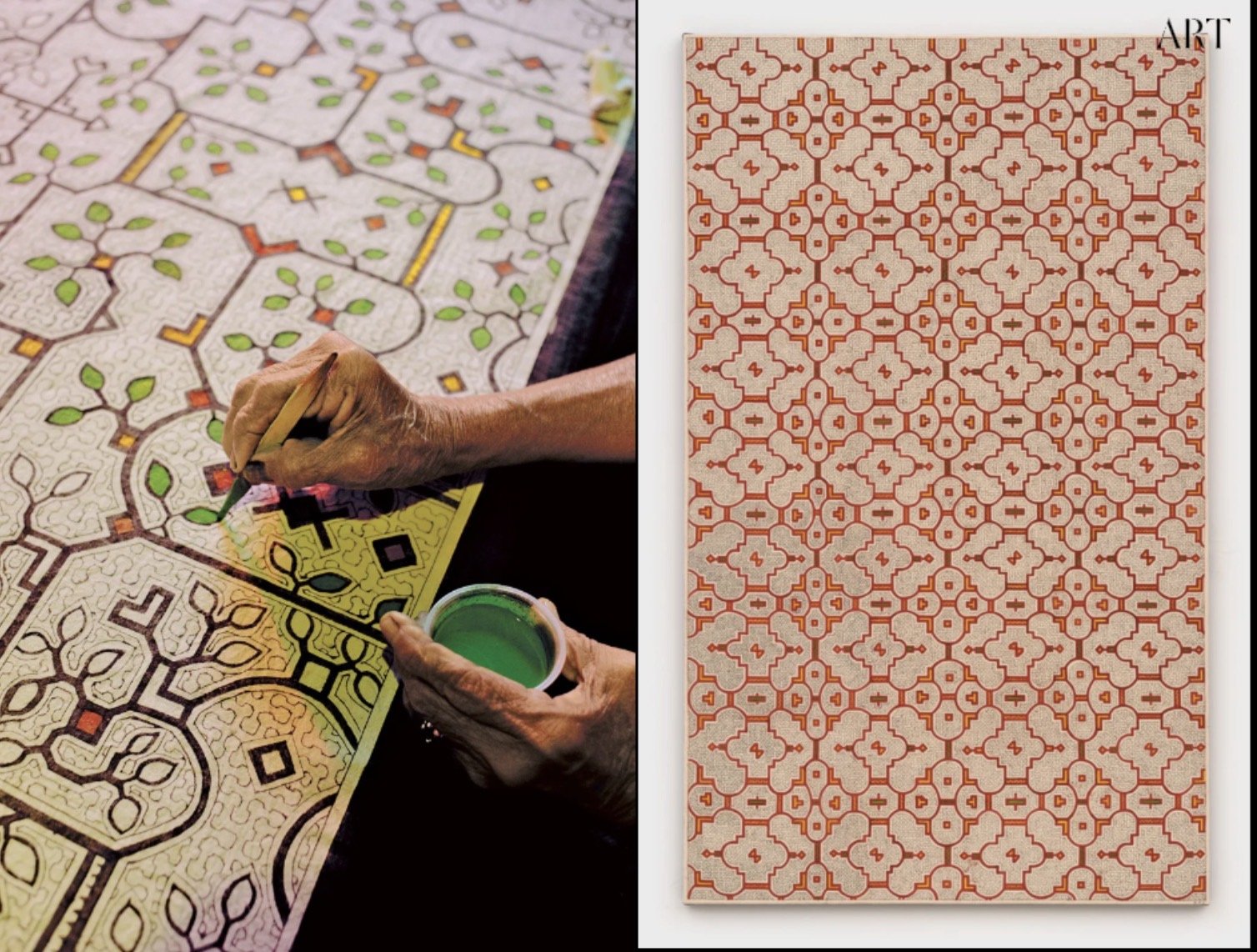
She was not discovered by the Western art world until she was in her sixties. The trajectory — community practice to international institutional collection — bypassed the standard gallery system because the standard gallery system was not designed to accommodate an artist who was not working in its idiom and was not producing for its market. The acquisitions by MoMA and Tate, which occurred in 2023 and 2024 respectively, represent the institutions catching up with a practice that was already decades deep and fully formed.
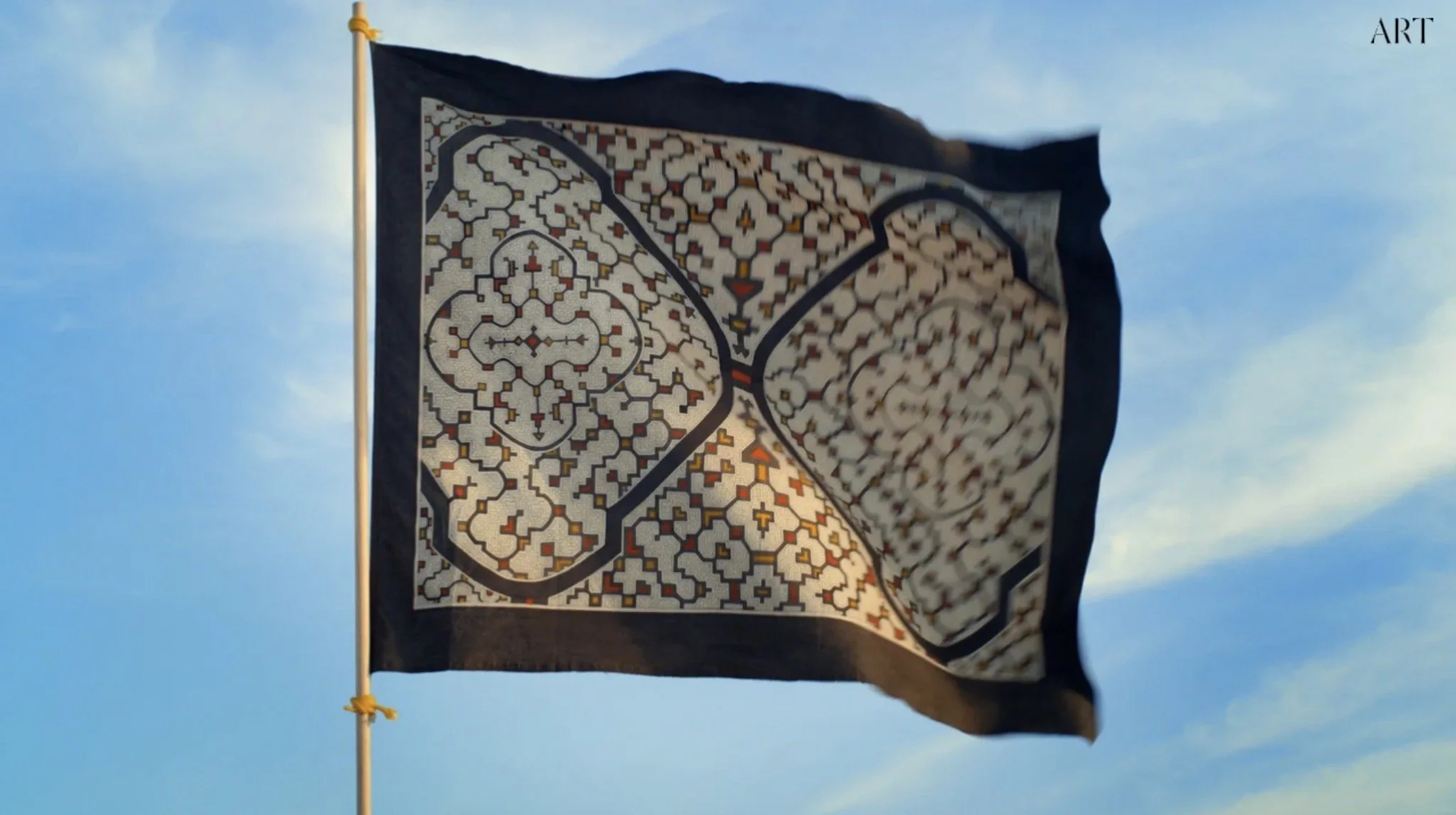
The Akinananti exhibition at White Cube New York — which runs through August 14, 2026 — is one of the most significant commercial gallery shows of the summer in New York. The title, which means 'everything that exists is alive,' is not a title in the Western art sense of a descriptor or a provocation. It is a statement of the ontological framework within which the work operates. Everything that exists is alive — the river, the plants, the patterns themselves — which means that the canvas is not a neutral substrate but a living surface that the patterns are in relationship with.
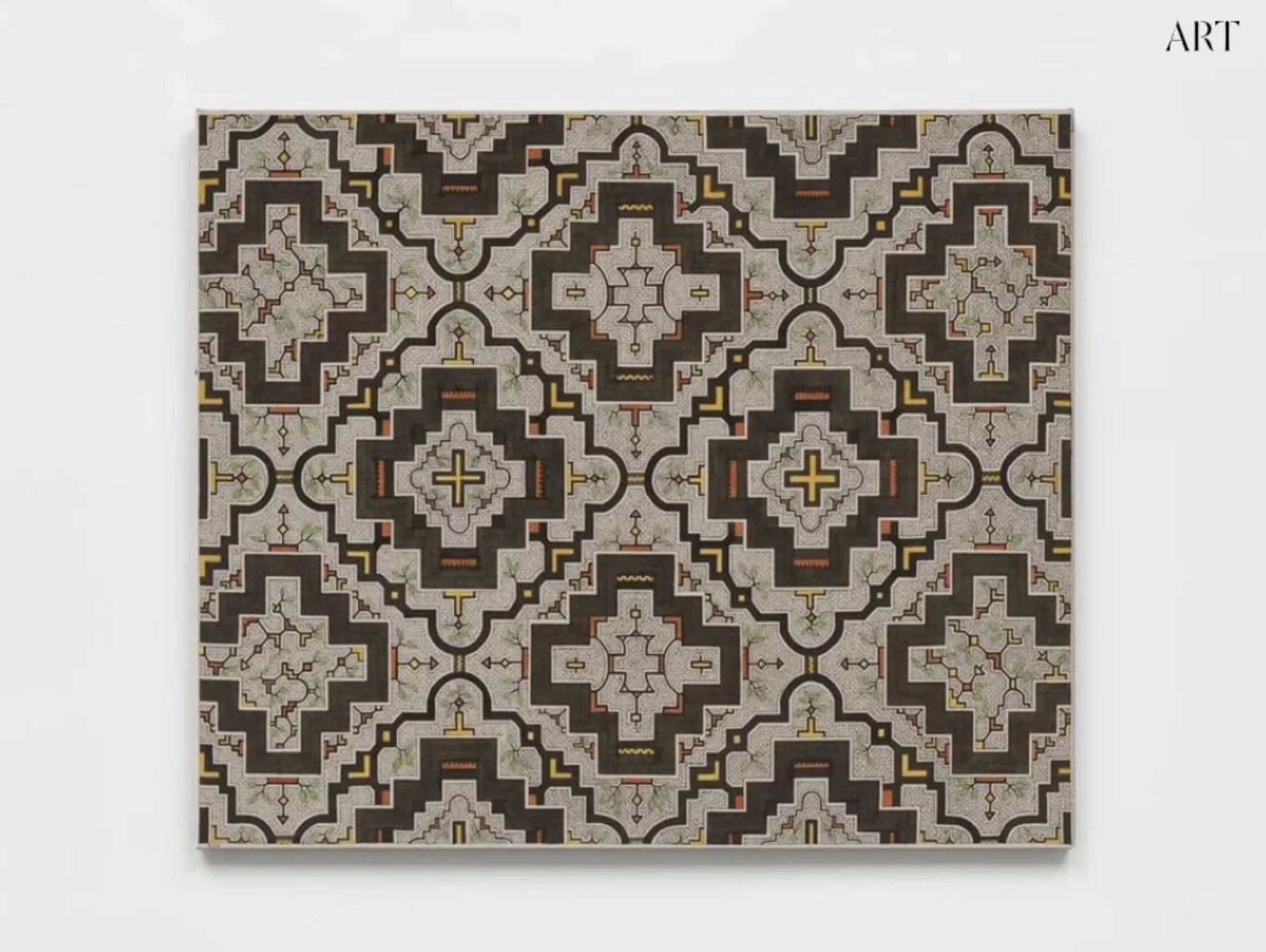
The white cube gallery, in this context, is both the most inappropriate and the most revealing venue for the work. Inappropriate because the gallery's white walls and controlled light produce an encounter with the kene that strips them of the sensory and ceremonial context in which they are made and understood. Revealing because the encounter with the patterns on their own terms — removed from the explanatory context, requiring the viewer to develop their own relationship with a visual language they cannot read — produces, in practice, the most honest available encounter with what the work demands: sustained, open, unknowing attention.
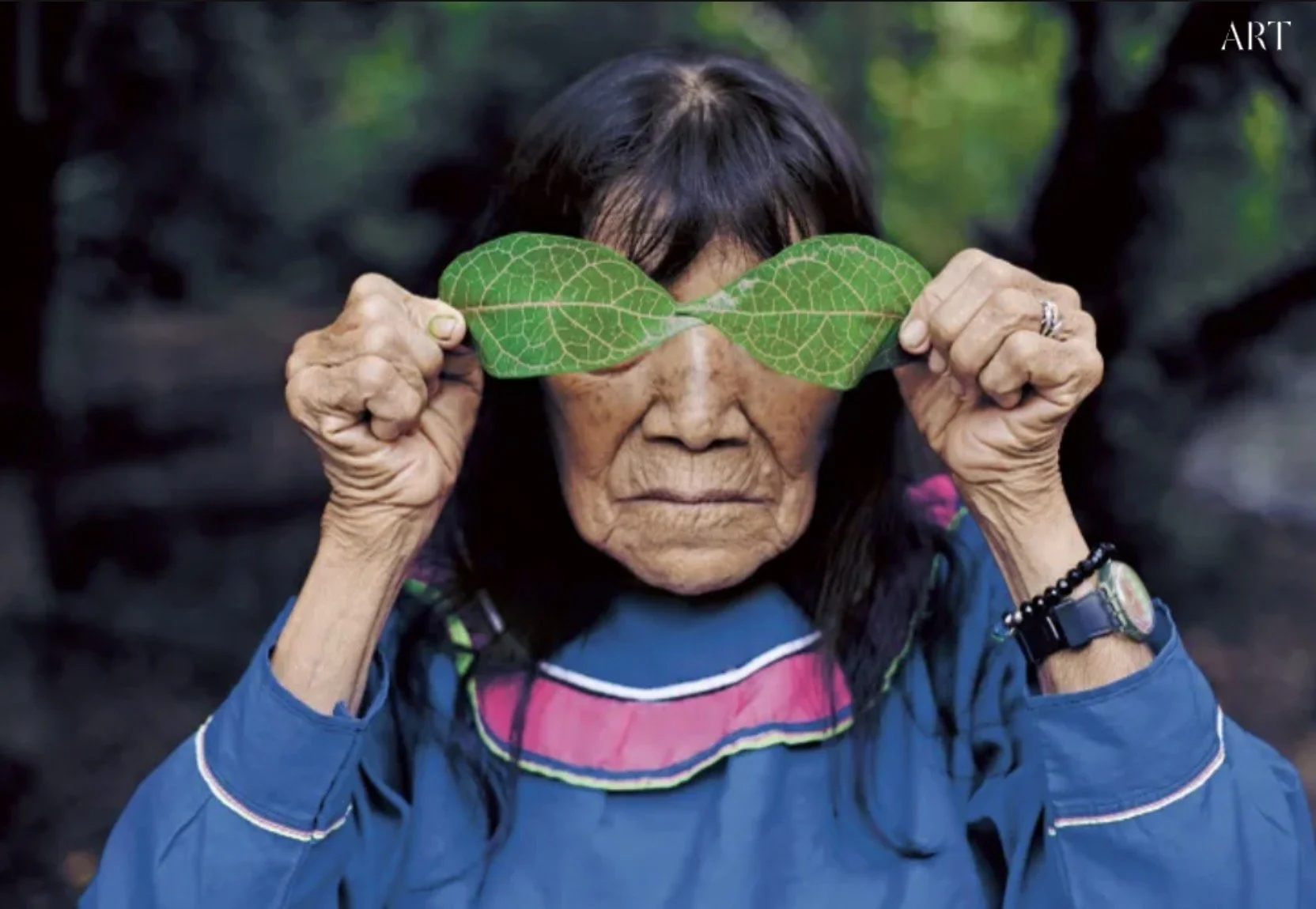
She is represented by the Lima-based gallery 80M2 Livia Benavides and by White Cube, which assumed global representation in 2024. The scale of the White Cube representation — its spaces in London, New York, Hong Kong, and Paris — means that the work is now accessible to the international collector audience that it was not accessible to when it was available only through a single Lima gallery. The price positioning is consistent with major institutional collection placement: these are not entry-level works.
For the collector approaching her work now: the institutional acquisitions are the most significant evidence available. When MoMA and the Tate acquire simultaneously, within the same year, the institutional consensus is not forming — it has formed.
BY OONA CHANEL
