

Angel Otero: The Paintings That Peel Themselves Off the Canvas
His process — pouring, layering, drying, and then lifting oil paint skins from the surface — produces works that look like fragments of something larger. He is currently exhibiting at Hauser and Wirth Somerset through October. Here is what the work is doing and why it matters.

“The paintings are records of a process you cannot see and that you can feel. The dried paint skins carry the memory of their previous resting place — the glass, the horizontal orientation during drying — into their new existence on the canvas.”
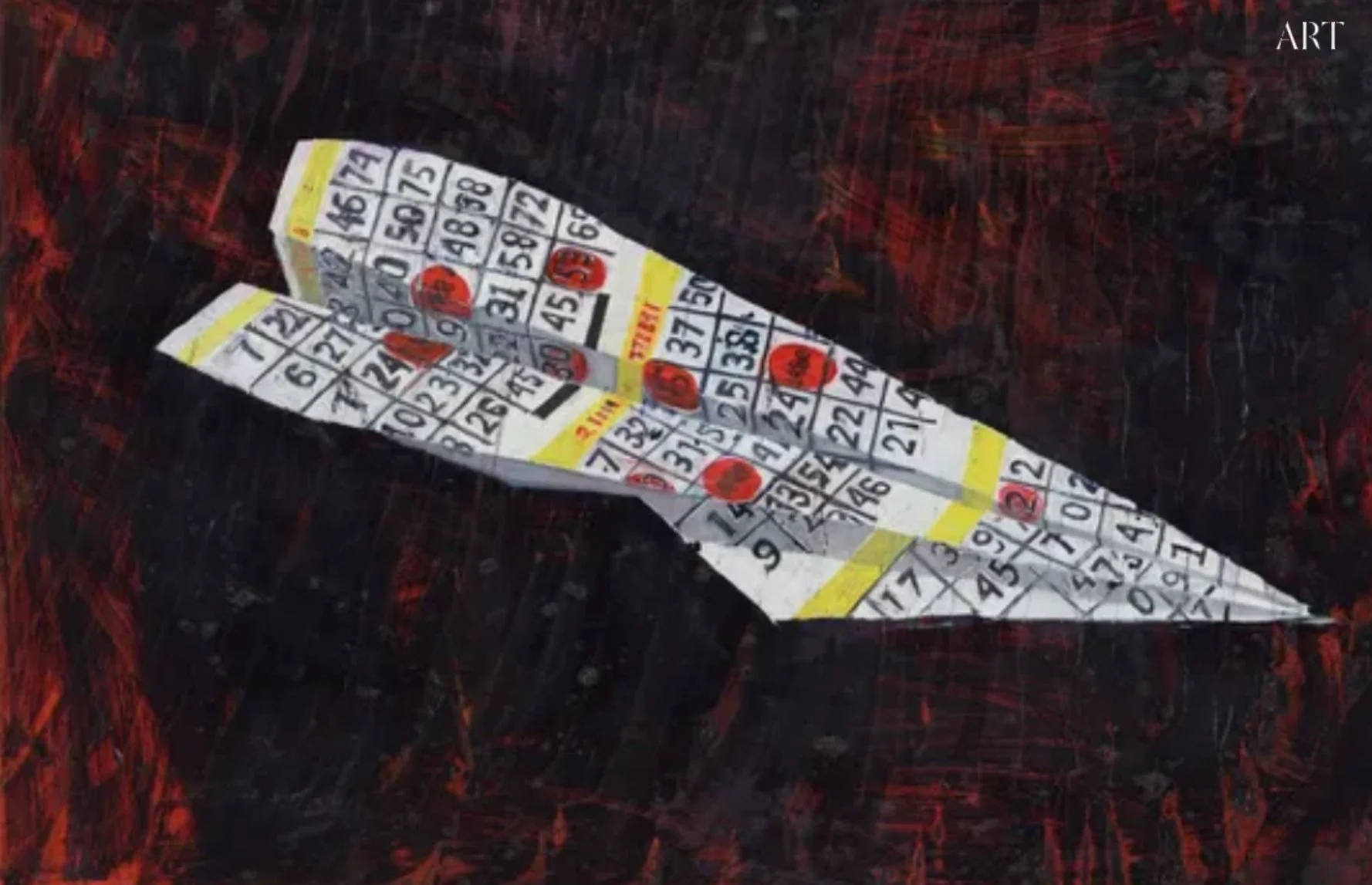
Angel Otero makes paintings by not making them in the conventional sense. The process begins with thick pours of oil paint applied to a glass surface and left to cure. Once the paint has formed a skin — which can take days or weeks depending on the thickness and the composition — Otero lifts the dried paint off the glass and applies it to the canvas, folding, layering, and pressing it into configurations that the initial pouring did not prescribe. The painting is partly planned and partly discovered at the moment of application.
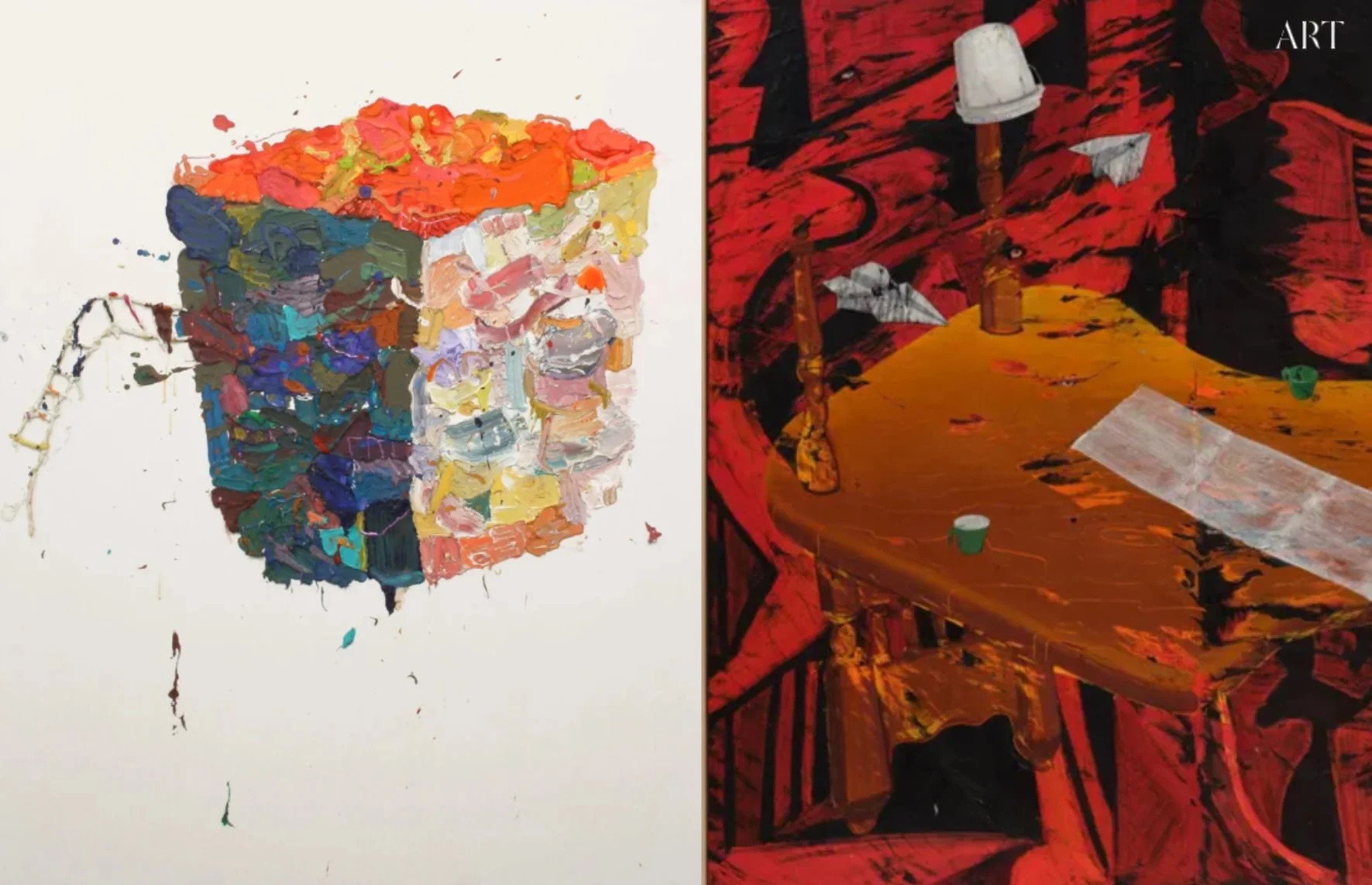
This is not abstract expressionist improvisation. The pours are made with specific chromatic and compositional intentions. But the folding and layering produces spatial effects — depth, overlap, the suggestion of fabric or geology or skin — that direct painting cannot achieve because the medium is not capable of the specific translucency that a dried skin of oil paint has when lifted from a smooth surface and applied at an angle to light.
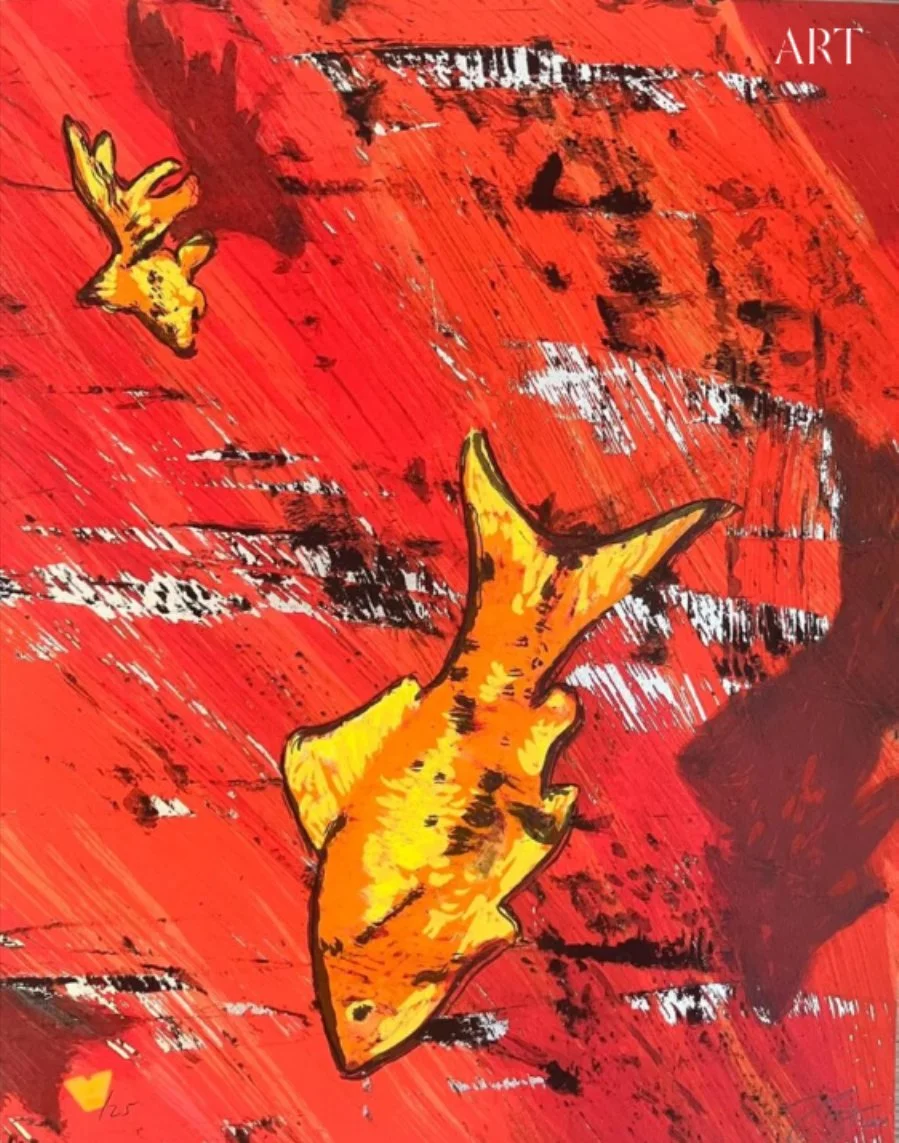
The results look like nothing else in contemporary painting. The closest formal analogy might be the impasto of Anselm Kiefer, but Kiefer's surfaces are built up from the canvas; Otero's surfaces arrive from elsewhere. They carry the memory of their previous resting place — the glass surface, the horizontal orientation during drying — into their new vertical existence on the canvas. The paintings are records of a process that you cannot see and that you can feel.
Otero was born in Santurce, Puerto Rico, in 1987. He has lived and worked in New York for most of his adult life, but Puerto Rico — the specific colours, the specific light, the specific cultural and political situation of the island — is present in the work. Not literally, not as imagery, but in the palette: the saturated oranges and pinks, the specific way warm and cool interact in his layered surfaces. This is not a claim that he makes ostentatiously. It is visible in the work to anyone who has spent time in the Caribbean and then spent time in the paintings.
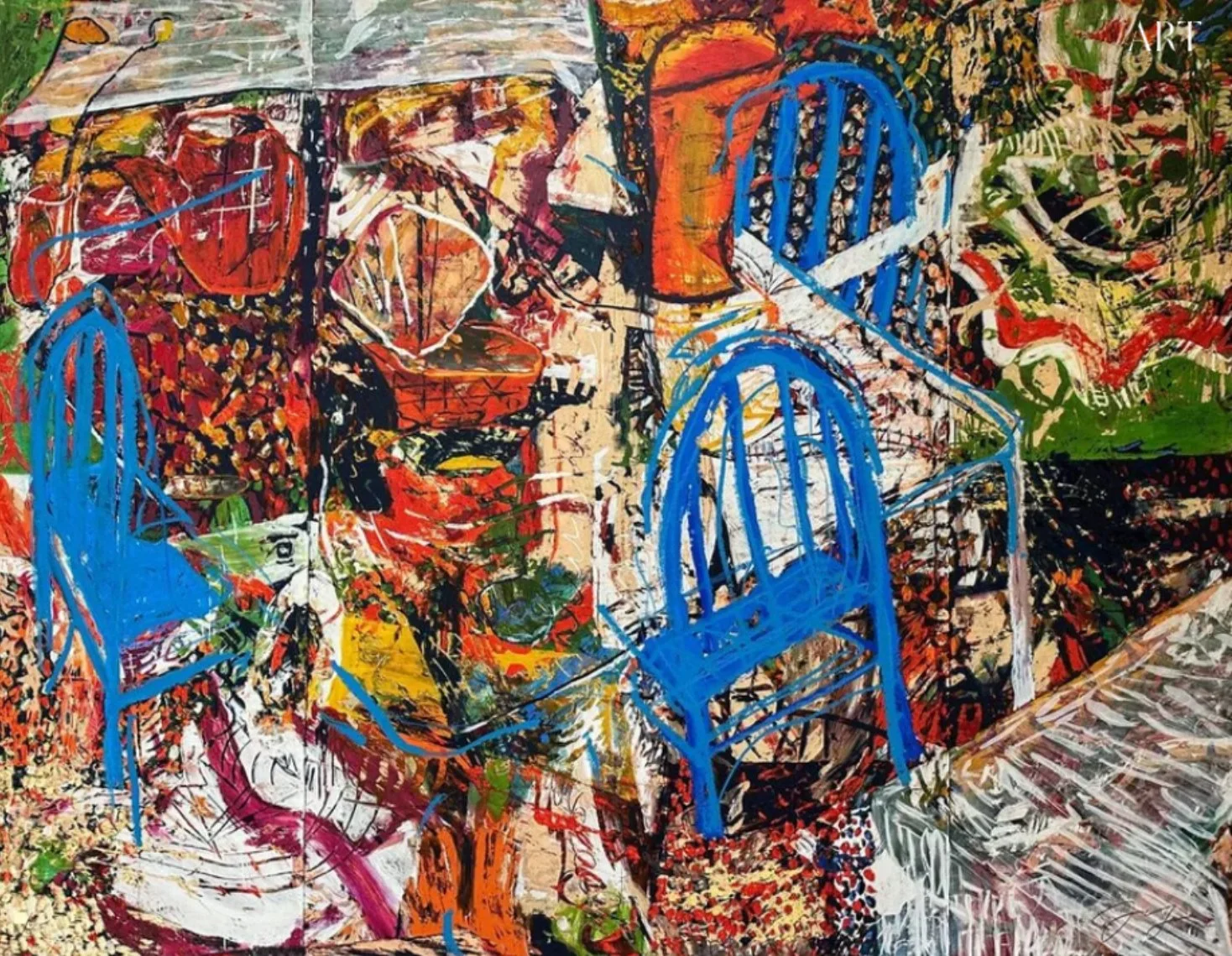
His exhibition Agua Salada (Saltwater) at Hauser and Wirth Somerset runs through October 18, 2026. The Somerset space — the converted farmyard in Bruton — is one of the few commercial gallery spaces in Britain large enough and light enough to show paintings at the scale Otero is now working at, and the show takes advantage of this: the largest works are several metres across, and the quality of the Somerset light, which is different from urban gallery light in ways that are important for work this dependent on surface reflection, is working with the paintings rather than against them.
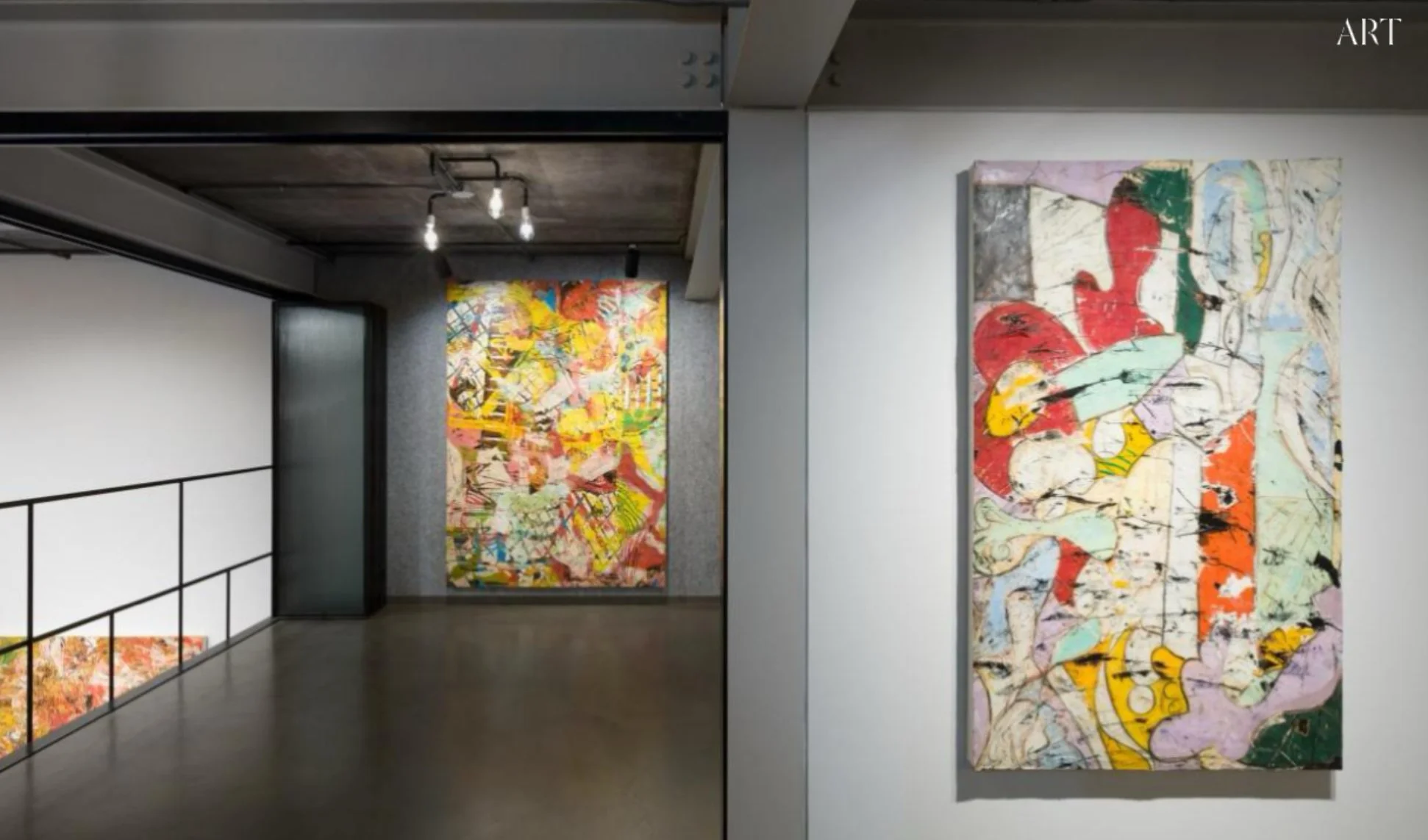
He is represented globally by Hauser and Wirth, which is the most commercially powerful gallery operation in contemporary art. This means his work is accessible — in the sense that Hauser and Wirth has galleries on several continents and a staff dedicated to collector relationships — and expensive, in the sense that Hauser and Wirth sets prices that reflect the gallery's position and the artist's trajectory.
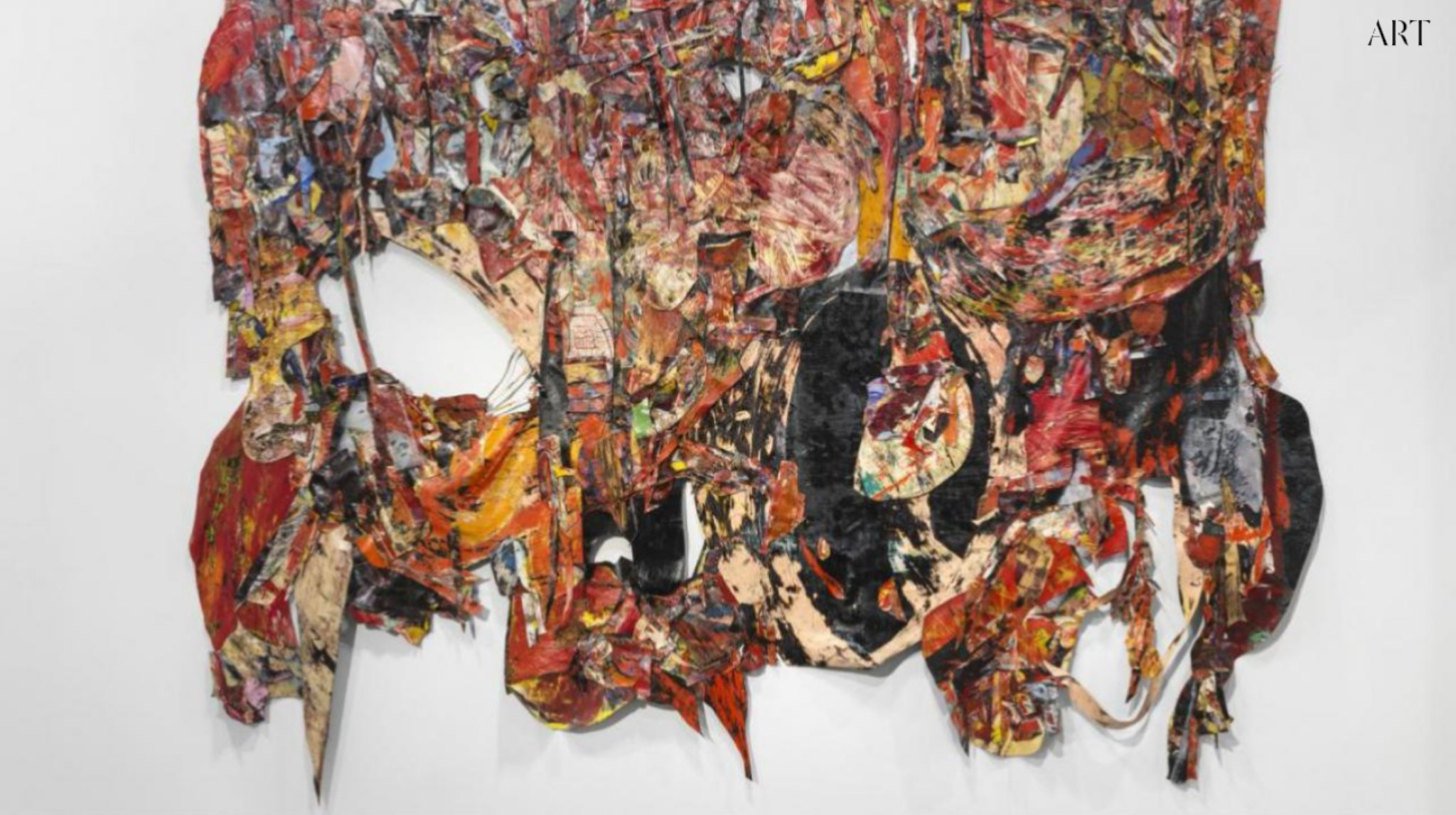
For the collector approaching his work: the Somerset exhibition is one of the best available opportunities to see the large-scale work in a context where the scale is appropriate. Smaller works — which carry the same process and the same quality of surface — are available at lower price points and at greater secondary market accessibility.
The work that will be most studied in twenty years is probably not the largest. It is the mid-size work — the pieces between 120 and 180 centimetres — where the composition is resolved enough to sustain sustained looking and the surface is dense enough to reward it.
BY OONA CHANEL
