

Peter Doig: The Painter Who Makes the Present Feel Like Memory
He is arguably the most significant figurative painter alive. His paintings of snow, water, canoes, and the specific quality of recollected experience produce the most consistent and most serious argument for the painting's continuing relevance. He is currently showing at Michael Werner Gallery London. Here is what the work is doing.
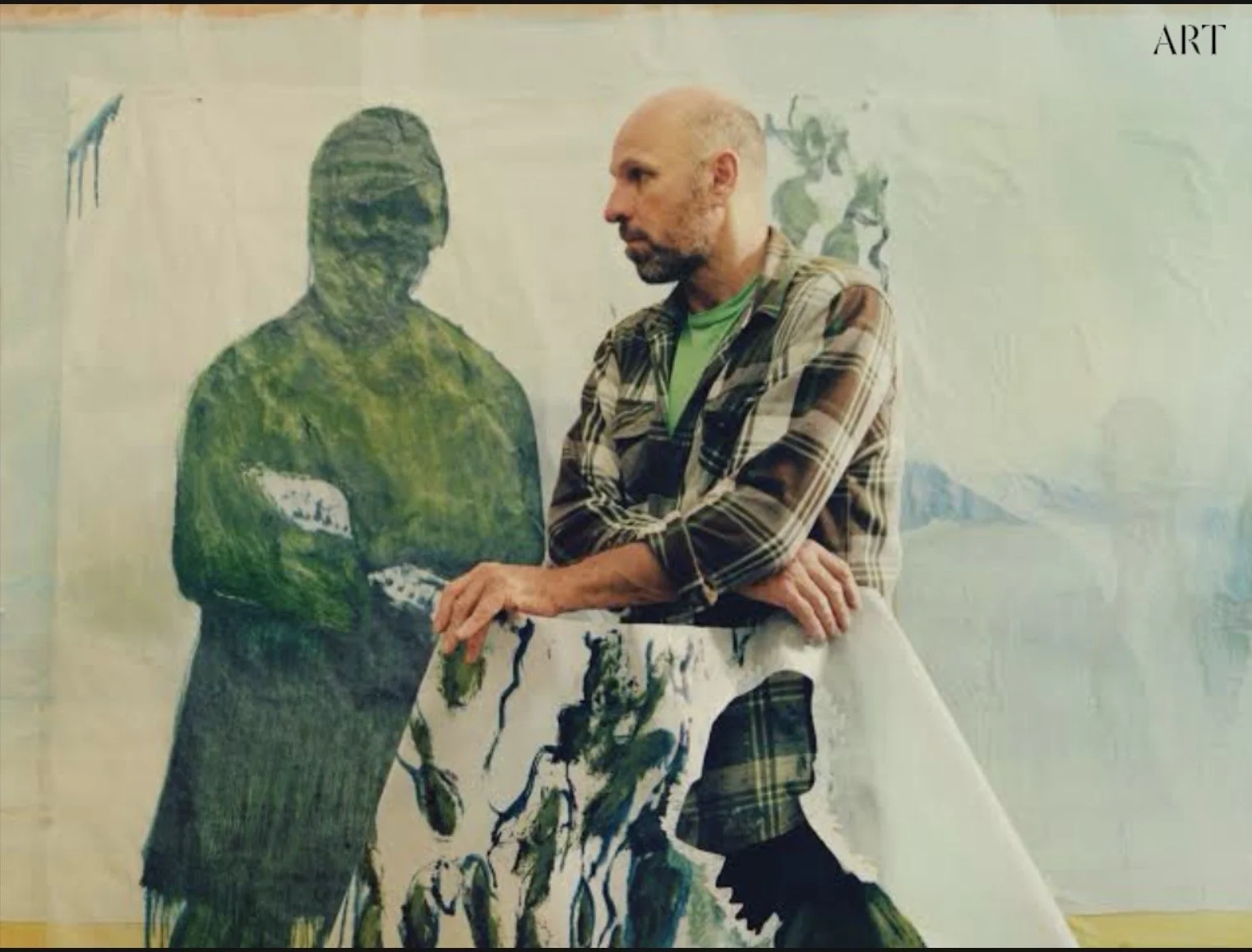
“The reproduction of Doig's paintings is universally inadequate. The specific quality of paint surface — the layered, scraped, built-up surface that produces the peculiar atmospheric depth of his best work — is not available in any digital image. This is a body of work that can only be understood in front of the actual paintings.”
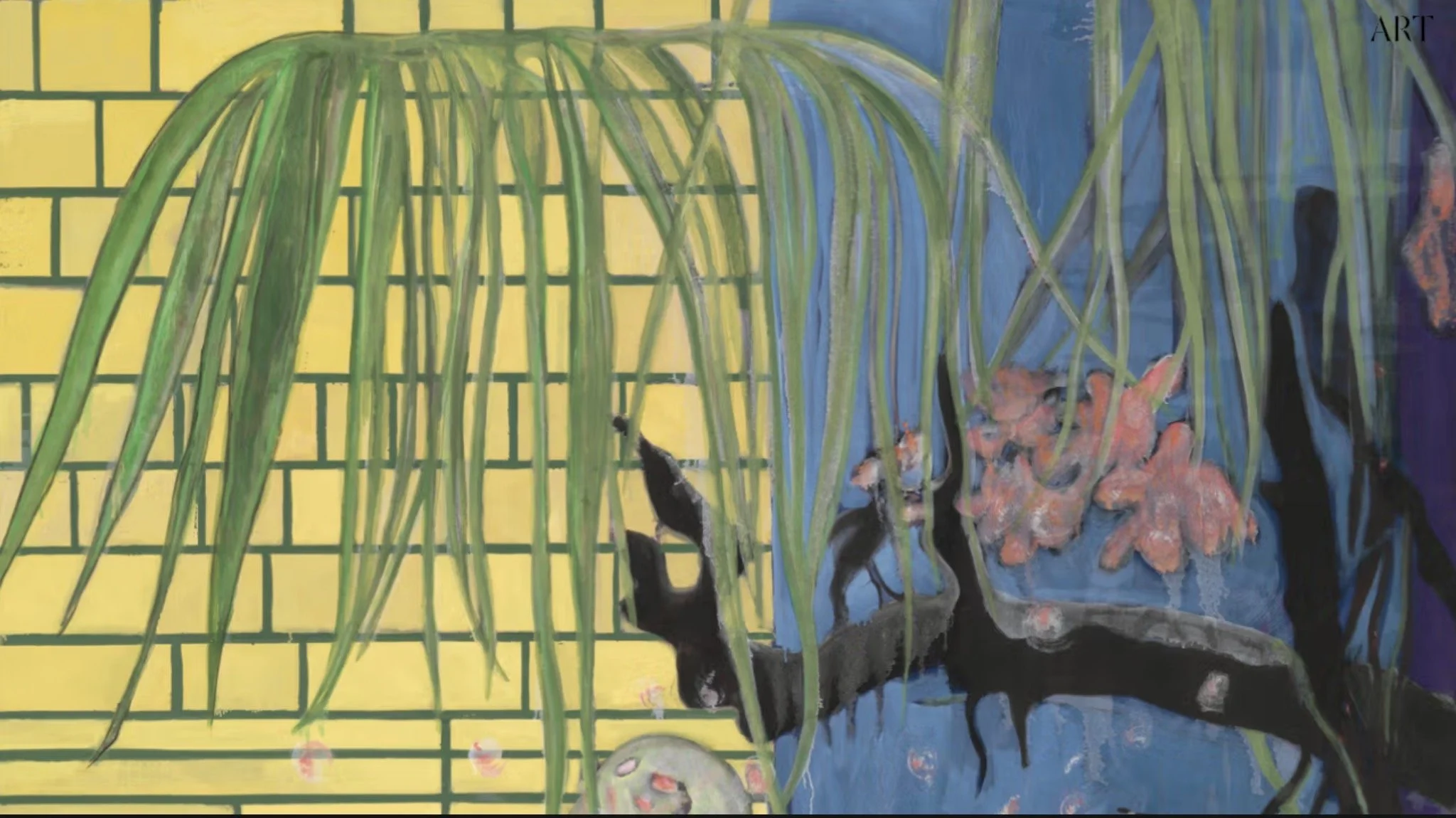
Peter Doig was born in Edinburgh in 1959, grew up partly in Trinidad and partly in Canada, trained at Wimbledon College of Art and the Chelsea College of Art, and produced, in the early 1990s, a series of paintings that decisively changed what it was possible to believe about the state of figurative painting. This is not a retrospective claim. It is the view of his contemporaries at the time, and of the critics and curators who were paying attention.
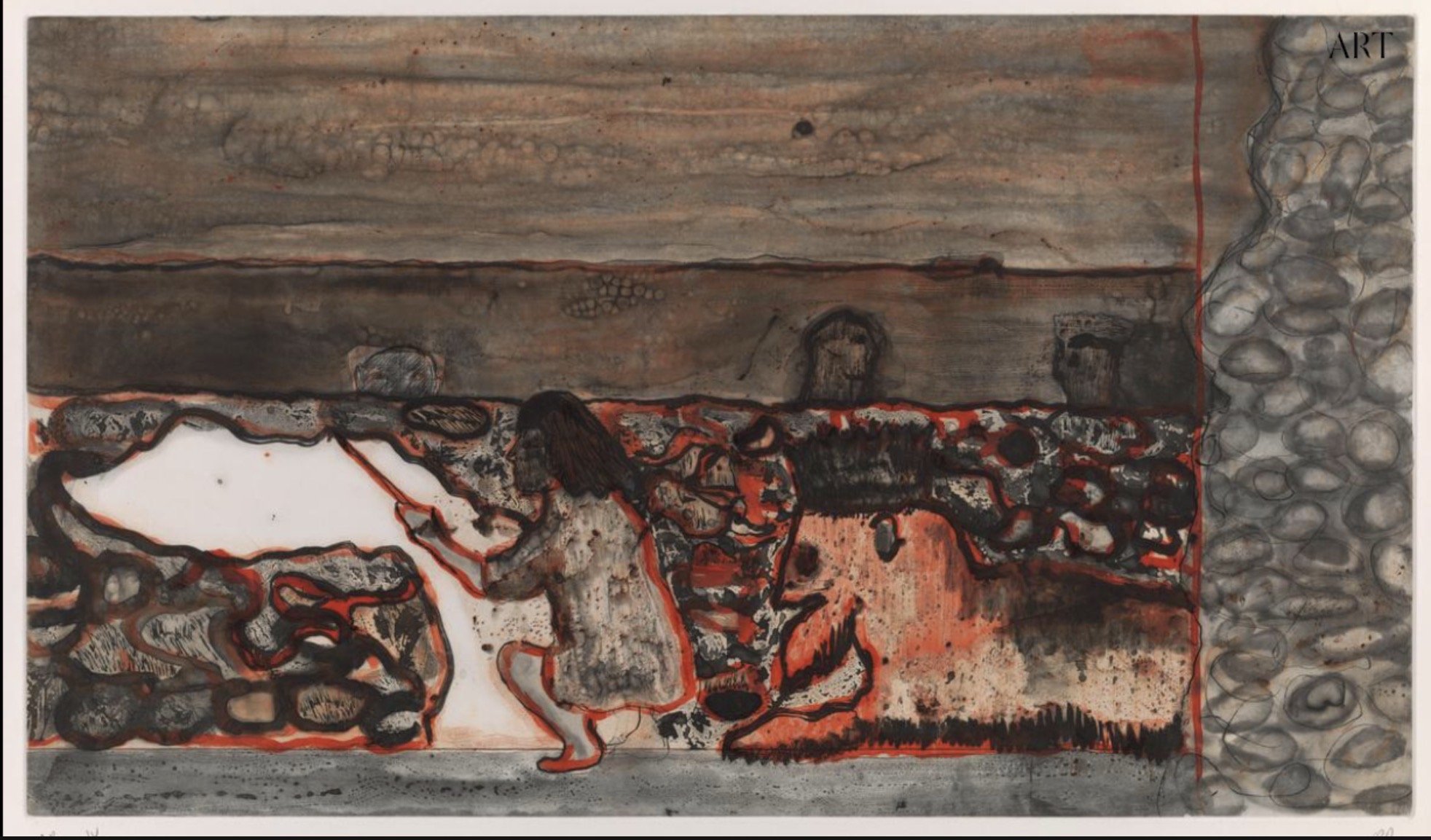
The snowscape paintings of the early career — Ski Jacket (1993-94), Snowstorm (Stag) (1995-96), Blotter (1993) — established a visual and emotional register that had not been available in painting before him. Not simply snow — the psychological experience of snow, of being in a landscape that absorbs sound and reduces scale and places the human figure in a relationship to the environment that is neither comfortable nor hostile but suspended. The figures in these paintings are not in their correct scale relationship to the landscape. They are remembered to be at a certain scale, and memory does not obey perspective.
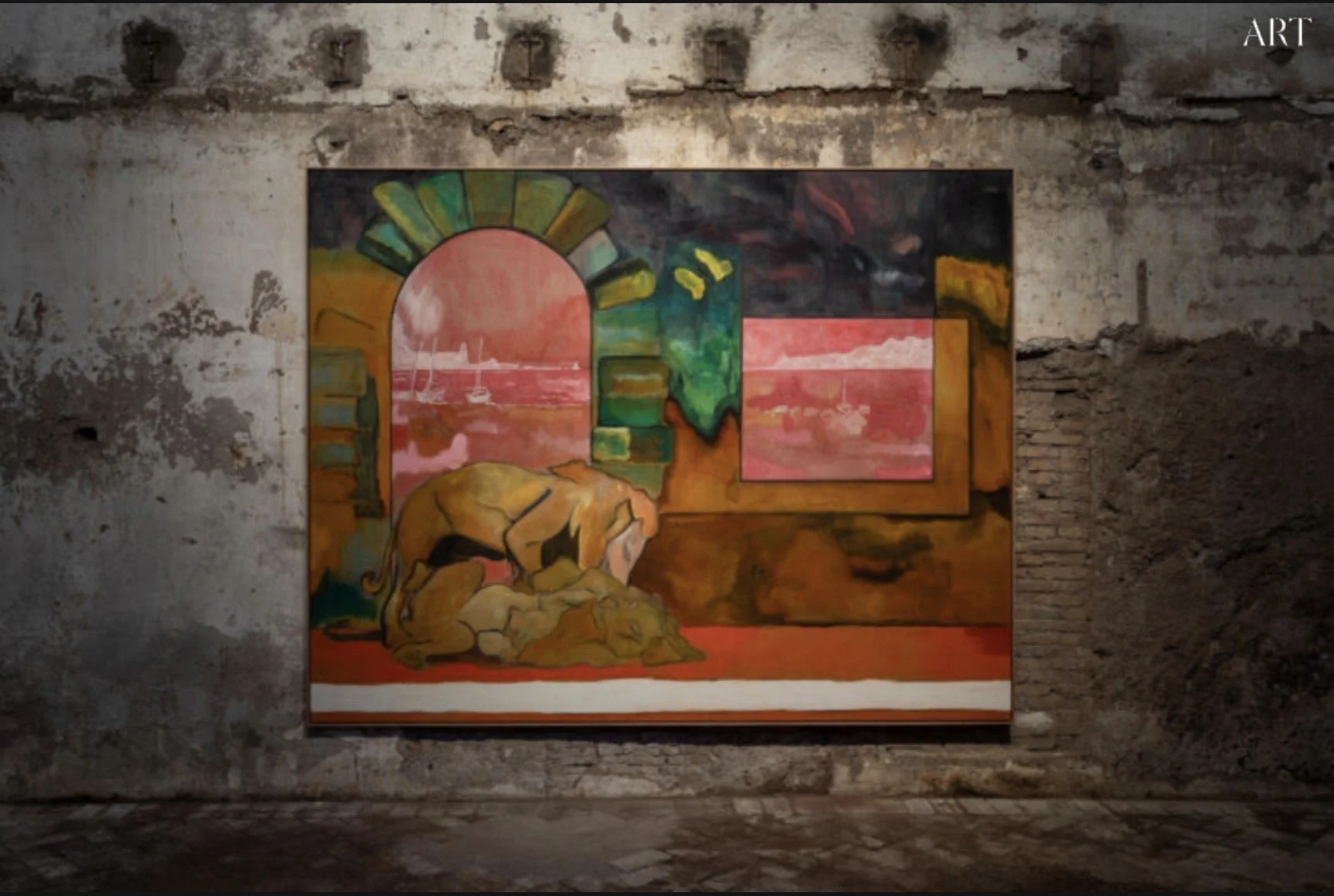
His auction record — 26 Million Pounds at Sotheby's London in 2015 for Canoe Lake (1997-98) — is one of the highest for any living European artist. The prices are significant not because prices indicate quality but because the secondary market consensus is a form of critical consensus, and the secondary market for Doig has been consistent across three decades. This is the mark of a practice that the market believes in because the critical apparatus that informs the market believes in it.
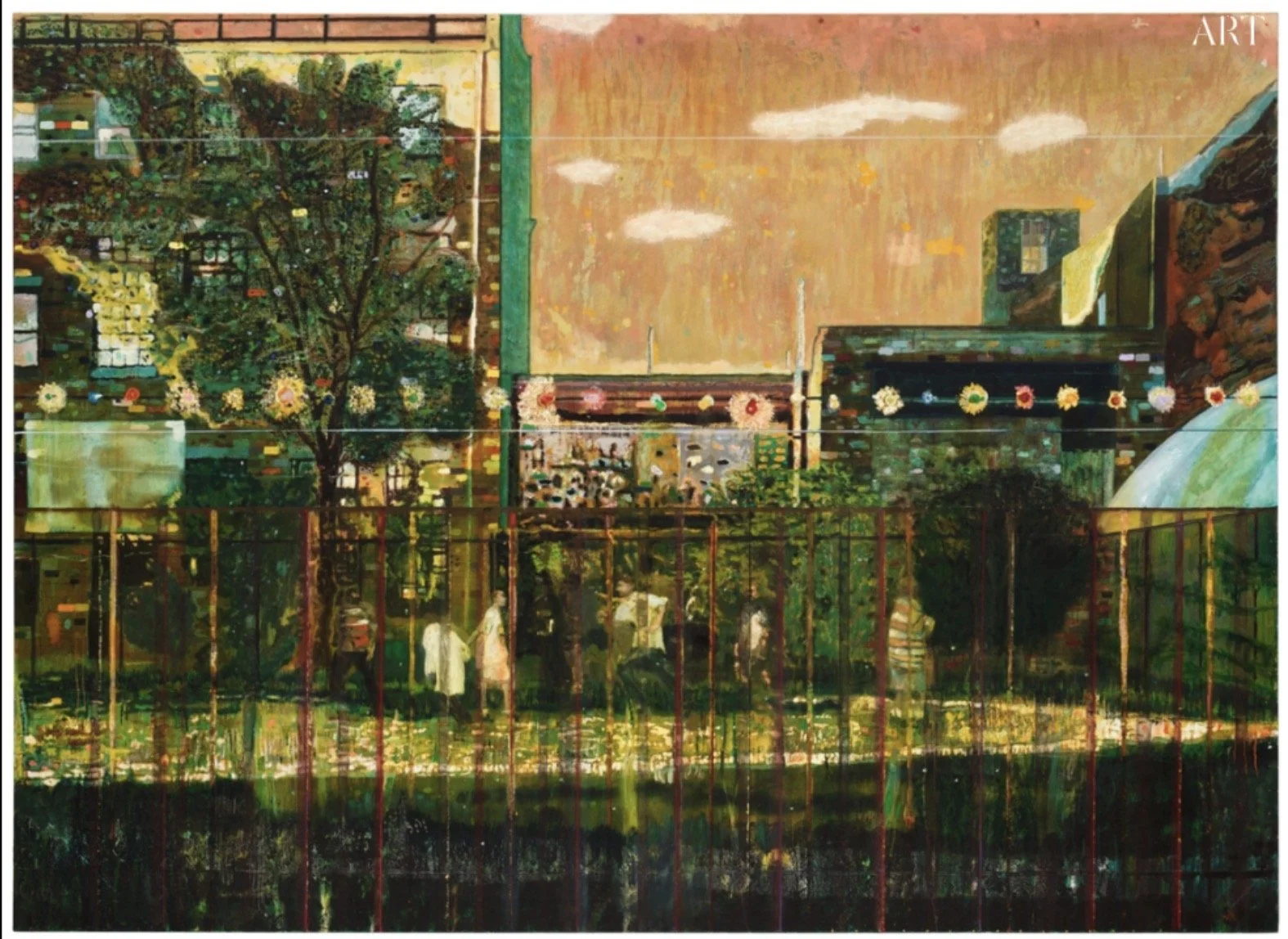
The current exhibition at Michael Werner Gallery London — continuing through August — presents new paintings that extend the Trinidad period work into new formal territory. Since moving to Trinidad permanently in 2002, Doig's palette has expanded and warmed; the specific light of the Caribbean, its relationship to colour and shadow, has produced a different relationship between the figures in his paintings and the landscapes they inhabit. The snow work was about suspension and cold and the specific quality of northern memory. The Trinidad work is about heat and presence and the specific quality of light that does not go dark at seven in the evening.
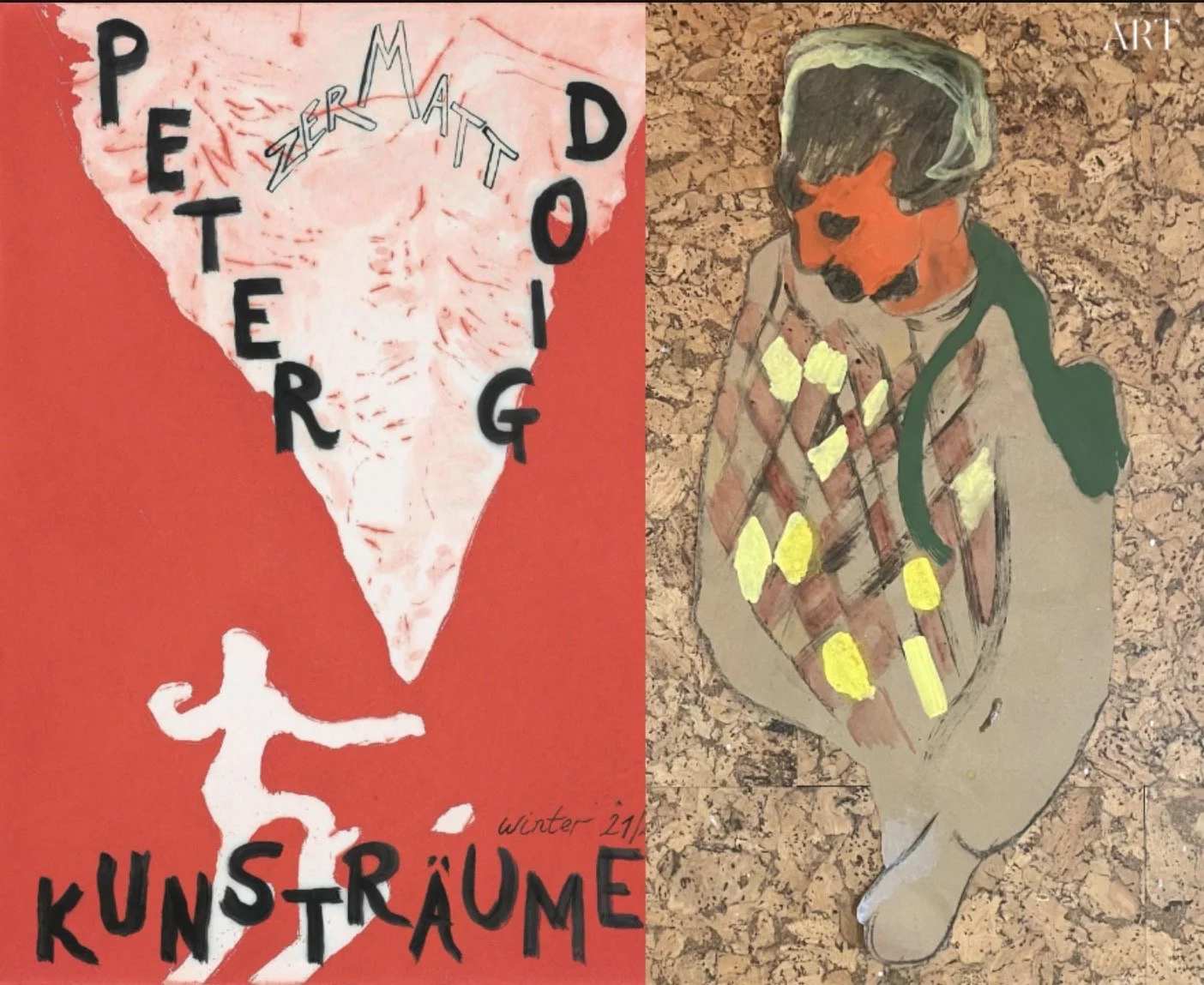
He is represented by Michael Werner Gallery in London, New York, and Berlin. He is also represented by Victoria Miro Gallery in London. The dual representation — unusual at his level — reflects the institutional relationships he has maintained over decades rather than a commercial strategy.
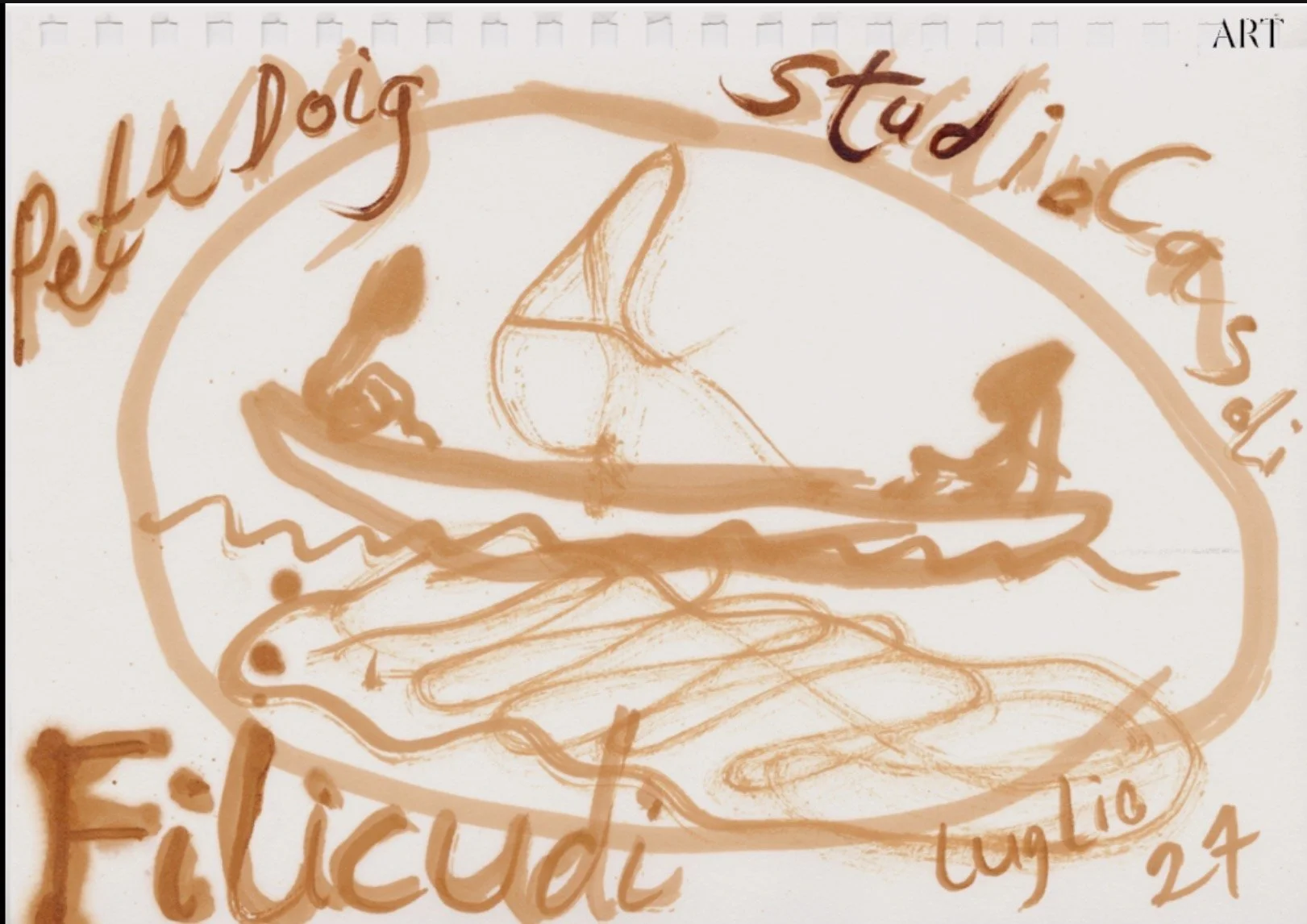
For the collector approaching his work: the primary market works are rarely available. He paints slowly — typically fewer than ten significant paintings per year — and the works are placed with collectors the galleries have relationships with. The secondary market at auction is the more accessible route, though at price points that reflect the demand. The most important current engagement is to see the work in person when it is available. The reproduction of Doig's paintings is universally inadequate. The specific quality of paint surface — the layered, scraped, built-up surface that produces the peculiar atmospheric depth of his best work — is not available in any digital image.
BY OONA CHANEL
