

Seventeen years after interning at the UAE's first national pavilion, Alaa Edris returned to Venice as one of its artists. As her carved faces prepare to close their eyes, she talks to Author about being watched, the anxiety of what comes next, and life after the Biennale.
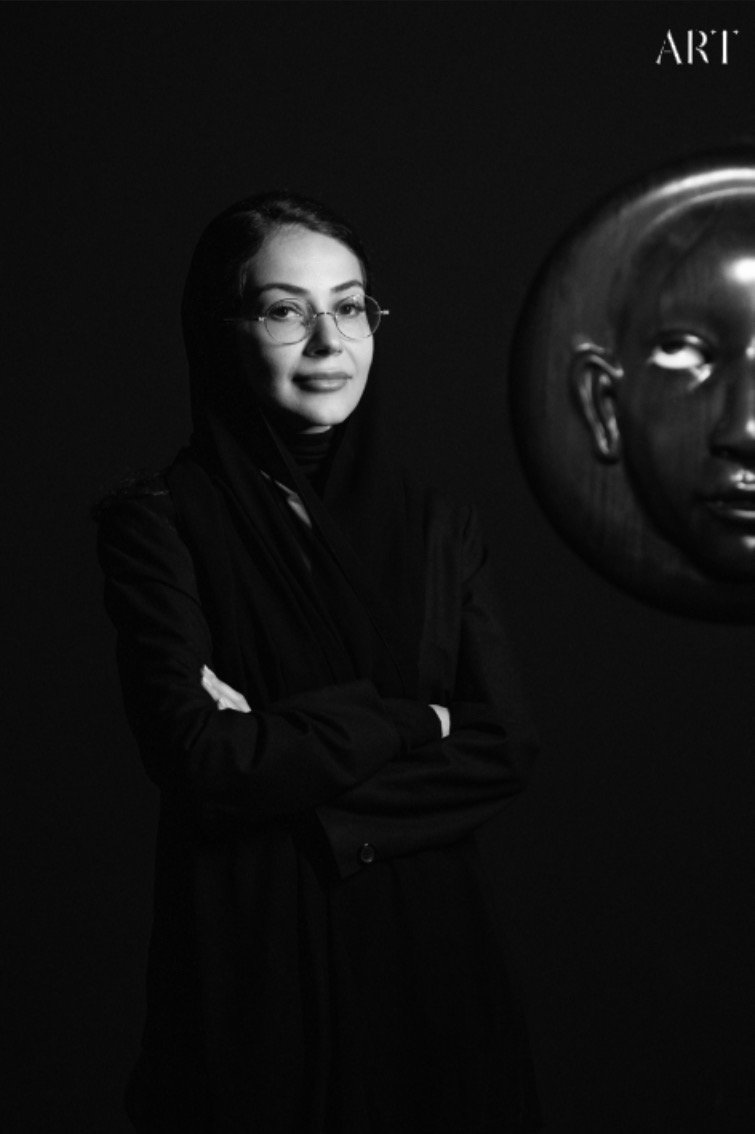
Picture by Alaa Edris
In a darkened room in the Arsenale, three carved faces have spent six months rolling their eyes. Their animatronic eyes turn out of step with one another, like the hands of a badly kept clock, while a robotic voice announces: "This is the beginning, this is the middle, this is the end." The work is Wiswās, Alaa Edris's contribution to Washwasha, the National Pavilion UAE at the 61st Venice Biennale, curated by Bana Kattan with Tala Nassar. The faces are hers, carved in iroko and fitted with electronic eyes that are, she says, "much more interested in being looked at than in looking at others."
Edris first came to Venice in 2009 as an intern at the country's first national pavilion, a place she only got because someone else dropped out, and for which she skipped her own graduation. The featured artist that year was Lamya Gargash. Seventeen years later, the two are exhibiting in the same pavilion. Born in Dubai in 1986, Edris has spent the years in between working across photography, film, performance and installation, mapping and manipulating her social and urban surroundings like an anthropologist, a cartographer and, at times, a science-fiction voyager.
Washwasha closes on 22 November, three days after Frieze Abu Dhabi opens, so the pavilion goes dark in the same week the region switches on. Edris is disarmingly honest about reaching the summit she had aimed for since art school. "Is this it?" she remembers thinking. She is funny, unsentimental and wary of the machinery that follows a Biennale: "I've seen what participating in the Biennale can do to some artists, and it's not always pretty!" Newly represented by Tabari Artspace, she is now living with her own wiswās, the thought that won't leave you alone. In her case, it is the question of what comes next.
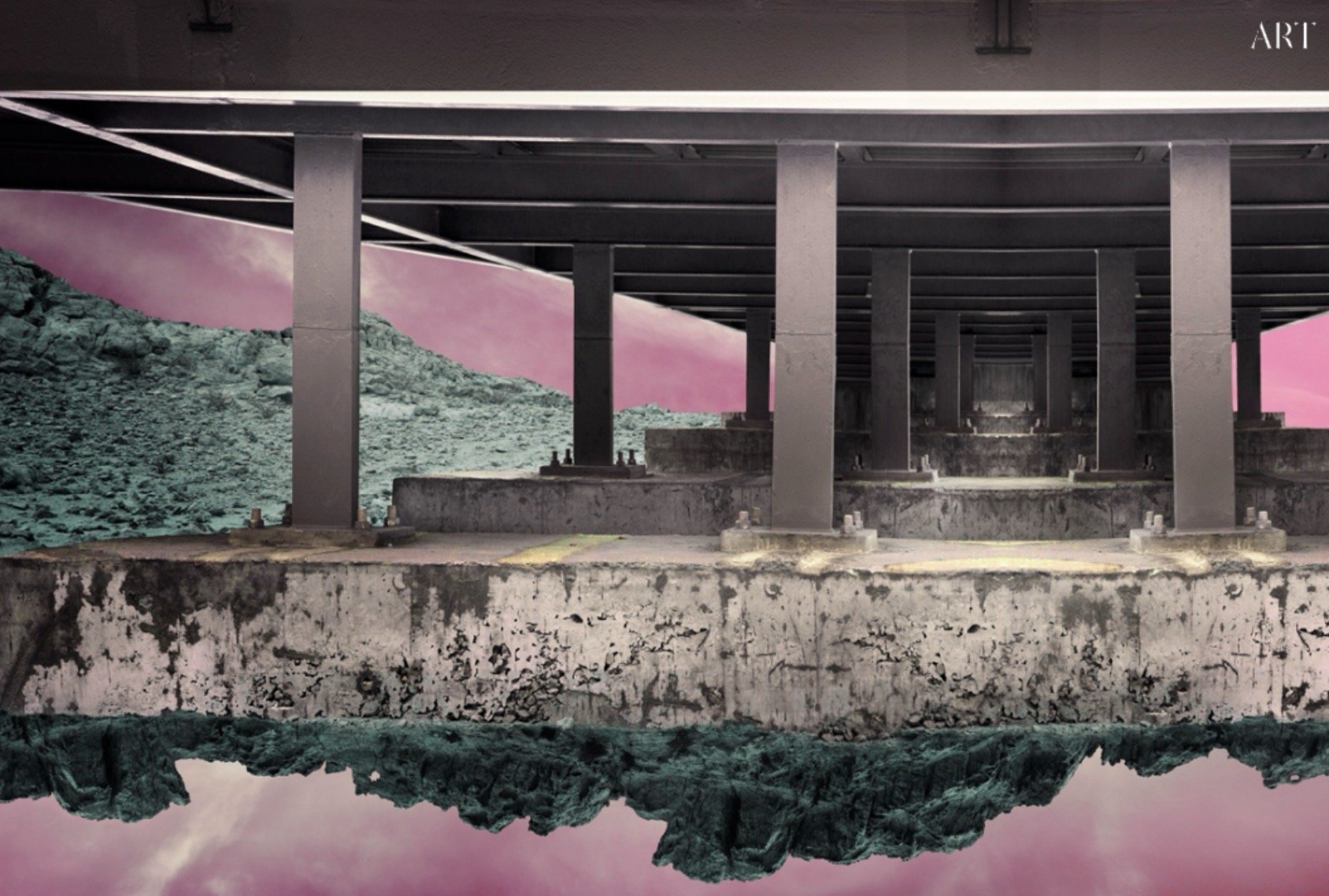
State 03, Sharjah
Oona Chanel: Washwasha closes on 22 November, three days after Frieze Abu Dhabi opens. In the same week that the region switches on, the electronic eyes of your faces in Venice will be switched off. Where will you be that week, and what will it feel like?
Alaa Edris: November 22 is actually my husband's birthday, so I'll most likely be spending the day with him and our cat Manul!
As for how I'll feel, it's difficult to say. Since graduating art school, participating in the Venice Biennale was something I considered the ultimate goal as an artist. I spent years imagining what it would be like, and when it finally happened, I remember thinking, "Is this it?" I think part of that came from the experience being quite different from what I'd imagined, for reasons that were largely beyond anyone's control. But there was also this realisation that achieving something you've wanted for so long doesn't necessarily change who you are or how you see yourself.
In a way, it was quite humbling. Of course, I'm incredibly proud and grateful for the opportunities that have come from it, but I still feel like the same artist I was before Venice. Perhaps the biggest change is the pressure I now put on myself to do better. I don't know exactly how I'll feel when it closes. In some ways, it feels like the end of something I've worked towards for years, but in others, it feels like I'm only just beginning.
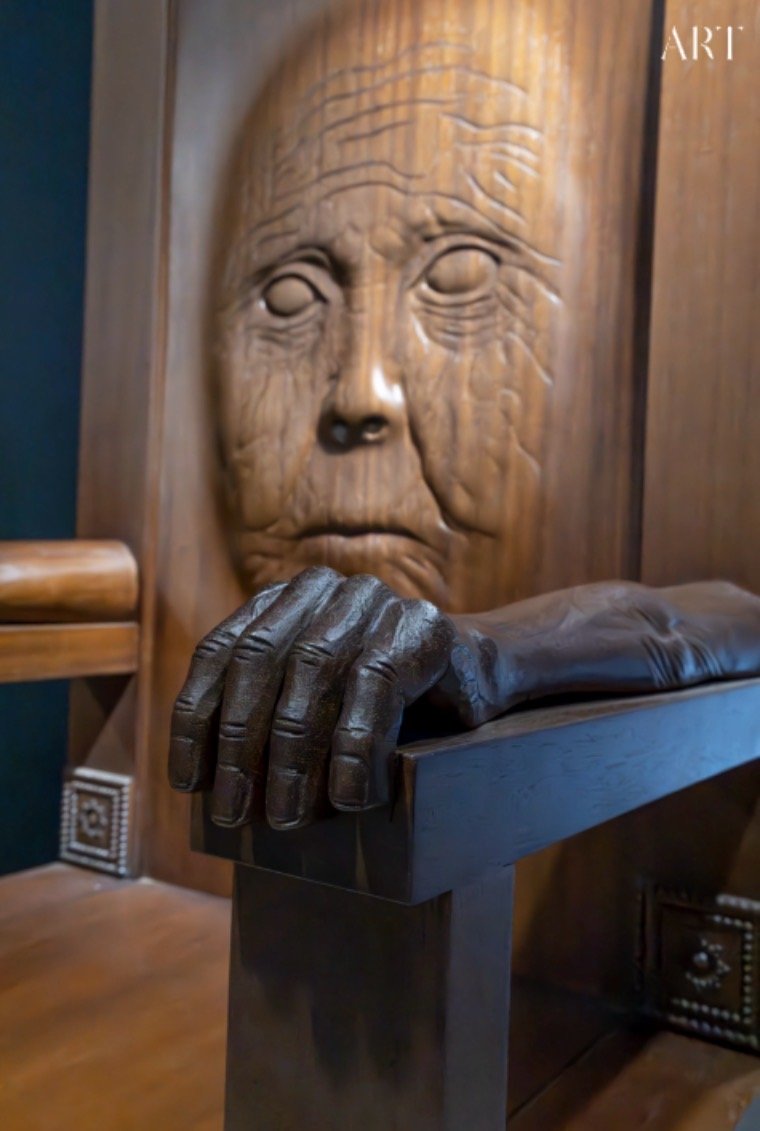
Al Kursi
O.C. In 2009 you were an intern at the UAE's first national pavilion in Venice. Seventeen years later you came back as one of its artists. What did the intern understand that the artist had to unlearn?
A.E. I had just graduated from art school when I applied for the internship in 2009. I wasn't even supposed to go! Someone dropped out, and I was offered their place. I immediately said yes and ended up missing my own graduation to be in Venice.
Until then, I hadn't really thought about exhibiting at the Biennale myself. It was only when I experienced it firsthand that the possibility occurred to me. Seeing a young artist representing the UAE made me believe that perhaps one day I could be there too. Interestingly, we're both exhibiting in the pavilion this year, which feels quite special.
As for what I had to unlearn, I think I was quite idealistic about how the art world worked. I believed that making good work was enough to become a successful artist. Over the years, I've realised that it's much more complicated than that. Returning to Venice as an artist also made the whole experience feel less intimidating and perhaps less glamorous than I'd imagined. But I don't think I'd change that early idealism. It allowed me to approach art with a certain freedom that I still value today.
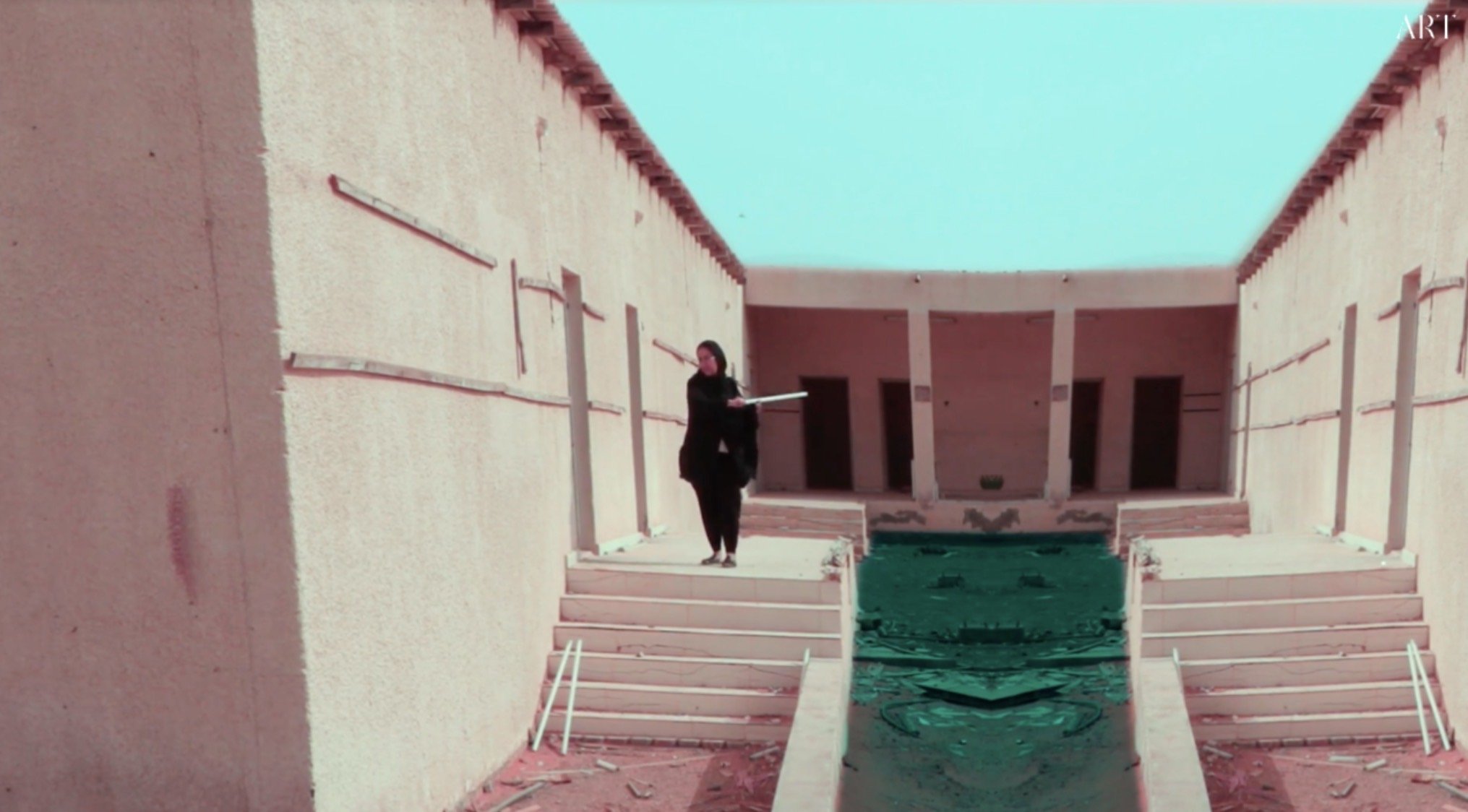
School 2017
O.C. A self-portrait is usually looked at for a few minutes. Yours has spent six months looking at strangers. What do you imagine it has seen, and has it changed how you see your own face?
A.E. I think of the faces as extensions of myself, in the sense that I'm placing myself at the centre of these experiments. But what's interesting is that the eyes aren't actually looking at anyone. They're constantly moving, almost as though they're performing a choreography for the people in the room. They're much more interested in being looked at than in looking at others.
So I suppose the question isn't really what they've seen over the past six months, but what people have projected onto them. As for whether it's changed how I see my own face, not necessarily. I've always been more interested in what a face can communicate, or what we assume it communicates, than in the face itself.
O.C. In Emirati speech, wiswās is the thought that won't leave you alone. Over these six months, what was yours?
A.E. I think in this day and age, it would almost be abnormal not to experience wiswās! We've become so accustomed to stress and anxiety that they're practically part of our everyday lives.
For me, it oscillates between the personal and the professional, but also extends to a much broader concern about the state of the world we're living in. Since Venice, I've certainly been thinking a lot about what comes next, particularly after the positive reception of the work. I'm entering a new phase of my career, which is exciting, but naturally comes with its own uncertainties. I suppose there's always something occupying my mind, and when one thought finally settles, another takes its place.
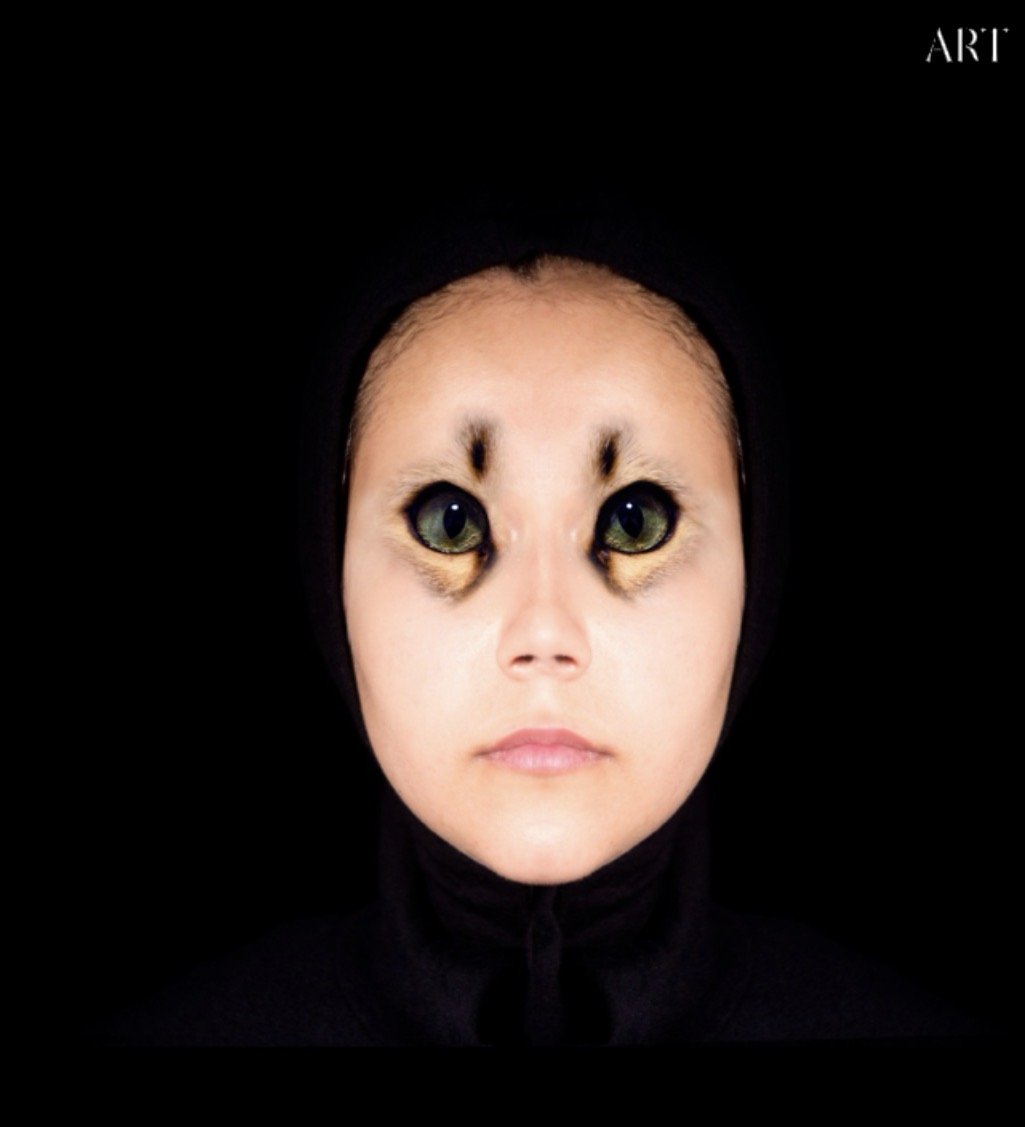
Kharareef umalduwais
O.C. A national pavilion asks an artist to stand for a country. Your work has always been about the gap between the face we present and the self behind it. In Venice, were you aware of wearing a national face?
A.E. I don't necessarily see participating in a national pavilion as carrying the responsibility of representing an entire country. When I was making the work, I wasn't thinking about producing something good because I'm Emirati, but because I care about what I do and want to make good work. Of course, I'm proud to be Emirati, and I'm grateful for the opportunity to participate. I want people to have a positive experience and to see the kind of work that artists from the UAE are making.
Being Emirati is an important part of who I am, and that will naturally find its way into my practice, even when I'm not addressing it directly. At the same time, I hope the work can be experienced and understood beyond the context of nationality. I think there's room for both, without one having to define the other.
O.C. You carved the faces in iroko, a hardwood that will outlast all of us, and gave them electronic eyes that will be obsolete within a decade. Which part of the work do you expect to survive, and which part is already dying?
A.E. The contrast was very intentional. I specifically wanted to pair wood, a natural material, with electronic eyes. I was interested in the tension between the two, particularly the sense of permanence we associate with natural materials and the perceived impermanence of technology.
But I don't necessarily agree that the electronic components are already dying. Technology has been part of human history for centuries, and some of it has survived as relics, while other forms continue to function and be maintained. If anything, technology has made preservation easier than ever, allowing us to extend the lives of things that might otherwise have disappeared. So I wouldn't necessarily assume that the wood will outlive the eyes. Who knows?
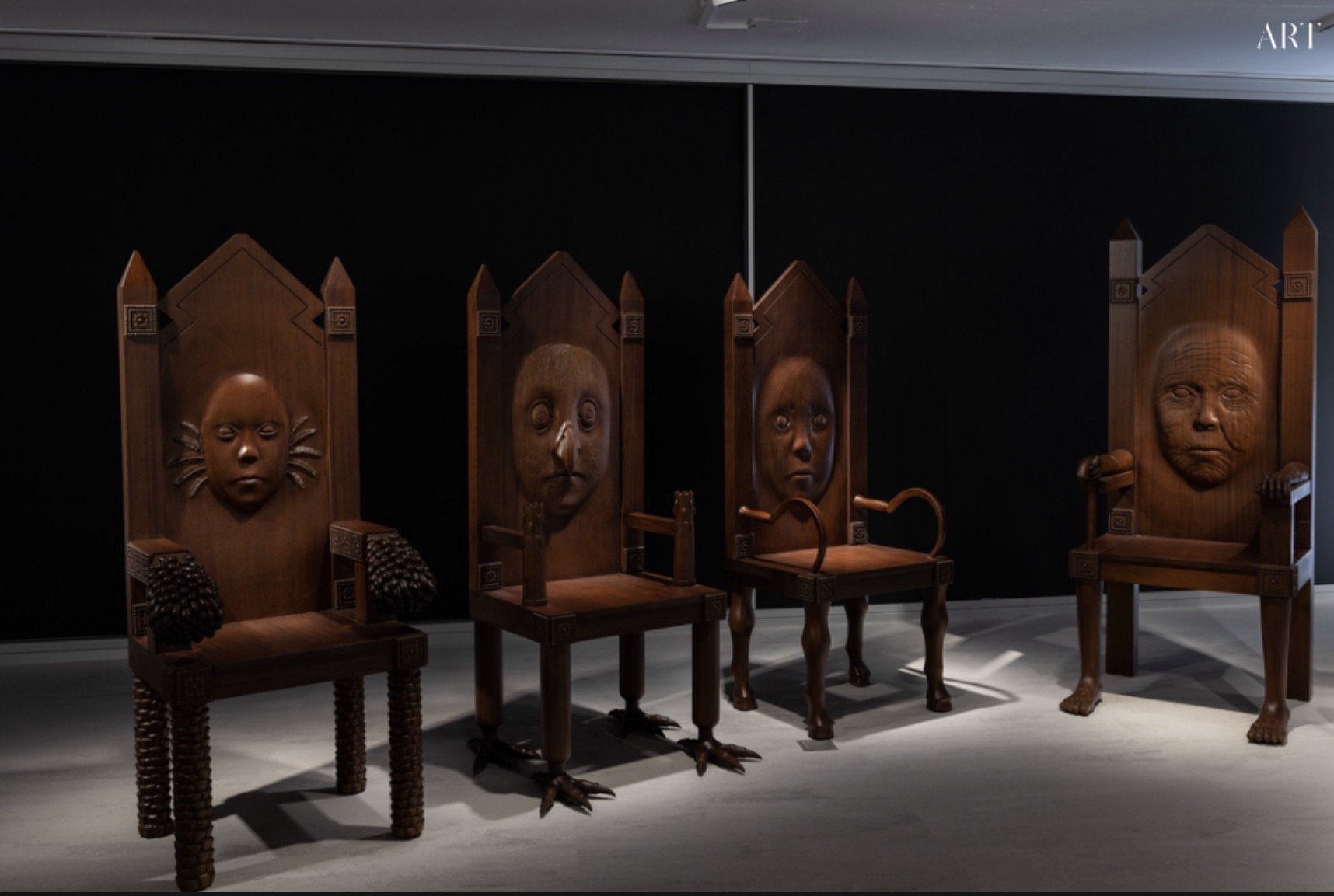
Al kursi
O.C. Venice is a city built to be looked at. Abu Dhabi is a city building itself to be looked at. Your work has always been about being watched. Which of the two is the more watched place?
A.E. I don't think Venice was originally built to be looked at. Its location and design were largely shaped by the need for protection. In a way, Abu Dhabi is doing something similar, but in a contemporary context, responding to the needs and ambitions of its own time. Perhaps hundreds of years from now, people will look at Abu Dhabi in much the same way they look at Venice today!
As for which is more watched, I'm not sure it's something we can measure. I'm interested in both the act of observation and the power dynamics that come with it. There's a certain tension in being watched, or even just thinking that you might be, and it's that unsettling feeling that interests me.
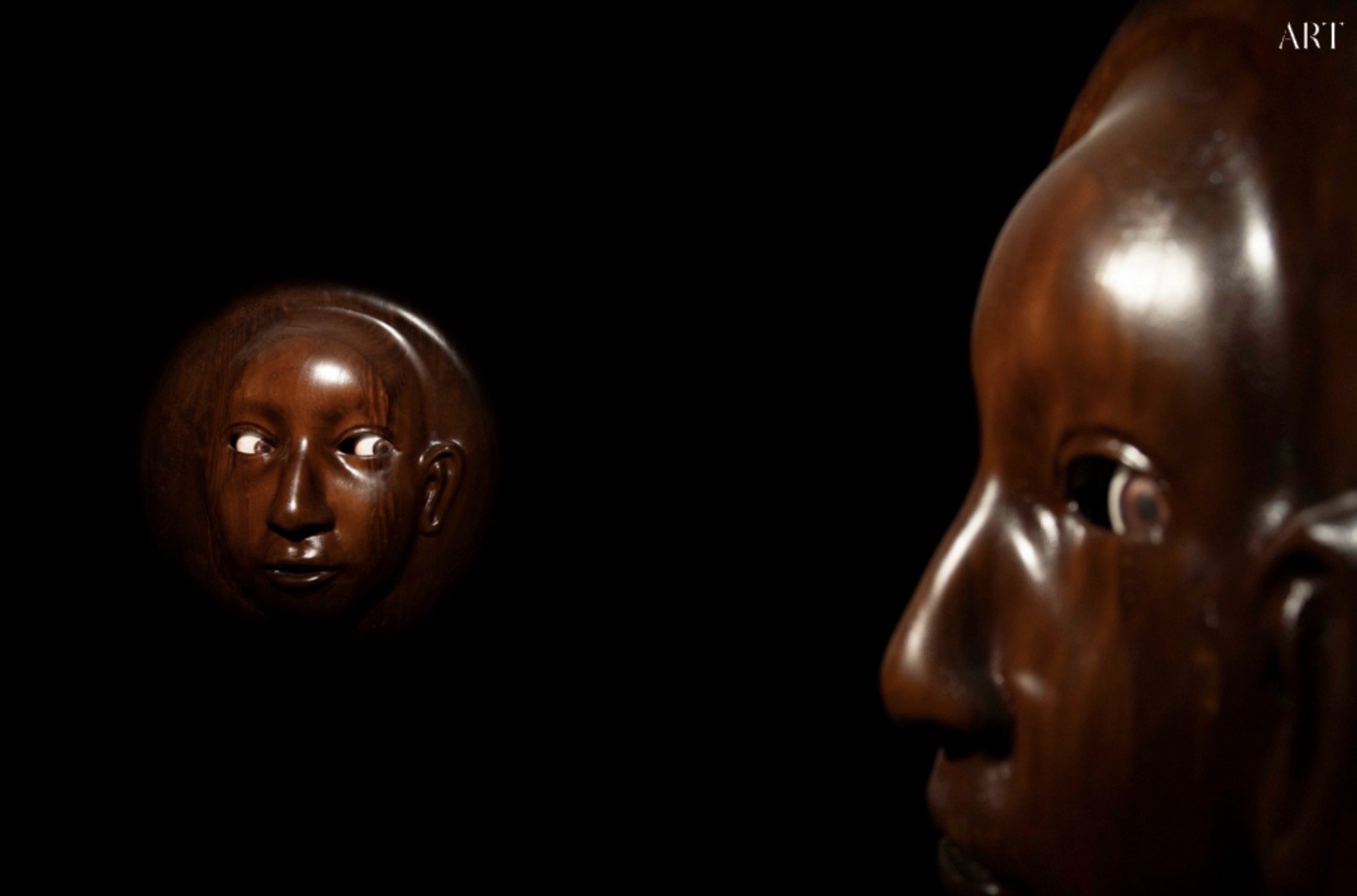
Image courtesy of National Pavilion UAE – La Biennale di Venezia. Photo by Ismail Noor of Seeing Things
O.C. Artists often describe the year after Venice as the silence after a very loud room. What is life after the Biennale actually like: the invitations, the offers, the pressure? And what have you already said no to?
A.E. I wouldn't describe it as silence! Life hasn't changed dramatically, but the nature of the opportunities coming my way certainly has. Venice has opened doors and introduced me to people I might not otherwise have encountered, and I'm excited to see where some of those conversations lead.
At the same time, the overwhelmingly positive reception of Wiswās has brought a certain pressure. It's incredibly encouraging, but also a little frightening. I've seen what participating in the Biennale can do to some artists, and it's not always pretty! So I'm perhaps more conscious of the decisions I make and more selective about the opportunities I pursue. I want to continue making work that interests me rather than feeling obliged to live up to anyone else's expectations. The wiswās is real!
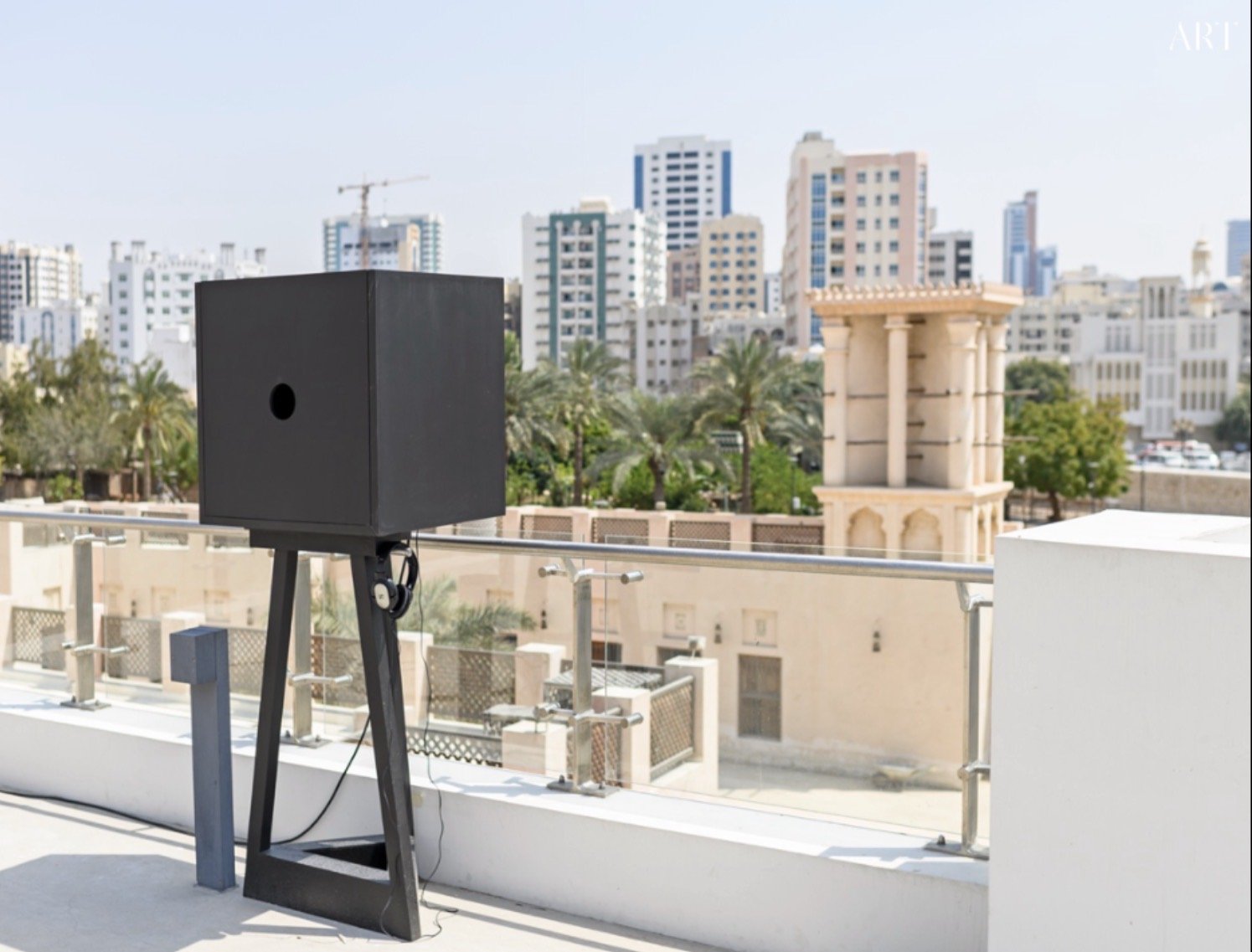
BBOA
O.C. Has Venice changed your relationship to the market, or do you keep the two firmly apart? What would a collector have to understand before living with one of your faces?
A.E. I've always been more focused on making work than thinking about where it fits within the art market. That's not to say the two need to be separate, but the commercial side of things is something I'm still navigating. I've recently signed with Tabari Artspace, which is my first experience with gallery representation, and I'm excited to see how this relationship develops and what new possibilities it might bring to my practice.
As for collectors, I think the most important thing is that they connect with the work in some way. What that connection looks like is entirely up to them.
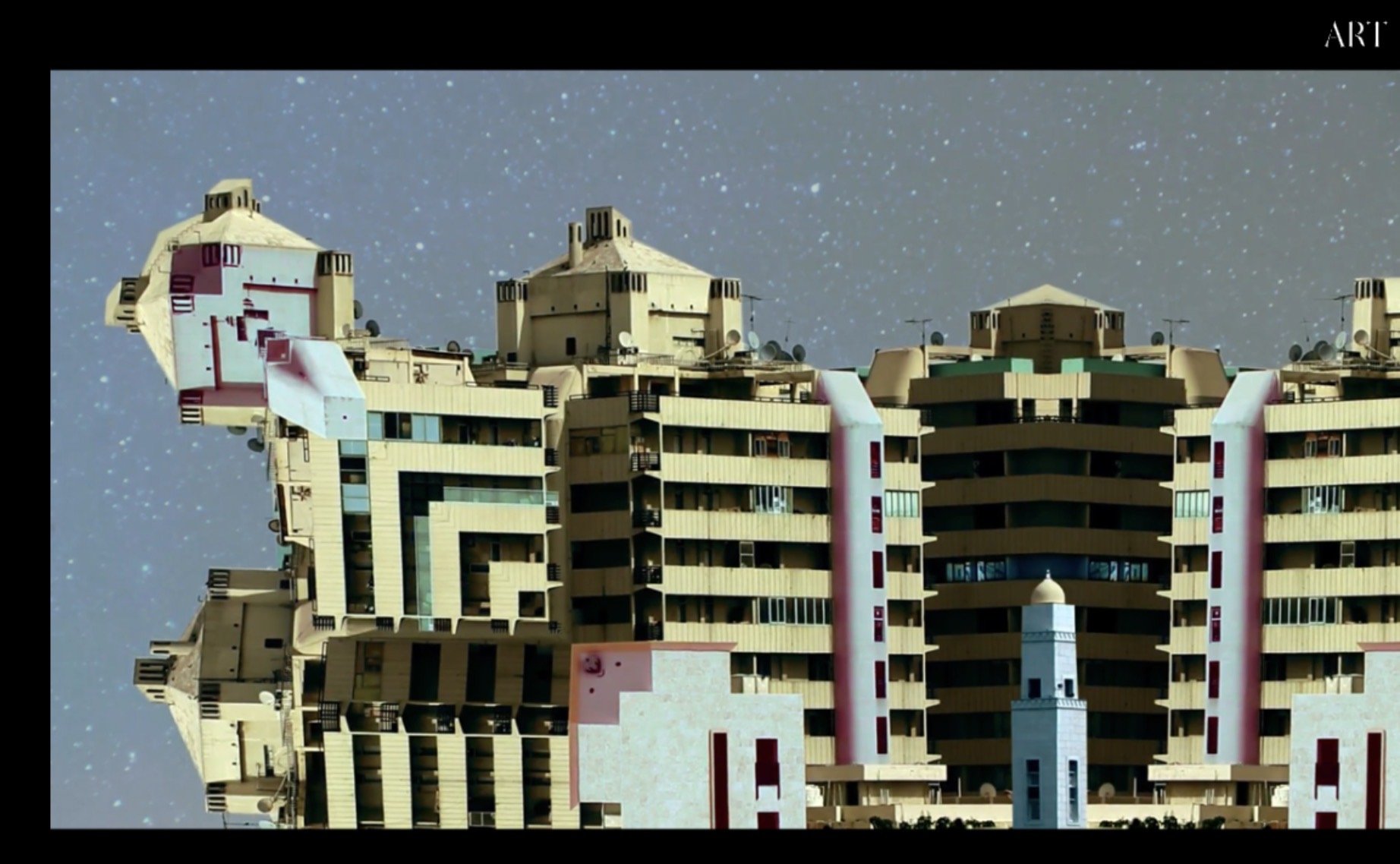
BBOA east view.
O.C. You have said that being an artist is still relatively new in the UAE. For the students coming up now, the path you made without a map is turning into a career ladder. What do you envy about their position, and what do you worry they will never have to learn?
A.E. I don't think I envy anything, really. The generation before mine could probably say the same thing about us. We're incredibly fortunate to have opportunities today that didn't exist even ten years ago. There's been a significant shift in how art and culture are perceived, not only at the governmental and institutional levels, but within society as well. Art is taken much more seriously now, and that benefits everyone.
There's an Arabic saying, لكل مجتهد نصيب, which roughly translates to "Everyone who works hard will have their share." I believe in that, although a little luck and being in the right place at the right time, with the right people, certainly helps!
If there's one thing I would caution against, it's becoming too preoccupied with the commercial side of art too early. There's nothing wrong with wanting to sell your work, but I think it's important to allow yourself the freedom to experiment, take risks, and develop ideas without always considering their marketability. Sometimes the most interesting work comes from that freedom.
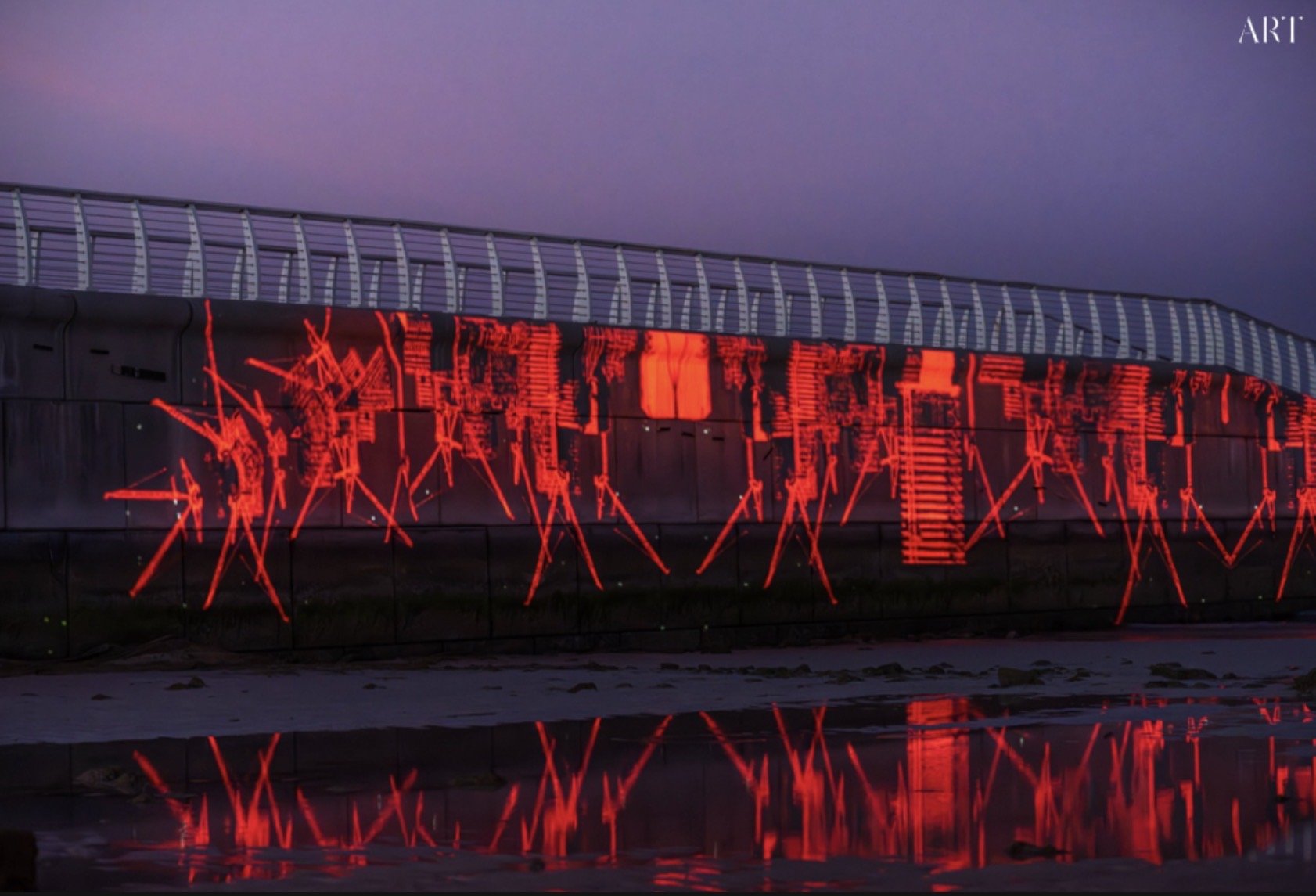
Rise 2023
O.C. When the pavilion comes down, the faces will come home in crates. Where will they live, and will you leave their eyes on?
A.E. I think the faces are exhausted after six months of performing! They could probably use some rest, perhaps even a trip to the spa. They'll come home, go to sleep, and wait until they're called upon again. Alaa Edris (b. 1986, Dubai) uses photography, film, performance and installation to map and manipulate her social and urban environment. Her work has been shown at the Venice Biennale, the Jeju Biennale, Seoul Museum of Art, Sharjah Biennial 14 and KBH.G in Basel, among others. She completed the Salama bint Hamdan Emerging Artist Fellowship with the Rhode Island School of Design in 2015 and held her first solo exhibition, Unreal. Unseen. Untouched., at 1x1 Gallery, Dubai, in 2019. She lives and works between Sharjah and Abu Dhabi, and is represented by Tabari Artspace.
BY OONA CHANEL
