

Hurvin Anderson: Swimming Pools and the Architecture of Belonging
He paints swimming pools - specifically, the segregated pools of the American South, the private pools of the Caribbean diaspora, the public pools of Birmingham where he grew up. The paintings are among the most beautiful in contemporary art and among the most precise statements about who gets to feel at home. He is represented by Peter Kilchmann Gallery Zurich.
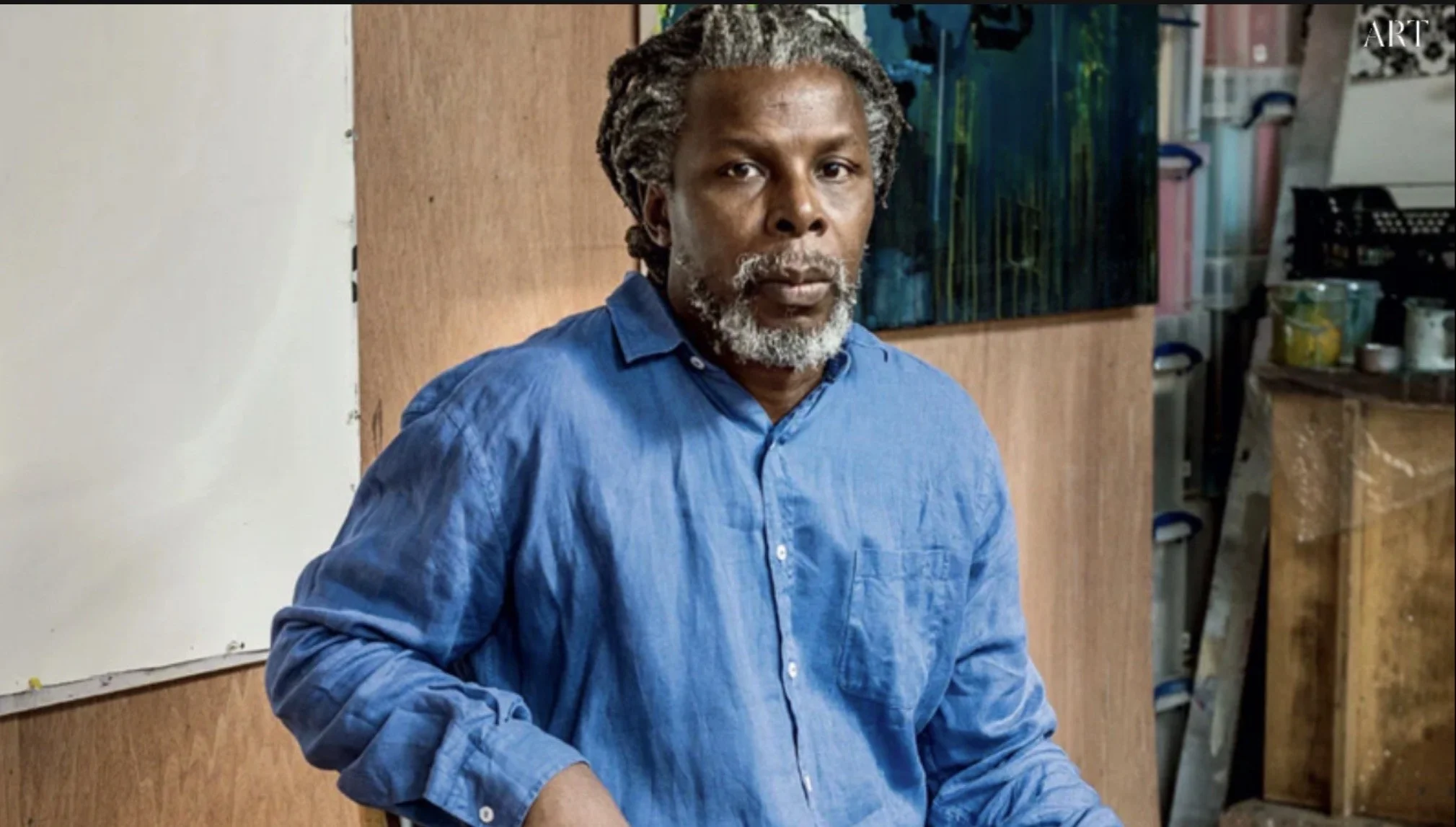
"Anderson paints the empty pool - the beautiful, clean, sunlit pool - with a specific quality of depopulated stillness that makes the absence of people the subject. Who is not here? Who decided that? What does a beautiful space mean when access to it is controlled by race?"
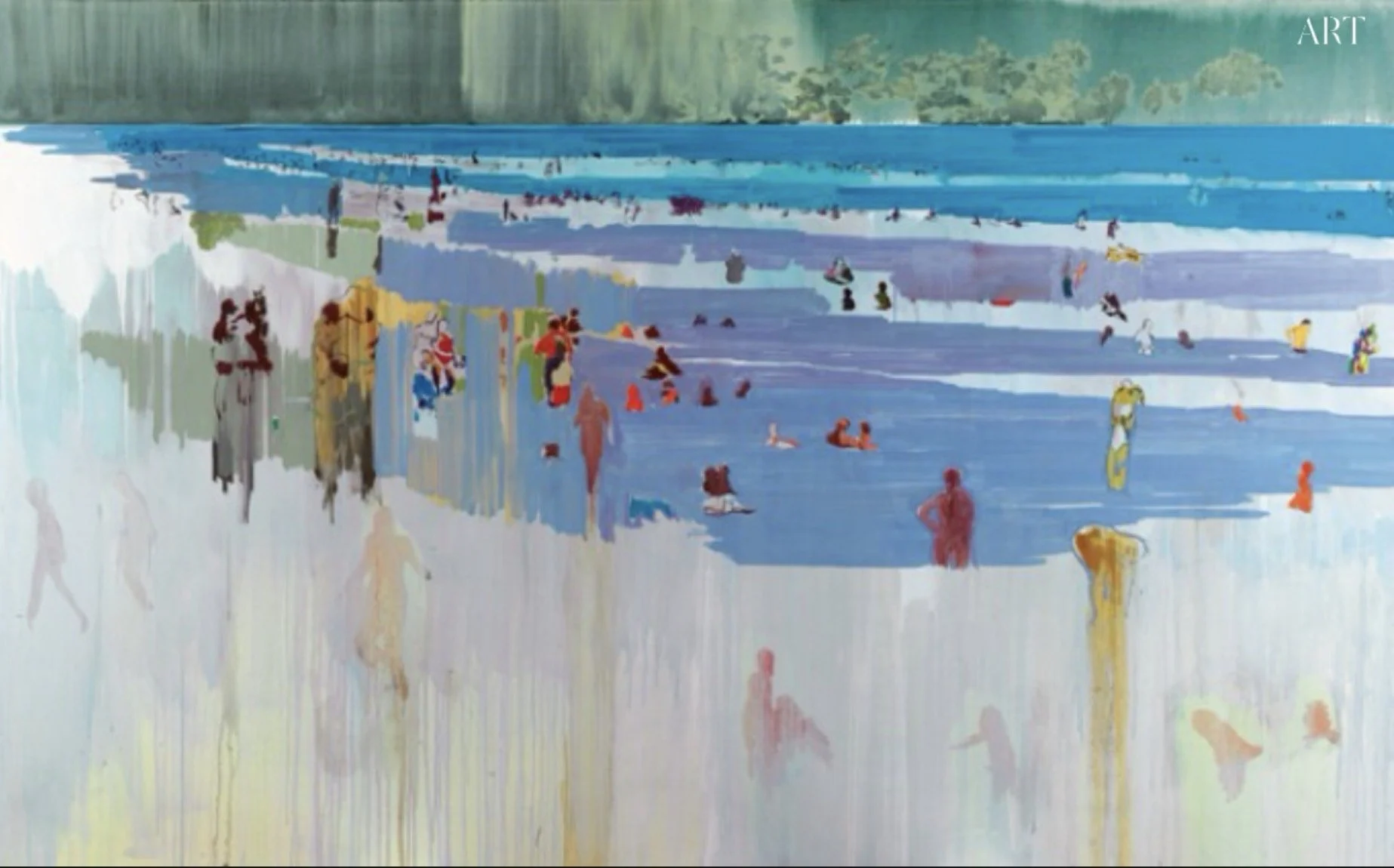
Hurvin Anderson was born in Birmingham in 1965 to Jamaican parents. He studied at the Wimbledon School of Art and the Royal College of Art. He began making the paintings that would establish his reputation - large, technically extraordinary oil paintings of swimming pools — in the mid-2oo0s, and has produced, in the twenty years since, a body of work that is simultaneously among the most formally beautiful in contemporary British painting and among the most precise statements about belonging, exclusion, and the architecture of privilege available in any medium.
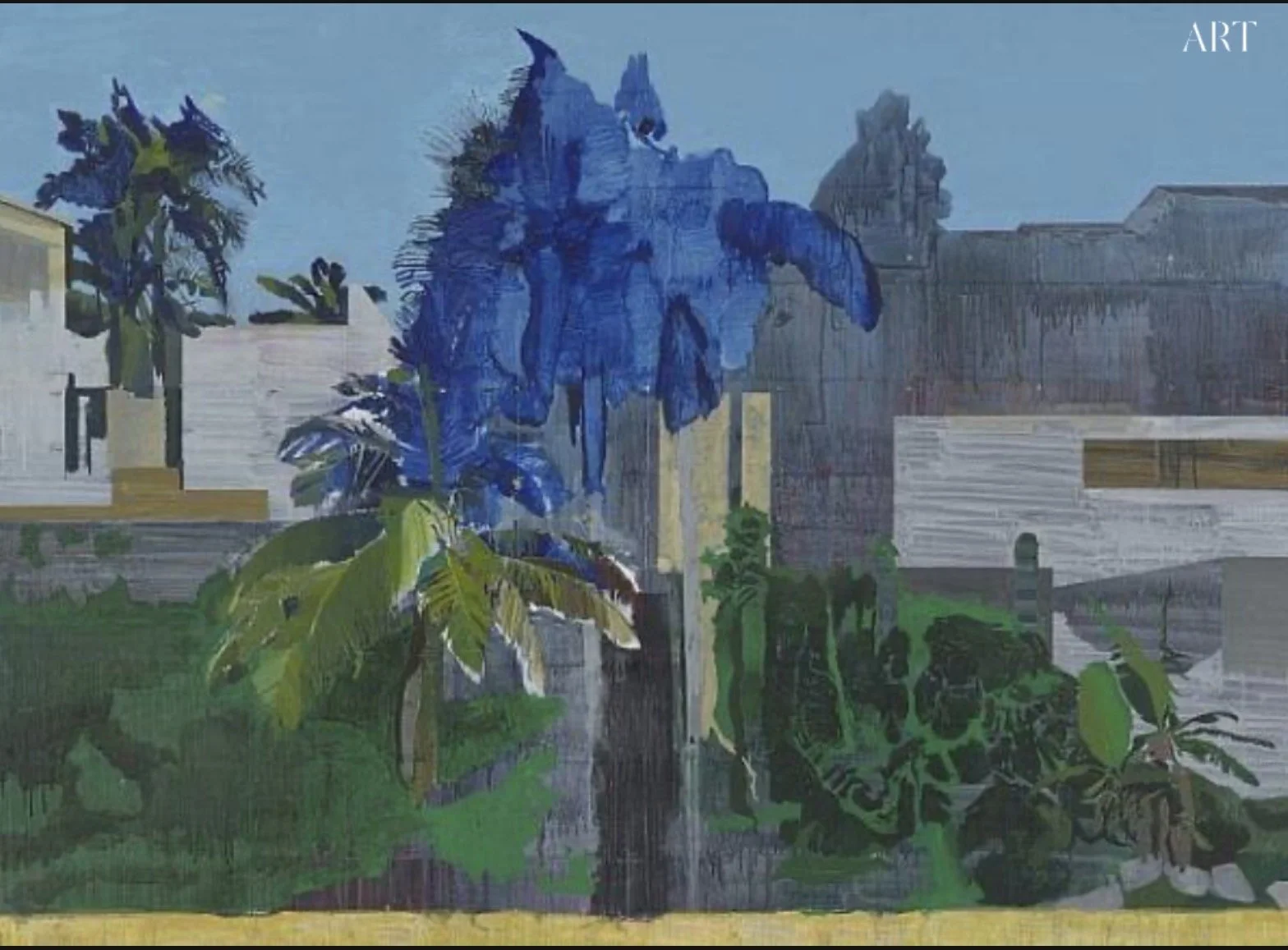
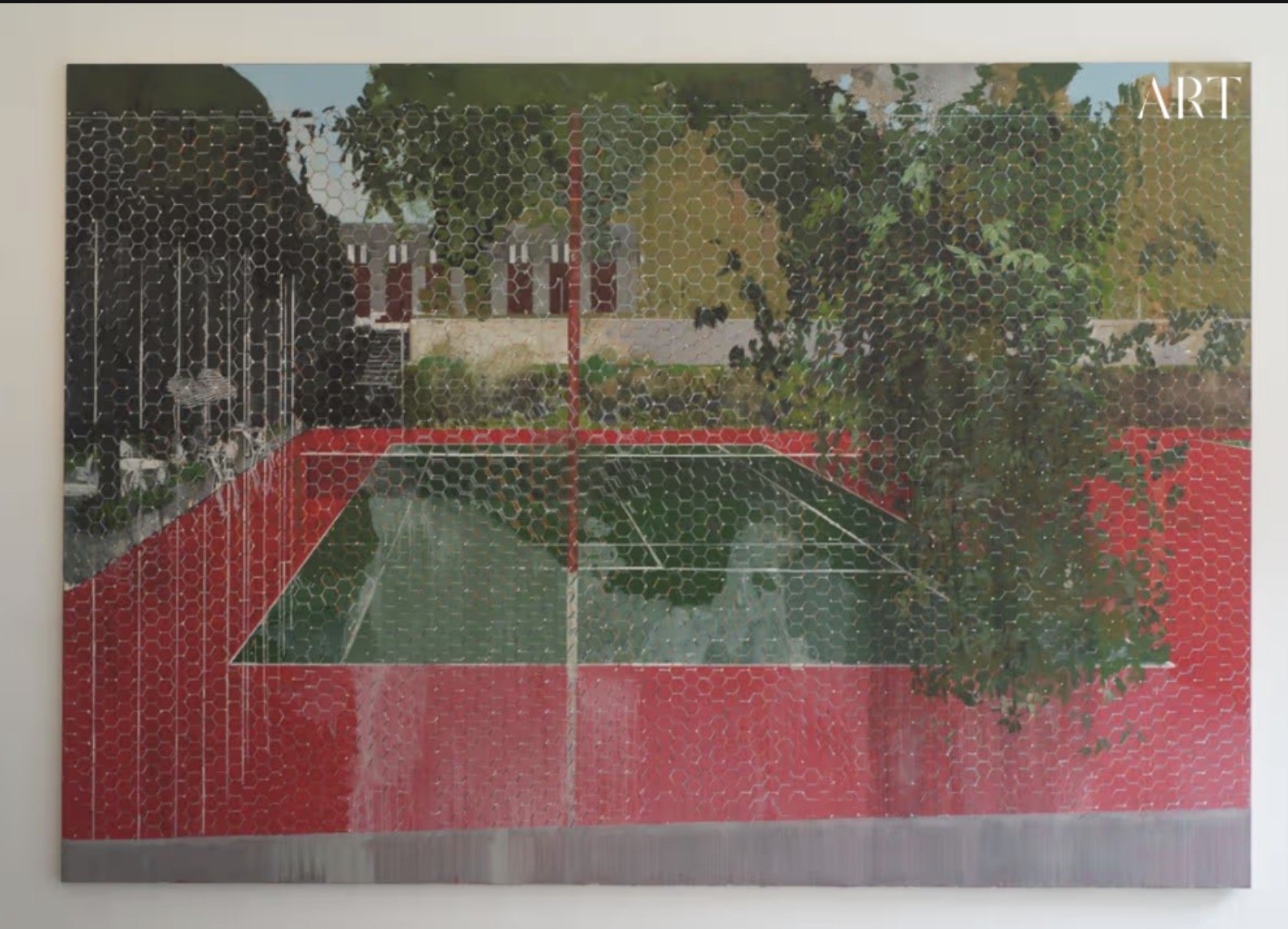
The pools are never neutral. The Thomas pool series, begun in 2007, depicts the segregated municipal pools of the American South - the Thomas Pool in Birmingham, Alabama, was one of the facilities that segregated Black swimmers to a single designated day per week until civil rights legislation ended the practice. Anderson's paintings of the pool do not depict the segregation directly. They paint the empty pool - the beautiful, clean, sunlit pool - with a specific quality of depopulated stillness that makes the absence of people the subject. Who is not here? Who decided that? What does a beautiful space mean when access to it is controlled by
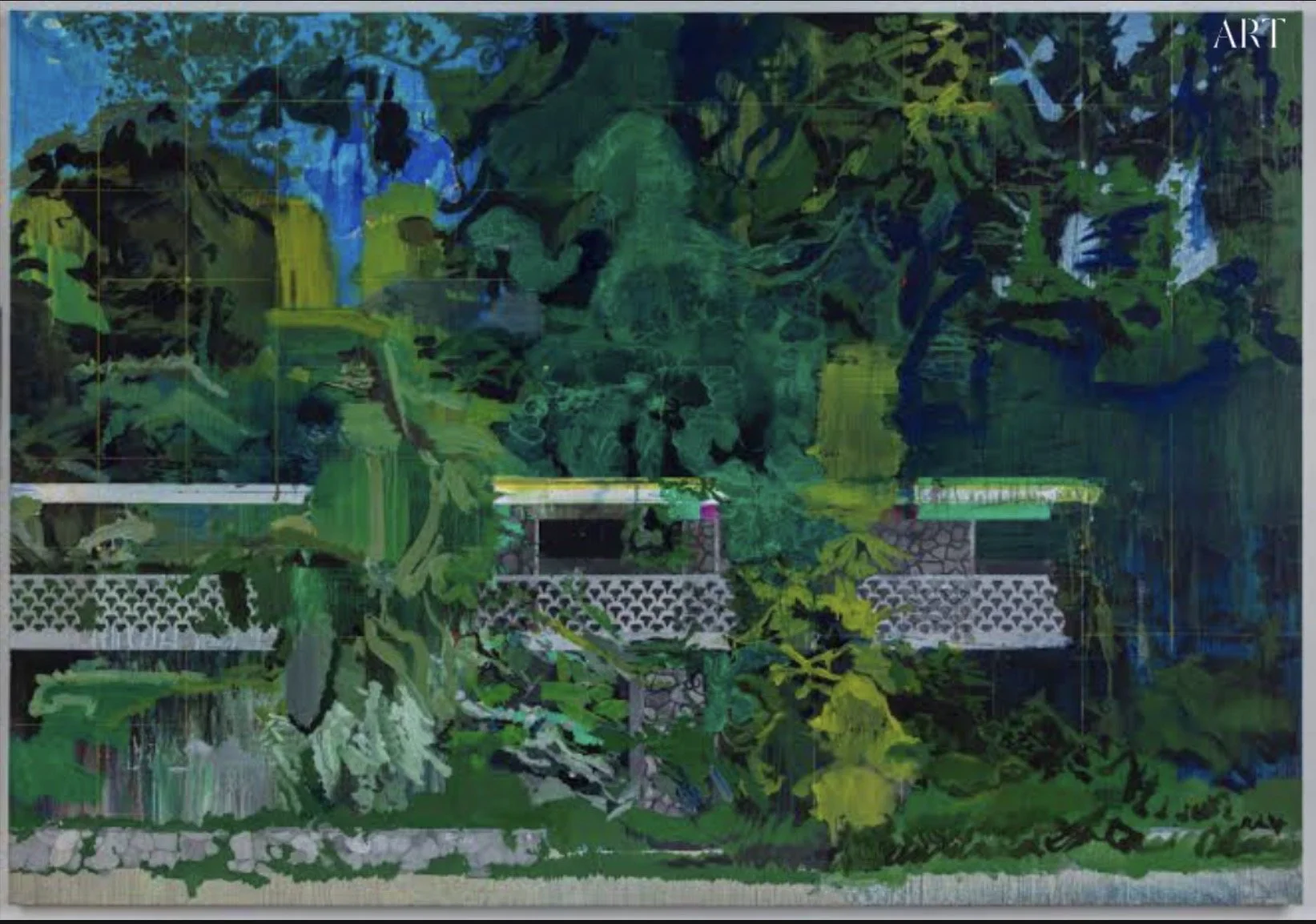
The Caribbean diaspora pool series is a different register. Here the pools are the private pools of the communities Anderson grew up around - the backyard pools of the Caribbean families who had achieved sufficient prosperity to have this specific marker of belonging. The pools are used, populated, warm in a specific way. They are evidence of arrival, of the domestic achievement of the space that was once denied.
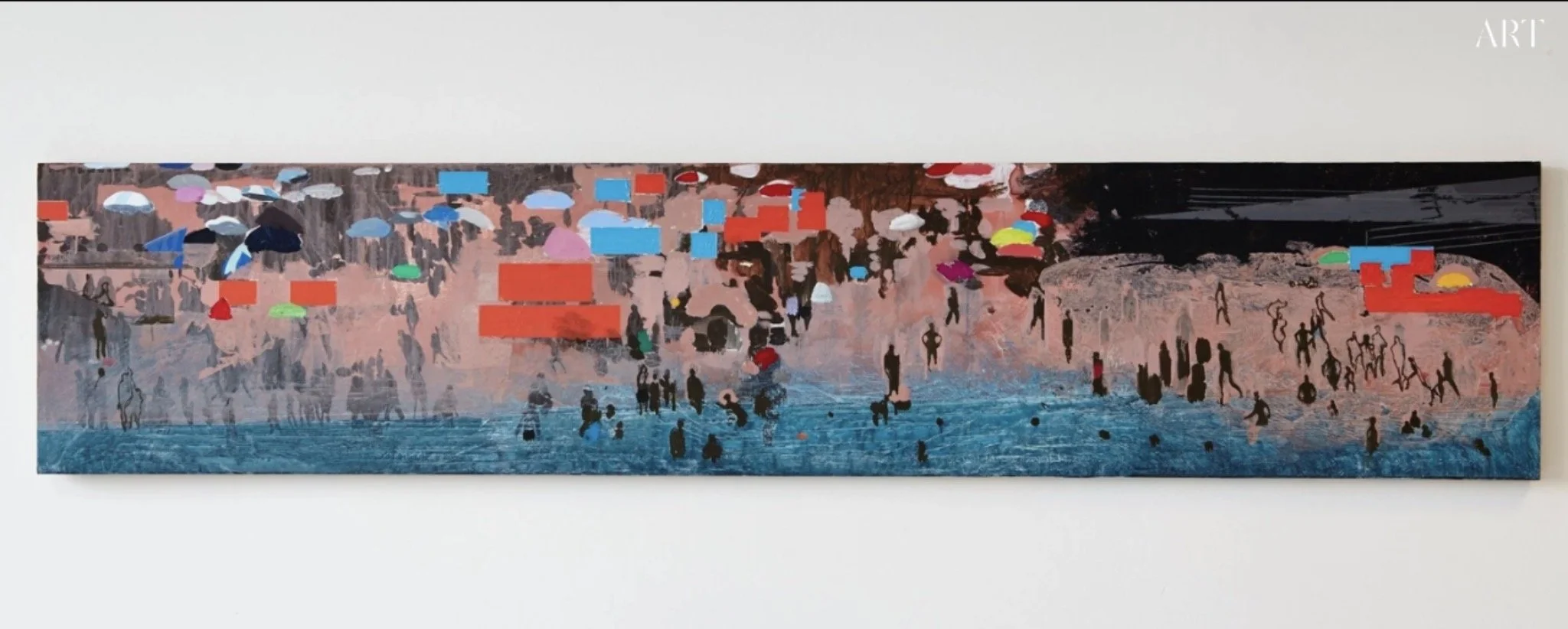
The formal intelligence of the paintings is inseparable from their thematic intelligence.
Anderson uses a specific quality of light - pool light, the specific reflective quality of sunlight bouncing off water onto the surrounding surfaces - that produces a flickering, immaterial quality in the painted space. The surfaces that should be solid become indeterminate. The water that should be transparent becomes reflective. The stable, bounded space of the pool becomes something shifting, unreliable, difficult to fully possess. The formal qualities enact the thematic argument.
He is represented by Peter Kilchmann Gallery in Zurich and by Thomas Dane Gallery in London and Naples. His work is in the permanent collections of the Victoria and Albert Museum, the Tate, the Albright-Knox Gallery in Buffalo, and the Museum of Contemporary Art Chicago.
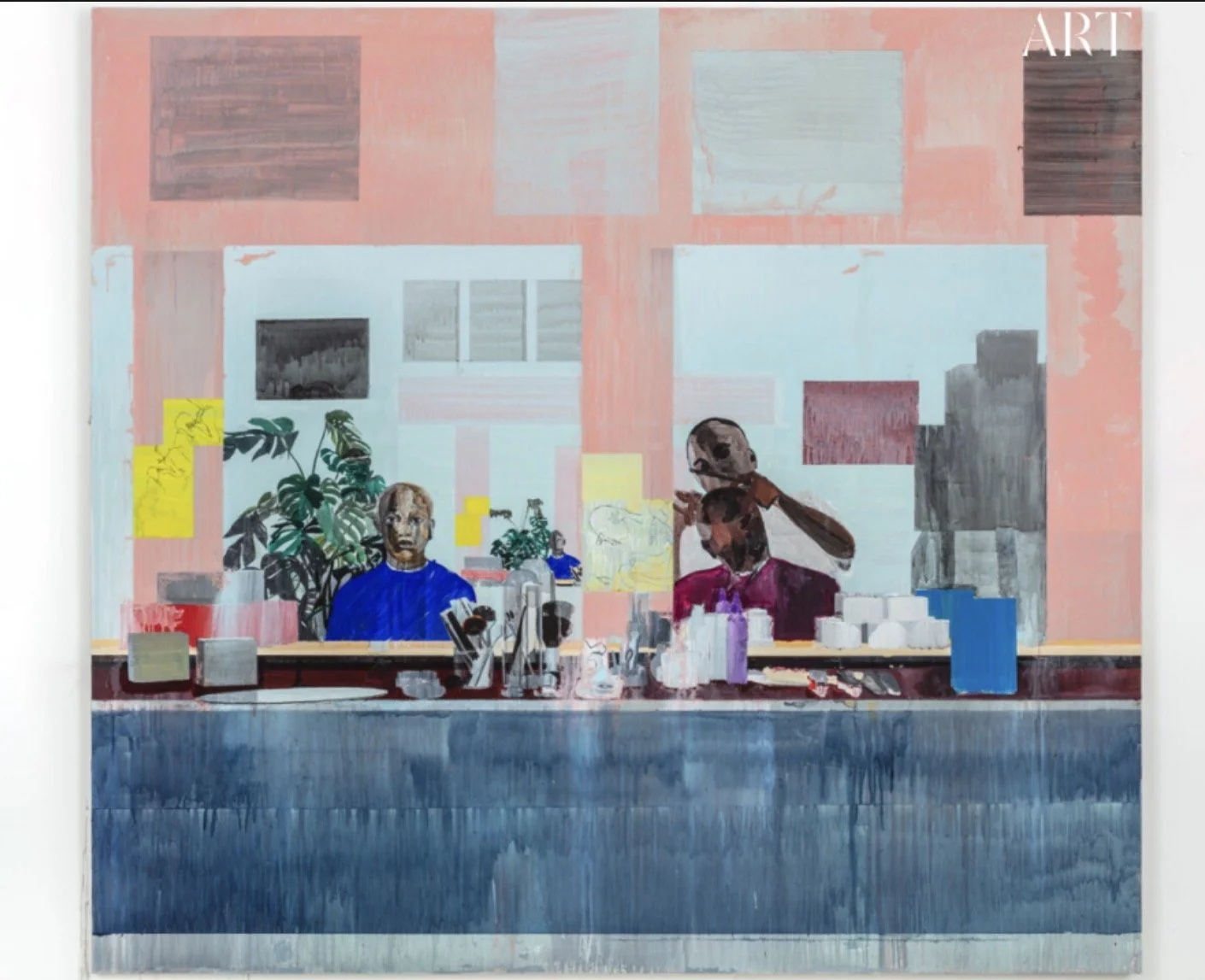
The secondary market for his work has been active in recent years, with Sotheby's and Christie's both placing significant works. The institutional collection presence suggests the market will follow the critical consensus rather than leading it.
BY OONA CHANEL
