

The Photography of Graciela Iturbide: What Mexico Sees When It Looks at Itself
For fifty years, she has walked into communities most photographers drove past and made images that have permanently changed how her country understands itself.
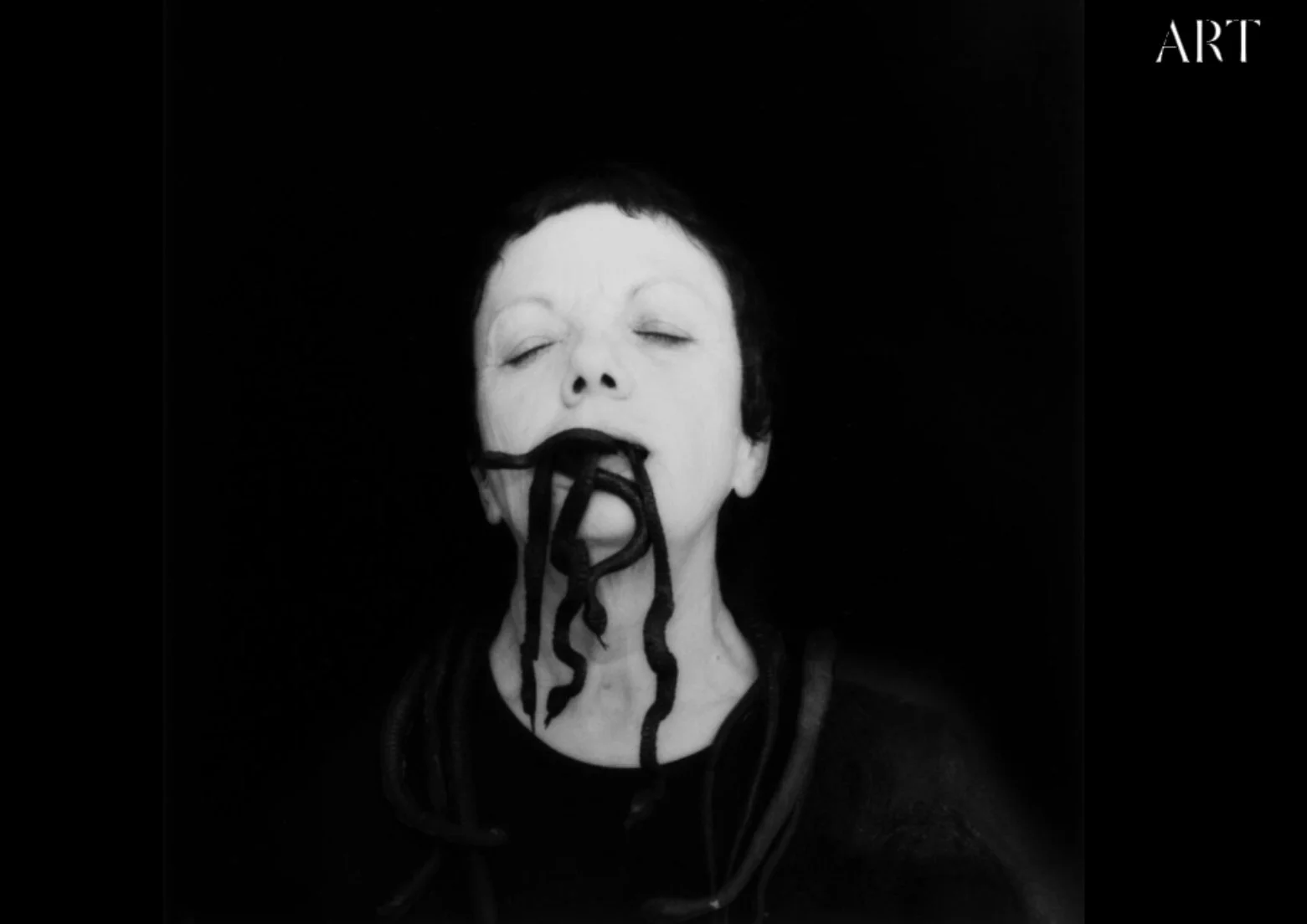
Graciela Iturbide
“I need to understand the interior. What it feels like to be in this place. What the light means here. What the silence means. That understanding is not available quickly.”
The photograph is called Nuestra Señora de las Iguanas. Our Lady of the Iguanas. It was taken in 1979 in Juchitán, Oaxaca, at the market: a Zapotec woman with a crown of live iguanas on her head, looking at the camera with the serenity of someone who finds this unremarkable, because it is. The iguanas are being taken to market. The crown is practical. The look in the woman's eyes is not a pose. It is simply what she looks like.
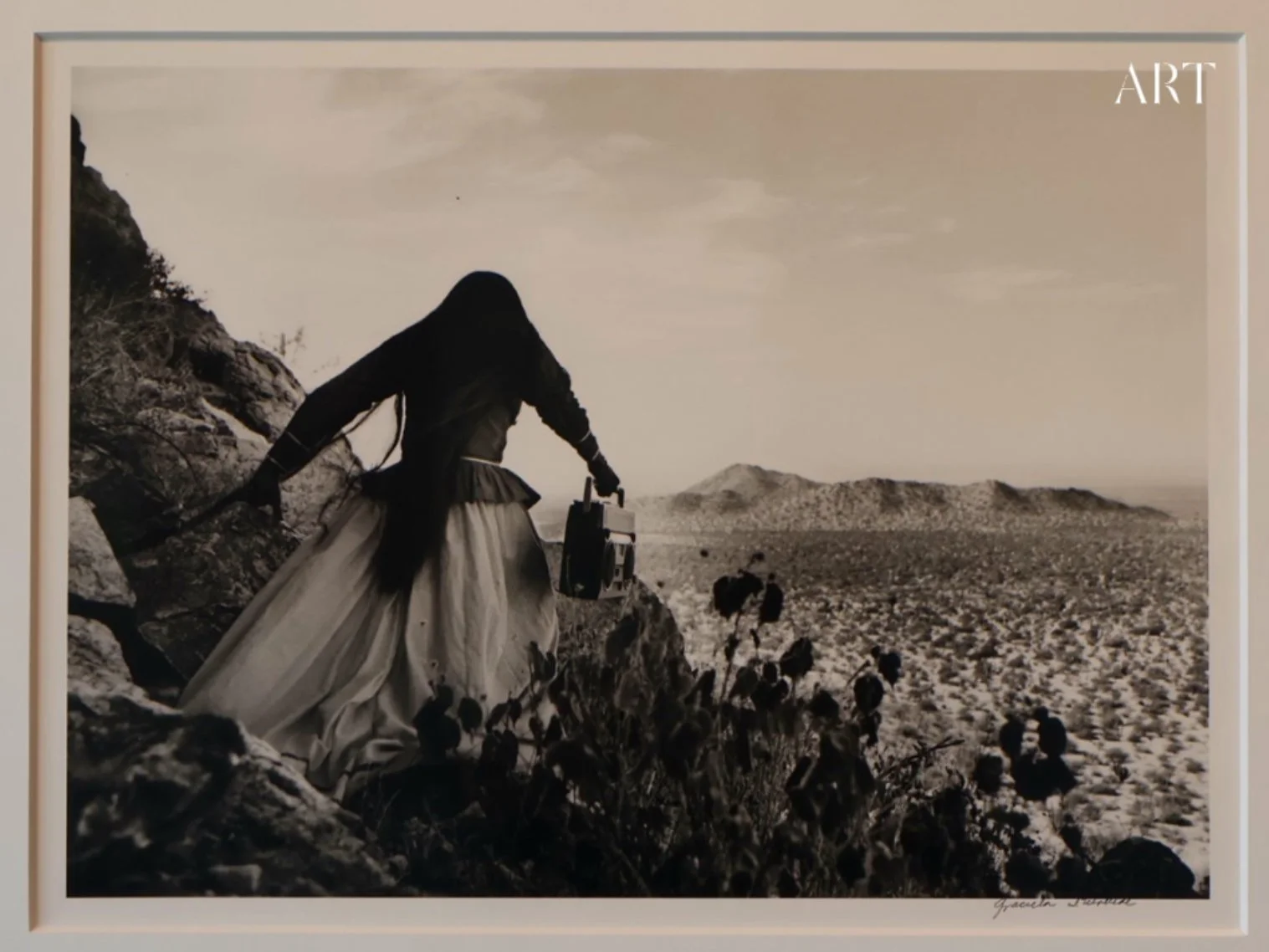
“Mujer Angel [Angel Woman]” Courtesy of Ruiz-Healy Gallery.
The photograph is one of the most reproduced images in the history of Latin American photography. Graciela Iturbide has been asked about it for forty-five years. She speaks about it with the characteristic blend of precision and resistance to interpretation that marks all her discussions of her own work: "I saw her. I saw that she was extraordinary. I made the photograph. What it means is what it has always meant to the people who look at it. I do not own the meaning. I made the image."
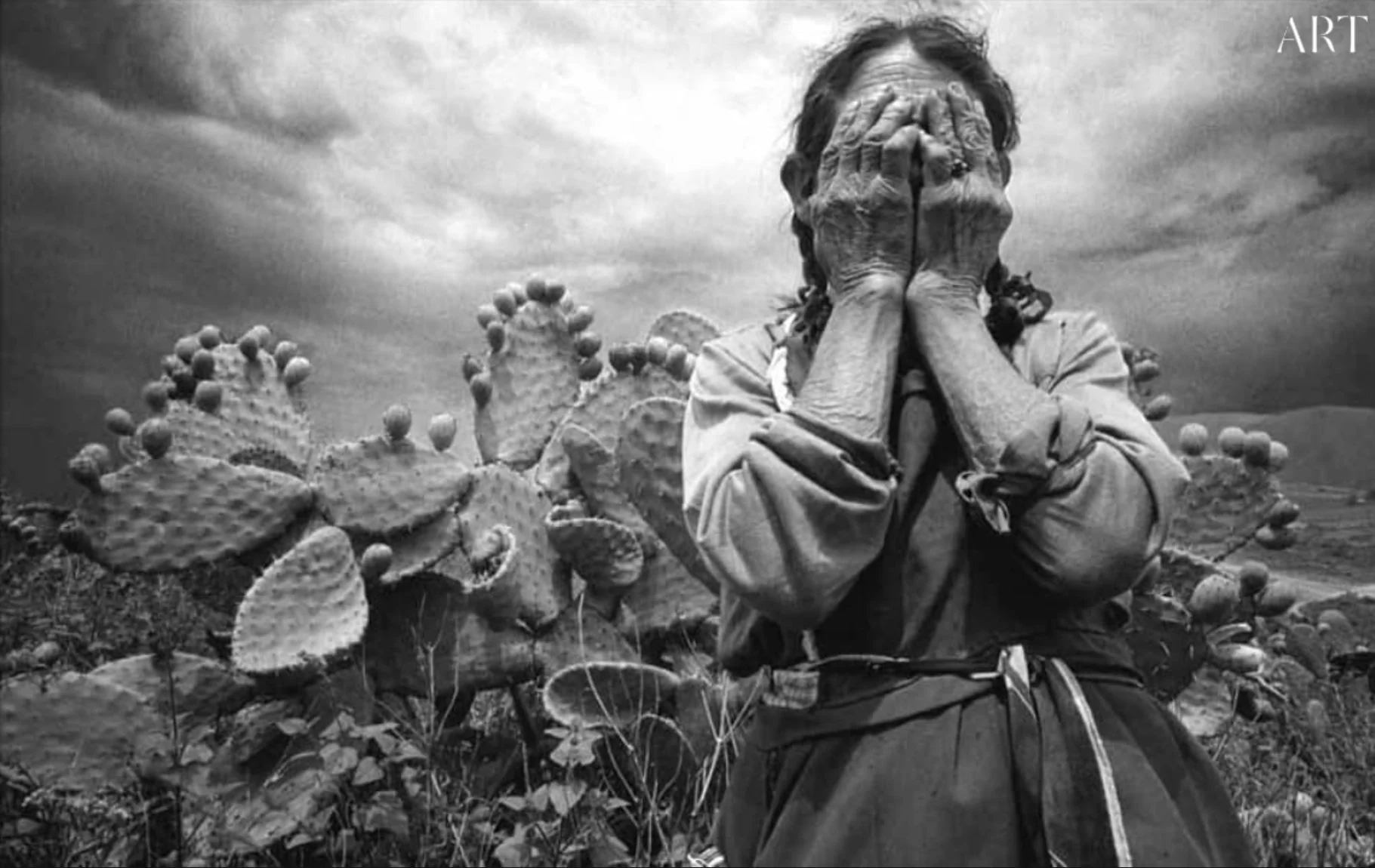
This position — that the photographer's relationship to meaning is custodial rather than authoritative — is not false modesty. It is a principled stance that has defined a practice spanning fifty years and encompassing some of the most important documentary and art photography produced anywhere in the world. Iturbide, at eighty, is still making work. She still uses a medium-format film camera. She still takes approximately two years between beginning a project and showing the results. She still walks into the communities she photographs rather than descending with equipment and assistants and a pre-formed aesthetic plan.
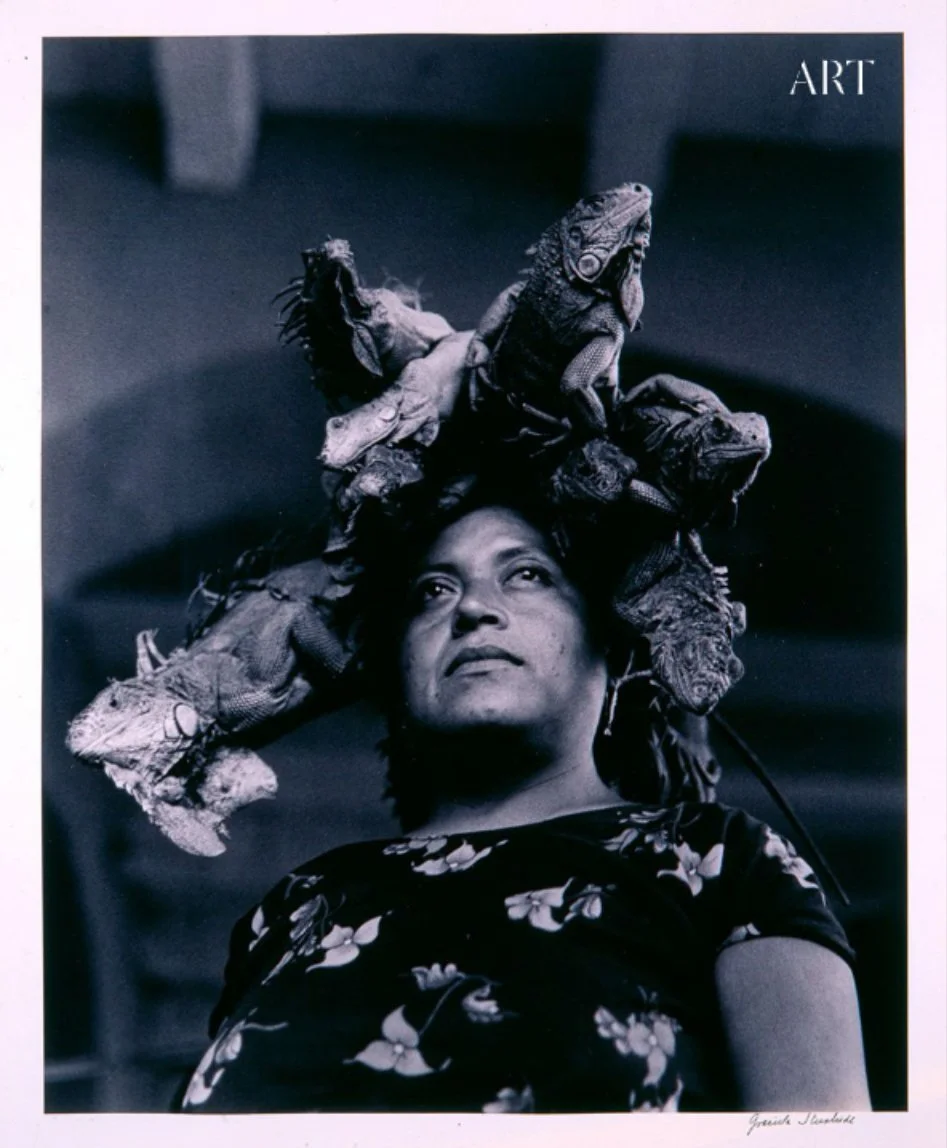
Nuestra Señora de las Iguanas (1979)
We met in her home in Mexico City, which is also her archive and her studio, in a neighborhood that has changed significantly in the thirty years she has lived there and which she discusses with the affectionate ambivalence of someone who has watched a place she loves become something she also mourns. The house is full of photographs — her own and others', pinned and framed and stacked with the organizational system of someone who thinks spatially, visually, in accumulations rather than sequences.
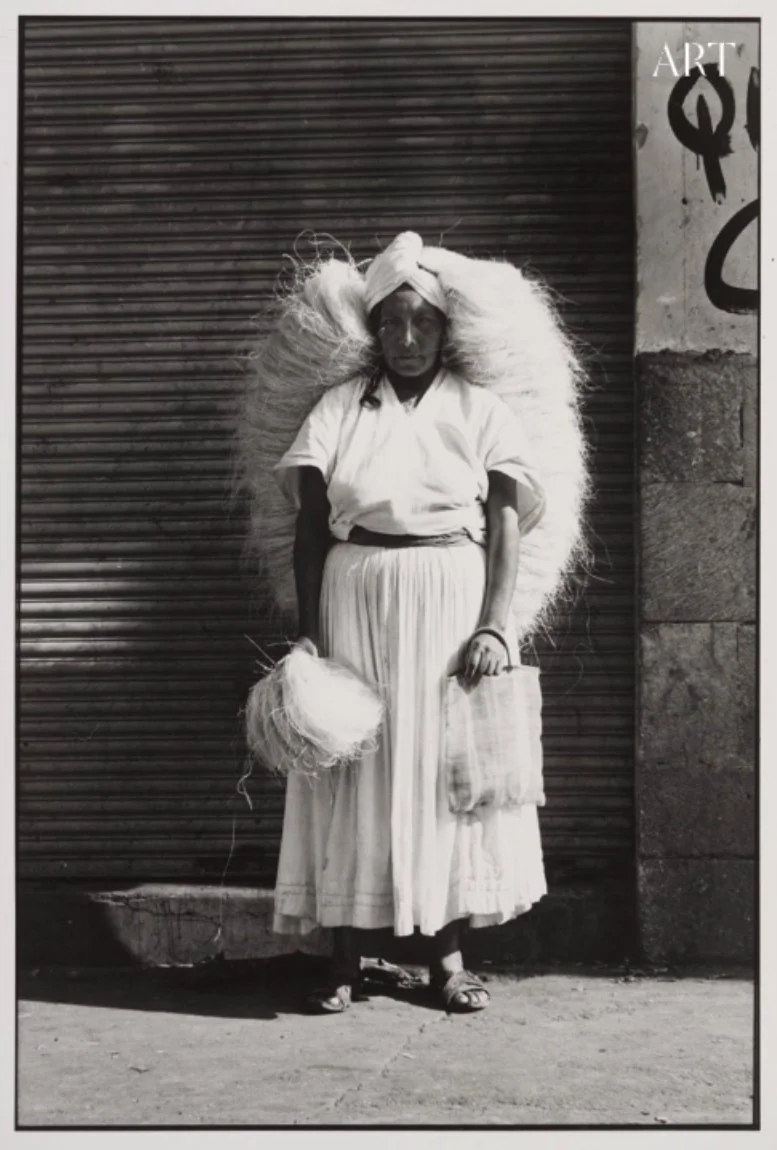
Aware
Her trajectory is improbable even by the improbable standards of great photography careers. She studied under Manuel Álvarez Bravo — who is, by general consensus, the greatest Mexican photographer of the twentieth century — and he sent her to Juchitán in the early 1970s. She went, came back with images that her contemporaries were not sure what to do with, went back again, spent a decade returning. The resulting body of work — eventually published as Juchitán de las Mujeres in 1989 — documented the Zapotec community of Juchitán not as an exotic other but as a civilization with its own internal complexity, its own aesthetic sensibility, its own female authority that was, by every measure she could find, as sophisticated as anything she had encountered in Mexico City.
This was, in 1979 and for some time thereafter, politically and photographically radical. The tradition of documentary photography of indigenous Mexican communities had been, with honorable exceptions, a photography of the observed by the observer — the sophisticated urban camera pointed at the rural, the archaic, the picturesque. Iturbide's work from Juchitán proposed something different: that the community was not the subject of the camera but its co-author, and that the photographer's task was to be worthy of that collaboration.
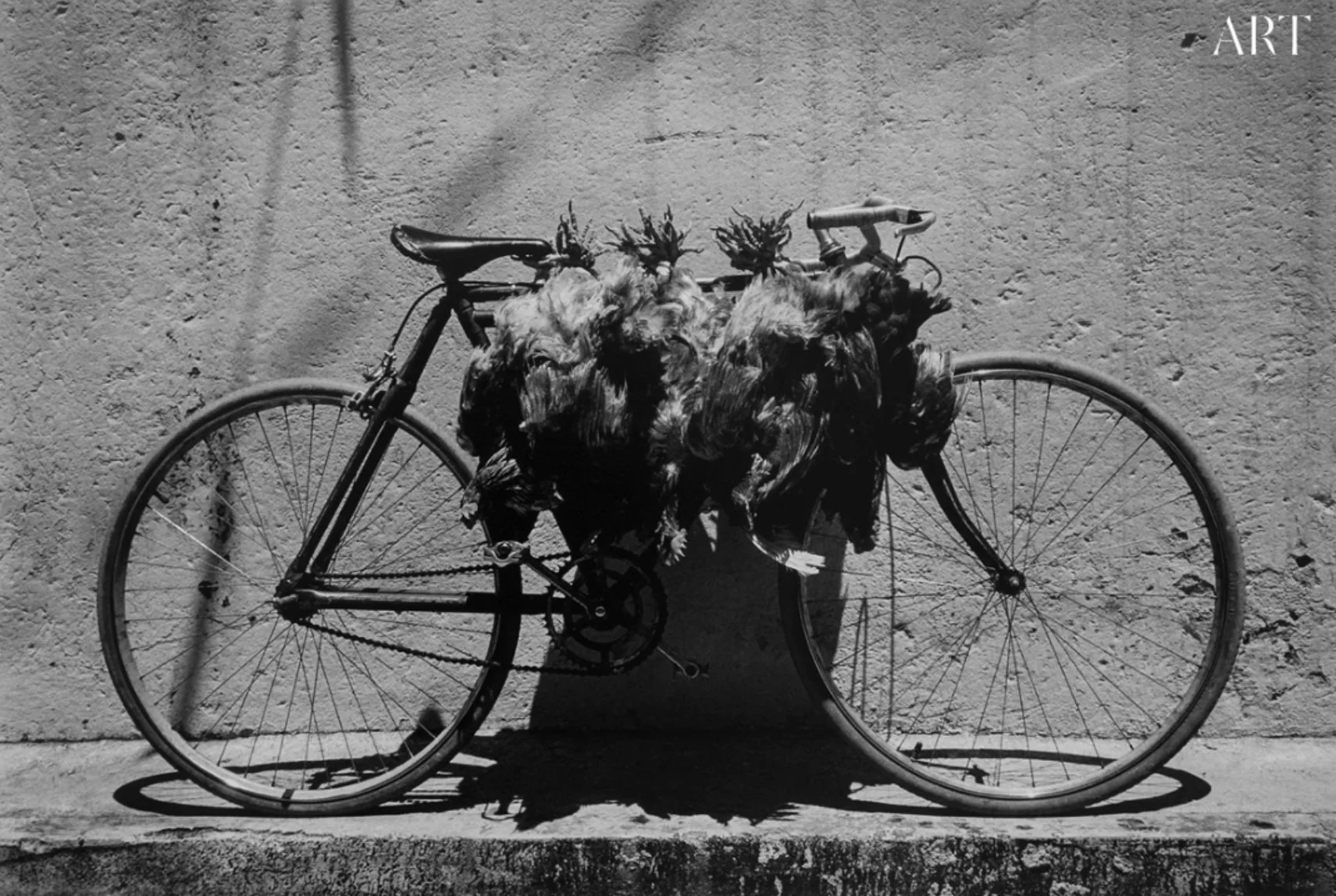
The art of seeing Mexico
"I spend a lot of time before I take a photograph," she says. "Sometimes months, in a place, before I take a single image. I need to understand what I'm seeing. Not in the way a journalist understands — quickly, in outline. I need to understand the interior. What it feels like to be in this place, in this community. What the light means here. What the silence means. That understanding is not available quickly."
The work that followed Juchitán extended this method to the cemeteries of Oaxaca, the Seri people of Sonora, the Mexican-American border, the personal territory of her own body after a cancer diagnosis in the late 1990s. Each project is formally different — the Seri work is harsher, more elemental; the border photographs are darker and more politically explicit; the self-portraits are intimate in a way that the community work is not — but they share a quality of earned access. You feel, in every image, that the photographer had the right to be in this moment.
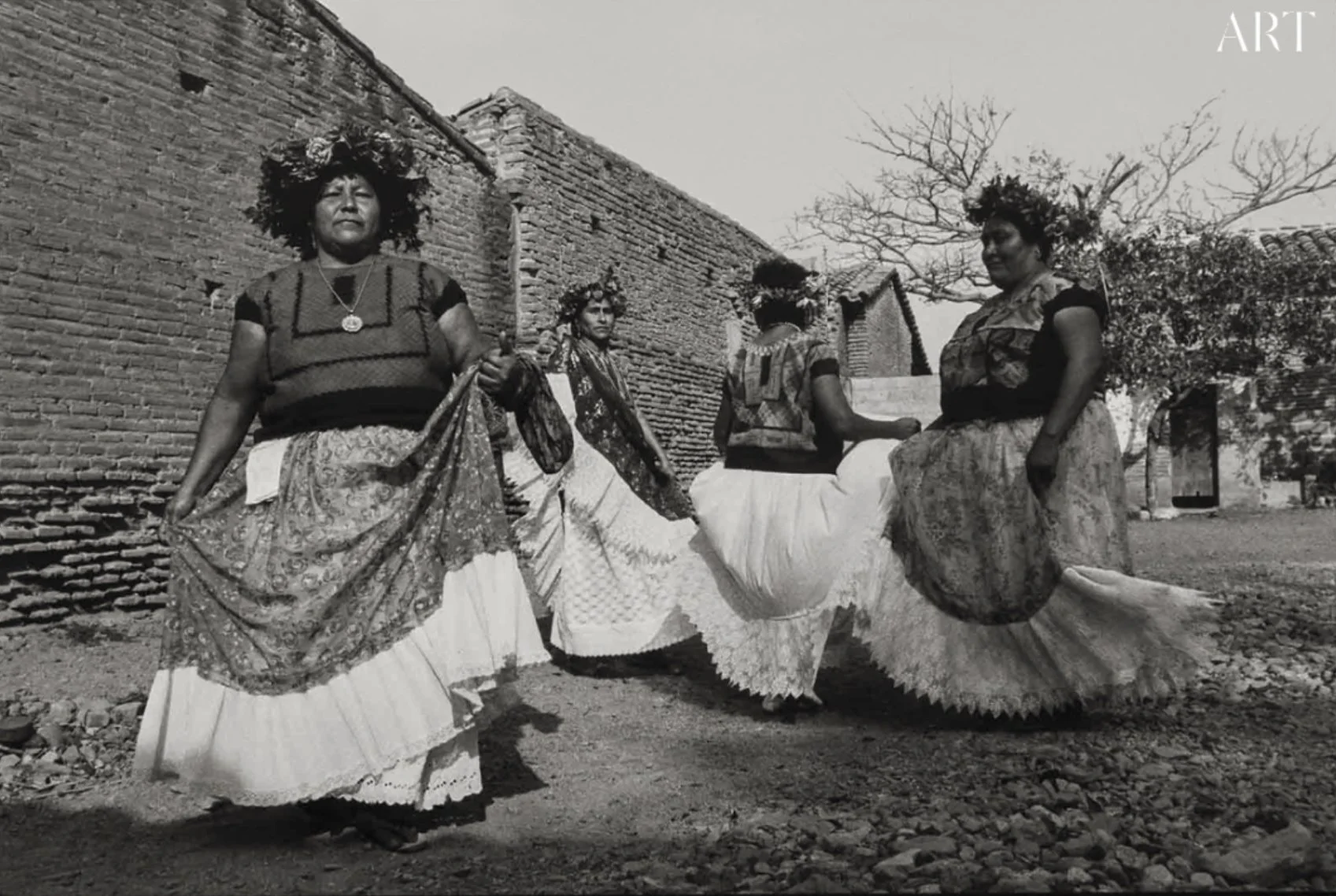
Cultural memory archive
She speaks about photography's relationship to time with a thoughtfulness that has developed, clearly, over decades of making images that are still being discovered: "A photograph is always a lie about time. It says: this is a moment. But the moment is part of a flow that the photograph interrupts. What I try to do is find the photograph that carries the flow within it — that shows the moment but also shows the history that produced it and the future that will follow from it. This is not always possible. But it is always what I am looking for."
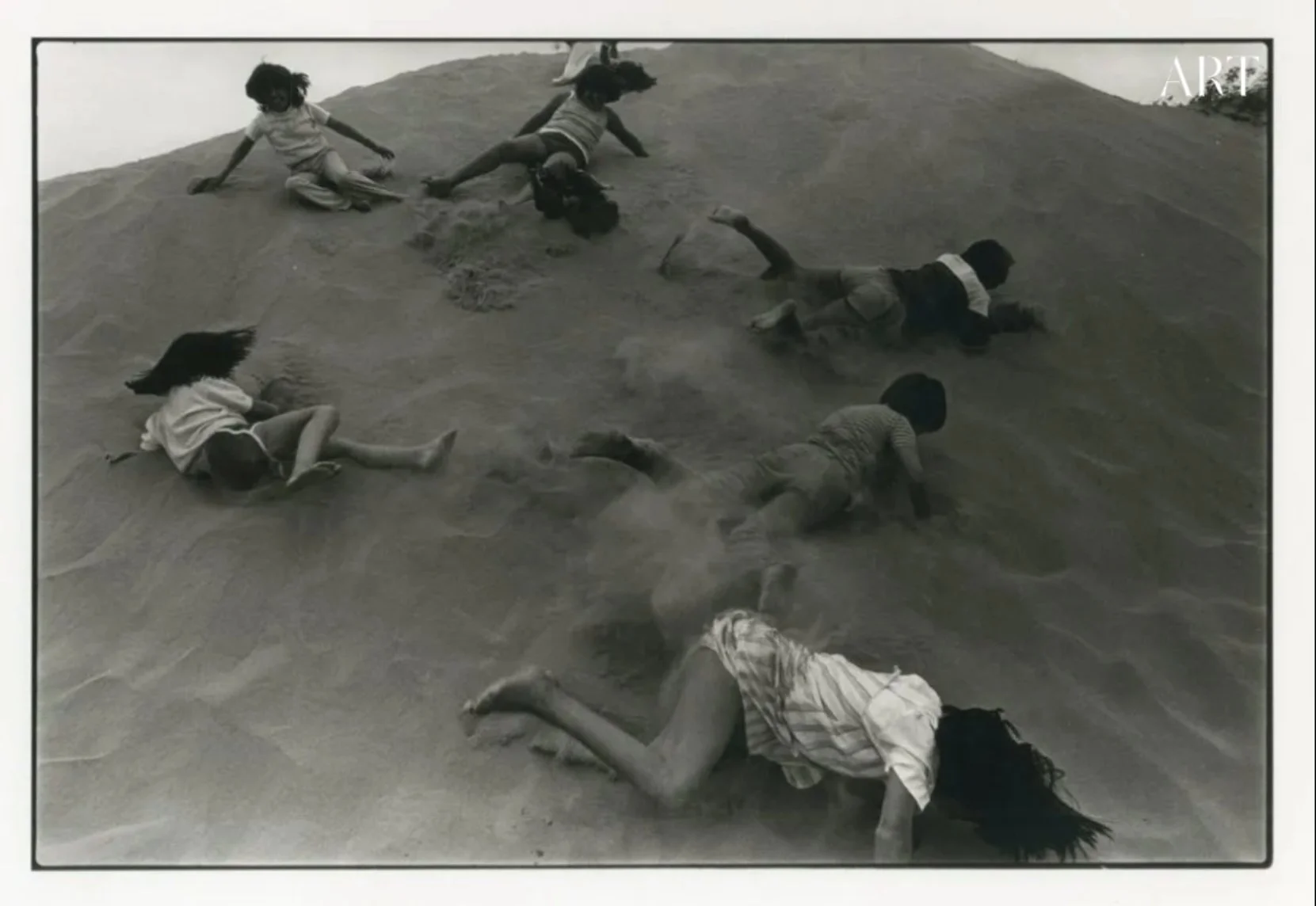
Graciela Iturbide, El Primer Día del Verano (1982)
The new work, which she describes only in outline, continues the project that has defined her practice from the beginning: the investigation of what Mexico is — not the Mexico of nationalism or of tourism or of the global imagination, but the Mexico that continues to exist beneath all of these, carrying five thousand years of complicated and extraordinary human life.
She is, she says, nowhere near finished.
BY OONA CHANEL
