

Adjaye Associates and the Question of Who Gets to Design Cultural Monuments
David Adjaye was the first Black architect named on the Time 100 list. He designed the Smithsonian National Museum of African American History and Culture. His career has been interrupted by serious personal allegations. What his practice is, what the allegations mean for architecture, and what happens to the buildings.
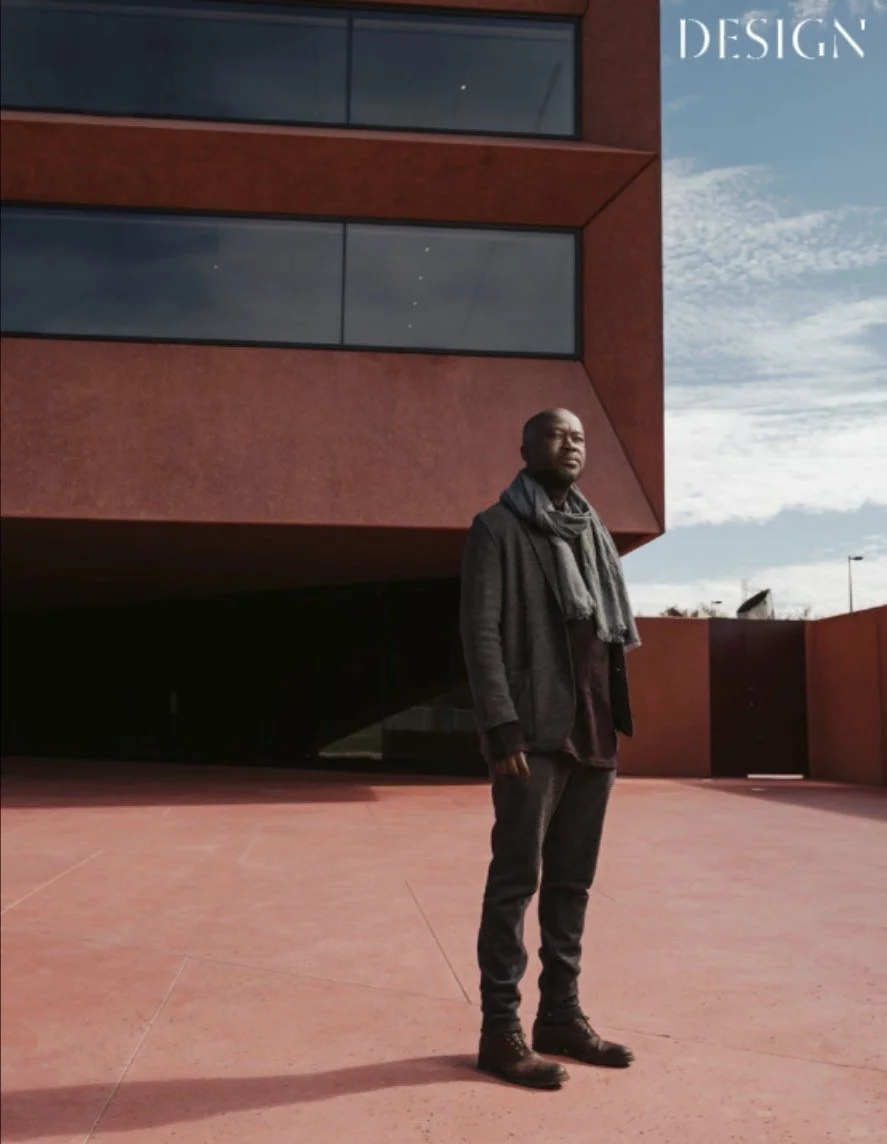
“The buildings are extraordinary. The circumstances are serious. Both things are true — and the architecture conversation needs to be able to hold both without collapsing either into the other. The attempt to resolve the tension by denying one side of it is the only thing that would actually dishonour both the work and the allegations.”
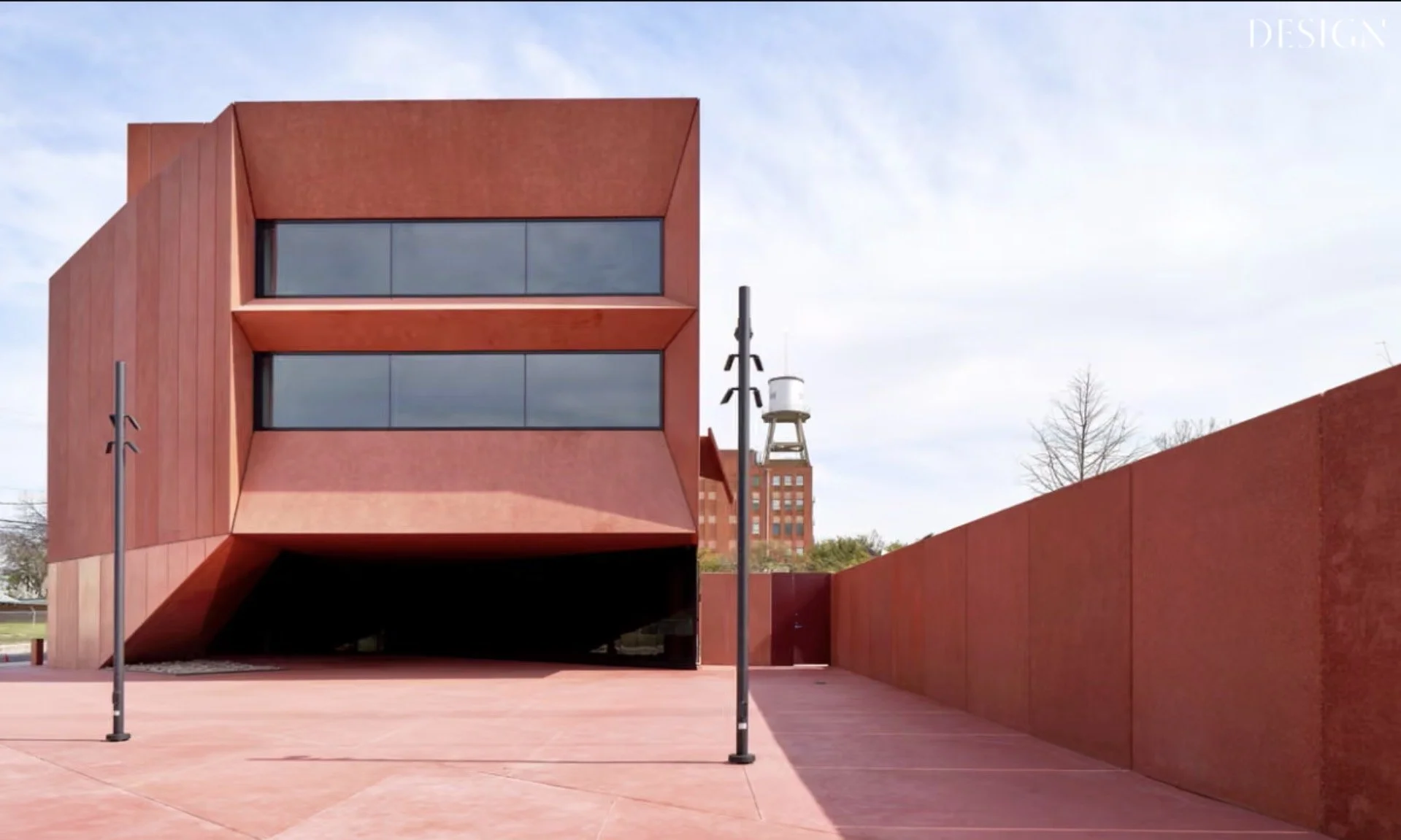
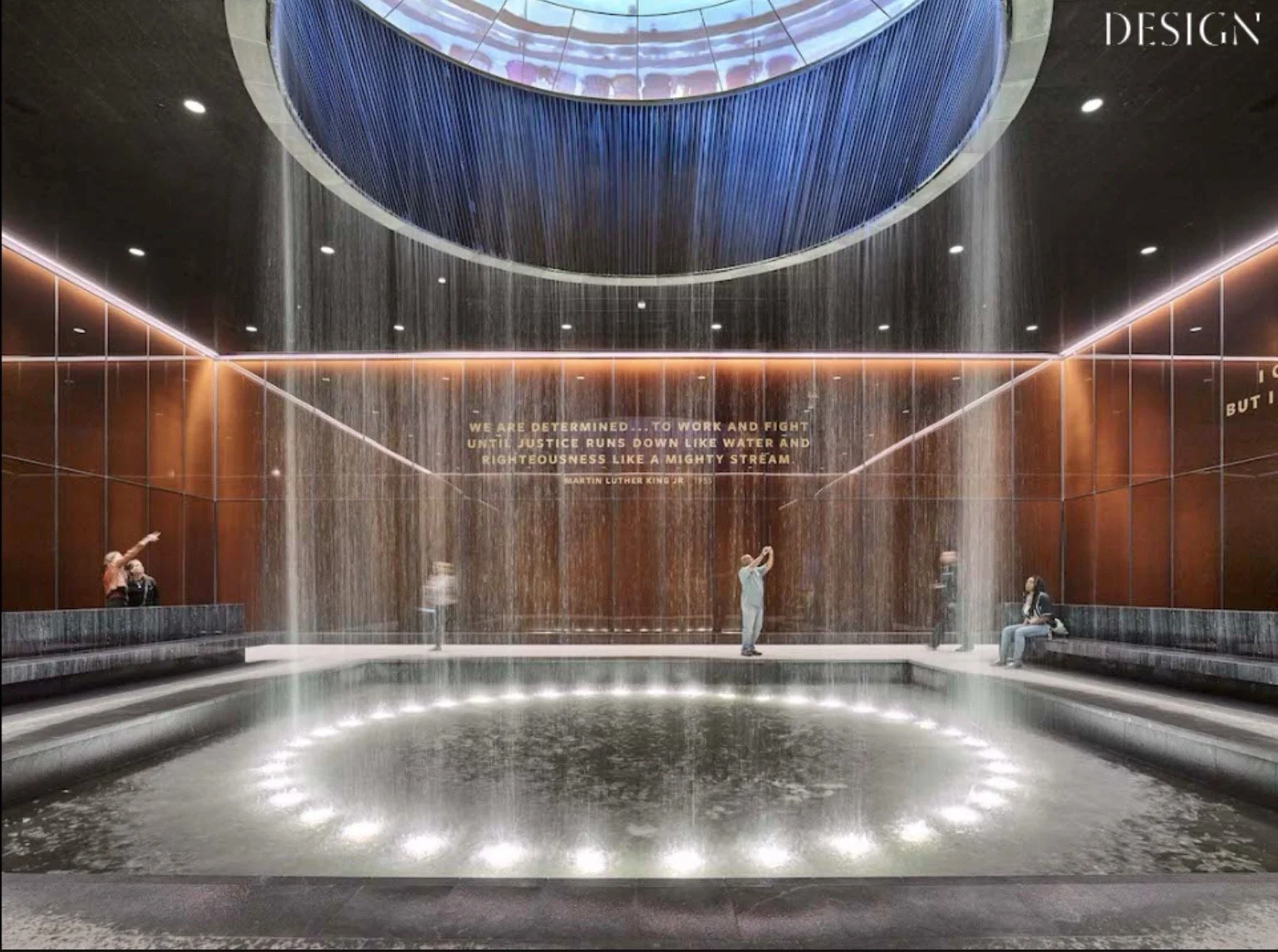
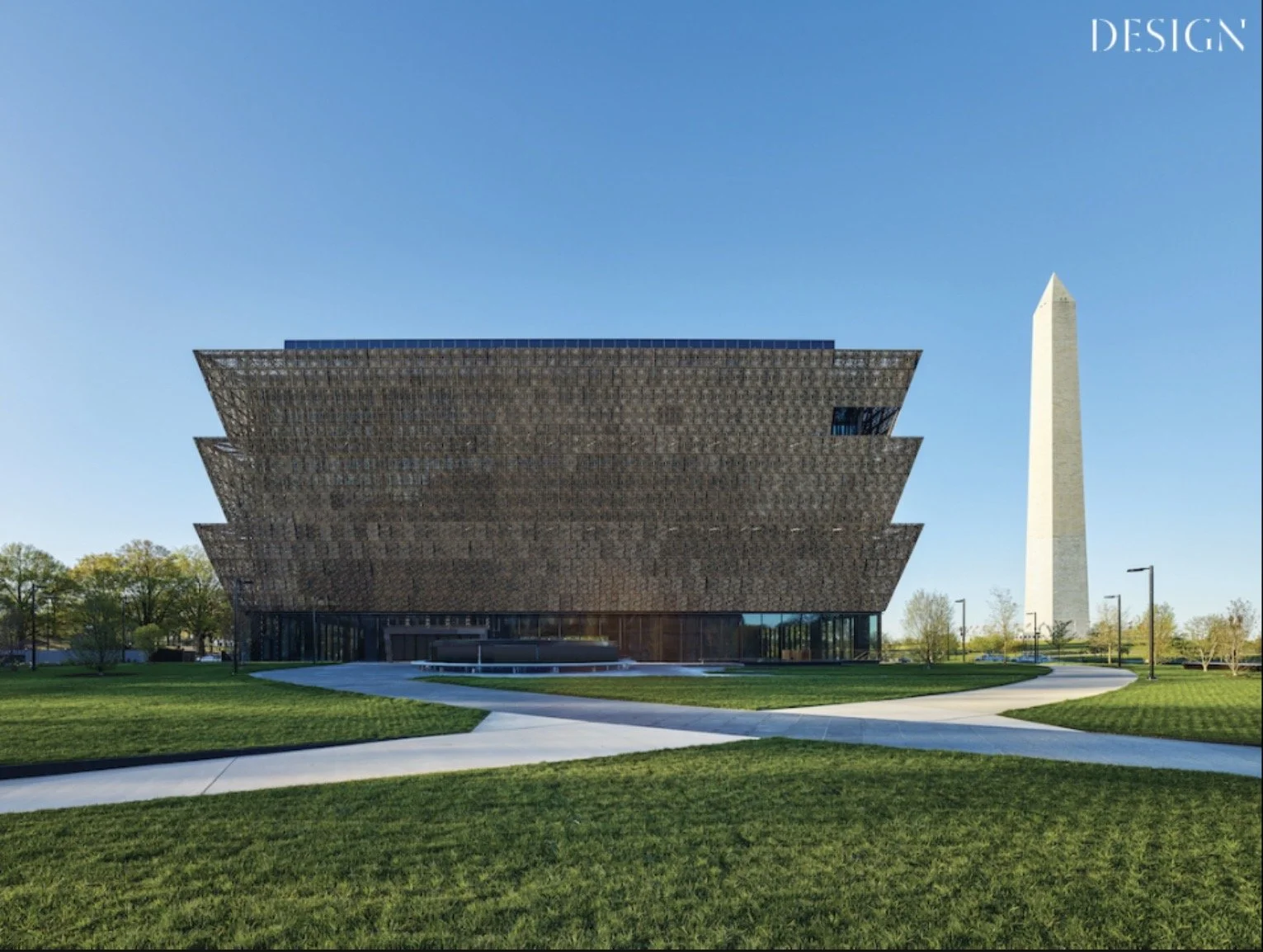
The National Museum of African American History and Culture, which opened on the Mall in Washington DC in September 2016, is the most visited museum in America in the years since its opening. It is also, by a considerable formal margin, the most architecturally significant building constructed in Washington in the twenty-first century. The three-tiered Corona structure — its exterior bronze-coloured aluminium panels referencing the ironwork of the antebellum South made by enslaved craftspeople, its orientation toward the Washington Monument and the Capitol deliberate and loaded, its interior spatial sequence beginning underground with the history of slavery and ascending toward contemporary Black cultural life — is a building making an argument with every design decision.
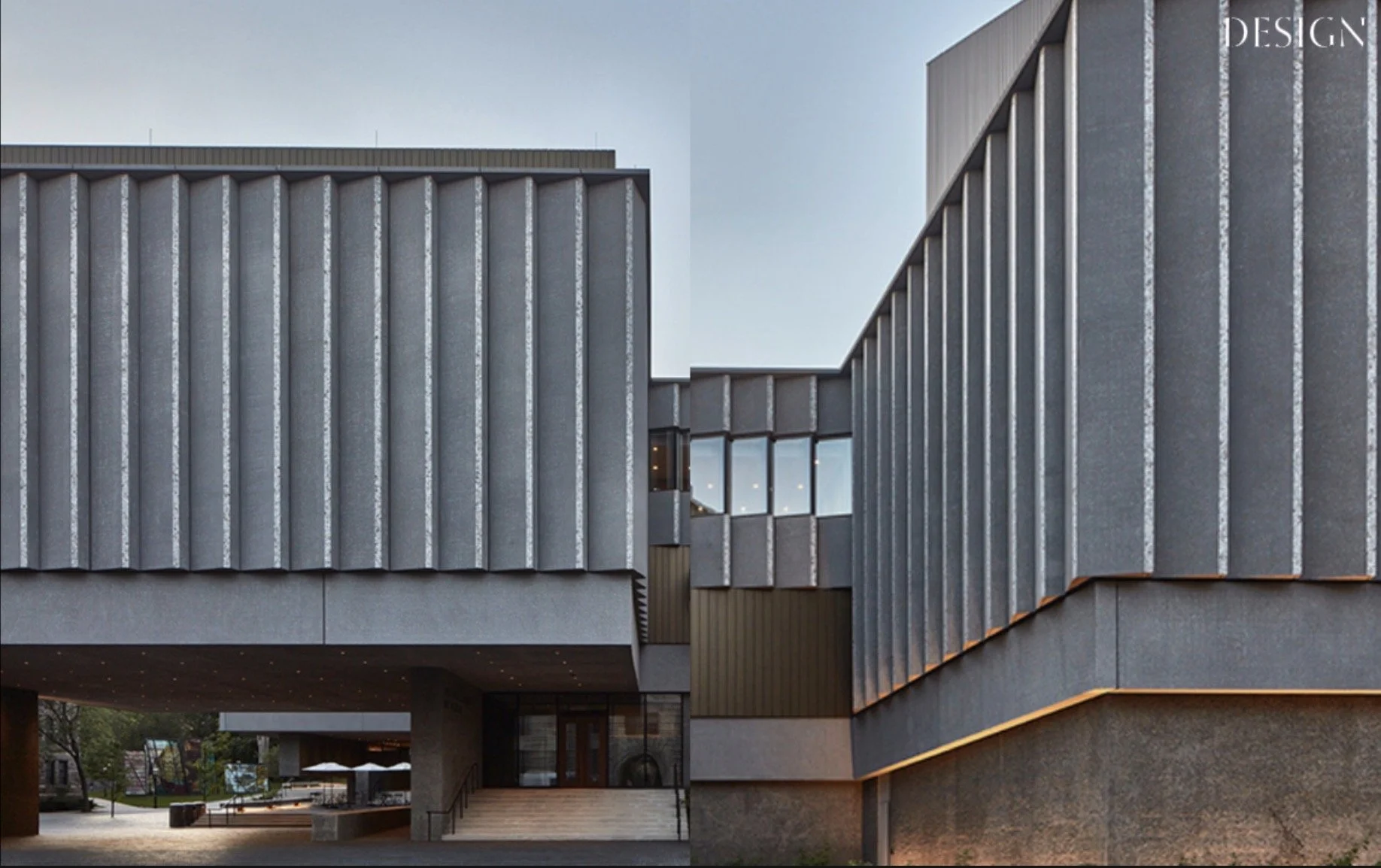
Adjaye was born in Tanzania in 1966 to Ghanaian diplomat parents, grew up across Africa and the Middle East, and trained at the Royal College of Art in London. He founded Adjaye Associates in 2000 and built a practice around commissions that other architecture offices were not receiving: cultural buildings and civic structures for clients and communities that the profession’s standard commercial relationships had historically underserved. The Sugar Hill Development in Harlem — affordable housing with a children’s museum, a Head Start programme, and a permanent art collection — is the most specific available statement of his design values at the residential and community scale.
In 2023, a series of allegations of sexual misconduct were made against him by multiple women, including architects and employees, in investigative reporting published in The Guardian, the Financial Times, and The Architectural Review. He denied the allegations. Adjaye Associates’ board placed him on a temporary leave of absence. Several major commissions were put on review. The profession’s response was divided in the way that professional responses to allegations against major figures are always divided.
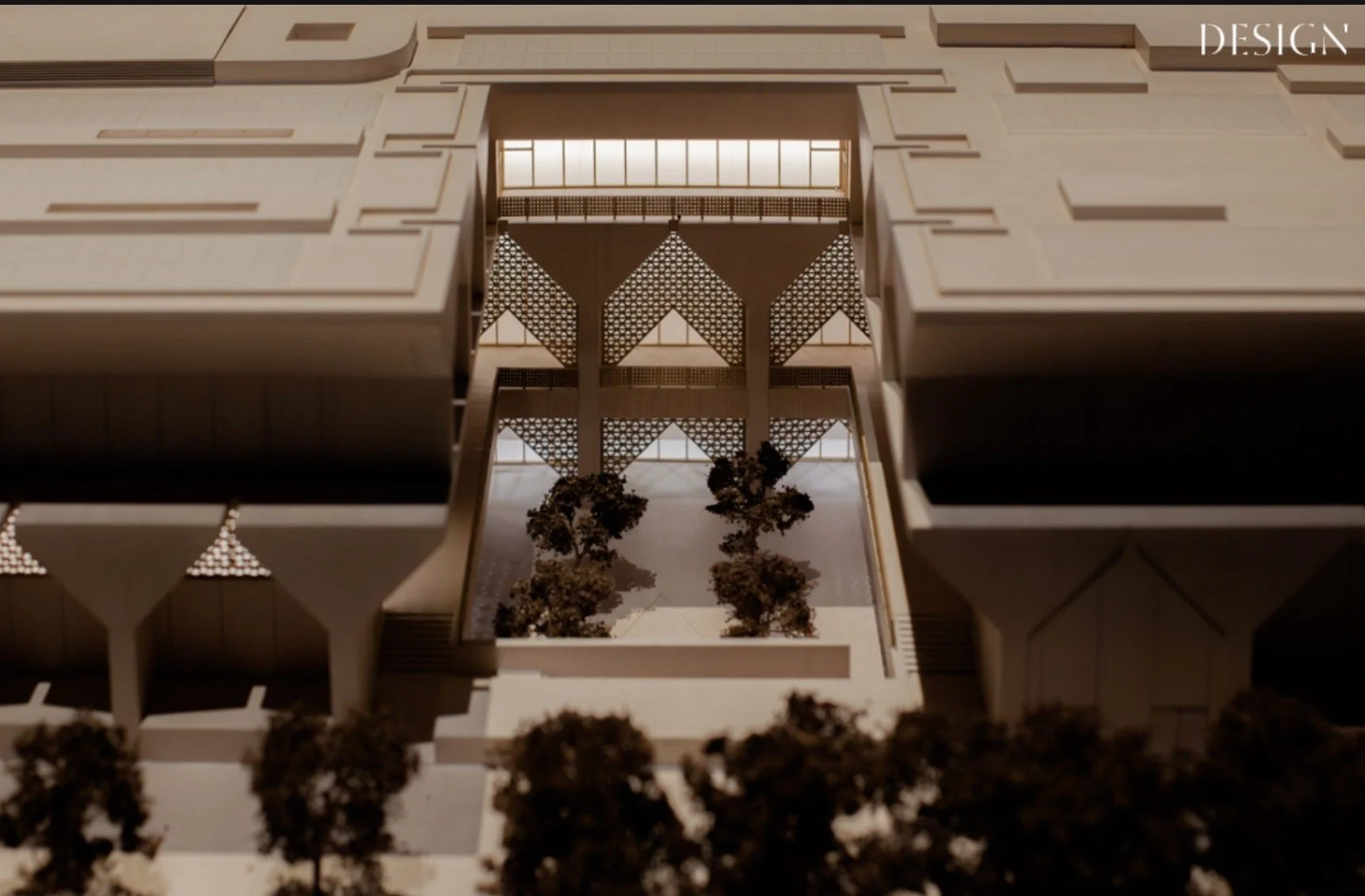
The architectural and cultural question this produces is one that the profession has not yet developed adequate frameworks for addressing. The buildings exist. The museum is there and will be there for centuries. The question of whether a building can be fully appreciated without reference to who designed it — and whether that question is different for a building whose entire programme is built around the history of a people whose exploitation by powerful figures is central to the story it tells — is not a question that has a comfortable answer.
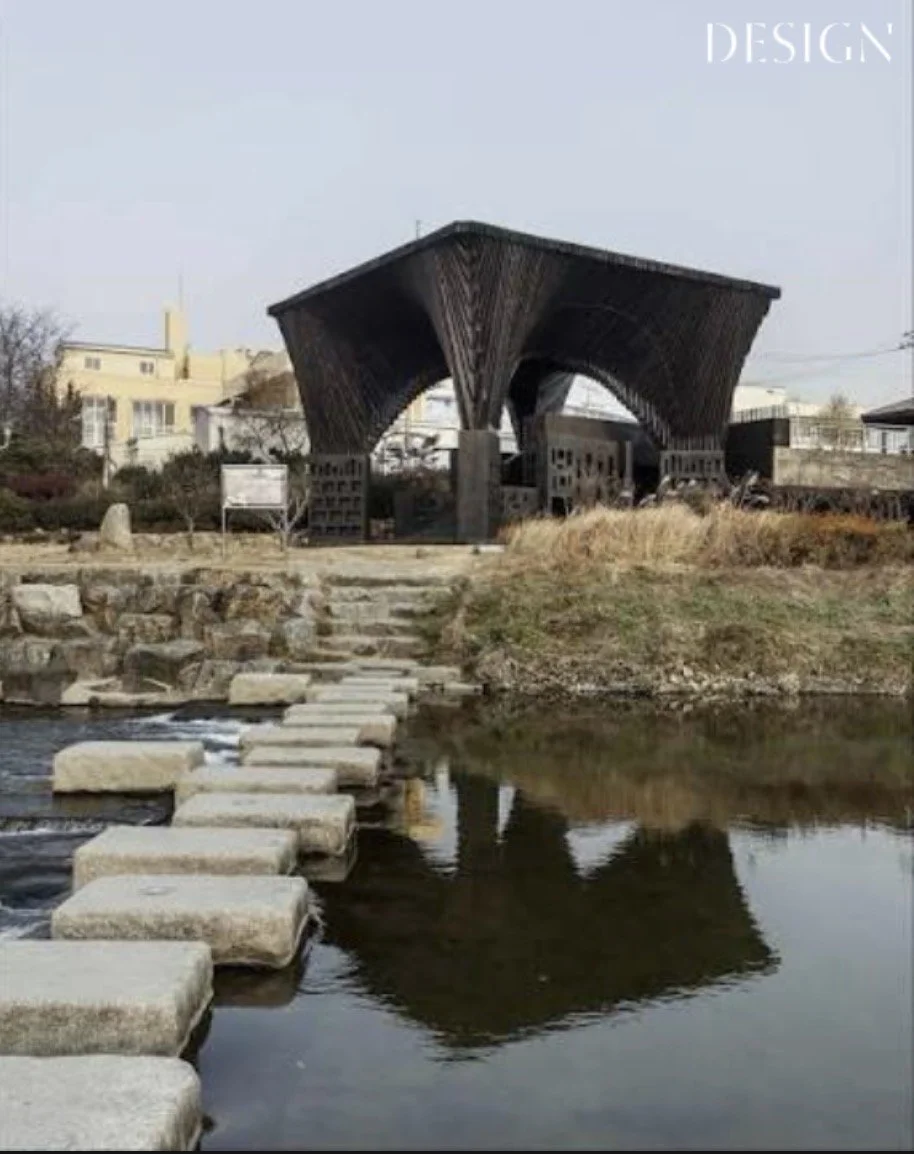
The practice has continued under the direction of its partners and principals, completing several projects initiated before the allegations and bidding for new work. The Adjaye Associates design for the Holocaust Memorial Museum extension in Washington — a commission received after the 2016 NMAAHC opening — is the most significant ongoing project. Its continuation raises the same questions the profession is not consistently answering.
What this article will not do is resolve those questions. They are not resolvable in the space of a magazine article, and the attempt to resolve them would be dishonest about the genuine complexity of the cultural and legal situation. What it will do is describe a practice whose contribution to the architecture of institutions — and specifically to the architecture of institutions built to house and honour the culture of people who have historically been excluded from cultural monuments — is singular in its formal intelligence.
The buildings are extraordinary. The circumstances are serious.
Both things are true, and the architecture conversation needs to be able to hold both without collapsing either into the other.
BY OONA CHANEL
